




Uncovering The Hidden Gems Of Cozumel Flea Markets
By Tom Seest
At TopCozumelNews, we help travelers enjoy Cozumel by collating information learned from frequently traveling to beautiful Cozumel.
Be sure to read our other related stories at TopCozumelNews to learn more about the Island of Cozumel.
What Should You Haggle for At Cozumel Flea Markets?
When you stroll into a flea market in Cozumel, it’s easy to feel like a kid in a candy store; vibrant colors, lively sounds, and tempting aromas fill the air. But beyond the initial thrill lies an opportunity to engage with the local culture and economy in a way that can truly enrich your experience. So, what should you haggle for? Let’s break it down.
First on the list is handmade crafts. From intricate jewelry to woven textiles, these items tell a story—stories woven by local artisans who pour their heart into every piece. When you haggle for something unique, you’re not just negotiating a price; you’re connecting with the spirit of Cozumel. Each piece carries the essence of the island, making your purchase not just a transaction but a heartfelt connection.
Next, think about culinary delights. Spices, condiments, and local goodies are ripe for haggling and provide a taste of Cozumel that you can take home. Bargaining here doesn’t just save you a few pesos; it’s a chance to engage in ethical travel. Supporting local vendors keeps their traditions alive, fostering a community that thrives on connection rather than commodification. When you hand over your hard-earned cash, you’re ensuring that the flavors of this island continue to be shared for generations to come.
Now, let’s talk about souvenirs—those little tokens of your journey. But not just any souvenirs; look for locally made ceramics or hand-painted trinkets that resonate with you. Haggling for these items isn’t merely about getting a deal. It’s about finding a piece of Cozumel that speaks to your gut, something that embodies the memories you’ve made. Each item is a reminder of your adventures, making your home feel a little more like Cozumel every time you look at it.
Finally, don’t overlook the experience itself. The act of haggling is a dance, a chance to engage and connect with the sellers, often an older generation with stories that could fill books. By negotiating, you honor their trade, appreciate their craft, and become part of a social tapestry that stretches back through time.
So, as you navigate the lively stalls of Cozumel, remember: it’s not just about what you buy but about the relationships you forge, the cultures you honor, and the memories you create. Embrace the haggling process, trust your instincts, and let the spirit of Cozumel fill your heart. The adventure is waiting—go claim it!

What Should You Haggle for At Cozumel Flea Markets?
What Should You Haggle for At Cozumel Flea Markets?
- Cozumel’s flea market offers vibrant colors, lively sounds, and tempting aromas, creating an enriching experience.
- Handmade crafts, like jewelry and textiles, connect buyers to local artisans and the essence of the island.
- Culinary delights such as spices and condiments promote ethical travel and support local vendors, preserving traditions.
- Locally made souvenirs, like ceramics and trinkets, serve as memorable tokens of your journey.
- The haggling process allows for engagement with sellers, often older locals with rich stories to share.
- Purchasing items emphasizes relationships, cultural respect, and the creation of lasting memories.
- Embrace the adventure of haggling in Cozumel for a deeper connection to the island’s spirit.

What Should You Haggle for At Cozumel Flea Markets?
Table Of Contents
- What Should You Haggle for At Cozumel Flea Markets?
- What Unique Treasures Can You Find At Cozumel Flea Markets?
- How Can Haggling Lead To A More Memorable Shopping Experience?
- Why Is Personal Connection Important When Negotiating Prices?
- How Do You Determine A Fair Price For Handcrafted Goods?
- What Stories Do Local Vendors Share About Their Products?
- How Can Haggling Empower Both Buyer And Seller In A Marketplace?
- How Does Supporting Local Artisans Impact The Community Positively?
- Conclusion
- Other Resources
- Glossary Of Terms
- Other Questions
- Haiku
- Poem
- Checklist
What Unique Treasures Can You Find At Cozumel Flea Markets?
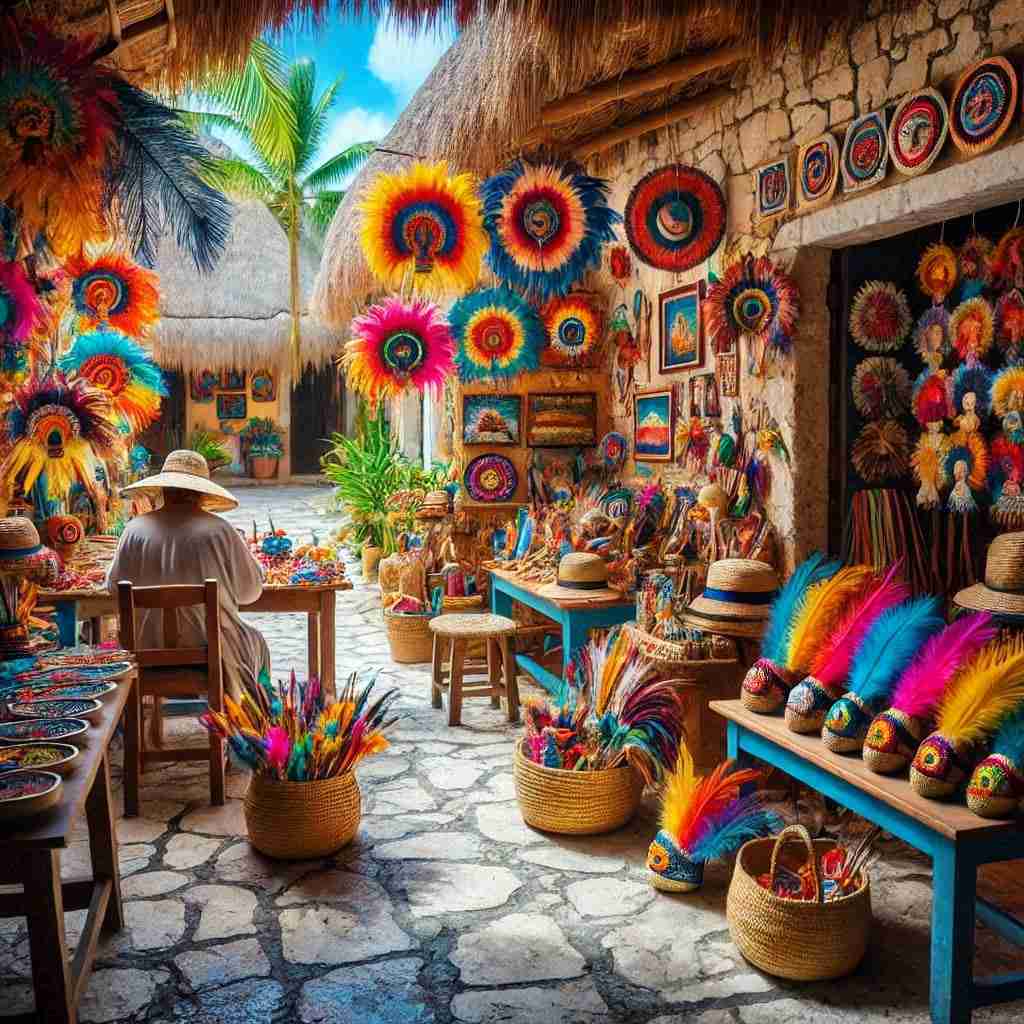
When you wander through the bustling markets of Cozumel, you’re not just shopping; you’re participating in a vibrant dance of culture and community. Each stall is a portal into the rich tapestry of local life, where you can uncover unique treasures that speak to the heart, head, and gut of both locals and travelers alike.
Picture this: colorful handcrafted textiles that tell stories of artisans who poured their soul into every thread. Each piece—be it a striking tapestry or a delicate piece of clothing—isn’t merely fabric; it’s a declaration of love and tradition, passed down through generations. When you wrap yourself in one of these creations, you might just feel the warmth of the community that produced it. It’s a tangible connection to the spirit of Cozumel.
Venture deeper into the narrow alleys lined with shops, and you’ll encounter stunning jewelry crafted from local materials. These gems aren’t just adornments; they symbolize the island’s natural beauty and the skill of those who have worked tirelessly to transform nature’s gifts into wearable art. This isn’t about a random purchase; it’s about investing in something that carries a story—a story you will be proud to share with friends and family, making you a bridge between Cozumel’s rich culture and your own life.
But it’s not just about the treasures you can carry home. There’s also an ethical element at play. By buying from local artisans, you’re nurturing the economy that supports families and communities. You’re not just a tourist; you’re a participant, a supporter of sustainable practices that honor tradition and encourage future generations to keep their crafts alive. This alone can inspire a gut feeling of pride and responsibility—a deep-rooted need to stand behind something worthwhile.
What’s more, as you barter with a local vendor over a handcrafted item, you’re engaging in the age-old ritual of human connection. In our fast-paced world, moments spent sharing laughter and stories might just be the rarest treasure of all. These interactions create a sense of belonging—a reminder that, despite our differences, we all seek connection and understanding.
So, when you step into the vibrant markets of Cozumel, remember: you’re not just shopping. You’re embarking on a journey that enriches both the mind and the heart, weaving your own narrative into the ever-evolving story of this beautiful island. Grab that treasure, and let it serve as a reminder of your adventure and the vibrant people who made it possible.
What Unique Treasures Can You Find At Cozumel Flea Markets?
What Unique Treasures Can You Find At Cozumel Flea Markets?
- Exploring Cozumel’s markets offers a blend of shopping with cultural immersion.
- Each handcrafted item reflects the artisans’ dedication and local traditions.
- Artisan textiles and jewelry convey stories and connect buyers to the island’s spirit.
- Purchasing local crafts supports the economy and sustains community traditions.
- Engaging with vendors fosters human connections through sharing stories and laughter.
- Bartering in the markets emphasizes the importance of connection in our fast-paced lives.
- Visiting these markets enriches both personal experience and the narrative of Cozumel.
What Unique Treasures Can You Find At Cozumel Flea Markets?
How Can Haggling Lead To A More Memorable Shopping Experience?
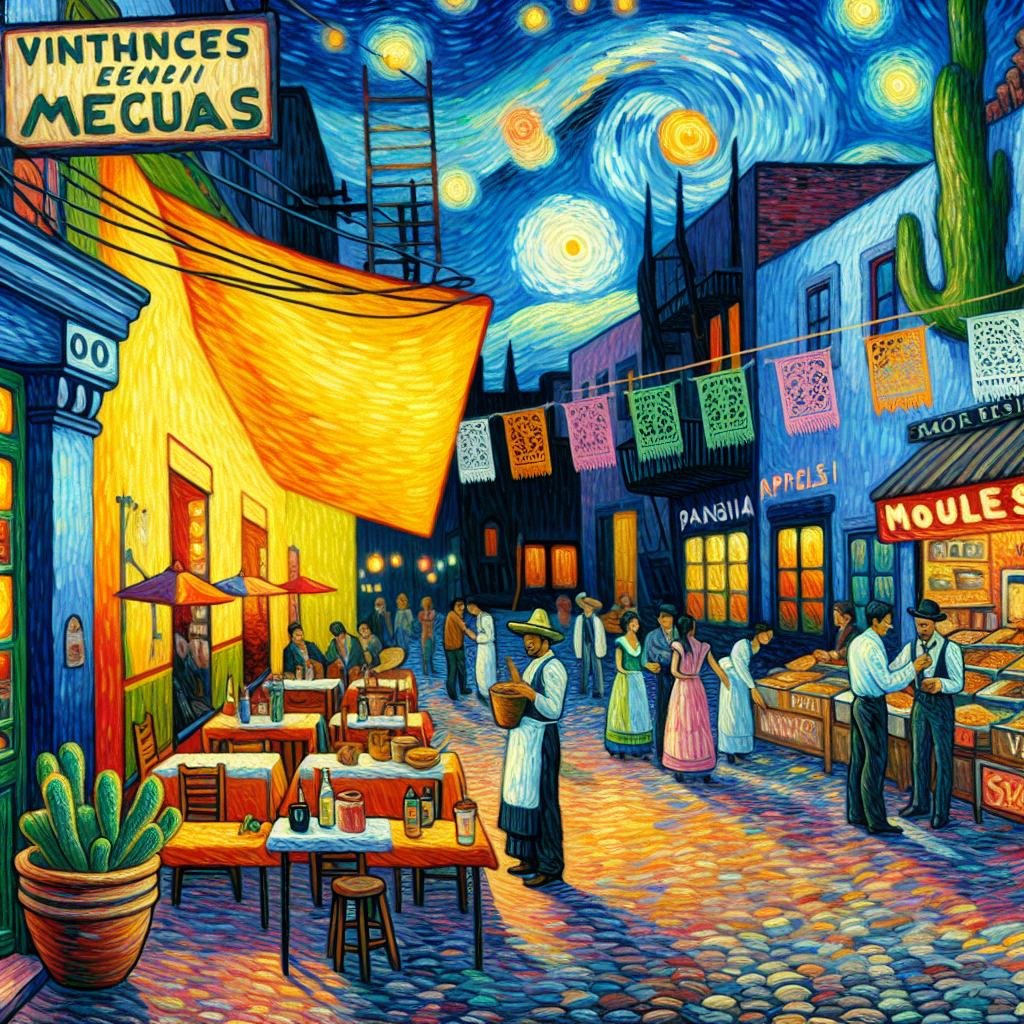
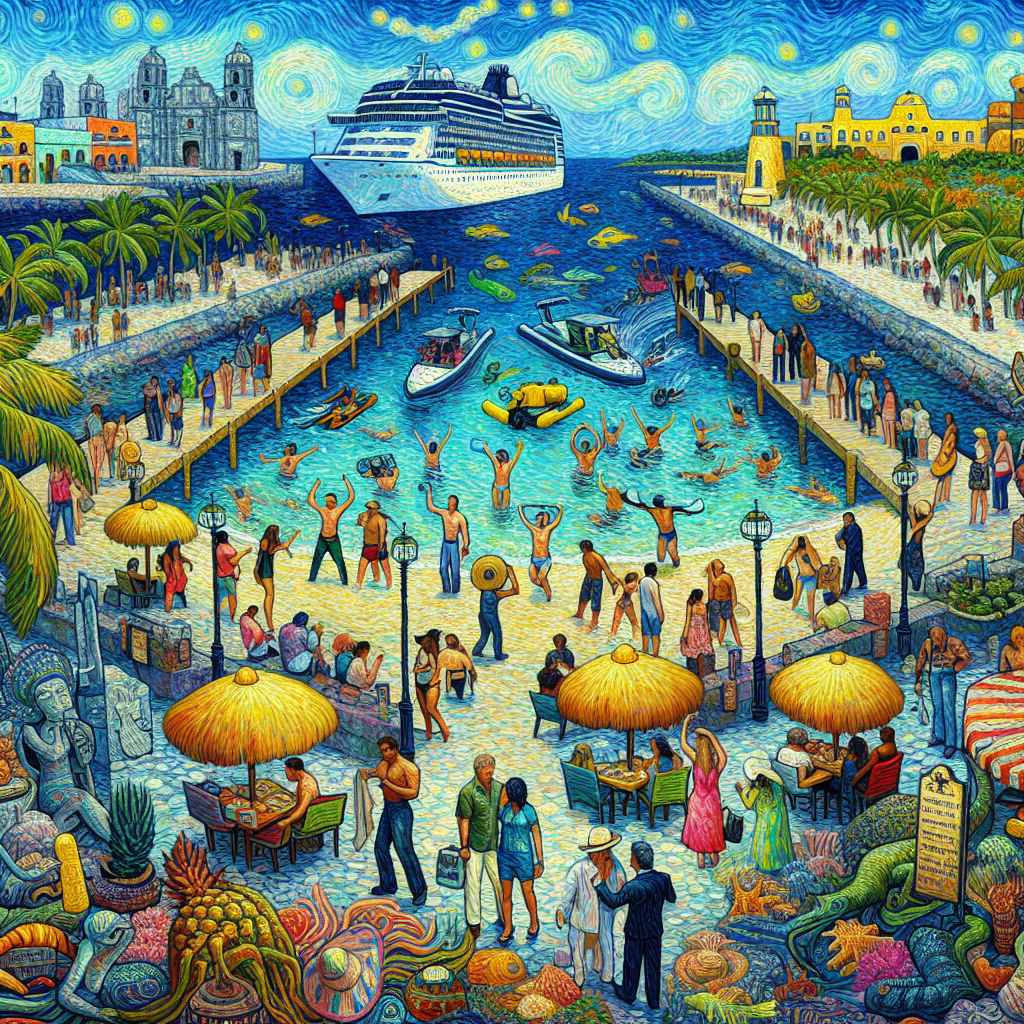
Haggling is more than just a negotiation over price; it’s a dance—an age-old ritual that transforms ordinary shopping into a vibrant exchange of cultures and human connection. Picture this: you’re in the lively markets of Cozumel, surrounded by colors, voices, and the unmistakable scent of local delicacies. You pick up a stunning handwoven bag, its fibers echoing the craftsmanship of generations. The vendor flashes a smile, and suddenly, you’re not just a tourist; you’re a participant in a story shared across time and space.
When you engage in haggling, you’re not just trying to secure the best deal; you’re actively creating a memorable experience. Each exchange of words, every laugh shared, builds a bridge of understanding. Those moments transcend the transactional and touch the human spirit. You learn about the vendor’s life, their craft, and the countless hours woven into each piece. You are contributing to their livelihood—not merely taking away a product but forming a relationship that can last a lifetime.
Now, let’s get practical. Haggling sharpens your instinct for value. It sharpens your ability to assess worth—both of products and of interactions. As you gauge what’s fair, you hone your negotiation skills, which can serve you for a lifetime. In a world increasingly shaped by online transactions, those face-to-face negotiations remind us of the raw authenticity of human presence. Nothing compares to the thrill of a lively back-and-forth—an intellectual chess match where each player seeks common ground. It stirs your heart, engages your head, and moves your gut, all while building confidence in your own voice.
Ethically speaking, haggling empowers both buyer and seller. It fosters a sense of equity and respect, ensuring that both parties leave satisfied. When you haggle, it diffuses the usual power dynamics, inviting conversation rather than command. You become an active participant in shaping an experience that respects the dignity of everyone involved, from the artisan crafting exquisite pieces to you, the seeker of stories.
And it doesn’t stop there. Think of it as having a ripple effect. Sharing stories of your haggling adventures with friends and family inspires others to seek experiences beyond the ordinary. You foster a community of like-minded explorers eager to connect and learn, proving that the most valuable treasure isn’t what you buy, but the connections you make along the way. So next time you’re out there, don’t hesitate—dive into the art of haggling and transform your shopping into an unforgettable chapter of your life’s narrative.
How Can Haggling Lead To A More Memorable Shopping Experience?
How Can Haggling Lead To A More Memorable Shopping Experience?
- Haggling is an age-old ritual that enhances shopping by creating cultural exchanges.
- Engaging in haggling transforms ordinary transactions into memorable experiences and fosters human connection.
- Each interaction allows buyers to learn about the vendor’s life and craftsmanship, forming lasting relationships.
- Haggling helps sharpen instinct for value and negotiation skills, essential in a transactional world.
- It promotes equity and respect, ensuring satisfaction for both buyers and sellers.
- Haggling invites active participation, diffusing power dynamics and fostering conversation.
- Sharing haggling stories inspires others to seek authentic experiences and build community connections.

How Can Haggling Lead To A More Memorable Shopping Experience?
Why Is Personal Connection Important When Negotiating Prices?
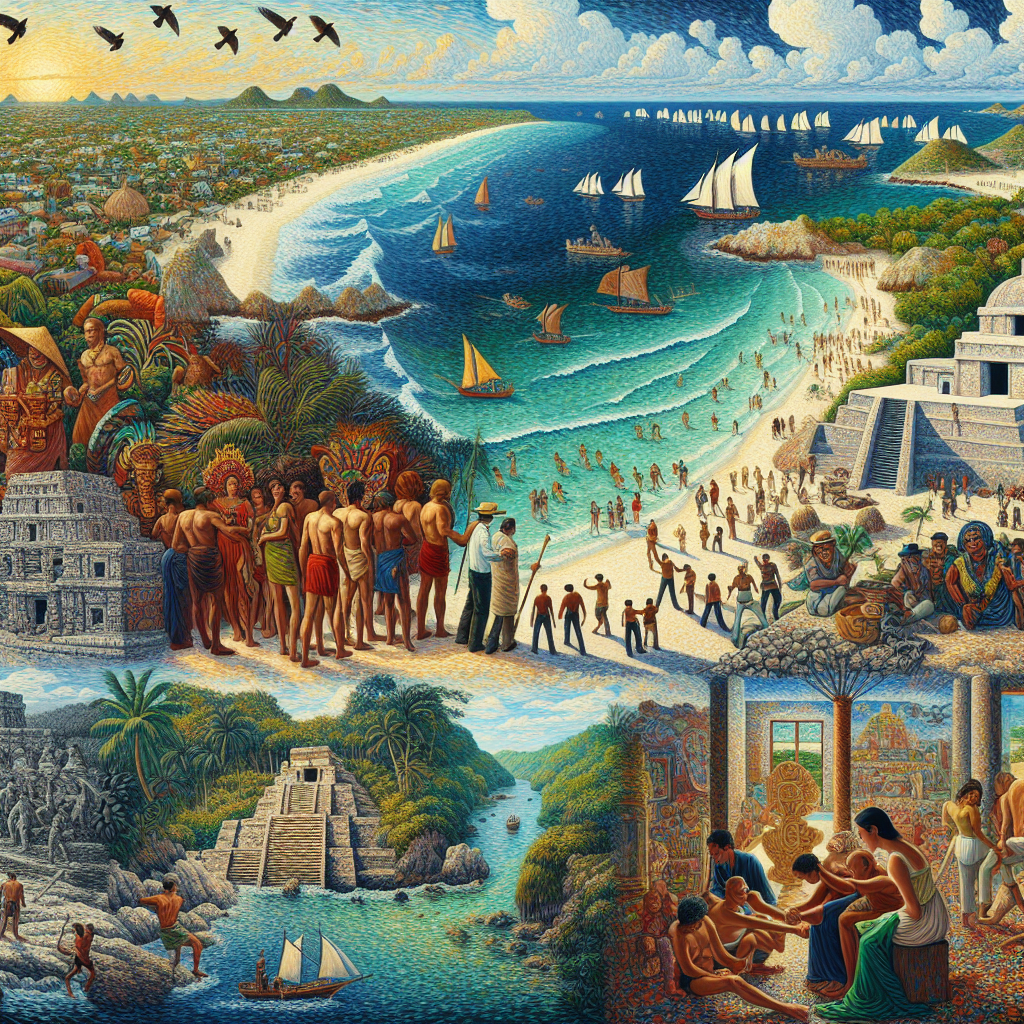
When it comes to negotiating prices, personal connection is often the unsung hero of the process. Picture this: you’re in Cozumel, standing at a vibrant marketplace, your senses alive with colors and scents. You lock eyes with a vendor, sharing not just a moment, but a story etched into their weathered hands. When you form that connection, you’re not just another customer; you become part of a shared experience. This isn’t just transactional; it’s deeply human.
At the heart of effective negotiation is trust. When you engage with someone on a personal level, you’re not merely haggling over numbers. You’re acknowledging their story, their struggles, and their triumphs. That connection transforms the exchange. Instead of focusing solely on securing the lowest price, you open the door to understanding their value — the skill behind their craft and the passion behind their work. It allows you to see the humanity in every dollar spent, making it easier to justify the price when you sense the heart that went into it.
Rationally, think about the long-term benefits of fostering relationships. When you negotiate with trust and rapport, you cultivate an ally. This can lead to better deals in the future, referrals, or even collaborations. You’re building a network of relationships that can transcend the individual transaction. Such connections not only enrich your life but also create a ripple effect in the community, supporting local economies and preserving traditions that might otherwise fade.
Ethically, there’s a moral obligation to recognize the efforts of others. We all work hard for our money, and so does the person on the other side of the bargain. By prioritizing personal connection, you elevate the negotiation from a battle of wills to a partnership. Each interaction becomes a testament to mutual respect and understanding, setting a standard for how business should be done.
Finally, there’s a social element. When you prioritize connection, you’re weaving a fabric of community. In every shared laugh and story exchanged, you’re reinforcing the idea that negotiations are about people and not just prices. With each transaction, you inspire others to do the same—creating a marketplace rich with integrity and camaraderie.
So, the next time you’re negotiating prices, whether in the bustling streets of Cozumel or your local farmer’s market, remember: a personal connection can transform a simple exchange into a powerful alliance built on trust, respect, and shared humanity. That’s the kind of deal worth making.

Why Is Personal Connection Important When Negotiating Prices?
Why Is Personal Connection Important When Negotiating Prices?
- Negotiating prices involves personal connection, which enhances the process.
- Forming a bond with vendors transforms you from a mere customer into part of a shared experience.
- Trust is crucial in negotiations; engaging on a personal level acknowledges the vendor’s story and struggles.
- Understanding the value and passion behind the vendor’s work enriches the negotiation experience.
- Building relationships can lead to better future deals, referrals, and collaborations, enriching both parties.
- Recognizing the efforts of others elevates negotiations to partnerships based on mutual respect.
- Prioritizing personal connections fosters community and inspires a marketplace of integrity and camaraderie.
Why Is Personal Connection Important When Negotiating Prices?
How Do You Determine A Fair Price For Handcrafted Goods?
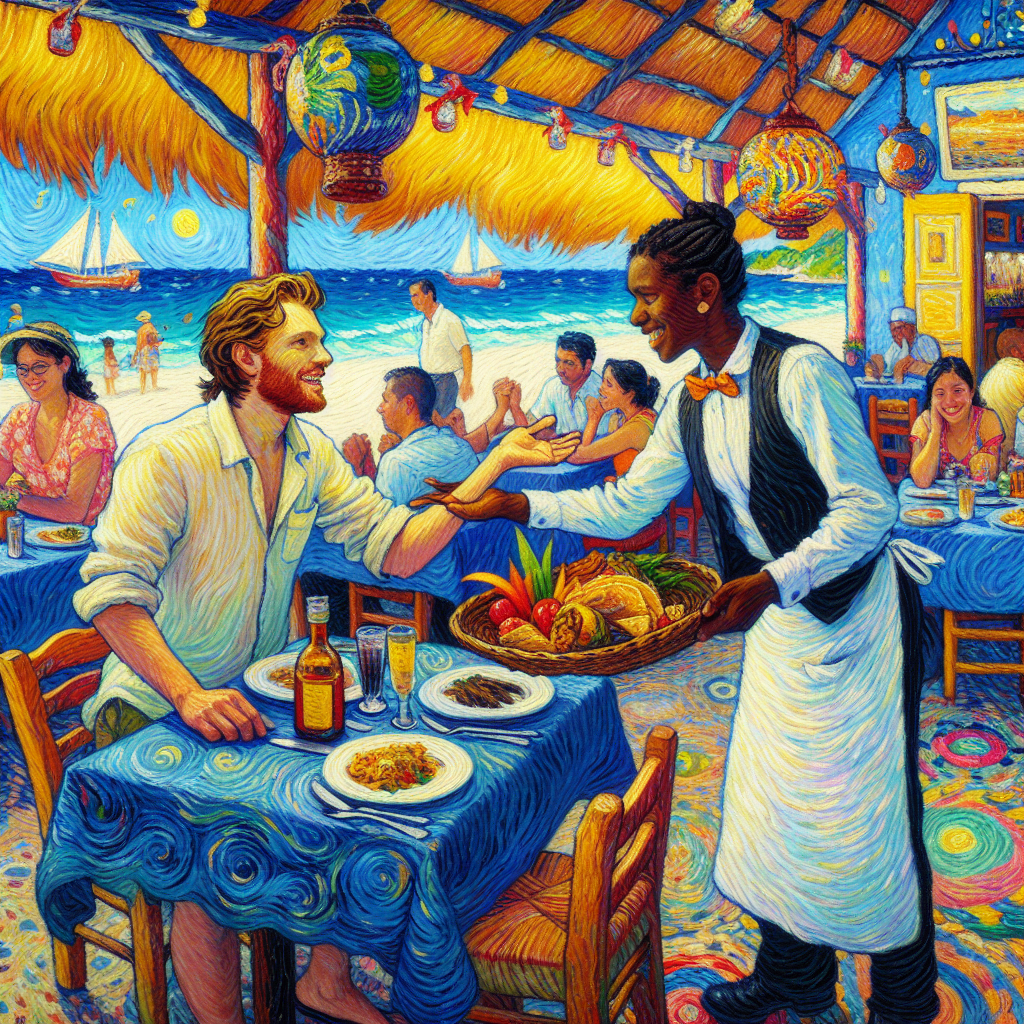
Determining a fair price for handcrafted goods feels like standing on the edge of a lush, vibrant cliff in Cozumel—incredibly beautiful, yet full of uncertainty. The artisans behind these creations pour their heart and soul into every piece. Their hands are stained by countless hours of labor, their minds sparked with creative visions, and their spirits enriched by their culture. It’s important to recognize that when you purchase handcrafted goods, you’re not just acquiring an item; you’re supporting a dream, a story, and perhaps a way of life.
To arrive at a fair price, one must balance both heart and head. Start by understanding the costs. Artisans wrestle with the tangible—materials, time, skill—and the intangible—their passion and dedication. Each bead strung, every stroke of paint represents a moment in time that can never be reclaimed. Evaluate their craftsmanship and the rich history woven into each piece.
Now, let’s talk ethics. Fair pricing isn’t just about what the market will bear; it’s about valuing the human effort behind the work. If we want to live in a society that nurtures creativity and supports genuine artisans, we must structure our purchasing choices accordingly. A mere trinket becomes an artifact of cultural heritage when we invest thoughtfully.
Then, consider the authority of social influence. Let’s face it: we all want to feel part of something greater. When you buy handcrafted goods, you’re joining a community that values creativity, diversity, and authenticity. Sharing your support can inspire others to do the same, fostering a network that celebrates rather than commodifies artistry. Imagine conversations around a dinner table—your friends asking about that beautiful piece you brought back from your travels; you share the story of its maker, bridging gaps and enriching lives.
Let your gut connect with what you feel. Take a moment to reflect on the intention behind these creations. A fair price is one that respects both the artisan’s labor and your own perception of value. It transcends dollars and cents, resonating with the spirit of connection forged through shared appreciation. When you pay a fair price, you’re not just buying a product but also reinforcing the lifeblood of creativity. Embrace the art, honor the artist, and let the story inspire your heart.

How Do You Determine A Fair Price For Handcrafted Goods?
How Do You Determine A Fair Price For Handcrafted Goods?
- Determining fair pricing for handcrafted goods involves balancing beauty and uncertainty.
- Artisans invest their heart, soul, and cultural heritage into each handcrafted piece.
- A fair price reflects both tangible costs (materials, time, skill) and intangible elements (passion, dedication).
- Ethical considerations are crucial; fair pricing supports creativity and genuine artisans.
- Purchasing handcrafted goods connects consumers to a community that values diversity and authenticity.
- Understanding the story behind each item enhances its significance and connection to the culture.
- A fair price transcends monetary value, reinforcing appreciation for artistry and the spirit of connection.
How Do You Determine A Fair Price For Handcrafted Goods?
What Stories Do Local Vendors Share About Their Products?
Venture into any local market, and you’ll find more than just products; you’ll discover tales woven with sweat, dreams, and resilience. Each vendor stands as a storyteller, their creations artfully crafted from years of experience and a deep respect for tradition. In a bustling marketplace, it’s the sweet scent of homemade tamales or the vibrant colors of handwoven textiles that catch your eye, but it’s the backstory that seizes your heart.
Take, for example, the vendor selling handmade jewelry inspired by the waters of Cozumel. As you peruse intricately designed pieces, you’ll hear about the artisan’s late grandfather, a fisherman who believed that every shell carried a song of the ocean. Each piece isn’t merely a reflection of nature’s beauty but a tribute to family legacy and the sacred bond between creator and creation. These narratives spark a connection, inviting you to look beyond the price tag and recognize the labor of love embedded in each item.
Consider the farmer with a vibrant stall showcasing organic produce. With dirt still clinging to his hands, he shares how he refused to compromise quality, opting to nurture the soil with organic methods passed down through generations. He speaks passionately about the health of the community and the environment, scoring points with those who value sustainability. Rationally, supporting local not only fosters economic growth but also promotes ecological stewardship, making you feel like part of a larger movement.
Yet, the emotional pull lies even deeper. As you listen, you become invested—not just in supporting a vendor but in amplifying a voice within your community. You’re not just buying an orange; you’re buying a commitment to health, to family, and to a sustainable future. These vendors invite you into their lives, sharing smiles, laughter, and sometimes tears as they recount struggles and triumphs.
And at the end of the day, it becomes clear: when you support a local vendor, you’re not just making a purchase; you’re forging a relationship rooted in trust and shared values. You’re participating in a story that stretches beyond the market, intertwining paths and empowering change—all while savoring the tastes and textures of life’s delicious offerings. Embrace these stories and become part of a legacy, where every choice is a chance to connect and inspire, one purchase at a time.

What Stories Do Local Vendors Share About Their Products?
What Stories Do Local Vendors Share About Their Products?
- Local markets are not just about products; they are rich in stories, sweat, dreams, and resilience.
- Each vendor serves as a storyteller, showcasing creations rooted in tradition and experience.
- Handmade jewelry, for instance, often carries personal narratives that highlight family legacies.
- Farmers emphasize sustainability and quality, sharing their commitment to nurturing the environment.
- Buying local fosters economic growth and contributes to ecological stewardship.
- Supporting vendors means engaging with their stories and becoming part of the community’s fabric.
- Purchasing from local vendors builds relationships based on trust and shared values, inviting you to connect and inspire change.

What Stories Do Local Vendors Share About Their Products?
How Can Haggling Empower Both Buyer And Seller In A Marketplace?
Haggling might seem like a lost art, but at its core, it represents something inherently human – the dance of negotiation. Picture yourself in the vibrant markets of Cozumel, where color and sound collide, and the air is thick with the scent of fresh spices. In these bustling bazaars, haggling isn’t just about arriving at a price; it’s about connection. It’s the heartbeat of a marketplace where both buyer and seller engage in a timeless negotiation, each advocating for their own story.
When you haggle, you’re not just dealing with dollars and cents; you’re exchanging truths. The buyer, with their own aspirations and constraints, seeks value and satisfaction. The seller, often a craftsman, wants their hard work to be recognized and appreciated. This interaction can feel like a duet, with each party bringing their own tune to the table.
Haggling empowers buyers and sellers alike because it cultivates a sense of ownership and agency. For the buyer, it’s a chance to steer the course – to say, “I’m not just a wallet; I’m a participant in this transaction.” For the seller, it’s an affirmation of their worth, an acknowledgment that their efforts deserve to be respected. When a buyer discovers they can negotiate a price, it stirs a sense of accomplishment. It’s not merely about getting a good deal; it’s about valuing the exchange.
Ethically speaking, haggling can democratize the marketplace, giving voice to those who might otherwise feel marginalized. It levels the playing field, fostering a sense of community and shared purpose. Each negotiation becomes a story worth telling, a moment of trust built between two individuals.
In the landscape of modern commerce, where faceless transactions often overshadow human interaction, haggling invites a deeper connection. It’s an opportunity to celebrate culture, heritage, and hard work. The laughter, the banter, and the occasional blush of embarrassment during the back-and-forth can forge relationships that transcend mere economic exchange.
Ultimately, whether you’re attempting to seize a leather bag or striking a deal on handmade trinkets, remember this: haggling is not just a tool of negotiation; it’s an invitation to engage fully in the art of commerce. So step into that marketplace, embrace the thrill, and let the dance begin. You never know the stories that await when you place value on every word exchanged.

How Can Haggling Empower Both Buyer And Seller In A Marketplace?
How Can Haggling Empower Both Buyer And Seller In A Marketplace?
- Haggling is a fundamental human activity rooted in negotiation, representing connection in vibrant markets like Cozumel.
- It involves more than just price; it’s about exchanging truths and understanding each party’s aspirations and constraints.
- The interaction between buyer and seller resembles a duet, where both parties bring their perspectives and narratives.
- Haggling empowers participants, allowing buyers to feel like active participants in transactions and sellers to have their efforts recognized.
- Ethically, it democratizes the marketplace, giving marginalized voices a platform and fostering community connections.
- In modern commerce, haggling promotes deeper human interactions, celebrating culture and heritage beyond mere transactions.
- Ultimately, haggling invites individuals to engage fully in commerce and discover the rich stories behind every exchange.

How Can Haggling Empower Both Buyer And Seller In A Marketplace?
How Does Supporting Local Artisans Impact The Community Positively?
Supporting local artisans isn’t just about handmade crafts or unique souvenirs; it’s a commitment to the very heartbeat of our communities. Take Cozumel, for example. When you choose to purchase from a local artist, you’re not just acquiring a piece of art; you’re weaving the fabric of your community tighter, nurturing its spirit, and fortifying its future.
Think of the artisans—their hands, calloused from years of honing their craft, tell stories only they can share. Every brushstroke, every piece of pottery, every woven item resonates with the passion they pour into their work. By buying local, you encourage this narrative, helping to ensure that these traditions don’t fade into obscurity. It’s not just a transaction; it’s an affirmation of creativity and resilience.
Rationally speaking, supporting local artisans stimulates the local economy. Money spent in your neighborhood circulates within it. When you invest in a handcrafted item instead of a mass-produced alternative, you’re helping local families thrive. You’re not just buying a product; you’re investing in dreams, livelihoods, and sustainable practices.
Ethically, it’s a conscious choice, one that favors fairness over exploitation. Major corporations have a way of prioritizing profit over people, sidelining artisans in favor of bottom lines. By choosing to support local talent, you’re aligning your purchasing power with your values, promoting equity and empowerment for your neighbors. It’s a socially responsible choice that uplifts the entire community.
Remember that feeling when you come across a beautifully crafted piece in a local market? It’s not just a transaction; it’s part of an experience that connects you to the place. The artisans take pride in their work, and when you appreciate it, you’re part of something bigger. You’ve created a bond, however fleeting. This is the magic of supporting local—every purchase is an endorsement of craft, a vote for culture, a hug for your hometown.
When you support local artisans, you’re not merely acquiring goods; you’re participating in a larger movement. A movement that fosters connection, preserves cultural heritage, and ignites hope. As you walk through local markets or browse studio spaces, remember: every artisan’s creation has the potential to inspire, uplift, and transform. So, let’s choose to invest in our communities, one artisan at a time.

How Does Supporting Local Artisans Impact The Community Positively?
How Does Supporting Local Artisans Impact The Community Positively?
- Supporting local artisans strengthens community bonds and nurtures local spirit.
- Artisans’ work embodies unique stories and craftsmanship that deserve preservation.
- Purchasing local art stimulates the local economy and helps families thrive.
- Buying handcrafted items supports sustainable practices and individual livelihoods.
- Choosing local talent promotes fairness and equity, counteracting corporate exploitation.
- Each purchase fosters a deeper connection and appreciation for local culture and heritage.
- Investing in local artisans is part of a larger movement that inspires and transforms communities.

How Does Supporting Local Artisans Impact The Community Positively?
Conclusion
When you step into a flea market in Cozumel, you enter a vibrant world—a sensory explosion of colors and sounds, yes, but most importantly, a gateway to profound human connection. Here, the act of haggling goes far beyond mere bartering; it evolves into a cherished ritual that bridges cultures and generations. You’re not just negotiating over price; you’re engaging with stories—tales of artisans who pour their hearts and histories into every handcrafted piece they create.
Consider the jewelry that sparkles under the sun, the textiles that whisper of tradition, and the spices that burst with local flavor. Each item isn’t just a product; it’s a narrative, a reflection of the community that crafted it. When you haggle for these unique treasures, you affirm the hard work, sacrifice, and spirit behind the craftsmanship. Each transaction becomes a heartfelt exchange, and in a world increasingly driven by impersonal commerce, there’s something empowering in that. It’s not just about securing a good deal; it’s about fostering relationships, nurturing local economies, and celebrating the artistry of human hands.
Think about the ethical implications here. By supporting local artisans, you embrace a form of conscious travel that respects and uplifts the culture you immerse yourself in. You’re effectively saying, “I choose connection over commodification.” This choice enriches the local economy and helps keep age-old traditions alive for future generations to uphold.
Every piece you buy serves as a tactile reminder of your adventure, connecting the essence of Cozumel to your home. But even more impactful is the social fabric you weave with each interaction. Imagine sharing the story of a handwoven bag or a locally sourced spice with friends back home—“I got this from an artisan who…”—and getting to be the living voice of the culture you’ve explored.
As you engage with vendors—each one not just a seller but a storyteller—you find that haggling is more than negotiation; it’s an orchestra of thoughts, laughter, and life lessons. It transcends the transactional to create bonds that echo. In those moments, what initially seemed like a simple shopping outing transforms into a unique journey, rich with meaning, connection, and community. So dive in, immerse yourself, and let the spirit of Cozumel embrace you while you create memories—and relationships—that last well beyond your stay. Your adventure is just waiting to be claimed.

Conclusion
Conclusion:
- Entering a flea market in Cozumel offers a vibrant sensory experience and a chance for deep human connection.
- Haggling in the market is not just bartering; it’s a cherished ritual that connects cultures and generations.
- Each item, like jewelry, textiles, and spices, embodies stories and reflects the community’s craftsmanship.
- Haggling affirms the artisans’ hard work and turns transactions into heartfelt exchanges.
- Supporting local artisans through purchases promotes conscious travel and respects the culture.
- Each purchase serves as a reminder of the adventure and creates opportunities for storytelling back home.
- Engaging with vendors transforms shopping into a unique journey filled with connections, meaning, and community.

Conclusion
Other Resources
Other Resources
Here is a list of other resources you can review online to learn more:
- Isla Pasion
- Caleta Marina
- Chankanaab Adventure Beach Park
- Atlantis Submarines
- Playa Palancar Beach Club
- Snorkeling Trip Checklist
- Online Reef Guide
- Professional Association of Diving Instructors
- Punta Morena
- Al Pie del Carbon Restaurant
- Ferry schedule
- Discover Mexico Park
- CDC
- Cozumel Cruise Port
- Reef Safe Sunscreen
- Princess Cruises
- Jersey Mike’s Subs
- Atlantis Submarines Cozumel
- Cozumel Shore Excursions
Use This Prompt To Get More Resources With Your Favorite Online AI Tool: Please provide me with a list of online articles with their URLs in a bulleted list that I can read regarding What Should You Haggle for At Cozumel Flea Markets?
Other Resources
Glossary Terms
What Should You Haggle for At Cozumel Flea Markets? – Glossary Of Terms
1. Bargaining: The process of negotiating the price of an item to reach a mutually acceptable figure.
2. Haggle: To negotiate persistently over the price of goods, often resulting in a lower price.
3. Cozumel: An island in the Caribbean Sea, known for its vibrant markets and culture.
4. Flea Market: A type of market where vendors sell second-hand goods, antiques, crafts, and various items at negotiable prices.
5. Souvenir: An item kept as a reminder of a person, place, or event, often purchased while traveling.
6. Artisan: A skilled craftsman who creates handmade products, often reflecting local culture.
7. Textiles: Fabrics designed for various uses, such as clothing, home decor, or accessories, often sold in vibrant patterns and colors.
8. Jewelry: Decorative items worn for personal adornment, which may include handmade pieces made from local materials.
9. Ceramics: Pottery items, often featuring unique designs, which are commonly found in local flea markets.
10. Bargain Bin: A collection of items sold at drastically reduced prices, typically available for haggling.
11. Kiosks: Small, open-fronted shops or stalls set up by vendors in the market.
12. Negotiate: To discuss and reach an agreement on the price of an item or service.
13. Local Crafts: Handmade products created by local artisans, showcasing the skill and tradition of the region.
14. Decorative Items: Objects used to enhance the visual appeal of a space, often found in market stalls.
15. Replicas: Copies or reproductions of original items, typically sold at lower prices and often aimed at tourists.
16. Bartering: The exchange of goods or services directly for other goods or services, without using money.
17. Market Hours: The specific times during which the flea market operates, important for planning visits.
18. Collector’s Items: Specific products sought after by collectors, including antiques or unique crafts.
19. Discount: A reduction from the usual cost of an item, often negotiated during haggling.
20. Handcrafted: Items made by hand rather than manufactured, emphasizing quality and uniqueness.
21. Local Flavors: Foods and drinks that are characteristic of the region, often available as souvenirs.
22. Magnets: Popular souvenirs featuring local landmarks, often sold at low prices and easy to pack.
23. Woodwork: Items crafted from wood, showcasing the artisan’s skill, such as decor or utensils.
24. T-shirts: Casual wear often printed with local art or slogans, popular as inexpensive souvenirs.
25. Authenticity: The quality of being genuine or real, important for items claiming to be traditional.
26. Colorful Accessories: Brightly designed jewelry or fashion items that reflect local culture, often targeted at tourists.
27. Market Culture: The social interplay and customs associated with shopping in a flea market environment.
28. Food Stalls: Areas within the market where vendors sell snacks or meals, often local cuisine.
29. Negotiation Tactics: Strategies employed during haggling to achieve a better price, such as playing coy or showing disinterest.
30. Local Fashion: Clothing styles that reflect regional trends and cultural influences, typically offered in market settings.

Glossary Of Terms
Other Questions
What Should You Haggle for At Cozumel Flea Markets? – Other Questions
If you wish to explore and discover more, consider looking for answers to these questions:
- What are the best flea markets to visit in Cozumel?
- How do I start haggling effectively?
- What typical items are sold at Cozumel flea markets?
- Are there specific times or seasons when flea markets are more vibrant?
- What types of handmade crafts are unique to Cozumel?
- How can I identify authentic local goods?
- What strategies can improve my bargaining skills?
- What cultural etiquette should I be aware of while haggling?
- Can you provide examples of popular local culinary goods?
- What impact does tourism have on local artisans in Cozumel?
- How can I ensure fair treatment for local vendors during negotiations?
- Are there any specific vendors known for their storytelling?
- What are the benefits of supporting local artisans versus buying from larger retailers?
- How do local artisans maintain their crafts through generations?
- What role does sustainability play in the products sold at flea markets?

Other Questions
Haiku
What Should You Haggle for At Cozumel Flea Markets? – A Haiku
Vibrant stalls abound,
Stories woven, hearts connect,
Haggle, share the joy.

Haiku
Poem
What Should You Haggle for At Cozumel Flea Markets? – A Poem
In Cozumel’s vibrant markets where colors gleam and dance,
With each stall a treasure, calling you to take a chance.
Handcrafted wonders, made with love and pride,
Their stories whisper softly, no need for them to hide.
Jewels of the island, textiles rich and bold,
Echoes of generations, each thread a tale of old.
As you haggle for a piece that calls to your very core,
You’re not just making purchases; you’re opening a door.
Taste the local spices, feel the island’s zest,
With every bargain struck, you engage in a quest.
Support the hands that crafted, nurture dreams alive,
Turn your visit into meaning, let the local spirit thrive.
The dance of negotiation, a human touch we crave,
Where laughter bridges gaps, and stories help us brave.
In every smile exchanged, connection takes its place,
Transforming simple commerce into a shared embrace.
Through each local interaction, a tapestry is weaved,
A community enriched with every heart believed.
Beyond mere objects bought, find legacy in art,
For every choice to support is a beat of a shared heart.
So wander through the stalls, engage with all you see,
Remember, every purchase shapes culture’s legacy.
In the soul of Cozumel, where artisans thrive and bloom,
Empower, connect, and cherish—let your spirit find its room.

Poem
Checklist
What Should You Haggle for At Cozumel Flea Markets? – A Checklist
Cozumel Flea Market Shopping Experience Checklist
Heart Appeal
_____ Foster Connections: Engage with vendors, ask about their stories, and share smiles and laughter.
_____ Select Meaningful Items: Choose handcrafted goods that resonate with your personal journey or cultural appreciation.
_____ Embrace the Adventure: Feel your heart race as you navigate the stalls, immersing yourself in Cozumel’s vibrant atmosphere.
Head Appeal
_____ Research Fair Pricing: Understand the value of craftsmanship and what constitutes a fair price for handcrafted goods.
_____ Assess Quality: Evaluate the materials and skills used in creating the items you’re interested in.
_____ Learn About the Artisans: Familiarize yourself with the artisans’ backgrounds and the cultural significance of their work.
Gut Appeal
_____ Trust Your Instincts: Listen to your gut feelings when selecting items or negotiating.
_____ Reflect on Value: Consider what each piece means to you and how it contributes to the culture of Cozumel.
_____ Engage in Ethical Purchasing: Make choices that align with your values and support the local community.
Ethical Appeal
_____ Support Local Economies: Choose to buy from local vendors to help sustain their practices and support families.
_____ Promote Sustainability: Look for environmentally friendly practices and products that honor traditional methods.
_____ Acknowledge Craftsmanship: Recognize the time and effort that goes into each item and appreciate its uniqueness.
Authority Appeal
_____ Seek Genuine Artistry: Look for sellers who can demonstrate the authenticity of their handcrafted items.
_____ Listen to Recommendations: Pay attention to tips from trusted sources on the best items to haggle for.
_____ Follow Market Trends: Stay updated on popular items and local styles that reflect Cozumel’s culture.
Narrative Appeal
_____ Collect Stories: Engage sellers in conversations about their crafts to learn the inspiration behind their work.
_____ Create Your Own Story: Choose items that will remind you of your experiences and the connections forged during your trip.
_____ Share Your Journey: Connect with others back home by sharing the tales behind your purchases.
Social Appeal
_____ Participate in Community: Become part of the Cozumel marketplace by actively engaging with vendors and customers.
_____ Encourage Local Support: Share your experiences with friends and family to inspire them to shop locally.
_____ Build Lasting Relationships: Keep in touch with artisans you meet for future purchases and collaborations.
Checklist
At TopCozumelNews, we help travelers enjoy Cozumel by collating information learned from frequently traveling to beautiful Cozumel.
Be sure to read our other related stories at TopCozumelNews to learn more about the Island of Cozumel.