Uncovering The Mysteries Of Cozumel’s Mayan Temple
By Tom Seest
At TopCozumelNews, we help travelers enjoy Cozumel by collating information learned from frequently traveling to beautiful Cozumel.
Be sure to read our other related stories at TopCozumelNews to learn more about the Island of Cozumel.
What Secrets Does the Cozumel Mayan Temple Hold?
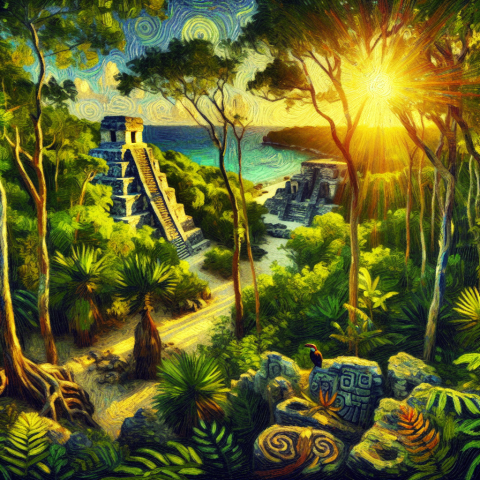
Nestled on the sun-drenched shores of Cozumel, the ancient Mayan temple stands as a testament to a civilization that was as mysterious as it was sophisticated. With its weathered stones draped in a veil of tropical greenery, the site offers not just a glimpse into the past, but a potent reminder of the secrets that lie within. What wisdom did the architects and priests who walked these grounds accumulate, and what stories have been lost to time?
Standing at the base of the temple, one can almost hear the echoes of ritualistic chants that once filled the air. The temple was dedicated to Ix Chel, the goddess of fertility, medicine, and the moon, who was revered for her power and grace. Here, the Mayans carried out ceremonies designed to honor her, seeking her favor for bountiful harvests and the well-being of their people. But beyond simple worship, the temple served as an observatory, aligning with the stars to track celestial movements. Imagine the stargazers assessing the heavens, charting the mysteries of the cosmos, and linking earthly events to divine influences. What knowledge did they glean from their unwavering gaze?
Venturing deeper into the site, visitors might notice intricate carvings, weathered yet defiant. These stone murals tell stories of gods, creation, and the cyclical nature of life and death. Each glyph holds secrets that only those fluent in the ancient language can decipher, whispering tales of conquests, tribulations, and triumphs. It’s a puzzle, a kaleidoscope of history waiting for the right minds to piece it back together. What lessons did the Mayans impart through their art?
Yet, the temple is not merely a relic of the past; it stands as a crossroads of culture and spirituality. It invites exploration—not just of the physical structure, but of our understanding of humanity’s shared quest for meaning. As we retrace the footsteps of the Mayans, we might reflect on our own practices of reverence and connectivity. What do we seek from the unknown in our own lives?
So, as you bask in the warm sun and the gentle breeze, remember: the Cozumel Mayan temple is more than stones stacked high; it’s a keeper of untold stories, urging us to look beyond what we see and seek the hidden truths that shape our shared existence. What other secrets await discovery beneath its ancient stones? Only time will tell.
What Secrets Does the Cozumel Mayan Temple Hold?
What Secrets Does the Cozumel Mayan Temple Hold?
- The ancient Mayan temple in Cozumel symbolizes the mystery and sophistication of the Mayan civilization.
- It is dedicated to Ix Chel, the goddess of fertility, medicine, and the moon, where rituals for favorable harvests were performed.
- The temple also served as an observatory, aligning with celestial bodies to track cosmic movements.
- Intricate carvings on the temple depict stories of gods, creation, and the cycles of life and death.
- These stone murals present a complex history, waiting for those knowledgeable in the ancient language to interpret.
- The temple invites visitors to reflect on their own spiritual journeys while exploring the shared quest for meaning.
- It stands as a reminder of the untold stories and hidden truths that influence our shared human experience.
What Secrets Does the Cozumel Mayan Temple Hold?
Table Of Contents
- What Secrets Does the Cozumel Mayan Temple Hold?
- What Lies Within The Cozumel Mayan Temple At San Gervasio?
- What Does The Mayan Temple El Cedral Reveal In Cozumel?
- Is Cozumel The Ultimate Pilgrimage for Mayan Temple Seekers?
- How Does a Visit to The Cozumel Mayan Temple Uncover The Culture?
- What Is The History Of The Cozumel Mayan Temple?
- What Makes The Cozumel Mayan Temple Unique?
- What Artifacts Have Been Discovered At The Cozumel Mayan Temple?
- Conclusion
- Other Resources
- Glossary Of Terms
- Other Questions
- Haiku
- Poem
- Checklist
What Lies Within The Cozumel Mayan Temple At San Gervasio?
Nestled in the heart of Mexico’s Cozumel Island, the ancient ruins of San Gervasio present a compelling tapestry woven from the threads of history, spirituality, and craftsmanship. This temple site, once a sacred hub for the Mayan civilization, stands as a gateway to the past—a reminder of a society that thrived on the very principles of nature, trade, and worship.
As you stroll through the overgrown paths, the air is thick with the scent of wild flowers and moist earth, a testament to the resilience of a site that has endured centuries of weathering. The main structures rise like ancient sentinels, their stone walls telling stories that echo across the millennia. With each step, there’s a palpable energy, an allure that draws you deeper into the Mayan world.
Cozumel was a significant destination for pilgrimage, dedicated primarily to the goddess Ix Chel, the deity of fertility and medicine. It’s said that women would journey far and wide to seek her blessings, perhaps in hopes of conception or relief from ailments. The remains of altars and shrines still stand, though time and nature have reclaimed much of this sacred ground. Visitors can almost picture the vibrant ceremonies that once unfolded under the sun—colorful textiles, rhythmic drumming, and the scent of copal wafting through the air.
Exploring the iconic structures of San Gervasio, such as the Temple of Ix Chel, one can’t help but be awestruck by the craftsmanship of these ancient builders. Each stone, meticulously chiseled, fits perfectly into a grand design. The precision hints at a profound understanding of architecture, astronomy, and the surrounding environment. Scholars and explorers alike have debated how these Mayans managed such feats without modern tools—each structure is a testament to their ingenuity and determination.
But what truly lies within San Gervasio isn’t merely the physical remnants of a bygone era; it’s the whispers of a culture that valued reverence, community, and a deep connection to the earth. As you wander the ruins, you can almost hear the echoes of laughter, prayers, and communal spirit. Each crumbling wall, every overgrown path invites you to ponder the lives that flourished and faded alongside the worship of their deities.
So, what lies within the Cozumel Mayan Temple at San Gervasio? A gateway to understanding—a connection to generations who once revered the same land under the same sun. Each visit is not just a step back in time but an invitation to engage with the rich tapestry of humanity, reminding us of our shared roots.

What Lies Within The Cozumel Mayan Temple At San Gervasio?
What Lies Within The Cozumel Mayan Temple At San Gervasio?
- San Gervasio is an ancient temple site located on Cozumel Island, Mexico, representing the Mayan civilization.
- The site served as a pilgrimage destination primarily for worshipping the goddess Ix Chel, associated with fertility and medicine.
- Visitors can experience the remnants of altars and shrines, evoking vibrant past ceremonies filled with rituals and spiritual practices.
- The iconic structures, such as the Temple of Ix Chel, showcase advanced Mayan craftsmanship and architectural precision.
- Exploration reveals a deep cultural connection to nature, community, and reverence among the ancient Mayans.
- San Gervasio invites reflection on the lives and beliefs of those who once inhabited the area, creating a sense of shared history.
- Each visit to San Gervasio serves as an opportunity to engage with humanity’s rich tapestry and collective roots across generations.

What Lies Within The Cozumel Mayan Temple At San Gervasio?
What Does The Mayan Temple El Cedral Reveal In Cozumel?
Nestled within the lush, tropical landscape of Cozumel lies El Cedral, a site that whispers of a vibrant past as it stands the test of time. This unassuming Mayan temple, often overlooked in favor of the island’s more prominent attractions, is like a small-town diner tucked away on a back road—it may not look like much from the outside, but inside, it’s brimming with stories and rich history.
To understand what El Cedral reveals, one must first appreciate the Maya civilization that once thrived here. This temple, believed to date back to the early Classic Period, serves as a touchstone to a world that revolved around complex rituals, divine connections, and a profound understanding of nature. The structure itself, constructed from local limestone, is a testament to the engineering prowess of the Mayans. It was not just a place of worship but a central hub for community gatherings and ceremonies that marked the passage of time—much like a church or town hall does today.
As you step inside the remnants of El Cedral, you can almost hear the echoes of the past. The temple housed idols and carvings that tell tales of the gods that governed their lives, as well as their agricultural practices, which were deeply intertwined with the cycles of nature. The Mayans were avid astronomers, and their precise observations of the stars guided their agricultural calendar. It’s not hard to imagine a bustling community gathering here, under the watchful gaze of their deities, celebrating the first fruits of the harvest or seeking guidance for the changing seasons.
But beyond the structure itself, El Cedral holds deeper lessons about resilience and adaptation. Centuries of colonization and modernization have etched new patterns into the cultural landscape of Cozumel. Yet, the spirit of the Mayan people lingers, reminding visitors that history is never truly forgotten. Today, the temple stands as a reminder of the region’s rich cultural heritage, inviting travelers to reflect on a time when the Maya flourished and reminding us all of our own connections to the past.
So, what does El Cedral reveal? It’s more than just a pile of stones; it’s a glimpse into a dynamic civilization that balanced its existence with the natural world, a testament to human creativity, and a reflection on the importance of remembering where we came from. In today’s fast-paced world, that’s a message worth pondering—especially when you find it in a place that feels as timeless as Cozumel itself.

What Does The Mayan Temple El Cedral Reveal In Cozumel?
What Does The Mayan Temple El Cedral Reveal In Cozumel?
- El Cedral is an unassuming Mayan temple located in Cozumel’s tropical landscape, often overshadowed by more prominent attractions.
- Believed to date back to the early Classic Period, the temple reflects the vibrant past of the Maya civilization.
- Constructed from local limestone, El Cedral showcases the Mayans‘ impressive engineering skills and served as a hub for community gatherings and ceremonies.
- The temple contained idols and carvings that represent the Mayans’ gods and their agricultural practices, linked to nature’s cycles.
- The site emphasizes the Mayans’ expertise in astronomy, which played a crucial role in their agricultural calendar.
- El Cedral continues to symbolize resilience and adaptation, reminding visitors of the rich cultural heritage of the region amidst colonization and modernization.
- The temple invites reflection on the past and highlights the importance of connecting with history in today’s fast-paced world.

What Does The Mayan Temple El Cedral Reveal In Cozumel?
Is Cozumel The Ultimate Pilgrimage for Mayan Temple Seekers?
Picture this: You’re standing on the vibrant shores of Cozumel, the turquoise waters gently lapping at your feet, and a soft breeze tousles your hair. But as beautiful as it is here, you can’t shake the feeling that there’s something deeper underneath those picturesque waves. Look around — it’s not just sunbathers and tequila aficionados soaking up the rays. For those in the know, Cozumel is ground zero for a journey into the enigmatic world of the ancient Maya.
First things first, let’s be clear. Cozumel isn’t a sprawling temple metropolis like Tikal or Chichen Itza. Instead, it’s like a hidden gem, a less trodden path for those serious about Maya history. The island’s main archaeological site, San Gervasio, may not tower into the sky, but it possesses an ancient charm that whispers tales of an era long past. Stepping onto those hallowed grounds, you can almost hear the rustle of priests in flowing garments performing rituals to honor the goddess Ix Chel, the divinity of fertility and love.
Now, if your idea of a vacation involves lounging by the pool with a drink in your hand, you might be in the wrong place. However, if you’re the kind of traveler who feels a tingle of excitement at the idea of unearthing the past, you’re in for a treat. There’s a palpable energy that courses through the ruins, a connection to a civilization that once thrived here, relying on the very land you tread upon.
Exploring the temples, the altars, and the stone carvings is a humbling experience. It’s not just about the vistas; it’s about feeling the weight of history, understanding the struggles and triumphs of the Maya people. It’s about walking where their leaders walked, pondering how those ancient stones have witnessed countless sunrises and sunsets, laughter and sacrifice, life and death.
So, is Cozumel the ultimate pilgrimage for Mayan temple seekers? In many respects, it could be. It’s an opportunity to blend relaxation with exploration, all while tracing the steps of one of history’s most fascinating cultures. If you’re ready to dive into a world where time stands still and the mystique of ancient rituals still hangs in the air, grab your sandals, pack your curiosity, and embark on this journey. The temples await.

Is Cozumel The Ultimate Pilgrimage for Mayan Temple Seekers?
Is Cozumel The Ultimate Pilgrimage for Mayan Temple Seekers?
- Cozumel offers a unique glimpse into the ancient Maya civilization beyond its scenic beaches and tequila culture.
- The island’s primary archaeological site, San Gervasio, showcases an ancient charm rather than towering structures.
- Visitors to San Gervasio can imagine rituals performed to honor Ix Chel, the goddess of fertility and love.
- Cozumel appeals more to adventurous travelers rather than those seeking a traditional beach vacation.
- The ruins provide a connection to the Maya civilization, enriching the travel experience with historical significance.
- Exploring the archaeological sites allows for reflection on the struggles and triumphs of the Maya people.
- Cozumel serves as a blend of relaxation and exploration, inviting travelers to engage with a fascinating culture.

Is Cozumel The Ultimate Pilgrimage for Mayan Temple Seekers?
How Does a Visit to The Cozumel Mayan Temple Uncover The Culture?
Stepping onto the grounds of the Cozumel Mayan Temple feels like traversing a portal to a time long forgotten, a world rich with ancient beliefs and storied rituals. This isn’t just a trip to see some half-ruined structures and crumbling stones; it’s a journey into the heart of a civilization whose influence still whispers through the jungles of Mexico. If you want to understand the essence of the Mayan culture, here’s where you start.
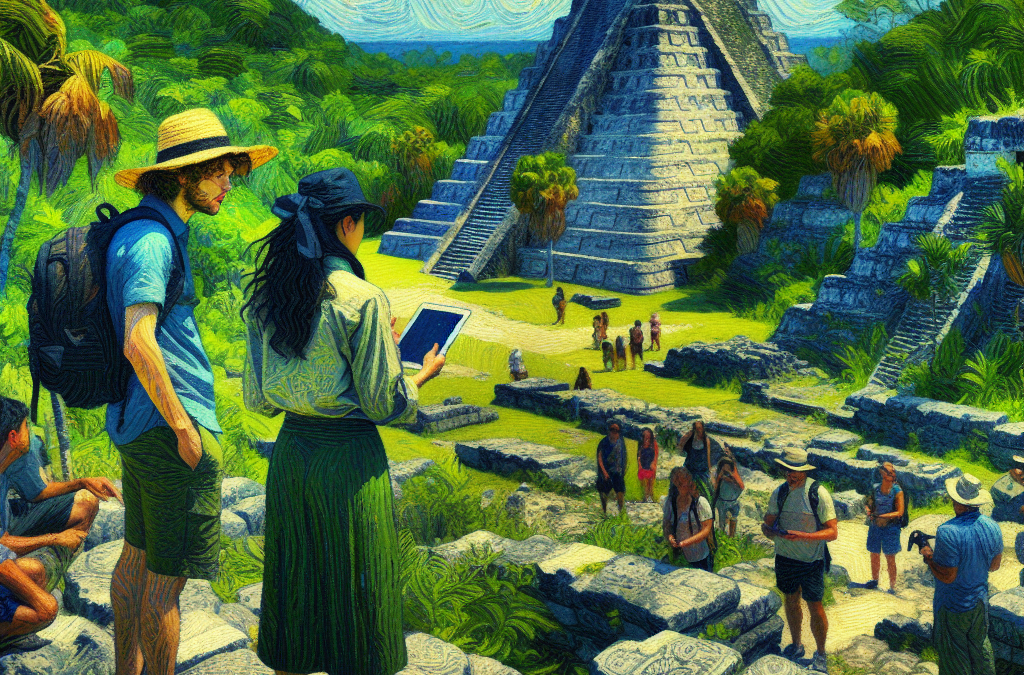
As you approach the temple, the air is thick with the scent of humidity and history. Towering stone pyramids rise majestically from the earth, each etched with carvings that depict tales of gods, rituals, and the daily lives of the Mayans. Your guide—usually someone with a deep understanding of their heritage—will point out the intricate designs and explain their significance. You’ll learn that each carving serves a purpose, from celebrating harvests to understanding the cosmic calendar. It’s like each stone is a chapter in a very old book, waiting to be read, waiting to tell you something important.
One of the most eye-opening experiences is hearing about the ceremonies that once took place right where you’re standing. The temple was not merely a place of worship; it was the heartbeat of the community. Rituals—the offerings, the sacrifices—were all integral to maintaining harmony with the gods. Imagine feeling the weight of that responsibility, walking where priests once strode, performing acts believed to ensure the prosperity of the people. You can almost hear the drumbeats and feel the energy of those rituals as you stand in reverence among the ruins.
But it’s not all solemnity and sacrifice. You’ll discover the daily lives of the Mayans—their agricultural practices, their education, and social structures. The temple was a center for gathering knowledge, a beacon of enlightenment in an age when most of the world was still shrouded in darkness. Understanding this gives you a glimpse into not just a civilization but a complex web of life that intertwined spirituality, community, and nature.
As you wander about, it’s impossible not to feel connected. Here, history isn’t just a collection of dates and facts; it’s alive and breathing, embedded in the very stones you’re touching. A visit to the Cozumel Mayan Temple is not merely sightseeing—it’s stepping into a narrative that reveals the richness of human experience and reinforces the timeless bond we all share with the cultures that shaped our world.

How Does a Visit to The Cozumel Mayan Temple Uncover The Culture?
How Does a Visit to The Cozumel Mayan Temple Uncover The Culture?
- Visiting the Cozumel Mayan Temple transports you to an ancient world of rituals and beliefs.
- The towering stone pyramids are adorned with carvings that illustrate Mayan gods and daily life.
- Your knowledgeable guide helps decode the carvings, linking them to cultural practices and the cosmic calendar.
- The temple served as a central hub for community rituals, including offerings and sacrifices to the gods.
- Insights into Mayan agricultural practices and education reveal a complex society beyond mere worship.
- The experience connects visitors to the vibrancy of history, making it feel alive through tangible artifacts.
- Exploring the temple offers a deep understanding of the Mayan civilization and its lasting impact on human culture.

How Does a Visit to The Cozumel Mayan Temple Uncover The Culture?
What Is The History Of The Cozumel Mayan Temple?
Nestled among the vibrant jungles and azure waters of Cozumel, the remnants of the Mayan temple present an enduring testament to an ancient civilization that flourished in the region for centuries. Originally, this vibrant island was an important hub for Mayan activity, reverberating with the sounds of life, ritual, and celebration, long before modern tourism took root.
The temple, known as El Caracol, is often regarded as a key cultural site. Its name may not ring any bells, but it’s a gem right under our noses, a place where astronomy, religion, and daily life intersected. The Mayans were masters of engineering and agriculture, but they were also astronomers, paying close attention to the cycles of the sun, moon, and stars. At El Caracol, one can find clues to this fascination. The temple’s design mirrors their celestial observations, cleverly aligning with specific astronomical events, including solstices and equinoxes. It’s a bit like a giant calendar carved in stone—a reminder that these ancient people were looking to the skies well before we invented our smartphones.
Archaeological evidence indicates that the temple’s construction began around 800 A.D., during the height of the Mayan civilization. It wasn’t just a place for worship; it served as a center for trade and a nexus for gatherings of various tribes. Picture a bustling marketplace, not unlike a modern open-air bazaar, where incense mixed with the aroma of exotic foods, and the air was thick with the sounds of commerce, laughter, and ritualistic chants. Travelers and traders from far and wide would converge here, exchanging goods and, importantly, sharing stories and knowledge—the lifeblood of any civilization.
But as the centuries sped by, the once-thriving community fell into decline. Around the time the Spaniards arrived in the 16th century, the island’s population had diminished significantly. The grand temple and its surrounding structures—a staggering institutional framework—gradually succumbed to the relentless grip of nature. Vines enveloped stones, and the jungle encroached, hiding the temple from the eyes of outsiders for centuries.
Today, the remnants of the Cozumel Mayan Temple stand as both a relic and a reminder. As we stroll through this enigmatic site, we touch the past, walking in the footsteps of those who came before us. Here lies not just a temple, but a window into a world where stones told stories, and the sky was as sacred as the earth beneath our feet.

What Is The History Of The Cozumel Mayan Temple?
What Is The History Of The Cozumel Mayan Temple?
- The Mayan temple, El Caracol, is located in Cozumel, showcasing the remnants of an ancient civilization.
- Cozumel was a significant Mayan hub, rich in life, rituals, and celebrations before modern tourism.
- El Caracol is an important cultural site, reflecting the intersection of astronomy, religion, and daily life.
- The temple’s design aligns with astronomical events like solstices and equinoxes, serving as a stone calendar.
- Construction of the temple began around 800 A.D. during the peak of the Mayan civilization.
- El Caracol was not only a worship site but also a trade center and gathering place for diverse tribes.
- Over time, the temple fell into decline, succumbing to nature and remaining hidden for centuries.

What Is The History Of The Cozumel Mayan Temple?
What Makes The Cozumel Mayan Temple Unique?
Nestled on the picturesque Isla de Cozumel, the Mayan Temple stands as a testament to the ingenuity and spiritual depth of an ancient civilization. While many temples and ruins dot the landscapes of Central America, the Cozumel Mayan Temple boasts distinct characteristics that set it apart from the rest.
Firstly, let’s talk about location. This temple is perched on a stunning coastal landscape, where the turquoise waves crash against rugged cliffs. This proximity to the ocean wasn’t just for aesthetic appeal; it was integral to the Mayans’ maritime lifestyle. These ancient builders recognized the importance of the sea for trade and sustenance, and this temple served as a spiritual anchor for that relationship. The sound of the waves would have mingled with the chants of priests, creating a harmonious backdrop for rituals that connected them to both the earth and the sea.
Equally remarkable is the temple’s architectural design. Made primarily from local limestone, the structure showcases a unique combination of practicality and artistry. The walls are adorned with intricate carvings that depict scenes of ritual ceremonies, gods, and nature, providing insight into the daily lives and beliefs of the ancient Maya. Unlike many larger temples in the region, the Cozumel Mayan Temple is relatively small, yet it conveys a sense of intimacy and connection to the past that larger sites often lack. It invites reverence rather than overwhelming obsession with grandeur.
One of the most captivating aspects of the Cozumel Mayan Temple is its role in honoring Ix Chel, the goddess of fertility, love, and the moon. Pilgrims journeyed to this temple to seek her blessings in matters of life and love. This specific association imbues the temple with a palpable energy that resonates even today. Imagine standing in that sacred space, where countless stories of heartbreak, joy, and life decisions were once whispered into existence.
Lastly, the temple’s ongoing discovery is a marvel in itself. As archaeologists continue to unearth artifacts and trace its history, each finding offers a new piece of a puzzle that has captivated anthropologists and historians alike. The temple’s ability to surprise us with fresh insights and secrets only enhances its allure, reminding us that the past is not merely something to be studied—it’s an ongoing conversation that enriches our understanding of humanity.
The Cozumel Mayan Temple is not just another historical site; it’s an extraordinary intersection of nature, culture, and mystery that invites all who visit to reflect on the threads that connect us through time.

What Makes The Cozumel Mayan Temple Unique?
What Makes The Cozumel Mayan Temple Unique?
- The Cozumel Mayan Temple is located on Isla de Cozumel, surrounded by a stunning coastal landscape.
- Its proximity to the ocean highlights the importance of maritime life in the Mayan civilization.
- The architectural design features local limestone, with intricate carvings illustrating rituals, gods, and nature.
- Despite its small size, the temple creates an intimate and reverent atmosphere compared to larger sites.
- It is dedicated to Ix Chel, the goddess of fertility, love, and the moon, attracting pilgrims seeking her blessings.
- Ongoing archaeological discoveries continue to reveal new artifacts and insights about the temple’s history.
- The temple serves as an intersection of nature, culture, and mystery, inviting reflection on our shared humanity.

What Makes The Cozumel Mayan Temple Unique?
What Artifacts Have Been Discovered At The Cozumel Mayan Temple?
Nestled in the lush jungles of Cozumel, the ancient Mayan temple is a treasure trove of history that continues to unveil its secrets to both archaeologists and curious wanderers alike. As the sun beats down on this verdant paradise, one might wonder what marvels lie beneath the tangled roots and stonework of this revered site. The answer, my friend, is a tapestry of artifacts that weave together the stories of a civilization that flourished many centuries ago.
First and foremost among these discoveries are the ceremonial carvings, intricately chiseled stone tablets that depict deities, rituals, and the daily lives of the Mayans. Each carving tells a story, from the playful prancing of jaguars to the solemnity of human sacrifices. These relics not only showcase the artistic prowess of the Maya but also serve as vital clues to understanding their complex belief systems and cultural practices.
Then there are the beautifully crafted pottery shards that have emerged from the temple grounds. Vessels adorned with elaborate designs and symbolic imagery reveal not only the craftsmanship of the artisans but also the social structures at play. These pots were more than mere containers; they served as reflections of status and wealth—their adornments hinting at the intricate social hierarchy within Mayan society. It’s a glimpse into how they celebrated life’s milestones, from childbirth to death, and everything in between.
Perhaps one of the most intriguing artifacts discovered is the extensive array of votive offerings, including miniature figurines, jade beads, and intricately designed jewelry. These items were likely left as gifts to the gods, a testament to the spiritual devotion that characterized Mayan life. The jade, particularly coveted for its beauty and rarity, hints at trade networks that stretched far beyond the island, illustrating the Mayans’ connections to distant lands and cultures.
Lastly, skeletal remains found in and around the temple offer scientists and anthropologists invaluable insights into Mayan health, diet, and even the causes of death. Analyzing these remains allows researchers to piece together the struggles and triumphs of a society that was as complex as any modern civilization.
The artifacts unearthed at the Cozumel Mayan Temple hold a mirror to the past, reflecting the rich tapestry of life, belief, and community that defined the Mayan civilization. With every shard and stone, we come closer to understanding the remarkable world that once thrived beneath the tropical sun. And let me tell you, that’s a journey worth taking.

What Artifacts Have Been Discovered At The Cozumel Mayan Temple?
What Artifacts Have Been Discovered At The Cozumel Mayan Temple?
- Ancient Mayan temple located in the jungles of Cozumel rich in historical artifacts.
- Ceremonial carvings depict deities, rituals, and daily life, showcasing Mayan artistic skills.
- Pottery shards reveal social structures and hierarchy within Mayan society through design and adornment.
- Votive offerings, including figurines and jade, indicate spiritual devotion and extensive trade networks.
- Found skeletal remains provide insights into Mayan health, diet, and causes of death.
- Artifacts reflect the complex life, beliefs, and community of the Mayan civilization.
- The ongoing excavation offers a fascinating journey into understanding this remarkable ancient society.

What Artifacts Have Been Discovered At The Cozumel Mayan Temple?
Conclusion
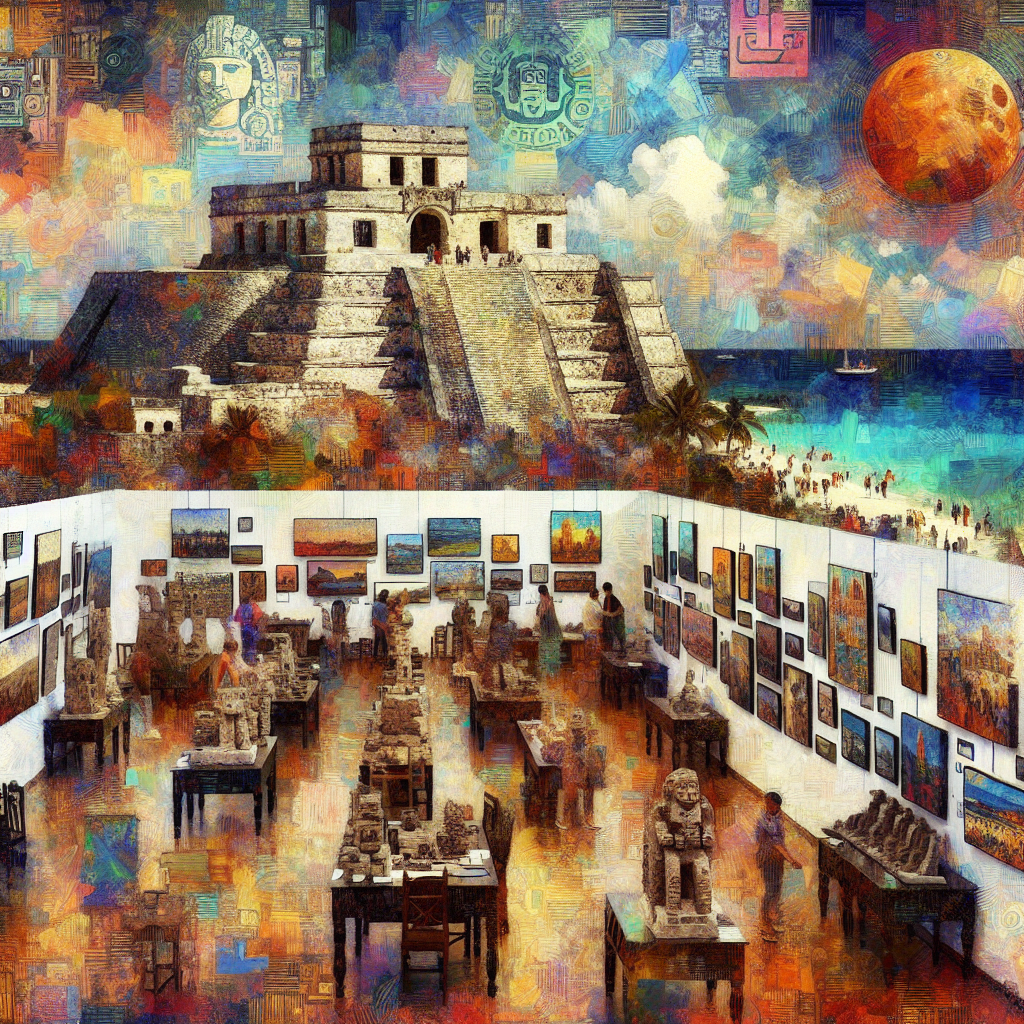
As we wrap up our exploration of the Cozumel Mayan Temple, it’s abundantly clear that this ancient site isn’t just a collection of weathered stones nestled amid vibrant jungles and shimmering turquoise waters. It’s a living testament to the ingenuity, spirituality, and complex social structure of a civilization that thrived thousands of years ago. This temple stands as a monumental reminder that beneath these stones lie stories, whispers of a past rich with rituals honoring powerful deities like Ix Chel, the goddess of fertility and medicine. Imagine the scene: women traversing distances to seek her blessings, ceremonies filled with vibrant colors, rhythmic beats echoing in harmony with the waves crashing against the shores nearby.
When you wander through, the air feels charged with history. Each carving, every mural, tells a tale—of gods, of creation, of life’s cyclical nature. It’s akin to stepping into a living museum where every artifact, from intricate pottery shards to votive offerings of jade, holds deep significance and reflects the Maya’s relationship with the cosmos and their earthly surroundings. You see, these ancient architects were not only master craftsmen and astronomers but also deeply connected to the earth itself. Their observatory-inspired design reveals a culture that paid keen attention to the celestial movements. It allows us to ponder their wisdom and the knowledge they might have gleaned from the stars.
But the temple’s allure isn’t merely in its architectural prowess or in the artifacts found within its embrace; it’s a call to reflection on our own quest for meaning and connectivity. Just as the Mayans sought guidance from celestial bodies and performed rituals to maintain harmony, we too navigate our lives in search of purpose. Standing within the temple’s walls, you can’t help but feel a sense of unity with those who came before, a palpable connection that transcends time and culture.
So, what does this temple hold? It holds lessons of resilience, community, and a deep-rooted spirit that encourages us to explore our own legacies. As we contemplate the layers of history and spirituality here, let’s remember: the secrets of Cozumel’s Mayan Temple aren’t locked away; they invite every visitor to discover the shared story of humanity, rich with mystery and wonder. And that, my friends, is what makes this journey truly worthwhile.
Conclusion
Conclusion:
- The Cozumel Mayan Temple is a testament to the ingenuity and spirituality of the ancient Maya civilization.
- It honors deities like Ix Chel, reflecting the rituals and practices of the past.
- The temple serves as a living museum with artifacts that convey the Maya’s relationship with the cosmos.
- Its architecture is inspired by celestial movements, showcasing the Maya’s astronomical knowledge.
- Visitors experience a connection to the past, bridging cultures and time through reflection.
- The temple embodies lessons of resilience and community, inviting exploration of personal legacies.
- Ultimately, it encourages visitors to discover the shared human story filled with mystery and wonder.
Conclusion
Other Resources

Other Resources
If you’re thinking about actually being in Cozumel for any of this — not just reading about it from a cold kitchen back home — a couple of our sister sites cover where to stay for the kind of trip you might be planning. Cozumel Journey is an editorial guide to Cozumel — neighborhoods, planning tips, and life on the island for travelers who want context, not a cruise schedule.
Here is a list of other resources you can review online to learn more:
- Cozumel Snuba
- Rainforest Cafe
- A Diver’s Guide to Cozumel
- Chankanaab Adventure Park Royal Swim
- K’ooben Laab
- The Capital Grille
- Al Pie del Carbon Restaurant
- Fiesta Americana Cozumel
- Cozumel Trips
- U.S. Department of State
- Cozumel Journey — long-form writing on neighborhoods and planning
Use This Prompt To Get More Resources With Your Favorite Online AI Tool: Please provide me with a list of online articles with their URLs in a bulleted list that I can read regarding What Secrets Does the Cozumel Mayan Temple Hold?

Other Resources
Glossary Terms
What Secrets Does the Cozumel Mayan Temple Hold? – Glossary Of Terms
1. Mayan Civilization: An ancient Mesoamerican culture known for its hieroglyphic script, architecture, mathematics, and astronomical systems.
2. Temple: A structure built for religious worship and rituals, often dedicated to deities or ancient practices.
3. Cozumel: An island in the Caribbean Sea, off the eastern coast of Mexico’s Yucatán Peninsula, known for its rich Mayan heritage.
4. Pyramid: A type of monumental structure characterized by a square or rectangular base and steep sides, often used by Mayans for religious purposes.
5. Rituals: Ceremonial acts performed in accordance with religious customs or beliefs, often seeking to connect with deities or ancestors.
6. Deity: A god or goddess, revered and worshiped within a specific religion or belief system.
7. Archaeology: The scientific study of human history and prehistory through the excavation and analysis of artifacts, structures, and other physical remains.
8. Hieroglyphs: A system of writing composed of symbols and images used by ancient Mayans to convey information and record history.
9. Sacred Site: A location considered holy or significant within a culture or religion, often associated with worship and spiritual practices.
10. Ceremonial Center: An area where significant religious activities and gatherings occur, often featuring temples or pyramids.
11. Friesian: A type of architectural style seen in some Mayan structures, characterized by broad platforms and steep staircases.
12. Chichen Itza: A famous archaeological site in Mexico, known for its large pyramids and one of the most-iconic examples of Mayan architecture.
13. Calendar System: A method of tracking time used by the Mayans, consisting of a 365-day calendar known as the Haab’ and a 260-day sacred calendar known as the Tzolk’in.
14. Astronomy: The study of celestial bodies; Mayans excelled in this field, using astronomical knowledge for agricultural and ceremonial planning.
15. Artifacts: Objects made or used by humans, often found during excavations, and providing insight into past cultures and civilizations.
16. Shaman: A spiritual leader or healer in many indigenous cultures, known for their abilities to communicate with the spirit world or perform rituals.
17. Tzolk’in: The 260-day sacred calendar used by the Mayans, composed of 20 periods each containing 13 days.
18. Codex: Ancient manuscript texts that contain information about the Mayan culture, history, and religious beliefs, often illustrated with imagery.
19. Sacrifice: The act of offering something valuable, often in a religious context, to appease deities or to seek favor.
20. Mesoamerica: A historical and cultural region that includes Mexico and Central America, home to various ancient civilizations including the Maya.
21. Stone Carving: The art of shaping stone, often used in temples and monuments to create reliefs and inscriptions.
22. Unity of Opposites: A philosophical concept in Mayan belief representing the balance of duality living harmoniously within their universe.
23. Migration: The movement of peoples, which in the context of the Mayans refers to the shifts of populations that influenced the development of their culture.
24. Portal: A symbolic “doorway” often believed to connect the physical world with the spiritual realm in ancient Mayan cosmology.
25. Balam: A term used in Mayan language meaning “jaguar,” often associated with strength and the spiritual world.
26. Polychrome Pottery: A type of colorful ceramic art produced by the Mayans, often depicting various aspects of their culture and beliefs.
27. Glyph: A character used in the writing system; each glyph can denote sounds, syllables, or whole words.
28. Cenote: A natural sinkhole filled with water that is often viewed as sacred by the Mayans and used in rituals.
29. Ball Game: A significant ritual sport played by the Mayans, often associated with cosmological beliefs and societal order.
30. Heritage: The cultural legacy and historical significance passed down through generations, including language, traditions, and sites such as the Cozumel Temple.
Glossary Of Terms
Other Questions
What Secrets Does the Cozumel Mayan Temple Hold? – Other Questions
If you wish to explore and discover more, consider looking for answers to these questions:
- What is the significance of Ix Chel in Mayan culture?
- How did the Mayans construct such precise architectural structures without modern tools?
- What kind of ceremonies were performed at the Cozumel Mayan Temple?
- What archaeological techniques are used to uncover artifacts at these sites?
- What is the role of astronomy in Mayan civilization and its impact on their temples?
- How did the arrival of Spanish colonizers affect Mayan temples and culture?
- What insights have recent discoveries provided about the daily life of the Mayans?
- Are there any myths or legends associated with the Cozumel Mayan Temple?
- How do modern interpretations of Mayan culture differ from historical facts?
- What can visitors expect when touring the Cozumel Mayan Temple today?
- How is the preservation of Mayan archaeological sites being approached today?
- What other Mayan sites can be visited on Cozumel or nearby regions?
- How do the art and architecture of the Cozumel Mayan Temple compare to other Mayan sites?

Other Questions
Haiku
What Secrets Does the Cozumel Mayan Temple Hold? – A Haiku
Ancient stones whisper,
Cozumel’s temple guards truth—
Past and present blend.

Haiku
Poem
What Secrets Does the Cozumel Mayan Temple Hold? – A Poem
Upon Cozumel’s sunlit shore,
Where turquoise waves embrace the land,
An ancient temple stands, a lore
Of Mayan hearts and skillful hands.
Amidst the whispers of the breeze,
Its weathered stones, a sacred scroll,
Date back to days when deities
Guided life and played their role.
Dedicated to Ix Chel,
In her embrace, fertility bloomed,
While priests would chant, with verses swell,
In rituals where hope consumed.
A stargazer’s arc, their gaze aligned,
With celestial patterns in the sky—
Each angle etched by hands designed,
To track the stars as they would fly.
Murals carved in ancient tongue,
Chart tales of gods and life renewed,
Secrets held, like songs unsung,
In glyphs where nature’s wisdom brewed.
Yet not just relics of the past,
This site embodies timeless grace,
A temple where old shadows cast
A bond of spirit we retrace.
Through overgrown paths, we wander still,
In echoes of laughter, prayers, and song—
A reminder of a human thrill,
Of love and loss, where we belong.
For here is more than stone and shell;
It’s life’s great tapestry unfurled,
In Cozumel, magic weaves its spell—
The heart of Maya waits, unfurled.
So tread with reverence, seek the truth,
In each ruined arch, a lesson calls,
Uncover the stories of their youth,
For in their silence, history enthralls.
Beneath the boughs and ancient dome,
Find sacred whispers, let thoughts ascend—
In this hallowed ground, we find a home,
With secrets shared, our hearts will blend.

Poem
Checklist
What Secrets Does the Cozumel Mayan Temple Hold? – A Checklist
Before Your Visit
1. Research the Mayan Culture:
_____ Familiarize yourself with Mayan history, beliefs, and values.
_____ Learn about the goddess Ix Chel and her significance to the Mayans.
2. Prepare for the Trip:
_____ Pack essential items (e. g. , water, sunscreen, comfortable shoes).
_____ Bring a camera or notebook for capturing your thoughts and impressions.
3. Plan Your Route:
_____ Decide which temples and areas you want to explore (e. g. , San Gervasio, El Cedral).
_____ Check if guided tours are available for deeper insights.
During Your Visit
4. Observe the Architecture:
_____ Take note of unique features and designs of the temple structures.
_____ Examine the alignment of the buildings with celestial events.
5. Study the Carvings:
_____ Look closely at the intricate carvings on the walls.
_____ Try to interpret the stories they tell about gods, rituals, and daily life.
6. Engage with Your Guide:
_____ Ask questions about the significance of rituals and ceremonies once held at the temple.
_____ Request to hear anecdotes or lesser-known facts about the site.
7. Absorb the Atmosphere:
_____ Take a moment to reflect and imagine the vibrant ceremonies that took place here.
_____ Listen to the sounds of nature and imagine how they once intertwined with chants and rituals.
8. Explore the Surroundings:
_____ Walk along the paths and view the flora and fauna that have reclaimed the space.
_____ Meditate on the connection between nature and the cultural/spiritual practices of the Mayans.
After Your Visit
9. Reflect on Your Experience:
_____ Write down your thoughts, feelings, and any newfound knowledge gained during your visit.
_____ Consider how the Mayan culture relates to modern practices in your own life.
10. Share Your Insights:
_____ Talk to friends or family about your visit and the importance of the site.
_____ Consider sharing photographs and stories on social media to raise awareness about the Cozumel Mayan Temple.
11. Continue Learning:
_____ Research books or documentaries about the Maya civilization for deeper understanding.
_____ Explore other archaeological sites in the region for a comprehensive view of Mayan history.
Enjoy your journey through time at the Cozumel Mayan Temple! Let the whispers of the past guide your exploration and reflection.

Checklist
At TopCozumelNews, we help travelers enjoy Cozumel by collating information learned from frequently traveling to beautiful Cozumel.
Be sure to read our other related stories at TopCozumelNews to learn more about the Island of Cozumel.