



Exploring The Wonders Of Palancar Reef
By Tom Seest
At TopCozumelNews, we help travelers enjoy Cozumel by collating information learned from frequently traveling to beautiful Cozumel.
Be sure to read our other related stories at TopCozumelNews to learn more about the Island of Cozumel.
What Makes Palancar Reef a Must-See for Divers?
Cozumel’s Palancar Reef stands as a beacon for divers, calling out to the adventurous spirit in all of us. What makes this underwater wonder a must-see? Let’s dive into it.
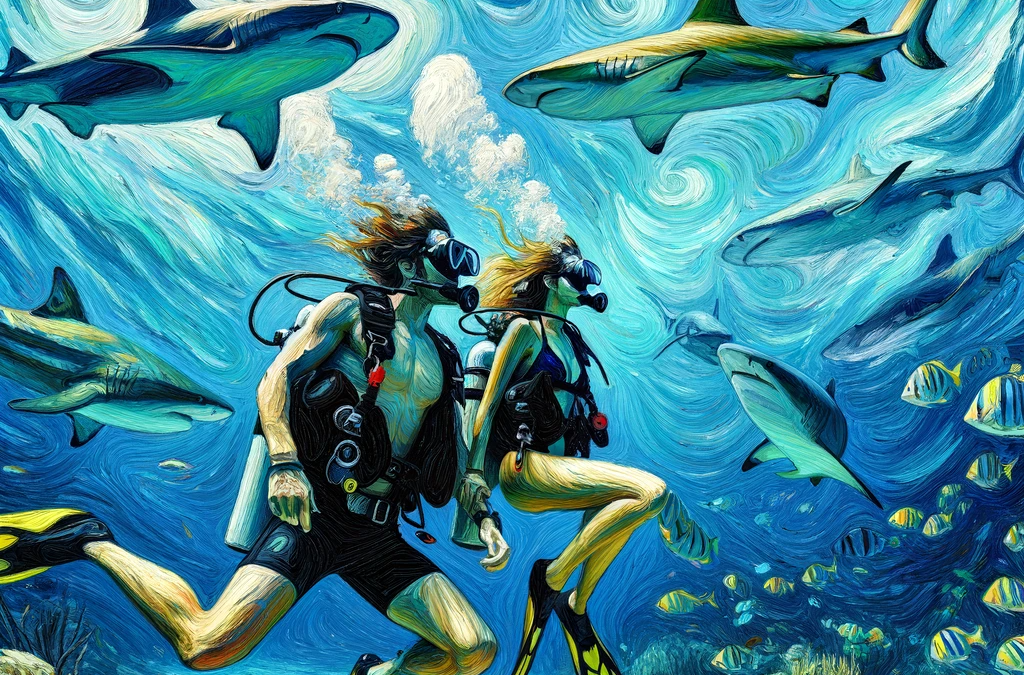
From the moment you dip below the waves, you’re not just entering another world; you’re stepping into a vibrant ecosystem teeming with life. Picture glistening rays of sunlight piercing through the turquoise waters, illuminating the coral formations that dance beneath the surface. Each colorful coral and darting fish contributes to a canvas painted by nature itself, making this reef not just a destination, but a masterpiece crafted over thousands of years.
Now, think about the impact your visit has on the reef. Ethical diving may seem like a buzzword, but it’s more than just a phrase; it’s a commitment we make to respect and protect the delicate environments we explore. By choosing responsible dive operators and following guidelines, you ensure that future generations can experience the same awe and wonder. This ethical duty connects us to the reefs—it’s not just about the thrill of the dive, but being stewards of nature.
Emotionally, there’s a sense of freedom that comes with exploring Palancar Reef. The weight of the world floats away as you glide alongside parrotfish and sea turtles. You become part of a grand narrative—one that stretches back to the dawn of time when the corals first took root. This connection to history, to life itself, is palpable and exhilarating, offering a glimpse into the beauty and fragility of our underwater world.
And let’s talk numbers for a moment. The reef boasts a staggering biodiversity, with over 500 species of marine life. This isn’t just a statistic; it’s a reminder of how interconnected we all are. When you immerse yourself in a place so rich in variety and color, it challenges you to think about your role in the larger picture. As divers, we become part of a community, an increasingly vital voice advocating for the health of our oceans.
So, if you’re searching for a place that ignites your passion for adventure while echoing a call for conservation, look no further than Cozumel’s Palancar Reef. It’s not just a dive; it’s a journey that beckons you to embrace both the thrill of exploration and the earnest desire to protect this underwater paradise.
What Makes Palancar Reef a Must-See for Divers?
What Makes Palancar Reef a Must-See for Divers?
- Cozumel’s Palancar Reef is a top destination for divers, offering an adventurous underwater experience.
- The reef features a vibrant ecosystem with stunning coral formations and diverse marine life.
- Ethical diving is crucial to protecting the delicate environments of the reef and promoting sustainability.
- Diving at Palancar Reef provides a profound sense of freedom and connection to nature.
- The reef is home to over 500 species of marine life, highlighting its impressive biodiversity.
- Diving fosters a sense of community among divers and emphasizes the importance of ocean conservation.
- Palancar Reef offers a thrilling adventure while encouraging stewardship of its underwater ecosystem.

What Makes Palancar Reef a Must-See for Divers?
Table Of Contents
- What Makes Palancar Reef a Must-See for Divers?
- What Stories Do The Vibrant Underwater Ecosystems Tell Us?
- How Does Diving At Palancar Reef Fit Into Your Life’s Adventure?
- What Unique Marine Life Can You Encounter In These Crystalline Waters?
- How Does The Reef Contribute To Our Understanding Of Ocean Health?
- What Ethical Responsibilities Do Divers Have To Protect This Habitat?
- Which Renowned Divers Have Shared Their Experiences At Palancar Reef?
- How Does Exploring This Reef Foster A Connection With The Ocean?
- Conclusion
- Other Resources
- Glossary Of Terms
- Other Questions
- Haiku
- Poem
- Checklist
What Stories Do The Vibrant Underwater Ecosystems Tell Us?
Just beneath the surface of the Caribbean Sea, particularly in places like Cozumel, lies an incredible world teeming with life and stories waiting to be discovered. These vibrant underwater ecosystems serve as nature’s own epic tales, whispering the legends of survival, resilience, and interconnectedness. When we dive into the azure depths, we aren’t just exploring coral reefs; we’re unraveling a complex web where every creature—big and small—plays a role in a grand narrative that transcends our human existence.
These ecosystems are a living testament to the time-tested principle of balance. Here, clownfish dart among anemones, proudly nesting in their protective embrace, while parrotfish tirelessly graze on algae, fostering coral health. The symbiotic relationships act like a well-rehearsed dance, reminding us how vital collaboration is, not only in nature but in our everyday lives. In a world often marred by division and discord, the ocean serves as a powerful metaphor, urging us to reflect on our own roles within our communities.
From a rational perspective, the science behind these ecosystems is staggering. Coral reefs, often dubbed the rainforests of the sea, provide crucial services: they protect coastlines, support biodiversity, and are essential for the livelihoods of millions. Every piece of coral acts as a building block, creating a habitat so rich that it inspires awe and respect. Facing their rapid decline due to climate change and human activity, we urgently need to take action.
Ethically speaking, safeguarding these marine wonders isn’t just a personal mission; it’s a collective responsibility. It begs the question: what legacy are we leaving for future generations? Protecting these underwater treasures is imperative, not only for the vibrant life they support but for the cultural and spiritual significance they hold.
Engaging with these ecosystems fosters a connection that can inspire change. Imagine sharing the awe of watching a sea turtle glide effortlessly through crystal waters with your child or niece. Sharing that moment bridges generational divides and ignites passion for nurturing our planet.
So let’s heed the call that the vibrant underwater ecosystems of Cozumel make to us. Let’s commit ourselves to these stories of endurance and beauty, and become advocates for the ocean that sustains us all. In doing so, we don’t just protect a place; we embrace a way of living that honors our connection with nature and one another.

What Stories Do The Vibrant Underwater Ecosystems Tell Us?
What Stories Do The Vibrant Underwater Ecosystems Tell Us?
- The Caribbean Sea, especially around Cozumel, hosts vibrant underwater ecosystems full of life and narratives.
- These ecosystems demonstrate balance through symbiotic relationships, highlighting the importance of collaboration.
- Coral reefs, known as the rainforests of the sea, provide crucial services like coastline protection and biodiversity support.
- Rapid decline of coral reefs due to climate change and human activity calls for urgent action.
- Safeguarding marine ecosystems is a collective responsibility and crucial for future generations.
- Engaging with these ecosystems can foster connections that inspire environmental stewardship across generations.
- Advocating for the ocean reflects our commitment to living in harmony with nature and supporting our communities.

What Stories Do The Vibrant Underwater Ecosystems Tell Us?
How Does Diving At Palancar Reef Fit Into Your Life’s Adventure?
There comes a time in every life when adventure calls, a siren song that pervades our day-to-day existence. Imagine standing on the sun-drenched shores of Cozumel, the rhythmic crash of waves against rugged rocks in the background—a tangible reminder that the world is vast and waiting for your exploration. When you dip below the surface at Palancar Reef, you’re not just diving; you’re immersing yourself in a living tapestry woven from vibrant coral and darting schools of iridescent fish. This is more than a picturesque getaway; it’s a chance to reconnect with your truest self.
The allure of diving at Palancar Reef isn’t solely visceral; it’s a transformational experience, both mentally and spiritually. Beneath those rolling waves lies a universe that thrives in perfect harmony, whispering secrets of resilience and interconnectedness. Here, the vibrant corals withstand storms, and the creatures coexist in their dance of life—a masterclass in cooperation and endurance. This profound spectacle ignites a sense of reflection, prompting you to question your place in the grand narrative of life. Uncle Sam called, and you answered—but now it’s time to answer the call from the ocean.
Ethically, consider the profound responsibility we, as earth’s stewards, owe to the natural world. Immersing yourself in this underwater wonderland fosters a deep respect for marine ecosystems and the need to protect them. Each dive nourishes both the body and soul, placing you in a position to become a storyteller for the ocean’s fragile beauty. Your newfound appreciation translates into advocacy, forging connections with fellow divers, conservationists, and organizations dedicated to preserving these underwater treasures.
Diving at Palancar Reef can ignite sparks that resonate far beyond your experience. When you emerge from the depths, your heart quickened and spirit revitalized, you aren’t just a witness to nature’s wonders—you’re part of a larger movement, a community that values exploration and shares the commitment to environmental stewardship. As you return to the surface, you’re not merely coming back to land; you’re returning with a mission: to inspire others to embark on their own adventures and to protect this precious world we’ve been gifted.
So, why not answer that call? Let Palancar Reef be the launching pad for the adventure of a lifetime, where every dive becomes a chapter in your remarkable story.

How Does Diving At Palancar Reef Fit Into Your Life’s Adventure?
How Does Diving At Palancar Reef Fit Into Your Life’s Adventure?
- Adventure calls at pivotal moments in life, urging exploration beyond daily routines.
- Cozumel offers stunning diving experiences at Palancar Reef, showcasing vibrant coral and diverse marine life.
- Diving at Palancar Reef serves as a transformational journey, promoting mental and spiritual reflection.
- The underwater ecosystem exemplifies resilience and interconnectedness, prompting personal introspection.
- Caring for marine ecosystems is a profound ethical responsibility, fostering respect and advocacy for nature.
- Emerging from dives energizes participants, connecting them to a community committed to exploration and environmental stewardship.
- Palancar Reef can inspire personal missions to protect and celebrate the natural world while sharing stories of adventure.
How Does Diving At Palancar Reef Fit Into Your Life’s Adventure?
What Unique Marine Life Can You Encounter In These Crystalline Waters?
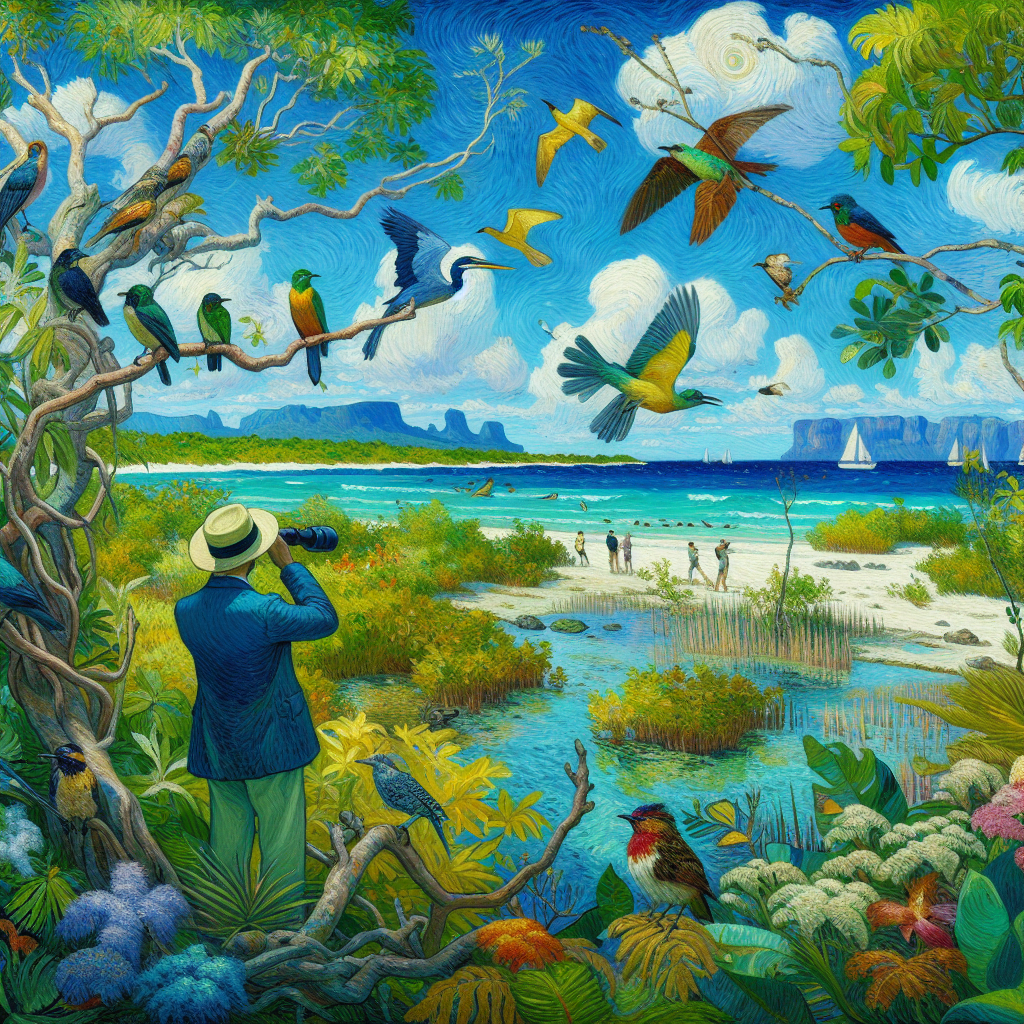
Imagine plunging into the warm, inviting waters off the coast of Cozumel, where the sun dances playfully on the surface, casting glimmers of light that promise secrets waiting to be unearthed. It’s not just another snorkeling trip; it’s a dive into nature’s living tapestry, each thread woven with vibrant colors and a pulse of life that leaves you breathless. From the moment you take your first tentative plunge, a kaleidoscope of marine wonders unfolds, igniting a sense of adventure and curiosity deep within.
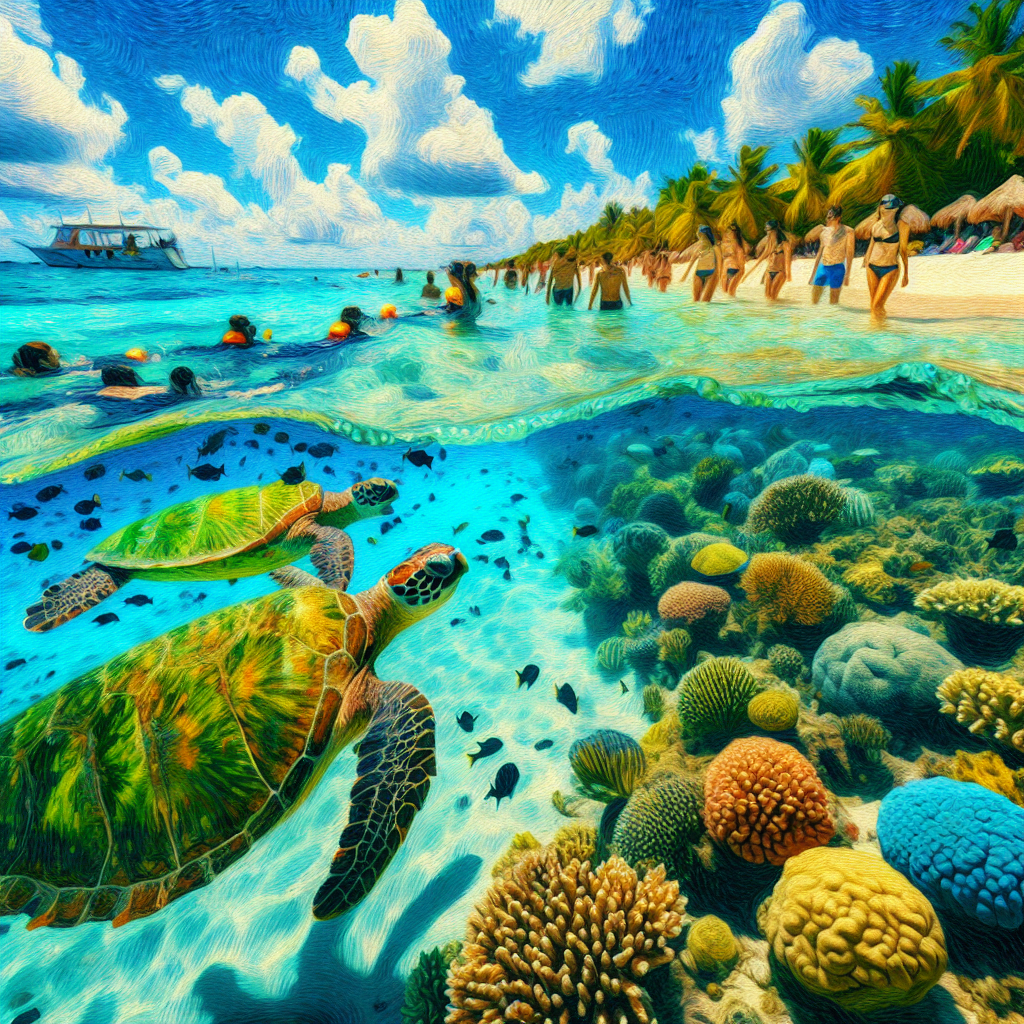
As you navigate through the crystalline depths, the ocean reveals its hidden gems—like the surreal sight of a sea turtle gliding gracefully by, its flippers cutting through the blue like a skilled dancer. These ancient creatures, with their weathered shells whispering stories of time, embody the delicate balance of our marine ecosystems. Gathering around coral reefs, you may find schools of angelfish, their shimmering bodies flashing like sparks in the water, reminding us of the intricate beauty that thrives beneath the waves. Each encounter tugs at the heart, fueling an innate sense of stewardship for these vibrant habitats.
But there’s more than just beauty beneath the surface. Rationally, understanding the biodiversity of Cozumel is critical in our fight for sustainability. The coral reefs here are not just colorful backdrops; they provide shelter to countless species and serve as indicators of ocean health. By engaging with this vibrant marine life, we come to appreciate our role as caretakers, inspiring actions grounded in ethics and responsibility. Empathy grows when we understand that the fate of these majestic creatures is tied to our actions above water.
Narratively, think of the stories you’ll carry home—memories of schools of tropical fish darting through coral gardens, or the sheer thrill of spotting a shy octopus hiding among the rocks. These experiences become part of who you are, inspiring stories you’ll share around the dinner table, helping to foster a connection among friends and family who, perhaps, have never dipped below the waves.
So, as you consider your next adventure, remember that each journey into these crystalline waters is an invitation—not just to see, but to feel, understand, and advocate. You’re not just witnessing marine life; you’re becoming part of a larger narrative, one where every dive writes a chapter in the ongoing saga of ocean conservation. Each encounter is a call to action, a reminder that the beauty you witness is worth fighting for.
What Unique Marine Life Can You Encounter In These Crystalline Waters?
What Unique Marine Life Can You Encounter In These Crystalline Waters?
- Experience the warm, inviting waters of Cozumel, promising adventures through nature’s living tapestry.
- Witness vibrant marine life, such as graceful sea turtles and colorful schools of angelfish, highlighting the beauty beneath the waves.
- Recognize the importance of coral reefs as vital ecosystems that support marine life and indicate ocean health.
- Feel a deep sense of stewardship and responsibility for the sustainability of marine environments.
- Carry home memorable stories of snorkeling experiences to share with friends and family.
- Engage with the ocean as part of a larger narrative of ocean conservation and advocacy.
- Understand that every dive contributes to the ongoing saga of protecting marine habitats and their inhabitants.
What Unique Marine Life Can You Encounter In These Crystalline Waters?
How Does The Reef Contribute To Our Understanding Of Ocean Health?
When you think about ocean health, it’s easy to picture vast blue waters teeming with life. But let’s zoom in a little, shall we? Take a moment to consider the vibrant reefs of Cozumel, a stunning slice of paradise that’s not just a feast for the eyes but a vital barometer for our planet’s wellbeing. These reefs, buzzing with the excitement of millions of organisms, tell a story—one of balance, fragility, and interdependence.
Each colorful coral formation serves as a sanctuary for countless species. But this isn’t merely a picturesque scene; it’s a living, breathing system that reflects the overall health of our oceans. When we talk about coral reefs, we’re diving deep into a world where complex relationships thrive, each species playing a crucial role. The health of the reef is like the heartbeat of the ocean—when it falters, we all feel it.
You might wonder, how does this relate to us here on land? It may seem distant, but the truth is undeniable: harmed reefs lead to worse fishing, compromised coastal protection, and deteriorating water quality. That means higher prices at the fish market and potentially damaging storm surges threatening our communities. This isn’t just environmental science; it’s an ethical imperative to act. Every part of this ecosystem has value, and every loss feels like a piece of ourselves fading away.
Head out on a diving expedition over to Cozumel, and you’ll find yourself face to face with nature’s wonders—vibrant fish darting in and out of their homes, anemones swaying like dancers in the deep. Taking part in the reef’s beauty pulls at your heartstrings, igniting an emotional connection that is as profound as it is undeniable. You realize that by preserving these reefs, you’re preserving more than just marine life; you’re securing a legacy for future generations.
So here’s our call to action: let’s become stewards of our oceans. When we stand together, advocacy turns into change. Whether it’s choosing sustainable seafood or supporting conservation efforts, your choices ripple through the ocean, much like the tides. As we wrap ourselves around the fragile wonders of places like Cozumel, let’s commit to ensuring those stories continue to be written—a testament to our dedication, interconnectedness, and love for the blue planet we call home.

How Does The Reef Contribute To Our Understanding Of Ocean Health?
How Does The Reef Contribute To Our Understanding Of Ocean Health?
- Ocean health reflects vibrant ecosystems like the coral reefs of Cozumel.
- Coral reefs are vital indicators of planetary wellbeing, showcasing balance and interdependence.
- Reefs support diverse species and play a crucial role in the overall health of oceans.
- Harmed reefs have dire implications for fishing, coastal protection, and water quality.
- Diving in Cozumel creates deep emotional connections to nature and highlights the need for preservation.
- Conservation efforts and sustainable seafood choices are essential for protecting coral reefs.
- Collective advocacy can lead to significant changes for a healthier ocean and future generations.

How Does The Reef Contribute To Our Understanding Of Ocean Health?
What Ethical Responsibilities Do Divers Have To Protect This Habitat?
When we slip below the surface of Cozumel’s vibrant waters, we’re not just immersing ourselves in breathtaking beauty; we’re stepping into a world that demands our respect and vigilance. As divers, our connection to this extraordinary habitat is profound, yet so is our responsibility to protect it. It’s not just about enjoying the sights; it’s about safeguarding a delicate ecosystem that supports countless marine life.
Every time we don our wetsuits and plunge into the ocean’s embrace, we become stewards of the underwater realm. Think about it: coral reefs, often referred to as the “rainforests of the sea,” are intricate communities that sustain a vast array of fish and other organisms. These ecosystems are not only stunning but also vulnerable. Intentionally or not, our actions can inflict lasting damage. From careless fin kicks that scar corals to touching sensitive species, even well-meaning divers can inadvertently become hazards to these fragile habitats.
But here’s where our hearts and guts come into play. Imagine a world where the vibrant colors of the reefs are dulled by our negligence, where the bustling marine life is replaced by silence. It’s a haunting thought—the very treasure we seek could slip through our fingers, and it’s up to us to change that narrative. We have the power to craft a different story: one of preservation, education, and respect.
Ethically, we must embrace our role as protectors. This isn’t just a hobby; it’s an obligation. Engaging with local conservation efforts, promoting responsible diving practices, and raising awareness within our communities are all ways to ensure that we leave Cozumel’s waters better than we found them. By taking small yet meaningful actions, we can inspire others to do the same.
These choices echo beyond our individual dives; they resonate through the social fabric of our diving community and can influence an entire generation of divers. When we dive with purpose, we create a ripple effect—friends, family, and fellow enthusiasts will notice our commitment and be inspired to follow suit.
So next time you prepare for your underwater adventure in Cozumel, remember that you’re not just a visitor; you are part of a lineage. Together, let’s commit to being responsible divers, honoring this magnificent ecosystem, and ensuring it thrives for generations to come. The ocean is listening, and together, we hold the key to its future.

What Ethical Responsibilities Do Divers Have To Protect This Habitat?
What Ethical Responsibilities Do Divers Have To Protect This Habitat?
- Diving in Cozumel requires respect and vigilance for the underwater ecosystem.
- Divers have a profound connection and responsibility to protect marine life and habitats.
- Coral reefs, known as the “rainforests of the sea,” sustain diverse marine communities.
- Negligent actions, even unintended, can cause lasting damage to fragile ecosystems.
- Divers can take on a protective role by engaging in conservation and promoting responsible practices.
- Individual actions can inspire a broader diving community to commit to preservation and awareness.
- Divers should remember they are part of a lineage committed to ensuring the health of the ocean for future generations.

What Ethical Responsibilities Do Divers Have To Protect This Habitat?
Which Renowned Divers Have Shared Their Experiences At Palancar Reef?
When diving into the depths of Cozumel’s Palancar Reef, you’re not just immersing yourself in vibrant coral and teeming marine life; you’re stepping into stories, memories, and personal transformations shared by some of the most renowned divers in the world. These seasoned adventurers have journeyed through azure waters, emerging not just with thrilling tales but with profound insights into the delicate balance of nature.
Consider the experience of a diving pioneer like Jacques Cousteau, who first brought the ocean’s mysteries to the screens of the world. His time exploring Cozumel’s reefs wasn’t merely a pursuit of adventure; it was a mission to educate others about the beauty and fragility of underwater ecosystems. Cousteau’s reflections on Palancar Reef highlight the interconnectedness of all life— a principle that stirs the ethical core within each of us. For him, this underwater paradise was an invitation to cherish and protect, reminding us that every dive carries the weight of responsibility.
Then there’s the legendary Sylvia Earle, an oceanographer whose explorations have spanned decades. Earle speaks of Cozumel with an almost reverent awe, emphasizing the reef’s role as both a sanctuary for marine creatures and a barometer for our environmental stewardship. Her experiences resonate deeply, urging us to reconsider our impact on such precious ecosystems. When she describes the vibrant colors of the corals, her eyes light up, evoking a visceral connection that transcends mere words.
Not to be overlooked are the countless recreational divers—enthusiasts who, drawn to this sublime underwater world, share their own journeys on social platforms and dive forums. Their stories, often laced with emotion, depict first encounters with the reef’s wonder. You can almost hear the gasps of awe as they narrate moments of swimming alongside sea turtles or gliding next to imposing manta rays. These personal anecdotes create a tapestry of shared experience, inviting you to envision your own adventure.
As you consider these accounts, from experts to everyday explorers, a powerful truth emerges: the experiences shared at Palancar Reef are not isolated but interconnected, urging us all to dive deeper into our understanding of the ocean and our place within it. Let their stories inspire you to take the plunge—both literally and figuratively—into preserving this grand underwater legacy for generations to come. After all, in the words of a longtime diver, “Our oceans are not just their own; they are ours to cherish and protect.”

Which Renowned Divers Have Shared Their Experiences At Palancar Reef?
Which Renowned Divers Have Shared Their Experiences At Palancar Reef?
- Diving at Cozumel’s Palancar Reef offers not just vibrant coral and marine life but also stories and insights from renowned divers.
- Jacques Cousteau, a diving pioneer, explored Cozumel’s reefs to educate others about the beauty and fragility of underwater ecosystems.
- Cousteau emphasized the interconnectedness of all life, highlighting the responsibility that comes with each dive.
- Sylvia Earle, a legendary oceanographer, views Cozumel as a sanctuary for marine life and a measure of environmental stewardship.
- Earle’s emotional descriptions of the reef’s vibrant colors evoke a deep connection to the underwater world.
- Recreational divers share their personal experiences on social platforms, celebrating encounters with sea turtles and manta rays.
- The shared experiences at Palancar Reef highlight a collective responsibility to understand and protect ocean ecosystems for future generations.

Which Renowned Divers Have Shared Their Experiences At Palancar Reef?
How Does Exploring This Reef Foster A Connection With The Ocean?
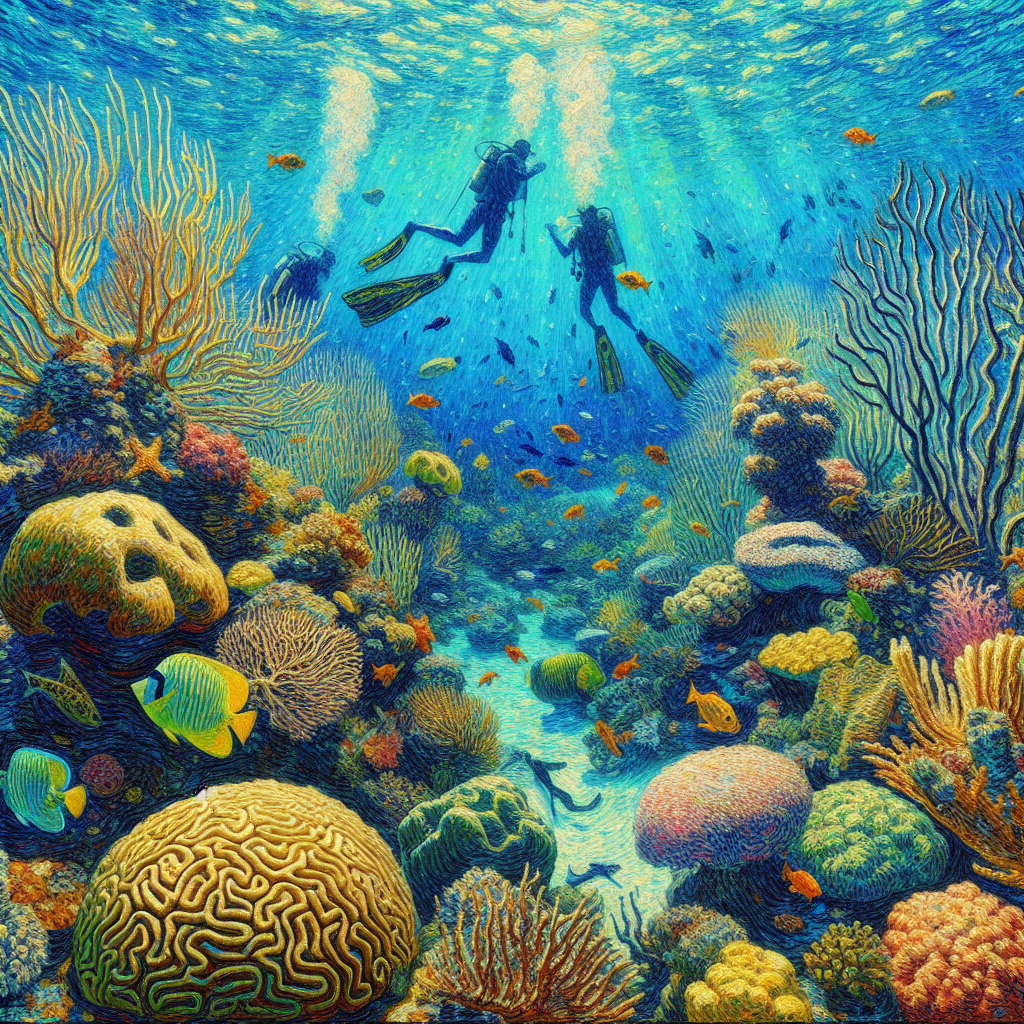
Exploring a vibrant reef in Cozumel is not just about sunshine and snorkeling gear; it’s about diving into a world that transcends the surface. Picture yourself gliding through crystal-clear waters, surrounded by a kaleidoscope of colors, where every flick of a fin reveals a secret life you’ve never known. That simple act — immersing yourself in the vibrant ecosystem below — stirs something deep within, igniting a connection to the ocean that runs far deeper than mere appreciation.
When you witness the intricate dance of sea turtles or the darting of clownfish among anemones, it’s not just a spectacle; it’s a conversation with nature itself. That connection hits you in the gut. You feel the urgency of protecting these underwater sanctuaries, realizing that you’re part of a larger narrative, one where humans and nature must collaborate to survive. It’s an invitation to reflect on your role in the web of life, as our oceans face unprecedented threats. The ethical responsibility that comes with this realization can turn a casual visit into a life-altering mission.
This isn’t just a recreational activity; it’s an investment in a future rich with biodiversity. The knowledge that we can influence change — whether it’s advocating for marine protected areas or simply practicing responsible tourism — fuels the rational mind. It’s a tactile acknowledgment of what we have to lose, and a challenge to act, because when you see that beauty firsthand, it makes the stakes crystal clear. And when the narrative shifts from ‘us’ versus ‘nature’ to ‘us with nature’, it paves the way for social change, fostering communities dedicated to ocean conservation.
Think about your friends and family who might never experience this awe. By sharing your stories, you’re not just reliving a moment; you’re that bridge. You become an ambassador, igniting their curiosity and sense of responsibility, perhaps even drawing them together for collective action. The power of connection breeds trust — trust in your voice, in the shared human experience, and in the health of our oceans.
Ultimately, exploring the reef in Cozumel is more than a leisure activity. It’s a heartfelt plea for awareness and stewardship, binding us to the wonders beneath the waves. You might find that, in protecting the ocean, you’re also finding a piece of yourself.

How Does Exploring This Reef Foster A Connection With The Ocean?
How Does Exploring This Reef Foster A Connection With The Ocean?
- Exploring Cozumel’s vibrant reef is about more than just snorkeling; it’s a deep dive into an immersive ocean ecosystem.
- Witnessing marine life, such as sea turtles and clownfish, fosters a profound connection to nature.
- This experience highlights the urgency of protecting underwater sanctuaries and recognizing our role in nature.
- Engagement with the ocean encourages responsible tourism and advocacy for marine protection.
- The shift in narrative from ‘us versus nature’ to ‘us with nature’ promotes social change and community commitment to conservation.
- Sharing your experiences can inspire friends and family, fostering a collective responsibility towards ocean health.
- Ultimately, reef exploration serves as a call for stewardship, enhancing both environmental awareness and personal growth.
How Does Exploring This Reef Foster A Connection With The Ocean?
Conclusion
Diving into Cozumel’s Palancar Reef is more than just an extraordinary adventure; it’s an invitation to connect deeply with the intricate rhythms of nature and embrace the stewardship our oceans desperately need. As you descend into the sparkling turquoise waters, an intoxicating ecosystem reveals itself, pulsating with life in a breathtaking display of color. This is not a mere geographical phenomenon; it’s a living tapestry woven from coral architectures and the darting movements of diverse marine species that mirror our own interconnectedness.
Your experience isn’t only an exhilarating thrill but an awakening to the profound responsibility we all share toward these underwater ecosystems. Ethical diving is more than a catchphrase—it’s a commitment to tread lightly. Every dive carries the weight of future generations’ experiences; the choices we make today echo through time. When we choose sustainable practices and support local conservation, we affirm our role as caretakers of this fragile habitat.
Emotionally, connecting with creatures like sea turtles or schools of butterfly fish can stir something elemental within you. It’s an exhilarating reminder that beneath the surface lies not only beauty but fragility, pushing you to reflect on how you fit into this grand narrative. This sentiment resonates strongly, evoking a sense of urgency to protect what you’ve come to cherish.
Factually, the numbers speak volumes. With over 500 species calling the reef home, every dive becomes an encounter with richness that transcends individual experiences and urges you to consider your impact on global biodiversity. We must become advocates—not just for our own enjoyment but for the ecological legacy we wish to leave behind.
Consider this: the stories shared by seasoned divers like Jacques Cousteau and Sylvia Earle underscore the weight of this narrative. Their voices remind us that every dive carries the potential to inspire action and foster a community committed to ocean care. Imagine using your own unique stories from the reef to spark conversations with friends and family, encouraging them to join in the mission for conservation.
As we rise from the depths, it is clear we return not merely as visitors but as champions for the ocean. Embracing these responsibilities while kindling a spirit of adventure will empower us to protect the stunning reefs of Cozumel. So, don your gear, embrace the call, and prepare to partake in a magnificent journey that nourishes your soul and inspires commitment to safeguarding our blue planet. Let Palancar Reef be the beginning of a larger movement—a catalyst for change that transcends the water’s surface.

Conclusion
Conclusion:
- Diving into Cozumel’s Palancar Reef offers an extraordinary adventure and a deep connection with nature.
- The vibrant underwater ecosystem features diverse marine species and stunning coral architectures, highlighting our interconnectedness.
- Ethical diving emphasizes the importance of sustainability and protecting ocean habitats for future generations.
- Interacting with marine life, such as sea turtles and butterfly fish, evokes reflection on our role in preserving the environment.
- Palancar Reef is home to over 500 species, underscoring the importance of global biodiversity and advocacy for ecological preservation.
- Influential divers like Jacques Cousteau and Sylvia Earle stress the potential of each dive to inspire conservation efforts.
- Returning from the depths, divers take on the role of ocean champions, ready to engage others in the mission to protect our blue planet.

Conclusion
Other Resources

Other Resources
Here is a list of other resources you can review online to learn more:
- Mr. Sanchos ATV
- Villa Deja Blue
- Turquoise Terraza & Beach Club Cozumel
- Palancar Beach
- Dzul-Ha Reef
- Starbucks
- Online Reef Guide
- Cunard
- Cozumel ATV Adventure
- Alberto’s Puerta Maya
- Cozumel Reefs National Marine Park
- El Postrecito Cozumel
- Cozumel Adventure Tours
- Cozumel Tours
- Discover Mexico Cozumel Park
- Chankanaab National Park
Use This Prompt To Get More Resources With Your Favorite Online AI Tool: Please provide me with a list of online articles with their URLs in a bulleted list that I can read regarding What Makes Palancar Reef a Must-See for Divers?
Other Resources
Glossary Terms
What Makes Palancar Reef a Must-See for Divers? – Glossary Of Terms
1. Palancar Reef: A renowned coral reef located off the coast of Cozumel, Mexico, celebrated for its vibrant marine life and stunning underwater landscapes.
2. Coral: Marine invertebrates that form the structure of reefs, providing habitat for numerous species and contributing to biodiversity.
3. Diving: The action of swimming underwater, typically with the aid of a breathing apparatus, allowing exploration of aquatic environments.
4. Biodiversity: The variety of life forms within an environment, including species richness and ecosystem diversity, crucial for maintaining healthy marine ecosystems.
5. Dive Sites: Specific locations within a body of water that are popular for diving due to their unique underwater features and marine life.
6. Visibility: The distance one can see underwater, an important factor for divers that affects overall experience and safety.
7. Marine Life: A term encompassing all organisms that live in the ocean, including fish, invertebrates, sea turtles, and other aquatic animals.
8. Snorkeling: A water sport that involves swimming on the surface with a mask and snorkel, allowing participants to observe underwater life without submerging.
9. Drift Diving: A diving technique where divers float with the current, often used to explore reefs without expending much energy.
10. Underwater Photography: The practice of taking photographs underwater, capturing the beauty of marine ecosystems and creatures.
11. Wreck Diving: A type of diving that involves exploring sunken ships or aircraft, offering unique experiences and historical insights.
12. Seagrass: Marine plants that provide habitat and food for marine organisms, playing a critical role in coastal ecosystems and water purification.
13. Scuba Gear: Equipment used for diving, including a tank, regulator, wetsuit, and fins, necessary for underwater exploration.
14. Ecosystem: A community of living organisms and their physical environment, interacting as a system, particularly important in coral reefs.
15. Tide: The rise and fall of sea levels caused by gravitational interactions, influencing underwater visibility and marine activity.
16. Conservation: The protection and preservation of natural resources, crucial for maintaining healthy ocean ecosystems like coral reefs.
17. Reef Structure: The physical formations created by coral and other marine organisms, providing habitat for diverse marine species.
18. Threatened Species: Marine species at risk of extinction due to environmental changes, overfishing, or habitat loss; includes some coral species.
19. Fisheries Management: Strategies developed to regulate fish populations and maintain sustainable levels of fishing activity.
20. Sustainability: The practice of utilizing resources in a way that preserves environmental health for future generations, essential for reef protection.
21. Current: The flow of water in the ocean, affecting visibility, marine life behavior, and dive conditions.
22. Pelagic Zone: The oceanic zone that includes the open water above the seafloor, often home to migratory fish and larger marine animals.
23. Anemone: A marine animal related to corals, often found in symbiotic relationships with clownfish and providing habitat for various species.
24. Symbiosis: A biological relationship between two different organisms living in close physical proximity, often beneficial to both.
25. Coral Bleaching: A phenomenon where coral loses its color due to stress factors like increased water temperature, resulting in decreased health and vitality.
26. Diversified Flora and Fauna: The range of plant and animal life in an area, highlighting the ecological richness of the Palancar Reef.
27. Marine Protected Area (MPA): A designated zone where human activity is restricted to conserve marine ecosystems and biodiversity.
28. Buoyancy Control: The ability of divers to manage their flotation underwater, critical for safe and enjoyable diving experiences.
29. Shipwrecks: Remnants of sunken vessels that attract divers and marine life, often forming artificial reefs that support biodiversity.
30. Dive Certification: A credential obtained through training and assessment to ensure divers are equipped with the skills and knowledge necessary for safe underwater exploration.

Glossary Of Terms
Other Questions
What Makes Palancar Reef a Must-See for Divers? – Other Questions
If you wish to explore and discover more, consider looking for answers to these questions:
- What is the best time of year to dive at Palancar Reef?
- What specific marine species can be found at Palancar Reef?
- Are there guided diving tours available for beginners?
- What are the ethical guidelines for responsible diving?
- How can divers contribute to coral reef conservation after their trip?
- What is the history of diving and conservation efforts at Palancar Reef?
- Are there any health and safety tips for divers visiting this location?
- What equipment is recommended for diving at Palancar Reef?
- How do climate change and human activity impact Palancar Reef?
- What are the regulations for diving in protected marine areas?
- How does the local community benefit from tourism related to Palancar Reef?
- What can I do if I want to learn more about marine conservation?
- Are there any discounts for diving trips at Palancar Reef?
- What is the experience like for snorkelers compared to scuba divers at the reef?

Other Questions
Haiku
What Makes Palancar Reef a Must-See for Divers? – A Haiku
Vibrant reef whispers,
Nature’s pulse in azure tides,
Guardians we become.

Haiku
Poem
What Makes Palancar Reef a Must-See for Divers? – A Poem
In Cozumel’s embrace, where the azure waters gleam,
Lies Palancar Reef, the heart of a diver’s dream.
Beneath the surface, a world is alive,
A dance of coral and fish, where ancient stories thrive.
Sunlight spills like golden secrets on vibrant hues,
Every creature, each coral, whispers values to choose.
Adventure calls, a siren’s sweet song,
Inviting us closer—come, where you belong.
Yet with joy comes a weight, a call to protect,
The fragility of life, in its wonder, we reflect.
As stewards of oceans, we stand hand in hand,
Guardians of beauty, united by sand.
More than mere thrill, it’s an ethical plea,
To cherish each moment, to protect what we see.
Each dive, a connection, a glimpse of our fate,
The fate of the reef resonates—don’t hesitate.
Fish dart like memories, turtles swim slow,
In the tapestry woven, we find bonds that grow.
With every encounter, to the ocean we pledge,
Guardians of paradise, standing on the edge.
So answer the call, share your stories wide,
Build a community where passion won’t hide.
For every dive at the reef, let change take its course,
A journey worth taking, where love finds its source.
The ocean is listening—let’s respond with our might,
Together, let’s shine through the deepening night.
In Palancar Reef’s depths, our hearts intertwine,
In the beauty of nature, our future we’ll find.

Poem
Checklist
What Makes Palancar Reef a Must-See for Divers? – A Checklist
Palancar Reef Experience Checklist
Emotional Appeals
_____ Feel the Connection: Spend time reflecting on your personal feelings when diving and the bond formed with marine life.
_____ Capture the Moment: Take photographs or write about your experiences underwater to share with friends and inspire the next generation.
Rational Appeals
_____ Understand the Ecosystem: Research the various species found at Palancar Reef and their role in maintaining the ecosystem.
_____ Convey Facts: Share statistics about coral reef health and biodiversity to promote awareness and understanding among peers.
Ethical Appeals
_____ Commit to Conservation: Pledge to support sustainable diving practices and educate others on the importance of marine preservation.
_____ Join Local Efforts: Volunteer with conservation organizations to actively protect marine ecosystems.
Authority Appeals
_____ Follow Expert Guidance: Choose dive operators committed to responsible practices and learn from experienced divers and marine educators.
_____ Educate Yourself: Read books or watch documentaries by renowned marine conservationists like Jacques Cousteau and Sylvia Earle.
Narrative Appeals
_____ Share Your Stories: After your dive, tell friends and family about your experiences and the lessons learned from the underwater environment.
_____ Engage with Fellow Divers: Discuss memorable encounters with marine life during dive meet-ups or online forums.
Social Appeals
_____ Build a Diving Community: Connect with other divers through clubs or social media to share tips and promote conservation advocacy.
_____ Organize Group Dives: Plan collaborative diving trips that include environmental education and community outreach components.
Additional Tips
_____ Respect the Environment: Follow diving etiquette to minimize impact on the reef (e. g. , don’t touch coral or disturb marine life).
_____ Plan Ahead: Ensure you have all the necessary equipment and knowledge about the dive site before heading out.
By using this checklist, engage fully with the awe and responsibility that comes with exploring Palancar Reef, ensuring both an enriching personal experience and a commitment to marine conservation.
Checklist
At TopCozumelNews, we help travelers enjoy Cozumel by collating information learned from frequently traveling to beautiful Cozumel.
Be sure to read our other related stories at TopCozumelNews to learn more about the Island of Cozumel.