



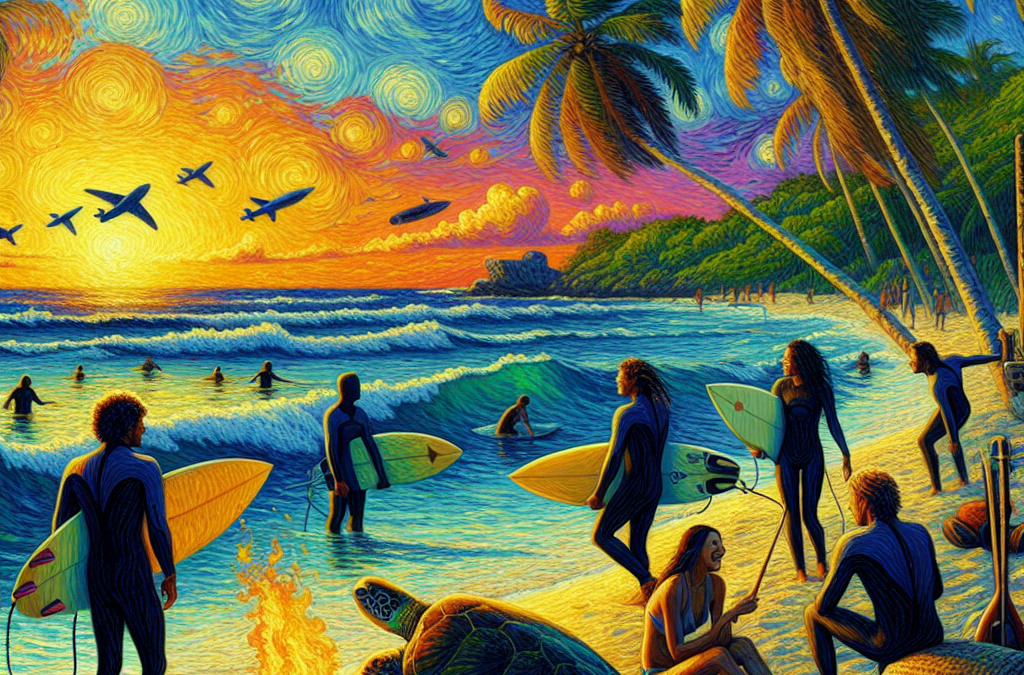
A Life Of Freedom, Adventure, And Connection
By Tom Seest
At TopCozumelNews, we help travelers enjoy Cozumel by collating information learned from frequently traveling to beautiful Cozumel.
Be sure to read our other related stories at TopCozumelNews to learn more about the Island of Cozumel.
What Is It Really Like Living on an Island Full-Time?
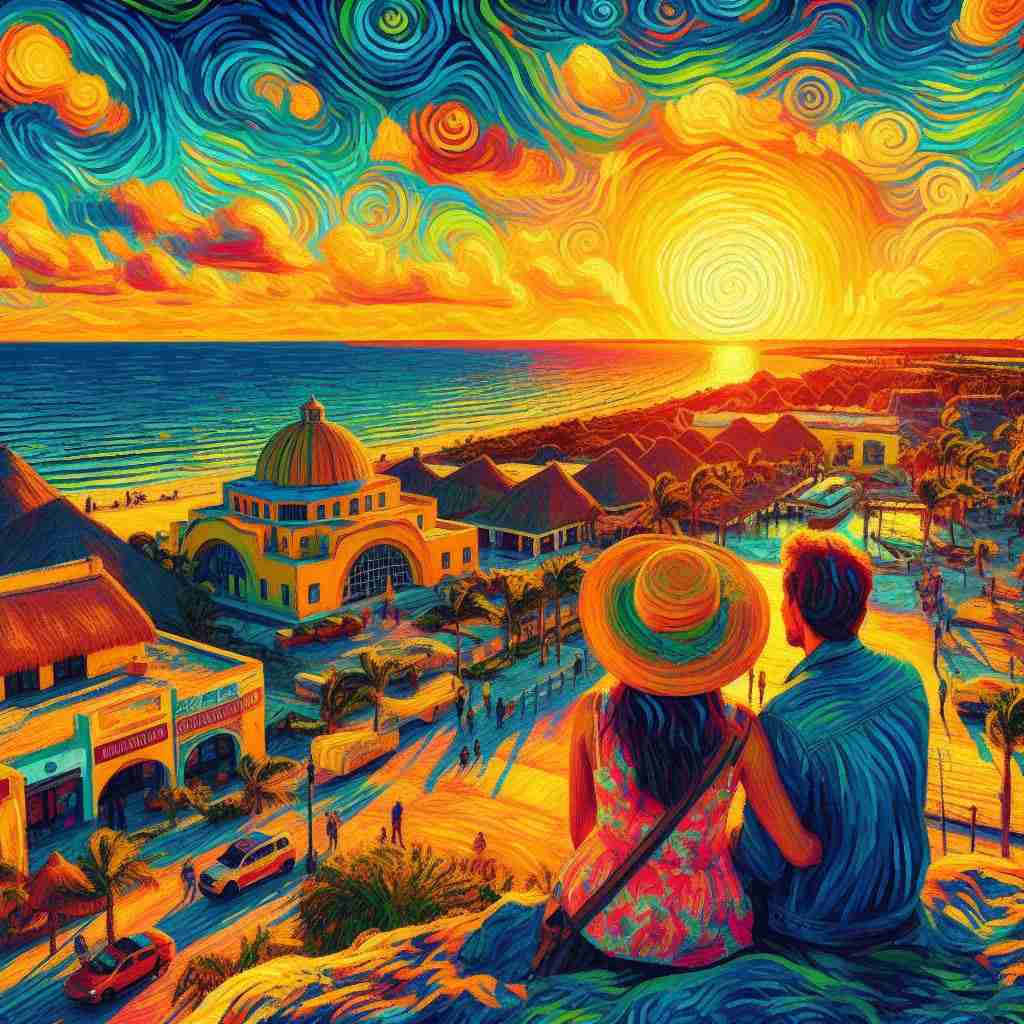
Living on an island like Cozumel is a symphony of contrasting notes—serene sunsets and the roar of surf, tranquil mornings and bustling markets, isolation that fosters connection. It’s a place where the heart finds rhythm, the mind solves puzzles, and the spirit embraces challenges. Picture this: you awake to the sound of waves lapping against the shore, the warm sun creeping through your window as if it has all day to coax you from dreams into reality. This isn’t just life; it’s living.
But let’s be real. Life on an island isn’t all sun-kissed beaches and palm trees swaying in the breeze. It can be like trying to catch a fish with your bare hands. The daily struggle is complemented by beauty, and therein lies the enchantment. Grocery runs require planning—there’s no late-night trip to a 24-hour store if you’re missing an ingredient for dinner. That lovely fresh fish you grilled last night? A local fisherman’s hard work and your unwavering patience brought it to your plate, reminding you how interconnected our lives truly are. You learn to value the nuances of community, where everyone knows your name, and the stories of your neighbors become woven into the fabric of your daily meals.
On one hand, the island offers a simpler, freer way of life; on the other, that simplicity reveals its demands. It’s not just about the stunning beaches; it’s about the logistics—water access, electricity reliability, healthcare miles away. You’re forced to become resourceful, improvising your way through challenges, a reminder that life’s greatest lessons often come when things don’t go according to plan.
To put it plainly, living on an island full-time is about embracing the paradox. You learn the art of patience, the power of community, and the joy of small victories. The laughter shared over casual drinks at sunset or the warmth of a neighbor’s smile after a long day connect you to a way of life that feels both alien and familiar. And despite the occasional frustrations, there’s an underlying sense of purpose—a commitment to a life filled with experiences that enrich your soul.
So, if you’re seeking not just to exist, but to truly live, consider taking the plunge. Dive into the rhythm of island life and let the tide carry you into a new adventure, one that promises both challenge and fulfillment.
What Is It Really Like Living on an Island Full-Time?
What Is It Really Like Living on an Island Full-Time?
- Cozumel offers a unique blend of serenity and chaos, with contrasting daily experiences.
- Life on the island involves embracing both beauty and daily struggles, making it enchanting.
- Grocery shopping requires careful planning due to limited availability, fostering community ties.
- The journey includes challenges like water access and healthcare, promoting resourcefulness.
- Living on an island teaches patience, the importance of community, and celebrating small victories.
- Connections formed through shared experiences enhance the sense of purpose and belonging.
- Island life encourages embracing challenges and seeking enriching experiences over mere existence.
What Is It Really Like Living on an Island Full-Time?
Table Of Contents
- What Is It Really Like Living on an Island Full-Time?
- What Feelings Does Island Living Evoke In Your Daily Life?
- How Does Your Mental Health Change When Surrounded By Nature?
- What Challenges Do You Face With Limited Resources On An Island?
- How Does Living On An Island Impact Your Relationships With Others?
- How Do Local Traditions Shape The Experience Of Island Life?
- What Emotional Bonds Do You Create With The Sea And Nature?
- How Does The Cost Of Living Affect Your Decision To Stay Or Leave?
- Conclusion
- Other Resources
- Glossary Of Terms
- Other Questions
- Haiku
- Poem
- Checklist
What Feelings Does Island Living Evoke In Your Daily Life?
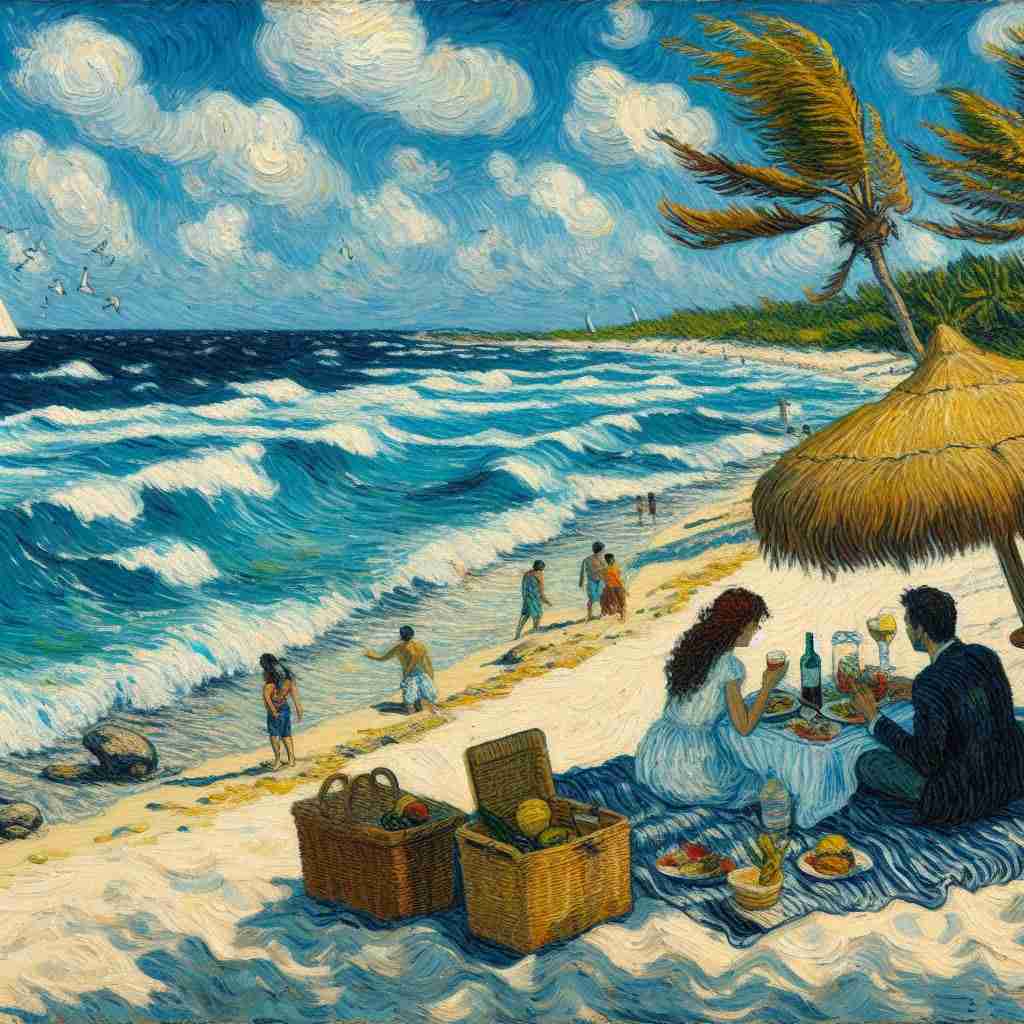
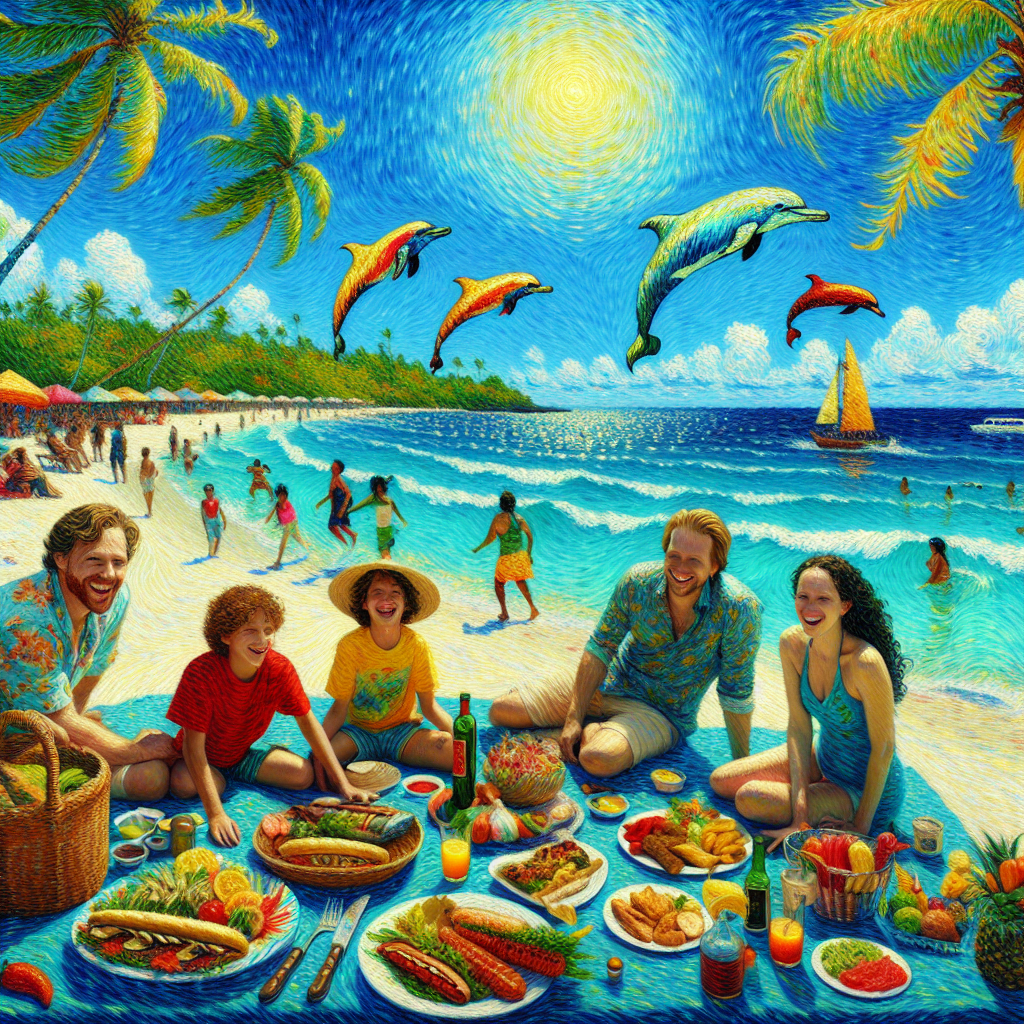
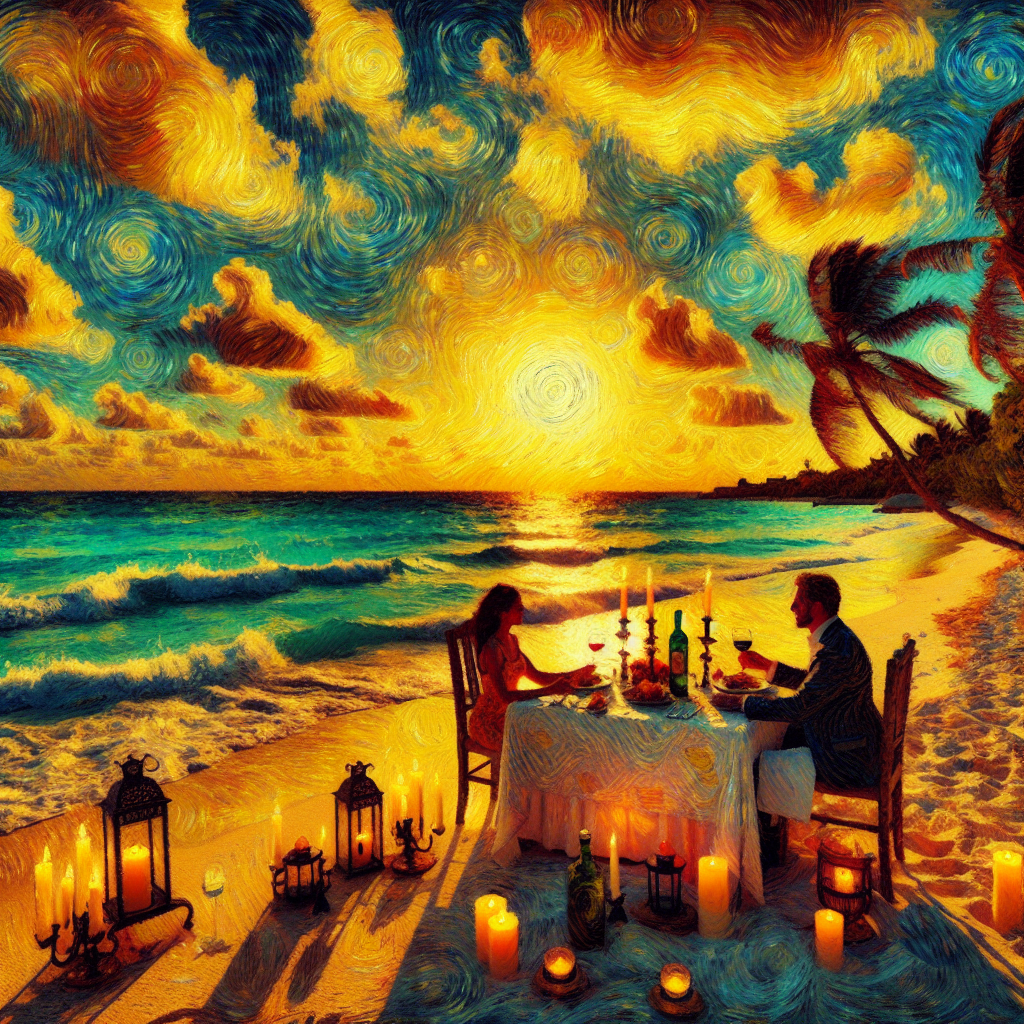
Imagine waking up to the soft lapping of waves against the shore, the sun casting its golden hue on the endless blue of the ocean. This isn’t just a scene from a postcard postmarked from Cozumel; it’s the pulse of everyday life infused with island living. Embracing the island way of life allows every moment to resonate with something deeper—a reminder of what truly matters.
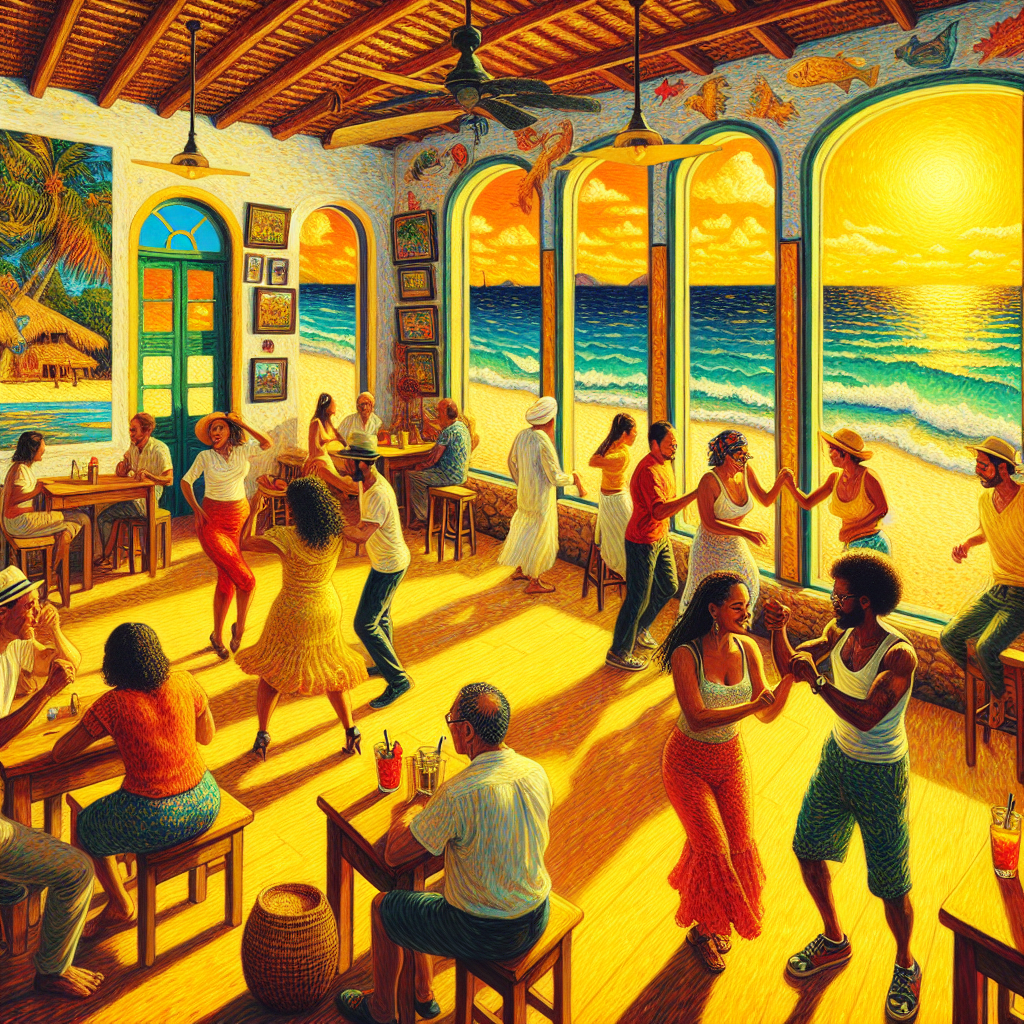
Island living evokes a sense of freedom, a liberation from the incessant buzz of modernity. We find ourselves stepping away from cubicles into a world where laughter mingles with the scent of saltwater and freshly grilled fish. This shift isn’t merely a change in scenery; it’s a poignant return to our essence. The vibrant culture, with its dance rhythms and culinary delights, offers a connection that feeds the soul, reminding us we are part of something larger than ourselves.
Rationally, consider the health benefits associated with this lifestyle. Surrounded by natural beauty and a slower pace, stress levels drop and mental clarity improves. Research supports the notion that exposure to coastal settings and communal living can foster resilience and well-being. It invites us to question: Why settle for a life that solely exists within four walls when the world teems with vibrant experiences waiting just outside our door?
Ethically speaking, we become stewards of the land and oceans, recognizing our role in preserving the beauty that surrounds us. It’s an awakening to our responsibilities, instilling a sense of pride in advocating for sustainability. When the rhythm of island life urges you to respect the delicate balance of nature, it cultivates a bond that is both nurturing and empowering.
Narratives emerge around evening bonfires, where stories of triumph and adversity weave their way into the fabric of friendship. This is where laughter is shared, where tears are shed, and where life lessons flow as freely as the tide. It reminds us that we’re all navigating similar waters, regardless of our backgrounds. It fosters a closeness that invites understanding and compassion.
Ultimately, the island experience is a call to action. It challenges us to embrace the simple pleasures—sunsets, shared meals, and community connection—nudging us to reassess our priorities. It beckons us to step away from the chaos and engage with life in its purest form. In this dance of existence, island living evokes not just a moment, but a movement toward a fulfilling, purpose-driven life.
What Feelings Does Island Living Evoke In Your Daily Life?
What Feelings Does Island Living Evoke In Your Daily Life?
- Waking up to the calming sounds and sights of island life brings deeper meaning to everyday experiences.
- Island living fosters freedom, transforming life away from the constraints of urban environments.
- Vibrant cultures with dance and cuisine create connections that enrich our lives and remind us of our communal existence.
- Health benefits such as reduced stress and improved mental clarity arise from living in natural, coastal settings.
- Living on an island encourages stewardship of land and sea, instilling a sense of responsibility for sustainability.
- Evening gatherings promote storytelling and strengthen bonds of friendship through shared experiences.
- The island lifestyle calls us to prioritize simple pleasures and engage with life in a fulfilling way.
What Feelings Does Island Living Evoke In Your Daily Life?
How Does Your Mental Health Change When Surrounded By Nature?
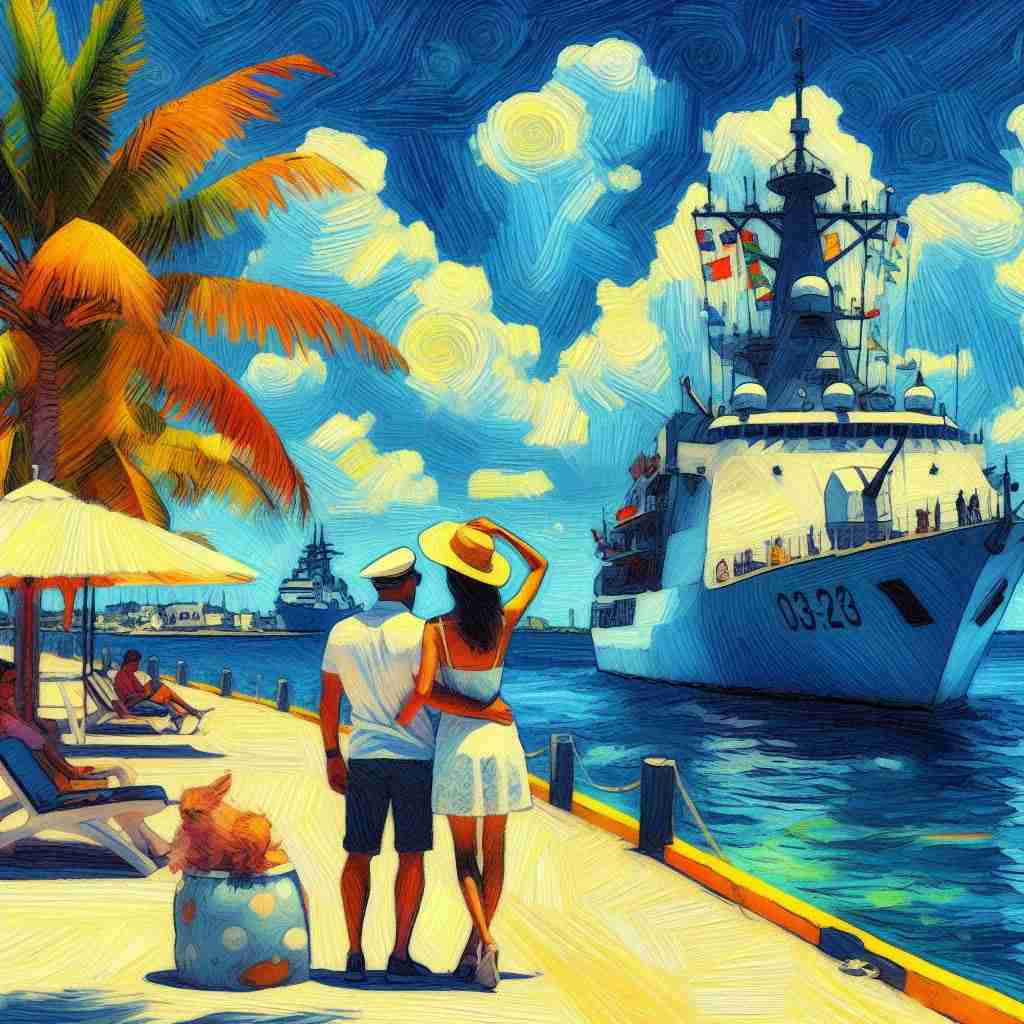
The beauty of nature isn’t just skin deep; it seeps into our bones, touching our heart, head, and gut in a way that few other experiences can. Imagine standing on a sun-kissed beach in Cozumel, the salty breeze brushing against your skin and the rhythmic sound of waves crashing in the background. It’s more than just a picturesque scene—it’s a sanctuary for your soul. This primal connection to the earth resonates deeply within us, acting as a natural balm for our often-overworked mental health.
Research tells us that spending time in such natural settings lowers cortisol levels, the stress hormone that drags us down. But it’s not just the numbers or the science that beckons us outside. Think for a second about the last time you walked through a forest or stood on a mountain peak, feeling small yet significant under the vastness of the sky. That sense of awe is more than just a feeling; it grips your insides and makes you reflect. Nature fosters clarity, allowing us to untangle the ruminations and chaos in our minds.
Ethically, we have a responsibility to seek out this harmony with nature—not just for ourselves but for those around us. When we connect with nature, we often engage more meaningfully with others. You might find a friend or loved one beside you, sharing in the simple joys of life. The laughter over a hiking misstep or the quiet awe at a sunset creates connections that matter. When we share these experiences, they elevate our societal fabric, reminding us we’re all in this together.
Consider the authority of our ancestors; they thrived in nature, finding solace in its embrace long before concrete jungles took their place. If they could draw strength and healing from the land, why shouldn’t we?
By stepping outside, whether it’s a quick stroll through your neighborhood park or a plane ride to a vibrant destination like Cozumel, you’re not just indulging in eye-catching scenery; you’re engaging in a profound ritual of healing and renewal. So go ahead—accept the call of the wild. Your mind, body, and spirit will thank you, and in turn, empower you to face the everyday challenges with renewed vigor and perspective.
How Does Your Mental Health Change When Surrounded By Nature?
How Does Your Mental Health Change When Surrounded By Nature?
- The beauty of nature deeply impacts our emotions, affecting our heart, head, and gut.
- Experiences in nature, like standing on a sun-kissed beach, serve as sanctuaries for the soul.
- Spending time outdoors lowers cortisol levels, alleviating stress and improving mental health.
- Nature fosters clarity and introspection, helping to untangle complex thoughts and emotions.
- Connecting with nature enhances our interactions with others, fostering meaningful relationships.
- Ancestors thrived in nature, drawing strength and healing from it; we can do the same today.
- Engaging with natural settings promotes a ritual of healing and renewal, empowering us for daily challenges.

How Does Your Mental Health Change When Surrounded By Nature?
What Challenges Do You Face With Limited Resources On An Island?
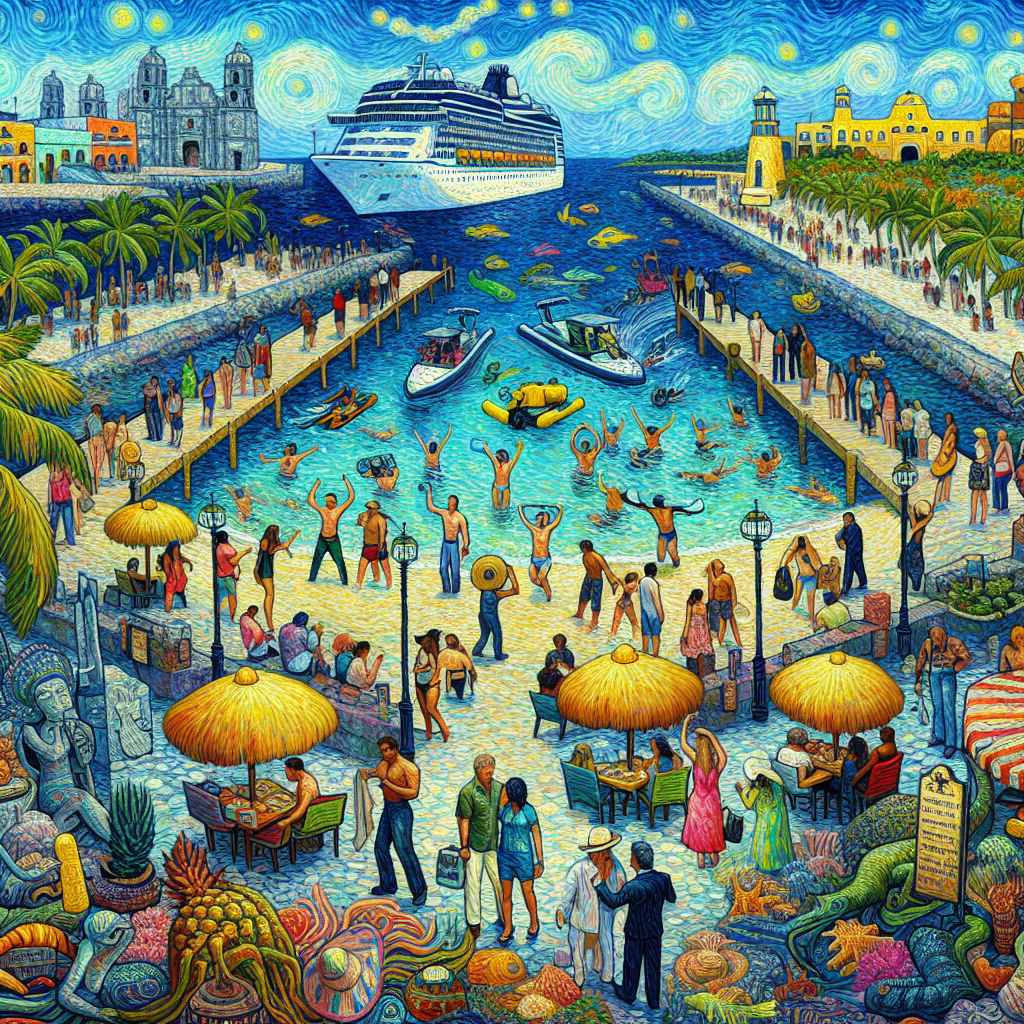
Living on an island like Cozumel can feel like a double-edged sword. On one hand, the sweeping vistas, vibrant culture, and soothing rhythms of ocean waves can fill your heart. But when the honeymoon of paradise fades, the reality of limited resources sets in, challenging not just your daily life, but your very identity.
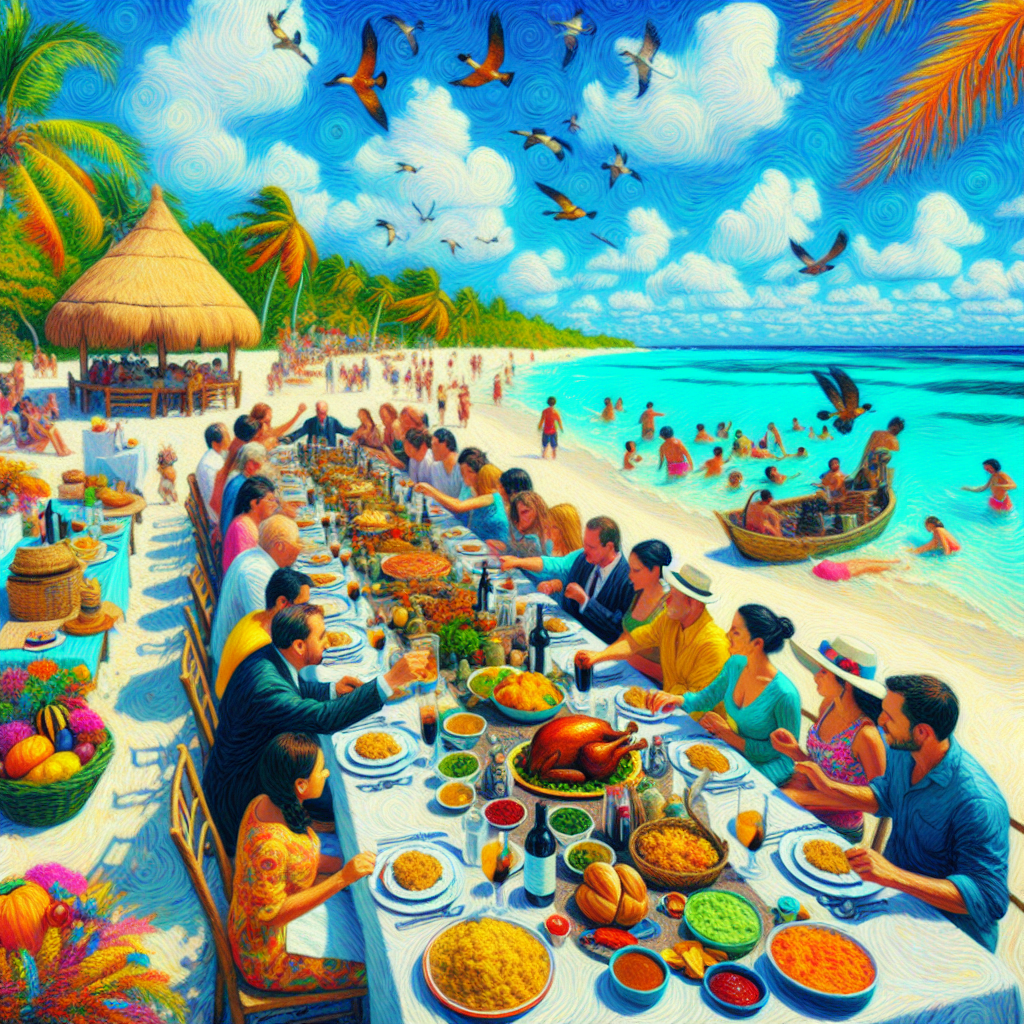
Imagine waking up each day knowing that fresh produce, tools, and essential materials aren’t just a short drive away. It’s a reality that can tug at your gut. Each trip to the store—a small, island shop that carries a limited selection—becomes a treasure hunt. You might find yourself contemplating whether to buy that extra bag of rice or save your pennies for a rainy day. These choices, simple yet profound, weigh on your head as you strategize how to make the most of what you have. What once felt like a getaway can morph into a lesson in resourcefulness that defines your community.
Then, there’s the ethical challenge of sustainability. Living on an island compels you to consider not just your immediate needs, but the welfare of the land that supports you. Every plastic bottle tossed aside isn’t just litter; it’s a threat to the marine life that surrounds you, the very reason you chose to live in such beauty. This awareness can rally neighbors together, fostering a sense of responsibility that transcends individual worries and builds community bonds.
Moreover, let’s not forget the stories that shape our lives. Picture a group of fishermen coming together, not simply for a day’s work, but to share techniques and strategies to catch that elusive fish. In these moments, the heart of the island beats strongest—an unspoken pact where each challenge becomes an opportunity for connection, for learning, and for growth.
When faced with limited resources, we don’t just survive; we thrive through cooperation, innovation, and a little grit. It’s about rising to the occasion—turning adversity into a shared experience, and understanding that while the challenges can be daunting, the bonds forged in facing them are what truly define us. In Cozumel, resilience isn’t just an option; it’s a way of life, a promise that together, we can overcome anything this island throws at us.
What Challenges Do You Face With Limited Resources On An Island?
What Challenges Do You Face With Limited Resources On An Island?
- Living on Cozumel offers stunning views and vibrant culture, but presents challenges due to limited resources.
- Daily life involves resourcefulness, as fresh produce and essential items require thoughtful planning.
- Shopping becomes a strategic decision, balancing immediate needs with future uncertainties.
- Sustainability is a critical concern, emphasizing the responsibility to protect the local environment.
- Community bonds are strengthened through a collective commitment to environmental awareness.
- Shared experiences, such as fishermen exchanging techniques, foster connections and growth among residents.
- Resilience in facing challenges leads to cooperation and innovation, defining life on the island.
What Challenges Do You Face With Limited Resources On An Island?
How Does Living On An Island Impact Your Relationships With Others?
Living on an island like Cozumel can fundamentally shape our relationships, casting them in a light that’s both warm and unyielding. Imagine the juxtaposition of crystal-clear waters and vast horizons with the tight-knit fabric of community. Here, where neighbors become family and every face is familiar, you begin to appreciate the depths of connection in a way that city life can often obscure.
On an island, you’re not just surrounded by the beauty of nature; you’re enveloped by people who depend on one another. This reliance fosters relationships that are rich and textured. When a storm brews or the sun shines bright, the rhythms of life prompt communal gatherings, laughter, and sometimes tears. Those shared experiences create emotional ties that feel indelible. It’s not about superficial greetings but genuine concern and empathy—real relationships thriving through shared challenges and joys.
Rationally speaking, living on an island necessitates collaboration. Limited resources might lead you to borrow a cup of sugar or a tool, but it also means a deeper level of commitment to your community. Every transaction, every chat around a small café table, intricately weaves a network of support. You learn the importance of ethics, showing up for one another because there’s no anonymity here. You don’t just live next to someone; you run into them at the market, and their story becomes part of your own.
Then there’s the narrative of island life—vivid stories told by the elders on a porch or shared under the stars. These moments are steeped in tradition, a tapestry of trials and triumphs that connects generations. You become part of that larger tale, which enhances trust and belonging. Everyone has a role to play, and that role matters.
Don’t forget the social dynamics at play. In a tight-knit setting, actions resonate. Kindness begets kindness; accountability is felt. When you extend a hand, others are likely to reach back, creating a ripple effect of mutual respect and loyalty. In Cozumel and places like it, relationships are not just forged; they are sculpted through time and care, leading to a life rich with meaningful connections.
In choosing to live on an island, you embrace not just a geographical location but a philosophy of life that underscores the significance of relationships. Embrace that, and you’ll discover that every wave and sunset is imbued with stories worth sharing.

How Does Living On An Island Impact Your Relationships With Others?
How Does Living On An Island Impact Your Relationships With Others?
- Living on an island like Cozumel fosters deep, meaningful relationships within a tight-knit community.
- Connections are enriched by communal reliance, as neighbors become like family.
- Shared experiences during storms or celebrations create lasting emotional ties.
- Collaboration is essential, with limited resources encouraging deeper commitment to one another.
- Storytelling and traditions enhance trust and a sense of belonging among generations.
- Social dynamics in close communities make actions and kindness resonate more significantly.
- Choosing island life embodies a philosophy that prioritizes relationships and shared experiences.

How Does Living On An Island Impact Your Relationships With Others?
How Do Local Traditions Shape The Experience Of Island Life?
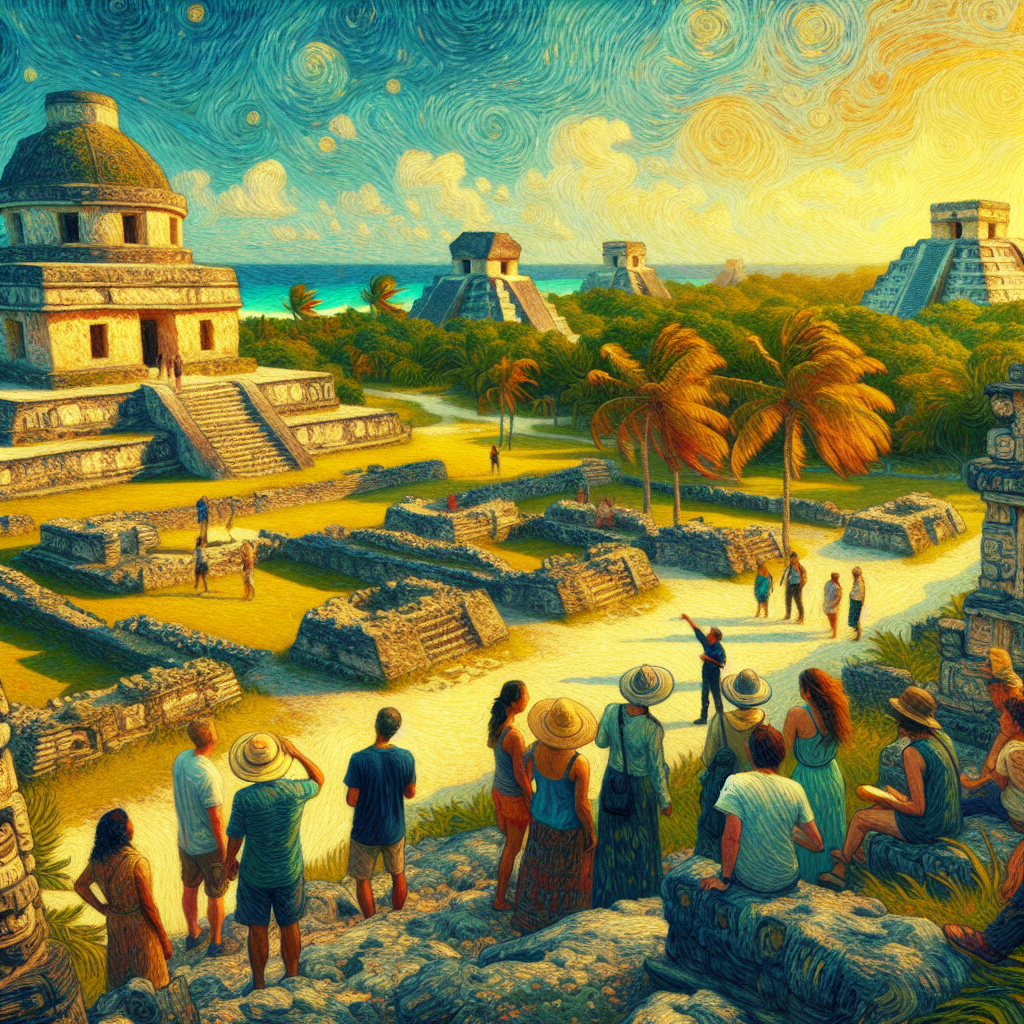
Imagine spending your days in a place where the rhythms of life are dictated not by the rush of city traffic but by the gentle lap of waves against sun-kissed shores. In Cozumel, a small island off the Yucatan Peninsula, time doesn’t race; it saunters, guided by local traditions that shape not just the landscape but the very fabric of daily existence. It’s a world where each meal, gathering, and celebration reflects the island’s vibrant culture, reminding us all of the connections that bind us to the earth and each other.
As you meander through the colorful streets of San Miguel, the island’s main town, you encounter the palpable pulse of community life—families gathering to prepare dinner, children laughing while playing soccer, elders sharing stories steeped in history. This deep-rooted commitment to coming together around shared experiences creates an undeniable sense of belonging. Research shows that such communal bonds lead to happier lives and a greater sense of purpose, making island life not just a place to live but a way to thrive emotionally and socially.
When you partake in local customs—whether it’s the annual Day of the Dead festivities or the flavorful creations of a family-run cocina—you engage in more than just a cultural experience. You become a participant in a narrative that reaches back generations, where every dish tells a story and every celebration holds a lesson. The allure of these traditions speaks to our innate desire for belonging and strengthens the threads that connect us to our ancestors.
However, amidst this beauty lies responsibility. As custodians of these traditions, it’s crucial to preserve the stories, rituals, and practices that have shaped Cozumel’s identity. When tourists arrive, it’s not just an opportunity for exploration; it’s a powerful chance to promote sustainable practices and ethical tourism that respect local culture and environment. By honoring these traditions, we ensure that we don’t strip away the very essence of what makes island life unique.
Ultimately, the experience of island life in Cozumel is less about the picturesque beaches and more about the relationships formed—whether over a shared plate of fresh ceviche or during a spirited game of dominoes under the sunset. It’s in these moments, steeped in local tradition, that we find not only solace but also a compelling reminder of what it means to be part of something greater than ourselves.
How Do Local Traditions Shape The Experience Of Island Life?
How Do Local Traditions Shape The Experience Of Island Life?
- Cozumel offers a relaxed lifestyle, influenced by local traditions and natural beauty.
- Community life in San Miguel fosters a strong sense of belonging among residents.
- Participating in local customs connects visitors to the island’s vibrant culture and history.
- Annual celebrations like the Day of the Dead enhance communal bonds and cultural appreciation.
- Preserving Cozumel’s traditions is vital for maintaining its unique identity amidst tourism.
- Tourism provides opportunities for promoting sustainable practices that honor the local culture.
- Island life emphasizes relationships and shared experiences, creating deeper connections.
How Do Local Traditions Shape The Experience Of Island Life?
What Emotional Bonds Do You Create With The Sea And Nature?
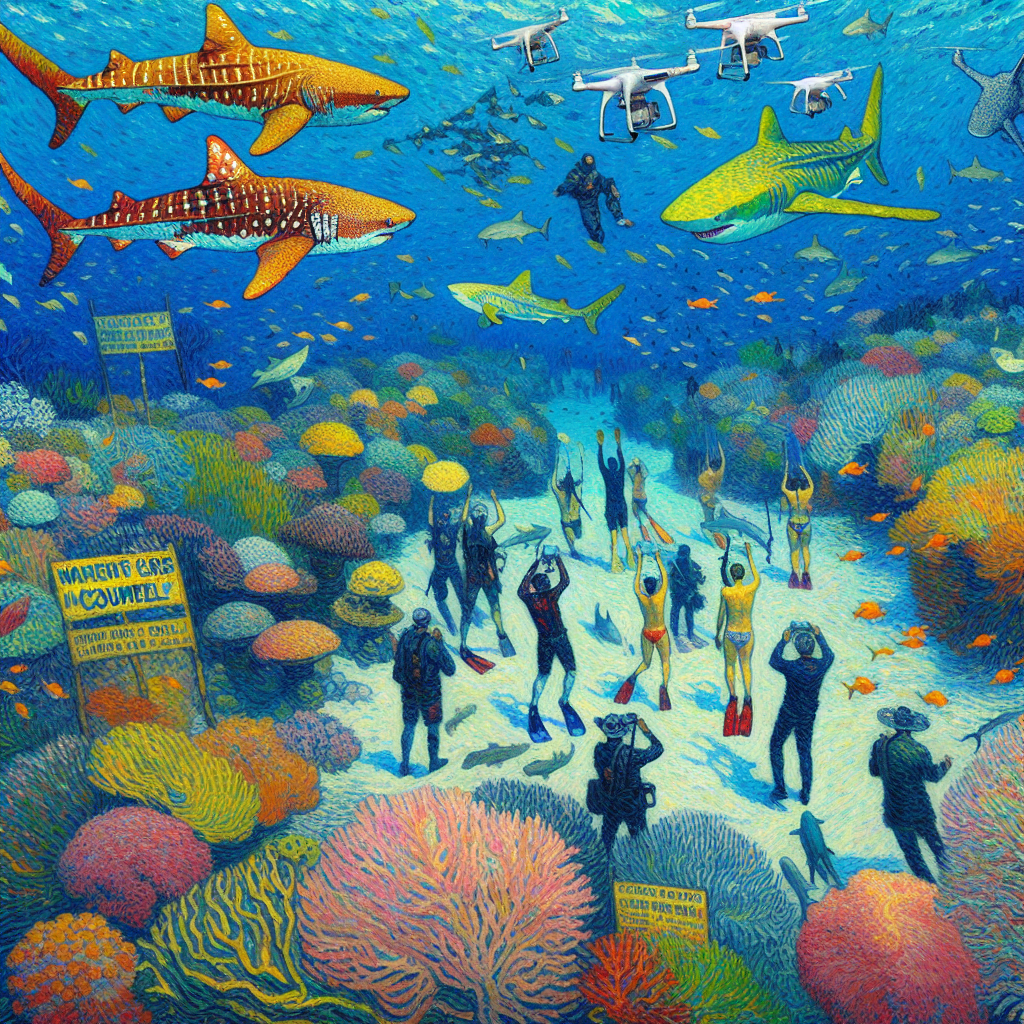
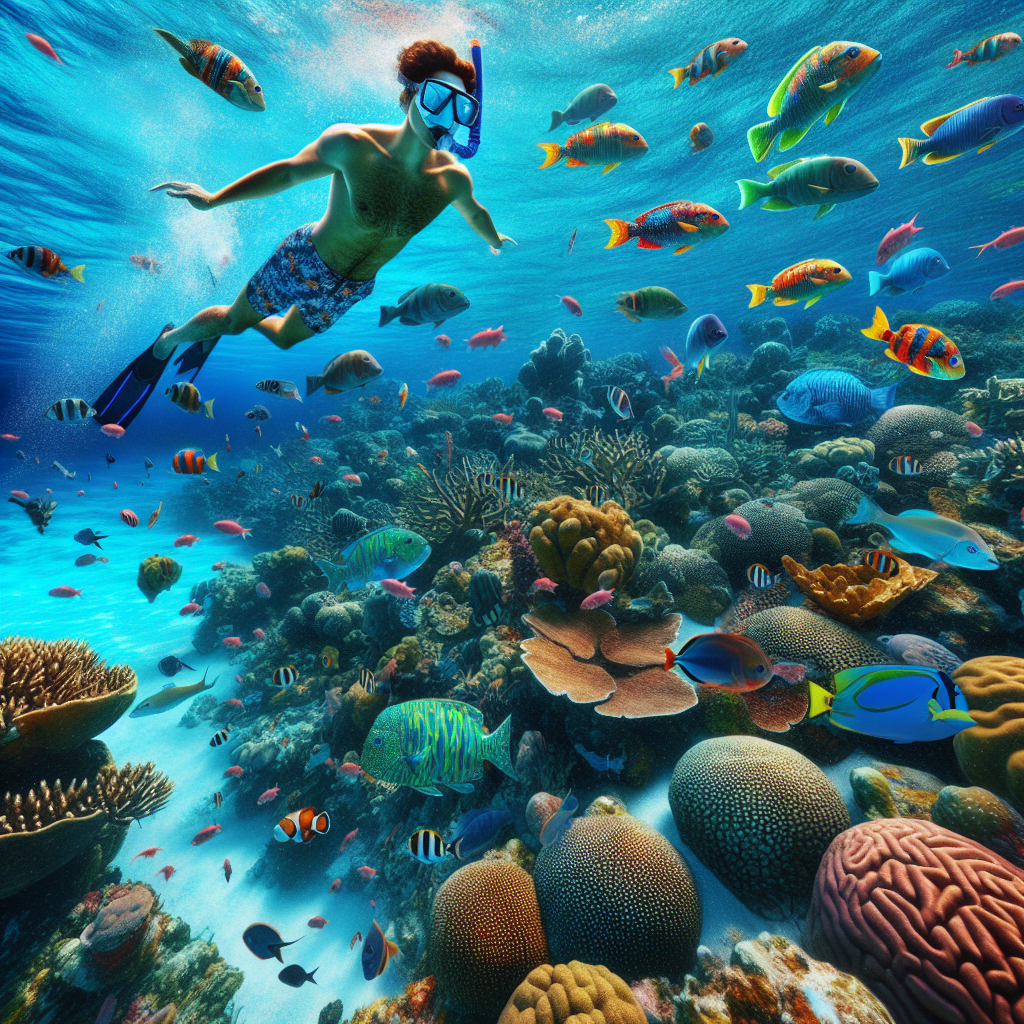
When you think of the sea, what comes to mind? The gentle lapping of waves against a sun-kissed shore? The vibrant corals of Cozumel, teeming with life beneath the surface? Nature has a way of reaching deep into our hearts, weaving connections that are as complex as the tides themselves. It’s about more than just breathtaking vistas; it’s about understanding the very fabric of existence.
These emotional bonds with the sea and nature often begin in our childhood. Remember the first time you dipped your toes in the ocean? The sheer exhilaration of that initial shock of cold water, followed by the comforting embrace of the warm sun above? Those moments forge a sense of freedom, reminding us of our place in the world—small yet significant. When we revisit those shores, we’re not just returning to a physical location; we’re stepping back into the echoes of memories, of laughter shared and lessons learned.
Rationally speaking, scientists can explain the mental health benefits of spending time in nature—reduced anxiety, improved mood, and enhanced creativity, to name a few. But it’s not just numbers and research that illustrate the sea’s impact on our well-being. Consider the feeling of salty air filling your lungs, or the rhythmic sound of waves, which can calm even the most troubled mind. Those experiences connect us not just to the world around us, but to ourselves, instilling confidence and clarity.
Ethically, we come to understand our responsibility toward these precious ecosystems. The oceans, our life source, deserve our protection and respect. After all, every plastic bottle tossed aside can unknowingly disrupt the delicate balance of marine life. When we cultivate a bond with nature, we’re not just gaining a beautiful view; we become advocates for the environment, stewards of something greater than ourselves.
So whether it’s the shores of Cozumel or the rugged cliffs of your local coastline, take a moment to appreciate what nature offers us. Engage with it fully—listen, feel, and reflect. In doing so, you’ll discover that these emotional bonds to the sea are not simply ties to a place, but an invitation to be part of something vast and profound. Embrace it, and let it inspire your journey forward, as you create a legacy that honors both your relationship with nature and the stories yet to unfold.
What Emotional Bonds Do You Create With The Sea And Nature?
What Emotional Bonds Do You Create With The Sea And Nature?
- The sea evokes emotional connections that resonate deeply within us.
- Childhood experiences, like the first dip in the ocean, shape our bond with nature.
- Returning to the sea revives cherished memories and personal growth.
- Spending time in nature has proven mental health benefits, including reduced anxiety and improved mood.
- The sensory experiences of the sea can bring calmness and clarity to our lives.
- We have an ethical responsibility to protect marine ecosystems for future generations.
- Engaging with nature invites us to be part of something greater and inspires our personal journeys.
What Emotional Bonds Do You Create With The Sea And Nature?
How Does The Cost Of Living Affect Your Decision To Stay Or Leave?
When weighing the decision to stay put or pack up and leave, the cost of living often looms large, like an unwelcome guest at a gathering. It’s not just numbers on a page; it’s about where we put down roots, where our families grow, and even how we define our happiness. Many dream of places like Cozumel, with its sun-kissed beaches and vibrant culture. But before you dive headfirst into that paradise, it’s crucial to consider the authentic implications of uprooting your life.
Let’s talk dollars and cents for a moment. The finances are a vital piece of this puzzle. It’s about paying the bills, feeling secure, and, dare I say, enjoying life a little more. In this age of soaring prices and unpredictable markets, every penny counts. If your income barely covers your existence, it’s time to question: is it worth staying where you are? Sometimes, a more affordable community can provide not just relief but renewed opportunities. Do some research, crunch those numbers, and let logic guide you toward a decision that ensures your financial future isn’t dictated by anxiety.
Now, let’s tackle the heart. Home is meant to be a refuge, not a source of constant stress. Think of those cozy family dinners, laughter echoing in your living room, and the joy of weekend adventures. If the cost of living casts a shadow over those moments, it’s time to reassess. Moving to a friendlier locale can allow for a richer, fuller life, unburdened by debt and stagnation. Surround yourself with support systems—friends, family, and neighbors who find joy in community. A relationship with your environment fosters belonging. That’s the foundation that often gets overlooked: a sense of home, which isn’t found purely in walls or a roof.
Lastly, let’s consider the ethical aspect. Life is too short to be spent in survival mode. We owe it to ourselves and our families to seek out happiness, fulfillment, and purpose. The stories of those who left behind comfort for opportunity are everywhere—people who took a chance on happiness, trading the familiar for the unknown. Their tales resonate because they stem from courage, a trust in oneself, and a bond with community.
So, ask yourself: is it time for change? Whether you stay or go, make sure every decision is rooted in a desire for a life well-lived, where you can thrive, not just survive. Embrace that journey, wherever it may lead you.
How Does The Cost Of Living Affect Your Decision To Stay Or Leave?
How Does The Cost Of Living Affect Your Decision To Stay Or Leave?
- The cost of living is a significant factor in deciding whether to stay or move.
- Relocating can impact where families grow and affect overall happiness.
- Financial stability is necessary for enjoying life and feeling secure.
- Researching more affordable communities can offer relief and new opportunities.
- Home should be a refuge, not a source of stress; a supportive environment is crucial.
- Choosing happiness and fulfillment is essential; stories of those who took risks resonate widely.
- Every decision should aim for a well-lived life, focusing on thriving rather than merely surviving.
How Does The Cost Of Living Affect Your Decision To Stay Or Leave?
Conclusion
Life on an island like Cozumel is a compelling blend of freedom and challenge, offering a rich tapestry woven with experiences that shape your heart, mind, and soul. Imagine waking up to the rhythm of waves, feeling the warmth of a community where everyone recognizes your essence. This isn’t just picturesque living; it’s a soulful existence grounded in connections that matter. Yet, don’t be misled by the allure of paradise. Living here demands resilience and resourcefulness, where every grocery trip becomes an expedition and every meal tells a story of interdependence.
As you embrace this lifestyle, you discover valuable lessons revealed in the nuances of daily life. It’s about appreciating the simplicity that often reveals complex demands—access to water, healthcare distance, or the occasional power outage. Challenges abound, nudging you to comingle strength with collaboration, fostering community bonds like none other. The heart of island living lies not merely in idyllic sunsets but in shared laughter, mutual respect, and the priceless trust established through life’s highs and lows.
Scientific studies underscore the mental wellness benefits of this lifestyle, framing nature as a soothing balm for our hectic minds. Living surrounded by breathtaking vistas can catalyze clarity and joy, empowering resilience. Ethically, you become stewards of both land and sea, understanding your role in sustaining these delicate ecosystems, ensuring beauty endures for generations to come. This awakening brings a sense of purpose, compelling you to protect the ocean that cradles your lifestyle.
Island living is also steeped in traditions that tie you to a greater narrative. The rhythms of local culture shape daily life, fostering deep emotional connections that extend beyond the hours of sunshine. When traditions are honored, they crystallize a collective identity that enhances belonging—where every sun-drenched afternoon spent enjoying community meals becomes a bead threaded on a larger string of shared experience.
Ultimately, living on an island is an exploration of life’s fullness. It calls you to step outside the confines of everyday hustle and engage with what matters most—authentic relationships, meaningful traditions, and an unwavering connection to nature. So, if you find yourself yearning for a life infused with both adventure and deeper connection, consider immersing yourself in the resonant pulse of island living. It’s more than just existing; it’s about diving into life’s rich essence, inviting waves of fulfillment that crash upon the shores of your soul.
Conclusion
Conclusion:
- Life on an island like Cozumel combines freedom and challenge, enriching heart, mind, and soul.
- Daily experiences nurture community bonds, requiring resilience and resourcefulness for simple tasks.
- Living close to nature provides mental wellness benefits, fostering clarity and joy.
- Island residents become stewards of the ecosystem, understanding their role in sustainability.
- Traditions shape daily life, creating deep emotional connections and a strong sense of belonging.
- Engaging with nature and community fosters authentic relationships and meaningful experiences.
- Island living invites exploration of life’s fullness, offering waves of fulfillment and deeper connections.
Conclusion
Other Resources

Other Resources
Here is a list of other resources you can review online to learn more:
- Breakfast At Silvias
- Scuba Life Cozumel
- Casa Denis
- El Casino – La Casa del Mojito
- Palmeras Restaurant
- Hooters Cozumel
- Snorkeling Trip Checklist
- Cozumel Sunset Sailing
- Cozumel Palace
- Carnival
- Muelle Fiscal
- Pepe’s Modern Grill
- Discover Mexico Cozumel Park
- Cozumel Scuba Repair
- NAUI
- Cozumel Snuba
- Chankanaab
- U.S. Department of State
- San Gervasio
Use This Prompt To Get More Resources With Your Favorite Online AI Tool: Please provide me with a list of online articles with their URLs in a bulleted list that I can read regarding What Is It Really Like Living on an Island Full-Time?
Other Resources
Glossary Terms
What Is It Really Like Living on an Island Full-Time? – Glossary Of Terms
1. Aerial: Pertaining to the air; often describes views or imagery taken from above, such as drone footage of island landscapes.
2. Beachcombing: The activity of searching the beach for items of interest, like shells, sea glass, or driftwood.
3. Cultural Heritage: The traditions, customs, and historical artifacts that define the identity of the island’s inhabitants.
4. Communal Living: A lifestyle where individuals share common resources and responsibilities, often seen in island communities.
5. Conservation: The protection and preservation of natural resources and biodiversity, critical for maintaining island ecosystems.
6. Cove: A small, sheltered bay, often providing calm waters for swimming or kayaking.
7. Economy: The system of production and distribution of goods and services, which on islands may rely heavily on tourism or fishing.
8. Ecosystem: A biological community of interacting organisms and their physical environment, which can be quite unique on islands.
9. Ferry: A boat or ship used to carry people and goods back and forth between islands or from the mainland.
10. Flora: The plant life present in a particular region, which can be diverse and specialized in island environments.
11. Fauna: The animal life found in a certain area, often unique or endemic to specific island ecosystems.
12. Isolation: The state of being separated from others, which can significantly impact social dynamics and personal experiences.
13. Lifestyle: The typical way of life of individuals or communities, including daily routines, work, and leisure activities.
14. Marine Life: The organisms that inhabit the ocean and seas surrounding an island, contributing to its biodiversity.
15. Market: A place where local goods, often produced by islanders, are sold; can be a hub of community interaction.
16. Remote: Referring to a location that is distant from urban areas, often resulting in limited access to services and amenities.
17. Seasonality: Variations in activities, population, and weather across different times of the year, significantly affecting life on an island.
18. Shoreline: The area where land meets the ocean, often a focal point for recreation and ecology on islands.
19. Sustainability: The practice of using resources in a way that meets present needs without compromising future generations.
20. Tourism: The industry of attracting visitors to enjoy the natural beauty and culture of the island, impacting the economy and community.
21. Traditions: Practices and customs that are passed down through generations, contributing to community identity.
22. Transportation: The means by which people and goods move to and from the island; often limited to boats or small planes.
23. Tropical: Characterized by a warm climate throughout the year, which is typical for many island locations.
24. Volatility: The susceptibility to sudden change or disruption in economic conditions or weather patterns, particularly in island settings.
25. Wildlife: The undomesticated animals that inhabit the island, often a point of interest for visitors and researchers.
26. Wilderness: Untamed natural areas where human contact is minimal, often found in less-developed parts of islands.
27. Weather Patterns: The recurring meteorological conditions that can greatly influence daily life and activities on an island.
28. Work-Life Balance: The equilibrium between personal life and professional responsibilities, often challenged by remote island living.
29. Zoning: The division of land into zones for different uses, which can affect real estate and development on islands.
30. Zenith: The highest point or peak; can metaphorically refer to the ultimate experience of living in harmony with nature on an island.
Glossary Of Terms
Other Questions
What Is It Really Like Living on an Island Full-Time? – Other Questions
If you wish to explore and discover more, consider looking for answers to these questions:
- What are the economic opportunities like for residents on the island?
- How does living on an island affect your access to education and career advancement?
- What recreational activities are available on the island?
- How do local customs and traditions influence daily life?
- What is the healthcare situation like on the island?
- How do the weather and natural disasters impact island living?
- What is the community’s response to tourism and its effects on local culture?
- How do island residents manage waste and environmental conservation?
- What types of housing are available for those living on the island?
- How do transportation options vary on an island compared to mainland living?
- What are the main goods and services that are hard to come by on an island?
- How do island living costs compare to those on the mainland?
- What tips do long-term island residents have for newcomers?
- How does seasonal tourism affect daily life for residents?
- What are the common myths or misconceptions about living on an island?
Other Questions
Haiku
What Is It Really Like Living on an Island Full-Time? – A Haiku
Island life unfolds,
Beauty weaves with the struggle—
Hearts bound by the sea.
Haiku
Poem
What Is It Really Like Living on an Island Full-Time? – A Poem
Upon a sun-kissed shore, where time dances slow,
In the heart of Cozumel, paradise glows.
A symphony of waves sings a beckoning song,
Yet beneath the beauty, challenges throng.
Morning whispers promise in a tranquil embrace,
As fishermen toil, with their dreams interlaced.
Found in simple treasures—each meal, every laugh—
A network of neighbors, crafting life’s map.
Adventure awaits in the tapestry woven,
In sunsets and stories, where kindness is spoken.
Resourceful minds thrive in community’s grace,
From storms to bonfires, together we face.
Yet every wave that crashes brings lessons to learn,
The depth of our joys, the struggles we discern.
With limited resources, we learn to be wise,
In every decision, a new world to rise.
Ethics of nature call for stewardship clear,
To honor the ocean, and keep our loved ones near.
As the air fills with laughter—the scent of the sea,
We embrace the connections that set our hearts free.
Beyond the allure lies the weight of the cost,
In search of true living, we ponder the lost.
For home is not merely where shelter does stand,
But in bonds that grow stronger through the warmth of the sand.
So heed the rhythm of life on this isle,
For each wave a reminder, each challenge worthwhile.
In Cozumel’s embrace, we find hope and delight,
In the dance of existence beneath the stars bright.

Poem
Checklist
What Is It Really Like Living on an Island Full-Time? – A Checklist
Living on an Island Checklist: Heart, Head, and Gut
Emotional Appeals
_____ Reflect on Freedom: How does the idea of living in a beautiful, serene environment make you feel?
_____ Embrace the Community: Consider how the connections and friendships formed in a tight-knit island community resonate with your heart.
_____ Capture the Moments: Think about the emotional impact of daily experiences, like watching sunsets or engaging in local traditions.
Rational Appeals
_____ Assess the Practicalities: List out the logistics of living on an island—grocery access, healthcare, and electricity.
_____ Health Benefits: Research the mental and physical health benefits of coastal living and nature immersion.
_____ Financial Calculation: Analyze your budget and cost of living in comparison to your current location.
Ethical Appeals
_____ Sustainability Mindset: Reflect on your responsibility to protect the local environment—what practices can you adopt?
_____ Community Support: Consider how you can contribute to and support your local community.
_____ Cultural Preservation: Think about ways to honor and retain local traditions while living in your new environment.
Authority Appeals
_____ Learn from Experienced Islanders: Connect with long-term residents or read their stories to gather insights about island life.
_____ Consult Experts: Research studies on the psychological benefits of spending time in nature and communal living.
_____ Local Guides: Seek recommendations from local leaders about sustainable practices or cultural events worth participating in.
Narrative Appeals
_____ Share Your Story: Write down experiences you want to create or stories you hope to tell while living on an island.
_____ Collect Community Tales: Gather stories from neighbors about their adventures and challenges in island life to create a shared narrative.
_____ Document Everyday Life: Plan to keep a journal of daily experiences to capture the unique rhythm of island living.
Social Appeals
_____ Engage with Neighbors: Make a list of ways to foster connections with the community, from gatherings to shared activities.
_____ Explore Group Activities: Identify clubs or social groups you could join to enhance your sense of belonging.
_____ Community Commitment: Consider how you can contribute to social events and help strengthen community bonds.
Final Thoughts
Use this checklist to explore what it truly means to live on an island, considering the interplay of emotions, practicalities, ethics, and relationships that shape this unique lifestyle. Embrace the heart, head, and gut aspects as you make your decision.
Checklist
At TopCozumelNews, we help travelers enjoy Cozumel by collating information learned from frequently traveling to beautiful Cozumel.
Be sure to read our other related stories at TopCozumelNews to learn more about the Island of Cozumel.