




Preserving Cozumel’s Fragile Wildlife: A Call To Action
By Tom Seest
At TopCozumelNews, we help travelers enjoy Cozumel by collating information learned from frequently traveling to beautiful Cozumel.
Be sure to read our other related stories at TopCozumelNews to learn more about the Island of Cozumel.
What Endangered Species Live In Cozumel?
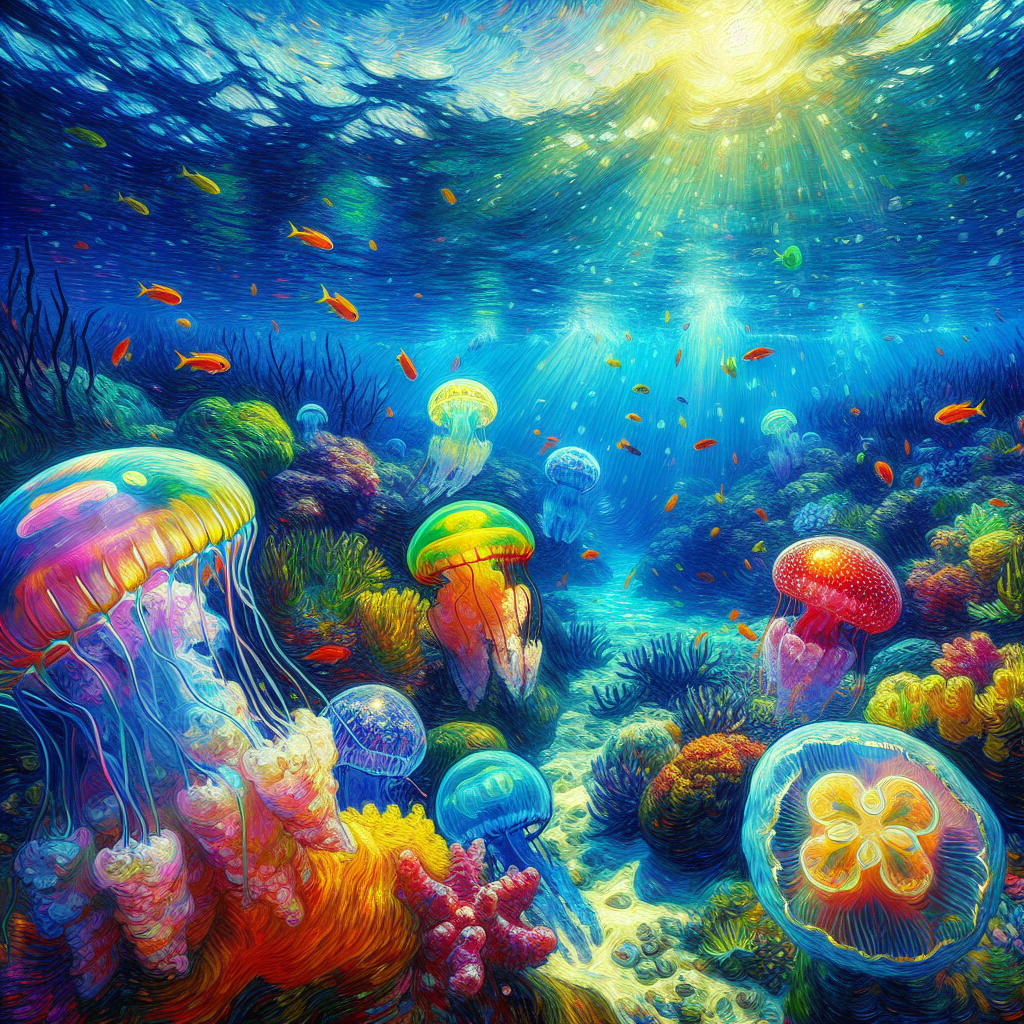
Cozumel is more than just a tropical paradise; it’s a sanctuary of life teetering on the edge. This island, with its turquoise waters and sun-kissed beaches, is home to an array of endangered species, each one a testament to the resilience of nature and a reminder of the fragility of existence. From the majestic hawksbill sea turtle to the elusive night-blooming cereus, the stakes are higher than ever.
Imagine the hawksbill sea turtle—a creature that has been gliding through our oceans for over 100 million years. Their vibrant shells, breathtaking in their beauty, are a sight that has captivated generations. But behind that captivating façade lies a heartbreaking truth: these turtles are on the brink, threatened by pollution, habitat destruction, and illegal poaching. When we witness a hawksbill nesting on Cozumel’s pristine shores, we’re reminded not only of what we stand to lose, but also of our moral imperative to protect these ancient mariners.
Let’s talk about the Cozumel island hummingbird, a tiny dynamo darting through the air. With its iridescent feathers glimmering in the sunlight, it captivates us not just with its beauty, but with its very survival. As the landscape shifts and native plants disappear, so too does its habitat, tugging at our hearts and demanding our attention. Are we willing to let such beauty fade into memory, or will we step up to become its stewards?
On a broader scale, Cozumel harbors a rich tapestry of biodiversity that benefits us all. The island’s fragile ecosystems, where marine life flourishes in harmony, play a crucial role in maintaining the environmental balance so vital to our planet. Sustaining these ecosystems is not merely an act of altruism; it’s a duty embedded in the moral fabric of our existence.
So, what can you do? You don’t have to be a marine biologist or an environmentalist to make a difference. Every visit to Cozumel can be an opportunity for wildlife education and preservation. Support local conservation efforts, participate in eco-tours, and make conscious choices. Every small action contributes to a collective force that can protect the endangered species on this gem of an island.
When we foster a true connection with these creatures, understanding their struggles and triumphs, we not only elevate our own experience in Cozumel but also become part of their story. Together, let’s ensure that the songs of the hummingbirds and the gentle waves caressing the turtles do not become mere echoes of the past.

What Endangered Species Live In Cozumel?
What Endangered Species Live In Cozumel?
- Cozumel is a sanctuary with rich biodiversity, including endangered species like the hawksbill sea turtle and night-blooming cereus.
- The hawksbill sea turtle, gliding through oceans for over 100 million years, faces threats from pollution and poaching.
- A nesting hawksbill on Cozumel’s shores highlights the urgency to protect endangered marine life.
- The Cozumel island hummingbird, with its iridescent feathers, is also at risk as its natural habitat diminishes.
- Cozumel’s ecosystems are vital for environmental balance and support biodiversity crucial to the planet.
- Visitors can contribute to conservation efforts through eco-tours and conscious choices during their stay on the island.
- Building connections with local wildlife enhances the experience while fostering collective responsibility for their protection.
What Endangered Species Live In Cozumel?
Table Of Contents
- What Endangered Species Live In Cozumel?
- What Makes The Presence Of Endangered Species In Cozumel Important?
- What Ethical Responsibilities Do We Have To Endangered Species?
- How Do Endangered Species In Cozumel Contribute To Biodiversity?
- What Stories Of Resilience Exist Among Endangered Species In Cozumel?
- How Do Endangered Species Affect Tourist Perceptions Of Cozumel?
- What Can We Learn From The Endangered Species Thriving In Cozumel?
- How Does Climate Change Impact The Endangered Species In Cozumel?
- Conclusion
- Other Resources
- Glossary Of Terms
- Other Questions
- Haiku
- Poem
- Checklist
What Makes The Presence Of Endangered Species In Cozumel Important?
In the lush embrace of Cozumel, where the emerald sea meets sun-kissed shores, the presence of endangered species is more than just a statistic—it’s a heartbeat echoing through the vibrant ecosystems that define this island paradise. Each endangered creature, from the graceful Sea Turtle to the elusive Spiny-Tailed Iguana, carries with it a story steeped in resilience and adaptation. These species don’t just exist; they symbolize the delicate balance of life that we, as responsible stewards of the Earth, have the power and obligation to protect.
Emotionally, consider the first time you stumbled upon a wild Sea Turtle nesting in the golden sands. It’s a moment that stirs something deep within, reminding us of our connection to nature. These endangered species are not simply fascinating creatures; they represent our shared history and the fragile threads that weave our planet’s rich tapestry. By protecting them, we are honoring not only their existence but our own.
Rationally, the survival of these species has significant implications for the entire ecosystem. Each one plays a vital role, a cog in the intricate machinery of life that keeps Cozumel’s natural beauty thriving. Imagine a world devoid of these unique animals—a quiet place where the vibrancy of the underwater world dulls and dwindles, affecting not only biodiversity but also the health of our oceans and, ultimately, ourselves.
Ethically, the responsibility to act is undeniable. We are the guardians of this island. It’s our duty to ensure that future generations can witness the same sights and sounds that inspire us today. The fact that these species are disappearing due to human actions makes it all the more urgent. We must choose to be the advocates they need, to stand as their voice in a world that often prioritizes the mundane over the magnificent.
Socially, our efforts can foster a deeper connection among residents and visitors alike. Imagine a community united in purpose, where conservation becomes a shared passion rather than a chore. Think of the lasting legacies we can create together, not just for Cozumel’s endangered species, but for the spirit of our global community.
The presence of endangered species in Cozumel is a call to action; a reminder that our choices resonate far beyond the island’s shores. It’s a chance to celebrate, protect, and inspire. Let’s roll up our sleeves, not just for the turtles and iguanas, but for the world we all inhabit.

What Makes The Presence Of Endangered Species In Cozumel Important?
What Makes The Presence Of Endangered Species In Cozumel Important?
- Cozumel hosts endangered species, highlighting the vibrant ecosystems of the island.
- Each endangered creature, such as the Sea Turtle and Spiny-Tailed Iguana, carries a story of resilience.
- These species symbolize the delicate balance of life and our duty as stewards of the Earth.
- Protecting endangered species honors their existence and our shared history with nature.
- Endangered species play crucial roles in maintaining the ecosystem’s health and biodiversity.
- Human actions are driving these species to extinction, making our ethical responsibility urgent.
- Conservation efforts can unite the community, fostering a shared passion for protecting the environment.

What Makes The Presence Of Endangered Species In Cozumel Important?
What Ethical Responsibilities Do We Have To Endangered Species?
When we look around our world, whether you’re wandering the vibrant reefs of Cozumel or strolling through a local park, it’s hard not to notice the fragility of life. Endangered species, once abundant, now teeter on the brink, their survival hinging on the choices we make each day. It’s a heavy thought, isn’t it? These creatures, from the majestic Amur leopard to the tiny but vital pollinators, hold pieces of our shared story. They’re not mere statistics or exotic names; they are living testimonies to the intricate tapestry of our planet’s ecosystem, and they desperately need our help.
Head over heart, we need to confront the facts. Scientists warn us that losing biodiversity leads to less resilient ecosystems. That’s not just ‘eco-jargon’; it impacts our agriculture, our health, and our weather patterns. If we allow ourselves to become indifferent, we simply cannot overlook the repercussions. An ethical responsibility doesn’t have to be a weighty burden; it can be a call to action. It’s about stepping up, advocating for our silent co-inhabitants, and making choices that reflect our shared values of respect, stewardship, and solidarity.
Now, let’s tap into that gut feeling. Think about the last time you were awed by nature—a striking sunset, the sound of a river, or perhaps an encounter with a wild animal. There’s a connection there, a pulse that resonates through generations. How would you feel if those moments faded away, replaced by a landscape devoid of wildlife? That gnawing sensation in your stomach speaks volumes; it’s a reminder that nature’s wonders are intertwined with our own existence and happiness.
Connection breeds action. Engaging within your community can make a ripple effect—it can inspire others to join the fight, whether that’s through simple acts like reducing plastic use or supporting local conservation efforts. Every small step counts, each act of kindness towards the natural world echoes louder than we might imagine.
So, what ethical responsibility do we have to endangered species? It’s about sharing our resources, knowledge, and passion—not just for ourselves but for the generations yet to come. Together, we can nurture a world where diverse life thrives, ensuring that the whispers of nature continue to be heard, from the sunlit shores of Cozumel to the quiet corners of our backyards.

What Ethical Responsibilities Do We Have To Endangered Species?
What Ethical Responsibilities Do We Have To Endangered Species?
- The fragility of life is evident in the world, with endangered species like the Amur leopard and vital pollinators facing risk.
- Biodiversity loss leads to less resilient ecosystems, affecting agriculture, health, and weather patterns.
- Our ethical responsibility is to advocate for these species and make choices that align with respect and stewardship.
- Nature’s wonders evoke emotional connections that are vital to our happiness and existence.
- Community engagement can inspire collective action, such as reducing plastic use and supporting conservation efforts.
- We have a responsibility to share resources, knowledge, and passion for the welfare of future generations.
- Together, we can ensure a thriving world where diverse life continues to exist and be appreciated.

What Ethical Responsibilities Do We Have To Endangered Species?
How Do Endangered Species In Cozumel Contribute To Biodiversity?
Cozumel is a haven for an array of remarkable species that weave together to create the vibrant tapestry of biodiversity we often take for granted. Imagine standing on that sun-kissed shore, gazing out over turquoise waters—and beneath those waves, silently thrumming with life, are creatures like the endangered hawksbill turtle, elegantly gliding through coral gardens. Each of these species is a critical piece of the puzzle, contributing not only to the ecological balance of the island but also to our global environment.
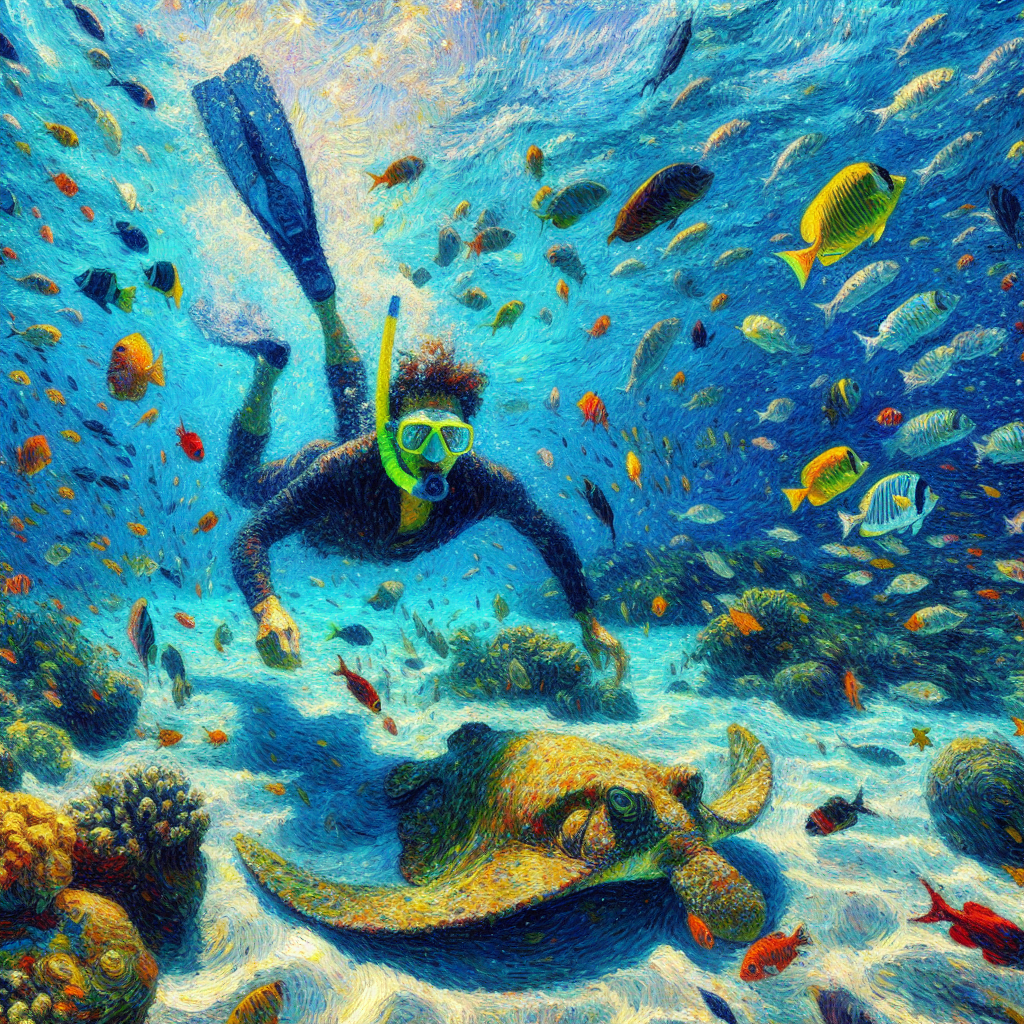
Think about this: every time we lose a species, we lose more than just a living thing; we lose a crucial connection in an intricate web of life. These creatures, some teetering on the brink of extinction, play critical roles: pollinators, scavengers, or even keystone species that help maintain the ecosystem’s structure. The hawksbill turtle, for example, doesn’t just survive; it supports the health of coral reefs by feeding on sponges—helping maintain the underwater gardens that many other creatures rely on.
But beyond the cold hard facts, there’s a deeper narrative at play: an emotional connection to these endangered species that calls to our sense of responsibility. When the last of these turtles or the elusive jaguar vanishes from Cozumel, it’s not merely a loss for the island; it’s a permanent heartbreak for future generations who will never know the wonders that existed before. It’s an ethical responsibility we all share, to protect the beauty and complexity of the natural world, even if it feels daunting.
And let’s not overlook the social aspect. Cozumel’s thriving biodiversity attracts tourists, supporting local economies and fostering a culture of conservation. Communities that unite in conservation efforts send a powerful signal: they care about their environment, their heritage, and the future. This creates a ripple effect, influencing others to take action in their own backyards.
So, when you consider the endangered species of Cozumel, remember that they aren’t just isolated dots on a map. They are the heartbeat of the ecosystem—vivid reminders of what we stand to lose and what we must strive to save. Engaging in conservation efforts isn’t just beneficial; it’s a moral obligation. Whether you draw your passion from the thrill of exploration or from the quiet appreciation of nature’s wonders, it’s time to step forward and act. Together, we can protect the fragile beauty of Cozumel and ensure that its natural treasures endure for generations to come.

How Do Endangered Species In Cozumel Contribute To Biodiversity?
How Do Endangered Species In Cozumel Contribute To Biodiversity?
- Cozumel is rich in biodiversity, home to remarkable species like the endangered hawksbill turtle.
- Each species plays a vital role in maintaining ecological balance and the overall health of the environment.
- Loss of any species diminishes connections within the ecosystem and impacts global biodiversity.
- Endangered species, such as the hawksbill turtle, contribute to the health of coral reefs and other marine ecosystems.
- The disappearance of these species represents a broader loss for future generations and emphasizes our ethical responsibility to protect them.
- Cozumel’s biodiversity attracts tourists, supporting local economies and fostering conservation awareness.
- Engaging in conservation efforts is a moral obligation, essential for preserving the natural beauty of Cozumel for future generations.
How Do Endangered Species In Cozumel Contribute To Biodiversity?
What Stories Of Resilience Exist Among Endangered Species In Cozumel?
Cozumel, a jewel of the Caribbean, harbors not just breathtaking vistas but stories of resilience among its endangered species that tug at the heartstrings. Imagine a world where vibrant coral reefs teem with life and nesting turtles traverse sandy shores on their ancient journeys. Yet, these stories are layered with challenges that resonate deeply, compelling us to pause and reflect.
Take, for example, the hawksbill turtle. Once abundant, this magnificent creature has seen its numbers dwindle due to poaching and habitat loss. Yet, against all odds, these turtles still return to the very beaches that witnessed their birth, a testament to their unwavering instinct. Their struggle mirrors our own, reminding us that resilience often comes from returning to our roots, no matter the obstacles in our way.
Then there’s the endemic Cozumel deer, a symbol of the island’s unique biodiversity. Once nearly wiped out, it has rebounded thanks to dedicated conservation efforts that unite local communities. The moral of their story speaks volumes: when we come together in purpose, we can restore what was nearly lost. These deer don’t simply exist; they thrive alongside us, serving as a mirror reflecting our capacity for empathy and stewardship.
In Cozumel, the coral reefs are also a silent witness to the relentless dance of life and death. Rising ocean temperatures and pollution threaten their survival, yet with every bleaching event, there’s the potential for rebirth. Resilient corals may seem like mere rocks, but they are alive with intricate ecosystems, each creature relying on and benefiting from the other. Herein lies a powerful lesson about interconnectedness; we must protect these reefs, not just for their beauty but for the web of life they sustain, including ourselves.
These stories are more than just tales of survival; they’re calls to action. When we champion efforts to protect these species, we’re investing in the well-being of the entire ecosystem—and, by extension, our own future. In nurturing Cozumel’s endangered species, we affirm a commitment to ethical stewardship, forging a legacy that honors the resilience of nature.
By connecting heart, head, and gut with the plight of these endangered species, we not only foster empathy but inspire collective action. The fate of Cozumel’s wildlife is intertwined with ours—let’s ensure their stories of resilience continue for generations to come.
What Stories Of Resilience Exist Among Endangered Species In Cozumel?
What Stories Of Resilience Exist Among Endangered Species In Cozumel?
- Cozumel, a Caribbean gem, features breathtaking landscapes and stories of resilience among endangered species.
- The hawksbill turtle, once plentiful, now faces population decline from poaching and habitat loss, yet returns to its birthplace, exemplifying resilience.
- The endemic Cozumel deer, nearly extinct, has thrived due to local conservation efforts, highlighting the power of community collaboration.
- Cozumel’s coral reefs are threatened by rising ocean temperatures and pollution but exhibit potential for renewal after bleaching events.
- Coral reefs serve as vital ecosystems, emphasizing the interconnectedness of life and the importance of their preservation.
- The stories of Cozumel’s endangered species urge us to take action for the ecosystem and our future through ethical stewardship.
- Empathy for these species can inspire collective action, ensuring their resilience and survival for future generations.

What Stories Of Resilience Exist Among Endangered Species In Cozumel?
How Do Endangered Species Affect Tourist Perceptions Of Cozumel?
Cozumel isn’t just a beautiful destination—it’s a living, breathing paradise that gets under your skin and etches itself into your heart. But when we think about our vacations, do we stop to consider the fragile balance of its ecosystems? The reality is that endangered species often act as barometers for the health of their environments and the emotional heft of our travel experiences. Picture this: a snorkeling trip through crystalline waters, where vibrant coral reefs teem with life, and you spot a majestic sea turtle gracefully gliding by. That moment doesn’t just elevate your trip; it connects you to something bigger, a reminder that our world is rich, diverse, and worth protecting.
But here’s where the gut comes in. When endangered species appear on our radar, they force us to confront a harsh truth. Tourism can be a double-edged sword, providing resources for conservation but also risking the very existence of those sought-after experiences. If you love Cozumel, then you must grapple with its vulnerabilities as well. As visitors become more aware of these challenges—think of dwindling populations of local wildlife—your perception of the destination evolves. This is no longer just a vacation spot; it’s a shared responsibility.
The ethical aspect is hard to ignore. Supporting conservation efforts can be as much a part of your itinerary as enjoying a cold drink on the beach. By choosing eco-friendly tours and promoting local conservation initiatives, you can align your holiday with your values. And remember, it’s not just about you; it’s about the generations to come who might not have the chance to experience Cozumel’s splendor if we don’t act now.
When influencers and experts step forward, sharing stories of success in wildlife recovery, it creates a ripple effect, encouraging others to take part in this vital work. Imagine the sense of community that builds, uniting travelers and locals alike around a common cause. Your trip can become a catalyst for change, promoting an ethos of sustainability and respect for nature.
Together, we can elevate our travel experiences beyond simple pleasure. Cozumel calls us to be guardians of its beauty, ensuring that future visitors can share in the wonders of its ecosystems. The more we connect with these endangered species, the more we’ll understand that protecting them is not just a duty; it’s an opportunity to leave a lasting legacy.

How Do Endangered Species Affect Tourist Perceptions Of Cozumel?
How Do Endangered Species Affect Tourist Perceptions Of Cozumel?
- Cozumel is a captivating destination that highlights the importance of ecosystem balance.
- Endangered species reflect the health of their environments and affect travelers’ experiences.
- Tourism can both support conservation efforts and threaten the species that attract visitors.
- Awareness of local wildlife challenges transforms the perception of Cozumel from a vacation spot to a shared responsibility.
- Supporting eco-friendly tours and conservation initiatives aligns travel with personal values.
- Stories of wildlife recovery from influencers inspire community involvement in conservation efforts.
- Travelers are encouraged to protect Cozumel’s beauty and ensure its legacy for future generations.

How Do Endangered Species Affect Tourist Perceptions Of Cozumel?
What Can We Learn From The Endangered Species Thriving In Cozumel?
What can we learn from the endangered species thriving in Cozumel? It’s more than just a story about conservation; it’s a compelling narrative of resilience that speaks to the very core of our human experience. Picture this: vibrant coral reefs, where the blue of the ocean contrasts with the golden rays of the sun, and the sound of gentle waves creates a harmonious backdrop for life in its most stunning form. Underneath this picturesque surface lies a critical lesson about survival, community, and our shared responsibility to the world.
Take, for instance, the Cozumel Island rattlesnake or the Cozumel spectacled caiman. These species, once on the brink of extinction, have emerged due to focused conservation efforts. This isn’t just a victory for these creatures; it’s a powerful reminder that with commitment and perseverance, change is possible. Amidst the daily grind of our lives, it can be all too easy to forget the stakes. The plight of these endangered species serves as a clarion call, urging us to reflect on our role as stewards of the planet. It beckons us to connect with nature not as mere spectators but as active participants.
Think about it—what does it say about us, as a society, when we fight for the survival of these endangered species? It reveals a broader truth: thriving ecosystems benefit us all. Healthy reefs contribute to better fishing yields, promote tourism, and boost local economies. The conservation efforts in Cozumel exemplify a model we can replicate, highlighting that ethical responsibility toward our environment coupled with smart economic thinking can lead to mutual gain.
Let’s not overlook the emotional resonance of this narrative. Consider the thrill of witnessing a young caiman slide into the water, or the awe of observing a rattlesnake basking in the sun. These moments forge connections, not just with nature, but with one another as we rally together for a common cause. The spirit of Cozumel teaches us that each individual effort contributes to a larger, collective impact. It invites us to listen to the whispers of the natural world and act with intent.
So, as we look toward the future of Cozumel and its endangered species, let’s harness this inspiration. Let’s champion the values of empathy, collaboration, and action. The thriving life in Cozumel isn’t just a fleeting beauty; it’s a call to awaken our sense of duty—to nurture and protect the planet we all share.
What Can We Learn From The Endangered Species Thriving In Cozumel?
What Can We Learn From The Endangered Species Thriving In Cozumel?
- The story of endangered species thriving in Cozumel highlights resilience and our human experience.
- Vibrant coral reefs and diverse marine life emphasize the importance of survival and community.
- Conservation efforts have revived species like the Cozumel Island rattlesnake and spectacled caiman.
- These successes remind us of our role as stewards of the planet and the need for active participation.
- Healthy ecosystems provide benefits such as better fishing, tourism, and economic growth.
- Emotional connections with nature are forged through shared experiences in conservation efforts.
- The thriving life in Cozumel inspires us to promote empathy, collaboration, and proactive action for the environment.

What Can We Learn From The Endangered Species Thriving In Cozumel?
How Does Climate Change Impact The Endangered Species In Cozumel?
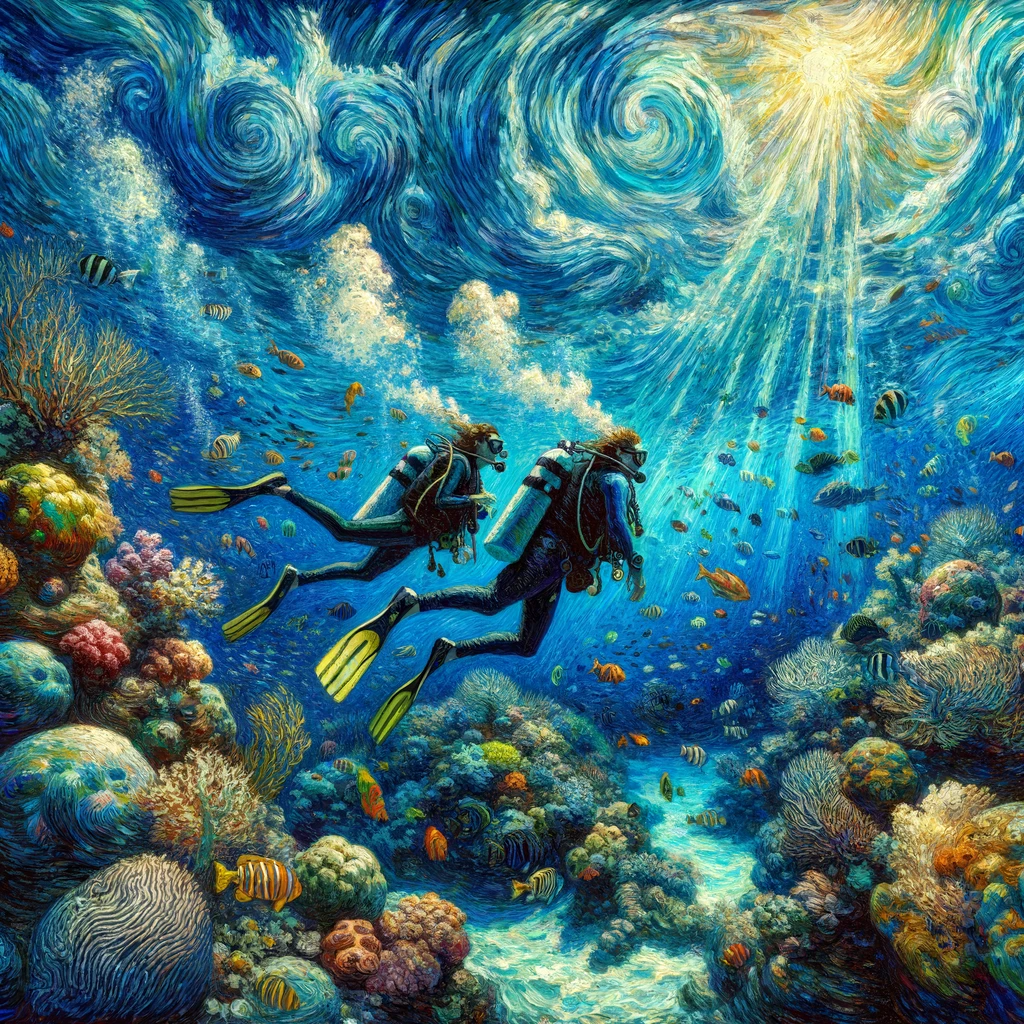
Cozumel is not just a vacation paradise; it’s a vibrant ecosystem full of life that we’re starting to take for granted. As the sun rises gently over its shores, we often find ourselves absorbed in the beauty of its coral reefs and lush jungles. Yet, beneath that stunning surface lies a frightening truth: climate change is threatening the very fabric of this island’s existence. A heartbreaking reality unfolds as species struggle to adapt to rising temperatures, shifting ocean currents, and increasingly severe weather patterns.
Imagine the delicate dance of the sea turtles, gliding through the crystalline waters to nest on Cozumel’s sandy beaches. Their ancient instincts guide them, yet the rising sea levels? They don’t care. Each year, these majestic creatures find their nesting sites eroding, their populations dwindling. The narrative of survival is becoming increasingly complex, one where the stakes are higher than ever. It’s not just a story; it’s a call to arms, demanding our attention and our action.
Now let’s think about the corals—the building blocks of marine life, the architects of the reef. These beautiful organisms, full of color and vitality, are succumbing to coral bleaching, a phenomenon triggered by warming seas. It’s not just about a loss of beauty; it’s about the collapse of an entire ecosystem that supports countless species and livelihoods. The rational mind understands that if the corals go, so do the fish that depend on them, and with them, the livelihoods of fishermen and the joy of divers.
Ethically, we have a responsibility to protect this paradise. The world needs to understand that our actions today can cause ripple effects that reach far beyond our shores. Cozumel’s fate should be a shared concern, uniting us in a common goal: to foster a sustainable future for all living beings in this treasured spot on the globe. Allow the plight of these endangered species to resonate within you, to inspire you to be a part of the solution.
As we pause to reflect on the delicate balance of nature here, we find common ground with every creature that calls Cozumel home. This island is more than a destination; it’s our shared inheritance. It’s up to us to nurture it, to fight for it—because when we save the species of Cozumel, we are, in fact, saving ourselves. Let’s act, not just for the turtles and corals, but for the heart of a vibrant, interconnected world.

How Does Climate Change Impact The Endangered Species In Cozumel?
How Does Climate Change Impact The Endangered Species In Cozumel?
- Cozumel is a vibrant ecosystem facing threats from climate change.
- Rising temperatures and severe weather patterns are endangering local species.
- Sea turtles are losing nesting sites due to rising sea levels, impacting their populations.
- Corals, essential for marine life, are suffering from bleaching caused by warming seas.
- The loss of corals affects fish populations, fishermen’s livelihoods, and diving tourism.
- There is an ethical responsibility to protect Cozumel’s ecosystem for future generations.
- Protecting Cozumel means safeguarding a vibrant, interconnected world.
How Does Climate Change Impact The Endangered Species In Cozumel?
Conclusion
Cozumel is more than a tropical getaway—it’s a living testament to resilience in the face of adversity. Nestled amid turquoise waters and sun-soaked shores, this island hosts endangered species whose lives inspire us to reflect on our role as caretakers of the planet. From the graceful hawksbill sea turtle navigating our oceans for over a hundred million years to the dazzling Cozumel hummingbird, each creature tells a tale of survival that transcends mere statistics. Their existence is a clarion call, urging us to take action to ensure their stories are not lost to history.
Every time a hawksbill lays its eggs on Cozumel’s beaches, it offers a poignant reminder of what we have to protect. But they are not alone in this struggle. The Cozumel deer, once on the brink of extinction, has found a fighting chance thanks to the collective will of local communities rallying for conservation. These stories of perseverance aren’t just about animals; they’re about us, too—our connection to nature and the responsibility we share in safeguarding our shared world.
The stakes are extraordinarily high. Endangered species serve as crucial indicators of the ecological health of Cozumel and beyond. Their survival intertwines with our own. As ecosystems crumble, so do our livelihoods and the beauty we take for granted. Rationally, we must comprehend that the biodiversity of this island is vital not just for its own sake but for our future. Emotionally and ethically, we are called to act—protecting these species is not merely an option; it’s an obligation entrenched in our shared humanity.
By engaging in conservation efforts, whether through eco-friendly tourism, volunteering, or supporting local initiatives, we empower ourselves and our communities. The more we connect with the struggles and triumphs of these endangered species, the richer our experiences become. This is about building a legacy—a promise to future generations that the harmony of Cozumel’s ecosystems continues to thrive.
So, as we revel in the beauty of Cozumel, let’s shift our perspective. This island is not just a destination; it is a responsibility. Our actions today can save its fragile wildlife, ensuring that the melodies of hummingbirds and the gentle waves caressing nesting turtles resonate for years to come. Let’s step up, act with intention, and ensure the resilience of Cozumel’s wildlife remains woven into the fabric of our world. Together, we can be the guardians of this gem, where every heartbeat, including ours, contributes to a sustainable future.
Conclusion
Conclusion:
- Cozumel is a testament to resilience and biodiversity, hosting endangered species that inspire conservation.
- The hawksbill sea turtle and the Cozumel hummingbird exemplify the island’s unique wildlife and their survival struggles.
- Cozumel deer, once nearly extinct, have rebounded due to community conservation efforts.
- Endangered species are crucial indicators of ecological health, reflecting the interconnectedness of life on the island.
- Protecting biodiversity is essential not only for the species’ survival but also for our own future and wellbeing.
- Engaging in eco-friendly tourism and local initiatives empowers communities and strengthens our connection to nature.
- Our collective responsibility is to ensure that Cozumel’s delicate ecosystems thrive for future generations.

Conclusion
Other Resources
Other Resources
Here is a list of other resources you can review online to learn more:
- Chankanaab Adventure Park Royal Swim
- Chankanaab
- Colores y Sabores Cozumel Restaurant
- Cozumel International Airport
- Carnival
- True Traveller
- Cozumel Shore Excursions
- El Cedral
- Playa Chen Rio
- Beach Bum Bikes
- Dive Sites
- Cozumel Rent a Jeep
- La Mission Restaurant Cozumel
- Cozumel Buggy
- Chocolateria Isla Bella
- Playa San Francisco
- Hotel Villa Deja Blue
- Money Bar Beach Club
- Cozumel Sea Scooter Excursion
Use This Prompt To Get More Resources With Your Favorite Online AI Tool: Please provide me with a list of online articles with their URLs in a bulleted list that I can read regarding What Endangered Species Live In Cozumel?

Other Resources
Glossary Terms
What Endangered Species Live In Cozumel? – Glossary Of Terms
1. Endangered Species: Species at risk of extinction due to habitat loss, environmental changes, or human activity.
2. Cozumel: An island in the Caribbean Sea off the coast of Mexico, known for its rich biodiversity and marine life.
3. Loggerhead Sea Turtle: A large sea turtle species that migrates long distances and is threatened by habitat destruction and pollution.
4. Hawksbill Sea Turtle: A critically endangered turtle recognized for its beautiful shell, which is often targeted for illegal trade.
5. Mayan Cichlid: A freshwater fish native to Mexico, particularly vulnerable due to habitat degradation and invasive species.
6. Cozumel Island Raccoon: A subspecies of raccoon found only on Cozumel, facing threats from habitat loss and urbanization.
7. Coastal Mangroves: Key ecosystems that provide habitat for various wildlife and protect shorelines from erosion.
8. Coral Reefs: Vital marine ecosystems that support diverse marine life and are threatened by climate change and pollution.
9. Endemic Species: Species that are native to and found only within a specific geographical area, such as Cozumel.
10. Biodiversity: The variety of life in a particular habitat or ecosystem, crucial for maintaining ecological balance.
11. Habitat Loss: The destruction or alteration of natural environments, significantly affecting wildlife populations.
12. Conservation: Efforts aimed at protecting and preserving natural resources and wildlife populations.
13. Restoration: The process of returning an ecosystem to its natural state after degradation or destruction.
14. Pollution: The introduction of harmful substances into the environment, negatively impacting wildlife and ecosystems.
15. Sustainable Tourism: Responsible travel that conserves the environment and improves the well-being of local people while allowing wildlife conservation.
16. Invasive Species: Non-native plants or animals that disrupt local ecosystems and threaten native species.
17. Ecotourism: A form of tourism focused on experiencing natural areas while promoting conservation and sustainability.
18. Marine Protected Area (MPA): Designated regions that restrict human activity to conserve marine biodiversity and ecosystems.
19. Climate Change: Long-term changes in temperature and weather patterns that can adversely affect wildlife and habitats.
20. Rescue and Rehabilitation: Services aimed at treating injured or sick animals, often leading to their eventual return to the wild.
21. Wildlife Corridor: A natural or human-made path that connects habitats, allowing animals to migrate safely.
22. Breeding Program: Efforts to breed endangered species in controlled environments to boost population numbers.
23. Genetic Diversity: The variety of genetic information within a species, essential for resilience to diseases and environmental changes.
24. Natural Habitat: The environment in which a species lives and thrives, providing necessary resources like food and shelter.
25. Conservation Status: A classification indicating the risk level of a species going extinct, often assessed by organizations like the IUCN.
26. Poaching: Illegal hunting or capturing of wildlife, often to sell as exotic pets or for body parts.
27. Wildlife Sanctuary: Protected areas where animals are cared for and sheltered from harm.
28. Ecosystem Services: Benefits provided by ecosystems, such as clean air and water, pollination, and climate regulation.
29. Aquatic Life: Organisms living in water, including fish, turtles, and various invertebrates, all dependent on healthy aquatic ecosystems.
30. Public Awareness: Efforts to educate the community about the importance of conserving endangered species and their habitats.

Glossary Of Terms
Other Questions
What Endangered Species Live In Cozumel? – Other Questions
If you wish to explore and discover more, consider looking for answers to these questions:
- What specific endangered species can be found in Cozumel?
- What are the main threats facing endangered species in Cozumel?
- How can tourists contribute to conservation efforts while visiting Cozumel?
- What conservation initiatives are currently in place in Cozumel?
- What is the role of local communities in protecting endangered species?
- How does the decline of these species impact the local economy?
- What are some success stories of conservation efforts in Cozumel?
- How can individuals make a difference in protecting biodiversity in their own communities?
- What actions can be taken globally to combat climate change and its effects on species?
- How do cultural perceptions of wildlife influence conservation efforts in tourist destinations?
Other Questions
Haiku
What Endangered Species Live In Cozumel? – A Haiku
Beneath sunlit waves,
Endangered voices whisper:
“Guardians we must be.”
Haiku
Poem
What Endangered Species Live In Cozumel? – A Poem
In Cozumel’s embrace where azure waters gleam,
Lives a tale of resilience—a precarious dream.
Hawksbill turtles glide on currents of hope,
Yet pollution and poaching tug at their rope.
The hummingbird flits in a dance of delight,
A spark of existence in the fading light.
With every lost habitat, our hearts start to ache,
Will we rise to their rescue or watch as they break?
Each creature, a thread in nature’s grand weave,
Calls forth our duty, a collective reprieve.
Vibrant corals whisper of life’s fragile song,
But warming seas threaten where they once belonged.
Tourist footsteps echo on sun-drenched shores,
Are we caretakers, or mere spectators, at the core?
Every choice we make ripples through time,
Can we conjoin passion with purpose in rhyme?
Stand tall like the deer that from ashes have sprung,
A testament to unity, a sweet anthem sung.
Embrace not just beauty but the weight of our role,
For the fate of Cozumel rests in our soul.
Let’s whisper to the wind, let the ocean hear,
Together we flourish when we hold what we hold dear.
A call to action, a promise we share,
To nurture this jewel with love and with care.
So let the hawksbill nest on our watched-over sands,
Let every heartbeat echo with firm, caring hands.
For in saving their stories, we write our own fate,
Bound by the threads that we cannot forsake.

Poem
Checklist
What Endangered Species Live In Cozumel? – A Checklist
Cozumel Endangered Species Awareness Checklist
Heartfelt Engagement
_____ Connect Emotionally: Reflect on a moment in nature that stirred your soul. How can you create similar experiences for future generations?
_____ Support Local Conservation Efforts: Choose local charities focused on wildlife protection when donating or volunteering.
_____ Share Your Stories: Engage friends and family in discussions about the endangered species you encountered and inspire them to appreciate nature.
Rational Responsibility
_____ Learn About Endangered Species: Educate yourself on the unique species in Cozumel and their roles in the ecosystem.
_____ Make Eco-conscious Choices: Opt for products and activities that preserve the environment. Consider reducing plastic use, and selecting sustainable options when traveling.
_____ Participate in Eco-Tours: Join guided tours that emphasize wildlife preservation and education rather than those that exploit local resources.
Ethical Actions
_____ Advocate for Policies: Support legislation aimed at wildlife protection and habitat conservation.
_____ Reduce Your Carbon Footprint: Implement changes in your lifestyle that contribute to climate change mitigation, such as using public transportation or reducing energy consumption.
_____ Engage with Local Communities: Encourage others to join conservation efforts locally to strengthen the community’s commitment to preserving wildlife.
Authority and Knowledge
_____ Follow Conservation Experts: Stay informed by following environmental scientists and conservationists who share their insights and updates on endangered species.
_____ Consume Media About Endangered Species: Read articles, watch documentaries, or attend lectures that emphasize the significance of preserving wildlife.
Narrative and Reflection
_____ Document Your Journey: Keep a journal of your experiences with nature, including thoughts on endangered species and the responsibility we share to protect them.
_____ Create Visual Reminders: Use photography or art to celebrate the beauty of endangered species, raising awareness in your circles.
Social Connection
_____ Participate in Group Conservation Projects: Join community efforts to clean local beaches or restore habitats, fostering a sense of unity with others who care.
_____ Organize Awareness Events: Host informational gatherings or social media campaigns to educate others about the plight of Cozumel’s endangered species.
Using this checklist can deepen your engagement with nature and empower you to contribute positively to the preservation of Cozumel’s endangered species and their habitats.

Checklist
At TopCozumelNews, we help travelers enjoy Cozumel by collating information learned from frequently traveling to beautiful Cozumel.
Be sure to read our other related stories at TopCozumelNews to learn more about the Island of Cozumel.