




Transforming Experiences: Affordable 360° Video Journeys Await You
By Tom Seest
At TopCozumelNews, we help travelers enjoy Cozumel by collating information learned from frequently traveling to beautiful Cozumel.
Be sure to read our other related stories at TopCozumelNews to learn more about the Island of Cozumel.
Small Guides Use Simple 360° Videos As Low-Cost Vr Alternatives
In the world of technology, where the allure of high-definition virtual reality often feels like the exclusive domain of the affluent, it’s easy to forget that sometimes the simplest solutions hold the most promise. Imagine you’re sitting in your living room, a gleaming new VR headset taunting you from its box, while in the back of your mind, the thought creeps in: “Is this really worth it?” Before you dismiss the whole idea of an immersive experience, consider the unassuming power of 360° videos.
Picture this: you’ve just returned from a vacation in Cozumel, a vibrant island full of vivid colors and sounds. You didn’t just relax on the beach; you explored the underwater marvels of the coral reefs, danced to the rhythm of local music, and tasted the delicious street tacos. Now, imagine being able to share that experience with others—not just through photos and stories, but by bringing them directly into the moment. Simple 360° videos allow you to do just that. They’re like the magic carpets of technology, transporting friends and family to the sandy shores, right there by your side.
Admittedly, the emotional connection is key. In our fast-paced lives, filled with daily challenges, we crave experiences that forge bonds and create shared memories. By opting for 360° videos, you’re providing an inexpensive, accessible alternative to the eye-watering price tags of advanced VR setups. With just a decent camera and a bit of creativity, you can craft immersive tales that resonate on a personal level, sparking curiosity and engagement.
Consider this: every adventure you embark on—whether it’s a road trip across the nation or a sunrise hike in Cozumel—can become a shared experience that invites others to feel that same sense of wonder and excitement. The faces you capture in those videos, the laughter shared over coffee while watching together, these moments build trust. They create memories that your audience can connect with, and maybe even inspire them to venture out and chase their own experiences.
This isn’t just about technology; it’s about storytelling. Use those 360° videos as a tool to pull people into your world, to make them feel as if they too are experiencing life’s remarkable adventures. By embracing these low-cost alternatives, you’re not just sharing sights; you’re inviting others to participate in the joy of discovery, fostering connection and encouraging them to explore their corners of the earth. After all, who knows what breathtaking experiences await just outside their door?

Small Guides Use Simple 360° Videos As Low-Cost Vr Alternatives
Small Guides Use Simple 360° Videos As Low-Cost Vr Alternatives
- High-definition virtual reality is often seen as a luxury, while simpler solutions like 360° videos hold significant potential.
- 360° videos enable users to share immersive experiences, bringing friends and family into memorable moments.
- They offer an emotional connection, fostering bonds and shared memories in fast-paced lives.
- 360° videos are a cost-effective alternative to expensive VR setups, requiring only a decent camera and creativity.
- Every adventure, big or small, can be transformed into shared experiences that inspire others to explore.
- These videos build trust and memories, encouraging viewers to engage with their surroundings and seek new experiences.
- Ultimately, 360° videos serve as a storytelling tool, inviting others to partake in the joy of discovery and connection.

Small Guides Use Simple 360° Videos As Low-Cost Vr Alternatives
Table Of Contents
- Small Guides Use Simple 360° Videos As Low-Cost Vr Alternatives
- What Are the Benefits Of Using 360° Videos for Vr?
- How Can Small Guides Enhance Learning?
- What Equipment Is Needed for Creating 360° Videos?
- How Do You Choose the Right Subject for a 360° Video?
- What Common Mistakes Should Be Avoided In 360° Video Production?
- How Can You Distribute 360° Videos Effectively?
- What Are the Best Platforms for Sharing 360° Content?
- Conclusion
- Other Resources
- Glossary Of Terms
- Other Questions
- Haiku
- Poem
- Checklist
What Are the Benefits Of Using 360° Videos for Vr?
What Are the Benefits Of Using 360° Videos for VR?
Imagine standing on the sun-kissed shores of Cozumel, feeling the warm breeze against your skin while boats lazily bob in the distance. Now, picture experiencing all this without ever leaving your couch. That’s the magic of 360° videos in virtual reality (VR). They’ve revolutionized the way we perceive our surroundings, turning the act of viewing into an immersive journey.
For many, life can sometimes feel like a series of mundane tasks, and the call to explore can be drowned out by daily responsibilities. VR disrupts that monotony by offering an escape into rich, vibrant environments. When you put on a headset and slip into a 360° video, you’re not just a spectator; you’re transported. You can gaze around, taking in the sights, and escaping the daily grind while enjoying experiences that might have otherwise felt out of reach. This is particularly invaluable for those unable to travel due to financial constraints or physical limitations.
Each 360° video tells a story, but it’s the connection that takes place during that story that sets it apart. Think about an adventure you’ve had or a moment that made your heart race. Now, imagine reliving that moment, not just through memories but in a stunningly captivating way, allowing you to breathe in the ocean air and hear the waves crashing as if you were actually there. Such experiences can reinforce our sense of adventure and remind us of the beauty the world has to offer, sparking the desire to seek more out of life.
An often overlooked benefit of 360° videos is their capacity for empathy. When you experience a culture or a moment far removed from your own reality, it has a way of humanizing distant lives, bridging gaps that might have remained otherwise. Imagine viewing a traditional festival in Cozumel through the lens of VR. Instead of just seeing it, you’re there, feeling the rhythm of the music, and sharing in the collective joy of the moment. Such experiences can promote understanding and inspire action, leading viewers to support local artisans or perhaps even plan a visit, invigorated by a newfound appreciation.
360° videos for VR provide not just an escape, but a dynamic means of connection and understanding. Whether you’re chasing thrills or simply yearning for a momentary pause from your daily routine, these immersive experiences remind us to engage with the world around us—one breathtaking frame at a time.

What Are the Benefits Of Using 360° Videos for Vr?
What Are the Benefits Of Using 360° Videos for Vr?
- 360° videos in VR create immersive experiences, allowing viewers to feel as if they are in distant locations.
- These videos provide an escape from daily monotony, offering vibrant environments to explore.
- They are particularly beneficial for individuals unable to travel due to financial or physical limitations.
- Each video tells a story that fosters a connection, enhancing the viewer’s sense of adventure.
- Experiencing different cultures through 360° videos can promote empathy and understanding.
- Such experiences can inspire viewers to support local cultures and artisans.
- 360° videos encourage engagement with the world, enriching the viewer’s perspective on life.

What Are the Benefits Of Using 360° Videos for Vr?
How Can Small Guides Enhance Learning?
Imagine you’re on the vibrant shores of Cozumel, surrounded by the mesmerizing shades of blue that the ocean offers. You’ve always wanted to dive into those depths, but the vastness can feel intimidating. That’s where a small guide steps in—someone who knows the lay of the land, the hidden gems beneath the waves, and the stories that connect you to the locale. Small guides enhance learning by breaking down complex subjects into digestible pieces, much like the way you’d learn to snorkel. Instead of being thrust into the deep end, you begin by floating close to the shore, getting comfortable with the gear, and slowly learning what the sea has to offer.
Many of us wrestle daily with the weight of information. With so much to learn and so little time, it’s not unusual to feel overwhelmed. You delve into a topic, only to find yourself lost in the jargon or the sheer volume of material. It’s frustrating, isn’t it? A small guide serves to illuminate your path, providing clarity and context. Just like a local guide can show you the best coral reefs or the most efficient routes to explore, a condensed and focused guide can distill what’s essential in any learning journey. It’s about creating stepping stones, transferring the seemingly abstract into relatable, actionable insights.
One unique angle to consider is the concept of “invisible learning.” Think of it as that quiet tug you feel when you first step into the water. You might not consciously realize it, but your body is adapting, learning to maneuver as you glide through the waves. Small guides can facilitate this invisible learning by engaging your instincts and feelings. They tap into your inherent curiosity, nudging you to seek connections that spark interest and drive engagement.
When you’re back on land, those skill sets you’ve developed during your underwater adventure transform into confidence. Armed with new knowledge, you no longer view learning as a chore but rather an exhilarating challenge. Small guides foster this environment—they transform learning from being a solitary and daunting task into a shared experience, where every question and exploration is a collective step forward.
So, the next time you find yourself facing a mountain of information or a tough concept, remember the small guide, whether it’s a book, a mentor, or even a captivating video. Embrace it. Dive deep and see what you can discover. The learning journey doesn’t have to be solitary; it can be as rich and fulfilling as a day spent exploring the enchanting waters of Cozumel.

How Can Small Guides Enhance Learning?
How Can Small Guides Enhance Learning?
- Vibrant shores of Cozumel serve as a metaphor for learning experiences.
- Small guides break down complex topics into manageable pieces, akin to learning to snorkel.
- Many individuals feel overwhelmed by the volume of information available.
- Small guides provide clarity and context, akin to a local guide revealing hidden gems.
- Invisible learning occurs as individuals adapt and engage instinctively in new environments.
- Skill development during learning transforms into confidence and a sense of challenge.
- Learning is more enriching when shared, making it a collaborative experience.

How Can Small Guides Enhance Learning?
What Equipment Is Needed for Creating 360° Videos?
Creating 360° videos is not just about the technology; it’s an adventure waiting to unfold. Much like my own experiences—think of that time I went scuba diving in Cozumel—immersive exploration is thrilling, but you need the right gear to do it justice.
First up is the camera. A good 360° camera is your gateway to capturing immersive scenes. Look for options like the Insta360 ONE X2 or the GoPro MAX. These cameras are portable and user-friendly, perfect for anyone from beginners to seasoned pros. Just remember, a camera alone won’t do the trick. It’s the lens that makes the magic happen. A quality lens can capture the vibrant colors and intricate details of a setting, letting your audience feel as if they’re swimming alongside you in those crystalline Cozumel waters.
Next, consider stabilization equipment. Even the smoothest shots can turn bumpy without a gimbal. Think of it like having a sturdy boat on choppy seas; it keeps you steady while navigating through creative waves. Stabilization helps to create a seamless experience that pulls viewers into your story, rather than bouncing them around like a cork in the ocean.
Don’t forget about audio. You might have the best visuals in the world, but if the sound is shaky, your story won’t resonate. Look for external microphones designed for 360° filming. They capture the ambient sounds that make a scene feel alive—imagine the sound of waves gently lapping against a boat or the rustle of palm trees swaying in that soft Cozumel breeze. These subtle details draw viewers in, creating a richer experience.
Editing software plays a crucial role, too. Programs like Adobe Premiere Pro or Final Cut Pro allow for seamless stitching of content, ensuring your audience isn’t put off by choppy transitions. Just as a well-told story flows effortlessly, so should your video.
Lastly, embrace the challenge of learning. Just like any trade, the artistry of 360° videography requires patience and practice. Each attempt is a step closer to mastery. It’s about more than just gear; it’s about understanding your environment and telling a story that resonates. Dive in, make mistakes, and explore the vast ocean of possibilities your equipment offers. The thrill of stitching together memories from places like Cozumel isn’t just about the end product; it’s about the journey of creating it.

What Equipment Is Needed for Creating 360° Videos?
What Equipment Is Needed for Creating 360° Videos?
- Creating 360° videos combines technology with adventure, requiring the right equipment.
- A good 360° camera, like the Insta360 ONE X2 or GoPro MAX, is essential for capturing immersive scenes.
- The lens quality is crucial for vibrant colors and intricate details, enhancing viewer experience.
- Stabilization equipment, such as a gimbal, is important for smooth shots and maintaining viewer engagement.
- High-quality audio, captured using external microphones, enhances the immersive experience and storytelling.
- Editing software like Adobe Premiere Pro or Final Cut Pro is necessary for seamless video transitions.
- Mastering 360° videography requires practice and patience, focusing on storytelling and environment understanding.

What Equipment Is Needed for Creating 360° Videos?
How Do You Choose the Right Subject for a 360° Video?
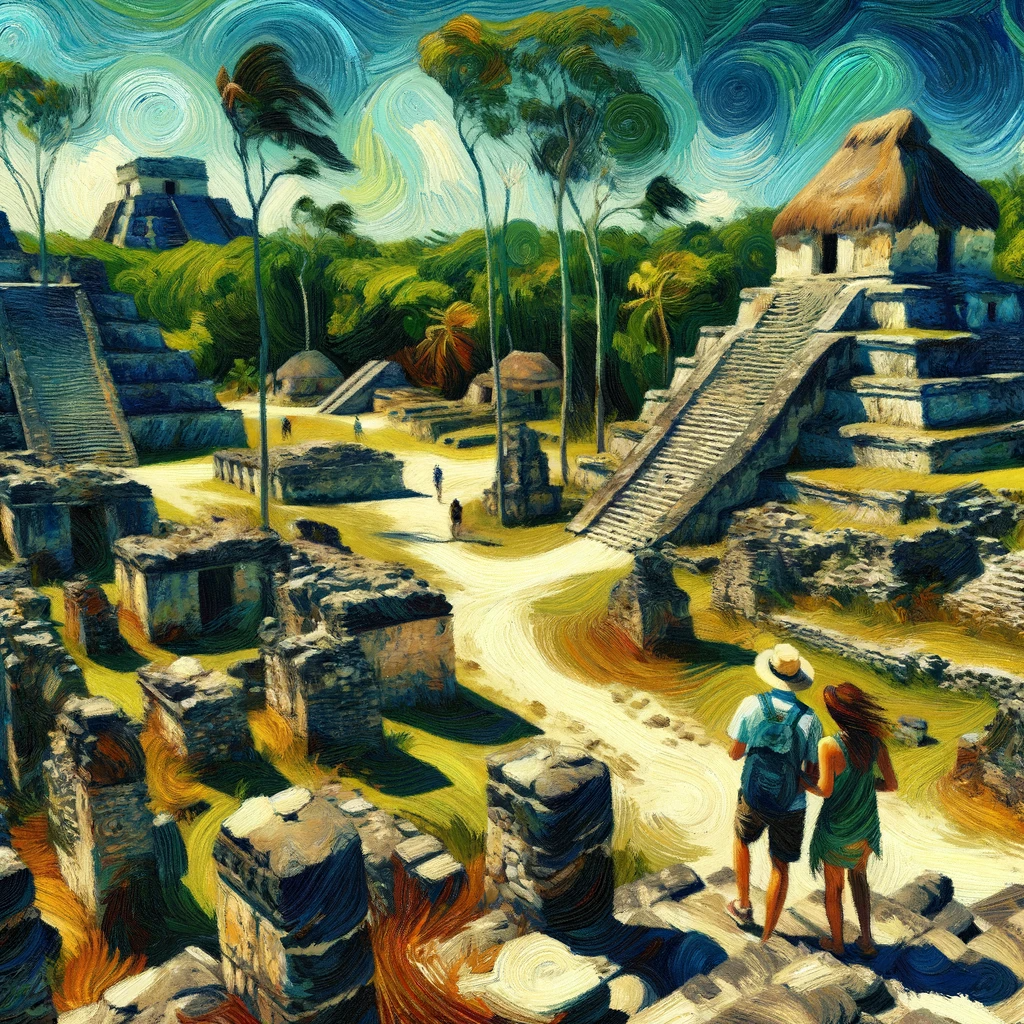
Choosing the right subject for a 360° video can feel like selecting the perfect bait before a long day of fishing. It requires an understanding of what will engage your audience and keep them hooked. Picture yourself sitting on a sunny beach in Cozumel, surrounded by turquoise waters and vibrant life. That’s the kind of immersive experience a compelling 360° video can deliver, but it all begins with a careful selection of subject matter.
First, consider your audience—what excites them? Are they thrill-seekers or introspective dreamers? The beauty of 360° video is that it can bring both worlds to life. Imagine capturing the bustling energy of a local festival in Cozumel, infused with the sounds, sights, and spirit of celebration. The viewer isn’t just watching; they’re part of the action, feeling the rhythm, and soaking in the atmosphere. You want to create a connection, to make them feel as if they’re right there with you.
However, not every topic translates well into a 360° format. Choose subjects that lend themselves to exploration. Take time to think about what aspects of your experience are best suited for this medium. For instance, if you’re filming a serene dive into the coral reefs surrounding Cozumel, think about how the viewer can be “underwater” with you, feeling the tranquility mixed with the colorful chaos of marine life. Your choice should invite curiosity, sparking viewers to want to see more and engage deeply with the setting.
Here’s a fresh perspective: instead of merely showcasing a stunning place or event, consider how to tell an authentic story through your choice of subject. Reflect on your own journey, your challenges, and the joys along the way. Perhaps it’s a narrative about the resilience of local artisans crafting unique pieces or the stories of families who rely on fishing, connecting viewers to the human experience behind the visuals. Personalize it, and suddenly, the subject becomes more than just a backdrop—it may become a catalyst for empathy and understanding.
Ultimately, whether you’re soaring above the lush jungles or nestled within the vibrant streets, remember that your subject must resonate. It’s not just about what looks good on camera; it’s about creating a space where your audience feels present, heard, and transformed. Choose wisely, and the stories will unfold beautifully, just like the diverse tapestry of life in Cozumel.

How Do You Choose the Right Subject for a 360° Video?
How Do You Choose the Right Subject for a 360° Video?
- Selecting a subject for a 360° video requires understanding audience engagement.
- 360° video delivers immersive experiences, like feeling the vibrancy of Cozumel’s beach life.
- Consider the audience’s interests, whether they are thrill-seekers or introspective dreamers.
- Topics that lend themselves to exploration are better suited for 360° video.
- Tell authentic stories, connecting with viewers on a personal level through shared journeys.
- Focus on creating a resonant space where the audience feels present and transformed.
- Choose subjects thoughtfully to engage viewers and invite curiosity.
How Do You Choose the Right Subject for a 360° Video?
What Common Mistakes Should Be Avoided In 360° Video Production?
When diving into the vibrant world of 360° video production, it’s essential to steer clear of pitfalls that can turn a brilliant idea into a jumbled mess. Picture yourself in Cozumel, a place where the sun kisses the sea, and the landscape invites exploration. You want to capture that astounding beauty, but a few missteps can dim the magic you’re trying to convey.
One of the most common mistakes is neglecting pre-production planning. Think of it as planning a road trip without a map. You might have a great car, the wind in your hair, but without a route, you could easily find yourself lost. In 360° video, each frame tells a story, and if you haven’t decided what story to tell, you’ll wind up with unrelated visuals that leave your audience baffled rather than captivated. Create a detailed outline. Visualize the shots, angles, and transitions.
Another frequent error is the failure to understand how audience interaction changes with 360° content. Traditional video usually directs the viewer’s gaze to a focal point—the action unfolds in a specific direction. In contrast, 360° video gives viewers the power to choose what they see, which is exhilarating but can also lead to disengagement if not handled correctly. It’s as if you’ve invited someone to Cozumel and told them they can explore anywhere, yet they stand frozen, unsure of where to go next. Be deliberate; craft moments that guide viewers without restricting their freedom, ensuring they are drawn into your narrative.
A new angle to consider: don’t just think about your shots; think about your sound. While visuals take center stage in 360° video, audio is often overlooked but can profoundly influence the experience. Imagine watching a sunset in Cozumel while the vibrant sounds of waves and local musicians fill the air. Without quality sound that envelops viewers, you risk leaving them with only a half-experience. Invest in high-quality audio capture to bring your narrative to life, ensuring every sigh of the breeze and laughter resonates.
Finally, take your time. In a rush to capture every stunning moment, you might neglect the finer details—liquify your footage to ensure smooth transitions, check lighting, or adjust your focal length. Just as one wouldn’t sprint through Cozumel, missing the artistry of its streets and shores, spend time to focus on each aspect of your production. Your patience and attention to detail will resonate with your audience, inspiring trust in your work and, ultimately, encouraging them to come back for more.

What Common Mistakes Should Be Avoided In 360° Video Production?
What Common Mistakes Should Be Avoided In 360° Video Production?
- Neglecting pre-production planning can lead to disorganized visuals; plan your story and visuals carefully.
- 360° video allows audience interaction, but mismanagement can result in viewer disengagement.
- Design moments that guide viewers to maintain their engagement without restricting their freedom.
- Audio is crucial; high-quality sound enhances the experience and makes the visuals more immersive.
- Focus on every detail, from smooth transitions to proper lighting, to improve overall production quality.
- Take your time to ensure a polished final product, reflecting patience and attention to detail.
- A well-executed 360° video will inspire audience trust and encourage return viewership.

What Common Mistakes Should Be Avoided In 360° Video Production?
How Can You Distribute 360° Videos Effectively?
Distributing 360° videos feels like standing at the edge of a diving board, looking down into the deep end. Exciting, isn’t it? Yet, that sense of trepidation can be overwhelming. You’ve poured your heart into creating immersive experiences, and now the challenge is making sure your audience can enjoy them fully. The good news is that it’s not as daunting as it seems.
Think back to a time when you sat around a campfire, sharing stories. You weren’t just spitting facts; you were embracing the warmth of connection, igniting curiosity, and sparking emotion. That’s exactly what you want to achieve with your 360° videos. Whether it’s a breathtaking dive into the vibrant coral reefs of Cozumel or an awe-inspiring view from a mountaintop, the key is in the storytelling. Make sure your narrative is clear and compelling. Guide your viewers through the experience, ensuring they know where to look and what to feel. It’s about crafting a journey rather than just presenting a moment.
Now, let’s talk about distribution. Sure, platforms like YouTube and Facebook provide excellent avenues, but think outside the box. Consider integrating your 360° content into email campaigns or social media stories that tease snippets of a more significant adventure. Use engaging captions to entice viewers and encourage them to explore further. It’s about creating an ecosystem of interaction where your audience feels invited to dive deeper.
Understanding the emotional side of your audience is crucial. People engage with content that resonates with their experiences. Share personal stories alongside your videos. If you’ve explored breathtaking underwater caves, talk about what it meant to you. Relate it back to your viewers’ experiences; maybe they too have faced the challenge of conquering their fears while swimming in the ocean.
In our tech-driven age, simplicity is your ally. Providing clear instructions on how to experience your 360° video is essential. Equip your audience with the knowledge needed to engage fully. Whether they’re using a smartphone or a VR headset, help them feel like they belong and can participate fully in the experience.
At the end of the day, the goal is to transform viewers into participants. Make your 360° videos not just something to watch, but something to feel, explore, and share. With a little empathy, storytelling, and creativity, you’ll turn your footage into an experience that resonates long after the credits roll.
How Can You Distribute 360° Videos Effectively?
How Can You Distribute 360° Videos Effectively?
- Distributing 360° videos can evoke excitement and trepidation.
- Storytelling is key; engage audiences with clear narratives and guided experiences.
- Explore diverse distribution methods, including email campaigns and social media snippets.
- Build an interactive ecosystem to encourage viewer participation.
- Connect emotionally by sharing personal experiences relevant to your audience.
- Provide clear instructions for engaging with 360° content on various devices.
- Aim to transform viewers into active participants, creating a memorable experience.

How Can You Distribute 360° Videos Effectively?
What Are the Best Platforms for Sharing 360° Content?
In a world where everyone is vying for attention, sharing 360° content can feel like trying to fly a kite in a wind tunnel—exciting yet overwhelming. You have a story to tell, an experience to share, but figuring out where to put your work feels like a daunting task. That’s where choosing the right platform makes all the difference.
Consider platforms like YouTube and Facebook. They’ve become the powerhouse duo for distributing 360° videos, offering a wide-reaching audience and user-friendly interfaces. You can create a stunning immersive experience right from the beaches of Cozumel to the bustling streets of Tokyo, allowing viewers to explore your adventures in every direction. But it’s not just about being on these platforms; it’s about how you engage with your audience. Share the stories behind your content. Show them the laughter, the missteps, the triumphs. Make them feel as if they’re alongside you, turning their heads to see every angle of your journey.
Then we have platforms like Instagram, which thrives on visually stunning content. Using a 360° image to grab attention in a sea of posts can result in a surprising connection. Imagine someone scrolling through their feed and landing on a breathtaking view from your hike and feeling as if they’ve stepped into your shoes, even if just for a moment. That’s powerful. Make sure your captions resonate with this feeling. Describe not just the scene but the emotions tied to it, evoking the same wonder and exhilaration your audience might feel.
But let’s not overlook newer contenders. Platforms like VeeR and Oculus are emerging, targeting those who want a more immersive experience. They cater specifically to 360° content, allowing you to dive deep into niche audiences. Embrace these platforms to connect with individuals who share your passion for exploration and innovation.
Here’s the kicker: treat your 360° content like a conversation, not a lecture. Ask your audience what they want to see next. Listen to their feedback, and you’ll cultivate an involved community that comes back for more. Sharing isn’t just about broadcasting; it’s about creating an ongoing dialogue, much like sitting around a campfire, sharing stories under a blanket of stars.
In this digital age, don’t just share your adventures; invite others to experience them with you. The right platform can turn your content into a journey that resonates, inspires, and fosters genuine connections.

What Are the Best Platforms for Sharing 360° Content?
What Are the Best Platforms for Sharing 360° Content?
- Sharing 360° content is exciting yet can be overwhelming in a crowded digital space.
- YouTube and Facebook are effective platforms for distributing 360° videos, with broad audiences and user-friendly features.
- Engagement with the audience is crucial; share behind-the-scenes stories to create a relatable experience.
- Instagram’s visually driven nature can enhance connections through compelling 360° images and resonant captions.
- Emerging platforms like VeeR and Oculus target niche audiences seeking immersive experiences in 360° content.
- Approach content sharing as a dialogue, asking for audience feedback to build a loyal community.
- The choice of platform can enhance the storytelling experience and foster genuine connections.
What Are the Best Platforms for Sharing 360° Content?
Conclusion
In an age where high-tech virtual reality experiences often come with hefty price tags, the charm of 360° videos presents a refreshing alternative. The allure of immersive storytelling lies not in expensive equipment but in the shared experiences that can be beautifully captured and conveyed with ease. Picture yourself on the sun-soaked beaches of Cozumel, basking in warmth while bursting with tales of adventure. Through the lens of a good 360° camera, you can whisk friends and family away to those same shores—without them ever needing to leave their couch.
These videos encapsulate not just images but emotions, evoking the laughter, the sounds, and the vibrant cultures that often elude traditional storytelling. They serve as inexpensive conduits to foster connection, allowing viewers to share in your moments of exploration—from snorkeling among coral reefs to dancing at local festivals. In our busy lives, these virtual escapes offer cherished breaths of wonder, re-igniting our sense of adventure without the complexities often associated with advanced VR setups.
The narrative power of 360° videos cultivates empathy and understanding, transporting viewers into experiences that broaden their horizons and humanize distant lives. Each video not only showcases stunning landscapes but tells a story that resonates deeply, encouraging others to embark on their own journeys of discovery.
Creating compelling 360° content is within reach with just a bit of planning. Choosing the right subjects—those that foster curiosity and emotional connection—sets the stage for captivating storytelling. Recognizing common production pitfalls, like neglecting sound quality or skipping pre-production planning, can make the difference between a muddled experience and one that truly captivates.
Distributing these videos effectively is equally vital. Leveraging platforms known for their reach, such as YouTube and Facebook, allows storytellers to engage diverse audiences. Yet, it’s not just about where you post; it’s about inviting viewers to engage deeply. Share personal stories and invite feedback to cultivate a community eager to return for more.
Ultimately, 360° videos are more than just a means to convey sights—they’re tools for building shared memories and connections. They transform casual viewers into active participants in your adventures, allowing them to engage in the joy of exploration, fostering a richer appreciation of the world’s wonders just beyond their doorstep. As you embark on this journey, remember that the beauty of these low-cost alternatives lies not in their technology, but in their incredible potential to connect us through the vast tapestry of life.

Conclusion
Conclusion:
- 360° videos offer a low-cost alternative to high-tech virtual reality experiences.
- They capture not only images but also emotions, fostering connection and shared experiences.
- These videos allow viewers to participate in adventures, like snorkeling and local festivals, from home.
- 360° storytelling cultivates empathy and understanding, broadening viewers’ horizons.
- Compelling content creation involves careful subject selection and awareness of production quality.
- Effective distribution on platforms like YouTube and Facebook engages diverse audiences.
- Ultimately, 360° videos build shared memories, transforming viewers into active participants in exploration.

Conclusion
Other Resources

Other Resources
Here is a list of other resources you can review online to learn more:
- El Mercado
- Playa Mia
- Caleta Marina
- Rainforest Cafe
- Cozumel Shore Excursions
- Cozumel Flyboard
- Mr. Sancho’s
- Seniors
- Cozumel Trips
- Kaokao Chocolate Factory
- Chankanaab Adventure Beach Park
- Cozumel Reefs
- Blue Angel Resort
- Mega Supermarket
- Del Sur Beach Club
- Cozumel Island Tours
- El Maharaja
- Shoney’s
- Mr. Sanchos ATV
Use This Prompt To Get More Resources With Your Favorite Online AI Tool: Please provide me with a list of online articles with their URLs in a bulleted list that I can read regarding Small Guides Use Simple 360° Videos As Low-Cost Vr Alternatives

Other Resources
Glossary Terms
Small Guides Use Simple 360° Videos As Low-Cost Vr Alternatives – Glossary Of Terms
1. 360° Video: A video format that captures a panoramic view in all directions, allowing viewers to look around the scene.
2. Virtual Reality (VR): A simulated experience that can be similar or completely different from the real world, often achieved through headsets.
3. Immersion: The feeling of being physically present in a non-physical world, enhanced by 360° videos.
4. Panorama: A wide-angle view of an environment that can be captured and displayed in 360° format.
5. Low-Cost: Affordable alternatives that require minimal financial investment, making technology more accessible.
6. Guided Tour: A curated experience where a narrator or instructor leads viewers through a setting, often used in educational contexts.
7. User Interaction: Engagement techniques that allow viewers to influence their viewing experience in 360° videos.
8. Content Creation: The process of generating multimedia material, including video, for consumption by an audience.
9. Mobile VR: Virtual reality experiences delivered via smartphones, allowing for portability and ease of access.
10. Head-Mounted Display (HMD): A device worn on the head that displays VR content, enhancing the immersive experience.
11. Streaming: The delivery of video content over the internet, enabling immediate viewing without extensive downloads.
12. Software Compatibility: The ability of a system or device to work with different software applications and formats associated with 360° videos.
13. Viewer Experience: The overall perception and interaction of individuals with the video content.
14. Educational Tool: A resource used to facilitate learning, often incorporating 360° videos for enhanced visualization.
15. Realism: The degree to which 360° videos mimic real-life environments and experiences.
16. Footage: Recorded video material used in the production of 360° videos.
17. Narration: Spoken commentary that guides viewers through the video, providing context and information.
18. Editing Software: Applications used to modify and enhance 360° video content for publication.
19. Audience Engagement: Strategies to attract and maintain viewer interest in 360° video content.
20. Social Media Sharing: The process of distributing 360° videos through social platforms for wider reach and interaction.
21. Visualization: The process of creating visual representations of information, important for educational 360° videos.
22. Branding: The use of 360° videos to promote a company’s identity or products uniquely.
23. B-roll: Supplementary footage used in video production to enhance storytelling and provide context.
24. Narrative Structure: The organization of a story within a 360° video, guiding viewers through the content.
25. Creative Direction: The artistic vision and guidance behind the production of 360° videos.
26. VR Headset: A device that provides an immersive experience by covering the eyes and providing interactive elements.
27. Environment Mapping: The technique of creating a virtual representation of a physical space for 360° video.
28. Accessibility: The design of 360° videos to ensure that they are usable by individuals with varying needs or limitations.
29. Sensory Experience: The stimulation of sight, sound, and sometimes touch, creating a multi-dimensional viewing experience.
30. Content Distribution: The methods of delivering 360° videos to audiences, including platforms and channels.

Glossary Of Terms
Other Questions
Small Guides Use Simple 360° Videos As Low-Cost Vr Alternatives – Other Questions
If you wish to explore and discover more, consider looking for answers to these questions:
- What is the difference between 360° video and fully interactive VR experiences?
- How much does it cost to get started with creating 360° videos?
- Which 360° cameras are best for beginners, intermediates, and pros?
- What resolution and frame rate should I aim for to achieve good immersion?
- How do I stabilize 360° footage and when should I use a gimbal or tripod?
- How do I capture immersive audio for 360° video (ambisonic/binaural techniques)?
- Which software tools are best for stitching 360° footage together?
- How do I edit 360° video in Adobe Premiere Pro, Final Cut Pro, or other editors?
- What file formats, codecs, and metadata are required for 360° playback on major platforms?
- How can I compress 360° videos to reduce file size without losing too much quality?
- Which hosting and streaming platforms support 360° video and what are their limits?
- How do I optimize 360° video for mobile viewers versus headset users?
- How do I guide viewer attention in a 360° scene without breaking immersion?
- Can I add interactive elements or hotspots to 360° videos, and how?
- How can creators monetize 360° content (ads, sponsorships, paid platforms)?
- What legal and privacy issues should I consider when filming people or places?
- How do I film safe and effective underwater 360° footage (gear, housings, techniques)?
- What battery, storage, and power solutions are recommended for long shoots?
- What lighting strategies work best for 360° environments, both indoors and outdoors?
- How should I plan and storyboard a 360° shoot differently from a traditional shoot?
- What common stitching and parallax artifacts occur and how can I prevent or fix them?
- How do I add captions, translations, and accessibility features to 360° videos?
- How can educators, tour operators, or museums use 360° videos effectively?
- What metrics and analytics can I use to measure engagement with 360° content?
- How can I distribute 360° videos offline for kiosks, events, or limited-bandwidth situations?
- What best practices exist for collaborating ethically with local guides and communities?
- Which platforms (YouTube, Facebook, Instagram, VeeR, Oculus) are best for different goals?
- How do I ensure compatibility across different headsets and player apps?
- What are the most common beginner mistakes and quick fixes in 360° production?
- What are emerging trends and future developments in affordable 360° and VR technology?

Other Questions
Haiku
Small Guides Use Simple 360° Videos As Low-Cost Vr Alternatives – A Haiku
Immersive stories shared,
Simple journeys unite hearts,
360° view.

Haiku
Poem
Small Guides Use Simple 360° Videos As Low-Cost Vr Alternatives – A Poem
In a world of tech and gleaming screens,
Where high-def dreams can feel out of reach,
Simple 360° videos bloom,
Capturing moments, each story they teach.
From Cozumel’s shores, where colors align,
They transport friends to adventures so near,
Sharing laughter, experiences,
Creating memories we hold dear.
These videos foster connections profound,
Inviting the curious to pause and explore,
A canvas for empathy, unveiling new sights,
Life’s rich tapestry, behind each door.
With just a camera, creativity flows,
Stabilization, sound, and stories to share,
Craft each frame as a personal embrace,
A journey of learning, a vibrant affair.
So dive into moments waiting outside,
Let 360° visions reveal what’s in store,
For every adventure captured with care,
Is an invitation to savor, to feel, and explore.

Poem
Checklist
Small Guides Use Simple 360° Videos As Low-Cost Vr Alternatives – A Checklist
Pre-Production Planning
✅______ Define the story you want to tell.
✅______ Create a detailed outline of shots, angles, and transitions.
✅______ Plan the location and subject matter for engagement.
Selecting the Right Equipment
✅______ Choose a quality 360° camera (e.g., Insta360 ONE X2, GoPro MAX).
✅______ Ensure stabilizing equipment (e.g., gimbal) is available for smooth footage.
✅______ Use external microphones for high-quality audio capture.
✅______ Acquire editing software (e.g., Adobe Premiere Pro or Final Cut Pro).
Crafting Compelling Content
✅______ Select subjects that invite curiosity and exploration.
✅______ Personalize your story to create emotional connections.
✅______ Balance visual storytelling with impactful audio elements.
Production Best Practices
✅______ Avoid rushing; focus on each aspect of the filming.
✅______ Ensure consistent lighting and focus on details.
✅______ Emphasize audience engagement by guiding their view without restricting autonomy.
Editing Considerations
✅______ Stitch footage smoothly for seamless transitions.
✅______ Enhance visuals and audio to create a rich experience.
✅______ Keep the narrative clear and compelling throughout.
Distribution Strategy
✅______ Utilize platforms like YouTube and Facebook for wide reach.
✅______ Experiment with email campaigns and social media for teaser content.
✅______ Share personal anecdotes alongside videos to foster connection.
Engagement with Audience
✅______ Encourage audience feedback to enhance community interaction.
✅______ Use Instagram for visually appealing snippets to grab attention.
✅______ Explore niche platforms like VeeR and Oculus for immersive audiences.
Providing User Instructions
✅______ Offer guidance on how to experience the 360° content using different devices.
✅______ Make it accessible and straightforward to enhance viewer participation.
Continuous Improvement
✅______ Analyze performance metrics on shared platforms.
✅______ Adapt content based on audience interaction and feedback.
✅______ Keep experimenting with new content ideas and storytelling techniques.

Checklist
At TopCozumelNews, we help travelers enjoy Cozumel by collating information learned from frequently traveling to beautiful Cozumel.
Be sure to read our other related stories at TopCozumelNews to learn more about the Island of Cozumel.