




An Overview Of Measuring Conversion – Do Vr Previews Lead to More Bookings
By Tom Seest
At TopCozumelNews, we help travelers enjoy Cozumel by collating information learned from frequently traveling to beautiful Cozumel.
Be sure to read our other related stories at TopCozumelNews to learn more about the Island of Cozumel.
Measuring Conversion – Do Vr Previews Lead to More Bookings?
Measuring conversion in the context of virtual reality (VR) previews is an intriguing challenge, one that takes us deep into the heart of what influences a decision. Imagine you’re planning a getaway to Cozumel, a place known for its stunning beaches and mesmerizing coral reefs. You’ve scrolled through countless images, reading countless reviews, yet there’s still that nagging uncertainty about committing to the booking. This is where VR comes into play, bridging the gap between desire and decision.
Let’s face it—commitment can be daunting. That emotional rollercoaster of excitement mixed with hesitation can hold even the most adventurous spirits back. Imagine putting on a VR headset and being transported right across the globe to the sun-kissed shores of Cozumel. You get to walk along the beach, hear the waves crashing, and feel the warm breeze on your skin, all from the comfort of your living room. That immersive experience not only showcases a destination but also ignites a spark of adventure that photos alone can’t capture.
But does this technology translate into more bookings? Anecdotal evidence suggests that it does. Let’s consider how our minds operate; when we can visualize and experience something, we’re more likely to take that leap. Think of it like tasting a dish before ordering. If a restaurant offers samples of a new entrée, you’re far more inclined to place that order—and a VR preview serves that same purpose.
Moreover, there’s a connection that transcends the pixels and polygons of a virtual world. It draws on our innate desire to belong to something greater than ourselves, to engage with experiences that resonate on multiple levels. A VR preview isn’t just a tool; it’s a way to weave emotional threads that tie potential travelers to the magic of Cozumel. When you can feel what it’s like to stand on that beach or snorkel through its vibrant reefs, the decision to book becomes a natural evolution of that experience.
There’s a lesson here: if booking decisions hinge on emotional engagement, then VR previews provide a powerful catalyst. They transform the often sterile and transactional nature of travel planning into something personal and inspiring. So, when considering whether to jump into this immersive world, think of it not merely as a technological advancement, but as an invitation to experience the potential adventure that awaits. The true measure of conversion isn’t just about numbers—it’s about how effectively we can compel the heart to take action.

Measuring Conversion – Do Vr Previews Lead to More Bookings?
Measuring Conversion – Do Vr Previews Lead to More Bookings?
- Measuring conversion in VR previews reveals what influences decision-making.
- VR bridges the gap between desire and commitment when planning trips, like to Cozumel.
- VR offers an immersive experience, enhancing emotional engagement beyond traditional images and reviews.
- Anecdotal evidence suggests VR technology can lead to more bookings.
- Experiencing a destination in VR is akin to tasting a dish before ordering, promoting decision-making.
- VR previews create emotional connections, enhancing the allure of travel experiences.
- The effectiveness of conversion is about compelling emotional engagement, not just metrics.

Measuring Conversion – Do Vr Previews Lead to More Bookings?
Table Of Contents
- Measuring Conversion – Do Vr Previews Lead to More Bookings?
- What Is the Impact Of Vr Previews on Booking Rates?
- How Do Vr Previews Enhance User Experience?
- Are Customers More Likely to Book After Viewing a Vr Preview?
- What Types Of Properties Benefit Most From Vr Previews?
- How Can Vr Previews Influence Customer Decision-Making?
- What Are the Best Practices for Creating Effective Vr Previews?
- How Do Vr Previews Compare to Traditional Marketing Methods?
- Conclusion
- Other Resources
- Glossary Of Terms
- Other Questions
- Haiku
- Poem
- Checklist
What Is the Impact Of Vr Previews on Booking Rates?
Virtual reality (VR) previews have transformed the way potential travelers engage with destinations, and the impact on booking rates is staggering. Imagine for a moment standing on the sun-kissed shores of Cozumel, feeling the gentle breeze on your face and listening to the waves lapping against the sand—all before setting foot there. This immersive experience allows people to explore a slice of paradise, igniting dreams and aspirations that once existed only in the mind’s eye.
Many of us have faced the frustration of making a travel decision based on just a few glossy pictures and glowing reviews. The uncertainty can be overwhelming; you wonder, “Is this truly what I’m getting?” Enter VR previews, which take that uncertainty and flip it on its head. They provide a first-hand experience that engages the senses—sights, sounds, even feelings—making viewers feel as if they are already part of the adventure. It’s the difference between a postcard and walking through the vibrant streets of a foreign city, and this distinction isn’t lost on travelers.
Consider the emotional weight behind a vacation. It’s not just about the destination; it’s about what it represents—a chance to escape the mundane, connect with loved ones, and create memories. With VR, travel marketers can tap into these emotions, offering potential visitors a visceral look at what awaits them. They can wander through Cozumel’s bustling markets or revel in the tranquility of a sunset on the beach. Experiences like these feel tangible, even if they’re viewed through a headset.
But here’s where it gets interesting. While VR previews have been highly effective in increasing bookings, they also build a foundation of trust. When a customer can virtually step inside a hotel room or the heart of a tropical island, they form a connection that transcends traditional advertising. The more genuine the preview, the more confidence a traveler has in their decision. That tactile, intimate experience reduces hesitancy and hesitance; guests are not just sold on a vacation—they’re invited to be a part of a thrilling adventure before it even begins.
In this era of technology, VR previews aren’t just a tool; they are a bridge to deeper connections and decisions. It’s about creating experiences that resonate, ensuring that when travelers book their trip to Cozumel—or any destination—they feel that spark of excitement, knowing they’ve made an informed choice. So, whether you’re planning a family getaway or a solo retreat, allow the allure of virtual reality to guide your dreams and bookings.

What Is the Impact Of Vr Previews on Booking Rates?
What Is the Impact Of Vr Previews on Booking Rates?
- VR previews enhance engagement between travelers and destinations, significantly boosting booking rates.
- They provide immersive experiences, allowing users to virtually explore locations like Cozumel before visiting.
- VR eliminates uncertainty by offering a sensory experience that conveys the true essence of the destination.
- Travelers experience vacations as opportunities to connect with loved ones and create memories, not just as trips.
- Marketers utilize VR to evoke emotions, allowing viewers to experience local culture and scenery from their homes.
- These previews foster trust, enabling customers to feel confident in their travel decisions.
- VR serves as a bridge for deeper emotional connections, enhancing the excitement around booking trips.

What Is the Impact Of Vr Previews on Booking Rates?
How Do Vr Previews Enhance User Experience?
How Do VR Previews Enhance User Experience?
Imagine standing on the sun-soaked shores of Cozumel, the gentle waves lapping at your feet as the salty breeze dances around you. Now, picture a tool that can transport you to this paradise without ever leaving your living room. Virtual Reality (VR) previews are doing just that—transforming our experience of travel, entertainment, and adventure into something tangible, emotional, and profoundly real, even before we take the plunge.
Let’s face it; we all know the first step into something new can feel daunting. Whether it’s planning a trip or committing to a big purchase, uncertainty often looms like a dark cloud. That’s where VR comes in, slicing through the fog of doubt with immersive previews. By offering a taste of what lies ahead—be it a vibrant market, a serene beach, or a thrilling excursion—VR allows potential travelers to not only envision their experiences but also to feel them. Imagine donning the VR headset and standing shoulder-to-shoulder with a digital counterpart, exploring the bustling streets of Cozumel. Suddenly, it’s not just a vacation; it’s a dream that feels touchable.
One unique aspect of VR previews is how they tap into our emotional psyche. We have all felt a mix of excitement and trepidation when embarking on new journeys. VR captures this beautifully. Think of it as reverse-engineering the emotional roller coaster of travel. You slip on that headset and embark on a mini-journey filled with sights and sounds that evoke joy, anticipation, and even nostalgia. It’s like your personal guide, paving the way for comfort and familiarity before you ever step foot on a plane.
But let’s go deeper. These previews are more than mere simulations; they serve as a bridge to build trust. When users don the headset and engage with vibrant environments—full of color, life, and local flair—they forge an emotional connection long before they even experience it in real life. That feeling of knowing what to expect erases hesitation, ignites confidence, and impels action. It’s that moment you realize: you’re not just considering a trip to Cozumel; you’re ready to book that flight because you’ve already felt what makes it special.
In a world parched for genuine connections and experiences, VR previews are a beacon of light. They don’t just show us possibilities; they dive deep into our emotions, enriching our understanding of what’s to come. Embrace the new reality of exploration—because with every VR preview, you’re not just observing; you’re preparing to live your next adventure.

How Do Vr Previews Enhance User Experience?
How Do Vr Previews Enhance User Experience?
- VR previews create immersive travel experiences that feel real and emotional.
- They help users overcome uncertainty associated with new experiences or purchases.
- Potential travelers can explore environments like markets or beaches before visiting.
- VR captures emotions such as joy and nostalgia, enhancing the anticipation of travel.
- These experiences build trust and confidence in potential travelers.
- Users form emotional connections with destinations through vibrant simulations.
- VR previews enrich understanding and prepare users for their adventures.

How Do Vr Previews Enhance User Experience?
Are Customers More Likely to Book After Viewing a Vr Preview?
In today’s world, we’re inundated with options. It’s like standing at the edge of a vast jungle, teeming with choices—from the vibrant waters of Cozumel to the snow-capped peaks of Whistler. Each enticing destination whispers promises of unforgettable experiences. But making that leap into booking can feel daunting. Here’s where the magic of VR previews comes in, acting as a bridge over that chasm of indecision.
Imagine you’re planning a vacation. Scrolling through glossy images online might elicit a few “oohs” and “aahs,” but it’s often hard to gauge the true essence of a place. Now, picture stepping into a 360-degree immersive experience where you can virtually stroll down the sun-kissed beaches of Cozumel, feel the soft sand under your feet, and let the sea breeze play with your hair. This isn’t just a view; it’s an invitation to envision yourself there—to almost taste the salt in the air and hear the waves crashing against the shore.
This transformation from a passive observer to an active participant is where VR shines. It breaks down barriers, allowing potential customers to connect emotionally with a destination. The hesitation that typically accompanies travel decisions—those nagging doubts about whether that beautiful resort truly has the ambiance it promises—dissipates when you can explore it in virtual reality. You can see the vibrant colors, interact with the space, and sometimes even meet locals who share their stories and secrets. It’s not just marketing; it’s a dialogue, a promise of connection.
Personal anecdotes resonate here. Consider the person who hesitated to book a family vacation because they worried about the kids’ engagement. After experiencing a VR preview, they could visualize their children splashing in the clear waters of Cozumel, laughing and hunting for seashells. The family images began to paint themselves in their minds, transforming uncertainty into excitement. They’re not just booking a trip; they’re investing in memories.
What makes VR previews unique is their ability to evoke that trust. When a customer feels like they’ve experienced a place—even virtually—they are more likely to commit, believing in the authenticity of the journey ahead. In a world rife with options, the emotional resonance of VR previews could be the deciding factor that leads you from curiosity to booking your dream escape. So, take a leap—not just into the virtual realm, but into the richness of experience that awaits you in places like Cozumel. The adventure begins with a single step, or in this case, a click.

Are Customers More Likely to Book After Viewing a Vr Preview?
Are Customers More Likely to Book After Viewing a Vr Preview?
- Travel options are abundant, creating a sense of overwhelming choices.
- VR previews serve as a solution to decision-making challenges in travel planning.
- 360-degree immersive experiences allow users to truly envision themselves at destinations.
- VR breaks down barriers, enabling emotional connections with travel locations.
- Personal experiences can influence booking decisions by transforming uncertainty into excitement.
- VR previews build trust in customers by providing a sense of authentic experience.
- The emotional impact of VR can drive conversions from curiosity to actual bookings.

Are Customers More Likely to Book After Viewing a Vr Preview?
What Types Of Properties Benefit Most From Vr Previews?
What Types Of Properties Benefit Most From VR Previews?
When it comes to exploring properties, the leap from the mundane to the extraordinary is often just a headset away. In today’s fast-paced real estate market, it’s not just about seeing a property; it’s about truly experiencing it. Virtual Reality (VR) previews provide a unique opportunity to immerse oneself in spaces that might otherwise seem distant or unattainable—like a charming beachfront bungalow in Cozumel that just might be your next vacation home.
Imagine scanning through listings late at night, your finger hovering over pictures of stunning properties bathed in sunlight. Yet, sometimes, even the prettiest photos can fall flat. You wonder if those vibrant colors match reality or if the view feels as spectacular in person. That’s where VR comes in to bridge that gap between reality and imagination. Instead of merely dreaming about your slice of paradise, you can wander through it. This technology brings the feeling of neighboring palm trees brushing against the windows or the sound of waves gently crashing against the shore right to your living room. Each detail becomes palpable, making distant properties feel approachable.
Think about challenging situations like buying a second home. It can feel overwhelming, filled with concern over whether your investment will truly fulfill your aspirations. VR previews alleviate that tension. They allow you to scout various possibilities without the pressure of physical visits and tedious travel arrangements. Picture yourself stepping onto the virtual deck of a stunning seaside villa in Cozumel, letting the ocean breeze flow through your hair. No longer just an image, that property transforms into a reality you can navigate, measuring not only the physical space but also your emotional connection to it.
What’s more, properties like vacation rentals, investment properties, and high-end listings stand to gain the most from this technology. Buyers can visualize the flow of the space, how each room interacts with the next, and how it will feel hosting friends or family. It stirs up excitement, transforming skepticism into actionable confidence.
As we delve deeper into the virtual landscape, let’s remember the pulse of our desires, the need for connection to the spaces we inhabit. The right property isn’t merely a roof over our heads; it’s an extension of who we are. With VR, it’s easier than ever to find that perfect fit. So, whether you’re yearning for a sun-soaked escape in Cozumel or a quiet retreat closer to home, embracing this technology could be the key to unlocking your dream.

What Types Of Properties Benefit Most From Vr Previews?
What Types Of Properties Benefit Most From Vr Previews?
- VR previews transform property exploration from viewing to immersive experiences.
- They allow potential buyers to connect emotionally with distant properties.
- VR technology helps validate visual impressions and enhances the perception of reality.
- Buying a second home is simplified as virtual tours reduce pressure and logistical concerns.
- Properties such as vacation rentals and high-end listings benefit significantly from VR previews.
- Buyers can visualize spatial flow and interactions between rooms.
- Embracing VR technology assists in finding properties that feel like a personal fit.

What Types Of Properties Benefit Most From Vr Previews?
How Can Vr Previews Influence Customer Decision-Making?
How Can VR Previews Influence Customer Decision-Making?
Picture this: you’re wandering through the sun-kissed streets of Cozumel, the scent of salty sea air lingers, and you can almost hear the waves crashing against the shore. Now, imagine if you could experience that vacation before you book it. VR previews offer just that—a chance to immerse yourself in a destination, exploring every vibrant corner and the irony of a virtual escape from your everyday life.
The emotional weight of decision-making can sometimes feel like hauling a set of concrete blocks up a steep hill. You want that vacation—the escape from the daily grind. But the mind starts to churn: What if it doesn’t live up to my expectations? What if the resort looks nothing like the pictures? Now, here’s where VR comes in, allowing potential travelers to step into a representation of Cozumel directly from their living rooms. It stirs excitement while grounding their choices in reality, providing clarity that mere images or descriptions struggle to offer.
VR previews can transform ambivalence into enthusiasm. They enable you to visualize not just the picturesque views, but the heartfelt moments—the laughter shared with friends by the pool, the exhilarating dive into the ocean, the meal at that beachside café you’ve read about. It’s more than just a sneak peek; it’s a taste of the memories waiting to be made. When you feel that energy, it ignites a desire to act. It’s less about selling a product and more about fostering a connection that feels authentic.
Let’s think about the power of a good story—just like that time you read about someone who found themselves snorkeling in vibrant coral reefs, only to realize they were part of the underwater tapestry, a living organism amidst the beauty. It was the allure of the experience that motivated them to go, much like the potential of VR. It tells a story that wraps around the viewer, encouraging a leap of faith into new adventures.
The next time you find yourself stuck in the cycle of worry about making the right choice, remember that a VR preview isn’t just technology; it’s an emotional bridge. It fosters trust by creating a feeling of familiarity before you even set foot in a new place. So, don the headset, step into Cozumel, and let those virtual waves carry you to the adventure waiting just on the other side of your screen. That leap may just reveal untold happiness waiting for you to discover.

How Can Vr Previews Influence Customer Decision-Making?
How Can Vr Previews Influence Customer Decision-Making?
- VR previews offer immersive experiences, allowing potential travelers to explore destinations like Cozumel before booking.
- They help alleviate concerns about whether a vacation will meet expectations, providing clarity beyond traditional images or descriptions.
- By visualizing memorable moments, VR previews turn ambivalence into enthusiasm, fostering a desire to act.
- They create authentic connections rather than simply selling a product.
- VR tells compelling stories that encourage viewers to embrace new adventures.
- This technology serves as an emotional bridge, fostering trust and familiarity before arriving at a destination.
- Engaging with VR can reveal unexpected happiness and experiences waiting to be discovered.

How Can Vr Previews Influence Customer Decision-Making?
What Are the Best Practices for Creating Effective Vr Previews?
Creating effective VR previews is about more than just showing off stunning graphics or intricate designs; it’s about connecting with your audience on a deeper level. After all, preparing for a virtual experience can stir up a mix of excitement and anxiety. You might be wondering: Will this really give me a sense of the world I’m about to enter? Will I feel present, or just like a spectator?
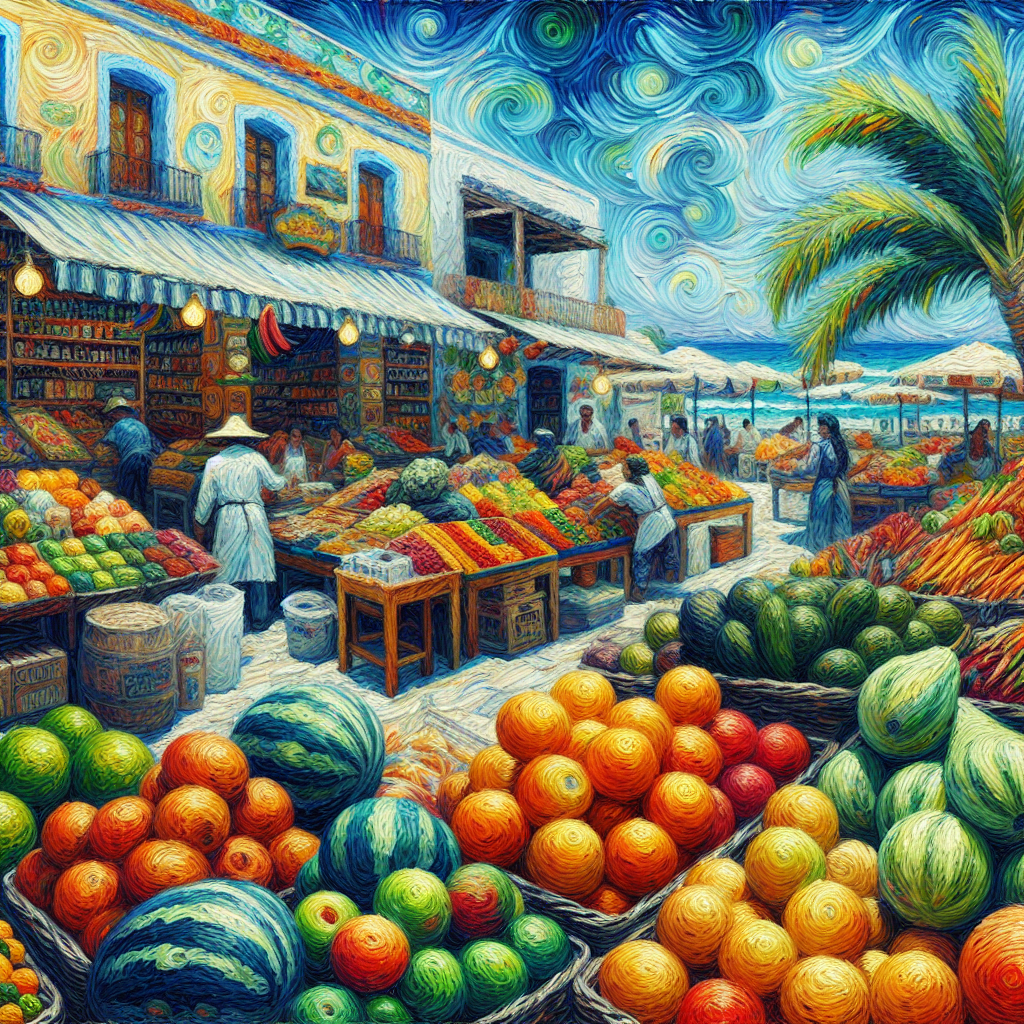
To stake your claim in this realm, it’s essential to consider the viewer’s emotional journey. Start by weaving a story that captivates your audience. Imagine you’re taking them on a transformative trip to Cozumel, vibrant with color and filled with the sounds of waves. Use immersive visuals and audio that transport them there, allowing them to feel the warmth of the sun and the salty breeze. Let them imagine themselves underwater, swimming through a coral reef—a sneak peek that sparks joy and builds anticipation.
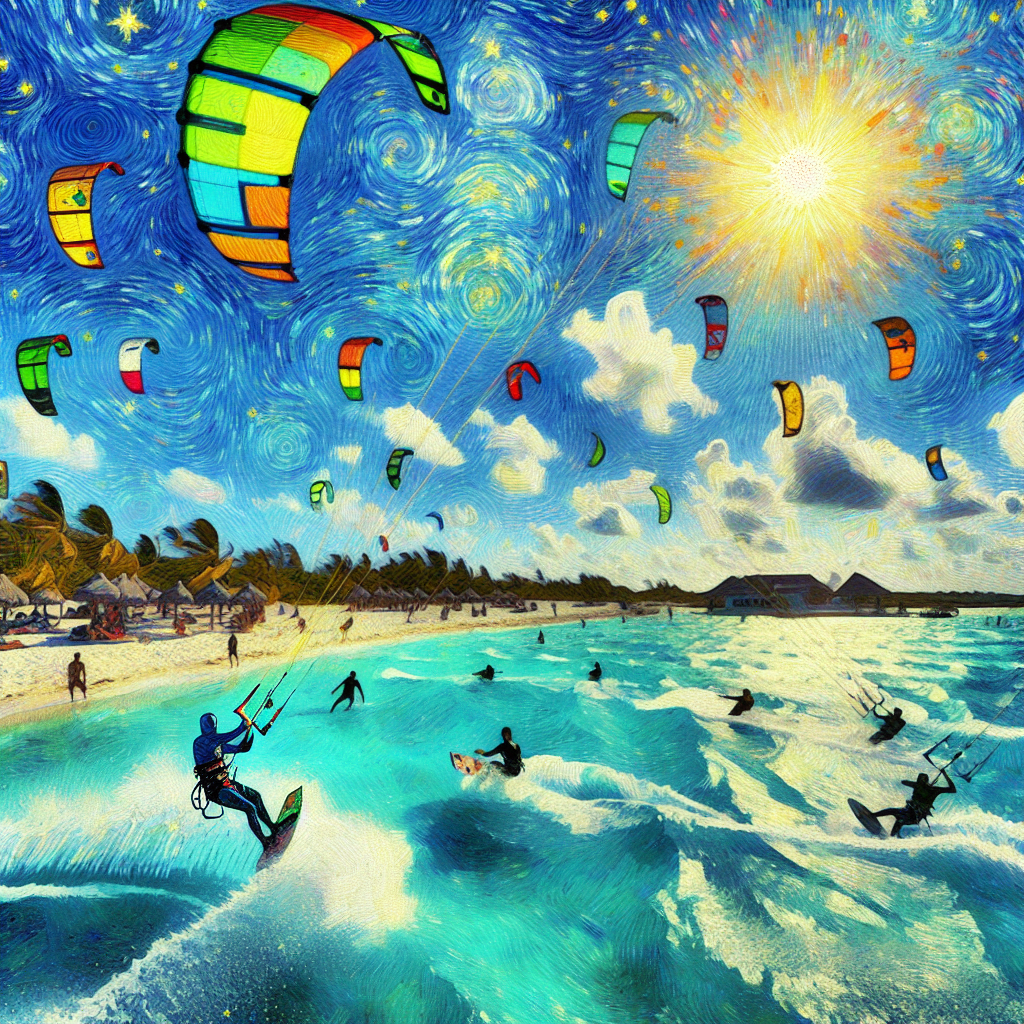
Another valuable practice is to ensure interactivity in your previews. This isn’t just tech wizardry; it’s about empowerment. When viewers can click, swipe, or tilt their heads to explore their environment, they feel more engaged. It’s like handing someone the wheel of a boat in the turquoise waters off Cozumel—not just telling them about the journey, but letting them be part of it. The more they can explore and engage with the content, the more likely they are to dive headfirst into the experience you’re offering.
Moreover, keep in mind the power of authenticity. Your audience craves a genuine experience. If they sense that something’s just a polished façade, that excitement can evaporate. Share real stories from those who’ve experienced the virtual destination. A few testimonials can go a long way; a mention of a family exploring the vibrant streets of Cozumel, filled with laughter, can resonate deeply. Something as simple as a mention, “Feel as if you’ve just tasted that first bite of fresh ceviche while gazing out at the ocean,” can create a powerful connection.
Embrace these challenges and emotions. Utilize them to craft previews that are not only effective but also forge bonds with your audience. When they feel understood, they are far more likely to engage, trust, and embark on the full experience. Ultimately, effective VR previews invite your viewers to not just watch, but to journey alongside you—and that’s where true resonance lies.
What Are the Best Practices for Creating Effective Vr Previews?
What Are the Best Practices for Creating Effective Vr Previews?
- Creating effective VR previews involves more than stunning visuals; emotional connection is key.
- Engage viewers by weaving a captivating story that transports them to the virtual destination.
- Incorporate immersive visuals and audio to evoke feelings of warmth and excitement.
- Ensure interactivity to empower viewers, enhancing their engagement with the experience.
- Authenticity is crucial; genuine stories and testimonials resonate deeply with the audience.
- Use relatable experiences to foster a powerful connection with viewers.
- Effective VR previews should invite viewers to not only observe but actively participate in the journey.
What Are the Best Practices for Creating Effective Vr Previews?
How Do Vr Previews Compare to Traditional Marketing Methods?
In a world where flashy ads and countless promotional emails vie for our attention, the challenge of standing out has never been greater. Traditional marketing methods, while effective in their time, often feel like shouting into a crowded room—lots of noise, but not much in the way of personal connection. Enter VR previews, a game-changer that flips the script. Imagine walking through a virtual underwater paradise in Cozumel, rich with vibrant marine life and the sun kissing your skin, all from the comfort of your living room. It’s an experience that transcends mere visuals; it immerses you in a world that beckons with excitement and adventure.
Think about your last vacation planning experience. You might’ve scrolled through endless photos, watched videos, or read countless reviews, but it was often hard to visualize the experience itself. With VR, what you get is a front-row seat to the adventure, feeling the salt of the ocean air and hearing the gentle waves lapping at your feet. This isn’t just marketing; it’s an invitation to experience life differently, urging you to step outside the norm and explore the extraordinary.
One of the most compelling aspects of VR previews is their ability to evoke emotions. When we engage in a meaningful way, we’re more likely to trust the brand behind the experience. If a company can transport you to those serene beaches of Cozumel, you’re not just a consumer—you’re a participant in a shared experience. This emotional connection fosters loyalty and inspires action, whether you decide to book that trip or share your VR experience with friends.
While traditional marketing might give you facts and figures, VR provides a narrative that resonates on a personal level. It’s like sitting around a campfire, swapping stories that spark curiosity and foster connections. When you emerge from a VR session, you’re not just informed; you’re inspired and eager to act. You’ll find yourself thinking, “I want that adventure,” and perhaps recommending it to others before the prompt even fades.
In an age where authenticity matters more than ever, embracing VR previews isn’t just about keeping up with technology; it’s about understanding our shared need for connection and exploration. As we navigate the complexities of our choices, let’s allow VR to lead the way, bridging the gap between dreams and reality, and turning the tides of marketing into waves of genuine engagement.

How Do Vr Previews Compare to Traditional Marketing Methods?
How Do Vr Previews Compare to Traditional Marketing Methods?
- Modern marketing faces challenges in standing out among flashy ads and promotional emails.
- Traditional methods often lack personal connection, resulting in ineffective communication.
- VR previews offer immersive experiences, like exploring a virtual underwater paradise in Cozumel.
- They provide emotional engagement, making consumers feel like active participants rather than mere viewers.
- VR can inspire action, encouraging bookings and recommendations through shared experiences.
- Unlike traditional marketing, VR delivers a resonant narrative that fosters genuine connections.
- The use of VR is about more than tech; it’s about meeting the need for connection and exploration.

How Do Vr Previews Compare to Traditional Marketing Methods?
Conclusion
Virtual reality (VR) previews are changing the landscape of travel planning by offering an immersive experience that transcends traditional marketing methods. For prospective travelers, the hesitation that often accompanies making vacation bookings can be monumental. VR acts as a catalyst, allowing potential customers to visualize their adventures before committing, eliminating uncertainty that glossy photos and descriptions often fail to alleviate.
Picture this: you’re contemplating a trip to Cozumel, scrolling through countless images and reviews but still feeling unsure. With VR technology, you can virtually step onto the sun-kissed beaches, feel the warm breeze, and hear the waves crashing—experiencing the destination in a visceral way that photos can’t replicate. This sense of immersion creates an emotional connection, turning potential customers into eager explorers. It’s the difference between gazing at a postcard and living the experience.
The emotional weight of travel decisions is significant. VR previews allow people to feel the atmosphere of a location—whether it’s the vibrant culture of a city or the tranquility of a beach. This not only sparks excitement but builds trust, as travelers can explore hotel rooms or dappled markets upfront, ensuring the place matches their expectations. When customers feel they’ve experienced an environment, they are far more likely to commit to booking, transforming hesitation into a desire to act.
In essence, VR previews do more than support booking rates; they create memorable journeys before the first step is taken. They enhance user experience by making travel planning personal and inspiring, appealing to the innate human desire for connection and adventure. This emotional resonance is key—once travelers can envision themselves in a destination, the leap from curiosity to booking becomes not just a possibility but a natural progression.
Moreover, properties that lend themselves well to VR previews—like vacation rentals or investment properties—see significant benefits, as potential buyers can engage with the spaces in ways that traditional methods simply can’t match. It allows them to visualize the experience of living, staying, or vacationing in these locations, thereby reinforcing their decision-making.
As the travel industry evolves, embracing VR technology is not merely about utilizing innovative tools; it’s about enhancing the way we connect with experiences. When travelers put on that VR headset, they’re not just seeing a destination—they’re cultivating a dream that propels them toward booking their next adventure. The true measure of conversion is about inspiring hearts and minds, compelling them to embark on the journeys they’ve always envisioned.

Conclusion
Conclusion:
- Virtual reality (VR) previews revolutionize travel planning by offering immersive experiences beyond traditional marketing.
- VR enables potential travelers to visualize adventures, reducing uncertainty in booking decisions.
- It creates an emotional connection, allowing users to “experience” a destination instead of just seeing images.
- VR previews enhance trust by allowing travelers to explore environments like hotel rooms and local markets upfront.
- This technology converts hesitation into a desire to book by making the travel planning process personal and engaging.
- Properties suitable for VR previews, such as vacation rentals, see significant engagement benefits over traditional methods.
- Embracing VR enhances the connection with experiences, inspiring travelers to pursue their dream journeys.

Conclusion
Other Resources

Other Resources
Here is a list of other resources you can review online to learn more:
- deviantART
- Caribbean Divers Cozumel
- Ironman
- The Spa at Presidente InterContinental Cozumel Resort
- Dunkin’ Donuts
- Reefs and Corals
- Pepe’s Modern Grill
- Cafeteria La Cozumelena Cozumel
- UltraMar
- Playa Uvas
- Noodles & Company
- Paradise Beach Cozumel
- Senor Frogs
- Scuba Caribe
- El Casino – La Casa del Mojito
- El Foco Restaurant & Bar
- Jersey Mike’s Subs
- Chedraui
- Viva Mexico Snackbar
Use This Prompt To Get More Resources With Your Favorite Online AI Tool: Please provide me with a list of online articles with their URLs in a bulleted list that I can read regarding Measuring Conversion – Do Vr Previews Lead to More Bookings?

Other Resources
Glossary Terms
Measuring Conversion – Do Vr Previews Lead to More Bookings? – Glossary Of Terms
1. Conversion Rate: The percentage of users who take a desired action, such as making a booking.
2. Virtual Reality (VR): A technology that enables users to immerse themselves in a simulated environment, often used for interactive experiences.
3. Previews: Short demonstrations or samples designed to give potential customers a look at a product or experience before purchase.
4. User Engagement: The level of interaction and involvement a user has with a product or service.
5. Booking: The action of reserving a service or product, often pertaining to travel, accommodations, or events.
6. A/B Testing: A method of comparing two versions of a webpage or service to determine which one performs better in terms of conversion.
7. Call to Action (CTA): A prompt that encourages users to take a specific action, such as “Book Now” or “Learn More. “
8. Customer Journey: The series of steps a customer takes from awareness to purchase and beyond.
9. Lead Generation: The process of attracting and converting potential customers into interested prospects.
10. Decision-Making Process: The cognitive process that results in the selection of a course of action among several alternative possibilities.
11. Immersion: The degree to which a user feels present in a virtual environment.
12. Analytics: The collection and analysis of data to understand user behavior and improve marketing strategies.
13. Market Research: The action of gathering information about consumers’ needs and preferences.
14. Return on Investment (ROI): A measure used to evaluate the efficiency or profitability of an investment.
15. Engagement Metrics: Data used to assess how users interact with a product, often including time spent, clicks, and shares.
16. Segmentation: Dividing a market into distinct groups of buyers to better target products and marketing efforts.
17. User Experience (UX): The overall experience a user has while interacting with a product or service.
18. Satisfaction Rate: The percentage of customers who report feeling satisfied with a product or service.
19. Checkout Process: The steps a user follows to complete a purchase, from selection to payment.
20. Visual Content: Any content that is presented in a visual format, including images and videos, relevant for user engagement.
21. Technology Adoption: The process by which users become accustomed to new technologies and integrate them into their routines.
22. Performance Metrics: Specific measurements that indicate how effectively a marketing strategy or tool is working.
23. Customer Feedback: Information provided by customers about their experiences, often used to improve products and services.
24. Value Proposition: A statement that explains why a customer should choose one product or service over another.
25. Brand Awareness: The extent to which consumers recognize or are familiar with a brand.
26. Virtual Tours: Digitally created representations of a physical space that can often be navigated in a VR environment.
27. Booking Funnel: The series of steps a user follows from initial interest to final booking.
28. Impulse Booking: A booking made spontaneously by a user without prior planning or consideration.
29. Follow-Up Communication: Correspondence sent after an interaction, aimed at nurturing leads or encouraging conversions.
30. Technology Engagement: The willingness and frequency with which users interact with a technological product, particularly in the context of bookings.

Glossary Of Terms
Other Questions
Measuring Conversion – Do Vr Previews Lead to More Bookings? – Other Questions
If you wish to explore and discover more, consider looking for answers to these questions:
- What specific metrics should be used to measure conversion from VR previews to bookings?
- How do you define a “conversion” in the context of VR previews (booking, inquiry, lead, etc.)?
- What baseline booking rate should be compared against when measuring VR impact?
- What is the typical uplift in bookings attributable to VR previews based on available data?
- How do you isolate the effect of VR from other marketing activities (ads, email, promotions)?
- What experimental designs (A/B tests, randomized controlled trials) work best for measuring VR impact?
- How large does a sample need to be for statistically significant results?
- Which attribution models are appropriate for VR-driven bookings?
- How long after viewing a VR preview should you track users to capture conversions?
- How do you track cross-device journeys from VR headset to booking on web or mobile?
- Which analytics tools and platforms integrate well with VR content for tracking engagement?
- What engagement metrics (time in experience, interactions, locations visited) correlate most strongly with bookings?
- Do different VR formats (360 video vs. fully interactive VR) produce different conversion rates?
- How does the quality/fidelity of VR content affect conversion outcomes?
- Which types of properties (hotels, vacation rentals, luxury villas) see the biggest booking lift from VR?
- How does VR impact bookings for different price tiers or customer segments?
- Are repeat visitors to a VR preview more likely to convert than first-time viewers?
- How does demographic data (age, origin, travel style) influence VR effectiveness?
- What role does personalization (tailored experiences) play in increasing conversions?
- How do in-VR calls-to-action (book now, request info) affect conversion rates?
- What are best practices for integrating booking links or widgets inside VR experiences?
- How do VR previews affect other downstream metrics like average booking value or length of stay?
- Do VR previews reduce booking cancellations or increase post-booking satisfaction?
- What is the ROI of producing and distributing VR previews compared with other marketing spend?
- What are the average production and distribution costs for effective VR previews?
- How scalable is VR content production across multiple properties or destinations?
- Should VR production be handled in-house or outsourced to specialists?
- Which distribution channels (website, social, travel agents, in-store demos) drive the most VR-driven bookings?
- How do you measure brand lift and awareness from VR campaigns separate from direct conversions?
- What privacy and data-consent considerations arise when tracking VR interactions?
- How does motion sickness or accessibility limitations affect user engagement and conversion?
- What content elements (narration, local guides, testimonials) most influence booking decisions?
- How should VR experiences be localized for different languages and cultures to boost conversions?
- What KPIs should be reported to stakeholders for VR preview performance?
- How do you validate that increased bookings are incremental rather than cannibalized from other channels?
- What are common confounding variables when measuring VR impact and how can they be controlled?
- How frequently should VR content be updated to remain effective and accurate?
- Can VR previews shorten the sales cycle for high-consideration bookings like second homes or luxury stays?
- How does VR affect trust and perceived authenticity compared with photo or video tours?
- What case studies or benchmarks exist for VR conversion performance in travel and real estate?
- What post-booking metrics (reviews, NPS, repeat bookings) can show long-term VR influence?

Other Questions
Haiku
Measuring Conversion – Do Vr Previews Lead to More Bookings? – A Haiku
Virtual dreams take flight,
Waves and shores come alive now,
Booking feels just right.

Haiku
Poem
Measuring Conversion – Do Vr Previews Lead to More Bookings? – A Poem
In the realm of dreams where choices blend,
Virtual vistas beckon, journeys to extend.
Cozumel calls with its sun-kissed shore,
Where waves and whispers ignite a longing for more.
Through headsets, we wander in vibrant embrace,
Engaging emotions, transcending mere space.
No longer just images, but experiences profound,
Trust is woven where true sights are found.
From uncertaintys shadow, excitement does rise,
As memories bloom, and the heart starts to fly.
A bridge over indecision, VR takes the lead,
Fostering connections that nurture our need.
Properties unveiled, through rooms and through light,
Transforming what’s distant into visions so bright.
It’s not just a sale, but an invitation to feel,
Life’s precious moments brought vividly real.
So embrace this new lens, let horizons expand,
With VR previews, find treasures so grand.
Each click is a step towards adventures untold,
In the richness of life, let your journey unfold.

Poem
Checklist
Measuring Conversion – Do Vr Previews Lead to More Bookings? – A Checklist
Define Conversion Metrics
✅______ Identify specific metrics to measure before and after implementing VR previews (e.g., booking rates, visitor engagement).
Target Audience Understanding
✅______ Clearly define the target audience for VR previews.
✅______ Conduct surveys or gather feedback to understand their preferences and concerns.
Implement VR Previews
✅______ Develop high-quality, immersive VR previews that accurately represent the experience.
✅______ Ensure ease of access to VR content for potential customers.
Emotional Engagement
✅______ Create content that invokes emotions and connections to the destination.
✅______ Use storytelling techniques to enhance the immersive experience.
Interactivity Features
✅______ Incorporate interactive elements within the VR experience, allowing users to explore at their own pace.
Authenticity and Realism
✅______ Ensure that VR previews present an authentic representation of the destination.
✅______ Include testimonials or real experiences from previous visitors.
Analyze User Engagement
✅______ Monitor viewer engagement with VR content through analytics tools.
✅______ Track how VR previews influence emotional responses and decision-making.
Compare Traditional Methods
✅______ Assess differences in user behavior and booking rates between traditional marketing and VR previews.
✅______ Evaluate how VR enhances customer connection compared to standard marketing techniques.
Feedback Loop
✅______ Establish a system for collecting customer feedback on their VR experience.
✅______ Use feedback to refine and improve future VR previews.
Regular Updates
✅______ Keep VR content fresh and updated to reflect any changes at the destination.
✅______ Monitor technological advancements and upgrade your VR experience accordingly.

Checklist
At TopCozumelNews, we help travelers enjoy Cozumel by collating information learned from frequently traveling to beautiful Cozumel.
Be sure to read our other related stories at TopCozumelNews to learn more about the Island of Cozumel.