Unlocking The Mysteries Of Cozumel’s Ancient Mayan Ruins
By Tom Seest
At TopCozumelNews, we help travelers enjoy Cozumel by collating information learned from frequently traveling to beautiful Cozumel.
Be sure to read our other related stories at TopCozumelNews to learn more about the Island of Cozumel.
Is It Possible to Explore the Ancient Mayan Ruins Of Cozumel?
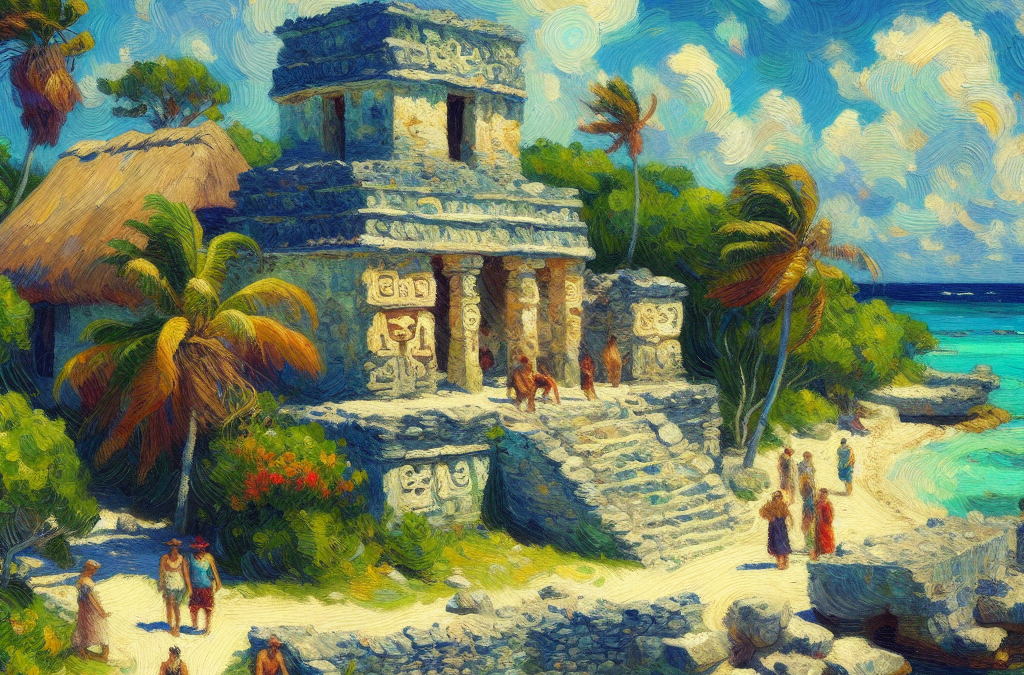
If you find yourself daydreaming about the sun-drenched shores of Cozumel, you’re not alone. The island’s turquoise waters and swaying palm trees paint a picture of paradise. But what if I told you there’s more beneath the surface, waiting for those curious souls willing to peel back the layers of time? The ancient Mayan ruins scattered across this beautiful island beckon adventurous spirits, offering a glimpse into a civilization that once flourished with mystique and grandeur.
For some, the idea of exploring ancient ruins can bring on a rush of excitement. You might envision yourself standing in the very places where history unfolded, imagining the bustling life of people whose secrets are etched into the stones. But let’s be real—there can also be some hesitation lurking in the back of your mind. What if the journey to these archaeological treasures feels daunting? What if the paths are overrun or the stories lost to time?
Rest assured, exploring the Mayan ruins in Cozumel is not only possible; it’s an adventure that’s deeply rewarding and, believe it or not, quite accessible. The island boasts remarkable sites like the San Gervasio ruins, which provide an intimate window into the past, allowing you to meander through ancient structures surrounded by lush jungle. You don’t need to be a history buff or have a PhD in archaeology to appreciate the awe-inspiring tales these ruins have to tell. All you need is a willingness to explore and an open heart ready for discovery.
While it’s true that some paths may appear rough, the journey is part of the experience. Each step into the ruins is a connection to a world that thrived long before us, and that resonates with something deep inside. You’ll find yourself marveling at the ingenuity of the Mayans, who designed structures that have withstood the test of time. And with every twist and turn, there’s a sense of camaraderie among fellow explorers, igniting conversations that link the past to the present.
So, don’t be afraid to step beyond the beaches and into history. Grab your sense of adventure, pack a comfortable pair of shoes, and let curiosity lead the way. The ancient ruins of Cozumel are waiting for you, ready to unveil their secrets; all you have to do is show up and embrace the journey.

Is It Possible to Explore the Ancient Mayan Ruins Of Cozumel?
Is It Possible to Explore the Ancient Mayan Ruins Of Cozumel?
- Cozumel offers stunning beaches and turquoise waters, but there’s more to explore.
- The island is home to ancient Mayan ruins, providing insight into a once-flourishing civilization.
- Exploring these ruins can evoke excitement and a sense of connection to history.
- Visiting sites like the San Gervasio ruins allows for a deeper understanding of Mayan culture.
- You don’t need to be an expert to enjoy the stories and experiences these ruins offer.
- The journey to the ruins may have rough paths, but it’s part of the adventure and connection to the past.
- Adventurers are encouraged to embrace the exploration beyond the beaches, equipped with curiosity and comfortable shoes.

Is It Possible to Explore the Ancient Mayan Ruins Of Cozumel?
Table Of Contents
- Is It Possible to Explore the Ancient Mayan Ruins Of Cozumel?
- Can You Uncover The Ancient Secrets Of San Gervasio In Cozumel?
- What Secrets Lie In The Mayan Ruins At El Cedral In Cozumel?
- What Secrets Does El Caracol Hold In Cozumel?
- What Secrets Lie In Cenotes In Cozumel?
- Is Cozumel Home To Any Ancient Mayan Ruins?
- What Are The Main Ruins to Visit In Cozumel?
- How Accessible Are The Mayan Ruins In Cozumel?
- Conclusion
- Other Resources
- Glossary Of Terms
- Other Questions
- Haiku
- Poem
- Checklist
Can You Uncover The Ancient Secrets Of San Gervasio In Cozumel?
Imagine standing amid the lush, verdant embrace of Cozumel’s jungles, where whispers of the past cling to the air like the scent of blooming jasmine. San Gervasio, a site rich in heritage and mystery, invites you to step back in time and discover a world that once thrived with life and spirituality. But let’s be honest: delving into ancient ruins isn’t just an act of exploration; it’s an emotional journey, a challenge laden with the weight of history that might leave you feeling a mix of wonder, apprehension, and curiosity.
As you wander among the remnants of temples and courtyards, you may feel the shadows of the ancient Mayans brushing against your skin, a reminder that you are merely a moment in the vast timeline of human existence. Those towering stones—centuries old and weathered by time—spark a deep-rooted urge to connect. They’re more than just artifacts; they’re vessels of stories waiting to be unveiled, each crack and crevice a testament to resilience and faith. You might marvel at the intricate carvings or ponder the rituals that once echoed through these spaces. What was it like to walk here, surrounded by the reverence for deities and nature?
This emotional complexity can be overwhelming; it may even ignite a flame of curiosity so intense that it blurs the line between visitor and participant. The pull of history is strong, and it’s okay to feel it. After all, the exploration of San Gervasio isn’t merely about sightseeing; it’s about engaging with a rich narrative filled with triumphs, tribulations, and everyday life of a culture that valued community and spirituality in ways that resonate even today.
So, take a deep breath, leave your worries at the edge of the jungle, and let the ancient stones guide you. Whether you’re an avid history buff or simply someone seeking a break from the hustle and bustle of modern life, the allure of San Gervasio beckons. Here, you’re not just a tourist; you’re a seeker of truth and an explorer of life’s deeper meanings. Embrace the challenge, and allow yourself to be moved by the secrets waiting to be uncovered. And remember, every step you take through this sacred space is a testament to your own journey—past, present, and future, woven seamlessly into the fabric of history.
Can You Uncover The Ancient Secrets Of San Gervasio In Cozumel?
Can You Uncover The Ancient Secrets Of San Gervasio In Cozumel?
- Cozumel’s jungles offer a lush, rich backdrop for exploring heritage sites like San Gervasio.
- San Gervasio is a place where ancient Mayan ruins invite emotional exploration and connections to history.
- The ancient stones signify resilience and spirituality, serving as vessels for untold stories.
- Visitors may experience a profound urge to engage with the culture’s past and its rituals.
- The exploration of San Gervasio combines sightseeing with a deep narrative of community life.
- Guests are encouraged to embrace their curiosity and feelings while uncovering histories at the site.
- Each visitor’s journey through San Gervasio intertwines their personal history with the broader tapestry of human experience.

Can You Uncover The Ancient Secrets Of San Gervasio In Cozumel?
What Secrets Lie In The Mayan Ruins At El Cedral In Cozumel?
Nestled deep within the breathtaking landscapes of Cozumel lies El Cedral, a site that often gets overshadowed by its more famous counterparts. Yet, within the remnants of this ancient Mayan settlement, a world of secrets beckons to be explored. Picture yourself walking past the crumbling stone structures, their surfaces weathered by centuries of relentless wind and rain. Each step stirs a sense of connection with those who once roamed this land, their lives woven into the very fabric of these ruins.
As you delve into the mysteries of El Cedral, it’s hard not to feel a certain weight. The Mayans were masters of astronomy, agriculture, and architecture, yet they too faced challenges—we’re talking about survival amid ebbs and flows of civilization, climate changes, and the ever-present threat of war. When you consider this, the site becomes more than just a collection of stones; it transforms into a poignant reminder of humanity’s perseverance.
Just imagine the first time an ancient Mayan stood where you are standing, gazing up at the same sky, contemplating the stars, and mapping out a future in a world that was as unpredictable then as it is now. Take a moment to breathe in the air—heavy with history and perhaps a hint of mystery. Doesn’t it fill you with a sense of purpose?
El Cedral may not boast towering ruins or festive tourist crowds, but that’s precisely where its charm lies. It isn’t just a stop on a map; it’s a space that invites contemplation. Sharing these powerful experiences fosters connection—not only to the land and its history but also among those who tread on it today. Whether you’re a seasoned adventurer or a casual explorer, each visit allows for a deeper understanding of the Trials faced by our ancestors, reflecting challenges that resonate in our own lives.
So, why not dive into the history of El Cedral? Engage with local guides who can breathe life into the ruins, unraveling tales long hidden beneath the surface. Trust your instincts to uncover more than just stones and mortar; embrace the journey of discovery that lies within. Now, step boldly into the heart of El Cedral, and who knows? You might just unearth secrets that bring clarity to your own life story.
What Secrets Lie In The Mayan Ruins At El Cedral In Cozumel?
What Secrets Lie In The Mayan Ruins At El Cedral In Cozumel?
- El Cedral is an ancient Mayan settlement in Cozumel, often overlooked compared to other tourist destinations.
- The site features crumbling stone structures, offering a physical connection to the past and those who lived there.
- The Mayans excelled in astronomy, agriculture, and architecture, yet faced challenges such as climate change and war.
- Visiting El Cedral evokes a sense of connection to historical struggles and the perseverance of humanity.
- The charm of El Cedral lies in its peaceful atmosphere, providing an opportunity for contemplation away from tourist crowds.
- Engaging with local guides can enhance the experience by revealing untold stories of the ruins.
- Exploring El Cedral invites deeper understanding and reflection on personal and shared historical challenges.

What Secrets Lie In The Mayan Ruins At El Cedral In Cozumel?
What Secrets Does El Caracol Hold In Cozumel?
Nestled like a pearl amidst the vibrant blue waters of the Caribbean, El Caracol is more than just an ancient structure; it’s a whisper from the past, echoing stories of resilience, discovery, and the intricate dance of civilizations. As you stand before its weathered stones, you can’t help but feel a twinge of connection—a spark that reminds us all of the age-old quest for understanding. What knowledge has this mysterious ruin safeguarded? What secrets might it still be poised to reveal?
Imagine the Maya, skilled in astronomy, meticulously aligning their rituals with the cycles of the stars. El Caracol, which translates to “The Snail,” is thought to have served as a celestial observatory, allowing the ancients to navigate both the land and the heavens. When you think about that, it’s easy to draw a parallel to our modern lives—how often are we skillfully charting our own courses, guided by the light of our ambitions and dreams, yet still reaching for that elusive knowledge?
But let’s face it: exploration, whether it’s in the heart of Cozumel or within our own selves, often comes with its challenges. It can require courage to dig into the unknown and a willingness to confront the uncertainties that lie beneath the surface. Yet, isn’t that where growth often occurs? Standing before El Caracol, you might discover that facing these shadows is not just an exercise in curiosity, but a gateway to understanding our own journeys better. Embrace the notion that every scar on the stone tells a tale of perseverance—of a culture that thrived and faded, but left behind a legacy that continues to inspire.
As you traverse the paths around this iconic site, consider fostering your own exploration. What are the mysteries in your life that need unraveling? Just as the Maya looked to the stars for guidance, allow yourself to reflect on your own aspirations. Perhaps you’ll unearth clarity amid your doubts, just as they did. El Caracol stands as a testament not only to human ingenuity but also to our inherent desire for connection, discovery, and truth.
So, the next time you find yourself pondering the secrets held within El Caracol, remember: the greatest revelations often arise from the courage to ask questions, to seek out those hidden truths within and without. Embrace the journey—there’s a wealth of wisdom waiting just beyond the horizon.

What Secrets Does El Caracol Hold In Cozumel?
What Secrets Does El Caracol Hold In Cozumel?
- El Caracol is an ancient structure in the Caribbean, symbolizing resilience and the stories of civilizations.
- It is believed to have served as a celestial observatory for the Maya, aligning rituals with star cycles.
- The site encourages reflection on personal journeys and the pursuit of knowledge.
- Exploration involves courage and confronting uncertainties, leading to personal growth.
- Every scar on El Caracol’s stones represents a culture’s perseverance and legacy.
- The structure inspires individuals to explore their own mysteries and aspirations.
- The journey of discovery often yields the greatest revelations and wisdom.

What Secrets Does El Caracol Hold In Cozumel?
What Secrets Lie In Cenotes In Cozumel?
Picture this: beneath the warm sun and vibrant skies of Cozumel, a hidden world waits to be discovered, a world that sparks curiosity and embraces adventure. Cenotes, those natural sinkholes filled with crystalline water, are ancient gateways to both beauty and mystery. As you peer into their depths, you might feel a tingle of excitement laced with a flicker of trepidation. It’s natural. Exploring the unknown always evokes a cocktail of emotions—wonder, fear, and that delightful itch of discovery.
What lies beneath those shimmering surfaces? For the uninitiated, a cenote isn’t just a swimming hole; it’s a portal to the past, a snapshot of the earth’s geological history, and a window into the spiritual practices of ancient civilizations. The Maya revered these magical places, seeing them as sacred gateways to the underworld. Imagine standing on the precipice of history, feeling the weight of generations silently whispering their stories around you. The echoes of their rituals, celebrations, and sacrifices challenge modern-day adventurers to pause, reflect, and connect with something far greater than themselves.
Yet, exploring cenotes isn’t without its challenges. The water can be cooler than you expect, that first plunge sending a jolt through your system. The rocky edges can feel treacherous, and navigating the dark, hidden passages below can be daunting. But hey, no one said discovering secrets would be easy. It’s okay to feel a bit nervous; that’s part of the thrill! Embrace it, and allow that pulse of adrenaline to embolden you as you take the plunge—literally and metaphorically.
Trust is crucial. You’ll want to immerse yourself in the knowledge offered by local guides. They stand as guardians, equipped with wisdom about the cenotes and their profound stories. By forging connections with these stewards of the land, you’ll not only ensure your safety but also enrich your experience.
So, whether you’re looking to solo-adventure or share laughter with friends in the serene waters, the cenotes of Cozumel call out with an inviting melody. They promise memories, challenges, and connections that will resonate long after you’ve left the island. Grab your courage, dive deep, and unearth the secrets that await you. After all, every dip into the unknown offers the potential for something extraordinary to surface.
What Secrets Lie In Cenotes In Cozumel?
What Secrets Lie In Cenotes In Cozumel?
- Cenotes in Cozumel offer a hidden world filled with beauty and adventure.
- These natural sinkholes are seen as sacred by the Maya and represent a connection to the earth’s geological and spiritual past.
- Exploring cenotes evokes a mix of emotions including wonder, fear, and excitement.
- While thrilling, exploring cenotes presents challenges such as cooler water temperatures and rocky edges.
- Trusting local guides is essential for safety and to gain a deeper understanding of the cenotes’ significance.
- Cenotes provide opportunities for both solo adventures and shared moments with friends.
- Diving into the unknown promises extraordinary experiences and lasting memories.

What Secrets Lie In Cenotes In Cozumel?
Is Cozumel Home To Any Ancient Mayan Ruins?
Cozumel is an enchanting slice of paradise, flaunting its sun-soaked beaches and crystal-clear waters. But beyond the allure of its coastal charm, something whispering through the palm trees beckons the curious soul: the echoes of the past. Yes, it’s true—Cozumel is home to ancient Mayan ruins, and stepping into these historical sites is like opening a time-worn book, filled with stories waiting to be uncovered.
Now, let’s face it. The prospect of delving into pre-Columbian history might feel overwhelming. You might ask yourself, “Will I truly understand what I’m seeing? Will I feel out of place among the ruins?” It’s only natural to wrestle with these thoughts. Yet, the truth is, the Mayan ruins on Cozumel offer more than just stone structures; they offer a connection to a vibrant culture that thrived long before our busy lives took shape.
At the heart of Cozumel’s archaeological offerings is San Gervasio, the island’s most significant Mayan site, once a hub for worshippers of the goddess Ix Chel. As you wander through this quiet sanctuary, you can almost visualize the ancient rituals that took place there—an extraordinary tapestry of life, love, and devotion steeped in nature’s beauty. Feel the wonder as you stand before the weathered stones, each one a witness to centuries of human experience.
But perhaps what’s most profound about visiting these ruins is the realization that you are not just a spectator; you become part of an ongoing story that stretches across millennia. It’s an opportunity to reflect on your own journey, the challenges you face, and the legacy you wish to uphold. What will you leave behind? In the presence of such ancient wisdom, you may find clarity, or at least a moment of peace in the chaos of modern life.
So, take a breath, pack your curiosity, and let your feet lead you to the ruins of Cozumel. Embrace the moment with open eyes and an open heart. The stories etched into those stones are there to be honored, but it’s your connection to them that will leave a lasting impression on your own narrative. You’re not just visiting ruins; you’re stepping into a shared human experience that transcends time—one that’s waiting for you to explore.

Is Cozumel Home To Any Ancient Mayan Ruins?
Is Cozumel Home To Any Ancient Mayan Ruins?
- Cozumel features beautiful beaches and clear waters, along with rich historical significance.
- The island is home to ancient Mayan ruins, inviting exploration and discovery.
- The Mayan sites provide a connection to a vibrant culture that existed long ago.
- San Gervasio is the most significant Mayan site in Cozumel, dedicated to the goddess Ix Chel.
- Visiting the ruins allows for reflection on personal journeys and the impact one wishes to leave behind.
- The experience encourages embracing the connection to history and the ongoing human story.
- Exploring Cozumel’s ruins offers a chance to step into a shared human experience across time.
Is Cozumel Home To Any Ancient Mayan Ruins?
What Are The Main Ruins to Visit In Cozumel?
Cozumel isn’t just about beach umbrellas and snorkeling escapades; it’s a treasure trove of history waiting for you to dive into. If you’re looking to step beyond the sun-soaked shores and embrace the echoes of the past, a visit to the island’s ancient ruins is an experience you won’t want to miss. These sites offer not only a glimpse into the Mayan civilization but also a chance to connect with a world that, while long gone, still breathes through the stones.
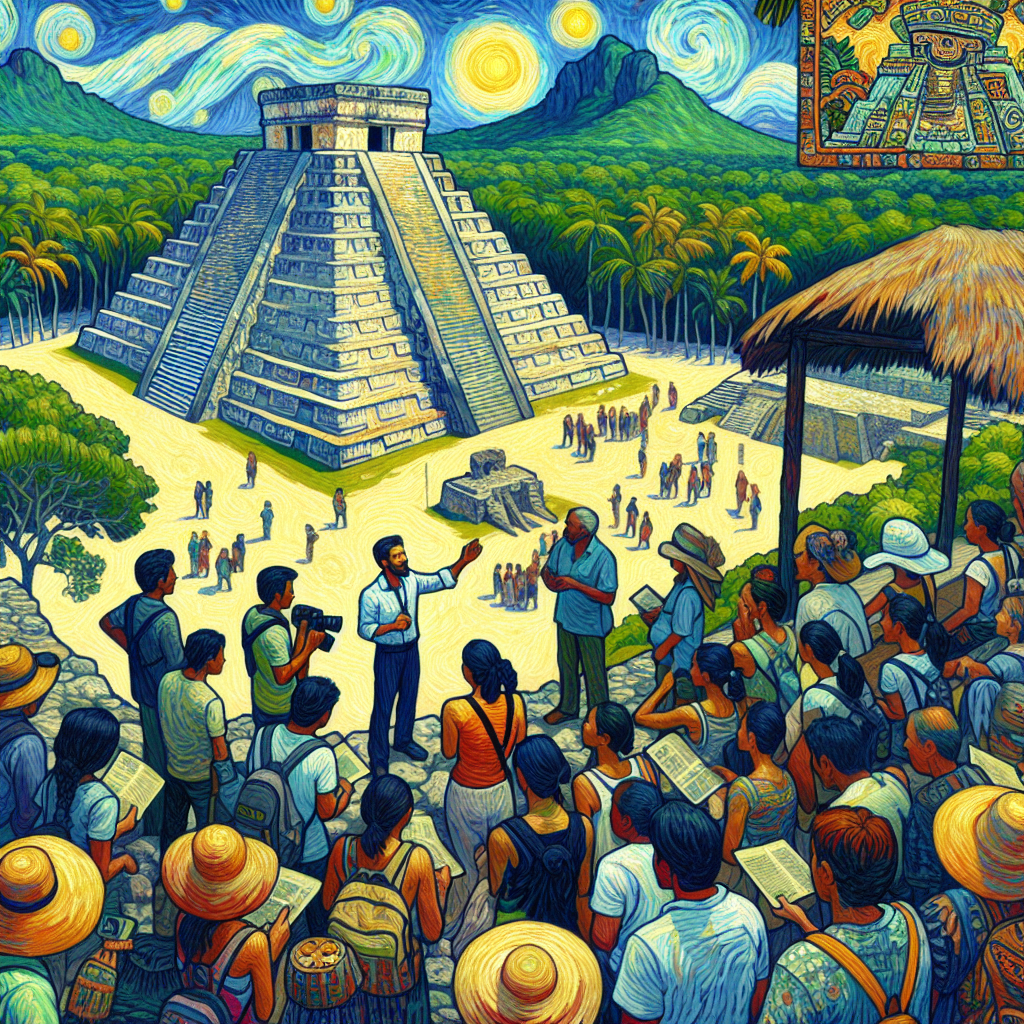
First up, we have San Gervasio, the largest archaeological site on the island. Nestled in a jungle setting, this site is less about a grand entrance and more about the journey. As you wander through the sprawling pathways lined with ancient remnants, you’ll find yourself transported to a time when these ruins served as a sacred site dedicated to the goddess Ix Chel. The serenity of the surroundings allows you to reflect on the devotion that once filled the air, and you can almost hear the whispers of the past. Just don’t be surprised if you encounter the enveloping sounds of birds and nature – it’s part of the charm!
Then there’s the El Caracol ruins. This site might be smaller, but it packs a punch. It’s a quintessential example of how the Mayans utilized their surroundings to create a community. Picture the lively chatter of merchants and families gathering here, sharing stories and goods. You might even experience a moment of connection, imagining what daily life was like for the people who walked these very grounds. You can almost feel their presence, a heartbeat echoing through time.
Lastly, don’t overlook the ruins at Punta Sur. These structures loom against a backdrop of stunning ocean views, merging history with breathtaking scenery. As you explore, you can take a moment to let the salty breeze sift through your hair, reminding you that you’re not just here to see stone and masonry; you’re here to feel a part of something greater than yourself.
Visiting these ruins is not just an argument for the historical; it’s an opportunity to pause, reflect, and engage with something deep within our human experience. So grab your walking shoes, embrace the adventure, and step into a narrative that promises to enrich your soul and ignite your curiosity about the past. Remember, every stone tells a story—be the listener.
What Are The Main Ruins to Visit In Cozumel?
What Are The Main Ruins to Visit In Cozumel?
- Cozumel offers a rich historical experience beyond its beaches and snorkeling.
- San Gervasio is the largest archaeological site on the island, dedicated to the goddess Ix Chel.
- Visitors can explore paths lined with ancient remnants and enjoy a serene jungle setting.
- The El Caracol ruins, though smaller, showcase the Mayan community and daily life.
- Punta Sur ruins provide stunning ocean views alongside historical exploration.
- Exploring these ruins encourages reflection and a deeper connection to human history.
- Each site invites visitors to engage with the past and discover the stories of ancient civilizations.

What Are The Main Ruins to Visit In Cozumel?
How Accessible Are The Mayan Ruins In Cozumel?
Picture this: you’ve booked that dream vacation to Cozumel, the turquoise waters glistening under the sun, and the promise of adventure calling you to explore the ancient Mayan ruins. You’re ready to dive headfirst into history, but as you look at the rugged paths and crumbling stones, a little voice in your head starts to murmur. Is this going to be an uphill battle? Will you be navigating these sites with ease—or will the experience get bogged down by accessibility issues?
First off, let’s acknowledge that venturing into the past can feel daunting, especially when it seems like both time and terrain are conspiring against you. It’s natural to wonder if the excitement of exploration will be muted by the challenges of mobility. But here’s the good news: the Mayan ruins in Cozumel are more accessible than you might think.
Cozumel’s most famous archaeological site, San Gervasio, welcomes guests with open arms. The site features well-maintained paths, making it easier for everyone to soak in the sights without worrying about stumbling over rocks or uneven ground. Whether you’re strolling alongside your adventurous kids, taking in the history hand-in-hand with a loved one, or navigating the terrain with the grace of a seasoned traveler with mobility challenges, rest assured you’ll find ways to enjoy this incredible site.
But the adventure doesn’t stop there. Local tour guides stand ready to not just show you around but to share experiences and stories that breathe life into every stone and pyramid. You won’t just be participating in a tour; you’ll be forming a connection. By engaging with these knowledgeable guides, you shift from being a casual observer to a vital participant in an age-old narrative that’s richer than you might realize.
In case you’re wondering about the amenities—like restrooms, benches for weary legs, and shaded areas to escape the sun’s embrace—you’re in luck. Many sites offer these comforts to ensure your experience is as enjoyable as possible.
So, don’t let doubts hold you back. Pack your sense of adventure, grab your camera, and step into a world that’s waiting to welcome you with open arms. The mayans didn’t build those ruins for you to admire them from afar; they’re urging you to explore their history, to feel that connection, and to make some memories of your own. After all, this isn’t just a trip; it’s an invitation to witness the beauty of the past, one step at a time.

How Accessible Are The Mayan Ruins In Cozumel?
How Accessible Are The Mayan Ruins In Cozumel?
- Booking a dream vacation to Cozumel offers a mix of relaxation and adventure.
- Visiting ancient Mayan ruins can raise concerns about accessibility challenges.
- San Gervasio, Cozumel’s main archaeological site, has well-maintained paths for easier navigation.
- Accessible pathways accommodate families, couples, and travelers with mobility challenges.
- Local tour guides enrich the experience with stories and insights about the ruins.
- Many sites provide amenities such as restrooms, benches, and shaded areas for comfort.
- Engaging with the history allows for memorable experiences and connections with the past.
How Accessible Are The Mayan Ruins In Cozumel?
Conclusion
In wrapping up this exploration of Cozumel’s ancient Mayan ruins, let’s take a moment to reflect on what these sites truly represent. Sure, we can marvel at the sun-soaked beaches and sip cocktails under swaying palm trees, but lurking beneath that postcard-perfect surface is an incredible opportunity for adventure and enlightenment that connects us all to a rich tapestry of history. The Mayans, with their extraordinary ingenuity and cultural depth, built more than just stone structures. They crafted a narrative, a profound connection to their world, and now, they invite us to step into their shoes and walk among their stories.
So, what’s stopping you? Some folks may hesitate, thinking that exploring these ruins requires an advanced degree in archaeology or a GPS to navigate the labyrinth of history. But trust me, the only credential you need is a genuine curiosity and a willingness to engage with something ancient and incredible. Take places like San Gervasio, El Caracol, and El Cedral. Each ruins site beckons you not with the bustling crowds typical of tourist attractions but with a quieter kind of allure—a chance to breathe in the rich air steeped in centuries of spirituality, community, and resilience. Here, the stones whisper tales of both triumph and heartache, reminding us that we, too, are part of a greater human story that transcends time.
Yes, there are paths to traverse and perhaps some surprises around every corner—think of it as a metaphor for life itself. It’s not always smooth sailing, but oh, the rewards that await those who dare to venture a little off the beaten path! Along the way, you’ll meet fellow travelers—other seekers of truth—who share your journey, sparking conversations that connect the past with the present. And remember, these ancient sites are not relics preserved for merely observing; they invite your participation and curiosity, offering a unique emotional experience as you navigate through history.
So grab those comfy shoes, channel your inner explorer, and don’t shy away from the mystery that lies beneath the surface of this island paradise. The ruins of Cozumel are not just remnants of a bygone era; they’re an invitation to embark on your own journey of discovery. Who knows? In wandering the paths trodden by the ancient Mayans, you just might unlock some hidden truths about yourself along the way. Enjoy the adventure—it’s waiting for you!

Conclusion
Conclusion:
- Cozumel’s Mayan ruins represent a rich tapestry of history and cultural depth.
- The Mayans crafted narratives that connect us to their world, inviting exploration.
- Visiting the ruins requires curiosity rather than advanced knowledge of archaeology.
- Sites like San Gervasio, El Caracol, and El Cedral offer a quieter allure compared to typical tourist attractions.
- Ancient stones whisper stories of triumph and heartache, highlighting our shared human experience.
- Exploration of these ruins can lead to meaningful connections with fellow travelers and self-discovery.
- The ruins are an invitation to embark on a personal journey of adventure and enlightenment.
Conclusion
Other Resources
Other Resources
Cozumel rewards travelers who stay longer than the cruise ship crowd. If that’s the kind of trip you’re cooking up, here’s where we’d point you for lodging. Cozumel Journey is an editorial guide to Cozumel — neighborhoods, planning tips, and life on the island for travelers who want context, not a cruise schedule.
Here is a list of other resources you can review online to learn more:
- Alberto’s Puerta Maya
- Atlantis Submarines Cozumel
- ScubaTony Cozumel
- Cozumel Island Tours
- PADI Scuba Diving in Cozumel
- Yucatek Divers
- Alamo
- The Westin Cozumel
- Malecon Cruise Port
- Cozumel Journey — long-form writing on neighborhoods and planning
Use This Prompt To Get More Resources With Your Favorite Online AI Tool: Please provide me with a list of online articles with their URLs in a bulleted list that I can read regarding Is It Possible to Explore the Ancient Mayan Ruins Of Cozumel?

Other Resources
Glossary Terms
Is It Possible to Explore the Ancient Mayan Ruins Of Cozumel? – Glossary Of Terms
1. Cozumel: An island in the Caribbean Sea off the coast of Mexico, known for its rich history and beautiful beaches.
2. Maya Civilization: An ancient Mesoamerican civilization known for its advanced writing, art, architecture, and astronomical systems.
3. Archaeology: The scientific study of human history and prehistory through the excavation and analysis of artifacts, structures, and cultural landscapes.
4. Ruins: Remnants of ancient structures or cities, often significant in understanding past civilizations.
5. Palenque: A famous Mayan archaeological site located in Chiapas, Mexico, known for its impressive architecture and inscriptions.
6. Cocohach: The ancient Mayan term referring to the region that includes Cozumel, emphasizing its historical significance.
7. Temple: Structures built for religious purposes, often dedicated to deities in the Mayan pantheon.
8. Excavation: The process of systematically uncovering archaeological sites to study and preserve historical artifacts.
9. Hieroglyphics: A form of writing used by the ancient Maya, consisting of symbols and characters that convey sounds and ideas.
10. Tulum: A well-known coastal Mayan site located on the mainland, often confused with Cozumel but distinct for its seaside cliffs.
11. Chichen Itza: A famous UNESCO World Heritage site and major archaeological site of the Maya civilization located on the Yucatán Peninsula.
12. Ecotourism: A form of sustainable travel that fosters respect for nature and local cultures, often involving visits to historical sites like the ruins of Cozumel.
13. Stelae: Stone slabs or pillars that often contain inscriptions commemorating significant events or rulers in Mayan history.
14. Observatory: Structures that the Mayans built to study celestial bodies, often important in their agricultural and religious practices.
15. Cenote: Natural sinkholes or wells, often sacred to the Maya and used for rituals and water supply.
16. Mayan Calendar: A system of calendars used by the Maya, including the Tzolk’in and Haab’, that reflects their complex understanding of time.
17. Sacred Cenote: A specific cenote considered holy which was often used for rituals, especially human sacrifices.
18. Copan: A significant archaeological site located in western Honduras, known for its intricate carvings and hieroglyphic writing.
19. Caracol: A term often used in Mayan studies to refer to spiral structures, widely seen in architecture and ceremonial practices.
20. Cultural Heritage: The legacy of physical artifacts and intangible attributes of a group, including traditions, language, and monuments.
21. Conservation: The protection and preservation of cultural heritage sites, ensuring their integrity for future generations.
22. Mesoamerica: A historical region and cultural area in the Americas, encompassing diverse pre-Columbian societies, including the Maya.
23. Xcaret: An eco-archaeological park in Mexico that showcases Mayan culture and history, drawing visitors from around the world.
24. Pyramid: Tall, monumental structures built by the Maya, used for both religious ceremonies and as tombs for the elite.
25. Artifact: Any item made or modified by humans, particularly those of archaeological interest that provide insight into past cultures.
26. Tzolk’in: The 260-day sacred calendar of the Maya, used for religious ceremonies and agricultural purposes.
27. Restoration: The process of repairing and conserving ruins to prevent decay and maintain historical integrity.
28. Field School: An educational program that provides practical training in archaeology, often involving hands-on work at excavation sites.
29. Tourism: The business of attracting, accommodating, and entertaining tourists, which can be both beneficial and detrimental to archaeological sites.
30. Ethnography: The study of cultures through direct observation and interaction, valuable for understanding contemporary Mayan practices and beliefs in relation to their ancient ruins.

Glossary Of Terms
Other Questions
Is It Possible to Explore the Ancient Mayan Ruins Of Cozumel? – Other Questions
If you wish to explore and discover more, consider looking for answers to these questions:
- What are the best times of year to visit the Mayan ruins in Cozumel?
- Are there guided tours available for exploring the ruins?
- What should I wear when visiting the Mayan ruins?
- How can I get to the Mayan sites from different parts of Cozumel?
- Are there fees or permits required to visit the ruins?
- What other activities can I do near the Mayan ruins?
- Is there any food or drink available near the ruins?
- What is the history behind each of the main ruins in Cozumel?
- Are there any safety precautions I should be aware of while exploring?
- Can children visit the ruins, and are they suitable for families?

Other Questions
Haiku
Is It Possible to Explore the Ancient Mayan Ruins Of Cozumel? – A Haiku
Ancient stones whisper,
Cozumel’s secrets await—
History beckons.

Haiku
Poem
Is It Possible to Explore the Ancient Mayan Ruins Of Cozumel? – A Poem
Amidst cerulean waves that softly sway,
Lies Cozumel, where Mayan whispers play.
Beneath the palm trees, secrets hide,
In ancient stones, the past resides.
San Gervasio’s pathways twist and bend,
Where time and history gracefully blend.
Once sacred grounds for Ix Chel’s grace,
Now echoes of rituals fill this enchanting space.
El Cedral holds its tales, subdued yet profound,
In quiet ruins, lost lives can be found.
The shadows of Mayans, their laughter and fears,
A reminder of journeys across countless years.
El Caracol rises, a celestial sight,
With knowledge of stars shining so bright.
As we stand in its presence, wonder flows,
Linking our dreams to the wisdom it bestows.
Cenotes invite with a shimmering gleam,
A plunge into waters where past spirits dream.
Their depths tell of rituals, of life intertwined,
In nature’s embrace, our truths we may find.
Fear not the rugged paths or crumbled stones,
For within every challenge, a connection is grown.
Through guides with stories and hearts open wide,
We bridge the old and the new with each stride.
Step beyond the beaches, explore what remains,
Let curiosity guide you through ancient terrains.
For Cozumel’s ruins, with open arms stand,
Inviting us all to understand—
That in each fleeting moment, we too leave our mark,
In the legacy of those who once lit the dark.
So grab your adventure, say yes to the quest,
Embrace the echoes; let your spirit rest.
Together with history, let our voices unite,
In the heart of these ruins, our souls take flight.

Poem
Checklist
Is It Possible to Explore the Ancient Mayan Ruins Of Cozumel? – A Checklist
Pre-Trip Preparations
_____ Research Key Sites: Familiarize yourself with the main Mayan ruins in Cozumel (San Gervasio, El Caracol, El Cedral, Punta Sur, and cenotes).
_____ Book a Guided Tour: Consider booking a local guide to enrich your experience with historical context and safety.
_____ Pack Essentials: Bring comfortable walking shoes and lightweight clothing suitable for wandering through jungle paths and archaeological sites.
_____ Prepare for Weather: Check the forecast and pack a hat, sunglasses, sunscreen, and a reusable water bottle.
During Your Visit
_____ Embrace the Atmosphere: Take a moment to soak in the beauty and serenity of the sites. Reflect on the historical significance of your surroundings.
_____ Engage with Local Culture: Respect the heritage and engage with local guides to enhance your understanding and appreciation of the ruins.
_____ Take Your Time: Allow yourself to wander and absorb the stories of each site—every stone has a narrative to share.
_____ Document Your Experience: Bring a camera or journal to capture your memories and thoughts as you explore these ancient sites.
Accessibility Considerations
_____ Check Accessibility Options: Review the accessibility features of each site, including paths, rest areas, and facilities for those with mobility challenges.
_____ Plan Your Routes: Familiarize yourself with site maps to navigate effectively, especially if traveling with companions.
After The Visit
_____ Reflect & Share: Take some time to reflect on your journey and consider sharing your experiences with others—through social media, blogs, or discussions.
_____ Learn More: Continue your exploration of Mayan culture by reading books, watching documentaries, or participating in local cultural workshops.
Safety & Etiquette
_____ Stay on Trails: Respect the archaeological integrity by staying on designated paths and following site guidelines.
_____ Practice Eco-Consciousness: Honor the environment by minimizing waste and following “Leave No Trace” principles as you enjoy nature and history.
By following this checklist, you’re setting yourself up for a rewarding and enriching adventure through the timeless landscapes and ancient mysteries of Cozumel’s Mayan ruins. Happy exploring!
Checklist
At TopCozumelNews, we help travelers enjoy Cozumel by collating information learned from frequently traveling to beautiful Cozumel.
Be sure to read our other related stories at TopCozumelNews to learn more about the Island of Cozumel.