Diving Into Cozumel’s Impact On Marine Science
By Tom Seest
At TopCozumelNews, we help travelers enjoy Cozumel by collating information learned from frequently traveling to beautiful Cozumel.
Be sure to read our other related stories at TopCozumelNews to learn more about the Island of Cozumel.
Is Cozumel Involved In Marine Research?
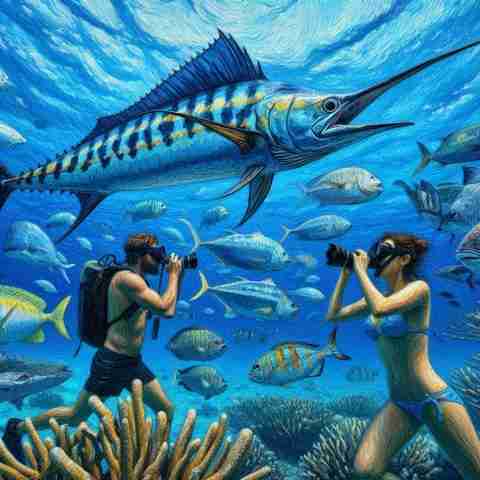
Cozumel isn’t just a vacation paradise; it’s a vibrant hub of marine research and conservation. You might think of it as simply a sun-soaked island where crystal-clear waters beckon, but venture a little deeper, and you’ll find a story teeming with resilience and purpose. The island’s breathtaking reefs are more than just a backdrop for snorkeling; they are crucial ecosystems under pressure from human activity and climate change.
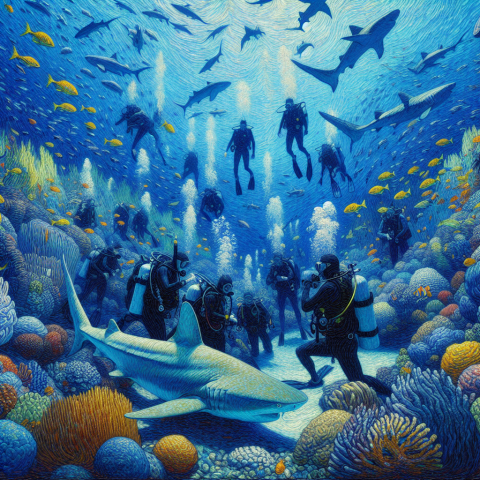
Marine scientists are on the front lines here, armed with data-collecting tools and a fervent desire to protect the underwater world. They study the intricate relationships between species, understanding that each fish, coral, and sea turtle plays a vital role in the ecological web. Imagine standing face-to-face with a researcher, hearing first-hand the tales of triumph and struggle in their fight against coral bleaching and plastic pollution—a battle that resonates deeply with our collective responsibility to the Earth.
Cozumel’s marine research efforts are not just about data; they are about community, hope, and the future. Local dive shops and tour operators aren’t just guiding visitors to swim with dolphins; they’re actively participating in clean-up initiatives, educating tourists about marine conservation, and fostering a collective understanding that every piece of plastic picked up is a step toward preserving the ocean for generations to come. It’s a heartwarming reminder that even the smallest actions can make a big difference.
But the research isn’t confined to underwater explorations—it extends to local policies and educational programs. Schools in Cozumel have begun to integrate marine science into their curriculums, nurturing the next generation of environmental stewards. This is where the heart of the island beats; kids are learning about the importance of biodiversity and gaining a sense of responsibility that goes beyond the shores of their home. They’re not just growing up in a beautiful place; they’re cultivating a deep-seated respect and love for the ocean’s wonders.
Empowering the community through marine research fosters a connection that transcends visitors and residents alike—this is a collective mission. Whether you’re sitting on the sandy beach or exploring the depths of the sea, you’re part of a narrative that speaks of preservation and hope. When you choose to engage with Cozumel, you’re not just taking a picturesque swim; you’re joining a community dedicated to safeguarding our planet’s precious resources. Together, we can champion marine research and ensure that Cozumel remains a beacon of inspiration for all who value the ocean’s beauty and bounty.

Is Cozumel Involved In Marine Research?
Is Cozumel Involved In Marine Research?
Here’s a bulleted summary of the provided text formatted as an HTML list:
- Cozumel is a vibrant hub of marine research and conservation, not just a vacation destination.
- The island’s reefs are vital ecosystems under threat from human activity and climate change.
- Marine scientists actively study species relationships to protect underwater ecosystems.
- Local dive shops and tour operators engage in clean-up efforts and educate tourists on marine conservation.
- Schools in Cozumel incorporate marine science into their curricula to foster environmental stewardship among children.
- This community approach connects residents and visitors in a shared mission for marine preservation.
- Engaging with Cozumel means participating in the protection of vital ocean resources for future generations.

Is Cozumel Involved In Marine Research?
Table Of Contents
- Is Cozumel Involved In Marine Research?
- What Innovative Marine Research Projects Are Based In Cozumel?
- What Role Does Cozumel Play In Protecting Endangered Marine Species?
- What Challenges Do Scientists Face In Conducting Research In Cozumel?
- Why Is Marine Research In Cozumel Vital For Climate Change Studies?
- How Do Cultural Narratives Influence Marine Protection In Cozumel?
- What Marine Mysteries Could Cozumel Reveal To The World?
- Who Are The Key Researchers Driving Marine Studies In Cozumel?
- Conclusion
- Other Resources
- Glossary Of Terms
- Other Questions
- Haiku
- Poem
- Checklist
What Innovative Marine Research Projects Are Based In Cozumel?
Cozumel, a sparkling gem in the Caribbean Sea, is not just a tropical paradise for vacationers; it is also a vibrant hub for innovative marine research, drawing brilliant minds from around the globe. Here, where the azure waters kiss pristine shores, scientists are diving deep into the mysteries of our oceans—and they need our support.
Among the trailblazing projects are efforts to study the delicate balance of coral reefs. These underwater gardens are more than beautiful sights; they are vital ecosystems providing food and shelter to countless marine species. By understanding how coral responds to climate change and pollution, researchers in Cozumel are uncovering solutions that could help rejuvenate dying reefs, not just here but worldwide. Imagine a future where children can snorkel through schools of colorful fish in thriving coral habitats—this is the kind of hope these scientists are striving for.
But it’s not all about research; it’s about community. Initiatives like local coral restoration programs involve residents and tourism operators, fostering a collective sense of stewardship. When local fishermen and divers work alongside scientists, it transforms them into informed advocates for the ocean’s health. Reasonably, as they witness the positive impacts of their efforts, their commitment to preserving Cozumel’s environment becomes more than just an obligation; it becomes a proud legacy to pass on.
Another pioneering project focuses on marine biodiversity, utilizing technology to track endangered species like the hawksbill turtle. Here’s where the gut comes in—imagine standing on a sun-drenched beach, watching a mother turtle return to the sea after laying her eggs. Knowing that these little ones have a fighting chance because of innovative tracking methods gives you a connection to something so much bigger than yourself. It’s science, it’s ethics, and it’s about ensuring that our oceans are teeming with life for generations to come.
Cozumel is not merely a backdrop for these endeavors; it’s the heartbeat that drives them forward. By engaging with these research projects through volunteer opportunities or educational programs, you can cultivate a lasting bond with both the scientists and the marine wonders they protect. Together, we can make an impact that reverberates beyond our immediate surroundings. The ocean is calling—will you answer?

What Innovative Marine Research Projects Are Based In Cozumel?
What Innovative Marine Research Projects Are Based In Cozumel?
- Cozumel is a vibrant hub for marine research, attracting scientists globally.
- Research projects focus on coral reef health, vital ecosystems that require understanding to combat climate change and pollution.
- Successful coral restoration can revive dying reefs and ensure future generations enjoy thriving marine habitats.
- Community involvement is essential; local initiatives foster stewardship among residents and tourism operators.
- Collaboration between local fishermen, divers, and scientists cultivates informed advocates for ocean health.
- Innovative technology is used to track endangered species like the hawksbill turtle, ensuring their survival.
- Engaging with research projects through volunteering can deepen connections with marine conservation efforts and make a meaningful impact.
What Innovative Marine Research Projects Are Based In Cozumel?
What Role Does Cozumel Play In Protecting Endangered Marine Species?
Nestled in the turquoise embrace of the Caribbean Sea, Cozumel is more than just a tropical paradise; it’s a sanctuary for some of the ocean’s most vulnerable inhabitants. From the delicate sea turtles nesting along its shores to colorful coral reefs teeming with life, this island plays a critical role in conserving endangered marine species. When you think about it, each wave that crashes against Cozumel’s sandy beaches whispers a message of resilience—a reminder that nature, when protected, can thrive.
Imagine a young child, eyes wide with wonder, as they watch a baby turtle make its way from the nest to the water. That child feels a connection to the earth, an instinctual prompting to protect what they love. Cozumel’s efforts to safeguard these marine species create moments like these—moments that resonate deep within our hearts. Each hatchling that makes it to the sea symbolizes hope, and every conservation effort makes a difference in the ecosystem’s delicate balance.
Rationally speaking, Cozumel’s vibrant marine environments are crucial not only for endangered species but for the tourists drawn to its shores. Healthy reefs attract snorkelers and divers, providing jobs and supporting the local economy. Protecting these habitats isn’t just an ethical choice; it’s a smart investment in the community’s future. When ecosystems are robust, the livelihoods of the people who depend on them are too.
Ethically, as stewards of the planet, we have a responsibility to empower local conservation efforts. Through initiatives like marine protected areas, Cozumel champions the rebuilding of habitats and populations, fostering a sense of agency among its residents. The collaborative efforts between NGOs, local governments, and the island’s communities demonstrate that protecting marine life transcends individual efforts. It is a shared mission that binds us all.
But let’s not just look at statistics or scientific reports. Dive into the coral reefs that wrap around Cozumel like a living tapestry. Feel the pulse of the ocean, a calming rhythm that ignites a desire to act. By supporting Cozumel’s conservation initiatives, we’re saying yes to a future where our seas teem with life.
So, whether you’re a seasoned diver or a sun-soaked beachgoer, remember that your choice to engage with Cozumel’s marine wonders has power. Embrace the connection to these fragile ecosystems, and let’s ensure that the stories of endangered species continue, not just in our memories but in the waters for generations to come.

What Role Does Cozumel Play In Protecting Endangered Marine Species?
What Role Does Cozumel Play In Protecting Endangered Marine Species?
- Cozumel is a vital sanctuary for endangered marine species, featuring nesting sea turtles and vibrant coral reefs.
- The island promotes resilience through nature conservation, reminding us of the importance of protecting our environment.
- Moments of wonder, such as a child witnessing a baby turtle reaching the ocean, highlight the emotional connection to marine life.
- Healthy marine ecosystems attract tourists, benefiting the local economy and job market.
- Local conservation efforts, including marine protected areas, empower communities and support ecosystem balance.
- Collaborative initiatives by NGOs and governments emphasize the shared mission of protecting marine life.
- Engagement with Cozumel’s marine environment encourages personal responsibility for conservation and a thriving future for aquatic life.

What Role Does Cozumel Play In Protecting Endangered Marine Species?
What Challenges Do Scientists Face In Conducting Research In Cozumel?
Cozumel, a tropical paradise known for its stunning marine life and vibrant coral reefs, presents a façade of idyllic beauty. But beneath those azure waters lies a complex web of challenges that scientists must navigate to uncover the truths hidden beneath the surface. The lure of this enchanting island calls to researchers with promises of discovery, yet it also tests them in ways they couldn’t have imagined.
First, let’s talk about logistics. Imagine setting out to explore a rich underwater ecosystem, only to be thwarted by unpredictable weather patterns that have turned tranquil seas into turbulent waves. This precarious environment demands not only adaptability but also courage, as scientists brave the elements to collect crucial data. Think about it—each dive into the crystal-clear waters of Cozumel isn’t just about observing the beauty; it’s a mission, requiring equipment, coordination, and teamwork. The physical demands on researchers are immense, pushing their limits under the sun and waves.
Next, there’s the ethical responsibility that weighs heavily on every scientist’s conscience. As they investigate the delicate balance of marine life, they must confront the impact of tourism, pollution, and climate change. With the Caribbean’s reefs facing unprecedented threats, every slice of data they gather becomes a weapon in an urgent battle for preservation. It’s not just research; it’s the fight to protect a vulnerable environment that countless species rely on. This isn’t solely an academic pursuit; it’s a heartfelt commitment to future generations and the health of our planet.
Then, consider the connection scientists forge with the local community. Engaging with the residents of Cozumel brings a rich tapestry of experiences, insights, and stories that add depth to their research. But earning trust takes time, and the researchers must navigate the nuances of culture and history, ensuring that their work is not imposed but co-created with the people who call this island home.
In essence, conducting research in Cozumel is a journey that resonates deep within the scientist’s soul. The grit and determination to face the unknown, the moral obligation to act as stewards for nature, and the bonds formed with the community all intertwine to create a tapestry of purpose. This is more than a quest for knowledge; it’s a call to action, a reason to stand up for the breathtaking beauty and complexity that Cozumel offers to the world. The stakes are high, but the potential for impact is even higher.

What Challenges Do Scientists Face In Conducting Research In Cozumel?
What Challenges Do Scientists Face In Conducting Research In Cozumel?
- Cozumel is a tropical paradise renowned for its stunning marine life and vibrant coral reefs.
- Scientists face logistical challenges, including unpredictable weather, when exploring the underwater ecosystem.
- The physical demands on researchers require adaptability and teamwork during their dives.
- Scientists carry ethical responsibilities regarding the impacts of tourism, pollution, and climate change on marine life.
- Research becomes a crucial effort to preserve the vulnerable environment and its dependent species.
- Connecting with the local community provides valuable insights, but trust-building is essential for collaborative research.
- Conducting research in Cozumel is a journey that intertwines scientific pursuit with moral obligation and community bonds.

What Challenges Do Scientists Face In Conducting Research In Cozumel?
Why Is Marine Research In Cozumel Vital For Climate Change Studies?
When you think of the Caribbean, azure waters and pristine beaches likely come to mind. But beneath the surface of Cozumel lies a treasure trove of marine life, ecosystems, and a critical data set that can illuminate our understanding of climate change. Why is this so vital? Let’s dive deeper—and I mean that both literally and metaphorically.
Picture the vibrant coral reefs of Cozumel. They’re not just beautiful; they’re the lifeblood of the ocean’s health. These reefs are home to billions of organisms, each playing a unique role in maintaining the ecological balance. But they are also guardrails against the rising tide of climate change, warning of shifts in temperature, salinity, and acidity. When scientists study these reefs, they’re not merely cataloging species; they are reading the pulse of our planet. It’s like holding a mirror up to our environment and asking, “What reflections do you see?”
From a rational standpoint, Cozumel’s unique geography makes it a natural laboratory for oceanographic research. The currents flowing through this region serve as a conduit, bringing nutrients and carrying signals about global climatic shifts. Researchers can track how changes thousands of miles away manifest in our local waters. This kind of understanding isn’t just academic; it’s crucial for predicting the future. If we can comprehend these patterns, we can better prepare for the storms that may lie ahead.
Then there’s the ethical dimension, the undeniable call to responsibility. We owe it to future generations to safeguard these ecosystems. It’s not merely a task for scientists and policymakers; it’s a collective endeavor. Each time we share a story about Cozumel or engage with its beauty, we raise awareness and inspire action within our communities. Your choice to support marine research isn’t just about preserving a destination; it’s about safeguarding a legacy.
Lastly, let’s not forget the power of connection. Have you ever snorkeled over a coral reef, watched a clownfish dart between anemones, or marveled at the elegance of a sea turtle gliding by? Those experiences resonate with us, reminding us of our place in this intricate web of life. By investing in marine research in Cozumel, we’re investing in ourselves, our planet, and a resilient future. As stewards of this earth, let’s take a plunge into the depths of discovery and safeguard what remains. Together, it’s possible to make waves that ripple far beyond the shores of Cozumel.

Why Is Marine Research In Cozumel Vital For Climate Change Studies?
Why Is Marine Research In Cozumel Vital For Climate Change Studies?
- Cozumel is not only known for its beautiful beaches but also its rich marine life and ecosystems vital for understanding climate change.
- The coral reefs of Cozumel are integral to ocean health, housing billions of organisms that maintain ecological balance.
- These reefs serve as indicators of climate change, reflecting shifts in temperature, salinity, and acidity.
- Cozumel’s geography makes it an ideal location for oceanographic research, helping track global climatic shifts through local currents.
- Understanding these environmental patterns is essential for preparing for future climate-related challenges.
- Conserving Cozumel’s ecosystems is a collective responsibility, essential for the well-being of future generations.
- Connecting with marine life enhances our appreciation of the natural world, emphasizing the importance of supporting marine research.

Why Is Marine Research In Cozumel Vital For Climate Change Studies?
How Do Cultural Narratives Influence Marine Protection In Cozumel?
Cozumel isn’t just a stunning tropical paradise; it’s a tapestry woven with stories, traditions, and cultural narratives that shape how its inhabitants view and protect their marine treasures. Picture a fisherman casting his net into azure waters, guided by tales passed down through generations. These stories are more than folklore; they are the lifeblood of a community that has always understood the delicate balance between livelihood and sustainability.
Imagine standing at the water’s edge with the warm sun on your face, feeling the salty breeze as you listen to locals recount the myths of sea gods and the vital role they play in ensuring the ecosystem thrives. These narratives instill a sense of respect and responsibility. For the people of Cozumel, the sea is not just an economic resource; it’s a family member, steeped in history and intertwined with their identity. This emotional connection to the marine environment drives them to safeguard it, creating an ethical imperative that resonates with many in the community.
Rationally, the story is simple: healthy reefs bolster fish populations, which in turn supports the economy through tourism and fishing. This understanding empowers residents to take action. They join hands with environmental organizations, creating a formidable alliance that amplifies their voices and goals. This collaborative spirit fosters a sense of pride and ownership, ensuring that marine protection is not an outsider’s agenda but a shared mission woven into the fabric of Cozumel’s society.
The authority to lead this charge comes from the very heart of its culture. Local fishermen, divers, and artisans possess deep knowledge about their waters — a wisdom built on years of observation and experience. Their voices carry weight, and when they advocate for marine protected areas, people listen. It’s a matter of trust; the community understands that protecting their marine resources isn’t merely an environmental issue, it’s one of survival.
So, what can we learn from Cozumel? That cultural narratives aren’t just stories; they are vectors for change. When people align their identities with the health of their environment, powerful actions can follow. These threads of connection inspire us to walk alongside communities committed to marine protection, reminding us that safeguarding nature is a shared journey. It’s an invitation — a call to embrace our roles as stewards of the world’s wonders.
How Do Cultural Narratives Influence Marine Protection In Cozumel?
How Do Cultural Narratives Influence Marine Protection In Cozumel?
- Cozumel is a captivating tropical paradise interwoven with rich stories and cultural narratives influencing marine conservation.
- Local fishermen are guided by tales of the sea, demonstrating the community’s understanding of the balance between livelihood and sustainability.
- Myths of sea gods emphasize respect and responsibility for the marine ecosystem, connecting the community to their environment.
- The sea is seen not just as an economic resource but as a fundamental part of the community’s identity.
- Healthy reefs lead to increased fish populations, supporting local economies through tourism and fishing.
- Cozumel residents collaborate with environmental organizations, fostering a collective commitment to marine protection.
- Local knowledge from fishermen and artisans is crucial in advocating for marine protected areas, reinforcing the importance of cultural narratives in environmental activism.

How Do Cultural Narratives Influence Marine Protection In Cozumel?
What Marine Mysteries Could Cozumel Reveal To The World?
Cozumel, a sun-soaked jewel in the Caribbean, isn’t just a destination for sunbathers and snorkelers. Beneath its sparkling waters lies a world of intrigue and uncharted mysteries waiting to be unveiled. Imagine the stories cloaked within its coral reefs, stories that could rewrite our understanding of marine ecosystems and humanity’s place within them.
Every time you dive into Cozumel’s azure depths, you embark on a journey that not only stirs the gut but also tugs at the heart. The vibrant marine life—from vibrant parrotfish to the elusive sea turtles—interacts in a delicate ballet that reminds us that we’re not just spectators; we’re participants in a shared ecosystem. This relationship sparks a deep sense of responsibility, an ethical imperative to protect and preserve this underwater wonderland for generations to come. Cozumel stands as a testament to biodiversity, urging us to reflect on our part in its stewardship.
Beyond the immediate allure, Cozumel holds rational mysteries just waiting to be deciphered. Recent studies have revealed astonishing connections between climate change, coral bleaching, and marine species adaptation. Each dive isn’t just a moment of wonder; it’s a chance to gather data that could inform global conservation efforts. Understanding how Cozumel’s ecosystems respond to change is essential—we can learn how to better protect our oceans and mitigate the environmental challenges facing our world. This isn’t just science; it’s a wake-up call.
The allure of Cozumel also lies in its rich history. This island has witnessed the passage of ancient civilizations, and its waters might be holding artifacts that shed light on our past. Each discovery is a narrative waiting to unfold, connecting us to our roots and the cycles of life that have come before us. Can you feel the excitement? Imagine sharing these stories, not just among friends but with the world, sparking conversations on history, culture, and responsibility.
With its breathtaking beauty and hidden depths, Cozumel invites us not just to marvel but to engage. Ask yourself: What legacy can we leave for future generations? Let’s champion the exploration of Cozumel’s marine mysteries—not just for the thrill but for a shared future, one where we take pride in both our past and our commitment to our oceans. In this connection to the sea, we might very well discover ourselves.

What Marine Mysteries Could Cozumel Reveal To The World?
What Marine Mysteries Could Cozumel Reveal To The World?
- Cozumel is a vibrant Caribbean destination with hidden marine wonders awaiting exploration.
- The island’s coral reefs house stories that could reshape our understanding of marine ecosystems.
- Diving in Cozumel fosters a sense of responsibility to protect its rich biodiversity for future generations.
- Recent studies link climate change to coral bleaching and marine species adaptation in the region.
- Every dive provides valuable data that contributes to global conservation efforts and environmental awareness.
- Cozumel’s history is intertwined with ancient civilizations, holding artifacts that tell our past.
- The island inspires reflection on the legacy we leave, encouraging engagement with its marine mysteries.

What Marine Mysteries Could Cozumel Reveal To The World?
Who Are The Key Researchers Driving Marine Studies In Cozumel?
Cozumel, a jewel nestled in the Caribbean, boasts vibrant reef ecosystems and enchanting marine life that beckon adventure seekers and researchers alike. Yet, behind the sun-soaked shores and crystal-clear waters lies a cadre of passionate individuals dedicated to understanding and preserving this underwater paradise. These key researchers are the unsung heroes, combining tenacity, knowledge, and deep respect for the ocean, making strides that ripple across the globe.
Take Dr. Elena Ramos, for instance. With a penchant for storytelling, she weaves together the threads of her personal experiences as a child exploring Cozumel’s coral reefs with her scientific expertise. Her commitment to marine biology runs as deep as the ocean itself. Dr. Ramos doesn’t just study the fish; she immerses herself in their world, documenting their behaviors and interactions in ways that elevate our understanding of marine ecosystems. When she speaks about the impact of climate change on coral bleaching, it’s not just an alarming statistic; it becomes a vivid narrative that stirs our emotions, compelling us to act.
Then there’s Dr. José Carrillo, an ecologist whose work emphasizes the delicate balance between human activity and marine sustainability. His research challenges the social norms surrounding tourism and fishing practices in Cozumel, pushing for ethical engagement with nature that respects both the locals and the aquatic inhabitants. Dr. Carrillo invites communities to participate in conservation efforts, fostering a sense of ownership and pride among local residents. Here, trust is born—not just in his expertise, but in a shared mission to protect the waters that give life.
In addition to these trailblazers, a collaborative network of marine conservationists, students, and volunteers breathes life into research efforts, creating a socially conscious movement. By joining forces, they inspire communities to understand that protecting Cozumel’s marine treasures isn’t merely an academic exercise; it’s a heartfelt, collective responsibility that transcends borders.
As these researchers dive deep into the mysteries lurking beneath the waves, they light a path for us all. Their findings not only enrich our knowledge but resonate on a personal level, urging us to consider our own impact on these fragile ecosystems. With every wave that crashes on Cozumel’s shores, there’s a reminder that the ocean thrives on our respect and action. It calls for an alliance—an unwavering commitment to safeguard its beauty for future generations. Engaging with these dedicated individuals isn’t just an opportunity; it’s a chance to be part of something much larger than ourselves.

Who Are The Key Researchers Driving Marine Studies In Cozumel?
Who Are The Key Researchers Driving Marine Studies In Cozumel?
Here’s a bulleted summary in HTML format:
- Cozumel is a beautiful Caribbean island with vibrant reef ecosystems and rich marine life.
- Dedicated researchers work tirelessly to understand and preserve the underwater environment.
- Dr. Elena Ramos blends her personal experiences with scientific expertise in marine biology.
- Dr. Ramos documents fish behaviors and raises awareness about climate change’s impact on coral reefs.
- Dr. José Carrillo focuses on the balance between human activity and marine sustainability.
- A collaborative network of conservationists fosters a collective responsibility for protecting marine treasures.
- Engagement with researchers allows individuals to contribute to the protection of Cozumel’s ecosystems.

Who Are The Key Researchers Driving Marine Studies In Cozumel?
Conclusion
Cozumel embodies more than just a picturesque island retreat; it stands as a vital sanctuary for marine research and conservation. The island’s stunning coral reefs and diverse marine life unravel stories of resilience, echoing the urgent call to protect our planet’s treasures. Underneath those sparkling waters, marine scientists are engaged in a fierce battle against climate change and pollution. Their work transcends data collection; it forms an emotional and ethical tapestry of community efforts, collective stewardship, and hope for future generations.
Local dive shops and tour operators serve as frontline advocates, not merely offering snorkel gear but actively educating tourists about marine conservation and participating in cleanup initiatives. Every plastic bottle picked up, every participant in a coral restoration program, speaks to a shared mission—each small action resonating with the power to foster a healthier ocean. Here, you find a sense of belonging that bridges the divide between residents and visitors; this is a community united by a common purpose.
As children learn about biodiversity and the importance of marine ecology in local schools, they cultivate a deep respect for the ocean that becomes ingrained in their identities—reminding us that raising environmental stewards is as critical as the research itself. Cozumel’s local stories weave an ethical imperative into the fabric of its culture, showcasing that the sea is more than a resource; it’s an integral part of life. The researchers leading the charge, like Dr. Elena Ramos and Dr. José Carrillo, are not just scientists; they are catalysts for change, inviting collaboration between academia and the community.
However, it’s essential to acknowledge the myriad challenges these dedicated professionals face. Unpredictable weather, the intricate dance of tourism’s impact, and the need for community trust can make their mission feel daunting. Yet every challenge is met with grit and determination, highlighting the importance of Cozumel as a living laboratory critical to our understanding of climate change and marine biodiversity.
The stakes are high, but so are the potential rewards. Engaging in marine research in Cozumel offers not just an escape to paradise but an opportunity to be part of a journey that shapes the future of our oceans. By championing these efforts, whether through volunteering, education, or simply choosing to dive in, you’re becoming a steward of the sea’s wonders. The ocean is calling—will you answer? Together, we can ensure that Cozumel continues to thrive as a beacon of hope and inspiration for us all.
Conclusion
Conclusion:
- Cozumel serves as a vital sanctuary for marine research and conservation, featuring stunning coral reefs and diverse marine life.
- Marine scientists are combating climate change and pollution, weaving community efforts and hope into their work.
- Local dive shops and tour operators educate tourists on marine conservation while participating in cleanup initiatives.
- Community engagement fosters a sense of belonging, uniting residents and visitors with a shared purpose in protecting the ocean.
- Children in local schools learn about marine ecology, developing a deep respect for the ocean as part of their identities.
- Researchers like Dr. Elena Ramos and Dr. José Carrillo drive change through collaboration between academia and the community.
- Despite challenges such as unpredictable weather and tourism impact, Cozumel remains a critical living laboratory for climate and biodiversity research.

Conclusion
Other Resources

Other Resources
If you’re thinking about actually being in Cozumel for any of this — not just reading about it from a cold kitchen back home — a couple of our sister sites cover where to stay for the kind of trip you might be planning. Cozumel Journey is an editorial guide to Cozumel — neighborhoods, planning tips, and life on the island for travelers who want context, not a cruise schedule.
Here is a list of other resources you can review online to learn more:
- Chocolates Kaokao
- Cozumel Jeep
- La Cocina De Silvia
- Cozumel Hacienda San Miguel
- deviantART
- Avis
- Kaokao Chocolate Factory
- Malecon
- Cozumel International Airport
- Playa Bonita
- Dolphin Discovery Cozumel
- Cozumel Museum
- The Cheesecake Factory
- La Mission Restaurant Cozumel
- Cozumel 3 Reef Snorkel Tour
- Dive with Cristina
- Casa del Mar Cozumel Hotel
- Ixchel Shrine
- Chen Rio
- a slower, editorial take on Cozumel
Use This Prompt To Get More Resources With Your Favorite Online AI Tool: Please provide me with a list of online articles with their URLs in a bulleted list that I can read regarding Is Cozumel Involved In Marine Research?
Other Resources
Glossary Terms
Is Cozumel Involved In Marine Research? – Glossary Of Terms
1. Cozumel: An island in the Caribbean Sea off the coast of Mexico, known for its biodiversity and coral reefs.
2. Marine Research: Scientific study focused on the ocean, its ecosystems, and marine organisms.
3. Coral Reef: A diverse underwater ecosystem made up of coral polyps that provide habitat for numerous marine species.
4. Biodiversity: The variety and variability of life forms within a given ecosystem, crucial for ecological balance.
5. Ecosystem: A community of living organisms and their physical environment interacting as a system.
6. Conservation: The sustainable management and protection of natural resources, particularly in marine environments.
7. Marine Biology: The branch of biology that studies organisms in the ocean and other saltwater environments.
8. Underwater Research: Investigative activities conducted beneath the surface of water bodies to gather data about marine life and ecosystems.
9. Field Study: Research conducted in the natural environment of the subject being studied, often involving direct observation and data collection.
10. Marine Protected Area (MPA): Regions of the ocean where human activity is restricted to protect the natural environment.
11. Habitat: The natural environment in which a species or community of species lives.
12. Sampling: The process of selecting a representative subset from a population for the purpose of conducting research.
13. Species Diversity: The number of different species present in a certain area, contributing to the overall health of an ecosystem.
14. Aquatic Ecosystems: Ecosystems found in bodies of water, including freshwater and marine environments.
15. Oceanography: The study of the physical and biological properties and phenomena of the ocean.
16. Marine Conservation Society: Organizations focused on protecting marine environments and ecosystems through research and advocacy.
17. Reef Restoration: Techniques and efforts aimed at repairing damaged or degraded coral reefs.
18. Sustainable Practices: Methods that allow for the use of resources without compromising the ability of future generations to meet their needs.
19. Essential Fish Habitat (EFH): Areas identified as important for fish spawning, breeding, feeding, or growth.
20. Eutrophication: The process by which water bodies become enriched with nutrients, often leading to excessive growth of algae and detrimental ecological effects.
21. Transboundary Research: Collaborative research efforts that cross national or territorial boundaries, especially important for marine ecosystems.
22. Marine Ecosystem Services: Benefits that humans derive from marine ecosystems, including food provision, climate regulation, and recreational opportunities.
23. Climate Change: Long-term changes in temperature and weather patterns, which significantly impact marine environments and species.
24. Invasive Species: Non-native species that adversely affect the ecosystems they invade, often leading to declines in native species.
25. Coral Bleaching: The loss of symbiotic algae from coral, often due to stress factors like rising water temperatures, resulting in the coral turning white and losing vitality.
26. Research Vessel: A ship equipped for conducting scientific research in the ocean.
27. Species Inventory: A comprehensive list or catalog of species found in a specific area, important for understanding biodiversity.
28. Marine Debris: Human-created waste that ends up in the ocean, which can harm marine life and ecosystems.
29. Conservation Strategies: Specific approaches and actions designed to preserve and protect marine environments and biodiversity.
30. Community Engagement: Involvement of local communities in marine research and conservation efforts, fostering awareness and support for environmental protection initiatives.

Glossary Of Terms
Other Questions
Is Cozumel Involved In Marine Research? – Other Questions
If you wish to explore and discover more, consider looking for answers to these questions:
- What specific marine research projects are currently underway in Cozumel?
- How can tourists get involved in marine conservation efforts while visiting Cozumel?
- What are the most significant threats facing Cozumel’s marine ecosystems?
- How do local communities participate in marine research and conservation initiatives?
- What educational programs are available for local schools regarding marine science?
- How does Cozumel’s marine research contribute to global climate change understanding?
- What role do local governments play in supporting marine research in Cozumel?
- Who funds the marine research projects happening in Cozumel?
- What success stories exist from conservation efforts in Cozumel?
- How do cultural attitudes towards the ocean in Cozumel influence conservation practices?
- What are the latest findings from marine studies conducted in Cozumel?
- How has climate change specifically impacted the coral reefs of Cozumel?
- What role does technology play in marine research in Cozumel?
- Are there any notable collaborations between Cozumel researchers and international marine science organizations?
- What resources are available for further reading about marine conservation in Cozumel?
Other Questions
Haiku
Is Cozumel Involved In Marine Research? – A Haiku
Cozumel’s embrace,
Coral whispers tales of care—
Ocean’s heart beats strong.

Haiku
Poem
Is Cozumel Involved In Marine Research? – A Poem
In the heart of the Caribbean, where azure waters gleam,
Lies Cozumel, a gem—a vibrant, living dream.
Not just a paradise painted in sunlit hues,
But a cradle of science, where marine life renews.
Dive beneath the surface, where mysteries unfold,
In coral gardens thriving, tales of wonder told.
Each fish, each wave, woven in nature’s embrace,
A narrative of resilience, a call to their grace.
Here, researchers brave the tide, equipped with heart and might,
Facing storms and challenges, chasing knowledge’s light.
With data in their hands, they learn of life beneath,
Fighting against pollution, for nature’s sacred heath.
The children of Cozumel, eyes wide with delight,
Watch hatchlings waddle seaward, a hopeful, fleeting sight.
Each tiny journey matters, each act of care and love,
A bond with our blue planet, echoes from above.
Communities united, with voices strong and clear,
Empowered by their stories, they draw the world near.
Tradition and science, together they entwine,
Crafting a legacy, where land and sea align.
In the dance of marine biodiversity lies our fate,
As we strive for harmony, let’s not hesitate—
To stand as stewards, champions of the tide,
For in each wave’s gentle whisper, our collective hopes abide.
So take a breath and plunge in, the ocean calls your name,
Be part of Cozumel’s mission, join the sustainable game.
In protecting this wonder, we heal our own divide,
Together we write history, with the sea as our guide.
Poem
Checklist
Is Cozumel Involved In Marine Research? – A Checklist
Cozumel Marine Research Engagement Checklist
*Emotional Appeals*
_____ Reflect on a personal connection with the ocean. How do Cozumel’s reefs inspire you?
_____ Share a story about your most memorable marine experience.
_____ Participate in a local conservation event and document your experience.
*Rational Appeals*
_____ Research Cozumel’s key marine species and their ecological roles.
_____ Understand the impact of climate change on marine ecosystems in Cozumel.
_____ Identify local policies supporting marine conservation.
*Ethical Appeals*
_____ Consider the moral responsibility of protecting marine habitats.
_____ Advocate for initiatives supporting sustainable tourism practices.
_____ Volunteer for local marine conservation efforts to empower the community.
*Authority Appeals*
_____ Follow leading researchers studying marine biodiversity in Cozumel.
_____ Attend lectures or webinars hosted by marine biologists and conservation experts.
_____ Read publications by key researchers like Dr. Elena Ramos and Dr. José Carrillo.
*Narrative Appeals*
_____ Explore the cultural narratives encompassing marine life in Cozumel.
_____ Share stories of local fishermen and their connection to marine ecosystems.
_____ Participate in storytelling sessions that highlight marine conservation efforts.
*Social Appeals*
_____ Join community groups focused on marine protection and sustainability.
_____ Engage with local dive shops and tour operators involved in conservation.
_____ Create and share social media content promoting marine awareness.
Feel free to use this checklist to deepen your engagement with Cozumel’s marine research and conservation initiatives. Every action contributes to preserving these vital ecosystems for future generations.

Checklist
At TopCozumelNews, we help travelers enjoy Cozumel by collating information learned from frequently traveling to beautiful Cozumel.
Be sure to read our other related stories at TopCozumelNews to learn more about the Island of Cozumel.