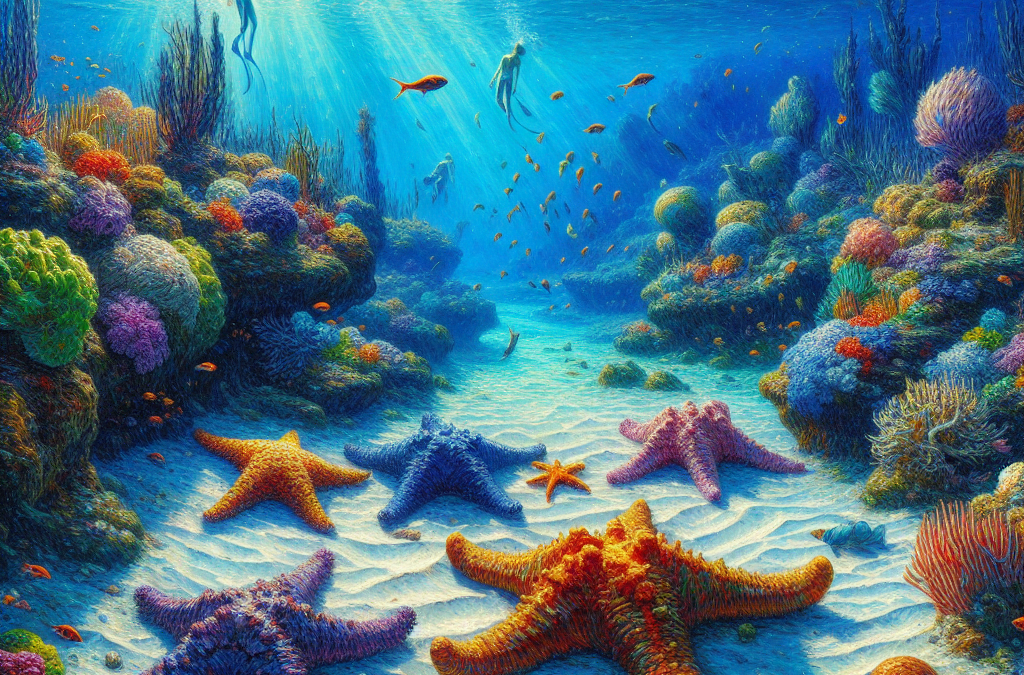
Exploring The Ethics And Logistics Of Cozumel Beach Camping
By Tom Seest
At TopCozumelNews, we help travelers enjoy Cozumel by collating information learned from frequently traveling to beautiful Cozumel.
Be sure to read our other related stories at TopCozumelNews to learn more about the Island of Cozumel.
Is Beach Camping Allowed In Cozumel?
When the sun sets over Cozumel, the vibrant hues dance across the sky, beckoning adventurers to step beyond the mundane and experience the wild embrace of nature. But as you set your sights on that sandy paradise, a common question arises: Is beach camping allowed in Cozumel?
Let’s unravel this adventure together, not just as travelers but as responsible stewards of this beautiful island. Beach camping offers an unparalleled connection with the environing waves and rustling palms. Imagine waking to the sound of the ocean’s lullaby, a gentle reminder that life is as vast as the sea. However, the cultural fabric of Cozumel demands respect. With its stunning beaches often situated alongside private property or ecological reserves, camping isn’t just a matter of setting up a tent and laying down a sleeping bag.
Ethically, we owe it to the locals and nature itself to treat this paradise with care. Many areas are protected to preserve their beauty for generations to come, and while the allure of a campfire under the stars might sound idyllic, it’s crucial to abide by regulations that safeguard these precious lands. This is where the heart meets reason—an adventure should never come at the cost of another’s peace or the environment’s health.
If the siren call of the sea is strong, know that while traditional camping might be off the table in some areas, Cozumel offers an array of eco-friendly accommodations, each echoing the very spirit of camping. Think rustic beach cabanas or eco-lodges that keep you connected to nature while prioritizing sustainability. These choices not only satisfy your yearning for adventure but also champion a responsible approach to travel.
On a social level, your choices influence those around you. By opting for proper accommodations, you join a community of like-minded explorers who understand the value of preserving what they love. This camaraderie builds a bridge of trust and respect between the visitors and the locals, fostering a culture of mutual appreciation.
So, as you ponder the possibility of sleeping beneath the stars on Cozumel’s shores, remember that your journey can be both exhilarating and ethical. Adventure awaits, but it thrives best alongside respect for the land and the people who call it home. Embrace the island’s spirit, and let it guide you toward responsible exploration that resonates with both heart and conscience.

Is Beach Camping Allowed In Cozumel?
Is Beach Camping Allowed In Cozumel?
- As the sun sets over Cozumel, vibrant colors invite adventurers to embrace nature.
- Beach camping raises the question of legality and responsible stewardship on the island.
- The cultural significance of Cozumel warrants respect for private properties and ecological reserves.
- Camping should be approached ethically, honoring both locals and the environment.
- While traditional camping may be restricted, eco-friendly accommodations like beach cabanas and eco-lodges are available.
- Your lodging choices impact the local community, fostering trust and respect between visitors and residents.
- Adventure in Cozumel can be thrilling yet ethical by prioritizing respect for natural and cultural landscapes.
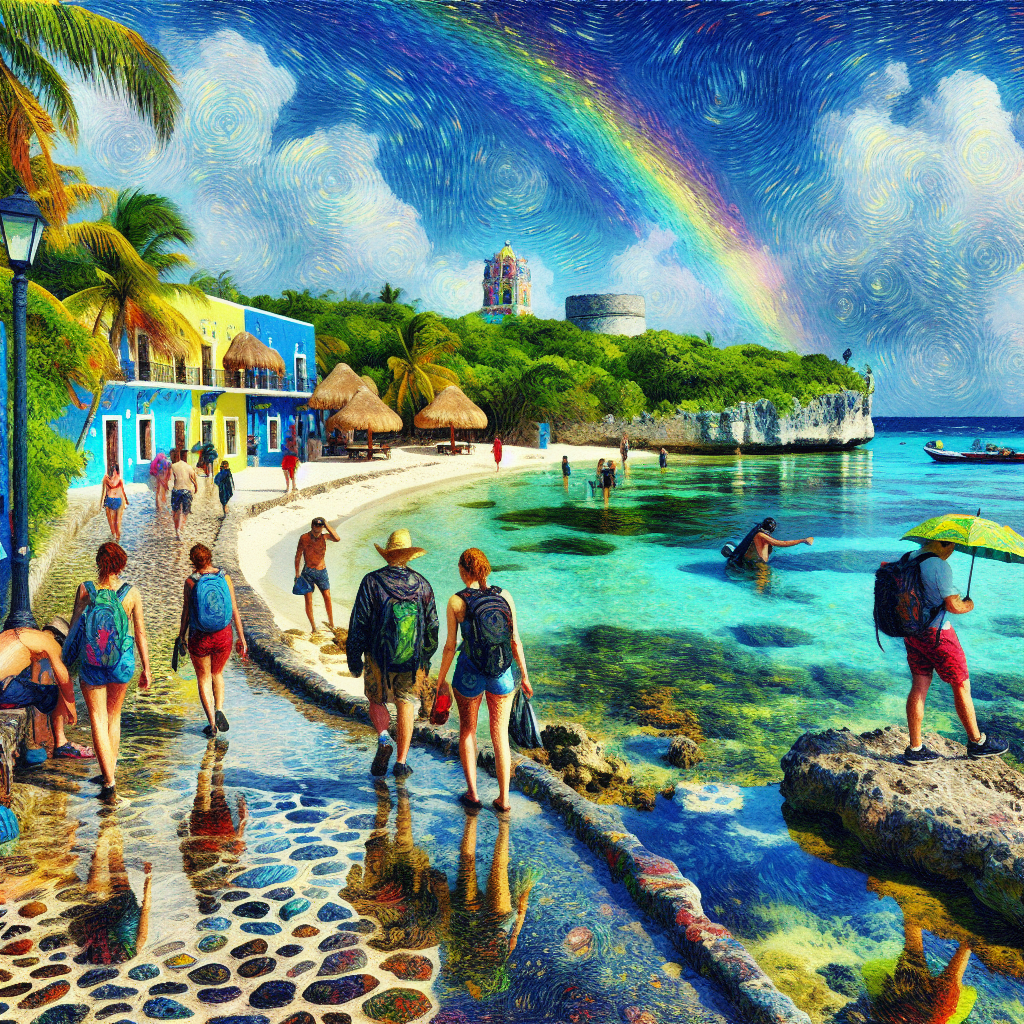
Is Beach Camping Allowed In Cozumel?
Table Of Contents
- Is Beach Camping Allowed In Cozumel?
- Is Camping By The Beach The Adventure Your Heart Craves?
- How Can We Respect Nature While Enjoying Beach Camping?
- Are We Prepared To Follow Local Guidelines For Beach Camping?
- How Does Beach Camping Strengthen Our Bonds With Family And Friends?
- What Risks Might We Face When Camping On The Beach In Cozumel?
- How Can We Ensure Our Beach Camping Is Safe And Enjoyable For All?
- Is It Ethical To Camp On Public Beaches Without Permission?
- Conclusion
- Other Resources
- Glossary Of Terms
- Other Questions
- Haiku
- Poem
- Checklist
Is Camping By The Beach The Adventure Your Heart Craves?
Picture this: You’re sitting on a beach in Cozumel, the sun melting into the horizon like a piece of your favorite chocolate. The waves lap at the shore, offering a soothing rhythm that pulls at your very soul. That’s the essence of camping by the beach—an adventure that ignites the heart, engages the head, and stirs the gut.
Let’s get a bit raw here. When was the last time you felt truly alive? The kind of alive that comes from breathing in the salty air, where every inhale feels like fuel for a soul in desperate need of restoration? Camping by the shore offers that—a primal connection to nature that too many of us have lost in the hustle of modern life. It’s not just about the picturesque views; it’s about becoming one with your surroundings, allowing the beach to reshape your spirit.
Now, on a more cerebral level, think about the benefits. Studies show that spending time in nature reduces stress and boosts mental well-being. It’s science! This experience provides not only a sense of peace and tranquility but a platform for reflection. Imagine sitting around a campfire, the warmth radiating from the flames, with the sound of laughter mingling with the ocean’s whispers. You’re not just making memories; you’re creating lasting bonds with family and friends, weaving stories that will be shared for years to come.
Ethically, consider the impact of your adventure. Choosing a beach destination like Cozumel supports local economies while promoting conservation efforts. Each time you camp and leave only footprints, you play a role in preserving natural beauty for generations. You become a steward of the very land that nourishes your spirit.
On the authority front, listen to those who’ve been there. Fellow campers often recount experiences that encapsulate joy, challenges, and growth—each story rich with lessons. They don’t just talk about beach camping; they embody it. By stepping into their shoes, you gain insights that no brochure can offer.
And let’s not forget the social angle. It’s the deep conversations under a blanket of stars, the shared meals, the camaraderie. There’s a beauty in vulnerability, in sharing stories with strangers who become friends, all united by the same desire: adventure.
So, are you ready to trade the ordinary for the extraordinary? Embrace the call of the beach, feel that itch in your gut, and let it lead you to a place where adventure awaits just beyond the shoreline.
Is Camping By The Beach The Adventure Your Heart Craves?
Is Camping By The Beach The Adventure Your Heart Craves?
- Experience the beauty of camping on the beach, with stunning sunsets and soothing ocean waves.
- Reconnect with nature and feel truly alive by breathing in the salty air, escaping the hustle of modern life.
- Enjoy mental health benefits from being in nature, such as reduced stress and increased tranquility.
- Create lasting memories and bonds around a campfire, sharing laughter and stories with friends and family.
- Support local economies and conservation efforts by choosing beach destinations like Cozumel.
- Gain valuable insights from fellow campers’ experiences, enriching your own adventure.
- Foster connections under the stars, sharing deep conversations with fellow adventurers, turning strangers into friends.
Is Camping By The Beach The Adventure Your Heart Craves?
How Can We Respect Nature While Enjoying Beach Camping?
When you envision your next beach camping trip, perhaps to the enchanting shores of Cozumel, what do you feel? The gentle caress of the ocean breeze, the warmth of the sun’s embrace, or the symphony of waves crashing into the shore? These are grace notes in nature’s grand composition, and they beckon us to respect the very canvas on which we paint our memories. But, how can we revel in such bliss without trampling on the very paradise we cherish?
Let’s get practical. The heart of beach camping appeals to our nostalgia and our sense of adventure, but it also rings the alarm bells for accountability. Every piece of litter we leave behind tells a story of negligence, tarnishing the pristine beauty we sought to enjoy. Imagine stepping into that sandy haven with a purpose—to leave it better than you found it. Grab a trash bag; it doesn’t take much. Just one piece of litter picked up can resonate like a ripple in the ocean, elevating your experience and inspiring others to do the same.
Now, consider the rational side. Studies consistently show that respecting nature enhances the outdoor experience. The cleaner the beach, the more vibrant the wildlife; more vibrant wildlife means more wonder for kids and adults alike. Instill in the younger generation an appreciation for the environment, and we’re sowing seeds of stewardship that may blossom into lifelong guardians of our planet.
Ethically, it’s plain as day: if we want to enjoy nature, we must protect it. Our actions echo through generations. When we teach ourselves and our companions about local ecosystems, we’re not just camping; we’re engaging in a dialogue with the land, fostering a relationship built on mutual respect and understanding.
And let’s not underestimate the power of community. When we camp alongside fellow enthusiasts, let’s share stories—not just of past adventures in Cozumel, but of our commitment to conservation. This camaraderie can ignite a passion for protecting the gorgeous landscapes that bind us, creating a social fabric of respect that extends beyond our individual experiences.
So, let’s rekindle our love for the wild, embracing both joy and responsibility. With each sunset on the beach, let’s honor the earth beneath our feet. Respecting nature while enjoying beach camping isn’t just an option; it’s an obligation that elevates our experiences and enriches our souls. After all, the true adventure lies not just in the destination but in how we choose to get there.

How Can We Respect Nature While Enjoying Beach Camping?
How Can We Respect Nature While Enjoying Beach Camping?
- Beach camping trips evoke emotions tied to nature, such as the ocean breeze and the warmth of the sun.
- Respect for the environment is essential to preserving the beauty of beach destinations like Cozumel.
- Accountability is highlighted through the importance of not leaving litter behind while enjoying nature.
- Picking up litter can create a ripple effect, inspiring others to maintain the cleanliness of the beach.
- Studies show that a clean environment enhances outdoor experiences and supports vibrant wildlife.
- Teaching younger generations about the environment fosters a sense of stewardship for the planet.
- Camaraderie among fellow campers strengthens community ties focused on conservation and shared responsibilities.

How Can We Respect Nature While Enjoying Beach Camping?
Are We Prepared To Follow Local Guidelines For Beach Camping?
When we think about beach camping, images of golden sunsets, the sound of waves crashing, and the warmth of the campfire illuminating shared stories come to mind. But there’s a deeper journey lurking beneath that blissful surface. Many coastal areas have guidelines, and while some may see them as mere suggestions, they represent a code of ethics that resonates with the values we cherish: respect, responsibility, and community.
Consider Cozumel, a paradise that attracts countless travelers yearning for the perfect escape. You might envision a lush coastline where you can pitch your tent and savor the serenity. Yet, without adhering to local guidelines, you risk not just your own safety but that of the very ecosystems that make such a locale breathtakingly beautiful. Those signs on the beach, though they may seem bureaucratic or inconvenient, are the guardians of this slice of heaven.
By following the rules, we foster a sense of connection—not only to the place but also to each other. When we set up camp in a designated area, we’re honoring the hard work of local authorities who strive to preserve the delicate balance between human enjoyment and environmental health. It’s a reminder that we’re part of something bigger than ourselves. Each time we toss out a piece of trash or light a fire in an unauthorized spot, we subtract from the legacy we can leave for future generations.
Take a moment to reflect on the gut-wrenching reality that our actions have consequences. Too often, we witness the aftermath of careless campers: litter-strewn beaches, battered dunes, and wildlife habitats compromised. These aren’t just statistics; they are living, breathing entities etched into the fabric of our planet. By engaging with local guidelines wholeheartedly, we contribute to the preservation of these environments, ensuring they flourish for years to come.
Rationally, it’s about safety. Guidelines protect not only delicate ecosystems but also our health. The ocean may seem inviting, but hidden currents or unsafe shorelines can turn a dream getaway into a nightmare in seconds. Knowledge is power, and when we arm ourselves with the understanding of local guidelines, we bolster our confidence.
So next time you’re dreaming of nights under the stars by the beach, remember: it’s our shared responsibility to ensure those moments are both beautiful and sustainable. Embrace the rules, connect with nature ethically, and let’s make our beach camping adventures something to cherish, not regret.

Are We Prepared To Follow Local Guidelines For Beach Camping?
Are We Prepared To Follow Local Guidelines For Beach Camping?
- Beach camping evokes images of sunsets, waves, and campfire stories, but it entails deeper responsibilities.
- Coastal guidelines represent ethical values such as respect, responsibility, and community, rather than mere suggestions.
- Adhering to local guidelines in places like Cozumel safeguards personal safety and the integrity of ecosystems.
- Camping in designated areas reflects appreciation for local authorities’ commitment to environmental health.
- Caring for the environment ensures a legacy for future generations and a thriving ecosystem.
- Guidelines enhance safety, protecting both delicate ecosystems and our health from hidden dangers.
- Embracing these rules fosters beautiful, sustainable experiences in nature, allowing us to cherish our adventures.

Are We Prepared To Follow Local Guidelines For Beach Camping?
How Does Beach Camping Strengthen Our Bonds With Family And Friends?
There’s something magical about gathering around a crackling campfire after a day spent lounging on sun-soaked sands. Whether you’re in the serene embrace of Cozumel’s shores or the rugged wilderness of your own backyard, beach camping has a unique way of blurring the lines between family and friends. When you swap the comforts of home for the great outdoors, you forge connections that run deep, molded by shared experiences and the raw beauty of nature.
Think about it: the salty breeze and the crashing waves create a backdrop that invites vulnerability. You can’t help but peel back the layers of daily life when you’re swapping stories under an endless sky. The laughter around the fire, the marshmallow-torching fails, and the playful competition of beach games melt away the stress that keeps us apart. In those moments, you’re not just a parent, a sibling, or a friend; you’re part of a larger, interconnected narrative that thrives on togetherness.
Rationally speaking, studies highlight the mental and emotional benefits of bonding in nature. Quality time spent in the great outdoors promotes well-being, enhances communication, and strengthens relationships. The unwritten rules of beach camping involve teamwork—setting up tents, cooking over an open flame, and navigating the unpredictable dance of tides. Each challenge overcome fosters a sense of accomplishment and reinforces trust. You learn to rely on one another, and, in turn, you create memories that last a lifetime.
Ethically, it’s a reminder of what truly matters. In a world overloaded with digital noise, stepping into nature serves as a gentle nudge to prioritize what’s important: relationships built on love, laughter, and shared hardship. With smartphones stowed away, we engage in meaningful conversations, offering support and understanding that can only come from undivided attention.
When you leave the beach, what remains is not just the remnants of sun-kissed skin or the zest of salt lingering on your lips, but the unshakeable bonds you’ve fortified. Friends become family, and the moments shared become threads woven into the fabric of your lives. So, find that spot by the shore, gather your loved ones, and let the waves remind you how to truly connect—with heart, with head, and ultimately, with gut. Why not step away from convention and embrace the wild? Your relationships are waiting to be deepened by the tides.

How Does Beach Camping Strengthen Our Bonds With Family And Friends?
How Does Beach Camping Strengthen Our Bonds With Family And Friends?
- Gathering around a campfire fosters deep connections among family and friends.
- Beach camping shifts focus from daily life, inviting vulnerability and shared experiences.
- The natural setting enhances laughter, storytelling, and teamwork, reducing stress.
- Studies indicate nature activities promote mental well-being, communication, and strong relationships.
- Challenges during camping, like setting up tents and cooking, build trust and create lasting memories.
- Disconnecting from digital noise emphasizes the importance of meaningful conversations and support.
- Leaving the beach reinforces unshakeable bonds, intertwining friendships and cherished moments.

How Does Beach Camping Strengthen Our Bonds With Family And Friends?
What Risks Might We Face When Camping On The Beach In Cozumel?
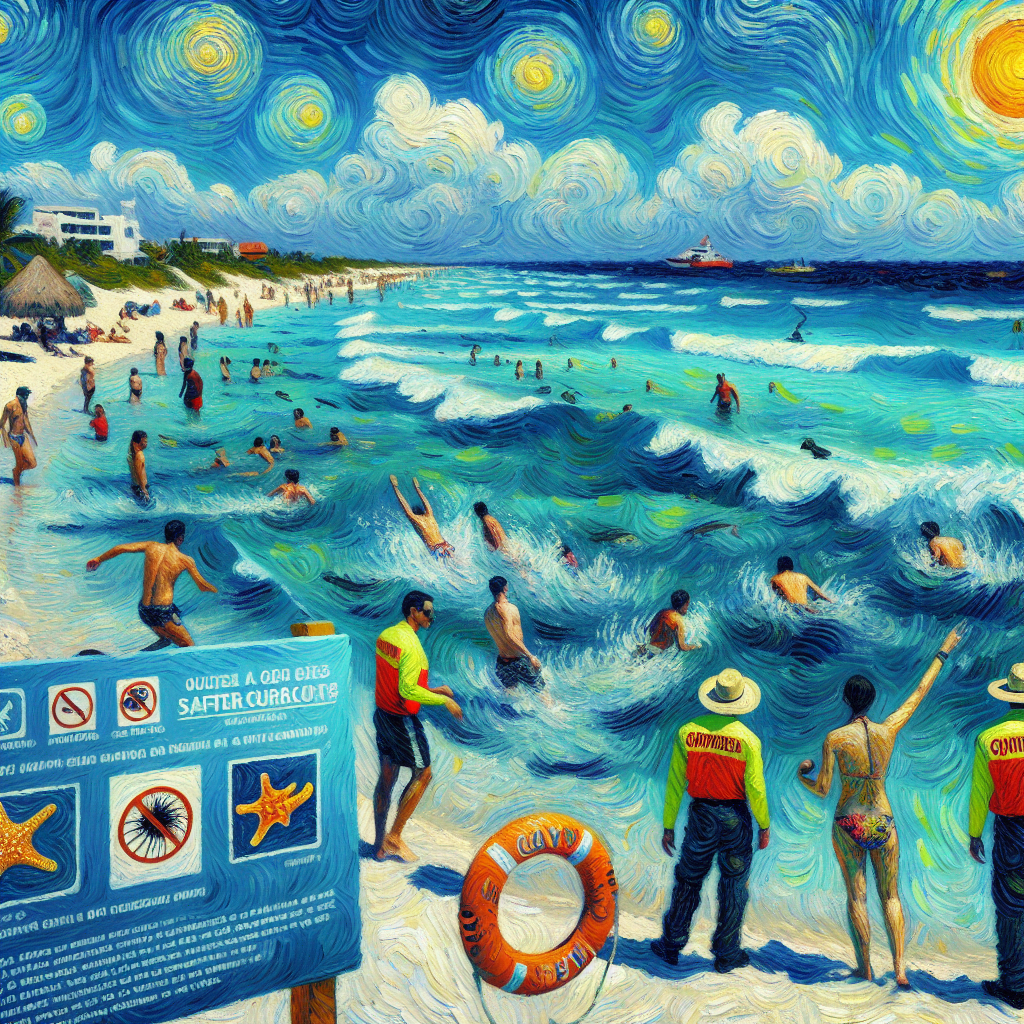
When you think of camping on the beach in Cozumel, images of sunsets over the Caribbean and the sound of waves lapping at the shore undoubtedly come to mind. But hidden behind those idyllic scenes are risks that demand our attention, pulling at both our heartstrings and our rational minds.
First, let’s consider the emotional pull—imagine the excitement of gathering around a campfire with friends or family, sharing stories and laughter as the stars light up the vast sky. But within that thrill lies the reality of unpredictable weather. Tropical storms can roll in on a moment’s notice, transforming a beautiful evening into a perilous situation. Be prepared, and your heart will thank you when you safely retreat to higher ground.
Then there’s the gut-check of wildlife encounters. Cozumel is rich in biodiversity, meaning you may cross paths with critters ranging from the curious raccoon to the elusive sea turtle. While many animals are harmless, some could pose risks to your safety. Respecting the local wildlife means understanding their space—an essential ethical duty we owe to them and ourselves as sojourners in their habitat.
Adding to the mix, consider the rational side—health concerns can arise. Depending on where you camp, unsanitary conditions could lead to infections or foodborne illnesses if proper precautions aren’t taken. Carrying a well-stocked first-aid kit and adhering to safe food practices can avert disaster and keep the adventure alive.
And while you’re at it, factor in the potential for social issues. In a popular destination like Cozumel, the fine line between personal space and shared experiences can get blurred, especially if you set up camp close to others. Establishing boundaries can enhance bonds and create a sense of camaraderie, but don’t shy away from speaking up or moving to find your peace.
Finally, in the grand tapestry of our travels, it’s vital to remember that your safety isn’t solely your concern; it’s a group effort. Engage with fellow campers, share knowledge, and develop a sense of community. Draw on the collective strength of shared experiences to forge connections that enrich your time in Cozumel.
Embrace both the enchantment and the inherent risks of camping on the beach. It’s there, amid the splendor and the challenges, that we truly uncover the essence of adventure.
What Risks Might We Face When Camping On The Beach In Cozumel?
What Risks Might We Face When Camping On The Beach In Cozumel?
- Cozumel offers picturesque beach camping experiences, but comes with inherent risks.
- The excitement of camping can be overshadowed by unpredictable tropical storms.
- Wildlife in Cozumel presents both beauty and potential safety concerns.
- Health hazards, such as infections and foodborne illnesses, can arise if proper precautions are neglected.
- Social dynamics and establishing boundaries are essential for a positive camping experience.
- Safety is a shared responsibility among campers, encouraging community support.
- Camping combines enchantment and risks, allowing for transformative adventures.
What Risks Might We Face When Camping On The Beach In Cozumel?
How Can We Ensure Our Beach Camping Is Safe And Enjoyable For All?
When you think about beach camping, imagine the waves gently breaking at your feet, the sun dipping into the horizon like a warm embrace, and the sound of laughter mingling with the ocean breeze. But for all that beauty, there’s a stark reality to consider: safety is paramount. Whether you’re pitching a tent along the pristine shores of Cozumel or simply gathering around a campfire, taking the necessary precautions transforms a good trip into an unforgettable experience.
First, let’s tap into our collective responsibility. Ethically, we owe it to our families and friends to prepare adequately. There’s something profoundly beautiful about watching your children revel in the splashes of the sea, but if you ignore safety basics, it can quickly turn from joyous splendor to a daunting ordeal. Pack a first aid kit, familiarize yourself with emergency procedures, and check the local forecasts. Simple measures can make an enormous difference and evoke an overwhelming sense of peace.
Think practically for a moment. Your head should guide you here. Choosing a suitable campsite is essential. Is it away from hazardous cliffs? Is it a safe distance from any wildlife? Spuddling in the sand is only fun until it turns into a risky endeavor. And if you bring a loved one on board—whether it’s a partner, child, or a close friend—sharing these safety measures fosters not just protection but connection. A shared responsibility ensures that everyone feels included in the mission to have a fun and enjoyable time.
Then there’s the gut feeling, that instinct we all cherish. Prioritize what makes you feel secure; if something feels off, trust it. Those sensations often reflect an innate understanding that can guide you. Is the campsite too crowded? Should you rethink that twilight swim? Listening to those gut feelings can safeguard you and your loved ones, transforming anxiety into reassurance.
Finally, let’s tap into the narrative aspect of this journey. Many camping tales stem from moments of unexpected camaraderie—laughing under the stars, roasting marshmallows, or telling ghost stories. We gather not just to bask in nature but to share our stories. By ensuring we do so safely, we invite laughter and joy without compromise, knitting a fabric of memories that’ll warm hearts for years to come.
So, gear up, plan wisely, and trust your instincts. Let’s create the kind of adventures that make our spirits soar, wrapped in the warmth of companionship and the beauty of nature.

How Can We Ensure Our Beach Camping Is Safe And Enjoyable For All?
How Can We Ensure Our Beach Camping Is Safe And Enjoyable For All?
- Beach camping offers a picturesque experience with waves, sunsets, and laughter.
- Safety is crucial for transforming a camping trip into an unforgettable experience.
- Preparation involves packing a first aid kit, knowing emergency procedures, and checking weather forecasts.
- Selecting a suitable campsite away from hazards and wildlife is vital for safety.
- Involving loved ones in safety measures enhances protection and builds connections.
- Trust your instincts; if something feels off, it’s essential to heed that feeling.
- Camping creates opportunities for shared stories and memories, fostering joy and companionship.
How Can We Ensure Our Beach Camping Is Safe And Enjoyable For All?
Is It Ethical To Camp On Public Beaches Without Permission?
When you think about camping on a public beach, images of sunsets, campfires, and the gentle lapping of waves might come to mind. It’s a romantic notion, no doubt, but let’s dig deeper. Beaches are often cherished communal spaces, lifelines for local merchants, and sanctuaries for wildlife. Take Cozumel, for instance, where the stunning scenery juxtaposes the complex web of social and environmental considerations.
Imagine a family setting up their tent right next to a thriving coral reef. While they may feel they’re embracing nature, what about the reef? These ecosystems serve as a refuge for crabs, fish, and other creatures that maintain a delicate balance. Ethical camping means understanding our role in that balance. When we pitch our tents, we’re not just making a choice for adventure; we’re making a choice that impacts lives, livelihoods, and the health of the beach itself.
And let’s talk about the emotional pull of ethical camping. It’s about community. Sitting around a campfire, sharing stories, you feel connected—not just to the people with you, but to the space around you. When permission is sought and boundaries respected, that connection deepens. You’re no longer just a temporary visitor; you become a steward, someone who cares about the land and all its inhabitants. This fosters a sense of pride, knowing you’re contributing positively, rather than being another face in the crowd of transience.
Now, let’s approach the rational side of things. Most public beaches have rules in place—often for a reason. Licensing and regulations aren’t just bureaucratic jargon; they protect resources and respect the efforts of the community maintaining these spaces. Ignoring these rules can lead not only to fines but to damaging relationships with those in the community who work tirelessly to ensure these areas remain pristine for all. By following proper protocols, we can enjoy the thrill of camping while respecting the very essence of what makes public beaches special.
The decision to camp on a public beach without permission warrants careful thought. The beach isn’t just a destination; it’s a shared treasure. Together, by honoring the ethics of camping, we pave the way for a future where everyone can bask in the beauty of nature responsibly, leaving it just as we found it for generations to come.

Is It Ethical To Camp On Public Beaches Without Permission?
Is It Ethical To Camp On Public Beaches Without Permission?
- Camping on public beaches conjures romantic images but involves complex social and environmental considerations.
- Beaches are communal spaces that support local merchants and provide habitats for wildlife, like coral reefs.
- Ethical camping requires an understanding of the impact on ecosystems and the balance of wildlife.
- Camping fosters a sense of community and connection to the land when done respectfully and with permission.
- Respecting rules and regulations at public beaches is vital for protecting resources and community efforts.
- Ignoring regulations can lead to fines and harm relationships within the community that maintains these spaces.
- Honoring camping ethics ensures that beaches remain beautiful and accessible for future generations.

Is It Ethical To Camp On Public Beaches Without Permission?
Conclusion
The allure of beach camping in Cozumel is hard to resist. With the sun dipping into the horizon and waves crashing softly against the shore, it calls to the adventurer in all of us. But diving into this experience requires more than a beer in hand and a tent in the trunk; it demands an understanding of responsibility. Camping is not simply a temporary escape from the daily grind; it’s an opportunity to cultivate a deeper connection with ourselves, the land, and the vibrant communities we encounter.
As you consider bedding down for the night under a sky full of stars, take a moment to appreciate the intricate balance of nature that surrounds you. Respecting this balance means adhering to local guidelines and preserving the beauty of Cozumel for future explorers. The beaches here are not just picturesque vacation spots; they are vital ecosystems and cherished spaces for local families. This calls for thoughtful engagement. Something as simple as properly disposing of waste can ripple outward, inspiring others to act responsibly. Leaving footprints instead of litter reflects a profound respect for the community and environment that forge our memories in places like these.
But let’s not overlook the joy that beach camping can bring—a chance to reconnect with loved ones through laughter, shared stories, and unexpected challenges. Teamwork under the stars forges bonds that outlast the fleeting moments of our trip. This camaraderie kindles a sense of belonging to something far larger than ourselves. In today’s fast-paced world, these connections can reinvigorate relationships, reminding us of what truly matters: the shared human experience.
However, understanding the risks is equally crucial. Nature is unpredictable, and encounters with wildlife or sudden weather changes can turn a magical evening into a daunting ordeal. Knowledge empowers us to navigate these challenges, ensuring not just our safety, but the preservation of the beauty that makes Cozumel enticing.
So, as you explore the idea of camping on the beach, remember: it’s about more than the destination. It’s about how we choose to connect—both with nature and each other. By embracing our role as stewards of the land, we transform our beach camping ventures into shared narratives rich with adventure, respect, and connection. Let this act as both a call to action and an invitation to dive into a profound, ethical exploration under the Caribbean stars. Adventure awaits; just tread lightly.
Conclusion
Conclusion:
- Beach camping in Cozumel offers a unique adventure, appealing to the inner explorer.
- It requires responsibility and an understanding of the environment and local communities.
- Camping provides an opportunity to connect deeply with oneself, nature, and others.
- Respect for the ecosystem and local guidelines is essential for preserving Cozumel’s beauty.
- Beach camping fosters connections with loved ones, enhancing relationships through shared experiences.
- Being aware of potential risks from nature, such as wildlife and weather changes, ensures safety and enjoyment.
- The essence of beach camping lies in thoughtful engagement and stewardship of the land while creating lasting memories.

Conclusion
Other Resources
Other Resources
If you’re thinking about actually being in Cozumel for any of this — not just reading about it from a cold kitchen back home — a couple of our sister sites cover where to stay for the kind of trip you might be planning. Stingray 37 is a Cozumel rental for divers and ocean-leaning travelers. Sunset 37 is a Cozumel rental positioned for divers and waterfront-loving travelers.
Here is a list of other resources you can review online to learn more:
- Fly Cozumel
- Atlantis Submarines Cozumel
- Seasons 52
- Playa Palancar
- San Juan Beach Club
- U.S. Department of State
- The Plaza Central
- Avis
- Jimmy Buffett’s Margaritaville Cozumel
- Amerimed
- Stingray Snorkel
- Caleta Marina
- The Capital Grille
- Starbucks
- Alberto’s Downtown
- Margaritaville
- Palancar Beach
- Yard House
- Stingray 37
- Sunset 37
Use This Prompt To Get More Resources With Your Favorite Online AI Tool: Please provide me with a list of online articles with their URLs in a bulleted list that I can read regarding Is Beach Camping Allowed In Cozumel?

Other Resources
Glossary Terms
Is Beach Camping Allowed In Cozumel? – Glossary Of Terms
1. Beach Camping: The practice of setting up tents or shelters on a beach for temporary overnight stays.
2. Cozumel: An island in the Caribbean Sea off the eastern coast of Mexico, known for its beaches and coral reefs.
3. Regulations: Rules established by local authorities governing activities such as camping on beaches.
4. Permits: Official documents required to legally camp on certain beaches in Cozumel.
5. Wild Camping: The act of camping in natural areas without designated camping facilities or permits, often considered illegal in many locations.
6. Tourists: Individuals visiting Cozumel for leisure, often interested in activities like beach camping.
7. National Park: Protected areas in Cozumel where camping may be limited or prohibited to preserve natural resources.
8. Beachfront: Land or property directly adjacent to a beach, typically desirable for camping.
9. Camping Gear: Equipment used for camping, such as tents, sleeping bags, and cooking utensils.
10. Sustainability: Practices aimed at reducing environmental impact, crucial for responsible beach camping.
11. Hammock Camping: A camping style using hammocks instead of tents for shelter, often favored in warm climates.
12. Local Authorities: Government bodies that regulate land use, including camping activities in Cozumel.
13. Campground: A designated area equipped with facilities for camping and often requires fees or reservations.
14. Environmental Impact: The effect that camping and human activity have on the surrounding ecosystem.
15. Leave No Trace: A set of outdoor ethics aimed at minimizing human impact on nature while camping.
16. Access Points: Locations where campers can enter the beach for camping purposes.
17. Safety Regulations: Guidelines to ensure the health and well-being of campers and the protection of wildlife.
18. Off-Season: A period when tourist numbers are lower, which may affect the availability of camping space.
19. Minimalist Camping: A style of camping that involves carrying only the essential gear, often practiced on beaches.
20. Overnight Stays: Camping for one or more nights at a location, such as a beach.
21. Local Flora and Fauna: The plant and animal life native to the Cozumel region, important to consider when camping.
22. Waste Management: The proper disposal of waste during camping to prevent environmental contamination.
23. Beach Accessibility: The ease with which campers can reach the beach, impacted by local infrastructure.
24. Campsite Selection: The process of choosing an appropriate location for setting up a camp.
25. Community Guidelines: Recommendations and best practices provided by local residents for camping in Cozumel.
26. Fire Regulations: Laws related to the use of campfires on beaches, often restricted to prevent wildfires.
27. Tide Awareness: Knowledge of tide patterns important for safe camping near coastal areas.
28. Geolocation Services: Tools like GPS used to navigate and find suitable camping locations on the island.
29. Personal Safety: Precautions campers should take to ensure their well-being while on the beach.
30. Cozumel Culture: The customs and traditions of the people living in Cozumel, which may influence camping practices and regulations.

Glossary Of Terms
Other Questions
Is Beach Camping Allowed In Cozumel? – Other Questions
If you wish to explore and discover more, consider looking for answers to these questions:
- What specific regulations govern beach camping in Cozumel?
- Are there designated areas for camping on Cozumel’s beaches?
- What types of eco-friendly accommodations are available in Cozumel?
- How can campers minimize their environmental impact while on the beach?
- What local wildlife should campers be cautious of in Cozumel?
- What safety measures should be taken when camping near the ocean?
- What emergency procedures should campers be familiar with when on the beach?
- How does beach camping affect the local economy and community in Cozumel?
- What types of activities can enhance the beach camping experience?
- How can travelers engage with local culture while camping in Cozumel?
- What are the potential fines for camping without permission on public beaches?
- How does one ensure safety and comfort when camping with children on the beach?
- Are there any local experts or guides available for campers in Cozumel?
- What resources are available for learning about the ecological importance of Cozumel’s beaches?
- What are the best times of year for beach camping in Cozumel?

Other Questions
Haiku
Is Beach Camping Allowed In Cozumel? – A Haiku
Sunset paints the skies,
Nature whispers tales of care—
Camp with heart and thought.
Haiku
Poem
Is Beach Camping Allowed In Cozumel? – A Poem
In Cozumel’s embrace, where sunsets melt the skies,
Adventurers awaken, with dreams of sandy highs.
Yet, whispers of caution float on the salty breeze,
As respect for this paradise beckons, if you please.
Camping by the beach sings to the heart’s desire,
Nature’s lullaby ignites an inner fire.
But with wild beauty comes a sacred task,
To tread lightly on the land—let’s not forget to ask.
In harmony with locals, let our footsteps align,
For ethical exploration nurtures ties that bind.
Eco-lodges await for those who seek to stay,
Where comfort meets the wild, and nature shows the way.
The thrill of the ocean calls with waves that crash and sigh,
Yet lurking in the joy, unpredictable storms may fly.
Mind the creatures of the night, respect their rightful space,
In this shared realm of wonder, we all must find our place.
Safety’s not a burden but an act of love profound,
Prepare and share responsibilities; let joy be the resound.
With tales spun under starlight, connections bloom anew,
In the heart of every camper lies a world both bright and true.
So gather near the fire, let laughter’s echoes swell,
For moments spent in nature craft the stories we will tell.
To safeguard this abode, where sea and spirit flow,
Is ultimately our legacy, an ethical glow.
As you dream of camping under Cozumel’s vast dome,
Remember: it’s a privilege, this land we call our home.
Adventure waits in kindness, where hearts and minds align,
In every tender footprint, may the earth’s own beauty shine.

Poem
Checklist
Is Beach Camping Allowed In Cozumel? – A Checklist
Beach Camping Responsibility Checklist
Heartfelt Connection:
_____ Reflect on your motivations for camping: Is it to escape, bond with loved ones, or nurture your spirit?
_____ Create space for vulnerability: Share stories and laughter around the campfire to strengthen relationships.
_____ Appreciate the natural beauty: Take a moment to soak in sunsets, the sound of waves, and the overall experience.
Rational Considerations:
_____ Research local regulations: Know what’s allowed and what isn’t before you go.
_____ Prepare for safety: Pack a first-aid kit and familiarize yourself with emergency procedures and local wildlife.
_____ Assess environment: Choose a campsite away from hazardous areas, understand tides, and ensure appropriate distances from wildlife.
Ethical Responsibilities:
_____ Seek permission: Always inquire about camping regulations and ensure you’re camping in designated areas.
_____ Leave no trace: Carry trash bags to collect litter and ensure that you leave the beach cleaner than you found it.
_____ Educate yourself and others about local ecosystems: Promote conservation and respectful interaction with nature.
Community and Social Impact:
_____ Engage with fellow campers: Share experiences and discuss conservation efforts to foster a strong camping community.
_____ Establish boundaries: Respect the personal space of other campers while creating an enjoyable atmosphere.
_____ Contribute positively to local economies: Support local businesses and participate in community initiatives.
Intuition and Gut Feelings:
_____ Trust your instincts: If something doesn’t feel right, take it seriously—whether it’s about your camping setup or interactions with wildlife.
_____ Stay aware of surroundings: Monitor changing weather conditions and communal dynamics to ensure a safe experience.
_____ Be open to new adventures: Embrace unexpected moments that strengthen connections with nature and fellow adventurers.
This checklist encourages a responsible and fulfilling beach camping experience that resonates on an emotional, rational, and ethical level, enhancing both personal enjoyment and community awareness.

Checklist
At TopCozumelNews, we help travelers enjoy Cozumel by collating information learned from frequently traveling to beautiful Cozumel.
Be sure to read our other related stories at TopCozumelNews to learn more about the Island of Cozumel.