




Unraveling Cozumel’s Journey To Cruise Hub Status
By Tom Seest
At TopCozumelNews, we help travelers enjoy Cozumel by collating information learned from frequently traveling to beautiful Cozumel.
Be sure to read our other related stories at TopCozumelNews to learn more about the Island of Cozumel.
How Did Cozumel Become a Cruise Hub?
Cozumel, a gem nestled in the Caribbean Sea, didn’t become a cruise hub by chance; it evolved through a blend of history, opportunity, and the undeniable allure of its natural beauty. Picture this: a humble island with a rich tapestry of Mayan heritage, where the turquoise waters and white sandy beaches beckon to weary souls craving adventure. The heart of Cozumel beats with life, and it has captivated travelers long before cruise ships dotted its shoreline.
As the cruise industry blossomed in the 1980s, Cozumel seized its moment. Just a stone’s throw away from the bustling streets of Cancún, this island became a strategic stop for ships carrying eager passengers. Like a stage waiting for performers, Cozumel offered an irresistible backdrop and the promise of unforgettable experiences. The island’s growth into a cruise hub echoed a deep-rooted desire: the need for connection, exploration, and the simple joy of discovering new horizons.
But Cozumel is more than just a pit stop for sun-seeking tourists. It has cultivated a sense of community and pride amongst its residents, who welcome visitors with open arms and warm smiles. The cruise lines, recognizing this treasure of human connection, built partnerships that nurtured local businesses. From artisans selling handcrafted goods to restaurants serving savory local dishes, the economic ripple effect transformed Cozumel into a thriving marketplace and a desirable destination.
With each ship that docks, there’s a dance of anticipation among tourists and locals alike, sharing experiences and stories that transcend cultural barriers. Passengers stroll through the vibrant streets, and in those moments, they are not just part of a transaction; they become part of Cozumel’s story. The island taps into the universal desire for belonging, reminding us all that, at our core, we’re seeking connection.
Yet, it’s not just a playground for leisure. Ethical considerations have surged to the forefront as Cozumel grapples with the implications of increased tourism. Environmental stewardship and sustainable practices are becoming central to preserving this stunning locale for generations to come. Cozumel’s transition into a cruise hub showcases the potential to blend industry and integrity, fostering a relationship where both visitors and locals thrive.
So, whether it’s your first cruise or your fortieth, as you step onto the shores of Cozumel, remember: you’re not just docking at an island; you’re entering a world woven from history, heart, and hope. Embrace it. Cherish it. And make it a part of your journey.
How Did Cozumel Become a Cruise Hub?
How Did Cozumel Become a Cruise Hub?
- Cozumel, located in the Caribbean Sea, evolved into a cruise hub through a mix of history and natural beauty.
- Rich in Mayan heritage, the island features turquoise waters and white sandy beaches that attract adventure seekers.
- The cruise industry began flourishing in the 1980s, positioning Cozumel as a strategic stop for cruise ships.
- Cozumel fosters a sense of community, with residents welcoming visitors and engaging in local business partnerships.
- The economic impact of tourism has transformed Cozumel into a vibrant marketplace for both locals and tourists.
- Tourists and locals share experiences that promote connection, emphasizing a sense of belonging on the island.
- As tourism grows, Cozumel is prioritizing sustainable practices to preserve its natural beauty for future generations.
How Did Cozumel Become a Cruise Hub?
Table Of Contents
- How Did Cozumel Become a Cruise Hub?
- What Unique Experiences Does Cozumel Offer To Cruise Travelers?
- What Key Investments Fueled Cozumel’s Rise As A Cruise Destination?
- How Do Environmental Concerns Impact Cozumel’s Cruise Tourism?
- What Role Do Partnerships Play In Cozumel’s Cruise Success Story?
- How Can Cozumel Maintain Authenticity Amidst Cruise Tourism Pressures?
- What Ethical Considerations Surround The Expansion Of Cruise Tourism?
- What Are The Social Implications Of An Influx Of Tourists In Cozumel?
- Conclusion
- Other Resources
- Glossary Of Terms
- Other Questions
- Haiku
- Poem
- Checklist
What Unique Experiences Does Cozumel Offer To Cruise Travelers?
When you step off the cruise ship and onto the sun-soaked shores of Cozumel, you’re not just arriving at another tropical destination; you’re embarking on a journey that will stir your soul and awaken your senses. This island isn’t just a backdrop for your vacation; it’s a living, breathing entity that invites you to join its vibrant dance. The kaleidoscope of culture, adventure, and nature offers unique experiences that are as varied as the shades of turquoise in its surrounding waters.
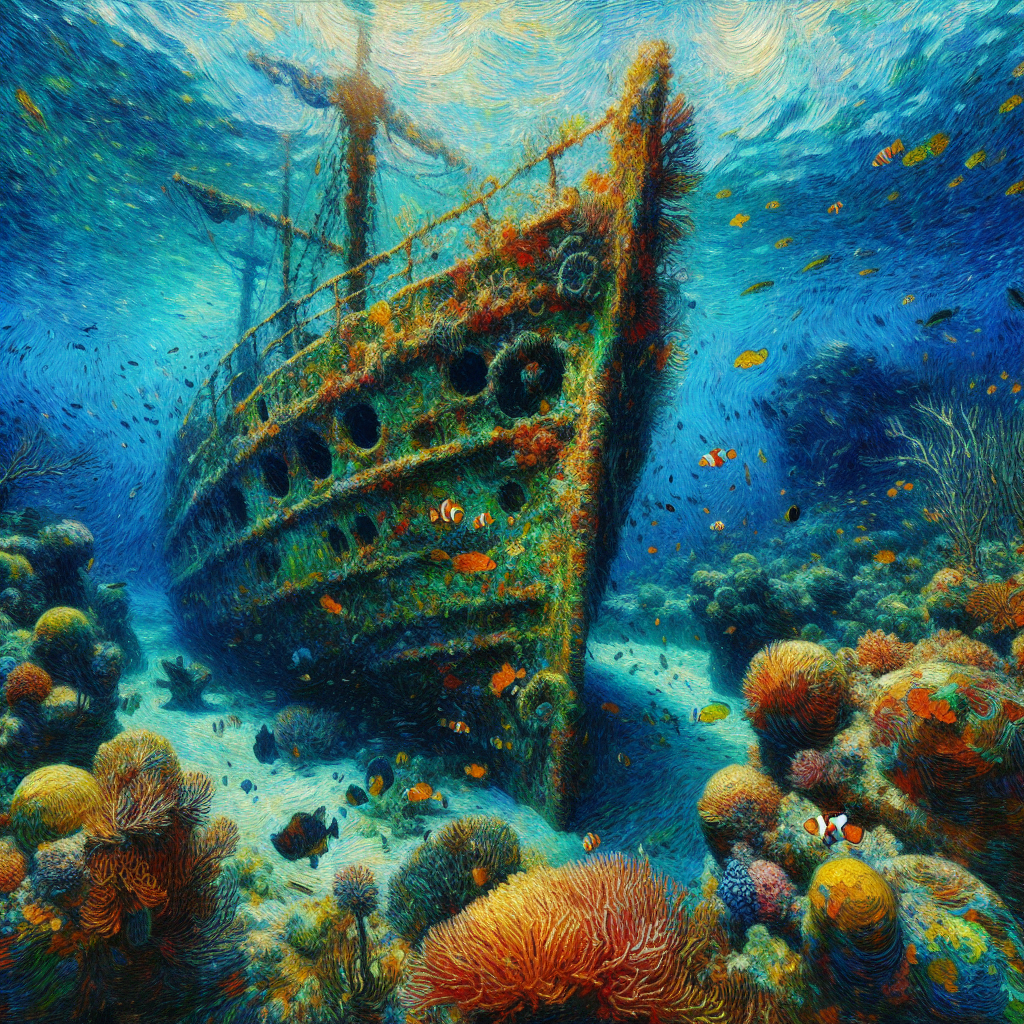
Picture yourself snorkeling in the Crystal-clear Caribbean, where kaleidoscopic fish glide gracefully amidst the coral gardens. Each stroke of your fin cuts through the warm water, and every moment in this underwater paradise is a reminder that beauty lies in both the delicate and the wild. It speaks to the heart, igniting an appreciation for nature’s artistry that you can’t replicate back home. Ask the locals about the reefs, and you’ll hear legends and stories that intertwine the island’s past with your present—a connection that fosters a sense of belonging, even amidst the waves.
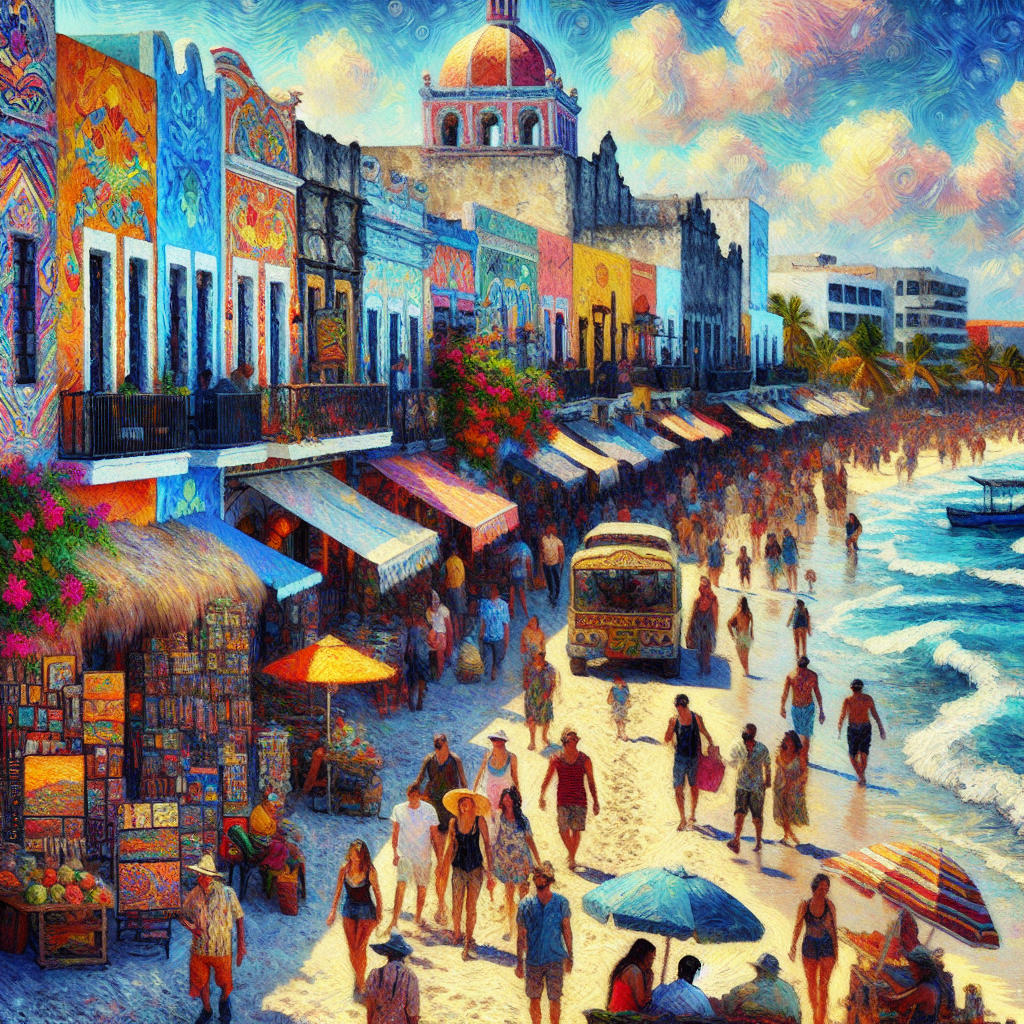
But Cozumel offers more than just stunning sights. Picture wandering through San Miguel, the island’s charming capital, where the air is thick with the scent of freshly prepared tacos and the laughter of children reverberates through the streets. Engage with friendly locals; their stories are threads woven into the tapestry of Cozumel. Your heart will swell with the shared human experience. By supporting local artisans and small businesses, you’re not just buying a souvenir; you’re investing in a community. It’s a choice that feels ethically rewarding, knowing your actions have rippling effects.
Cozumel whispers to the rational mind, too. With all-inclusive packages that shuttle you from beachside relaxation to adrenaline-pumping excursions, your time here is managed with a deliberate pace. Whether you’re zip-lining through lush canopies or exploring ancient ruins, every activity is designed to maximize your experience without overwhelming you—a delicate balance of adventure and leisure.
As the sun dips below the horizon, painting the sky in hues of orange and pink, you’ll realize that your time in Cozumel is about more than just the activities; it’s about the connections you forge and the memories you create. This island hugs you with open arms, and as you indulge in its unique experiences, you discover that the heart, mind, and gut all resonate with one undeniable truth: Cozumel is a place where life’s most vibrant moments await.
What Unique Experiences Does Cozumel Offer To Cruise Travelers?
What Unique Experiences Does Cozumel Offer To Cruise Travelers?
- Arriving in Cozumel offers a journey filled with culture, adventure, and nature.
- Snorkeling in the clear Caribbean waters reveals stunning underwater beauty and local legends.
- Exploring San Miguel, the capital, immerses you in local culture and cuisine.
- Engaging with friendly locals fosters a sense of community and shared experience.
- Supporting local artisans and businesses contributes to the island’s economy and culture.
- All-inclusive packages ensure a balanced mix of relaxation and adventurous excursions.
- Cozumel provides an unforgettable experience filled with connections and vibrant memories.

What Unique Experiences Does Cozumel Offer To Cruise Travelers?
What Key Investments Fueled Cozumel’s Rise As A Cruise Destination?
Cozumel, that sun-kissed gem of the Caribbean, didn’t just happen upon its status as a premier cruise destination by mere chance or happenstance. No, it took investment—serious, strategic investment—that transformed this island into a hub of vibrant activity and mesmerizing beauty. It’s a success story fueled by passion, ingenuity, and the courage to embrace opportunity.
At the heart of Cozumel’s evolution lies the ambitious development of cruise ship terminals. The opening of state-of-the-art facilities allowed the island to accommodate larger ships and more passengers, welcoming visitors with open arms. Picture this: thousands of eager travelers pouring off gleaming vessels, their hopes and dreams as vast as the ocean. They yearn for adventure, and Cozumel is ready to deliver—whether it’s snorkeling in clear blue waters, exploring ancient ruins, or savoring authentic local cuisine. This investment didn’t just bring in tourists; it ignited a local economy and allowed residents to showcase their culture and hospitality, turning visitors into advocates for the island.
Rationally speaking, these investments in infrastructure were smart moves. With the cruise industry projected to grow exponentially, positioning Cozumel as a top competitor meant capitalizing on the trend. Yet, it’s not just about numbers; it’s about what those numbers represent—a community thriving, families supported, and traditions cherished. When visitors pour dollars into small businesses, artisans, and guides, they don’t just contribute to an economy; they create a network of stories and experiences that evoke a sense of belonging.
Ethically, there’s a responsibility that comes with growth. Cozumel’s rise isn’t just about the money; it’s also about environmental sustainability and cultural preservation. Guided by a commitment to protect its stunning natural surroundings, Cozumel has taken steps to ensure that growth does not equate to environmental degradation. This sets an example—showing other destinations that it is possible to embrace progress while honoring the past.
Ultimately, the investments that fueled Cozumel’s transformation weren’t purely transactional; they were investments in dreams, community, and a shared future. If you haven’t yet been a part of Cozumel’s journey, it’s time to step aboard, experience the magic of this island, and witness firsthand the fruits of dedicated investment that binds together travelers and locals alike. It’s a call to action—a chance to support and cherish not just a destination, but the heart of a community that welcomes you home.

What Key Investments Fueled Cozumel’s Rise As A Cruise Destination?
What Key Investments Fueled Cozumel’s Rise As A Cruise Destination?
- Cozumel is a premier cruise destination due to strategic investment and development.
- The opening of modern cruise ship terminals has accommodated larger vessels and increased passenger influx.
- Visitors engage in diverse activities such as snorkeling, exploring ruins, and enjoying local cuisine.
- Tourism has bolstered the local economy and allowed residents to share their culture and hospitality.
- Investments in infrastructure position Cozumel as a competitive player in a growing cruise industry.
- Growth in tourism is coupled with a commitment to environmental sustainability and cultural preservation.
- Cozumel’s transformation reflects an investment in community, dreams, and a shared future.

What Key Investments Fueled Cozumel’s Rise As A Cruise Destination?
How Do Environmental Concerns Impact Cozumel’s Cruise Tourism?
Cozumel, with its turquoise waters and vibrant coral reefs, serves as a paradise for cruise tourists—but beneath that breathtaking beauty lies a struggle that each visitor should ponder. As ships dock along its shores, the impact on this cherished ecosystem becomes a pressing conversation. The question isn’t just about enjoying a tropical getaway; it’s about understanding the delicate balance between tourism and environmental sustainability.
Imagine stepping onto the island for the first time. The salty breeze kisses your skin, the laughter of fellow travelers fills the air, and the promise of adventure beckons. But take a moment to reflect. Each cruise ship that arrives carries thousands of eager tourists, each bringing their own hopes and dreams. Yet, this influx can also lead to increased waste, overfishing, and damaged marine habitats. That vibrant coral reef, the one that captivates your heart, relies on a fragile ecosystem that can’t withstand unrestrained human activity.
To get to the real heart of the matter, let’s talk about responsibility. As informed travelers, we must hold ourselves accountable for our choices. We have the power to demand better standards from cruise lines and to support local initiatives aimed at preserving Cozumel’s natural beauty. Choosing eco-friendly excursions, participating in beach clean-ups, or simply being conscious of our waste can set a precedent for future visitors. It’s not just about enjoying; it’s about ensuring others can enjoy it too.
Conversing with locals sheds light on these issues. They share stories of their parents and grandparents, who thrived in harmony with the land and sea. Their voices resonate with a rich narrative that calls on us to honor the efforts of those who came before us. The economic weight that cruise tourism carries in Cozumel is undeniable, but it should never overshadow our moral obligation to protect it.
Ultimately, the choices we make today ripple through time. As visitors, we have the opportunity to create a legacy that prioritizes both enjoyment and conservation. By aligning our hearts, heads, and guts, we can forge a connection that transcends our vacations and serves the greater good. Let’s aim to leave Cozumel not just as we found it, but better—a beacon of hope for responsible tourism that future generations can admire.
How Do Environmental Concerns Impact Cozumel’s Cruise Tourism?
How Do Environmental Concerns Impact Cozumel’s Cruise Tourism?
- Cozumel attracts cruise tourists with its stunning turquoise waters and coral reefs.
- Increased tourism can negatively impact the local ecosystem through waste and overfishing.
- Visitors should reflect on their responsibility towards the environment while enjoying their getaway.
- Travelers can demand better practices from cruise lines and support local conservation initiatives.
- Engaging with locals reveals the historical relationship they have with the land and sea.
- Visitors have the chance to create a positive legacy prioritizing enjoyment and conservation.
- The goal is to leave Cozumel better than we found it, promoting responsible tourism for future generations.
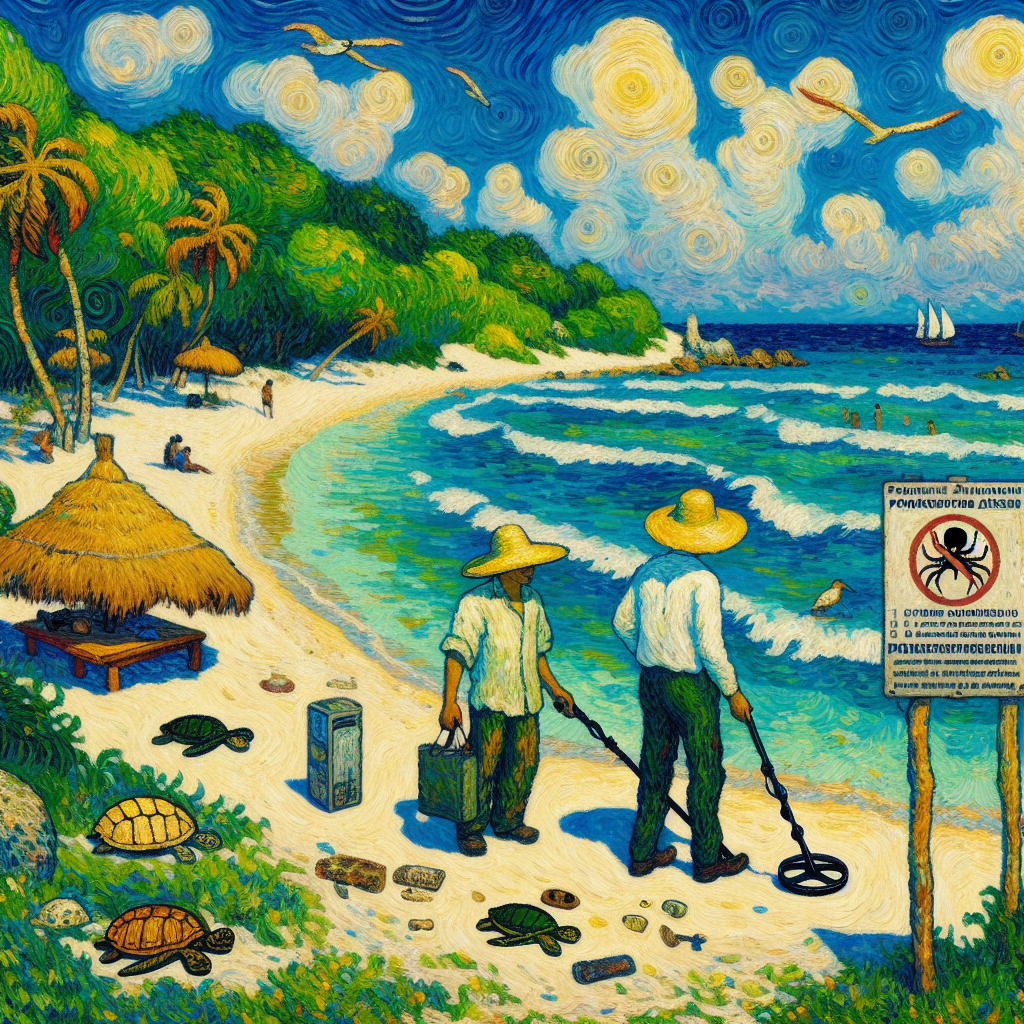
How Do Environmental Concerns Impact Cozumel’s Cruise Tourism?
What Role Do Partnerships Play In Cozumel’s Cruise Success Story?
Cozumel’s rise as a cruise destination is a story woven with the threads of partnership, collaboration, and community spirit. At its heart, the island thrives on the relationships that have blossomed between local businesses, government bodies, and cruise lines, each playing a vital role in crafting an inviting experience for passengers who step off the ships.
Imagine disembarking from a massive cruise liner, greeted not by chaos, but by the smiling faces of local artisans, eager to share their craft and culture. This isn’t just happenstance; it’s the product of intentional partnerships formed over years, nurturing a sense of trust that permeates every corner of Cozumel. The collaboration between the local Chamber of Commerce and cruise operators ensures that visitors dive straight into authentic experiences—spending their dollars on local cuisine, handmade souvenirs, and holistic tours that showcase the island’s natural beauty.
From environmental sustainability initiatives to community outreach programs, the ethical considerations that inform these partnerships remind us that success isn’t just measured in profits—it’s about preserving the vibrant culture and ecological charm of Cozumel for generations to come. The local business owners advocate for responsible tourism, forging bonds not only to benefit their own livelihoods but to safeguard the very essence of the island they cherish.
Rational minds will appreciate the figures: Cozumel has consistently ranked among the top cruise destinations in the Caribbean. This reputation stems from years of concerted efforts, where each stakeholder, from the port authority to tour operators, collaborates seamlessly, optimizing logistics and enhancing the guest experience. Visitors return with tales of adventure that don’t just end at the shoreline; they become ambassadors, sharing their love for Cozumel within their communities, validating the importance of these partnerships.
And here lies the emotional appeal. Picture a family on vacation, laughter echoing against the backdrop of turquoise waters, building memories that will last a lifetime. Partnerships have transformed simple visits into meaningful connections—between tourists and locals, between the land and its caretakers. The relationships forged here create a ripple effect, inspiring confidence in new travelers, and rekindling a promise: Cozumel is a place where everyone—locals and visitors alike—plays a part in a brighter, united future.
Cozumel’s cruise success isn’t just about the numbers; it’s about community, authenticity, and heart. Let’s take action together to keep it that way.

What Role Do Partnerships Play In Cozumel’s Cruise Success Story?
What Role Do Partnerships Play In Cozumel’s Cruise Success Story?
- Cozumel’s rise as a cruise destination is driven by partnership and community spirit among local businesses, government, and cruise lines.
- Visitors are welcomed by local artisans and authentic experiences, thanks to intentional partnerships with the Chamber of Commerce and cruise operators.
- Local businesses promote responsible tourism, emphasizing the preservation of Cozumel’s culture and ecology for future generations.
- Cozumel ranks among the top cruise destinations in the Caribbean due to the collaboration of stakeholders optimizing guest experiences.
- Visitors often return home as ambassadors for Cozumel, sharing their positive experiences and enriching the island’s reputation.
- Emotional connections between tourists and locals lead to lasting memories and a sense of community for all involved.
- Cozumel’s success is rooted in authenticity and community values, calling for collective action to maintain its unique charm.

What Role Do Partnerships Play In Cozumel’s Cruise Success Story?
How Can Cozumel Maintain Authenticity Amidst Cruise Tourism Pressures?
Cozumel, like a vibrant canvas, is painted with the colors of its rich culture and stunning natural beauty. Yet, as cruise ships dock in droves, the island faces a unique conundrum: How can it maintain its authenticity amid the hum of commercialism? It’s a question that strikes at the heart of what it means to be a steward of a community, balancing both economic necessity and cultural preservation.
Imagine this: a breathtaking sunset over the Caribbean, and you’re enjoying a meal made from ingredients that have been lovingly sourced from local markets. The flavors dance on your palate, each bite a testament to the island’s heritage. This is what Cozumel offers. It is an experience rooted in community, family traditions, and the reverberating history of its people. The ethical challenge here is clear: how do we protect this intimate essence while welcoming the throngs of visitors looking for a taste of paradise?
The heart knows the answer. Cozumel can foster trust and connection by showing its visitors not just sights, but stories. Guided tours led by local artisans who weave tales of their ancestors can spark genuine interest. Allow guests to step beyond the tourist traps and immerse themselves in workshops, learning to make traditional crafts or cooking alongside local chefs. These experiences plant seeds of respect for the island’s culture and inspire visitors to cherish their memories as more than just souvenirs.
Rationally speaking, authenticity can be a powerful marketing tool. Travelers today are increasingly looking for experiences that resonate with their values. Cozumel can thrive by curating events and festivals that celebrate its heritage, attracting tourists eager to forge connections with the locals. This not only boosts the economy but paves the way for sustainable tourism that empowers the island’s residents.
Ultimately, it’s about balance. Businesses need to recognize their role as custodians of both culture and commerce. By prioritizing collaboration with local communities, Cozumel can craft a tourism model that respects and showcases its rich identity while generating the revenue necessary for improvement and growth.
We’ll find that this model doesn’t merely sustain Cozumel; it elevates the entire experience for visitors and locals alike. Together, we can shape a future where the island thrives without losing what makes it so undeniably special. Let’s choose to uphold authenticity and cultivate a legacy that the next generation can be proud to inherit.
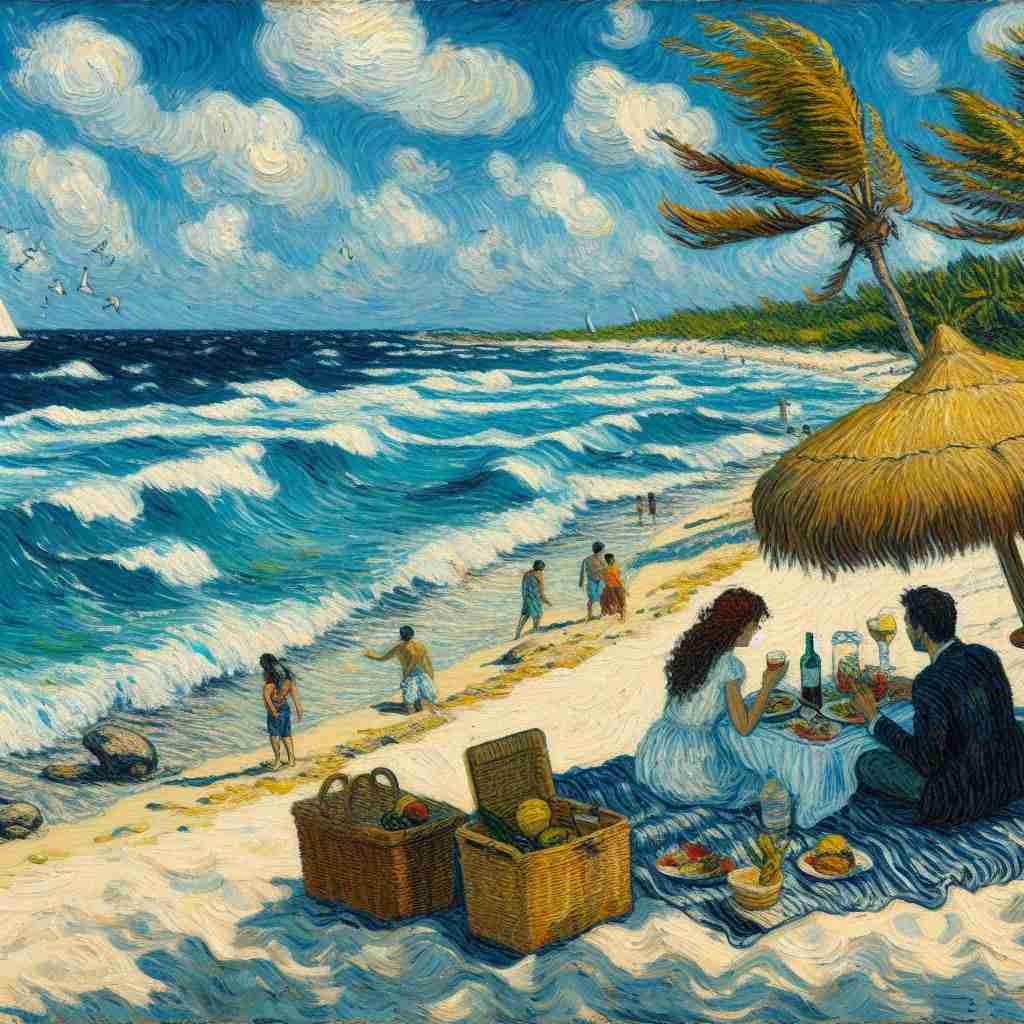
How Can Cozumel Maintain Authenticity Amidst Cruise Tourism Pressures?
How Can Cozumel Maintain Authenticity Amidst Cruise Tourism Pressures?
- Cozumel boasts a rich culture and stunning natural beauty, but faces challenges from increasing commercialism due to cruise ship tourism.
- The island seeks to balance economic necessity with cultural preservation to maintain its authenticity.
- Visitors are offered immersive experiences rooted in community traditions, such as meals made from locally sourced ingredients.
- Guided tours by local artisans can deepen tourist engagement and appreciation for Cozumel’s heritage.
- Authenticity is a valuable marketing asset, attracting travelers who seek meaningful connections with locals.
- Prioritizing collaboration with local communities can help craft a sustainable tourism model that respects cultural identity.
- A successful tourism strategy will elevate experiences for both visitors and residents, preserving Cozumel’s unique essence for future generations.

How Can Cozumel Maintain Authenticity Amidst Cruise Tourism Pressures?
What Ethical Considerations Surround The Expansion Of Cruise Tourism?
Cruise tourism has sailed into the spotlight, promising adventure, relaxation, and fleeting glimpses of paradise. However, what’s often overlooked amid the dazzling promotional materials is the ethical quandary swirling below the surface. Take Cozumel, for example—a beautiful destination that has captured the hearts of many. Yet, as we enjoy its turquoise waters and vibrant coral reefs, we must ponder: at what cost?
Imagine the little shop owner in Cozumel, whose livelihood hangs in the balance every time a cruise ship docks. The influx of visitors could boost sales, yet the overwhelming crowds often drown out local culture and push prices sky-high, leaving locals at the mercy of a volatile tourism economy. This conundrum strikes at the gut level. Do we want to support an industry that prioritizes profits over people?
Cruise lines have a duty, ethically and also as a matter of good business, to ensure that their operations benefit the communities they traffic through. Behind every ship is an environmental footprint that can reshape ecosystems. With increasing awareness around climate change, it’s essential for the industry to adopt sustainable practices. It’s not just about corporate responsibility; it’s about ethical stewardship of our planet.
Now, consider the emotional story of a family visiting Cozumel for the first time. They’re drawn in by stunning views and warm locals who share their traditions. Yet, when the ships pull in massive tourists, that authentic experience risks being lost—overrun by chains and gimmicks. Studies show that authentic experiences nourish our souls, and if those are compromised, we must ask ourselves if we are truly connecting with these beloved places or merely scratching the surface.
Social accountability is paramount. As tourists, we hold the power in our wallets. We can choose to support businesses that invest ethically in local communities, ensuring that our footprint leaves behind more than empty souvenirs and fleeting memories. By prioritizing sustainable options and encouraging responsible tourism, we create a ripple effect that nurtures both the destinations we love and the people who call them home.
In an era of mass tourism, let’s use our voice and our choices wisely. Let’s advocate for a future where the expansion of cruise tourism is synonymous with respect, reciprocity, and genuine engagement. After all, the world is richer when its treasures are shared—sustainably and lovingly.
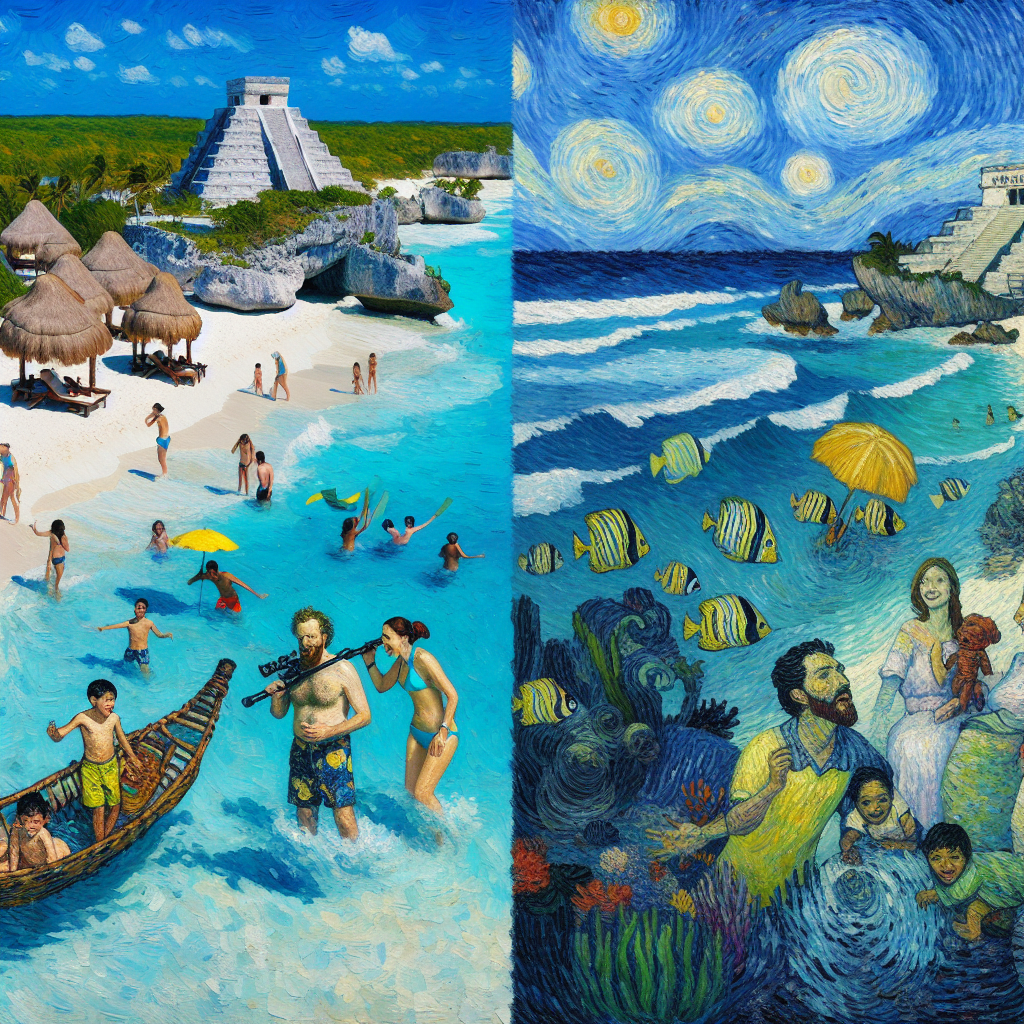
What Ethical Considerations Surround The Expansion Of Cruise Tourism?
What Ethical Considerations Surround The Expansion Of Cruise Tourism?
- Cruise tourism offers adventure and relaxation, but raises ethical concerns.
- Cozumel’s local economy can be impacted by the influx of cruise visitors, affecting shop owners.
- Overcrowding from tourism can devalue local culture and increase costs for residents.
- Cruise lines have a responsibility to benefit local communities and consider their environmental impact.
- Authentic experiences can be threatened by mass tourism and commercialization.
- Tourists can make a difference by supporting ethically responsible businesses.
- Promoting responsible tourism fosters a sustainable future for destinations and local populations.
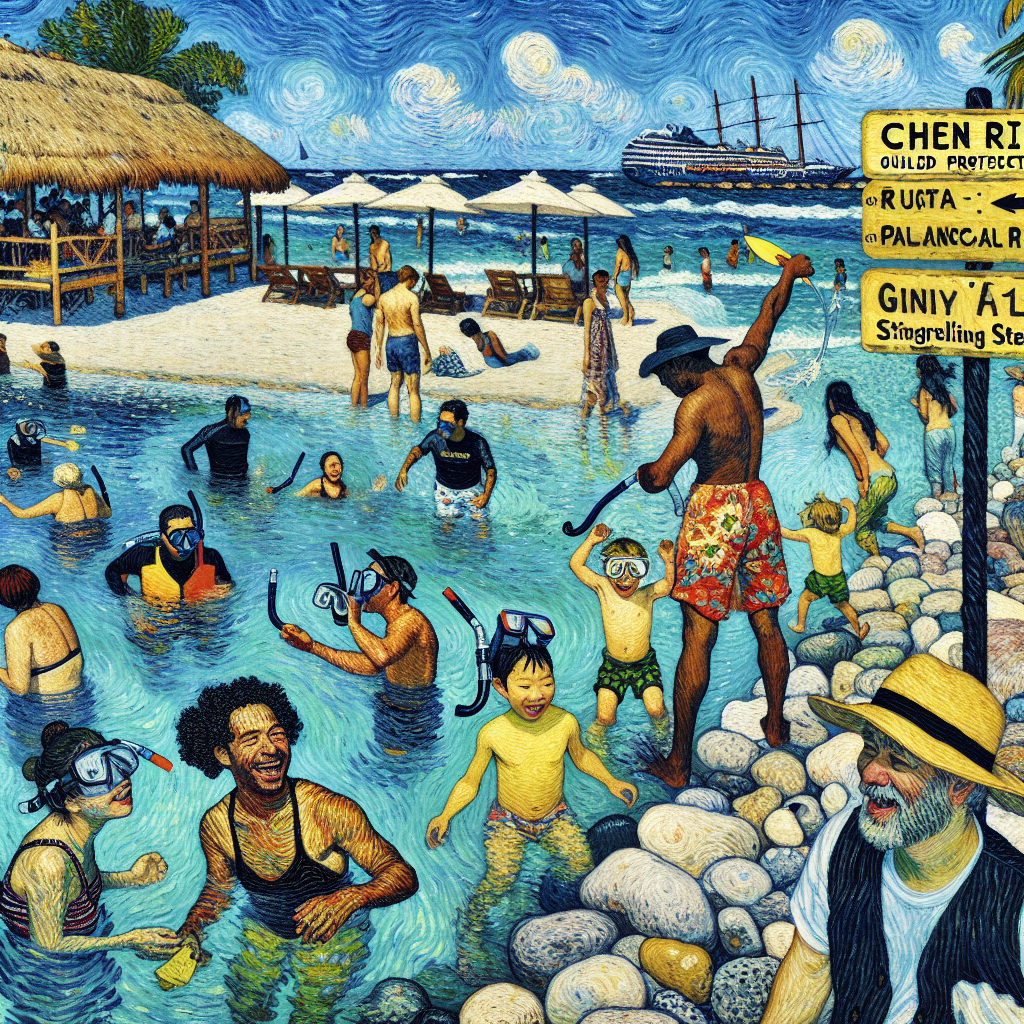
What Ethical Considerations Surround The Expansion Of Cruise Tourism?
What Are The Social Implications Of An Influx Of Tourists In Cozumel?
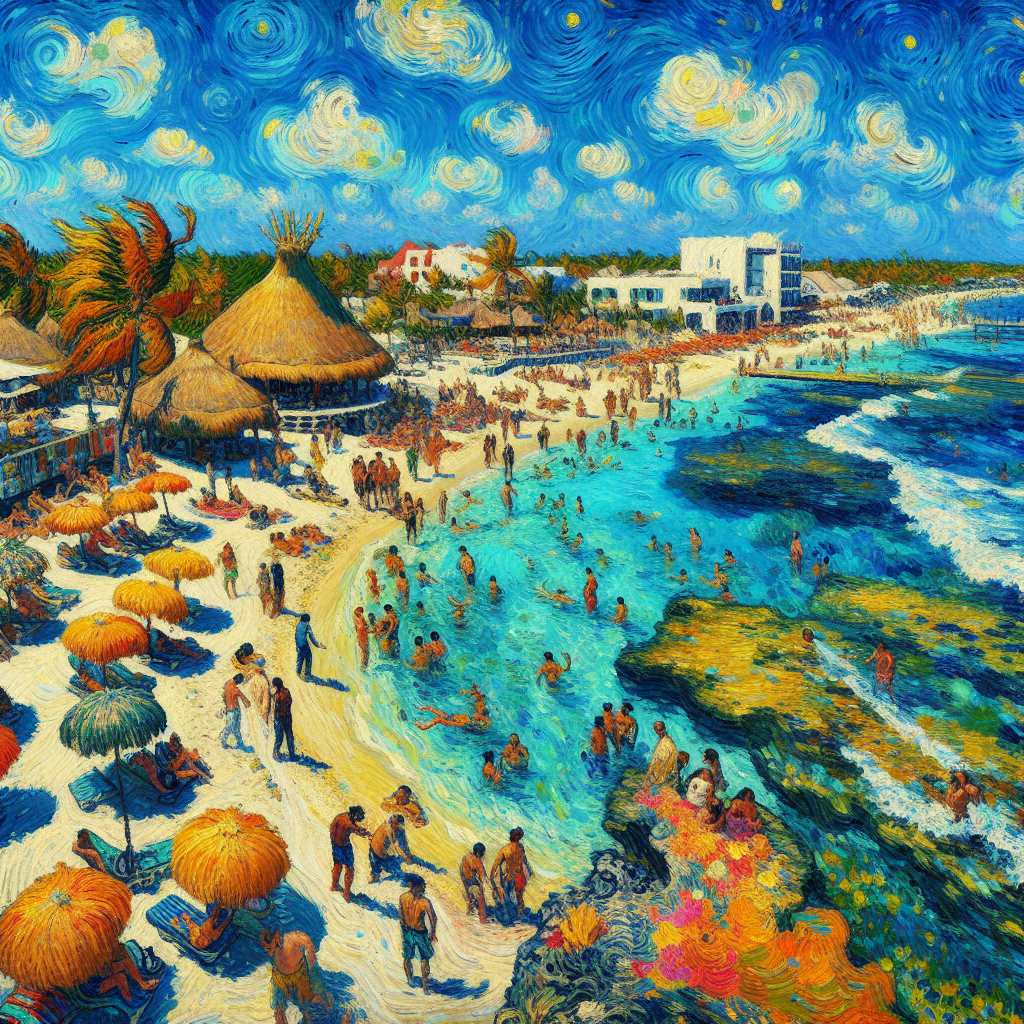
As the sun rises over the shimmering waters of Cozumel, the gentle hum of change fills the air. With each passing year, an influx of tourists brings a wave of opportunity mixed with a tide of challenges. This island, known for its stunning reefs and warm hospitality, finds itself at a crossroads—navigating the delicate balance between economic prosperity and the preservation of its rich cultural tapestry.
It’s easy to get lost in numbers: millions of visitors, billions spent, all eyes on Cozumel as a prime destination. But behind the statistics lies a deeper story, one that resonates within the heart of the community. The influx of tourists can provide jobs, spur local businesses, and cultivate a vibrant economy. Families thrive and dreams are built as entrepreneurs open shops and restaurants, all eager to share the beauty of their homeland. However, with this rapid growth comes an ethical dilemma: how can Cozumel embrace tourism while safeguarding its cultural identity and environmental integrity?
There’s an undeniable allure to the stories etched in the faces of local artisans, fishermen, and chefs. Each interaction with a visitor is a moment of connection—a bridge spanning the gap between cultures. Yet, as the streets fill with vacationers, one must ponder the impact of commercialization. Does the charm of local customs fade in the shadow of souvenir shops? How do you maintain authenticity when demand skyrockets? The heart speaks a language of tradition, urging preservation while the head evaluates the pressing need for progress.
We must listen closely. Social implications extend beyond mere economics; they touch on shared humanity and responsibility. With each traveler who steps onto the shores of Cozumel, there lies an opportunity to engage, to educate, and to foster respect for the island’s history and environment. Tourists, too, play a role in this story: they are not just spectators but participants. By choosing to connect meaningfully with the locals, visitors can help sustain the very essence that makes Cozumel special.
It’s about building a relationship grounded in respect and understanding. As we navigate this complex interplay, let’s not forget that our choices resonate. Let’s invest our energy in nurturing the charming heart of Cozumel, ensuring that it beats strong, echoing traditions for generations yet to come. It’s a call to action that invites all—locals and travelers alike—to be stewards of this beautiful haven.
What Are The Social Implications Of An Influx Of Tourists In Cozumel?
What Are The Social Implications Of An Influx Of Tourists In Cozumel?
- Cozumel faces a crossroads, balancing economic prosperity with cultural and environmental preservation.
- The influx of tourists brings job opportunities and supports local businesses, fostering economic growth.
- Tourism creates a dilemma regarding the maintenance of cultural identity amid commercialization.
- Local artisans and community members offer a rich tapestry of stories and traditions to connect with visitors.
- Tourists have a vital role as participants, fostering meaningful connections with the local culture.
- It is essential to build respectful relationships between tourists and locals to sustain Cozumel’s essence.
- Everyone—locals and travelers—should be stewards of Cozumel, preserving its beauty for future generations.

What Are The Social Implications Of An Influx Of Tourists In Cozumel?
Conclusion
Cozumel stands as a testament to the confluence of culture, opportunity, and natural beauty, transformed through strategic investments, heartfelt community ties, and an unwavering commitment to sustainability. This journey, marked by the island’s ascent as a cruise hub, is not just a tale of commercial success; it’s a narrative buzzing with life, history, and human connection.
From the first cruise ship docking in the 1980s, Cozumel has leveraged its position near Cancún, welcoming visitors to a paradise replete with adventure and warmth. With each ship’s arrival, the vibrant streets of San Miguel echo with laughter, resonating not just with the promises of adventure but with the stories of local artisans and chefs who pour their hearts into every interaction. Tourists here engage in more than mere transactions; they become threads in the rich tapestry of Cozumel’s history, sharing experiences that transcend borders and foster a shared sense of belonging.
However, the sheer volume of visitors brings challenges. The rise of cruise tourism poses ethical questions about cultural preservation and environmental stewardship. Cozumel wrestles with ensuring that its flourishing economy does not come at the expense of its ecological treasures or the very essence of its cultural identity. This is where every conscientious traveler plays a role—by supporting local businesses, choosing sustainable activities, and embracing authentic experiences, visitors can contribute to a community that thrives on connection rather than commodification.
Cozumel’s success hinges on partnerships that nourish its environment and preserve its heritage. Collaboration among local businesses, government, and cruise lines creates a framework where tourism benefits everyone involved. Responsible tourism isn’t merely an ideal; it’s a necessity for retaining the island’s charm while safeguarding its future. The residents possess an unwavering pride in their home, and with each respectful interaction from tourists, the island’s legacy continues to flourish.
As you approach Cozumel, remember that this isn’t just a stop on a cruise itinerary. It’s an invitation to immerse yourself in a vibrant culture, to witness the delicate balance between progress and preservation, and to understand your role in this beautiful equation. So, embrace this opportunity to forge connections that resonate deeply. Honor the spirit of Cozumel, and together, let’s cultivate a legacy that we can all be proud to share with future generations.
Conclusion
Conclusion:
- Cozumel integrates culture, opportunity, and natural beauty through strategic investments and community ties.
- The island has evolved into a cruise hub since the first ship docked in the 1980s, fostering a vibrant tourism scene.
- Visitors engage deeply with local artisans and chefs, creating meaningful connections beyond simple transactions.
- The rise of cruise tourism raises concerns about cultural preservation and environmental stewardship in Cozumel.
- Conscientious travelers can support local businesses and choose sustainable activities to help maintain the island’s identity.
- Partnerships among businesses, government, and cruise lines are essential for creating responsible tourism frameworks.
- Visitors are encouraged to immerse in Cozumel’s culture and contribute to its legacy for future generations.
Conclusion
Other Resources

Other Resources
Here is a list of other resources you can review online to learn more:
- TopCozumelNews
- The Westin Cozumel
- Casa Cuzamil Restaurante & Sports Bar Cozumel
- Cozumel Museum
- Traveler’s Checklist
- Coral Reef Restoration Program
- WestJet
- SkyReef Cozumel
- Villa Deja Blue
- El Rincon De Addy Cozumel
- Cozumel Jeep
- Alberto’s Beach Bar & Restaurant
- Senor Frogs
- Dzul-Ha Reef
- CDC
- Dive Sites
- Alberto’s Puerta Maya
- Rainforest Cafe
Use This Prompt To Get More Resources With Your Favorite Online AI Tool: Please provide me with a list of online articles with their URLs in a bulleted list that I can read regarding How Did Cozumel Become a Cruise Hub?

Other Resources
Glossary Terms
How Did Cozumel Become a Cruise Hub? – Glossary Of Terms
1. Cozumel: An island in the Caribbean Sea off the eastern coast of Mexico, known for its clear waters and vibrant marine life.
2. Cruise Hub: A central point that serves as a primary destination or port for cruise ships, facilitating passenger embarkation and debarkation.
3. Tourism: The activity of traveling to a destination for leisure, recreation, or business, significantly contributing to local economies.
4. Infrastructure: The physical and organizational structures needed for the operation of a service, including ports, roads, and facilities for tourists.
5. Port Facilities: Structures and services at a port, including docks, terminals, and customs services, that accommodate cruise ships and passengers.
6. Economic Growth: An increase in the capacity of an economy to produce goods and services, often linked to tourism and job creation.
7. Marine Tourism: A sector of tourism focused on ocean-related activities, including diving, snorkeling, and cruises.
8. Destination Marketing: Strategies to promote a location to attract tourists, highlighting attractions, culture, and recreational opportunities.
9. Cruise Lines: Companies that operate cruises, offering travel packages that include accommodations, meals, and entertainment at sea.
10. Sustainability: Practices aimed at minimizing environmental impact and conserving resources, important in managing tourist destinations.
11. Cultural Heritage: The traditions, customs, artifacts, and properties that contribute to the identity of a place, attracting visitors interested in authentic experiences.
12. Accessibility: The ease with which travelers can reach a destination, influenced by transportation options and infrastructure.
13. Diving: A popular activity in Cozumel, known for its coral reefs and marine biodiversity, drawing divers from around the world.
14. Excursions: Short trips taken by cruise passengers to explore a destination’s attractions, often organized by cruise lines or local agencies.
15. Visitor Experience: The overall perception and satisfaction of tourists when visiting a location, shaped by activities, services, and hospitality.
16. Cruise Itinerary: A planned schedule of ports of call and activities for a cruise, indicating the path and experiences offered to passengers.
17. Regulations: Rules and guidelines established by governments or organizations to manage tourism and maritime activities for safety and sustainability.
18. Local Economy: The economic activities and livelihoods in a specific area, which can benefit significantly from tourism-related revenues.
19. Environmental Impact: The effect of tourism and cruise activities on local ecosystems, including pollution and resource depletion.
20. Transportation Links: Connections between Cozumel and other locations, including ferries, flights, and land routes that facilitate tourist travel.
21. Tourist Demographics: The characteristics of visitors, including age, nationality, and travel preferences, which help shape marketing strategies.
22. Event Tourism: Traveling to participate in or witness events, such as festivals or concerts, which can boost local tourism.
23. Travel Agencies: Businesses that provide travel planning and booking services, often promoting cruise packages to clients.
24. Marine Conservation: Efforts to protect marine ecosystems, crucial for maintaining the attractions that draw tourists to Cozumel.
25. Investment: Financial resources allocated for developing facilities, infrastructure, and services that support cruise tourism.
26. Ecosystem: A community of living organisms interacting with their environment, sensitive to changes caused by tourism.
27. Culinary Tourism: The exploration of a destination’s food culture, enhancing the tourist experience through local cuisine.
28. Market Trends: Patterns and changes in consumer behavior that influence how the cruise industry operates and markets itself.
29. Resort Development: The construction and improvement of hotels and amenities, designed to cater to tourists visiting cruise ports.
30. Cruise Passenger: Individuals traveling via cruise ship, often seeking leisure experiences, excursions, and cultural engagement at ports of call.

Glossary Of Terms
Other Questions
How Did Cozumel Become a Cruise Hub? – Other Questions
If you wish to explore and discover more, consider looking for answers to these questions:
- What measures are being taken to ensure environmental sustainability in Cozumel?
- How does the local community benefit economically from cruise tourism?
- What challenges does Cozumel face with increased tourism?
- How do local businesses adapt to the influx of tourists?
- What cultural experiences can tourists expect in Cozumel?
- What steps are being taken to preserve Cozumel’s cultural heritage?
- How can tourists contribute positively to the local community?
- What initiatives exist for responsible tourism in Cozumel?
- How does cruise tourism impact local infrastructure?
- What are the implications of over-tourism on Cozumel’s natural resources?
- How do partnerships between local businesses and cruise lines function?
- What unique challenges do small businesses face in a saturated tourist market?
- How is the local government involved in managing tourism growth?
- What role does community engagement play in promoting sustainable tourism?
- How does Cozumel compare to other Caribbean cruise destinations?
Other Questions
Haiku
How Did Cozumel Become a Cruise Hub? – A Haiku
Cozumel’s warm heart,
Waves whisper tales of old pride—
Balance thrives, we care.

Haiku
Poem
How Did Cozumel Become a Cruise Hub? – A Poem
In sunlit waves where turquoise dreams unfold,
Lies Cozumel, a tale of heart and gold.
From ancient Mayans to bustling shores,
This island’s charm, a beauty that soars.
With every ship that docks, stories entwine,
As locals share their art and food, divine.
Through handcrafted treasures and laughter bright,
Each moment crafted feels just right.
Yet beneath the joy, a complex dance takes place,
A quest for balance in this vibrant space.
Tourism brings wealth, jobs, and delight,
But echoes of culture can fade from sight.
The heart of Cozumel beats strong with pride,
Welcoming travelers, yet cautioned inside.
For nature’s allure needs nurture, respect,
To ensure that beauty time cannot neglect.
Ethics and choices ripple through the sand,
As tourists bear witness to this land.
A call to engage, to learn and to feel,
To leave behind more than a transient seal.
Let’s savor the sunsets, the laughter, the taste,
While holding the threads of the past, interlaced.
In unity, let’s weave a future bright,
Where Cozumel’s spirit shines ever so light.
Embrace the culture, the stories we weave,
In every interaction, let’s love and believe.
For within these shores lies a promise anew,
A vibrant connection waiting for you.

Poem
Checklist
How Did Cozumel Become a Cruise Hub? – A Checklist
Cozumel Cruise Hub Experience Checklist
Emotional Appeal
_____ Capture Connection: Engage with locals and share stories to create lasting memories.
_____ Immerse in Culture: Participate in local traditions or festivals to experience Cozumel’s heritage firsthand.
_____ Support Local Artisans: Purchase handcrafted goods as a way to give back to the community.
Rational Appeal
_____ Plan Smartly: Research eco-friendly excursions and local experiences to optimize your visit.
_____ Budget Wisely: Understand the economic impact of your spending on local businesses.
_____ Evaluate Impacts: Consider the environmental effects of cruise tourism when choosing activities.
Ethical Appeal
_____ Choose Sustainability: Opt for tours that prioritize environmental conservation and support local ecology.
_____ Advocate for Community: Support initiatives that ensure tourism benefits local residents and preserves their culture.
_____ Practice Responsibility: Participate in beach clean-ups or community programs to give back to the island.
Authority Appeal
_____ Follow Guidelines: Adhere to cruise line and local government regulations aimed at protecting the environment.
_____ Stay Informed: Learn about Cozumel’s history and environmental challenges to deepen your understanding of the destination.
_____ Engage with Experts: Attend talks or workshops led by local guides or experts to gain insights into sustainable tourism practices.
Narrative Appeal
_____ Share Your Journey: Document your experiences and share them with friends and family to inspire responsible travel.
_____ Create a Story: Collect local stories and legends from residents to enhance your connection to Cozumel.
_____ Reflect on Your Impact: Consider how your visit contributes to Cozumel’s narrative as a cruise hub and a thriving community.
Social Appeal
_____ Participate in Community Events: Join local events or activities that foster interaction with residents.
_____ Collaborate with Tourists: Connect with fellow travelers to partake in shared experiences that promote unity.
_____ Spread Awareness: Encourage others to adopt responsible travel practices and share information about Cozumel’s efforts to maintain authenticity.
Use this checklist as a guide to enrich your experience in Cozumel while respecting the island’s culture and environment.
Checklist
At TopCozumelNews, we help travelers enjoy Cozumel by collating information learned from frequently traveling to beautiful Cozumel.
Be sure to read our other related stories at TopCozumelNews to learn more about the Island of Cozumel.