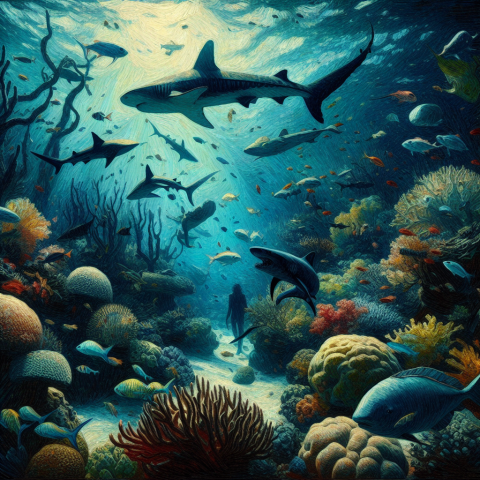
Preserving Cozumel’s Reefs: Traveler’s Impact & Responsibility
By Tom Seest
At TopCozumelNews, we help travelers enjoy Cozumel by collating information learned from frequently traveling to beautiful Cozumel.
Be sure to read our other related stories at TopCozumelNews to learn more about the Island of Cozumel.
How Can Tourists Help Protect Cozumel’s Reefs?
Cozumel is a paradise, a kaleidoscope of colors beneath the waves. Its coral reefs are not just beautiful; they are vital. Imagine diving into crystal-clear waters, swimming alongside vibrant fish, and marveling at the intricate ecosystems that thrive beneath the surface. But here’s the thing: without our help, these underwater wonders risk fading away. Tourists hold incredible power in safeguarding Cozumel’s reefs, and it starts with understanding our collective responsibility.
First, think about the sheer number of visitors that flock to this stunning island. Each one of us carries the potential to make a positive impact. When you encounter a breathtaking reef, remember—the delicate corals you admire are living organisms that need protection. By choosing eco-friendly tours and supporting sustainable businesses, you influence the local economy and encourage practices that prioritize the health of the ocean. Your dollars speak louder than you might think.
Consider the ethics of your actions. Every bit of sunscreen that washes off can harm fragile marine life. Opting for reef-safe products isn’t just a trendy choice; it’s a conscious decision that safeguards the future of these ecosystems. Similarly, when snorkeling or diving, adhere to the ‘look, don’t touch’ mantra. It’s a small act, yet it tells your fellow travelers that you care about conservation and invites them to do the same.
Sharing the stories of your experiences can spark a chain reaction. When you tell friends and family about Cozumel’s stunning reefs and the importance of keeping them pristine, you’re playing an essential role in a movement that extends beyond your vacation. Those stories have the power to inspire others, creating a community united by a shared love of the ocean.
Finally, let’s talk about the gut feeling that arises when you discover something precious under threat. That tightness in your chest when you think of future generations not knowing the joys of Cozumel’s reefs—it’s a call to action. Connect with local conservation efforts, participate in clean-up initiatives, or even advocate for marine protected areas. Your engagement not only amplifies the message of conservation but also fosters a sense of belonging and stewardship.
Each visit to Cozumel is an opportunity—a chance to leave behind a positive legacy. So, let’s make it count. Together, we can protect the magic of the underwater world for generations to come.
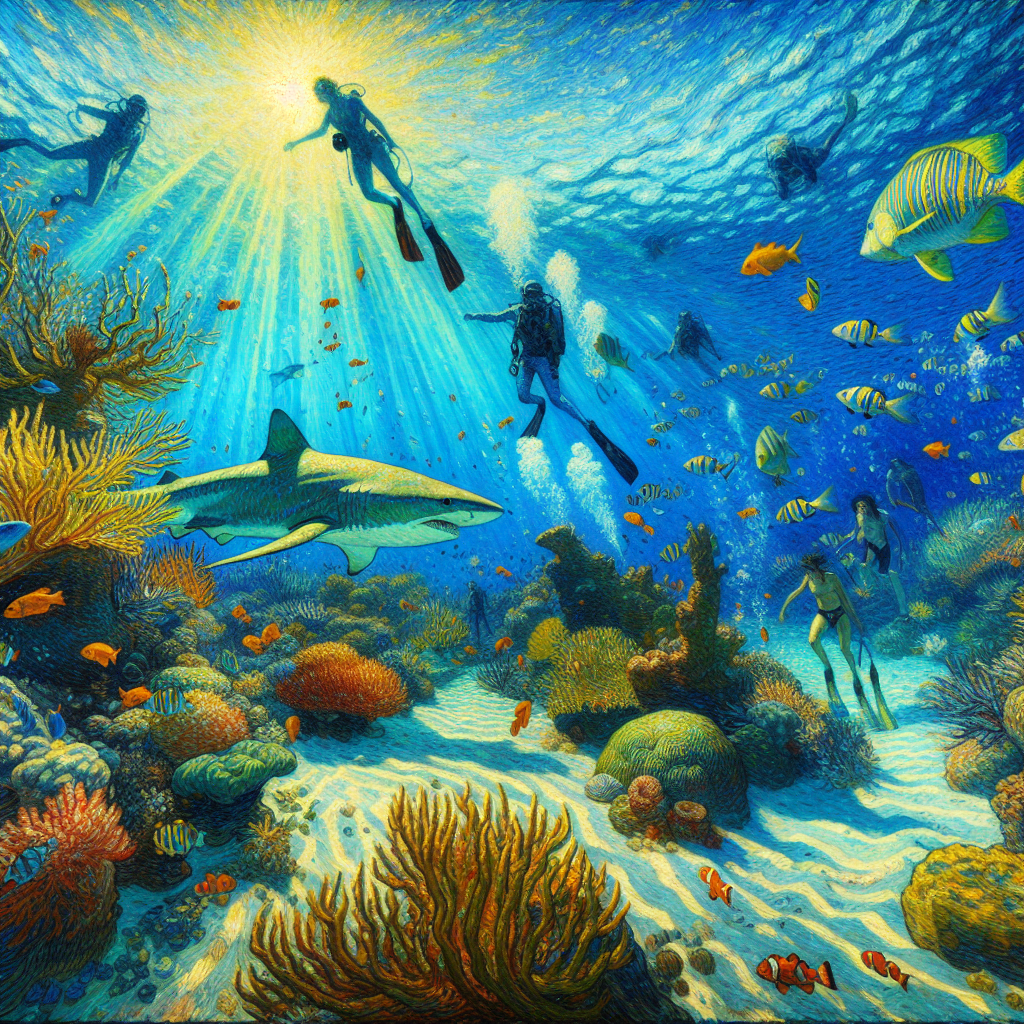
How Can Tourists Help Protect Cozumel’s Reefs?
How Can Tourists Help Protect Cozumel’s Reefs?
- Cozumel is a vibrant paradise with essential coral reefs that need protection.
- Tourists can significantly impact the conservation of Cozumel’s reefs through informed choices.
- Supporting eco-friendly tours and sustainable businesses bolsters the local economy and ocean health.
- Using reef-safe sunscreen and adhering to ‘look, don’t touch’ guidelines is crucial in preserving marine life.
- Sharing personal experiences about Cozumel’s reefs can inspire conservation efforts in others.
- Engaging with local conservation initiatives is vital for the health of the reefs and future generations.
- Each visit presents an opportunity to create a lasting positive impact and protect the underwater world.

How Can Tourists Help Protect Cozumel’s Reefs?
Table Of Contents
- How Can Tourists Help Protect Cozumel’s Reefs?
- What Role Do You Play In Educating Others About Reef Protection?
- What Steps Can We Take To Preserve Cozumel’s Natural Beauty?
- How Does Protecting Reefs Support Local Communities Economically?
- What Responsibility Do Tourists Have In Preserving Fragile Ecosystems?
- How Can Our Choices Influence The Health Of Cozumel’s Reefs?
- What Impact Do Our Actions Have On Marine Life In Cozumel?
- How Do Ethical Tourism Practices Benefit Future Generations?
- Conclusion
- Other Resources
- Glossary Of Terms
- Other Questions
- Haiku
- Poem
- Checklist
What Role Do You Play In Educating Others About Reef Protection?
Picture this: You’re standing on the vibrant shores of Cozumel, the turquoise water stretching infinitely before you. The sun glistens on the surface while vibrant corals and exquisite marine life thrive just beneath the waves. As breathtaking as this paradise is, it doesn’t take long to realize that it’s also fragile. This world we cherish needs our protection, and that’s where you come in.
So, what role do you play in this grand narrative? Everyone has a story to tell, and you have the power to turn yours into a beacon of education and action. This isn’t just about sharing facts; it’s about awakening emotion and sparking connection. When you share your experiences, the awe you felt while snorkeling alongside a sea turtle, or the dismay upon seeing coral bleaching, you’re moving people. You’re tugging on heartstrings and putting a face to an often overlooked issue.
But let’s get practical. Here’s where the head comes in: Educate yourself. Dig deep into the science behind coral ecosystems and the critical functions they serve. Understand the human behaviors that damage our reefs—the pollution, overfishing, and climate change. Equip yourself with knowledge and share it. Host community events or engage in social media dialogues where these topics are at the forefront. Lead with authority, but speak in a way that everyone can grasp. Make it relatable, and use your voice to transform facts into stories that people can rally behind.
Now, let’s not forget the ethical dimension. Every action we take ripples through our communities. By stepping up and becoming an advocate for reef protection, you’re not just making noise; you’re taking a stand. This is about more than just preserving beauty; it’s about leaving a legacy for future generations. What kind of world do you want them to inherit?
Finally, form connections, build bridges. Join local conservation groups, attend reef restoration efforts, and passionately share your journey. Your enthusiasm is infectious. When others see your commitment, they’ll start to pay attention, and soon enough, they’ll be inspired to participate. Just like the coral reefs themselves, we’re all interconnected. Your role is critical in educating others and fostering a culture of stewardship. Together, we can protect these underwater treasures, ensuring that the magic of Cozumel—and all oceans—endures for generations to come.

What Role Do You Play In Educating Others About Reef Protection?
What Role Do You Play In Educating Others About Reef Protection?
- Imagine experiencing the natural beauty of Cozumel’s vibrant shores and its fragile marine ecosystem.
- Everyone has a role in protecting this paradise by sharing personal stories and experiences.
- Educate yourself about coral ecosystems and the negative impacts of pollution, overfishing, and climate change.
- Host community events and engage in social media to discuss reef protection in relatable ways.
- Take a stand as an advocate for reef protection and consider the legacy you want to leave for future generations.
- Join local conservation efforts and share your journey to inspire others to get involved.
- Recognize that everyone is interconnected and that collective action is essential for the protection of marine environments.

What Role Do You Play In Educating Others About Reef Protection?
What Steps Can We Take To Preserve Cozumel’s Natural Beauty?
Cozumel is a gem waiting to be cherished, and preserving its natural beauty requires more than just a casual commitment. It demands action, unity, and a heart that beats for this island. Imagine walking along the sun-kissed shores, the aroma of the ocean wafting through the air, while the vibrant coral reefs dance just beneath the surface. This is not just a picture; it’s a vivid insult to reality that we must protect.
Start by embracing responsible tourism. This isn’t about putting a leash on adventure; rather, it’s about giving Cozumel the respect it deserves. Opt for eco-friendly tours that tread lightly on the land and water. When you snorkel or dive, be mindful of the delicate ecosystems that call this paradise home. Teaching the next generation to recognize the impact of their footprints not only empowers them but creates a legacy of stewardship—turning every visit into a shared responsibility.
On a practical note, reducing plastic consumption shines brightly in this mission. Each bottle, bag, or straw that ends up in our oceans chips away at the vibrant life beneath. Let’s be the torchbearers of change. Start with simple actions: carry a reusable water bottle, say no to single-use plastics, and share your journey on social media. Your voice becomes an anthem for change, echoing the sentiment that we are all stewards of this paradise.
Collectively, we can advocate for policies that protect Cozumel’s natural resources. Engage with local organizations dedicated to conservation. Supporting these groups means not waiting for someone else to take the reins; it means standing shoulder to shoulder with fellow island lovers to demand action. Your advocacy not only amplifies the message but also fosters a sense of community that is crucial for long-term change.
And let’s not forget the power of storytelling. Share your experiences, the moments that made your heart race, the sights that took your breath away. Real-life stories connect us, binding our journeys together with shared emotions and experiences. When you recount how the sun dipped below the horizon, painting the sky in hues of orange and pink, you weave a narrative that compels your friends and family to recognize Cozumel as more than just a vacation spot—it becomes a precious piece of our collective conscience.
Each action, no matter how small, accumulates into a tidal wave of change. If we stand together, driven by a purpose that resonates deep within, we can ensure that Cozumel remains a sanctuary of natural beauty for generations to come. It’s up to us to safeguard this treasure. Let’s roll up our sleeves and dive into action.

What Steps Can We Take To Preserve Cozumel’s Natural Beauty?
What Steps Can We Take To Preserve Cozumel’s Natural Beauty?
- Cozumel is a natural gem that requires collective action to preserve its beauty.
- Responsible tourism involves choosing eco-friendly tours and being mindful of local ecosystems.
- Reducing plastic consumption is essential; use reusable items and avoid single-use plastics.
- Advocate for policies and support local conservation organizations to protect Cozumel’s resources.
- Sharing personal experiences helps foster a sense of community and encourages stewardship.
- Every small action contributes to significant change and collective impact.
- It’s vital to take initiative to ensure Cozumel remains a beautiful sanctuary for future generations.

What Steps Can We Take To Preserve Cozumel’s Natural Beauty?
How Does Protecting Reefs Support Local Communities Economically?
When you think of Cozumel, what comes to mind? Turquoise waters, vibrant marine life, and the rhythmic sound of the ocean crashing against the shore. But beyond its stunning beauty lies an economic lifeline for local communities, one that begins with something as seemingly simple as protecting coral reefs. When we nurture these underwater cities, we’re not just preserving a spectacular ecosystem; we’re also investing in the livelihoods of countless families.
Imagine a local fisherman casting his net into those bountiful waters, hoping to bring home a catch that could feed his family. Now picture the grim reality if those reefs were to deteriorate, rendering his net all but useless. Healthy reefs provide essential habitats for fish, creating a robust marine population that feeds not just the family fisherman but also the local restaurants, markets, and tourism. This isn’t just about fish; it’s about food security, income stability, and a sense of pride in one’s trade.
Beyond fishing, think about tourism—an economic powerhouse for places like Cozumel. Tourists flock from all corners of the globe, eager to experience snorkeling and diving among vibrant reefs. When these reefs thrive, so does the local economy. Tour guides, hotel staff, and artisans thrive alongside a flourishing marine environment. Each diving trip, each combo package that includes a tour of these reefs, adds dollars to local coffers, empowering families to build better lives.
But it goes deeper than just dollars and cents. Protecting these underwater ecosystems speaks to a broader ethical responsibility. We have a duty to safeguard the planet we share and the communities reliant on its resources. When we make conscious choices to support reef conservation, we forge connections that matter—between our lives and the livelihoods of those in Cozumel and beyond. It becomes a legacy worth living for; a shared journey to ensure that future generations can also marvel at the wonders of these reefs.
So the next time you gaze out at those stunning waters, consider the stories behind them. Feel the pulse of life thriving below, and recognize that protecting coral reefs isn’t just an environmental issue—it’s an economic imperative, a moral obligation, and a chance to uplift communities. It’s about standing together, recognizing our interconnectedness, and taking action to preserve not just beauty, but the beating heart of local economies. Your support isn’t just a drop in the ocean; it’s a wave of change.

How Does Protecting Reefs Support Local Communities Economically?
How Does Protecting Reefs Support Local Communities Economically?
- Cozumel is known for its stunning turquoise waters, vibrant marine life, and scenic beauty.
- Healthy coral reefs are crucial for local economies, providing habitats for fish that support families and local industries.
- The fishing industry is heavily reliant on thriving reefs for food security and income stability.
- Tourism is a significant economic driver in Cozumel, with activities like snorkeling and diving attracting visitors worldwide.
- A thriving marine environment supports various jobs, including tour guides, hotel staff, and local artisans.
- Protecting coral reefs is an ethical responsibility that impacts not only the environment but also local communities‘ livelihoods.
- Supporting reef conservation fosters interconnectedness and is vital for creating a sustainable legacy for future generations.
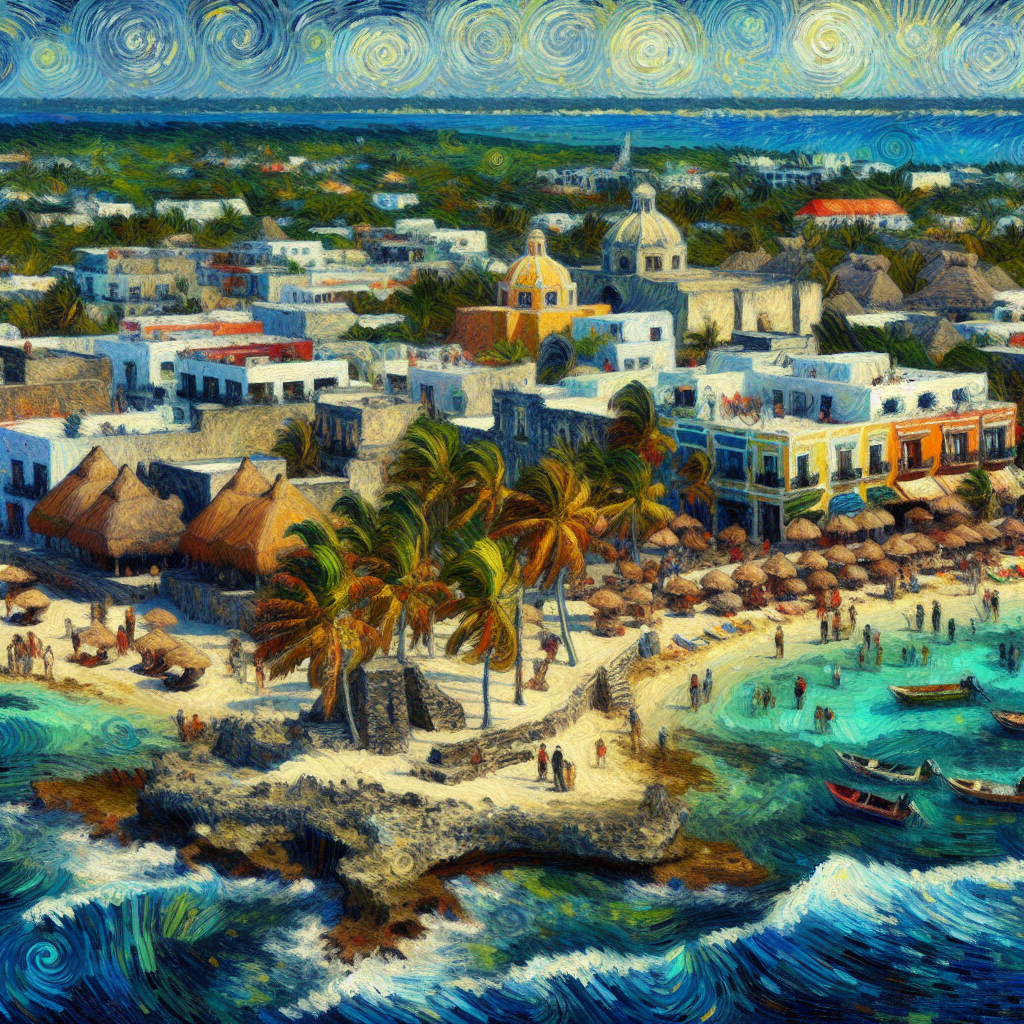
How Does Protecting Reefs Support Local Communities Economically?
What Responsibility Do Tourists Have In Preserving Fragile Ecosystems?
When you step off that cruise ship in Cozumel, your senses are immediately overwhelmed—vibrant colors, the smell of saltwater, and the cheerful laughter of the locals. It’s easy to get lost in the moment, to feel like you’re part of a picture-perfect paradise. But here’s the deal: that paradise is delicate, and it has a heartbeat that can easily be disrupted by careless tourism. The responsibility to protect that heartbeat falls squarely on our shoulders.
Consider the rich coral reefs that surround Cozumel. They are not just beautiful; they are the life force of the ocean, providing habitat for countless marine species. Each time a tourist thoughtlessly steps on coral while snorkeling, or leaves behind a piece of trash, it sends ripples through this fragile ecosystem. The harsh truth is that those small actions can compound into a significant impact. With every careless choice, we risk turning that vibrant underwater world into a graveyard of bleached corals and scarce fish. It’s an emotional dilemma, isn’t it? The thrill of adventure collides with the weight of our ethical responsibilities.
But this isn’t just about guilt; it’s about connection. When you immerse yourself in a fragile ecosystem, you become part of its story. The flora and fauna teach us about resilience and balance—qualities we need in our lives, too. Imagine sharing tales of your explorations, not just of beauty, but of purposeful actions that contribute to preservation. What if your adventures inspired others to respect nature?
This isn’t merely the work of environmentalists; it’s a collective endeavor. Every tourist has the authority to make a difference. A single action—like choosing to use reef-safe sunscreen or picking up a piece of litter—can trigger a cascade of change. By making conscious choices, we set an example for those who will follow in our footsteps.
So, let’s make a pact with ourselves, with our fellow travelers, and with the ecosystems we tread upon. Each time we set foot in places like Cozumel, let’s remember we are not just visitors; we are stewards. Understanding that connection can ignites a spark of responsibility within us, inviting us to safeguard the beauty we so deeply cherish. Let’s ensure our footprints don’t leave a mark, but rather, inspire a legacy of care and respect for future generations.

What Responsibility Do Tourists Have In Preserving Fragile Ecosystems?
What Responsibility Do Tourists Have In Preserving Fragile Ecosystems?
- Stepping off the cruise ship in Cozumel blends vibrant colors, saltwater smells, and joyful local interactions.
- The beauty of Cozumel’s paradise is fragile and can be disrupted by careless tourism.
- Coral reefs are essential habitats for marine life, threatened by tourist actions like stepping on coral or littering.
- Careless tourist behaviors can significantly impact the underwater ecosystem, risking its vibrancy.
- Connecting with nature fosters a sense of responsibility and can inspire preservation efforts among others.
- Every tourist can make a difference through individual choices, such as using reef-safe sunscreen or cleaning up litter.
- We should view ourselves as stewards of the environments we visit, ensuring our legacy reflects care and respect for nature.

What Responsibility Do Tourists Have In Preserving Fragile Ecosystems?
How Can Our Choices Influence The Health Of Cozumel’s Reefs?
When we think of Cozumel, images of turquoise waters and vibrant coral reefs spring to mind. But these stunning underwater gardens aren’t just pretty pictures; they’re bustling ecosystems, teeming with life. Each time you step into the water, you’re not only an observer; you’re a participant in a delicate dance of existence. What you choose to buy, to wear, and to toss aside influences this underwater world in ways you might not realize.
Picture yourself snorkeling above a thriving reef. The colors swirl around you, and you feel an undeniable connection to the sea—an unspoken agreement that we’re both in this together. But here’s the thing: your choices—be it the sunscreen that protects your skin or the fish tacos you enjoy on the beach—can either nourish or devastate these fragile ecosystems. Many sunscreens contain harmful chemicals that can bleach coral, turning lush hues into ghostly grays. Opt for reef-safe alternatives, and you’ll be making a choice that is both ethical and essential.
Consider the seafood on your plate. Cozumel’s fishermen work hard to bring in the freshest catch, but overfishing and demand for certain species can lead to dramatic declines in fish populations. By choosing locally-sourced and sustainably caught seafood, you contribute to a healthier ocean. This isn’t just an act of kindness to the fish; it’s a commitment to the future of Cozumel’s reefs and the livelihoods that depend on them.
What if your actions extended beyond just your plates and pools? Engaging with local conservation efforts or participating in a beach cleanup could be the spark for a ripple effect. Picture it: you, alongside others who share your passion for preserving this paradise, making a tangible difference. The relationships you forge in these moments can foster a community united by the common goal of protecting what we love.
We’re all interconnected as inhabitants of this planet. Each choice, big or small, can echo through generations. The fish you choose not to catch today may surge in numbers tomorrow, while the reef you supported by your responsible choices could flourish for years to come. So, let’s dive deeper into this vibrant world, guided by our values, our hearts, and the belief that together, we can nurture the splendor of Cozumel’s reefs. With every decision we make, we have the power to ensure that these ecosystems live on—not just for us, but for all who will gaze into their depths for years ahead.

How Can Our Choices Influence The Health Of Cozumel’s Reefs?
How Can Our Choices Influence The Health Of Cozumel’s Reefs?
- Cozumel is known for its stunning turquoise waters and vibrant coral reefs, which are vital ecosystems rich in life.
- Your choices while enjoying the ocean, such as what sunscreen you use, can significantly impact these ecosystems.
- Many common sunscreens contain harmful chemicals that can bleach coral, making reef-safe alternatives essential.
- Overfishing poses a threat to local fish populations, making it important to choose sustainably sourced seafood.
- Participating in local conservation efforts and beach cleanups can foster a community dedicated to protecting marine environments.
- Every action, whether large or small, can have long-lasting effects on the health of Cozumel’s reefs and ocean life.
- By aligning our choices with responsible practices, we can help ensure the longevity of these beautiful ecosystems for future generations.

How Can Our Choices Influence The Health Of Cozumel’s Reefs?
What Impact Do Our Actions Have On Marine Life In Cozumel?
When you think of Cozumel, what do you picture? Crystal-clear waters, vibrant reefs, and a kaleidoscope of marine life that dances beneath the surface? For many, it’s paradise—a postcard-perfect destination that calls to both adventure seekers and families. But here’s the heart-wrenching truth: Our actions, though often impulsive or uninformed, ripple through these waters with consequences that are anything but benign.
Every time someone tosses a plastic bottle on the beach, or a fishing line is left in the water, the impact is immediate and devastating. Sea turtles, majestic creatures that have roamed the oceans for millions of years, mistake plastic for jellyfish, leading to health issues or even death. The coral reefs, which are the lifeblood of marine ecosystems, suffer from warming waters and pollution, turning once-thriving communities into ghost towns of bleached coral. It’s not just the fish that vanish; it’s the entire habitat, a fragile haven that many depend on.
But let’s engage the head for a moment. The reality is, Cozumel is more than just a vacation spot; it’s a thriving ecosystem at risk. Scientific research tells us that nearly 60% of coral reefs are in peril. As stewards of this planet, we have a duty—a waiting challenge to be part of the solution, to embrace sustainable practices that ensure this beauty endures for generations. Think about it: the choices we make in our daily lives shape the future of marine life, influencing everything from the fish we eat to the air we breathe.
It’s also essential to tap into the ethical obligation we share; protecting Cozumel means safeguarding countless lives. Whether you’re a snorkeler, a fisherman, or simply a beachgoer, your presence has weight and significance. This place is a shared heritage, not just yours to enjoy but ours to protect. Imagine having a hand in preserving this paradise, a chance to connect on a deeper level, to be part of something greater than yourself.
When we think collectively, we become a community, a force of nature. Each one of us has the power to turn the tide, whether by participating in beach clean-ups or supporting local policies aimed at environmental protection. In Cozumel and beyond, let our actions be a testament to the beauty of marine life and a pledge to ensure this aquatic treasure thrives—because the waters of Cozumel deserve more than our passing glance; they crave our commitment.

What Impact Do Our Actions Have On Marine Life In Cozumel?
What Impact Do Our Actions Have On Marine Life In Cozumel?
- Cozumel is a picturesque destination known for its crystal-clear waters and vibrant marine life.
- Human actions, like littering and improper fishing practices, have devastating effects on marine ecosystems.
- Sea turtles are harmed when they mistake plastic for food, leading to health issues and fatalities.
- Coral reefs are suffering from pollution and warming waters, jeopardizing marine biodiversity.
- Nearly 60% of coral reefs are in peril, highlighting the urgent need for conservation efforts.
- Everyone shares a responsibility to protect Cozumel and its ecosystems through sustainable practices.
- Engaging as a community, individuals can make impactful contributions to environmental protection efforts.

What Impact Do Our Actions Have On Marine Life In Cozumel?
How Do Ethical Tourism Practices Benefit Future Generations?
When you stroll through the vibrant streets of Cozumel, surrounded by the warm smiles of locals and the shimmering beauty of the ocean, it’s easy to forget that these breathtaking experiences hold more than just fleeting moments—they carry the weight of responsibility for future generations. Ethical tourism isn’t just a trend; it’s a lifeline that connects all of us, weaving a tapestry of respect and sustainability that our children and grandchildren will inherit.
Imagine a world where the rich, diverse cultures and natural wonders we cherish today remain intact tomorrow. When we engage in ethical tourism, we contribute to this vision. By choosing to support local businesses, indulge in authentic culinary experiences, and participate in conservation efforts, we cultivate an environment that nurtures culture rather than commodifying it. It strikes a chord deep within the soul—fostered relationships that invite us to share stories, traditions, and a sense of belonging, giving future travelers a reason to connect and appreciate the world just as we have.
But let’s ground that emotion in reality. The numbers speak volumes: ethical tourism can dramatically boost local economies, empowering communities to thrive independently and sustainably. When revenue flows from conscientious travelers, it doesn’t just fill the pocket of an entrepreneur; it enables schools to flourish, healthcare to improve, and vital infrastructure to come alive. Future generations won’t just inherit a destination; they will take on vibrant, thriving ecosystems of culture and livelihood.
Ethically walking these beautiful lands, like the shores of Cozumel, also means honoring the environment that nurtures it. Each step taken with mindfulness contributes to preserving the natural beauty we so love—and lets out a sigh of relief that the coral reefs will still blossom, the jungles will still sing, and the traditions will endure. When we make choices now, we show respect for the land that hosts us. It’s this jigsaw of action, heart, and belief that builds trust in our commitment to the Earth.
Consider how your trips could serve as a narrative—a story of compassion, respect, and shared humanity. When we travel ethically, we’re not just tourists; we’re stewards of our planet. We breathe life into a future where generations will explore Cozumel and beyond, filled with stories that inspire us. So, as you plan your next adventure, remember: every choice matters. Embrace the responsibility, and let’s leave something worthwhile for those who come after us.

How Do Ethical Tourism Practices Benefit Future Generations?
How Do Ethical Tourism Practices Benefit Future Generations?
- Cozumel’s vibrant streets offer enriching experiences that highlight the importance of ethical tourism.
- Ethical tourism is essential for sustainability and crafting a legacy of respect for future generations.
- Engaging in ethical tourism supports local economies and nurtures culture rather than commodifying it.
- This approach allows travelers to cultivate meaningful connections and share stories with local communities.
- Responsible tourism contributes to community development, including schools, healthcare, and infrastructure.
- Mindful travel practices help preserve the natural beauty of destinations like Cozumel, protecting ecosystems.
- Every travel choice influences the future; adopting ethical practices leaves a positive legacy for future explorers.

How Do Ethical Tourism Practices Benefit Future Generations?
Conclusion
Cozumel is a captivating paradise, a living canvas painted with vibrant coral reefs and teeming marine life. Yet behind this allure lies a sobering truth: these underwater ecosystems are perilously fragile. As tourists, we wield tremendous power in preserving the magic of Cozumel—not just for ourselves, but for generations to come. Each of us steps onto this paradisiacal island with the potential to be a champion for its ecological health. Understanding that responsibility is where our journey truly begins.
Imagine the sheer number of people who visit Cozumel each year. With every single one of us comes an opportunity to make positive choices that echo across these waters. Whether it’s selecting eco-friendly tours or opting for reef-safe sunscreen, our decisions can significantly impact local ecosystems. This is not merely about making ourselves feel good; it’s an ethical obligation. Each action, like following a “look, don’t touch” approach while snorkeling, creates a ripple effect, inviting others to join our conservation efforts.
It’s not just about what’s happening under the waves; our choices resonate financially with local communities. Healthy reefs foster thriving marine life, which in turn supports local fishermen and the tourism economy that depends on the beauty of these underwater gardens. Thus, protecting Cozumel’s reefs isn’t just an environmental issue, it’s an economic one—offering communities a chance to flourish while preserving their rich cultural heritage.
Your experiences in Cozumel can ignite change. The stories you share with friends and family not only capture the awe-inspiring sights but educate others about the importance of conservation. Each time you recount your adventure, you weave a narrative that could inspire another to choose sustainability over convenience. This communal journey fosters a strong collective identity tied to the responsibility we all share in maintaining these ecosystems.
As we bask in the warmth of Cozumel’s sun, let’s remember that enjoyment should never come at the expense of its beauty. Each visit is a testament to our role as stewards of this planet. Let’s commit to being part of its story—not just as visitors, but as defenders of its natural wonder. Together, we can ensure that future generations will dive into the same crystalline waters, marvel at the same vibrant reefs, and feel the heartbeat of this magical place, empowered by our actions today. The choices we make now will dictate the legacy we leave behind. Let’s make them count.

Conclusion
Conclusion:
- Cozumel is an enchanting destination with beautiful coral reefs and abundant marine life.
- These underwater ecosystems are delicate and require responsible tourism to preserve them.
- Tourists have the power to make positive choices that benefit Cozumel’s ecological health.
- Decisions such as choosing eco-friendly tours and reef-safe sunscreen can significantly impact local ecosystems.
- Protecting Cozumel’s reefs is crucial not only for the environment but also for the local economy and cultural heritage.
- Your experiences and stories about Cozumel can educate and inspire others to prioritize sustainability.
- Visitors should act as stewards of the environment to ensure Cozumel remains beautiful for future generations.

Conclusion
Other Resources

Other Resources
One quiet thing worth knowing: where you stay on the island changes what you can actually do here. If you’re sketching out a trip, these may help. Cozumel Journey is an editorial guide to Cozumel — neighborhoods, planning tips, and life on the island for travelers who want context, not a cruise schedule.
Here is a list of other resources you can review online to learn more:
- Playa Bonita
- BSAC
- Guido’s Restaurant Cozumel
- Paradise Beach Cozumel
- Chardonnay Italian Mexican Food Restaurant Cozumel
- Cozumel Bar Hop
- Royal Village Cozumel
- Three Amigos Cantina & Restaurante Cozumel
- Amparo’s Cozumel
- Rolandi’s Restaurant Bar & Pizzeria Cozumel
- Isla Pasion
- U.S. Department of State
- Cozumel Adventure Tours
- Dive Sites
- Playa Mia Grand Beach Park
- Chankanaab
- Playa Corona
- El Foco Restaurant & Bar
- cozumeljourney.com
Use This Prompt To Get More Resources With Your Favorite Online AI Tool: Please provide me with a list of online articles with their URLs in a bulleted list that I can read regarding How Can Tourists Help Protect Cozumel’s Reefs?
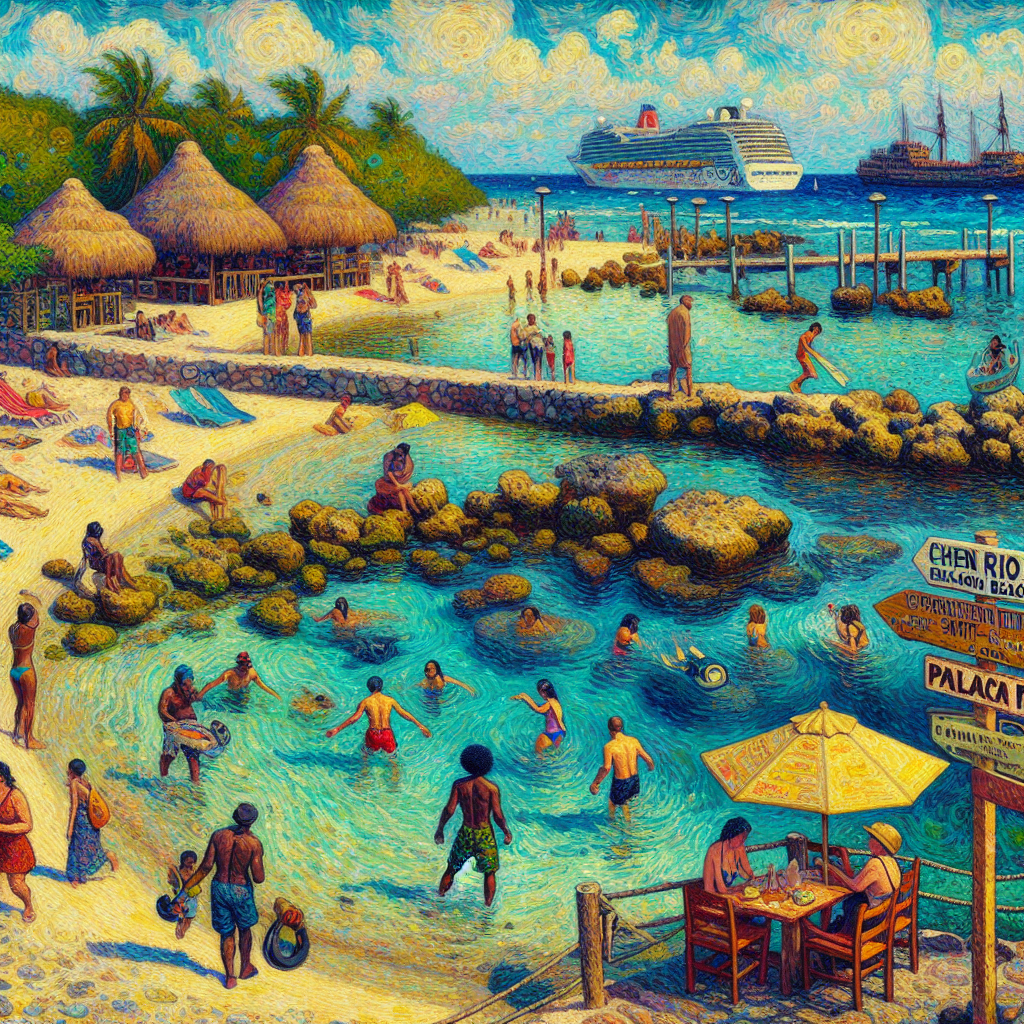
Other Resources
Glossary Terms
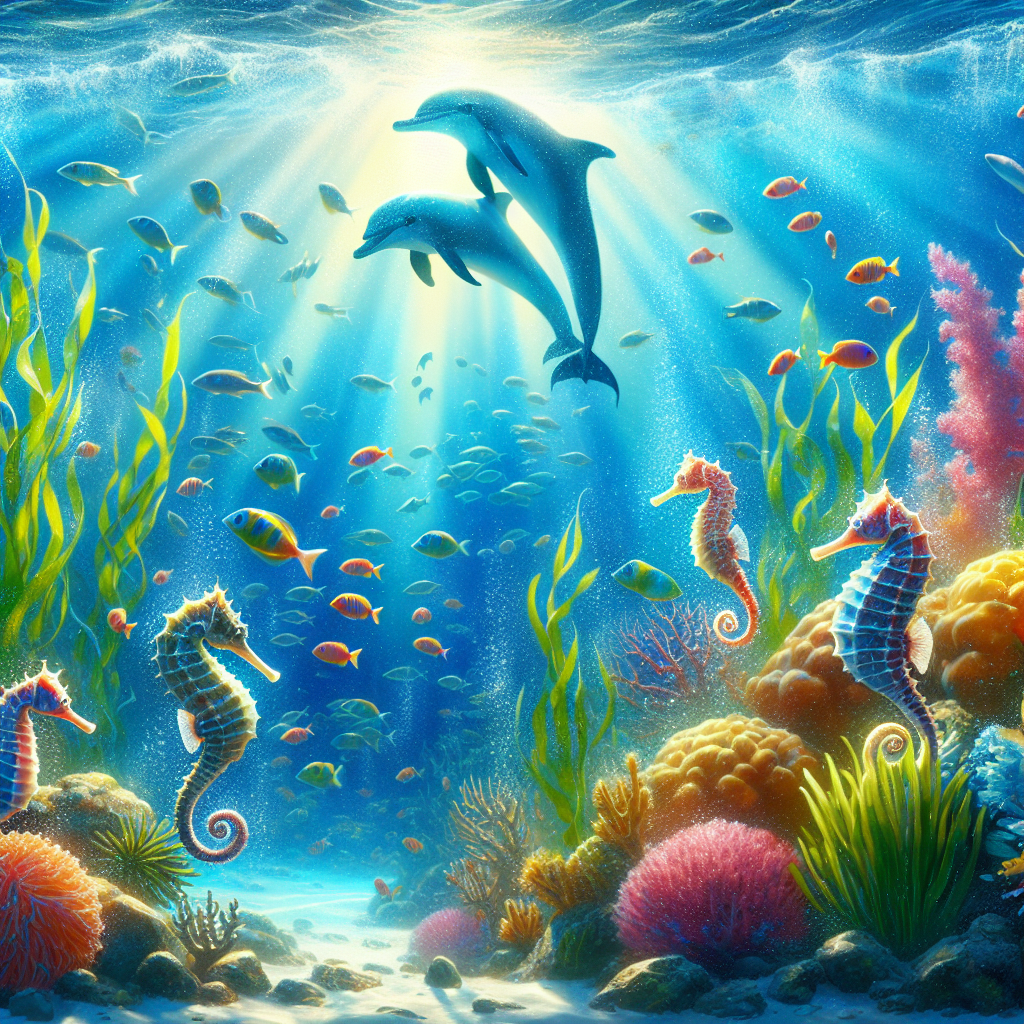
How Can Tourists Help Protect Cozumel’s Reefs? – Glossary Of Terms
1. Coral Reefs: Diverse underwater ecosystems formed by coral polyps, critical for marine life.
2. Ecosystem: A community of living organisms interacting with their environment, including marine habitats.
3. Biodiversity: The variety of life in a particular habitat or ecosystem, crucial for ecological balance.
4. Sustainable Tourism: Travel practices that conserve resources, benefit local communities, and minimize environmental impact.
5. Snorkeling: A water activity that allows tourists to observe aquatic life at the surface level, promoting awareness of reef health.
6. Diving: An underwater sport that enables tourists to explore deeper marine environments, fostering appreciation for coral ecosystems.
7. Marine Conservation: Efforts and strategies aimed at protecting ocean life and habitats, including coral reefs.
8. Environmental Awareness: Understanding the importance of protecting natural environments and the impact of human activities.
9. Responsible Behavior: Actions taken by tourists to minimize their impact on the environment, such as avoiding touching corals.
10. Coral Bleaching: A phenomenon caused by stressors like temperature changes, leading to the loss of color and vitality in corals.
11. Overfishing: The depletion of fish stocks due to excessive fishing, which disrupts the balance of marine ecosystems.
12. Pollution: Contamination of the ocean through waste, chemicals, and plastics that harm marine life.
13. Marine Protected Areas (MPAs): Designated regions where human activity is restricted to conserve marine biodiversity.
14. Education: Providing information to tourists about reef protection and the importance of conservation.
15. Eco-Tourism: Responsible travel to natural areas that conserves the environment and improves the welfare of local people.
16. Plastic Waste: Non-biodegradable materials that pose a significant threat to marine ecosystems when discarded improperly.
17. Guided Tours: organized excursions led by experts that educate tourists about reef ecosystems while promoting best practices.
18. Coral Restoration: Efforts to rehabilitate damaged coral reefs through techniques such as coral farming.
19. Responsible Photography: Taking pictures of marine life without disturbing the ecosystem or causing harm.
20. Wildlife Interaction: Engaging respectfully with marine animals, ensuring no disruption to their natural behavior.
21. Local Communities: Residents who depend on marine resources for their livelihood and play a key role in conservation.
22. Fisheries Management: Strategies to regulate fish populations for sustainability, vital for maintaining healthy reefs.
23. Research: Scientific studies aimed at understanding coral reefs and informing conservation efforts.
24. Sustainable Practices: Methods used by tourists and businesses to reduce their ecological footprint in marine environments.
25. Inflatable Boats: A type of vessel used for eco-friendly tours, minimizing damage to reefs compared to larger boats.
26. Marine Wildlife: The variety of animals living in ocean habitats, including fish, crustaceans, and marine mammals.
27. Invasive Species: Non-native organisms that can disrupt local ecosystems, highlighting the need for vigilance.
28. Reef Protection Laws: Regulations designed to conserve coral reefs and prevent harmful activities.
29. Volunteering: Offering time and effort to local conservation projects, allowing tourists to actively participate in reef protection.
30. Sustainable Souvenirs: Environmentally friendly products that support local artisans without harming natural resources.
Glossary Of Terms
Other Questions
How Can Tourists Help Protect Cozumel’s Reefs? – Other Questions
If you wish to explore and discover more, consider looking for answers to these questions:
- What specific actions can tourists take to minimize their impact on Cozumel’s reefs?
- What are the best practices for choosing eco-friendly tours and businesses in Cozumel?
- How can tourists identify and use reef-safe sunscreen products?
- What are some examples of successful conservation efforts in Cozumel?
- How does coral bleaching affect marine life and the local economy?
- What can individuals do to support local conservation groups in Cozumel?
- How do tourists’ dietary choices impact Cozumel’s marine ecosystems?
- What types of marine wildlife are most affected by tourism in Cozumel?
- How can visitors engage in storytelling to promote reef conservation?
- What educational resources are available for tourists to learn about reef ecosystems?
- In what ways can tourists collaborate with locals to enhance conservation efforts?
- What policies are in place in Cozumel to protect its natural resources?
- How can tourism in Cozumel balance economic growth with environmental protection?
- What role do hotels and resorts play in the sustainability of Cozumel’s ecosystems?
- How does the health of coral reefs directly relate to the livelihoods of local people?

Other Questions
Haiku
How Can Tourists Help Protect Cozumel’s Reefs? – A Haiku
Cozumel’s embrace,
Underwave whispers, we tread—
Guardians of our sea.

Haiku
Poem
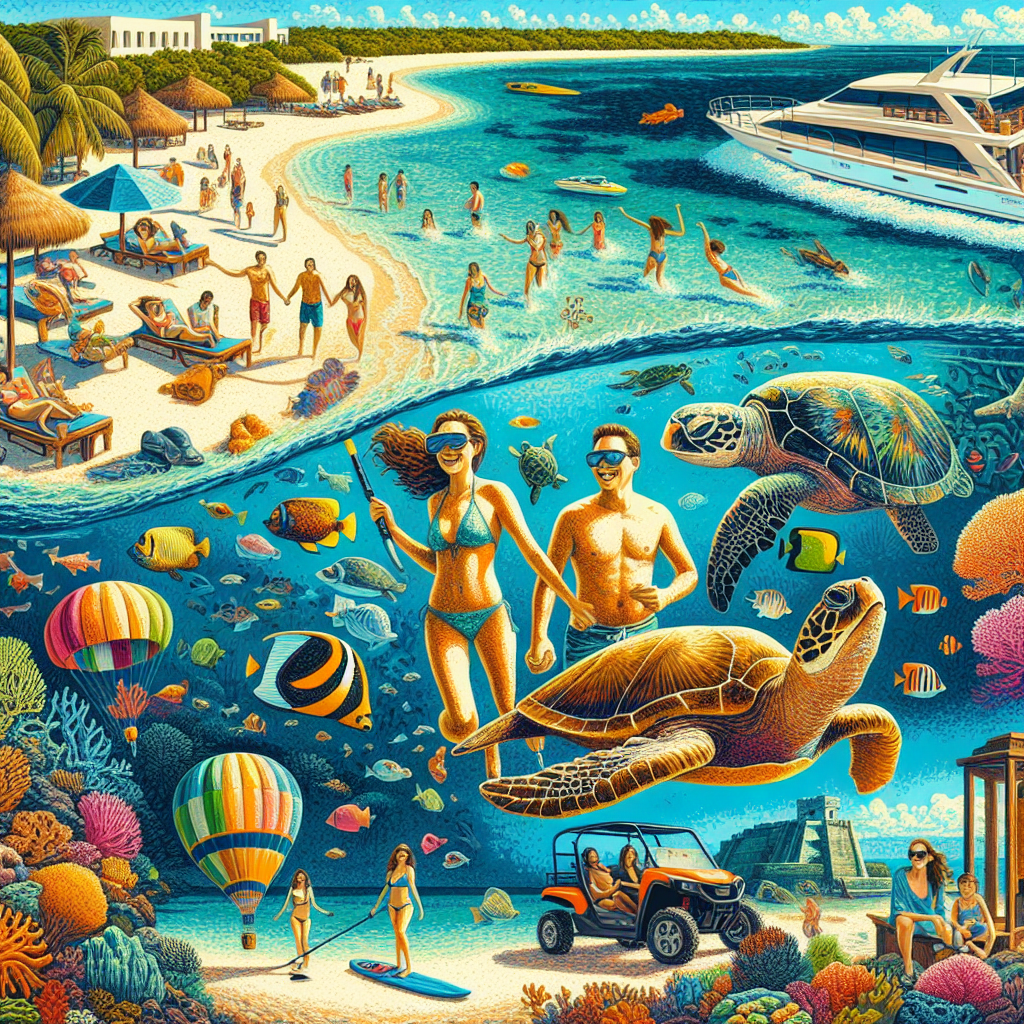
How Can Tourists Help Protect Cozumel’s Reefs? – A Poem
In Cozumel’s embrace, a vibrant sea,
Where coral gardens bloom in harmony,
A paradise awaits, yet fragile and frail,
Its beauty whispers softly, a poignant tale.
Each traveler arrives with dreams in their eyes,
But ponder the cost, beneath brilliant skies.
A silent pact we form, with the ocean’s old heart,
To guard what we treasure—to play our part.
The corals are living, intricate threads,
In the tapestry woven ‘neath the ocean’s spread.
Every choice that we make, from sunscreen to meal,
Shapes the world that we cherish, it’s a truth we can feel.
Opt for the path that holds nature dear,
Choose eco-friendly journeys, let your voice be clear.
The tales that we tell, of the wonders we find,
Can awaken the spirit, unite humankind.
For with every bottle tossed, with every line left,
Echoes of negligence, a future bereft.
But let us link arms, let our actions ignite,
A movement for healing, a stand for what’s right.
Economic lifelines teem in the waves,
When reefs are respected, the community saves.
Fishermen thriving, the markets alive,
Dependent on balance, together we strive.
Imagine your legacy—a world yet to build,
Where children can marvel, their curiosity filled.
A culture that’s rich, an ecosystem strong,
All born from the choices we make as we long.
So let’s tread lightly, with care and intent,
For Cozumel’s magic deserves our commitment.
In the dance of the ocean, our spirits can soar,
Together, let’s nurture, protect, and explore.
Poem
Checklist
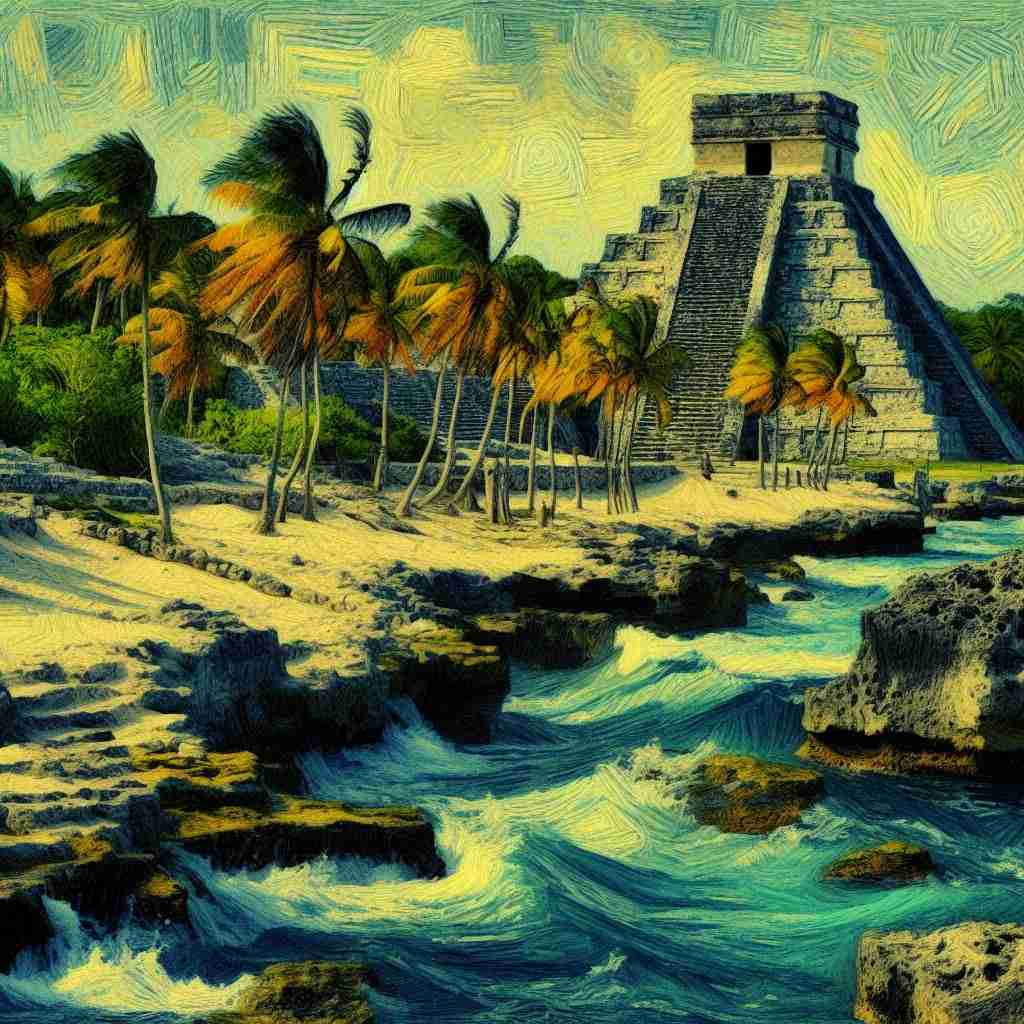
How Can Tourists Help Protect Cozumel’s Reefs? – A Checklist
Checklist for Protecting Cozumel’s Reefs
Emotional Appeals
1. Visualize Your Impact: Imagine a vibrant coral reef thriving because of your choices. Reflect on the emotional connection to this paradise and your responsibility to preserve it.
2. Share Your Journey: Tell friends and family about your experiences in Cozumel, emphasizing the beauty of the reefs and the importance of conservation.
3. Join a Conservation Group: Connect with local initiatives that work towards preserving marine environments, fostering a sense of belonging within a community that shares your love for the ocean.
Rational Appeals
1. Educate Yourself: Learn about coral ecosystems, their importance, and the threats they face. Share this knowledge with others to spread awareness.
2. Choose Reef-Safe Products: Make conscious decisions regarding sunscreen and other products that can harm marine life.
3. Support Sustainable Businesses: Opt for eco-friendly tours and locally-owned establishments that prioritize the environment in their practices.
Ethical Appeals
1. Practice Responsible Tourism: Respect the fragile ecosystems you visit. Follow guidelines such as “look, don’t touch” when snorkeling or diving.
2. Reduce Plastic Use: Carry reusable items and avoid single-use plastics to minimize waste impacting the ocean.
3. Participate in Local Clean-ups: Engage in beach and ocean clean-up events to help protect marine habitats and advocate for the environment.
Authority Appeals
1. Follow Expert Advice: Stay informed through reliable sources about best practices for marine conservation.
2. Advocate for Marine Protected Areas: Support policies and initiatives that aim to protect vulnerable marine environments.
Narrative Appeals
1. Share Conservation Stories: Connect your own experiences with the broader narrative of reef preservation, inspiring others to act.
2. Document Your Journey: Use social media to highlight the beauty of Cozumel’s reefs and the efforts needed to protect them.
Social Appeals
1. Encourage Group Responsibility: Promote conservation among fellow travelers and create a collective commitment to protect the environment.
2. Engage with Community Events: Participate in local events that foster awareness and collaboration surrounding reef conservation.
By following this checklist, you can actively contribute to preserving the beauty and health of Cozumel’s reefs, ensuring they remain a cherished resource for future generations.
Checklist
At TopCozumelNews, we help travelers enjoy Cozumel by collating information learned from frequently traveling to beautiful Cozumel.
Be sure to read our other related stories at TopCozumelNews to learn more about the Island of Cozumel.