




Experience Cozumel’s Beauty: Explore Hotels And Beaches Virtually
By Tom Seest
At TopCozumelNews, we help travelers enjoy Cozumel by collating information learned from frequently traveling to beautiful Cozumel.
Be sure to read our other related stories at TopCozumelNews to learn more about the Island of Cozumel.
How Ar Lets You Preview Cozumel Hotels and Beaches From Home
In today’s fast-paced world, where wanderlust dances in our hearts and our screens are often the only window to the world, augmented reality (AR) is changing the game when it comes to travel experiences. One moment you’re sitting on your couch, the next, you’re envisioning your toes in the warm, golden sands of Cozumel, the sun kissing your skin, and the sound of waves crashing nearby. This isn’t just a daydream anymore; it’s a tangible glimpse into your next adventure.
Imagine this: it’s a rainy Tuesday afternoon, and you find yourself scrolling through countless hotel listings and beach photos. Each image blurs together in an overwhelming haze, making you question if they’ll ever live up to the hype. Enter AR—a technology that turns your computer or mobile device into a portal, seamlessly blending the real world with stunning virtual visuals. Suddenly, you don’t just see a photo of that beachfront property; you can visualize yourself lounging there, holding a cold drink, feeling the gentle breeze on your face.
Let’s face it, planning a trip can be daunting. Each click leads to a new wave of uncertainty—what if the hotel isn’t as nice as it seems? Will the beach be crowded, or will it be a hidden gem? AR alleviates some of that anxiety by allowing you to “walk through” hotels and beaches virtually. With the technology at your fingertips, you’re not just seeing a space; you’re experiencing it. You can get a sense of the layout, the view from your room, or how it feels to stroll along the coastline.
I remember a friend who, after decades of dreaming, finally decided to book a trip to Cozumel. Before AR, he would have had only glossy brochures and fragmented reviews. After using an AR app, he was able to envision every moment—his future morning jog along the shore, evenings spent exploring local cuisines, and games played with family at the beach. That visualization ignited not just excitement but the confidence to commit to a trip he had long hesitated to book.
AR transforms the process of dreaming about travel into actionable inspiration. It eliminates doubt and builds trust in your choices, paving the way for real experiences. So, when you’re contemplating your next getaway, don’t just rely on fancy photos and eloquent descriptions—integrate AR into your planning. Ancient beaches and luxurious hotels await you, and they’re just a tap away. Let your imagination lead the way, and watch how augmented reality can bring Cozumel right into your living room.

How Ar Lets You Preview Cozumel Hotels and Beaches From Home
How Ar Lets You Preview Cozumel Hotels and Beaches From Home
- Augmented reality (AR) is redefining travel experiences in a fast-paced world.
- AR allows users to visualize destinations and accommodations vividly.
- The technology helps alleviate travel planning uncertainties by enabling virtual walkthroughs.
- Users can experience hotel layouts and beach views in an immersive way.
- AR boosts confidence in travel decisions by transforming dreams into actionable inspiration.
- A personal anecdote highlights how AR encouraged a hesitant traveler to book a trip to Cozumel.
- Using AR in travel planning enhances choices and builds trust in selected experiences.

How Ar Lets You Preview Cozumel Hotels and Beaches From Home
Table Of Contents
- How Ar Lets You Preview Cozumel Hotels and Beaches From Home
- What Is Augmented Reality (Ar) and How Does It Work?
- How Can Ar Enhance Hotel Previews?
- What Are the Benefits Of Using Ar for Travel Planning?
- How Can Ar Help Visualize Hotel Amenities and Services?
- What Technologies Support Ar In the Travel Industry?
- How Accurate Are Ar Representations Of Hotels and Beaches?
- Can Ar Improve the Booking Process for Hotels In Cozumel?
- Conclusion
- Other Resources
- Glossary Of Terms
- Other Questions
- Haiku
- Poem
- Checklist
What Is Augmented Reality (Ar) and How Does It Work?
What Is Augmented Reality (AR) and How Does It Work?
Imagine you’re wandering through the stunning streets of Cozumel, the salty breeze brushing against your skin, and the vibrant colors of the local culture enveloping you. Now, picture pulling out your smartphone and, with a simple tap, transforming the historical sites around you into living narratives, complete with stories of those who walked these very paths centuries ago. That’s the magic of augmented reality (AR) — it seamlessly blends the physical world with digital information, creating an immersive experience that can enrich your understanding of what’s around you.
At its core, augmented reality takes your real-world surroundings and overlays digital images, sounds, or even information on top of it. It’s not just about flashy graphics; it’s about enhancing everyday life. Think about the last time you struggled to read a menu in a foreign language or couldn’t quite picture how furniture would look in your living room. AR can bridge that gap, offering translations or 3D models to visualize concepts in real time. It’s a tool that can tackle everyday challenges, making information accessible and relevant to you in the moment.
Consider the experience of a tourist using AR while strolling through a bustling market. With AR enabled, they can point their device at a local dish and instantly learn about its ingredients, history, and even how to cook it at home. It’s not just about seeing the food; it’s about connecting the dots between culture and personal experience. Imagine the sense of accomplishment as you recreate that dish back in your kitchen, sharing stories of your journey with friends and family.
What makes AR really compelling is its potential to foster connection. It’s a bridge between the known and the unknown, offering guidance and context wherever you are. Just like a compass doesn’t tell you where to go, but helps you understand your surroundings, AR can help guide you through unfamiliar territories—both geographical and intellectual.
In this era of constant distraction, AR invites us to focus, engage, and explore. It reminds us that technology can spark curiosity rather than stifle it. So, the next time you find yourself in a new place or facing a challenge, consider reaching for that device in your pocket. Let augmented reality help illuminate your path, transforming ordinary moments into extraordinary adventures that connect you to the world—and to yourself—in ways you never imagined possible.

What Is Augmented Reality (Ar) and How Does It Work?
What Is Augmented Reality (Ar) and How Does It Work?
- Augmented Reality (AR) blends physical environments with digital information for an immersive experience.
- AR enhances everyday tasks, providing real-time translations and 3D visualizations.
- Tourists can use AR to learn about local dishes and their histories by simply pointing their devices.
- AR fosters connections by offering guidance through unfamiliar territories and bridging knowledge gaps.
- It encourages focus and exploration, countering distractions in modern life.
- AR helps transform ordinary experiences into extraordinary adventures.
- It connects users to their surroundings and enriches cultural experiences.

What Is Augmented Reality (Ar) and How Does It Work?
How Can Ar Enhance Hotel Previews?
In the hotel industry, potential guests often grapple with uncertainty when choosing their ideal getaway. We’ve all been there—scrolling through endless lists of listings, trying to decipher which one truly matches our expectations. This is where augmented reality (AR) enters the stage, transforming hotel previews from mundane to mesmerizing. Imagine this: you’re planning a trip to Cozumel, drawn in by the stunning beaches and vibrant nightlife, but stuck wondering if that hotel with the “ocean view” is the real deal or just clever marketing.
AR bridges this gap, allowing you to explore every nook and cranny of a hotel before you even pack your bags. Picture donning your smartphone or AR glasses and stepping into a virtual replica of your chosen destination. You can stroll through the lobby, peek into the rooms, and even test the waters of the pool. This isn’t just about seeing; it’s about feeling the space, envisioning your family lounging by the surf, or imagining romantic dinners at sunset. By simulating those experiences, AR nurtures a sense of comfort and intimacy, easing doubts that often plague travelers.
Consider the simple analogy of picking a ripe fruit from a tree. Would you choose what looks good from afar, or would you want to hold it, feel its weight, and inspect its color up close? That’s precisely what AR offers; it lets you hold that hotel experience in your hands, tasting its essence before you take the plunge. This hands-on approach not only builds trust but fosters excitement, pushing you one step closer to making that reservation.
Moreover, AR enhances the emotional connection we all seek when traveling. When you can visualize your vacation with clarity and literally walk through the spaces where memories will be made, confidence grows. You aren’t just booking a room; you’re investing in an experience. It transcends beyond mere pictures or testimonials. It taps into our innate desire for authenticity and ensuring that the hotel lives up to its promises.
So, as you contemplate your next adventure, whether it be the laid-back allure of Cozumel or another idyllic spot, remember that AR is here to transform your decision-making process. Trust in the technology that invites you to discover before you decide, and take the leap toward an experience that feels right.

How Can Ar Enhance Hotel Previews?
How Can Ar Enhance Hotel Previews?
- Travelers face uncertainty when selecting hotels, often overwhelmed by numerous listings.
- Augmented reality (AR) revolutionizes hotel previews, allowing virtual exploration of properties.
- AR enables users to virtually navigate hotel spaces, enhancing the decision-making process.
- This technology fosters a sense of comfort by allowing travelers to envision their experiences before booking.
- AR builds trust and excitement, encouraging potential guests to make reservations.
- The emotional connection of visualizing vacation spaces enhances confidence in bookings.
- AR supports the desire for authenticity, ensuring hotels meet expectations.

How Can Ar Enhance Hotel Previews?
What Are the Benefits Of Using Ar for Travel Planning?
What Are the Benefits Of Using AR for Travel Planning?
Imagine you’re on a journey, rough directions scribbled on a napkin, only to realize you’re miles away from where you intended to be. The thrill of travel often gets tangled up in the stress of planning. Here’s where Augmented Reality (AR) swoops in like a trusty sidekick. It transforms the tedious chore of planning into an adventure worth embarking on long before you’ve even packed your bags.
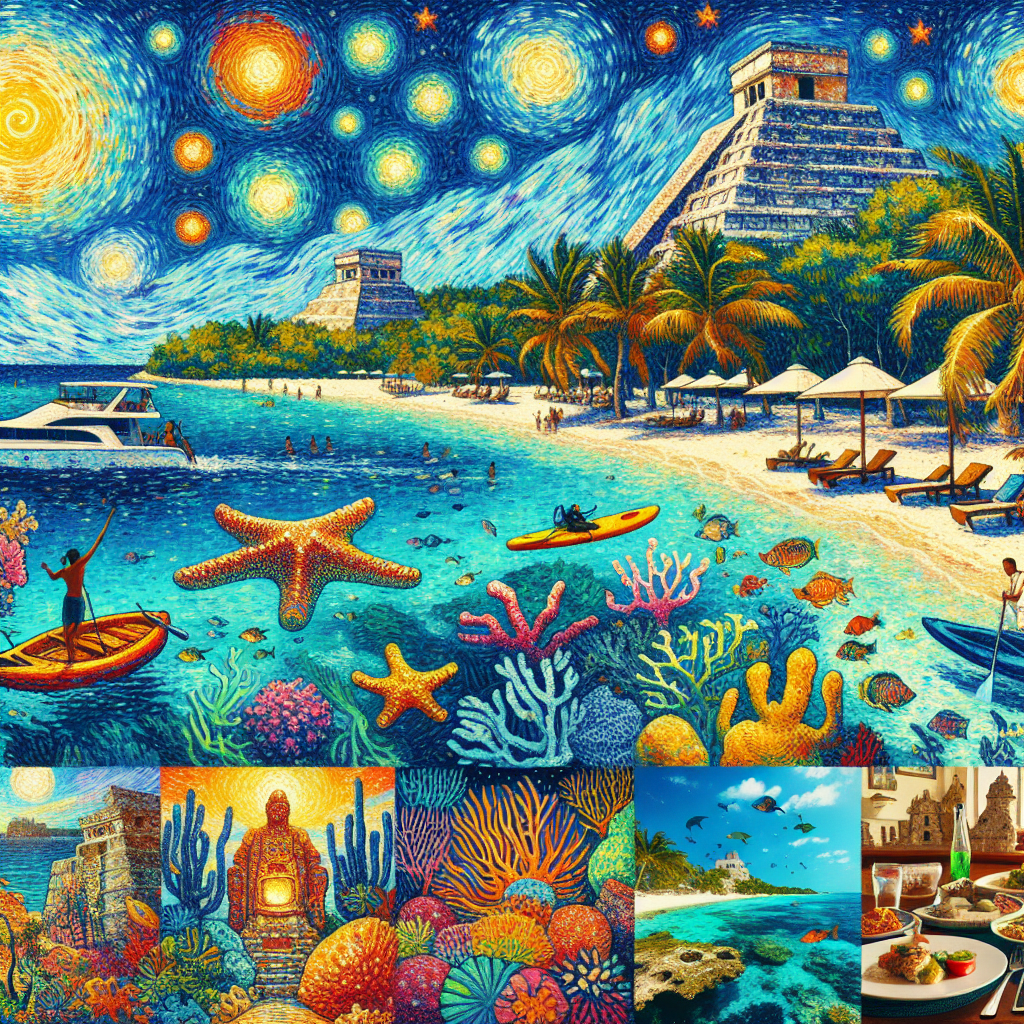
AR can elevate your travel experience, especially when you’re dreaming about sun-drenched beaches in Cozumel. Picture this: instead of flipping through a generic travel guide, you hold up your phone and suddenly, a digital overlay appears before you, showcasing the vibrant coral reefs just waiting to be explored. You’re not just reading about snorkeling; you’re virtually swimming alongside the colorful fish and contemplating the wonder that awaits you. This doesn’t just inform; it ignites a passion that fuels your wanderlust.
Now let’s talk about the personalization aspect. Traditional travel guides can feel about as relatable as a textbook. But AR brings the personal touch. Imagine standing on the bustling streets of a foreign city, using your AR app to get recommendations based on your interests—foodie hotspots for a culinary traveler or hidden historic gems for the history buff. You’re not just visiting another place; you’re having a tailored experience that resonates with who you are. It eliminates the trial and error, saving you time and heartache.
Think about the challenges of coordinating with friends or family; different preferences often lead to a fractured trip. With AR, you can all engage collaboratively. Picture planning a trip to Cozumel together virtually. You explore potential spots, weighing the pros and cons with 3D reconstructions coming to life in your living room. This participatory slice of technology not only upgrades the usual planning process but also strengthens bonds, transforming frantic discussions into shared excitement.
It’s essential to understand that with tools like AR, confidence comes from clarity. You visualize exactly where you want to go, what you want to do, and how it all fits together. You’re not just another traveler; you’re an informed explorer, ready to hit the ground running. As travel enthusiasts, we owe it to ourselves to embrace these innovations. The world waits for no one, so why not dive in, plan effectively, and create unforgettable memories before ever packing a suitcase? That’s the beauty of AR—it redefines the journey from the moment you dream about it.

What Are the Benefits Of Using Ar for Travel Planning?
What Are the Benefits Of Using Ar for Travel Planning?
- Augmented Reality (AR) transforms travel planning from a chore into an adventure.
- AR enhances the experience by providing virtual previews of destinations, such as vibrant coral reefs.
- The technology offers personalized recommendations based on user interests, improving the travel planning process.
- AR facilitates collaborative planning among friends and family, enhancing group experiences.
- 3D reconstructions allow users to visualize potential destinations and activities more clearly.
- Using AR builds confidence and prepares travelers for their journeys.
- AR redefines the travel experience, making the planning phase integral to creating memorable adventures.
What Are the Benefits Of Using Ar for Travel Planning?
How Can Ar Help Visualize Hotel Amenities and Services?
How Can AR Help Visualize Hotel Amenities and Services?
Imagine you’re planning the perfect getaway to Cozumel. You’re excited, but let’s be honest—the process can feel overwhelming. You’ve got pictures in your mind of turquoise waters and sandy beaches, but what about the place where you’ll rest your head at night? The amenities and services are crucial, yet navigating hotel offerings online can feel like searching for a needle in a haystack. That’s where Augmented Reality (AR) steps in as a game-changing ally.
AR technology allows potential guests to step into a virtual version of their chosen hotel. Picture this: instead of scrolling through endless galleries of photos, you bring the space to life right in your living room. You can explore the pool area, check out the restaurant menu by peeking inside the dining hall, or even experience a sneak peek of your room with just a swipe of your finger. It’s like having a personal tour guide who knows all the ins and outs without the pressure of a face-to-face interaction.
This high-tech approach isn’t just about convenience; it taps into something much deeper. Travelers are drawn to experiences that resonate with them on a personal level. When you can visualize your accommodations in a realistic setting, trust builds. You feel more certain about your choices, and that cloud of uncertainty that often hangs over vacation planning begins to lift. It’s a bit like being in a kitchen; the moment you see the ingredients laid out, you’re more invested in cooking the meal.
But here’s an original twist: imagine using AR not just to visualize amenities, but to personalize them. Picture a family trip where you could turn on your AR app and see exactly how that kid’s club operates. By interacting with the virtual environment, you can gauge if it fits your child’s needs. Maybe you envision setting up a romantic dinner on the beach, and with AR, you can position the table and set the mood lighting before you even step foot in Cozumel.
Embracing AR is about more than just enhancing visuals; it’s about enhancing trust. It’s a bridge between expectation and reality, a way to connect emotionally with the travel experience before it even begins. So the next time you find yourself dreaming of a vacation, remember that with AR, the journey starts well before you arrive. You don’t just book a room; you map your adventure, turning uncertainty into excitement, and a simple getaway into an unforgettable experience.

How Can Ar Help Visualize Hotel Amenities and Services?
How Can Ar Help Visualize Hotel Amenities and Services?
- Augmented Reality (AR) aids in visualizing hotel amenities and services, simplifying the vacation planning process.
- AR provides a virtual tour of hotels, allowing guests to explore amenities like pools and dining areas from home.
- This technology enhances trust by allowing travelers to visualize accommodations realistically, reducing uncertainty.
- AR can personalize experiences, such as evaluating kid’s clubs or setting up romantic dinners before arrival.
- It builds an emotional connection to the travel experience, offering a sense of investment in planning.
- AR transforms vacation planning from a daunting task into an exciting adventure.
- Using AR changes the perception of booking from merely reserving a room to mapping out an unforgettable experience.

How Can Ar Help Visualize Hotel Amenities and Services?
What Technologies Support Ar In the Travel Industry?
What Technologies Support AR in the Travel Industry?
Imagine this: You’ve just touched down in Cozumel, a paradise that’s usually seen through the lens of glossy travel brochures. You want to dive into the local culture, but navigating an unfamiliar place can feel overwhelming. That’s where Augmented Reality (AR) steps in, transforming the way we connect with our surroundings and enhancing our travel experiences like never before.
AR technology allows travelers to overlay digital information onto the real world, bridging the gap between expectation and reality. Picture yourself walking through the vibrant streets of Cozumel, phone in hand, as an app guides you through historical sites with real-time insights. Companies have harnessed powerful AR capabilities to enrich your journey with contextual information. For instance, standing at an ancient ruin, an app might display visual reconstructions, giving you a glimpse into its storied past. You’re not just seeing the place; you’re experiencing its history firsthand.
But let’s face it—when we travel, we’re not just sightseeing; we’re searching for connection. Every traveler knows that moment when they step off the beaten path, longing for a unique experience that connects them to the local way of life. AR applications are meeting this challenge head-on. Take a culinary tour in Cozumel, where AR can enhance your experience at a local restaurant by displaying the origin of ingredients or suggesting pairings that reflect the island’s rich flavors. Imagine the comfort of knowing that your meal is not just food but a celebration of local culture—a connection you can taste and feel.
This technology also addresses a common travel dilemma: language barriers. You’re at a bustling market, and you want to haggle over prices but can’t quite grasp the lingo. With AR translation apps, your device can seamlessly translate signs, conversations, or menus in real-time. Suddenly, the voices around you become part of the experience, rather than a confusing swirl of sounds. You become an active participant, empowered to explore and engage fearlessly.
However, despite the high-tech allure, the heart of travel remains deeply human. As AR continues to evolve, it’s vital that the technology serves to enhance, rather than replace, our authentic experiences. The goal is to use these tools not just to see the world but to feel it, to connect us to places and people in ways that remind us why we travel in the first place. It’s about creating memories, finding magic in the mundane, and feeling at home—even in the most unexpected corners of the world.

What Technologies Support Ar In the Travel Industry?
What Technologies Support Ar In the Travel Industry?
- Augmented Reality (AR) enhances travel experiences by overlaying digital information on the real world.
- AR applications provide real-time insights into historical sites, enriching the exploration process.
- AR supports culinary experiences by showcasing the origin of ingredients and recommending local pairings.
- Translation apps powered by AR help overcome language barriers, facilitating communication in local markets.
- The use of AR fosters deeper connections to local culture and history, transforming mere sightseeing into immersive experiences.
- Despite technological advancements, maintaining authentic human experiences in travel is essential.
- The ultimate goal of AR in travel is to enhance memory-making and personal connections to diverse places and cultures.

What Technologies Support Ar In the Travel Industry?
How Accurate Are Ar Representations Of Hotels and Beaches?
How Accurate Are AR Representations Of Hotels and Beaches?
In today’s digital landscape, augmented reality (AR) has transformed how we explore potential travel destinations. Picture this: you’re lounging on your couch, scrolling through stunning AR representations of hotels and picturesque beaches. Perhaps you’re dreaming of Cozumel, where the sun bathes the coral reefs in brilliant hues. It’s easy to get lost in the glossy visuals that promise idyllic experiences. But here’s the catch—how closely do these digital wonders mimic the truth?
Consider the emotional rollercoaster that comes with planning a getaway. You invest your hopes in those captivating images, envisioning sun-baked sands and luxurious amenities. Yet, reality often presents a mixed bag. The hotel may look like a paradise in AR, but that dreamy vibe might be overshadowed by cramped rooms, noisy neighbors, or a less-than-flattering view when you finally arrive.
The challenge lies in managing expectations. It’s tempting to let the shiny allure of AR cloud your judgment. I remember planning a trip to a coastal retreat that promised an unforgettable experience. The AR tour portrayed enormous pools and pristine beaches—everything screamed luxury. But upon arrival, I was greeted by more crowds than I anticipated. The beauty was there, but the experience was muted by the hustle, reminding me that reality often has a way of pulling the rug out from under the best-laid plans.
That said, AR isn’t just a simplistic illusion; it has the power to ignite imagination and anticipation. Trusting those representations is a delicate balance. They can give you a taste of what’s possible, but you need to do your homework. Checking reviews, reaching out to fellow travelers, and, if possible, visiting forums where photos taken by real guests shine a more authentic light on the experience can inform your decision-making process.
Incorporating this kind of diligence can make a world of difference. Think of AR not as the destination itself but as a springboard—a way to inspire your journey rather than dictate it. Each stunning representation can spark curiosity and pave the way for a real adventure, but when you step into the unknown, keep your eyes wide open and your expectations anchored in reality. After all, your adventure in Cozumel should come with all the vibrant charm and unexpected twists that make travel unforgettable.

How Accurate Are Ar Representations Of Hotels and Beaches?
How Accurate Are Ar Representations Of Hotels and Beaches?
- Augmented reality (AR) changes how travelers explore hotels and beaches.
- AR representations can create high expectations, but reality may differ.
- Potential issues include cramped spaces, noise, and less ideal views upon arrival.
- Managing expectations is crucial when relying on AR visuals.
- AR can inspire travel ideas, but thorough research is necessary.
- Utilizing reviews and real guest photos helps inform better travel decisions.
- View AR as an inspirational tool rather than the definitive travel experience.

How Accurate Are Ar Representations Of Hotels and Beaches?
Can Ar Improve the Booking Process for Hotels In Cozumel?
Can AR Improve the Booking Process for Hotels in Cozumel?
Imagine you’re eagerly planning your escape to Cozumel. The sun-soaked beaches beckon, and you can almost taste the salt in the air. But then comes the dreaded task of booking a hotel. It can feel like trying to find a needle in a haystack, rife with uncertainty. Will the place live up to the photos? Is it really a short walk from the beach? We’ve all been there, scrolling through endless options, unsure of what to choose. This digital maze can leave even the most seasoned travelers feeling frustrated—navigating websites, juggling reviews, and comparing prices.
Now, picture this: augmented reality (AR) transforms that harried experience into a walk on the beach. This technology is revolutionizing how we explore hotel options—bringing the reality of Cozumel right to your fingertips. With a smartphone or AR glasses, you could virtually step inside a hotel room before you book. Imagine seeing how that king-sized bed actually looks, or if the view from your balcony truly lives up to your dreams. It takes the guesswork out of the equation, providing a sense of familiarity with your future home away from home.
But let’s not just talk tech; let’s think about the emotions tied to making that choice. When you’re on the brink of a getaway, you want assurance, not anxiety. AR can ease those worries by allowing you to interact with the space—much like trying on shoes before buying them. It fosters a sense of connection, turning an otherwise mundane task into an engaging experience. You’re not just booking a hotel; you’re finding your sanctuary for that long-awaited vacation, where ocean waves meet worry-free relaxation.
Think about it this way: remember when you were a kid and your parents took you to that irresistible amusement park? You could see the rides in action, feel the thrill buzz in your stomach even before you got on. AR can replicate that excitement in hotel bookings, making it feel less transactional and more adventurous. It assures you that the hotel experience in Cozumel will be as delightful as simply being there.
Embracing AR isn’t just about technology; it’s about rebuilding trust in the booking process. Let this innovation guide you through the choices, eliminating doubts and enhancing adventure. Cozumel awaits, and with AR, your journey toward paradise might just be smoother than ever.

Can Ar Improve the Booking Process for Hotels In Cozumel?
Can Ar Improve the Booking Process for Hotels In Cozumel?
- Augmented reality (AR) enhances the hotel booking experience in Cozumel, making it more engaging and less stressful.
- AR allows potential guests to virtually explore hotel rooms, providing a realistic preview of accommodations.
- This technology alleviates uncertainty about hotel quality and location, improving decision-making.
- AR fosters emotional connections to the spaces, transforming a mundane task into an enjoyable experience.
- Similar to childhood excitement at amusement parks, AR adds a sense of adventure to hotel bookings.
- Utilizing AR helps rebuild trust in the booking process by guiding users through options and reducing doubts.
- Overall, AR enhances the journey toward vacationing in Cozumel, ensuring a smoother planning experience.

Can Ar Improve the Booking Process for Hotels In Cozumel?
Conclusion
In a world where technology melds seamlessly with our dreams of travel, augmented reality (AR) stands out as a transformative force that redefines how we plan our adventures. Picture this: you’re sprawled on your couch, scrolling through a sea of travel options, each one promising a slice of paradise in Cozumel. The glossy pictures might sway you, but the uncertainty of reality often looms larger than the allure of those pristine beaches. Enter AR—a tool that bridges these gaps by allowing you to immerse yourself in the very spaces you’re considering.
With AR, the process transcends mere observation. You’re not just looking at pictures; you’re stepping into a virtual experience where you can stroll through hotel lobbies or visualize yourself lounging on sun-kissed beaches. This immersive technology alleviates much of the stress that accompanies trip planning. Instead of being left in doubt, you can virtually walk through your chosen accommodations, gauging everything from the layout to the ambiance long before you ever arrive.
Imagine a friend, hesitant for years to book a trip, suddenly empowered by AR to visualize each moment of that journey—morning jogs by the shore, enchanting evenings of local cuisine. That apprehension melts away, replaced by excitement and confidence. AR transforms planning from a daunting task into an inspiring journey, helping you make informed decisions grounded in tangible experiences.
As you engage with AR, you gain a deeper connection to the locales you’re preparing to explore. It’s like trying on a pair of shoes before buying—suddenly, that hotel room isn’t just a name on a screen, but a space you can envision yourself inhabiting. This sense of engagement directs your choices, fostering a bond between you and your next vacation spot.
Moreover, AR offers not just visualization but also personalization—tailoring experiences to suit your interests and preferences. Whether it’s understanding the amenities of a hotel or scouting the local culinary scene, AR eliminates the guesswork. You see it, feel it, and connect with it before you’ve even left home.
So, when plotting your escapade to Cozumel—where sun, sea, and sand await—consider integrating AR into your planning process. It’s not just a technological innovation; it’s a gateway to experiences that resonate deeply, turning planning into a prelude of excitement. With AR, your adventure doesn’t begin when you arrive; it starts the moment you start dreaming.
Conclusion
Conclusion:
- Augmented reality (AR) redefines travel planning by providing immersive experiences.
- AR allows users to virtually explore hotel lobbies and visualize beach experiences.
- This technology alleviates stress and uncertainty associated with trip planning.
- AR transforms apprehension into excitement, empowering users to visualize journeys.
- Engaging with AR fosters a deeper connection to travel locations, enhancing decision-making.
- AR personalizes experiences by tailoring options to individual interests and preferences.
- Using AR in travel planning turns the process into a prelude of excitement, beginning the adventure early.

Conclusion
Other Resources

Other Resources
Here is a list of other resources you can review online to learn more:
- Playa Uvas
- Hard Rock Cafe Cozumel
- Cozumel Snuba
- Taco y Tequila Cozumel
- Seasons 52
- San Juan Beach Club
- El Cedral
- Al Pie del Carbon Restaurant
- Seahorse Divers Cozumel
- Malecon
- Cozumel Market
- Ramsar
- Liveaboard Diving
- Playa Chen Rio
- The Thirsty Cougar
- Coral Reef National Park in Cozumel
- Princess Cruises
- Capitán Eduardo A. Toledo Airport
Use This Prompt To Get More Resources With Your Favorite Online AI Tool: Please provide me with a list of online articles with their URLs in a bulleted list that I can read regarding How Ar Lets You Preview Cozumel Hotels and Beaches From Home

Other Resources
Glossary Terms
How Ar Lets You Preview Cozumel Hotels and Beaches From Home – Glossary Of Terms
1. Augmented Reality (AR): Technology that overlays digital information on the real world through devices like smartphones or AR glasses.
2. Cozumel: An island off the eastern coast of Mexico’s Yucatán Peninsula, known for its beaches and coral reefs.
3. Virtual Tour: An interactive simulation of a location, allowing users to explore spaces online as if they were physically present.
4. 360-Degree Views: Interactive images that provide a complete visual perspective of a space, allowing users to look in all directions.
5. User Interface (UI): The means by which the user interacts with a digital tool or platform, influencing ease of use.
6. Virtual Reality (VR): A simulated experience that can be similar to or completely different from the real world, often requiring a headset.
7. Mobile Application: Software designed for use on smartphones or tablets that facilitates user interaction with various services or content.
8. Spatial Mapping: The process of perceiving the physical environment to accurately place virtual objects within it.
9. Simulation: A digital representation of real-world processes or environments, often used for training or entertainment purposes.
10. Interactive Experience: A user-centered approach that allows participants to engage with content actively, enhancing immersion.
11. Location-Based Services: Apps that utilize real-time geolocation data to provide information relevant to a user’s specific location.
12. Geolocation: The identification of the real-world geographic location of an object, often used in mobile applications.
13. Hotel Preview: A feature that allows potential guests to explore hotel accommodations before making a reservation.
14. Beach Experience: A sensory interaction with coastal environments, which can be simulated through AR technologies.
15. Digital Rendering: The electronic creation of images or animation to realistically depict real-world objects and locations.
16. User Experience (UX): The overall satisfaction and interaction quality a user feels while using a product or service.
17. Overlay: The digital elements displayed on top of a real-world view in AR applications.
18. Interactive Map: A digital map that users can manipulate to find locations or access information through touch or clicks.
19. Photorealism: A digital art technique that seeks to create an image that appears as realistic as possible.
20. Feedback Mechanism: A system within an app that allows users to provide input or reactions, influencing future updates or features.
21. Augmented Navigation: The use of AR technology to enhance wayfinding, helping users find their locations more easily.
22. Enhancement Layer: The digital content added to the physical world within an AR application to enrich the user’s experience.
23. Booking Platform: Online services that facilitate hotel and activity reservations, often integrating AR features for previews.
24. Tourist Attraction: A specific site or location in Cozumel of interest to visitors, which can be showcased via AR features.
25. Engagement Metrics: Measurements that track user interaction with AR features, such as how long they spend on a virtual tour.
26. Real-Time Interaction: Live engagement between users and digital content, allowing for immediate responses based on user actions.
27. Multimedia Content: The combination of various forms of content, including text, audio, images, and video, in a digital format.
28. Customizable Experience: The ability for users to tailor their virtual interactions based on personal preferences or interests.
29. Digital Twin: A digital replica of a physical entity, like a hotel or beach, used for analysis and visualization in AR.
30. Tourism Innovation: The evolving use of technology to enhance travel experiences, particularly through platforms that utilize AR.

Glossary Of Terms
Other Questions
How Ar Lets You Preview Cozumel Hotels and Beaches From Home – Other Questions
If you wish to explore and discover more, consider looking for answers to these questions:
- Which devices and operating systems support AR tours for Cozumel hotels and beaches?
- Are AR tours free to use or do they require paid apps, subscriptions, or in-app purchases?
- How realistic are AR visualizations compared to the actual hotel rooms, views, and beaches?
- How often is AR content updated to reflect renovations, seasonal changes, or beach erosion?
- Who creates the AR content—hotels, third-party developers, tourism boards, or user contributions?
- How can I verify the accuracy or authenticity of an AR representation?
- Do AR tours show real-time crowd levels, occupancy, or peak times for beaches and hotel facilities?
- Can AR previews display different room types, exact balcony perspectives, and floor-by-floor views?
- Is AR integrated with booking platforms so I can reserve the exact room I previewed?
- Does AR include accessibility information such as ramps, elevator locations, door widths, and accessible room features?
- How does AR perform in low-light conditions, poor GPS reception, or limited internet connectivity?
- What internet speed or data plan is required for a smooth AR experience?
- Can AR experiences be downloaded for offline use before travel?
- Are there privacy concerns—does AR capture or transmit photos, video, or location data from my device?
- What permissions do AR apps require and how is my personal data handled and stored?
- Can AR simulate hotel amenities and services realistically, such as pool dimensions, restaurant layouts, or spa atmospheres?
- Can AR show environmental factors like tide levels, seasonal weather, water clarity, or reef health for snorkeling sites?
- Are AR representations of coral reefs and underwater attractions scientifically accurate or artistically enhanced?
- Can multiple users join the same AR preview remotely to plan a trip together?
- Are AR experiences available in multiple languages and with localized content?
- Do hotels or resorts charge extra for personalized AR services or guided AR tours?
- Can AR handle room customizations such as different bed types, furniture arrangements, or connecting rooms?
- How much battery life and processing power do AR apps consume on typical smartphones or tablets?
- Can AR integrate real guest photos, reviews, or live webcams into the virtual preview?
- Are AR tours interoperable across major AR platforms such as ARKit and ARCore and across different device brands?
- What legal or advertising standards apply to AR representations of hotels and beaches?
- How do hotels ensure AR content does not mislead consumers or violate consumer protection rules?
- Can AR be used to preview excursions, dive sites, boat trips, local restaurants, and other non-hotel experiences?
- Is there evidence that AR increases booking conversions, reduces cancellations, or improves guest satisfaction?
- How can I report inaccuracies or problems with an AR tour and how quickly are updates made?
- What are the technical and budgetary requirements for a hotel to create and maintain AR content?
- Can AR be combined with VR or 360° video for a more immersive preview, and what are the differences?
- Will AR work with wearable devices like smart glasses and are those devices widely supported for travel apps?
- How do AR apps accommodate users with visual, hearing, or mobility impairments?
- Are there environmental or ethical concerns related to promoting destinations with AR (e.g., overtourism, reef damage)?

Other Questions
Haiku
How Ar Lets You Preview Cozumel Hotels and Beaches From Home – A Haiku
Cozumel awaits you,
AR brings beaches to life,
Dreams become real scenes.

Haiku
Poem
How Ar Lets You Preview Cozumel Hotels and Beaches From Home – A Poem
In a world where dreams take flight,
AR beckons with a guiding light.
From couches warm, we roam afar,
To Cozumel’s shores, beneath the star.
No longer mere photos, static and dim,
But vibrant scenes where we can swim.
Picture the sands, the suns embrace,
As augmented visions enhance our space.
Anxiety fades with each virtual stroll,
Experience blooms as we seize control.
Through hotel halls and beachside views,
We gather confidence in the paths we choose.
A tap on the screen brings clarity near,
Sparkling waters, cuisines, and cheer.
Travel once burdened is now a delight,
With AR’s magic illuminating the night.
Explore, engage, and visualize,
With digital tools, our spirits rise.
Cozumel awaits, a paradise grand,
Where dreams and reality walk hand in hand.

Poem
Checklist
How Ar Lets You Preview Cozumel Hotels and Beaches From Home – A Checklist
Checklist for Exploring Cozumel Hotels and Beaches with Augmented Reality
✅______ Research augmented reality apps to identify and download those focusing on Cozumel hotels and tourism.
✅______ Access hotel virtual tours using AR technology to explore amenities and room layouts.
✅______ Analyze beach previews to visualize beach experiences, including the view from your hotel and distance to the beach area.
✅______ Explore local activities by checking AR features for attractions available around your potential hotels.
✅______ Examine online reviews to verify AR representations against real experiences.
✅______ Compare hotel options using AR based on personal preferences, such as amenities and views.
✅______ Interact with hotel amenities to engage with AR and view features like pools, restaurants, and family services.
✅______ Plan collaborative travels with shared AR experiences, allowing input and discussions about preferences.
✅______ Verify accuracy of representations by cross-referencing AR visuals with online photo galleries and visitor testimonials.
✅______ Make informed bookings by leveraging insights gained from AR tours to confidently book accommodations that meet expectations.

Checklist
At TopCozumelNews, we help travelers enjoy Cozumel by collating information learned from frequently traveling to beautiful Cozumel.
Be sure to read our other related stories at TopCozumelNews to learn more about the Island of Cozumel.