



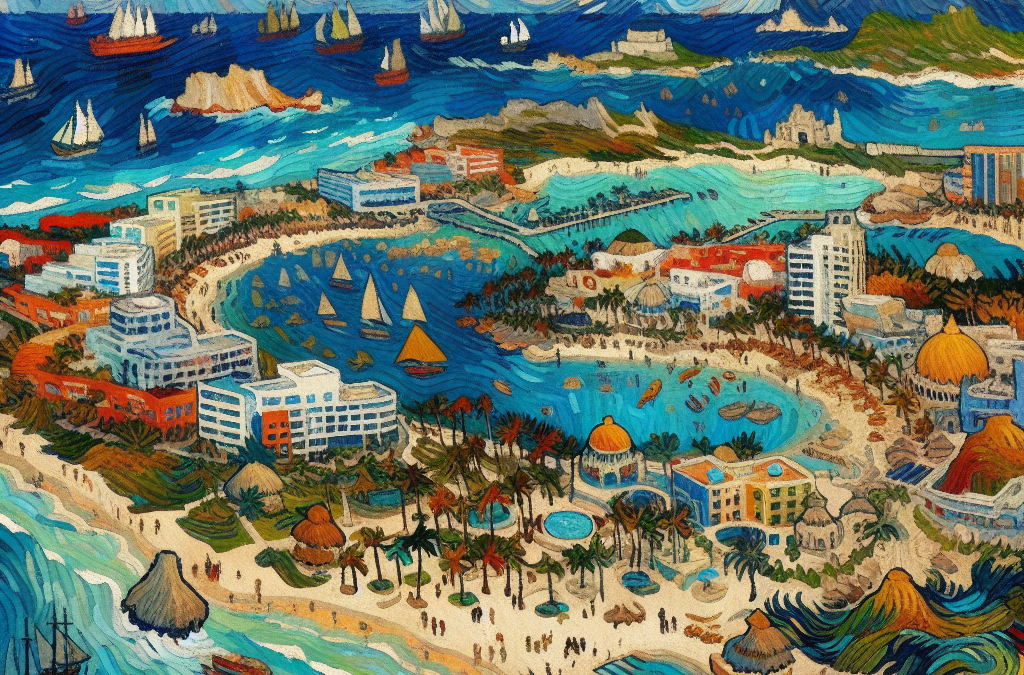
Revealing Cozumel: Authentic Vr Journeys Beyond The Hype
By Tom Seest
At TopCozumelNews, we help travelers enjoy Cozumel by collating information learned from frequently traveling to beautiful Cozumel.
Be sure to read our other related stories at TopCozumelNews to learn more about the Island of Cozumel.
Ethical Vr – Avoiding Overhyped Representations Of Cozumel
Ethical VR – Avoiding Overhyped Representations of Cozumel
When we think about Cozumel, idyllic images often flood our minds: sun-kissed beaches, vibrant coral reefs, and the warm smiles of welcoming locals. Yet, these captivating scenes can sometimes miss the mark, overselling an experience that’s far more complex. The magic of this island isn’t just in its striking landscapes but in its stories—the nuanced life of its people, the challenges they face, and the genuine warmth they extend to visitors.
Imagine standing on a pristine beach, watching the waves crash gracefully against the shore, and feeling an overwhelming urge to capture that moment. Many visitors do just that, but how often do we stop and consider the underlying narrative of that paradise? Behind those sparkling waters lie challenges—issues of sustainability, the impact of tourism, and the delicate balance of preserving both culture and environment. Each snapshot of Cozumel can tell a deeper story if we’re willing to look beyond the surface.
Ethical VR can bridge this gap. Virtual reality has the power to immerse us not just in a scene but in a context, allowing users to step into the shoes of those who call Cozumel home. It’s about fostering understanding rather than merely entertaining. Imagine experiencing a day in the life of a fisherman who navigates the struggles of overfishing and economic uncertainty. That’s the pulse of Cozumel—a heartbeat that may otherwise be drowned out by the sound of tourist chatter.
Embracing this approach creates a trust, drawing people in with authenticity rather than glossy illusions. Instead of promoting overhyped images, ethical VR cultivates a sense of responsibility and respect, urging us to engage with the reality of Cozumel. This respectful engagement can lead to a stronger connection, inspiring travelers to support local economies and protect the environment.
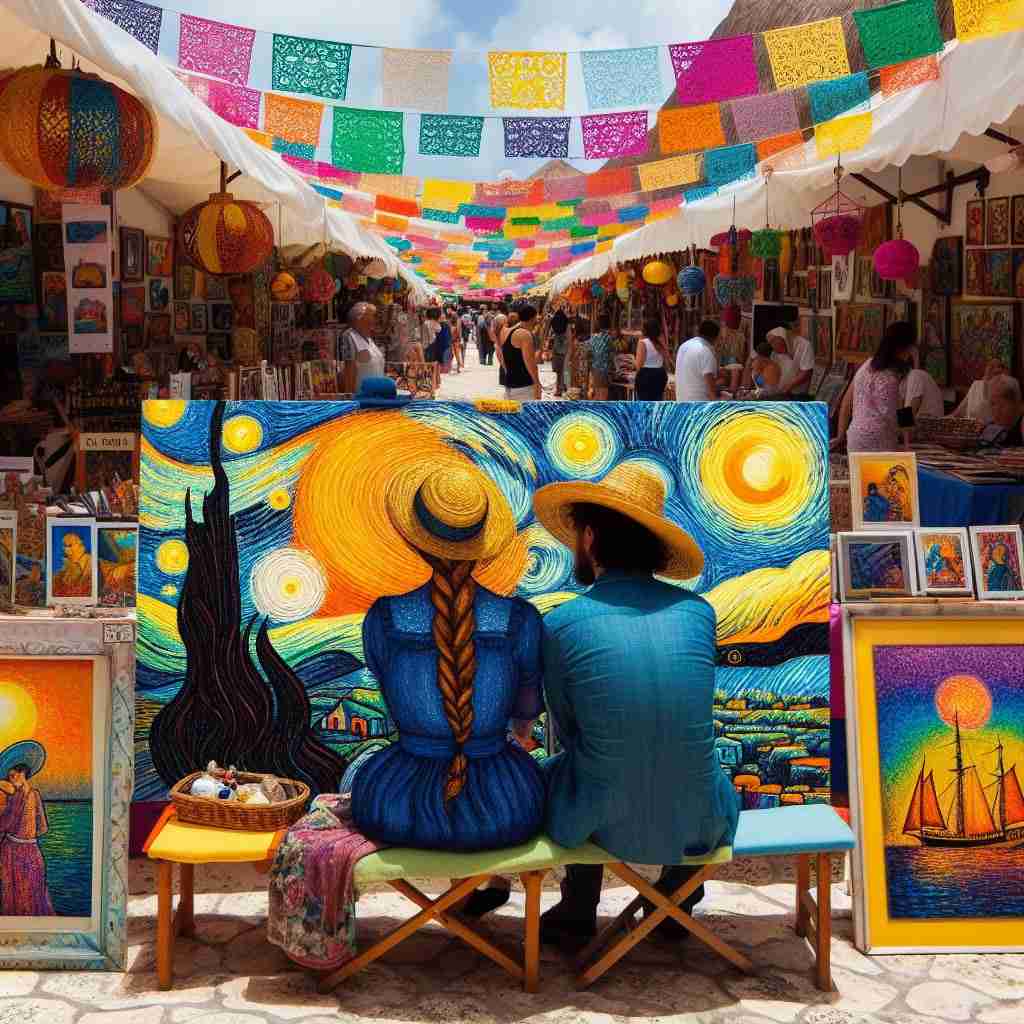
A personal story illustrates this perfectly. After visiting Cozumel years ago, I found myself drawn not just by its beauty but by a local artisan whose intricate crafts told stories of his heritage. Engaging with him transformed my perspective. That experience wasn’t just a vacation; it was a chance to become part of something larger—a community fighting to preserve its identity in the face of relentless change.
In a world where experiences can feel commodified, ethical VR has the potential to redefine our interactions with places like Cozumel. By focusing on authenticity and respect for local narratives, we can enjoy rich, meaningful connections that linger long after the tan fades. Let’s aim for a deeper exploration, leaving behind overhyped representations in pursuit of genuine understanding.
Ethical Vr – Avoiding Overhyped Representations Of Cozumel
Ethical Vr – Avoiding Overhyped Representations Of Cozumel
- Cozumel is often depicted with idyllic images, but the reality is more complex and nuanced.
- The true magic lies in the stories of its people and the challenges they face.
- Tourism impacts sustainability, culture, and the environment of the island.
- Ethical VR can provide immersive experiences that foster understanding rather than mere entertainment.
- This technology can help travelers connect with local narratives, such as those of fishermen dealing with overfishing.
- Authenticity in experiences promotes respect and responsibility towards the local economy and environment.
- Engaging deeply with Cozumel leads to meaningful connections that endure beyond a typical vacation.

Ethical Vr – Avoiding Overhyped Representations Of Cozumel
Table Of Contents
- Ethical Vr – Avoiding Overhyped Representations Of Cozumel
- What Ethical Considerations Arise In Vr Representations?
- What Are the Risks Of Overhyped Vr Tourism Experiences?
- How Can We Promote Authentic Representations In Vr?
- What Role Do Local Communities Play In Vr Content Creation?
- What Strategies Help Avoid Misrepresentation Of Cozumel In Vr?
- How Can Technology Balance Realism and Marketing In Vr?
- What Frameworks Exist for Ethical Vr Content Development?
- Conclusion
- Other Resources
- Glossary Of Terms
- Other Questions
- Haiku
- Poem
- Checklist
What Ethical Considerations Arise In Vr Representations?
What Ethical Considerations Arise In VR Representations?
Diving into the landscape of virtual reality invites us to reflect on what it means to immerse ourselves in digital worlds. Here’s the thing: VR isn’t just about stunning graphics or the adrenaline rush of a new adventure; it’s a gateway into the complex ethical terrain of representation, identity, and human experience. Picture this: you’re exploring the vibrant streets of Cozumel—every detail meticulously crafted to transport you there. But as you navigate this virtual paradise, how aware are you of the implications that come with that experience?
One pressing consideration is the responsibility creators have in how they depict various cultures and communities. When you step into a VR environment, it’s vital to remember that you aren’t just a passive observer; you’re engaging with the narratives of real people, their histories, and traditions. Misrepresentation can lead to stereotypes that linger long after the headset is removed, impacting perceptions in the real world.
Imagine the story of a friend who had a fantastic adventure in a virtual world that didn’t honor the culture it portrayed. He shared how the experience was thrilling, yet it left him feeling strangely uncomfortable, as though he’d taken a joyride through someone’s home without permission. That discomfort is a critical response we must all consider. We risk trivializing someone else’s lived experience when we don’t approach these representations thoughtfully.
Moreover, ethical considerations extend beyond cultural representation. They reach into issues of consent, privacy, and emotional vulnerability. VR can simulate powerful experiences—think of a virtual simulation designed to overcome fears or explore traumatic history. As users, we must ask ourselves: who controls these narratives? Are we treating participants with the dignity they deserve, or are we merely using them as fodder for our entertainment?
What if more creators and developers prioritized ethical storytelling, engaging with communities directly to shape their narratives? By doing so, they could construct experiences that don’t just entertain but educate and foster empathy. This approach transforms VR from a tool for escapism into a powerful medium for connection and understanding.
This isn’t just a theoretical discussion; it’s a call to action. As we step foot into these virtual realms, let’s do so with our eyes wide open, ready to engage not just with the spectacle but with the stories and the people behind them. Embracing this responsibility enriches our experience and honors those whose realities we navigate, crafting a digital landscape grounded in trust and respect.
What Ethical Considerations Arise In Vr Representations?
What Ethical Considerations Arise In Vr Representations?
- Virtual reality (VR) invites reflection on representation, identity, and human experience.
- Creators have a responsibility to accurately depict cultures and communities in VR.
- Misrepresentation in VR can lead to lasting stereotypes and misconceptions.
- Users are urged to consider the implications of their virtual experiences and interactions.
- Ethical considerations include issues of consent, privacy, and emotional vulnerability.
- Engaging communities in narrative creation can transform VR into a tool for education and empathy.
- Recognizing responsibilities in VR enhances user experiences and honors real-life stories.
What Ethical Considerations Arise In Vr Representations?
What Are the Risks Of Overhyped Vr Tourism Experiences?
What Are the Risks Of Overhyped VR Tourism Experiences?
When we think about virtual reality tourism, it’s easy to get swept up in the allure of vivid landscapes and adrenaline-pumping adventures, often advertised with the promise of transcending our ordinary lives. But there’s a hefty price tag to this digital escapism, and it’s not just financial. Overhyped VR experiences can leave you feeling more disconnected than connected, prompting that gnawing question: Was it worth it?
Imagine standing on the sun-kissed shores of Cozumel, the waves lapping gently at your feet, the scent of saltwater mingling with the smell of fresh ceviche nearby. Now, replace that vivid scene with a headset that transports you “somewhere” that doesn’t quite resonate. The graphics might be stunning, but can they replicate the warmth of the sun or the laughter shared with friends over a cold drink? Often, these VR experiences offer a snapshot that lacks depth, leaving you yearning for the real sensations and connections that come with physical presence.
Herein lies a risk: the promise of immersion can turn into a disillusionment. The excitement built up by sensational marketing can lead to disappointment when the technology fails to deliver on its lofty claims. We are part of a culture that craves authenticity – the touch of the sand between our toes, the bustling energy of a street market. Yet, the virtual versions don’t necessarily translate those experiences effectively, leaving many questioning if they’ve traded genuine memories for mere glimpses.
Another risk revolves around the emotional drain. When we invest time and money into these overhyped experiences, we expose ourselves to the potential for frustration. That’s a tough pill to swallow when we could just hop online and watch someone else’s VR experience, for free. Engaging with technology at the expense of genuine human connection can lead to feelings of isolation, which is ironic, considering the context of tourism and adventures meant to bring us closer together.
To navigate these murky waters, it’s vital to approach VR tourism with a critical eye. Engage with those who’ve experienced it; hear their stories. Consider blending the virtual with real-life experiences — perhaps use VR as a teaser that builds excitement for your next trip, taking the leap from the digital realm to the vibrant streets of Cozumel. In doing so, you can ensure that when you finally experience travel, it’s not just a fleeting moment in a headset but a lifelong memory carved into your heart.
What Are the Risks Of Overhyped Vr Tourism Experiences?
What Are the Risks Of Overhyped Vr Tourism Experiences?
- Overhyped VR tourism experiences often promise vivid adventures that may lead to disconnection.
- Immersion may not replicate real-life sensations and connections, leaving users yearning for authenticity.
- Marketing can create unrealistic expectations, resulting in disappointment when technology falls short.
- Many VR experiences may trade genuine memories for temporary glimpses of locations.
- Investing time and money in VR can lead to emotional frustration and isolation.
- Engaging with VR may detract from authentic human connections in tourism.
- Approaching VR tourism critically and blending it with real experiences can enhance travel memories.
What Are the Risks Of Overhyped Vr Tourism Experiences?
How Can We Promote Authentic Representations In Vr?
How Can We Promote Authentic Representations In VR?
Virtual reality holds a mirror to our world, yet often, that reflection is distorted. As we dive deeper into this immersive technology, we face a significant challenge: authenticity. Many of us have experienced painstakingly beautiful VR landscapes, but how often are those landscapes an accurate representation of the communities and cultures they depict? Consider Cozumel, a vibrant island where the sea meets culture in a dance of colors and sounds. Imagine stepping into a VR experience that transports you there but misses the pulse of the local life—the street vendors, the laughter of children, the scent of traditional dishes wafting through the air. That representation can feel like a missed opportunity or, worse, a lie.
To foster authentic representations in VR, we first need to acknowledge that the emotional connection begins with storytelling. Share personal narratives that allow users to feel more than just spectators; they should become part of the experiences. When we allow individuals from those cultures to share their stories, we open the door to genuine understanding. It’s one thing to watch a documentary about Cozumel; it’s an entirely different experience to hear the story of a local artisan in his workshop, showcasing not just his craft but the heart behind it. This connection can transform an abstract experience into something profoundly human.
Moreover, we should actively involve creators from diverse backgrounds in these projects. Think about how powerful it would be to co-create VR experiences with locals, ensuring they speak with their own voices. This collaboration forms a bridge, fostering trust that individuals can feel as they navigate these virtual spaces. Imagine exploring Cozumel, guided by a resident sharing their favorite hidden spots, adding layers of depth and context that scripted narratives usually lack.
Interactivity is another critical pillar. Rather than being passive observers, we should enable users to engage physically and emotionally with the environment. Incorporating choices in the narrative journey fosters a sense of agency that can break down barriers. Will you follow the fisherman to the shore or join the children playing soccer in the plaza? These decisions create a rich tapestry of experiences that mirror the fluid dynamics of real life.
Let’s harness the power of technology not just to simulate experiences but to cultivate understanding, compassion, and ultimately, a deeper trust among users. Empowering individuals to step into the shoes of others—whether in Cozumel or elsewhere—can inspire action, change the narrative, and promote authentic representation in ways we’ve only begun to imagine.
How Can We Promote Authentic Representations In Vr?
How Can We Promote Authentic Representations In Vr?
- Virtual reality often distorts true representations of communities and cultures.
- Authenticity begins with storytelling, allowing users to feel emotionally connected.
- Involving individuals from local cultures can enhance understanding and representation.
- Co-creating VR experiences with locals fosters trust and enhances narrative depth.
- Interactivity empowers users to engage and make choices, creating richer experiences.
- Technology should be used to cultivate empathy and understanding among users.
- Encouraging users to experience different perspectives can inspire action and change.
How Can We Promote Authentic Representations In Vr?
What Role Do Local Communities Play In Vr Content Creation?
Local communities are the unsung heroes in the realm of VR content creation. They transform isolated digital experiences into living, breathing narratives that resonate with authenticity and local flavor. Imagine a small coastal town in Cozumel, where every sunset paints a different story across the sky. Here, local artisans and storytellers bring their unique perspectives to the world of virtual reality, infusing their creations with the spirit of their culture.
When VR creators dive into these communities, they encounter not just landscapes but rich histories, vibrant traditions, and the unique challenges faced by the residents. Picture a talented craftsman, skilled in the art of traditional weaving, using VR to share the intricate process behind each piece. Through an immersive experience, viewers can grasp the time and effort behind a seemingly simple tapestry, fostering a deeper understanding of the culture that produced it.
Communities provide context. They ground digital experiences with the weight of lived reality, allowing creators to tap into local emotions and challenges. For instance, the environmental changes impacting Cozumel’s coral reefs — a crisis felt by locals and visitors alike — can be translated into a compelling VR narrative. By showcasing not just the beauty of the reefs but also the urgent need for conservation, creators can inspire viewers to take action. It’s a call to arms, or perhaps a plea for empathy, highlighted by the voices of those who know the seas best.
Moreover, the collaboration between local talent and tech-savvy individuals leads to a blend of storytelling that is both innovative and deeply personal. Instead of a distant, disconnected voice guiding the viewer, imagine a narrative woven through interviews and interactions with local fishermen, divers, and community leaders. This approach invites viewers to step into someone else’s shoes, fostering a genuine connection with the story being told.
In this digital age, creating VR content isn’t just about the technology. It’s about recognizing the power of local stories and the communities behind them. When creators embrace the heart of a place, the end result is not just entertainment; it becomes a movement. A shared narrative that reminds us of our interconnectedness, urging us toward collective action and understanding. This is the heart of VR content creation; it’s not merely about pixels but bridging the gap between reality and imagination, unlocking stories that have the potential to inspire change.

What Role Do Local Communities Play In Vr Content Creation?
What Role Do Local Communities Play In Vr Content Creation?
- Local communities play a crucial role in VR content creation, enriching narratives with authenticity.
- Artisans in places like Cozumel use VR to share cultural perspectives and storytelling.
- VR experiences reveal local histories, traditions, and the challenges faced by community members.
- Environmental issues, such as the crisis affecting Cozumel’s coral reefs, can be powerfully depicted in VR narratives.
- Collaboration between local talent and tech experts leads to innovative and personal storytelling.
- Creating VR content involves acknowledging the significance of local stories and experiences.
- The ultimate goal of VR is to foster empathy and inspire collective action towards change.

What Role Do Local Communities Play In Vr Content Creation?
What Strategies Help Avoid Misrepresentation Of Cozumel In Vr?
What Strategies Help Avoid Misrepresentation of Cozumel in VR?
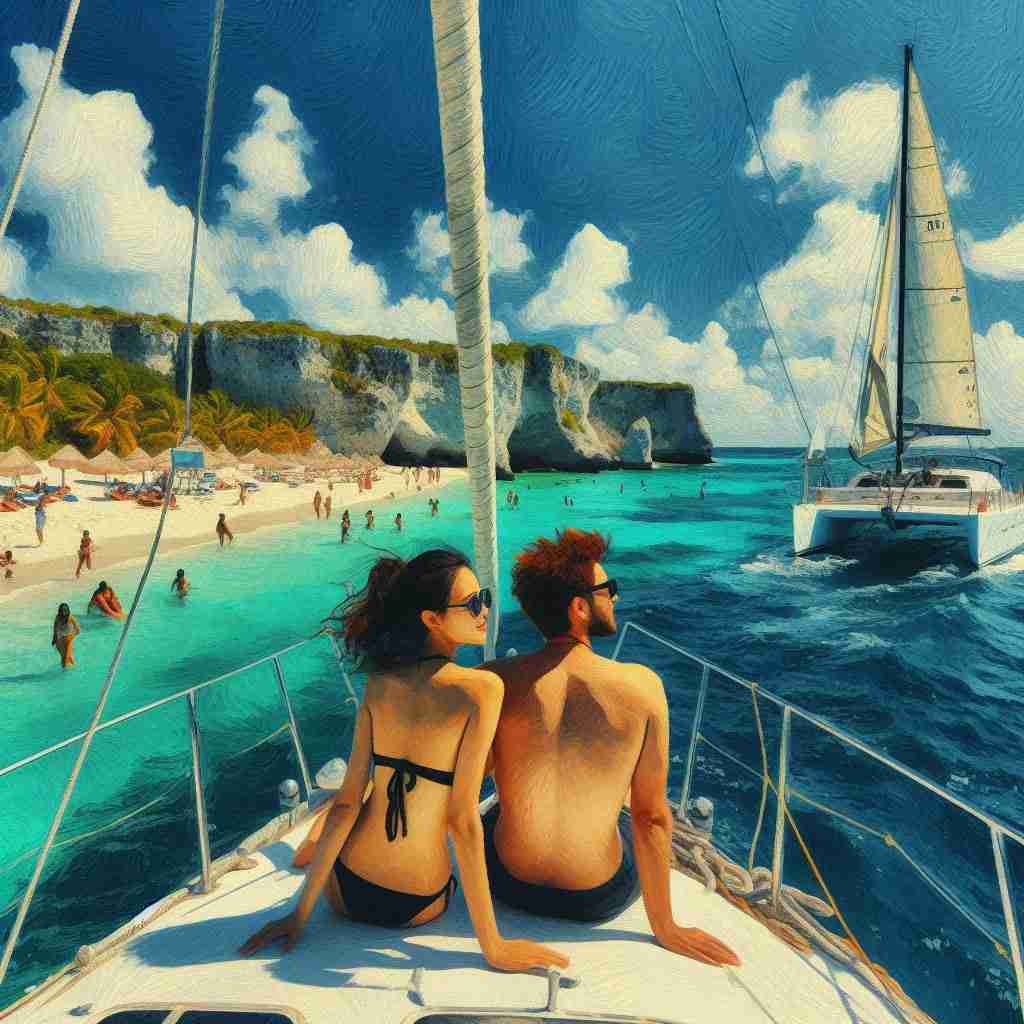
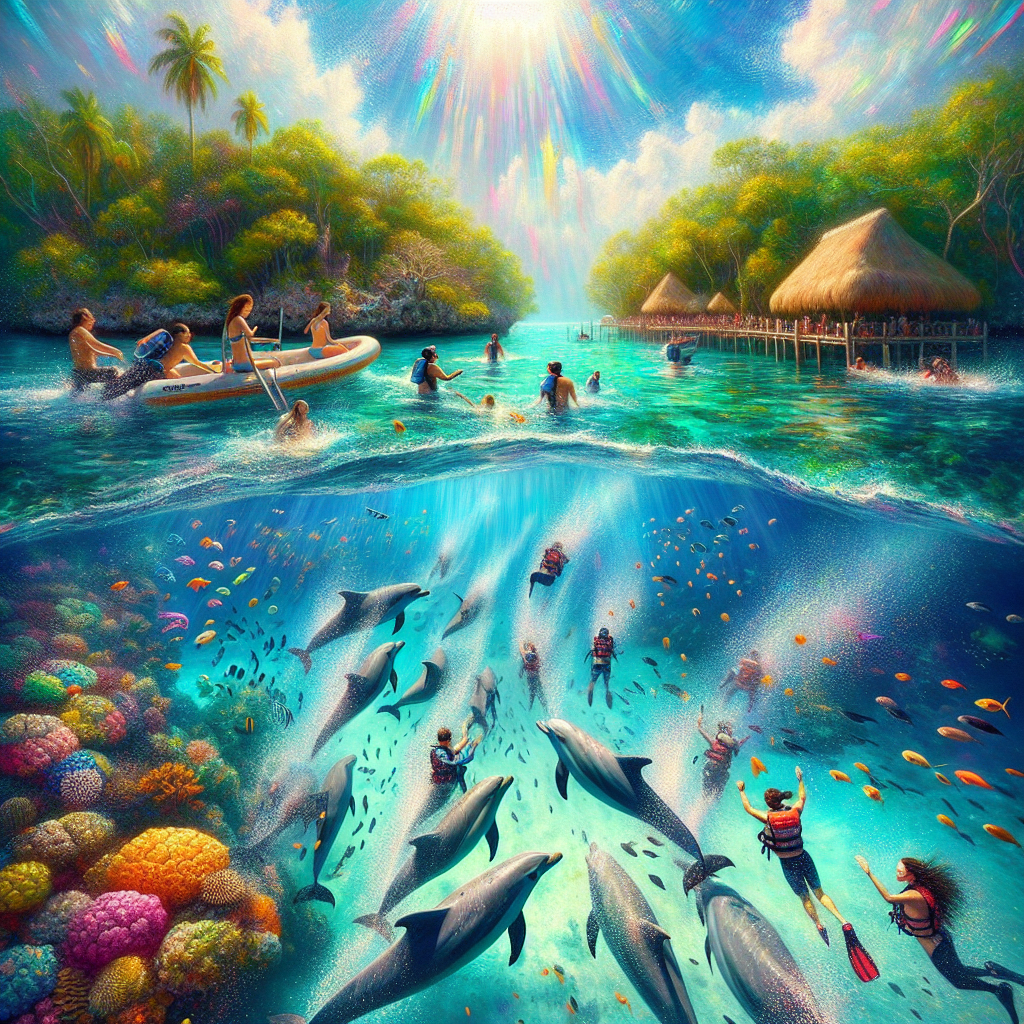
Imagine diving into the vibrant underwater world of Cozumel without leaving your living room. The colors of the coral reefs, the schools of fish darting about—it’s all beautifully captured in virtual reality. But how do we ensure that this immersive experience doesn’t fall victim to misrepresentation? Here are some strategies that can help.
First, authenticity is key. When showcasing Cozumel, it’s important to capture the essence of its culture, history, and environment. Think of it like cooking a family recipe; each ingredient matters. If you skip the spices or alter the measurements, the dish loses its true flavor. Similarly, VR developers need to engage local experts, historians, and residents who can provide valuable insights that ensure their portrayal of Cozumel is not just visually appealing but also culturally rich.
Next, consider the emotional journey of the user. VR experiences should evoke a sense of place and connection. Picture yourself walking along the sandy beaches of Cozumel, with the sound of waves lapping at your feet. That moment should not only be visually stunning but also resonate emotionally. To achieve this, developers can incorporate authentic stories—perhaps tales of fishermen who have roamed these waters for generations or families that have lived on the island for decades. This storytelling can provide a deeper understanding and appreciation of the island, inviting users to feel as if they are part of Cozumel’s community.
Visual representation plays a critical role in capturing Cozumel’s true essence. It’s essential to use high-quality, unfiltered imagery that showcases the island as it is, rather than an idealized version. Just as a well-worn path tells the story of those who walked it before, realistic VR landscapes can share the past, present, and future of Cozumel. Employing techniques such as 360-degree video or interactive tours can enhance this experience, allowing users to explore and engage with the environment more meaningfully.
Finally, keep in mind the responsibility that comes with creating these experiences. The allure of Cozumel shouldn’t be reduced to mere graphics. Foster a relationship between the audience and the environment, encouraging respect and preservation. Offer actionable ways users can support the island—perhaps through local charities or conservation efforts.
By embracing authenticity, weaving in emotional narratives, and prioritizing realistic visuals, we can create a VR experience of Cozumel that resonates deeply with its audience and honors its rich tapestry.
What Strategies Help Avoid Misrepresentation Of Cozumel In Vr?
What Strategies Help Avoid Misrepresentation Of Cozumel In Vr?
- Authenticity is crucial in representing Cozumel’s culture, history, and environment.
- Engage local experts, historians, and residents for accurate insights.
- VR experiences should evoke emotional connections and a sense of place.
- Incorporate authentic stories to enhance user understanding and appreciation.
- Use high-quality, unfiltered imagery to capture Cozumel’s true essence.
- Employ techniques like 360-degree video and interactive tours for immersive experiences.
- Encourage user support for local conservation efforts to foster respect for the island.
What Strategies Help Avoid Misrepresentation Of Cozumel In Vr?
How Can Technology Balance Realism and Marketing In Vr?
In the ever-evolving landscape of virtual reality (VR), where marketing meets the raw, unfiltered pulse of realism, the challenge is significant. You’ve probably experienced VR experiences that lift you high above a picturesque Cozumel, making you feel like you can reach out and touch the turquoise waters. Yet, there’s often a nagging dissonance between how stunning these experiences look and how genuine they feel. This is where technology steps in, not as a mere tool but as a trusted bridge, connecting the allure of marketing with the authentic human experience.
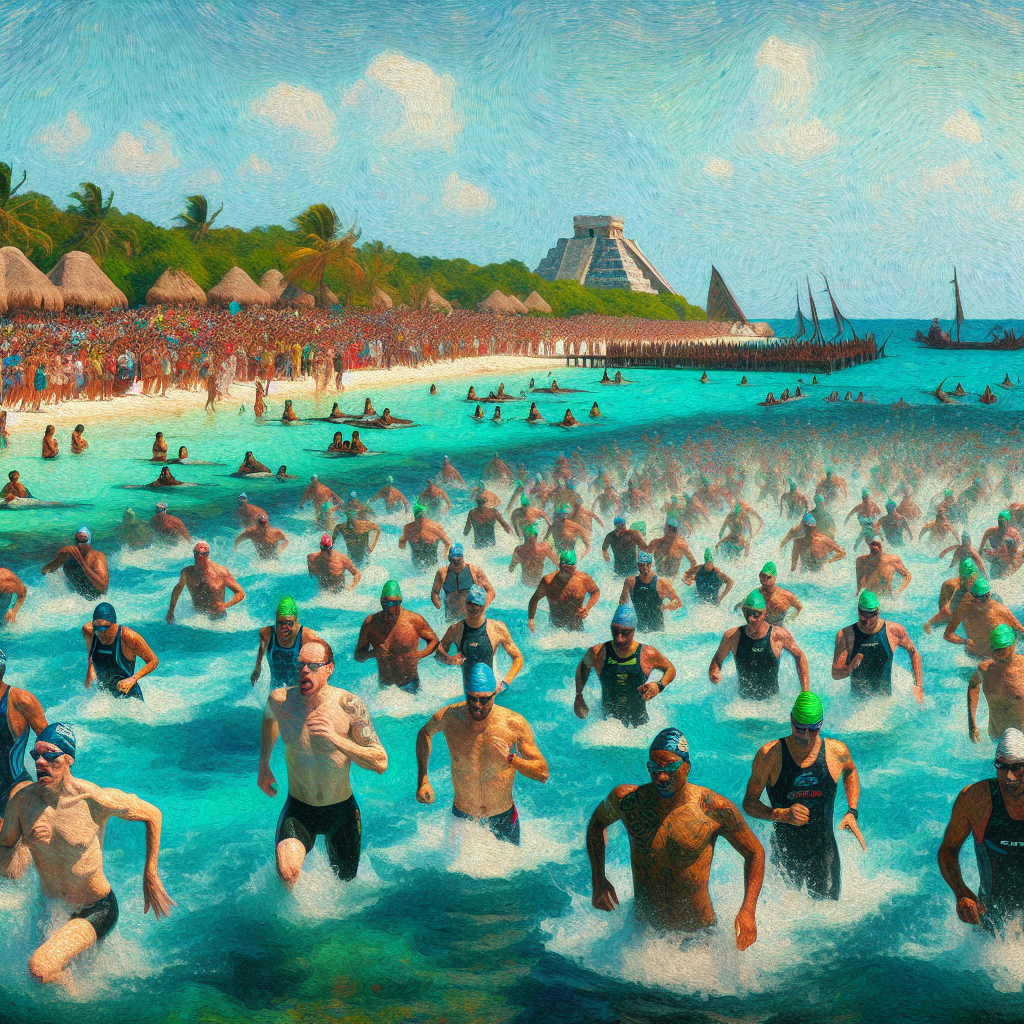
Picture a sailboat gliding across the waves, its sails billowing in the tropical breeze. Just as a skilled sailor knows when to catch the wind and when to steady the ship, developers face a similar task: harnessing the high expectations of marketing while ensuring the experience remains grounded in reality. They can create stunning visuals that draw a crowd, yet if those visuals lack the depth of realism, they risk losing the very audience they sought to enchant. It’s a delicate balancing act—akin to a tightrope walker suspended between two tall buildings, the audience waiting with bated breath for every step.
One unique aspect of this balancing act is the power of storytelling. When technology infuses narratives with emotional resonance, it can turn a simple Virtual Reality escapade into an immersive experience. Imagine exploring a bustling market in Cozumel—not just as a visual extravaganza, but as a journey through the scents and sounds that define it. It’s in these layers of detail that marketing can step aside, allowing authenticity to flourish. Developers harnessing technology can give users nuanced experiences that evoke connection.
We all know that life isn’t just perfect sunny days; sometimes it rains, or things become wildly unpredictable. By incorporating unexpected elements in these VR environments—challenges that might occur in real life—users find themselves feeling more engaged and connected.
So, as we navigate this frontier, remember that the true art of technology lies in its ability to blend the allure of marketing with the richness of real experience. Trust that the journey is worthwhile, and take a plunge into these virtual realms. The blend of realism and marketing is not just a technical endeavor, but a call to dive into experiences that resonate on a deeper level, bringing us all a little closer together, one immersive adventure at a time.
How Can Technology Balance Realism and Marketing In Vr?
How Can Technology Balance Realism and Marketing In Vr?
- The integration of virtual reality (VR) and marketing presents significant challenges in achieving a sense of realism.
- Consumers often feel a disconnect between the visual appeal of VR experiences and their authenticity.
- Technology serves as a crucial link, merging the marketing appeal with genuine human experiences.
- Developers must balance high marketing expectations with a grounded VR experience to maintain audience engagement.
- Storytelling enhances VR by adding emotional depth, transforming experiences into immersive journeys.
- Incorporating unpredictable elements in VR mirrors real-life challenges, increasing user connection and engagement.
- The fusion of realism and marketing in VR not only requires technical skill but also invites users to explore deeper, more resonant experiences.
How Can Technology Balance Realism and Marketing In Vr?
What Frameworks Exist for Ethical Vr Content Development?
What Frameworks Exist for Ethical VR Content Development?
Diving into the realm of virtual reality content development is like stepping into the lush, vibrant waters off Cozumel. It’s an exhilarating experience, but it can also be a little unnerving, even for seasoned creators. Just as those waters teem with life beneath the surface, the world of VR is rich with possibilities—and pitfalls. The ethical considerations surrounding VR development are no minor waves to navigate; they can shift unexpectedly, presenting challenges that demand a thoughtful approach.
One foundational framework for ethical content development exists in the understanding of the impact VR has on users. When designing experiences, developers must acknowledge the profound emotional responses that can be triggered. Remember that feeling of exhilaration when you dive into a new adventure but also the moments of discomfort that come with unexpected depths? The same concept applies to VR. Creators have the power to elicit a spectrum of feelings, from joy to fear, and with that power comes responsibility. Just as a dive instructor must ensure safety and understanding before guiding a novice into the ocean, VR developers must consider the implications of their narratives and environments.
A fresh perspective to explore in this landscape is the idea of “empathetic immersion.” This concept urges developers to create not just experiences but journeys that cultivate understanding and connection. Imagine crafting a scene in VR that places a user in the shoes of someone with a vastly different life experience. This could foster empathy that transcends the digital realm, inspiring real-world action and change. Rather than merely providing an escape, a well-developed VR narrative can become a bridge, connecting diverse audiences through shared experiences.
In practical terms, frameworks such as the VR Developers’ Ethical Guidelines emphasize transparency and user respect. Creators can uphold integrity by being clear about data usage, ensuring consent, and crafting experiences that prioritize user well-being. Just as every responsible ocean explorer leaves no trace behind, VR developers should aspire to create content that enriches rather than exploits.
The challenge lies not just in building compelling experiences but in doing so in an ethical manner. There’s an inspiring chance here to break tradition, redefine norms, and create content that resonates deeply with users, encouraging them to reflect, relate, and take meaningful action. Ethical VR development isn’t merely a goal; it’s a necessity in a world where technology can either unite us or drive us apart. Harnessing this framework with intention could help navigate towards a brighter, more connected future.

What Frameworks Exist for Ethical Vr Content Development?
What Frameworks Exist for Ethical Vr Content Development?
- Understanding the emotional impact of VR is essential for developers.
- Creators must elicit a spectrum of feelings responsibly, recognizing their power.
- Empathetic immersion encourages the creation of journeys that foster connection and understanding.
- Crafting experiences that challenge users’ perspectives can inspire real-world change.
- VR Developers Ethical Guidelines emphasize transparency, consent, and user well-being.
- Ethical VR development is necessary to create content that enriches rather than exploits users.
- There is an opportunity to redefine norms and promote meaningful engagement through ethical practices.

What Frameworks Exist for Ethical Vr Content Development?
Conclusion
The exploration of Cozumel through ethical VR represents a crucial step toward fostering genuine connections between visitors and the island’s rich cultural heritage. While paradise-like images of sun-drenched beaches and vibrant coral reefs often dominate our perceptions of Cozumel, these representations can obscure the deeper, nuanced stories of its local communities. The truth about life in Cozumel intricately intertwines with its landscapes, revealing the challenges faced by its residents and the impact of tourism on their culture and environment.
Ethical VR stands as a powerful tool to uplift these narratives, immersing users in authentic experiences that extend beyond mere visual representations. By allowing users to engage directly with the stories of locals, ethical VR emphasizes understanding over mere escapism. Imagine joining a fisherman as he navigates the daily struggles of overfishing, transforming the tourist experience into an empathetic journey that recognizes individual lives and livelihoods.
Moreover, ethical representations in VR cultivate responsibility, empowering users to appreciate Cozumel not as a backdrop for fleeting pleasures but as a vibrant community deserving of respect and preservation. Initiatives that incorporate local voices in the storytelling process lead to a more robust and truthful depiction of island life. By building narratives rooted in authenticity—such as featuring artisans whose crafts tell the history of their lineage—VR can spark meaningful interactions that linger long after the headset is removed.
Confronting the issue of overhyped representations, a commitment to genuine storytelling honors the complexities and realities of Cozumel while offering a more enriching experience to virtual travelers. This shift fosters a respectful engagement, prompting visitors to support local economies and conservation efforts actively. It emphasizes the importance of perspective, urging both creators and users to consider the implications of their experiences within the context of those who call Cozumel home.
As we navigate the evolving landscape of virtual reality, let’s strive for a balance between realistic depictions and marketing allure. Embracing the ethical dimensions of VR not only transforms how we experience destinations like Cozumel but also nurtures a sense of interconnectedness that transcends geographical boundaries. In doing so, we can elevate the virtual into a force for change, one profound story at a time.
Conclusion
Conclusion:
- Exploration of Cozumel through ethical VR fosters connections to the island’s cultural heritage.
- Tourist perceptions often overlook the complex realities of local communities.
- Ethical VR provides immersive experiences that highlight local narratives and struggles.
- Encourages empathy by allowing users to engage with locals, such as fishermen facing overfishing challenges.
- Promotes responsibility by showcasing Cozumel as a community deserving respect and preservation.
- Incorporating local voices leads to authentic storytelling and meaningful interactions.
- Encourages visitors to support local economies and conservation efforts, fostering a balanced perspective.
Conclusion
Other Resources

Other Resources
Here is a list of other resources you can review online to learn more:
- The LANDMARK of Cozumel
- Coral Reefs
- AirEvac International
- The Cheesecake Factory
- Mayan Bee Sanctuary
- Bahama Breeze
- Cozumel Water Sports
- El Cedral
- Hotel Villa Deja Blue
- Coral Reef National Park in Cozumel
- Casa Denis
- Cozumel Beach Tours
- Palmeras Restaurant
- San Juan Beach Club
- Scuba Life Cozumel
- Playa Azul
- Cozumel Beaches
Use This Prompt To Get More Resources With Your Favorite Online AI Tool: Please provide me with a list of online articles with their URLs in a bulleted list that I can read regarding Ethical Vr – Avoiding Overhyped Representations Of Cozumel
Other Resources
Glossary Terms
Ethical Vr – Avoiding Overhyped Representations Of Cozumel – Glossary Of Terms
1. Authenticity: The quality of being true to the original experience of Cozumel, avoiding exaggerated representations.
2. Immersion: The degree to which a virtual reality experience engages the user in the simulated environment of Cozumel.
3. Representation: How elements of Cozumel are depicted in VR, focusing on accurate and respectful portrayals.
4. Overhyping: The act of exaggerating features or qualities of Cozumel, leading to misleading perceptions in VR experiences.
5. Cultural Sensitivity: Awareness and respect for the local customs, traditions, and values of Cozumel when creating VR content.
6. User Experience (UX): The overall experience of individuals interacting with the VR representation of Cozumel.
7. Sustainability: Practices in VR production that consider environmental impacts and promote long-term ecological health in Cozumel.
8. Accessibility: Designing VR experiences that are usable by people with varying levels of ability, ensuring everyone can explore Cozumel.
9. Narrative Design: The crafting of compelling stories and messages that convey the spirit of Cozumel within the VR framework.
10. Ethical Representation: The commitment to portray Cozumel truthfully and responsibly, avoiding stereotypes and clichés.
11. Simulacrum: A representation or imitation of Cozumel that may lack genuine attributes, potentially misleading users.
12. Engagement: The level of interaction users have with the VR experience, which can enhance understanding of Cozumel.
13. Virtual Tourism: Exploring destinations like Cozumel through VR, which can impact real-world tourism trends.
14. Augmented Reality (AR): Overlaying digital information on the real world, enhancing visitors’ understanding of Cozumel.
15. Cognitive Dissonance: The conflict between users’ expectations of Cozumel and the portrayal they experience in VR.
16. Emotional Resonance: The capacity of VR to evoke feelings about Cozumel, making the experience more impactful.
17. Hyperreality: A condition where the VR representation of Cozumel becomes perceived as more real than reality itself.
18. Ethical Guidelines: Principles that guide creators in maintaining integrity and accuracy in their representation of Cozumel.
19. Digital Narratives: Stories told through digital media in VR that capture the essence of Cozumel’s culture and environment.
20. Feedback Loop: The cycle of user feedback influencing future representations of Cozumel in VR.
21. Experience Design: The planning and development of user interactions within the VR environment of Cozumel.
22. Community Input: The involvement of local Cozumel residents in the creation of VR content to ensure accurate representation.
23. Representation Bias: The risk of one-dimensional portrayals of Cozumel, failing to capture its diverse narratives.
24. Cross-Cultural Narrative: Integrating multiple cultural perspectives in VR to provide a more complete picture of Cozumel.
25. Environmental Integrity: Upholding the ecological values of Cozumel in virtual representations to avoid misrepresentation.
26. Innovative Technology: Advances that enhance the realism and engagement of VR experiences set in Cozumel.
27. Multi-sensory Experience: Engaging multiple senses in the VR representation of Cozumel to deepen immersion.
28. Locational Accuracy: Ensuring physical features and landmarks of Cozumel are portrayed correctly in VR.
29. Narrative Authenticity: The truthfulness and reliability of the stories told within the VR representation of Cozumel.
30. Social Impact: The influence that VR representations of Cozumel can have on public perceptions and local communities.
Glossary Of Terms
Other Questions
Ethical Vr – Avoiding Overhyped Representations Of Cozumel – Other Questions
If you wish to explore and discover more, consider looking for answers to these questions:
- How were local residents consulted during the VR development?
- Were community members fairly compensated for their time, stories, and likenesses?
- Who owns the rights to the captured footage, 3D assets, and narratives?
- Did participants give informed consent for their images, voices, and stories to be used—and is consent revocable?
- Can community members request removal or revision of content after publication?
- How does the VR experience portray Cozumel’s social and economic challenges (e.g., overfishing, tourism pressures)?
- Are local cultural protocols, sacred sites, and traditions respected in the capture and depiction?
- What steps were taken to avoid stereotyping or exoticizing local people and culture?
- How accurate and well-researched is the historical and cultural information presented in the experience?
- Are local languages, dialects, and oral histories included and translated accurately?
- How are artisans, fishermen, and other local contributors credited and featured—authentically or staged?
- How are proceeds or revenue from commercial VR products shared with the Cozumel community?
- Does the VR content provide actionable ways for users to support local economies and conservation?
- How does marketing copy align with the actual VR experience to avoid overpromising?
- What measures were taken to balance polished visuals with truthful representation?
- What environmental footprint resulted from producing the VR project (travel, equipment, energy)?
- How accessible is the experience for users with disabilities (visual, auditory, mobility, cognitive)?
- What are the minimum hardware and bandwidth requirements to run the VR content as intended?
- How is user privacy protected, especially regarding biometric or behavioral data collected by VR systems?
- Are there safeguards to mitigate emotional harm from intense, traumatic, or highly immersive scenes?
- Which ethical frameworks, guidelines, or standards guided the project’s design and release?
- Was the content reviewed by independent cultural advisors or community oversight boards?
- How will the VR experience be updated to reflect ongoing social, cultural, or environmental changes?
- What capture and reconstruction methods were used (e.g., photogrammetry, LiDAR), and what distortions might they introduce?
- How are complex topics like resource scarcity, labor conditions, and tourism impacts contextualized rather than simplified?
- Does the VR offering discourage harmful tourist behaviors or simply act as a marketing lure for in-person visits?
- How do creators measure whether the VR experience fosters empathy, understanding, or real-world action?
- What metrics track impact on local economies, visitor behavior, and conservation outcomes?
- How are power imbalances between external developers and local communities addressed and mitigated?
- What training in cultural sensitivity, consent practices, and ethical storytelling did the development team receive?
- Can communities co-own, co-govern, or veto VR projects about their place, and how is governance structured?
- What funding and business models support ethical VR projects without compromising community interests?
- Are there precedent case studies of successful, community-led VR initiatives the project drew from?
- How will disputes or claims of misrepresentation be handled legally and ethically?
- What long-term responsibilities do creators have toward the communities represented after distribution?
Other Questions
Haiku
Ethical Vr – Avoiding Overhyped Representations Of Cozumel – A Haiku
Cozumel’s true pulse,
Beyond bright shores and smiles,
Real stories reveal.

Haiku
Poem
Ethical Vr – Avoiding Overhyped Representations Of Cozumel – A Poem
In Cozumels embrace, where the sun softly glows,
Beyond vibrant shores, deeper narrative flows.
Glimmers of paradise, yet stories untold,
Of fishermens battles, their lives brave and bold.
Ethical VR bridges what’s real and the dream,
Immersing us deeper, unearthing the theme.
A vibrant culture, hidden beneath tides,
Where echoes of life in each coral reef hides.
Beyond glossy visions, authenticity blooms,
Fostering trust while the ocean’s song looms.
Local artisans weave tales through their hands,
Sharing the essence of life in the sands.
But caution we take, for hype can mislead,
Disconnection lingers where wanderers feed.
So let’s cherish the warmth in each fleeting glance,
Cultivating respect with each virtual dance.
Guided by locals, we step through their doors,
Discovering richness in lifes daily chores.
An experience woven, not mere pixels on screen,
A tapestry of voices, unfiltered and keen.
As we navigate waters both real and profound,
Let empathy blossom, let understanding abound.
With technology’s compass, let’s balance our fate,
Creating with purpose, before it’s too late.
In Cozumels heart, may our journeys unfold,
A quest for connection, authentically bold.
With every VR venture, let our spirits arise,
Celebrating cultures beneath open skies.

Poem
Checklist
Ethical Vr – Avoiding Overhyped Representations Of Cozumel – A Checklist
Authentic Representation
✅______ Engage local communities in the creation process.
✅______ Highlight diverse cultural narratives and histories.
✅______ Use high-quality, unfiltered imagery of Cozumel.
Cultural Sensitivity
✅______ Ensure accurate portrayal of local customs and traditions.
✅______ Avoid stereotypes and misrepresentations in VR experiences.
✅______ Consult cultural experts or local stakeholders for feedback.
Emotional Engagement
✅______ Incorporate personal stories from residents.
✅______ Create emotionally resonant narratives that connect users to local life.
✅______ Use immersive elements that evoke a sense of place.
Environmental Awareness
✅______ Address local sustainability challenges within VR content.
✅______ Promote conservation efforts and respect for natural resources.
✅______ Provide actionable ways for users to support local environments.
User Responsibility
✅______ Encourage users to engage with realism over idealized representations.
✅______ Foster a critical perspective on VR experiences and their implications.
✅______ Highlight the impact of tourism on local communities and environments.
Technological Integrity
✅______ Balance marketing enticements with genuine user experiences.
✅______ Avoid overhyping VR capabilities or experiences.
✅______ Ensure technological accuracy aligns with narrative authenticity.
Ethical Guidelines
✅______ Uphold transparency regarding data usage and user consent.
✅______ Prioritize user well-being throughout the VR journey.
✅______ Develop content that aims for empathy and connection over mere entertainment.
Community Involvement
✅______ Feature local artisans and their crafts to enrich narratives.
✅______ Collaborate with community leaders for co-creation of VR content.
✅______ Involve diverse voices to provide a holistic view of Cozumel.
Feedback and Adaptation
✅______ Continuously seek feedback from local communities post-launch.
✅______ Make adjustments based on community input and user experiences.
✅______ Evolve approaches to ensure ongoing relevance and respect.

Checklist
At TopCozumelNews, we help travelers enjoy Cozumel by collating information learned from frequently traveling to beautiful Cozumel.
Be sure to read our other related stories at TopCozumelNews to learn more about the Island of Cozumel.