Thriving In Cozumel: The Language You Need To Succeed
By Tom Seest
At TopCozumelNews, we help travelers enjoy Cozumel by collating information learned from frequently traveling to beautiful Cozumel.
Be sure to read our other related stories at TopCozumelNews to learn more about the Island of Cozumel.
Do You Need to Speak Spanish to Live In Cozumel?
Living in Cozumel can feel like stepping into a postcard. The island’s warm sun, swaying palms, and turquoise waters beckon you to embrace a new lifestyle. But before packing your bags and heading south, there’s a question that looms large: Do you need to speak Spanish to thrive in this vibrant paradise?
Let’s tackle this from the heart first. Picture yourself strolling through San Miguel, the island’s bustling main town, where the air is rich with the scent of local foods and the laughter of children playing. In this environment, understanding the language can transform simple exchanges into connections that make you feel at home. Whether it’s ordering your favorite street taco or chatting with your neighbor about the weather, language fosters relationships. It’s not just about communicating; it’s about belonging.
Now, let’s engage your head. While many locals in Cozumel do speak English, especially in tourist areas, knowing Spanish can open doors to deeper experiences. Imagine negotiating a price at the local market or discussing the island’s history with a fisherman who knows the sea like the back of his hand. These interactions enrich your time here, enabling you to soak in the culture beyond the typical tourist trail. Plus, the cognitive benefits of learning a language are undeniable—improved memory, problem-solving skills, and increased creativity are just a few perks that come with the challenge.
On an ethical level, making an effort to learn Spanish resonates with the locals who see you not as just another tourist, but as a part of their community. It shows respect for their culture and fosters goodwill. You become a guest who appreciates the nuances of their way of life, which builds trust and mutual respect.
Emotionally, think about the stories you’ll collect. Each conversation, each new word mastered, is a thread woven into the rich tapestry of your Cozumel experience. You’ll find yourself not just observing life, but participating in it—perhaps dancing at a local fiesta or celebrating a holiday with newfound friends.
So, while it isn’t strictly necessary to speak Spanish to live in Cozumel, consider this: the path to a richer, more fulfilling experience is paved with curiosity and a willingness to learn. Embrace the challenge. Dive in, and discover not just a new place, but a new part of yourself.

Do You Need to Speak Spanish to Live In Cozumel?
Do You Need to Speak Spanish to Live In Cozumel?
- Living in Cozumel offers a picturesque and inviting lifestyle with warm sun, palm trees, and turquoise waters.
- Speaking Spanish can enhance your experience by fostering deeper connections with locals and creating a sense of belonging.
- While many locals speak English, knowing Spanish allows for richer interactions and cultural immersion beyond tourist spots.
- Learning Spanish offers cognitive benefits such as improved memory, problem-solving skills, and increased creativity.
- Making an effort to speak Spanish is appreciated by locals, showing respect for their culture and building trust.
- Each conversation in Spanish contributes to a more engaged and enriching experience in Cozumel.
- While not strictly necessary to speak Spanish, embracing the language can lead to a more fulfilling and meaningful life in the island paradise.

Do You Need to Speak Spanish to Live In Cozumel?
Table Of Contents
- Do You Need to Speak Spanish to Live In Cozumel?
- What Are The Emotional Ties That Draw You To Live In Cozumel?
- Can You Truly Enjoy Paradise If You Struggle To Communicate Daily?
- What Practical Benefits Does Speaking Spanish Offer For Everyday Life?
- How Might Fluency In Spanish Open Up New Opportunities For You?
- How Can Local Friendships Flourish When You Embrace The Language?
- What Are The Stories Of Others Who Thrived By Learning Spanish Here?
- What Resources Exist To Help You Learn Spanish Before Moving?
- Conclusion
- Other Resources
- Glossary Of Terms
- Other Questions
- Haiku
- Poem
- Checklist
What Are The Emotional Ties That Draw You To Live In Cozumel?
Nestled in the turquoise embrace of the Caribbean, Cozumel is more than a destination; it’s a living tapestry woven from the threads of experiences, memories, and connections that seep into your very soul. The emotional ties that draw many to live here aren’t just about the sun-kissed beaches or the vibrant coral reefs; they pulse with the heartbeat of a community that invites you in with open arms.
Picture this: You start your day with the sun rising over the horizon, its golden rays spilling onto the soft sands, and you can’t help but feel an overwhelming sense of gratitude. The rhythm of island life encourages you to slow down, to savor each moment—a stark contrast to the daily grind of hurried city life. It’s in these quiet moments, whether sipping coffee in a local café while the fishermen haul in their morning catch or taking a leisurely stroll through the bustling markets, that you find the essence of connection. These experiences resonate deeply, as you begin to recognize that you are part of something greater—an interconnected web of human stories and shared laughter.
Rationally, the appeal extends beyond mere aesthetics. Cozumel offers an affordability of life that many dream of—less financial stress means more emotional space to pursue passions and build relationships. This nurturing environment fosters creativity, collaboration, and growth, drawing in like-minded souls who are eager to share their journey with you. The natural beauty not only invigorates the senses but inspires a profound sense of responsibility to preserve it for future generations. You find yourself living not just for today, but for a legacy that celebrates the richness of nature.
Ethically, choosing to immerse yourself in the local culture enriches your spirit. The warmth of the Cozumel community reveals an unwavering resilience, an admirable respect for traditions that have withstood the test of time. By engaging with local artisans and participating in community initiatives, you contribute to a sustainable future, nurturing not just the land, but the very heartbeat of its people.
Socially, the bonds formed here go beyond casual acquaintances; these are friendships forged amid laughter at sunset gatherings, heart-to-heart conversations beneath a starlit sky, and shared endeavors to protect your island home. Each interaction holds the promise of connection, a reminder that life’s sweetest moments are lived together.
In this captivating setting, the emotional tapestry of Cozumel stitches together the heart, head, and gut, inviting you to lay down roots in the embrace of a vibrant, welcoming community. The call of Cozumel isn’t just about where you live; it’s about how you live and love.

What Are The Emotional Ties That Draw You To Live In Cozumel?
What Are The Emotional Ties That Draw You To Live In Cozumel?
- Cozumel is a vibrant destination rich in experiences, memories, and a sense of community.
- The natural beauty of the island encourages a slower pace of life, fostering gratitude and connection.
- Living in Cozumel offers affordability, reducing financial stress and allowing for personal growth and creativity.
- Engagement with local culture and traditions contributes to a sustainable and nurturing community.
- Strong social bonds form through shared experiences, fostering deep friendships and a sense of belonging.
- The island inspires a responsibility to preserve its beauty for future generations.
- Cozumel invites individuals to not just reside, but to enrich their lives through love and connection.

What Are The Emotional Ties That Draw You To Live In Cozumel?
Can You Truly Enjoy Paradise If You Struggle To Communicate Daily?
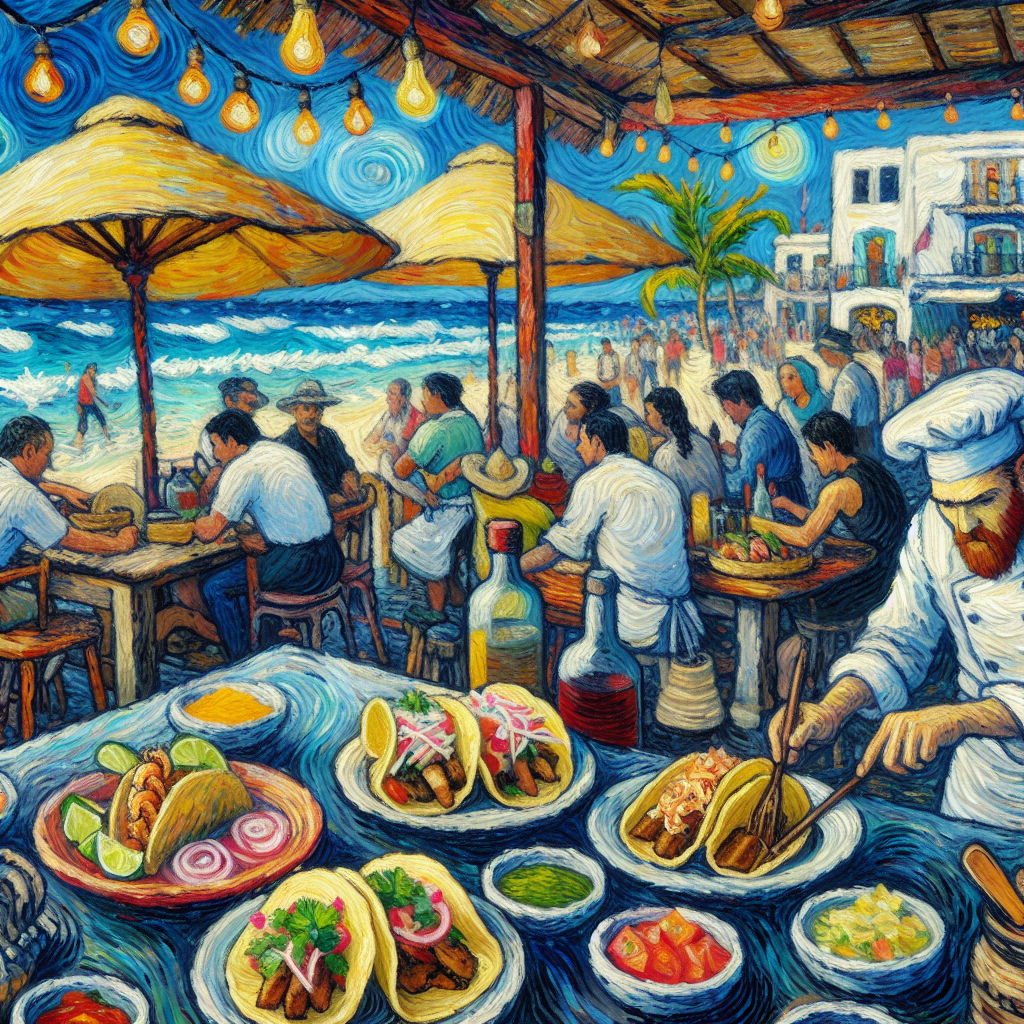
Imagine stepping off the ferry onto the sun-kissed shores of Cozumel, where the azure waters beckon and the air is thick with the scent of fresh tacos. You’re in paradise—yet, as you look around, you’re struck by a nagging feeling: your grasp on the local language is flimsy at best. Suddenly, a place synonymous with relaxation becomes a canvas painted with isolation.
Now, picture this: you’re at a bustling market, surrounded by laughter and spirited banter, but you only catch snippets—just enough to make you feel like an outsider peering in. It’s an experience that stirs the gut; a longing not just for the delicious food or stunning landscapes, but for real connection. When we travel, we yearn to dive into the culture, to bond over shared experiences. But how do you connect when the words evade you?
Rationally speaking, language is the bedrock of communication. It’s more than just a series of sounds; it’s a bridge to understanding. When you can express your thoughts, ask questions, and share stories, you’re not just a spectator in paradise – you become part of it. You engage with the locals, learn their stories, and pass down your own experiences. The human connections formed through shared laughter, perhaps over a botched order of “tacos al pastor,” transform moments of uncertainty into cherished memories.
Ethically, we must consider the responsibility that comes with traveling—immersing ourselves in a culture that is not our own. It’s about respect; respecting the people, the language, and the rich tapestry that makes Cozumel what it is. So why not pick up a few phrases, or better yet, learn through interactions? It’s an investment in not just your trip but in humanity itself.
In sharing our stories, we realize that we’re not alone. Many have stood where you stand now: in a beautiful place, feeling lost in translation. Those experiences can ignite a spark, urging you to step outside your comfort zone. So grab that phrasebook or download that language app. Embrace the awkwardness of mispronunciation because it is in those moments where connection blooms. By communicating, however imperfectly, you not only explore paradise but also engage with hearts—yours and theirs. That’s the essence of travel, the heartbeat of adventure.

Can You Truly Enjoy Paradise If You Struggle To Communicate Daily?
Can You Truly Enjoy Paradise If You Struggle To Communicate Daily?
- Arrival in Cozumel highlights the contrast between beauty and isolation due to language barriers.
- Markets embody a vibrant culture, yet limited language skills can hinder genuine connection.
- Language is essential for effective communication, allowing deeper engagement with locals.
- Shared experiences, like laughter over food missteps, create memorable connections.
- Traveling comes with an ethical responsibility to respect local cultures and languages.
- Investing time in learning local phrases enhances the travel experience and fosters connections.
- Embracing language challenges can lead to meaningful interactions and adventures in unfamiliar places.
Can You Truly Enjoy Paradise If You Struggle To Communicate Daily?
What Practical Benefits Does Speaking Spanish Offer For Everyday Life?
Imagine stepping off a boat in Cozumel, the salty breeze lifting the corners of your shirt, the vibrant colors of the market tempting you to explore. You breathe in the aroma of fresh tortillas and sizzling carne asada. Now, picture this: you see a local vendor, their smile as warm as the sun, but when they greet you, the words come in a flurry of Spanish that dances through the air. If you’re standing there tongue-tied, all those tantalizing experiences might just slip away.
This is where speaking Spanish transforms an ordinary vacation into an extraordinary adventure. It’s not just about ordering tacos—it’s about connecting, engaging, and understanding a culture far richer than any guidebook can describe. When you speak Spanish, you’re not just navigating a new place; you’re building bridges across language barriers, experiencing the heartfelt stories that hide in every corner of the streets. You’ll enjoy lively conversations that can weave a tapestry of friendship and understanding that transcends borders.
Beyond travel, think about everyday life back home. In a country where Spanish is the second most spoken language, being bilingual can unlock countless opportunities—whether it’s an important job interview or simply chatting with a neighbor who could become a lifelong friend. The ability to communicate with a wider range of people not only enhances your social circle but also expands your worldview. You start to appreciate different perspectives, enriching your understanding of humanity.
Ethically, speaking Spanish encourages cross-cultural respect. In a time when unity can feel like a distant dream, every time you use this language, you’re planting a seed of connection. Picture a community where families share stories and cultures, children laugh together in the playground, and the fabric of society grows stronger.
Finally, let’s talk authority. In a world that values adaptability, being bilingual isn’t just a feather in your cap; it’s a catalyst for personal and professional growth. It signals to employers that you’re resourceful, culturally aware, and ready for challenges. It’s an investment in yourself that pays dividends in both confidence and capability.
So, whether you’re wandering the enchanting streets of Cozumel or enjoying a quiet evening with friends, speaking Spanish empowers you. It opens doors, fosters connection, and enhances every experience—turning the mundane into the magnificent.

What Practical Benefits Does Speaking Spanish Offer For Everyday Life?
What Practical Benefits Does Speaking Spanish Offer For Everyday Life?
- Stepping off a boat in Cozumel evokes sensory experiences, from the salty breeze to vibrant market colors.
- Speaking Spanish enhances travel by fostering connections and cultural engagement beyond mere ordering of food.
- Being bilingual opens new opportunities in everyday life, including job prospects and social interactions.
- Speaking Spanish promotes cross-cultural respect and strengthens community bonds through shared stories.
- Being bilingual signals adaptability and resourcefulness to employers, aiding personal and professional growth.
- Spanish empowers individuals by enhancing experiences and fostering meaningful connections.
- Ultimately, speaking Spanish transforms the ordinary moments into extraordinary adventures.

What Practical Benefits Does Speaking Spanish Offer For Everyday Life?
How Might Fluency In Spanish Open Up New Opportunities For You?
Imagine this: you’re standing on a sun-kissed beach in Cozumel, the turquoise waves gently rolling in, the salty breeze playing with your hair. It’s easy to get lost in the beauty of it all, but what if you could connect more deeply with the people who call this paradise home? Fluency in Spanish doesn’t just unlock the door to conversations; it paints the whole picture of experiences just waiting for you to dive in.
On a practical level, learning Spanish is like adding a powerful tool to your toolkit—one that opens doors in business, travel, education, and relationships. Companies today are actively seeking individuals who can bridge the gap between cultures. In a world that’s becoming increasingly interconnected, being bilingual is a competitive edge, a shining star on your resume that says you’re adaptable and committed. It fosters confidence, showing that you’re not just comfortable in your skin but also ready to step outside your comfort zone.
Now, let’s dig into the emotional side—think about the moments you’ll miss if you can’t communicate in Spanish. You might be in a dusty village market where the vendor, with his weathered hands, tells you the history of his family’s recipes. Or you could find yourself sharing laughs with new friends over a local dish, realizing that your different backgrounds only add more flavor to the experience. There’s a rich tapestry of human connection waiting on the other side of language barriers, and every thread woven into it adds depth to your life’s narrative.
Ethically, learning Spanish opens the door to greater understanding and empathy. You can better appreciate the struggles and triumphs of Spanish-speaking communities, and that insight brings with it a responsibility to foster cultural respect and awareness. In a world that often feels divided, becoming fluent is an act of solidarity and friendship.
And let’s not forget the social aspect. Imagine the stories you’ll collect—a wild night in a salsa club, laughter shared over freshly made churros, or the ease of navigating the streets of a foreign city. Each interaction can leave you richer and more fulfilled. So, whether you’re dreaming of Cozumel or stepping into a conversation with a colleague, remember that fluency in Spanish is more than just language; it’s an invitation to truly live. Seize that opportunity. Embrace the challenge. The world is waiting for you.

How Might Fluency In Spanish Open Up New Opportunities For You?
How Might Fluency In Spanish Open Up New Opportunities For You?
- Standing on a beautiful beach in Cozumel highlights the desire to connect with locals through language.
- Fluency in Spanish offers deeper experiences and enhances interactions with residents.
- Learning Spanish is a practical skill that opens doors in business, travel, education, and relationships.
- Bilingualism provides a competitive edge in a globally connected job market.
- Understanding Spanish fosters emotional connections and enriches cultural experiences.
- Learning the language promotes empathy and cultural respect towards Spanish-speaking communities.
- Mastering Spanish leads to memorable social experiences and personal growth.

How Might Fluency In Spanish Open Up New Opportunities For You?
How Can Local Friendships Flourish When You Embrace The Language?
When you find yourself in a place like Cozumel, the turquoise waters may give you a warm welcome, but it’s the local friendships that truly transform a fleeting vacation into a meaningful tapestry of shared experiences. Embracing the language spoken by the locals isn’t just about words; it’s about building bridges. Each phrase you articulate nurtures trust, pulls at heartstrings, and lays the foundation for genuine connections.
Imagine wandering through quaint streets, eager to exchange pleasantries with a shopkeeper who’s watching the world unfold from behind their stall. You muster up the courage to say “¡Hola!” or ask for “leche” instead of pointing at a menu. Suddenly, that simple interaction grows into a deeper conversation about their family’s history, their favorite fishing spots, or the best places to catch the sunset. This isn’t just chat; it’s the essence of community, interwoven with emotion and buoyed by mutual respect.
Think about it rationally: when you engage with locals in their language, you access a treasure trove of authentic knowledge and experiences. The culinary delights you sample aren’t just meals; they become stories. You learn that the dish you’re savoring is crafted with secrets passed down through generations, and that recipe carries love, toil, and shared memories. This is a learning experience that no travelogue can capture.
Ethically, there’s something profound about honoring the customs and language of your hosts. It signifies respect and appreciation, fostering an atmosphere of inclusivity. This kind of reciprocity builds not only friendships but also trust; the locals will see you as a friend and not just a tourist snapping photos.
As you continue to foster connections, remember that every conversation is a thread woven into the vibrant fabric of local life. These relationships can turn into lifelong connections, challenging the often-sterile narrative of travel as a mere escape. It’s more than just a visit; it’s an invitation to belong, to share laughter and stories over a table of fresh ceviche, and to leave a piece of your heart in Cozumel with friends you’ve made along the way.
So, why hold back? Embrace the language, and your travels will ignite into something far more valuable than mere memories—they’ll become life-altering friendships.

How Can Local Friendships Flourish When You Embrace The Language?
How Can Local Friendships Flourish When You Embrace The Language?
- Cozumel’s turquoise waters welcome visitors, but local friendships deepen the vacation experience.
- Learning the local language builds trust and creates genuine connections.
- Simple interactions with locals can lead to deeper discussions about their lives and community.
- Engaging with locals provides access to authentic knowledge and culinary stories.
- Honoring local customs and language fosters respect and inclusivity, creating a reciprocal relationship.
- Every conversation becomes a thread in the local fabric, potentially leading to lifelong friendships.
- Embracing the language transforms travel from a mere visit into a journey of meaningful connections.

How Can Local Friendships Flourish When You Embrace The Language?
What Are The Stories Of Others Who Thrived By Learning Spanish Here?
In the tropical waters of Cozumel, where the sun kisses the sea and every sunrise feels like a promise, a diverse community thrives, thanks in part to a shared language: Spanish. Among these stories are the lives of people who took the leap to learn this beautiful language, transforming not just their communication, but their very existence.
Take Lisa, for instance. A retired engineer from Ohio, she relocated to Cozumel dreaming of adventure and a new lease on life. Initially overwhelmed by the linguistic barrier, she dug her heels into Spanish with the same tenacity she had applied to her career. I remember her sharing how ordering food turned from a simple act to a source of anxiety. Yet, with every stumble and every mispronunciation, her determination grew. The first time she confidently placed her order in a bustling local café, the warmth of the waitress’s smile told her she’d not just ordered lunch—she’d connected with her new home.
Then there’s Miguel, a local fisherman whose ancestors have cast nets in these waters for generations. He speaks of clients who once hurriedly pointed at their choices, lost in translation. After he learned English, not only did his fishing business flourish, but his relationships transformed. Families returned not just for fresh fish, but for stories shared over meals, bridging cultural divides through mutual respect. “Language is the sea where we all swim,” he muses, articulating a truth that lingers in the salty air.
These tales aren’t just anecdotes; they are testament to the power of language as a connector. Learning Spanish opened doors to friendships, job opportunities, and deeper cultural understanding. The ethical imperative to embrace another’s tongue fosters community and compassion, reminding us that in a world increasingly divided, connections can redefine our experiences.
Many who embrace Spanish find themselves becoming part of an intricate tapestry; a group united by mutual respect and shared dreams. In a community like Cozumel, whether one is visiting or staying, the act of learning can ripple through lives, creating bonds that last a lifetime.
So, if you’ve been curious, take that first step. Learn Spanish. It’s not merely about words; it’s about weaving your own story into the fabric of a vibrant community. You never know—the best connections you make could be just a phrase away.

What Are The Stories Of Others Who Thrived By Learning Spanish Here?
What Are The Stories Of Others Who Thrived By Learning Spanish Here?
- Cozumel is a diverse community where Spanish serves as a shared language.
- Lisa, a retired engineer from Ohio, overcame linguistic barriers to connect with her new home.
- Ordering food became a significant milestone for Lisa, symbolizing her integration into local culture.
- Miguel, a local fisherman, learned English to improve his business and relationships with clients.
- Language fosters connections, bridging cultural divides and enhancing community interactions.
- Learning Spanish opens doors to friendships, job opportunities, and deeper cultural understanding.
- Embracing another language enriches life experiences and promotes community and compassion.

What Are The Stories Of Others Who Thrived By Learning Spanish Here?
What Resources Exist To Help You Learn Spanish Before Moving?
When dreaming of moving to places like Cozumel, the language barrier can feel like standing at the edge of a cliff—exciting but daunting. You might think, “Where do I even begin?” Fear not, because an array of resources awaits to guide you on this journey, offering both structure and a sense of community.
Start with language learning platforms that treat your effort with respect. Apps like Duolingo and Babbel offer tailored lessons, turning language acquisition into a game rather than a chore. You’ll find bite-sized phrases that stick with you, making grocery shopping or chatting with locals much less intimidating—and, let’s be honest, there’s nothing more satisfying than ordering tacos in perfect Spanish.
But let’s not shy away from the human factor. Local language exchange meet-ups, either in-person if you’re already nearby or virtually through platforms like Meetup, foster real connections. Picture this: you sit at a café, practicing conjugations over a cup of coffee, laughter spilling into the air as you stumble over vocabulary. This isn’t just learning—it’s forming bonds that make your new home feel like it was meant for you.
In addition to apps and meet-ups, consider resources like podcasts. These gems make any commute or chore a crash course in Spanish. Imagine putting in your earbuds and tuning in to a native speaker sharing tales of life in Cozumel while offering tips on the language. You’ll absorb rhythm, context, and culture in a way textbooks can’t teach.
Books, of course, hold wisdom too. Grabbing bilingual stories transports you between languages, helping to bridge that gap. Moreover, joining a local library or participating in an online book club about Latin American literature fosters an enriched understanding of the culture you’ll soon call home.
And do you know what’s truly ethical about all this? Engaging deeply with a language and culture fosters respect and appreciation. It shows you’re not just there to take but to embrace—becoming a part of the tapestry rather than a stitch come undone.
Ultimately, whether you’re picking up an app, practicing with a neighbor, or absorbing stories through podcasts, these resources invite you into a world where you can feel confident, connected, and ready for the adventure ahead. Don’t just learn Spanish; dive into the heart of it and let Cozumel become a part of who you are.

What Resources Exist To Help You Learn Spanish Before Moving?
What Resources Exist To Help You Learn Spanish Before Moving?
- Language barrier in places like Cozumel can be daunting yet exciting.
- Utilize language learning apps such as Duolingo and Babbel for engaging lessons.
- Participate in local language exchange meet-ups for real-world practice and connections.
- Listen to podcasts to enhance comprehension and absorb cultural context.
- Read bilingual stories and join book clubs to deepen understanding of Latin American culture.
- Engaging with the local language and culture fosters respect and community integration.
- Embrace these resources to feel confident and connected in your new adventure.

What Resources Exist To Help You Learn Spanish Before Moving?
Conclusion
Cozumel, with its stunning vistas and vibrant community, is more than just a destination; it’s a profound opportunity for personal growth and connection. As you consider making this beautiful island your home, the question of whether you need to speak Spanish may weigh heavily on your mind. The reality is that while you can navigate life here without the language, embracing Spanish can illuminate your experience in ways you never imagined.
At its core, language is the lifeblood of connection. Speaking Spanish is your passport to transforming simple transactions into rich interactions, where smiles and stories replace mere exchanges. Envision walking through San Miguel and engaging in heartfelt conversations with the locals, sharing not just words, but laughter and understanding. It’s in these moments that belonging takes root, turning a fleeting vacation into a life-changing adventure.
Rationally, the benefits extend far beyond the surface. Engaging with Spanish opens doors to local traditions, histories, and a deeper understanding of the island’s culture, enhancing your overall quality of life. Think about the memories you’ll create when you can ask a fisherman about his trade or barter for fresh produce at a bustling market. Each conversation enriches not just your vocabulary but your very experience of Cozumel.
Ethically, making an effort to learn the language honors the people and their heritage. By embracing Spanish, you actively participate in the community, showing respect and admiration for their culture. This builds bridges of goodwill and fosters a sense of trust and connection, allowing you to form friendships that transcend language barriers.
Emotions run high in this journey of language learning. Each mispronounced word and hesitant phrase is a step toward deeper relationships—those moments when you bond over food, festivals, and shared experiences. It’s about the adrenaline rush of conquering your fears and stepping outside your comfort zone, knowing that every effort brings you closer to the heart of Cozumel.
Ultimately, fluency in Spanish is an invitation—an open door to a richer life. It empowers you to engage with the community, leaving a meaningful mark on both your life and the lives of those you encounter. So, take that plunge; immerse yourself in the language, in the culture, and watch as Cozumel transforms from a beautiful backdrop to a canvas of cherished friendships and unforgettable stories. This isn’t just about learning a language; it’s about living a life fully, with passion and connection at its core.

Conclusion
Conclusion:
- Cozumel offers personal growth and community connection beyond being just a destination.
- While navigating life without Spanish is possible, learning the language enhances your experience.
- Speaking Spanish fosters deeper interactions, turning routine exchanges into meaningful conversations.
- Engaging with the language provides insights into local traditions, culture, and history.
- Learning Spanish shows respect for the local culture, building goodwill and trust within the community.
- Language learning creates emotional connections through shared experiences and overcoming challenges.
- Fluency in Spanish enriches your life and allows you to form cherished friendships in Cozumel.

Conclusion
Other Resources

Other Resources
One quiet thing worth knowing: where you stay on the island changes what you can actually do here. If you’re sketching out a trip, these may help. Cozumel Relaxing is a walled-garden 2-bedroom villa in Gonzalo Guerrero built for slow mornings and long stays. Hotel Villa Deja Blue is a small villa-hotel with on-site restaurant — the closest thing in Cozumel to an extended-stay hotel: flexible nightly stays with service and breakfast.
Here is a list of other resources you can review online to learn more:
- UltraMar
- Nachi Cocom Beach Club
- Muelle Fiscal
- Cozumel Museum
- El Casino – La Casa del Mojito
- Jimmy Buffett’s Margaritaville Cozumel
- Palancar Beach
- Dolphin Discovery Cozumel
- Jersey Mike’s Subs
- Cozumel Airport
- Kondesa Restaurant
- Dunkin’ Donuts
- Cozumel Country Club
- Cafe Caribe
- Cozumel Beaches
- Super Taqueria EL PIQUE
- Liveaboard Diving
- Dolphinaris Cozumel
- Cozumel Relaxing
- Hotel Villa Deja Blue
Use This Prompt To Get More Resources With Your Favorite Online AI Tool: Please provide me with a list of online articles with their URLs in a bulleted list that I can read regarding Do You Need to Speak Spanish to Live In Cozumel?

Other Resources
Glossary Terms
Do You Need to Speak Spanish to Live In Cozumel? – Glossary Of Terms
1. Cozumel: An island in the Caribbean Sea off the eastern coast of Mexico, known for its beautiful beaches and snorkeling spots.
2. Spanish: The primary language spoken in Mexico, essential for communication in many local contexts.
3. Tourism: The business and activities associated with providing services to travelers, a significant economic driver in Cozumel.
4. Expat: A person who lives outside their native country, often found in Cozumel due to its appealing lifestyle.
5. Bilingual: A person who can speak two languages fluently; useful in Cozumel for interacting with locals and tourists.
6. English: A widely spoken language in tourist areas of Cozumel, often used alongside Spanish.
7. Cultural Integration: The process of incorporating aspects of a new culture into one’s lifestyle, often requiring some language proficiency.
8. Market: A place where goods are bought and sold, often featuring local vendors; navigational skills in Spanish can enhance the experience.
9. Restaurant: An establishment where food is served; menus and communication may be primarily in Spanish.
10. Real Estate: Property ownership; understanding legal terms in Spanish can be crucial for buying or renting in Cozumel.
11. Local Customs: Traditions and practices unique to the region; knowledge of Spanish can enhance understanding and participation.
12. Healthcare: Medical services available on the island; Spanish may be necessary for effective communication with providers.
13. Social Interaction: Engaging with individuals in the community; language skills can improve relationships with locals.
14. Public Transport: Buses and taxis that operate on the island; directional signs and announcements may be in Spanish.
15. Grocery Store: A retail establishment for food and everyday items; Spanish is commonly used in labeling and store names.
16. Community Events: Local gatherings or festivals; participation may require understanding announcements or descriptions in Spanish.
17. Job Market: Employment opportunities on the island; proficiency in Spanish can broaden job prospects.
18. Courses: Classes offered for language learning or other skills, available for those looking to enhance their Spanish.
19. Viable: Capable of working successfully; living in Cozumel without Spanish can be viable in tourist areas but may limit experiences.
20. Networking: Building relationships for personal or professional purposes; language skills facilitate better connections.
21. Navigational Skills: Ability to find one’s way; understanding Spanish can improve navigation assistance and directions.
22. Cultural Sensitivity: Awareness and respect for cultural differences; language skills can enhance this understanding.
23. Local Government: Administrative bodies that govern the area; official communication and documents will primarily be in Spanish.
24. Educational System: Schools and institutions for learning; knowledge of Spanish is vital for effective engagement.
25. Language Barrier: The difficulties in communication due to differences in language; can be a challenge for non-Spanish speakers.
26. Social Services: Programs and resources available to residents; information may be predominantly available in Spanish.
27. Acclimation: The process of becoming accustomed to a new environment; language plays a significant role in this adjustment.
28. Hispanic Culture: The rich traditions and customs originating from Spanish-speaking countries; understanding the language can deepen appreciation.
29. Tourist Attractions: Popular sites and activities for visitors; descriptions and information may be primarily in Spanish.
30. Living Expenses: Costs associated with living in Cozumel; understanding local pricing and transactions may require Spanish proficiency.

Glossary Of Terms
Other Questions
Do You Need to Speak Spanish to Live In Cozumel? – Other Questions
If you wish to explore and discover more, consider looking for answers to these questions:
- What are the best apps for learning Spanish effectively?
- How can I immerse myself in the local culture while learning Spanish?
- What are some common phrases I should know before moving to Cozumel?
- How can I practice my Spanish speaking skills with locals?
- What cultural nuances should I be aware of when living in Cozumel?
- Are there any language schools in Cozumel that offer immersive programs?
- What is the average cost of living in Cozumel for expatriates?
- What are the pros and cons of living in Cozumel as a non-Spanish speaker?
- How can I find local events to practice Spanish and meet new friends?
- What success stories do other expatriates have about learning Spanish in Cozumel?

Other Questions
Haiku
Do You Need to Speak Spanish to Live In Cozumel? – A Haiku
In Cozumel’s embrace,
Language weaves threads of the heart.
Speak, connect, belong.

Haiku
Poem
Do You Need to Speak Spanish to Live In Cozumel? – A Poem
Beneath the sunlit skies of Cozumel’s embrace,
Where turquoise waves dance, a warm, inviting place,
A question lingers soft on the coastal breeze,
“Do you need to speak Spanish to feel truly at ease?”
With streets alive in laughter, aromas so sweet,
Language blooms like flowers where cultures meet,
In the bustling markets, as stories unfold,
To speak is to connect, to share and be bold.
In the heart of the island, community thrives,
Through words shared in kindness, each spirit arrives,
A taco, a greeting, a joke told with cheer,
Unlocks bonds of friendship, as warm as the year.
Rational minds ponder the depths to explore,
How fluency crafts paths that lay open new doors,
In markets and cafés, where locals all smile,
Each phrase learned builds bridges, each moment worthwhile.
Ethics remind us, as we journey afar,
Respect grows from learning, transforming who we are,
No longer just tourists, we step into kin,
Embracing the culture—let the adventure begin.
For stories are woven in threads of the tongue,
From Lisa who conquered her fears and then sung,
To Miguel, the fisherman, sharing his lore,
Language weaves us together, forevermore.
So dive into the lessons, let curiosity bloom,
With apps and with meetups, find your rhythm, your tune,
Learn not just for knowledge, but to feel and relate,
For life’s richest moments come as hearts resonate.
In a world richly painted with voices that blend,
Every word is a thread, building ties that transcend,
Embrace each phrase softly, let your spirit soar high,
In the language of Cozumel, find your voice—let it fly.

Poem
Checklist
Do You Need to Speak Spanish to Live In Cozumel? – A Checklist
Checklist for Thriving in Cozumel: Embrace the Language
Emotional Connection
_____ Visualize Your Experience: Reflect on how speaking Spanish can transform casual interactions into meaningful connections.
_____ Cultivate Gratitude: Start each day in Cozumel by appreciating the little moments that enrich your life.
_____ Embrace Local Stories: Seek out opportunities to collect stories from locals to deepen your emotional ties to the community.
Rational Engagement
_____ Research: Investigate how knowing Spanish can enhance your cultural experiences beyond the tourist trail.
_____ Consider Cognitive Benefits: Recognize the advantages of learning a new language on your mental agility (memory, problem-solving).
_____ Explore Affordability: Compare living costs in Cozumel versus your current location to highlight economic benefits.
Ethical Considerations
_____ Show Respect: Commit to learning Spanish as a way to honor the local culture and community.
_____ Engage Responsibly: Participate in community initiatives to demonstrate your investment in Cozumel’s future.
_____ Foster Inclusivity: Understand the importance of language in creating a bridge between cultures.
Authority Resources
_____ Identify Learning Tools: Pinpoint language apps (like Duolingo or Babbel) and resources that will support your Spanish learning journey.
_____ Staying Informed: Follow local blogs or websites that provide insights about the Cozumel community to stay connected.
_____ Seek Out Language Classes: Enroll in local programs or classes to gain structured learning and practice opportunities.
Narrative Opportunities
_____ Relatable Success Stories: Share and immerse yourself in stories of others who have thrived through learning Spanish.
_____ Personal Goals: Set specific, narrative-driven language goals (e. g. , “I want to order my coffee in Spanish”).
_____ Journaling: Keep a journal of your experiences and progress to reflect on how language enhances your journey.
Social Connections
_____ Join Local Meet-ups: Participate in language exchange groups to practice conversational Spanish with locals.
_____ Engage in the Community: Attend local events and interact with residents to build friendships.
_____ Cultivate a Social Circle: Network with expats and locals, building connections that will support your transition.
Utilize this checklist to embrace the richness of Cozumel through the language of its people, enhancing every facet of your life on the island.

Checklist
At TopCozumelNews, we help travelers enjoy Cozumel by collating information learned from frequently traveling to beautiful Cozumel.
Be sure to read our other related stories at TopCozumelNews to learn more about the Island of Cozumel.