




An Overview Of Cultural Sensitivity In AI – Respecting Local Traditions In Cozumel Tourism
By Tom Seest
At TopCozumelNews, we help travelers enjoy Cozumel by collating information learned from frequently traveling to beautiful Cozumel.
Be sure to read our other related stories at TopCozumelNews to learn more about the Island of Cozumel.
Cultural Sensitivity In AI – Respecting Local Traditions In Cozumel Tourism
Cultural Sensitivity In AI – Respecting Local Traditions In Cozumel Tourism
Cozumel is more than just a picturesque destination; it’s a living tapestry of history, culture, and community. Every corner of this island echoes with the stories of its people, from the ancient Mayans to the vibrant local artisans. As we embrace technology in tourism, particularly AI, it’s crucial to remember that we’re not just dealing with data; we’re interacting with lives. The challenge lies in bridging the gap between innovation and respect for local traditions. It’s a balancing act—a tug of war between the relentless march of technology and the preservation of genuine cultural experiences.
Imagine stepping off a cruise ship in Cozumel, the salty air surrounding you, filled with laughter and the clanging of maracas. You’re searching for an authentic experience, not just another tourist trap. However, when AI-driven recommendations lead you to mass-produced souvenirs instead of handmade crafts, the charm of discovering the island fades. It’s a bit like ordering a gourmet meal only to find out it’s been microwaved. That disappointment resonates deeply.
Understanding local traditions goes beyond mere awareness; it requires an emotional connection. For instance, the importance of the Day of the Dead celebrations in Cozumel isn’t just about colorful altars and sugar skulls; it’s a heartfelt acknowledgment of ancestry and remembrance. AI tools need to capture this essence, translating data into personal stories that highlight the significance of these traditions. Picture an AI app that doesn’t just guide you to a historical site but also tells you the story of a local family who has honored their ancestors for generations. That’s truly connection.
Moreover, let’s address the elephant in the room: fear of losing authenticity. There’s a pervasive concern that AI could strip away the soul of tourism, transforming unique spaces into homogenized experiences. The antidote to this fear isn’t to shy away from technology but to leverage it responsibly. Companies can create AI systems that not only respect but elevate local culture. For example, an algorithm could promote tours led by local guides who share their personal histories, ensuring that tourists aren’t just spectators but participants in the cultural narrative.
In Cozumel, it’s about fostering trust—trust in technology that respects the land and its people. If we want to enhance the visitor experience, we must first honor the local traditions that make this island special. When technology serves as a bridge rather than a barrier, we can all partake in a richer, more connected journey. That’s the real beauty of tourism—when we find common ground through respect and understanding.

Cultural Sensitivity In AI – Respecting Local Traditions In Cozumel Tourism
Cultural Sensitivity In AI – Respecting Local Traditions In Cozumel Tourism
- Cozumel is a unique destination rich in history, culture, and community.
- AI in tourism must bridge innovation and respect for local traditions.
- Authentic experiences are preferred over mass-produced offerings driven by AI.
- Understanding local traditions requires emotional connection, exemplified by the Day of the Dead celebrations.
- AI tools should convey personal stories that reflect cultural significance.
- Concerns exist that AI might homogenize unique tourism experiences.
- Responsible use of AI can enhance cultural narratives and foster trust within local communities.

Cultural Sensitivity In AI – Respecting Local Traditions In Cozumel Tourism
Table Of Contents
- Cultural Sensitivity In AI – Respecting Local Traditions In Cozumel Tourism
- What Is Cultural Sensitivity In the Context Of Ai?
- How Does AI Impact Local Traditions?
- Why Is Respecting Local Culture Important In Tourism?
- In What Ways Can AI Be Used to Enhance Cultural Understanding?
- What Are the Challenges Of Implementing Cultural Sensitivity In Ai?
- How Can Tourists Benefit From Culturally Sensitive AI Applications?
- What Role Do Local Communities Play In Shaping AI Outcomes?
- Conclusion
- Other Resources
- Glossary Of Terms
- Other Questions
- Haiku
- Poem
- Checklist
What Is Cultural Sensitivity In the Context Of Ai?
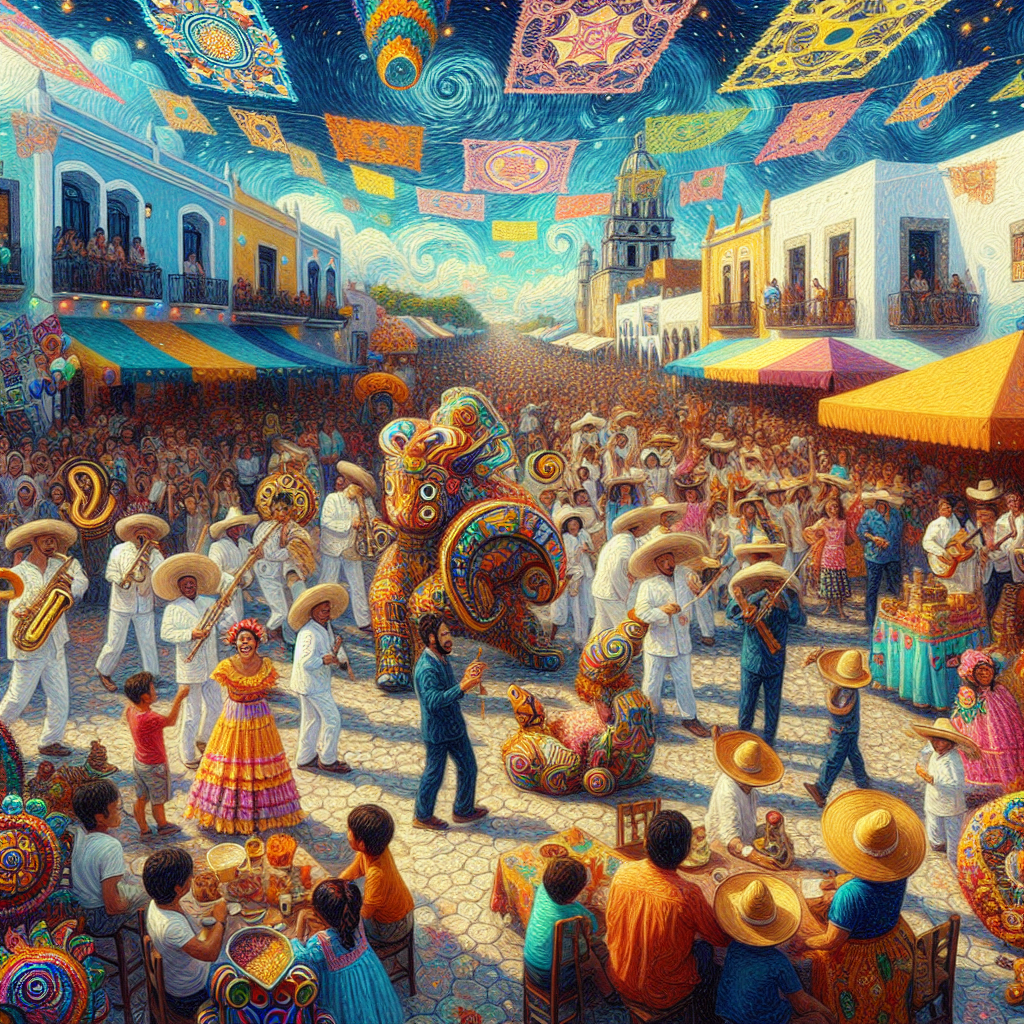
Cultural sensitivity in the context of AI is a delicate dance, where understanding the intricate tapestry of human experience is essential. Picture a lively marketplace in Cozumel, vibrant with different colors, sounds, and scents. Just as one wouldn’t stride through that bazaar with blinders on, the same principle applies to AI. It’s about being aware of the diverse cultural landscapes we navigate every day.
Imagine you’re on vacation, surrounded by locals who speak a language you don’t quite understand. You nod and smile, but there’s a disconnect because you miss the nuances of their gestures and expressions. Now, think about AI as that traveler. It can process vast amounts of data, but without a true understanding of cultural context, it risks misinterpreting or misrepresenting the very people it aims to serve. When AI tools are developed without cultural sensitivity, they can inadvertently perpetuate stereotypes or leave entire groups feeling marginalized.
Let’s get personal for a moment. Reflect on a time when you felt misunderstood because of your background or beliefs. Perhaps it was an offhand comment at a dinner party, or a joke that didn’t land well. You realize that while the intent might have been harmless, the impact was not. AI faces a similar challenge. The technology relies on patterns from data, but if that data reflects biased viewpoints or lacks representation, the AI will stumble just like our traveler trying to navigate that bustling market.
Here’s the crux: fostering true cultural sensitivity in AI isn’t merely about checking boxes or meeting compliance standards. It’s about weaving understanding into the algorithm’s very core. Developers and researchers must engage with communities, listen to their stories, and recognize the richness that diversity brings. This isn’t just a set of recommendations; it’s an imperative. If we want our AI systems to build trust and create connections, we must prioritize cultural sensitivity from inception.
Imagine the potential of an AI that not only processes information but also understands the cultural significance behind a word or an action. Like the first ray of sunlight breaking over the horizon of Cozumel, it could illuminate pathways to a more inclusive future. That would inspire action not just within tech circles but across society as a whole. When AI truly respects and incorporates cultural nuances, it can transform from being a tool to becoming a companion in our shared human experience.

What Is Cultural Sensitivity In the Context Of Ai?
What Is Cultural Sensitivity In the Context Of Ai?
- Cultural sensitivity in AI requires understanding diverse human experiences.
- AI must navigate cultural landscapes without blinders, similar to a traveler in a vibrant market.
- Lack of cultural context can lead AI to misinterpret information, perpetuating stereotypes.
- Personal experiences of misunderstanding highlight the importance of cultural awareness in AI.
- True cultural sensitivity in AI development involves community engagement and representation.
- Prioritizing cultural sensitivity from the start is essential for building trust in AI systems.
- An AI that understands cultural nuances can transform interactions and foster inclusivity.
What Is Cultural Sensitivity In the Context Of Ai?
How Does AI Impact Local Traditions?
In the vibrant spirit of places like Cozumel, local traditions are woven into the very fabric of daily life. They tell stories of resilience, craftsmanship, and community. When AI steps into this picture, it feels a bit like introducing a technical wizard into a deep-rooted family gathering—it’s intriguing, even intimidating, and has the potential to disrupt the familiar vibe our cherished traditions bring.
Imagine you’re sitting in a bustling marketplace, where artisans showcase their handmade crafts, each item telling a story that connects generations. When AI comes into play, it raises questions: Can algorithms learn the nuances of these stories? Can they replicate the intricate patterns of traditional weaving or the flavors of an age-old recipe? There’s an emotional pull here, a tug at the heartstrings of those who find solace in the authenticity of local culture. AI, with all its potential, can sometimes feel like a specter hovering over traditions we hold dear.
But let’s shift our perspective. What if AI isn’t here to replace our traditions, but to elevate them? Think back to the family gatherings where recipes are handed down. Now picture using AI to archive these culinary traditions—collecting years of family secrets into a digital cookbook accessible to all. Rather than eroding craftsmanship, AI tools can carve out spaces for artisans, helping them reach a broader audience. For those craftsmen and women in Cozumel, this could mean showcasing their jewelry or textiles to a global marketplace while still retaining that unique local touch.
Consider also how AI can streamline the process of telling these stories. Picture a local storyteller using AI to create interactive experiences, blending oral traditions with innovative technology to draw in a new generation. This is not about losing connection; rather, it’s about fostering it. By engaging the youth with technology they understand, we can cultivate a deep appreciation for the roots of their culture.
In navigating this new landscape, trust becomes essential. Local communities can harness AI as a partner, one that respects and promotes traditions, instead of undermining them. There’s untapped potential here, an opportunity to build bridges between past and present. With collaboration, education, and a willingness to innovate, we might find that AI is not an adversary but an ally—encouraging not just survival, but the thriving of local traditions.

How Does AI Impact Local Traditions?
How Does AI Impact Local Traditions?
- Local traditions in places like Cozumel embody resilience, craftsmanship, and community.
- AI’s introduction feels like a technical disruption in deeply rooted cultural settings.
- Questions arise about AI’s ability to understand and replicate traditional stories and craftsmanship.
- AI can archive culinary traditions, creating digital cookbooks to share family recipes.
- AI tools can enhance artisans’ reach to a global audience while preserving local uniqueness.
- AI can facilitate storytelling by creating interactive experiences that engage younger generations.
- Trust and collaboration between communities and AI can foster the thriving of local traditions.

How Does AI Impact Local Traditions?
Why Is Respecting Local Culture Important In Tourism?
Respecting local culture in tourism isn’t just a polite suggestion; it’s a fundamental principle that shapes the travel experience for everyone involved. Picture yourself arriving in Cozumel, where the rhythm of the waves seems to match the pulse of local life. You step off the boat, and the vibrant colors of the markets, the enticing aroma of freshly made tortillas, and the smiles of the residents pull you in. But what happens when tourists treat this island like an extension of their own backyard, ignoring the customs and traditions that make it unique?
It’s easy to get swept up in the excitement of new experiences. After all, you want to soak in every moment. Yet, diving into a culture requires more than just a camera and the desire for a killer Instagram shot. Respecting local customs is about understanding the stories woven into the fabrics of daily life. Each interaction can either build bridges or erect walls. For instance, consider the locals in Cozumel who share tales of their ancestors and the island’s rich history. When tourists ask questions and genuinely engage, it fosters a sense of connection, making both parties feel valued. But dismissive attitudes can easily lead to misunderstandings and resentment.
Embracing local culture isn’t merely about avoiding faux pas; it’s a path to authentic experiences. Think of it like walking into a friend’s home. You wouldn’t plop yourself down on the couch without considering their rules or traditions, would you? Respect enriches the experience. Instead of just witnessing a traditional dance, join in, learn the movements, and you’ll find yourself immersed in the spirit of the moment. This engagement transforms passive observation into an active celebration of culture.
Moreover, respecting culture boosts the local economy when travelers choose to support artisans, eat at family-run restaurants, and participate in community events. It’s a way of giving back, ensuring that the vibrancy of places like Cozumel continues to exist for years to come, rather than fading into a sterile tourist trap.
In the grander scheme of things, every time we choose to engage with respect, we contribute to a tourism model that values integrity and authenticity. The challenge lies in stepping outside our comfort zones, but the rewards are manifold. So the next time you find yourself venturing into new territory, remember: your presence can either be a fleeting moment or a lasting memory, not just for you, but for the community that welcomes you. Respect is the difference.

Why Is Respecting Local Culture Important In Tourism?
Why Is Respecting Local Culture Important In Tourism?
- Respecting local culture in tourism is essential for shaping positive travel experiences.
- Experiencing a destination like Cozumel involves engaging with its customs and traditions.
- Active engagement with locals fosters connection and understanding, enhancing the travel experience.
- Respecting culture leads to authentic interactions and celebrations of local heritage.
- Supporting local artisans and businesses benefits the community and the economy.
- Engaging respectfully contributes to a tourism model that prioritizes integrity and authenticity.
- Your actions as a traveler can create lasting memories for both you and the local community.

Why Is Respecting Local Culture Important In Tourism?
In What Ways Can AI Be Used to Enhance Cultural Understanding?
Imagine you’re strolling through the vibrant marketplaces of Cozumel, a place where colors, sounds, and aromas create a rich tapestry of culture. Engaging with the locals, you feel an immediate connection as they share stories about their traditions, customs, and everyday lives. Now, picture an AI-driven tool that enhances this experience, bridging cultures and breaking down barriers.
AI can peel back the layers of unfamiliar cultures, equipping us with tools to foster deeper connections. Through language translation apps, travelers can communicate more effectively, transforming what might have been a simple transaction into a meaningful exchange. You’re not just buying souvenirs; you’re hearing how they’re crafted, the stories behind them, and perhaps even sharing a laugh. Suddenly, the world feels smaller, more accessible, and that initial apprehension dissolves into camaraderie.
Yet, let’s be honest; diving into another culture can be intimidating. We worry about misinterpretations or offending someone inadvertently. But here’s the twist: AI isn’t here to replace human interaction; it’s here to augment it. Imagine an AI assistant that doesn’t just translate words but also conveys the nuances of a culture—like understanding that saying “no” can sometimes mean “maybe” in certain contexts. It’s a way of showcasing the beauty in our differences, turning potential faux pas into bridges of understanding.
Consider storytelling. AI has the remarkable ability to curate personal narratives, drawing connections between disparate experiences. An algorithm might identify that someone in Tokyo loves cooking Mexican cuisine. With a few clicks, they stumble upon a virtual cooking class hosted by a talented chef from Cozumel. They connect over shared culinary passions, illustrating how a simple AI-driven suggestion can lead to friendships that span oceans and cultures.
These tools can serve as powerful catalysts for empathy, pushing us beyond our comfort zones. The hurdles we face—fear of misunderstanding, cultural differences, or even just the age-old struggle to communicate—become less daunting when we have AI to lend a hand. It’s not about losing the human touch; it’s about enhancing it. Through technology, we’re offered a pathway to genuine connections, enriching our understanding of the world around us. In embracing this potential, we can step into a future where cultural appreciation is not just a nice idea but a collective reality we actively pursue and celebrate.

In What Ways Can AI Be Used to Enhance Cultural Understanding?
In What Ways Can AI Be Used to Enhance Cultural Understanding?
- Vibrant marketplaces of Cozumel create a rich cultural experience.
- AI tools enhance connections across cultures, transforming transactions into meaningful exchanges.
- Language translation apps facilitate effective communication and foster camaraderie.
- AI supports understanding cultural nuances, helping prevent misinterpretations.
- Storytelling through AI connects individuals with shared interests across global borders.
- AI tools can alleviate fears related to cultural differences and communication barriers.
- Embracing AI can lead to a future of genuine cultural appreciation and connections.

In What Ways Can AI Be Used to Enhance Cultural Understanding?
What Are the Challenges Of Implementing Cultural Sensitivity In Ai?
What Are the Challenges Of Implementing Cultural Sensitivity In AI?
Navigating the waters of cultural sensitivity in artificial intelligence is akin to taking a boat out to the vibrant reefs of Cozumel. Just as those colorful corals teem with life, so too does the diverse human experience bubble with nuances that shape how we communicate, perceive, and engage with one another. Yet, like the unpredictable tides, implementing cultural sensitivity can often feel overwhelming, leading many to hesitate or second-guess their course.
First, let’s talk about the elephant in the room: our own biases. We all carry them—like an old suitcase that you can’t quite shake off. When it comes to programming AI, these biases can seep into the very algorithms we design. If you’ve ever gone on a trip and found yourself lost in translation, you know how easy it is for misunderstandings to arise. Imagine relying on a digital assistant that doesn’t fully grasp cultural nuances—or worse, outright offends. It’s not just a technical glitch; it’s a real impact on trust and connection. Just like choosing the wrong path while snorkeling can lead to a disappointing experience, the same goes for AI that lacks the sensitivity to engage appropriately.
Another challenge is the oversimplification of cultures. Painting entire groups with a broad brush does a disservice to the rich tapestries of traditions and values that exist. Data sets often reflect homogenized views, leading to AI that can’t see individual perspectives. Picture yourself on a sightseeing tour, only to discover that the guide is too focused on generic landmarks, missing out on the hidden gems that make a journey truly memorable. That’s where the heart of cultural sensitivity lies—finding those hidden layers that bring richness to interactions and decisions.
Perhaps the most original challenge springs from the idea of AI as a mirror. It reflects not just our desires, but our shortcomings. The real test is how we choose to engage with that reflection. Do we confront our biases, or do we shy away? Cultural sensitivity in AI isn’t merely a checkbox; it’s an invitation to explore and grow. It demands curiosity—an unquenchable thirst for understanding the complexities around us, much like diving into the depths of the ocean to discover a world of wonders.
The journey toward cultural sensitivity requires patience, ongoing education, and an open ear. This isn’t merely about creating algorithms that function correctly; it’s about fostering a genuine connection that knows no borders, connecting currents across the ocean of humanity. Let’s take that leap together, diving into the challenge and embracing the rich diversity that lies ahead.

What Are the Challenges Of Implementing Cultural Sensitivity In Ai?
What Are the Challenges Of Implementing Cultural Sensitivity In Ai?
- Implementing cultural sensitivity in AI parallels navigating vibrant yet complex experiences.
- Biases from developers can seep into AI algorithms, affecting communication and trust.
- Oversimplification of cultures leads to a homogenized view, hindering individual perspectives.
- Cultural sensitivity requires addressing biases and encouraging growth through understanding.
- AI serves as a reflection of societal desires and shortcomings.
- Fostering genuine connections in AI involves ongoing education and a commitment to cultural nuances.
- The journey toward cultural sensitivity is essential for embracing human diversity and connection.
What Are the Challenges Of Implementing Cultural Sensitivity In Ai?
How Can Tourists Benefit From Culturally Sensitive AI Applications?
Imagine stepping off a cruise ship in Cozumel, surrounded by the vibrant colors of the marketplace, the tantalizing aromas of local cuisine wafting through the air, and the sounds of laughter and music echoing from every corner. It’s an exhilarating moment, but that joy can quickly turn into uncertainty. How do you interact meaningfully with the locals? How do you ensure that your delight in their culture doesn’t cross any unintentional lines? This is where culturally sensitive AI applications come into play, transforming the tourist experience from mere observation to genuine connection.
These AI tools aren’t just about translation. They’re designed to understand the nuances of culture, ensuring that you’re not just learning phrases but are also becoming aware of local customs and etiquette. For instance, a simple greeting could vary significantly between cultures—something that AI can teach you ahead of time. Imagine trying to participate in a local festival but inadvertently offending someone by mispronouncing a word or misunderstanding a tradition. Culturally sensitive technology can help you sidestep those pitfalls, allowing you to immerse yourself fully without the anxiety that often comes with travel.
Think of it like having a knowledgeable friend with you—one who’s always up to speed on the latest social norms and local practices. If you find yourself in a quiet café, unsure of how to order in Spanish, an AI application can guide you. But it goes beyond just language; it captures context, sentiment, and even the preferences of the locals you might interact with, offering you suggestions that are not only practical but also respectful. This leads to meaningful exchanges, transforming the experience into something greater than tourism: a shared culture.
Let’s consider a personal story: on a previous trip to Cozumel, I attempted to navigate a local market without any guidance. The vibrant colors and exotic items beckoned me, but my lack of understanding left me feeling out of place. Fast forward a few years, and I suddenly have access to AI tools that remind me of cultural nuances—things I had learned the hard way! Armed with this knowledge, I could engage with locals, sharing laughter over mispronounced words and discovering stories behind their crafts without the fear of misunderstanding.
Culturally sensitive AI applications allow you to become a more conscious traveler—one who respects, engages, and builds connections. These tools can inspire confidence as you explore, letting you relish the experience instead of worrying about the finer details. Embrace the journey with intention; the world awaits, filled with stories waiting to be shared.

How Can Tourists Benefit From Culturally Sensitive AI Applications?
How Can Tourists Benefit From Culturally Sensitive AI Applications?
- Stepping off a cruise ship in Cozumel offers an exhilarating blend of vibrant sights, sounds, and smells.
- Culturally sensitive AI applications enhance tourist experiences by fostering genuine connections with locals.
- These tools go beyond translation to provide insights into local customs, etiquette, and social norms.
- AI can prevent misunderstandings, like mispronouncing greetings or traditions during local festivities.
- Such applications act like knowledgeable companions, offering practical advice in social situations.
- They enable meaningful interactions, transforming tourism into shared cultural experiences.
- Culturally aware travelers engage respectfully, building confidence while exploring new places.

How Can Tourists Benefit From Culturally Sensitive AI Applications?
What Role Do Local Communities Play In Shaping AI Outcomes?
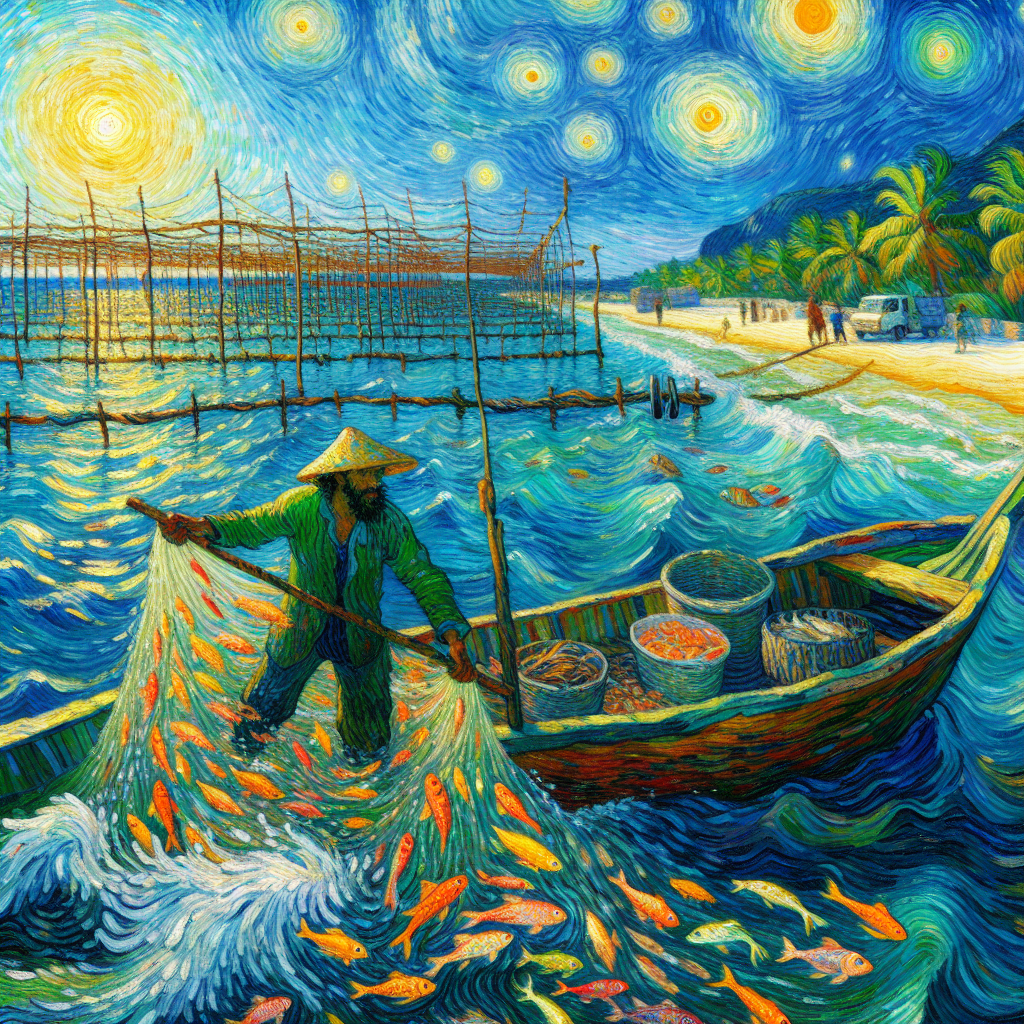
In the quiet corners of our neighborhoods, where life unfolds in real-time, people are discovering that the true power of artificial intelligence isn’t hidden away in labs or tech giants’ boardrooms; it’s rooted in the very communities we call home. Imagine a town on the coast, say Cozumel, where the local fishermen gather every morning. They share tales of their catch while meticulously discussing how to sustain their livelihood amidst changing tides. These conversations, albeit casual, hold a wealth of information that can inform AI models meant to predict fish populations and environmental changes.
Local communities are uniquely positioned to influence AI outcomes because they possess firsthand knowledge essential for contextualizing data. Picture an elderly woman, eyeing the rows of avocado trees she’s tended for decades. Her insights about the changing weather patterns over the years can refine agricultural AI systems more accurately than any algorithm. By acknowledging these voices, we elevate not just individuals, but the community itself, placing their experiences at the forefront of technology that aims to improve lives.
Yet, there’s a challenge. The fear of technology often looms large, casting a shadow over innovation. Many individuals in these communities might feel alienated, believing that AI is out of their realm of control. It’s crucial to dispel this notion. We have to illustrate that AI is not some faceless entity; it’s designed to serve and enhance local knowledge. When communities recognize that they can shape the development and application of AI, they become empowered agents of change.
Let’s connect this to trust. Take a moment to consider the experience of a local craftsman who works with his hands, shaping metal into beautiful sculptures. His expertise, honed over years in the workshop, is invaluable when creating AI tools that can evaluate quality or predict trends in craftsmanship. By inviting such artisans to collaborate, we not only enrich the AI model with authentic local touch but also foster a sense of ownership and accountability.
As communities engage actively with AI development, they create a feedback loop—local needs drive innovation while innovation furthers local well-being. It’s a symbiotic relationship, where every voice, story, and experience shapes the technological landscape. Through collaboration and trust, communities can pave the way for AI that’s not just smart, but wise, ensuring it reflects the hopes, struggles, and aspirations of the people it aims to serve.

What Role Do Local Communities Play In Shaping AI Outcomes?
What Role Do Local Communities Play In Shaping AI Outcomes?
- The true power of AI is rooted in local communities, not just in tech hubs.
- Local fishermen share knowledge that can inform AI models on fish populations and sustainability.
- Firsthand community knowledge is crucial for contextualizing data in AI applications.
- Fear of technology can alienate communities, hindering their involvement in AI development.
- AI should be seen as a tool to enhance local expertise rather than a faceless entity.
- Collaboration with local artisans enriches AI models and fosters community ownership.
- Active community engagement creates a feedback loop that aligns AI innovation with local needs and aspirations.

What Role Do Local Communities Play In Shaping AI Outcomes?
Conclusion
Cozumel is not just a travel destination; it’s a vibrant hub of culture and tradition that deserves recognition and respect. As tourism continues to evolve, especially through the integration of artificial intelligence (AI), it’s essential to acknowledge that we’re engaging with more than just data; we’re interacting with real lives and traditions. The intersection of technology and culture presents a delicate balancing act. On one side, we have the drive for innovation and efficiency, and on the other, the need to preserve and respect local customs that shape the unique character of places like Cozumel.
When tourists arrive seeking authentic experiences, they often desire more than just surface-level interactions; they want to connect genuinely with the spirit of the island. The risks of AI-led recommendations skewing this experience are significant. For instance, if AI suggests commercial souvenirs over local, handcrafted goods, the essence of discovery vanishes, leaving visitors feeling disappointed. Authenticity in experiences is paramount, and cultural sensitivity in AI can bridge the gap by providing true narratives behind customs, like the rich significance of the Day of the Dead celebrations, which stem from deep ancestral roots and community bonds.
The potential pitfalls of AI in tourism often stem from a fear of losing authenticity. However, if technology is leveraged responsibly, it can promote local talent and stories rather than replacing them. AI can enhance understanding by connecting tourists with local guides who share personal histories, allowing travelers to immerse themselves in the cultural narrative rather than merely observe. Building trust in these AI systems fosters a symbiotic relationship where both technology and culture thrive.
Tourists benefit greatly from AI applications designed with cultural sensitivity. These smart tools can eliminate language barriers, allowing for genuine exchanges and helping travelers navigate local customs without the anxiety of offending someone unintentionally. The overall experience becomes enriched as visitors grow more conscious and engaged with the culture they’re stepping into.
For AI to thrive in this context, it must be grounded in the input from local communities. Their stories and knowledge inform the technology, ensuring it aligns with the culture it represents. As communities participate actively in shaping AI applications, they become empowered, recognizing that technology can work for them rather than against them.
In conclusion, pursuing a harmonious relationship between technology and cultural representation requires commitment. By celebrating local traditions and integrating them meaningfully through AI, we can ensure that tourism leaves a lasting, positive footprint in Cozumel, preserving its spirit for generations to come.

Conclusion
Conclusion:
- Cozumel is a vibrant cultural hub that deserves recognition and respect beyond its status as a travel destination.
- Integration of AI in tourism requires awareness of the real lives and traditions behind data interactions.
- Tourists seek authentic experiences and deeper connections with local culture rather than superficial interactions.
- Risks of AI-led recommendations include promoting commercial souvenirs over authentic local goods.
- Responsible use of AI can enhance authenticity by promoting local talent and providing real narratives.
- Cultural sensitivity in AI applications can help tourists navigate customs and eliminate language barriers.
- Active involvement of local communities in shaping AI ensures technology serves cultural interests positively.

Conclusion
Other Resources

Other Resources
Here is a list of other resources you can review online to learn more:
- A Diver’s Guide to Cozumel
- Turquoise Terraza & Beach Club Cozumel
- Rolandi’s Restaurant Bar & Pizzeria Cozumel
- Cozumel Buggy
- Taco y Tequila Cozumel
- Cozumel Tours
- Cozumel Museum
- CDC
- Hard Rock Cafe Cozumel
- Cozumel Pearl Farm
- CRAZY King Burrito
- Playa Mia
- Atlantis Submarines Cozumel
- El Abuelo Gerardo Restaurant
Use This Prompt To Get More Resources With Your Favorite Online AI Tool: Please provide me with a list of online articles with their URLs in a bulleted list that I can read regarding Cultural Sensitivity In AI – Respecting Local Traditions In Cozumel Tourism

Other Resources
Glossary Terms
Cultural Sensitivity In AI – Respecting Local Traditions In Cozumel Tourism – Glossary Of Terms
1. Cultural Sensitivity: Awareness and understanding of cultural differences and practices, ensuring respectful interaction with diverse communities.
2. Local Traditions: Unique customs, practices, and beliefs that characterize a specific culture or community, particularly those of Cozumel.
3. AI Ethics: Principles guiding the responsible development and implementation of artificial intelligence, focusing on fairness, accountability, and societal impact.
4. Cozumel: An island in the Caribbean Sea, part of Mexico, known for its rich cultural heritage and biodiversity, significant for tourism.
5. Tourism Impact: The effects of tourism on local economies, cultures, and environments, including both positive and negative consequences.
6. Cultural Appropriation: The adoption of elements from one culture by members of another culture without permission, often leading to exploitation or disrespect.
7. Community Engagement: Involving local communities in decision-making processes, ensuring their voices and needs are heard in tourism development.
8. Heritage Preservation: The practice of maintaining and protecting cultural heritage, artifacts, and traditions from loss or degradation.
9. Inclusive Marketing: Advertising strategies that represent diverse cultures fairly, avoiding stereotypes and promoting authentic experiences.
10. Sustainable Tourism: Tourism that meets the needs of current tourists and host regions while protecting and enhancing opportunities for the future.
11. Ethnographic Research: A qualitative research method focused on studying cultures through immersive observation and participation.
12. Responsible Travel: Traveling in a way that is mindful of the environment, local cultures, and economies, minimizing negative impacts.
13. Culturally Relevant Content: Media and information tailored to reflect the values, beliefs, and preferences of local communities.
14. Localization: Adapting content or services to meet the cultural, linguistic, and societal preferences of a specific area or audience.
15. Cross-Cultural Communication: Interaction between individuals from different cultural backgrounds, requiring understanding and respect for differences.
16. Volunteer Tourism (Voluntourism): Combining travel with volunteer work, often focusing on community development and cultural exchange.
17. Cultural Intelligence (CQ): The capability to relate and work effectively across cultures, enhancing interactions in culturally diverse environments.
18. Authenticity: The quality of being true to one’s own culture and traditions, particularly in representations made for tourism.
19. Cultural Resource Management: Practices aimed at preserving and managing cultural resources, including historical sites and artifacts.
20. Tourist Etiquette: Guidelines and norms for respectful behavior that tourists should follow when visiting new cultures.
21. Intercultural Competence: The ability to communicate effectively and appropriately with people from different cultures.
22. Local Economy: The economic activities and markets driven by residents in a particular area, significantly impacted by tourism.
23. Tradition Bearers: Individuals who actively engage in the transmission of cultural traditions, skills, and knowledge within their community.
24. Cultural Co-creation: Collaborative processes in which tourists and locals create shared experiences and narratives that celebrate local culture.
25. Feedback Mechanisms: Tools and methods for tourists and locals to share their experiences and suggestions, promoting improvement in tourism practices.
26. Community Benefit Agreements: Contracts that ensure tourism businesses contribute to local community welfare and development.
27. Cultural Festivals: Events celebrating local traditions, arts, and customs, providing tourists an authentic glimpse into the culture.
28. Eco-Tourism: Responsible travel to natural areas, focusing on conservation and the well-being of local communities.
29. Language Sensitivity: Awareness of and respect for linguistic differences, including the appropriate use of local languages in communication.
30. Tourism Policy: Regulations and guidelines established to manage tourism activities in a way that promotes sustainability and cultural respect.

Glossary Of Terms
Other Questions
Cultural Sensitivity In AI – Respecting Local Traditions In Cozumel Tourism – Other Questions
If you wish to explore and discover more, consider looking for answers to these questions:
- What specific examples show AI successfully preserving or promoting Cozumel’s local traditions?
- How can AI accurately distinguish between authentic local crafts and mass-produced imitations?
- What data sources are needed to train AI systems to understand Cozumel’s cultural context?
- How do developers obtain informed consent from local communities when collecting cultural data?
- Who owns the cultural data and narratives collected by AI platforms?
- How can AI-driven tourism platforms ensure fair economic benefits flow to local artisans and guides?
- What safeguards prevent AI algorithms from commodifying or exploiting sacred traditions?
- How are local voices and elders incorporated into AI design and validation processes?
- What metrics determine whether an AI application is culturally sensitive and respectful?
- How can tourists verify that an AI recommendation supports sustainable and community-led experiences?
- What steps can tourism companies take to audit and mitigate cultural bias in their AI systems?
- How do language translation tools handle dialects, idioms, and culturally specific expressions in Cozumel?
- What training or resources are available to help locals use and manage AI tools themselves?
- How might AI alter traditional livelihoods in Cozumel, and how can negative impacts be minimized?
- What legal or regulatory frameworks govern the use of cultural data in Mexico and Cozumel?
- How can AI platforms be made transparent and explainable to both tourists and local stakeholders?
- What role do local government, NGOs, and community groups play in overseeing AI-driven tourism initiatives?
- How can visitors use AI responsibly to enhance cultural understanding without intruding on privacy?
- What are the ethical guidelines for creating AI-driven content about rituals and ceremonies?
- How can AI help preserve endangered languages or oral histories in Cozumel?
- What are the costs and technical requirements for implementing culturally sensitive AI for small local businesses?
- How can AI help curate more meaningful itineraries that prioritize local-led experiences over mass tourism?
- What processes exist to resolve disputes when AI recommendations clash with community preferences?
- How do we measure long-term cultural impacts of AI-enabled tourism on Cozumel’s identity?
- How can AI detect and prevent cultural appropriation in marketing and product recommendations?
- What best practices should developers follow to co-design AI with indigenous and local communities?
- How can AI balance commercialization and cultural integrity when promoting festivals like Day of the Dead?
- What auditing frameworks ensure datasets used in AI are representative and free from harmful stereotypes?
- How can tourists report culturally insensitive AI recommendations or experiences they encounter?
- What incentives encourage travel platforms to prioritize cultural sensitivity over profit-driven scaling?
- How do privacy laws affect the recording and sharing of personal or family cultural stories via AI?
- What are practical examples of AI tools that enhance storytelling without replacing human guides?
- How can AI be used to educate younger generations in Cozumel about traditional knowledge and practices?

Other Questions
Haiku
Cultural Sensitivity In AI – Respecting Local Traditions In Cozumel Tourism – A Haiku
Cozumel’s heart beats,
AI learns, respects, connects,
Traditions hold tight.

Haiku
Poem
Cultural Sensitivity In AI – Respecting Local Traditions In Cozumel Tourism – A Poem
In Cozumels vibrant embrace,
Where history and culture trace,
Lives the tale of ancient lore,
Crafted hands, traditions soar.
Amidst the waves, the maracas sound,
Tourists seek, where gems are found.
Yet AIs touch can blur the line,
Between the heart and the algorithm’s design.
A locals story, rich and deep,
In every corner, memories seep.
But when machines connect the dots,
Will they grasp what time forgot?
Respectful journeys, a vital key,
To deepen bonds, to truly see.
AI may guide, but must not replace,
The spirit found in every place.
Together we weave our futures bright,
With technology shining a gentle light.
May we cherish and understand,
The essence of Cozumel’s land.

Poem
Checklist
Cultural Sensitivity In AI – Respecting Local Traditions In Cozumel Tourism – A Checklist
Understand the Local Culture
✅______ Research and engage with local traditions and customs.
✅______ Recognize the significance of local celebrations, such as the Day of the Dead.
Promote Authentic Experiences
✅______ Ensure AI recommendations highlight local artisans and handmade crafts.
✅______ Avoid directing tourists to mass-produced items.
Build Emotional Connections
✅______ Design AI interactions that tell personal stories behind cultural practices.
✅______ Incorporate narratives that reflect the community’s history and values.
Foster Community Trust
✅______ Involve local communities in the development of AI tools.
✅______ Prioritize transparency in how AI algorithms function to respect local narratives.
Encourage Responsible Technology Use
✅______ Develop AI that enhances rather than homogenizes cultural experiences.
✅______ Train algorithms to promote local guides and storytellers.
Support Local Economies
✅______ Ensure AI applications direct tourists to local businesses and family-run establishments.
✅______ Encourage participation in community events and cultural exchanges.
Implement Language and Cultural Nuance Training
✅______ Equip AI with capabilities for language translation and cultural etiquette.
✅______ Provide context in interactions to avoid misunderstandings between tourists and locals.
Address Biases in AI Development
✅______ Acknowledge and mitigate biases during AI programming.
✅______ Use diverse data sets to reflect the richness of local cultures accurately.
Encourage Continuous Learning
✅______ Promote ongoing education for developers about cultural sensitivity.
✅______ Allow for community feedback to improve AI systems continually.
Measure Impact and Adapt
✅______ Regularly assess how AI tools affect local traditions and tourism experiences.
✅______ Be willing to adapt strategies based on community and tourist feedback.

Checklist
At TopCozumelNews, we help travelers enjoy Cozumel by collating information learned from frequently traveling to beautiful Cozumel.
Be sure to read our other related stories at TopCozumelNews to learn more about the Island of Cozumel.