




Where Heartfelt Service Meets Intelligent Innovation In Hospitality
By Tom Seest
At TopCozumelNews, we help travelers enjoy Cozumel by collating information learned from frequently traveling to beautiful Cozumel.
Be sure to read our other related stories at TopCozumelNews to learn more about the Island of Cozumel.
Combining Human Hospitality with AI-Powered Personalization
Combining human hospitality with AI-powered personalization is not just a technological leap; it’s about forging connections that feel genuine in an increasingly digital world. Picture this: you’re stepping off a cruise ship in Cozumel, the sun blazing down, and the vibrant colors of the local market beckoning. Amid the hustle and bustle, you’re greeted by a friendly local who seems to know exactly what you need—a recommendation for the best taco stand or a hidden beach away from the crowd. It’s that warm, human touch that turns a simple vacation into a memorable experience.
Now, as we venture further into the realm of artificial intelligence, it’s essential to remember that at the heart of these advancements lies a deep-rooted desire for connection. People crave personalized experiences that don’t just meet their needs but anticipate them, just like that local friend in Cozumel. AI holds the potential to offer insights drawn from vast amounts of data, allowing businesses to craft experiences that resonate on a personal level. However, it’s crucial to balance this with the authenticity that comes from human interaction.
Imagine a hotel that, through AI, understands your preferences. It knows you love a particular type of coffee or that you prefer a room with a view of the ocean. But what if the front desk staff could take it a step further by engaging you in a conversation about your last trip, reminiscing about sunrises over the waves? This blend of personal touch and technological finesse can transform a standard stay into an experience that lingers long after you’ve left.
The challenge lies in ensuring that technology enhances hospitality rather than overshadows it. It’s easy to feel overwhelmed by the rapid pace of innovation; many worry that machines will replace the warmth of human interaction. However, when we embrace AI as a tool that empowers people rather than replaces them, we open the door to new possibilities. Hospitality professionals can focus on what they do best—creating memorable experiences—while AI takes care of the more mundane details.
In a world where the line between human and machine is becoming increasingly blurred, let us strive to make technology our ally in creating authentic connections. Whether you’re sipping a cold drink on a beach in Cozumel or checking into a hotel in a bustling city, remember that it’s the blend of human hospitality and AI-driven personalization that will ultimately craft the experiences we cherish.

Combining Human Hospitality with AI-Powered Personalization
Combining Human Hospitality with AI-Powered Personalization
- Combining human hospitality with AI creates genuine connections in a digital world.
- Personalized experiences enhance vacations, akin to interactions with knowledgeable locals.
- AI provides insights from data for tailoring experiences to individual preferences.
- Balance between AI personalization and authentic human interaction is essential.
- A hotel using AI can remember guest preferences while staff engages in meaningful conversations.
- Technology should enhance hospitality, not replace the warmth of human interaction.
- Embracing AI as an empowerment tool leads to memorable experiences in hospitality settings.

Combining Human Hospitality with AI-Powered Personalization
Table Of Contents
- Combining Human Hospitality with AI-Powered Personalization
- What Is the Role Of AI In Enhancing Human Hospitality?
- How Can Personalization Improve Customer Experiences?
- What Are the Benefits Of Merging AI with Human Service?
- How Do Customers Perceive AI-Driven Hospitality?
- What Challenges Arise When Integrating AI In Service Industries?
- How Can Data Be Used to Personalize Services Effectively?
- What Ethical Considerations Come with AI In Hospitality?
- Conclusion
- Other Resources
- Glossary Of Terms
- Other Questions
- Haiku
- Poem
- Checklist
What Is the Role Of AI In Enhancing Human Hospitality?
What Is the Role of AI In Enhancing Human Hospitality?
Imagine stepping off a boat in Cozumel, the sun kissing your skin, and the salty breeze wrapping you in a warm embrace. You’ve come for relaxation, a break from the hustle, yet expectations are high. You want to be welcomed, understood, and cared for—just like every other traveler. This is where AI enters the scene, like a well-trained concierge who’s been given a chance to really listen and learn.
At its core, AI does not just automate tasks; it enhances the very essence of what it means to be hospitable. Picture this: a family arrives at a resort, tired and a bit on edge. An AI-powered app immediately recognizes their arrival and offers personalized suggestions based on their past preferences—be it a sunset dinner at the beach or a quiet room with a view. This isn’t just technology at play; it’s empathy in action, transforming a transactional interaction into a meaningful connection.
We’re all human, grappling with our own struggles and joys as we navigate life. Whether it’s the stress of planning a trip or the anxiety of meeting new people, these emotions matter. AI systems, when designed thoughtfully, become allies in these moments, anticipating needs before they are voiced. They gather data—what you like, what you don’t—creating a unique tapestry of understanding that helps staff tailor services to each individual. It’s like having a friend who knows your tastes so well that they can recommend the perfect taco joint on a whim.
But let’s not shy away from the challenges. There’s a fine line between comfort and intrusion. Over-reliance on AI can create a sense of disconnection. People yearn for genuine interactions, and that’s where the human element shines. The true magic happens when hospitality staff use AI as a tool, not a crutch, fostering a skin-deep understanding of their guests while elevating their own skills in personal interaction.
Take a moment to consider the balance. AI can handle logistical nightmares, leaving the human heart free to connect. This interplay allows hospitality professionals to focus not just on service, but on creating memorable experiences—moments where laughter is shared, stories are told, and trust is built. Embrace the fusion of technology and humanity in hospitality, and watch as it transforms the journey from Cozumel to anywhere else into something truly exceptional.

What Is the Role Of AI In Enhancing Human Hospitality?
What Is the Role Of AI In Enhancing Human Hospitality?
- AI enhances human hospitality by automating tasks and providing personalized experiences.
- AI-powered apps recognize arrivals and suggest tailored activities based on previous preferences.
- Thoughtfully designed AI systems anticipate guest needs and create a better understanding of individual preferences.
- Challenges include balancing AI use to avoid feelings of disconnection and maintaining genuine human interactions.
- Effective AI use allows hospitality staff to develop deeper connections with guests by focusing on personal interactions.
- AI handles logistical challenges, enabling hospitality professionals to create memorable experiences for guests.
- The fusion of technology and humanity can transform travel experiences into exceptional journeys.

What Is the Role Of AI In Enhancing Human Hospitality?
How Can Personalization Improve Customer Experiences?
Personalization has become a buzzword in the business world, and for good reason. It’s more than just a marketing tactic; it’s a lifeline connecting the dots between what customers want and what businesses deliver. Imagine walking into a bustling café in Cozumel, and instead of a generic greeting, the barista remembers your name—and your favorite drink. This isn’t just good service; it’s tailored hospitality that sparks an emotional connection. When customers feel recognized and valued, it ensures they’ll return, because who wouldn’t want to be treated like an old friend?
We all face challenges every day, whether in finding the right product, learning the intricacies of a service, or even just navigating the overwhelming noise of options in our modern lives. Personalization cuts through that clutter like a hot knife through butter. It’s about understanding the human experience—our quirks, preferences, and imperfections—and weaving that understanding into every interaction. It’s acknowledging that buying a surfboard in Cozumel isn’t just about the board; it’s about the joy of riding the waves and creating memories under the sun.
Picture this: a customer walks into a store looking for climbing gear but feeling uncertain. The salesperson, trained in observing body language and listening intently, approaches with empathy, asking questions that reveal not only what gear they need but why they’re climbing. It turns into a conversation, a shared moment of passion for adventure. This is personalization—tuning into the emotional wavelengths of customers and addressing their unspoken desires.
Now, consider this original angle: personalization isn’t just a simplistic approach; it’s a commitment to continuous learning. In a world that evolves at lightning speed, businesses that invest in understanding their customers’ changing needs build trust and loyalty. It’s no longer about one-size-fits-all; it’s about adaptability. Like a surfer constantly adjusting to the rhythm of the waves, businesses must be ready to pivot, adjusting their offerings as customer needs shift. This proactive approach fosters a community rather than a transactional relationship, transforming customers into advocates who are eager to share their positive experiences.
Personalization is about creating a narrative where customers are the heroes of their own stories, with businesses as the supportive sidekicks. When customers feel seen and understood, that’s when the magic happens, and they’ll choose your company time and time again.

How Can Personalization Improve Customer Experiences?
How Can Personalization Improve Customer Experiences?
- Personalization is essential in business, serving as a connection between customer desires and business offerings.
- A personalized experience, like a barista remembering a customer’s name, fosters emotional connections and loyalty.
- Understanding individual customer experiences helps businesses cut through market clutter.
- Empathetic interactions with customers enhance personalization, turning transactions into meaningful conversations.
- Personalization requires ongoing learning and adaptability to meet changing customer needs.
- This approach builds trust and loyalty, creating a community of advocates for the business.
- Customers become the heroes of their stories, with businesses acting as supportive allies in their journey.

How Can Personalization Improve Customer Experiences?
What Are the Benefits Of Merging AI with Human Service?
Merging AI with human service opens up an exciting frontier filled with potential. Picture this: a bustling marketplace in Cozumel, where locals and tourists alike rely on warm human connections to thrive. Now, imagine enhancing that experience with AI—this isn’t about replacing the warmth found in a handshake or a smile, but elevating it.
We all know the world can be overwhelming. Whether it’s navigating the complexities of daily life or managing expectations at work, people face relentless challenges. The advent of AI in human service can be a game-changer. It’s like having an extra pair of hands, allowing us to tackle those details that often bog us down. For instance, consider a customer service representative overwhelmed by inquiries during peak hours. Enter AI, ready to assist with information retrieval or data management, freeing up that human employee to provide the empathetic support that machines simply can’t replicate. This partnership doesn’t diminish the human element; it amplifies it.
Let’s take a moment to think about how this plays out in our everyday lives. Remember the last time you had a question about a product while shopping? You approached a sales associate, but they were busy. Now imagine if that store had an AI chatbot available to answer your question swiftly while the employee can focus on personal interactions. You still get the help you need but with an added layer of efficiency that benefits everyone involved. This blend of intellect and emotion is where the magic happens.
Additionally, think about the healthcare sector—an area where both accuracy and empathy are paramount. An AI system that streamlines administrative tasks means healthcare providers have more time to focus on patients, fostering deeper connections. A nurse can spend more time listening to patients’ concerns, ensuring they feel valued and understood, which can significantly impact their recovery journey.
Moreover, we must recognize that the emotional connection we have with service providers can’t be replaced. The beauty of merging AI with human service lies in the seamless synergy that enhances our capacity to connect. It brings about the best of both worlds—a well-informed human touch backed by a tireless machine that handles the legwork. Together, they create an environment where challenges are met with confidence, and trust flourishes. Embracing this change isn’t just about adopting new technology; it’s about enhancing our relationships, making our lives smoother, and ultimately, nurturing a sense of community that makes each interaction more meaningful.

What Are the Benefits Of Merging AI with Human Service?
What Are the Benefits Of Merging AI with Human Service?
- Merging AI with human service enhances personal connections, not replaces them.
- AI can alleviate overwhelming tasks, acting as an extra set of hands in various sectors.
- In customer service, AI assists overwhelmed representatives, allowing them to provide empathetic support.
- AI chatbots can improve efficiency in retail by answering questions while staff focus on personal interactions.
- In healthcare, AI streamlines administration, enabling providers to foster deeper connections with patients.
- The emotional connection with service providers remains irreplaceable despite AI integration.
- Embracing AI partnerships enhances relationships and nurtures a sense of community in everyday interactions.

What Are the Benefits Of Merging AI with Human Service?
How Do Customers Perceive AI-Driven Hospitality?
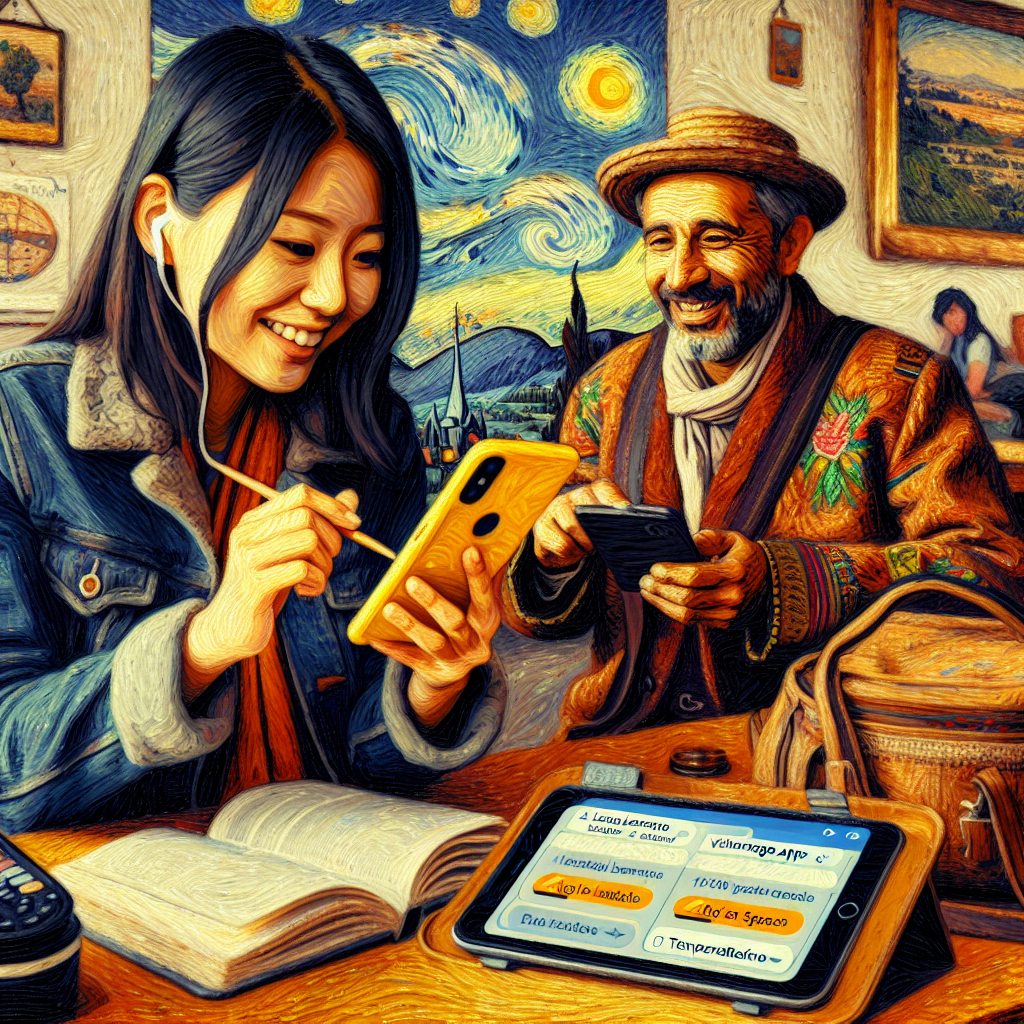
In the sun-soaked realm of hospitality, where customer experience reigns supreme, the rise of AI is a double-edged sword. Guests stepping into a bright, welcoming hotel in Cozumel might find themselves mesmerized by a sleek check-in kiosk—slick, efficient, and devoid of the human touch that many have come to cherish. But here’s the kicker: while technology streamlines processes, it often raises an eyebrow, nudging our instincts about what makes a genuine connection.
Imagine standing in line at your favorite coffee shop, waiting for the barista to craft that perfect cup. You exchange pleasantries, share a laugh, and walk away feeling just a little lighter. Now, picture that same experience transformed by a robotic barista, pouring your coffee with impeccable precision yet lacking the warmth of human interaction. It’s efficient, yes, but does it leave you feeling satisfied? That’s where many customers find themselves navigating their emotions amidst technology’s seamless allure.
At its core, the hospitality industry thrives on human connections. When customers interact with AI—whether checking into a hotel or ordering room service—there’s a delicate balance to strike. While the tech can make things simpler and faster, it can also seem cold and impersonal. Trust is built in those little moments; it’s the eye contact, the genuine smile, the ability to handle a hiccup with grace and heart.
But here’s an original thought: what if AI could enhance, rather than replace, that human connection? Consider the potential of AI to personalize experiences based on past visits or preferences. A system that knows your favorite room or the exact cocktail you ordered last summer on that dreamy vacation in Cozumel could foster a warm familiarity, encouraging guests to return, not just for the amenities, but for the connection they feel.
This blend of technology and humanity has the power to create a hospitality experience that resonates deeply. People crave not just efficiency, but an emotional tie to where they stay, eat, and unwind. It’s about building relationships, and with a dash of AI magic, we can foster a sense of belonging in a world that often feels disconnected. As we embrace this tech-savvy future, let’s remember the essence of hospitality: it’s not just about the service; it’s about the experience—one that feels human, even when enhanced by artificial intelligence.
How Do Customers Perceive AI-Driven Hospitality?
How Do Customers Perceive AI-Driven Hospitality?
- AI in hospitality offers efficiency but may lack the personal touch valued by guests.
- Check-in kiosks exemplify technology’s role in streamlining processes, raising concerns about genuine connections.
- Human interactions, like barista conversations, create emotional satisfaction that technology cannot replicate.
- Finding a balance between AI efficiency and the warmth of human service is crucial in hospitality.
- AI has the potential to enhance personal connections by remembering guest preferences and experiences.
- A successful blend of technology and humanity can lead to deeper emotional ties in hospitality experiences.
- Ultimately, hospitality should focus on creating human-like experiences, even when using AI.

How Do Customers Perceive AI-Driven Hospitality?
What Challenges Arise When Integrating AI In Service Industries?
Integrating AI into service industries can feel like trying to navigate a bustling street market in Cozumel—you’ve got the sights, the sounds, and the sheer unpredictability of it all. Change can be exhilarating, but it can also trigger a whirlwind of emotions. As businesses stand at this crossroads, their teams can’t help but feel a mix of excitement, anxiety, and sometimes outright skepticism about what lies ahead.
Take a moment to consider a local café in a small town, where the baristas know the regulars by name and their preferred order. Now, imagine introducing an AI system meant to enhance that experience by remembering customer preferences and streamlining service. On one hand, AI might promise shorter wait times and greater efficiency, but on the other, it may disrupt that personal touch that has built customer loyalty over the years. This is where the heart of the challenge lies: balancing technology’s capabilities with the human instinct to connect.
Furthermore, there’s the ever-present fear of job displacement. Employees might wonder if the robots are truly here to assist them or if they are merely placeholders for an impending wave of automation. Trust is paramount in any working environment, and leaders within these companies must work tirelessly to foster an atmosphere where employees feel empowered, not threatened. Honest conversations about roles and the evolving nature of work can make a world of difference.
Another unique challenge arises from the implementation itself. The temptation is to dive headfirst into the latest AI tools without fully understanding their implications or genuinely assessing organizational readiness. It’s like an inexperienced tourist trying to navigate the winding roads of Cozumel without a map—inevitably, you’ll find yourself lost and frustrated. A successful integration requires not just thoughtful planning but also a commitment from all levels of the organization, ensuring that each individual understands their part in this new journey.
The key is to embrace the transition as an opportunity for growth rather than a threat. Think of it as surfing the waves rather than battling them. With the right mindset and approach, companies can transition smoothly into this brave new world, ensuring that technology enhances human interactions rather than replaces them. Realizing that AI and people can coexist harmoniously is the first step towards crafting a service industry that’s both innovative and profoundly human.

What Challenges Arise When Integrating AI In Service Industries?
What Challenges Arise When Integrating AI In Service Industries?
- Integrating AI into service industries evokes a mix of excitement and skepticism among teams.
- AI can enhance customer experiences but risks disrupting personal connections that build loyalty.
- Concerns about job displacement exist, leading to trust issues among employees regarding AI’s role.
- Leaders must foster an empowered atmosphere with open discussions about evolving job roles.
- Implementation challenges arise when companies rush into AI integration without proper assessment.
- Successful integration requires planning and commitment from all organizational levels.
- Embracing AI as an opportunity for growth can lead to harmonious coexistence between technology and human interactions.

What Challenges Arise When Integrating AI In Service Industries?
How Can Data Be Used to Personalize Services Effectively?
In a world overflowing with choices, the concept of personalized service has never held more weight. We’ve all been there—standing in line, scrolling through endless options, feeling a sense of frustration creeping in. The challenge lies in feeling understood among the sea of selections. That’s where data steps in, acting as the compass guiding us through the chaos.
Picture this: you’re poring over travel options for your next getaway to Cozumel. You want an experience that reflects your unique interests, whether it’s snorkeling in crystal-clear waters or savoring local cuisine. With effective use of data, service providers can transform your journey from a generic trip to a tailored adventure. They can analyze your past preferences, feedback, and even social media cues to serve up options that resonate with you, making you feel not just like a customer but a valued guest.
Let’s take a moment to appreciate the nuances of this personalization. Imagine a restaurant that knows your favorite dish just from your previous visits—how comforting is that? Or consider a hotel that remembers your check-in preferences, from pillow choices to room temperature. This kind of attention doesn’t just make life easier; it builds a connection. You feel seen, heard, and appreciated, transforming a simple transaction into a meaningful interaction.
Yet, it’s crucial to tread carefully. The balance between personalization and intrusion is delicate. You don’t want to feel like someone’s peering over your shoulder. This is where the original thought comes into play: embrace the concept of “data empathy.” It’s not just about collecting numbers; it’s about understanding the stories behind those numbers. When businesses take the time to learn what truly matters to their customers—like the thrill of exploring hidden gems in Cozumel instead of the usual tourist traps—they build a bridge of trust. Customers are more likely to engage when they feel their emotions and experiences are respected.
In an age where we often crave connection and authenticity, effective data use in personalizing services isn’t just a luxury; it’s a necessity. It’s about cultivating loyalty through understanding and respect for each individual’s journey. So, as you embark on your next adventure, remember that personalization starts with a simple acknowledgment: you’re not just another face in the crowd, but a distinct traveler with dreams, hopes, and preferences that deserve to be celebrated.

How Can Data Be Used to Personalize Services Effectively?
How Can Data Be Used to Personalize Services Effectively?
- Personalized service is increasingly important in a world with endless choices.
- Data acts as a compass, helping customers navigate options that align with their interests.
- Service providers can tailor experiences by analyzing past preferences and social media feedback.
- Attention to customer details, like favorite dishes and check-in preferences, fosters connection.
- Balancing personalization and intrusion is critical; “data empathy” is essential for understanding customer stories.
- Respecting customer emotions and experiences builds trust and encourages engagement.
- Effective data use in personalization is crucial for cultivating loyalty and recognizing individual journeys.

How Can Data Be Used to Personalize Services Effectively?
What Ethical Considerations Come with AI In Hospitality?
What Ethical Considerations Come with AI in Hospitality?
The hospitality industry has always been about people. It’s about the warm smile at the front desk, the attentive server who remembers your favorite drink, and the way a hotel feels like home, even when you’re miles away. Now, we’re inserting artificial intelligence into this mix, adding a layer of complexity that warrants a thoughtful examination of ethics.
Imagine stepping into a luxurious resort in Cozumel, greeted not by a friendly human, but by a chatbot equipped with advanced algorithms. While it can answer questions in a flash, can it truly capture the nuances of comfort in the way a genuine human connection does? The challenge arises: how do we balance efficiency with empathy? AI can streamline operations, but without careful consideration, we risk creating a soulless experience.
One could argue that the very essence of hospitality lies in shared experiences, the little moments that linger in our memories. We can automate room service orders and optimize pricing models, but can we teach AI to recognize someone’s frustration when their flight is delayed? It’s like trying to teach a fish to climb a tree.
Ethical considerations also extend to data privacy. Guests willingly share information for convenience, yet how often do we really stop to think about where that data goes? Trust, once lost, is a tough nut to crack. An ethical approach to AI must prioritize transparency, ensuring that guests feel confident their personal information is secure and used responsibly.
Let’s take a moment to consider how hospitality can leverage AI while still putting humans at the forefront. It’s about creating a symbiotic relationship—using AI not to replace the warmth of the human touch but to enhance it. Picture this: a hotel that uses AI insights to personalize experiences while empowering staff with data that helps them engage on a deeper level. Suddenly, the server who remembers your name and favorite dish doesn’t just feel like a number; they’re an integral part of a carefully curated experience.
The bottom line is that embracing AI in hospitality means embracing new ethical responsibilities. It’s crucial to foster a culture that values human connection amidst technology’s rise. When guests leave Cozumel, they shouldn’t just take home memories—they should carry the feeling of having been understood and cared for. In this fast-paced world, let’s ensure that our advancements, rather than detracting from genuine hospitality, enrich it—and leave the door wide open for authentic connections.

What Ethical Considerations Come with AI In Hospitality?
What Ethical Considerations Come with AI In Hospitality?
- The hospitality industry focuses on personal connections, emphasizing the role of human interaction.
- AI integration poses challenges in balancing efficiency with human empathy.
- Automating services risks creating a depersonalized experience for guests.
- Data privacy is a critical ethical concern, highlighting the need for transparency regarding personal information usage.
- AI should complement human staff, enhancing their ability to provide personalized service.
- The focus should remain on fostering genuine human connections, even with technological advancements.
- Embracing AI requires accepting new ethical responsibilities to enrich the hospitality experience.

What Ethical Considerations Come with AI In Hospitality?
Conclusion
Combining human hospitality with AI-powered personalization creates a landscape where heartfelt service and intelligent innovation coexist. It’s not merely about tech advancements; it’s about enhancing genuine connections. Consider stepping off a cruise ship in Cozumel, greeted with warmth and familiarity by someone who knows your preferences. This blend of technology and personal touch transforms ordinary interactions into memorable experiences.
AI has the potential to elevate hospitality by anticipating guest needs through data analysis, recognizing, for instance, your love for a specific coffee or a room with a scenic view. However, problems arise when we neglect the value of human interaction. A hotel staff that engages with guests personally while utilizing AI insights can forge deeper connections. Imagine a front desk staff that not only has relevant data but also shares a genuine conversation about your last vacation, making the experience feel less transactional and more personal.
Despite fears that technology may overshadow human warmth, when used correctly, AI complements the service industry rather than replacing it. It allows hospitality professionals to focus on creating cherished moments while AI efficiently manages logistical tasks. The challenge lies in balancing efficiency with maintaining empathy. Customers still crave authentic interactions, and AI should serve as a tool to enhance human capabilities, not a substitute for them.
Personalization in services has risen to prominence, with businesses finding success in recognizing and understanding individual customer desires. A café that remembers your name and favorite drink fosters loyalty and connection, turning a mere visit into a valued relationship. Personalization is not merely a marketing trend; it’s about crafting experiences that resonate emotionally.
Moreover, the integration of AI brings ethical considerations that require thoughtful discourse. It’s essential to protect customer data while ensuring transparency. Guests want to know their information is secure and used responsibly, maintaining trust within the relationship. The real value of AI in hospitality lies in its capacity to enhance the authentic moments that define the industry, creating a supportive framework where staff can remain vital components of the experience.
In essence, the future of hospitality hinges on blending technology with heartfelt service. As we continue to embrace AI, let’s prioritize the warmth of human connection, allowing both the personal and the technological to thrive together. This dynamic fusion of human warmth and AI-driven insights will ultimately redefine how we experience hospitality, making every moment feel like home, no matter where we are.

Conclusion
Conclusion:
- Combining human hospitality with AI-powered personalization enhances genuine connections.
- AI elevates hospitality by anticipating guest needs using data analysis.
- Personal engagement from staff, alongside AI insights, fosters deeper connections.
- Technology complements human warmth rather than replacing it in the service industry.
- Personalization transforms customer interactions into valued relationships.
- Ethical considerations in AI integration include protecting customer data and ensuring transparency.
- The future of hospitality relies on blending technology with heartfelt service to redefine experiences.
Conclusion
Other Resources

Other Resources
Here is a list of other resources you can review online to learn more:
- El Casino – La Casa del Mojito
- Shoney’s
- Yard House
- The Thirsty Cougar
- Playa San Francisco
- Blue Angel Resort
- Dunkin’ Donuts
- Fiesta Americana Cozumel
- Scuba Life Cozumel
- Novena Ola
- Punta Molas Faro
- Alberto’s Beach Bar
- Benihana
- Alberto’s Downtown
- Punta Morena
- Cunard
- Cozumel Water Sports
- Chocolateria Isla Bella
Use This Prompt To Get More Resources With Your Favorite Online AI Tool: Please provide me with a list of online articles with their URLs in a bulleted list that I can read regarding Combining Human Hospitality with AI-Powered Personalization
Other Resources
Glossary Terms
Combining Human Hospitality with AI-Powered Personalization – Glossary Of Terms
1. AI Personalization: The use of artificial intelligence to tailor experiences and services to individual preferences and behaviors.
2. Customer Experience (CX): The overall perception of a customer regarding their interactions with a brand, influenced by hospitality and technology.
3. Virtual Assistant: AI software that can perform tasks or provide services via voice or text interactions, enhancing guest experiences in hospitality.
4. Data Analytics: The process of analyzing data to gain insights, often used to understand customer preferences and improve service delivery.
5. Emotion Recognition: Technology that detects and interprets human emotions through facial expressions, voice tone, or body language.
6. Machine Learning: A subset of AI that allows systems to learn and improve from experience without being explicitly programmed.
7. Smart Technology: Devices integrated with internet connectivity that offer automated functionalities to enhance user experiences.
8. Personalized Marketing: Strategies that use customer data to create tailored advertisements or promotions, enhancing engagement.
9. Loyalty Programs: Structured rewards systems designed to encourage repeat customers through incentives based on their preferences.
10. Predictive Analytics: Techniques that use data, algorithms, and machine learning to identify the likelihood of future outcomes based on historical data.
11. Human-Centric Design: An approach that considers the needs and experiences of people at every stage of the design process.
12. Virtual Reality (VR): An immersive technology that simulates experiences to enhance customer engagement in hospitality.
13. Augmented Reality (AR): Technology that overlays digital information onto the real world to enhance user experiences.
14. Churn Rate: The percentage of customers who stop using a service during a given time frame, often targeted through personalized strategies.
15. User Journey Mapping: Visual representation of a customer’s experience and interactions with a brand from the initial contact through service delivery.
16. Feedback Loop: A continuous cycle of receiving and integrating customer feedback to refine services and improve personalization efforts.
17. Conversational AI: Technology that allows machines to engage in human-like dialogue to assist users, often used for customer support.
18. Cloud Computing: Internet-based computing that allows for resource sharing and scalability, facilitating the integration of AI tools in hospitality.
19. Seamless Experience: A smooth and uninterrupted customer journey, combining various touchpoints into a coherent service.
20. Behavioral Segmentation: Dividing customers into groups based on their behaviors and interactions with a brand for targeted marketing.
21. Personal Assistant Apps: Mobile applications that provide users with customized assistance, enhancing efficiency in planning and managing experiences.
22. Smart Rooms: Guest accommodations equipped with interconnected smart devices that allow for personalized control of the room environment.
23. Automated Check-in: Technology that streamlines the registration process for guests, often through mobile apps, enhancing convenience.
24. Service Robotics: The use of robots in hospitality settings to assist guests or staff, providing efficiency and personalization.
25. Guest Profiling: Creating detailed profiles of guests based on their preferences, behaviors, and purchases to enhance personalized service.
26. Feedback Collection: Mechanisms in place to gather guest opinions and suggestions continuously to inform service improvements.
27. Cross-Channel Engagement: The strategy of providing a cohesive customer experience across multiple platforms and channels.
28. Dynamic Pricing: Adjusting prices in real-time based on demand, competitor pricing, and customer behavior to enhance profitability.
29. Cultural Sensitivity: Understanding and respecting diverse cultural backgrounds in hospitality service to enhance guest experiences.
30. Hyper-Personalization: An advanced marketing strategy that utilizes AI and data insights for precise, customized offerings to individual customers.

Glossary Of Terms
Other Questions
Combining Human Hospitality with AI-Powered Personalization – Other Questions
If you wish to explore and discover more, consider looking for answers to these questions:
- How do hotels and resorts practically implement AI-powered personalization without disrupting existing operations?
- What is the typical cost to adopt AI personalization for small, independent hospitality businesses?
- How can businesses measure the return on investment (ROI) from AI-driven personalization?
- What data sources are most valuable for building accurate guest profiles?
- How do you ensure guest consent and transparency when collecting and using personal data?
- What data privacy and security standards must hospitality businesses follow (e.g., GDPR, CCPA)?
- How can hotels prevent AI systems from reinforcing bias or stereotyping guests?
- What are the best practices for balancing personalization with guest privacy to avoid feeling intrusive?
- Which personalization features deliver the biggest improvements in guest satisfaction?
- How should staff be trained to work alongside AI tools and interpret AI recommendations?
- What roles are most at risk of displacement, and how can companies reskill employees?
- How do guests typically perceive AI-driven personalization across different demographics and cultures?
- What safeguards and human oversight are needed when AI makes guest-facing decisions?
- How can businesses handle errors or mis-personalizations gracefully to preserve guest trust?
- What ethical frameworks should hospitality companies adopt when deploying AI?
- How do you choose between building AI capabilities in-house versus buying from vendors?
- Which technology stack and integrations are required for real-time personalization across channels?
- How can personalization be maintained consistently across properties and platforms (cross-property profiles)?
- What KPIs should be tracked to evaluate the impact of AI personalization on revenue and loyalty?
- How long does it typically take to see measurable improvements after implementing AI personalization?
- What examples or case studies show successful integration of AI and human hospitality?
- How can smaller properties pilot AI personalization with limited budgets and technical resources?
- What are the risks of personalization fatigue, and how can businesses avoid over-personalizing?
- How should companies handle data retention, ownership, and guest requests to delete data?
- What oversight is needed to ensure pricing and upselling algorithms remain fair and ethical?
- How can AI personalize non-digital touchpoints (e.g., in-person interactions, room amenities)?
- What accessibility considerations must be included so AI personalization serves guests with disabilities?
- How can companies test and validate personalization models before wide rollout (A/B testing, pilots)?
- What contingency plans are needed for AI outages or cyber incidents affecting guest services?
- How can personalization be culturally sensitive and avoid offending international guests?
- What degree of explainability should AI systems provide to staff and guests about personalization decisions?
- How do you integrate third-party data (OTAs, loyalty programs, social media) while maintaining accuracy and consent?
- What legal liabilities might arise from AI-driven mistakes in hospitality services?
- How can AI help frontline staff deliver more empathetic, memorable service rather than making interactions robotic?

Other Questions
Haiku
Combining Human Hospitality with AI-Powered Personalization – A Haiku
Human warmth meets tech,
AI crafts personal ties,
Connections endure.

Haiku
Poem
Combining Human Hospitality with AI-Powered Personalization – A Poem
In the realm where hearts entwine,
Hospitality’s art doth shine,
Human warmth, a guiding star,
Yet AI joins, a friend from afar.
Picture travelers on sunlit shores,
Seeking joy, connection, and more,
With AI’s touch, their needs discerned,
A personalized essence, genuinely earned.
From the taco stand to ocean views,
Technology assists, but warmth ensues,
Navigating complexities with grace,
Striking a balance in this space.
Data’s dance, a tapestry spun,
Crafting experiences, second to none,
Yet caution whispers through the air,
To ensure empathy is always there.
Ethics rise with innovation’s tide,
Trust and transparency must abide,
For in every interaction, moments blend,
AI and humanity, together they mend.
As waves rush forth onto the sand,
Let connection thrive, hand in hand,
In hospitality’s embrace, let us reside,
For it’s in shared stories where dreams abide.

Poem
Checklist
Combining Human Hospitality with AI-Powered Personalization – A Checklist
Understand Customer Needs
✅______ Gather data on customer preferences and past experiences.
✅______ Utilize surveys and feedback to identify key desires and expectations.
Integrate AI Tools
✅______ Implement AI solutions to automate routine tasks.
✅______ Ensure AI systems aid in data collection and analysis for personalized services.
Train Staff on AI Use
✅______ Provide training for hospitality staff on how to use AI tools effectively.
✅______ Encourage staff to combine AI insights with human interaction.
Personalize Customer Interactions
✅______ Create tailored recommendations based on individual customer data.
✅______ Use AI to anticipate needs and preferences before customers voice them.
Maintain Human Connection
✅______ Ensure that technology does not replace human interaction.
✅______ Focus on fostering genuine connections through attentive service.
Assess Ethical Implications
✅______ Develop guidelines for responsible use of customer data.
✅______ Ensure transparency regarding data collection and usage practices.
Balance Efficiency and Empathy
✅______ Strive to minimize wait times and streamline processes without sacrificing warmth in service.
✅______ Empower staff to prioritize meaningful interactions over mere efficiency.
Encourage Continuous Learning
✅______ Stay updated on trends in both AI technology and customer expectations.
✅______ Foster a culture of adaptability among staff to respond to changing requirements.
Solicit Ongoing Feedback
✅______ Regularly gather feedback from customers about their experiences.
✅______ Adjust strategies based on customer responses to continually improve services.
Create a Community Focus
✅______ Promote a sense of belonging among customers through personalized experiences.
✅______ Aim to transform transactions into memorable experiences that encourage loyalty.

Checklist
At TopCozumelNews, we help travelers enjoy Cozumel by collating information learned from frequently traveling to beautiful Cozumel.
Be sure to read our other related stories at TopCozumelNews to learn more about the Island of Cozumel.