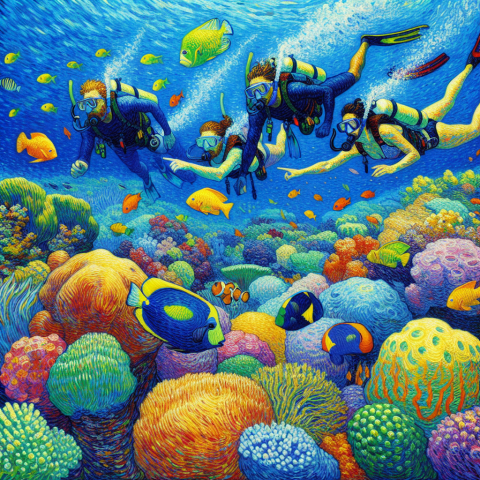
Unveiling The Truth About Cozumel’s Shark Population
By Tom Seest
At TopCozumelNews, we help travelers enjoy Cozumel by collating information learned from frequently traveling to beautiful Cozumel.
Be sure to read our other related stories at TopCozumelNews to learn more about the Island of Cozumel.
Are There Sharks In Cozumel Waters?
When you dip your toes into the crystalline waters of Cozumel, it’s easy to feel enchanted. The shimmering turquoise beckons you in, inviting you to lose yourself in its embrace. But somewhere beneath those idyllic waves lurk the kings of the ocean—the sharks. Yes, sharks, the very creatures that evoke both awe and fear. They often get a bad rap, don’t they? But peel back the layers of fear, and you’ll uncover a world rich with fascinating truths.
Cozumel is home to several shark species, including the majestic nurse shark and the elusive leopard shark. These magnificent beings play vital roles in maintaining the balance of marine ecosystems. From a rational standpoint, recognizing that sharks help keep fish populations healthy reassures us that their presence is not merely a peril, but rather an essential component of the ocean’s intricate web. When we think of sharks, we often forget that they are as misunderstood as they are remarkable; after all, these are the custodians of our marine environments, not monsters lurking in the shadows.
The ethical dimensions of coexistence ground us in something deeper. By acknowledging and respecting these creatures, we foster an appreciation for the biodiversity that sustains our planet. Sharks are more than fearsome predators—they symbolize the untamed spirit of our oceans. Protecting them ensures future generations can experience the magic and adventure that comes with snorkeling or diving amongst them.
And let’s get personal. Imagine yourself, breathing steadily through your regulator, surrounded by vibrant coral and schools of tropical fish. Suddenly, a graceful silhouette glides by—an encounter with a gentle nurse shark. The heart races, not out of fear, but sheer exhilaration. This isn’t just diving; it’s a communion with nature, an invitation to connect with the very pulse of life beneath the waves.
Socially, communities across Cozumel are beginning to recognize the importance of sustainable tourism. When locals and visitors understand that sharks are worth more alive than dead—thanks to ecotourism—the tides of public perception shift. Choices matter. With a simple dive or snorkeling trip, we can support conservation efforts, ensuring these remarkable creatures continue to thrive.
So, are there sharks in Cozumel waters? Absolutely. And they’re not here to harm; they’re here to remind us of the beauty, mystery, and interconnectedness of our world. Embrace the depths, and you’ll walk away with more than a tan—you’ll gain a newfound respect for those who roam the oceans.

Are There Sharks In Cozumel Waters?
Are There Sharks In Cozumel Waters?
- Cozumel’s crystal-clear waters invite exploration and enchantment.
- Sharks, including nurse and leopard sharks, play crucial roles in maintaining healthy marine ecosystems.
- These misunderstood creatures are essential custodians of ocean biodiversity, not monsters.
- Respecting and protecting sharks fosters appreciation for our planet’s biodiversity.
- Diving and snorkeling with sharks offers exhilarating encounters that connect us to nature.
- Communities in Cozumel recognize the value of sustainable tourism and ecotourism for conservation.
- Sharks in Cozumel remind us of the beauty and interconnectedness of our world.

Are There Sharks In Cozumel Waters?
Table Of Contents
- Are There Sharks In Cozumel Waters?
- What Emotions Do You Feel When Thinking About Swimming With Sharks?
- How Do Statistics Show The Safety Of Shark Interactions In Cozumel?
- What Do Local Experts Say About Shark Behavior In Cozumel Waters?
- Can You Imagine The Thrill Of Encountering A Shark Up Close?
- How Do Cultural Attitudes Toward Sharks Affect Conservation Efforts?
- What Personal Experiences Shape Your Views On Swimming With Sharks?
- How Can We Promote Responsible Tourism That Respects Shark Habitats?
- Conclusion
- Other Resources
- Glossary Of Terms
- Other Questions
- Haiku
- Poem
- Checklist
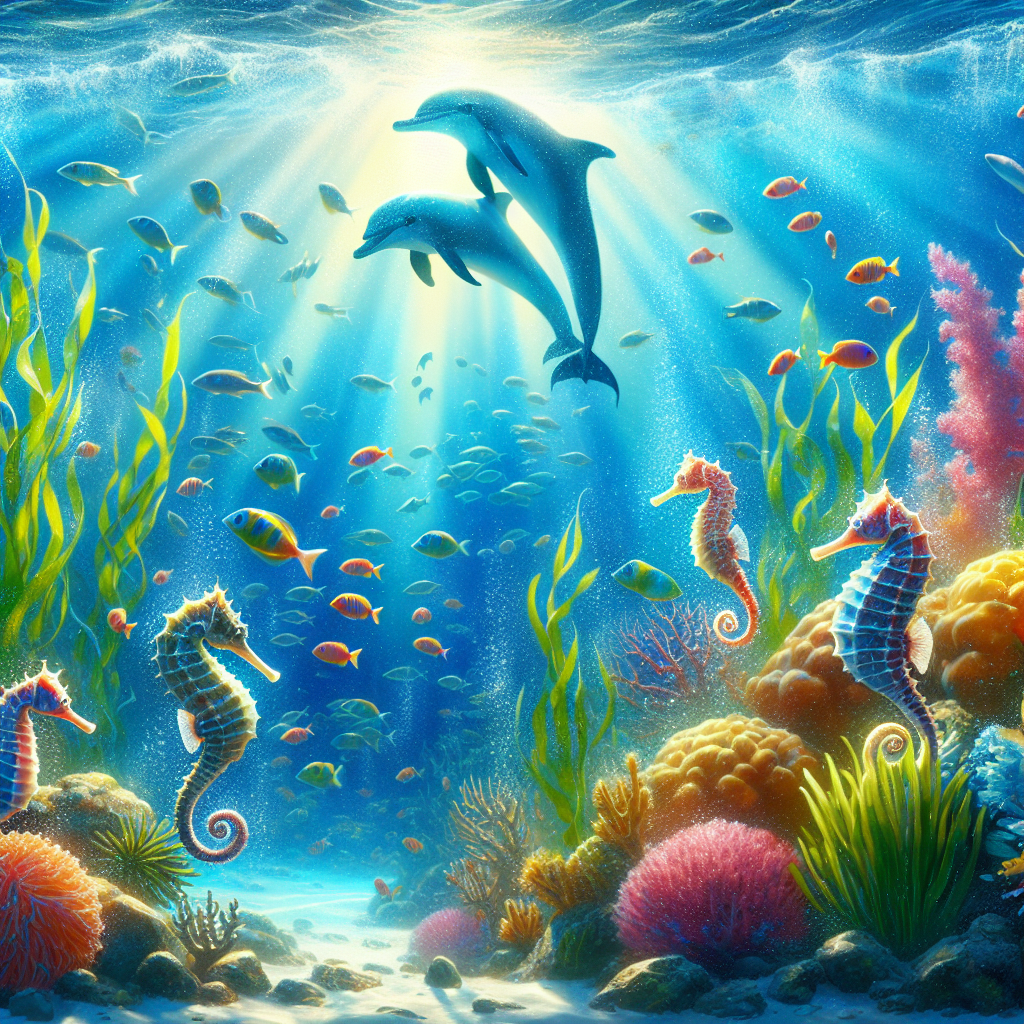
What Emotions Do You Feel When Thinking About Swimming With Sharks?
When you think about swimming with sharks, a swirl of emotions rushes to the forefront. Your heart races with a mix of excitement and apprehension, as if you’re standing at the edge of a diving board, staring down at the deep blue below. The thrill of adventure beckons, teasing your sense of promise—what would it be like to glide alongside these majestic creatures in the waters of Cozumel, a paradise renowned not just for its beauty, but also for its biodiversity?
You begin to rationalize your feelings. After all, sharks aren’t the monsters we often imagine. Statistically, you’re more likely to be bitten by a dog than to have a close encounter with a shark. Understanding their behavior transforms that gut-wrenching fear into respect. These animals, with their keen senses and ancient lineage, play a crucial role in our ecosystems. Swimming with them isn’t merely an adrenaline rush; it’s a reminder of our interconnectedness with nature.
Then there’s the ethical aspect—consider the plight of sharks and the vital role they play in maintaining the balance of our oceans. By participating in responsible tourism, you contribute to their preservation, advocating for their protection in a world that often takes them for granted. In Cozumel, each fin slice through the water becomes a shared declaration; you’re not just a spectator but a steward in their habitat, uplifting their narrative, and promoting awareness.
Socially, imagine sharing this experience with friends or loved ones, exchanging stories long after you’ve dried off. The bonds you forge when faced with the awe of nature set the stage for connection. It cultivates a sense of community, where everyone leaves the experience with newfound understanding and collective memories. It’s human connection woven through adrenaline-fueled moments—a shared heartbeat in rhythm with the wild.
Each time you consider diving in, those emotions become tangible, mixing the thrill of the unknown with the reassurance of shared ethical stewardship. It’s a leap into an aquatic world that both fascinates and humbles, challenging your perceptions while igniting a spark of empathy. Ultimately, swimming with sharks is not only about confronting your fears; it’s about emerging with new respect for the wonders of our planet—a journey that beckons you to dive in, both literally and metaphorically.
What Emotions Do You Feel When Thinking About Swimming With Sharks?
What Emotions Do You Feel When Thinking About Swimming With Sharks?
- Swimming with sharks evokes excitement and apprehension, akin to standing at the edge of a diving board.
- Sharks are not the monsters we often imagine; the likelihood of a shark encounter is statistically low.
- Understanding shark behavior transforms fear into respect and highlights their ecological importance.
- Participating in responsible tourism supports shark preservation and promotes awareness of their plight.
- Sharing the experience with friends fosters connection and creates lasting memories.
- The experience blends thrill with ethical stewardship, encouraging a sense of community.
- Ultimately, swimming with sharks leads to newfound respect for nature and personal growth.

What Emotions Do You Feel When Thinking About Swimming With Sharks?
How Do Statistics Show The Safety Of Shark Interactions In Cozumel?
When you think of Cozumel, images of sun-soaked beaches might dance in your mind. But beyond the golden sands lies a vibrant underwater world, inhabited by majestic sharks that stir both fascination and fear. Statistics tell a powerful story, revealing that shark interactions here are remarkably safe. Statistically speaking, the odds of a shark bite are minuscule, amounting to roughly 1 in 3.7 million—a staggering notion when you think of the countless lives touched by these creatures through snorkeling and diving experiences.
Imagine slipping beneath the warm waves, diving among a school of colorful fish, and suddenly finding yourself in the presence of a shark. There’s fear, sure, but it’s quickly eclipsed by awe. In Cozumel, divers report feeling an indescribable connection with these creatures—their grace, their power, and their sheer beauty. And here’s where the heart comes into play: understanding that the creatures we often fear are just as curious about us as we are about them.
Rationally, we should take comfort in the fact that scientists continually study these interactions. Research shows that sharks aren’t the mindless predators movies often portray; they unfold a narrative of survival and ecological balance. These apex predators play a critical role in maintaining the health of marine ecosystems. By appreciating their place in the ocean, we can foster an ethical responsibility to protect their habitats, ensuring that future generations can share the same awe-inspiring encounters.
We live in a world where social interaction drives our decisions, and Cozumel is vibrant with stories from those who have faced their fears. Dive instructors, local guides, and marine biologists—these are the voices lending authority to the statistics with firsthand accounts of respectful coexistence. They have seen tourists emerge from their shark encounters with newfound respect and understanding, often transformed into lifelong advocates for ocean conservation.
Those who embrace the experience report not only a thrill but a deep sense of gratitude for the ocean and its inhabitants. This is more than just a statistic; it’s about building trust in the ocean’s marvels, finding a connection, and inspiring action toward protecting our aquatic allies.
So, let’s celebrate the allure of Cozumel. Let’s choose to ditch the fear and turn toward fascination, nurturing our desire to understand and protect the true giants of the sea.

How Do Statistics Show The Safety Of Shark Interactions In Cozumel?
How Do Statistics Show The Safety Of Shark Interactions In Cozumel?
- Cozumel is known for its beautiful beaches and vibrant underwater world.
- Shark interactions in Cozumel are statistically very safe, with a bite occurrence of about 1 in 3.7 million.
- Divers often feel a connection with sharks, appreciating their grace, power, and beauty.
- Sharks play a vital role in maintaining healthy marine ecosystems and shouldn’t be feared as mindless predators.
- Local dive instructors and marine biologists share firsthand experiences that promote respect and understanding of sharks.
- Individuals who engage with sharks often develop a deep gratitude for the ocean and its creatures, becoming advocates for conservation.
- The message encourages embracing fascination over fear to protect sharks and their habitats.

How Do Statistics Show The Safety Of Shark Interactions In Cozumel?
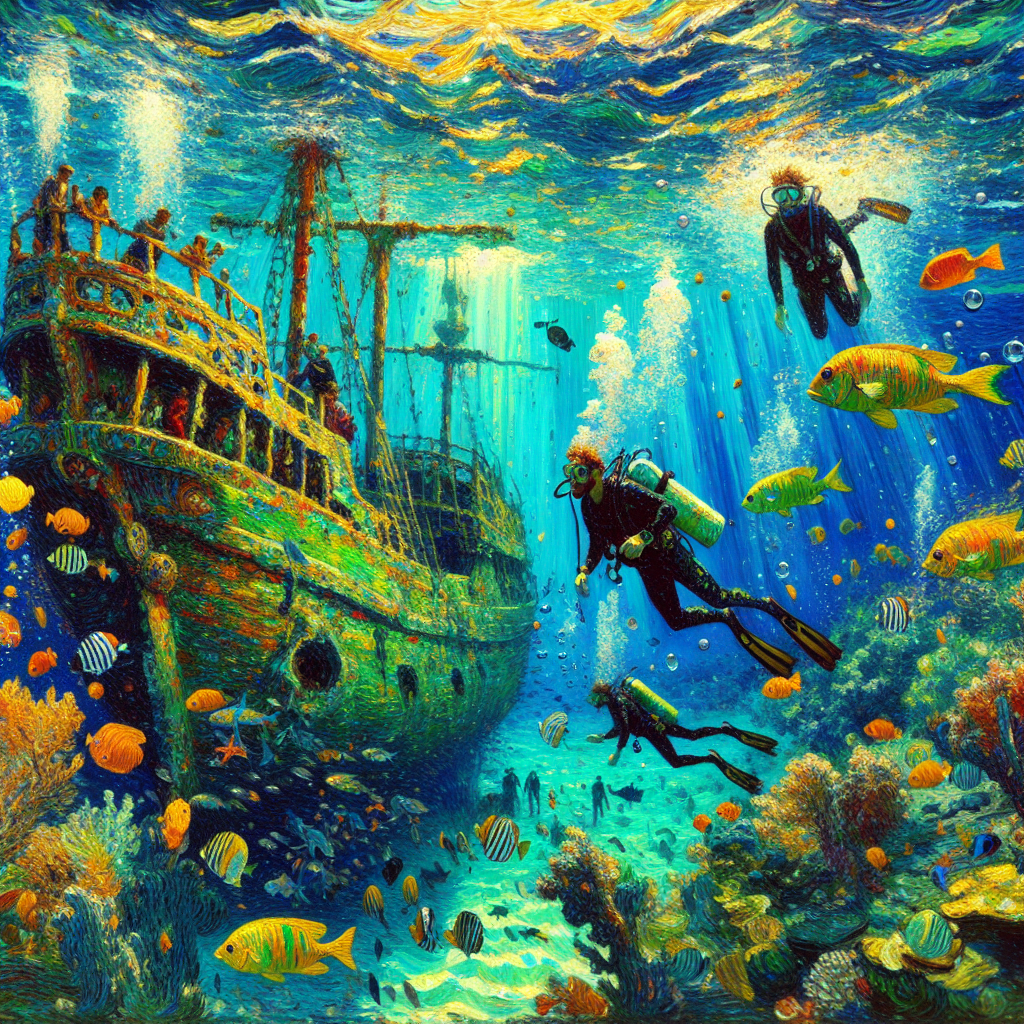
What Do Local Experts Say About Shark Behavior In Cozumel Waters?
When it comes to the waters surrounding Cozumel, local experts have a unique perspective on shark behavior that we don’t often hear in the mainstream narrative. These individuals—fishermen, dive instructors, and marine biologists—have spent years immersing themselves in the turquoise depths, forming a bond that transcends simple observation. They don’t just study sharks; they respect them, recognizing the pivotal role these apex predators play in maintaining the health of marine ecosystems.
Imagine standing on a sun-soaked beach, the gentle waves lapping at your feet, while a local marine biologist shares their stories about encountering a nurse shark. They speak with reverence about that moment: the unexpected interaction, the shark’s graceful glide through the water, a sight that shifts from fear to awe in an instant. It’s not just about the thrill; it’s about understanding. They’ll tell you that sharks are often misunderstood, much like the way we sometimes feel misunderstood in our own lives.
As experts, they emphasize that these creatures can sense our fear and anxiety, which often manifests in erratic movements. In Cozumel’s vibrant waters, a calm demeanor can transform your experience, inviting the inquisitive shark closer instead of scaring it away. Their advice isn’t just about safety; it’s about fostering a respectful relationship between humans and marine life. Sharks are not mindless killers; they are crucial players in the ocean’s complex web.
Ethically, these experts champion conservation efforts, highlighting how vital it is to protect these animals. Overfishing and habitat loss threaten shark populations, a worrisome trend that isn’t just a statistic; it’s a narrative of loss for future generations—yours and mine. They remind us that each of us has a role to play, whether it’s choosing sustainable seafood or supporting marine preservation organizations.
Listening to local voices, you become part of a community that cares deeply about Cozumel’s waters. They inspire trust, sparking a sense of responsibility and action in each of us. When you see a shark swim past, remember that it’s not just a fleeting observation; it’s a connection to an ecosystem that needs our respect and protection. Let’s embrace the wonders of Cozumel’s underwater kingdom, not with fear but with appreciation, forging a bond with these magnificent animals that will ripple through generations.

What Do Local Experts Say About Shark Behavior In Cozumel Waters?
What Do Local Experts Say About Shark Behavior In Cozumel Waters?
- Local experts in Cozumel, including fishermen, dive instructors, and marine biologists, offer a unique perspective on shark behavior.
- These individuals develop a deep bond with sharks, viewing them as vital predators that maintain marine ecosystem health.
- Encounters with sharks, such as nurse sharks, can shift from fear to awe, highlighting the importance of understanding these creatures.
- Sharks can sense human fear and anxiety, making calm behavior essential for inviting closer interactions.
- Experts advocate for conservation efforts, emphasizing the threats of overfishing and habitat loss to shark populations.
- Everyone has a role in shark preservation, whether through sustainable seafood choices or supporting conservation organizations.
- Embracing a respectful relationship with marine life fosters community involvement and connection to Cozumel’s underwater ecosystem.
What Do Local Experts Say About Shark Behavior In Cozumel Waters?
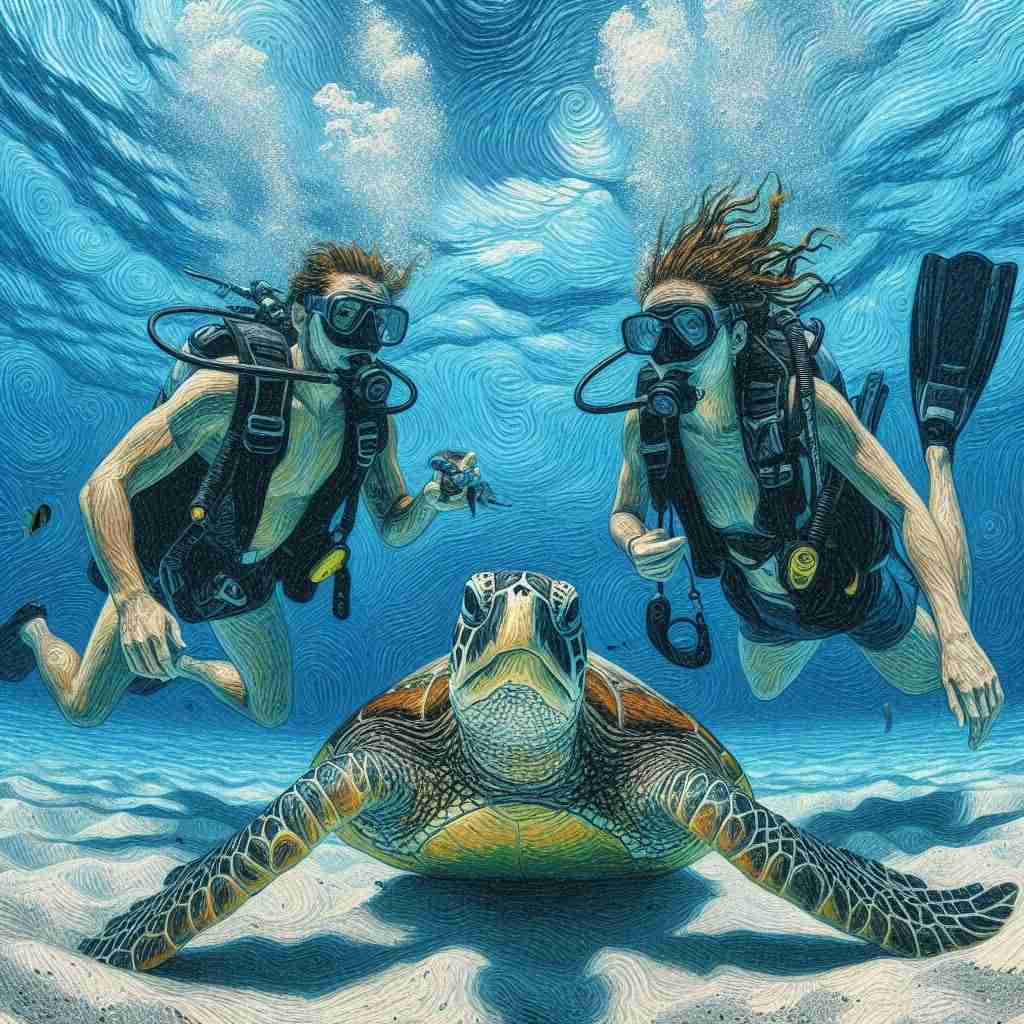
Can You Imagine The Thrill Of Encountering A Shark Up Close?
Imagine plunging into the crystal-clear waters off the coast of Cozumel, where the sun spills its golden rays onto a vibrant underwater tapestry. You take a deep breath, the weight of the world fading as you descend into this aquatic realm, anticipation thrumming in your chest. Suddenly, there it is—a majestic shark gliding effortlessly through the depths. Your heart races, not out of fear but from an exhilarating sense of awe that courses through your veins.
Sharks often evoke a primal reaction. They’re the titans of the ocean, symbols of power and mystery. Yet behind their fierce reputation lies a crucial truth: these creatures are vital to the health of our oceans. They play a key role in maintaining the balance of marine ecosystems, and understanding this can shift our perspective. When you encounter a shark up close, you realize it’s not just an animal—but a guardian, an intricate piece of the larger puzzle that supports life in our seas.
Consider what you can learn from this encounter. The instincts that kick in—the thrill of spotting this incredible creature—remind us that nature is not just to be observed, but to be respected and cherished. Your heart tells you it’s an unforgettable moment; your head urges you to recognize the responsibility that comes with witnessing such wonders. We have an ethical obligation to protect these magnificent beings, to ensure that future generations can have their own brush with the extraordinary.
Sharing these experiences fosters connection, creating a community that values the ocean’s inhabitants and advocates for their safety. Think about the stories you could tell—narratives that draw friends and family closer, igniting conversations about conservation and respect for all living creatures. Witnessing a shark swim gracefully by is more than just a photo-op; it’s a call to action. It’s about embracing the wonder of the world and the role we play within it.
So, whether you’re a seasoned diver or a curious novice, make the journey to Cozumel. Dive into the adventure, and immerse yourself in the thrill of encountering a shark up close. Feel that rush of excitement, harness it for the greater good, and let it inspire you to take a stand for the oceans we all depend on. Together, we can foster a legacy of respect, protection, and wonder for our planet.

Can You Imagine The Thrill Of Encountering A Shark Up Close?
Can You Imagine The Thrill Of Encountering A Shark Up Close?
- Experience the vibrant underwater world of Cozumel, filled with crystal-clear waters and diverse marine life.
- Encounter majestic sharks, symbolizing power and mystery in the ocean environment.
- Understand the vital role sharks play in maintaining marine ecosystem balance.
- Recognize the importance of respecting and protecting these creatures for future generations.
- Share your experiences to foster community connection and advocate for ocean conservation.
- Engage in conversations about the protection of marine life to inspire others.
- Encourage everyone, whether experienced or novice, to explore the underwater adventure and take action for ocean welfare.
Can You Imagine The Thrill Of Encountering A Shark Up Close?
How Do Cultural Attitudes Toward Sharks Affect Conservation Efforts?
Sharks have long been cast as the villains of the sea in our cultural narratives—a view fueled by sensationalized media and horror films. But before we dive deeper into this perception, let’s take a moment to reframe our collective mindset about these incredible creatures. Imagine a day in Cozumel, where the turquoise waters roll in gentle waves. You plunge beneath the surface, surrounded by vibrant reefs teeming with life. Suddenly, a sleek silhouette glides by—an apex predator, vital to the ocean’s ecosystem. It’s breathtaking and humbling.
Now, let’s engage our heads for a moment. Sharks maintain the balance of marine life. Without them, overpopulation of certain fish species can devastate reefs, altering habitats and decimating biodiversity. If we allow our fear to govern our actions, we could unwittingly disrupt this complex dance of life. It’s not just science; it’s common sense. We need to act with our heads and our hearts, advocating for these misunderstood marvels.
From an ethical standpoint, we owe it to future generations to protect our oceans. The dent created by a world without sharks would leave a void far beyond the water. How do we want our children—our grandchildren—to experience the beauty of our planet? By fostering fear, we create an environment of ignorance, pushing these majestic creatures closer to extinction. Instead, let’s cultivate a narrative that champions coexistence, inspiring wonder instead of fear.
You don’t need to don a wetsuit or even set foot in the water to make a difference. Engage in conversations, participate in community programs, or support conservation organizations. Every small action chips away at the stigma surrounding sharks. This is about social responsibility and connection—reminding ourselves that, at our core, we are stewards of this Earth.
So let’s take a deep breath. Next time you hear a shark story or see a film that casts them in a negative light, challenge that narrative. Be the voice that shares the facts, that highlights their vital role in our oceans. We have the power to inspire trust in nature’s balance, confidence in our capacity for change, and action in defense of these magnificent beings. Sharks deserve more than fear; they deserve our respect and protection.

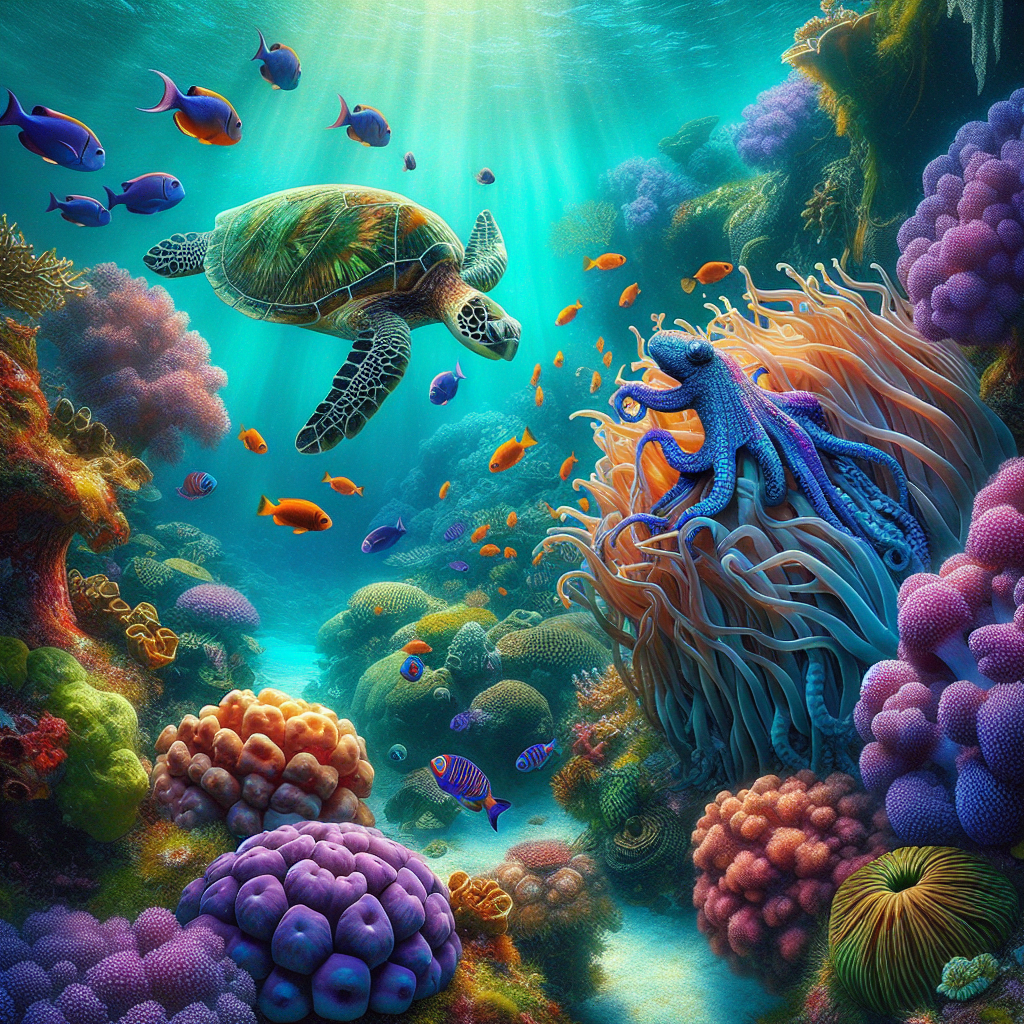
How Do Cultural Attitudes Toward Sharks Affect Conservation Efforts?
How Do Cultural Attitudes Toward Sharks Affect Conservation Efforts?
- Sharks are often portrayed as villains in media and films, contributing to a negative perception.
- They play a crucial role as apex predators, maintaining the balance of marine ecosystems.
- Overpopulation of certain fish without sharks can lead to habitat destruction and biodiversity loss.
- It’s important to act with both intelligence and empathy to advocate for shark protection.
- Protecting sharks is an ethical responsibility we owe to future generations and the health of our oceans.
- Everyone can contribute by engaging in discussions, supporting conservation efforts, and challenging negative narratives.
- Sharks deserve respect and protection, not fear; we have the power to change perceptions and inspire coexistence.
How Do Cultural Attitudes Toward Sharks Affect Conservation Efforts?
What Personal Experiences Shape Your Views On Swimming With Sharks?
What personal experiences shape your views on swimming with sharks? Imagine yourself in the warm turquoise waters off Cozumel, the sun glistening on the surface like diamonds scattered across a sapphire canvas. The thrill is palpable, but so are the fears that flood your mind. Have you ever stood on the edge of uncertainty, weighed down by stories of ferocity and danger? Those tales, passed down through generations, can shape our perceptions in ways we often don’t realize.
Taking a dip into the depths of shark-infested waters isn’t just a test of bravery; it’s a profound encounter with the unknown that reflects our own relationship with risk and trust. Each splash of water holds the echoes of stories that shape how we see these magnificent creatures. Perhaps you remember the first time you watched a documentary that displayed sharks in their natural habitat, graceful and powerful, yet often misrepresented. Suddenly, your view began to shift—these creatures, once shrouded in malice, became symbols of resilience and beauty.
It’s tough to shake the siren song of sensational headlines, but if you want to overcome your trepidation, you must embody a holistic perspective. Take to heart the voices of marine biologists and conservationists who dedicate their lives to fostering a deeper understanding of sharks. They explain that these apex predators play an essential role in our ocean ecosystems, maintaining the balance that sustains marine life. Ethics beckon us to consider our responsibilities as stewards of the sea. Shouldn’t our actions reflect a commitment to preserving, rather than fearing, such incredible creatures?
Acting on our newfound perspective fosters connection. As you engage with fellow adventurers preparing to take the plunge, you’ll likely find a shared camaraderie in embracing the unknown. When you see your fellow swimmers confronting their fears with resilience, it strengthens your resolve. It’s a collective experience, bonding people from all walks of life—overcoming hesitation, laughing amidst the bubbles, and marveling at the elegance of a shark gliding past.
So, when you find yourself standing knee-deep in those crystalline waters next time, remember: fear can be both a prison and a gateway. With courage in your heart, take that leap into the depths. Embrace the moment. Harness the thrill. Recognize the transformative power of swimming with sharks—not just to conquer a fear, but to discover a deeper understanding of our world and ourselves.

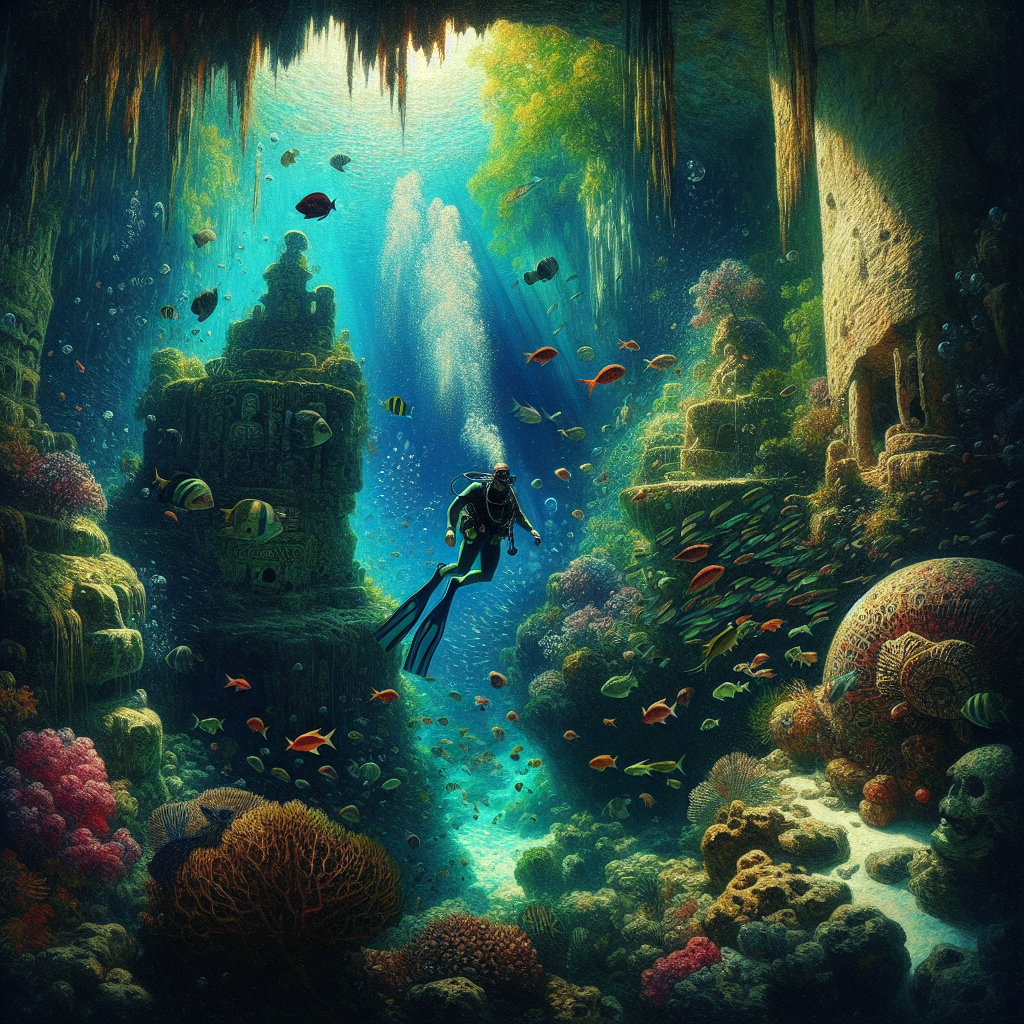
What Personal Experiences Shape Your Views On Swimming With Sharks?
What Personal Experiences Shape Your Views On Swimming With Sharks?
- Personal experiences significantly shape perceptions of swimming with sharks.
- The environment off Cozumel presents a juxtaposition of thrill and fear.
- Stories of shark ferocity influence our views and create uncertainty.
- A documentary can shift perspectives, revealing sharks as symbols of resilience and beauty.
- Marine biologists emphasize the importance of sharks in maintaining ocean ecosystems.
- Engaging with fellow adventurers promotes camaraderie and shared experiences in confronting fears.
- Swimming with sharks can lead to personal transformation and a deeper understanding of our relationships with nature.
What Personal Experiences Shape Your Views On Swimming With Sharks?
How Can We Promote Responsible Tourism That Respects Shark Habitats?
In the shimmering waters off Cozumel, a world of vibrant marine life thrives, and at the heart of this ecosystem are sharks—beautiful, misunderstood creatures that are critical to ocean health. When we talk about responsible tourism, we’re not just discussing guidelines and practices; we’re opening up a dialogue about stewardship. This isn’t just about the sharks; it’s about the legacy we leave behind.
Picture this: You dip into the crystalline sea, surrounded by schools of fish gliding through coral gardens, and then, there it is—an elegant shark, gliding by like a swift shadow. This moment isn’t just breathtaking; it’s a reminder of our role as caretakers of this majestic underwater realm. Every time a tourist chooses to snorkel or dive sustainably, it ripples through the habitat, highlighting the importance of maintaining balance.
But let’s address the gut feeling—what happens if we don’t act responsibly? Overfishing, habitat destruction, and reckless tourism practices aren’t decisions made in a vacuum; they have real consequences, devastating marine biodiversity. The ethical responsibility lies with us, the travelers, to make choices that promote the conservation of these magnificent creatures. Tour operators must prioritize eco-friendly practices, meaning we should seek out those businesses genuinely committed to preserving shark habitats—perhaps even those that contribute a portion of profits to local conservation efforts.
Narratives matter. Every trip to Cozumel can tell a story of connection—not just between humans and sharks but also between our tourists, locals, and the environment. Sharing these experiences fosters a collective consciousness about the fragility of our oceans. Encourage dialogue in your community; inspire others with tales of your encounters and the wonders you witnessed. The more we share, the stronger our social fabric becomes in promoting responsibility.
Let’s gather a wave of change. By choosing mindful practices when planning vacations, we can collectively shift the narrative surrounding sharks from one of fear to fascination. Let’s champion those whose priority is the eco-well-being of Cozumel. As we create vibrant memories above and below the waves, let’s ensure that the sharks swim freely, living their lives unmarred by our carelessness. Together, we possess the power to redefine what it means to explore and respect our oceans. The choice lies with us, and our oceans—and their inhabitants—are counting on it.

How Can We Promote Responsible Tourism That Respects Shark Habitats?
How Can We Promote Responsible Tourism That Respects Shark Habitats?
- Cozumel’s waters host vibrant marine life, with sharks playing a critical role in maintaining ocean health.
- Responsible tourism involves stewardship, emphasizing the legacy we leave for future generations.
- Your experiences in the sea, such as encountering sharks, remind us of our role as caretakers of the underwater world.
- Unsustainable practices like overfishing can devastate marine biodiversity, highlighting the ethical responsibility of travelers.
- Tour operators should prioritize eco-friendly practices and contribute to local conservation efforts.
- Every trip can showcase a connection between humans, sharks, and the environment, fostering awareness about ocean fragility.
- By adopting mindful vacation practices, we can shift the narrative around sharks from fear to fascination, ensuring their protection.

How Can We Promote Responsible Tourism That Respects Shark Habitats?
Conclusion
Cozumel’s waters, with their stunning beauty, conceal a truth that often eludes us: the presence of sharks. These majestic giants evoke a mixture of fear and fascination, yet it’s time to shift our perspective. Acknowledging the vital role sharks play in our marine ecosystems transforms our initial apprehension into respect. Home to species like the nurse shark and the leopard shark, Cozumel not only offers exhilarating snorkeling experiences but also ignites an ethical responsibility to safeguard these crucial apex predators.
Imagine slipping beneath those turquoise waves, heart racing not with fear, but anticipation. As you encounter these creatures, you realize they symbolize the ocean’s grandeur and complexity, serving as architects of marine balance. The fear ingrained in our culture stems from misconceptions; statistically, the likelihood of a shark bite is dramatically slim. Sharks are not mindless killers but guardians of the delicate ecosystems we depend on. Each swim offers a chance to bridge a connection with these exquisite beings, transforming fear into wonder and discovery.
Local experts further illuminate this narrative, showcasing firsthand the intricate dynamics between humans and sharks. Their stories enrich our understanding and foster respectful relationships, reminding us to approach these encounters with mindfulness. A calm demeanor not only enhances our experience but invites curiosity rather than dread, encouraging us to act as stewards of the sea.
Responsible tourism is pivotal in fostering conservation efforts. Engaging in ecotourism ensures that sharks are valued alive, sparking a cultural shift where appreciation triumphs over fear. This communal responsibility beckons us to share our experiences, driving conversations about the need to protect these creatures and their habitats.
When we choose to support sustainable practices—favoring eco-friendly operators and participating in conservation programs—we become part of a larger movement, crafting a legacy of respect for future generations. Every swim becomes an act of advocacy, echoing the importance of coexistence within our oceans.
As we bask in the beauty of Cozumel, let’s embrace an attitude of wonder rather than trepidation. Let the allure of sharks bring us together in a celebration of life beneath the waves. By stepping beyond our fears, we open the door to a deeper connection with nature, forging tales that inspire others. Together, we can redefine our relationship with the ocean, ensuring that the legacy we leave for generations is one of respect, protection, and endless fascination. The choice is ours; let’s make it count.

Conclusion
Conclusion:
- Cozumel’s waters harbor a vital truth: the presence of sharks, often viewed with fear.
- Sharks, like nurse and leopard sharks, are crucial apex predators that maintain marine ecosystem balance.
- Encounters with these creatures can shift fear into respect, highlighting their role as guardians rather than killers.
- Local experts enhance understanding of human-shark dynamics, fostering mindfulness and respectful interactions.
- Responsible tourism and ecotourism promote the conservation of sharks, valuing them alive rather than as threats.
- Support for eco-friendly practices and conservation efforts creates a legacy of respect for future generations.
- By embracing a sense of wonder, we can redefine our relationship with the ocean and inspire others to do the same.

Conclusion
Other Resources

Other Resources
Most of the people who read this are also figuring out where to stay. A couple of places we run or know well, in case it’s useful: Cozumel Journey is an editorial guide to Cozumel — neighborhoods, planning tips, and life on the island for travelers who want context, not a cruise schedule.
Here is a list of other resources you can review online to learn more:
- Mega Supermarket
- Coral Reef Restoration Program
- Malecon
- Palancar Reef
- Del Sur Beach Club
- Playa Azul
- Avis
- Muelle Fiscal
- La Cocina De Silvia
- Playa Uvas
- Playa Mia
- Meliá Cozumel
- Chocolateria Isla Bella
- Reefs of Cozumel
- El Coffee Cozumel
- Bubba Gump Shrimp Co.
- Viva Mexico Snackbar
- Nachi Cocom Beach Club
- Cozumel Journey — long-form writing on neighborhoods and planning
Use This Prompt To Get More Resources With Your Favorite Online AI Tool: Please provide me with a list of online articles with their URLs in a bulleted list that I can read regarding Are There Sharks In Cozumel Waters?

Other Resources
Glossary Terms
Are There Sharks In Cozumel Waters? – Glossary Of Terms
1. Cozumel: An island in the Caribbean Sea, part of Mexico’s Quintana Roo state, known for its vibrant marine life and coral reefs.
2. Shark: A type of cartilaginous fish known for its distinctive shape, sharp teeth, and predatory nature, found in oceans worldwide.
3. Marine Life: The diverse array of organisms living in ocean environments, including fish, mammals, corals, and invertebrates.
4. Snorkeling: A water activity that involves swimming on the surface while wearing a mask and snorkel to observe underwater life.
5. Diving: The act of exploring underwater environments using scuba gear or breath-holding techniques to observe marine ecosystems.
6. Coral Reef: A marine structure formed by the accumulation of corals, supporting numerous species and providing a crucial habitat for marine life.
7. Predator: An animal that hunts and feeds on other animals, a category that includes various shark species.
8. Ecosystem: A biological community made up of interacting organisms and their physical environment, where sharks play a significant role.
9. Species: A group of organisms capable of interbreeding and producing fertile offspring; different shark species inhabit Cozumel waters.
10. Habitat: The natural environment in which an organism lives, including the oceanic zones preferred by sharks.
11. Population Dynamics: The study of how and why populations of species, including sharks, change over time in terms of size, structure, and distribution.
12. Conservation: Efforts to protect and restore biodiversity, ecosystems, and species, including the preservation of shark populations in Cozumel.
13. Tourism: The economic activity related to travel and leisure that involves observing and interacting with marine life, including sharks.
14. Scuba Diving: An underwater diving activity using a self-contained underwater breathing apparatus, allowing divers to explore deep water.
15. Shark Baiting: A practice to attract sharks for observation or fishing, which can impact their behavior and ecosystem role.
16. Carcharhiniformes: An order of sharks commonly referred to as ground sharks, which include species found around Cozumel.
17. Elasmobranch: A subclass of fish that includes sharks and rays, characterized by their cartilaginous skeletons.
18. Pelagic: Referring to the open sea, particularly the water column above the ocean floor, where some shark species thrive.
19. Reef Sharks: A category of sharks that inhabit coral reefs and are commonly found in Caribbean waters, including Cozumel.
20. Lemon Shark: A species often found in shallow waters, known for its distinctive coloration and presence in Caribbean ecosystems.
21. Bull Shark: A robust species known for its ability to thrive in both saltwater and freshwater, occasionally spotted in Cozumel.
22. Nurse Shark: A bottom-dwelling species, often seen resting on the sea floor, known for its docile nature.
23. Hammerhead Shark: A distinctive species recognized by its wide-set eyes and unique head shape, known to inhabit deeper waters.
24. Biodiversity: The variety of life in a particular ecosystem, including the variety of shark species in Cozumel’s waters.
25. Wildlife Observation: The practice of observing animals in their natural habitat, popular among tourists and researchers.
26. Shark Behavior: The study of how sharks interact with their environment and other species, including their feeding and mating practices.
27. Marine Policies: Regulations and laws designed to protect marine environments and species, including sharks in Cozumel.
28. Ecological Role: The function that a species plays within an ecosystem; sharks are crucial in maintaining the balance of marine life.
29. Endangered Species: A classification for species at risk of extinction, some shark species face this status due to overfishing and habitat loss.
30. Sustainable Practices: Environmentally responsible methods in tourism and fishing aimed at conserving marine resources, including shark populations in Cozumel.

Glossary Of Terms
Other Questions
Are There Sharks In Cozumel Waters? – Other Questions
If you wish to explore and discover more, consider looking for answers to these questions:
- What shark species can be found in Cozumel waters?
- What are the best times of year to encounter sharks in Cozumel?
- Are there guided tours available for swimming with sharks in Cozumel?
- What safety measures should divers and snorkelers follow when swimming with sharks?
- How has the local community responded to the presence of sharks in their waters?
- What impact do sharks have on local fisheries and marine ecosystems?
- How can tourists report unethical practices regarding shark interactions?
- What are some successful shark conservation programs in Cozumel?
- How do cultural attitudes toward sharks in Cozumel differ from other regions?
- What resources are available for learning more about shark behavior and ecology?

Other Questions
Haiku
Are There Sharks In Cozumel Waters? – A Haiku
In Cozumel’s depths,
Sharks glide—guardians of health,
Fear turns into awe.
Haiku
Poem
Are There Sharks In Cozumel Waters? – A Poem
In Cozumel’s embrace, beneath azure skies,
Lies a realm of mysteries, where the ocean sighs.
With hearts unbraced by tales of dread,
We venture forth, where legends tread.
Amidst the corals, vibrant and bold,
Shimmers the truth—a tale to be told.
Majestic sharks gliding with grace divine,
Custodians of balance, their roles intertwine.
Not monsters lurking in shadows, we see,
But guardians of ecosystems, wild and free.
With every fin that dances in light,
A reminder of wonder ignites our delight.
Let not the echoes of fear cloud our view,
Statistics speak softly, our fears to undo.
For in the depths, as we dive hand in hand,
We awaken our spirits to nature’s command.
The thrill of a shark’s close, gentle glide,
Transforms apprehension into awe and pride.
These moments inspire not just fleeting thrill,
But a call to protect, a pledge to fulfill.
From the shores to the depths, communities unite,
In the spirit of stewardship, embracing what’s right.
For with every snorkeling tale shared and retold,
A legacy of respect and a future unfold.
So plunge into the wonders, let your heart lead the way,
In Cozumel’s waters, let fear fade away.
Together we’ll champion, protect and defend,
The beauty of sharks, our ocean’s true friends.

Poem
Checklist
Are There Sharks In Cozumel Waters? – A Checklist
Cozumel Shark Awareness Checklist
Emotional Appeals
_____ Embrace the Experience: Reflect on the thrill and excitement of swimming with sharks. Write down your feelings about the adventure.
_____ Visualize Your Adventure: Picture your underwater encounter with a shark. What emotions does this evoke? Share your vision with friends.
Rational Appeals
_____ Understand Shark Safety: Research statistics about shark interactions and share them with your peers (e. g. , the odds of a shark bite vs. dog bite).
_____ Learn about Shark Ecology: Educate yourself on the role sharks play in maintaining healthy marine ecosystems. How does this knowledge change your perception?
Ethical Appeals
_____ Consider Conservation Responsibility: Reflect on how your actions impact shark populations. Write down ways you can support ocean conservation.
_____ Support Sustainable Tourism: Choose eco-friendly tour operators for snorkeling and diving trips. List eco-conscious activities you plan to engage in.
Authority Appeals
_____ Listen to Experts: Seek out and read materials from marine biologists and local guides about shark behavior and conservation.
_____ Attend Workshops: Look for local talks or workshops on ocean conservation to deepen your understanding.
Narrative Appeals
_____ Share Your Story: Document your personal experiences and feelings related to swimming with sharks, whether through journaling or storytelling.
_____ Engage Others: Host discussions about shark encounters with friends or family to spread awareness and shift perceptions.
Social Appeals
_____ Create Community Connections: Join local or online conservation groups focused on ocean health and responsible tourism.
_____ Be an Advocate: Share information about shark conservation on social media. Encourage friends and family to rethink their views on sharks.
Use this checklist to guide your journey toward a deeper understanding and appreciation of Cozumel’s underwater world. Your engagement with these points can help foster a more respectful coexistence with these magnificent ocean dwellers.

Checklist
At TopCozumelNews, we help travelers enjoy Cozumel by collating information learned from frequently traveling to beautiful Cozumel.
Be sure to read our other related stories at TopCozumelNews to learn more about the Island of Cozumel.