An Overview Of Jellyfish In Cozumel
By Tom Seest
At TopCozumelNews, we help travelers enjoy Cozumel by collating information learned from frequently traveling to beautiful Cozumel.
Be sure to read our other related stories at TopCozumelNews to learn more about the Island of Cozumel.
Are There Jellyfish In Cozumel?
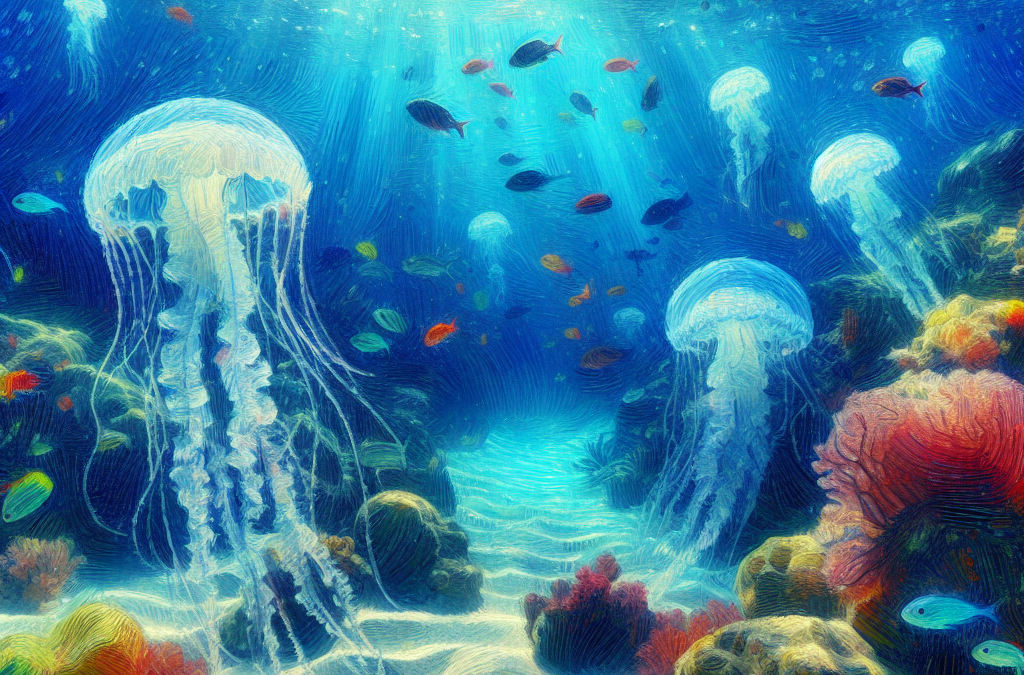
When you think of Cozumel, your mind might drift to pristine beaches, crystal-clear waters, and vibrant coral reefs. But lurking beneath those beautiful waves, there’s a question that many intrepid travelers ponder: Are there jellyfish in Cozumel? Spoiler alert: the answer is yes.
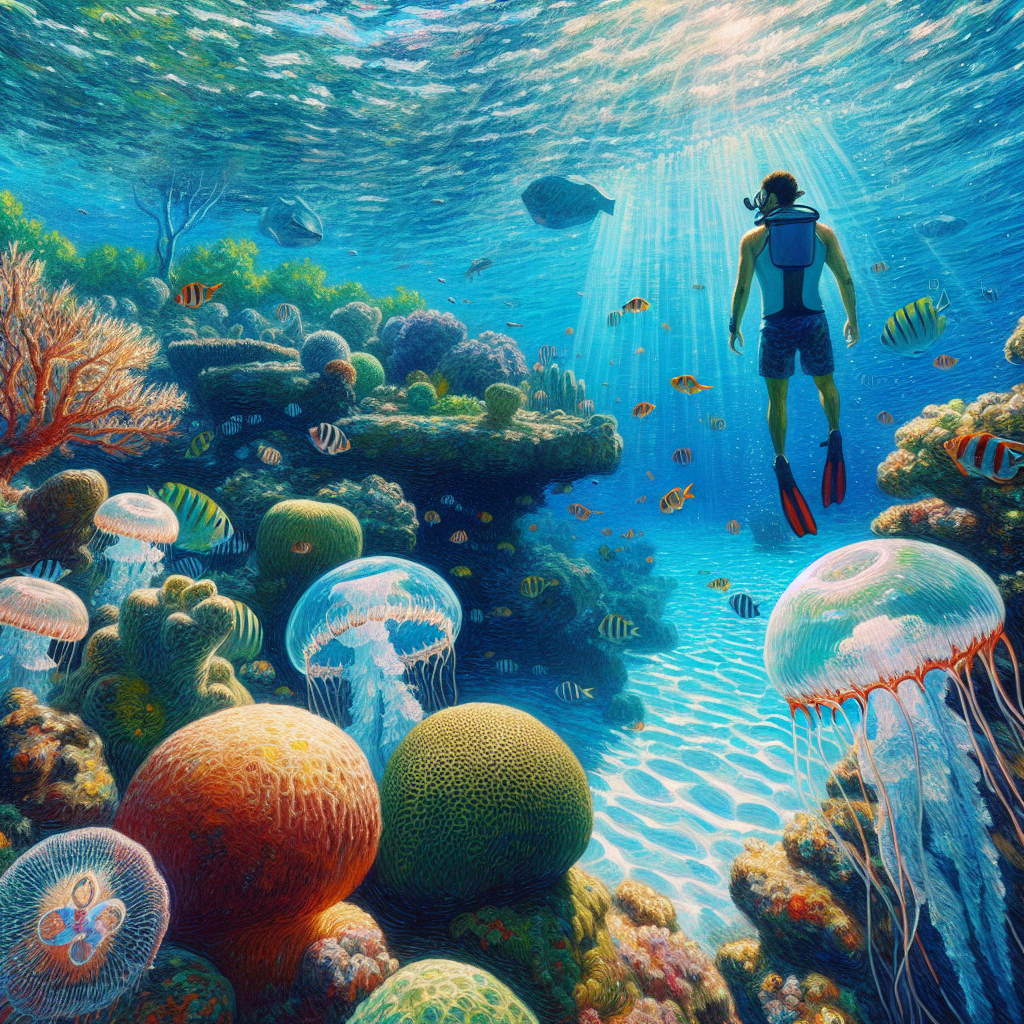
Now, let’s unpack that a bit. Jellyfish are a part of the marine ecosystem around Cozumel, just like the colorful fish and resilient corals that draw snorkelers and divers from around the world. While you can revel in the enchanting underwater landscapes, it’s important to understand that these gelatinous creatures call this paradise home, too.
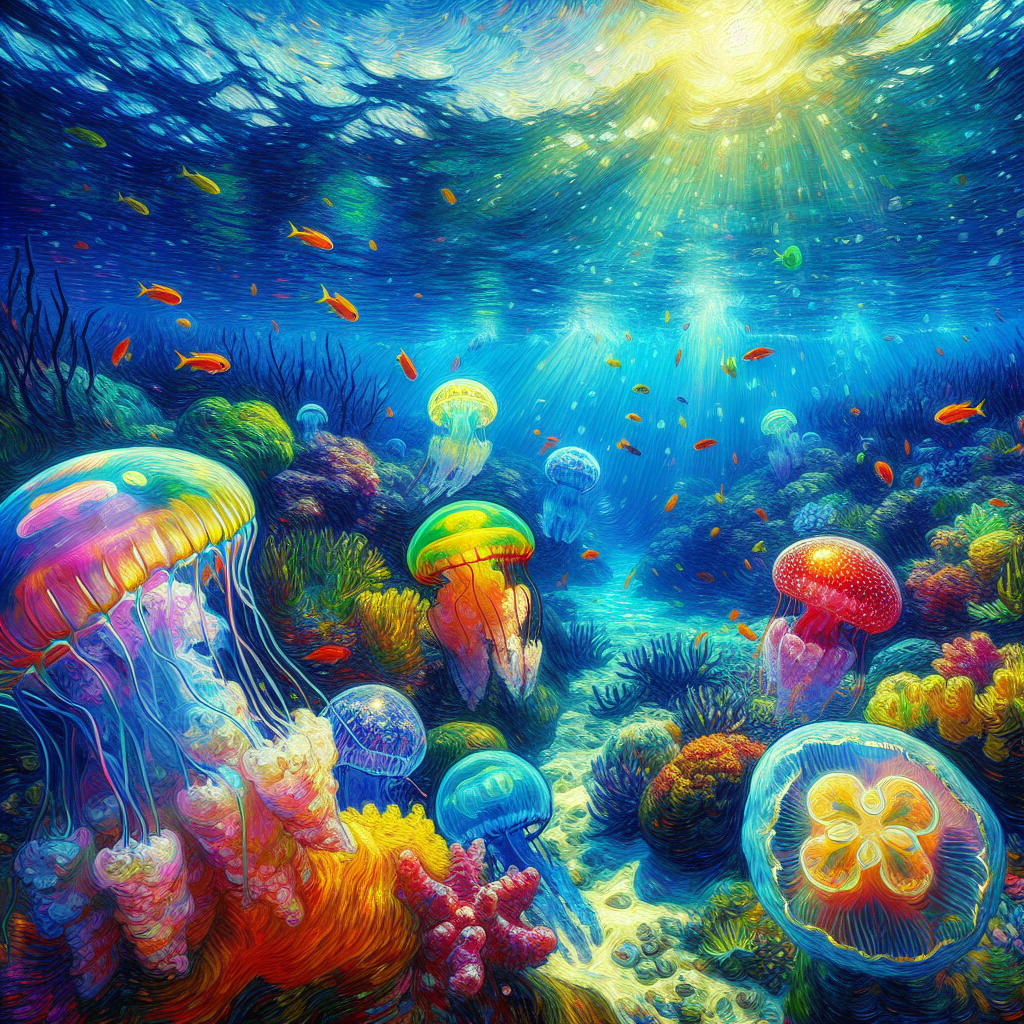
The waters off Cozumel are teeming with life, and jellyfish come in various species, including the harmless moon jelly and the more ominous box jellyfish. The former is typically a mild nuisance, floating serenely through the water while the latter? Well, let’s just say it’s not known for its warmth and friendliness. But fret not — the chances of encountering one of these bad boys while you’re enjoying that sunset swim are pretty slim. Local conditions, including water temperature and time of year, greatly influence jellyfish populations.
If you’re planning to explore the underwater world of Cozumel, it’s wise to stay aware. Check in with local dive shops or beach patrols to get a sense of current conditions. They can tell you whether jellyfish are making their presence known that day. Avoiding stings is always a priority, and wearing a rash guard can provide a helpful barrier.
Wait — in the age of social media and viral videos, it might be tempting to seek out the odd jellyfish encounter for an Instagram moment. But remember, these creatures play a vital role in the marine ecosystem. They serve as food for larger marine animals and are indicators of ocean health. So while it’s thrilling to see them in their natural habitat, respect their space and observe from a safe distance.
Ultimately, jellyfish in Cozumel exist as part of the intricate tapestry of ocean life. Revel in the beauty of the waters, but keep in mind that in paradise, it’s always wise to be prepared. Enjoy your adventures, respect the sea, and who knows? You might just end up with a captivating story for the ages.
Are There Jellyfish In Cozumel?
Are There Jellyfish In Cozumel?
- Cozumel is known for its beaches, clear waters, and coral reefs, but jellyfish are also present.
- Jellyfish are part of the marine ecosystem in Cozumel, alongside fish and corals.
- Various jellyfish species inhabit the waters, including the harmless moon jelly and the more dangerous box jellyfish.
- Encounters with jellyfish are unlikely, but local conditions affect their populations.
- Travelers are advised to check with local dive shops or beach patrols regarding current jellyfish conditions.
- While jellyfish are fascinating, they play an important ecological role; observe from a safe distance.
- Being prepared and respecting the ocean enhances the adventure in Cozumel’s waters.

Are There Jellyfish In Cozumel?
Table Of Contents
- Are There Jellyfish In Cozumel?
- Are There Thimble Jellyfish In Cozumel?
- Is There a Jellyfish Season In Cozumel?
- Are Jellyfish Common In Cozumel?
- How to Treat Jellyfish Stings In Cozumel?
- How to Avoid Jellyfish In Cozumel?
- Why Do Jellyfish Migrate Through Cozumel?
- Conclusion
- Other Resources
- Glossary Of Terms
- Other Questions
- Haiku
- Poem
- Checklist
Are There Thimble Jellyfish In Cozumel?
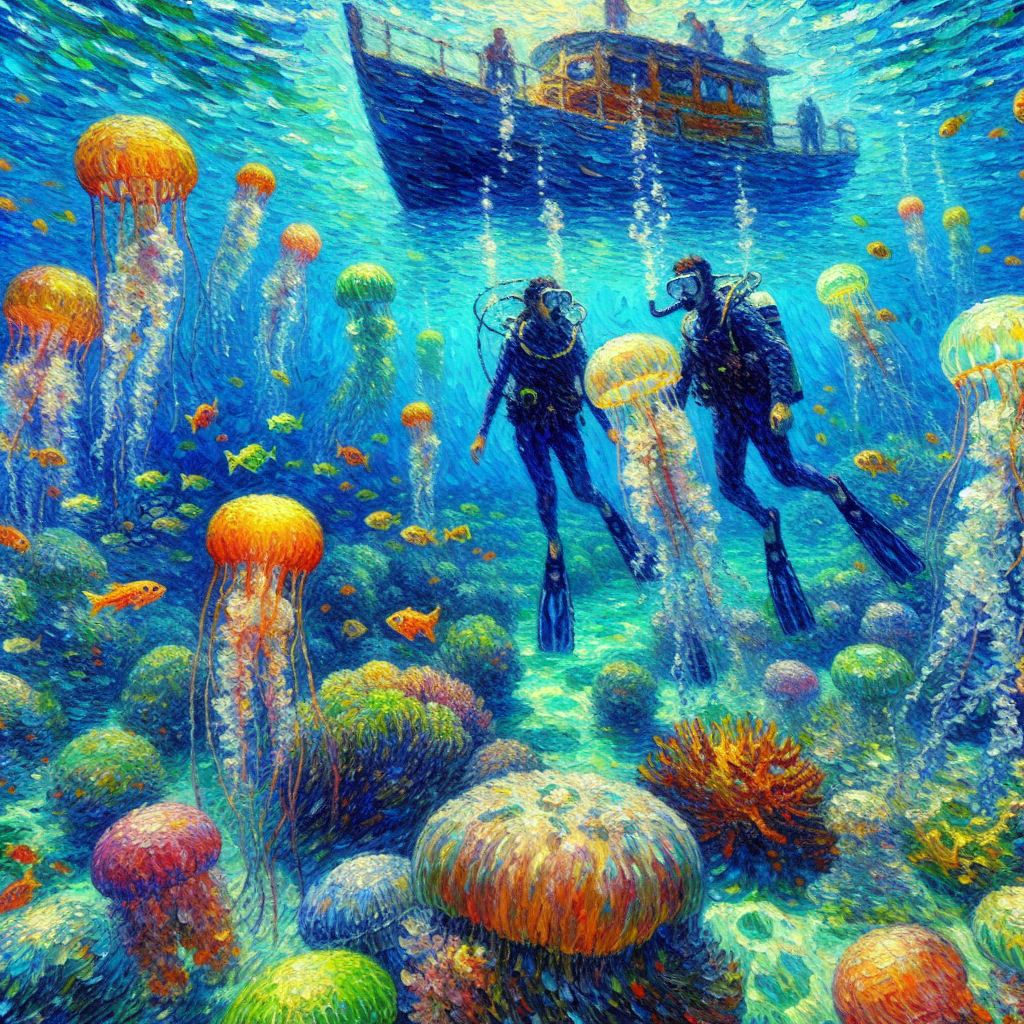
When it comes to the splendor of Cozumel’s crystalline waters, one cannot help but be captivated by the vibrant marine life that flourishes beneath the surface. However, lurking in the depths are the not-so-invited guests: jellyfish. Indeed, the question many people ask while planning their tropical escapades is, “Are there jellyfish in Cozumel?” Well, let’s dive into that murky question and explore what you need to know before splashing into the ocean.
First, a clarification: Cozumel does, in fact, host various species of jellyfish. Among these, you may encounter the infamous *Chironex fleckeri*, more commonly known as the box jellyfish—a real contender for the title of “most dangerous creature in the ocean.” However, before you start daydreaming about cautionary tales from the beach, the truth is that while these creatures do make an occasional appearance, their presence can often be seasonal and influenced by water currents and temperatures.
But let’s not paint every jellyfish with the same brush. In the world of marine biology, jellyfish come in different shapes and sizes, and thankfully, not every species is out for blood—in fact, many are harmless. When considering your beach day in Cozumel, it’s important to know that the locals like to keep an eye on the jellyfish population, especially during certain months when blooms might be more common. Local divers, snorkelers, and those experienced with Cozumel’s underwater world often keep tabs on the marine ecosystem, sharing updates about jellyfish sightings.
So, what can you do to prepare for a jelly-filled adventure? First and foremost, educate yourself. Check local weather and marine reports, and don’t hesitate to chat with local fishermen or dive instructors who know the waters like the back of their hand. Wearing protective clothing while swimming, like a wetsuit, can also provide an extra layer of comfort against any unwanted stings.
In a nutshell, while jellyfish do exist in Cozumel’s enchanting waters, your trip doesn’t have to be fraught with fear. Instead, it can be an opportunity to witness the complex web of life underwater. Equip yourself with knowledge, respect the ocean, and embrace the beauty around you. After all, every plunge into those blue depths is a rendezvous with nature—jellyfish and all.
Are There Thimble Jellyfish In Cozumel?
Are There Thimble Jellyfish In Cozumel?
- Cozumel features vibrant marine life in its crystalline waters, but also hosts jellyfish.
- The box jellyfish (*Chironex fleckeri*) is among the species present, known for being dangerous.
- Jellyfish presence can be seasonal and affected by water currents and temperatures.
- Not all jellyfish are harmful; many species are harmless.
- Local divers and fishermen keep track of jellyfish sightings, especially during peak bloom months.
- To prepare, educate yourself with local marine reports and consider wearing protective swim gear.
- Your Cozumel trip can still be enjoyable and safe with the right knowledge and respect for the ocean.
Are There Thimble Jellyfish In Cozumel?
Is There a Jellyfish Season In Cozumel?
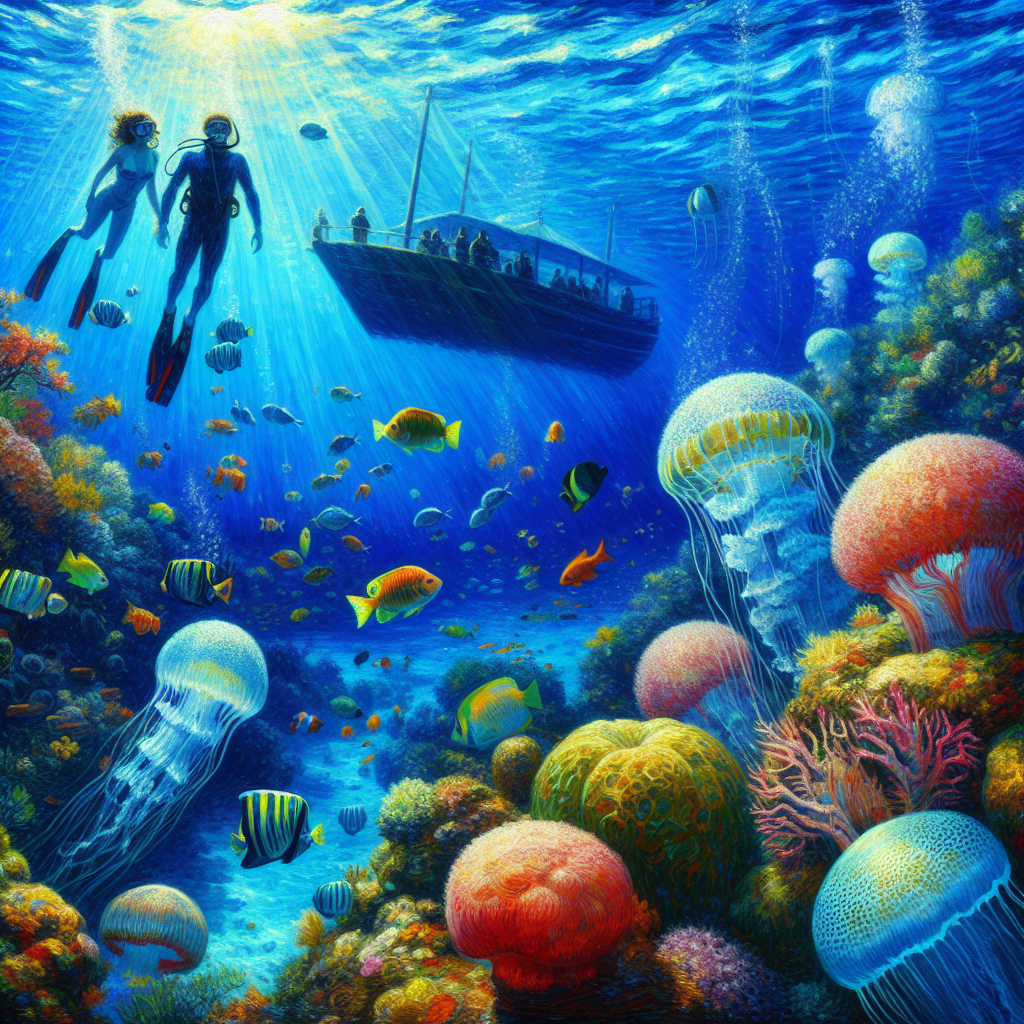
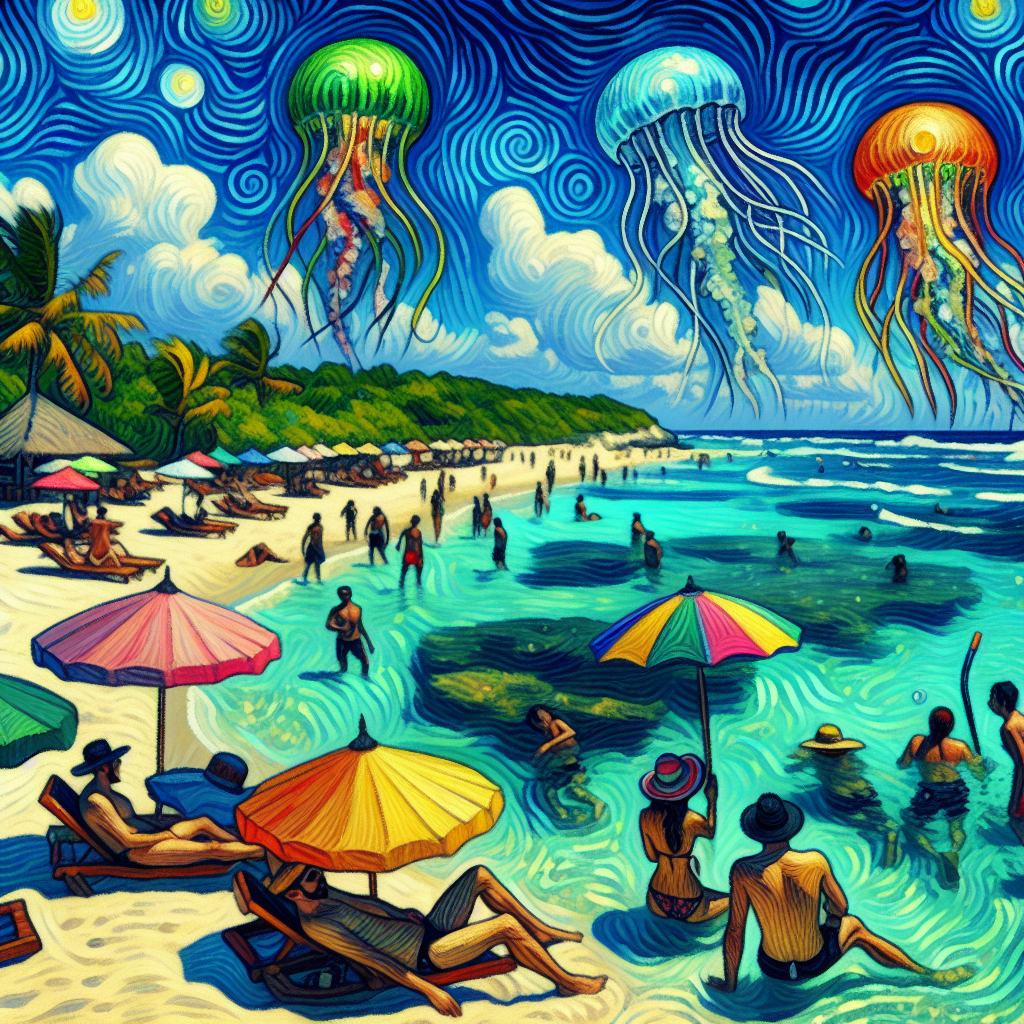
When you think of Cozumel, images of sun-kissed beaches and crystal-clear waters likely dance in your head. This Mexican paradise is renowned for its stunning coral reefs and vibrant marine life. Yet, lurking beneath those idyllic waves is a creature that can turn your tropical vacation into a stinging affair: the jellyfish.
So, is there a specific jellyfish season in Cozumel? The truth is a little murky, much like the waters these ethereal creatures inhabit. While Cozumel offers year-round beauty, jellyfish sightings typically peak during certain months. The climate plays a significant role, as warmer waters create a favorable environment for jellyfish to spawn and thrive. In essence, you can expect these gelatinous visitors to be more plentiful from late spring through early fall. During this time, the waters around Cozumel become a stage for a natural ballet, where jellyfish drift gracefully like dancers in a fluid tapestry.
But don’t let the idea of jellyfish scare you away from indulging in Cozumel’s aquatic adventures. Awareness and preparation go a long way. Many beaches and dive shops keep a watchful eye on jellyfish populations, providing timely updates to visitors. Knowing when to visit and which areas to frequent can significantly minimize your chances of a sting. Some beaches even invest in protective measures, such as artisanal nets, to keep these creatures at bay while allowing you to enjoy the splendor of the ocean.
It’s important to remember that not all jellyfish are created equal. Some species can deliver a sting that feels like a slap, while others merely float along, posing little threat. The key is to respect these beautiful creatures from a distance. A curious snorkeler who opts for caution can still marvel at their otherworldly movements without risking a painful encounter.
So, as you plan your adventure in Cozumel, embrace the beauty and unpredictability of the ocean. Expect jellyfish to make their appearances during peak months, but don’t let them deter you from exploring the underwater wonders. With a little knowledge and some thoughtful planning, you can enjoy the breathtaking scenery and the rich marine life while dodging any potentially unpleasant encounters with jellyfish in Cozumel. Happy swimming!

Is There a Jellyfish Season In Cozumel?
Is There a Jellyfish Season In Cozumel?
- Cozumel is famous for its beautiful beaches and vibrant marine life.
- Jellyfish sightings in Cozumel peak from late spring through early fall.
- Warmer waters during these months create a favorable environment for jellyfish.
- Beaches and dive shops monitor jellyfish populations and offer updates to visitors.
- Some beaches use protective measures, such as nets, to minimize jellyfish encounters.
- Not all jellyfish are dangerous; some pose little threat to swimmers.
- With awareness and preparation, visitors can safely enjoy Cozumel’s underwater adventures.
Is There a Jellyfish Season In Cozumel?
Are Jellyfish Common In Cozumel?
When you think of Cozumel, visions of sun-drenched shores, crystal-clear waters, and vibrant coral reefs likely come to mind. But lurking beneath those shimmering waves is a creature that can throw a monkey wrench into your idyllic beach day: jellyfish. Yes, you heard me right. These gelatinous, often ethereal beings have a way of making their presence known in the pristine waters of Cozumel.
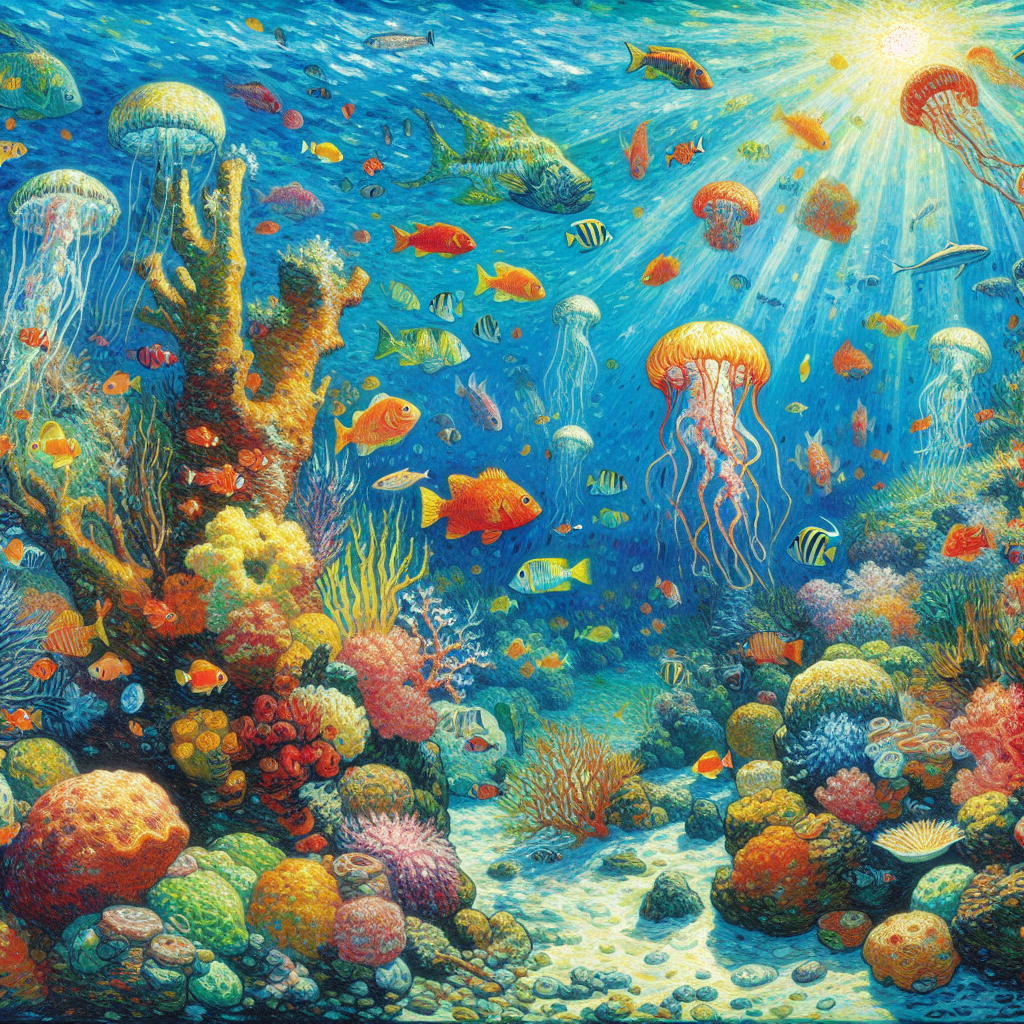
So, are jellyfish common in Cozumel? The short answer is yes, they are. Depending on the time of year and environmental factors, you might encounter these squishy critters while snorkeling or diving in the beautiful marine parks. During certain seasons, particularly in the warmer months, jellyfish populations can swell, transforming the ocean into an underwater ballet of translucent drifters. But that doesn’t mean every dive or swim in Cozumel comes with a side of jellyfish. Their appearance can vary significantly based on conditions like water temperature, currents, and even moon phases.
Cozumel’s underwater paradise attracts divers and snorkelers from around the globe who seek out its mesmerizing reefs. While many adventurers dream of swimming alongside a school of tropical fish, it’s crucial to be aware that jellyfish may be sharing the space. The island’s nutrient-rich waters create a thriving ecosystem, and along with the beloved sea turtles and colorful fish come these fascinating, albeit sometimes problematic, jellies.
Most jellyfish in Cozumel aren’t overly aggressive, but their stinging tentacles can deliver a painful reminder to stay alert. Not all jellyfish are created equal, of course—some can pose little threat, while others might leave you with more than just pride on the line. As a general rule of thumb, it’s wise to keep your eyes peeled and your distance from these drifters. If you spot one, consider steering clear and enjoying the incredible sights from a safe distance.
While jellyfish in Cozumel are a common sight, there’s no need to let them rain on your parade. Embrace the adventure, respect the ocean’s inhabitants, and you’re bound to have a memorable experience in this magnificent underwater wonderland. Just keep your wits about you, and you’ll be just fine.
Are Jellyfish Common In Cozumel?
Are Jellyfish Common In Cozumel?
- Jellyfish are common in the waters of Cozumel, especially during warmer months.
- Their presence can significantly vary based on environmental factors like water temperature, currents, and moon phases.
- Cozumel’s vibrant marine ecosystem attracts snorkelers and divers, who may encounter jellyfish while exploring.
- Most jellyfish in Cozumel are not aggressive, but their stings can be painful.
- It is advisable to maintain a safe distance if you spot jellyfish while swimming or diving.
- Despite their presence, visitors can still enjoy the beauty of Cozumel’s underwater environment.
- Respecting ocean life and staying cautious can lead to a memorable experience in Cozumel.
Are Jellyfish Common In Cozumel?
How to Treat Jellyfish Stings In Cozumel?
So, you’ve found yourself in the beautiful waters of Cozumel, turquoise waves lapping at your feet, sun kissing your skin. Life is good, until—WHAM!—you’ve got a jellyfish sting. Fear not! While it might feel like a scene straight out of a nature documentary gone wrong, treating a jellyfish sting doesn’t have to put a damper on your tropical getaway.
First things first, let’s get some clarity on what you’re dealing with: the infamous jellyfish. These gelatinous beings can be as mesmerizing as they are menacing. In Cozumel, you’ll encounter species ranging from the harmless to the downright bothersome. If you spot one in the water, give it a wide berth. But if one of these critters gets cozy with your skin, here’s what you need to know.
Step 1: Assess the Damage
When a jellyfish stings, your first step is to check out the situation. Look for tentacles or stingers left behind on your skin; they can keep firing off venom even after they’ve left the jellyfish’s embrace. If you see any still clinging on, don’t panic. Just grab a pair of tweezers or use the edge of a credit card to gently scrape those bad boys off. You don’t want to use your hands—trust me, that’s a surefire way to end up with a painful sting yourself.
Step 2: Rinse, Don’t Rub
Now, here’s where it gets a bit tricky. Water is your friend, but not all water is created equal. Rinse the area with vinegar if you’ve been stung by a box jellyfish, as it can neutralize the venom. If vinegar ain’t handy, a seawater rinse will have to do. Avoid fresh water, as it can trigger more venom release.
Step 3: Calm the Skin
Now, time to soothe your skin. Ice packs wrapped in a cloth can work wonders, or apply hydrocortisone cream if you’ve got it on hand. Pain relievers like ibuprofen or acetaminophen won’t hurt either.
Step 4: Seek Help
If you’re feeling brave, head back into the waves. But if your sting is serious—think difficulty breathing or extended pain—immediate medical attention is your best course of action. After all, no one wants their time in Cozumel to turn into a cautionary tale.
So there you have it—a quick and dirty guide to handling jellyfish stings in Cozumel. Remember, when it comes to those tentacled little beasts, it’s always better to be informed and prepared!

How to Treat Jellyfish Stings In Cozumel?
How to Treat Jellyfish Stings In Cozumel?
- Cozumel offers beautiful waters but beware of jellyfish stings.
- Identify jellyfish types, ranging from harmless to bothersome.
- First step after a sting: check for remaining tentacles or stingers.
- Use tweezers or a credit card edge to gently remove stingers.
- Rinse the affected area with vinegar for box jellyfish stings, or seawater; avoid fresh water.
- Soothing options include ice packs, hydrocortisone cream, and pain relievers.
- Seek medical help for serious symptoms like difficulty breathing or prolonged pain.

How to Treat Jellyfish Stings In Cozumel?
How to Avoid Jellyfish In Cozumel?
Ah, the shimmering waters of Cozumel—it’s like stepping into a postcard, filled with vibrant marine life and the gentle sway of palm trees on a Caribbean breeze. But lurking beneath those picturesque waves are some of nature’s more gelatinous creatures: jellyfish. And while they may look like waterborne ballet dancers, getting too close can lead to an encounter you won’t soon forget. So, how do you avoid jellyfish in Cozumel? Let’s dive into some practical strategies.
First off, familiarize yourself with local jellyfish activity. Different times of the year can see an influx of these stinging visitors. Generally, the warmer months, particularly during rainy seasons, tend to see more jellyfish in the area. Before you take the plunge, it’s always wise to check in with local dive shops or beach vendors. They often have the scoop on recent sightings and can provide tips on which beaches to avoid.
When you’re splashing around, be vigilant and keep an eye on the water’s surface. Jellyfish can be hard to spot, camouflaged against the shimmering sunlight or drifting silently beneath the surface. If you see one, steer clear. It’s also wise to be cautious during periods of windy weather; winds can push jellyfish closer to the shore, increasing your odds of an uninvited encounter.
Consider protective gear as part of your beach day ensemble. Rash guards and wetsuits aren’t just for the dive enthusiasts—they can also provide a layer of defense against stings. There are specialty suits available that are designed to protect against jellyfish stings specifically. If you’re heading into known jellyfish territory, it might not be a bad idea to invest in one.
And let’s not forget the buddy system. Whether you’re snorkeling or just lounging on the beach, having a friend along means someone is keeping watch while you enjoy the scenery—or vice versa. Make it part of your routine to communicate about potential jellyfish sightings during your outings.
Finally, if you do happen to get stung, don’t panic. Rinse the affected area with vinegar, which can neutralize the venom, and head to the nearest medical facility if necessary.
Now that you’re equipped with this knowledge, you can confidently navigate the stunning waters of Cozumel. With a little vigilance and smart planning, those jellyfish won’t stand a chance at putting a damper on your aquatic adventures!

How to Avoid Jellyfish In Cozumel?
How to Avoid Jellyfish In Cozumel?
- Familiarize yourself with local jellyfish activity, especially during the warmer and rainy months.
- Check with local dive shops or beach vendors for recent jellyfish sightings and advice on beaches to avoid.
- Be vigilant and keep an eye on the water’s surface, as jellyfish can be hard to spot.
- Take caution during windy weather, as it can push jellyfish closer to shore.
- Consider wearing protective gear like rash guards or wetsuits designed to prevent stings.
- Use the buddy system to keep watch for jellyfish while enjoying water activities.
- If stung, rinse the affected area with vinegar and seek medical help if necessary.

How to Avoid Jellyfish In Cozumel?
Why Do Jellyfish Migrate Through Cozumel?
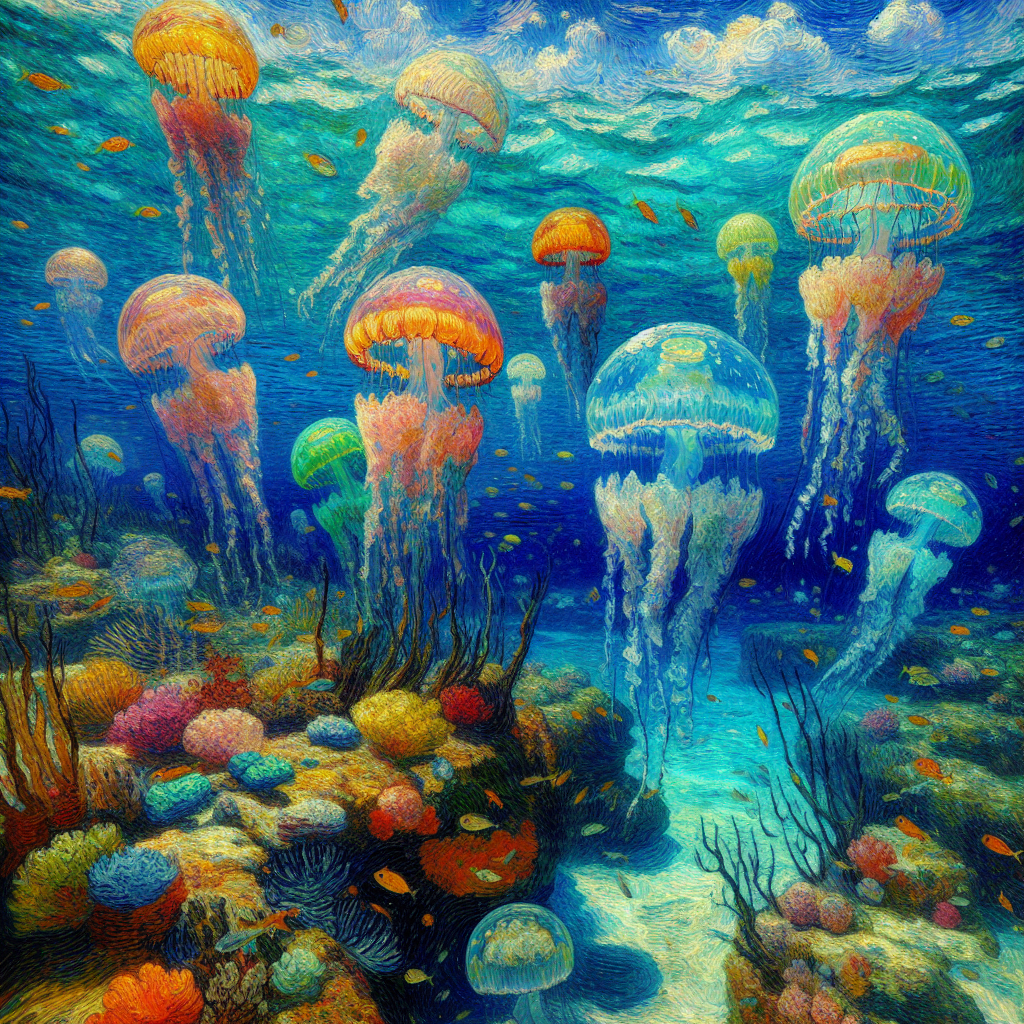
If you’ve ever found yourself floating in the crystalline waters off Cozumel, you might have spotted a mesmerizing sight: the jellyfish gliding gracefully beneath the surface. These intriguing creatures, often mistaken as mindless drifters, partake in a fascinating migration that raises essential questions about their behavior and habitat. So, why do jellyfish migrate through Cozumel?
To start with, jellyfish thrive in the warm waters of the Caribbean, where the temperature creates a rich environment for their growth. The waters around Cozumel are particularly appealing, thanks to the abundance of plankton and other nutrients that nourish these gelatinous wanderers. As they move with the ocean currents, they seek to capitalize on this bounty, driving them through this essential ecosystem.
But it’s not just about food. Jellyfish are also migratory by nature. When sea temperatures shift or resources dwindle in their home habitats, they embark on a journey to find more hospitable waters. Cozumel serves as a convenient stopover, offering both shelter and sustenance. The currents that flow through this area act as a highway for marine life, and jellyfish, with their unique life cycle, hitch a ride on these moving tides, seeking out calmer waters to reproduce and thrive.
Interestingly, the phenomenon of jellyfish gathering in specific areas, such as Cozumel, also correlates with their reproductive cycles. During certain times of the year, these creatures congregate in droves to spawn, resulting in larger populations that make their way through the region. This mass movement is a natural ritual, promoting genetic diversity and ensuring the continuation of their species – a part of nature’s delicate balance that often goes unnoticed.
Of course, as with many aspects of our natural world, the jellyfish’s migration is not without its challenges. Environmental factors, such as pollution and climate change, impact their journey. As ocean conditions evolve, jellyfish may find themselves adapting to new routes, contributing to their role as indicators of ocean health.
So, the next time you see a jellyfish floating past in the glorious waters of Cozumel, take a moment to appreciate the complexity of its journey. These ethereal entities are more than a mere spectacle; they are essential links in our marine ecosystem, embodying the mysteries and rhythms of ocean life.
Why Do Jellyfish Migrate Through Cozumel?
Why Do Jellyfish Migrate Through Cozumel?
- Jellyfish are often seen gliding beneath the waters of Cozumel, contributing to the area’s marine life.
- They thrive in the warm Caribbean waters, rich in nutrients and plankton that support their growth.
- Jellyfish are migratory, moving to find more hospitable waters when conditions in their habitats change.
- Cozumel serves as a stopover for jellyfish, providing shelter and resources during migration.
- Their gatherings in specific areas like Cozumel coincide with reproductive cycles, promoting genetic diversity.
- Environmental factors, including pollution and climate change, pose challenges to jellyfish migrations.
- Jellyfish play a vital role in the marine ecosystem and are indicators of ocean health.
Why Do Jellyfish Migrate Through Cozumel?
Conclusion
So, there you have it, folks. The next time you find yourself dreaming of Cozumel, with its sunlit beaches and vibrant marine ecosystems, remember that these idyllic waters come with their own set of quirky inhabitants—jellyfish! Yes, these gelatinous drifters have claimed their patch of paradise, and while the thought of encountering them might raise an eyebrow or two, it shouldn’t scare you away from diving headfirst into the wonder of Cozumel.
Jellyfish are not just the ocean’s enigmatic floaters; they play a vital role in the marine ecosystem, serving as both predators and prey. From the classic moon jelly to the more alarming box jelly, their presence indicates a thriving underwater world. And while some species can deliver a painful sting, the reality is that most jellyfish in Cozumel aren’t out to ruin your vacation. In fact, encountering them can offer a deeper appreciation for the complex web of life under the waves.
As you embark on your adventures, knowledge is your best ally. Familiarize yourself with the jellyfish season—typically peaking from late spring to early fall—when these creatures are at their most social. Always check in with local dive shops or beach patrols. They’ll guide you on current jellyfish activity and potential encounters, allowing you to swim more mindfully.
And here’s the kicker: respect their space. Jellyfish may look like harmless blobs, but they carry the wisdom of the ocean. Appreciate their graceful movement from a distance and remain cautious about any close encounters. If you’d prefer to navigate jellyfish territory with extra safety, consider wearing protective gear. Not only does it enhance your comfort, but it shows a respect for these fascinating creatures.
Ultimately, jellyfish are part of the rich tapestry that makes Cozumel a marine wonderland. With a little awareness and preparation, these enchanting waters can be your playground. So, plunge into the adventure, be mindful of your environment, and who knows—you might just come back with tales of underwater travelers that will captivate any audience! Enjoy every moment in this Caribbean paradise, and remember: it’s a big ocean, and we’re all just swimming through it.
Conclusion
Conclusion:
- Cozumel is home to vibrant marine ecosystems, including jellyfish, which are crucial to the ocean’s food web.
- Jellyfish species, ranging from moon jelly to box jelly, indicate the health of marine life.
- Most jellyfish in Cozumel are not dangerous, and encounters can enhance your appreciation for marine diversity.
- Knowledge about local jellyfish seasons (late spring to early fall) is key for safe swimming and diving.
- Consult local dive shops or beach patrols for current information on jellyfish activity.
- Respect jellyfish by observing them from a distance and consider wearing protective gear to enhance safety.
- With awareness and preparation, Cozumel’s waters can be a delightful adventure, offering unforgettable experiences.
Conclusion
Other Resources
Other Resources
Most of the people who read this are also figuring out where to stay. A couple of places we run or know well, in case it’s useful: Cozumel Journey is an editorial guide to Cozumel — neighborhoods, planning tips, and life on the island for travelers who want context, not a cruise schedule.
Here is a list of other resources you can review online to learn more:
- Cozumel Tours
- Cozumel Reefs National Marine Park
- Islands Beach Club
- Chankanaab Adventure Park Royal Swim
- Hooters Cozumel
- Mercado Municipal
- Discover Mexico Park
- Cozumel Sea Scooter Excursion
- AirEvac International
- Cozumel Cruise Port
- Cozumel Journey — long-form writing on neighborhoods and planning
Use This Prompt To Get More Resources With Your Favorite Online AI Tool: Please provide me with a list of online articles with their URLs in a bulleted list that I can read regarding Are There Jellyfish In Cozumel?

Other Resources
Glossary Terms
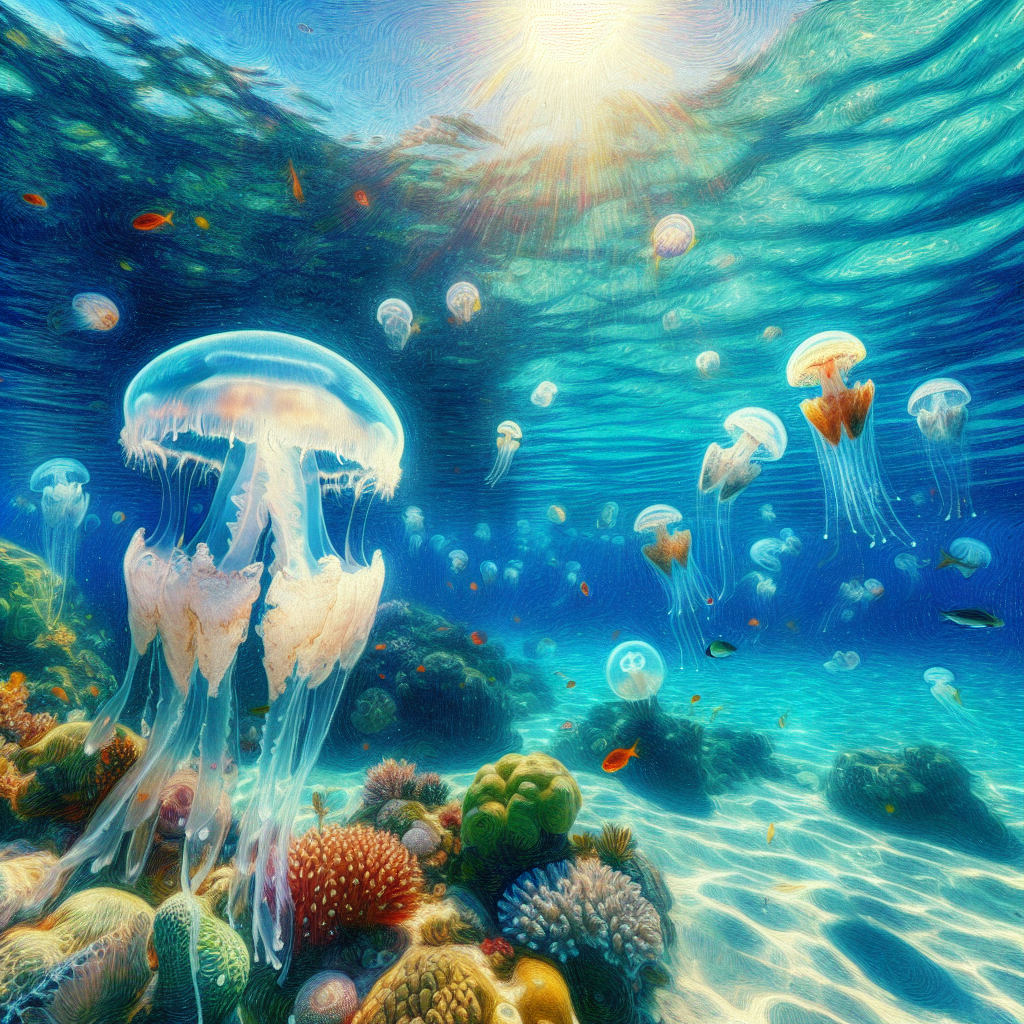
Are There Jellyfish In Cozumel? – Glossary Of Terms
1. Jellyfish: Gelatinous marine animals belonging to the phylum Cnidaria, commonly found in oceans worldwide.
2. Cozumel: An island in the Caribbean Sea off the eastern coast of Mexico, known for its beautiful beaches and rich marine biodiversity.
3. Cnidaria: A phylum of animals that includes jellyfish, corals, and sea anemones, characterized by stinging cells called cnidocytes.
4. Cnidocytes: Specialized cells found in cnidarians that contain nematocysts, used for defense and capturing prey.
5. Nematocysts: Tiny, harpoon-like structures within cnidocytes that deliver venom to paralyze or capture prey.
6. Lifecycle: The series of stages that a jellyfish undergoes, typically including a polyp stage, a medusa stage, and reproduction.
7. Medusa: The free-swimming, adult stage of jellyfish, recognizable by its umbrella-shaped bell and tentacles hanging below.
8. Polyp: The sessile (attached) stage of jellyfish development, which can reproduce asexually.
9. Zooplankton: Microscopic marine animals, including early life stages of jellyfish, that drift in ocean currents.
10. Venom: A toxic substance produced by certain jellyfish that can cause stings or allergic reactions in humans.
11. Stinging: The act of a jellyfish injecting venom through its nematocysts upon contact with a target.
12. Marine Sanctuary: Protected marine areas that conserve marine life, habitats, and ecosystems, potentially reducing jellyfish populations.
13. Habitat: The natural environment where jellyfish live, including coastal areas, open oceans, and reefs.
14. Siphonophore: A group of colonial jellyfish-like organisms that can form large colonies, often mistaken for single jellyfish.
15. Bloom: A rapid increase in the population of jellyfish in a specific area, often due to favorable environmental conditions.
16. Tides: The periodic rise and fall of sea levels caused by gravitational forces, which can influence jellyfish distribution.
17. Current: Ocean currents that influence where jellyfish drift and are found in the water.
18. Pelagic: Referring to organisms that live in the open ocean, including many species of jellyfish.
19. Surfactant: A substance that reduces surface tension in water, which can affect how jellyfish navigate and interact with their environment.
20. Marine Biodiversity: The variety of life forms in marine ecosystems, including jellyfish and their ecological roles.
21. Ecology: The study of interactions between living organisms and their environment, including how jellyfish interact within ecosystems.
22. Predator: An organism that preys on others; jellyfish can be both predators (eating small fish and plankton) and prey (for larger marine animals).
23. Symbiosis: A relationship between two different species, such as between jellyfish and certain algae that live within them.
24. Climate Change: Long-term changes in temperature and weather patterns that can affect jellyfish populations and distribution.
25. Overfishing: The removal of fish at rates faster than they can reproduce, potentially leading to increases in jellyfish populations due to reduced competition.
26. Coral Reefs: Underwater structures formed from coral polyps that provide habitat for various marine species but can be negatively impacted by jellyfish blooms.
27. Dissolved Oxygen: The amount of oxygen available in water, crucial for marine life and can affect jellyfish survival.
28. Temperature: Water temperature can influence jellyfish reproduction and distribution; warmer waters often lead to larger blooms.
29. Water Quality: The chemical, physical, and biological characteristics of seawater, which can impact the health and population dynamics of jellyfish.
30. Beach Safety: Guidelines and measures taken to ensure the safety of beachgoers from jellyfish stings and other potential hazards associated with marine life.
Glossary Of Terms
Other Questions
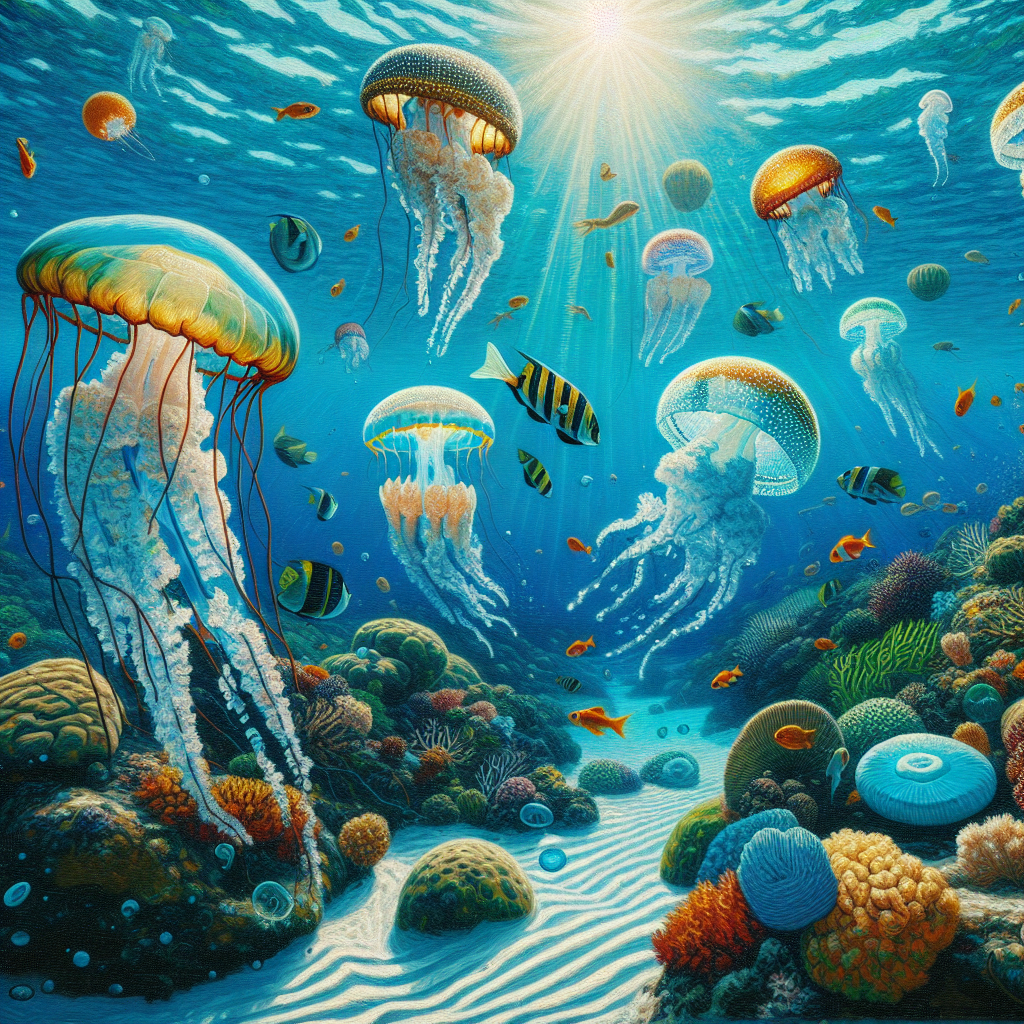
Are There Jellyfish In Cozumel? – Other Questions
If you wish to explore and discover more, consider looking for answers to these questions:
- What are the different species of jellyfish found in Cozumel?
- How do jellyfish stings compare in severity between species?
- What precautions should I take when swimming in jellyfish-prone areas?
- Are there any specific beaches in Cozumel that are safer from jellyfish?
- How can I identify jellyfish in the water before swimming?
- What time of year is best to visit Cozumel to avoid jellyfish?
- Are there any local regulations regarding jellyfish encounters?
- How do jellyfish contribute to the marine ecosystem in Cozumel?
- What resources are available for tracking jellyfish populations in Cozumel?
- Can jellyfish be harmful to other marine life in Cozumel?
Other Questions
Haiku
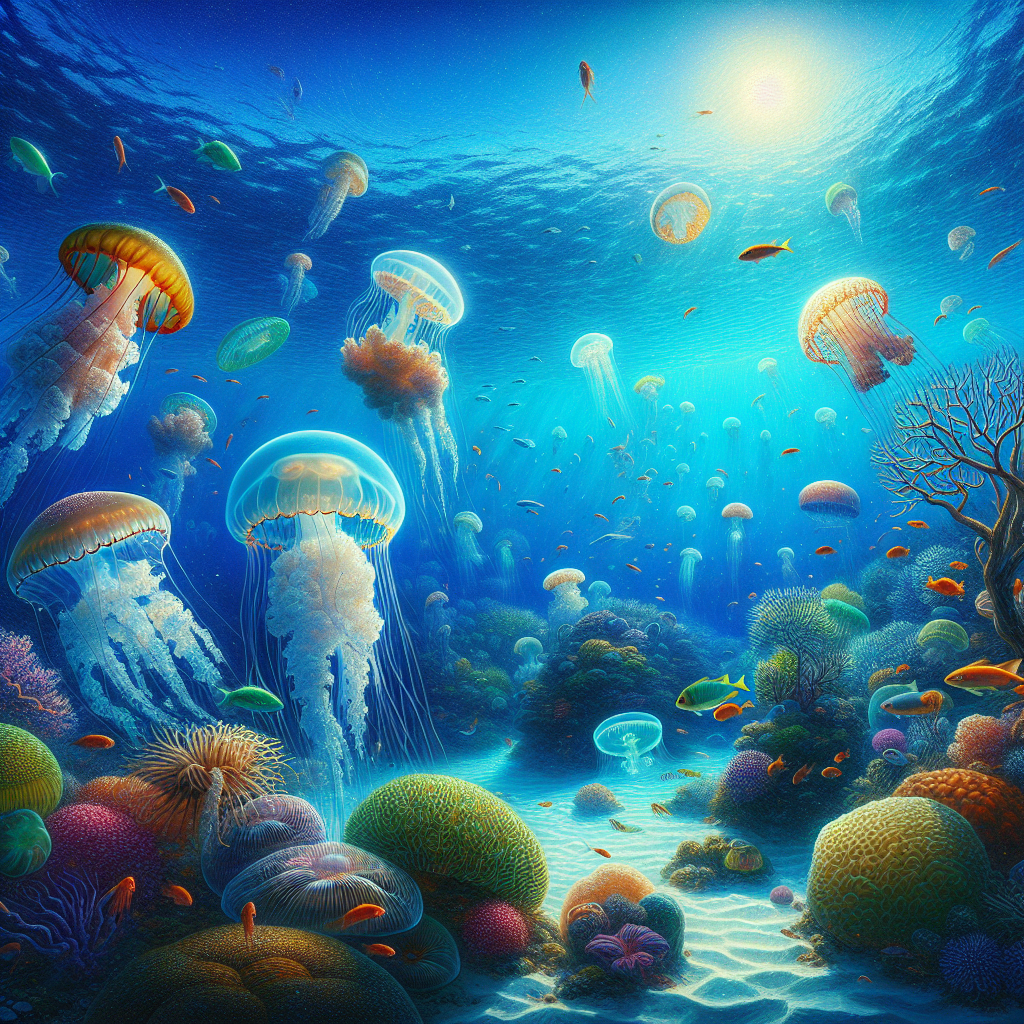
Are There Jellyfish In Cozumel? – A Haiku
In Cozumel’s waves,
Jellyfish dance, float, and roam—
Respect their soft grace.
Haiku
Poem
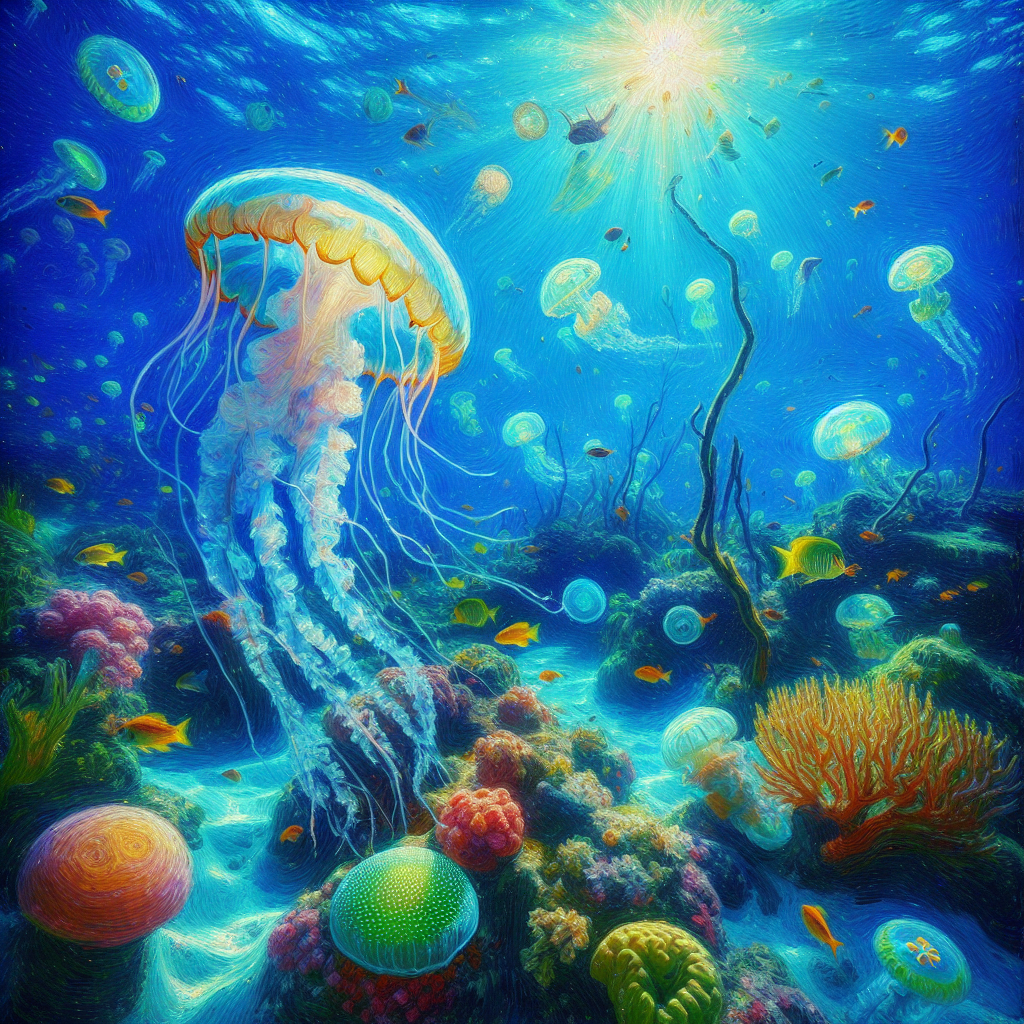
Are There Jellyfish In Cozumel? – A Poem
In Cozumel’s azure embrace, where waters gleam and glow,
Jellyfish drift, a dance of grace, beneath the waves below.
From moon jellies, soft and mild, to box jellies with their sting,
They share the depths, both meek and wild, a tale the ocean brings.
Oh, mesmerizing wanderers, with bodies like the night,
You float through reefs, vibrant and bright, a transient, ghostly sight.
In springs and summers, when warmth does rise,
Their fleeting presence fills the skies, a ballet of the sea.
But heed their warning, those drifting forms,
For not all jellies come in swarms, or gentle ambiance provide.
With each season’s changing tides, stay vigilant, stay wise,
Local guides can tell you when, and where to dip and dive.
Embrace the charm of sunlit bays, yet keep a careful watch,
For jellyfish are part of the play, beautiful, but to dodge,
In protective gear, take the plunge and marvel at the views,
Yet respect their space, their home, their hush, the secrets of the blues.
If stings should find you on this sojourn, just gather what you know,
With vinegar to soothe the burn, let calmness take the flow.
As you explore this ocean realm, where jellyfish waltz and swirl,
Remember, nature’s art is vast, a delicate, wondrous world.
So cherish every wave and tide, in Cozumel’s embrace,
A dance with jellies at your side, in the ocean’s warm embrace.
With knowledge, care, and hearts set free, let adventures unfold,
In the balmy depths, where life runs wild, vast stories to be told.
Poem
Checklist
Are There Jellyfish In Cozumel? – A Checklist
Before You Go
_____ Research Jellyfish Species: Familiarize yourself with the different types of jellyfish in Cozumel, including harmless species like moon jellyfish and more dangerous ones like box jellyfish.
_____ Check Jellyfish Season: Plan your visit during off-peak seasons (generally late fall through early spring) to reduce the chance of encountering jellyfish.
_____ Local Updates: Contact local dive shops or beach patrols for current jellyfish conditions before swimming or snorkeling.
Packing Essentials
_____ Protective Clothing: Pack a rash guard or wetsuit designed for jellyfish protection.
_____ First Aid Kit: Include vinegar (for box jellyfish stings), tweezers, hydrocortisone cream, and pain relievers.
_____ Emergency Contacts: Make sure to have contact information for local medical facilities in case of serious stings.
At the Beach
_____ Observe Your Surroundings: Look out for jellyfish on the water’s surface and be aware while swimming.
_____ Avoid Swimming After Windy Weather: Jellyfish are more likely to be washed toward the shore during and after windy conditions.
_____ Use the Buddy System: Swim with a friend and communicate about potential jellyfish sightings.
Swim Smart
_____ Maintain Distance: If you spot a jellyfish, steer clear and do not attempt to touch or provoke it.
_____ Stay Alert: Keep an eye on your surroundings while enjoying the water to avoid unexpected encounters.
In Case of a Jellyfish Sting
_____ Assess the Situation: Check for tentacles still stuck on your skin and carefully remove them with tweezers or a credit card.
_____ Rinse the Affected Area: Use vinegar if stung by a box jellyfish. Avoid fresh water, which can worsen the sting.
_____ Calm the Pain: Apply ice packs and consider pain relievers as needed.
_____ Seek Medical Help if Necessary: If experiencing severe symptoms, such as difficulty breathing or lasting pain, seek immediate medical attention.
Respect Marine Life
_____ Observe Jellyfish from a Safe Distance: Appreciate jellyfish in their natural habitat without disturbing them.
_____ Avoid Contributing to Habitat Disturbance: Be mindful of pollution and environmental changes that could affect jellyfish populations.
Enjoy Your Adventure!
_____ Embrace the Ocean Experience: With preparation and awareness, enjoy your time exploring the beautiful waters and marine life of Cozumel!
This checklist will help you stay safe and enjoy your underwater adventures while being mindful of jellyfish in Cozumel. Happy diving!
Checklist
At TopCozumelNews, we help travelers enjoy Cozumel by collating information learned from frequently traveling to beautiful Cozumel.
Be sure to read our other related stories at TopCozumelNews to learn more about the Island of Cozumel.