



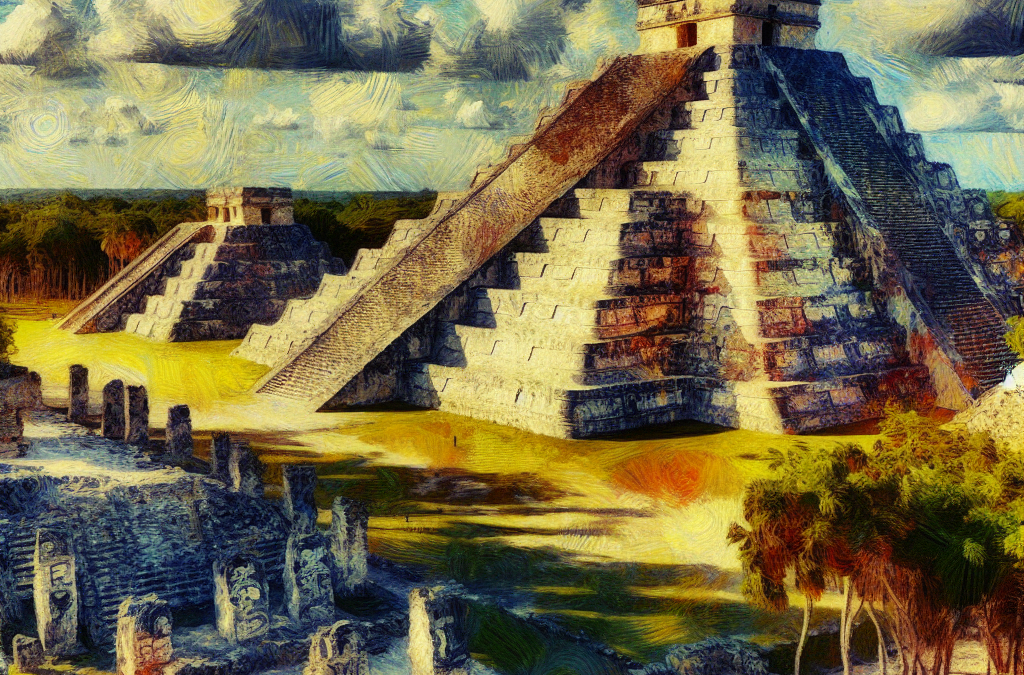
Exploring The Wild Side Of Cozumel: Navigating Facts And Fears
By Tom Seest
At TopCozumelNews, we help travelers enjoy Cozumel by collating information learned from frequently traveling to beautiful Cozumel.
Be sure to read our other related stories at TopCozumelNews to learn more about the Island of Cozumel.
Are There Crocodiles In Cozumel?
When you picture a tropical paradise like Cozumel, images of pristine beaches, vibrant coral reefs, and swaying palm trees fill your mind. But nestled within this idyllic landscape lurks a creature that seems more fitting in a prehistoric documentary than a vacation brochure: the crocodile. Yes, crocodiles do make their home here, weaving seamlessly through the island’s marshy mangroves and coastal lagoons.
Understanding the presence of these extraordinary reptiles is essential for anyone hoping to explore Cozumel’s natural beauty. Imagine standing on the edge of a tranquil lagoon, the sun dipping low, painting the sky with hues of orange and purple. Suddenly, you spot a massive croc basking on the riverbank, its sinuous body glistening in the fading light. Fascinating, isn’t it? These creatures are not just mere predators; they embody the raw power of nature, serving as a crucial element in the ecosystems they inhabit.
But let’s keep our feet firmly planted on the ground for a moment. While the thought of a crocodile might cause a flutter in your stomach, it’s vital to remember that they pose little threat to the general population when respected from a distance. Like most wildlife, their primary goal is survival, and humans are usually nowhere in their plans. Educating ourselves about their behaviors and habitats can turn fear into fascination, allowing us to appreciate the delicate balance of life on the island.
Ethically, protecting these ancient beings is imperative. They are often misunderstood, vilified by sensationalized stories, or pushed to the edges of their habitats due to human encroachment. By preserving their natural environments, we send a powerful message about our collective duty to protect not just crocodiles but the essence of Cozumel itself. This is about more than just a vacation; it’s about connecting with a living organism that has thrived for millions of years.
When visiting Cozumel, consider participating in local eco-tours that respect and promote wildlife conservation. Engaging with knowledgeable guides can enrich your experience, providing insights into the ecological importance of crocodiles. This isn’t just a chance to spot a croc; it’s an invitation to understand, respect, and affirm our role in the intricate web of life on this beautiful island. So, next time you marvel at the beauty of Cozumel, remember: it includes the crocodiles that silently embody its wild heart, reminding us that nature is not only to be admired but respected and protected.

Are There Crocodiles In Cozumel?
Are There Crocodiles In Cozumel?
- Cozumel is a tropical paradise with pristine beaches, coral reefs, and palm trees.
- Crocodiles inhabit the island’s marshy mangroves and lagoons, blending into the landscape.
- Understanding crocodiles is essential for fully appreciating Cozumel’s natural beauty.
- Crocodiles are key elements of their ecosystems and embody nature’s raw power.
- They pose little threat to people and typically prioritize their own survival over human encounters.
- Ethical conservation efforts are vital for protecting crocodiles and their habitats from human encroachment.
- Participating in local eco-tours can enhance understanding and appreciation of crocodiles and the ecosystem.
Are There Crocodiles In Cozumel?
Table Of Contents
- Are There Crocodiles In Cozumel?
- What Emotions Do You Feel At The Thought Of Crocodiles Nearby?
- How Can We Balance Wildlife Protection With Tourism In Cozumel?
- Are Crocodiles A Danger To The Local Community And Visitors?
- What Do Local Experts Say About Crocodile Populations In Cozumel?
- What Safety Measures Should Tourists Be Aware Of When Visiting?
- What Role Do Crocodiles Play In The Natural Beauty Of Cozumel?
- Are There Ethical Considerations In Managing Crocodile Habitats?
- Conclusion
- Other Resources
- Glossary Of Terms
- Other Questions
- Haiku
- Poem
- Checklist
What Emotions Do You Feel At The Thought Of Crocodiles Nearby?
When the mere thought of crocodiles lurking nearby surfaces, it stirs a whirlwind of emotions. Picture yourself on pristine beaches of Cozumel, feeling the sun on your skin, the salt in the air—sounds idyllic, right? But suddenly, your mind casts a shadow as you imagine the silent glide of a crocodile through the water, just out of sight. At that moment, excitement melds with fear, curiosity dances with instinct, and you’re left grappling with a range of raw emotions.
It’s easy to romanticize the encounter with these ancient creatures, conjuring images of nature’s fierce beauty. Yet, when you weigh the thrill against the reality of being in close proximity to a predator, rational thoughts kick in. You might recall statistics about crocodile attacks, their territorial nature, and how underestimating their capabilities can lead to a dangerous encounter. It’s a sobering reminder that nature, while magnificent, does not always play by our rules. The gut response—an instinctual pull to stay away—competes with the heart’s yearning for adventure and awe.
Ethically, we grapple with our relationship to wildlife. Some may argue that humans have encroached upon crocodile habitats, and now we hold a moral responsibility to coexist with these majestic creatures. But as you ponder the delicate balance of respecting their space while craving the thrill of witnessing such power, a deeper connection forms—not just to the crocodiles, but also to the natural world as a whole. That raw vulnerability ignites a sense of kinship with all living things, forging a bond over the primal truths of life.
Picture it: a group of friends, eyes wide with anticipation, pulling together to share facts about these reptiles, their life cycles, and behaviors, fostering conversations that blend knowledge and fear, admiration and wariness. It’s in these shared experiences we find a narrative that bridges the gap between our human lives and the wild, prompting laughter and storytelling that brings us closer.
So the next time you think about crocodiles lurking just beyond the waves in Cozumel, embrace the emotional complexity of the moment. Allow yourself to feel. It’s a testament to our humanity, a call to respect the wild, and a reminder that adventure, much like life, always comes with a touch of danger.
What Emotions Do You Feel At The Thought Of Crocodiles Nearby?
What Emotions Do You Feel At The Thought Of Crocodiles Nearby?
- Encountering crocodiles stirs a whirlwind of emotions from excitement to fear.
- The idyllic setting of Cozumel contrasts with the lurking threat of predators.
- Romanticizing nature’s beauty is challenged by the reality of crocodile encounters.
- Awareness of crocodile attack statistics emphasizes the need for caution.
- Ethical dilemmas arise regarding human encroachment on crocodile habitats and coexistence.
- Shared experiences and conversations about crocodiles foster a connection to nature.
- The emotional complexity of crocodile encounters encourages a balance of respect for the wild and the allure of adventure.
What Emotions Do You Feel At The Thought Of Crocodiles Nearby?
How Can We Balance Wildlife Protection With Tourism In Cozumel?
Cozumel is a treasure trove of natural beauty, with vibrant reefs and rich biodiversity that beckon explorers and adventurers from around the globe. The allure of this island is undeniable—the turquoise waters whisper promises of discovery, while the lush jungles hold secrets of ancient cultures. But as we gather on its shores, hearts full of wonder, we must also pause to consider the delicate balance between wildlife protection and tourism.
Imagine a world where sea turtles glide effortlessly beneath the waves, where coral reefs flourish, teeming with life, rather than fading into ghostly remains. This vision isn’t just for the ecologists or marine biologists; it resonates with all of us, from those who cherish the beauty of nature to those who don a snorkel and fins for an underwater adventure. It connects us to our primal roots, igniting a personal responsibility that comes with experiencing such natural wonders.
But let’s get real. Tourists flock to Cozumel, eyes wide, eager to engage with its wildlife. Every boat ride and every reef dive has a ripple effect. Tourism generates income for families, supports local businesses, and empowers communities. Yet, unchecked human activity can suffocate the very ecosystems we hold dear. In this dance between profit and preservation, we have to ask ourselves: how can we truly honor Cozumel’s wild heart while also celebrating its beauty?
Enter sustainable tourism, a concept that marries the interests of locals and visitors. It’s about creating a symbiotic relationship where both the land and its people thrive. By supporting eco-friendly tours that promote conservation—like snorkeling with responsible operators who respect marine life—we can ensure that future generations will also gaze upon Cozumel’s wonders with awe.
This isn’t just an ethical choice; it’s a powerful narrative that we can all be part of. Socially, as we advocate for wildlife protection, we strengthen our bond with each other and the environment. By sharing experiences and acting together, we empower our communities to create change. Each small step unfolds a larger story, one where the beating heart of Cozumel continues to pulse vibrantly for years to come.
So, as you pack your bags and dream of Cozumel, consider this: the choices you make can help protect this paradise. Support initiatives that prioritize wildlife conservation, and join in on the journey to preserve the captivating equilibrium between nature and exploration. Together, we can transform beautiful Cozumel into a lasting legacy for generations.

How Can We Balance Wildlife Protection With Tourism In Cozumel?
How Can We Balance Wildlife Protection With Tourism In Cozumel?
- Cozumel boasts vibrant reefs and rich biodiversity, attracting explorers from around the world.
- The island’s allure lies in its turquoise waters and lush jungles, which hold ancient secrets.
- There is a need to balance wildlife protection with tourism to maintain Cozumel’s natural beauty.
- Sustainable tourism promotes a symbiotic relationship between locals and visitors, benefiting both.
- Supporting eco-friendly tours can help preserve marine life and ensure future generations can enjoy Cozumel.
- Advocating for wildlife protection strengthens community bonds and empowers collective action.
- Tourists can make impactful choices that help protect Cozumel’s environment and create a lasting legacy.

How Can We Balance Wildlife Protection With Tourism In Cozumel?
Are Crocodiles A Danger To The Local Community And Visitors?
Cozumel is more than just a tropical paradise; it’s a vibrant community teeming with life, and that includes its legendary residents—crocodiles. For many, the thought of crocodiles lurking near the water can evoke a sense of fear, stirring up caution like the sound of rustling leaves before a storm. But let’s peel back that layer of apprehension and explore the truth about these ancient reptiles and the delicate balance they share with our lives.
From sunbathing tourists to local fishermen, the heart of Cozumel beats with a rhythm of cohabitation. While it’s easy to focus on the danger that crocodiles represent, it’s equally important to recognize the role they play in our ecosystem. These creatures are the keepers of balance, maintaining the health of our coastal waters. They may be fearsome, but they are also vital—serving as a reminder that nature is not just a backdrop, but an integral part of our existence here.
Rationally, understanding crocodiles can shift that fear into respect. Yes, they possess incredible hunting prowess, but they are also keenly aware of their environment. Most interactions with humans occur because of ignorance or carelessness, making education the front line of defense. Knowing how to enjoy the canals and beaches while remaining vigilant can turn moments of potential danger into opportunities for greater connection with the natural world.
Ethically, we owe it to ourselves and future generations to cohabitate responsibly. By respecting their habitat and reducing human encroachment, we honor their existence, fostering a culture that values both human curiosity and wildlife conservation. Imagine teaching children the story of the crocodile—an apex predator that has roamed the Earth for millions of years—emphasizing the importance of respecting wild animals.
Socially, the conversation should not center only on fear, but also on community. Residents often share tales of unexpected encounters and mutual respect learned through generations. Building awareness and sharing experiences can forge connections, reinforcing the idea that we are all part of a larger narrative—a tapestry woven from threads of coexistence, conservation, and community.
So, the next time you find yourself in the sun-drenched beauty of Cozumel, let go of fear and embrace understanding. With wisdom and respect, together we can safely enjoy the wonders of this paradise, recognizing that in the presence of crocodiles lies an opportunity for connection, not conflict.
Are Crocodiles A Danger To The Local Community And Visitors?
Are Crocodiles A Danger To The Local Community And Visitors?
- Cozumel is a vibrant community with crocodiles as legendary residents.
- Crocodiles play a crucial role in maintaining the health of coastal ecosystems.
- Understanding crocodiles can transform fear into respect and promote safety.
- Most human-crocodile interactions stem from ignorance or carelessness.
- Responsible cohabitation and habitat respect are essential for future generations.
- Community narratives emphasize coexistence and mutual respect with crocodiles.
- Embracing understanding allows for a safer and more connected experience in Cozumel.

Are Crocodiles A Danger To The Local Community And Visitors?
What Do Local Experts Say About Crocodile Populations In Cozumel?
In the serene waters surrounding Cozumel, crocodiles glide silently, evoking both awe and trepidation. Local experts, those fiercely committed to preserving this delicate balance, paint a vivid picture of these remarkable reptiles. They describe encounters with crocodiles as a dance between nature’s raw power and the responsibility we hold as stewards of the environment. With each tale, a story unfolds—a narrative that connects us not just to the island, but to the very essence of life itself.
Think about it: crocodile populations in Cozumel are not merely statistics on a graph; they represent a rich tapestry of history, ecology, and the spirit of resilience. Experts remind us that these ancient creatures play a vital role in maintaining the ecosystem’s health. They’re not just predators; they’re symbols of strength, survival, and adaptability. In a world that often misjudges their ferocity, the truth lies in understanding their purpose. When you realize that every crocodile you see contributes to the balance of nature, it ignites a spark of respect and admiration.
Yet it’s not all about admiration—action is required. The same experts caution us about the threats they face. With urban expansion and environmental changes, the delicate habitat that supports these iconic reptiles is at risk. It’s an ethical call to arms, urging locals and visitors alike to engage in conservation efforts. The fight for their survival isn’t just about crocodiles; it’s about preserving a way of life that honors tradition and nurtures future generations. When you choose to participate in conservation projects or wildlife education programs, you’re not just saving a creature; you’re investing in the rich cultural and ecological heritage of Cozumel.
The connection runs deeper still. Imagine walking along the sun-kissed beaches, listening to the waves while a local expert shares their stories of rescue, rehabilitation, and coexistence with crocodiles. You can feel the passion in their voice. It’s contagious, fostering a sense of community and shared purpose. The crocodile, often feared, becomes a symbol of unity—a reminder that in understanding our wild neighbors, we can cultivate a greater appreciation for the world around us.
So next time you find yourself in Cozumel, let the words of local experts resonate. Embrace the opportunity to learn, support, and celebrate the coexistence of humanity and these prehistoric guardians of the coast. Together, we can carry forward the legacy of this stunning island and its magnificent residents—one crocodile at a time.

What Do Local Experts Say About Crocodile Populations In Cozumel?
What Do Local Experts Say About Crocodile Populations In Cozumel?
- Crocodiles in Cozumel glide silently, evoking a mix of awe and trepidation.
- Local experts emphasize the importance of preserving the balance between nature and human responsibility.
- Crocodile populations represent a rich tapestry of history, ecology, and resilience.
- These ancient creatures play a vital role in maintaining ecosystem health, symbolizing strength and adaptability.
- Urban expansion and environmental changes threaten their habitats, prompting a call for conservation action.
- Engaging in wildlife education and conservation projects helps preserve the cultural and ecological heritage of Cozumel.
- Local expert stories foster community, transforming the perception of crocodiles into symbols of unity and appreciation.

What Do Local Experts Say About Crocodile Populations In Cozumel?
What Safety Measures Should Tourists Be Aware Of When Visiting?
When you set foot in a place like Cozumel, you’re not just visiting a beautiful island; you’re stepping into a tapestry of culture, history, and its unique charm. But amidst those stunning vistas and inviting beaches, it’s essential to keep safety at the forefront of your adventure. Trust me, a little vigilance can turn a great trip into an unforgettable one.
Firstly, let’s talk about awareness. The key to enjoying your time in Cozumel is staying alert to your surroundings. This doesn’t mean walking around with your head on a swivel, but it does mean being mindful of where you are and who’s around you, especially in crowded tourist areas. Engaging with locals is part of the experience, but be cautious. Make connections, but don’t reveal too much about yourself or your plans.
Keep your personal belongings close. Those vibrant markets and bustling streets are full of wonder but can attract unwelcome hands. Consider using a crossbody bag or a money belt that’s tough to grab. It might not be exciting, but it’s a small step that enhances your peace of mind, allowing you to soak in the beauty around you without that nagging feeling in your gut.
Speaking of the gut, trust that instinct. If something doesn’t feel right—whether it’s a shady street or an overly aggressive vendor—don’t hesitate to walk away. Your safety should always come before social courtesy. This isn’t just about you; it’s about respecting your fellow travelers and the destination itself. Remember, the best adventures often come when we prioritize safety while opening ourselves to new experiences.
Now, let’s get practical. Familiarize yourself with local emergency numbers and the location of nearby hospitals or clinics. It’s wise to know the terrain, either by reviewing a map or downloading an app that can help you navigate. This will not only bolster your confidence but also ensure you’re prepared for unforeseen circumstances.
Finally, connect with fellow travelers. Whether you’re diving into the azure waters or savoring the local cuisine, share tips and advice with others. Build a community, even if it’s just for a day. The more knowledge we share, the safer and richer our experiences become. So, as you embrace the adventure that Cozumel offers, remember that safety measures are not just precautions; they’re the invisible threads that strengthen the fabric of your journey. With awareness, preparation, and a little common sense, you can create lasting memories that you—and your loved ones—can cherish.
What Safety Measures Should Tourists Be Aware Of When Visiting?
What Safety Measures Should Tourists Be Aware Of When Visiting?
- Visiting Cozumel offers a rich tapestry of culture, history, and beauty, but safety should be a priority.
- Stay aware of your surroundings; being mindful in crowded areas enhances your experience.
- Engaging with locals is valuable, but be cautious about sharing personal information.
- Keep personal belongings secure; opt for a crossbody bag or money belt to prevent theft.
- Trust your instincts; if something feels off, prioritize your safety and walk away.
- Become familiar with local emergency numbers and nearby healthcare facilities for preparedness.
- Connect with fellow travelers to share tips and enhance safety and enjoyment during your trip.
What Safety Measures Should Tourists Be Aware Of When Visiting?
What Role Do Crocodiles Play In The Natural Beauty Of Cozumel?
Cozumel’s natural beauty isn’t just a feast for the eyes; it’s a symphony of life, orchestrated by every creature that moves across its shores—including the often misunderstood crocodile. These prehistoric marvels play a pivotal role in maintaining the ecosystem’s delicate balance, and their presence is as essential as it is awe-inspiring.
Imagine a sunset over the clear turquoise waters of Cozumel, where the horizon dances with colors that defy description. Now, picture a crocodile gliding silently beneath the surface, its powerful form a reminder that beauty often lies in the wild and unpredictable. These ancient reptiles are not merely titleholders of the food chain; they are keystone species that sustain the intricate web of life in which they exist. Through their role as apex predators, crocodiles help regulate populations of fish and other prey, ensuring that the aquatic environment remains vibrant and diverse.
Rationally, it makes sense: when crocodiles thrive, so does the entire ecosystem around them. From the tiniest fish to the towering mangroves, the richness of Cozumel’s biodiversity depends on these remarkable creatures. Ethically, we must acknowledge our role in protecting them. Every time we support conservation efforts or choose eco-friendly tourism, we’re not just safeguarding crocodiles; we’re preserving the intricate tapestry of life that makes Cozumel magical.
A narrative unfolds when we consider the stories local fishermen share—the fabled encounters with crocodiles that walk the delicate line between fear and respect. These tales serve as a bridge, connecting us to the wild places we often forget in our urbanized lives. Being present in Cozumel means embracing these narratives, understanding that crocs are both guardians of their domain and unwitting teachers of survival.
Perhaps it’s time we shift our perspective. Instead of viewing crocodiles as fearsome beasts lurking in the shadows, we can see them as symbols of resilience and endurance. By fostering a deeper understanding, we create a bond reminiscent of our shared journey through nature’s trials.
In this age where our natural habitats face unprecedented challenges, let’s stand up for the crocodiles of Cozumel. Protecting them isn’t just about saving a species; it’s about ensuring that the breathtaking beauty of our world remains intact for generations to come. Let’s commit to nurturing this slice of paradise, where every ripple in the water carries the heartbeat of a thriving ecosystem.

What Role Do Crocodiles Play In The Natural Beauty Of Cozumel?
What Role Do Crocodiles Play In The Natural Beauty Of Cozumel?
- Cozumel’s natural beauty is a dynamic ecosystem supported by various creatures, including crocodiles.
- Crocodiles are vital keystone species that help maintain the ecological balance as apex predators.
- They regulate fish populations and contribute to the vibrancy and diversity of aquatic life in Cozumel.
- Supporting conservation efforts and eco-friendly tourism helps protect crocodiles and preserve biodiversity.
- Local fishermen share tales highlighting the unique relationship between humans and crocodiles, balancing fear and respect.
- Crocodiles symbolize resilience and endurance, prompting a shift in perspective about their role in nature.
- Protecting crocodiles contributes to preserving Cozumel’s natural beauty for future generations.

What Role Do Crocodiles Play In The Natural Beauty Of Cozumel?
Are There Ethical Considerations In Managing Crocodile Habitats?
When we think of managing crocodile habitats, we often envision sun-drenched swamps and eerie marshes, but lurking beneath that surface is a complex tapestry of ethical considerations waiting to be unraveled. This isn’t just about ensuring a few scaly behemoths can bask in their natural glory; it’s about harmonizing our existence with nature’s grand design, not just for ourselves but for every creature that calls these habitats home.
Imagine Cozumel, a beautiful island teeming with life. Now picture its diverse ecosystems under siege from overdevelopment, pollution, and encroaching tourism. Crocodiles, often misunderstood and vilified, find themselves caught in the crossfire. Managing their habitats becomes not merely a question of conservation but an ethical imperative. Are we willing to elevate our own desires over the intrinsic rights of these ancient reptiles to thrive?
Let’s not play the blame game here. We need to understand that every choice we make influences the world around us. A rational mind stirs when we consider the delicate balance of ecosystems. Crocodiles aren’t just apex predators; they’re vital indicators of ecological health. With each lost habitat, we diminish not only the crocs but also the heart and soul of the wetlands that nourish countless species, including ourselves. Can we afford to turn a blind eye to the ripple effect our actions create?
Engagement is the key to fostering a sense of responsibility. We can be the voice for those who cannot speak, advocating for a future where humans and crocs coexist in a sustainable dance rather than a deadly duel. Think of your family, your community, those who cherish the wild heartbeats of nature. By taking action—whether it’s supporting conservation efforts or demanding stricter habitat protection—we join a collective journey.
Ethically, it’s on us to be stewards of these wetlands. It’s easy to feel disconnected, but let’s ground ourselves in the narrative that nature weaves around us. Every crocodile gliding through murky waters is a part of our intricate human story. When you gaze into the eyes of these majestic creatures, don’t you feel that gut-wrenching pull of responsibility? Let’s transform that instinct into action, fortifying the bond between humanity and wildlife. Together, through empathy and informed choices, we can ensure that the crocs are not just surviving but thriving for generations to come.
Are There Ethical Considerations In Managing Crocodile Habitats?
Are There Ethical Considerations In Managing Crocodile Habitats?
- Crocodile habitat management involves complex ethical considerations beyond mere conservation.
- Cozumel’s diverse ecosystems are threatened by overdevelopment, pollution, and tourism, impacting crocodiles.
- The ethical imperative lies in recognizing the rights of crocodiles to thrive in their natural habitats.
- Every human choice affects ecosystems, with crocodiles serving as indicators of ecological health.
- Engagement and advocacy are essential for promoting coexistence between humans and crocodiles.
- Humans have a responsibility to be stewards of wetlands, recognizing our connection to nature.
- Empathy and informed choices are crucial for ensuring the survival and thriving of crocodiles for future generations.
Are There Ethical Considerations In Managing Crocodile Habitats?
Conclusion
Cozumel, a paradise of sun-soaked beaches and crystalline waters, holds an unexpected resident—the crocodile. While many may envision these ancient creatures as fearsome predators lurking in the shadows, they are, in fact, crucial players in the vibrant ecosystem that defines the island. Now, let’s take a moment to connect the dots between our awe of nature and our responsibility to protect it.
Imagine witnessing a crocodile glide through a lagoon, its powerful form a testament to millions of years of evolution. This isn’t just a fleeting moment in your tropical getaway; it’s a poignant reminder of the delicate balance of life that exists in Cozumel. These reptiles are far more than mere obstacles in our travel narratives; they are vital components of their habitats, ensuring the health of the coastal ecosystems around them.
Yet, as enchanting as these encounters may be, they also evoke a visceral reaction—fear mixed with curiosity. We find ourselves grappling with instinctive caution while simultaneously yearning for adventure and connection to the wild. Understanding that crocodiles typically pose no threat when respected from a distance can transform that fear into fascination. By educating ourselves about their behaviors, we can embrace the coexistence that nature demands.
This conversation about crocodiles brings us to ethical considerations. Every tourist who walks the shores of Cozumel has a part to play in preserving this unique environment. With unchecked tourism threatening the delicate habitats that support crocodiles and countless other species, it’s imperative that we engage in sustainable practices. Choose eco-friendly tours and support local conservation efforts that focus on protecting the very ecosystems that make Cozumel a treasure.
Moreover, engaging with knowledgeable locals and experts fosters a community dialogue that bridges the gap between human and wildlife narratives. As we gather around stories shared by fishermen and conservationists, we weave a richer tapestry of understanding and respect for both the hunters and the hunted.
Ultimately, recognizing crocodiles as part of Cozumel’s wild heart invites us to reflect on our role within the larger ecological story. By promoting awareness and sustainable tourism, we can preserve the beauty of this paradise, ensuring that its vibrant life endures for future generations. Embrace the charm of Cozumel, but remember to honor the crocodiles—the silent guardians of its wild soul.

Conclusion
Conclusion:
- Cozumel is home to crocodiles, who play a crucial role in the island’s ecosystem.
- Witnessing a crocodile in its natural habitat highlights the delicate balance of life on the island.
- Crocodiles evoke a mix of fear and curiosity, presenting an opportunity for education and understanding.
- Respecting crocodiles from a distance can transform fear into fascination.
- Tourists have a responsibility to engage in sustainable practices to protect Cozumel’s habitat.
- Interacting with locals and experts deepens understanding and respect for wildlife.
- Promoting awareness and sustainable tourism helps preserve Cozumel’s natural beauty for future generations.

Conclusion
Other Resources

Other Resources
Here is a list of other resources you can review online to learn more:
- Senor Frogs
- COZ Coffee Roasting Company
- CDC
- La Choza Cozumel
- Guido’s Restaurant Cozumel
- Cozumel Medical Center
- Jersey Mike’s Subs
- Ironman
- Ferry schedule
- Reef Safe Sunscreen
- Cozumel Reefs National Marine Park
- Eduardo Toledo Aerodrome
- Ferry schedules
- Snorkeling Trip Checklist
- Noodles & Company
- Playa Palancar Beach Club
Use This Prompt To Get More Resources With Your Favorite Online AI Tool: Please provide me with a list of online articles with their URLs in a bulleted list that I can read regarding Are There Crocodiles In Cozumel?

Other Resources
Glossary Terms
Are There Crocodiles In Cozumel? – Glossary Of Terms
1. Crocodile: A large aquatic reptile known for its powerful jaws and long, muscular body, commonly found in tropical regions.
2. Alligator: A member of the family Alligatoridae closely related to crocodiles, typically found in freshwater habitats.
3. Cozumel: An island in the Caribbean Sea, part of Mexico, known for its beaches and marine biodiversity.
4. Habitat: The natural environment where an organism lives, including water bodies, wetlands, and coastal areas.
5. Estuary: A coastal area where freshwater from rivers meets and mixes with saltwater from the ocean, serving as a critical habitat for various species.
6. Mangrove: A type of coastal ecosystem characterized by salt-tolerant trees, providing important breeding grounds for many marine species.
7. Nesting: The process by which female crocodiles lay eggs in sandy or vegetated areas, often away from water.
8. Carnivore: An animal that primarily eats meat, including reptiles like crocodiles.
9. Endangered: A species that is at risk of extinction due to habitat loss, hunting, or environmental changes.
10. Camouflage: A survival technique where crocodiles blend into their surroundings to avoid detection by prey or predators.
11. Territorial: A behavior exhibited by crocodiles, asserting control over a specific area to deter other individuals.
12. Juvenile: A young crocodile that has recently hatched but is not yet mature.
13. Maturity: The stage when a crocodile reaches reproductive age, typically occurring several years after hatching.
14. Basking: The behavior of crocodiles lying in the sun to regulate their body temperature.
15. Aquatic: Referring to animals or plants that live in or are primarily associated with water.
16. Reptile: A class of animals characterized by dry skin, scales, and typically laying eggs.
17. Predatory: Describing animals that hunt and feed on other organisms for survival.
18. Conservation: Efforts made to protect and preserve biodiversity, including habitats and species like crocodiles.
19. Gland: A specialized organ in crocodiles that helps regulate salt levels in their bodies, particularly in saltwater environments.
20. Behavior: The actions or reactions of an organism in response to external stimuli, including feeding and mating habits of crocodiles.
21. Migration: Seasonal movement of animals from one habitat to another, which can occur in some crocodile species based on breeding cycles.
22. Fossil Record: Evidence of past life forms found in geological formations, indicating the long history of crocodilians on Earth.
23. Saltwater Crocodile: The largest living reptile species, known for its capability to thrive in marine environments; commonly found in tropical regions.
24. Ecological Role: The function an organism serves within its ecosystem, such as predator control and habitat maintenance by crocodiles.
25. Behavioral Adaptation: Changes in behavior that aid in survival, like nocturnal activity in reptiles to avoid heat.
26. Threatened Species: A classification for species that may become endangered if current trends continue.
27. Biodiversity: The variety of life in a particular habitat, essential for ecosystem resilience.
28. Survival Rate: The percentage of individuals that can live to adulthood, influenced by predation and environmental factors.
29. Native Species: A species that is naturally found in a specific geographic area, not introduced by humans.
30. Wetland: Areas of land that are saturated with water, either permanently or seasonally, serving as important habitats for wildlife.
Glossary Of Terms
Other Questions
Are There Crocodiles In Cozumel? – Other Questions
If you wish to explore and discover more, consider looking for answers to these questions:
- What are the best practices for safely observing crocodiles in Cozumel?
- How do crocodiles contribute to the local ecosystem in Cozumel?
- What initiatives are in place for crocodile conservation in Cozumel?
- What should tourists know about crocodile behavior and habitats?
- How can tourists support local conservation efforts while visiting Cozumel?
- What are the common myths about crocodiles that visitors should be aware of?
- What other wildlife can be found in Cozumel and how do they interact with crocodiles?
- Are there any organizations in Cozumel focused on wildlife education and conservation?
- What measures are taken by local authorities to ensure the safety of both crocodiles and humans?
- How does climate change affect crocodile habitats in Cozumel?

Other Questions
Haiku
Are There Crocodiles In Cozumel? – A Haiku
Cozumel’s wild heart,
Crocodiles swim with grace,
Nature’s call to us.
Haiku
Poem
Are There Crocodiles In Cozumel? – A Poem
In Cozumel’s embrace, where turquoise waters gleam,
Lies a creature of mystery, in both shadow and dream.
With scales like armor, it glides through the reeds,
A guardian of balance, fulfilling nature’s needs.
Picture soft sunsets, those hues bright and bold,
Yet beneath shimmering waters, a silent croc waits, bold.
Awash in allure, wrapped in fears we hold tight,
This dance of emotions—both wonder and fright.
Crocodiles roam where the mangroves sway,
In harmony with life, they’ve come here to stay.
They teach us of power, survival, respect,
A reminder that nature is not to neglect.
The thrill may entice, but wisdom runs deep,
They seek not our fortunes, just the waters they keep.
Yet, humans encroach, and with choices we make,
We tiptoe between wonder and dangers we stake.
To cherish a world where beauty runs free,
We must stand for the wild, for the Earth and the sea.
Engage with intention, be mindful of lore,
Join the tale of the croc, protect what we adore.
Let’s weave through the jungles, hand in hand,
With locals and experts, on this vibrant land.
For in every encounter, each story conveyed,
Lies a heartbeat of courage, a promise displayed.
So pack your dreams softly, but carry the weight,
Of ethical choices—let’s cultivate fate.
In the heart of Cozumel, let our passions ignite,
For crocodiles thrive, in their wild, wondrous light.

Poem
Checklist
Are There Crocodiles In Cozumel? – A Checklist
Cozumel Crocodile Awareness and Conservation Checklist
Emotional Appeals
_____ Reflect on your feelings about wildlife encounters: excitement, fear, curiosity.
_____ Share stories with friends about your experiences or thoughts on crocodiles.
_____ Consider the beauty of nature and how it intertwines with the presence of crocodiles.
Rational Appeals
_____ Familiarize yourself with crocodile behavior and habitats.
_____ Learn about statistics regarding crocodile interactions with humans to shift fear into respect.
_____ Understand the ecological role crocodiles play in maintaining a balanced ecosystem.
Ethical Appeals
_____ Support conservation efforts that protect crocodile habitats.
_____ Educate yourself and others about the importance of cohabitation with wildlife.
_____ Consider the ethical implications of tourism on local wildlife.
Authority Appeals
_____ Attend local eco-tours led by knowledgeable guides to learn about crocodiles and conservation.
_____ Engage with local wildlife experts for deeper insights on crocodile populations.
_____ Follow reputable organizations focused on wildlife conservation for news and updates.
Narrative Appeals
_____ Create and share narratives that highlight the coexistence of humans and crocodiles.
_____ Discuss stories from locals about their encounters and relationships with crocodiles.
_____ Connect your personal experiences to the broader theme of wildlife conservation.
Social Appeals
_____ Join or organize community clean-up events and conservation efforts.
_____ Share your experiences on social media to raise awareness and engage your network.
_____ Encourage discussions among friends and fellow travelers about wildlife and tourism impact in Cozumel.
Practical Actions
_____ Pack awareness materials about crocodile safety when exploring Cozumel.
_____ Familiarize yourself with local emergency contacts and healthcare facilities.
_____ Stay within designated tourist areas and respect wildlife boundaries during your visits.
Use this checklist to enrich your experience and advocate for the preservation of Cozumel’s unique ecosystem.

Checklist
At TopCozumelNews, we help travelers enjoy Cozumel by collating information learned from frequently traveling to beautiful Cozumel.
Be sure to read our other related stories at TopCozumelNews to learn more about the Island of Cozumel.