Uncover The Ancient Wonders: Cozumel’s Archeological Tours
By Tom Seest
At TopCozumelNews, we help travelers enjoy Cozumel by collating information learned from frequently traveling to beautiful Cozumel.
Be sure to read our other related stories at TopCozumelNews to learn more about the Island of Cozumel.
Are There Archeological Tours You Can Take From Cozumel?
Are there archeological tours you can take from Cozumel? Absolutely, and they’re a gateway to a world teeming with history and vibrant culture. Picture yourself stepping back in time, the sun warming your skin as you navigate ancient ruins that hold stories older than most modern nations. Whether you’re a history buff or simply a curious traveler, these tours offer that rare blend of adventure and education, beckoning you to explore the depths of Mayan civilization.
Set your gaze on the incredible Tulum, perched on the edge of the Caribbean Sea. This isn’t just a pretty backdrop for your Instagram photos; it’s a site once bustling with trade and spirituality. The towering stone walls whisper tales of an era when the Mayans thrived. You can stroll the pathways that outline this historic enclave, breathing in the salty air while imagining the lives that once filled these spaces. Walking among the ruins is not merely sightseeing; it’s an act of connection with humanity’s past.
On the mainland, the towering pyramids of Coba await your eager footsteps. Don’t shy away from climbing to the top of Nohoch Mul, the tallest pyramid in the Yucatan. Feel the adrenaline rush as you ascend, and at the summit, reward yourself with a sweeping view that’s akin to peering into the annals of time. Here, at the intersection of adventure and history, you’ll understand that every stone holds a secret.
The ethical importance of these sites can’t be overstated. By participating in guided tours, you contribute to the preservation of these invaluable treasures. The local guides are often descendants of the original inhabitants, sharing personal narratives that breathe life into dusty tomes of information. Their pride in their heritage is infectious, making you feel like you’re part of a larger story—one that extends beyond your time in Cozumel.
Engagement with these archeological treasures isn’t just an educational retreat; it’s your chance to connect, reflect, and inspire awe. Share your experiences with friends back home, share a laugh about getting lost among the ruins, or the time you tried to pronounce the names of ancient deities. As you recount these moments, you’re not just sharing anecdotes; you’re fostering a deeper appreciation for history, culture, and the interconnectedness of human experience. So, pack your sense of adventure and dive into the rich tapestry of Yucatan’s history—after all, it’s waiting for you just a ferry ride away!

Are There Archeological Tours You Can Take From Cozumel?
Are There Archeological Tours You Can Take From Cozumel?
- Archeological tours from Cozumel offer a rich blend of history and culture.
- Explore the ancient ruins of Tulum, a site significant for trade and spirituality.
- Experience the towering pyramids of Coba, including a climb to the summit of Nohoch Mul.
- Engaging in guided tours helps preserve these important historical sites.
- Local guides share personal stories, enhancing the connection to the Mayan heritage.
- These tours inspire a deeper appreciation for history, culture, and human interconnectedness.
- Adventure awaits just a ferry ride away, inviting you to explore Yucatan’s vibrant past.

Are There Archeological Tours You Can Take From Cozumel?
Table Of Contents
- Are There Archeological Tours You Can Take From Cozumel?
- How Does Exploring Ruins Enrich Our Understanding Of History?
- Can Immersing Yourself In Culture Change Your Perspective On Life?
- What Are The Ethical Implications Of Tourism On Archaeological Sites?
- Which Expert-Led Tours Offer The Most Authentic Experiences?
- How Can Visiting Historic Sites Foster A Sense Of Community?
- How Might These Tours Inspire Future Generations To Value History?
- How Do Local Guides Contribute To The Preservation Of Their Heritage?
- Conclusion
- Other Resources
- Glossary Of Terms
- Other Questions
- Haiku
- Poem
- Checklist
How Does Exploring Ruins Enrich Our Understanding Of History?
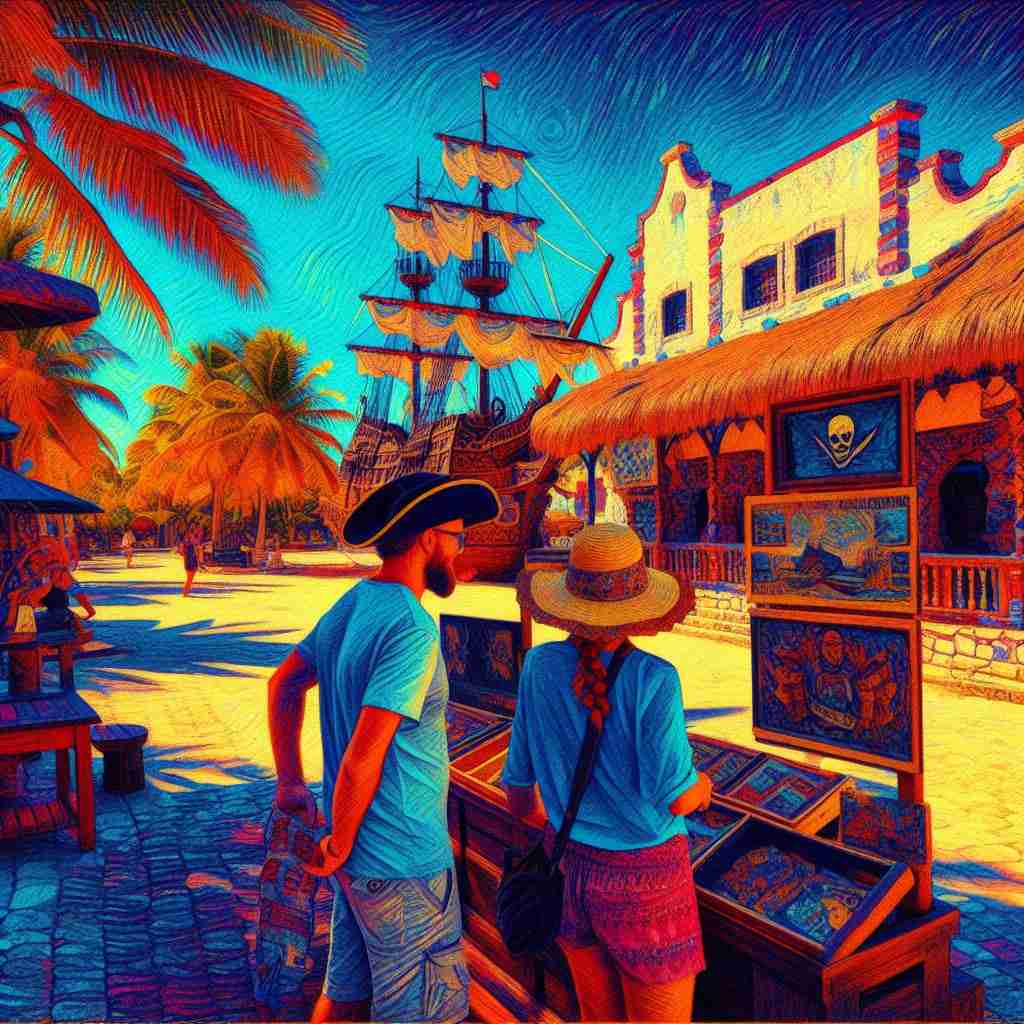
Exploring ruins isn’t just about dusty stones and decaying walls; it’s a visceral journey into the very heartbeat of humanity. Picture yourself standing among the remnants of an ancient civilization on the shores of Cozumel, the salty breeze tousling your hair as you trace the weathered carvings that tell tales of a culture long gone. At that moment, it’s not merely a site; it’s a connection to a time when human dreams and struggles were painted vibrantly across the landscape.
These ruins encapsulate stories that resonate deeply within us all. The emotional weight of standing where countless people once stood stirs something primal—it’s a reminder that we are part of a larger human narrative. Each crack and crevice tells of triumph and defeat, of love and loss, creating a tapestry of experiences that anchor us to our past. This is not just a history lesson; it’s a reminder that our struggles today echo those of our ancestors.
Logically, when we step into these ancient spaces, we are forced to confront our own place within the continuum of time. The ruins are physical manifestations of human ingenuity and resilience. They teach us lessons about sustainability, adaptation, and the consequences of our choices. For instance, examining the remnants of a thriving civilization can spark meaningful discussions about environmental stewardship, urging us to consider how our actions today will shape the legacies of tomorrow.
Ethically, the act of exploring ruins compels us to reflect on our responsibility to preserve these symbols of our shared heritage. We inherit not only the wisdom of the past but also the obligation to safeguard its stories for future generations. When we respect and protect these sites, we honor those who came before us, nurturing a sense of communal identity that binds us across time.
Furthermore, the camaraderie forged in exploring these treasures—whether with friends, family, or fellow enthusiasts—fosters a connection that transcends the ordinary. Sharing the awe of discovery sparks conversations that can last a lifetime, enriching our understanding of each other and the world we inhabit.
So, the next time you find yourself gazing at the ruins, take a moment to breathe in the history around you. Let it wash over you and leave you inspired, motivated to dive deeper into the stories that dare us to remember and reflect. The connection you forge with the past can illuminate the path forward, urging you to become a steward of history’s wisdom.

How Does Exploring Ruins Enrich Our Understanding Of History?
How Does Exploring Ruins Enrich Our Understanding Of History?
- Exploring ruins transcends physical structures, offering a deep connection to humanity’s history.
- Ancient sites reveal stories of civilizations, evoking emotions tied to humanity’s shared experiences.
- The experience provides perspective on our struggles today, reflecting those of our ancestors.
- Ruins illustrate human resilience, teaching lessons about sustainability and the impact of our choices.
- Visiting these sites reminds us of our responsibility to preserve shared heritage for future generations.
- Exploring ruins fosters camaraderie and enriches understanding through shared discovery with others.
- Engaging with history encourages reflection and inspires individuals to become stewards of its wisdom.
How Does Exploring Ruins Enrich Our Understanding Of History?
Can Immersing Yourself In Culture Change Your Perspective On Life?
Imagine stepping off a boat in Cozumel, the sun warming your skin while the scent of salt and spices fills the air. This island, with its vibrant culture and rich history, serves as a perfect backdrop for the transformative power of immersion. But it’s not just about the sights or the sounds; it’s about what happens when you allow yourself to truly absorb everything around you.
Think about deep-sea diving into the crystal-clear waters, surrounded by a universe of color that goes far beyond what you see in a picture. It’s a visceral reminder that there’s a world thriving just beneath the surface of our daily lives. This isn’t merely a vacation; it’s an invitation to see life through a different lens. Each coral, every fish, represents stories and connections vastly different from our own. When we dive into culture—whether in Cozumel or elsewhere—we open ourselves to understanding human experience in its intricate, beautiful complexity.
Now, let’s get rational for a moment. Research shows that exposure to diverse cultures increases empathy and creativity. When we step beyond our comfort zone, the brain fires new synapses, allowing us to think differently and solve problems in ways we once thought impossible. The insights gained don’t just enrich our lives; they empower us to approach challenges with fresh perspectives.
Ethically speaking, engaging with different cultures fosters respect and appreciation for the common threads that unite us as humans. It holds up a mirror, reflecting our values and traditions while simultaneously pushing us to rethink assumptions. By embracing the richness of another culture, we cultivate respect where once there was ignorance, building bridges where walls might have stood.
On a deeper level, let’s lean into the narrative. Imagine gathering around a communal fire in a small village, sharing stories and laughter. These moments forge bonds that transcend language, creating a sense of belonging that resonates deeply within us. We realize that we’re all part of a grand tapestry, woven together through shared experiences and emotions.
So, whether you find yourself wandering through the streets of Cozumel or exploring the hidden corners of your own city, dare to immerse yourself. Step off the beaten path, let curiosity lead the way, and watch as your perspective on life shifts—painted in vibrant shades of understanding, compassion, and connection.
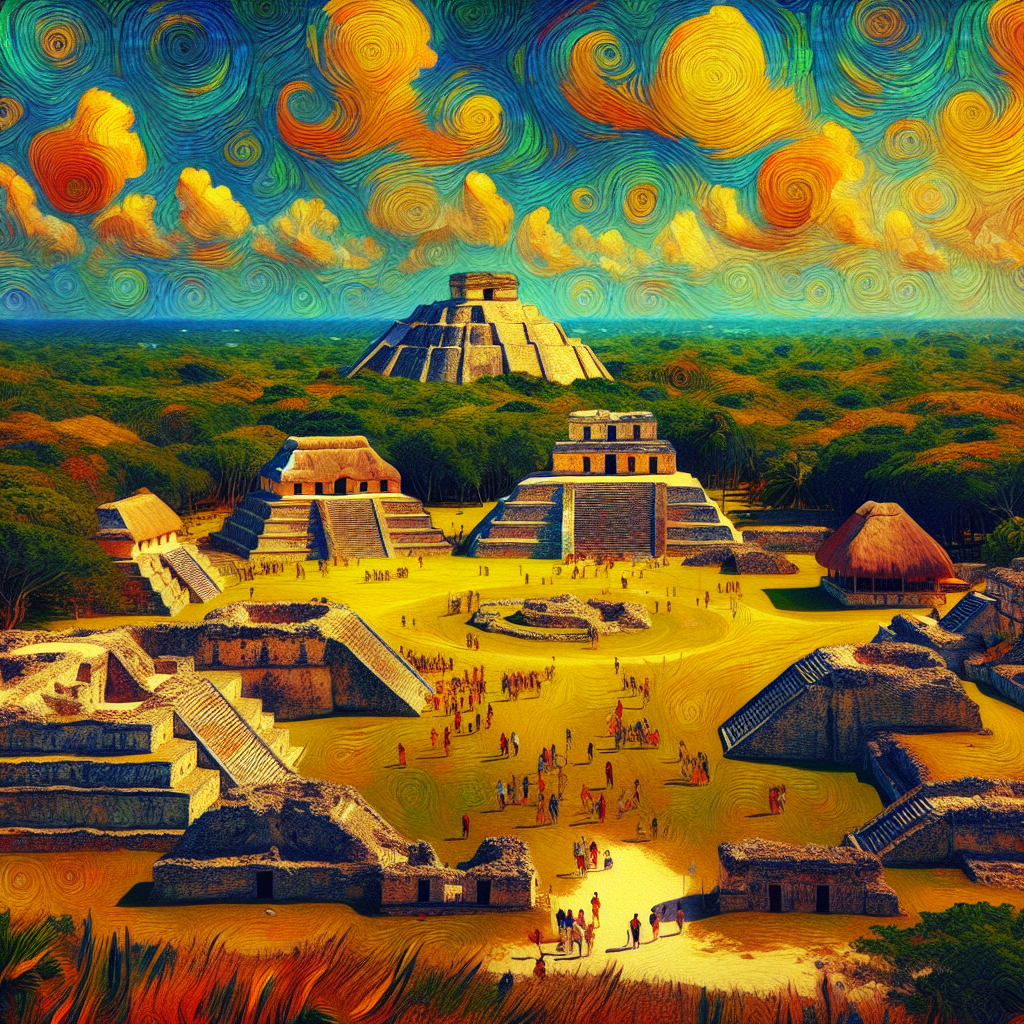
Can Immersing Yourself In Culture Change Your Perspective On Life?
Can Immersing Yourself In Culture Change Your Perspective On Life?
- Visiting Cozumel offers a vibrant cultural experience and rich history.
- Deep-sea diving reveals an underwater universe, reminding us of life’s hidden beauty.
- Immersing in different cultures enhances empathy and creativity.
- Stepping out of our comfort zones allows new perspectives and problem-solving skills.
- Engaging with diverse cultures fosters respect and appreciation for shared humanity.
- Sharing stories in communal settings builds deep connections and a sense of belonging.
- Embrace curiosity to transform your perspective on life and connection.

Can Immersing Yourself In Culture Change Your Perspective On Life?
What Are The Ethical Implications Of Tourism On Archaeological Sites?
When you step onto the sun-drenched sands of Cozumel, you’re greeted by more than just a paradise for vacationers. Beneath the waves and behind the vibrant markets, there lies a complex tapestry woven from the threads of history. Archaeological sites pulse with stories, each stone and relic whispering the experiences of those who came long before us. But as we revel in this beautiful treasure trove, we also face a profound moral crossroads.
Think about it: every selfie taken amidst ancient ruins isn’t just a snapshot; it’s a moment where ethics entwine with enjoyment. The joy we derive from these places should ignite our responsibility to protect them. When the footfalls of tourists stampede through sacred grounds, the echoes of the past can fade—a detrimental pause in the narrative arc of humanity. We might be blinded by the allure and convenience of easy access, but we must confront the scalpels slicing away at these vulnerable sites; erosion, overexploitation, and reckless disregard can be as harmful as neglect.
Our hearts pulse with a collective consciousness that yearns to honor the gifts of the ancients. Imagine a world where we not only preserve, but elevate these cultural heritage sites. When we engage with them thoughtfully, we weave a stronger fabric, enriching our understanding while ensuring that future generations can marvel at the stories held within those remnants.
Queue the rational side of the discussion: tourism, when managed well, acts as a lifeblood for communities. It brings resources to protect and sustain these magnificent sites—funding education, conservation, and research. Isn’t it ironic? The very activity that risks harm can also offer salvation, but only when approached with intention and care. Choose to be a responsible traveler. Ask: What can I contribute to this place? You hold the power to curate a legacy that stands the test of time.
And while it’s easy to view this as a well-trodden issue, let’s add some fresh perspective: consider our interconnectedness. Each destination is a chapter in our shared story. When we connect with the past, we connect with each other. As travelers, the burden to act thoughtfully is heavy, but so too is the potential to uplift and educate. The invitation is clear—don the mantle of stewardship, and let every visit to places like Cozumel be an act of respect, a promise not just to witness, but to protect.

What Are The Ethical Implications Of Tourism On Archaeological Sites?
What Are The Ethical Implications Of Tourism On Archaeological Sites?
- Cozumel offers not only beautiful scenery but also a rich historical and archaeological heritage.
- Every photograph taken in ancient ruins represents a blend of enjoyment and ethical responsibility.
- Tourism can harm cultural sites through erosion and neglect, impacting historical narratives.
- Engaging thoughtfully with heritage sites can enrich understanding and ensure preservation for future generations.
- Well-managed tourism can provide essential resources for protecting and sustaining cultural heritage.
- Travelers are encouraged to contribute positively to the places they visit and make mindful choices.
- Travel fosters interconnectedness, encouraging stewardship and respect for shared histories.

What Are The Ethical Implications Of Tourism On Archaeological Sites?
Which Expert-Led Tours Offer The Most Authentic Experiences?
If you’re wandering the streets of Cozumel, you’re not just a tourist—you’re a voyager in search of something authentic, something that speaks to the marrow of your being. Expert-led tours can provide that connective tissue, transforming ordinary travel into extraordinary experiences. These guides are more than just narrators of facts; they are deeply-rooted keepers of cultural wisdom, passionate about sharing their unique stories that twine the past with the present.
Take a moment to consider what authenticity means to you. It’s not just about snapping another photo by the seaside; it’s about forging a bond with a community, understanding their joys, their struggles, and the rhythms of their daily lives. The heart of those experiences often beats strongest when you collaborate with local experts who know not only where to go, but why it matters. On expert-led tours, you don’t just see Cozumel; you feel its pulse.
Think about it rationally: when you invest in a knowledgeable local guide, you’re helping to support the economy and preserve the culture. You’re choosing ethical tourism over cookie-cutter excursions that often miss the mark on real engagement. The nuances of everyday life—the flavors of local cuisine, the intricacies of traditional crafts—are best experienced through the lens of someone who has lived it. It’s a two-way street; you gain insight while the locals benefit too.
In terms of authority, look for experts who possess credentials and genuine local knowledge. They are the ones whose families have thrived here for generations, whose wisdom is laden with respect for the land and its people. Their anecdotes don’t come from textbooks; they arise from lived experiences. This is where the narrative sparks to life, weaving historical threads into one tapestry that colors in the landscape of Cozumel.
And let’s not forget the social aspect—sharing stories, laughter, and the occasional local delicacy with your group creates a bond. You might arrive as strangers, but you’ll leave as friends, having forged connections that last well beyond the tour. Each interaction is an opportunity to build empathy and understanding—qualities sorely needed in our interconnected world.
So, as you plan your journey, think beyond the brochure’s pretty pictures. Dive deep—seek out those expert-led tours that promise authenticity. Your heart, head, and gut will thank you for it. Join a community, become part of a story, and let Cozumel become a chapter in your own travel narrative.
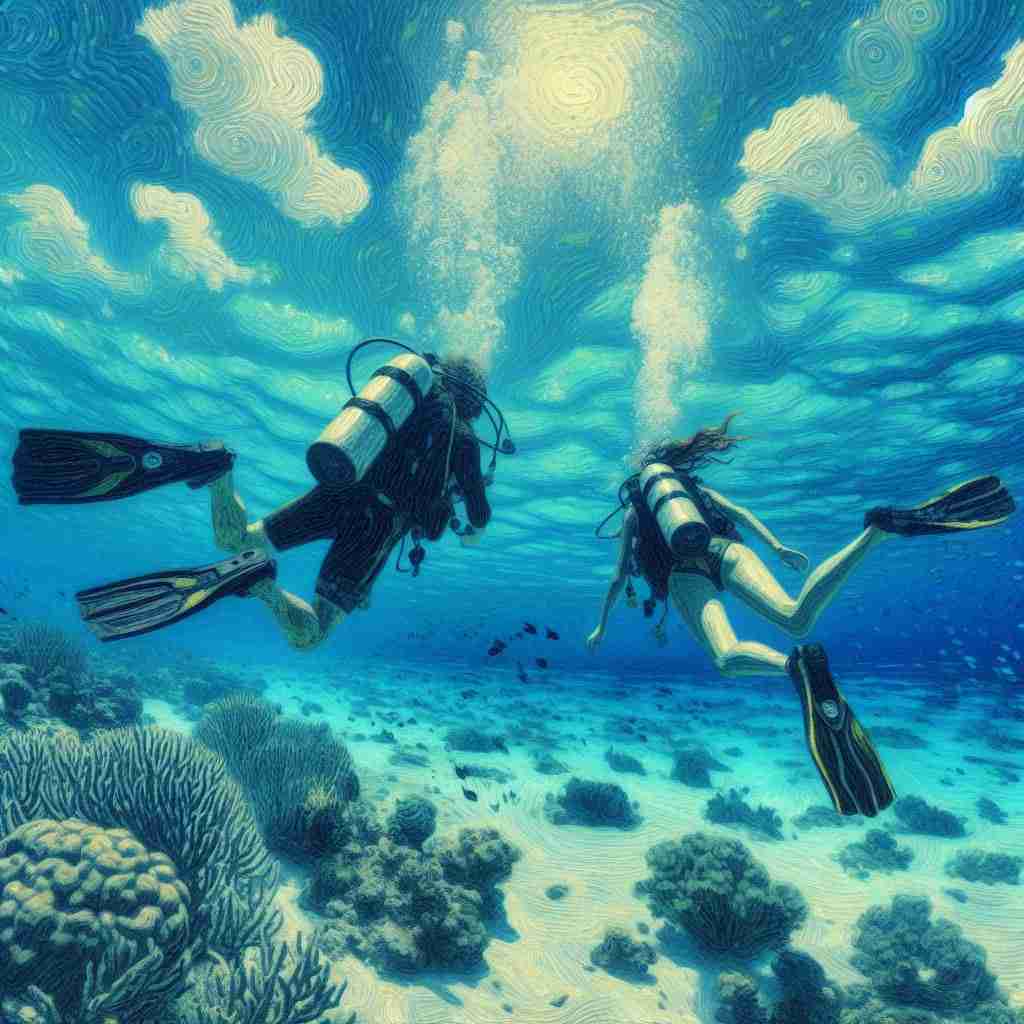
Which Expert-Led Tours Offer The Most Authentic Experiences?
Which Expert-Led Tours Offer The Most Authentic Experiences?
- Traveling in Cozumel is an opportunity to seek authentic experiences that resonate deeply.
- Expert-led tours provide transformative travel experiences by connecting travelers with cultural wisdom.
- Authenticity entails building bonds with local communities and understanding their daily lives and struggles.
- Investing in knowledgeable local guides supports the economy and promotes ethical tourism.
- Look for guides with credentials and genuine local knowledge, as they offer insights from lived experiences.
- Sharing experiences with fellow travelers fosters friendships and builds empathy and understanding.
- Seek out expert-led tours that emphasize authenticity to enrich your travel narrative in Cozumel.
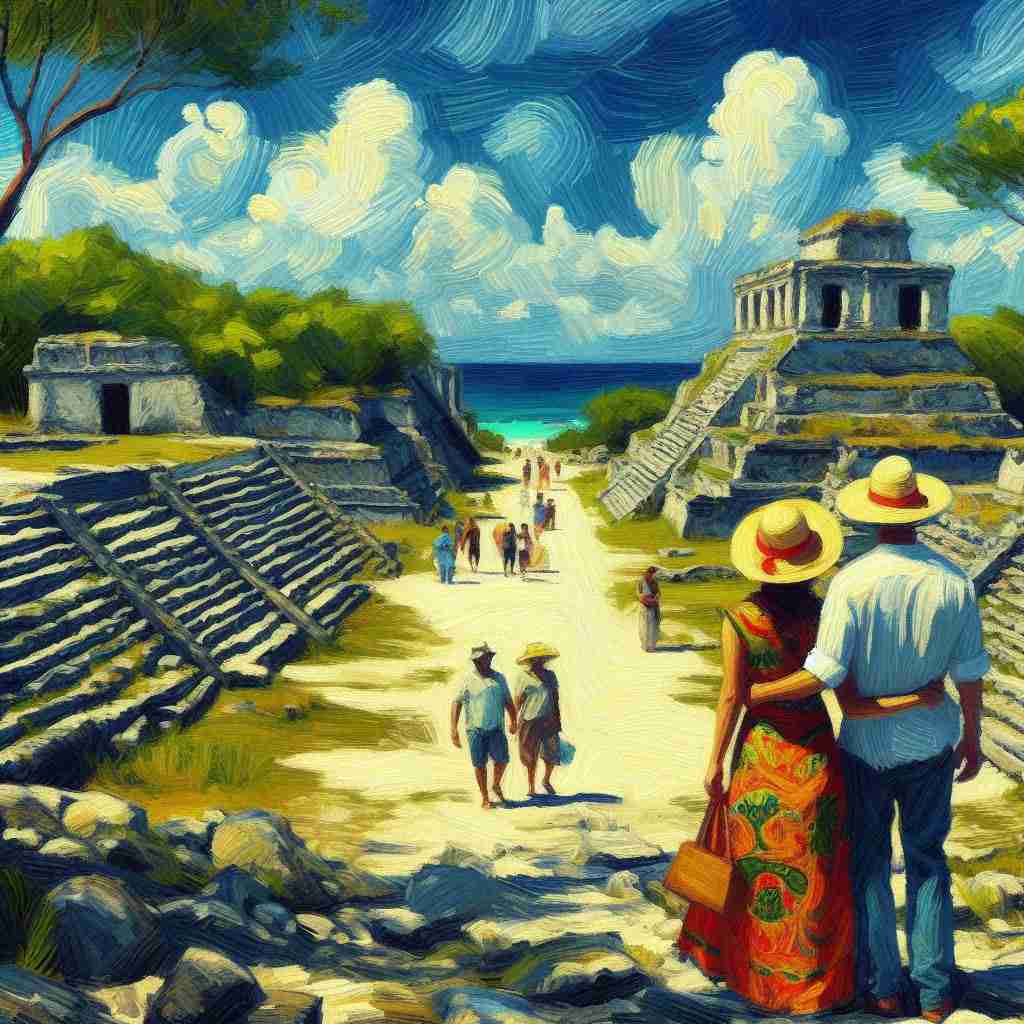
Which Expert-Led Tours Offer The Most Authentic Experiences?
How Can Visiting Historic Sites Foster A Sense Of Community?
Visiting historic sites can be a powerful catalyst for community-building, and it’s a phenomenon that tugs at the heart, stimulates the mind, and resonates in the gut. Think about it: when you step into a place like Cozumel—where centuries of stories linger in the air—you’re not just witnessing history; you’re engaging with a shared narrative. This experience creates an immediate bond, not just with the site but with fellow visitors, as you collectively unravel the tapestry of human experience.
Let’s break it down. Emotionally, these sites stir something deep within us. They ignite memories and aspirations, connecting individuals from diverse backgrounds through the universal human condition. You may find yourself sharing an awe-filled moment of understanding with a stranger, each of you silently appreciating the significance of what stands before you. It’s in sharing those gasps of wonder or soft chuckles at bygone quirks that you feel the community spirit come to life.
Rationally, historic sites serve as educational pillars of society, offering invaluable lessons that transcend generations. By understanding the past, we develop a nuanced perspective on our present and future. This collective knowledge fortifies our communities, molding informed citizens who feel a responsibility not just to remember their history but to actively participate in shaping a better tomorrow. It’s about realizing that what happened in places like Cozumel isn’t just a thing of the past; it’s a continuous influence on our current lives.
Ethically, visiting these sites supports the preservation of cultural heritage. Engaging with history doesn’t merely fill our hearts; it fosters a responsibility to maintain these treasures for future generations. Communities often rally together with a shared purpose to preserve their local sites, which can lead to revitalization efforts, ensuring that the stories they harbor aren’t lost to time.
The narrative that unfolds in these spaces—rich with triumphs and struggles—reminds us that we are all part of something greater. It creates an invisible thread that links us to those who walked before us and those who will come after. This connection fosters a sense of trust and belonging that can empower communities to unite and tackle challenges together.
Ultimately, when you visit a historic site, you’re not simply an observer; you become a participant in a continuing story, one that invites you to forge connections and embrace the collective human experience. So, why wait? Step into that narrative and let the history draw you in—it might just inspire the next chapter of your own community.

How Can Visiting Historic Sites Foster A Sense Of Community?
How Can Visiting Historic Sites Foster A Sense Of Community?
- Visiting historic sites fosters community-building through emotional engagement and shared narratives.
- These experiences create bonds among visitors as they explore the rich tapestry of human history together.
- Emotionally, historic sites connect individuals from diverse backgrounds, igniting shared moments of awe and understanding.
- Rationally, these sites serve as educational pillars, helping communities understand their past to shape a better future.
- Ethically, engagement with historic sites promotes the preservation of cultural heritage for future generations.
- The narratives found in these spaces connect us to the stories of those before and after us, fostering trust and belonging.
- By visiting, you become an active participant in the evolving story of your community, inspiring new connections and experiences.

How Can Visiting Historic Sites Foster A Sense Of Community?
How Might These Tours Inspire Future Generations To Value History?
Imagine a classroom where students aren’t just reading history from dusty textbooks but instead standing in the very places where history unfolded. Picture a group of teenagers exploring the sun-kissed shores of Cozumel, where ancient Mayan ruins whisper stories of a civilization that flourished long ago. This isn’t just an educational trip; it’s a chance to breathe life into the past, to connect the dots between who we are today and where we come from.
When young minds witness the remnants of civilization — the very stones that once echoed with laughter, trade, and even conflict — their eyes widen with curiosity. It’s one thing to learn about historical events in the sterile confines of a classroom; it’s another to feel the weight of time pressing on your shoulders as you walk the paths once trod by those who walked before you. This experience unlocks an emotional bond, sparking an interest in not just history but the very essence of humanity.
Rationally, understanding history isn’t just an academic exercise; it’s a blueprint for the future. By examining the triumphs and failures of our predecessors, these young explorers can make sense of the complex world they inhabit. They gain a crucial perspective, realizing that the mistakes of the past provide invaluable lessons on resilience, innovation, and the necessity of change. Engaging with history in this tangible way sparks critical thinking and awakens a desire to not just learn but to question and innovate.
Ethically, there’s a responsibility to preserve history for future generations. When young people develop an appreciation for their heritage, they become stewards of that legacy, understanding the weight of their decisions in shaping the future. They’ll be less likely to repeat the missteps of the past and more inclined to elevate the values that connect us all: compassion, equity, and respect.
There’s also something powerful about experiencing history in a group. As peers explore together, bonds form, fostering connections that make the history shared even more profound. These experiences weave a fabric of collective responsibility, encouraging them to share their newfound knowledge with family and friends, amplifying the message.
Ultimately, these tours don’t just inspire a love for history; they ignite a passion for our shared humanity, urging the next generation to honor the past while boldly creating their future.
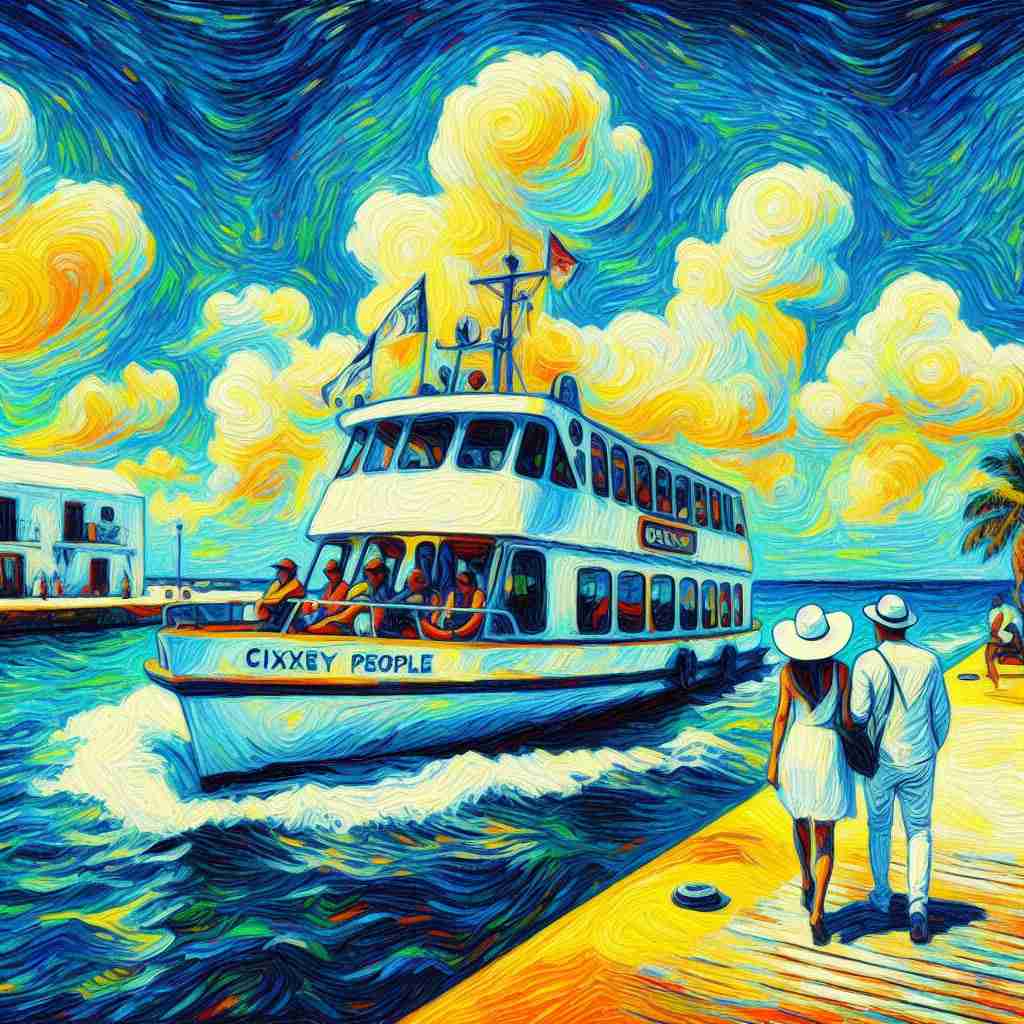
How Might These Tours Inspire Future Generations To Value History?
How Might These Tours Inspire Future Generations To Value History?
- Students experience history firsthand by visiting significant historical locations, like the ancient Mayan ruins in Cozumel.
- This immersive experience transforms history from textbook knowledge into a tangible and emotional connection to the past.
- Witnessing historical remnants fosters curiosity and deepens understanding of humanity’s journey.
- Learning history in real-world contexts provides valuable lessons on resilience, innovation, and the necessity of change.
- Developing an appreciation for heritage empowers students to become stewards of history and make mindful decisions for the future.
- Group explorations enhance connections among peers, creating a supportive environment for sharing knowledge and insights.
- These experiences inspire a passion for both history and shared humanity, encouraging the next generation to honor the past while shaping a better future.

How Might These Tours Inspire Future Generations To Value History?
How Do Local Guides Contribute To The Preservation Of Their Heritage?
Imagine strolling through the vibrant streets of Cozumel, where every corner tells a story steeped in history and culture. Local guides are the heartbeats of such places, bridging the gap between the past and the present. Their intimate knowledge of their heritage serves not only to educate outsiders but also to ignite a spark of pride within the community. These guides, often lifelong residents, wear their culture like a badge of honor, offering not just tours, but experiential journeys that resonate deep within the soul.
As stewards of their heritage, local guides harness their narratives, turning mere facts into compelling tales. They share legends passed down through generations, painting a picture of resilience amid challenges faced by their community. This storytelling is about more than entertainment; it’s a pathway to understanding the ethical responsibility we all carry to preserve these rich histories for future generations. By showcasing traditional practices, local guides inspire visitors to appreciate and support the culture rather than just consume it.
Think about it: when someone steps into a local guide’s world, they aren’t just another tourist. Instead, they become part of a living narrative, enriched by the flavors of authentic cuisine, the sounds of traditional music, and the sights of ancient ruins. It’s an invitation to connect, to engage with a way of life that has weathered storms yet continues to flourish. Visitors often leave with memories that linger, fostering a desire to return—not just to explore, but to protect what they’ve come to love.
This isn’t just about economics; it’s about ethics and shared humanity. Local guides embody the spirit of collaborative preservation. When they thrive, their heritage thrives. And when the heritage thrives, it nourishes the whole community, creating a vibrant ecosystem of support. It’s a cycle of respect and reverence, where courage to speak the truth about one’s home fosters a deeper connection among all who tread its paths.
So, the next time you find yourself in a place where history sings through the air, remember that local guides are not just narrators—they are the guardians of a legacy. They invite us to roll up our sleeves and get involved, reminding us that the preservation of culture is a communal endeavor. Trust them, learn from them, and become a part of the story. After all, heritage isn’t merely something to be seen; it’s something to be felt and cherished—a treasure waiting to be shared.

How Do Local Guides Contribute To The Preservation Of Their Heritage?
How Do Local Guides Contribute To The Preservation Of Their Heritage?
- Cozumel’s vibrant streets are steeped in history and culture.
- Local guides bridge the gap between past and present, sharing their intimate knowledge with visitors.
- They turn historical facts into compelling tales, fostering a sense of pride and resilience in their community.
- Guided tours encourage appreciation and support for local culture rather than mere consumption.
- Visitors engage with authentic experiences, creating lasting memories and a desire to protect local heritage.
- Local guides promote a spirit of collaborative preservation, benefiting both their heritage and the community.
- Heritage is a communal endeavor; local guides invite us to connect and actively participate in its preservation.

How Do Local Guides Contribute To The Preservation Of Their Heritage?
Conclusion
When you step off the ferry onto Cozumel, you’re entering a realm where the echoes of the past vibrate amid sun-kissed shores and ancient stones. Here, archaeological tours offer more than just an escape; they invite you on a profound journey to connect with the essence of human history. Each site, from Tulum’s coastal grandeur to the towering pyramids of Coba, serves as a reminder that beneath the surface of our everyday lives lies a tapestry of experiences woven by those who walked these lands long before us. Exploring these historic sites isn’t merely about witnessing beauty; it’s about fostering a visceral connection to our shared heritage.
As you stand amongst these remnants, emotions swell—the realization that you are part of a continuum that stretches far beyond your own lifetime. Every pathway you tread and every story shared by local guides is an invitation to reflect on the triumphs and tribulations of humanity. It’s an experience that enriches your comprehension of the world and the common threads that bind us all. Rationally, engaging with the past through guided tours strengthens our cultural awareness, presenting context for contemporary issues and sparking critical conversations about sustainability, empathy, and collective responsibility.
This journey is not devoid of ethical considerations; it instills a sense of stewardship. By appreciating these cultural treasures, you recognize the urgency of preserving them for future generations. Engaging with local guides deepens this connection, as they embody the living history of their communities, sharing narratives that blend personal experiences with ancestral lore. Their insights transform a simple visit into an ethical encounter—one that compels you to respect and protect the rich legacy around you.
Moreover, these adventures cultivate relationships and camaraderie, both with fellow travelers and the local culture. It’s in moments of shared wonder that hearts and minds align, creating a communal appreciation that transcends borders. Picture yourself laughing with new acquaintances as you navigate winding paths, the allure of stories unfolding like the ancient tapestries surrounding you.
So, embrace this opportunity. Step outside the confines of a typical vacation. Dive deep into Cozumel’s history and culture; your heart, mind, and soul will thank you. The tales beckon, waiting to guide you toward understanding, connection, and perhaps, a renewed appreciation for the complex yet beautifully interconnected story of humanity. Your journey to Cozumel isn’t just about the destination; it’s a gateway to becoming part of a timeless narrative, one that is vibrant, meaningful, and essential to our collective existence.
Conclusion
Conclusion:
- Stepping off the ferry in Cozumel immerses you in a rich historical landscape.
- Archaeological tours offer profound connections to human history through ancient sites.
- Exploration fosters connections to our shared heritage and the continuum of human experience.
- Engagement with the past enhances cultural awareness and sparks important discussions.
- Visiting these sites instills a sense of stewardship for preserving cultural treasures.
- Local guides provide personal insights that enrich the historical experience.
- These adventures create relationships and a communal appreciation that transcends borders.
Conclusion
Other Resources

Other Resources
Most of the people who read this are also figuring out where to stay. A couple of places we run or know well, in case it’s useful: Cozumel Journey is an editorial guide to Cozumel — neighborhoods, planning tips, and life on the island for travelers who want context, not a cruise schedule.
Here is a list of other resources you can review online to learn more:
- Bahama Breeze
- Chankanaab Adventure Park Royal Swim
- La Ruta de las Iglesias
- Dunkin’ Donuts
- Guisados
- Playa Palancar Beach Club
- Playa Bonita
- Playa Azul
- Dolphin Discovery Cozumel
- Playa Chen Rio
- Chen Rio
- El Foco Restaurant & Bar
- Traveler’s Checklist
- Studio Blue Cozumel
- Cuatro Tacos Cozumel
- Viva Mexico
- Punta Langosta Mall
- Cozumel Bar Crawl
- Cozumel Journey — long-form writing on neighborhoods and planning
Use This Prompt To Get More Resources With Your Favorite Online AI Tool: Please provide me with a list of online articles with their URLs in a bulleted list that I can read regarding Are There Archeological Tours You Can Take From Cozumel?

Other Resources
Glossary Terms
Are There Archeological Tours You Can Take From Cozumel? – Glossary Of Terms
1. Archaeology: The study of human history and prehistory through the excavation of sites and the analysis of artifacts.
2. Cozumel: An island in the Caribbean Sea, known for its vibrant marine life and proximity to ancient Mayan ruins.
3. Mayan Civilization: An ancient Mesoamerican culture known for its hieroglyphic script, art, architecture, and astronomical systems.
4. Excavation: The systematic uncovering of buried artifacts and structures, often conducted by archaeologists.
5. Artifact: An object made or used by humans, typically an item of cultural or historical interest.
6. Tourism: The practice of traveling for leisure, education, or exploration, often involving guided tours of significant sites.
7. Guided Tour: A trip led by an expert who provides insights and information about the sites being visited.
8. Historical Site: A location where significant events occurred or where artifacts and structures of historical importance are found.
9. Cultural Heritage: The legacy of physical artifacts and intangible attributes of a group or society, passed down through generations.
10. Eco-tourism: Responsible travel to natural areas that conserves the environment and improves the well-being of local people.
11. Chichen Itza: A large pre-Columbian archaeological site in Mexico’s Yucatán Peninsula, known for its iconic pyramid, El Castillo.
12. Tulum: A well-preserved Mayan coastal city located on the Yucatán Peninsula, famous for its stunning clifftop views.
13. Palenque: An ancient Mayan city located in Chiapas, Mexico, recognized for its remarkable ruins and Mayan architecture.
14. Ruins: The remains of an ancient structure, often a significant representation of a past civilization’s achievements.
15. Temple: A building dedicated to worship or religious practice, often a focal point in ancient cultures.
16. Site Visit: A trip to a specific geographical location where historical or archaeological significance is present.
17. Interpretation: The process of explaining the meaning of artifacts and structures to enhance public understanding of history.
18. Sustainability: The practice of using resources in a way that meets current needs without compromising future generations.
19. Local Culture: The traditions, customs, and social behaviors of a group of people, often reflected in their art, food, and practices.
20. Scuba Diving: Underwater diving with the use of self-contained underwater breathing apparatus, allowing exploration of aquatic sites.
21. Snorkeling: Swimming at the water’s surface while equipped with a mask and snorkel, often used to view underwater life.
22. Tour Operator: A company that organizes and facilitates travel experiences, often specializing in specific types of tours.
23. Entrance Fees: Charges required for admission to archaeological sites, museums, or cultural experiences.
24. Mayan Empire: A significant historical civilization that reached its peak between 250-900 AD in present-day Mexico and Central America.
25. Preservation: The act of maintaining and protecting historical sites and artifacts from deterioration or destruction.
26. Cenote: A natural sinkhole or well, often associated with the Mayans as a source of freshwater and sacred rituals.
27. Heritage Site: A landmark or area recognized for its cultural, historical, scientific, or other forms of significance.
28. Local Guide: An individual who specializes in providing tourist services and information about local history and culture.
29. Fieldwork: Research conducted outside of a laboratory or office setting, often involving physical exploration and data collection.
30. Cultural Exchange: The process where different cultures share their ideas, customs, and experiences, often enhancing mutual understanding.
Glossary Of Terms
Other Questions
Are There Archeological Tours You Can Take From Cozumel? – Other Questions
If you wish to explore and discover more, consider looking for answers to these questions:
- What are the different archeological sites available for tours from Cozumel?
- How do I book an archeological tour from Cozumel?
- What is the typical duration of these tours?
- Are there tours suitable for families and children?
- What should I wear or bring on an archeological tour?
- What is the cost range for archeological tours from Cozumel?
- How do local guides enhance the archeological tour experience?
- What is the best time of year to visit archeological sites from Cozumel?
- Are there any safety concerns I should be aware of when visiting these sites?
- What distinguishes expert-led tours from other types of tours in Cozumel?
- Can you recommend reputable tour companies for archeological tours?
- How do I prepare for a day of exploring ancient ruins?
- What other activities can I do in Cozumel after visiting the archeological sites?
- Are food and refreshments typically included in the tours?
- What are the impacts of tourism on the preservation of these archeological sites?

Other Questions
Haiku
Are There Archeological Tours You Can Take From Cozumel? – A Haiku
Ancient ruins beckon,
History whispers through time,
Hearts unite in awe.

Haiku
Poem
Are There Archeological Tours You Can Take From Cozumel? – A Poem
In Cozumel’s embrace, where ancient stones lie,
History whispers soft, with the sun in the sky.
Step into the past, where the Mayans once thrived,
Each ruin a heartbeat, where dreams have survived.
From Tulum’s high walls to Coba’s grand height,
Adventures await in the fading sunlight.
A journey through time ignites passion and pride,
As local guides share secrets, our worlds collide.
Connect with the ancient, breathe in the salt air,
Share laughter and stories, let love be our dare.
For every rock tells a tale of struggle and grace,
Reminding us softly of our shared human place.
Ethics intertwine with the joy of the quest,
To honor what’s sacred, we must give our best.
Tourism can nurture, a lifeblood for those,
Entrusted with treasures, where culture still grows.
Empathy grows stronger when we dare to engage,
Each moment in history can turn a new page.
Let the past spark our future, ignite our resolve,
To cherish and preserve, as together we evolve.
So wander with purpose, let curiosity guide,
Through ruins and stories, let your spirit collide.
Be stewards of history, entwined hand in hand,
For our journey connects us, a vast, vibrant land.

Poem
Checklist
Are There Archeological Tours You Can Take From Cozumel? – A Checklist
Checklist for Exploring Archaeological Tours from Cozumel
Emotional Appeal
_____ Visualize Your Journey: Imagine stepping into ancient ruins where history whispers in your ear. Reflect on how it feels to connect with a culture that once thrived.
_____ Capture Memories: Prepare to share stories and laughter with fellow travelers about your experiences exploring these historical sites.
Rational Appeal
_____ Know Your Impact: Understand how participating in these tours contributes to the preservation of cultural heritage and local economies.
_____ Seek Educational Value: Look for tours that offer in-depth insights into the history and significance of the sites you visit.
Ethical Appeal
_____ Choose Responsible Tourism: Prioritize tours guided by local experts who emphasize sustainability and respect for the sites and communities.
_____ Commit to Preservation: Reflect on ways you can support the protection of archaeological sites post-visit.
Authority Appeal
_____ Research Your Guides: When selecting a tour, ensure your guide has local expertise and is knowledgeable about the history and culture they are sharing.
_____ Engage with Experts: Participate in tours led by individuals who have dedicated their lives to preserving local heritage.
Narrative Appeal
_____ Collective Storytelling: Embrace the opportunity to hear personal stories from local guides that connect past and present.
_____ Create Your Narrative: Plan to document your experience, enriching your personal history and adding to the shared narrative of cultural exploration.
Social Appeal
_____ Build Connections: Engage with fellow travelers during the tour, fostering bonds through shared experiences and discoveries.
_____ Share Your Journey: After returning home, discuss your experiences with friends and family, inspiring them to appreciate and explore history.
Practical Preparation
_____ Pack Thoughtfully: Bring a notebook or camera to document your reflections and experiences during the tours.
_____ Research Tour Options: Before your trip, explore different archaeological tours from Cozumel to find one that aligns with your interests and values.
Action Items
_____ Plan an Educational Agenda: Select at least two archaeological sites you wish to explore during your Cozumel visit.
_____ Reflect on Your Experiences: After each site visit, take time to ponder the emotions and thoughts evoked by each encounter with history.
Checklist
At TopCozumelNews, we help travelers enjoy Cozumel by collating information learned from frequently traveling to beautiful Cozumel.
Be sure to read our other related stories at TopCozumelNews to learn more about the Island of Cozumel.