
Local-Tested: Real Stories, Smart Tips To Stay Safe In Cozumel
By Tom Seest
At TopCozumelNews, we help travelers enjoy Cozumel by collating information learned from frequently traveling to beautiful Cozumel.
Be sure to read our other related stories at TopCozumelNews to learn more about the Island of Cozumel.
Is Cozumel Mexico Safe for Tourists?
Walk off the ferry and you feel it—salt on your lips, the clack of sandals on boardwalks, a kindness in the way a vendor nods. That feeling isn’t fluff; it’s the heartbeat of Cozumel. Folks here make a living from welcoming strangers. They want you to come back. That alone shifts the odds in your favor.
Practical talk: petty theft happens anywhere people and money mix. Keep wallets in front pockets, stash passports in the hotel safe, and don’t parade expensive gear like you’re showing off at a county fair. Use licensed taxis or ride apps, and stick to lit streets late at night. Daylight brings the real magic—snorkeling, reefs, cold cerveza—and it’s also when the island runs at its best. Boat captains, dive shops, and shopkeepers survive on reputation; pick the places with other tourists and steady lines. That’s a simple, effective filter.
There’s an ethical side to feeling safe. Treat the island like a neighbor’s yard: don’t trash the beach, pick up your trash, ask before photographing someone’s business or family. Respect is currency here. Locals notice, and kindness pays back in easier directions, better tips, and the kind of local advice that saves you time and keeps you out of trouble.
Trust comes from small proofs: a dive instructor who checks your kit twice, a waiter who remembers your drink, a cop who directs traffic with a smile. Those are authority cues you can read without a degree. Listen to them. If the guide says reef conditions are rough, you sit that one out. If a shop hands you a receipt, accept it. Details matter.
There’s an emotional piece I don’t sugarcoat: travel changes you. You’ll meet someone who hands you a grilled fish and a story, and for a minute the world feels like it should always be this honest. Hold onto that. Let it soften you into paying attention instead of worrying.
Cozumel is not a promise of zero risk, it’s a place where common sense and courtesy go a long way. Show up prepared, pay attention to the people who earn your trust, and treat the island with a little respect. You’ll leave with better stories than you brought, and that’s the real measure of safety here.

Is Cozumel Mexico Safe for Tourists?
Is Cozumel Mexico Safe for Tourists?
- Cozumel’s welcoming atmosphere is the island’s heartbeat—locals build livelihoods on hospitality and want visitors to return.
- Practical safety: petty theft can occur—keep wallets in front pockets, store passports in the hotel safe, avoid flaunting expensive gear; use licensed taxis or ride apps and stick to well-lit streets at night.
- Daytime is best for snorkeling, reefs, and island life; favor boat captains, dive shops, and stores with steady lines and other tourists as a reliability filter.
- Respect the island and its people: don’t litter, pick up trash, and ask before photographing businesses or families—respect earns better treatment and local help.
- Trust small proofs: attentive dive instructors, servers who remember orders, and helpful officers are authority cues to follow—accept receipts and heed safety advice.
- Travel changes you emotionally—personal encounters can soften you and shift focus from worry to attention and appreciation.
- Common sense and courtesy go a long way: arrive prepared, pay attention to trusted people, and you’ll leave with better stories than you brought.

Is Cozumel Mexico Safe for Tourists?
Table Of Contents
- Is Cozumel Mexico Safe for Tourists?
- Will My Family Feel Safe Visiting Cozumel At Night?
- Are Crime Rates In Cozumel Higher Than Other Destinations?
- Can I Trust Taxis and Transfers on the Island?
- What Precautions Reduce Pickpocket Or Theft Risks?
- Are Beaches and Reefs Safe for Snorkeling Novices?
- How Reliable Is Emergency Medical Care In Cozumel?
- Do Travel Advisories Warn About Cozumel Right Now?
- Conclusion
- Other Resources
- Glossary Of Terms
- Other Questions
- Haiku
- Poem
- Checklist
Will My Family Feel Safe Visiting Cozumel At Night?
You want the honest, no-frills answer: yes — mostly — but it’s not a postcard version of safety where nothing ever happens. Picture this: lanterns swinging, salsa drifting from an open bar, kids’ laughter echoing off storefronts. That warmth is real, and so is the practical side of keeping your family steady when the sun goes down.
Emotional: families stroll with hands linked, grandparents smiling, teens rolling their eyes — that’s the nightly rhythm here. There’s a comfort in shared footsteps. Locals wave, shopkeepers light a pathway into their world, and the island’s slow heartbeat makes it easy to breathe. Let that feeling guide you. When your kid points at the ocean under moonlight, that memory sticks firmer than any worry.
Rational: stick to the well-worn paths. Downtown and the main waterfront are lit, populated, and policed. Use your hotel as a compass; staff know the safe blocks and the ones to avoid after dark. Keep valuables discreet, carry one sensible bag, and arrange taxis through your lodge or a reputable company. Those simple moves cut risk dramatically — they’re not dramatic, just smart.
Ethical and social: treat the place like you’re invited to someone’s backyard barbecue. Respect local customs, greet shopkeepers, and be mindful of noise late at night. When visitors behave with common decency, locals respond with warmth. That mutual respect creates a safer, friendlier night for everyone.
Authority and hands-on: I’ve walked those streets at midnight with a stroller, chatted with vendors over tamales, and hauled a tired kid back after fireworks. The beat is real life, not a brochure. Talk to your host, watch how other families move, follow the crowd when it looks comfortable. You’ll learn quicker than any guidebook.
Narrative and action: plan a simple night — early dinner, a stroll along the malecón, a stop for a snack, then a short ride back. Keep the schedule light and the exits obvious. If you want to dance, pick a busy place with a clear door and staff who look you in the eye. That’s the kind of common-sense choreography that turns a potentially anxious evening into a good story.
Trust your instincts, lean on local advice, and choose visibility over flash. The island — Cozumel — rewards respectful visitors with a nightside that feels like an extension of the day: alive, manageable, and worth remembering.

Will My Family Feel Safe Visiting Cozumel At Night?
Will My Family Feel Safe Visiting Cozumel At Night?
- Overall: mostly safe at night—alive and warm rather than postcard-perfect; expect lanterns, salsa, and families out and about.
- Emotional: a comforting nightly rhythm—families holding hands, locals greeting you, shopkeepers welcoming visitors.
- Practical: stay on well-lit, populated downtown and waterfront paths; use hotel staff for local guidance, keep valuables discreet, carry one sensible bag, and arrange taxis through reputable sources.
- Ethical/social: behave like a welcomed guest—greet shopkeepers, respect customs, and be mindful of noise to foster mutual warmth.
- Authority: based on first-hand experience walking the streets at night, talking with vendors, and navigating family outings—observe locals and hosts to learn quickly.
- Narrative/action: plan a simple evening—early dinner, a malecón stroll, a snack, then a short ride home; pick busy places with clear exits and attentive staff for dancing.
- Trust your instincts and local advice; choose visibility over flash—Cozumel rewards respectful visitors with a lively, manageable nightside.

Will My Family Feel Safe Visiting Cozumel At Night?
Are Crime Rates In Cozumel Higher Than Other Destinations?
There’s a quiet truth you feel stepping off the ferry into Cozumel that numbers on a page don’t quite capture. The salt air, the kids chasing a soccer ball on cracked pavement, the shopkeepers who know your name after a day—those are the human pieces of the safety picture. Emotionally, it matters that a place looks after its own; it matters that locals depend on visitors for livelihoods and treat them accordingly. That sense of mutual stake softens a lot of abstract fear.
Rationally, comparisons are straightforward when handled plain. Island tourist towns like Cozumel usually show lower levels of violent crime than major mainland cities of comparable population. Petty theft and opportunistic crime are the parts that need attention because small, busy areas attract crowds and the occasional pickpocket. Law enforcement and business owners track this; they push for visible presence in tourist corridors and report trends to municipal agencies. When you line up the types of crimes, the scale and character in Cozumel look different from high-crime urban centers, and that matters more than a single alarming headline.
Ethically, there’s a duty shared by residents and visitors. The island’s economy leans on tourism, and the people here know it. Local guides, dive shops, taxi drivers—all have a moral interest in a reputation for safety because it’s their paycheck and their neighborhood. That creates informal social controls: vendors watching out for one another, neighbors calling local patrols when something’s off, communities rallying when someone’s hurt. That social fabric is a real force against disorder.
From hands-on experience, the authority of observation counts. You notice patrols at the ferry, lighted promenades, and shopkeepers who will call you by name. You also notice the ordinary risks: a drunken argument on a weekend, a distracted tourist leaving a bag unattended. Those are manageable facts, not moral panics. The proper response is practical respect for place and people, not fear.
For anyone weighing a trip, let this land on the gut: Cozumel is neither pristine nor perilous. It’s a working island with warm people and the usual city-adjacent annoyances. Trust in the visible community care, hold to commonsense habits, and lean into the local economy with respect. The island rewards that kind of straightforward, decent trade.

Are Crime Rates In Cozumel Higher Than Other Destinations?
Are Crime Rates In Cozumel Higher Than Other Destinations?
- Human atmosphere shapes safety perception—personal connections, familiar shopkeepers, and everyday life contribute to a sense of care.
- Rational comparisons show lower levels of violent crime than comparable mainland cities, with petty theft and opportunistic crime being the main concerns.
- Law enforcement and business owners track trends and promote visible presence in tourist corridors.
- The island’s reliance on tourism creates an ethical, economic incentive for residents and workers to protect reputation and visitors.
- Informal social controls—vendors watching out for one another, neighbors alerting patrols—strengthen community safety.
- On the ground you notice patrols, lighted promenades, and attentive shopkeepers alongside ordinary, manageable risks.
- Overall: Cozumel is a working island—neither pristine nor perilous—that rewards respectful, commonsense engagement with the local community and economy.

Are Crime Rates In Cozumel Higher Than Other Destinations?
Can I Trust Taxis and Transfers on the Island?
Cozumel feels small the way a good diner feels small—everybody knows somebody, and most drivers are part of that circle. That matters. When a man drives you from the ferry dock with a kid’s drawing on the dash and a radio humming old songs, there’s more than metal and seats at work: there’s community reputation, mouths to feed, and the kind of pride that shows in a clean cab. That’s the heart of trust.
There’s a head to it, too. Official taxis use licensed vehicles, usually marked, and most transfer companies publish prices or confirm them by text. Pay attention to numbers—vehicle ID, license, or the business name on the door—so you have something solid if you need it later. Agree on a fare before you climb in when there isn’t a meter. Keep a photo of the driver’s ID badge and the plate. Little details like these turn gut feelings into reliable choices.
The gut, plain and simple, pays attention to muscle memory: the steady driver who waves at vendors, who knows how to dodge potholes without showboating, who doesn’t swear at the map—those drivers earn trust the same way a good neighbor does. Folks on the island recommend by word of mouth: a waiter points to a number, a shopkeeper scribbles a name. Social proof matters here. If a dozen locals nod when you say a company’s name, that’s a heavier endorsement than any glossy ad.
Ethically, most drivers are doing honest labor. Tipping isn’t charity—it’s acknowledgment. Paying fair helps maintain the system that gets kids to school and repairs cars when they break. Treating drivers like human beings instead of moving parts keeps the whole engine running smoother for everyone.
Authority comes from simple experience. I’ve ridden in rusted cabs and clean vans, watched drivers arrive on time for early ferries, and seen transfers leave a passenger at their hotel with a receipt and a smile. Reliable operators answer calls, confirm pick-ups, and show up with the right paperwork. They stay in business because they keep promises.
So trust grows from pockets of practice: ask for a name, note the plate, take a photo, tip fairly, listen to locals, and use companies with confirmed bookings when you want to remove guesswork. On an island that runs on relationships, those small acts build real confidence—and leave room for the unexpected kindness that makes travel worth it.

Can I Trust Taxis and Transfers on the Island?
Can I Trust Taxis and Transfers on the Island?
- Cozumel’s small‑community feel creates trust: drivers are known locally, take pride in clean cabs, and represent more than just a vehicle.
- Use your head—choose licensed or marked taxis, note vehicle ID/license/business name, agree a fare if there’s no meter, and keep a photo of the driver’s ID and plate.
- The gut responds to muscle memory: steady, polite drivers who handle the island’s quirks earn trust; word‑of‑mouth and local recommendations carry weight.
- Tipping is ethical acknowledgement, not charity—paying fairly supports families, schooling, and vehicle maintenance.
- Authority comes from reliability: trustworthy operators confirm bookings, arrive on time, provide receipts and proper paperwork.
- Practical checklist to build confidence: ask the driver’s name, note the plate, photograph IDs, tip fairly, listen to locals, and use companies with confirmed bookings.

Can I Trust Taxis and Transfers on the Island?
What Precautions Reduce Pickpocket Or Theft Risks?
You want to enjoy your day without someone stealing more than your patience. I’ve learned the hard way that small, stubborn habits beat fancy gadgets. Picture this: a sunburnt morning in Cozumel, sandals on the dock, a little kid laughing — you should be savoring that, not squinting at an empty pocket. That gut-sinking feeling sticks with you. So here’s the kind of common-sense, hands-on stuff that actually works.
Keep what matters on your front. Back pockets are an invitation; front pockets, a deterrent. If you wear a bag, make it a crossbody that zips and sits in front of you. Tuck cellphones and wallets inside a jacket or an inner pocket. Split your cash and cards into two places — if you lose one stash, you still have fuel to get home. Leave passports and extra cards in your hotel safe; carry photocopies or photos of important documents on your phone.
Look like you belong, not like a target. Walk with a purpose, blend into the local rhythm, and don’t flash big stacks of cash or expensive jewelry. Thieves watch for that showy moment. If you’re traveling with someone, use simple signals — a touch to the shoulder, a nod — to say “heads up.” That small coordination keeps both of you safer and feels like looking out for each other, which is the decent thing to do.
Use simple tools, not toys. A sturdy zipper, a small carabiner, a wallet chain inside your bag — nothing flashy, just practical. Lock valuables in a locked room or safe when you can. Take photos of receipts and IDs so you’ve got records if something goes missing. Let your instincts lead; if a place or person gives you bad vibes, remove yourself without drama.
Be social about safety. Talk quietly with travel companions, share the little rules you follow, and offer help to someone who looks lost or distracted — a community of travelers is a safer one. If something does happen, report it right away. Getting police or local help involved quickly often makes recovery more likely and helps others avoid the same fate.
These precautions aren’t about paranoia — they’re about respect for your own time, money, and memories. Practice a few of them like tools in a toolbox: front pocket, zipped crossbody, split cash, hotel safe, photo backups, simple signals with your group. Do that, and you’ll spend more of your trip on the good stuff — sunsets, food, the laugh of a stranger turned friend — instead of chasing what shouldn’t have been taken.

What Precautions Reduce Pickpocket Or Theft Risks?
What Precautions Reduce Pickpocket Or Theft Risks?
- Favor simple, consistent habits over gadgets to protect your belongings and enjoy the day.
- Keep valuables on your front—use front pockets, a zipped crossbody bag worn in front, or inner jacket pockets.
- Split cash and cards between two places; leave passports and extras in the hotel safe and carry photocopies or phone photos of important documents.
- Blend in and walk with purpose; avoid flashing cash or jewelry and use simple touch or nod signals with travel companions.
- Use practical tools—sturdy zippers, a small carabiner or wallet chain inside a bag—and lock valuables when possible; photograph receipts and IDs.
- Trust your instincts and remove yourself from uneasy situations; quietly coordinate safety practices with companions and report incidents promptly.
- Practice a few core measures (front pocket, zipped crossbody, split cash, hotel safe, photo backups, simple signals) to spend more time enjoying the trip.

What Precautions Reduce Pickpocket Or Theft Risks?
Are Beaches and Reefs Safe for Snorkeling Novices?
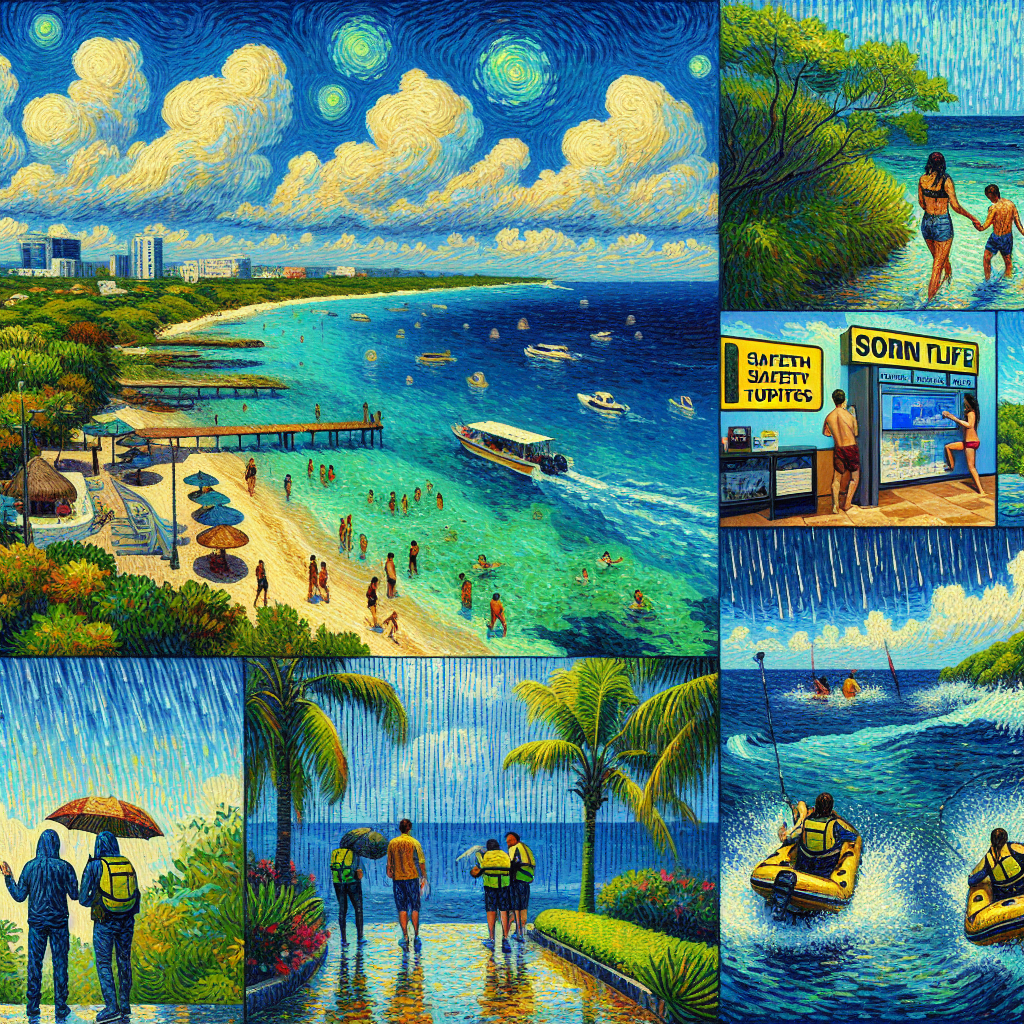
Think of a first-time snorkel like learning to drive a pickup on gravel: awkward, a little scary, but perfectly do-able if you pay attention and listen to the folks who have scraped up the paint. Beaches and reefs can be safe for novices when common sense rides shotgun. The heart wants the bright fish and the silence under blue water. The head needs simple rules that actually work. The gut wants to know you won’t be the one story people tell about getting swept off a sandbar. All three line up with a few steady habits.
Start slow and stay shallow. Wade in waist-deep water until your breathing finds a rhythm and your mask stops fogging. Practice floating on your belly with fins off at first, then add fins once confidence grows. Use a buddy system every time—two people laughing, pointing at strange things, and checking each other’s gear makes the whole thing easier. Local guides and rental shops will point you toward sheltered coves and soft sand entries; the same people will steer you away from nasty current seams and hidden drop-offs. Places like Cozumel earn reputations for a reason, but reputation doesn’t replace being prepared on the day you go.
Respect shows. Treat the reef like somebody’s grandmother’s garden. Don’t touch coral, don’t chase fish, and keep a polite distance from nesting birds or resting turtles. Ethical behavior protects the ocean and keeps beaches open for the next family that wants to feel small under big blue skies. There’s authority in this: decades of hands-on trips teach the small rules that prevent big problems—check your mask strap, clear your snorkel before you breathe, and swap signals with your buddy before you head out.
A short narrative sticks: the first time out, legs felt like jelly and I panicked about a shadow that turned out to be a harmless grouper. A steady exhale, a slow kick back to shore, and a friend’s steady hand were all it took to turn fear into curiosity. That memory is worth more than a dozen cautious books.
Join a small group, pick calm mornings, and build confidence one breath at a time. Beaches and reefs welcome novices who come humble, prepared, and curious. The ocean rewards respect and patience, and a handful of good choices makes the first plunge into snorkel life a story you’ll tell proud, not sorry.
Are Beaches and Reefs Safe for Snorkeling Novices?
Are Beaches and Reefs Safe for Snorkeling Novices?
- First-time snorkeling is doable with attention, common sense, and listening to experienced people.
- Start slow and stay shallow: wade to waist depth, find a breathing rhythm, practice floating, then add fins as confidence grows.
- Use a buddy system every time—check each other’s gear, share signals, and watch out for one another.
- Rely on local guides and rental shops to find sheltered coves and soft entries and to avoid currents and drop-offs.
- Respect the reef and wildlife: don’t touch coral, don’t chase fish, and keep distance from nesting birds and resting turtles.
- Follow simple habits that prevent problems: check mask straps, clear your snorkel, and agree on signals before heading out.
- Build confidence by joining small groups, choosing calm mornings, staying humble and curious, and learning from hands-on experience.
Are Beaches and Reefs Safe for Snorkeling Novices?
How Reliable Is Emergency Medical Care In Cozumel?
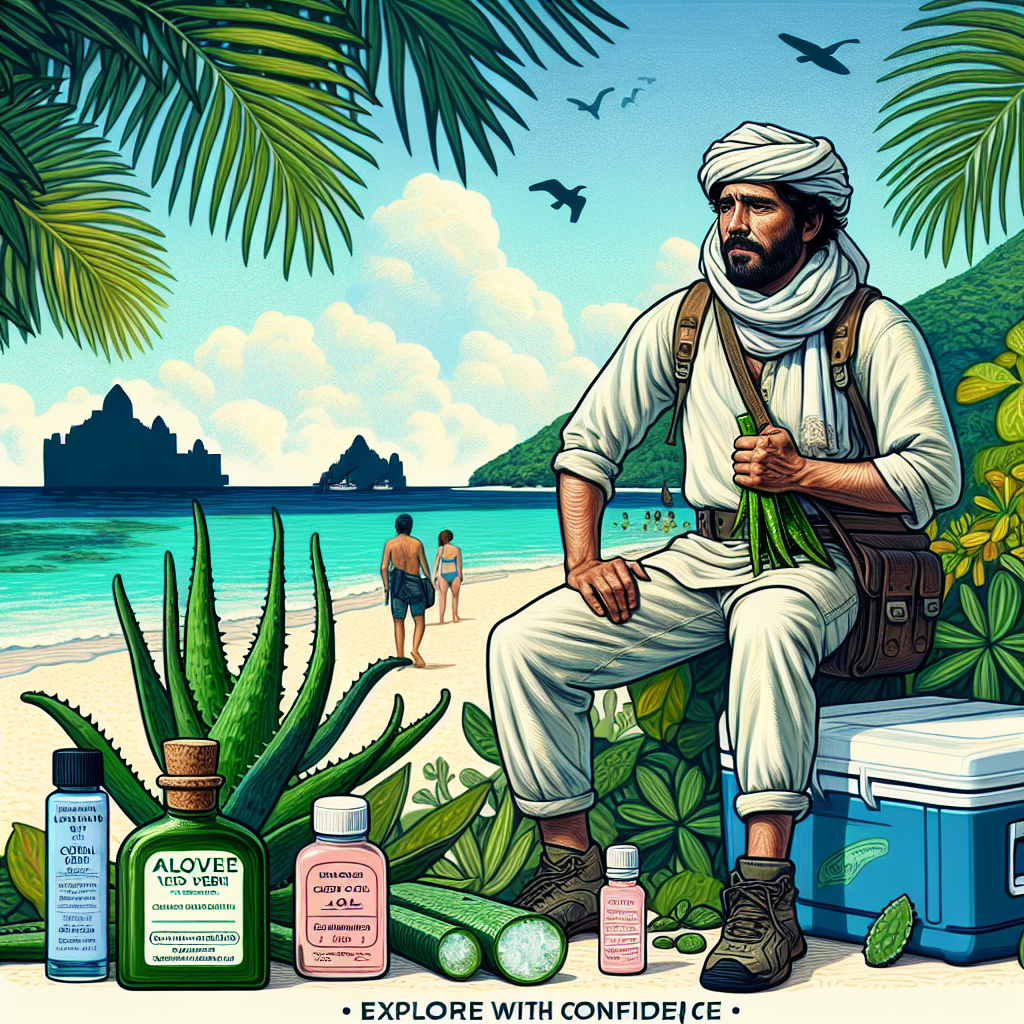
There’s a certain kind of calm that takes over when something goes wrong on an island: people stop pretending everything’s perfect and start doing what needs doing. In Cozumel that calm is backed by real hands-on experience — nurses who’ve seen sunburns turned septic, mechanics turned ambulance drivers, hospital staff who’ve worked through hurricane nights and still showed up the next morning. It’s not glossy marketing talk; it’s the steady work of folks who know the stakes and don’t flinch.
Emotionally, the scene is simple: someone hurts, someone else carries them, and the rest is a neighborhood of strangers becoming family. You’ll see tearful relief more than you’ll hear chest-thumping bravado. That human response matters — it’s the first line of care. People come back from the edge because the people here are invested, not just employed. That investment builds trust quicker than any brochure.
Rationally, the island has a clear chain of care. Small clinics handle the common aches and scrapes; ambulances get you to a bigger emergency room when it’s serious. The professionals working those shifts know island constraints like ferry schedules or gas for generators; they plan around them. Equipment and medication aren’t miracles, but they’re appropriate for the needs most people will face. For things that exceed local capacity, evacuation routes to mainland hospitals are in the background — not a cinematic escape, just practiced logistics.
Ethically, the promise here is simple and old-fashioned: duty before paperwork. Staffers treat locals and visitors with the same urgency. You don’t get fancy promises, you get a commitment — to stabilize, to comfort, to do right by the person in front of them. That ethic keeps people honest and builds community goodwill that, in emergencies, translates to faster help and shared resources.
Authority comes from years, not titles. The people who run emergency shifts have scars you can’t fake and stories that teach better than any manual. Their authority is practical: they know what works at 2 a.m. with limited gear and a worried family waiting by the door.
This is a small-island system with big-hearted professionals. It’s not flawless, and it doesn’t pretend to be. What it is, is reliable in the ways that count — quick response from neighbors and trained staff, practical solutions, and a community that pulls together. In Cozumel, reliability is earned one steady hand at a time.

How Reliable Is Emergency Medical Care In Cozumel?
How Reliable Is Emergency Medical Care In Cozumel?
- Calm replaces pretense on the island; experienced local hands (nurses, mechanics, hospital staff) take practical action when things go wrong.
- Emotional first response is simple and powerful: neighbors and staff become family, offering immediate, invested care that builds trust.
- There is a clear chain of care: small clinics handle minor issues, ambulances transport serious cases to larger emergency rooms, and evacuation routes to the mainland are practiced logistics.
- Staff plan around island constraints (ferry schedules, generator fuel) and maintain equipment and medications appropriate to common local needs.
- An ethic of duty before paperwork prevails: staff treat locals and visitors with the same urgency, focusing on stabilization, comfort, and doing right by the person in front of them.
- Authority is earned through years of hands-on experience and real stories, producing practical know-how for late-night, limited-gear situations.
- The system is not flawless but reliably delivers quick responses, practical solutions, and community cohesion through steady, experienced care.
How Reliable Is Emergency Medical Care In Cozumel?
Do Travel Advisories Warn About Cozumel Right Now?
You’ve got that tug — the ocean calling, the idea of palm trees and a cold drink after a long week. I’ve been that itchy pair of boots, packing and unpacking and listening for news. Travel advisories aren’t bedtime stories or clickbait; they’re the practical bits of information that sit on the dashboard while you plan. When someone says “Cozumel,” a lot of faces go soft because it’s the kind of place that fixes things: great reefs, easy smiles, and a rhythm that soothes whatever’s been wearing on you.
Here’s how to read what matters without letting headlines pull the rug out from under the trip. Advisories come in flavors — some are about crime patterns, some about weather, sometimes they’re simply urging extra caution because a local situation is fluid. The part that earns trust is that these notices are updated, not eternal pronouncements. That means the same notice that made you nervous last month can look different next week. Folks who travel like carpenters measure twice: they watch the advisory for trends and pair it with what’s happening on the ground.
There’s an ethical layer too: locals work hard to make a living off the island — diving instructors, restauranteurs, ferry operators. Treating an advisory as a blunt instrument that cancels everything does real damage to communities trying to keep their heads above water. On the other hand, pretending none of it exists is not integrity either. The sensible move sits in the middle: respect the people who live there and value your own sense of safety.
Trust grows from simple, steady habits: a habit of looking at the source, a habit of listening to common-sense voices who’ve been there, a habit of not letting fear or bravado steer the trip. The social part is real — other travelers and locals will tell you what they see. Together, those observations fill in the blanks the advisory leaves.
If you want confidence, think like someone who fixes engines: know what can fail, have the right tools, and don’t ignore the smell of smoke. That approach gets you to the beach with your feet in the sand and keeps you ready for whatever the day throws at you. Cozumel’s a place that rewards a steady, respectful approach — and when things line up, it becomes the kind of trip you tell others about until they’re packing their bags too.

Do Travel Advisories Warn About Cozumel Right Now?
Do Travel Advisories Warn About Cozumel Right Now?
- The pull to travel — palm trees, reefs, and relaxation — drives the desire to plan a trip to Cozumel.
- Travel advisories are practical, varied (crime, weather, fluid situations), and are regularly updated rather than permanent judgments.
- Watch advisories for trends and combine them with real-time, on-the-ground information before deciding.
- There’s an ethical balance: avoid using advisories to bluntly cancel local livelihoods, but don’t ignore legitimate concerns.
- Build trusting habits: check sources, listen to experienced travelers and locals, and rely on common-sense reporting from people who’ve been there.
- Prepare like someone who fixes engines: know what can fail, carry the right tools, and stay alert to warning signs.
- A steady, respectful approach to Cozumel leads to a rewarding, memorable trip worth recommending to others.

Do Travel Advisories Warn About Cozumel Right Now?
Conclusion
Cozumel isn’t a postcard and it sure as hell isn’t a museum — it’s a working island where salt, sun, and people make a living. That matters. The heart of this place is genuine: vendors who nod, captains who know every swell, and neighbors who notice when someone’s out of step. That human stitch creates a kind of low-key safety you feel before you see a single statistic.
Use your head. Petty theft is the real annoyance, not some lurid headline. Keep wallets in front pockets, carry a zipped crossbody, split cash and cards, and leave passports in the hotel safe. Pick licensed taxis or booked transfers, note plates and IDs, and agree fares up front. When a dive shop or restaurant has a line of regulars, follow that social proof — reputation here is currency. Simple, steady habits remove 90 percent of hassle.
Do the right thing. Treat the island like someone’s backyard: pick up your trash, ask before you photograph, and tip like you mean it. That ethical bit isn’t moralizing — it’s practical. Locals protect their neighborhoods because their livelihoods depend on it. When visitors respect the place, locals give back with advice, watchful eyes, and quicker help when things go sideways.
Listen to authority earned on the job. Guides who check your gear twice, taxi drivers who show up for early ferries, clinic nurses who’ve worked through storms — these are people whose experience matters more than a forum thread. If a guide says conditions are rough, believe them. If a clinic stabilizes and arranges a mainland transfer, it’s because they know the ropes. Trust practical experience.
Don’t let fear drown out enjoyment. Nights along the malecón, a stroll with kids, a cold beer after snorkeling — those are the memories you came for. Walk lit, busy streets, keep valuables discreet, and pick venues with doors and staff who actually look at you. Plan simple nights and use common-sense choreography: early dinner, stroll, short ride back.
Snorkeling novices: start shallow, buddy up, practice breathing, and respect the reef like a neighbor’s garden. Emergencies aren’t flashy but they’re handled — clinics, ambulances, and practiced evacuation paths exist. Advisories tick and change; use them as tools, not as an all-or-nothing verdict.
Cozumel is neither pristine nor perilous. It rewards straightforward, decent trade: show up prepared, pay attention to the people who earn your trust, and treat the place with a little respect. Do that, and you’ll leave with better stories than you brought — sunburned, salt-streaked, and grateful.

Conclusion
Conclusion:
- Cozumel is a working, genuine island where local people create a quiet, observed safety through everyday connections.
- Petty theft is the main nuisance: use practical precautions—front pockets or zipped crossbody, split cash/cards, leave passports in hotel safes, choose licensed taxis or booked transfers, note plates/IDs, and agree fares up front.
- Respect the island: pick up your trash, ask before photographing, and tip meaningfully; locals protect neighborhoods because livelihoods depend on them.
- Trust authority earned on the job—guides, taxi drivers, and clinic staff have experience that matters; heed their judgments about conditions and transfers.
- Enjoy evenings and family time with common sense: stick to lit, busy streets, keep valuables discreet, choose staffed venues, and plan simple nights (early dinner, stroll, short ride back).
- Snorkeling novices should start shallow, buddy up, practice breathing, respect the reef, and treat advisories as changing tools rather than absolutes.
- Show up prepared, pay attention to trusted locals, and treat the place with respect—you’ll leave with better, sun-and-salt-streaked stories.

Conclusion
Other Resources

Other Resources
Reading this from somewhere that isn’t Cozumel? When you do come down, where you stay shapes the whole trip. A few options from our sister sites: Cozumel Journey is an editorial guide to Cozumel — neighborhoods, planning tips, and life on the island for travelers who want context, not a cruise schedule.
Here is a list of other resources you can review online to learn more:
- Playa Mia Water Park
- Novena Ola
- Air Ambulance Worldwide
- San Francisco Beach
- Cozumel Cruise Excursions
- ScubaTony Cozumel
- Cozumel Cruise Port
- El Cozumeleño Beach Resort
- World Nomads
- Capitán Eduardo A. Toledo Airport
- El Muellecito Cantina Marisqueria Cozumel
- Scuba Schools International
- Rainforest Cafe
- Super Taqueria EL PIQUE
- Jersey Mike’s Subs
- Punta Morena
- Cuatro Tacos Cozumel
- The Cheesecake Factory
- cozumeljourney.com
Use This Prompt To Get More Resources With Your Favorite Online AI Tool: Please provide me with a list of online articles with their URLs in a bulleted list that I can read regarding Is Cozumel Mexico Safe for Tourists?

Other Resources
Glossary Terms
Is Cozumel Mexico Safe for Tourists? – Glossary Of Terms
Travel Advisory: Official guidance issued by governments that evaluates safety, security, crime, and health risks for travelers to a destination.
Situational Awareness: The practice of staying alert to surroundings, people, and potential hazards to reduce personal risk.
Common Scams: Typical fraudulent schemes targeting tourists, such as overcharging, fake officials, rigged games, and taxi scams.
Transportation Safety: Considerations and best practices for safely using local transport options including taxis, buses, ferries, and rentals.
Taxi Safety: Factors affecting the safety of taxi travel, including licensing, meter use, agreed fares, and official stands.
Rental Vehicle Safety: Risks and responsibilities associated with renting cars, ATVs, or motorcycles, including insurance and local driving laws.
Scooter/Moped Safety: Specific hazards and protective measures for renting and operating two‑wheeled vehicles, including helmet use and road familiarity.
Road Conditions: Quality of roads, signage, lighting, and traffic patterns that influence driving and pedestrian safety.
Diving and Snorkeling Safety: Protocols and certifications, buddy systems, equipment checks, and awareness of currents and depth limits for underwater activities.
Rip Currents: Powerful, narrow channels of fast-moving water that can pull swimmers away from shore; knowledge of local conditions is essential.
Marine Life Hazards: Potential dangers from animals such as jellyfish, stingrays, and lionfish, and appropriate avoidance behaviors.
Coral Reef Protection: Conservation rules and best practices to avoid damaging fragile reefs while diving or snorkeling.
Reef-Safe Sunscreen: Sunscreen formulations that avoid chemicals harmful to coral and marine ecosystems; often recommended for reef areas.
Diving Certification: Official training credentials (e. g. , PADI, SSI) required or recommended for scuba diving to ensure skills and safety.
Medical Facilities: Availability, capacity, and types of clinics and hospitals on Cozumel for treating injuries, illnesses, and emergencies.
Travel Insurance: Financial protection for medical emergencies, evacuation, trip cancellation, and theft that travelers can purchase before a trip.
Health Precautions: Preventive measures such as vaccinations, medication, and hygiene practices to reduce illness risk while traveling.
Mosquito-Borne Illnesses: Diseases transmitted by mosquitoes in the region (e. g. , dengue, Zika) and related prevention measures such as repellents and nets.
Food and Water Safety: Practices and standards to reduce risk of gastrointestinal illness, including food handling, street food caution, and decisions about drinking water.
Hurricane Season: Period of increased tropical storm and hurricane activity (Atlantic season typically June through November) that can affect travel plans and safety.
Weather Alerts: Official local or national warnings for severe weather, storms, or marine conditions that impact safety and transport.
Night Safety: Considerations for nighttime activities, including well-lit areas, companion travel, official taxis, and avoiding isolated locations.
Alcohol-Related Risks: Increased vulnerability and impaired judgment associated with drinking that can lead to accidents, theft, or harm.
Local Customs: Cultural norms, etiquette, and legal considerations that influence respectful behavior and reduce misunderstandings with residents.

Glossary Of Terms
Other Questions
Is Cozumel Mexico Safe for Tourists? – Other Questions
If you wish to explore and discover more, consider looking for answers to these questions:
- Is Cozumel safe for solo travelers?
- Is it safe for solo female travelers, especially at night?
- Which neighborhoods or areas should visitors avoid?
- How common are violent crimes compared with petty theft or pickpocketing?
- What are the most common tourist scams and how can I avoid them?
- How safe are ferry crossings, docks, and the port area?
- Are official taxis reliable and how can I verify a taxi or driver?
- Are ride-hailing apps available and safe to use on the island?
- Is it safe to rent and drive a car, scooter, or ATV in Cozumel?
- What are the helmet and road-safety norms for scooter/ATV rentals?
- Are ATMs secure or is card skimming a concern?
- Is US dollar or Mexican peso preferred, and where is it safest to exchange money?
- How widely accepted are credit/debit cards and are chip/EMV cards required?
- Are there common issues with credit card fraud or scams at merchants?
- Is tap water safe to drink and what food-safety precautions should I take?
- What vaccinations or health precautions are recommended before travel?
- How good is emergency medical care, where are the nearest hospitals, and what are typical costs?
- How do medical evacuations to the mainland work and should I get evacuation insurance?
- Should I buy travel insurance and what should it cover for Cozumel?
- What are the emergency phone numbers and how responsive are local authorities?
- What precautions reduce the risk of pickpocketing and theft in busy areas?
- Are beaches lifeguarded and how is the beach safety flag system used?
- How dangerous are currents, riptides, or tides for swimmers and snorkelers?
- Are reefs and marine life (jellyfish, stingrays, sharks) a safety concern?
- What rules and best practices protect reefs and marine wildlife, and are there fines for violations?
- How do I choose a reputable dive shop or snorkel operator?
- Can beginners safely snorkel from shore, and what equipment or guided options are recommended?
- Are there language barriers and is English widely spoken among service providers?
- How safe is the nightlife—are there areas with higher alcohol-related incidents?
- Is Cozumel LGBTQ+ friendly and are there any safety considerations for LGBTQ+ travelers?
- How accessible is the island for travelers with disabilities or families with strollers?
- Are stray dogs, cats, or insects (mosquitoes/dengue risk) an issue and how to mitigate risks?
- What should I do if my passport, phone, or valuables are lost or stolen (nearest consulate, reporting steps)?

Other Questions
Haiku
Is Cozumel Mexico Safe for Tourists? – A Haiku
Salt on the boardwalk
Neighbors watch, guides steady hands
Respect keeps us safe

Haiku
Poem
Is Cozumel Mexico Safe for Tourists? – A Poem
Salt on your lips, the ferry’s clack — a nod, a grin, a vendor’s wave;
the island breathes a welcome because its people trade warmth for bread.
Walk light, hands unclenched: families stroll beneath lantern-swinging nights,
children’s laughter folding into salsa, shop lights stitching safe paths home.
Keep your life in front pockets; tuck passports in hotel iron boxes.
Choose marked taxis, note the plate, snap the driver’s badge, agree the fare.
Split cash, zip the crossbody, carry copies of papers on your phone —
small, stubborn habits that turn gut alarm into steady ballast.
Listen to the steady hands: the dive instructor who checks twice,
the waiter who remembers your drink, the cop who points you past a dark block.
Follow their proof — lines at a shop, a crowd clustering round a boat —
reputation is the island’s currency; it pays in safety and good stories.
Treat this place like a neighbor’s yard: don’t trample the reef, don’t snap a face
without asking, pick up your trash, leave the turtles unbothered and proud.
Respect here returns as directions, as smiles, as the kind of help
that shows up at midnight with a flashlight and a steadfast hand.
Start snorkel slow, belly-floating till breath finds rhythm, fins later.
Buddy up, heed the guide, stay where the water cradles not devours.
Be modest in jewelry and cash, walk with purpose, don’t advertise your ease —
thieves hunt for the gleam, not for the quiet traveler who blends.
Cozumel is quieter than big cities’ headlines; violent storms of crime
are rarer here, though petty hands and opportunists exist.
Trust in visible patrols, in shopkeepers who call your name,
in a community that watches its own because their lives depend on yours.
Emergencies bring island calm: nurses who have seen and stayed,
ambulances that know ferry timetables, clinics that stabilize and plan.
For the seams that outstretch local reach, routes to the mainland wait —
practical readiness, not miracles, but steady care where it matters.
Watch advisories like weather: updated, useful, not a verdict.
Measure twice, listen local, balance caution with the fact
that livelihoods hinge on visitors who behave with simple decency.
Come prepared, heed the cues, let common sense lead the way.
You will leave with a grilled fish and a story, a friend who steadied your hand,
a sunset photograph, a lesson learned and laughter in the mix.
Cozumel offers no riskless promise — only an island shaped by people
who welcome respect, reward care, and keep the night walkable and kind.

Poem
Checklist
Is Cozumel Mexico Safe for Tourists? – A Checklist
Before You Go
✓ Make photocopies/photos of passport, IDs, and cards; store originals safely ________
✓ Split cash/cards into two stashes ________
✓ Save key contacts in phone: lodging, airline, tour operators ________
✓ Enable phone passcode and find-my-device ________
✓ Check current travel and weather advisories a week out and again before departure ________
Arrival & Getting Around
✓ Use licensed taxis or reputable ride apps ________
✓ Confirm fare before entering non-metered taxis ________
✓ Note vehicle number, license plate, and driver ID; snap a quick photo ________
✓ Stick to lit, populated streets at night ________
✓ Ask hotel staff for the safest walking routes and blocks to avoid after dark ________
Daytime Habits
✓ Keep wallets/phones in front pockets or zipped interior pockets ________
✓ Do not display expensive jewelry, cameras, or large cash ________
✓ Use hotel safe for passports and extras ________
✓ Choose busy, well-reviewed operators (steady lines, other tourists visible) ________
✓ Take and keep receipts for tours, rentals, and purchases ________
Night Walks & Family Evenings
✓ Plan a simple route: dinner → malecón stroll → snack → ride back ________
✓ Stay where it’s lit, lively, and clearly staffed ________
✓ Carry one secure bag; keep it in front and zipped ________
✓ Arrange return taxi through your hotel/restaurant ________
✓ Trust instincts; change venues if the vibe shifts ________
Taxis & Transfers
✓ Look for official markings and posted rates ________
✓ Verify pickup by name/booking confirmation ________
✓ Share your ride details with your travel companion or lodging ________
✓ Sit where you can see the ID badge and meter (if applicable) ________
✓ Tip fairly and keep small bills handy ________
Pocket & Bag Security
✓ Front pocket for wallet/phone; avoid back pockets ________
✓ Use a crossbody bag with zippers; clip zippers with a small carabiner ________
✓ Keep only what you need for the day; leave backups locked up ________
✓ Use simple group signals (tap/nod) to say “heads up” ________
✓ Report any incident promptly to police and your lodging ________
Reading Trust Cues (Social Proof)
✓ Favor businesses with visible reputation and repeat customers ________
✓ Notice staff behaviors: gear checks, clear prices, printed receipts ________
✓ Heed local advice on conditions, routes, and timing ________
✓ Watch how families and other travelers move; follow that flow ________
✓ Choose places where staff meet your eyes and communicate clearly ________
Snorkeling for Novices
✓ Pick calm mornings and sheltered entries ________
✓ Start shallow; practice breathing and clearing your snorkel ________
✓ Use the buddy system every time ________
✓ Add fins only after you’re comfortable floating and breathing ________
✓ Exit if currents pick up or visibility drops ________
Beach & Reef Etiquette
✓ Do not touch or stand on coral; avoid chasing wildlife ________
✓ Keep a respectful distance from turtles and nesting birds ________
✓ Secure reef-safe sunscreen; apply well before entering water ________
✓ Pack out all trash; leave beaches cleaner than you found them ________
✓ Ask before photographing people, homes, or businesses ________
Buying, Dining, and Tours
✓ Confirm what’s included before paying (gear, time, tips) ________
✓ Check equipment fit and condition before leaving the shop ________
✓ Keep a small cash reserve for tips and taxis ________
✓ Support local operators and family-run spots with good word-of-mouth ________
✓ Keep receipts for rentals/deposits ________
Respect & Community
✓ Greet shopkeepers and staff; learn a few polite phrases ________
✓ Mind noise late at night; treat neighborhoods like someone’s backyard ________
✓ Tip drivers, guides, and waitstaff appropriately ________
✓ Follow posted rules at docks, beaches, and parks ________
✓ Offer help or information to fellow travelers when appropriate ________
Emergency Readiness
✓ Save local emergency number: 911 ________
✓ Know your hotel name and address; keep it written in your wallet/phone ________
✓ Identify the nearest clinic/hospital to your lodging ________
✓ Keep essential meds and a basic first-aid kit in your day bag ________
✓ Contact hotel staff immediately for assistance if something goes wrong ________
Advisories & Common Sense
✓ Recheck official advisories for updates, not headlines ________
✓ Pair advisories with on-the-ground input from your host/operator ________
✓ Avoid overreacting or ignoring cautions; adjust plans, don’t panic ________
✓ Choose visibility over flash in all settings ________
✓ Let respect, preparation, and local guidance lead your decisions ________

Checklist
At TopCozumelNews, we help travelers enjoy Cozumel by collating information learned from frequently traveling to beautiful Cozumel.
Be sure to read our other related stories at TopCozumelNews to learn more about the Island of Cozumel.