Uncovering The Magic Of San Gervasio: A Comparative Journey
By Tom Seest
At TopCozumelNews, we help travelers enjoy Cozumel by collating information learned from frequently traveling to beautiful Cozumel.
Be sure to read our other related stories at TopCozumelNews to learn more about the Island of Cozumel.
How Does the Cozumel Natural Feature San Gervasio Compare to Other Cozumel Attractions?
Nestled in the heart of Cozumel, San Gervasio emerges not just as an archaeological site, but as a testament to the island’s rich tapestry of history and culture. While the bustling beaches and vibrant coral reefs lure many with their shimmering allure, the whispers of San Gervasio call out from the forest, inviting visitors to connect with a deeper narrative. This isn’t merely about picturesque views; it’s about standing on sacred ground, where the Mayans once trod, worshipped, and celebrated life.
When you stroll through the remnants of this ancient city, you’re not just looking at stone—you’re feeling the pulse of a civilization that thrived at their zenith. The very rocks underfoot have witnessed ceremonies dedicated to goddess Ix Chel, and here, history reveals itself in layers, connecting you to the past in a way that sunbathing on a beach simply can’t replicate. Your heart swells with empathy as you imagine life here centuries ago, a stark contrast to the Instagram-ready spots that dominate the tourist landscape.
From a rational standpoint, what sets San Gervasio apart is the educational value packed into every crumbling wall and pathway. You can’t help but appreciate the careful preservation of this site, which stands as a commitment to remembering and honoring the complexities of Mayan culture. It’s a stark reminder of our shared human experience—the rise and fall of great societies that teach us about resilience, community, and the passage of time.
Moreover, visiting San Gervasio fosters a sense of ethical travel. By choosing to experience this natural feature over more commercial attractions, you’re not just soaking up the sun; you’re making a conscious decision to support sustainable tourism and preservation efforts. Each ticket sold brings you one step closer to ensuring that this valuable piece of history endures for future generations.
In a world increasingly inclined towards fleeting experiences, San Gervasio offers depth. It invites you to reflect on your own journey while fostering connections with fellow travelers who share your curiosity. As you wander through this evocative space, you’ll find that the shared stories of past and present create a bond—one grounded in a collective appreciation for all that is meaningful. So next time you’re planning your Cozumel adventure, consider trading one sun-soaked hour for a stroll through history. It’s a decision that could inspire not just awe, but also a deeper connection to the place you’re exploring and to the parts of yourself that trust in the power of experience.

How Does the Cozumel Natural Feature San Gervasio Compare to Other Cozumel Attractions?
How Does the Cozumel Natural Feature San Gervasio Compare to Other Cozumel Attractions?
- San Gervasio, located in Cozumel, is an archaeological site with deep historical and cultural significance.
- Unlike the popular beaches and coral reefs, San Gervasio invites visitors to connect with Mayan history.
- The site is a sacred ground where the Mayans worshipped and celebrated, connecting visitors to their past.
- Each stone and pathway at San Gervasio holds educational value, showcasing the complexities of Mayan culture.
- Visiting contributes to sustainable tourism and preservation, supporting efforts to maintain the site for future generations.
- San Gervasio offers a profound alternative to superficial tourist experiences, encouraging reflection and meaningful connections.
- Choosing to explore San Gervasio can inspire a deeper appreciation for history and personal experiences during travel.

How Does the Cozumel Natural Feature San Gervasio Compare to Other Cozumel Attractions?
Table Of Contents
- How Does the Cozumel Natural Feature San Gervasio Compare to Other Cozumel Attractions?
- What Unique Stories Does San Gervasio Hold for Its Visitors?
- How Does the History Of San Gervasio Connect with Modern Cozumel?
- What Ethical Responsibilities Do We Have In Preserving San Gervasio?
- How Can Visiting San Gervasio Impact Your Understanding Of Culture?
- What Are the Emotional Connections Visitors Feel At San Gervasio?
- How Does the Experience At San Gervasio Differ From Other Attractions?
- What Role Does Local Wildlife Play In the Allure Of San Gervasio?
- Conclusion
- Other Resources
- Glossary Of Terms
- Other Questions
- Haiku
- Poem
- Checklist
What Unique Stories Does San Gervasio Hold for Its Visitors?
San Gervasio, nestled on the picturesque island of Cozumel, isn’t just an archaeological site; it’s a living testament to the rich tapestry of human experience. Imagine walking through a place where time seems to pause, echoing with the whispers of Maya ancestors who once worshipped the goddess of love and fertility, Ix Chel. Each stone, each crumbling wall, tells a story that goes beyond history books; it ignites a connection to our shared human quest for purpose, love, and community.
Visitors to San Gervasio find more than just ancient ruins; they encounter the very essence of reverence. Imagine standing within the sacred circles where rituals once took place, feeling an electric connection to those who sought guidance and strength from the divine. This is a site that invites reflection, a moment to pause and consider the beliefs that have shaped lives for generations. It isn’t so much about the past as it is about sparking a dialogue between the ages. Why did they come here? What did this space mean to them?
As you wander, the rational side of your brain can’t help but get drawn in. Here’s a place where archaeology and anthropology converge, with guides sharing insights that ground your visit in facts—pottery shards, ancient tools, and inscriptions that provide a window into a civilization that thrived long before the arrival of Europeans. You leave with more than just vacation snapshots; you gain knowledge and awareness of the resilience and creativity of the human spirit.
Ethically, visiting San Gervasio encourages responsible tourism. By stepping into this site, you’re actively participating in the preservation of cultural heritage. Your entrance fee helps sustain the efforts to maintain and protect this significant landmark, ensuring future generations can also engage with its stories. It’s a conviction that transcends the individual experience, fostering a sense of community responsibility.
Engaging with San Gervasio is more than a mere visit; it’s an invitation to connect—both with the land and with people who share a profound appreciation for the past. The site fosters a unique bond among visitors, sparking conversations about humanity’s search for meaning, our victories, our failures, and most importantly, our shared journey. So, as you tread the paths of San Gervasio, remember: this is not just a destination but a chapter in a larger story, one that continues to resonate within us all.

What Unique Stories Does San Gervasio Hold for Its Visitors?
What Unique Stories Does San Gervasio Hold for Its Visitors?
- San Gervasio, located on Cozumel, is an archaeological site rich in human history.
- It honors the Maya goddess Ix Chel, symbolizing love and fertility, and connects visitors to the past.
- Visitors can experience sacred spaces where ancient rituals were performed, encouraging personal reflection.
- The site combines archaeology and anthropology, with knowledgeable guides sharing artifacts and insights.
- Tourism at San Gervasio supports the preservation of cultural heritage, ensuring future access to this landmark.
- Engaging with the site fosters a bond among visitors, stimulating conversations about humanity’s search for meaning.
- San Gervasio is not just a destination but a significant part of a larger narrative that continues to impact us today.

What Unique Stories Does San Gervasio Hold for Its Visitors?
How Does the History Of San Gervasio Connect with Modern Cozumel?
The history of San Gervasio is a vibrant thread woven into the rich tapestry of modern Cozumel, revealing a connection that resonates deeply with both locals and visitors. Once the sacred site dedicated to the Mayan goddess of fertility, Ix Chel, San Gervasio beckons those who seek a deeper understanding of the island’s cultural heritage. It’s not just about the ancient ruins; it’s about the pulse of life that continues to beat through Cozumel today.
When you step onto the grounds of San Gervasio, you’re not merely a tourist wandering through stone structures; you’re walking in the footsteps of those who cherished community, worship, and nature. The ethereal beauty of the ancient temples stands testament to a civilization that understood the balance of existence—a balance that modern society often overlooks. Here, history isn’t a dusty relic; it’s a living story, a narrative that invites us to reflect on our own lives. We often find ourselves yearning for meaning, for connection, and San Gervasio offers just that—a bridge from the past to the present.
Imagine local families gathering under the same great sky that watched over their ancestors. Today’s Cozumel is a melting pot of cultures, with every corner echoing the laughter of children, the warmth of shared meals, and the spirit of celebration. This island thrives not only on tourism but on familial ties and community bonds that are as strong as the ancient stones of San Gervasio. Through these connections, modern Cozumel continues to honor the legacy of those who came before, fostering a sense of pride that induces a gut-level recognition of shared humanity.
As we navigate our lives, the ethical responsibility arises to cherish and protect these historical sites. Supporting initiatives that promote cultural education and preservation helps sustain the very essence of Cozumel. Engaging with local businesses, arts, and crafts—each with its roots in this rich history—reinforces the notion that every purchase is a vote for the future of this island.
The narrative of San Gervasio and modern Cozumel invites us to reconsider our relationship with both history and each other. It challenges us to embrace our shared heritage while inspiring trust, confidence, and action toward preserving the enchanting story of this island for generations to come. So, the next time you find yourself in this sun-kissed paradise, remember: you’re not just a visitor; you’re part of a living saga.

How Does the History Of San Gervasio Connect with Modern Cozumel?
How Does the History Of San Gervasio Connect with Modern Cozumel?
- San Gervasio is a significant historical site in Cozumel, once dedicated to the Mayan goddess Ix Chel.
- Visitors to San Gervasio connect with the island’s cultural heritage and the vibrant life that exists today.
- The ancient ruins symbolize a civilization that valued community, worship, and the balance of existence.
- Cozumel is a melting pot of cultures, fostering familial ties and community bonds rooted in a rich history.
- Support for cultural education and preservation initiatives is essential to maintain Cozumel’s heritage.
- Engaging with local businesses and traditions reinforces the community’s connection to its history.
- Visiting San Gervasio is an invitation to reflect on shared humanity and the importance of preserving history.

How Does the History Of San Gervasio Connect with Modern Cozumel?
What Ethical Responsibilities Do We Have In Preserving San Gervasio?
When we think about San Gervasio, nestled in the heart of Cozumel, we’re reminded that it’s more than just a collection of ancient ruins — it’s a testament to generations of human experience, resilience, and culture. Each stone speaks volumes about the sacrifices and achievements of those who walked the land centuries ago. But with the beauty of this heritage comes an urgent responsibility: the responsibility to preserve it for future generations.
Picture this: Families stroll through the serene pathways, fingers tracing the intricate carvings, their children wide-eyed and filled with wonder. But what happens if we turn a blind eye to the needs of this site? Neglecting our stewardship is not just an oversight; it threatens to sever the ties between our past and future. We act as custodians, guarding not only the physical structures but also the stories they tell — stories that bind us together as a community and as a civilization.
Rationally speaking, preserving San Gervasio isn’t merely an ethical duty; it’s an investment in our local economy and cultural identity. Tourists flock to Cozumel, drawn by its rich history and vibrant culture. When we protect our heritage, we bolster our economy through sustainable tourism and educational initiatives while fostering an appreciation for history in young minds. The potential for positive community impact is immense — we can create jobs, boost local businesses, and instill pride in our identity.
You may wonder, why should you, an everyday individual, care about an ancient site? Because what we do, or don’t do, today reverberates tomorrow. Together, we can engage in grassroots initiatives, advocacy, and preservation efforts. Whether that’s volunteering for clean-up days, supporting local preservation funds, or simply sharing the importance of these sites with others — every action counts.
Emotionally, think of the legacy we leave behind. The children of today will need to forge connections with their heritage, and that starts with us. Are we brave enough to lead the charge? Can we be the ones who stand firm against neglect and indifference?
Let’s come together, fueled by a shared sense of purpose. By embracing our ethical responsibilities toward San Gervasio, we can ensure that its stories endure, echoing through time — a chorus of voices united in their commitment to a shared past and a brighter future.

What Ethical Responsibilities Do We Have In Preserving San Gervasio?
What Ethical Responsibilities Do We Have In Preserving San Gervasio?
- San Gervasio in Cozumel represents generations of human experience, resilience, and culture.
- Preservation of the site is crucial for maintaining cultural heritage for future generations.
- Visitors engage with the site, connecting with its intricate history and artistry.
- Neglecting this heritage risks severing ties between the past and future.
- Preserving San Gervasio is beneficial for the local economy and cultural identity through sustainable tourism.
- Community involvement in preservation efforts fosters local pride and connection to history.
- Acting ethically and responsibly ensures that the legacy of San Gervasio endures for future generations.

What Ethical Responsibilities Do We Have In Preserving San Gervasio?
How Can Visiting San Gervasio Impact Your Understanding Of Culture?
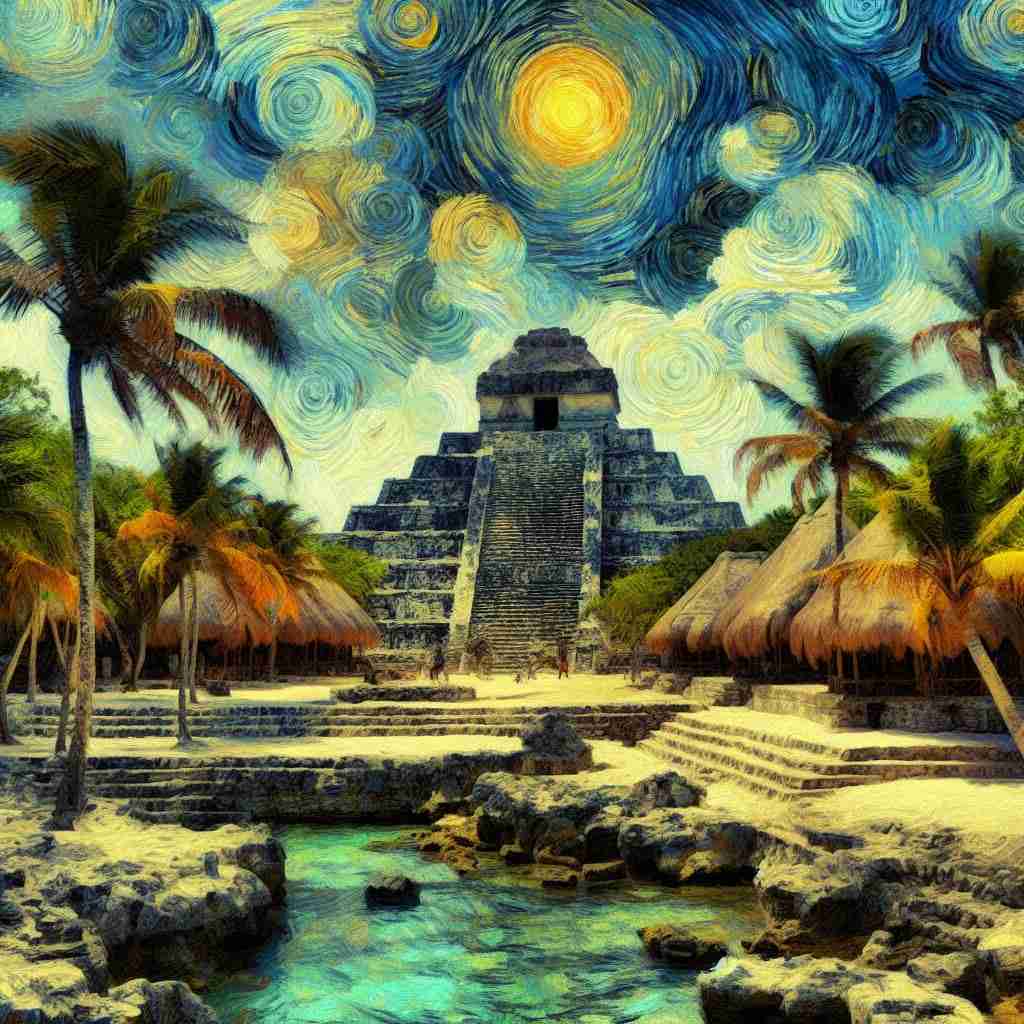
When you step into San Gervasio on the island of Cozumel, you’re not just walking through ancient ruins; you’re traversing a timeline that speaks to the heart, head, and gut of a culture steeped in history. This isn’t a mere collection of stone walls; each stone radiates the stories of the Mayans who once walked this sacred ground, offering you a chance to connect deeply with their rituals, beliefs, and way of life.
Imagine standing in the quiet of the Temple of the Mayan Goddess, hearing the whispers of centuries past. You can almost feel the heartbeat of a civilization that worshipped life, nature, and the connections that bind us all. That’s an emotional experience right there—one that stirs something deep within. It’s not just history; it’s a call to recognize our shared humanity.
But there’s more. San Gervasio serves as a living lesson, inviting you to engage your head. The site showcases not just architecture, but the ingenuity and resilience of a society that thrived in harmony with their environment. As you learn about their agricultural practices, societal structures, and the importance of trade, you begin to appreciate the rationality behind their choices. Why did they build here? What motivated their advances? Understanding the thought processes of the past helps us navigate our own paths today.
Ethically, there’s a sense of responsibility that comes with visiting a site like this. You’re not just an observer; you become part of a narrative that stretches beyond the tourist experience. You’re reminded of the importance of preservation and respect for cultures that laid the groundwork for modern society. Your presence signals a commitment to honoring those who came before us, fostering a relationship with the land and its stories.
The social connection you forge here is palpable. Engage with local guides who share their own heritage; their passion for preserving this space breathes life into your visit. Each interaction deepens your understanding and appreciation of the culture at large. You’ll leave not only with knowledge but also with a network of shared experience and insight.
Visiting San Gervasio is more than sightseeing; it’s a call to act—to cherish, share, and advocate for the stories that connect us across time. Embrace that, and you will walk away forever changed. Your journey in Cozumel can inspire you to cultivate understanding and make mindful connections that last well beyond your trip.

How Can Visiting San Gervasio Impact Your Understanding Of Culture?
How Can Visiting San Gervasio Impact Your Understanding Of Culture?
- San Gervasio represents a historical timeline of Mayan culture, inviting visitors to connect deeply with their rituals and beliefs.
- The Temple of the Mayan Goddess offers a reflective experience that evokes the essence of a civilization that worshipped life and nature.
- The site showcases the ingenuity of the Mayans, highlighting their agricultural practices and societal structures in harmony with their environment.
- Understanding the rationale behind the Mayan choices provides insights that help navigate modern paths and challenges.
- Visitors bear a sense of ethical responsibility to preserve and respect the cultures that paved the way for current society.
- Engaging with local guides enhances the experience, allowing for deeper connections and appreciation of the culture.
- Visiting San Gervasio is a transformative experience, encouraging individuals to advocate for and cherish the stories that unite humanity.
How Can Visiting San Gervasio Impact Your Understanding Of Culture?
What Are the Emotional Connections Visitors Feel At San Gervasio?
The moment you step into San Gervasio, nestled beautifully in Cozumel, you can feel the weight of history pressing gently on your shoulders. This isn’t just a collection of ruins; it’s a portal to a time and a community that worshipped, thrived, and grappled with the same hopes and fears we do today. Visitors often describe a profound emotional connection that transcends the simple act of sightseeing, inviting a sense of belonging and relationship with those who walked these paths centuries ago.
As you wander through the remnants of ancient structures, it’s easy to imagine the life that pulsated through this sanctuary. You can almost hear the echo of ancient prayers rising to the sky, intertwining with the soft rustle of palm fronds. This is a place where the spiritual and the mundane danced in harmony; it pricked the conscience of anyone who dared to ponder the lives and intentions of the Mayans. The stories told by each stone serve as a gentle reminder of our place in the tapestry of humanity — each thread precious, each connection sacred.
What strikes many is the profound respect embedded in the legacy of San Gervasio. Not just a site of archaeological interest, it invites a moral reflection on the stewardship of our world today. As you marvel at the artistry of the ruins, consider what it means to preserve such spaces for future generations. Rooted in the ground beneath your feet is a call to action—a plea to nurture and safeguard our cultural heritage, not only for ourselves but for those who will come long after we are gone.
Whether you’re an avid historian or someone simply drawn by the allure of exploration, the emotional connections you forge here come with an undeniable authenticity. People leave with a shared understanding that we all grapple with the same fundamental questions of love, faith, and existence, no matter when or where we live.
Visitors recall moments of quiet reflection as they pause before the ceremonial center, the heart of this vibrant community. It’s more than just stones and earth; it’s a profound sense of kinship with a collective past that beckons us to appreciate our own lives more deeply. In the shadows of San Gervasio, we are reminded to respect the roots of history while weaving our present into the ever-evolving story of humanity. Embrace that connection, for it is precious, and it stirs the spirit to action—whether it be fostering conservation efforts or simply sharing the stories of those who once thrived here.
What Are the Emotional Connections Visitors Feel At San Gervasio?
What Are the Emotional Connections Visitors Feel At San Gervasio?
- San Gervasio in Cozumel is a historical site that offers a deep emotional connection to the past.
- Visitors experience a sense of belonging, reflecting the lives and hopes of the ancient Mayans.
- The remnants of structures evoke a blend of the spiritual and the mundane, inviting contemplation.
- This site serves as a reminder of the importance of preserving cultural heritage for future generations.
- Visitors leave with a shared understanding of universal human questions about love, faith, and existence.
- Moments of quiet reflection at the ceremonial center enhance the kinship with the collective past.
- The experience encourages respect for history while inspiring action towards conservation and storytelling.

What Are the Emotional Connections Visitors Feel At San Gervasio?
How Does the Experience At San Gervasio Differ From Other Attractions?
When you step into the ancient grounds of San Gervasio, you’re not just walking among the ruins; you’re wading into a story that’s been told for centuries, a story that breathes life into the very air of Cozumel. This isn’t your ordinary tourist attraction, sprouting photo ops and selfie sticks like weeds. San Gervasio invites you into an experience that resonates on a deeper level, tugging at your heart, engaging your head, and stirring your gut.
Picture this: a path lined with rustling leaves, whispering tales of the Mayan civilization, where women once traveled from distant lands to honor the goddess Ix Chel. It’s an emotional allure that reminds you that you’re part of something much larger than yourself. Each step you take reverberates with the weight of history, urging you to reflect on your own journey while connecting with those who walked the same paths millennia ago.
Yet, it’s not just about sentiment; there’s a rational aspect to be found as well. While other attractions might showcase flashy attractions packed with crowds, San Gervasio demands your attention in a different way. The site offers a quieter environment ripe for contemplation. The minimalistic approach serves to sharpen your focus not just on the ruins themselves, but on what they represent: resilience, spirituality, and a profound connection to nature.
Ethically, there’s a responsibility that comes with walking through these sacred spaces. Visiting San Gervasio isn’t merely about soaking up the sun; it’s about honoring the past and showing respect for a culture that has shaped the identity of Cozumel. This appeal to your moral compass fosters an environment where you can truly be a part of history, not just a spectator.
And let’s talk about authority. Guided by knowledgeable locals who are passionate about the heritage of their island, you’ll delve into the authentic narratives woven into the ruins. This isn’t a mere lecture; it’s an intimate sharing of wisdom that fosters mutual respect between the storyteller and the listener.
Finally, there’s the community vibe. As you wander, you’ll likely encounter fellow travelers, each on their own quest for understanding. This shared adventure creates an unspoken bond, a sense of camaraderie that enhances the experience and makes it all the more unforgettable. At San Gervasio, history isn’t just preserved; it’s alive, and it beckons to each one of us in a way that truly captivates the spirit.

How Does the Experience At San Gervasio Differ From Other Attractions?
How Does the Experience At San Gervasio Differ From Other Attractions?
- San Gervasio offers an immersive experience that goes beyond typical tourist attractions.
- The site reflects the profound history of the Mayan civilization, particularly honoring the goddess Ix Chel.
- Visitors are encouraged to reflect on their own journey while connecting with the past.
- San Gervasio provides a serene environment for contemplation, emphasizing resilience and spirituality.
- Visiting involves honoring and respecting the culture that has shaped Cozumel’s identity.
- Knowledgeable local guides share authentic narratives, fostering a connection between the storyteller and the listener.
- The communal atmosphere among travelers creates a sense of camaraderie, enriching the overall experience.
How Does the Experience At San Gervasio Differ From Other Attractions?
What Role Does Local Wildlife Play In the Allure Of San Gervasio?
When you set foot in San Gervasio, you’re not just entering an archaeological site; you’re stepping into a vibrant tapestry woven together by nature and history. The allure of San Gervasio on the island of Cozumel is magnified by the local wildlife, which, quite frankly, can take your breath away. Imagine standing amid ancient ruins and hearing the melodious calls of tropical birds soaring above, or perhaps catching a glimpse of a curious iguana soaking up the sun near the stone pathways. These encounters aren’t mere happenstance; they’re invitations to connect with the land’s essential spirit.
Wildlife serves as a reminder that life thrives here – a dynamic force that has survived through centuries. This connection to the natural world resonates with our hearts. Watching a hummingbird flit from flower to flower, it’s easy to appreciate the delicate balance of existence. Each flutter represents resilience, echoing the very essence of the Mayan culture that flourished here. Allow yourself a moment to consider how these creatures symbolize not just survival, but the very legacy we inherit and share with every living entity around us.
Rationally, the presence of wildlife enhances the ecological significance of San Gervasio. The diverse species you encounter, like the endemic Cozumel raccoon, play vital roles in maintaining local ecosystems. It’s not just a pretty sight; it’s a web of interdependence that fosters a healthy environment, an idea we can all rally behind. By preserving these habitats, we ensure that future generations will enjoy Cozumel’s vibrant sphere too.
Ethically, the protection of these creatures falls upon all of us. Choosing to engage respectfully with wildlife encourages sustainable tourism practices. The local community has guardianship over these natural treasures, and our visitation helps ensure that these eco-systems remain intact. You’re not just a tourist; you’re an ally in the fight to protect this fragile paradise.
Socially, your experiences at San Gervasio tie you not only to the history of the Mayans but to the collective responsibility we have for our planet. Share your stories of encounters with local wildlife; inspire others to appreciate that which connects us all. Every photograph of a colorful bird or the gentle gaze of a deer transforms our understanding of locals’ efforts to preserve their natural heritage.
In witnessing the harmonious dance of nature and history, you’ll leave not only with memories but a deeper understanding of what it means to be part of something larger – a legacy intertwined with every heartbeat of San Gervasio.
What Role Does Local Wildlife Play In the Allure Of San Gervasio?
What Role Does Local Wildlife Play In the Allure Of San Gervasio?
- San Gervasio is more than an archaeological site; it embodies a blend of nature and history.
- The local wildlife, including tropical birds and iguanas, enhances the site’s allure and invites a connection with nature.
- Wildlife represents resilience and mirrors the legacy of the Mayan culture that thrived in the area.
- The presence of diverse species, like the endemic Cozumel raccoon, highlights the ecological significance of San Gervasio.
- Protecting local wildlife is a collective responsibility that supports sustainable tourism and preserves ecosystems.
- Experiences at San Gervasio connect visitors to Mayan history and our shared duty towards the planet.
- Encounters with wildlife foster appreciation and inspire efforts to protect the natural heritage of Cozumel.

What Role Does Local Wildlife Play In the Allure Of San Gervasio?
Conclusion
Visiting San Gervasio isn’t just an excursion into Cozumel’s past; it’s a deeply transformative journey that reaches into the very core of what it means to be human. This archaeological site, rich with the echoes of the Mayan civilization, invites us to tread carefully through its hallowed grounds, each step igniting a palpable connection to those who once thrived here. Unlike the crowded beaches or flashy tourist traps that dominate many travel itineraries, San Gervasio offers something more profound—a chance to engage not just with history, but with a living narrative that resonates within our hearts and minds.
As you wander through the ruins, you can almost hear the whispers of ancient prayers, reminding us that we share timeless stories of hope, struggle, and community with those who walked this land centuries ago. Here at San Gervasio, every stone tells a narrative that urges us to reflect on our own lives and connections. It’s a place that evokes empathy, stirring a sense of respect for the intricate tapestry of human experience that binds us all.
Rationally, there’s much to learn. The site is a testament to the ingenuity of a culture that balanced spirituality with a profound understanding of the environment. These lessons ripple into our contemporary lives, prompting us to consider our own relationship with nature and community. By engaging with local guides, we gain insights that deepen our understanding of not just the Mayan civilization, but also our shared humanity. It’s a reminder that knowledge has the power to foster appreciation and stewardship for our world.
Ethically, visiting San Gervasio carries the weight of responsibility. Each entrance fee contributes to the preservation of this site and the ongoing efforts to protect cultural heritage. When we choose this experience over more commercial attractions, we’re not just travelers—we become conscious participants in a legacy, allies committed to ensuring that future generations can walk these paths and feel those connections.
Moreover, what’s unforgettable here is the bond forged between visitors, creating a sense of community amongst those who share a quest for understanding. In a world often driven by instant gratification, the stories and reflections shared in San Gervasio cultivate a deep appreciation for the journey we all undertake.
So, as you plot your next adventure, consider stepping into the sacred space of San Gervasio. Trade an hour of sunbathing for a deeper connection to history, culture, and each other. The story of this ancient site is still being written, and as part of that narrative, your participation can lead to a richer tapestry of understanding—one that truly resonates within the heart, head, and gut. Embrace the gift of this experience; it’s not just a visit, but a commitment to honoring our shared past and shaping a more mindful future.
Conclusion
Conclusion:
- Visiting San Gervasio offers a transformative journey into the heart of human experience.
- The archaeological site is steeped in the history of the Mayan civilization, providing a profound alternative to typical tourist attractions.
- Wandering through the ruins evokes a connection to ancient stories of hope, struggle, and community.
- San Gervasio serves as a reminder of humanity’s shared experience and respect for cultural heritage.
- Engagement with local guides enriches visitors’ understanding of Mayan culture and our relationship with nature.
- Choosing to visit contributes to the preservation of the site and supports efforts for cultural heritage protection.
- The experience fosters a sense of community and appreciation among visitors while encouraging thoughtful reflection.
Conclusion
Other Resources
Other Resources
Most of the people who read this are also figuring out where to stay. A couple of places we run or know well, in case it’s useful: Cozumel Relaxing is a walled-garden 2-bedroom villa in Gonzalo Guerrero built for slow mornings and long stays. Cozumel Journey is an editorial guide to Cozumel — neighborhoods, planning tips, and life on the island for travelers who want context, not a cruise schedule.
Here is a list of other resources you can review online to learn more:
- Bindiya Cozumel
- TopCozumelNews
- Starbucks
- Cozumel Beach Tours
- Mercado Municipal
- World Nomads
- Cunard
- Cozumel Amazing Tours
- Turquoise Terraza & Beach Club Cozumel
- Cozumel Chef
- Chankanaab Adventure Park Royal Swim
- Casa Tomas Restauante Bar Cozumel
- CDC
- Palancar Reef
- COZ Coffee Roasting Company
- Carnival
- Avis
- Cozumel Scuba Repair
- a walled-garden villa in Gonzalo Guerrero
- cozumeljourney.com
Use This Prompt To Get More Resources With Your Favorite Online AI Tool: Please provide me with a list of online articles with their URLs in a bulleted list that I can read regarding How Does the Cozumel Natural Feature San Gervasio Compare to Other Cozumel Attractions?
Other Resources
Glossary Terms
How Does the Cozumel Natural Feature San Gervasio Compare to Other Cozumel Attractions? – Glossary Of Terms
1. San Gervasio: An archaeological site in Cozumel that was once a significant Mayan ruin dedicated to the goddess Ix Chel.
2. Archaeology: The study of human history and prehistory through excavation and analysis of artifacts, structures, and other cultural remains.
3. Mayan Civilization: An ancient Mesoamerican culture known for its advanced writing, mathematical systems, calendar, and impressive architectural achievements.
4. Ix Chel: The Mayan goddess of love, fertility, and medicine, worshipped at various sites, including San Gervasio.
5. Ecotourism: Responsible travel to natural areas that conserves the environment and improves the well-being of local people while promoting sustainability.
6. Cultural Heritage: The legacy of physical artifacts and intangible attributes of a group or society that are inherited from past generations.
7. Chichen Itza: Another famous archaeological site in Mexico renowned for its large pyramid and extensive Mayan ruins, often compared to San Gervasio.
8. Snorkeling: A popular water activity in Cozumel, allowing tourists to explore marine life near coral reefs.
9. Coral Reefs: Underwater ecosystems characterized by reef-building corals, renowned for their biodiversity and beauty.
10. Cenote: Natural sinkholes formed from the collapse of limestone bedrock, often filled with water and sacred in Mayan culture.
11. Playa del Carmen: A bustling tourist destination on the mainland near Cozumel that offers various attractions, including beaches and nightlife.
12. Mayan Ruins: Historical sites that showcase remnants of ancient Mayan architecture and culture, found throughout Mexico and Central America.
13. Tulum: A well-known coastal Mayan ruin site featuring a cliff-side location and stunning ocean views, visited by many tourists.
14. Cultural Interpretation: The process of explaining the significance of a cultural site, often enhancing visitor understanding and engagement.
15. Eco-Park: A natural area aimed at conservation and recreation, combining adventure activities with educational experiences about the local environment.
16. Wildlife Conservation: The practice of protecting and preserving natural habitats and the species that inhabit them, crucial for sustainability.
17. Reefs: Underwater structures formed by coral, providing habitats for a diverse range of marine life and essential for coastal protection.
18. Sustainable Tourism: Travel that minimizes negative impact on the environment and promotes conservation efforts in tourist destinations.
19. Cultural Tours: Guided activities aimed at educating tourists about the history, traditions, and local customs of a particular area.
20. Mexican Cuisine: A rich and diverse culinary tradition in Mexico, often featured in Cozumel eateries, showcasing local flavors and ingredients.
21. Local Artisans: Craftsmen and artists who produce handmade goods, often reflecting the culture and heritage of the region, available in local markets.
22. Adventure Activities: Thrilling experiences like zip-lining, diving, or deep-sea fishing that attract visitors seeking excitement in Cozumel.
23. Historical Significance: The importance of a site based on its contributions to cultural history, events, or archaeological findings.
24. Visitor Experience: The overall enjoyment and educational value a tourist gains from visiting attractions like San Gervasio.
25. Cultural Exchange: The sharing of cultural ideas, traditions, and experiences between visitors and local populations, enriching both parties.
26. Biodiversity: The variety of life found in a particular ecosystem, important for ecological balance and resilience in regions like Cozumel.
27. Natural Ecosystems: Complex networks of living organisms and their physical environment, crucial for maintaining ecological health.
28. Spiritual Significance: The importance attributed to certain sites or practices due to their connections to beliefs and rituals.
29. Tourism Infrastructure: Facilities and services that support tourism, including hotels, restaurants, and transportation, enhancing the visitor experience.
30. Local Economy: The economic system based on the production and consumption of goods and services within a particular area, heavily influenced by tourism in Cozumel.

Glossary Of Terms
Other Questions
How Does the Cozumel Natural Feature San Gervasio Compare to Other Cozumel Attractions? – Other Questions
If you wish to explore and discover more, consider looking for answers to these questions:
- What are the key features of San Gervasio that make it unique compared to other attractions in Cozumel?
- How can visitors learn about the Mayan culture during their visit to San Gervasio?
- Are there specific rituals or ceremonies that took place at San Gervasio?
- What preservation efforts are currently in place to protect San Gervasio?
- How does the experience at San Gervasio compare to visiting a modern tourist site?
- What can visitors do to support ethical tourism in Cozumel while visiting San Gervasio?
- How does local wildlife contribute to the experience at San Gervasio?
- What are some personal stories or reflections shared by past visitors of San Gervasio?
- How does the history of San Gervasio influence the identity of modern Cozumel?
- Are there guided tours available for San Gervasio and what do they typically include?

Other Questions
Haiku
How Does the Cozumel Natural Feature San Gervasio Compare to Other Cozumel Attractions? – A Haiku
Ancient stones whisper,
Mayan spirits weave through time,
Hearts connect as one.
Haiku
Poem
How Does the Cozumel Natural Feature San Gervasio Compare to Other Cozumel Attractions? – A Poem
In Cozumel’s heart, where echoes sway,
San Gervasio stands, a timeless ballet.
Not mere ruins, but whispers of lore,
Each stone a tale of the Mayans before.
Here, history breathes, alive and aware,
A sacred expanse, inviting our care.
Feel the pulse of a culture once grand,
Where rituals flourished, bound to this land.
Emotions arise in the sun-dappled glade,
As spirits of ancients in silence invade.
With empathy stirred, we reflect and we learn,
Honoring cycles, where respect we must earn.
Rational minds meet wisdom entwined,
In ancient foundations, our struggles aligned.
Lessons of resilience through time’s gentle flow,
Guide our present, teach what we should know.
An ethical journey, we chose to embrace,
To safeguard this treasure, to cherish this place.
Each ticket a promise, a bond to uphold,
To share and preserve what the past has told.
As wildlife flits by, a dance to behold,
Nature’s embrace in the stories retold.
From the hummingbird’s flight to the iguana’s gaze,
We grasp how their lives weave through our days.
Cozumel’s tapestry, vibrant and grand,
Threads of connection tie every hand.
In community’s laughter, in stories we share,
San Gervasio invites us—be present, be aware.
So trade fleeting moments for time that connects,
And wander through history with gratitude’s zest.
For in the heart of this island, so lush and alive,
We’re reminded of truths, where our spirits dive.
Poem
Checklist
How Does the Cozumel Natural Feature San Gervasio Compare to Other Cozumel Attractions? – A Checklist
Cozumel Experience Checklist: Connection at San Gervasio
Emotional Connection
_____ Reflect on your own journey as you walk through ancient ruins.
_____ Take a moment to pause and feel the stories that the land tells.
_____ Engage your senses: listen to the sounds, feel the textures, and observe the wildlife around you.
Rational Understanding
_____ Learn about the Mayan civilization and their practices from knowledgeable local guides.
_____ Appreciate the architectural ingenuity and social structures of the ancient community.
_____ Consider the site’s role in modern sustainable tourism and its impact on local culture.
Ethical Responsibility
_____ Acknowledge your role as a steward of cultural heritage during your visit.
_____ Support preservation efforts through entrance fees and responsible tourism practices.
_____ Engage in conversations about the importance of protecting historical and ecological sites.
Authority and Authenticity
_____ Listen to local guides who share their passion and knowledge about San Gervasio.
_____ Explore resources such as brochures or local literature that deepen your understanding of the site’s significance.
_____ Respect the rules and guidelines set by the site to ensure its preservation.
Narrative and Shared Experience
_____ Share your experiences with other travelers to foster connections and conversations.
_____ Connect with locals to hear their stories and perspectives about the history and significance of San Gervasio.
_____ Document your visit through journaling or photography, highlighting moments of reflection and connection.
Social Engagement
_____ Participate in tours or workshops that encourage interaction with fellow visitors.
_____ Follow and support local initiatives focused on cultural preservation and wildlife protection.
_____ Encourage family and friends to visit and share the stories of San Gervasio to contribute to broader awareness.
Nature and Wildlife Awareness
_____ Observe and appreciate local wildlife; note how it interacts with the ecosystems around the ruins.
_____ Respect wildlife habitats and avoid disrupting natural behaviors.
_____ Consider the ecological significance of the wildlife seen during your visit and share your insights with others.
Use this checklist as a guide to enrich your experience at San Gervasio and deepen your connections to both history and nature.

Checklist
At TopCozumelNews, we help travelers enjoy Cozumel by collating information learned from frequently traveling to beautiful Cozumel.
Be sure to read our other related stories at TopCozumelNews to learn more about the Island of Cozumel.