Preserving Paradise: Cozumel’s Bold Battle Against Coral Bleaching
By Tom Seest
At TopCozumelNews, we help travelers enjoy Cozumel by collating information learned from frequently traveling to beautiful Cozumel.
Be sure to read our other related stories at TopCozumelNews to learn more about the Island of Cozumel.
How Is Cozumel Fighting Coral Bleaching?
Cozumel, a jewel of the Caribbean, is facing a silent crisis beneath its shimmering waves. Coral bleaching, a consequence of rising ocean temperatures and pollution, threatens the vibrant underwater metropolis that draws thousands each year. But Cozumel isn’t sitting idly by; the community is rolling up its sleeves, inviting us all to be part of the solution.
Imagine standing ankle-deep in crystal-clear waters, mesmerized by coral reefs that dance with life. Now, picture those same reefs stark, bleached, and lifeless. It’s a gut-wrenching sight that stirs a deep desire to protect this underwater sanctuary. This longing isn’t just the emotional appeal of beauty lost; it’s rooted in something far deeper—a responsibility to preserve a fragile ecosystem that sustains both marine life and local livelihoods.
Cozumel’s strategy combines innovation with tradition, weaving a narrative that speaks to the heart of conservation. Local dive shops and conservationists engage tourists in coral restoration projects, providing hands-on opportunities to plant new coral baby fragments—an effort almost poetic in its simplicity. Imagine tourists, immersed in wonder, becoming stewards of the ocean, actively contributing to its revival with every piece of reef they nurture. It’s an experience that connects the visitor not just to nature, but to the very essence of Cozumel’s heritage.
Yet, it’s not just about individual action; it’s a collective call to arms. By fostering partnerships with environmental organizations, Cozumel is bolstering its efforts with expert guidance. These initiatives offer not only hope but are grounded in scientific research, a rational backbone that adds considerable authority to their methods. Community-driven monitoring programs keep a vigilant eye on coral health, allowing for timely action that addresses the threats head-on. When residents and tourists unite with a shared purpose, it fosters a unique social bond that transcends barriers, forging a community driven by mutual respect and recognition of our ties to the ocean.
In the heart of Cozumel, amidst the vibrant colors of the reefs, a crucial truth emerges: every small action leads to big changes. Each person who contributes to this noble cause fosters not just coral growth but strengthens a legacy of stewardship. Together, we can ensure that Cozumel’s underwater paradise continues to thrive for generations to come. Let’s dive in and be part of this vital legacy—because the ocean’s story is our story, too.

How Is Cozumel Fighting Coral Bleaching?
How Is Cozumel Fighting Coral Bleaching?
- Cozumel faces a crisis with coral bleaching due to rising ocean temperatures and pollution.
- The local community is actively working on solutions to protect the coral reefs.
- Tourists are invited to participate in coral restoration projects, helping to plant coral fragments.
- This initiative connects visitors to nature and the cultural heritage of Cozumel.
- Cozumel fosters partnerships with environmental organizations for expert guidance and support.
- Community monitoring programs help track coral health and inform timely actions.
- Collective efforts highlight the importance of individual actions in preserving the ocean’s ecosystem.

How Is Cozumel Fighting Coral Bleaching?
Table Of Contents
- How Is Cozumel Fighting Coral Bleaching?
- What Innovative Methods Is Cozumel Using To Restore Damaged Reefs?
- How Does Coral Bleaching Affect The Economy And Tourism On The Island?
- What Role Do Scientists Play In Combating Coral Bleaching In Cozumel?
- How Can Tourists Help Support Coral Recovery During Their Visit?
- What Ethical Responsibilities Do We Hold To Protect Marine Ecosystems?
- How Does Climate Change Contribute To Coral Bleaching In Cozumel?
- How Can Education Raise Awareness About The Importance Of Coral Reefs?
- Conclusion
- Other Resources
- Glossary Of Terms
- Other Questions
- Haiku
- Poem
- Checklist
What Innovative Methods Is Cozumel Using To Restore Damaged Reefs?
Cozumel, a gem of the Caribbean, finds itself in a race against time to revive its once-vibrant reefs, the very pulse of its marine ecosystem. When you dive into these waters, you’re not just witnessing ocean life; you’re stepping into a story of resilience and commitment. The local community recognizes that these reefs are not merely natural wonders; they are the lifeblood of their culture, economy, and identity.
In their quest for restoration, Cozumel is turning towards innovative methods that blend scientific ingenuity with heartfelt local traditions. One shining example is the use of coral nurseries, where fragments of coral are nurtured in shallow waters until they’re robust enough to be transplanted onto damaged reefs. This isn’t just a mechanical process; it’s a labor of love, involving local divers and volunteers who spend countless hours under the sun, tending to these fragile creatures. Each coral piece planted is a testament to commitment and hope, symbolizing a brighter future for an ecosystem that gives so much back.
Moreover, Cozumel is harnessing the power of technology to track the health of its reefs. Using drones and underwater mapping, scientists can observe coral growth and resilience in real-time. This approach not only ensures that restoration efforts are effectively targeted, but also builds a bridge between modern science and tradition. The community gathers around this data, fostering a shared sense of responsibility and connection. When the people of Cozumel see the fruits of their labor—healthy coral flourishing—they experience a profound sense of pride, knowing they are caretakers of one of the richest underwater habitats on Earth.
With every passing storm, the urgency of action becomes palpable. The local government is not only advocating for sustainable tourism practices but also educating visitors on how they can contribute to conservation efforts. It’s a clarion call for support—a reminder that every snorkeler can be a steward of the sea, making conscious choices that benefit both the reefs and the communities that rely on them.
Together, through heart, head, and gut, Cozumel champions a noble fight to restore its underwater paradise. The journey is long, but with every effort, the message rings clear: these vibrant reefs are worth saving, and Cozumel stands united in their cause. Join the movement, dive in, and become part of this incredible narrative of hope and resilience.

What Innovative Methods Is Cozumel Using To Restore Damaged Reefs?
What Innovative Methods Is Cozumel Using To Restore Damaged Reefs?
- Cozumel is working to restore its vibrant reefs, essential to its marine ecosystem.
- The local community values the reefs as crucial to their culture, economy, and identity.
- Innovative restoration methods include coral nurseries that nurture fragments of coral for replanting.
- Local divers and volunteers actively participate in the restoration process, reflecting commitment and hope.
- Technology, such as drones and underwater mapping, is used to monitor reef health and guide restoration efforts.
- The local government promotes sustainable tourism and educates visitors on conservation efforts.
- Cozumel unites in the mission to save its reefs, inviting everyone to join in this journey of hope and resilience.

What Innovative Methods Is Cozumel Using To Restore Damaged Reefs?
How Does Coral Bleaching Affect The Economy And Tourism On The Island?
Coral bleaching on the island of Cozumel isn’t just an environmental catastrophe; it hits straight at the heart of the local economy and the tourism that sustains it. Imagine a vibrant underwater paradise, teeming with colorful fish and stunning coral reefs, drawing visitors from across the globe. This dynamic ecosystem is not just a canvas of beauty; it’s a lifeline for local businesses, from dive shops to eateries. When the corals bleach and the marine life dwindles, the impact reverberates throughout the community.
Tourists flock to Cozumel not just for its beaches but for the chance to experience world-class snorkeling and diving in a living coral garden. The stark reality is that when the reefs are damaged, we lose more than just a breathtaking vista; we lose the very essence of what draws people to this island. An estimated 68% of Cozumel’s economy is linked to tourism, and when the reefs suffer, businesses face the threat of decline. As tourists seek out other destinations with healthy ecosystems, the ripple effect can lead to job losses and diminished community vitality.
The emotional weight of this issue is palpable. Picture a dive instructor, who has spent years sharing the wonders of Cozumel’s underwater environments with eager visitors. When coral bleaching happens, their livelihood is at stake. Families depend on these experiences, not just for income, but for the very fabric of their community. This isn’t merely an economic statistic; it’s the reality of people whose lives are intertwined with the fate of the reef.
And yet, we have the power to act. Protecting coral reefs is not just an environmental responsibility; it’s an ethical duty to future generations. Sustainable tourism practices can help safeguard these precious ecosystems while allowing local economies to thrive. By collaborating with local businesses, supporting conservation initiatives, and opting for eco-friendly choices, we can foster a deeper connection between visitors and this fragile paradise.
As individuals, we wield the power of choice. When we choose to dive deeper into knowledge and action, we can change the course of Cozumel’s future. Together, we can ensure that this island continues to be a beacon of beauty, vibrancy, and life—not just for the corals, but for the community and economy that depend on them. This is a call to embrace our role as stewards of the ocean, where every decision echoes not just in our hearts but also in the thriving pulse of a vibrant island.

How Does Coral Bleaching Affect The Economy And Tourism On The Island?
How Does Coral Bleaching Affect The Economy And Tourism On The Island?
- Coral bleaching in Cozumel poses a significant threat to the local economy and tourism.
- The island’s vibrant underwater ecosystem attracts tourists for snorkeling and diving experiences.
- 68% of Cozumel’s economy is tied to tourism, making it vulnerable to reef damage.
- When reefs suffer, local businesses may decline, resulting in job losses and community deterioration.
- Dive instructors and families rely on tourism for their livelihoods, highlighting the personal impact of environmental issues.
- Protecting coral reefs is an ethical duty to future generations and can be achieved through sustainable tourism practices.
- Individual choices and actions can influence the preservation of Cozumel’s ecosystem and community vitality.

How Does Coral Bleaching Affect The Economy And Tourism On The Island?
What Role Do Scientists Play In Combating Coral Bleaching In Cozumel?
Cozumel is not just a vacation spot; it’s an intricate tapestry of life, woven together by coral reefs that serve as the heartbeat of our ocean ecosystem. When you walk along its sandy shores or dive into its vibrant underwater world, you’re witnessing a delicate balance—a sanctuary that provides shelter for countless species and sustains the livelihoods of local communities. Yet, this paradise faces an existential threat: coral bleaching. In the face of rising ocean temperatures and climate change, scientists have stepped into the fray, donning their metaphorical wetsuits to confront this urgent crisis.
These marine warriors—biologists, ecologists, and conservationists—approach the challenge with a blend of rigorous research and passionate dedication. They are the detectives of the sea, meticulously gathering data on coral health and behavior, studying the phenomena that lead to bleaching, and seeking innovative solutions. Their labs are filled with vibrant samples of coral polyps, and their field studies dive deep into the waters of Cozumel, collecting essential information that helps inform conservation efforts. The knowledge they gather doesn’t just remain behind closed doors; it transforms into actionable strategies that local authorities and organizations can deploy.
But the emotional pull is stronger than any dataset. Picture a local fisherman, spending his days casting nets in azure waters, knowing that his family’s future hinges on the health of the reefs. As scientists collaborate with local communities, they empower these fishermen with knowledge and resources. This relationship fosters a sense of stewardship; people become guardians of the environment rather than passive observers. The tide shifts when everyone feels they have a stake in preserving Cozumel’s underwater wonders.
Above all, these scientists stand as symbols of hope. They serve as reminders that we are not just passive recipients of a fragile world but active participants capable of making a difference. Their work is grounded not only in scientific authority but in ethical responsibility—we have an obligation to ensure that generations to come can enjoy the same beauty and bounty that we often take for granted.
So, as you plan your next trip to Cozumel, remember the faces behind the research: the scientists working tirelessly to protect this vibrant ecosystem. Engage with them, support their initiatives, and ultimately, take part in a larger narrative—one where we all play a role in safeguarding the lush, blue expanses that connect us through love, purpose, and a shared future.

What Role Do Scientists Play In Combating Coral Bleaching In Cozumel?
What Role Do Scientists Play In Combating Coral Bleaching In Cozumel?
- Cozumel is more than a vacation destination; it is a vital ecosystem centered around coral reefs.
- Coral reefs are threatened by coral bleaching due to rising ocean temperatures and climate change.
- Scientists, including biologists and ecologists, gather data on coral health and study bleaching phenomena.
- Their research informs conservation efforts and leads to actionable strategies for local authorities.
- Collaboration with local communities empowers fishermen to take an active role in environmental stewardship.
- Scientists serve as symbols of hope, emphasizing the responsibility to protect the environment for future generations.
- Visitors to Cozumel are encouraged to support scientists and engage in the conservation narrative.
What Role Do Scientists Play In Combating Coral Bleaching In Cozumel?
How Can Tourists Help Support Coral Recovery During Their Visit?
When you set foot on the sun-kissed shores of Cozumel, you’re not just entering a vacation paradise; you’re stepping into a vibrant marine community that needs your help. Coral reefs, the underwater jungles of the ocean, are in trouble. But as a visiting tourist, your choices can make a significant difference.
Picture this: You’re snorkeling over a dazzling reef, surrounded by a kaleidoscope of colors and marine life. It’s breathtaking, but what you don’t see are the miles of corals suffering from bleaching, pollution, and destruction. Each time you visit a dive site or step into the water, you have the power to protect this extraordinary ecosystem. Choose sustainable tour operators who prioritize reef conservation. Look for certifications that guarantee they adhere to eco-friendly practices.
Let’s be rational for a moment. Healthy reefs are not just beautiful; they are essential for the local economy. They support fishing, tourism, and livelihoods of countless families. By supporting eco-conscious businesses, you’re not only ensuring your own memorable experience but also contributing to the financial well-being of the community. It’s a win-win—your joy fuels local prosperity, and that’s a powerful motivator.
Anyone with a heart can appreciate the ethics behind protecting coral reefs. Think of the vivid stories you’ll tell when you return home: tales of diverse marine life, families of clownfish peeking out from their homes, and turtles gliding gracefully between the corals. Be the traveler who appreciates and respects these wonders, rather than one who leaves behind destruction. Following simple guidelines—like not touching the corals, using reef-safe sunscreen, and sticking to marked paths—can have a profound impact.
Now, let’s connect on a social level. When you share your experiences online, you inspire others to think twice about their impact. Create a ripple effect: hashtag your adventures with a message of conservation and encourage your friends to embark on clean reef expeditions. Your actions inspire others in your circle to act responsibly and raise awareness about this crucial cause.
In Cozumel, every underwater breath you take is an opportunity to protect the vibrant life below you. Engage fully in your surroundings; become a steward for the reefs. Your choices make waves, rippling through time and underwater lives. Be the change that ensures the beauty of coral reefs endures generations beyond your visit. Let’s dive into a future where these underwater cities flourish, one thoughtful action at a time.
How Can Tourists Help Support Coral Recovery During Their Visit?
How Can Tourists Help Support Coral Recovery During Their Visit?
- Cozumel is a vibrant marine community that faces challenges, particularly with coral reefs in peril due to bleaching, pollution, and destruction.
- Tourists can make a significant impact by choosing sustainable tour operators that prioritize reef conservation and have eco-friendly certifications.
- Healthy reefs enhance the local economy by supporting fishing, tourism, and family livelihoods, creating a win-win situation for tourists and the community.
- Respecting coral reefs can elevate your travel experience, as you witness diverse marine life and unique underwater stories.
- Follow simple guidelines like avoiding contact with corals, using reef-safe sunscreen, and sticking to marked paths to protect the ecosystem.
- Share your eco-conscious travel experiences online to inspire others, creating a ripple effect of awareness and responsibility.
- Engage with your surroundings and commit to actions that protect coral reefs for future generations, ensuring their beauty endures.

How Can Tourists Help Support Coral Recovery During Their Visit?
What Ethical Responsibilities Do We Hold To Protect Marine Ecosystems?
When you dive beneath the shimmering surface of Cozumel’s waters, you enter an alien world thriving with life. It’s a vibrant tapestry of coral reefs, a sanctuary for countless fish and creatures that rely on these ecosystems for survival. But take a moment to think: what ethical responsibilities do we hold to protect these marine wonders? That’s right, this isn’t just about conservation, but rather a moral imperative that speaks to our shared humanity.
First, let’s appeal to the heart. Imagine the beauty of a child’s eyes lighting up as they watch a clownfish dart among colorful anemones. These experiences are fleeting and precious, yet they become catalysts for a deeper connection to our planet. By preserving marine ecosystems, we’re not just safeguarding biodiversity; we’re ensuring future generations can share in this awe and wonder, forming their own cherished memories tied to the ocean.
Now, let’s turn to the head. The reality is that healthy marine ecosystems are intricately linked to our own survival. Oceans absorb carbon, regulate our climate, and provide food for millions. Every fish you pull from the sea, every breath you take, is part of a delicate balance that, if tipped, can lead to catastrophic consequences. Science backs this up—time and again, we’ve seen what happens when ecosystems are disrupted: fisheries collapse, water quality deteriorates, and entire communities face economic ruin. This should spark not only concern but action.
Ethically, we must recognize that stewardship is our duty. We hold the authority to act, to influence policies, and to educate others. This isn’t solely a scientist’s or an activist’s job—it falls on all of us. The moment we stand idly by, we undermine the trust placed in us as caretakers of this planet.
Furthermore, this journey is inherently social. When we engage in conversations about marine conservation, we spark a movement. Each small action—whether it’s reducing plastic use or advocating for sustainable fishing practices—bears the potential to ripple outward, igniting change in our communities. We’ve all got a stake in this narrative; when we share our experiences and challenges, we foster an understanding that empowers collective action.
So let’s dive in together—not just to explore a breathtaking underwater realm, but to protect it with the vigor and passion it so rightfully deserves. Cozumel’s vibrant life hangs in the balance, and so does our legacy. The time to act is now, and every small choice matters. Together, we can ensure the ocean remains a source of wonder and life for generations to come.

What Ethical Responsibilities Do We Hold To Protect Marine Ecosystems?
What Ethical Responsibilities Do We Hold To Protect Marine Ecosystems?
- Cozumel’s waters host diverse marine life, thriving coral reefs, and ecosystems vital for survival.
- Preserving these ecosystems not only safeguards biodiversity but also ensures future generations experience their beauty.
- Healthy marine ecosystems are crucial for human survival, affecting climate regulation and food resources.
- Disruption of these ecosystems can lead to severe consequences like fisheries collapse and economic ruin.
- Stewardship of the oceans is a collective responsibility, requiring action from everyone, not just scientists or activists.
- Engaging in marine conservation conversations can inspire community action and promote sustainable practices.
- Immediate action is necessary to protect ocean health and ensure its legacy as a source of wonder for future generations.

What Ethical Responsibilities Do We Hold To Protect Marine Ecosystems?
How Does Climate Change Contribute To Coral Bleaching In Cozumel?
Cozumel—a beautiful paradise known for its vibrant coral reefs and crystal-clear waters. Yet beneath this picturesque surface lies a reality that pulls at the heartstrings of nature lovers. Climate change is creeping through like an uninvited guest, and it’s putting immense pressure on these underwater jewels. As ocean temperatures rise, corals, those majestic architects of marine ecosystems, begin to stress out. They expel the colorful algae, known as zooxanthallae, that live within their tissues, leaving the corals ghostly white—a phenomenon we call coral bleaching.
Let’s break this down. Picture yourself on a sunny beach in Cozumel, the waves gently lapping at the shore. Now imagine the vibrant colors of coral reefs, teeming with life, but suddenly they fade to stark whiteness. It’s not just a visual tragedy; it’s a call to action. These corals provide vital habitats for countless marine species, from the tiniest clownfish to majestic sea turtles. When they suffer, so do the ecosystems that rely on them, affecting biodiversity, tourism, and the livelihood of local communities who call Cozumel home.
Rationally, it’s clear that rising ocean temperatures—an undeniable effect of climate change—are driving this alarming trend. As the waters reach intolerable temperatures, coral reefs can’t adapt quickly enough. The average person might think, “What can I do about it?” But remember, every small action counts. By opting for sustainable seafood or reducing single-use plastics, you’re directly affecting the health of the oceans. With every thoughtful choice, you become part of a larger collective that nurtures the environment.
Ethically, we have a responsibility to safeguard these natural wonders. Designing a future that respects our planet’s limits isn’t just an ideal; it’s crucial for our survival. The stories of the locals, the fishermen recounting dwindling catches or the divers lamenting over bleached reefs, resonate deeply. This isn’t just an environmental issue; it’s a human one.
In Cozumel, the plight of coral reefs serves as a poignant reminder of our interconnectedness. These underwater landscapes aren’t merely beautiful; they are life-giving, and by protecting them, we’re ensuring the richness of future generations. When we unite in action, we can create a ripple effect that reverberates through time—empowering not just ourselves but also the vibrant ecosystems that share this planet.

How Does Climate Change Contribute To Coral Bleaching In Cozumel?
How Does Climate Change Contribute To Coral Bleaching In Cozumel?
- Cozumel is known for its stunning coral reefs and clear waters, which are now threatened by climate change.
- Rising ocean temperatures cause coral stress, leading to coral bleaching as they expel vital algae.
- The bleaching of corals not only affects their appearance but also jeopardizes marine biodiversity and local economies.
- Coral reefs are essential habitats for many marine species and play a crucial role in supporting local tourism and livelihoods.
- Individual actions, such as choosing sustainable seafood and reducing plastic use, can positively impact ocean health.
- We have a collective ethical responsibility to protect coral reefs and design a sustainable future for our planet.
- The health of coral reefs in Cozumel reflects our interconnectedness and the need to ensure a vibrant ecosystem for future generations.

How Does Climate Change Contribute To Coral Bleaching In Cozumel?
How Can Education Raise Awareness About The Importance Of Coral Reefs?
Have you ever stood on the shore, looking out at the vibrant blues and greens of a coral reef? Places like Cozumel reveal a world teeming with life, a complex network of relationships that forms the backbone of marine ecosystems. Education can be the bridge that connects us to this vivid underwater world, igniting a passion that encourages stewardship and action.
Consider the emotional resonance of coral reefs. They aren’t just homes for fish; they are the cradle of biodiversity, vital for the health of our oceans and, by extension, our planet. When children learn about the beauty and fragility of these ecosystems, their hearts often swell with wonder and empathy. They begin to feel a personal stake in the fate of coral reefs, which serves as the first step in fostering a new generation of environmental advocates.
Rationally speaking, coral reefs provide critical resources. They protect coastlines from erosion, support fishing industries, and contribute billions to global economies through tourism. Educators can leverage hard facts alongside heartwarming stories to illustrate these points. By weaving together data about the ecological importance of reefs with narratives of local fishermen and tour guides whose livelihoods depend on healthy marine ecosystems, we can paint a picture of interdependence that’s undeniable.
Ethically, there’s an obligation to protect these environments for the future. Teaching kids about coral reefs isn’t merely an academic exercise; it’s a moral responsibility that underlines our role as stewards of the planet. When they learn about the destruction caused by pollution and climate change, they come to understand that they are part of the solution, capable of influencing change at local and global levels.
Leaders in the fields of environmental science and marine biology can lend their voices and credibility to educational programs, emphasizing the authority of the message. Imagine a respected scientist visiting a classroom to inspire young minds with tales of underwater exploration, conservation efforts, and the urgent need for collective action.
Lastly, consider the social dimension. When students participate in reef cleanup projects or conservation campaigns, they create bonds with their peers and engage with their communities. These experiences unite individuals with a shared purpose, turning awareness into action. By embedding the narrative of coral reefs into educational frameworks, we create a tapestry of connection—to the reefs, to each other, and, ultimately, to the future of our planet.

How Can Education Raise Awareness About The Importance Of Coral Reefs?
How Can Education Raise Awareness About The Importance Of Coral Reefs?
- Coral reefs, like those in Cozumel, are vibrant ecosystems that support marine life and biodiversity.
- Education is key to fostering a passion for marine conservation, encouraging stewardship among future generations.
- The emotional connection to coral reefs helps children develop empathy and a personal stake in environmental advocacy.
- Coral reefs provide critical resources, protecting coastlines, supporting fishing, and contributing to the economy through tourism.
- There is an ethical responsibility to teach kids about coral reefs and the impacts of pollution and climate change.
- Involving experts in marine science can enhance educational programs and inspire students to take collective action.
- Participation in reef cleanups and conservation projects fosters community bonds and turns awareness into tangible action.

How Can Education Raise Awareness About The Importance Of Coral Reefs?
Conclusion
Cozumel’s fight against coral bleaching is not just a local effort; it’s a universal call to action for all of us who cherish the beauty and vitality of our oceans. Picture yourself at the edge of Cozumel’s crystalline waters, gazing into a vibrant underwater world that is both stunning and perilously fragile. The coral reefs, once bursting with life, now face an existential threat from rising temperatures and pollution. But Cozumel is not merely a spectator to this tragedy—its community is actively engaged in a courageous battle for survival, and you have a role in this unfolding narrative.
The urgent plight of these underwater gardens weighs heavy on the hearts of locals and tourists alike. The emotional connection we share with nature is powerful, igniting a deep-seated responsibility to protect that which nourishes us. Tour operators in Cozumel are stepping up, creating partnerships that marry tradition with scientific innovation. Imagine tourists planting coral seedlings alongside local divers, becoming stewards of the ocean, each fragment nurtured representing hope and renewal. This is a communal experience that transcends borders and connects us through a common goal—restoring life to the reefs.
Rationally, we must grasp that the well-being of these corals is intrinsically linked to our own survival. Healthy reefs provide sustenance, protect coastlines, and generate economic vitality, particularly through tourism—a lifeline for many. As you swim among the vivid hues of reef life, remember that your choices matter. Supporting eco-friendly businesses and practicing sustainable diving habits helps to sustain the very foundations of the local economy.
Ethically, we carry the weight of stewardship for future generations. Every coral whispering beneath the waves is a reminder of our duty to preserve not just beauty but biodiversity. Scientists and conservationists work tirelessly to monitor coral health and develop tactics that will affect real change, proving that hope lies in informed action. When communities join forces with experts, a ripple of resilience can be felt across the Caribbean.
In Cozumel, the narrative of coral reefs is a narrative of us all. Every small action culminates in a wave of change, empowering us to protect these ecosystems and the livelihoods they support. Join this collective journey; immerse yourself in the passion of preservation. As you stand at the water’s edge, know that engaging in this cause means participating in a story that extends into the depths of the sea, connecting us to a richer, more vibrant future. Together, let’s dive deep into this legacy and safeguard the treasures that lie beneath the surface.
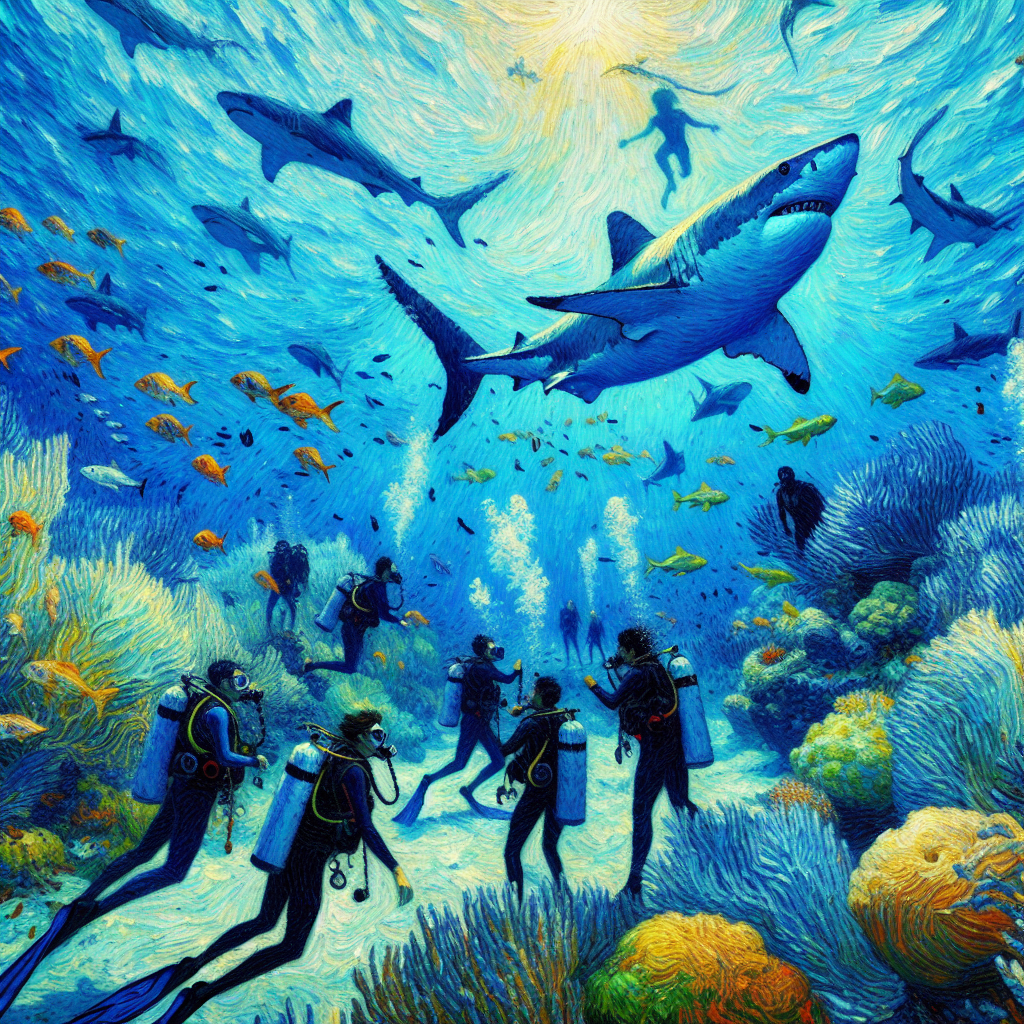
Conclusion
Conclusion:
- Cozumel’s fight against coral bleaching is a global call to action for ocean conservation.
- The coral reefs face threats from rising temperatures and pollution, jeopardizing their vibrant ecosystems.
- Local communities and tourists actively participate in coral restoration efforts, strengthening their emotional connection to nature.
- Tour operators create partnerships that blend tradition with scientific innovation, enhancing conservation efforts.
- Healthy reefs benefit humans by providing sustenance, protecting coastlines, and supporting tourism, vital for the local economy.
- Stewardship for future generations is essential, emphasizing the ethical responsibility to preserve biodiversity.
- Collective actions and informed collaboration can create significant positive change for coral reefs and local livelihoods.

Conclusion
Other Resources

Other Resources
One quiet thing worth knowing: where you stay on the island changes what you can actually do here. If you’re sketching out a trip, these may help. Cozumel Journey is an editorial guide to Cozumel — neighborhoods, planning tips, and life on the island for travelers who want context, not a cruise schedule.
Here is a list of other resources you can review online to learn more:
- Cozumel Snuba
- Dive Sites
- Discover Mexico Park
- Blue Magic Scuba
- Playa Palancar
- Winjet
- Bindiya Cozumel
- Cozumel Reefs National Marine Park
- Senor Frogs
- Arrecifes de Cozumel National Park
- Cuatro Tacos Cozumel
- Palancar Beach
- Liveaboard Diving
- Ferry schedules
- Cafeteria La Cozumelena Cozumel
- Professional Association of Diving Instructors
- Chankanaab Beach Adventure Park
- Cozumel Helicopter Tours
- our editorial guide to the island
Use This Prompt To Get More Resources With Your Favorite Online AI Tool: Please provide me with a list of online articles with their URLs in a bulleted list that I can read regarding How Is Cozumel Fighting Coral Bleaching?

Other Resources
Glossary Terms
How Is Cozumel Fighting Coral Bleaching? – Glossary Of Terms
1. Coral Bleaching: A phenomenon where corals lose their vibrant colors and expel the algae living in their tissues due to stress factors like temperature rise, pollution, or disease.
2. Zoeae: Larval stage of crustaceans, including shrimp and crabs, which are affected by the health of coral ecosystems.
3. Marine Protected Areas (MPAs): Designated regions of coastal or oceanic environments where human activity is restricted to conserve marine biodiversity.
4. Restoration Efforts: Activities aimed at rehabilitating damaged coral reefs, often involving planting coral fragments or seeding larvae.
5. Climate Change: Long-term alterations in temperature and weather patterns, significantly influencing coral health and resilience.
6. Ecosystem Resilience: The ability of a coral reef system to recover from disturbances while maintaining its essential functions and structure.
7. Coral Fragmentation: A method of reef restoration where broken pieces of coral are collected and grown in nurseries for later transplantation.
8. Algae: Simple aquatic organisms that can contribute to coral health; excessive growth, however, can smother corals and disrupt ecosystems.
9. Overfishing: The depletion of fish populations that can destabilize coral reef ecosystems, impacting their health and biodiversity.
10. Water Quality Monitoring: Regular assessment of the water’s chemical composition to detect pollutants and conditions harmful to coral reefs.
11. Coral Nursery: A facility where coral fragments are grown and cared for before being transplanted back into damaged reefs.
12. Sustainable Tourism: Practices that promote responsible travel to natural areas, aiming to minimize environmental impact and support conservation efforts.
13. Pollution Controls: Regulations and practices aimed at reducing waste and harmful substances released into marine environments.
14. Community Engagement: Involvement of local communities in conservation practices, fostering awareness and responsibility for coral reef health.
15. Scientific Research: Systematic investigation of coral ecosystems to understand their dynamics, health, and responses to environmental changes.
16. Biodiversity: The variety of life in an ecosystem, which contributes to its resilience and functionality.
17. Thermal Stress: The physiological effects on corals caused by elevated sea temperatures, often leading to bleaching.
18. Coral Disease: Various illnesses affecting corals that can weaken their structure and lead to mortality.
19. Reef Monitoring Programs: Initiatives designed to assess the status and health of coral reefs over time using scientific metrics.
20. Outplanting: The process of transplanting grown coral fragments from nurseries back to natural reefs.
21. Aquaculture: The farming of marine organisms, including corals, which can help mitigate the depletion of natural habitats.
22. Biocultural Management: Integrating traditional practices and scientific knowledge to manage coral ecosystems sustainably.
23. Climate Adaptation: Strategies aimed at increasing coral resilience to climate-related stressors, including genetic selection and breeding.
24. Eutrophication: The over-nutrification of water bodies, leading to harmful algal blooms that can suffocate corals.
25. Public Awareness Campaigns: Initiatives to educate communities about the importance of coral reefs and the threats they face.
26. Carbon Footprint Reduction: Actions taken to decrease greenhouse gas emissions, which contribute to climate change and its impacts on coral reefs.
27. Restorative Justice: An approach that aims to repair harm done to coral reefs through restoration and conservation efforts.
28. Native Species: Organisms naturally occurring in an area that are important for maintaining ecosystem balance and health.
29. Coral Symphony: A conceptual term for the diverse sounds produced by healthy coral reefs, signifying the vibrancy of marine life.
30. Collaborative Governance: Cooperation between various stakeholders, including government, local communities, and NGOs, in managing and protecting coral reefs.

Glossary Of Terms
Other Questions
How Is Cozumel Fighting Coral Bleaching? – Other Questions
If you wish to explore and discover more, consider looking for answers to these questions:
- What specific coral restoration projects are currently underway in Cozumel?
- How can individuals get involved in coral restoration initiatives when visiting Cozumel?
- What are the long-term effects of coral bleaching on marine biodiversity in Cozumel?
- How does the local government support coral conservation efforts in Cozumel?
- What is the impact of pollution on coral reefs in Cozumel?
- What success stories exist from Cozumel’s coral restoration efforts?
- How do rising sea levels impact Cozumel’s coral reefs?
- What educational programs are in place for tourists regarding coral conservation?
- How can tourists identify eco-friendly tour operators in Cozumel?
- What are some common misconceptions about coral reefs among tourists?
- What role do local fishermen play in coral conservation efforts?
- How are tourists educated about the negative impacts of their actions on coral reefs?
- What are the financial implications for local businesses if coral bleaching continues?
- How can technology, such as drones and underwater mapping, further aid conservation efforts?
- What are some simple actions that tourists can take to minimize their impact on coral reefs?

Other Questions
Haiku
How Is Cozumel Fighting Coral Bleaching? – A Haiku
Corals’ colors fade,
Nature’s heartbeat in peril,
Join hands, heal the sea.

Haiku
Poem
How Is Cozumel Fighting Coral Bleaching? – A Poem
In Cozumel’s embrace, where the turquoise waters gleam,
A silent crisis stirs, shattering the dream.
Coral reefs, once vibrant, now pale and withdrawn,
Threatened by warming seas, where life seems almost gone.
Yet a community rallies, hands reaching for the tides,
With heart and tradition, a united front abides.
In crystal shores, tourists become part of the tale,
Planting tiny fragments, hoping not to fail.
Dive shops and scientists weave knowledge with care,
Innovating past traditions, fostering paths to repair.
With drones tracing patterns, they track what we can’t see,
Bridging the gap from the lab to the deep sea.
Economies tangled with reefs in their splash,
Sustaining lives that profit from vibrant marine brash.
Yet as the corals vanish, the impact echoes loud,
A community stirs, the pulse of a shared crowd.
The ethical choices beckon, a moral call to heed,
For every action matters, every small deed can lead.
Embrace sustainability, let our choices intertwine,
With each conscious decision, we help the reefs align.
So let’s unite in purpose, let’s dive beneath the waves,
To save this sanctuary, our planet’s precious caves.
Together we’ll fight, in heart, head, and gut,
For the coral’s vibrant future, a legacy to cut.
Join this noble journey, let the waters heal,
Cozumel needs our voices—a bond that’s truly real.
Dive into this mission, be stewards of the sea,
For the ocean’s rich narrative is woven with you and me.

Poem
Checklist
How Is Cozumel Fighting Coral Bleaching? – A Checklist
Coral Conservation Action Checklist
Heart (Emotional Appeals)
_____ Visualize the beauty of Cozumel’s coral reefs and the diverse life they support.
_____ Share your experiences with coral ecosystems on social media to inspire others.
_____ Reflect on personal values surrounding nature, considering the impact of coral extinction on future generations.
Head (Rational Appeals)
_____ Research the economic significance of coral reefs, noting their role in tourism and local livelihoods.
_____ Educate yourself about the science of coral bleaching and climate change impacts.
_____ Evaluate sustainable tourism options even before your visit.
Gut (Ethical Appeals)
_____ Commit to using only reef-safe sunscreens and eco-friendly products during your visit.
_____ Take the pledge to avoid single-use plastics and support local businesses prioritizing sustainability.
_____ Advocate for conservation initiatives by discussing their importance with friends and family.
Authority (Expert Opinions)
_____ Follow and support marine scientists and conservation organizations actively working in Cozumel.
_____ Attend local talks or workshops by experts to deepen your understanding of coral reef conservation.
_____ Volunteer for or contribute to coral restoration and monitoring programs.
Narrative (Storytelling)
_____ Create personal stories that highlight your engagement with coral conservation efforts.
_____ Document and share your interactions with local communities and conservationists.
_____ Promote the stories of fishermen and divers who rely on healthy reefs for their livelihoods.
Social (Community Engagement)
_____ Join or form a local group that champions coral conservation efforts.
_____ Participate in community-driven coral restoration projects during your visit.
_____ Discuss the impact of climate change on marine ecosystems within your social circles.
By using this checklist, you can actively contribute to the preservation and restoration of Cozumel’s coral reefs, ensuring these underwater ecosystems thrive for generations to come.

Checklist
At TopCozumelNews, we help travelers enjoy Cozumel by collating information learned from frequently traveling to beautiful Cozumel.
Be sure to read our other related stories at TopCozumelNews to learn more about the Island of Cozumel.