Exploring Cozumel’s Enchanting Tales And Haunting Histories
By Tom Seest
At TopCozumelNews, we help travelers enjoy Cozumel by collating information learned from frequently traveling to beautiful Cozumel.
Be sure to read our other related stories at TopCozumelNews to learn more about the Island of Cozumel.
What Are Some Local Legends Or Ghost Stories From Cozumel?
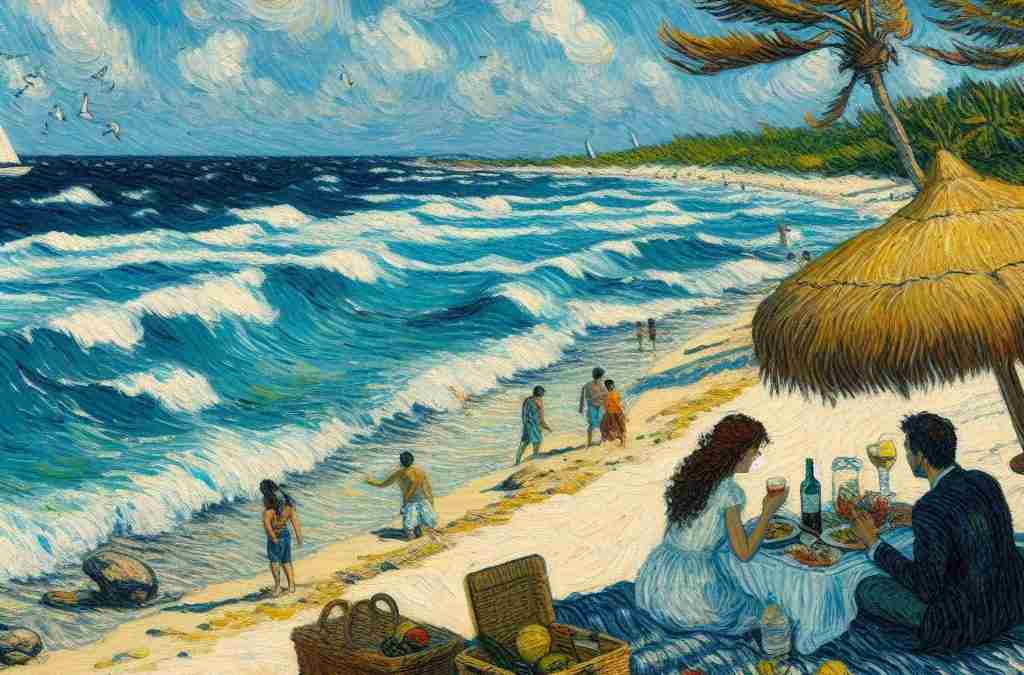
Cozumel, a sun-kissed gem in the Caribbean, isn’t just famous for its azure waters and vibrant coral reefs; it’s also a tapestry woven with local legends and ghost stories that stir the imagination. Take, for example, the tale of La Llorona—an anguished spirit said to wander the shores at night, weeping for her lost children. Locals often recount her sorrowful cries to children, warning them not to stray too close to the water’s edge. It’s a cautionary tale rooted in cultural history, striking a chord with parents and children alike, blending fear with moral guidance. The depths of her sorrow pull at the heartstrings, invoking empathy while deepening our understanding of loss.
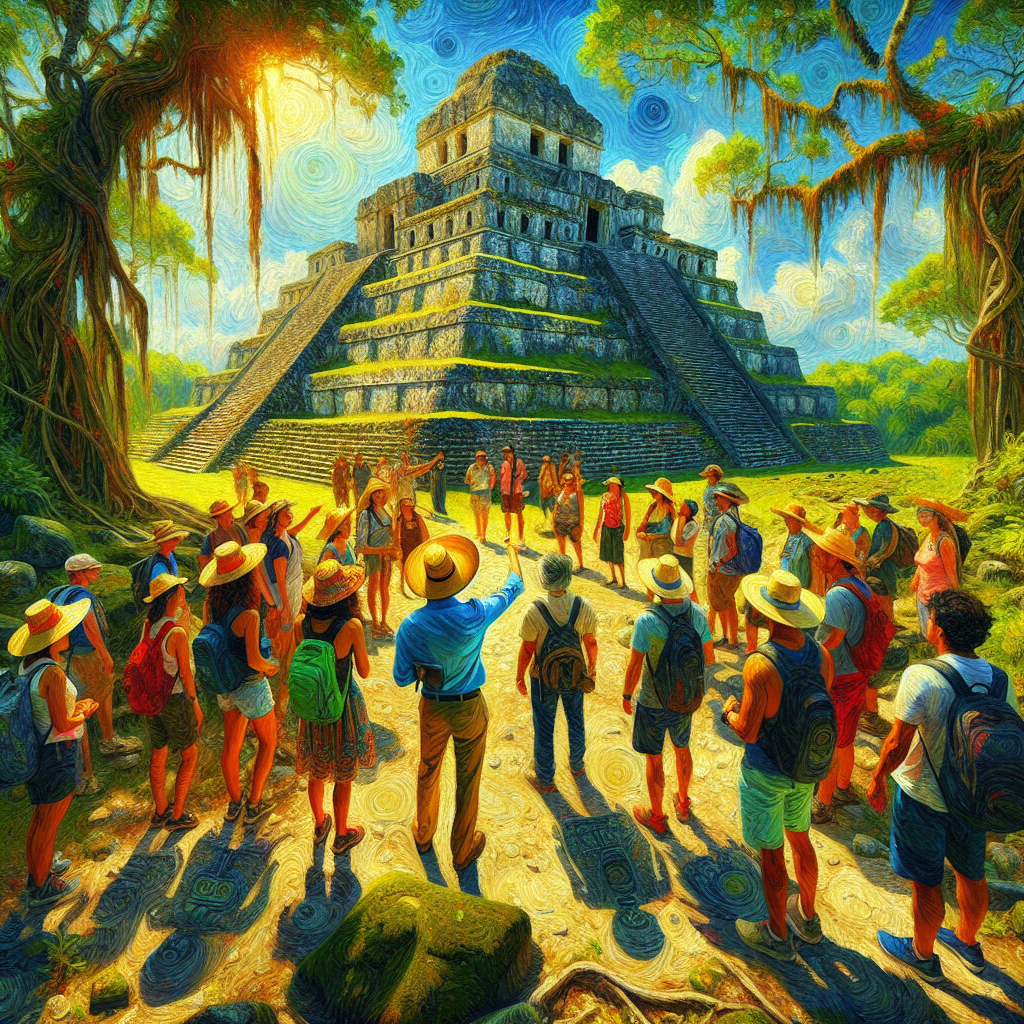
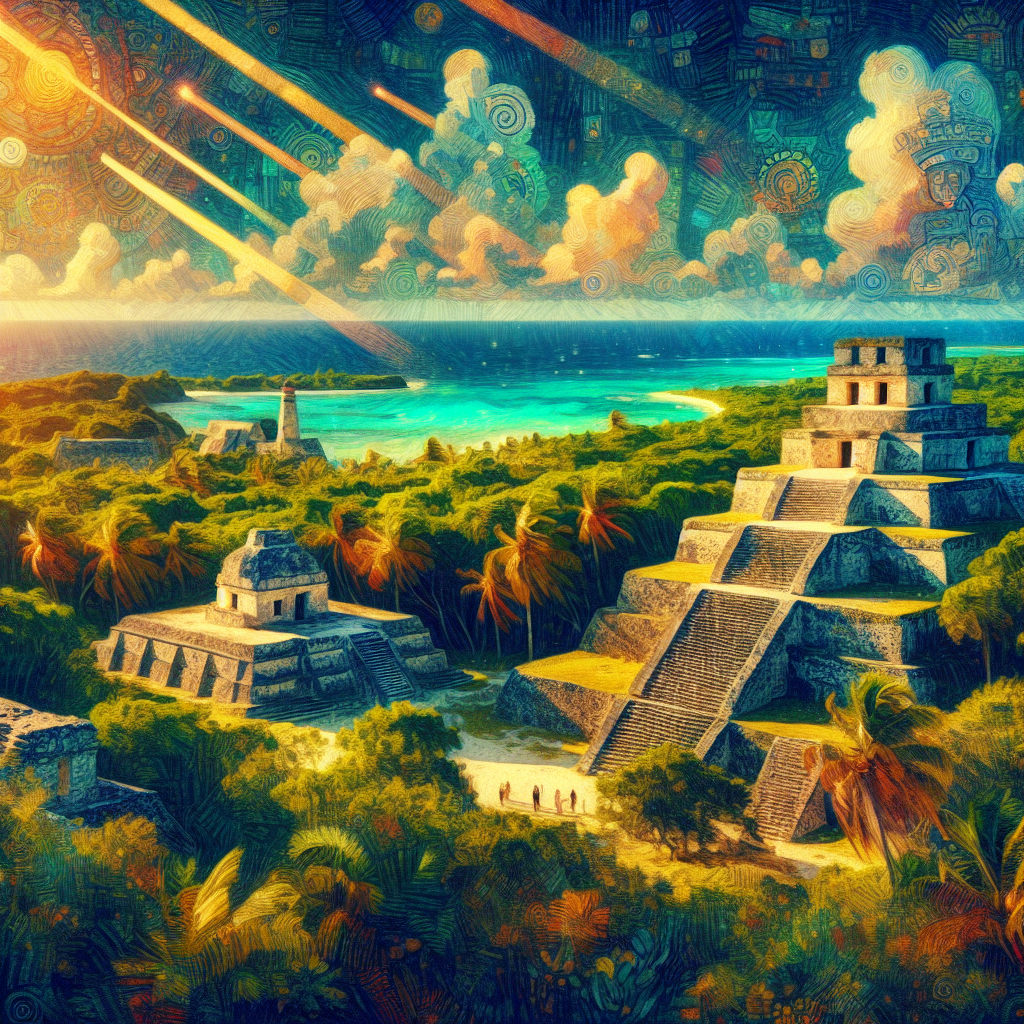
But Cozumel’s narratives don’t stop at the supernatural; they also guide visitors toward the unexplored depths of history. The island’s ancient Mayan ruins are steeped in stories of deities and rituals that once held sway over this land. As you wander through these remnants, it’s as if the ghosts of the past whisper their secrets, urging you to connect with a history richer than the Caribbean’s turquoise hue. Engaging with these stories is a profound reminder of where we come from—an intellectual journey that stimulates curiosity and respect for a culture that has endured through centuries.
Cozumel’s ghost stories aren’t merely tales for tourists; they echo the community’s values and heritage, fostering an ethical connection between present and past. Whether it’s a local elder sharing tales in a bustling market or visitors swapping ghostly experiences over a bucket of cerveza, there’s a sense of camaraderie born from these shared myths. They invite you to partake in the collective lore, adding your voice to the chorus of narratives that bind people together.
There are those who leave the island with more than just sunburned shoulders and souvenirs; they carry an intrigue, an appreciation for the layers of life that exist beyond the beaches. The thrill of the unknown—whether it’s a shiver down your spine from a ghostly whisper or an awe-struck gaze at an ancient ruin—reminds us that, sometimes, the best stories aren’t found in books but in the living, breathing world around us. So, when you visit Cozumel, take a moment to listen closely. Sometimes, the waves have stories to tell—if only you’re willing to hear them.
What Are Some Local Legends Or Ghost Stories From Cozumel?
What Are Some Local Legends Or Ghost Stories From Cozumel?
- Cozumel is known for its stunning natural beauty and vibrant coral reefs, but it also features local legends and ghost stories.
- The tale of La Llorona is a prominent story; she is said to wander the shores at night, weeping for her lost children.
- Locals use this tale to warn children to stay away from the water, blending fear with moral lessons.
- The island’s ancient Mayan ruins offer rich historical narratives of deities and rituals that shaped the culture.
- Cozumel’s ghost stories reflect community values and heritage, fostering connections between the past and present.
- Visitors often leave the island with a deeper appreciation for the cultural layers beyond its beaches.
- The experience of Cozumel encourages listening to the environment, as it holds stories waiting to be discovered.

What Are Some Local Legends Or Ghost Stories From Cozumel?
Table Of Contents
- What Are Some Local Legends Or Ghost Stories From Cozumel?
- How Do Local Legends Shape Community Identity?
- What Emotions Do These Ghost Stories Evoke In Locals And Tourists?
- Can Understanding These Legends Deepen Your Connection To Cozumel?
- How Have Local Ghost Stories Evolved Over Generations?
- Why Do We Seek Out Ghost Stories In Our Travels?
- What Ethical Considerations Arise From Sharing Local Legends?
- What Authority Do Local Storytellers Hold In Preserving History?
- Conclusion
- Other Resources
- Glossary Of Terms
- Other Questions
- Haiku
- Poem
- Checklist
How Do Local Legends Shape Community Identity?
When you think about the fabric of a community, consider the threads woven into its identity. Local legends—those tales that flutter between myth and history—act like the needle pulling those threads tight. They remind us of who we are and where we’ve come from.
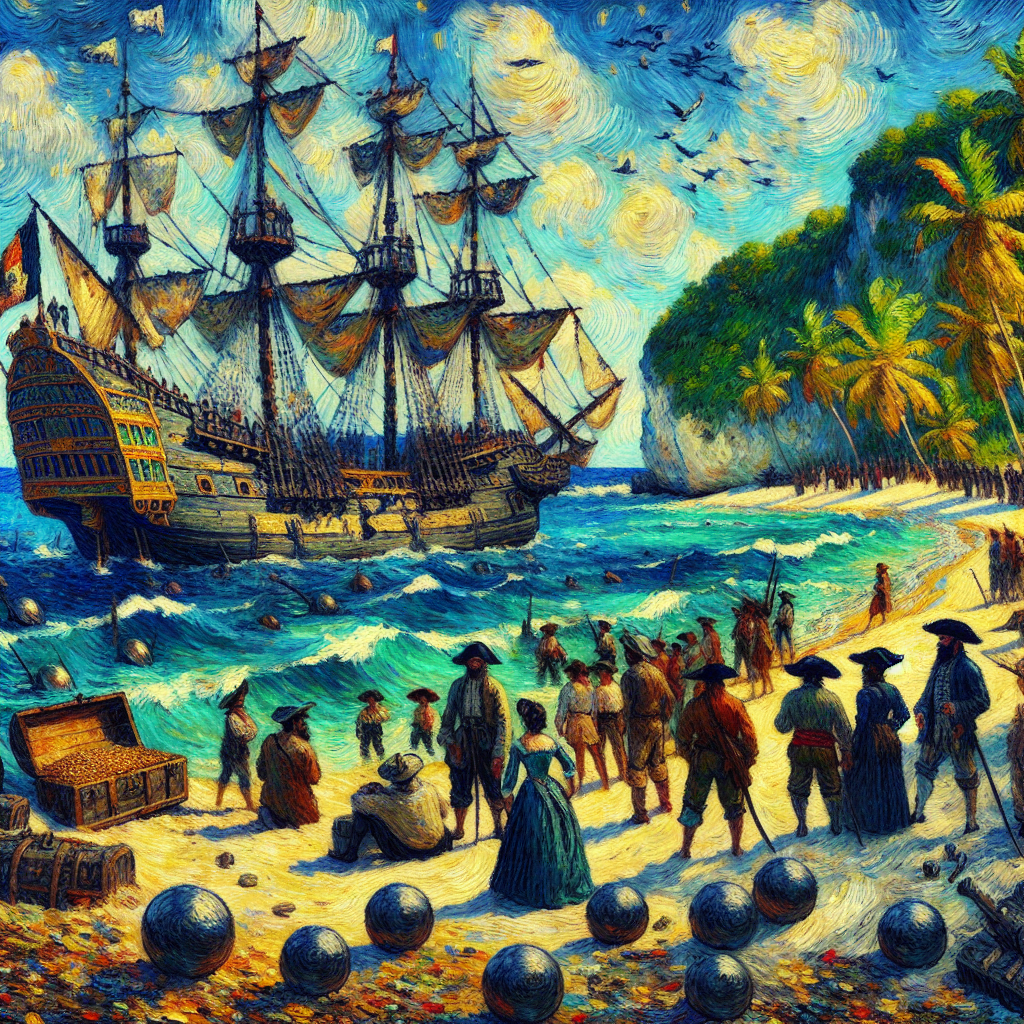
Take Cozumel, for instance. Many know it for its stunning beaches and vibrant underwater life, but what about the stories that ripple beneath the surface? The tales of shipwrecked sailors and hidden treasures from centuries past create a narrative that transcends time. These legends don’t just add flavor to the locale; they create points of connection among residents. When people gather in the town square, and someone recounts the story of the mysterious lighthouse keeper, they aren’t just sharing folklore. They’re forging bonds, reminiscing about shared experiences, and nurturing a collective identity.
On a deeper level, local legends instill a sense of belonging. They are embodiments of resilience and courage, character traits that resonate in the very core of communities. When folks tell their children about the legend of the Cozumel Mermaid, not only do they keep the story alive, but they also impart values of curiosity and bravery. Children learn that myths are rooted in truth, echoing the hardships and triumphs of those who walked before them. It’s a way for older generations to leave a legacy, to pass down wisdom wrapped in delightful tales.
Moreover, these stories challenge us to reflect on our own lives and the narratives we are creating. Do we have legends brewing within us, waiting for the right moment to be told? This inquiry stirs a gut-level connection to our personal and communal identities. When locals share their pride in these stories, they feel a sense of duty, an ethical responsibility to preserve a living history that can guide future generations.
Legends inspire trust not just in the tales themselves but in the people who share them. In a society often driven by individualism, these narratives remind us that we are stronger together—united by roots that dig deep into the earth of shared experiences. So, the next time you find yourself in a place with deep tales to tell, lean in. Listen closely. You might discover a piece of yourself in that legend, a connection that might just shape who you are.

How Do Local Legends Shape Community Identity?
How Do Local Legends Shape Community Identity?
- Local legends serve as vital threads in a community’s identity, reminding us of our origins.
- Cozumel is known for its beautiful beaches, but its rich stories of shipwrecks and treasures add depth to its history.
- These tales foster connections among residents, creating bonds through shared experiences and folklore.
- Local legends embody resilience and courage, instilling a sense of belonging in community members.
- Storytelling helps pass down values of curiosity and bravery to younger generations, preserving a collective legacy.
- Legends encourage reflection on personal narratives and the importance of preserving communal history.
- Sharing folklore promotes trust and unity, emphasizing the strength found in shared experiences over individualism.

How Do Local Legends Shape Community Identity?
What Emotions Do These Ghost Stories Evoke In Locals And Tourists?
In the warm embrace of Cozumel’s tropical charm lies a world woven with whispers and shadows. The ghost stories of this vibrant island tap into an emotional tapestry that intertwines the hearts of locals and tourists alike. For islanders, these tales are not mere stories; they serve as a rich connection to their ancestry, echoing a time when spirits roamed freely among the living. The nostalgia laced in these narratives evokes a blend of pride and longing. Locals recount tales of lost souls with reverence, transforming their sorrow into a celebration of life, as if those spirits are reminders of a shared heritage that binds them all.
For tourists, the allure of these ghost stories stirs an insatiable curiosity. The blend of thrill and trepidation creates an irresistible cocktail of emotions. Each spine-tingling tale invites visitors to dip their toes into the unknown, tapping into that primal urge to explore and understand. As they walk through the sun-dappled streets or darkened corners, the heart pounds not only from fear but from fascination—a tangled web of excitement and wonder. Tourists find themselves bonding over ghostly legends, sharing hushed whispers as they delve deeper into Cozumel’s captivating past. In these moments, barriers dissolve, allowing strangers from far-flung places to unite in their shared experience of the otherworldly.
Emotionally charged, these stories compel individuals to look beyond the surface, probing questions of life and death, existence and legacy. The ethical implications of honoring the past while embracing the present invite everyone to reflect on what it means to belong—how our histories shape us and how we carry them forward. In the presence of Cozumel’s ghosts, a delightful paradox emerges. Locals instill a sense of authority in these tales, offering tourists a feeling of safety wrapped in the familiar embrace of community lore. This blend fosters deep trust and engagement, encouraging visitors to immerse themselves fully, not just as outsiders, but as participants in a vibrant saga stretching across generations.
Ultimately, the emotive power of Cozumel’s ghost stories proves that while the island is a paradise of sun and sea, it is also a realm of connections—where every story told is a thread that ties together the hearts, minds, and spirits of all who step foot upon its shores.
What Emotions Do These Ghost Stories Evoke In Locals And Tourists?
What Emotions Do These Ghost Stories Evoke In Locals And Tourists?
- Cozumel’s ghost stories reflect a blend of cultural heritage and emotional connections for both locals and tourists.
- These tales serve as a link to islanders’ ancestry, symbolizing nostalgia and shared heritage.
- Local storytelling transforms sorrow into celebration, honoring lost souls as part of communal history.
- For tourists, ghost stories evoke curiosity and excitement, inviting them to explore the unknown.
- Visitors bond over these legends, creating connections that transcend geographical barriers.
- The stories prompt reflection on themes of life, death, and the concept of belonging.
- Cozumel’s tales merge the ethereal with the familiar, fostering trust and engagement among visitors.
What Emotions Do These Ghost Stories Evoke In Locals And Tourists?
Can Understanding These Legends Deepen Your Connection To Cozumel?
Legends have a way of wrapping themselves around our hearts, forging connections that run deeper than the waters lapping at Cozumel’s shores. To understand the tales that echo through this vibrant island is to embark on a journey that awakens a tapestry of emotions, memories, and shared experiences. These narratives—be it the mysterious whispers of the Mayan ruins or the heroic tales of ancient mariners—are not just stories; they are the lifeblood of Cozumel, infusing its history with rich context and meaning.
Intellectually, the legends offer a window into the deep-rooted culture and heritage of Cozumel. As you walk the sunlit streets or explore hidden coves, consider the stories that have shaped the souls of this island. Each corner holds remnants of the past, waiting to be unearthed through the lens of understanding. By embracing these legends, you engage not only your mind, but also your sense of responsibility as a visitor. Recognizing the histories embedded in the very soil beneath your feet fosters a deeper ethical connection with the island, urging you to respect and protect its cultural legacy.
But let’s be frank: it’s not just about gathering facts or paying lip service. Engage your gut. When you hear the story of the goddess Ix Chel, a protector of women and fertility, or the tale of the sunken treasure of Spanish galleons, you’ll feel your pulse quicken. These legends stir an innate curiosity and excitement, illuminating your experience in a way that mere sightseeing never could. It’s about feeling the thrill in your bones, resonating with the heartbeat of a place that holds centuries of life and lore.
Lastly, there’s a communal aspect to these tales that invites connection. As you share these stories with fellow travelers, or perhaps even with local residents, you enter a shared narrative, a dance of voices that unites strangers in the common quest for understanding. This collective experience does more than deepen your appreciation for Cozumel; it envelops you in a warm embrace, reminding us all that we are part of something greater than ourselves.
So, don’t merely skim the surface of this beautiful island. Dive in, explore, and let the legends of Cozumel inspire you to forge a genuine connection—one that resonates in your heart, mind, and soul.

Can Understanding These Legends Deepen Your Connection To Cozumel?
Can Understanding These Legends Deepen Your Connection To Cozumel?
- Legends create deep emotional connections, intertwining with the history of Cozumel.
- The narratives of Cozumel, including Mayan ruins and ancient mariners, are central to the island’s heritage.
- Exploring the island with awareness of its legends promotes ethical tourism and a respect for cultural legacy.
- Engaging with the stories, such as those of goddess Ix Chel and sunken treasures, enhances the visitor experience beyond mere sightseeing.
- The communal sharing of these tales fosters a bond among travelers and locals, uniting them in their pursuit of understanding.
- Embracing Cozumel’s legends provides a sense of belonging to a larger narrative, enriching one’s visit.
- Visitors are encouraged to fully experience the island’s depths by connecting their hearts, minds, and souls with its legends.

Can Understanding These Legends Deepen Your Connection To Cozumel?
How Have Local Ghost Stories Evolved Over Generations?
Have you ever wandered through the cobblestone streets of a small town, where the air hangs thick with stories waiting to be told? Local ghost stories have morphed over generations, evolving from whispers shared by firelight to tales told on crowded tours, blending the past with the present. In places like Cozumel, where an ocean breeze carries the salty essence of history, these narratives connect us — not just to our surroundings, but to each other.
Initially, ghost stories served as cautionary tales, designed to guide behavior and instill moral lessons. They warned of the consequences of greed, betrayal, or neglect, slipping through our collective consciousness as a framework for understanding right from wrong. As communities changed, so did their fears and hopes. Legends were shaped to reflect contemporary issues, and in this transformation, they became mirrors of society’s evolving psyche.
Our cultural climate influences the way we tell these stories. Today, we might find ourselves drawn to the restless spirits of those who fought for justice or the timeless love stories that transcend even death. These tales carry emotional weight, resonating deeply within us, evoking both nostalgia and curiosity. They bind generations together, allowing the youth to share their experiences alongside their elders, realizing that many of their struggles echo through time.
And let’s consider the ethical dimension. When we share these stories, we honor the lives of those who came before us, paying respect to the lessons they imparted. By doing so, we create a sense of belonging and commitment to our cultural heritage. It fosters a space where everyone can contribute, enhancing the richness of our communal narrative.
Yet, despite our love for the supernatural, we venture into these tales not purely to be spooked but to explore what lies beneath the surface. We’re searching for connections — threads that tie us to our ancestors, our communities, and ultimately, to ourselves. Stories that once spoke of haunted houses now delve into shared human experiences.
So next time you find yourself in a local haunt, remember these ghosts are more than just specters; they are pieces of our identity. Listen closely; you might just hear the echoes of your own story in theirs. Embrace the evolution of these tales, and you’ll discover not just frightful ghosts but revelations about love, loss, and the essence of being human.
How Have Local Ghost Stories Evolved Over Generations?
How Have Local Ghost Stories Evolved Over Generations?
- Local ghost stories evolve from oral traditions to contemporary tours, bridging past and present.
- Originally, these stories served as moral lessons, warning against greed, betrayal, and neglect.
- As societies changed, legends adapted to reflect modern fears and hopes, acting as mirrors to our psyche.
- Today’s ghost stories often resonate with themes of justice and timeless love, connecting generations.
- Sharing these narratives honors ancestral lives and fosters a sense of belonging to cultural heritage.
- Ghost stories encourage exploration of shared human experiences, beyond just fear and superstition.
- Ultimately, these tales reveal insights about love, loss, and our shared human identity.

How Have Local Ghost Stories Evolved Over Generations?
Why Do We Seek Out Ghost Stories In Our Travels?
There’s something undeniably magnetic about gathering around a flickering campfire, each shadow flickering against the backdrop of the dark woods, as someone launches into a tale that sends shivers down the spine. Ghost stories have a certain way of stitching our experiences together—both as travelers and as people. They aren’t just tales to pass the time; they’re windows to the past, whispers of history lingering in the air like the salty breeze over Cozumel’s coastline.
We seek out these eerie narratives for a variety of reasons. On one hand, they satiate our curiosity—an innate human trait locked in our DNA. We crave connection with our surroundings, and what better way to do that than to uncover the spectral echoes of those who walked before us? Engaging with ghost stories adds layers to our travels, transforming a scenic sunset into an interconnected tapestry of human emotion, sacrifice, and folklore.
Yet, there is also a darker, more primal pull at play. We’re drawn to the thrill of fear as if it reminds us of our mortality, pushing our boundaries in a safe and controlled environment. It’s rational, in a way: confronting the unknown in a ghost story allows us to wrestle with our fears without ever leaving the safety of our comfortable seats. Here, skepticism meets fascination, and suddenly, a quiet street in a quaint town, or a haunted hotel, becomes an adventure ripe for exploration.
And let’s not ignore the ethical dimensions. Engaging with ghost stories invites us to pause and consider the lives behind the legends—a reminder that every place holds stories worth remembering. It fosters a sense of respect for history and culture, compelling us to be better travelers and stewards of those stories.
Sharing ghost stories also fulfills our social needs. In a world that often feels disconnected, recounting these chilling tales invites camaraderie. It fires up laughter and debate, unites strangers, and invites friendships—all around the shared desire to explore the unknown together.
So next time you find yourself wandering the charming streets of Cozumel or any other captivating destination, consider leaning in close when the tales start to unfold. It could be the spark that ignites not just your curiosity, but also new connections and a deeper understanding of the world, one ghostly story at a time.

Why Do We Seek Out Ghost Stories In Our Travels?
Why Do We Seek Out Ghost Stories In Our Travels?
- Gathering around a campfire evokes a sense of community and connection through storytelling.
- Ghost stories serve as windows to the past, enriching our travel experiences with historical context.
- The thrill of fear inherent in ghost stories allows us to confront our mortality in a safe environment.
- These narratives challenge our skepticism and transform ordinary locations into adventures.
- Engaging with ghost stories promotes respect for history and culture, encouraging responsible travel.
- Sharing chilling tales fosters social connections, laughter, and friendships among participants.
- Listening to ghost stories can deepen our understanding of the world and ignite curiosity about our surroundings.

Why Do We Seek Out Ghost Stories In Our Travels?
What Ethical Considerations Arise From Sharing Local Legends?
Sharing local legends is a journey that carries with it a weightier responsibility than one might first imagine. Those stories, often woven into the very fabric of a community, wrap around the heart of a place like Cozumel, imbuing it with culture, identity, and history. But with any tale passed from person to person, a host of ethical considerations emerges.
First, let’s venture into the emotive realm—the intrinsic bond we share with our roots. These legends offer us a mirror to reflect on who we are, providing context for our struggles and triumphs. When we share them, we foster connection, breathing life into the tales that once thrived around a campfire or during a moonlit gathering. But what happens when those stories change? When they are twisted for entertainment, or worse, diluted to appeal to tourists who may not grasp their significance? Here lies the delicate balance of authenticity versus adaptation. The heart aches when a narrative is stripped of its soul.
Then we step back, engaging our rational side. When disseminating these stories, we must consider who benefits. Is it the community, or does it lean disproportionately towards the storyteller? Too often, the riches of local folklore find their way into the pockets of outsiders, while the original tellers remain unnoticed, their legacies at risk of being forgotten. The ethical responsibility to share not just the stories, but also the conditions under which they were born, comes into play. It’s not just about cool tales; it’s about respect for the people who lived them.
We also have to grapple with authority. When sharing these narratives, who has the right to tell them? Authentic voices deserve to be prioritized. It’s a nuanced dance between preservation and innovation. Are we uplifting local perspectives, or are we silencing them by placing our own narratives front and center?
Finally, consider the social implications. Each story has the power to shift perceptions, building bridges among cultures or, conversely, widening divides. Authentic sharing fosters empathy and understanding, reminding us that we are all part of a larger tapestry.
In traversing these ethical waters, we cultivate trust and inspire action amongst ourselves. Together, we can keep these legends alive—unfiltered, unbroken, and soaring.
What Ethical Considerations Arise From Sharing Local Legends?
What Ethical Considerations Arise From Sharing Local Legends?
- Sharing local legends involves a significant ethical responsibility, impacting community culture, identity, and history.
- Legends serve as mirrors reflecting personal and collective struggles and triumphs, fostering connections within communities.
- There is a risk of stories becoming distorted or diluted for entertainment or tourism, threatening their authenticity.
- It’s crucial to consider who benefits from these stories, ensuring that the original tellers are recognized and valued.
- Authority in storytelling matters; authentic voices from the community should be prioritized to preserve cultural integrity.
- Stories can influence perceptions and relationships between cultures, fostering empathy and understanding.
- Navigating ethical considerations can build trust and inspire collective action to keep local legends alive and meaningful.

What Ethical Considerations Arise From Sharing Local Legends?
What Authority Do Local Storytellers Hold In Preserving History?
Picture this: the sun dips beneath the horizon in Cozumel, casting long shadows on the cobblestone streets. Residents gather at the town square, their voices weaving together as they share tales of their ancestors. These stories aren’t just entertainment; they’re lifelines connecting the present to a rich tapestry of history. Local storytellers hold a unique authority, not derived from formal titles or accolades, but from lived experiences and the authenticity of their narratives.
As the world spins ever faster toward digital distractions, these custodians of culture tug at our heartstrings, reminding us of our shared humanity. Their narratives evoke empathy, revealing moments of triumph, tragedy, and resilience. In a society that often prioritizes fast consumption over deeper understanding, these storytellers offer a sense of place and belonging that cannot be replicated through screens. Their ability to transport listeners to bygone eras makes history tangible and relatable, igniting a sense of curiosity that compels us to learn more.
But there’s a rational aspect to this as well. Every story holds a kernel of truth—an insight or lesson that enriches our understanding of the world. When we listen to local lore, we’re not merely consuming entertainment; we’re engaging in a complex social contract. Through storytelling, communities preserve cultural knowledge, traditions, and ethics, passing them down through generations. These narratives help us navigate modern dilemmas by providing context and cautionary tales that resonate with our experiences.
Ethically, we face a pressing question: who gets to tell history? When community members take on this mantle, they do so with an inherent moral authority that transcends academic credentials. Their stories are not just told; they are lived, grounded in the very soil of their communities. This grassroots authenticity fosters trust—listeners believe in the voices that rise from their own streets.
So, as we engage with local storytellers, let’s not just listen; let’s participate. As a society, we must cherish these connections, treasure the traditions, and share these narratives further afield. The unfolding stories of Cozumel serve as a robust reminder that history is not a distant echo but a living, breathing entity waiting for our involvement. Together, let’s keep these legacies alive, ensuring they flourish for generations to come.
What Authority Do Local Storytellers Hold In Preserving History?
What Authority Do Local Storytellers Hold In Preserving History?
- The sun sets in Cozumel, where residents gather to share ancestral stories.
- Local storytellers possess authority through lived experiences and authentic narratives.
- In a digital age, these custodians of culture remind us of our shared humanity.
- Their stories evoke empathy, highlighting triumph and resilience in society.
- Storytelling preserves cultural knowledge and helps navigate modern dilemmas.
- Community members hold moral authority in telling history through lived experiences.
- Engaging with local storytellers is crucial for cherishing traditions and keeping legacies alive.

What Authority Do Local Storytellers Hold In Preserving History?
Conclusion
Cozumel isn’t just a tropical paradise; it’s a living chronicle of human experience, bursting with legends and ghostly tales that weave through its vibrant culture. The stories of La Llorona, shipwrecked sailors, and mysterious mermaids echo through time, serving as reminders of loss, resilience, and the inexorable connection between past and present. Each legend is more than a cautionary tale; it invites us to reflect on our own lives, evoking powerful emotions that bridge generations. When locals recount these stories, they wrap their community’s history in a sense of pride and purpose, highlighting an ethical commitment to preserving their cultural heritage.
These ghost stories foster connections among residents and visitors alike. As tourists gather around a flickering fire, sharing their own haunting experiences, bonds are formed over fear and fascination. In these shared moments, unfamiliar faces can transform into newfound friends, united in a collective quest to uncover the deeper meanings of these tales. The thrill of encountering a haunted myth generates not just adrenaline, but a communal sense of belonging—reminding us we are all part of something larger than ourselves.
Moreover, the layers of these legends deepen our understanding of Cozumel’s rich history. From examining ancient Mayan sites to navigating the modern narratives that have evolved, visitors gain profound insights into the struggles and triumphs of the ancestors who walked these same paths. The stories demanded respect—not just for the narratives but for the communities that live by them. In sharing these tales, we must tread thoughtfully, ensuring that the authentic voices of the storytellers are honored and uplifted, rather than overshadowed by our own interpretations.
Pondering the ethical implications of sharing these local legends encourages us to become better stewards of culture and history. We learn that every ghostly whisper carries the weight of real lives and genuine experiences. Our travels then transform from mere sightseeing into a meaningful deeper engagement with the essence of place. Cozumel’s tales beckon us to listen and participate, revealing that when we embrace these stories, we enrich not only our own adventures but also help preserve a communal legacy that transcends time. So, let the waves of Cozumel wash over you, and be willing to hear the whispers in the night. In those echoes, you might just find a piece of yourself, forever connected by the fabric of shared history.
Conclusion
Conclusion:
- Cozumel is a vibrant cultural hub filled with legends and ghostly tales that reflect human experiences.
- Stories like La Llorona and tales of shipwrecked sailors evoke themes of loss and resilience, connecting the past to the present.
- Local storytelling fosters pride and purpose, emphasizing the importance of preserving cultural heritage.
- Ghost stories create bonds among locals and tourists, transforming strangers into friends through shared experiences.
- Exploring these legends enhances understanding of Cozumel’s rich history and the legacy of its ancestors.
- Sharing local stories requires respect and careful consideration to honor the authentic voices of their tellers.
- Engaging with these narratives enriches travel experiences, promoting a deeper connection to the community and its legacy.
Conclusion
Other Resources

Other Resources
Most of the people who read this are also figuring out where to stay. A couple of places we run or know well, in case it’s useful: Cozumel Journey is an editorial guide to Cozumel — neighborhoods, planning tips, and life on the island for travelers who want context, not a cruise schedule.
Here is a list of other resources you can review online to learn more:
- Nachi Cocom
- Yard House
- Mega Supermarket
- The Thirsty Cougar
- San Francisco Beach
- CRAZY King Burrito
- Reefs of Cozumel
- Bahama Breeze
- Cozumel Palace
- Chichen Itza
- Cozumel Reefs
- Cozumel Trips
- Cozumel Museum
- UltraMar
- Playa Mia Water Park
- COZ Coffee Roasting Company
- La Mission Restaurant Cozumel
- Cozumel Journey
Use This Prompt To Get More Resources With Your Favorite Online AI Tool: Please provide me with a list of online articles with their URLs in a bulleted list that I can read regarding What Are Some Local Legends Or Ghost Stories From Cozumel?

Other Resources
Glossary Terms
What Are Some Local Legends Or Ghost Stories From Cozumel? – Glossary Of Terms
1. Cenote: Natural sinkholes found in stone that are often believed to have spiritual significance, and are linked to many local myths.
2. Chancletero: A ghostly figure often described as wearing sandals, said to haunt the streets at night seeking vengeance for wrongdoings.
3. La Llorona: A weeping woman spirit, who mourns her lost children and is said to wander near bodies of water, crying for them.
4. El Chupacabra: A mythical creature rumored to inhabit the region, known for attacking livestock and sucking their blood.
5. Mayan Spirits: Ancient spirits of Mayan ancestors believed by locals to watch over the land and its inhabitants.
6. Nayah: A ghostly female figure often associated with love stories, appearing to lovers as an omen of despair or tragedy.
7. The Shipwreck of Felipe: A local legend about a doomed ship, said to haunt the waters near Cozumel, its echoes still drifting through the waves.
8. Cozumel Pirates: Stories of pirates who once roamed the island, their hidden treasures believed to still lie buried beneath the sand.
9. Papalote: A spirit or ghost that takes the form of a kite, linked to local traditions and considered a messenger of fate.
10. El Silbon: A spectral figure who carries a bag of bones, known for bringing bad luck to those who hear his eerie whistle.
11. Tepetate Ghost: A spirit that purportedly seeks out the unfaithful, drawing attention to those who betray their loved ones.
12. The Haunted Church: A local church rumored to have ghostly apparitions appearing during religious ceremonies, causing unease among attendees.
13. The Weeping Woman: Similar to La Llorona, a spirit said to search for a lost love, often heard crying near local ruins.
14. The Ghost of the Governor’s Palace: Legend has it that the spirit of a former governor still watches over the halls, ensuring peace.
15. Cozumel Fairies: Small, mystical beings believed to dwell in the jungles, protecting nature and sometimes playing tricks on travelers.
16. The Phantom Fisherman: A ghost seen by fishermen, believed to guide or mislead them during their nighttime ventures.
17. The Guardian Turtles: Local belief in turtle spirits that protect the sea life around the island, honored in local folklore.
18. Xtabentún: A traditional honey liqueur linked to local legends, associated with love and mythical stories.
19. The Spirit of the Mayan Ruins: A belief that the spirits of ancient Mayans inhabit the archaeological sites, offering wisdom and protection.
20. The Lighthouse Ghost: A spirit said to haunt the island’s lighthouses, warning ships of impending danger.
21. The Lizard Man: A creature rumored to be part human, part lizard, said to roam the jungle at dusk, invoking fear among those who encounter it.
22. Cozumel’s Mermaids: Mythical beings believed to inhabit the waters, enchanting sailors with their songs and tales.
23. El Nahual: A shapeshifter or spirit believed to bewitch the unsuspecting, altering their fate or misguiding their paths.
24. Snake Spirits: Serpentine apparitions thought to embody fertility and transformation, deeply rooted in local spirituality.
25. The Haunted Cave: A cave said to be home to ghostly figures who guard ancient secrets and treasures.
26. The Legend of Ix Chel: A tale centered around the goddess of fertility, love, and medicine, revered in local mythology.
27. Ghostly Lanterns: Mysterious lights seen near the shoreline, attributed to lost souls guiding travelers home.
28. The Phantom Soldiers: Spirits of warriors from battles long past, said to still guard the island’s shores and purity.
29. The Lovers’ Bridge: A romantic yet eerie place associated with stories of couples who met tragic fates, believed to haunt the bridge.
30. The Echoing Drum: A legend about a distant drumbeat that can be heard at sunset, representing the spirits of ancient Mayan ceremonies.

Glossary Of Terms
Other Questions
What Are Some Local Legends Or Ghost Stories From Cozumel? – Other Questions
If you wish to explore and discover more, consider looking for answers to these questions:
- What are other famous ghost stories or legends from different regions in Mexico?
- How do local legends differ between Cozumel and other Caribbean islands?
- What role do local festivals play in preserving these legends and stories?
- How can visitors respectfully engage with the local culture and its storytelling traditions?
- What are some popular ghost tours or experiences available in Cozumel?
- Are there any historical figures associated with Cozumel’s legends?
- How do local schools incorporate these legends into their education curriculum?
- What impact do tourists have on the preservation of these ghost stories?
- Can understanding these legends enhance the overall tourist experience in Cozumel?
- How do locals perceive outsiders’ interest in their ghost stories?
- What ethical dilemmas arise in the commercialization of local legends?
- How have modern mediums, like social media, influenced the storytelling traditions in Cozumel?
- What specific actions can tourists take to support local storytellers?
- How do different generations within the community view these legends?
- What are some famous locations in Cozumel associated with ghost stories?

Other Questions
Haiku
What Are Some Local Legends Or Ghost Stories From Cozumel? – A Haiku
Cozumel whispers,
Legends bridge past and present,
Hearts, minds, intertwined.

Haiku
Poem
What Are Some Local Legends Or Ghost Stories From Cozumel? – A Poem
In the heart of Cozumel, where legends sway,
Mystical echoes of the sea find their way.
La Llorona weeps on the moonlit shore,
Her sorrowful cries a caution, what’s in store.
From ancient ruins steeped in Mayan grace,
Whispers of ancestors race through this place.
Each tale a thread in the fabric of time,
Binding the island in rhythm and rhyme.
With every retelling, connections ignite,
Uniting the locals, in stories, they write.
Of mermaids and treasure, of shipwrecked despair,
Shared histories linger in the sun-kissed air.
Visitors gather, hearts open and bare,
Feeling the thrill of the ghostly affair.
In the laughter and awe that these legends evoke,
A bond forms between souls, as barriers broke.
Yet, in these shadows lies an ethical plea,
To honor the past, to let stories be free.
For every shared legend holds wisdom inside,
A tapestry woven, where spirits abide.
Local storytellers, with authority raw,
Preserve life’s lessons, making us pause.
In tales handed down, there lies a rich worth,
Inviting us all to embrace our earth.
So wander with purpose, let your heart be your guide,
In the warm glow of dusk, where the ghosts do abide.
Listen closely, dear traveler, for history’s call,
In the soul of Cozumel, there’s a story for all.
Poem
Checklist
What Are Some Local Legends Or Ghost Stories From Cozumel? – A Checklist
Checklist: Engaging with Cozumel’s Local Legends and Ghost Stories
Heart (Emotional and Narrative Appeals)
_____ Reflect on the emotional impact of local legends. How do these stories resonate with your personal experiences?
_____ Share your own tales or memories related to loss, courage, or community when discussing local stories.
_____ Encourage empathy by actively listening to both local storytellers and fellow travelers. How do these stories reflect shared human experiences?
_____ Participate in storytelling sessions or gatherings to connect with the community on a deeper level.
Head (Rational and Authority Appeals)
_____ Research the historical background of Cozumel’s legends. What cultural truths do they reveal?
_____ Consider the ethical implications of sharing these stories. Are you respecting their origins and the people who hold them?
_____ Engage with local storytellers and learn about their lived experiences. How does their authority shape the narratives?
_____ Analyze how these legends weave into the broader historical context of Cozumel and its residents.
Gut (Ethical and Social Appeals)
_____ Ask yourself how these legends challenge or reaffirm your beliefs. What do they encourage you to reflect on regarding your own life and community?
_____ Evaluate the social dynamics of storytelling in Cozumel. How does sharing these tales contribute to community bonding?
_____ Identify ways to support local storytellers and respect their narratives. Are you amplifying their voices in your experiences?
_____ Foster connections with both locals and other travelers. How can shared stories create lasting bonds and friendships?
By considering these points, you’ll enrich your understanding of Cozumel’s legend-rich tapestry, deepening your connection to the island and its vibrant culture.

Checklist
At TopCozumelNews, we help travelers enjoy Cozumel by collating information learned from frequently traveling to beautiful Cozumel.
Be sure to read our other related stories at TopCozumelNews to learn more about the Island of Cozumel.