Exploring Bird Injuries In Cozumel
By Tom Seest
At TopCozumelNews, we help travelers enjoy Cozumel by collating information learned from frequently traveling to beautiful Cozumel.
Be sure to read our other related stories at TopCozumelNews to learn more about the Island of Cozumel.
Do Birds Get Injured on Cozumel?
When you think of Cozumel, you might picture azure waters, sandy beaches, and vibrant coral reefs. But hidden among the charming vistas and bustling tourists is a quieter reality—one where birds, the rightful rulers of the skies, face dangers that can lead to injury.
Cozumel’s rich biodiversity is a double-edged sword; it draws in visitors who admire the local avifauna but also presents various threats to these feathered inhabitants. From the regal red-shouldered hawk to the elusive gray catbird, the island serves as a crucial stopover for hundreds of migratory species. However, this haven isn’t without its perils. Habitat loss, both from human development and natural events, limits the spaces where birds can nest, forage, and thrive.
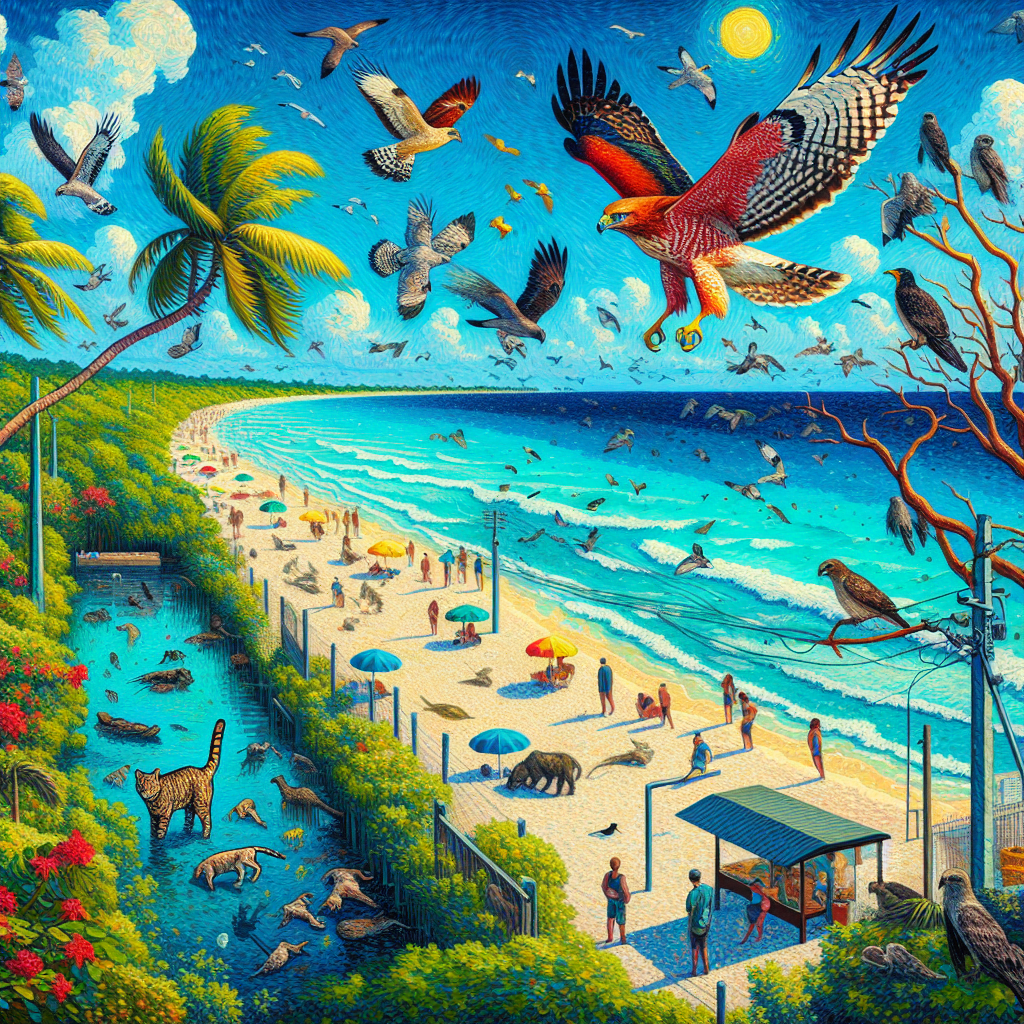
But the real danger often lurks closer to the ground. Think about it: Cozumel’s roads are a mix of bustling vehicles and free-roaming golf carts, resulting in roadkill incidents that inevitably claim bird lives. High-tension power lines loom above, acting as invisible hunters that can ensnare an unsuspecting bird during its aerial ballet. Even feral cats, the uninvited guests of tropical life, pose a significant threat to smaller species, leading to injuries and fatalities.
Injury can also arise from human interactions—intentional or not. While no one sets out to harm a bird, things like litter, fishing lines, or even discarded plastic can ensnare or injure wildlife. Local eco-tourism, though mostly beneficial, can inadvertently lead to stress, especially when people get a little too close, disrupting nesting birds’ natural behaviors.
Despite these challenges, there’s hope. Organizations on the island work diligently to rehabilitate injured birds and educate the masses about the importance of preservation. The local conservation efforts remind us that for every broken wing or tangled leg, there are people dedicated to mending what’s been harmed.
So when you bask in Cozumel’s sun-drenched splendor, remember to look up. The birds you see are not just picturesque moments; they are resilient creatures fighting for survival amid adversity. Their story is a powerful reminder that we share this world, and it’s our duty to safeguard it—not just for ourselves but for all beings who call it home.
Do Birds Get Injured on Cozumel?
Do Birds Get Injured on Cozumel?
- Cozumel is known for its beautiful landscapes, including azure waters and vibrant coral reefs.
- The island is home to diverse bird species, making it a critical stopover for many migratory birds.
- Bird populations face threats from habitat loss due to human development and natural events.
- Road hazards, such as vehicles and golf carts, contribute to bird injuries and fatalities.
- High-tension power lines and predatory feral cats also pose significant threats to bird life.
- Human interactions, including litter and eco-tourism, can unintentionally harm local bird populations.
- Local organizations are actively working to rehabilitate injured birds and promote conservation efforts.

Do Birds Get Injured on Cozumel?
Table Of Contents
- Do Birds Get Injured on Cozumel?
- What Are Common Bird Injuries In Cozumel?
- How Do Human Activities Impact Birds In Cozumel?
- What Are The Most Vulnerable Bird Species In Cozumel?
- Are There Rescue Organizations For Injured Birds In Cozumel?
- How Can Residents Help Injured Birds In Cozumel?
- What Should You Do If You Find An Injured Bird In Cozumel?
- What Signs Indicate a Bird Is Injured Or In Distress In Cozumel?
- Conclusion
- Other Resources
- Glossary Of Terms
- Other Questions
- Haiku
- Poem
- Checklist
What Are Common Bird Injuries In Cozumel?
Cozumel, with its sun-soaked beaches and lush jungles, is a paradise not only for vacationers but for a menagerie of feathered creatures. Yet, beneath the tropical bliss, birds here encounter a variety of injuries that, while often overlooked, tell a compelling story of survival in the wild.
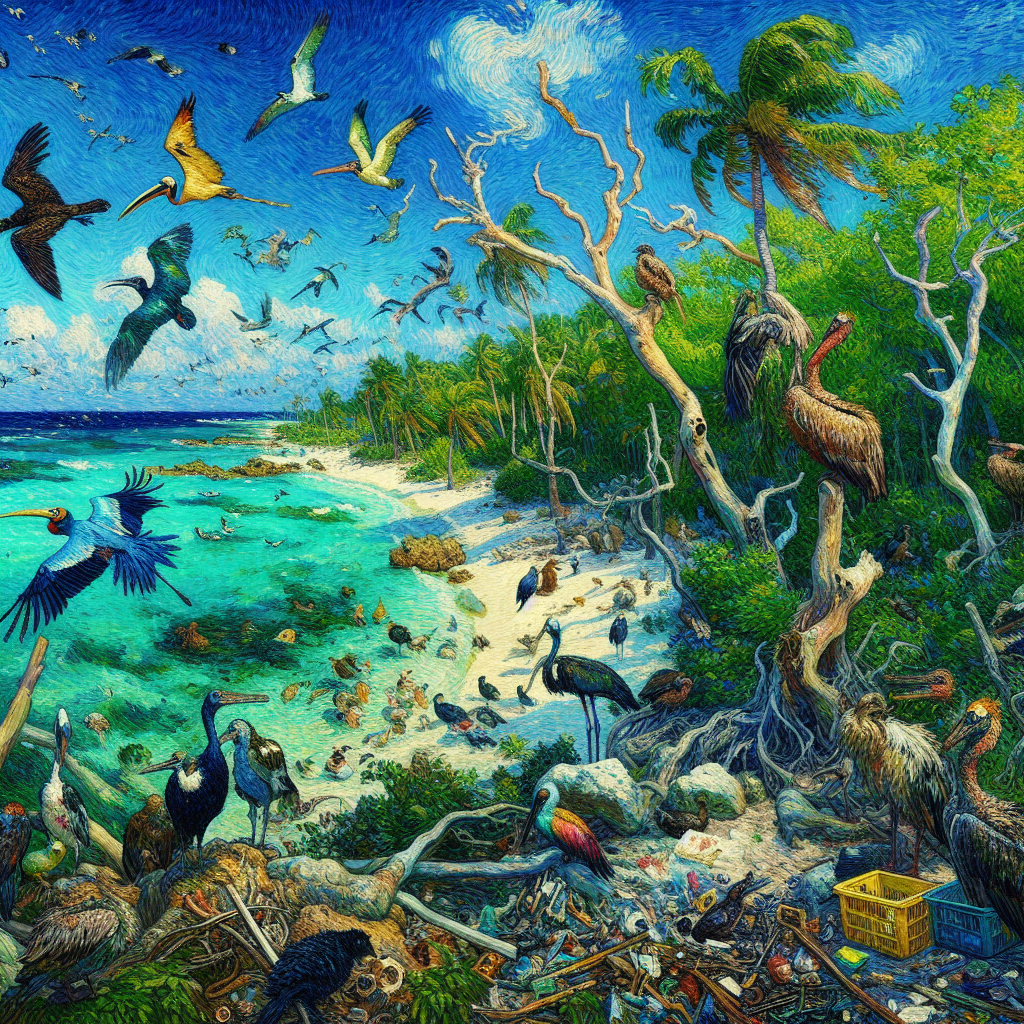
First on the list are wing injuries, a frequent occurrence in this vibrant ecosystem. Birds, whether soaring through the azure skies or fluttering through the dense foliage, can easily misjudge their surroundings. Collisions with buildings, power lines, or other birds can lead to fractures, bruises, or even dislocations. Imagine a bird with a shattered wing—once a master of the air, now brought low by an unexpected encounter. These injuries, if left untreated, can compromise a bird’s ability to fly, hunt for food, or escape predators.
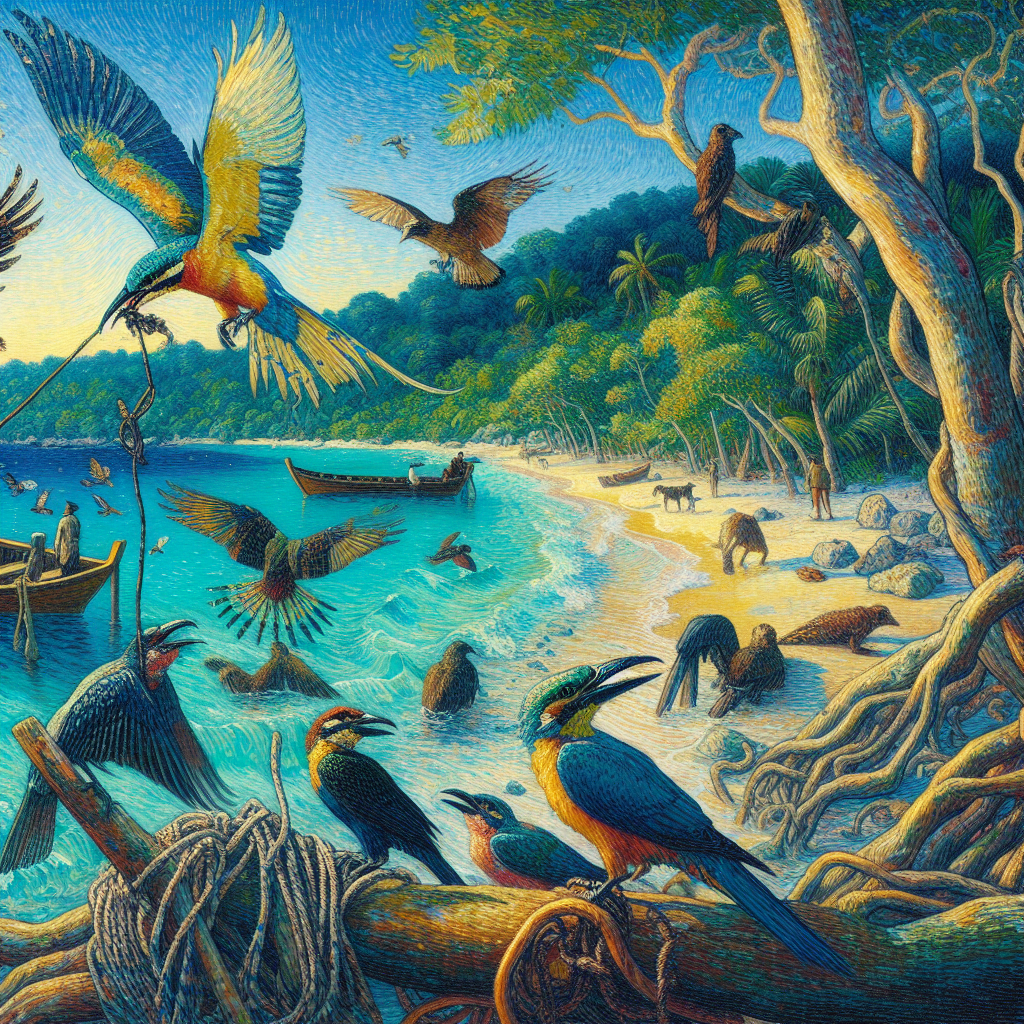
Next up is the peril of entanglement. Here in Cozumel, birds often find themselves caught in the web of human activity—literally. Fishing lines, discarded nets, and even plastic debris can ensnare our avian friends. The struggle to escape can result in serious injuries: wounds from biting through the material, missing toes, or even fatal consequences if help doesn’t arrive in time. It’s a stark reminder that while these birds are well-adapted to their environment, the human footprint poses a unique and sometimes lethal threat.
Another common injury comes from predation. Birds, particularly the young and inexperienced, are often at risk from local predators. A stray cat or a hawk swooping in for an easy meal can lead to significant injuries. These encounters might leave birds with deep lacerations or puncture wounds, meaning they require medical attention and a strong will to regain their strength and return to the skies.
Finally, let’s not forget the dangers of disease and parasites, which can silently wreak havoc on bird populations. From infections to internal parasites, these maladies can be just as damaging as physical injuries. A bird’s own immune system often has to fight these battles alone, and the outcomes can vary widely.
In summary, the brilliant avian life that graces Cozumel faces a myriad of risks that can lead to injuries. Understanding these challenges and the resilience of these creatures is essential for fostering a healthier ecosystem and lending a helping hand whenever we can. Whether it’s cleaning up our shores or reporting an injured bird, our actions can make a difference in their ongoing struggle for survival.
What Are Common Bird Injuries In Cozumel?
What Are Common Bird Injuries In Cozumel?
- Cozumel is a paradise for both vacationers and a variety of bird species.
- Birds in Cozumel commonly suffer from wing injuries due to collisions with buildings, power lines, or other birds.
- Entanglement in fishing lines, discarded nets, and plastic debris poses significant risks to birds, leading to serious injuries and even death.
- Predation from local animals, such as stray cats and hawks, can cause deep lacerations and puncture wounds in birds, especially the young and inexperienced.
- Disease and parasites can silently impact bird populations, affecting their health and survival.
- Acknowledging the challenges birds face in Cozumel is essential for promoting a healthier ecosystem.
- Community actions, like cleaning shores and reporting injured birds, can significantly aid in the survival of these avian species.
What Are Common Bird Injuries In Cozumel?
How Do Human Activities Impact Birds In Cozumel?
Cozumel is a paradise of sun-soaked beaches, vibrant coral reefs, and a symphony of birds that fill the air with their songs. But beneath this picturesque facade, the impact of human activities is playing a significant tune that changes the landscape for our feathered friends.
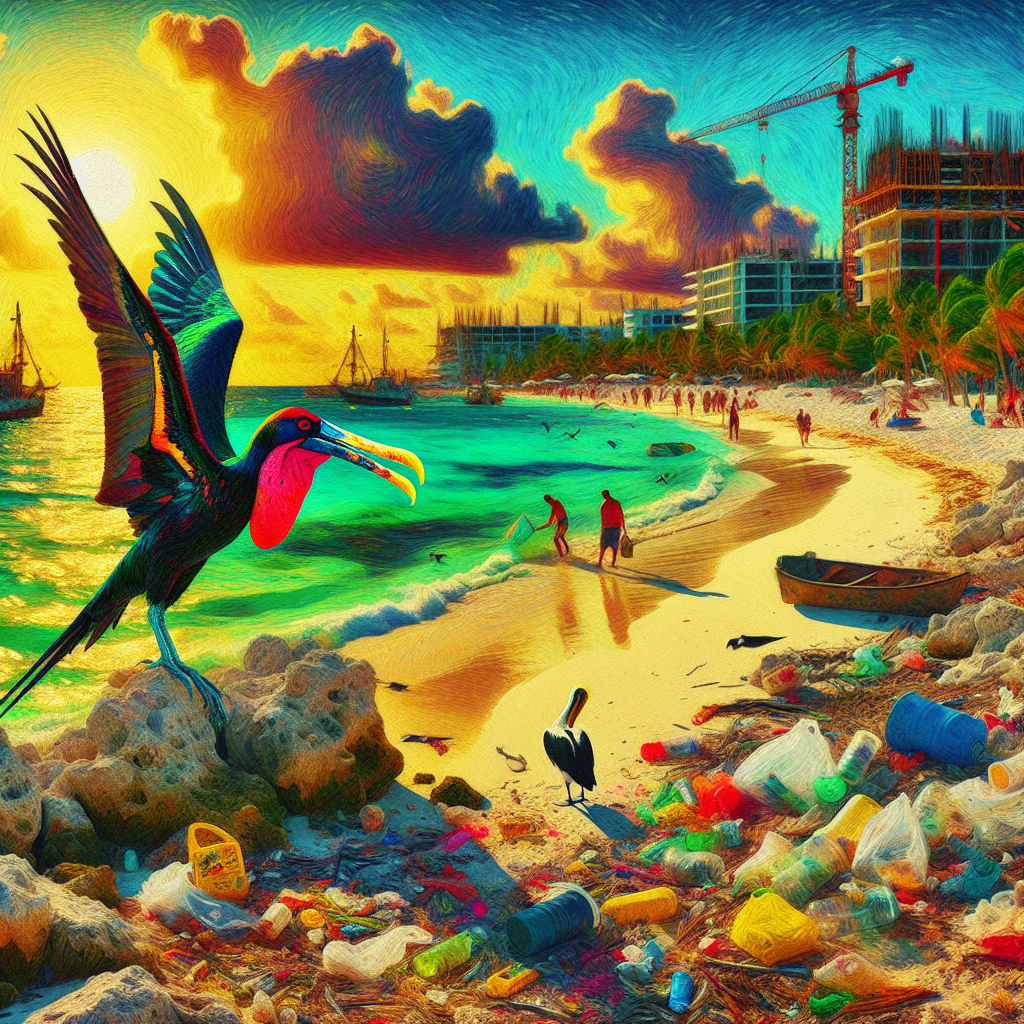
Let’s start with tourism. The allure of Cozumel’s beauty draws millions of visitors each year, eager to bask in its wonders. But as more feet tread the soil, more habitats are being disturbed. Development—think resorts, restaurants, and recreational facilities—can lead to the loss of vital nesting sites for birds. Imagine a majestic frigatebird caught in the whirlwind of a construction site, its breeding ground replaced by a parking lot. Not only does this encroachment diminish available territory, but the noise and chaos of human activity can drive birds away from their home ranges, leading to decreased populations.
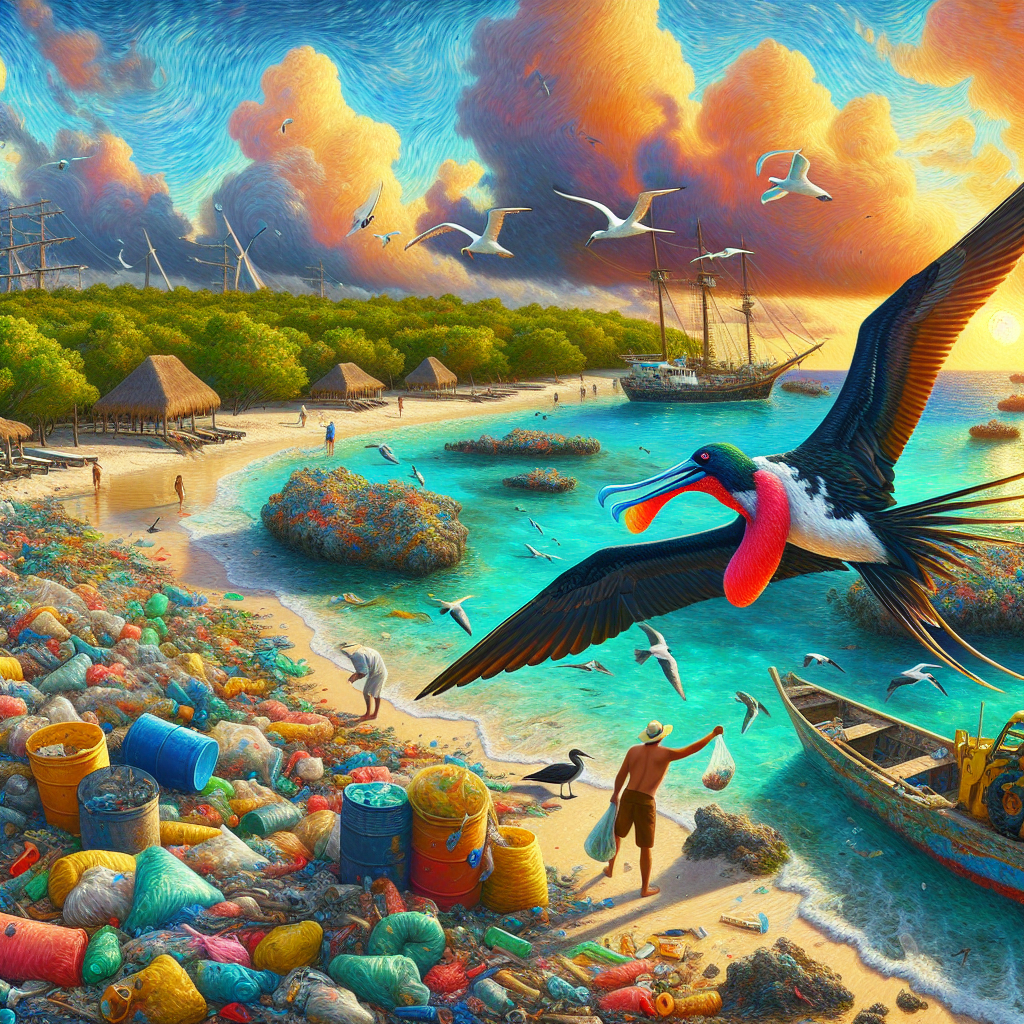
Then there’s pollution. It creeps in like an unwelcome guest, altering the delicate balance of nature. Chemicals used in agriculture, waste from hotels, and plastic debris clutter the beaches and shorelines, which directly affect bird health. Injuries from ingesting plastic or toxins can wreak havoc on avian well-being, not to mention the impact pollution has on the food chain. A dead fish is a missed meal for a pelican, and sometimes, what’s in that fish could harm generations of birds before they have a chance to take flight.
Climate change adds another layer to this intricately woven narrative. The rising sea levels and shifting weather patterns are altering migratory routes and breeding seasons. Birds that have historically flocked to Cozumel may find their timelines disrupted, leading to mismatches in food availability. If the insects hatch too early or blooms appear before the hummingbirds arrive, it’s a race against time that many cannot win.
And let’s not forget the simple act of feeding birds. While tossing breadcrumbs may seem harmless, it can lead to dependency on human-provided food sources. Birds that rely too heavily on handouts may lose their natural foraging skills, making them more vulnerable when faced with environmental changes.
CCozumel’s birds and humans share this stunning island, and we must recognize that our choices have a lasting impact. By conscientiously managing our activities, we can ensure that these vibrant avian populations continue to thrive, contributing to the rich tapestry of life that defines this Caribbean gem.
How Do Human Activities Impact Birds In Cozumel?
How Do Human Activities Impact Birds In Cozumel?
- Cozumel is a beautiful destination known for its beaches, coral reefs, and diverse bird life.
- Tourism contributes to habitat disturbance, leading to loss of nesting sites for birds due to development.
- Human activity, such as construction, can create noise that drives birds away from their home ranges.
- Pollution from chemicals, waste, and plastic affects bird health and disrupts the food chain.
- Climate change is altering migratory routes and breeding seasons, impacting food availability for birds.
- Feeding birds can lead to dependency on human sources, diminishing their natural foraging skills.
- Conscientious management of human activities is essential to protect Cozumel’s avian populations.
How Do Human Activities Impact Birds In Cozumel?
What Are The Most Vulnerable Bird Species In Cozumel?
Cozumel, a gem in the Caribbean, is renowned for its vibrant culture and stunning beaches. Yet, beneath the surface of this tropical paradise lies a critical concern: the vulnerable bird species that call this island home. The struggle for survival among these feathered friends serves as a stark reminder of the interconnectedness of nature and the fragility of ecosystems.
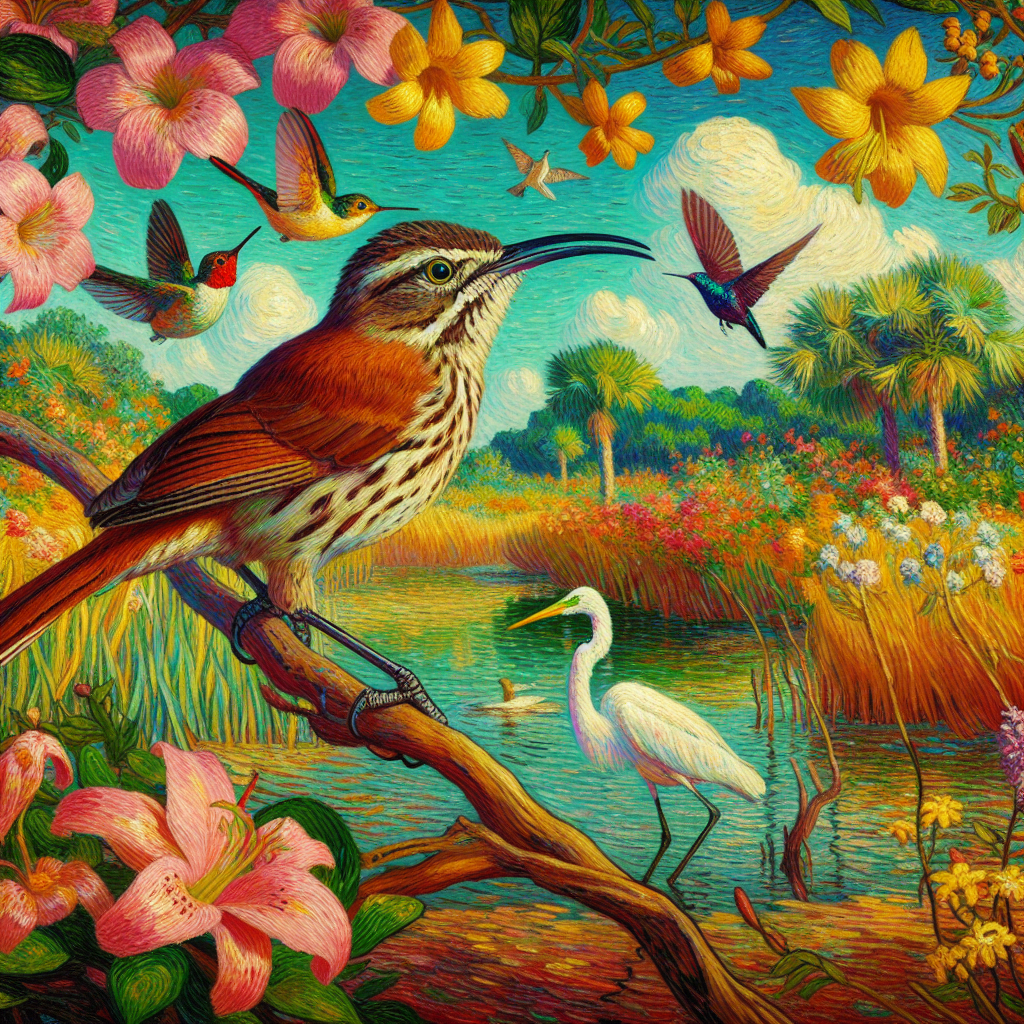
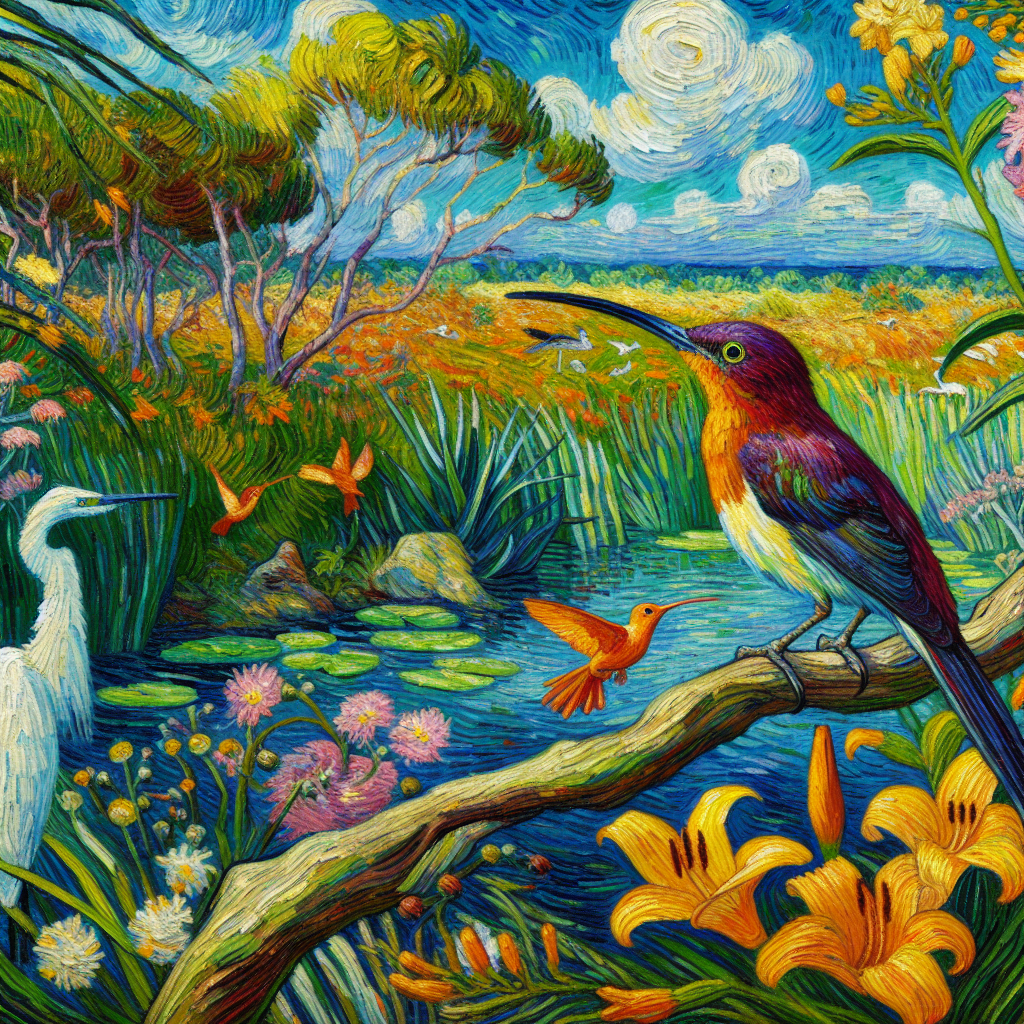
First on our list is the Cozumel Thrasher, a bird that has become emblematic of the island’s unique avifauna. With its striking plumage and melodious call, this species is a true treasure of Cozumel. Unfortunately, its numbers have been steadily declining due to habitat loss caused by urban development and invasive species. What’s particularly heartbreaking is that this bird is endemic to Cozumel, meaning it exists nowhere else on Earth. In many ways, the Cozumel Thrasher is a symbol of what’s at stake if we don’t take swift action to protect its habitat.
Another species facing the grim specter of vulnerability is the Ruby-throated Hummingbird. While hummingbirds typically boast incredible adaptability, this particular species is feeling the pinch as climate change alters migration patterns and food availability. Each spring, these tiny aviators make their arduous journey north from Central America, only to find their habitats disrupted by environmental changes. The loss of flowering plants, which are crucial for their sustenance, poses a significant threat to their survival.
Let’s not forget the largest bird of the island, the Great Egret. With its elegant stature and stunning white plumage, the Great Egret is often touted as a symbol of grace and beauty. Yet, like the others, this bird grapples with declining habitats due to pollution and encroachment by human activity. Wetlands, which serve as vital breeding grounds, are diminishing, making life increasingly challenging for these magnificent birds.
So, what can we do about it? Awareness is the first step. By understanding the plight of Cozumel’s vulnerable bird species, we can make more informed choices when visiting the island. Supporting local conservation efforts and responsible tourism practices can play a crucial role in safeguarding the habitats these birds desperately need.
Cozumel is more than just a vacation destination; it’s a fragile ecosystem holding the hopes of its unique avian inhabitants. Protecting these vulnerable birds ensures that future generations will have the opportunity to witness their beauty. After all, every bird counts in the grand tapestry of life.
What Are The Most Vulnerable Bird Species In Cozumel?
What Are The Most Vulnerable Bird Species In Cozumel?
- Cozumel is a beautiful Caribbean island known for its vibrant culture and stunning beaches.
- The island is home to vulnerable bird species facing significant survival challenges.
- The Cozumel Thrasher is emblematic of Cozumel’s unique avifauna and is endemic to the island.
- Declining numbers of the Cozumel Thrasher are due to habitat loss from urban development and invasive species.
- The Ruby-throated Hummingbird faces threats from climate change disrupting migration and food availability.
- The Great Egret, the largest bird on the island, struggles with habitat loss from pollution and human encroachment.
- Raising awareness and supporting local conservation and responsible tourism can help protect these vulnerable birds.
What Are The Most Vulnerable Bird Species In Cozumel?
Are There Rescue Organizations For Injured Birds In Cozumel?
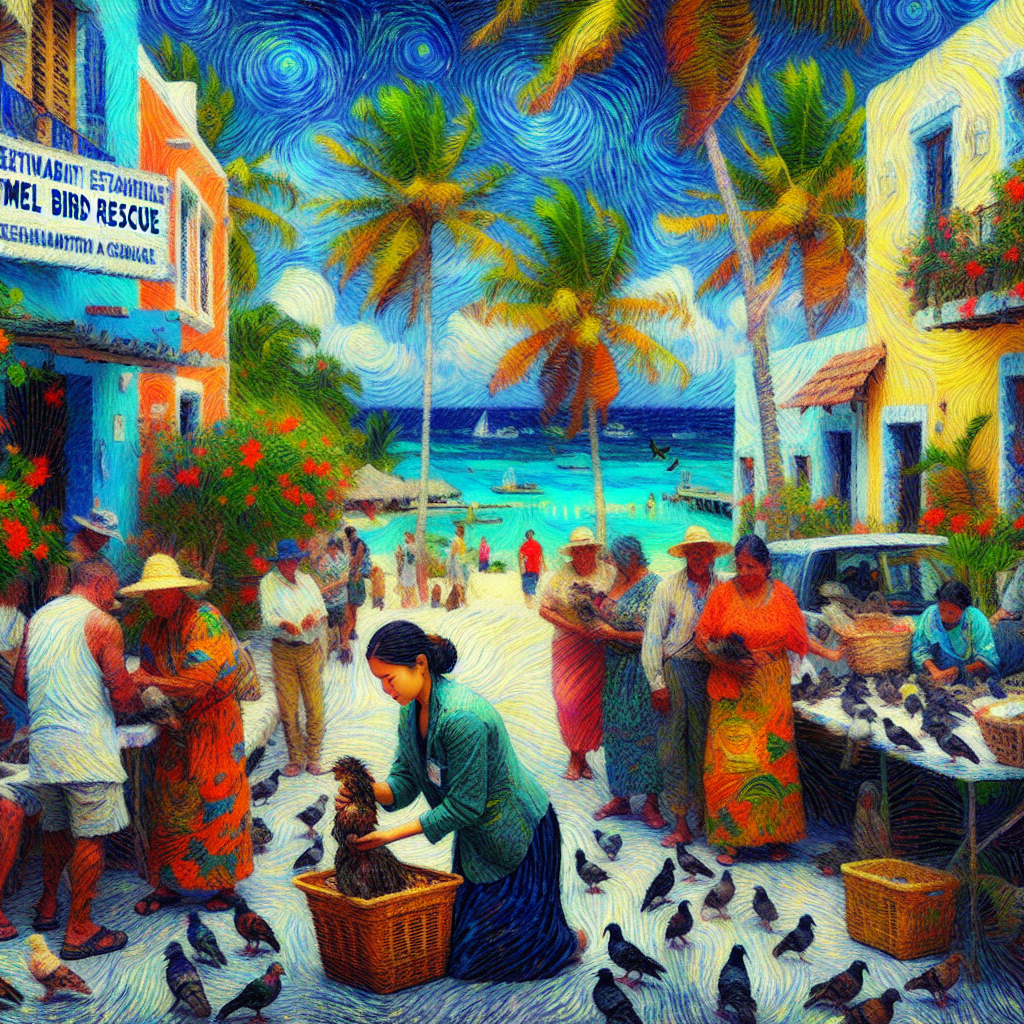
If you find yourself wandering the sun-soaked streets of Cozumel, you might stumble upon an injured bird nestled beneath a palm tree or fluttering awkwardly at the beach. It’s a sight that can tug at your heartstrings—these feathered creatures are as much a part of the island’s charm as its turquoise waters and vibrant coral reefs. But don’t fret just yet; there are dedicated rescue organizations ready to step in when our avian friends find themselves in dire straits.
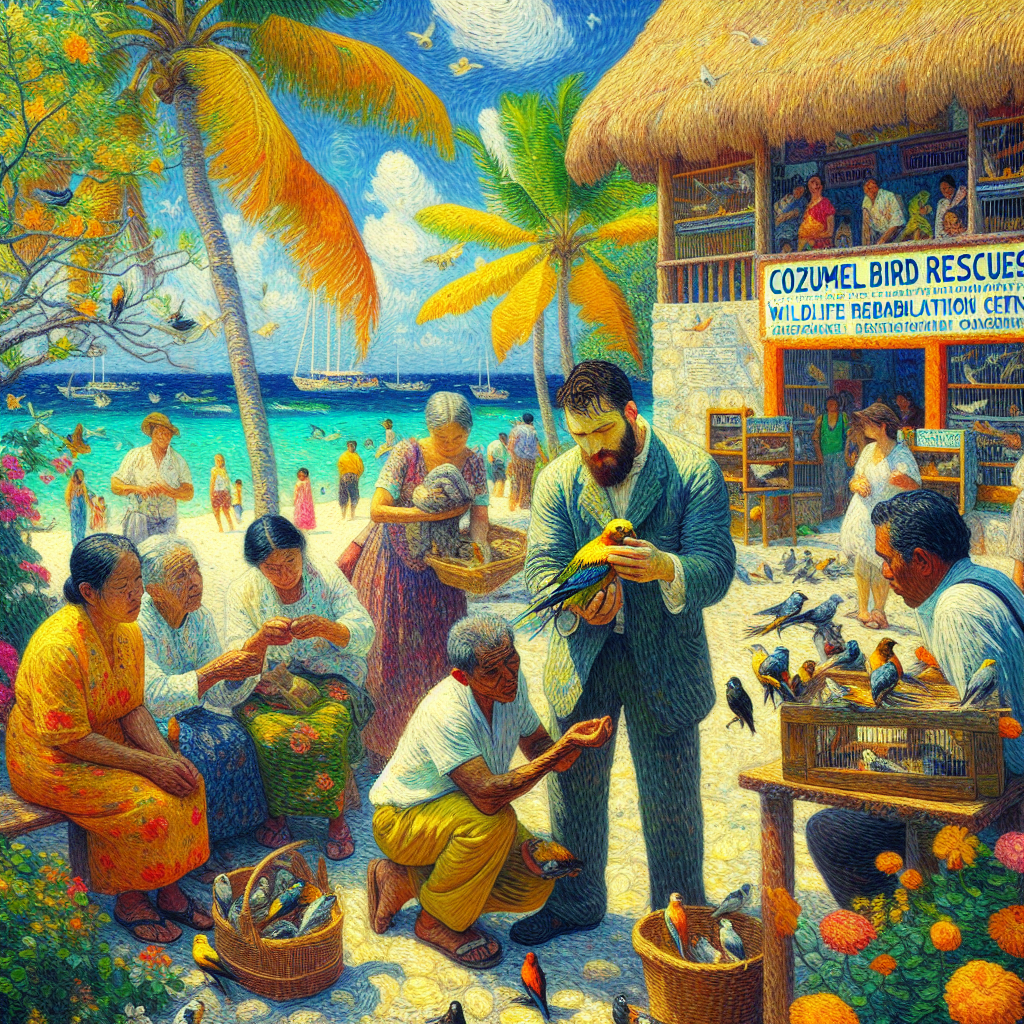
First off, let’s shine a light on the vital work being done by local wildlife rehabilitation centers. These organizations aren’t just places where birds get bandaged up and sent on their merry way. They are sanctuaries of hope, staffed by passionate individuals who dedicate their lives to saving injured wildlife. Take, for instance, the local arm of a global initiative focused on bird rescue and rehabilitation. These folks know every tuft of feather and avian ailment like the back of their hand. Whether it’s an unfortunate collision with a window or a nasty case of tangled fishing line, they’re equipped to help.
Many of these organizations also operate educational programs that aim to inform both locals and tourists about the significance of protecting local wildlife. They understand that awareness is the first step in prevention. With the right knowledge, we can all be advocates for these beautiful creatures, ensuring that the next generation of birds can enjoy Cozumel’s picturesque skies. You can find various workshops and volunteer opportunities that allow you to roll up your sleeves and get involved, whether you’re removing litter from habitats or learning how to safely approach an injured bird.
And let’s not forget about the power of community. Many rescue organizations rely heavily on local volunteers who share a passion for wildlife. This grassroots involvement helps foster a sense of responsibility towards nature among residents and visitors alike. The sheer number of compassionate hearts beating in harmony with the call of the wild is nothing short of inspiring.
So, if you happen to encounter an injured bird while soaking up the sun on Cozumel’s stunning shores, remember that help is just a call away. A quick search will lead you to the dedicated teams who are eager and ready to restore a little life back to our feathered friends. Every bird saves a story, and in Cozumel, those stories are backed by a community willing to make a difference.
Are There Rescue Organizations For Injured Birds In Cozumel?
Are There Rescue Organizations For Injured Birds In Cozumel?
- Cozumel has dedicated rescue organizations for injured birds found in public spaces.
- Local wildlife rehabilitation centers serve as sanctuaries for injured birds, staffed by passionate individuals.
- These organizations focus on bird rescue and rehabilitation, addressing issues like window collisions and tangled fishing lines.
- They also run educational programs to raise awareness about protecting local wildlife among locals and tourists.
- Workshops and volunteer opportunities are available for those wanting to contribute to wildlife conservation.
- Community involvement is crucial, with local volunteers helping to foster responsibility toward nature.
- If you encounter an injured bird, professional help is readily available to assist in their recovery.
Are There Rescue Organizations For Injured Birds In Cozumel?
How Can Residents Help Injured Birds In Cozumel?
Cozumel, with its breathtaking sunsets and crystal-clear waters, is a paradise for birdwatchers and wildlife enthusiasts alike. But like any serene habitat, it’s also a place where birds can encounter challenges. Whether it’s a collision with a window or an unfortunate encounter with a fishing line, injured birds can show up in our beautiful neighborhoods. So how can locals lend a helping hand? Let’s break it down.
First, keep your eyes peeled. If you spot a bird that appears injured or distressed, take a moment to assess the situation from a safe distance. Is it flapping its wings but can’t seem to take off? Is it sitting motionless? Sometimes, what looks like an injury can simply be a bird resting after a long flight. But if you recognize the signs of trouble, it’s time to act.
Next, don’t be a hero. Approaching a frightened bird can exacerbate its stress. Instead, create a safe and quiet environment by gently guiding it away from busy areas. If it’s in a location prone to further danger—like alongside a road or near a beach—use a box to enclose it. A well-ventilated cardboard box works perfectly; just make sure to poke a few holes for air while keeping the surroundings calm. Handle the bird with care, keeping your hands away from its wings and head to minimize stress.
Now that you have a bird in safe hands, the next step is to seek professional help. In Cozumel, local wildlife centers and veterinarians can provide the necessary care. Reach out to them for guidance and transport the bird to the appropriate facility. Don’t forget to gather as much information as you can about what happened; this can help the experts assess the bird’s condition and the best course of action.
Furthermore, consider being part of a solution that goes beyond first aid. Engage with local wildlife conservation groups or join community events focused on habitat preservation. Educating others about the impact of pollution and habitat destruction not only benefits injured birds but fosters a healthier ecosystem overall.
By being vigilant, compassionate, and proactive, residents of Cozumel can be true guardians of their feathered friends. Remember, every bird saved adds a little more harmony to this tropical paradise!

How Can Residents Help Injured Birds In Cozumel?
How Can Residents Help Injured Birds In Cozumel?
- Cozumel is a paradise for birdwatchers and wildlife enthusiasts with beautiful sunsets and clear waters.
- Injured birds may appear in neighborhoods due to collisions or other dangers.
- Locals should assess the situation from a safe distance before intervening.
- Avoid stressing the bird by creating a calm environment and using a well-ventilated cardboard box for transport.
- Seek professional help from local wildlife centers or veterinarians for the injured bird.
- Engage with wildlife conservation groups and educate others about the benefits of habitat preservation.
- By being proactive and compassionate, Cozumel residents can help protect their local bird population.

How Can Residents Help Injured Birds In Cozumel?
What Should You Do If You Find An Injured Bird In Cozumel?
So, you’re strolling the beautiful shores of Cozumel, sipping a refreshing beverage, when suddenly you spot an injured bird. Before you panic or snap into rescue mode, take a deep breath. Here’s a ground-level guide to help you navigate this delicate situation without causing more harm than good.
First things first: assess the situation. Is the bird moving, or is it on the ground, flapping its wings like it’s caught in a bad dance? Observe from a distance. Disturbing the bird prematurely can stress it out even more. If it looks like it’s in serious trouble—say, a broken wing or a bad case of the “I can’t get up”—then it’s time to take action. But what action? Well, that’s where the rubber meets the road.
Your first instinct might be to swoop in and scoop it up. Hold that thought! Birds can be stressed by human interaction, and the last thing you want to do is scare it into a worse condition. If you’re determined to help, approach slowly. Use a towel or a soft cloth when you make your move. This not only shields you from sharp beaks and flapping wings but also keeps the bird calm—no small feat when its world just got topsy-turvy.
Now, if you’ve managed to capture the little fella, make sure to keep it contained. A small box with air holes will do just fine. Place a soft cloth inside, and keep the box in a quiet, dark place until you can get some expert help. Time is of the essence, but so is doing it right.
Next up on the itinerary: finding someone who knows what they’re doing. Reach out to local wildlife rehabilitators or veterinarians. In Cozumel, that might be a little tricky as resources can vary. Have your smartphone handy and make a few calls. Most professionals will be more than willing to direct you to the right place.
Lastly, show compassion. Sometimes, despite our best efforts, nature takes its course. Remember, you just did something incredibly kind by trying to help. Whether you succeed or not, you made an attempt. That’s not something everyone would do. So, take a moment to appreciate your efforts before moving on with your day. You may have saved a life—or at least made a valiant effort.

What Should You Do If You Find An Injured Bird In Cozumel?
What Should You Do If You Find An Injured Bird In Cozumel?
- When encountering an injured bird, first assess the situation from a distance to avoid stressing it.
- If the bird appears severely injured, prepare to help, but approach slowly to minimize stress.
- Use a towel or soft cloth to gently capture the bird, protecting yourself and calming it.
- Contain the bird in a small box with air holes, lined with a soft cloth, and keep it in a quiet, dark place.
- Seek expert help by contacting local wildlife rehabilitators or veterinarians in Cozumel.
- Be prepared to make several calls, as resources may vary in the area.
- Show compassion for the bird and acknowledge your effort, regardless of the outcome.

What Should You Do If You Find An Injured Bird In Cozumel?
What Signs Indicate a Bird Is Injured Or In Distress In Cozumel?
Cozumel is known for its stunning turquoise waters and vibrant coral reefs, but it’s also a haven for a diverse range of bird species. While observing these beautiful creatures can be a delightful experience, spotting a bird in distress can be unsettling. Recognizing the signs of injury or distress is crucial for ensuring that these avian residents receive the help they need.
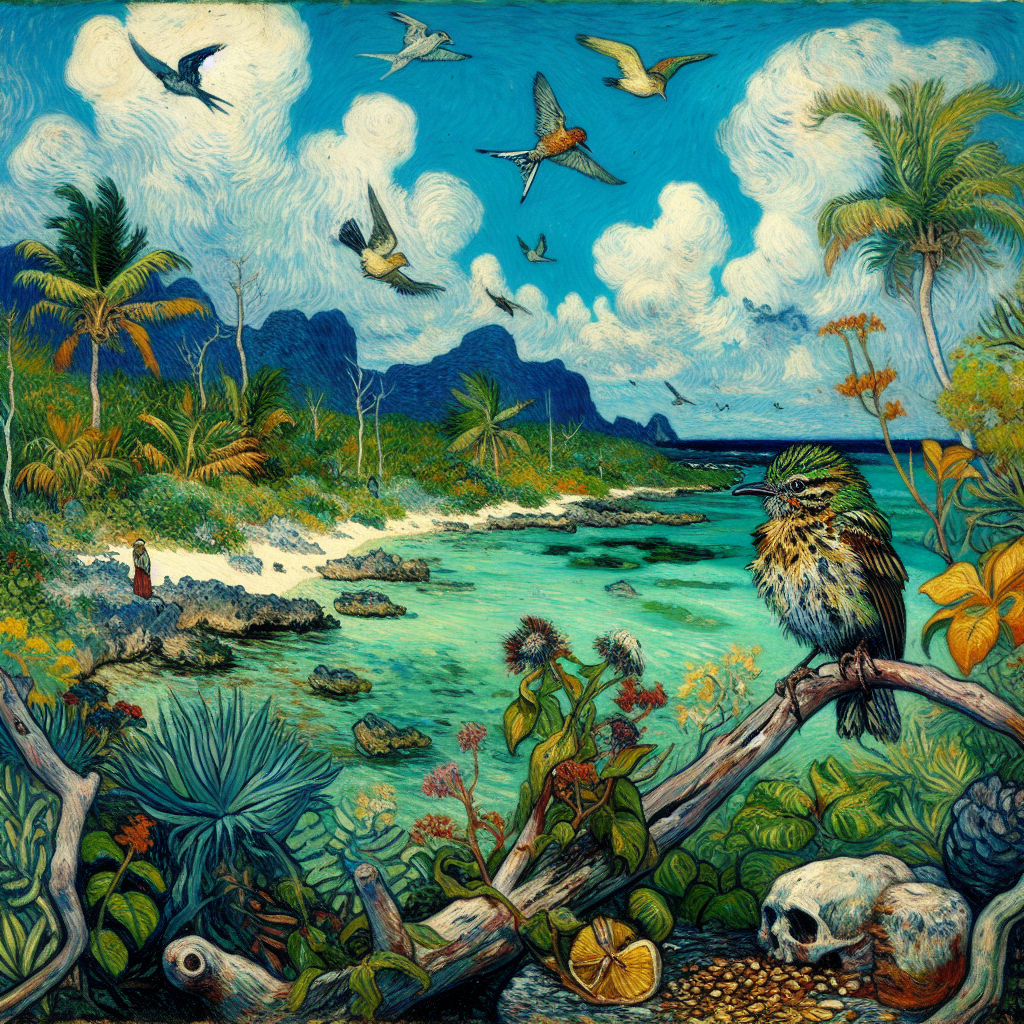
First and foremost, keep an eye on a bird’s behavior. Healthy birds are typically lively and engaged. If you notice one that is unusually quiet, not moving, or hiding in dense foliage, that could be a red flag. Distressed birds often isolate themselves, avoiding the company of others, which can indicate they are not feeling well or have sustained an injury.
Physical signs are also key indicators. Look for any signs of visible trauma—feathers ruffled in odd directions, or a wing drooping at an unnatural angle. If a bird is unable to perch properly or keeps falling to the ground, it might be time to take a closer look. Be wary of blood as well; while you might not want to go poking around too closely, any sign of blood—whether it’s on the bird itself or nearby—is a cause for concern.
Vocalizations can also tell a story. Healthy birds sing, chirp, and engage in a symphony of sounds. In contrast, a bird in distress may show unusual noises, like weak calls or incessant squawking. Don’t dismiss these sounds; they often serve as cries for help.
Another significant sign is the bird’s appetite. If a once-busy feeder has suddenly stopped munching on seeds or flying for a tasty treat, there’s likely trouble afoot. Birds in distress often lose interest in food, especially if they’re injured or feeling ill.
Lastly, consider the environment. Is there a predator lurking around or a sudden change in weather? Stressors in their surroundings can exacerbate a bird’s plight, leading to erratic behavior. In Cozumel’s lush backdrop, human activity can also impact birds, so always be observant of disturbances.
If you come across a bird displaying any of these signs, remember that acting quickly but gently is essential. Contact local wildlife rehabilitation organizations in Cozumel that can provide the necessary support. We owe it to these feathered friends to lend a helping hand when they need it.
What Signs Indicate a Bird Is Injured Or In Distress In Cozumel?
What Signs Indicate a Bird Is Injured Or In Distress In Cozumel?
- Cozumel is home to a variety of bird species, and recognizing signs of distress is important for their welfare.
- Unusual behavior, such as being quiet, not moving, or hiding, may indicate that a bird is in distress.
- Look for physical signs like ruffled feathers, drooping wings, or inability to perch, as these can signal injury.
- Vocalizations change; distressed birds may produce weak calls or incessant squawking instead of regular songs.
- A sudden loss of appetite in birds that usually feed actively can indicate health issues.
- Environmental factors, such as predators or human disturbances, can contribute to a bird’s distress.
- If you encounter an injured or distressed bird, contact local wildlife rehabilitation organizations for assistance.
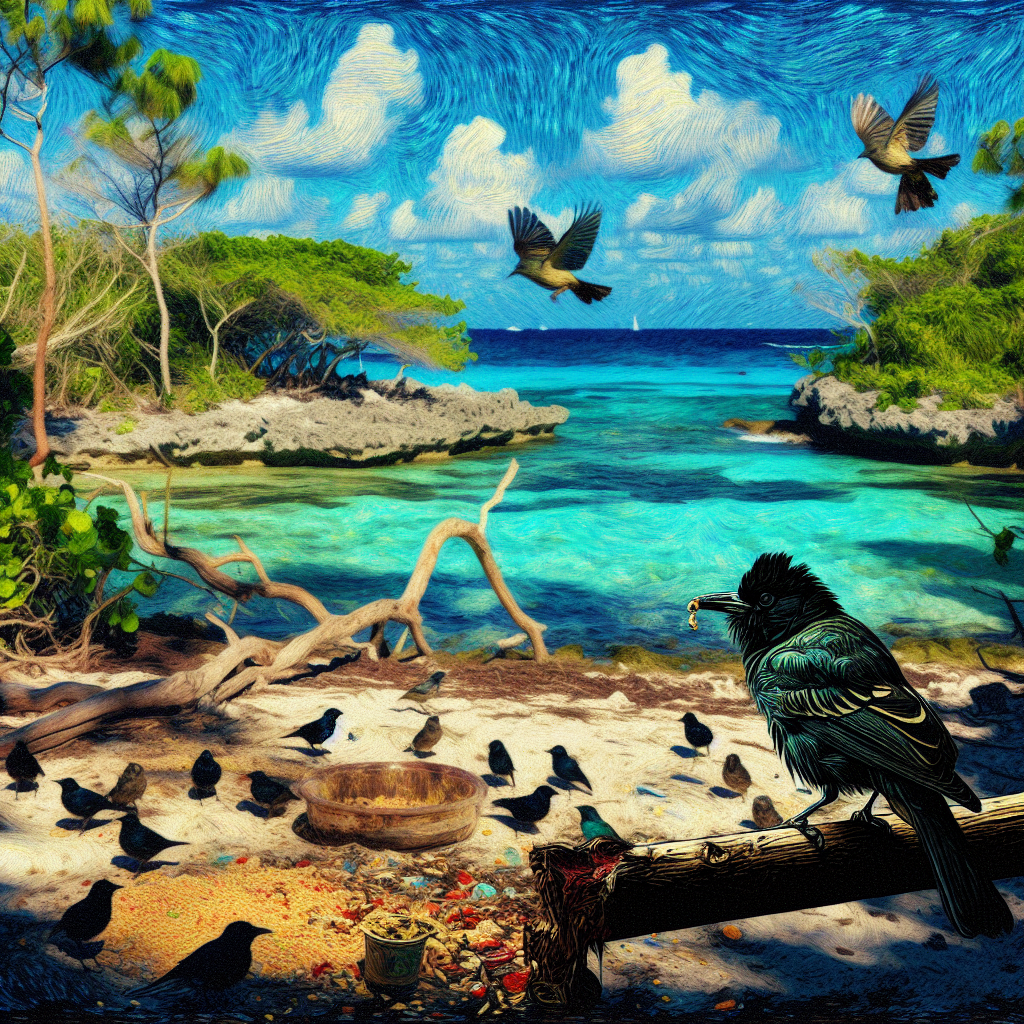
What Signs Indicate a Bird Is Injured Or In Distress In Cozumel?
Conclusion
As you wrap up your journey through the captivating world of Cozumel’s avian residents, it’s essential to take a moment and reflect on the reality that exists beneath the beauty of this tropical paradise. Yes, Cozumel is a dream come true for sun-seekers and beach lovers, but it is also home to a diverse array of birds that face daily challenges in their quest for survival. From the majestic Cozumel Thrasher to the nimble Ruby-throated Hummingbird, each feathered creature has its story—a story that is often marked by adversity.
Human activity, with its often-unintentional consequences, plays a significant role in the struggles faced by local bird populations. Roads, resorts, and rising sea levels pose lethal threats, while pollution and habitat destruction disrupt the delicate balance of nature. As visitors and residents alike roam the island, they might unknowingly contribute to the plight of these birds—whether through litter or simply by encroaching upon their nesting grounds.
But it’s not all doom and gloom—hope springs from the grassroots efforts of local rescue organizations and passionate individuals who dedicate their time and resources to rehabilitating injured birds. These unsung heroes understand the importance of biodiversity and the vital role birds play in maintaining healthy ecosystems. Their work, coupled with community involvement, shines a light on the power each of us holds in protecting these magnificent creatures.
So, the next time you find yourself basking in the sun with a tropical drink in hand, remember to look upward. Those birds gliding across the sky are not just part of a picturesque scene; they’re resilient survivors navigating a world filled with obstacles. You don’t need to don a cape to be a hero for these stunning creatures. Instead, it boils down to simple actions: being observant, cleaning up after ourselves, and advocating for conservation efforts.
In the grand tapestry of life that is Cozumel, every effort counts. Each cleanup, each call to a local rehabilitation center, and each moment spent educating others adds a thread to the intricate pattern of hope. So let’s embrace the responsibility that comes with our paradise, ensuring that the next generation can witness the beauty of Cozumel’s birds—truly, an extraordinary gift that must be cherished and protected. After all, we’re all in this together, and we owe it to the feathered inhabitants of this island to lend a helping hand whenever we can.
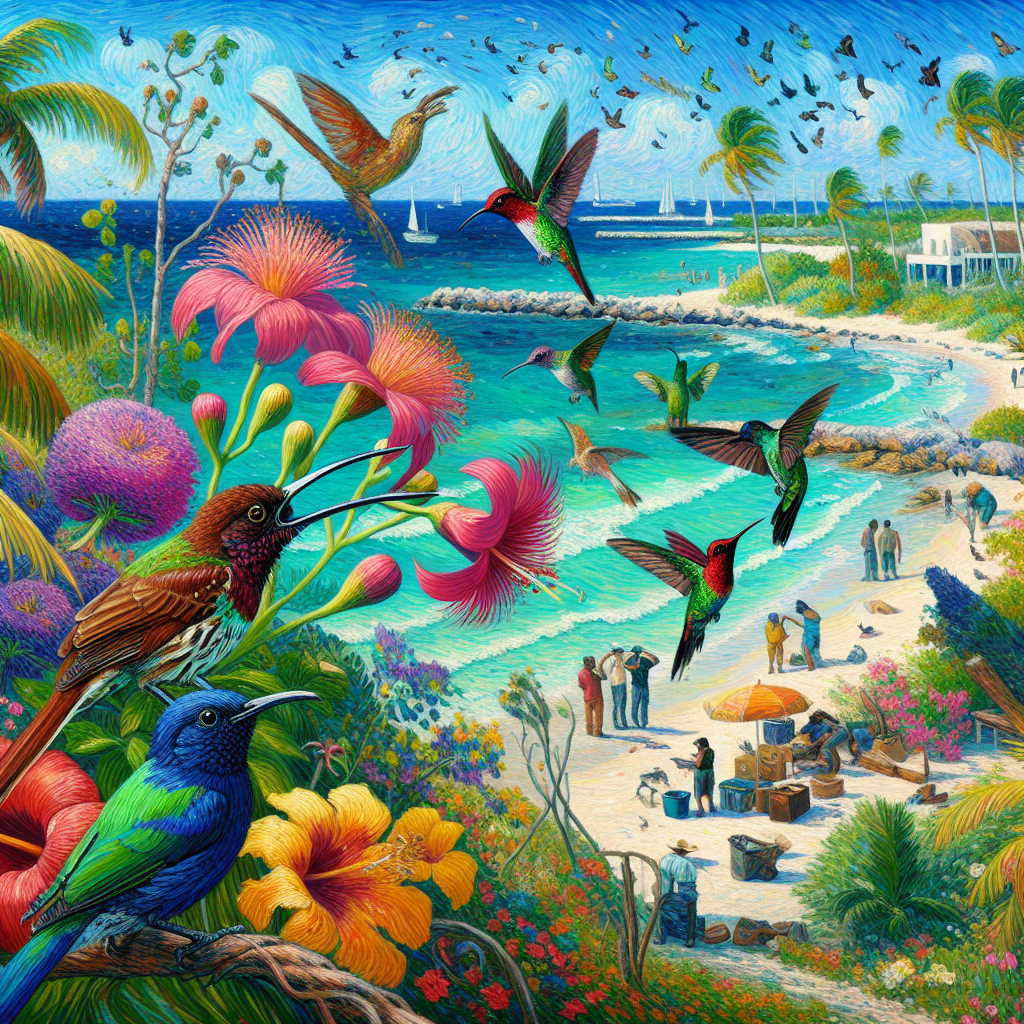
Conclusion
Conclusion:
- Cozumel is a tropical paradise home to a diverse range of bird species facing survival challenges.
- Human activities, such as road development and pollution, negatively impact local bird populations.
- Local rescue organizations work tirelessly to rehabilitate injured birds and preserve biodiversity.
- Community involvement is crucial in advocacy for the protection of Cozumel’s avian residents.
- Simple actions, like cleaning up and observing nature, can contribute to the conservation efforts.
- Every individual effort, no matter how small, contributes to safeguarding the future of Cozumel’s birds.
- We share the responsibility to protect these creatures for future generations to enjoy.
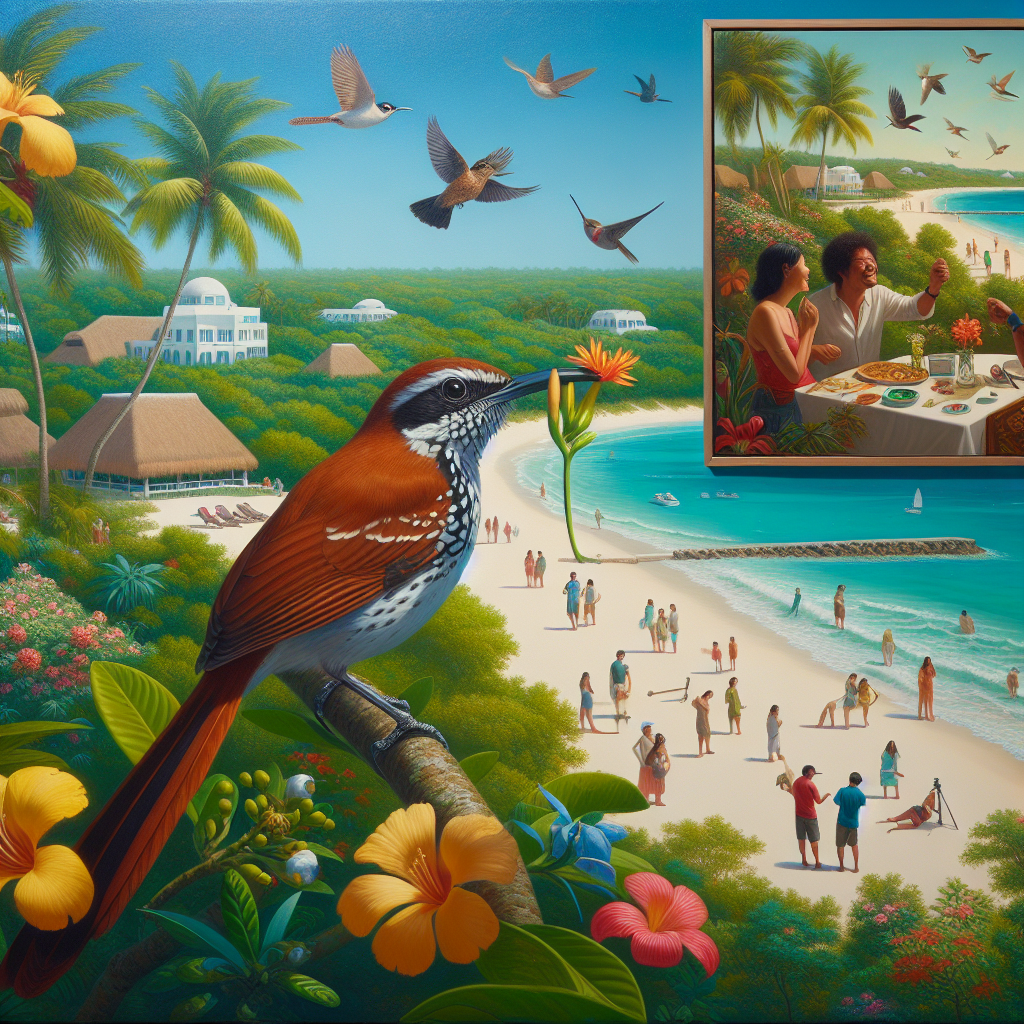
Conclusion
Other Resources
Other Resources
Reading this from somewhere that isn’t Cozumel? When you do come down, where you stay shapes the whole trip. A few options from our sister sites: Cozumel Journey is an editorial guide to Cozumel — neighborhoods, planning tips, and life on the island for travelers who want context, not a cruise schedule.
Here is a list of other resources you can review online to learn more:
- Hard Rock Cafe Cozumel
- Tulum
- Coral Reef Restoration Program
- El Muellecito Cantina Marisqueria Cozumel
- Chen Rio
- TopCozumelNews
- Yucatek Divers
- El Foco Restaurant & Bar
- Al Pie del Carbon Restaurant
- Cozumel Pearl Farm
- Cozumel Journey
Use This Prompt To Get More Resources With Your Favorite Online AI Tool: Please provide me with a list of online articles with their URLs in a bulleted list that I can read regarding Do Birds Get Injured on Cozumel?
Other Resources
Glossary Terms
Do Birds Get Injured on Cozumel? – Glossary Of Terms
1. Avian: Relating to birds; often used to describe species, behaviors, or health issues.
2. Cozumel: An island in the Caribbean Sea off the eastern coast of Mexico, known for its rich biodiversity, including various bird species.
3. Habitat: The natural environment where birds live, encompassing food, water, shelter, and breeding areas.
4. Injury: Physical harm or damage to birds, which can occur from various sources, including collisions or predators.
5. Conservation: Efforts aimed at protecting and preserving bird species and their habitats from harm.
6. Migration: The seasonal movement of birds from one region to another, which can sometimes lead to injuries due to environmental hazards.
7. Endemic Species: Birds that are native to Cozumel and not naturally found elsewhere.
8. Pollution: The introduction of harmful substances into the environment, which can negatively impact bird health.
9. Predation: The preying of one animal upon another; birds can be injured by predators such as cats or larger birds.
10. Human Interference: Activities such as construction, tourism, and boating that can disrupt bird habitats and contribute to injuries.
11. Wildlife Rehabilitation: The process of caring for injured or orphaned birds with the goal of returning them to their natural habitat.
12. Ornithology: The scientific study of birds, including their physiology, behavior, and conservation.
13. Invasive Species: Non-native birds or other animals that can disrupt local ecosystems and endanger native bird populations.
14. Banding: A method of tracking bird populations and movements by attaching a band to their legs; can sometimes cause injury if not done properly.
15. Disease: Illness in birds that can arise from environmental factors, stress, or infections, leading to decreased health and increased vulnerability to injury.
16. Natural Disaster: Events such as hurricanes or floods that can cause widespread injury or loss of habitat for birds.
17. Nest Predation: The act of predators attacking bird nests and chicks, leading to high rates of injury and mortality.
18. Caging: Keeping birds in enclosures, which can lead to stress and injury if not managed properly.
19. Ecotourism: Responsible travel to natural areas that can provide funds for bird conservation, though it can also cause disturbance.
20. Habitat Restoration: Efforts to restore natural environments that have been damaged, benefiting both birds and local ecosystems.
21. Feeding Stations: Areas set up to provide food for birds, which must be maintained properly to avoid health issues.
22. Fledgling: A young bird that has just acquired its feathers and is learning to fly; often more susceptible to injury.
23. Roosting: The behavior of birds resting or sleeping in specific locations, sometimes leading them to encounter hazards.
24. Biodiversity: The variety of species within a given area, including all types of birds and their ecological roles.
25. Habitat Fragmentation: The division of larger habitats into smaller segments, affecting bird populations and increasing injury risks.
26. Breeding Season: The time of year when birds mate and raise their young, often marked by increased territoriality and vulnerability to injury.
27. Avian Flu: A viral infection affecting birds that can lead to severe health issues and affect populations.
28. Rescue Organizations: Non-profits or groups dedicated to the rehabilitation and recovery of injured birds.
29. Climate Change: Long-term changes in temperature and precipitation patterns, affecting bird migrations and habitats which can lead to increased injuries.
30. Sustainable Practices: Methods used in agriculture, tourism, and other human activities that aim to minimize impact on bird populations and their habitats.

Glossary Of Terms
Other Questions
Do Birds Get Injured on Cozumel? – Other Questions
If you wish to explore and discover more, consider looking for answers to these questions:
- What are the main causes of bird injuries in Cozumel?
- What specific human activities negatively impact bird populations in Cozumel?
- Are there any statistics on bird injuries or fatalities in Cozumel?
- How can tourists contribute to bird conservation in Cozumel?
- What types of birds are most commonly injured in Cozumel?
- How effective are local conservation efforts in protecting birds?
- What other wildlife faces similar threats in Cozumel?
- How can one volunteer for local wildlife rescue organizations in Cozumel?
- What role do invasive species play in bird injuries on the island?
- How does climate change affect bird species specifically in Cozumel?
- What should you do if you find a baby bird that appears to be abandoned?
- Are there legal protections for birds in Cozumel?
Other Questions
Haiku
Do Birds Get Injured on Cozumel? – A Haiku
In Cozumel’s skies,
Birds face trials, yet they soar,
Life on the sharp edge.
Haiku
Poem
Do Birds Get Injured on Cozumel? – A Poem
In Cozumel where turquoise waves embrace the shore,
Among the vibrant blooms and tourists that adore,
A silent struggle sings through the tropical air,
As birds of grace endure challenges we barely share.
The regal hawk in azure skies does glide,
Yet roads and power lines pose dangers far and wide.
Feral cats loom, stealthy as shadows in the light,
Innocent wings bear scars from each perilous flight.
With every encounter, injuries take their toll,
Brittle wings, entangled feet—each a story untold.
Discarded nets and plastic weave snares of despair,
A tapestry of sorrow cast upon nature’s faire.
But hope springs eternal in dedicated hands,
Wildlife rooms and caring souls sow the healing strands.
To mend what’s broken, to lift those who fall,
A community united for each bird’s anguished call.
Tourism dances upon this paradise fair,
Yet whispers of habitat loss hang heavy in air.
Pollution seeps softly, like a thief in the night,
Choking the breath from the life that takes flight.
Fragile species teeter on the edge of the brink,
The Thrasher and Hummingbird, in shades of yellow and pink.
Wetlands dwindle, and egrets seek spaces to roam,
Every lost habitat is a heart that won’t come home.
Yet even amidst trials, knowledge blooms bright,
Educate, advocate, bring the hidden to light.
Collecting debris that clouds the pristine blue,
Every small action is a promise we renew.
So as you wander where the sun-kissed sands do gleam,
Remember the birds, the heart of this dream.
In Cozumel’s embrace, let compassion take wing,
For each feathered friend whispers the song of our spring.
Poem
Checklist
Do Birds Get Injured on Cozumel? – A Checklist
1. Assess the Situation:
_____ Observe from a distance.
_____ Check if the bird is moving or showing signs of distress (e. g. , flapping, sitting motionless).
_____ Determine the type of injury (visible trauma, inability to perch, etc. ).
2. Create a Safe Environment:
_____ If the bird is in a dangerous location, gently guide it to a more secure area.
_____ Use a cardboard box with air holes to contain the bird if needed.
_____ Keep the box in a quiet and dark place to minimize stress.
3. Handle with Care:
_____ Approach slowly and calmly to avoid startling the bird.
_____ Use a towel or soft cloth to cover the bird while capturing it, keeping your hands away from its wings and head.
4. Seek Professional Help:
_____ Contact local wildlife rehabilitators or veterinarians.
_____ Prepare to provide information about the bird’s condition and how the injury occurred.
5. Stay Informed:
_____ Educate yourself on local bird species and their needs.
_____ Familiarize yourself with local rescue organizations that can offer assistance.
6. Get Involved:
_____ Participate in local conservation efforts or habitat preservation activities.
_____ Volunteer for wildlife rescue organizations or join community events focused on helping birds.
7. Watch for Signs of Distress:
_____ Be aware of unusual behavior (e. g. , isolation, loss of appetite).
_____ Look for physical signs of injury (e. g. , drooping wings, blood).
_____ Listen for distress vocalizations (e. g. , weak calls, incessant squawking).
8. Practice Responsible Tourism:
_____ Respect natural habitats and avoid disturbing nesting sites.
_____ Reduce plastic and litter in areas frequented by birds.
Feel free to format this checklist according to your design preferences, and consider including it as a downloadable or printable resource with the article!
Checklist
At TopCozumelNews, we help travelers enjoy Cozumel by collating information learned from frequently traveling to beautiful Cozumel.
Be sure to read our other related stories at TopCozumelNews to learn more about the Island of Cozumel.