



Diving Into The Mystery Of Cozumel’s Shark-Infested Waters
By Tom Seest
At TopCozumelNews, we help travelers enjoy Cozumel by collating information learned from frequently traveling to beautiful Cozumel.
Be sure to read our other related stories at TopCozumelNews to learn more about the Island of Cozumel.
Are Sharks Lurking In Cozumel’s Waters?
When you think of Cozumel, what comes to mind? Pristine beaches, crystal-clear waters, and vibrant coral reefs teeming with life. But, lurking in the shadows of these sun-soaked shores, some say there’s a different kind of resident: sharks. Yes, those smooth-skinned, finned wonders of the ocean, whom many revere and others fear, may just be gliding silently beneath the surface.
Cozumel has long been a hotspot for divers and snorkelers. This archipelago in the Caribbean Sea is celebrated for being home to a stunning range of marine life. While the colorful fish and intricate corals steal the show, it’s the larger creatures that often capture our imagination. Sharks are part of the tapestry of saltwater ecosystems, playing a crucial role in maintaining the balance of life below the waves.
Now, before you pack your bags and cancel your trip to the Mexican paradise, let’s set the record straight. The idea of sharks lurking in these waters shouldn’t prompt panic, rather curiosity. Sharks like the nurse shark and the reef shark occasionally make appearances, offering those brave enough to dive an incredible opportunity to witness them up close. These encounters can be thrilling, reminding us that we’re not just terrestrial beings but part of an extensive, interconnected world.
But here’s the catch—pun intended. Many visitors might not even see a shark during their time in Cozumel. These creatures are not mindless predators seeking out swimmers; rather, they’re often more interested in steering clear of human interaction. If a shark finds itself in the vicinity of snorkelers or divers, chances are it’s just passing through, more focused on its own business than asking for a selfie.
Of course, if you’re heading to Cozumel, it’s essential to respect the ocean and its inhabitants. Understanding the behavior of these graceful swimmers can make all the difference in experiencing their majesty without fear. Dive with a guide, keep your distance, and you may find yourself lingering longer over nature’s beautiful tapestry — vibrant schools of fish intermingling with majestic sharks.
So, are sharks lurking in Cozumel’s waters? Yes, they are. But instead of lurking with sinister intent, they glide through the depths, reminding us that even in paradise, nature keeps a pulsing, unpredictable rhythm all its own.

Are Sharks Lurking In Cozumel’s Waters?
Are Sharks Lurking In Cozumel’s Waters?
- Cozumel is known for its pristine beaches, clear waters, and vibrant coral reefs.
- The island is a popular destination for divers and snorkelers, showcasing a diverse range of marine life.
- Sharks, such as nurse and reef sharks, play a crucial role in maintaining ocean ecosystems.
- Encounters with sharks can be thrilling but should provoke curiosity rather than fear.
- Most visitors may not see sharks, as they tend to avoid human interaction.
- It’s important to respect the ocean and its inhabitants while diving or snorkeling.
- Sharks in Cozumel’s waters glide without sinister intent, reminding us of nature’s unpredictable rhythm.

Are Sharks Lurking In Cozumel’s Waters?
Table Of Contents
- Are Sharks Lurking In Cozumel’s Waters?
- What Surprises Does Cozumel’s Whale Shark Population Hold?
- Are Hammerhead Sharks Found In Cozumel?
- What Makes Bull Sharks Unique In Cozumel?
- What Do Nurse Sharks Do In Cozumel?
- What Time Of Year Are Sharks Most Active In Cozumel?
- How Safe Is It To Swim With Sharks In Cozumel?
- What Precautions Should Be Taken When Swimming Near Sharks In Cozumel?
- Conclusion
- Other Resources
- Glossary Of Terms
- Other Questions
- Haiku
- Poem
- Checklist
What Surprises Does Cozumel’s Whale Shark Population Hold?
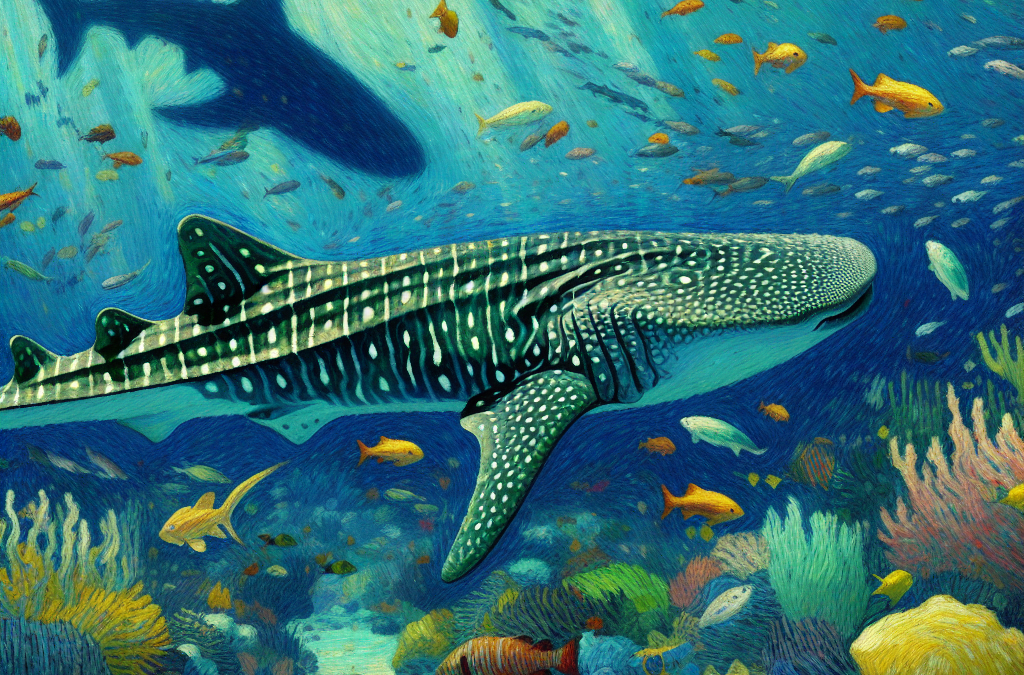
When you think of Cozumel, images of turquoise waters, sandy beaches, and vibrant coral reefs swirl in your mind. Yet beneath the surface of this tropical paradise lies a surprising secret: it’s one of the world’s hotspots for whale shark gatherings. The largest fish in the sea, these gentle giants can reach lengths of 40 feet or more, gliding gracefully through the water like a submarine with a sense of purpose. But it’s not just their size that surprises; it’s their behavior and the dynamics of their population here in Cozumel.
Every year, like clockwork, the waters around Cozumel play host to these magnificent creatures as they migrate to feed on the abundant plankton that thrives in the region during the warmer months. You might expect that such a gathering would be predictable, but not so fast! Researchers are uncovering delightful enigmas about these enigmatic animals. For instance, while some may be drawn to specific feeding zones, others display a startling degree of wanderlust, choosing to roam farther afield in search of snacks. It’s almost as if they’re holding a map of the ocean in their heads, ready to explore new frontiers whenever they please.
Equally intriguing is the social behavior among whale sharks. In Cozumel, they seem to exhibit a level of social interaction that defies expectations. Observations have shown that these fish don’t merely congregate in isolation; they often swim in small groups, occasionally engaging in what looks like synchronized swimming. Researchers are left pondering: Are they communicating? Are they establishing hierarchies? Who knows! The more we study them, the more questions arise.
There’s also the impact of human interaction. Cozumel has become a hotspot for eco-tourism, with divers and snorkelers flocking to experience the thrill of swimming alongside these giants. While this brings awareness and funds for conservation, it also raises concerns about the potential disruptions to their natural behaviors. Balancing tourism and conservation is an ongoing challenge that holds its own surprises.
The whale sharks of Cozumel remind us that the ocean is a realm full of wonder. As we continue to study and marvel at these extraordinary creatures, who knows what other secrets they might reveal? In Cozumel and beyond, the call of the deep is still echoing with mysteries waiting to be unraveled, ensuring that we will keep diving deeper into our understanding of the ocean’s largest fish.

What Surprises Does Cozumel’s Whale Shark Population Hold?
What Surprises Does Cozumel’s Whale Shark Population Hold?
- Cozumel is known for its turquoise waters, sandy beaches, and vibrant coral reefs.
- It is a hotspot for whale shark gatherings, hosting the world’s largest fish that can reach lengths of 40 feet or more.
- Whale sharks migrate yearly to Cozumel to feed on abundant plankton during warmer months.
- Some whale sharks prefer specific feeding zones, while others wander further in search of food.
- They exhibit surprising social behavior, often swimming in groups and possibly communicating or establishing hierarchies.
- Cozumel attracts eco-tourism, with divers and snorkelers drawn to the experience of swimming with whale sharks; this raises conservation concerns.
- The ongoing research into whale sharks continues to uncover mysteries about their behaviors and the impacts of human interaction.

What Surprises Does Cozumel’s Whale Shark Population Hold?
Are Hammerhead Sharks Found In Cozumel?
When you think of Cozumel, what comes to mind? Crystal-clear waters, vibrant coral reefs, and perhaps the relaxing sound of waves lapping against the shore. But beneath that serene surface, the ocean teems with life, and among its most fascinating inhabitants are hammerhead sharks. Yes, those iconic creatures, with their distinctive flat heads and inquisitive nature, frequent these very waters.
Cozumel’s underwater landscape is a haven for divers and marine enthusiasts. The island is renowned for its coral reefs, which serve as one of the many reasons hammerhead sharks have been spotted here. While they aren’t as commonly observed as some of their reef-loving cousins, these majestic sharks grace the surrounding waters, particularly during certain seasons. The best times to catch a glimpse of hammerheads in Cozumel are from late summer to early fall, when they migrate in search of food and perhaps a little romance.
Diving in Cozumel offers more than just a chance to encounter these magnificent creatures. Scuba enthusiasts are treated to an underwater wonderland, where schools of tropical fish, sea turtles, and even the occasional barracuda make their home. Yet, the prospect of encountering a hammerhead adds an exhilarating thrill to the experience. With their unique head shape, hammerheads have a wider field of vision and are known for their social behavior.
It’s essential to respect the marine environment, particularly when observing these sharks. Conservation efforts are vital for maintaining the delicate balance of underwater ecosystems. Hammerheads, like many species, face threats from overfishing and habitat loss, making responsible diving practices paramount. Observing these sharks in their natural habitat reminds us of the importance of environmental stewardship and the role we play in preserving such beautiful places.
So, if you’re contemplating a trip to Cozumel or simply diving into the wonders of the ocean, keep your eyes peeled. You might just find yourself face-to-face with a hammerhead, gracefully gliding through the azure waters. And every time a hammerhead is spotted, it’s a reminder: beneath the surface of that tranquil sea, life is both wild and wondrous. Just like the journey it takes to get there, the encounter is bound to leave a lasting impression.

Are Hammerhead Sharks Found In Cozumel?
Are Hammerhead Sharks Found In Cozumel?
- Cozumel is known for its crystal-clear waters and vibrant coral reefs.
- Hammerhead sharks frequent the waters around Cozumel, particularly in late summer to early fall during their migration.
- While not as commonly seen as reef sharks, hammerheads can be spotted by divers seeking unique encounters.
- Diving in Cozumel offers the chance to see a variety of marine life, including tropical fish and sea turtles.
- Hammerhead sharks have a wider field of vision due to their distinctive head shape and exhibit social behavior.
- Conservation efforts are crucial to protect hammerheads and their habitats from threats like overfishing.
- Respecting the marine environment is important for maintaining the balance of underwater ecosystems.

Are Hammerhead Sharks Found In Cozumel?
What Makes Bull Sharks Unique In Cozumel?
When you think of Cozumel, the first thing that might come to mind is its stunning beaches, vibrant coral reefs, and warm turquoise waters. But lurking beneath those inviting waves is something that’ll add a hint of adrenaline to your tropical bliss: the formidable bull shark. These apex predators are not just residents of Cozumel; they’re integral to the marine ecosystem, with a unique set of characteristics that set them apart from other sharks.
First off, let’s talk about their adaptability. Bull sharks thrive in a variety of environments, which is why you can find them not just in the open ocean but also swimming up rivers and entering brackish waters. Their ability to regulate salt levels in their bodies allows them to venture into freshwater territory, making them one of the few shark species capable of such a feat. In Cozumel, they often patrol the shallow waters around the reefs, where they can easily camouflage themselves among the rocky outcrops, waiting to ambush unsuspecting prey.
Now, these sharks aren’t just aggressive; they’re smart too. Bull sharks exhibit a level of intelligence that is often underestimated. They use a blend of instinct and learned behavior to hunt, which makes them highly effective predators. In the marine world of Cozumel, it’s fascinating to witness how they interact with their environment. The way they navigate the reefs and utilize the currents is a testament to their remarkable adaptability and cunning nature.
Another distinctive feature of bull sharks is their robust build. They’re stocky, muscular, and can grow up to 11 feet long, but it’s their thick, powerful bodies that allow them to burst through the water with agility. This makes them formidable hunters and adds an element of thrill for divers and snorkelers encountering these sharks up close.
Perhaps what’s most striking about bull sharks in Cozumel is the blend of beauty and danger that they represent. While it’s easy to fear these remarkable creatures, understanding their role in the ecosystem offers a deeper appreciation for their existence. They maintain the balance of marine life, ensuring that the waters of Cozumel remain vibrant and full of life.
So, the next time you find yourself in the azure depths of Cozumel, keep an eye out for the bull shark. It’s not just another fish in the sea; it’s a symbol of resilience and adaptability, a true marvel of nature that encapsulates the wild spirit of the heart of the ocean.

What Makes Bull Sharks Unique In Cozumel?
What Makes Bull Sharks Unique In Cozumel?
- Cozumel is known for its stunning beaches, vibrant coral reefs, and warm turquoise waters, but it is also home to the formidable bull shark.
- Bull sharks are apex predators that play a crucial role in the marine ecosystem in Cozumel.
- They exhibit adaptability, thriving in various environments, including rivers and brackish waters, due to their ability to regulate salt levels.
- Bull sharks are intelligent predators, utilizing both instinct and learned behaviors in their hunting techniques.
- They have a robust, muscular build, growing up to 11 feet, which allows them to move with agility in the water.
- The presence of bull sharks represents a blend of beauty and danger, highlighting their importance in maintaining the ecosystem’s balance.
- Encountering bull sharks in Cozumel offers divers and snorkelers a thrilling reminder of nature’s resilience and adaptability.

What Makes Bull Sharks Unique In Cozumel?
What Do Nurse Sharks Do In Cozumel?
In the warm, turquoise waters of Cozumel, nurse sharks glide gracefully along the sandy seafloor, embodying a unique charm that captivates divers and snorkelers alike. These incredible creatures, often mistaken for the grittier predators of the ocean, are surprisingly docile and have quite the fascinating lifestyle in this vibrant marine ecosystem. Picture this: you’re floating above a pristine reef, surrounded by colorful fish darting in and out of coral formations, and then you spot an elegant nurse shark lounging in its natural habitat.
Nurse sharks boast a somewhat misunderstood reputation. While they are indeed sharks, they spend much of their time resting on the ocean floor, often nestled in small caves or under ledges in the coral reefs. In Cozumel, where the waters are rich with marine life, these sharks play a vital role in maintaining the health of ecosystems. They patrol the reefs, feeding primarily on bottom-dwelling invertebrates such as sea urchins, mollusks, and crustaceans. This feeding behavior helps keep populations in check, ensuring a balanced environment that supports other marine life.
The behavior of nurse sharks can be downright interesting. They have a penchant for socializing, often seen resting together in close proximity. Observing these creatures in their natural habitat provides an appreciation for their unique social dynamics. In Cozumel, you might see nurse sharks forming small groups, sharing a sunlit spot, or even engaging in gentle interactions with one another. It’s a reminder that life beneath the waves is both complex and connected, much like the ecosystems we depend upon.
For those fortunate enough to explore the underwater world of Cozumel, the thrill of encountering a nurse shark adds to the allure of the experience. Divers often find these creatures unperturbed by their presence, gliding past as if to say, “Hey, we’re just here enjoying the view too.” However, it’s essential to remember that interactions should be respectful and minimal. These sharks, though generally harmless, are still wild animals, and their well-being should always be a priority.
So, the next time you find yourself in the beautiful waters of Cozumel, take a moment to appreciate what nurse sharks are doing—resting, exploring, and contributing to the delicate balance of their underwater home. These gentle giants remind us that sometimes, the most captivating moments occur in a world that moves at a different pace than our own.
What Do Nurse Sharks Do In Cozumel?
What Do Nurse Sharks Do In Cozumel?
- Nurse sharks are found in the warm, turquoise waters of Cozumel, gliding gracefully along the sandy seafloor.
- They have a docile nature and a fascinating lifestyle, often resting on the ocean floor or in small caves.
- Nurse sharks play a vital role in marine ecosystems by controlling populations of bottom-dwelling invertebrates.
- These sharks are social creatures, frequently seen resting together and interacting in their natural habitat.
- Diving in Cozumel offers a thrilling experience as nurse sharks are often unbothered by human presence.
- Interactions with nurse sharks should be respectful, recognizing their status as wild animals.
- Appreciating the behaviors of nurse sharks highlights the importance of the delicate balance in underwater ecosystems.

What Do Nurse Sharks Do In Cozumel?
What Time Of Year Are Sharks Most Active In Cozumel?
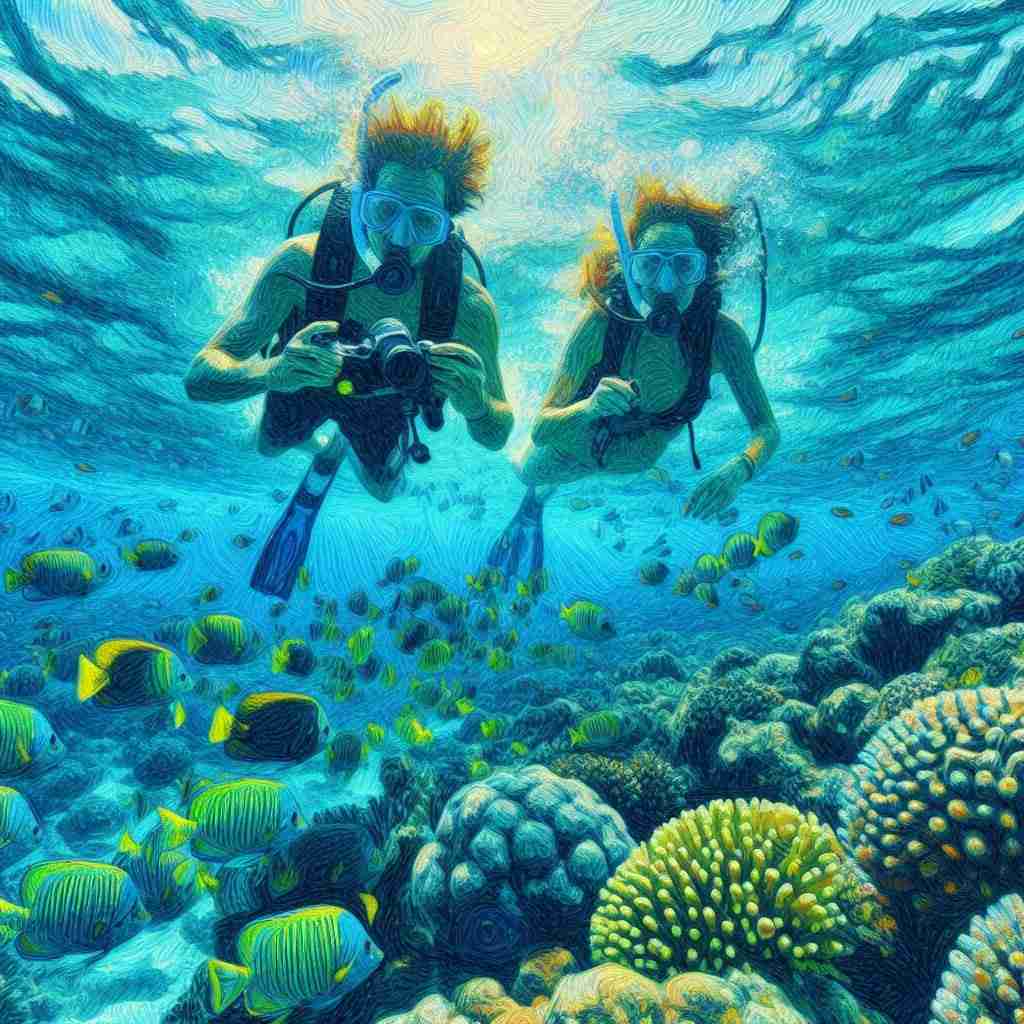
When it comes to the vibrant waters off Cozumel, a treasure trove of marine life awaits divers and snorkelers alike, but it’s the sharks that truly steal the show. These magnificent creatures are some of the ocean’s most fascinating inhabitants, and for those looking to witness them in their natural habitat, timing is everything.
Cozumel, a jewel in the Caribbean, boasts an incredible variety of shark species, from the sleek and nimble blacktip reef sharks to the impressive bull sharks. If you’re eager to catch a glimpse of these regal beasts, you may want to mark your calendar! Generally speaking, the most active times for sharks in Cozumel occur between late summer and early fall, specifically from August to October.
During these months, the water temperature is just right—warm enough to encourage shark activity but cool enough to keep the fish at play. For sharks, this is prime hunting season. The vibrant reefs off Cozumel collaborate in nature’s annual cycle, drawing in schools of fish that serve as a feast for their predatory counterparts. The visibility during this time is often superb, and with the water temperatures hovering around the low 80s Fahrenheit, divers have an optimal opportunity to encounter these incredible creatures close-up.
As you gear up for your underwater adventure, keep in mind that the time of day also plays a role in shark activity. Early in the morning and late in the afternoon are often the best times for shark sightings. These times coincide with the natural feeding patterns of many species, as sharks tend to be more active when the sun is low in the sky, providing a little extra cover for their hunting excursions.
However, it’s essential to approach shark watching with respect and awareness. Cozumel’s ecosystem is delicate, and these apex predators are vital for maintaining the health of the reefs. A responsible approach ensures that these magnificent creatures can thrive for generations to come.
So, whether you’re a seasoned diver or a curious snorkeler, planning your trip to Cozumel during this active shark season could lead to unforgettable encounters with these oceanic wonders. Just remember to maintain a safe distance and savor the sight—after all, you’re a guest in their realm.

What Time Of Year Are Sharks Most Active In Cozumel?
What Time Of Year Are Sharks Most Active In Cozumel?
- Cozumel offers a rich marine life, particularly known for its diverse shark species.
- Species include blacktip reef sharks and bull sharks, accessible to divers and snorkelers.
- The best time to see sharks in Cozumel is from August to October.
- Optimal water temperatures during this season attract sharks and their prey.
- Visibility is often excellent, providing great opportunities for close encounters.
- Sharks are most active early in the morning and late in the afternoon, aligning with feeding patterns.
- A responsible approach to shark watching is crucial for preserving Cozumel’s delicate ecosystem.
What Time Of Year Are Sharks Most Active In Cozumel?
How Safe Is It To Swim With Sharks In Cozumel?
When you think about vacationing in Cozumel, images of sun-soaked beaches, crystal-clear waters, and vibrant marine life likely dance in your mind. But nestled among the coral reefs and colorful fish lies a creature that captures both fascination and fear: the shark. For adrenaline junkies and marine enthusiasts alike, the question arises—how safe is it really to share these waters with one of nature’s most misunderstood predators?
First off, let’s get one thing straight: sharks are not the mindless killers they’re often portrayed as in movies or sensational news stories. In fact, most sharks pose little to no threat to humans. Cozumel is home to several species of sharks, including the Caribbean reef shark and the nurse shark, both of which are generally considered harmless to swimmers. These creatures are more interested in fish tacos than divers; they’re not lurking around waiting for the next unsuspecting human snack.
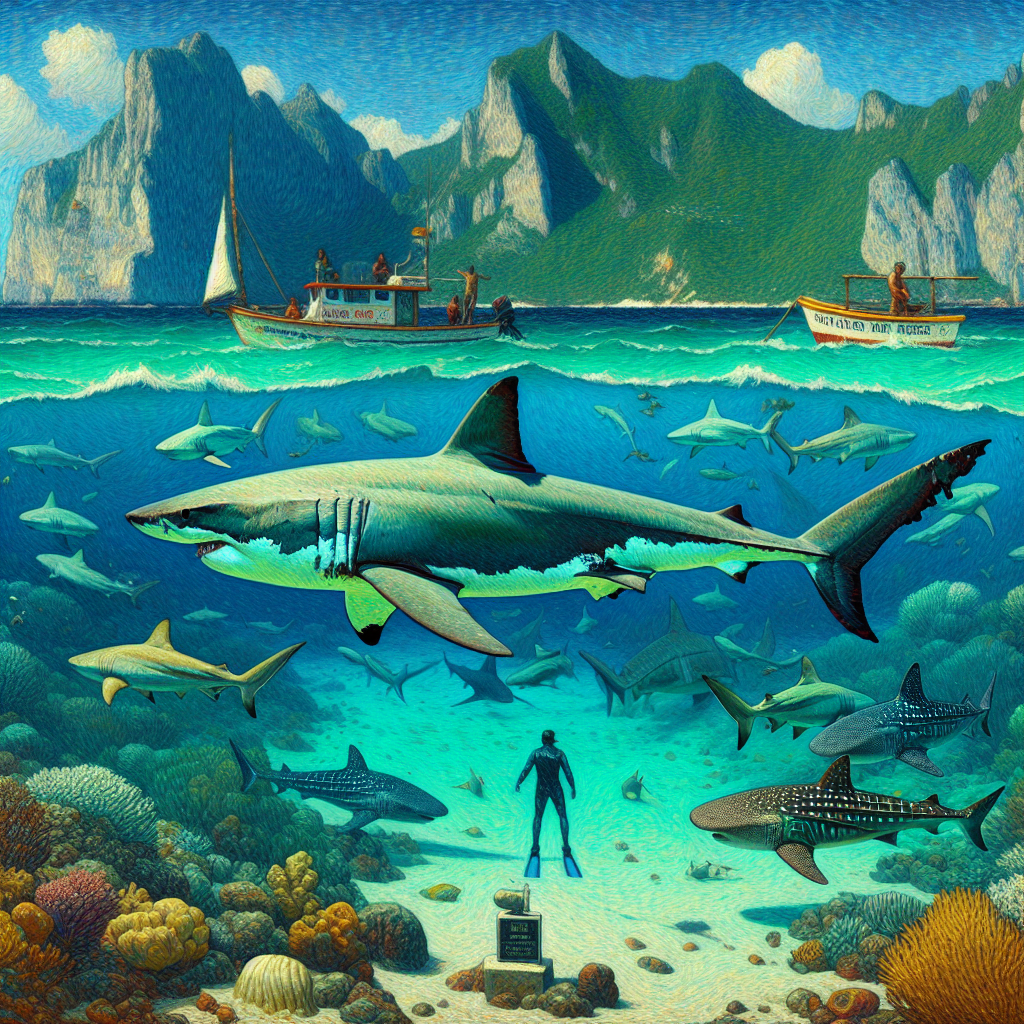
Now, swimming with sharks in Cozumel is typically conducted in controlled environments, often guided by experienced instructors. These trips might take you to specific dive sites, where you’ll be educated on how to interact (or not interact) with the resident sharks. Knowing how to behave in the water is crucial; for example, erratic movements, loud noises, and splashing can unintentionally provoke curiosity—or worse, stress—in the sharks.
While these adventures sound thrilling, it’s essential to prioritize safety. Equip yourself with knowledge before taking the plunge. Look for operators who follow ethical guidelines, avoiding practices like chum feeding that could draw sharks in closer to divers and create an unnatural encounter. Responsible eco-tourism is key in preserving the natural balance of these marine ecosystems.
Even for those who are a bit apprehensive, consider this: the majority of shark-related incidents are a result of human error or misunderstanding. As you float in the warm waters of Cozumel, remember that swimming alongside these incredible animals can be a transformative experience. While it does carry inherent risks, being equipped with the right information and guidance makes the prospect of swimming with sharks far less daunting.
So, when you’re ready to tackle the ocean and encounter a shark, just remember: respect the water, respect the creatures within it, and you’ll find there’s much more to fear from your fellow tourists than from the toothy inhabitants of the sea. Happy swimming!

How Safe Is It To Swim With Sharks In Cozumel?
How Safe Is It To Swim With Sharks In Cozumel?
- Cozumel is renowned for its beautiful beaches and vibrant marine life, including sharks.
- Sharks, like the Caribbean reef shark and nurse shark, are generally harmless to humans.
- Swimming with sharks in Cozumel is often done in controlled environments with experienced guides.
- Proper behavior in the water, such as avoiding loud noises and erratic movements, is crucial.
- Safety is a priority when swimming with sharks; seek operators who adhere to ethical practices.
- Most shark-related incidents stem from human error or misunderstanding.
- Respect for the ocean and its creatures can enhance the experience of swimming with these fascinating animals.
How Safe Is It To Swim With Sharks In Cozumel?
What Precautions Should Be Taken When Swimming Near Sharks In Cozumel?
Ah, Cozumel, a shimmering paradise known for its stunning reefs and tranquil waters. It’s a diver’s dream and a snorkeler’s playground, but let’s not kid ourselves—those waters are home to sharks. While many species are harmless and quite curious about human activity, a little caution goes a long way, especially when you’re in their territory. Here’s a guideline to keep your shark encounters as safe as possible.
First things first—do your research. Before you even dip a toe in the water, familiarize yourself with the types of sharks that inhabit the Cozumel area. Most encounters with sharks here involve species like the docile nurse shark or the striking reef shark. Understanding their behavior and feeding patterns can help prepare you for what to expect.
Always swim with a buddy. There’s strength in numbers, and this rings particularly true when you’re in a place where sharks roam. Having a partner not only enhances safety, but it also allows for shared experiences and accountability. If you happen to spot a shark, having someone there means you can keep an eye on it together.
Next, timing is essential; don’t swim during dawn or dusk. These are the prime feeding times for sharks, and you don’t want to be mistaken for a midday snack. Generally, sticking to mid-morning or early afternoon swimming can mean your chances of an encounter dwindle.
When swimming, avoid erratic movements and splashes. Sharks are naturally curious creatures, and sudden movements can draw their attention. Instead, glide smoothly through the water and stay calm. If you do spot a shark, maintain eye contact and don’t turn your back. Sharks can detect a sense of fear, and a calm demeanor can often keep you off the list of potential prey.
Also, avoid wearing shiny jewelry or brightly colored swimwear. To a shark, these can resemble scales or other enticing visuals from their underwater menu. Keep it subtle; brown, green, and muted colors help keep you under the radar.
Lastly, heed local advice. Dive shops and guides in Cozumel often have valuable insight into shark behavior and safety tips. They’re accustomed to the waters, so listen up and follow their recommendations.
By taking these precautions, you can enjoy the beauty of Cozumel’s waters with confidence, navigating the balance between adventure and safety while sharing the ocean with its majestic inhabitants.

What Precautions Should Be Taken When Swimming Near Sharks In Cozumel?
What Precautions Should Be Taken When Swimming Near Sharks In Cozumel?
- Cozumel is renowned for its beautiful reefs and tranquil waters, making it ideal for divers and snorkelers.
- Research the types of sharks in the area, especially the common species like nurse sharks and reef sharks.
- Always swim with a buddy to enhance safety and share experiences when in shark-inhabited waters.
- Avoid swimming during dawn or dusk, as these are prime feeding times for sharks.
- Move smoothly and calmly in the water to avoid drawing attention; maintain eye contact with any spotted sharks.
- Avoid shiny jewelry and bright swimwear, which can attract sharks.
- Listen to local dive shops and guides for valuable insights on shark safety and behavior.
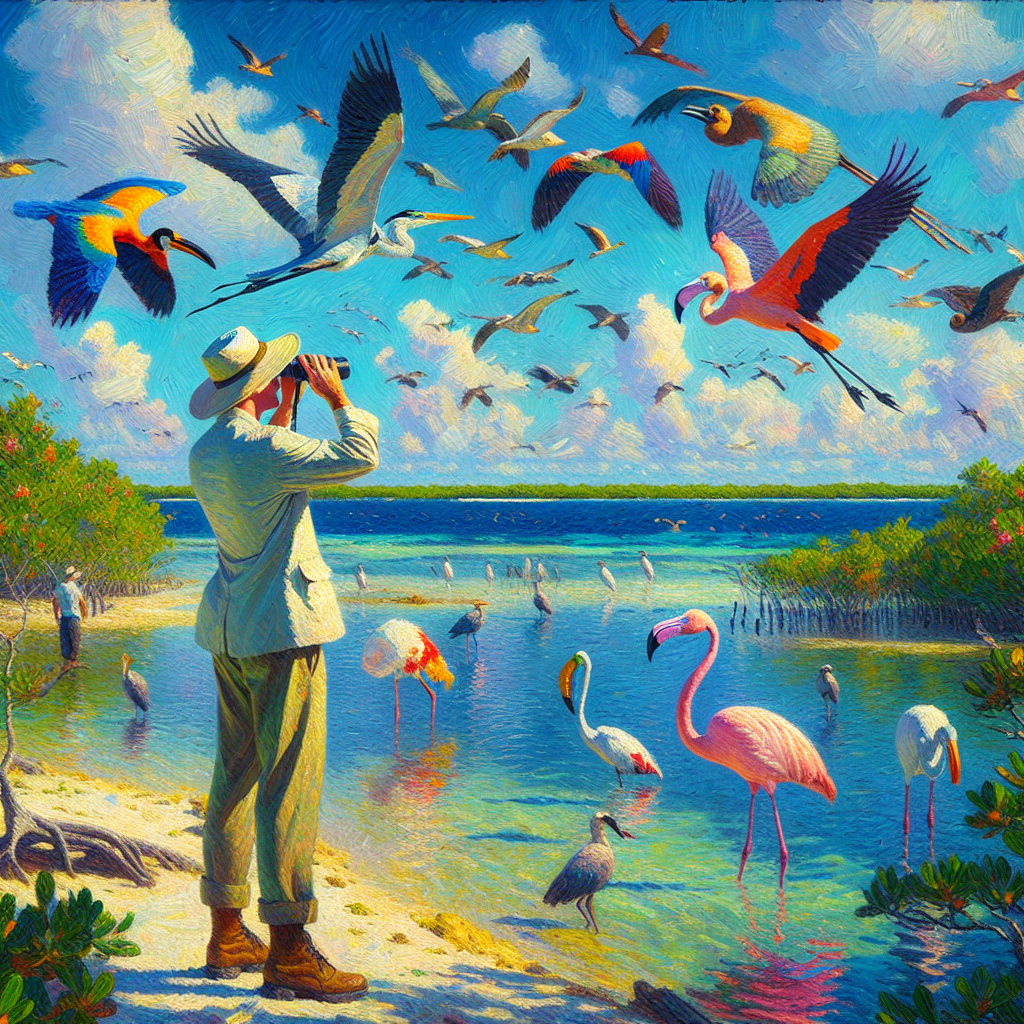
What Precautions Should Be Taken When Swimming Near Sharks In Cozumel?
Conclusion
As we wrap up our deep dive into the mysterious waters of Cozumel, let’s shed some light on the real story behind the elusive sharks lurking beneath the waves. Picture this: pristine beaches kissed by the sun, vibrant coral reefs bustling with life, and yes, a few sharks gliding gracefully in the background. Cozumel is not just a pretty postcard; it’s a dynamic marine playground rich with the complexities of underwater ecosystems. And while many folks might envision these creatures as fearsome predators, the reality is quite different.
Sharks like the nurse, reef, and even the magnificent whale sharks are integral players in maintaining the marine balance. They aren’t prowling the shallows waiting for a snack; rather, they’re continuing a centuries-old dance with the rhythms of the ocean, often preferring to steer clear of pesky humans. So, rather than panic, we should greet these majestic swimmers with curiosity and respect when we find ourselves sharing their watery world.
Now, if you’re headed to Cozumel for a taste of underwater adventure, timing is everything. The late summer to early fall months are prime shark-watching seasons when these wonders are more visible, and the visibility is crystal clear. Just imagine yourself poised above a vibrant reef, heart racing, as a hammerhead or bull shark swims past. Adrenaline doesn’t just come from being close to these magnificent creatures; it comes from witnessing the majesty of nature in its rawest form.
But here’s the kicker: interacting with these incredible animals isn’t just about thrill-seeking; it’s about understanding and preserving the delicate balance of their ecosystem. Responsible tourism practices and welcoming an informed approach to safety are paramount. From swimming in groups and avoiding flashy swimwear to consulting local experts, there’s a whole checklist to ensure your adventure respects the sharks’ home.
Ultimately, every encounter with a shark is a reminder—a signpost saying we share this planet with extraordinary life forms. They’re not just lurking; they’re thriving in a world that so desperately needs our protection. So the next time you find yourself floating in the inviting waters of Cozumel, remember: It’s not just about the sharks swimming by; it’s about our responsibility to appreciate and care for the ocean—an undertaking that’s every bit as wild and wondrous as the creatures within it. Happy swimming!

Conclusion
Conclusion:
- Cozumel features stunning beaches and vibrant coral reefs with sharks, emphasizing the complexity of its marine ecosystems.
- Sharks like nurse, reef, and whale sharks play vital roles in maintaining marine balance, often avoiding humans.
- Visitors should approach shark encounters with curiosity and respect, rather than fear.
- The best time for shark watching in Cozumel is late summer to early fall when visibility is at its peak.
- Experiencing sharks in their natural habitat highlights the thrill of witnessing majestic marine life.
- Responsible tourism practices are essential for preserving shark habitats and maintaining ecosystem balance.
- Every shark encounter serves as a reminder of our shared responsibility to protect the ocean and its extraordinary life forms.

Conclusion
Other Resources
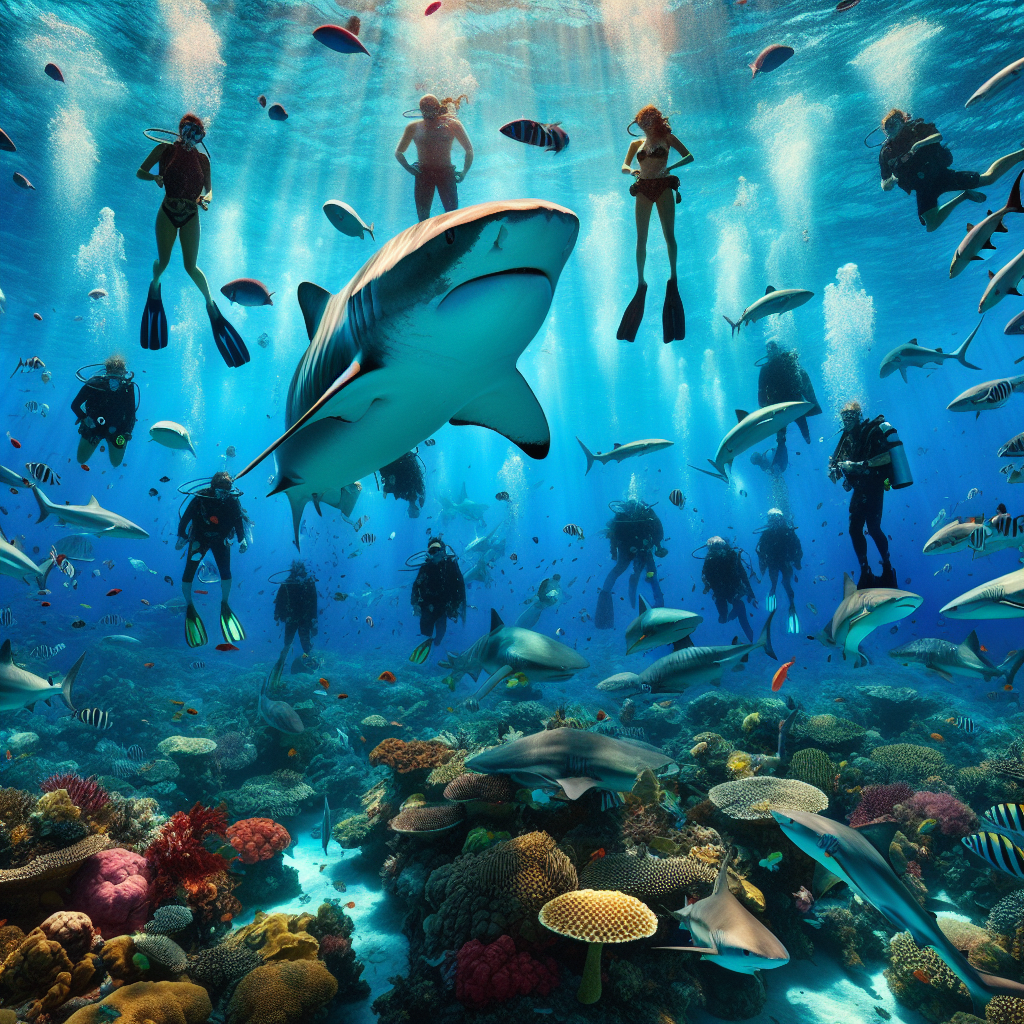
Other Resources
Here is a list of other resources you can review online to learn more:
- Villa Deja Blue
- Paradise Beach Cozumel
- La Mission Restaurant Cozumel
- GFNY Cozumel
- El Rincon De Addy Cozumel
- Cozumel Bar Hop
- Cozumel Cruise Excursions
Use This Prompt To Get More Resources With Your Favorite Online AI Tool: Please provide me with a list of online articles with their URLs in a bulleted list that I can read regarding Are Sharks Lurking In Cozumel’s Waters?

Other Resources
Glossary Terms
Are Sharks Lurking In Cozumel’s Waters? – Glossary Of Terms
1. Cozumel: An island in the Caribbean Sea off the eastern coast of Mexico, known for its coral reefs and diverse marine life.
2. Shark: A type of cartilaginous fish known for its sharp teeth, keen sense of smell, and role as a top predator in marine ecosystems.
3. Ecosystem: A community of living organisms interacting with their physical environment, including the coral reefs around Cozumel.
4. Coral Reef: A marine structure formed by the calcium carbonate skeletons of coral polyps, providing habitat to diverse marine species, including sharks.
5. Predator: An organism that hunts and consumes other organisms for food; sharks are often considered apex predators in their ecosystems.
6. Diversity: The variety of life forms in a particular habitat; the waters of Cozumel are rich in marine biodiversity, including various shark species.
7. Diving: The sport or activity of swimming underwater, often used to explore marine life and ecosystems, including encounters with sharks.
8. Snorkeling: A water activity that involves swimming at the surface while equipped with a snorkel and mask, allowing observation of marine life.
9. Biodiversity Hotspot: A region with a high level of endemic species; Cozumel is recognized for its unique marine biodiversity.
10. Apex Predator: A predator at the top of a food chain that has few or no natural predators; sharks fit this category in marine environments.
11. Endangered Species: A species that is at risk of extinction; some shark species in the Caribbean face this threat due to overfishing and habitat loss.
12. Elasmobranch: A subclass of fishes that includes sharks and rays, characterized by a cartilaginous skeleton.
13. Overfishing: The depletion of fish stocks through excessive fishing practices, negatively impacting shark populations and marine ecosystems.
14. Marine Conservation: Efforts aimed at protecting and managing oceanic resources and habitats, including initiatives to protect sharks.
15. Scuba Diving: A method of underwater diving where participants use an underwater breathing apparatus, often involving shark observations.
16. Shark Migration: The seasonal or geographical movement of shark populations in search of food, breeding grounds, or warmer waters.
17. Behavioral Patterns: The specific behaviors exhibited by sharks, including hunting techniques, mating rituals, and social interactions.
18. Shark Tooth: The teeth of sharks, known for their sharpness and ability to regenerate if lost; often found in coastal areas.
19. Identification: The process of recognizing and classifying different shark species based on distinct physical characteristics.
20. Habitat: The natural environment where a species lives and thrives; sharks inhabit various marine environments, including reefs and open waters.
21. Research Expeditions: Scientific journeys undertaken to study marine life, often focused on shark behavior and population health.
22. Conservation Status: The assessment of the risk of extinction of a species; sharks in Cozumel may vary from least concern to critically endangered.
23. Ecotourism: Responsible travel to natural areas that conserves the environment and improves the well-being of local people, often including shark diving tours.
24. Identification Cards: Tools or guides used by divers and researchers to identify different shark species based on their physical features.
25. Social Behavior: The way sharks interact with one another, including schooling behavior or solitary patterns.
26. Adaptive Traits: Features that have evolved in sharks to enhance their survival in diverse environments, such as their keen senses.
27. Bycatch: Non-target species that are unintentionally caught during commercial fishing, often including juvenile sharks.
28. Marine Reserve: Areas designated for special protection to conserve marine biodiversity, including habitats for sharks.
29. Fishing Regulations: Laws and guidelines aimed at controlling fishing practices to ensure the sustainability of fish populations, including sharks.
30. Shark Cage Diving: An activity that allows people to safely observe sharks in their natural habitat while being enclosed in a protective cage.

Glossary Of Terms
Other Questions
Are Sharks Lurking In Cozumel’s Waters? – Other Questions
If you wish to explore and discover more, consider looking for answers to these questions:
- What types of sharks can be found in Cozumel?
- What are the best dive sites in Cozumel for shark encounters?
- How do the shark species in Cozumel vary in behavior and feeding habits?
- What is the impact of eco-tourism on shark populations in Cozumel?
- Are there any specific diving regulations or guidelines for interacting with sharks in Cozumel?
- What are the common misconceptions about swimming with sharks?
- How can divers differentiate between different shark species in Cozumel’s waters?
- What should divers know about the shark migration patterns around Cozumel?
- How do weather conditions affect shark activity in Cozumel?
- What are the conservation efforts in place to protect shark populations in Cozumel?

Other Questions
Haiku
Are Sharks Lurking In Cozumel’s Waters? – A Haiku
Beneath tranquil waves,
Sharks glide in vibrant realms—
Nature’s dance unfolds.

Haiku
Poem
Are Sharks Lurking In Cozumel’s Waters? – A Poem
In Cozumel’s embrace, where turquoise tides gleam,
Beneath sunlit waves, a hidden world dreams.
Coral reefs bloom with colors so bright,
Yet shadows swim close, just out of the light.
Sharks glide in silence, their presence a blend,
Of beauty and balance, ecosystems they tend.
Not foes of the fearless, they’re guardians instead,
With nurse sharks, reef sharks, through currents they tread.
Whale sharks, the gentle giants, roam free in delight,
Synchronized dancers in the depths of the night.
Migrating for safety, each year they return,
Their secrets unravel, more questions to learn.
Hammerheads and bull sharks with grace intertwine,
In seasonal rhythms, their movements align.
Witness their majesty, the thrill of the chase,
But respect from the surface, gives life a true grace.
To swim with such wonders, one must carry care,
A blend of respect with adventure to share.
No erratic splashes, stay calm in their realm,
As curious eyes watch, their waters you helm.
From dawn’s early light to dusk’s gentle glow,
Patience in presence, let nature bestow.
In Cozumel’s waters, where magic resides,
Glorious encounters, where wonder abides.
So dive into dreams, let the currents entice,
Face to face with enchantment, in nature’s paradise.
In rhythmic embrace with the ocean’s heartbeats,
Cozumel’s secrets unveil, as harmony greets.

Poem
Checklist
Are Sharks Lurking In Cozumel’s Waters? – A Checklist
1. Research Shark Species:
_____ Familiarize yourself with the types of sharks present in Cozumel such as nurse sharks, Caribbean reef sharks, bull sharks, and hammerhead sharks.
_____ Understand their behavior and feeding habits to prepare for encounters.
2. Always Swim with a Buddy:
_____ Plan to swim with a partner for enhanced safety and shared experiences.
_____ Keep an eye on each other when in the water, especially if a shark is spotted.
3. Choose Your Timing Wisely:
_____ Avoid swimming during dawn or dusk, prime feeding times for sharks.
_____ Opt for mid-morning or early afternoon to reduce the chances of an encounter.
4. Stay Calm and Avoid Erratic Movements:
_____ Move smoothly and quietly in the water to minimize drawing attention.
_____ Maintain a calm demeanor, especially if you spot a shark; avoid sudden movements or splashing.
5. Maintain Eye Contact:
_____ If you encounter a shark, keep it in your line of sight without turning your back to it.
_____ This can help to deter any curiosity from the shark.
6. Dress Subtly:
_____ Avoid wearing shiny jewelry or brightly colored swimwear that may attract sharks.
_____ Opt for muted colors like brown or green that blend with the surroundings.
7. Listen to Local Advice:
_____ Follow the recommendations of local dive shops and guides who understand shark behavior and safety protocols.
_____ Ask questions if you’re unsure about anything regarding diving or swimming in the area.
8. Respect the Ocean and Its Inhabitants:
_____ Remember that sharks are an essential part of the marine ecosystem.
_____ Practice sustainable and respectful behaviors to preserve marine life and habitats.
9. Consider Guided Tours:
_____ Book guided shark diving or snorkeling experiences with reputable operators.
_____ These professionals provide valuable information and ensure safety measures are in place.
10. Report Any Concerns:
_____ If you observe any erratic behavior from sharks or feel unsafe during your experience, signal your guide or move to a safer area.
_____ Always prioritize safety in the water.
By following this checklist, you can enjoy the breathtaking underwater world of Cozumel while respecting its majestic shark inhabitants!

Checklist
At TopCozumelNews, we help travelers enjoy Cozumel by collating information learned from frequently traveling to beautiful Cozumel.
Be sure to read our other related stories at TopCozumelNews to learn more about the Island of Cozumel.