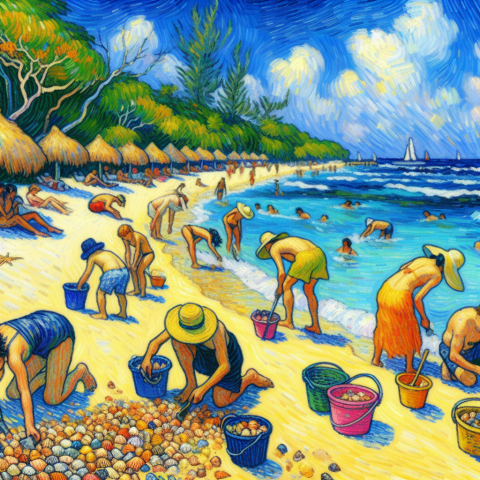
The Impact Of Travel Guides On Senior Freedom
By Tom Seest
At TopCozumelNews, we help travelers enjoy Cozumel by collating information learned from frequently traveling to beautiful Cozumel.
Be sure to read our other related stories at TopCozumelNews to learn more about the Island of Cozumel.
Are Travel Guides Making Senior Adventures More Restrictive?
Let’s face it: the world is a big, beautiful place, and for many seniors, there’s a fierce desire to experience it all. Whether it’s sipping a margarita on a sun-soaked beach in Cozumel, or soaking in the history of ancient ruins, adventure beckons at every turn. But as we flip through brightly colored travel guides and browse slick websites, a nagging question arises: are these guides inadvertently putting up roadblocks for our intrepid retirees?
Take a close look at any travel guide aimed at seniors, and you’ll notice a tendency to highlight comfortable accommodations, accessible restaurants, and leisurely-paced activities. There’s nothing inherently wrong with ensuring that travel is a pleasant experience, but let’s consider the unintended consequences. With a slew of recommendations highlighting “safe” destinations, it can sometimes feel like the spirit of adventure is being stifled in favor of convenience. The emphasis on accessibility is crucial, yet it can foster a mindset that limits exploration.
Cozumel, for example, is a fabulous destination that radiates warmth and vibrancy. Traditional guides tout the allure of slow-paced beach days, upscale resorts, and organized excursions. Sure, these offerings have their charm, but what about the hidden gems that lie just off the beaten path? The local street tacos, the lesser-known snorkeling spots, or the lively markets filled with authentic culture all require a willingness to step outside the box. When travel guides categorize experiences into neat boxes—“senior-friendly,” “easy access,” “low-impact”—they risk burying the wilderness of possibility that’s ripe for the picking.
Moreover, the safety net that guides provide can inadvertently send the message that the world is a risky place, especially for seniors. It’s time to flip the script on this narrative. Yes, while it’s essential to remain aware of physical limitations or health concerns, it’s crucial to also embrace a sense of boldness. Who says that a waterfall hike or a local salsa dance class is off-limits because of age? The rigid itineraries and safety-first approach may unintentionally restrict the explorative spirit just when people should be savoring life to the fullest.
Perhaps it’s time for a more liberated approach to travel, one that encourages seniors to seek out adventure and embrace the unknown—just like everyone else. So, as you sift through the glossy pages of your next travel guide, ask yourself: are you seeking adventure, or are you settling for what’s easy? After all, adventure knows no age, and neither should your travel plans.

Are Travel Guides Making Senior Adventures More Restrictive?
Are Travel Guides Making Senior Adventures More Restrictive?
- The world offers diverse experiences for seniors, fostering a desire to explore.
- Travel guides often prioritize comfort and accessibility over more adventurous options.
- This emphasis on “safe” destinations can limit exploration and the spirit of adventure.
- Examples like Cozumel highlight the potential of hidden gems and cultural experiences.
- Safety-driven narratives may imply the world is risky, which can discourage adventurous pursuits.
- Seniors should embrace boldness and challenge age-related constraints on travel activities.
- A shift towards a more adventurous travel philosophy can enhance the travel experience for seniors.

Are Travel Guides Making Senior Adventures More Restrictive?
Table Of Contents
- Are Travel Guides Making Senior Adventures More Restrictive?
- What Challenges Do Seniors Face When Using Travel Guides?
- How Do Travel Guides Cater To The Needs Of Senior Travelers?
- Are Travel Guides Limiting The Flexibility Of Senior Adventures?
- What Common Misconceptions Exist About Seniors And Travel?
- How Can Travel Guides Be Improved For Senior Adventurers?
- What Role Do Online Resources Play In Senior Travel Planning?
- Are There Specific Destinations Better Suited For Seniors?
- Conclusion
- Other Resources
- Glossary Of Terms
- Other Questions
- Haiku
- Poem
- Checklist
What Challenges Do Seniors Face When Using Travel Guides?
When it comes to travel, seniors are ready to hit the road, but sometimes those well-intentioned travel guides can put a few bumps in the road instead of smoothing the journey. First off, let’s face it: travel guides are often written from a younger perspective, with an eye on thrill-seeking adventures and Instagrammable moments. This youthful slant can leave older travelers bewildered, especially when the recommendations are for activities that require a bit more flexibility than they might have in their golden years.
One of the primary challenges seniors face is the small print and the overwhelming amount of information packed into these guides. Ever tried to read a travel brochure in low-light conditions? It’s like deciphering fine print on a medicine bottle. That’s where a trip to Cozumel or anywhere else can quickly become a frustrating exercise in endurance rather than pleasure. A senior citizen might struggle to locate essential details, like accessibility options, while sifting through a sea of trendy eateries or adventure tours that sound fun but are simply unrealistic.
Then there’s the matter of practicality. Let’s be honest: not every senior is keen on navigating the rugged cliffs of a hidden beach or jumping into the latest extreme water sports fad. A younger traveler might relish the idea of windsurfing in Cozumel, but for a senior, a casual beachside stroll with a comfortable chair and a good book might be the highlight of their trip. Unfortunately, standard travel guides often overlook these more laid-back experiences and fail to emphasize relaxation—and that’s a shame.
Another challenge is inclusion. Trying to locate suitable dining options, accommodations, and activities that are senior-friendly can also feel like searching for a needle in a haystack. Many guides feature hip places full of noise and crowds that might not cater to a quieter or more relaxed atmosphere that a senior might prefer. This oversight can make a fantastic destination like Cozumel seem off-limits instead of the paradise it truly is.
Ultimately, navigating travel guides as a senior is about finding information that resonates with their interests and comfort levels. Be it a sustainable resort by the beach or scenic views sans steep terrain, the right guide should empower them to enjoy their travels without the hassle. After all, if travel is about enjoyment, shouldn’t the road to get there be just as satisfying?

What Challenges Do Seniors Face When Using Travel Guides?
What Challenges Do Seniors Face When Using Travel Guides?
- Seniors are eager to travel, but standard travel guides often focus on younger perspectives, emphasizing adventure over comfort.
- Many travel guides have small print and overwhelming information, making it difficult for seniors to find essential details, such as accessibility options.
- Older travelers may prefer relaxed experiences, like beachside strolls, over extreme activities that are often highlighted in travel guides.
- Finding senior-friendly dining, accommodations, and activities can be challenging, with guides frequently showcasing loud, trendy venues.
- This oversight can lead to perceptions that beautiful destinations, like Cozumel, are off-limits for seniors.
- Seniors need travel information that aligns with their interests and comfort levels for a fulfilling travel experience.
- A good travel guide should focus on enjoyment, highlighting options that enhance the overall journey for seniors.

What Challenges Do Seniors Face When Using Travel Guides?
How Do Travel Guides Cater To The Needs Of Senior Travelers?
When it comes to travel, nothing should stand in the way of a good adventure—or at least that’s the philosophy that guides the best travel guides out there. The wonderful world of travel isn’t just for the spry; it’s a rich tapestry that welcomes everyone, including our seasoned adventurers: senior travelers. These guides recognize that with age comes a treasure trove of interests and expectations, and they aim to meet those needs head-on.
Take Cozumel, for example. This sun-soaked paradise beckons with its turquoise waters and vibrant coral reefs, but navigating such a destination isn’t as simple as booking a flight. Quality travel guides understand this. They provide essential information, from accessible accommodations to local cuisine that’s kind on the digestion, ensuring that everything runs like a well-oiled machine.
Senior travelers may have different priorities than younger globetrotters. They often seek comfort and convenience, wanting to soak in the sights without the fatigue that can accompany long treks or packed schedules. Great guides offer itineraries that balance leisure with excitement. In Cozumel, you might find options to explore via golf carts instead of grueling hikes, allowing guests to experience the island’s famous natural beauty without straining their knees or backs.
And let’s not forget about safety. In an age where awareness is paramount, guides pay special attention to the unique health concerns of older travelers. They highlight nearby medical facilities, potential risks in certain environments, and tips for staying safe while immersing oneself in local culture. This thoughtful attention is what separates a good guide from a great one.
Communication is another critical aspect. The best travel guides use clear language—no jargon or ambiguous instructions—ensuring that travelers can easily follow along whether they’re navigating the streets of Cozumel or engaging with local residents. Accessibility doesn’t just refer to physical barriers; it means making sure that everyone can plug into the mosaic of life that a new destination offers.
Now, as seasoned explorers dive into the vast ocean of possibilities that travel provides—whether it’s exploring the sandy shores of Cozumel or sampling the region’s dazzling array of cultures—guides exist as touchstones. They know where to go, how to get there, and how to relish every moment along the way. With thoughtful insights tailored for seniors, these guides don’t just lead; they empower, ensuring that the adventure never has to slow down.

How Do Travel Guides Cater To The Needs Of Senior Travelers?
How Do Travel Guides Cater To The Needs Of Senior Travelers?
- Travel is an adventure for everyone, including senior travelers.
- Quality travel guides cater to the interests and expectations of older adventurers.
- Cozumel exemplifies how guides provide essential information for a smooth travel experience.
- Senior travelers prioritize comfort and convenience, requiring balanced itineraries.
- Safety considerations are vital, with guides highlighting health facilities and risks.
- Clear communication and accessible information enhance the travel experience for seniors.
- Travel guides empower seniors to explore diverse cultures and experiences confidently.

How Do Travel Guides Cater To The Needs Of Senior Travelers?
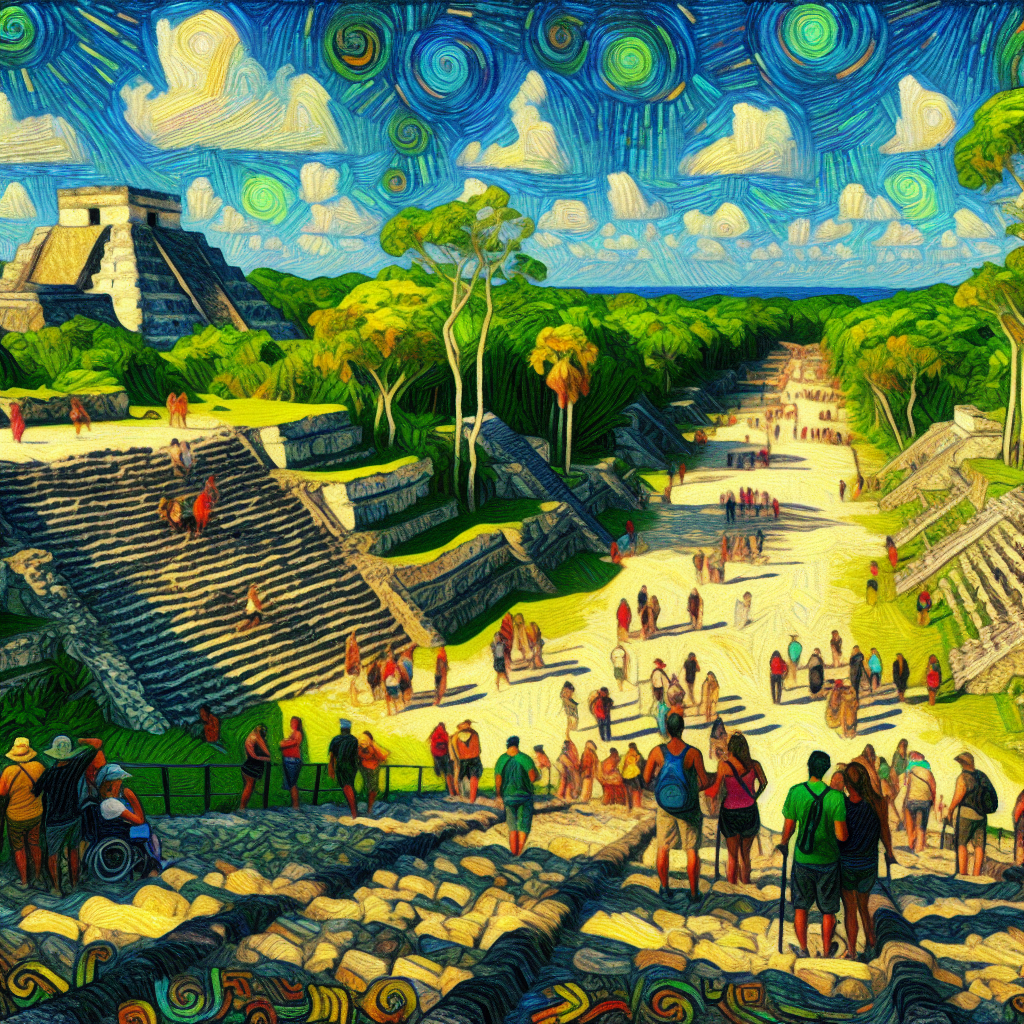
Are Travel Guides Limiting The Flexibility Of Senior Adventures?
When you think about travel guides, you might picture neatly bound books filled with highlighted sights, must-visit restaurants, and meticulously crafted itineraries. They’re essentially city maps for the mind. But here’s the rub: while they provide a useful road map, they might inadvertently draw boundaries that keep vibrant senior adventurers from exploring the untamed landscapes of spontaneity.
Let’s take Cozumel, for instance. It’s an island shimmering in the Caribbean, bustling with cruise ships, souvenir shops, and sandy beaches. Depending on the travel guide, you might be tempted to head straight for the famous beaches or one of those fancy dining spots overlooking the water. But as you reverse-engineer your day according to someone else’s checklist, you might miss the soul of the place. Because tucked away from the tourist traps, there’s a genuine Cozumel just waiting for those who are brave enough to wander off the beaten path.
Travel guides often promote popular attractions and well-trodden routes, and while there’s nothing wrong with enjoying a scenic beach sunset, there’s a certain thrill in the unknown. Imagine working up a sweat exploring hidden cenotes, sharing unexpected laughs with local vendors, or discovering an unmarked taco stand that serves the best meal you’ve ever had. These experiences don’t typically make it into a guidebook, but they can make for unforgettable memories.
Sure, it’s comforting to have a plan, especially when facing the prospect of navigating a new environment. But far too often, these guides can inadvertently reinforce a “checklist mentality.” Instead of embracing the spontaneity that travel can offer, many seniors may find themselves tethered to predetermined paths that steer them away from authentic experiences.
Instead, why not treat travel guides as just that—guides? A springboard into the heart of exploration rather than a chain locking you into a routine. There’s an entire world out there filled with possibilities, waiting for those who are willing to veer slightly off course. After all, true adventure feels less like following a map and more like following your instinct. So, the next time you consider a trip to Cozumel or anywhere else, embrace the unknown. You never know what treasures await just beyond the margins of a page!

Are Travel Guides Limiting The Flexibility Of Senior Adventures?
Are Travel Guides Limiting The Flexibility Of Senior Adventures?
- Travel guides are commonly seen as structured resources highlighting key sights and itineraries.
- They can restrict adventurous seniors from exploring spontaneous experiences.
- Cozumel exemplifies this, offering both popular attractions and hidden gems.
- Many worthwhile experiences, like hidden cenotes and local taco stands, are overlooked by traditional guides.
- Travel guides can create a “checklist mentality,” leading to inauthentic travel experiences.
- Instead, guides should be viewed as tools that inspire exploration, not constraints.
- Embracing spontaneity can lead to memorable adventures beyond typical tourist paths.
Are Travel Guides Limiting The Flexibility Of Senior Adventures?
What Common Misconceptions Exist About Seniors And Travel?
When it comes to senior travelers, misconceptions abound, and they often paint an unfair picture of a vibrant group eager to explore the world. One of the most persistent myths is that older adults are frail and unable to handle the rigors of travel. Sure, some may have physical limitations, but many others are climbing mountains, scuba diving in Cozumel, or trekking through bustling marketplaces. The truth is, age is just a number, and vitality knows no bounds.
Another misconception lies in the belief that seniors are all about laid-back vacationing. While lounging by the pool has its merits, many older adults seek adventure and cultural immersion. The image of seniors simply sunbathing in a resort is outdated. They are just as likely to be found zip-lining through rainforests or navigating the winding streets of an ancient city. Their thirst for knowledge and experiences often outpaces that of younger travelers who may stick to the familiar.
Then there’s the idea that seniors are too attached to their routines or that they only prefer all-inclusive packages and guided tours. This couldn’t be further from the truth. Many seniors have a sense of curiosity that rivals that of any wanderlust-driven backpacker. They want to interact with locals, savor street food, and experience the world first-hand. Sure, some may appreciate the efficiency of a well-organized tour, but many are more than ready to hop on a train and explore off-the-beaten-path adventures.
Furthermore, there’s a misconception that senior travelers can’t afford to travel or only take short trips. With retirement often providing both the time and the resources, many seniors are venturing out for months at a time. They’re ticking off bucket list destinations, embracing long-term travel, and finding unique ways to make the most of their golden years.
Ultimately, reframing how we view senior travelers means acknowledging their independence, adaptability, and thirst for adventure. So, the next time you encounter a senior crafting plans for a trip to Cozumel or beyond, remember: these seasoned explorers have stories and experiences that rival, and often exceed, those of any traveler at an earlier stage of life. They’re not just the tourists of yesterday; they’re the pioneers of today, proving that adventure has no expiration date.

What Common Misconceptions Exist About Seniors And Travel?
What Common Misconceptions Exist About Seniors And Travel?
- Common misconceptions about senior travelers often misrepresent their adventurous spirit.
- Many seniors, contrary to beliefs, are physically active and engage in various thrilling activities.
- Older adults are not just seeking laid-back vacations; they desire adventure and cultural experiences.
- Seniors are curious and eager to explore, often choosing off-the-beaten-path adventures over guided tours.
- Financial limitations are a myth; many seniors have the time and resources for long-term travel.
- Reframing perceptions of senior travelers emphasizes their independence and adaptability.
- Senior travelers are modern-day pioneers, challenging the stereotype of aging with their vibrant travel experiences.

What Common Misconceptions Exist About Seniors And Travel?
How Can Travel Guides Be Improved For Senior Adventurers?
When it comes to traveling, there’s a certain excitement that ignites the spirit of adventure—especially for those of us who have aged like fine wine. Now, let’s talk about one place that’s been on the radar for senior adventurers: Cozumel. Imagine those sunny, azure waters and vibrant coral reefs calling out to you. But how can we improve travel guides to make such destinations even more accessible and enjoyable for seasoned explorers?
First off, let’s talk about clarity. Travel guides for seniors need to be straightforward and easy to navigate. We’re not just looking for a glossy brochure filled with breathtaking images; we want practical, honest insights. Include information on walking distances, elevation changes, and the types of surfaces we’ll encounter. For example, when exploring the stunning beaches of Cozumel, knowing if there are hard-packed sand paths or rugged terrain can make all the difference.
Next, accessibility is the name of the game. And let’s get this straight: accessibility isn’t just about wheelchairs; it’s about making sure that our wise souls can fully enjoy our surroundings. Highlighting which attractions are senior-friendly, including available transportation options, and detailing accessible restrooms can greatly enhance a travel experience. For instance, when wandering through Cozumel’s local markets, it would be fantastic to know in advance which stalls and restaurants have seating arrangements that accommodate those of us with differing needs.
Let’s not forget the importance of cultural immersion without the stress. Travel guides should have clear suggestions for leisurely-paced activities that allow seniors to savor the local culture without feeling rushed. In Cozumel, this could mean recommending cooking classes that cater to all skill levels or art workshops that focus on local crafts.
Lastly, don’t overlook the technology gap. A segment of our adventurous community isn’t entirely comfortable navigating the latest apps and digital platforms. So, why not provide additional details on how to access information offline, or even include QR codes that lead to helpful resources? This way, everyone can join in on the fun without the tech headaches.
Ultimately, improving travel guides for senior adventurers hinges on understanding what we seek—adventure, ease, and connection. With the right adjustments, the road to places like Cozumel can be paved with joy, discovery, and unforgettable memories. So, let’s raise our travel mugs to that!

How Can Travel Guides Be Improved For Senior Adventurers?
How Can Travel Guides Be Improved For Senior Adventurers?
- Traveling ignites excitement and adventure, especially for seniors.
- Cozumel is a highlighted destination for senior adventurers, known for its sunny waters and coral reefs.
- Travel guides for seniors should be clear, straightforward, and practical, detailing walking distances and terrain types.
- Accessibility is crucial, focusing on senior-friendly attractions, transportation options, and accessible facilities.
- Guides should suggest leisurely-paced cultural activities, such as cooking classes and art workshops, to enhance local immersion.
- Consider the technology gap by providing offline access information and QR codes for helpful resources.
- Improving travel guides for seniors will lead to joyful and memorable adventures in Cozumel and beyond.

How Can Travel Guides Be Improved For Senior Adventurers?
What Role Do Online Resources Play In Senior Travel Planning?
In today’s digital age, planning travel for seniors has become an expedition of its own—one that often begins with a simple search for online resources. Gone are the days of thumbing through thick guidebooks or hunched over a dial-up internet connection, squinting at pixelated images of distant sunsets. Now, a whole world of destinations, from the sun-soaked beaches of Cozumel to the ancient ruins of Rome, sits a mere click away.
Online platforms cater to every traveler’s needs, but for seniors, these resources can make a substantial difference in their planning process. For instance, retirees seeking a relaxed getaway may find value in dedicated travel websites that focus on senior-friendly destinations and activities. Consider Cozumel—a popular spot known for its stunning coral reefs and vibrant culture. With a quick browse, seniors can snag tips on the best resorts that offer easy beach access, or discover charming local eateries that serve up the freshest seafood, all while ensuring that the menu can cater to dietary needs.
Moreover, social media platforms have transformed into treasure troves of information. Picture this: a Facebook group dedicated to senior travelers, where members swap stories about their recent adventures and offer recommendations on lesser-known gems in places like Cozumel. Here, attendees can discuss not just the must-see sights but also practical considerations, such as how accessible a particular attraction is or what transportation options are available for getting around.
Travel forums and blogs also play a crucial role, often providing firsthand accounts of experiences that paint a vivid picture of what to expect. A senior traveler reading about a day spent snorkeling in Cozumel, complete with tips on the best times to go and the gear to bring, can feel more connected and informed about their choice.
Furthermore, it’s worth noting how online resource platforms facilitate easy comparison shopping for flights, accommodations, and activities. This capacity for research empowers seniors to make decisions that fit their budgets and preferences without feeling pressured by travel agents.
In essence, online resources have revolutionized senior travel planning, making it more accessible and tailored. By enabling seniors to explore, compare, and connect with fellow adventurers, these tools ensure that every trip—from the tranquil coasts of Cozumel to exciting European escapades—is grounded in personal choice and confidence. So, put on those comfy shoes, grab that smartphone, and let technology guide the way to your next great journey!
What Role Do Online Resources Play In Senior Travel Planning?
What Role Do Online Resources Play In Senior Travel Planning?
- Modern travel planning for seniors starts with easy access to online resources.
- Senior-friendly travel websites offer tailored recommendations for destinations like Cozumel.
- Social media, such as dedicated Facebook groups, allow seniors to share experiences and tips.
- Travel forums and blogs provide firsthand accounts and practical advice for senior travelers.
- Online platforms enable easy comparison shopping for flights, accommodations, and activities.
- Empowered by technology, seniors can travel confidently and make choices based on personal preferences.
- Overall, online resources have transformed travel planning into a more accessible and personalized experience for seniors.

What Role Do Online Resources Play In Senior Travel Planning?
Are There Specific Destinations Better Suited For Seniors?
When it comes to travel, the world is your oyster, but not every oyster is easy to pry open. For seniors, choosing the right destination can make all the difference between a nightmare on the road and a joyride through paradise. So, let’s dive into a few places that tick all the right boxes for those seeking adventure without too much wear and tear on the joints.
First up, let’s talk about Cozumel. Often overshadowed by its flashier neighbors, this island off the coast of Mexico is a gem waiting to be discovered. With its pristine beaches and crystal-clear waters, it’s a haven for relaxation—perfect for those who might not have the energy to climb every mountain but still want to soak in the sun. The island is surprisingly easy to navigate, with gentle terrain that welcomes leisurely strolls or smooth rides on rented scooters. Whether you’re a beach bum or a snorkeling enthusiast, Cozumel offers a laid-back vibe that lets you celebrate life at your own pace.
Now, shifting gears, let’s cruise over to the Appalachian Mountains. For those who prefer a bit of rustic charm, this range has plenty of cozy cabins and picturesque towns that beckon. With accessible hiking trails and charming small communities, it’s perfect for the active senior who loves a breath of fresh air. Imagine sipping cider on a porch and watching the changing leaves paint the landscape—a picture-perfect backdrop for making memories.
Culture and history are prominent in places like New Orleans, where the music never dies, and the food sparks a spiritual awakening. A stroll through the French Quarter offers vibrant street performances and mouthwatering Cajun dishes without demanding too much travel distance. Plus, many attractions cater to visitors of all ages, ensuring that everyone can join the revelry.
For a more tranquil experience, consider the stunning landscapes of Sedona, Arizona. With its red rock formations and serene energy, this destination draws in seniors seeking some spiritual rejuvenation. Golfing, hiking, or simply enjoying a spa day, Sedona covers all bases without pushing anyone too hard.
In summary, whether you find yourself chilling on the shores of Cozumel or basking in the artistic charm of New Orleans, the perfect destination awaits. The key is to find a place that embraces you, allowing you to relax, explore, and make memories without feeling rushed. After all, travel should be a celebration of life, not a test of endurance.

Are There Specific Destinations Better Suited For Seniors?
Are There Specific Destinations Better Suited For Seniors?
- Choosing the right travel destination is crucial for seniors to ensure an enjoyable experience.
- Cozumel is an ideal destination with pristine beaches, crystal-clear waters, and easy navigation for relaxation.
- The Appalachian Mountains offer rustic charm, cozy cabins, and accessible hiking trails for active seniors.
- New Orleans provides a vibrant cultural experience with music, food, and attractions suitable for all ages.
- Sedona, Arizona, features breathtaking landscapes and opportunities for spiritual rejuvenation through various activities.
- Travel should allow for relaxation and exploration, prioritizing comfort and enjoyment over endurance.
- The perfect destination is one that embraces visitors, enabling them to create lasting memories.

Are There Specific Destinations Better Suited For Seniors?
Conclusion
So, as we wrap up this conversation about the relationship between travel guides and senior adventurers, let’s take a step back and consider the crux of the matter: the world is out there, vibrant and waiting for anyone brave enough to dive into its depths—age be damned. While travel guides can serve as useful roadmaps, they may also act as unintentional barriers, framing adventures for seniors within rigid parameters that favor comfort and familiarity over exploration and spontaneity.
Think about it. A guidebook might entice you to lounge on a serene beach in Cozumel, sipping a drink from a resort that offers every amenity for “easy” travel. But what about the local taco cart just off the beaten path, or the chance to dance at a nearby market? Those experiences are where the true adventure lies, and yet they can get lost in the glossy allure of today’s travel guides. Instead of becoming a checklist of “safe” destinations, it’s vital to urge our seasoned travelers to break free and embrace the wild unknown, even if that wild unknown is a quaint little café a few blocks away from the tourist crowd.
Moreover, let’s not forget that seniors are not a homogeneous group glued to their lounge chairs. Many are adventurous spirits seeking to experience not just the sights, but also the profound connections found in cultural exchanges and local cuisine. They’re out there zipping through rainforests, savoring street food, and ticking items off their bucket lists. It’s about time we busted the myths surrounding senior travel and uplifted those trailblazing souls venturing beyond age-based assumptions.
Travel guides can be improved significantly by leaning into simplicity, accessibility, and inclusiveness. They should cater to seniors’ needs without boxing them in, balancing the thrill of exploration with the wisdom that comes from experience. Clarity in information—about distances, terrain, and local culture—is essential. More importantly, there’s a rich resource pool available online that can empower these travelers to navigate their experiences without being tethered to a pre-set itinerary.
So next time you browse a travel guide, ask yourself if you’re settling for the mainstream or daring to venture off the well-worn trails. Remember, adventure doesn’t come with an expiration date, and every corner of the world—from the bustling streets of New Orleans to the crystal waters of Cozumel—is ready for those who dare to dream and explore. Senior travelers, embrace the journey ahead!

Conclusion
Conclusion:
- The world is vibrant and waiting for adventurers of all ages, including seniors.
- While travel guides are helpful, they can create barriers by promoting comfort over spontaneity.
- True adventures can be found in local experiences often overlooked by traditional guidebooks.
- Seniors are diverse, many actively seek adventurous experiences beyond just sightseeing.
- Travel guides should focus on accessibility and inclusiveness while encouraging exploration.
- Clarity in information about local culture, terrain, and distances is essential for senior travelers.
- Adventure has no age limit; every destination is open to those willing to explore beyond popular trails.

Conclusion
Other Resources

Other Resources
One quiet thing worth knowing: where you stay on the island changes what you can actually do here. If you’re sketching out a trip, these may help. Cozumel Journey is an editorial guide to Cozumel — neighborhoods, planning tips, and life on the island for travelers who want context, not a cruise schedule.
Here is a list of other resources you can review online to learn more:
- Mr. Sancho’s
- Jeanie’s Cozumel
- Chankanaab Adventure Beach Park
- Chardonnay Italian Mexican Food Restaurant Cozumel
- Turquoise Terraza & Beach Club Cozumel
- Arrecifes de Cozumel National Park
- Blue Magic Scuba
- Cozumel Jeep
- Alamo
- Caleta Harbor
- a slower, editorial take on Cozumel
Use This Prompt To Get More Resources With Your Favorite Online AI Tool: Please provide me with a list of online articles with their URLs in a bulleted list that I can read regarding Are Travel Guides Making Senior Adventures More Restrictive?
Other Resources
Glossary Terms
Are Travel Guides Making Senior Adventures More Restrictive? – Glossary Of Terms
1. Accessibility: The design of travel environments that allows for participation by all individuals, especially those with mobility challenges.
2. Adventurous Travel: A travel style characterized by exploration, physical activity, and novel experiences often outside of one’s comfort zone.
3. Aging Population: A demographic shift where the proportion of older individuals within a population increases, influencing travel trends.
4. Burst Travel: Short, intensive trips designed to provide a high volume of experiences in a limited time frame, appealing to seniors with limited travel opportunities.
5. Cultural Sensitivity: Awareness and appreciation of different cultures, essential for respectful and enriching travel practices.
6. Destination Restrictions: Limitations imposed on certain travel sites based on unique concerns, such as safety, accessibility, or local regulations.
7. Experience Economy: The modern trend of consumers prioritizing experiences over material goods, impacting how travel packages are marketed to seniors.
8. Fear of Risks: Concerns about safety and health that can inhibit seniors from engaging in adventurous travel.
9. Guided Tours: Organized trips that provide seniors with planned itineraries, which may restrict spontaneity and individual exploration.
10. Health Considerations: Factors related to physical well-being that can dictate the feasibility of certain travel activities for seniors.
11. Individualization: Tailoring travel experiences to meet the specific interests and needs of individual travelers, including seniors.
12. Informed Decision-Making: The process through which travelers evaluate and choose their travel experiences based on credible information and personal preferences.
13. Longevity Tourism: Travel that caters specifically to the aging population, focusing on health, wellness, and suitable activities.
14. Mobility Challenges: Physical limitations that may affect a senior’s ability to navigate different environments while traveling.
15. Nostalgia Travel: Travel motivated by the desire to revisit places from one’s past or experience themes and activities reminiscent of earlier years.
16. Over-commercialization: The commercialization of travel experiences that may prioritize profit over the authenticity or adventure of the experience.
17. Post-Pandemic Travel: Trends and behaviors in travel following the COVID-19 pandemic, impacting seniors’ choices and experiences.
18. Risk Assessment: Evaluating the potential dangers associated with travel decisions, often heightened for seniors.
19. Scenic Routes: Specific travel paths designed to showcase beautiful landscapes, appealing to seniors seeking leisurely experiences.
20. Self-directed Travel: Travel experiences where the senior traveler operates independently, as opposed to following set itineraries.
21. Smart Travel: Utilize technology and information to enhance the travel experience, ensuring safety and convenience for seniors.
22. Social Inclusivity: Ensuring travel experiences are welcoming and accessible to diverse age groups, fostering a sense of community among travelers.
23. Tourism Trends: Patterns in travel behaviors and preferences that reflect the evolving interests of seniors in the travel market.
24. Travel Adaptations: Modifications made to travel plans or activities to accommodate the needs and preferences of senior travelers.
25. Travel Anxiety: The feelings of stress or nervousness that can accompany travel, particularly in seniors who may be more cautious.
26. Travel Restrictions: Policies or guidelines that limit where or how individuals can travel, potentially hindering adventurous options for seniors.
27. Turnkey Experiences: All-inclusive travel packages that simplify planning for seniors but may not allow for customization.
28. Viable Adventures: Travel experiences that are both practical and exciting for seniors, balancing safety and adventure.
29. Wellness Retreats: Travel experiences focused on health and well-being, often including activities suitable for seniors.
30. Zoning Regulations: Local laws that might dictate land use, potentially affecting where seniors can engage in travel activities.

Glossary Of Terms
Other Questions
Are Travel Guides Making Senior Adventures More Restrictive? – Other Questions
If you wish to explore and discover more, consider looking for answers to these questions:
- What are some alternative travel options for seniors seeking adventure?
- How can seniors evaluate the safety of a destination before traveling?
- What are the benefits of solo travel for seniors?
- What resources exist specifically for senior travelers looking for off-the-beaten-path experiences?
- How can families assist their senior relatives in planning travel adventures?
- What are some common health concerns seniors should consider while traveling?
- How do cultural differences impact senior travelers’ experiences?
- What are tips for managing travel fatigue in seniors?
- Are there travel agencies that specialize in senior travel?
- What role do community resources and groups play in supporting senior travel?

Other Questions
Haiku
Are Travel Guides Making Senior Adventures More Restrictive? – A Haiku
Adventure awaits still,
Guides weave paths of comfort,
But gems lie off-route.

Haiku
Poem
Are Travel Guides Making Senior Adventures More Restrictive? – A Poem
In the golden years, the world unfolds,
With vibrant tales waiting to be told.
Yet in travel guides, a subtle sway,
Restricts the paths for those who stray.
Cozumel’s shores call out with glee,
A paradise where hearts wander free.
But whispers of safety, they confine,
Dimming the spark, the adventurous line.
Neat boxes veil the wild unknown,
As seniors miss treasures, all alone.
“Accessible,” they say, with reassuring tones,
Yet adventure stirs in the hidden zones.
A hike by a waterfall, a dance under stars,
Who said such joys belong to the spars?
Yet guides shape the journeys with structured maps,
Forgetting that life craves spontaneous laps.
Oh, let’s peel back the pages, break free from the mold,
In the wilderness of travel, let new stories unfold.
For age is no barrier to passions and quests,
In the heart of the brave, adventure still rests.
Online forums echo adventures grand,
Where seekers exchange tales of many lands.
A trip’s a tapestry woven with zest,
Let the paintbrush of adventure lead the quest.
So pack up your wanderlust, embrace the unknown,
From Cozumel’s beaches to paths overgrown.
With open hearts and curious eyes,
Adventure knows no age—it’s the daring that flies.

Poem
Checklist
Are Travel Guides Making Senior Adventures More Restrictive? – A Checklist
Before Planning Your Trip:
1. Research Destinations:
_____ Look for senior-friendly locations with easy navigation and ample leisure options (e. g. , Cozumel, New Orleans, Sedona).
_____ Consider accessibility features at your chosen destination (e. g. , flat terrain, accessible beaches).
2. Identify Interests:
_____ Make a list of activities you enjoy (e. g. , cultural experiences, relaxed beach days, scenic walks).
3. Review Travel Guides:
_____ Examine travel guides critically—identify potential limitations in activities and suggestions based on a younger perspective.
During Planning:
4. Access Online Resources:
_____ Join online forums or social media groups focused on senior travel for recommendations and firsthand experiences.
_____ Utilize travel websites that cater specifically to seniors to compare accommodations and activities.
5. Prioritize Clarity:
_____ Seek travel guides that provide straightforward, easy-to-read information free of jargon.
_____ Ensure you have essential details on walking distances, elevation changes, and surfaces encountered.
6. Explore Local Insights:
_____ Look for guides that highlight hidden gems and local experiences, rather than just popular tourist attractions.
Packing and Preparation:
7. Pack Smart:
_____ Consider comfort over style—bring comfortable walking shoes and clothing suitable for diverse activities.
_____ Include essential medications and health items in your travel bag.
8. Check Accessibility:
_____ Verify accessibility for accommodations, dining options, and transportation choices in advance.
During Your Trip:
9. Stay Open to Spontaneity:
_____ Use travel guides as a starting point rather than a strict itinerary; be willing to explore off-the-beaten-path experiences.
_____ Make real-time decisions about activities based on your energy and interests.
10. Engage with Locals:
_____ Ask local residents for recommendations on less-touristy spots or cultural experiences.
_____ Participate in community events to enhance your experience.
Reflection:
11. Document Your Adventures:
_____ Keep a travel journal or take photos to remember your experiences and share with others.
_____ Reflect on your journey—consider what worked well and what could be improved for future trips.
12. Share Your Experiences:
_____ Offer feedback on travel guides or online resources to help improve the information for fellow senior travelers.
Final Thoughts
Remember, your travel plans are about enjoyment, exploration, and creating memories—don’t let rigid itineraries hold you back! Adventure knows no age.

Checklist
At TopCozumelNews, we help travelers enjoy Cozumel by collating information learned from frequently traveling to beautiful Cozumel.
Be sure to read our other related stories at TopCozumelNews to learn more about the Island of Cozumel.