
Discover The Shocking Truth Behind Cozumel’s Shark Encounters
By Tom Seest
At TopCozumelNews, we help travelers enjoy Cozumel by collating information learned from frequently traveling to beautiful Cozumel.
Be sure to read our other related stories at TopCozumelNews to learn more about the Island of Cozumel.
Shark Attacks Cozumel Mexico
Cozumel, Mexico, is known for its breathtaking beaches, turquoise waters, and vibrant coral reefs. But lurking beneath that stunning surface are Cozumel sharks, a fact that both thrills and terrifies those who venture into the depths. You see, when folks think about a day spent swimming off the coast of this tropical paradise, the idea of encountering a shark is often far from their minds. However, this stunning destination has seen its fair share of shark-related incidents, raising the question: just how much do we know about these formidable creatures?
For many visitors, the thrill of snorkeling or scuba diving in Cozumel—especially near areas known for diving—is an irresistible lure. These excursions lead to encounters with a rich tapestry of marine life, from majestic sea turtles to schools of vibrant tropical fish. But among them, shark sightings often evoke a sense of awe—or fear. Cozumel sharks, including species such as nurse sharks and reef sharks, mostly exhibit behavior that ranges from curious to completely indifferent toward humans. However, there have been sporadic reports of attacks, making headlines and sending shivers down the spines of those considering a swim.
Despite the occasional headline-grabbing incident, let’s put things into perspective. Sharks aren’t mindless monsters; they’re integral to the ocean’s ecosystem. They typically don’t see humans as prey, but they can confuse thrashing swimmers with their natural food sources. Most attacks are a case of simple curiosity gone awry, or worse, a miscommunication between marine predator and perplexed human.
What scares most people is the unknown. The waters of Cozumel can seem inviting, but they also house creatures that have been swimming the Earth’s oceans long before people began to chart their territory. Like navigating a construction site without a hard hat, those diving into the depths need to recognize the risks. Understanding shark behavior and respecting their habitats can help mitigate fears and enhance appreciation for these remarkable animals.
So whether you’re paddling out on a kayak or enjoying a sunset from the shore, remember: sharks are a part of the ocean’s story, a chapter filled with intrigue and respect. Just like any great adventure, knowing your environment is key. Stay aware, stay safe, and perhaps reconsider that late-night dip!

Shark Attacks Cozumel Mexico
Shark Attacks Cozumel Mexico
- Cozumel, Mexico is famous for its beautiful beaches, clear waters, and coral reefs.
- Cozumel sharks, including nurse and reef sharks, evoke mixed feelings of awe and fear among visitors.
- Sharks are usually indifferent or curious towards humans, but there have been rare reports of attacks.
- Most shark incidents stem from curiosity or miscommunication between humans and sharks.
- Sharks play a vital role in the ocean’s ecosystem and typically do not view humans as prey.
- Understanding shark behavior and respecting their habitats can help alleviate fears.
- Visitors are encouraged to stay aware of their surroundings and recognize the risks when swimming.

Shark Attacks Cozumel Mexico
Table Of Contents
- Shark Attacks Cozumel Mexico
- What Are The Common Causes Of Shark Attacks In Cozumel?
- What Types Of Sharks Are Typically Found Near Cozumel?
- Are Shark Attacks In Cozumel On The Rise Or Decline?
- What Should I Do If I Encounter a Shark While Swimming In Cozumel?
- What Precautions Do Cozumel Authorities Take to Prevent Shark Attacks?
- How Can Cozumel Tourists Educate Themselves About Shark Behavior?
- What Signs Indicate That Sharks Are Present In Cozumel Waters?
- Conclusion
- Other Resources
- Glossary Of Terms
- Other Questions
- Haiku
- Poem
- Checklist
What Are The Common Causes Of Shark Attacks In Cozumel?
When you think of Cozumel, you might picture sun-soaked beaches, vibrant coral reefs, and underwater adventures. But lurking beneath those azure waves are Cozumel sharks, and while these majestic creatures are generally more interested in schooling fish than humans, there are a few factors that can lead to unfortunate encounters.
First and foremost, let’s talk about the environment. Cozumel’s rich marine habitats attract a plethora of fish, which in turn draws sharks. Over the years, an increase in human activity—such as scuba diving, snorkeling, and fishing—can inadvertently lead to situations where sharks and people intersect. When divers dive into natural feeding grounds or disturb the local ecosystem, the chances of an encounter can rise. In essence, we might not be the main course, but we can sure stir up a hungry crowd.
Another significant cause is food. Sharks are opportunistic feeders; they’ll take advantage of whatever is readily available. With an uptick in fishing and a rush to catch the local delicacies, bits of fish and other marine life get thrown back into the water, creating a tantalizing buffet for the sharks. It’s a classic case of “if you throw it, they will come.” Unfortunately, this can lead to unintended interactions with humans, who may just be in the wrong place at the wrong time.
Additionally, visibility plays a crucial role in shark attacks. In Cozumel, the water can sometimes be murky, distorting a shark’s perception. With unclear lines of sight, they might mistake a swimmer or diver for a typical meal, leading to an accidental bite. It’s important to remember that sharks are not mindless killers. They may be curious creatures checking out what they perceive to be an unusual object in their domain. If only they had a clearer view!
Lastly, let’s not forget the time of year. The breeding and feeding patterns of sharks can change with the seasons. During warmer months, when water temperatures rise, adult sharks might venture closer to shore. This can also coincide with peak tourist seasons, leading to a perfect storm of human-shark interactions.
In summary, while the thought of Cozumel sharks may inspire a bit of trepidation, understanding their behavior offers insight into how and why these encounters occur. After all, we’re guests in their world, and it’s important to tread wisely and respectfully in their waters.

What Are The Common Causes Of Shark Attacks In Cozumel?
What Are The Common Causes Of Shark Attacks In Cozumel?
- Cozumel is known for its beaches, coral reefs, and underwater adventures.
- Sharks in Cozumel generally prefer fish over humans, but encounters can occur due to environmental factors.
- Increased human activities like diving, snorkeling, and fishing can disturb shark habitats and lead to interactions.
- Sharks are opportunistic feeders, attracted by discarded fish and marine life, which can create risks for humans.
- Poor visibility in murky water can cause sharks to mistake swimmers for prey.
- Shark breeding and feeding patterns change seasonally, potentially increasing encounters during warmer months.
- Understanding shark behavior helps mitigate risks, emphasizing the importance of respectful interaction with their environment.
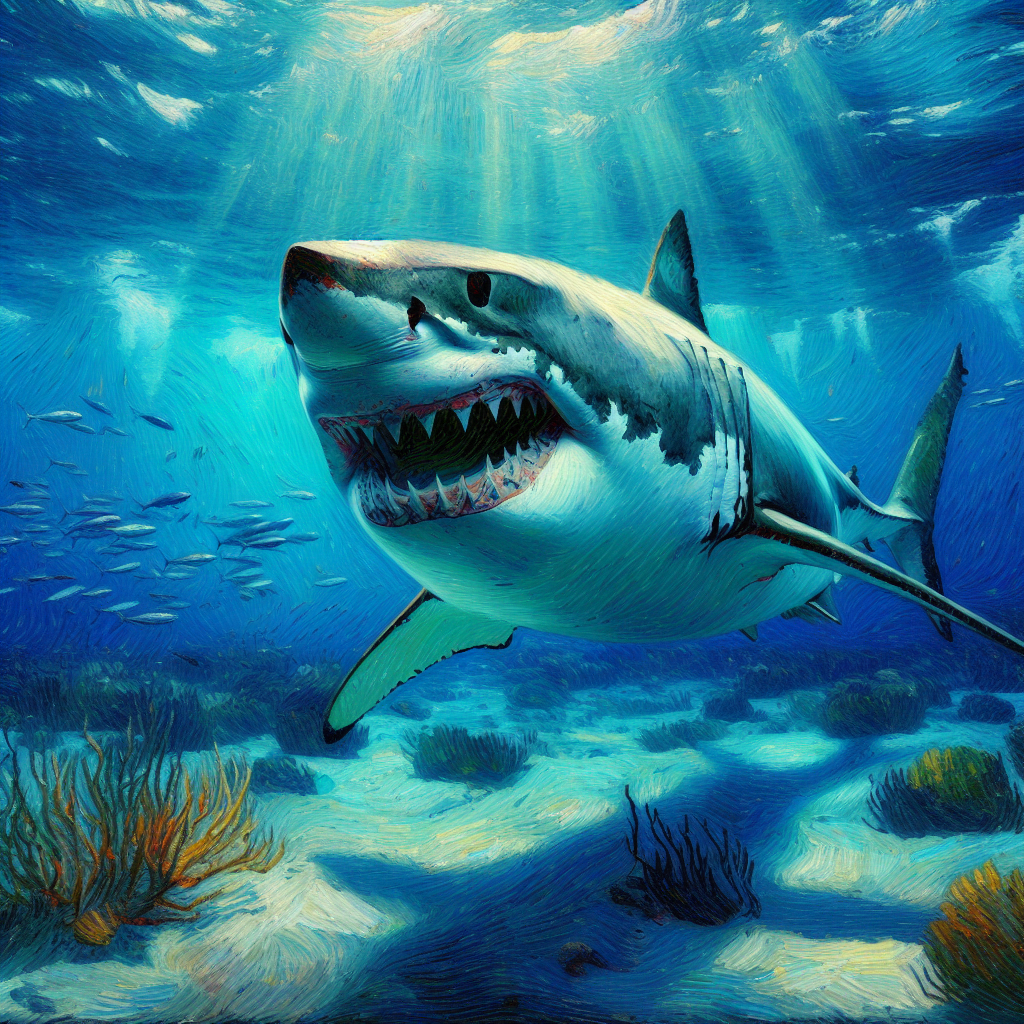
What Are The Common Causes Of Shark Attacks In Cozumel?
What Types Of Sharks Are Typically Found Near Cozumel?
When you think of Cozumel, the first things that likely come to mind are sun-soaked beaches, vibrant coral reefs, and crystal-clear waters. But beneath those azure waves, lurking in the depths, are the Cozumel sharks — some of the ocean’s most fascinating and misunderstood inhabitants.
Cozumel has become a hotspot for divers and snorkelers seeking to catch a glimpse of these majestic creatures. The waters surrounding this Mexican island are home to several species of sharks, each playing a vital role in the marine ecosystem. So, what types of sharks can you typically find gliding through the Caribbean currents?
First on the list is the nurse shark, a gentle giant often found resting on the sandy bottom or near rocky areas. These creatures, recognizable by their flattened bodies and barbels on their snouts, are mostly nocturnal. While they might not be the most glorious of Cozumel sharks, they are certainly one of the most approachable. Divers often enjoy observing them as they lazily patrol their territory.
Then there’s the silky shark, a sleek and agile predator that epitomizes grace in the water. Known for their long, streamlined bodies, silky sharks can be seen cruising around deeper waters, often in schools. While they’re not a direct threat to divers, it’s wise to respect their space and watch from a distance.
Another marvel of the deep is the reef shark, specifically the Caribbean reef shark. These sharks are the real deal when it comes to the excitement of encountering one in the wild. With their powerful builds and inquisitive nature, they often approach divers closely, showcasing their impressive speed and agility. The thrill of seeing one up close is enough to get anyone’s heart racing.
Lastly, hammerhead sharks shouldn’t be overlooked. While not as common as others in the Cozumel waters, they do make occasional appearances. Their distinctive hammer-shaped heads and keen hunting capabilities add an extra layer of intrigue to any diving adventure.
In summary, the experience of encountering Cozumel sharks is part of what makes diving here so special. Whether you’re watching a docile nurse shark or marveling at the agility of a reef shark, these encounters remind us of the incredible diversity of life lurking just beneath the surface. So, next time you’re planning your Cozumel getaway, don’t forget to dive deeper — the ocean’s secrets are waiting!

What Types Of Sharks Are Typically Found Near Cozumel?
What Types Of Sharks Are Typically Found Near Cozumel?
- Cozumel is known for its stunning beaches, vibrant coral reefs, and clear waters.
- The waters around Cozumel are a hotspot for divers and snorkelers interested in sharks.
- Common species of sharks in Cozumel include nurse sharks, silky sharks, Caribbean reef sharks, and hammerhead sharks.
- Nurse sharks are gentle giants that are often found resting on sandy bottoms and are approachable by divers.
- Silky sharks are sleek predators that tend to travel in schools in deeper waters.
- Caribbean reef sharks are powerful and inquisitive, often thrilling divers with their speed and agility.
- Hammerhead sharks occasionally appear in Cozumel waters, adding excitement to diving adventures.

What Types Of Sharks Are Typically Found Near Cozumel?
Are Shark Attacks In Cozumel On The Rise Or Decline?
Cozumel is a paradise for divers and ocean enthusiasts alike, but lurking beneath its azure waters are the creatures that conjure both awe and trepidation: Cozumel sharks. Known for their mystical beauty, these majestic beings have sparked countless debates regarding their populations and their interactions with humans. So, the question arises: Are shark attacks in Cozumel on the rise or decline? Let’s dive into this murky topic and emerge with clarity.
First, let’s set the stage. Over the years, Cozumel has attracted hordes of thrill-seekers eager to plunge into the depths where these powerful predators roam. The vibrant coral reefs and clear waters make it an ideal spot for diving, but with those beautiful vistas comes a healthy dose of caution. Not all encounters with Cozumel sharks end in a photograph or a heartwarming story. A few have gone south, leading to incidents that make headlines and send shivers down spines.
However, while sensational stories of shark attacks can create panic, a more comprehensive look at the facts tells a less alarming tale. Recent studies and data paint a picture of stability, if not a decline in attacks against humans. In fact, out of the myriad of divers that navigate these waters each year, only a handful of isolated incidents have occurred. Many marine biologists suggest that as the local environment has improved and conservation efforts continue, the sharks are more likely to avoid human interference rather than engage in it.
Additionally, the rise of eco-tourism has fostered a newfound respect for these creatures. The locals and visitors alike are becoming increasingly educated about the role that Cozumel sharks play in maintaining the health of marine ecosystems. This positive shift in mindset has led to practices that advocate for marine preservation, potentially keeping shark interactions on the safe side.
So, are shark attacks in Cozumel on the rise or decline? The evidence suggests a decline, with most encounters resulting in little more than a fleeting glimpse of a fin cutting through the water. As long as we respect these magnificent creatures and their habitats, we might find that our fears are unfounded. Whether you’re a diver or merely a curious beachgoer, being aware and informed can help us coexist with the incredible diversity the ocean has to offer.

Are Shark Attacks In Cozumel On The Rise Or Decline?
Are Shark Attacks In Cozumel On The Rise Or Decline?
- Cozumel is a popular destination for divers and ocean enthusiasts, home to Cozumel sharks.
- There is ongoing debate about shark populations and their interactions with humans.
- Shark encounters can be thrilling but sometimes result in negative incidents that attract media attention.
- Recent studies indicate a decline in shark attacks in Cozumel, with only a few isolated incidents reported.
- Improved local environmental conditions and conservation efforts contribute to safer shark-human interactions.
- Eco-tourism has led to increased education and respect for Cozumel sharks and their ecological role.
- With awareness and respect for marine life, fears of shark attacks can be reduced, allowing for safe coexistence.

Are Shark Attacks In Cozumel On The Rise Or Decline?
What Should I Do If I Encounter a Shark While Swimming In Cozumel?
First of all, let’s take a deep breath. The mere thought of encountering Cozumel’s sharks can send shivers down your spine, and trust me, I get that. The reality is that sharks, in their own way, are part of the stunning tapestry of marine life that makes Cozumel a diver’s paradise. These creatures are generally as curious about you as you are about them. Still, if you find yourself in the water staring eye-to-eye with one of these magnificent beasts, you might want to know the best course of action.
Step one: Remain calm. Yes, the instinct to panic is completely natural, but flailing around in the water is the last thing you want to do. Sharks, particularly the ones in Cozumel, are more intrigued by a calm figure than a splash factory. This isn’t the moment for theatrics; think of yourself as a stone in the water.
Next, assess the situation. Not all Cozumel sharks are created equal. Many species are harmless, like the docile nurse shark, which is more interested in a cozy nook than in pursuing you. If you can clearly identify the shark and it’s not one of the more aggressive species, take a moment to soak in the experience. You’re literally among the wildlife that inspires awe in so many around the world.
However, if the encounter is a bit more intense or the shark exhibits signs of aggression—like erratic movements or closely circling you—it’s time to think strategically. Maintain eye contact. Sharks are less likely to attack if they know you’re aware of them. Move slowly and assertively, keeping your body facing the shark at all times. If it gets too close for comfort, elevate your position in the water by raising your arms; this not only makes you appear larger but also signals that you’re not prey.
Finally, backward shuffle your way towards the nearest exit point—whether that’s the shore or your dive boat—and avoid turning your back. Remember, the goal isn’t to engage, but rather to gracefully exit the stage. Cozumel’s waters are teeming with life, and most of the time, those Cozumel sharks are simply passing through. You might have been the highlight of their day, but don’t take it personally. Just another day in paradise!

What Should I Do If I Encounter a Shark While Swimming In Cozumel?
What Should I Do If I Encounter a Shark While Swimming In Cozumel?
- Encountering sharks in Cozumel can be intimidating but is part of its vibrant marine life.
- Remain calm; panicking or splashing can attract sharks.
- Assess the shark species; many, like the nurse shark, are harmless and not aggressive.
- If the shark shows signs of aggression, maintain eye contact and move slowly.
- Keep your body facing the shark to show awareness and assertiveness.
- If necessary, raise your arms to appear larger and signal you’re not prey.
- Back away slowly towards safety, avoiding turning your back on the shark.

What Should I Do If I Encounter a Shark While Swimming In Cozumel?
What Precautions Do Cozumel Authorities Take to Prevent Shark Attacks?
When it comes to the stunning waters of Cozumel, the beauty is matched only by the curiosity it stirs—especially when it comes to its notorious residents: Cozumel sharks. These magnificent creatures glide through the waves, often leaving tourists spellbound. But with that enchantment comes an important question: how do local authorities work to keep beachgoers safe from potential shark encounters?
First off, it’s essential to recognize that sharks are a natural part of the ecosystem in Cozumel. The warm, clear waters attract an array of marine life, which, in turn, draws in those apex predators. The local authorities understand that their presence is both a blessing and a point of concern, so they’ve adopted a comprehensive approach to mitigate risks while still allowing visitors to enjoy the underwater paradise.
One of the first lines of defense is constant monitoring. The authorities frequently work with local dive operators and fishermen. These insiders know the waters better than anyone and report any unusual shark activity or sightings. Through this proactive communication, they can swiftly alert beachgoers and prepare for any necessary precautions. In addition, designated lifeguards are stationed along popular beaches and diving sites to keep a keen eye on the water, ensuring that any potential issues are addressed quickly.
Another key precaution involves education. Many resorts and tour operators conduct safety briefings that inform guests about the behavior of Cozumel sharks and how to minimize the risks of encounters. This includes simple tips like avoiding swimming at dusk or dawn when sharks tend to be most active and avoiding splashing or erratic movements in the water that might attract them. Knowledge is power, and empowering visitors with the right information helps everyone enjoy a safer aquatic experience.
Additionally, local authorities conduct regular assessments of potential shark habitats and feeding grounds to manage tourism activities effectively. If they identify areas where shark activity is particularly high, they may implement temporary swimming bans or direct tourists to alternative sites where the risk is lower. This proactive approach ensures that everyone can enjoy the stunning beauty of Cozumel without undue anxiety.
Ultimately, in Cozumel, the goal is not just to protect people but also to maintain the delicate balance of the marine ecosystem. By respecting Cozumel sharks and implementing rigorous safety measures, authorities ensure that both visitors and these majestic creatures can continue to thrive in harmony.

What Precautions Do Cozumel Authorities Take to Prevent Shark Attacks?
What Precautions Do Cozumel Authorities Take to Prevent Shark Attacks?
- Cozumel is home to stunning waters inhabited by sharks, which enchant tourists.
- Sharks are a natural part of Cozumel’s ecosystem, attracted by warm, clear waters.
- Local authorities adopt a comprehensive approach to mitigate risks and ensure visitor safety.
- Constant monitoring involves collaboration with local dive operators and fishermen to report unusual shark activity.
- Educational safety briefings inform tourists on how to minimize encounter risks, such as avoiding swimming at dusk or dawn.
- Local authorities assess shark habitats and may implement temporary swimming bans in high-activity areas.
- The ultimate goal is to protect both beachgoers and sharks, maintaining a balanced marine ecosystem.

What Precautions Do Cozumel Authorities Take to Prevent Shark Attacks?
How Can Cozumel Tourists Educate Themselves About Shark Behavior?
When it comes to swimming in the beautiful waters around Cozumel, tourists are often drawn to the majestic creatures coasting beneath the surface: Cozumel sharks. While these apex predators are often maligned in popular culture, understanding their behavior can significantly enhance your snorkeling or diving experience while keeping you safe and informed.
First things first: knowing where the sharks hang out is crucial. Cozumel’s warm Caribbean waters are a haven for several shark species, including the nurse shark and the occasional bull shark. Understanding which species are present and their typical behaviors can help alleviate any irrational fears.
Start your education by diving into local resources. Many dive shops and tour operators offer briefings on shark behavior before heading out to the reefs. They possess a treasure trove of information and are often eager to share their knowledge. Don’t hesitate to ask questions! Are Cozumel sharks aggressive? How do they typically react to divers and snorkelers? Educators in this environment are passionate about helping you understand these ocean inhabitants.
Books and documentaries are also great educational tools. Look for materials specifically focused on shark behavior. Films that highlight ocean ecosystems will usually feature how sharks function within those ecosystems. Pair that with some reading—maybe a field guide on marine life specific to the Caribbean—and you’ll arm yourself with knowledge you can share with fellow tourists, enhancing everyone’s experience.
Online resources, however, are hard to beat. Reputable websites and forums dedicated to marine biology often have sections discussing shark behaviors and profiles on local sharks. Joining online communities can also help you connect with experienced divers who’ve had firsthand interactions with Cozumel sharks. Your curiosity may lead down a rabbit hole, but it’s worth it.
Lastly, there’s nothing like talking to the locals. Many fishermen and guides have devoted their lives to understanding these magnificent creatures. Hearing their stories will give you not only a greater respect for sharks but also a nuanced understanding of our role in their habitat. In essence, the more informed you are, the more fulfilling your Cozumel experience will be.
So, whether you’re floating above a coral reef or watching from the boat, keep your eyes peeled and remember: education is the key to appreciating—and respecting—the powerful and essential role that Cozumel sharks play in our oceans.

How Can Cozumel Tourists Educate Themselves About Shark Behavior?
How Can Cozumel Tourists Educate Themselves About Shark Behavior?
- Tourists in Cozumel are often fascinated by Cozumel sharks, which are apex predators.
- Understanding shark behavior enhances snorkeling and diving experiences and promotes safety.
- The warm Caribbean waters of Cozumel are home to species like nurse sharks and bull sharks.
- Dive shops and tour operators provide briefings on shark behavior to educate visitors.
- Books, documentaries, and online resources are valuable tools for learning about sharks.
- Engaging with local fishermen and guides offers insightful stories and deeper respect for sharks.
- Being informed enhances the overall diving experience and fosters appreciation for sharks’ ecological roles.

How Can Cozumel Tourists Educate Themselves About Shark Behavior?
What Signs Indicate That Sharks Are Present In Cozumel Waters?
When you find yourself in the vibrant waters around Cozumel, it’s hard not to feel like you’ve stumbled into a postcard, with every shade of blue stretching out to meet the horizon. But lurking beneath the surface, there lurk some creatures that can make even the most seasoned divers pause for a moment of reflection: sharks. Yes, Cozumel sharks are a reality, and knowing how to read the signs of their presence can make your underwater adventure both thrilling and safe.
First off, pay attention to the behavior of the ocean. Sharks often cause a stir. If you see an unusual school of fish darting around with urgency, that might just be your first indicator. These fish are the canaries in the coal mine—if they’re in a frenzy, chances are a predator is nearby. Schools of baitfish might cluster and behave erratically, indicating that they are trying to evade a potential threat.
Next up, consider the water’s surface. If you witness larger fish leaping out of the water, they’re doing so for a reason. These fish are usually trying to escape something lurking below—likely an apex predator like the Cozumel sharks, which command the respect of the marine ecosystem. It’s a natural reaction for fish to try to escape their pursuers, and it’s one of the clearest signs that you might be swimming in toothy territory.
Also, keep an eye out for birds. In the world of fishing, birds are a fantastic indicator of what’s happening below. If you notice a flurry of seabirds diving into the water, it’s a good sign that they’ve spotted schools of fish. And where you find baitfish, you’re more likely to stumble upon a shark or two, lying in wait for their next meal.
Lastly, let’s talk about the water clarity and temperature. Sharks tend to enjoy certain currents and warm waters, making specific areas in Cozumel prime locations for spotting. If conditions feel perfect, with visibility clear and the water warm, it’s not just a day out in the sun—it’s a potential rendezvous with a shark.
So, when you’re gearing up for a dive or a swim, keep your eyes peeled for these indicators. By respecting the signs of the ocean, you’re not only ensuring your safety, but you’re also taking part in the intricate dance that defines life in the stunning waters around Cozumel.

What Signs Indicate That Sharks Are Present In Cozumel Waters?
What Signs Indicate That Sharks Are Present In Cozumel Waters?
- Cozumel features vibrant blue waters, but sharks inhabit its depths.
- Unusual fish behavior, such as darting schools, may indicate a nearby predator.
- Larger fish leaping out of the water suggests they are escaping something below.
- Bird activity, especially seabirds diving, can signal the presence of baitfish and sharks.
- Warm waters and clear visibility are favorable conditions for shark sightings.
- Being aware of these signs enhances both safety and the underwater experience.
- Respecting ocean signs allows divers to engage with the vibrant marine ecosystem safely.

What Signs Indicate That Sharks Are Present In Cozumel Waters?
Conclusion
As your adventure in Cozumel wraps up, it’s essential to take a step back and reflect on what we’ve uncovered about the captivating yet misunderstood inhabitants of these warm, azure waters: the sharks. Known for their reputation and intricate role in our marine ecosystems, Cozumel sharks provoke a mix of excitement and trepidation among tourists who come to experience the beauty of the underwater world. It’s easy to glamorize the thrill of diving with these magnificent creatures, but there’s so much more to the story than just visuals and sensational headlines.
Sure, there’s that gut-wrenching, pulse-racing moment when you find yourself in the midst of shark territory. But guess what? Most shark encounters in Cozumel are not about instinct-driven aggression; they’re more akin to curious critters trying to get a peek at the humans who’ve crashed their underwater party. From nurse sharks to smooth silky ones, most Cozumel residents aren’t hanging around waiting to make you their dinner. Instead, they’re key players in the ocean’s health, a fact that should inspire respect rather than fear.
But respecting these apex predators means understanding how to cohabitate harmoniously. Sharks don’t operate in a vacuum, and you should be fully equipped with knowledge about their behavior and habitat. The local authorities are acutely aware of this balance; they monitor shark activity and educate visitors on how to minimize risks while fully soaking in the beauty of their surroundings. When you recognize the signs of shark presence—like darting fish or seabirds swooping down for a meal—you quickly learn to navigate the waters wisely.
And let’s not forget: by becoming informed, you’re not just safeguarding yourself; you’re also contributing to the bigger picture of marine conservation. Speak with locals, engage with dive masters, and delve into educational resources—they’re eager to help you shift your perspective from apprehension to appreciation. The next time you dip your toes in the Caribbean waters, remember: you’re guests in the underwater world, just like the sharks, and a little knowledge can turn an intimidating experience into an unforgettable adventure. So, swim with respect, keep your wits about you, and embrace the wonder lurking beneath the surface. Cozumel isn’t just a paradise—it’s a lesson in coexistence, waiting to unfold.

Conclusion
Conclusion:
- Cozumel features captivating yet misunderstood shark inhabitants that play a crucial role in marine ecosystems.
- Visitor encounters with sharks are often more about curiosity than aggression.
- Sharks, including nurse and silky sharks, are important for ocean health and deserve respect.
- Understanding shark behavior and habitat is essential for safe coexistence.
- Local authorities monitor shark activity and educate visitors on safety and appreciation.
- Engaging with locals and dive masters can enhance your understanding and shift your perspective.
- Cozumel is a place of coexistence, where knowledge transforms fear into unforgettable adventures.

Conclusion
Other Resources

Other Resources
One quiet thing worth knowing: where you stay on the island changes what you can actually do here. If you’re sketching out a trip, these may help. Cozumel Journey is an editorial guide to Cozumel — neighborhoods, planning tips, and life on the island for travelers who want context, not a cruise schedule.
Here is a list of other resources you can review online to learn more:
- El Maharaja
- Mr. Sancho’s
- Cozumel Snuba
- Cuatro Tacos Cozumel
- Starbucks
- True Traveller
- Money Bar Beach Club
- Coral Reef National Park in Cozumel
- Casa Denis
- Casa del Mar Cozumel Hotel
- Cozumel Journey
Use This Prompt To Get More Resources With Your Favorite Online AI Tool: Please provide me with a list of online articles with their URLs in a bulleted list that I can read regarding Shark Attacks Cozumel Mexico

Other Resources
Glossary Terms
Shark Attacks Cozumel Mexico – Glossary Of Terms
1. Attack: An aggressive interaction between a shark and a human, which can range from a bite to a full assault.
2. Bite: The act of a shark using its teeth to seize or injure a human, often considered the primary indicator of an attack.
3. Cozumel: An island off the eastern coast of Mexico known for its vibrant marine life, including various shark species.
4. Bull Shark: A species of shark commonly found in shallow waters; known for its aggressive behavior and higher instances of attacks on humans.
5. Stingray: A flat-bodied marine animal, often confused with or sighted near sharks; typically harmless unless provoked.
6. Diving: An activity popular in Cozumel involving exploring underwater environments, where encounters with sharks can occur.
7. Ecotourism: A sustainable tourism model emphasizing interaction with natural environments, including shark-related activities in Cozumel.
8. First Aid: Immediate medical assistance given to someone injured in a shark attack, crucial for treating wounds and preventing shock.
9. Fatality: A death resulting from a shark attack, relatively rare but a significant concern for the public and media.
10. Frequency: The rate at which shark attacks occur in a particular area, an important statistic for understanding risk levels.
11. Habitat: The natural environment where sharks live and hunt; Cozumel’s coral reefs and submerged structures provide ample habitat.
12. Incident: Any recorded event involving a shark encounter, may include bites, sightings, or unprovoked attacks.
13. Injury: Refers to the physical damage caused by a shark bite, which can vary in severity from minor to life-threatening.
14. Marine Biologist: A scientist who studies ocean life; often involved in research on shark behavior and conservation efforts.
15. Prevention: Measures undertaken to reduce the risk of shark attacks, such as beach safety practices and public awareness campaigns.
16. Reef Shark: A type of shark commonly found around coral reefs, often witnessed by divers.
17. Research: The scientific study of sharks that aims to understand their habits, migration patterns, and interaction with humans.
18. Sighting: The act of visually seeing a shark in its natural habitat, either by divers or people on boats.
19. Tiger Shark: A large predatory shark known for its striped pattern, found in warmer waters and known to roam near Cozumel.
20. Tourist Safety: A focus on ensuring that tourists are educated on the risks of shark encounters and equipped with safety guidelines.
21. Unprovoked Attack: An incident where a shark bites a person without any bait or human interference; often raises concerns for public perception.
22. Vigilance: The act of remaining alert and cautious while engaging in water activities where sharks may be present.
23. Watersports: Various recreational activities undertaken in water, potentially increasing the likelihood of shark encounters.
24. Shark Conservation: Efforts aimed at protecting shark populations and their habitats, crucial for maintaining ecological balance.
25. Behavioral Patterns: The natural tendencies of sharks regarding feeding, mating, and territoriality, which can influence the likelihood of human encounters.
26. Baiting: The practice of using bait to attract sharks, often viewed negatively due to its implications for safety.
27. Fisheries: Industries focused on catching fish; certain practices can impact shark populations and behavior.
28. Nurse Shark: A relatively docile shark species often found in shallow waters, less likely to pose a threat to humans.
29. Survivor: A person who has experienced a shark attack and survived, often sharing their experiences for educational purposes.
30. Public Awareness: Initiatives aimed at educating the community and tourists about shark safety and the importance of sharks in marine ecosystems.

Glossary Of Terms
Other Questions
Shark Attacks Cozumel Mexico – Other Questions
If you wish to explore and discover more, consider looking for answers to these questions:
- What should I do if I see a shark while snorkeling in Cozumel?
- Are there specific areas in Cozumel where shark sightings are more common?
- What times of year are sharks more active around Cozumel?
- How can I minimize my risk of a shark encounter while swimming?
- Are there any specific dive operators that prioritize safety regarding shark interactions?
- What are the most common shark species spotted in Cozumel?
- How do local fishermen feel about sharks in the waters around Cozumel?
- What role do sharks play in the local marine ecosystem?
- What is the local community’s attitude towards sharks and conservation efforts?
- How can tourists contribute to shark conservation during their visit to Cozumel?

Other Questions
Haiku
Shark Attacks Cozumel Mexico – A Haiku
Cozumel’s waters,
Sharks glide beneath azure,
Curious, not fierce.

Haiku
Poem
Shark Attacks Cozumel Mexico – A Poem
In Cozumel’s embrace, where blue waters gleam,
Lies a hidden world, a diver’s dream.
Beneath the sun-kissed waves, coral reefs glow,
Yet lurking below are sharks, moving slow.
Majestic and fierce, with grace they glide,
Curiosity stirs as tourists collide.
Nurse and reef sharks, sleek and poised,
In these ocean depths, their presence rejoiced.
But tales of encounters, both whispered and loud,
Craft shivers of fear in the hearts of the crowd.
With splashes and flails, it’s easy to sway,
Yet calmness is key when they come your way.
A baitfish’s dart, a seabird’s dive,
Nature’s signals hint, where predators thrive.
Murk in the waters can mislead the eye,
As sharks roam their kingdom, beneath the vast sky.
Past fears forgotten, respect takes its hold,
For these ancient beings, both brilliant and bold.
Education flourishes, knowledge dispels,
The myths that surround them, the stories they tell.
Monitoring waters, local guides share,
Safety in numbers, awareness in care.
With every adventure, through currents we swim,
Understanding their nature, we conquer the grim.
So heed the soft whispers of the ocean’s song,
A dance with the sharks, where we all belong.
In Cozumel’s magic, let wonder arise,
For beneath the waves, true beauty lies.

Poem
Checklist
Shark Attacks Cozumel Mexico – A Checklist
Before Your Trip:
_____ Research common shark species found in Cozumel (nurse sharks, reef sharks, silky sharks, hammerheads).
_____ Familiarize yourself with the typical shark behavior and characteristics.
_____ Read up on recent trends regarding shark attack incidents in Cozumel.
Preparation:
_____ Attend safety briefings provided by dive shops or tour operators.
_____ Pack essential snorkeling or diving gear (including a dive knife if necessary).
_____ Consider bringing a waterproof camera to document your encounters safely.
During Your Dive/Snorkel:
_____ Remain calm if you encounter a shark; avoid panicking and splashing.
_____ Visually assess the shark: differentiate between harmless and potentially dangerous species.
_____ Maintain eye contact and face the shark while slowly moving to exit the water.
_____ Raise your arms to appear larger if the shark approaches too closely.
Post Encounter:
_____ Share your experience with fellow travelers—educate others about shark behavior.
_____ Reflect on safety measures taken during your encounter and areas for improvement.
For Continued Education:
_____ Engage with local guides and fishermen for insights about sharks.
_____ Read books, watch documentaries, and explore reputable online resources about marine life and shark behavior.
_____ Join marine-related forums or communities to discuss experiences with sharks and learn from others.
Recognizing Shark Presence:
_____ Observe fish behavior: look for schools of fish avoiding something in the water.
_____ Watch for larger fish jumping out of the water.
_____ Keep an eye on seabirds diving, as this could indicate the presence of fish and sharks below.
General Tips:
_____ Stay informed about the ecological role of sharks in maintaining healthy marine environments.
_____ Respect local conservation efforts and guidelines regarding marine life interactions.
_____ Avoid swimming during dusk or dawn when sharks are most active.
By following this checklist, you can enjoy your adventures in Cozumel while remaining aware and respectful of the majestic sharks that inhabit its waters!

Checklist
At TopCozumelNews, we help travelers enjoy Cozumel by collating information learned from frequently traveling to beautiful Cozumel.
Be sure to read our other related stories at TopCozumelNews to learn more about the Island of Cozumel.