



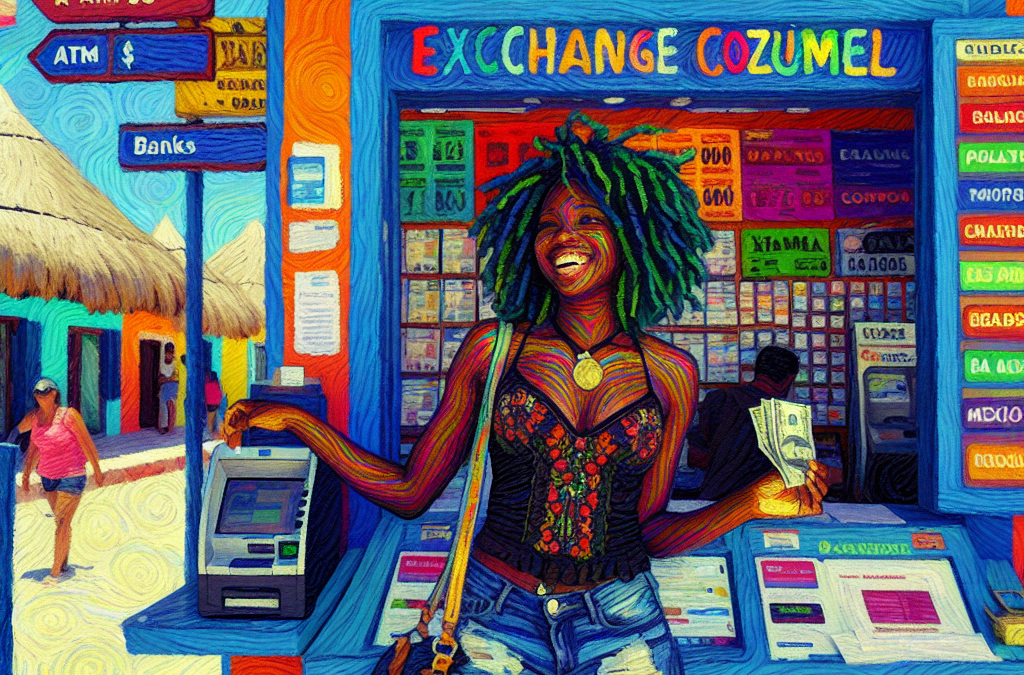
Empowering Cozumel’s Future: Smart Pricing For Thriving Tourism
By Tom Seest
At TopCozumelNews, we help travelers enjoy Cozumel by collating information learned from frequently traveling to beautiful Cozumel.
Be sure to read our other related stories at TopCozumelNews to learn more about the Island of Cozumel.
2030 Vision – Fully Automated Pricing Ecosystems for Cozumel Tourism
In the heart of the Caribbean, Cozumel stands as a jewel, drawing in travelers from around the globe. Yet, as we peer into the future of tourism, we see more than just white sandy beaches and turquoise waters; we glimpse a transformative vision of fully automated pricing ecosystems. This isn’t merely about technology. It’s about the human touch that makes travel special, even as we embrace the efficiency of the digital age.
Imagine walking along the bustling streets of Cozumel, the scent of fresh tacos wafting through the air, as travelers navigate the vibrant markets and seek unique adventures. Yet, behind this picturesque scene lies a challenge: the complexity of pricing in an ever-changing market. For tourists, finding the right price for a tour or a dining experience can feel like searching for a needle in a haystack. For local businesses, fluctuating prices can hinder growth and deter potential visitors. The emotional weight of uncertainty often weighs heavy on both sides of the exchange.
Enter the fully automated pricing ecosystem—a system that promises to ease those burdens. Picture it: a dynamic pricing model that uses real-time data to reflect demand, seasonality, and even local events. When that cruise ship docks in port, businesses can adjust their prices accordingly, ensuring they attract customers without sacrificing value. It’s an intelligent approach that enhances the visitor experience while empowering local businesses, allowing them to thrive in tune with demand.
But let’s take a step back. What resonates most about this vision is not just the technology but its potential to foster deeper connections. Imagine a scenario where a family planning their trip to Cozumel feels confident about their choices because they have access to a transparent pricing structure. No hidden fees, no surprises—just straightforward options that cater to families, couples, and adventurers alike. The emotional relief here isn’t just a fleeting moment; it’s a shared understanding that each visitor is valued.
Moreover, this ecosystem can bring to light the incredible stories of Cozumel’s residents—the fishermen who bring the catch of the day to the table, the artisans whose hands mold the island’s identity. Automation and human connection can coexist, creating a tourism experience that resonates on a personal level. As Cozumel embraces this forward-thinking approach, it invites everyone to join in shaping a thriving future—one where trust, transparency, and authentic experiences reign supreme, ensuring that tourism flourishes for generations to come.

2030 Vision – Fully Automated Pricing Ecosystems for Cozumel Tourism
2030 Vision – Fully Automated Pricing Ecosystems for Cozumel Tourism
- Cozumel, a popular Caribbean destination, is poised for a future with fully automated pricing ecosystems.
- The travel experience integrates technology while maintaining the human touch essential to tourism.
- Pricing complexity presents challenges for both tourists and local businesses, creating uncertainty in the market.
- A dynamic pricing model utilizing real-time data can help businesses adjust prices according to demand and events.
- This approach fosters consumer confidence through transparency in pricing, eliminating hidden fees and surprises.
- The ecosystem highlights local stories, enhancing personal connections between visitors and residents.
- Cozumel’s progressive strategies aim to create a sustainable tourism model focused on trust and authentic experiences.

2030 Vision – Fully Automated Pricing Ecosystems for Cozumel Tourism
Table Of Contents
- 2030 Vision – Fully Automated Pricing Ecosystems for Cozumel Tourism
- What Are Fully Automated Pricing Ecosystems?
- How Will Automation Impact Tourism?
- What Technologies Enable Automated Pricing?
- How Can Dynamic Pricing Benefit Tourists?
- What Challenges Will Cozumel Face In Automation?
- How Will Pricing Transparency Be Ensured?
- What Are the Benefits Of Automated Pricing for Businesses?
- Conclusion
- Other Resources
- Glossary Of Terms
- Other Questions
- Haiku
- Poem
- Checklist
What Are Fully Automated Pricing Ecosystems?
Fully automated pricing ecosystems are transforming the way businesses approach pricing strategies. Imagine for a moment, standing at the edge of a lush beach in Cozumel, where the vibrant turquoise waters meet the golden sands. You’re hit with the sensory overload of warmth, sound, and a breezy promise of fun. But here’s the kicker: while you’re caught up in the beauty and potential of the moment, a dynamic world exists beneath the waves, tirelessly calculating the perfect time for you to dive in. That’s exactly how fully automated pricing ecosystems operate—with a constant rhythm, an unseen dance, filled with data, analytics, and machine learning to find that sweet spot for pricing.
These ecosystems harness technology to respond in real-time to market conditions, ensuring that prices reflect demand, competition, and even individual consumer behavior. It’s a bit like running a restaurant in Cozumel during peak season. You know that a lobster dinner can go for a premium when demand surges. Yet, if the rain cloud rolls in unexpectedly, you might need a different strategy to keep customers flowing through your doors. That’s where automation shines—it adapts, adjusts, and optimizes automatically, reducing the emotional burden on business owners who often dread making tough pricing decisions.
But let’s dive deeper. Consider a local fisherman who catches fish daily. Instead of waiting for customers to dictate prices based on the day’s catch, he employs a pricing algorithm that considers variables like recent sales trends and competitive prices. It creates a pricing strategy that changes as fast as the tide, dramatically increasing his sales potential without the angst of second-guessing. In the same vein, businesses leveraging automated pricing remove the stress of manual adjustments, freeing up vital time to focus on what really counts—their customers, their craft, and their passion.
These ecosystems aren’t just a tech solution; they embody trust in the relationship between consumers and producers. They promise that every price is not just a number, but a carefully calculated decision that reflects value. So, as we navigate the complexities of today’s markets, let’s embrace the tide of automation. It not only relieves the weight of constant pricing vigilance but also opens a dialogue with customers, ensuring fairness and responsiveness that can lead to deeper connections—much like those formed on a sun-soaked beach in Cozumel.

What Are Fully Automated Pricing Ecosystems?
What Are Fully Automated Pricing Ecosystems?
- Fully automated pricing ecosystems revolutionize business pricing strategies.
- These systems utilize data, analytics, and machine learning to optimize pricing dynamically.
- Real-time adjustments respond to market conditions, demand, and consumer behavior.
- Automation reduces the emotional burden on business owners making pricing decisions.
- Pricing algorithms help businesses adapt their strategies, maximizing sales potential.
- Automated pricing fosters trust between consumers and producers by ensuring prices reflect true value.
- Embracing automation can enhance customer relationships and promote fairness in pricing.

What Are Fully Automated Pricing Ecosystems?
How Will Automation Impact Tourism?
Picture this: a traveler lands in Cozumel, that slice of paradise where sunshine meets warm seas. They step off the plane, ready for a week of adventure, but instead of the traditional hustle and bustle of check-in lines and shuffling luggage, they encounter a seamless, almost magical experience. Automation is driving a transformation in tourism that can feel both exhilarating and unsettling. While some might worry about the human touch fading away, let’s look at how automation can enhance our collective wanderlust.
Imagine standing in front of a hotel kiosk that checks you in with just a scan of your face. For some, that’s a marvel of technology—a step towards pure convenience. You might think, “Isn’t this taking away from the genuine interactions that make travel special?” But consider the alternative: those interactions can often lead to long waits and frustrating mishaps. What if the time saved at these kiosks turns into more moments spent exploring the sun-kissed beaches of Cozumel or sharing laughter over local cuisine with newfound friends?
Automation is not just about replacing tasks; it’s about redefining experiences. Picture AI assisting in travel planning, customizing itineraries based on personal preferences. That means more time to savor that taco you’ve heard about or discover that hidden snorkeling spot only locals know. You engage with your journey in new ways, empowered by technology that enhances rather than detracts from personal connection.
Here’s my favorite analogy: think of automation as the unsung hero of a well-laid travel plan—a gifted stagehand ensuring every element of the production runs smoothly, allowing the performers—travelers and locals alike—to shine. When the logistics are handled efficiently, we can all focus on what matters: connection, adventure, and making lasting memories.
And while some may fear that robots will take over jobs in tourism, let’s not forget the opportunity this presents. As we embrace automation, there’s a chance to reimagine roles in the industry. We can create positions focused on enhancing guest experiences and curating unique, human-centric offerings. Service becomes more personalized, not less, as employees are freed to focus on genuine interaction, sharing stories, and forging connections.
So, as we look to the future, let’s cultivate trust in this evolving narrative. Embrace the change, find the balance, and let automation offer us a helping hand in turning our travel dreams—like that next adventure in Cozumel—into vibrant realities.

How Will Automation Impact Tourism?
How Will Automation Impact Tourism?
- Automation transforms tourism by providing seamless experiences for travelers.
- Facial recognition technology allows for quick check-in at hotels, saving time for exploration.
- AI personalizes travel plans, enhancing the overall journey and enabling unique experiences.
- Automation streamlines logistics, allowing travelers to focus on connections and adventures.
- The rise of automation presents opportunities to reimagine roles within the tourism industry.
- Personalized service can improve as employees shift focus to meaningful guest interactions.
- Embracing automation can lead to a balanced future in travel, enhancing both convenience and personal connection.

How Will Automation Impact Tourism?
What Technologies Enable Automated Pricing?
Navigating the world of pricing can often feel like trying to find your way through a bustling market in Cozumel, where every vendor shouts their prices, vying for attention. It’s chaotic, overwhelming, and sometimes downright confusing. But just as technology has transformed our travel experiences, from booking flights to navigating new places, it has also revolutionized pricing strategies in ways that can streamline your business and boost your confidence in making informed decisions.
At the heart of this transformation are sophisticated algorithms and data analytics. Imagine your pricing strategy as a finely tuned fishing line, where every piece of data you gather is a bait that helps you understand market movements, customer behaviors, and competitive dynamics. These algorithms, powered by artificial intelligence, sift through massive amounts of data, identifying patterns that humans alone might miss. They can predict how a change in demand—like a sudden influx of tourists in Cozumel—might influence what customers are willing to pay.
But it’s more than just numbers; it’s about connection. Think of it as having a buddy who knows the ins and outs of the marketplace. This buddy can guide you on when to hold steady with your prices and when to reel them in or let them out. With price optimization software, businesses can adapt their pricing in real-time, ensuring they remain competitive while still maximizing their profits. This creates a sense of reliability for consumers, who start to trust that they are getting fair deals—after all, in a world filled with uncertainties, who doesn’t crave a little reassurance?
However, the true beauty of automated pricing lies in its resilience against the emotional rollercoaster many business owners face. Your gut feeling might often scream to increase prices during peak demand, but with technology, it’s about balancing intuition with hard data. This merger fosters a deeper sense of control and trust, empowering you to make decisions backed by substantial evidence rather than just instinct.
As you tackle the intricacies of pricing, embrace these technologies not as cold, calculating machines but as your strategic partners. They help you navigate the complexities of your business landscape, allowing you to focus on what you do best—building connections with your customers. So, dive into the data, harness the power of automated pricing technologies, and watch as your business becomes more agile, informed, and ready to embrace the ebb and flow of market demands, just like a seasoned traveler finding their way through the vibrant streets of Cozumel.

What Technologies Enable Automated Pricing?
What Technologies Enable Automated Pricing?
- Navigating pricing can be chaotic and overwhelming, likened to a bustling market.
- Technology, including algorithms and data analytics, has transformed pricing strategies to benefit businesses.
- Data serves as essential insights for understanding market movements and consumer behavior.
- Automated pricing tools allow real-time adjustments to pricing, enhancing competitiveness and profitability.
- These technologies foster consumer trust by ensuring fair pricing in uncertain markets.
- Automated pricing merges data with intuition, providing control and informed decision-making.
- Embracing pricing technologies enables businesses to focus on building customer connections.
What Technologies Enable Automated Pricing?
How Can Dynamic Pricing Benefit Tourists?
Dynamic pricing is a concept that might raise a few eyebrows, especially from those who remember the days of pricing that was as predictable as a sunrise. But imagine this: You’re planning a trip to Cozumel, that sun-kissed jewel of the Caribbean known for its vibrant waters and rich culture. You can almost feel the warm sand between your toes as you scroll through countless deals online. The good news is dynamic pricing can help you score an unforgettable experience without breaking the bank.
Think of dynamic pricing as a dance with the market. Prices fluctuate based on demand, the time of booking, and even the weather. At first glance, this might feel a bit unsettling. After all, nobody wants to pay more for a ticket when they could have purchased it for less if they had acted sooner. But here’s the twist: dynamic pricing allows savvy travelers to snag amazing deals, especially if you’re willing to be a bit flexible. Just like watching for the right moment to dive into the turquoise waters of Cozumel, timing your booking just right can lead to significant savings.
Let’s take a personal experience. Picture this: I once decided on an impromptu trip to Cozumel during the off-peak season. The dynamic pricing model meant that hotels, tours, and even local attractions adjusted their rates to attract visitors. I managed to stay at a beachfront resort for less than half of what I’d pay during peak holiday weeks. That’s the magic of dynamic pricing—it turned what could’ve been a bit of a budget stretch into a trip of a lifetime, making me feel like a seasoned traveler rather than just another tourist.
Of course, it’s essential to approach this dance with a bit of wisdom. Set alerts, track prices, and be ready to seize that deal when it pops up. Think of it as a treasure hunt—each fluctuation in price is an opportunity waiting to be discovered. Those who embrace this method don’t just save money; they unlock experiences they might never have pursued otherwise.
So, as you consider your next adventure to Cozumel, remember that dynamic pricing might just be the secret weapon in your travel arsenal. It can make those dream vacations a reality, creating moments that linger long after the journey ends. When you harness its power, you can travel further, see more, and create memories that last a lifetime.

How Can Dynamic Pricing Benefit Tourists?
How Can Dynamic Pricing Benefit Tourists?
- Dynamic pricing allows prices to fluctuate based on demand, booking time, and weather.
- Savvy travelers can benefit from dynamic pricing by being flexible with their travel plans.
- Timing bookings correctly can lead to significant savings on trips.
- During off-peak seasons, dynamic pricing can provide major discounts on accommodations and activities.
- Using strategies like setting alerts and tracking prices can help travelers find the best deals.
- Embracing dynamic pricing unlocks unique travel experiences that may otherwise be missed.
- Dynamic pricing can transform dream vacations into affordable realities, creating lasting memories.

How Can Dynamic Pricing Benefit Tourists?
What Challenges Will Cozumel Face In Automation?
Cozumel, with its breathtaking beauty and vibrant culture, is no stranger to change. The island has long been a hub for tourism, drawing visitors eager to explore its crystal-clear waters and rich history. But as automation weaves its way into every corner of our lives, Cozumel faces a unique set of challenges that could reshape its very identity.
Imagine strolling through the bustling markets of Cozumel, where local artisans sell handmade crafts and fresh produce. Each interaction is a testament to the island’s spirit—warm, personal, and full of stories. Yet, as automation expands its reach, these heartfelt connections risk evaporating. Picture a future where robotic kiosks replace friendly vendors, changing not just the economy, but the soul of Cozumel. It’s a tough pill to swallow for the islanders who have forged their livelihoods in these markets for generations.
One significant challenge lies in the workforce. Automation is often viewed as a threat to jobs, particularly in industries heavily reliant on manual labor. While the allure of increased efficiency is tempting, it comes at a cost. How do you balance progress with the preservation of culture and community? This question looms large over Cozumel, where the local workforce could face displacement in sectors like hospitality and fishing. The solution lies in proactive adaptation. By investing in education and reskilling programs, the island can prepare its residents for new roles that complement an automated environment, fostering trust and confidence in a changing economy.
Another perspective that often goes overlooked is the importance of technological equity. Not all islands are created equal, and Cozumel might struggle to catch up with larger urban areas when it comes to adopting and implementing automation technologies. This gap could lead to a disparity in resources and opportunities, leaving some residents behind. Building connections with tech companies and advocating for fair access to these innovations is crucial. It’s about not letting Cozumel’s luscious paradise become a victim of progress that neglects its own people.
In navigating these challenges, Cozumel has the chance to redefine its relationship with technology—one that honors its rich heritage while embracing the future. It’s a delicate dance, but with the right balance of heart and innovation, the island can emerge stronger than ever, creating a thriving community that respects its roots even as it paves the way for the future.

What Challenges Will Cozumel Face In Automation?
What Challenges Will Cozumel Face In Automation?
- Cozumel is a hub for tourism, cherished for its beauty and vibrant culture.
- The island faces challenges from automation that threaten its identity and local economy.
- Local markets and personal connections may diminish due to the rise of robotic kiosks.
- Automation poses a risk to jobs, especially in manual labor sectors like hospitality and fishing.
- Proactive adaptation, including education and reskilling, is necessary for workforce stability.
- Cozumel may struggle with technological equity, potentially widening the gap with larger urban areas.
- The island has an opportunity to balance technological advancement with cultural preservation.

What Challenges Will Cozumel Face In Automation?
How Will Pricing Transparency Be Ensured?
Pricing transparency is not just a bureaucratic necessity; it’s a promise to consumers. Imagine standing on a sun-kissed beach in Cozumel, gazing out at the blue waters. You’re savoring the moment, but a question lingers: how much is that sunset really worth? In today’s marketplace, many consumers feel just as mystified by pricing as they do by the depths of the ocean. For too long, prices have felt like hidden treasures, obscured by layers of jargon and corporate ambiguity.
To foster pricing transparency, businesses must put themselves in the consumer’s flip-flops. When you peel back the layers of complexity, the path forward becomes clearer. Companies can adopt a straightforward model where all costs are openly shared. This means breaking down expenses into understandable components—materials, labor, and overhead—so that customers can see exactly what they’re paying for, without the smoke and mirrors. It’s not just about numbers; it’s about creating trust. When you know where your hard-earned money is going, that relationship between buyer and seller transforms from a cautious engagement into a partnership built on clarity.
Let me share a personal story. A few years back, I bought a piece of furniture online. The price seemed reasonable, but by the time it arrived, I found hidden fees stacked higher than the actual cost of the item. That feeling of betrayal? It lingers. Now, what if that company had laid everything out on the table? Not only would I have made a more informed decision, but I might have even felt excited about the purchase rather than resentful. Transparency isn’t just about information; it’s about empowering consumers to make choices that align with their values.
Employing technology can also enhance this transparency. Interactive pricing tools can offer real-time breakdowns, allowing potential buyers to customize their purchases down to the last cent. This isn’t rocket science—it’s a straightforward commitment to honesty. When businesses take this initiative, they not only gain respect but can also stir a sense of community among their customers. It inspires action, urging consumers to support companies that take ethical pricing seriously.
In a world where the price tag often feels shrouded in mystery, let’s champion transparency and create a marketplace that resonates with integrity and trust. After all, everyone deserves clarity, whether they’re basking on a Cozumel beach or making decisions in their own backyard.

How Will Pricing Transparency Be Ensured?
How Will Pricing Transparency Be Ensured?
- Pricing transparency builds trust between consumers and businesses.
- Consumers often find pricing confusing due to jargon and ambiguity.
- Companies should provide clear breakdowns of costs, including materials, labor, and overhead.
- Transparency enables informed consumer decisions, enhancing satisfaction.
- Technology, such as interactive pricing tools, can improve pricing clarity.
- Transparent practices foster community support for ethical businesses.
- Creating a transparent marketplace promotes integrity and trust for all consumers.

How Will Pricing Transparency Be Ensured?
What Are the Benefits Of Automated Pricing for Businesses?
Automated pricing isn’t just a fancy buzzword; it’s a game-changer for businesses navigating the stormy seas of modern commerce. Picture this: you’re a shop owner, just back from a sun-soaked trip to Cozumel, feeling inspired by the vibrant marketplace bustling with life. You return to your shop, but the reality hits—pricing your products isn’t as straightforward as it seems. You’re juggling customer demands, competition, and the fluctuating costs of goods. It can feel overwhelming.
Now, imagine you have a tool that not only takes the weight off your shoulders but also enhances your bottom line. Automated pricing does just that. It analyzes market trends, assesses competitor prices, and adjusts your offerings in real time. This technology can transform your intuitive pricing strategies into something more strategic, like a well-oiled machine that operates smoothly without making you lose sleep over it.
Let’s face it, pricing is one of those emotional roller coasters. One moment, you think you’ve nailed it with a price that feels right, and the next, you’re second-guessing yourself after seeing a rival undercut you by a couple of bucks. Automated pricing removes that uncertainty—offering you data-driven insights as dependable as GPS navigation. Instead of relying on guesswork, you can trust that your prices reflect the current market dynamics. This brings a level of confidence back to your business decisions, pushing you to focus on what you do best: serving your customers and growing your brand.
Moreover, this technology offers a unique silver lining: it frees up your time. No more late nights crunching numbers or scanning competitor prices online. Now, you can invest your energy into enhancing customer experiences or crafting that perfect new product, turning those passionate ideas into reality.
Here’s the kicker—implementing automated pricing is like having a personal assistant for your pricing strategies. Think of it as a trusted companion on your journey, keeping your store competitive without exhausting you. The best part? The confidence it instills allows you to engage with your customers genuinely, building relationships that foster loyalty.
So, if you’re still skeptical about jumping on the automated pricing train, consider the peace of mind and growth opportunities it offers. A reliable pricing strategy can make all the difference between keeping your store afloat or thriving in a bustling market. Embrace the change, and watch your business navigate toward success with newfound ease.

What Are the Benefits Of Automated Pricing for Businesses?
What Are the Benefits Of Automated Pricing for Businesses?
- Automated pricing is a transformative tool for modern businesses facing complex market dynamics.
- It analyzes market trends and competitor prices, adjusting offerings in real time.
- This technology eliminates guesswork and builds confidence in pricing decisions.
- Automated pricing saves time, allowing owners to focus on enhancing customer experiences.
- It functions like a personal assistant, keeping stores competitive without added stress.
- The implementation fosters genuine customer engagement and loyalty.
- A reliable pricing strategy can be crucial for business success and growth in a competitive market.

What Are the Benefits Of Automated Pricing for Businesses?
Conclusion
Cozumel, a stunning Caribbean destination, stands at a crossroads as it envisions the future of tourism through fully automated pricing ecosystems. This vision transcends just beaches and sunsets; it’s a vital shift in how we engage with travel. The complexities of fluctuating prices often leave tourists confused and local businesses struggling to attract them. Automated pricing models address this challenge by utilizing real-time data to adapt pricing according to demand and events, ensuring both tourists and businesses benefit from a clear and fair pricing structure.
Imagine a family planning their adventure without the ambiguity of hidden fees. This transparency not only enhances their travel experience but also builds trust with local businesses, which can dynamically update prices to stay competitive. The technology does not simply replace human interaction; instead, it fosters it by allowing local vendors to share their stories and create deeper connections with visitors. As Cozumel embraces automation, it invites everyone—tourists, businesses, and locals—to participate in crafting a vibrant ecosystem where genuine experiences abound.
However, the transition to these automated systems isn’t without challenges. Concerns about job displacement in a society where personal service has traditionally thrived must be acknowledged. Cozumel faces the dual task of integrating technology while nurturing its cultural heritage. Investing in workforce education and equitable tech access will be crucial. For the island to flourish, it must strike a balance between innovation and preserving the human touch that makes its tourism unique.
Moreover, embracing pricing transparency leads to a marketplace grounded in trust. By openly sharing pricing components, businesses can foster loyalty and invite consumers to make informed decisions, ultimately creating a community rooted in integrity. As automation reshapes the landscape, it offers not only efficiency but the chance for businesses to evolve, enhance customer service, and focus on what truly matters—crafting memorable experiences.
In this quest for progress, Cozumel has the opportunity to redefine its identity, blending the best of both worlds. With a commitment to innovation, transparency, and authenticity, Cozumel can ensure a future where its tourism thrives, enriching its community for generations to come. This harmonious coexistence of technology and human connection will make every sunset on its shores a testament to the island’s resilience and spirit.

Conclusion
Conclusion:
- Cozumel is exploring fully automated pricing ecosystems to enhance tourism.
- The shift aims to clarify pricing, benefiting both tourists and local businesses.
- Transparent pricing fosters trust, allowing local vendors to remain competitive.
- Automation encourages human interaction by promoting deeper connections between visitors and vendors.
- Challenges include potential job displacement and the need to maintain cultural heritage.
- Investing in workforce education and equitable tech access is essential for growth.
- Cozumel aims to blend innovation with authenticity for a resilient tourism future.

Conclusion
Other Resources
Other Resources
Here is a list of other resources you can review online to learn more:
- Palancar Beach
- Dive Sites
- Cozumel Marine National Park
- Colores y Sabores Cozumel Restaurant
- Chankanaab Adventure Park Royal Swim
- Del Sur Beach Club
- La Cucina Italiana
- Cafeteria La Cozumelena Cozumel
- Playa Mia Water Park
- Chankanaab Beach Adventure Park
- BJ’s Restaurant & Brewhouse
- Air Ambulance Worldwide
- Chen Rio
- Cozumel Buggy
- Ferry schedules
- Bahama Breeze
- Cozumel Private Tours
Use This Prompt To Get More Resources With Your Favorite Online AI Tool: Please provide me with a list of online articles with their URLs in a bulleted list that I can read regarding 2030 Vision – Fully Automated Pricing Ecosystems for Cozumel Tourism

Other Resources
Glossary Terms
2030 Vision – Fully Automated Pricing Ecosystems for Cozumel Tourism – Glossary Of Terms
1. 2030 Vision: A strategic outline aimed at achieving advanced, automated pricing systems in tourism by the year 2030.
2. Automated Pricing: The use of technology and algorithms to adjust prices dynamically based on demand, competition, and other market factors.
3. Ecosystem: A network of interrelated components that work together to support a specific environment or system.
4. Dynamic Pricing: A pricing strategy that allows prices to fluctuate based on market conditions and customer behavior, maximizing revenue and occupancy.
5. Demand Forecasting: The practice of predicting future customer demand to inform pricing and inventory decisions.
6. Tourism Industry: The sector that includes all businesses related to travel, hospitality, and leisure activities.
7. Cozumel: An island in the Caribbean Sea off the coast of Mexico, known for its tourism, coral reefs, and natural beauty.
8. Algorithm: A set of rules or calculations designed to solve problems or facilitate decision-making in automated processes.
9. Price Elasticity: A measure of how responsive the quantity demanded of a good or service is to a change in its price.
10. Market Segmentation: The process of dividing a broader market into smaller groups of consumers with shared characteristics to tailor pricing strategies.
11. Revenue Management: A pricing strategy aimed at maximizing income by understanding consumer behavior and market conditions.
12. Value Proposition: The unique benefits and value offered to customers that justify pricing decisions in the tourism sector.
13. Customer Experience: The overall impression and satisfaction a traveler has when interacting with a tourism service or product.
14. Technology Integration: The process of incorporating digital tools and systems into existing business operations to enhance efficiency and performance.
15. Price Transparency: The degree to which pricing information is openly available and understandable to consumers, enhancing trust and competition.
16. Behavioral Analytics: The analysis of data related to customer behaviors to inform pricing and service delivery strategies.
17. Sustainable Tourism: A form of tourism that considers environmental, social, and economic impacts, ensuring long-term viability.
18. Artificial Intelligence (AI): Technology that simulates human intelligence to perform tasks and make decisions, often used in automated pricing models.
19. Big Data: Large volumes of data analyzed to find patterns, trends, and insights that inform pricing strategies and decision-making.
20. Consumer Insights: Understanding the preferences, needs, and motivations of travelers to tailor offerings and pricing.
21. Competitive Analysis: The assessment of competitors’ pricing strategies and offerings to inform one’s own pricing decisions.
22. Booking Systems: Platforms and software used by tourists to reserve accommodations or services, often influenced by pricing algorithms.
23. Customer Loyalty: The tendency of consumers to continue purchasing from a brand due to satisfaction with services and pricing.
24. Market Trends: Patterns and shifts in consumer behavior and preferences that influence pricing strategies in tourism.
25. Operational Efficiency: The ability to deliver services effectively while minimizing costs, often enhanced through automation.
26. Price Optimization: The process of determining the most effective pricing strategy to maximize revenue based on various factors.
27. Travel Packages: Bundled offerings that combine multiple services (like flights, hotels, and excursions) at a set price, often influenced by automated pricing.
28. Lead Time: The time period between booking a service and the actual date of travel, impacting pricing strategies.
29. Customer Retention: The ability to keep existing customers engaged and satisfied, influencing future pricing strategies based on past behavior.
30. Digital Transformation: The integration of digital technology into all areas of business operations, fundamentally changing how pricing and customer interactions are managed in tourism.
Glossary Of Terms
Other Questions
2030 Vision – Fully Automated Pricing Ecosystems for Cozumel Tourism – Other Questions
If you wish to explore and discover more, consider looking for answers to these questions:
- What exactly is a fully automated pricing ecosystem and how does it differ from traditional dynamic pricing?
- Which stakeholders (hotels, tour operators, restaurants, vendors, government) must be involved to implement this system in Cozumel?
- What specific technologies and software platforms are required to build the ecosystem?
- How much will implementation and ongoing maintenance cost for local businesses?
- Who owns and controls the pricing algorithms and underlying data?
- What types of data will be collected, and how will that data be sourced and validated?
- How will the system protect tourist and resident privacy and comply with data-protection laws?
- How will pricing transparency be presented to customers in real time?
- What safeguards prevent price gouging, unfair surges, or discriminatory pricing?
- How will small, independent vendors and artisans be supported to participate equitably?
- What training and reskilling programs are needed for local workers affected by automation?
- How will automation impact employment levels and job types across Cozumel’s tourism sector?
- What measures ensure that automation preserves, rather than erodes, authentic local experiences?
- How will dynamic pricing affect affordability for different visitor groups (families, budget travelers, locals)?
- How can tourists opt in or opt out of personalized pricing or data-driven offers?
- What regulatory or legal changes are required at municipal or national levels?
- Who will oversee compliance, auditing, and dispute resolution for pricing decisions?
- How will the ecosystem handle seasonality, sudden demand spikes (e.g., cruise arrivals), and emergencies?
- What metrics and KPIs will measure success for businesses, visitors, and the local economy?
- Are there existing case studies or pilots from other destinations that demonstrate effectiveness?
- How will the platform integrate with existing booking systems, POS terminals, and payment methods?
- What are the cybersecurity risks and what defenses will be implemented?
- How will pricing algorithms be audited for biases that could disadvantage certain groups?
- How will tax collection, tourism fees, and revenue reporting be handled within automated pricing?
- What transparency will be provided about how prices are calculated and which factors influence them?
- How will disputes over pricing or perceived unfairness be resolved for tourists and businesses?
- What contingency plans exist if the automated system fails or produces erroneous prices?
- How long will deployment take, and will it be rolled out in phases or pilot programs?
- How will the system encourage sustainable tourism practices and minimize environmental impact?
- How will adoption be incentivized for hesitant businesses and community stakeholders?
- What revenue- or value-sharing models will ensure benefits flow to local communities?
- How will language, accessibility, and user-experience issues be addressed for diverse visitors?
- What governance model will manage vendor neutrality, competition, and antitrust concerns?
- How will interoperability be ensured if multiple vendors or platforms offer pricing tools?
- What long-term economic projections exist for tourism revenue, prices, and local livelihoods under automation?

Other Questions
Haiku
2030 Vision – Fully Automated Pricing Ecosystems for Cozumel Tourism – A Haiku
Cozumel’s bright shores,
Pricing dances with the tides,
Trust blooms in the sun.

Haiku
Poem
2030 Vision – Fully Automated Pricing Ecosystems for Cozumel Tourism – A Poem
In Cozumels embrace, where the waters gleam,
A vision unfolds, a transformative dream.
Automated pricing, a dance of delight,
Empowering tourism, ensuring futures bright.
Vibrant streets buzz with a scent of fresh fare,
Yet, pricing complexities linger in the air.
Dynamic models rise, reflecting each tide,
Helping local businesses and travelers abide.
With real-time data, the system adapts,
No hidden fees, just honest acts.
Families reassured, explorers with glee,
Transparent choices, what a sight to see.
Automations hand brings ease to the fray,
Redefining connections in a meaningful way.
Kiosks and algorithms streamline the quest,
Leaving time for memories, for moments blessed.
But challenges loom as the island strives,
To balance heritage with new ways of lives.
Investment in skills, equity sought,
For a thriving future, unity is taught.
Embrace the tide, with trust as our guide,
Cozumels spirit, a glowing pride.
So let the waves of progress gently roll,
Transforming tourism, heart and soul.

Poem
Checklist
2030 Vision – Fully Automated Pricing Ecosystems for Cozumel Tourism – A Checklist
Understand the Market Environment
✅______ Analyze local demand patterns
✅______ Monitor competitor pricing strategies
✅______ Assess seasonal fluctuations in tourism
Adopt Real-Time Data Analytics
✅______ Implement tools for real-time market analysis
✅______ Utilize customer behavior tracking
✅______ Integrate local event data for pricing adjustments
Ensure Technological Infrastructure
✅______ Invest in reliable pricing optimization software
✅______ Ensure high-speed internet access for data processing
✅______ Set up secure systems for data storage and analysis
Promote Pricing Transparency
✅______ Clearly communicate pricing structures to customers
✅______ Break down pricing components (e.g., service fees, taxes)
✅______ Utilize interactive pricing tools for customer engagement
Educate Stakeholders
✅______ Conduct training sessions for local businesses
✅______ Provide resources about automated pricing benefits
✅______ Set up support networks for technology integration
Foster Human Connection
✅______ Ensure automation complements, not replaces, personal interactions
✅______ Encourage businesses to share local stories and experiences
✅______ Highlight the value of community engagement in tourism
Monitor Customer Feedback
✅______ Establish channels for customer input on pricing and services
✅______ Regularly review feedback to make necessary adjustments
✅______ Analyze customer satisfaction regarding automated pricing models
Prepare for Workforce Transition
✅______ Offer reskilling programs for employees affected by automation
✅______ Explore new job roles that enhance guest experiences
✅______ Promote workforce adaptability in a changing economic landscape
Evaluate Pricing Strategies Regularly
✅______ Set benchmarks for pricing success
✅______ Adjust pricing models based on performance data and customer insights
✅______ Keep abreast of emerging trends in automated pricing technologies
Build a Community of Collaboration
✅______ Encourage partnerships among local businesses
✅______ Share best practices for automated pricing strategies
✅______ Advocate for equitable access to technology for all local enterprises

Checklist
At TopCozumelNews, we help travelers enjoy Cozumel by collating information learned from frequently traveling to beautiful Cozumel.
Be sure to read our other related stories at TopCozumelNews to learn more about the Island of Cozumel.