




Uncovering The Truth Behind Cozumel’s Shark Attacks
By Tom Seest
At TopCozumelNews, we help travelers enjoy Cozumel by collating information learned from frequently traveling to beautiful Cozumel.
Be sure to read our other related stories at TopCozumelNews to learn more about the Island of Cozumel.
How Many Shark Attacks Have Occurred In Cozumel?
When you think of Cozumel, you might conjure up images of sun-drenched beaches, crystal-clear waters, and vibrant coral reefs—paradise on Earth, right? But lurking beneath the surface, where the ocean meets the imagination, lies an intriguing question: what about the sharks? The mere mention of these apex predators tends to send a shiver down the spine of even the most seasoned snorkeler. So, how many shark attacks have actually occurred in Cozumel?
First, let’s set the stage. Cozumel is a hot spot for divers and snorkelers, known for its rich marine life. Visitors flock here not just to soak up the sun but to glide through the water alongside colorful fish, graceful turtles, and yes, sometimes a shark or two. Statistically speaking, the number of shark attacks worldwide is remarkably low, and Cozumel is no exception. In fact, credible data suggest that Cozumel has seen fewer shark incidents than you’d find in a busy city street. Since records began, the island has reported only a handful of shark bites, most of which were superficial and involved little more than a curious bump from a small shark trying to figure out what this strange creature in its territory was.
If you’re worried about becoming a statistic, you can rest a bit easier. The waters around Cozumel are not a feeding ground for aggressive sharks. Species like the nurse shark or the reef shark tend to be more common. They’re typically indifferent to humans, cruising along their underwater realms, more interested in crustaceans than in your leg. The common narrative of sharks as mindless killers is not only misleading but does a disservice to these majestic creatures, which are essential to the ecological balance of marine environments.
So what’s the takeaway? If you’re planning a trip to Cozumel, don’t let fear of shark attacks dictate your adventure. Snorkeling and diving in this tropical jewel can lead to exhilarating encounters with marine life, all without the looming cloud of danger. Sure, keep your wits about you—don’t go thrashing around in the water like you’re auditioning for a bad movie. Respect the ocean and its inhabitants, and you’ll find that the real monsters might just be the ones we’ve conjured up in our minds. Enjoy the beauty, embrace the adventure, but carry the awareness: we are all visitors in their world.

How Many Shark Attacks Have Occurred In Cozumel?
How Many Shark Attacks Have Occurred In Cozumel?
- Cozumel is renowned for its beautiful beaches, clear waters, and diverse marine life.
- Sharks, often feared as apex predators, raise concerns about safety for snorkelers and divers.
- Statistically, shark attacks in Cozumel are incredibly low, with fewer incidents than many busy cities.
- Most recorded shark bites in Cozumel have been minor and involve small, curious sharks.
- The waters around Cozumel are not a feeding ground for aggressive shark species.
- Common species like nurse and reef sharks are generally indifferent to humans.
- Visitors to Cozumel should respect marine life and enjoy underwater adventures without fear of shark attacks.

How Many Shark Attacks Have Occurred In Cozumel?
Table Of Contents
- How Many Shark Attacks Have Occurred In Cozumel?
- What Is the Chance of Seeing a Whale Shark in Cozumel?
- Are Nurse Sharks in Cozumel Responsible for Shark Attacks?
- What Makes Tiger Sharks a Threat in Cozumel?
- How Many Black Tip Shark Attacks in Cozumel Have Occurred?
- What Secrets Do Lemon Sharks Hold in Cozumel?
- What Is The History Of Shark Attacks In Cozumel?
- How Do Shark Attacks In Cozumel Compare To Other Locations?
- Conclusion
- Other Resources
- Glossary Of Terms
- Other Questions
- Haiku
- Poem
- Checklist
What Is the Chance of Seeing a Whale Shark in Cozumel?
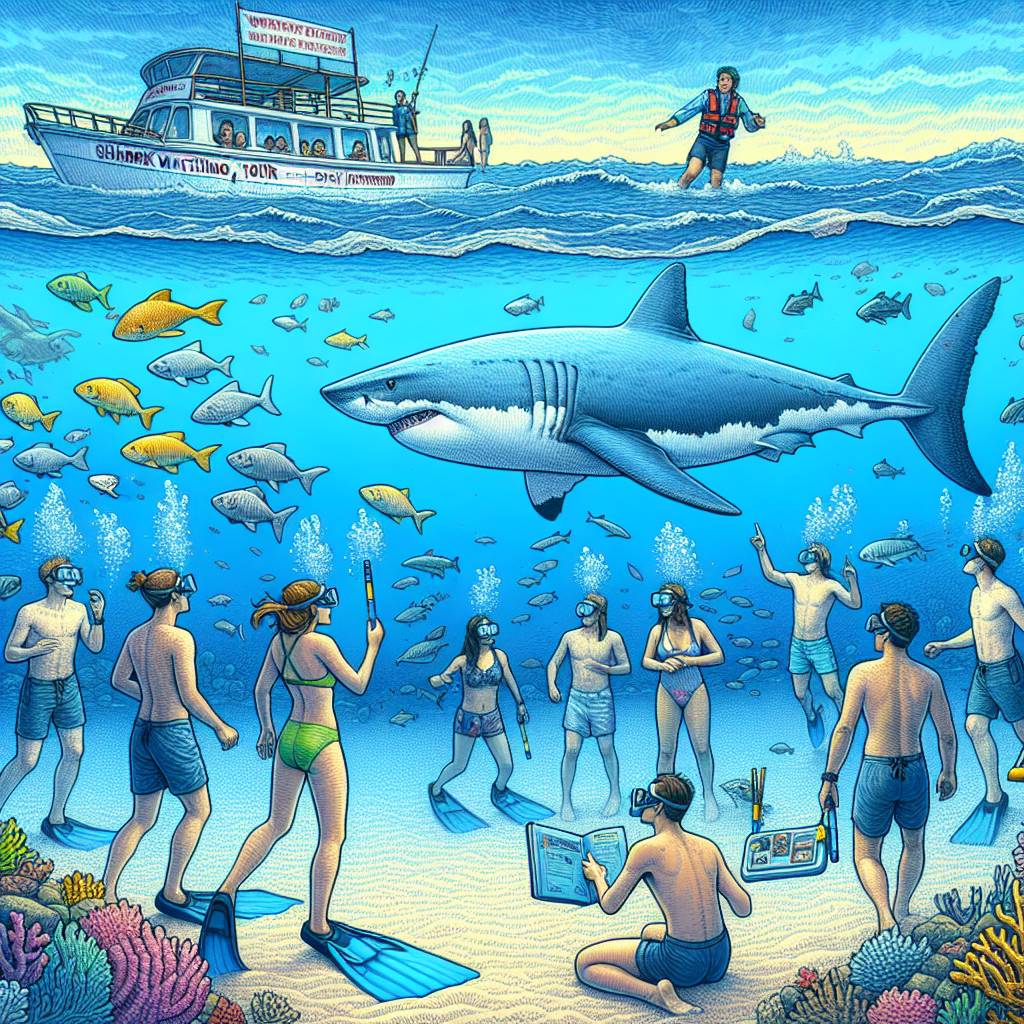
If you’ve ever daydreamed about swimming alongside the ocean’s gentle giants, Cozumel might just be your ticket. The island, kissed by the warm waters of the Caribbean, offers an unusual opportunity to spot the elusive whale shark—the world’s largest fish and one of its most intriguing creatures. But you might be wondering, just how likely is it that you’ll encounter these remarkable beings during your visit?
Let’s break it down. Whale sharks are migratory, and their presence in Cozumel correlates with the warm waters and the plankton blooms that emerge during certain months. Generally, the prime time for sightings rolls around between June and September. During this period, these majestic swimmers gather in the waters off Isla Holbox and the northern shores of Yucatan, which means that, with a little luck and good timing, your chances of spotting one near Cozumel skyrocket.
However, it’s important to manage your expectations. These gigantic fish roam vast stretches of ocean, and even in peak season, there are no guarantees. You’ll need to rely on local tour operators who have their finger on the pulse of where whale sharks have been spotted recently. If they received the right intel on their last dive, you could find yourself gliding into a surreal underwater dance with a creature that can reach lengths of up to 40 feet—imposing yet oddly graceful.
Opting for a reputable tour company increases your odds significantly. These seasoned professionals not only know all the best locations to find whale sharks but are also committed to eco-friendly practices ensuring minimal disruption to these gentle giants. Plus, they know the do’s and don’ts of swimming alongside such a magnificent creature—keeping things safe and enjoyable for both you and the whale shark.
Now, let’s add a sprinkle of luck into the mix. Nature can be unpredictable, and while the odds tilt in your favor during peak season, nothing is set in stone. But therein lies the adventure. It’s about the possibility, the anticipation, and those heart-racing moments just before you dive in. So, if you’re lucky enough to catch sight of a whale shark while swimming in Cozumel, consider it an unforgettable encounter with one of nature’s wonders. After all, it’s the unpredictability of life that makes every trip unique—and every sighting unforgettable.
What Is the Chance of Seeing a Whale Shark in Cozumel?
What Is the Chance of Seeing a Whale Shark in Cozumel?
- Cozumel offers opportunities to swim alongside whale sharks, the largest fish in the world.
- Whale sharks are migratory; their presence in Cozumel is linked to warm waters and plankton blooms.
- Prime sightings typically occur between June and September, increasing chances of encounters.
- Local tour operators play a crucial role in finding whale sharks based on recent sightings.
- Choosing a reputable tour company enhances the likelihood of an encounter and ensures eco-friendly practices.
- While the peak season improves odds, sightings are not guaranteed due to the unpredictable nature of wildlife.
- Encountering a whale shark is an unforgettable and unique experience, reflecting the spontaneity of nature.

What Is the Chance of Seeing a Whale Shark in Cozumel?
Are Nurse Sharks in Cozumel Responsible for Shark Attacks?
When you hear the words “shark” and “attack” in the same sentence, the mind races to images of ferocious predators with rows of razor-sharp teeth, stalking their prey beneath the waves. But what if I told you that one of the least threatening species, the nurse shark, could be at the center of some misconceptions about shark behavior in Cozumel? That’s right, the very creatures often seen lounging on the ocean floor, more interested in a cozy nap than a showdown, have been caught in the crosshairs of sensationalism.
Nurse sharks are relatively docile, often found chilling among coral reefs or sandy bottoms. With their flattened bodies and distinct whisker-like barbels, they’re more like the couch potatoes of the shark world than a fearsome hunter. They certainly won’t win any races against their speedy relatives, which makes the idea of them being aggressive almost laughable—if it weren’t for the chatter that often surrounds them.
Imagine this scenario: a diver, blissfully swimming through the pristine waters, spots a nurse shark. It flicks its tail lazily, perhaps eyeing a nearby school of fish but showing no real interest. Triggering some primal fear, the diver instinctively feels threatened, but this gentle giant has no intention of causing harm. In fact, most reported “attacks” involving nurse sharks often stem from human error—think adventurous tourists reaching out for a closer look or errant fingers getting too close to a sleepy shark’s mouth.
Local divers and marine experts are keen to clear the air around these incidents. They emphasize that nurse sharks are more likely to swim away than engage, preferring a quiet retreat over a confrontation. It’s vital to understand that when people encounter these creatures, it’s usually a case of misunderstood behavior rather than an unprovoked attack.
In Cozumel, where the waters teem with diverse marine life, it becomes essential for visitors to educate themselves about the local ecosystems. By recognizing the peaceful nature of nurse sharks and the importance of respecting their space, divers can ensure their encounters are safe and enjoyable. The last thing anyone wants is to miss out on the beauty of these magnificent creatures due to a misconception. Let’s appreciate nurse sharks for what they truly are: harmless denizens of the deep, quietly contributing to the underwater ballet without ever thinking of the drama of a shark attack.

Are Nurse Sharks in Cozumel Responsible for Shark Attacks?
Are Nurse Sharks in Cozumel Responsible for Shark Attacks?
- “Shark” and “attack” often conjure images of fearsome predators.
- Nurse sharks are relatively docile and often misunderstood.
- They are typically found resting among coral reefs and sandy bottoms.
- Encounters with nurse sharks can provoke fear, despite their gentle nature.
- Most reported “attacks” are due to human error or misunderstanding.
- Local divers and marine experts advocate for better understanding of nurse sharks.
- Educating visitors about nurse sharks can lead to safe and enjoyable encounters.

Are Nurse Sharks in Cozumel Responsible for Shark Attacks?
What Makes Tiger Sharks a Threat in Cozumel?
When you think of sharks roaming the shimmering waters off the beautiful island of Cozumel, you might picture sleek silhouettes gliding gracefully through coral reefs. But lurking among the colorful fish and swaying seaweed is one particular player—the tiger shark. Known scientifically as *Galeocerdo cuvier*, this formidable predator offers a captivating yet concerning glimpse into the ocean’s food chain, making it a creature of interest for divers, researchers, and anyone who appreciates the intricate balance of marine ecosystems.
Tiger sharks are notorious for their distinctive markings and diverse diet. Resembling a giant, aquatic cat with its characteristic stripes cutting across a robust body, these sharks embody the very essence of a top-tier predator. But beyond the aesthetics, it’s what they choose to consume that gets to the heart of the issue. Tiger sharks are known to be opportunistic feeders, sinking their teeth into anything from fish and seabirds to—believe it or not—discarded tires and license plates. When you live near the top of the food chain, the world is your buffet. For scuba divers and snorkelers, that means a thrilling experience, but also a healthy dose of caution.
In Cozumel, where the sun-drenched waters attract both tourists and locals, the presence of the tiger shark adds an element of unpredictability. While encounters with these sharks are relatively rare, their size—often exceeding ten feet—combined with their inquisitive nature, can evoke a sense of fear among divers and beachgoers. The fact that tiger sharks tend to inhabit shallow coastal waters makes them particularly relevant to the growing community of water enthusiasts.
Moreover, like all sharks, tiger sharks play a crucial role in maintaining the health of marine ecosystems. By regulating prey populations, they help ensure that other species thrive, which in turn supports coral reefs and the myriad of life that depends on them. However, human actions—like overfishing and pollution—pose significant threats to their populations. As these magnificent creatures face declining numbers, their behavior may become more erratic, increasing the chances of encounters with humans.
The tiger shark is both a marvel of nature and a reminder of our responsibility to cohabitate with the ocean’s denizens. Appreciating their beauty while respecting their role in the marine ecosystem is ultimately what makes the waters of Cozumel a breathtaking, yet cautious paradise for all.

What Makes Tiger Sharks a Threat in Cozumel?
What Makes Tiger Sharks a Threat in Cozumel?
- Tiger sharks (*Galeocerdo cuvier*) are formidable predators found in the waters of Cozumel.
- Known for their distinctive stripes, they are top-tier predators with a diverse diet.
- They are opportunistic feeders, consuming various items including fish, seabirds, and even discarded debris.
- Encounters with tiger sharks are rare, but their large size and inquisitive nature can evoke fear among divers.
- Tiger sharks inhabit shallow coastal waters, making them significant to local water enthusiasts.
- They play a crucial role in marine ecosystems by regulating prey populations, thus supporting coral reefs.
- Human activities like overfishing and pollution threaten their populations, which can lead to increased erratic behavior.

What Makes Tiger Sharks a Threat in Cozumel?
How Many Black Tip Shark Attacks in Cozumel Have Occurred?
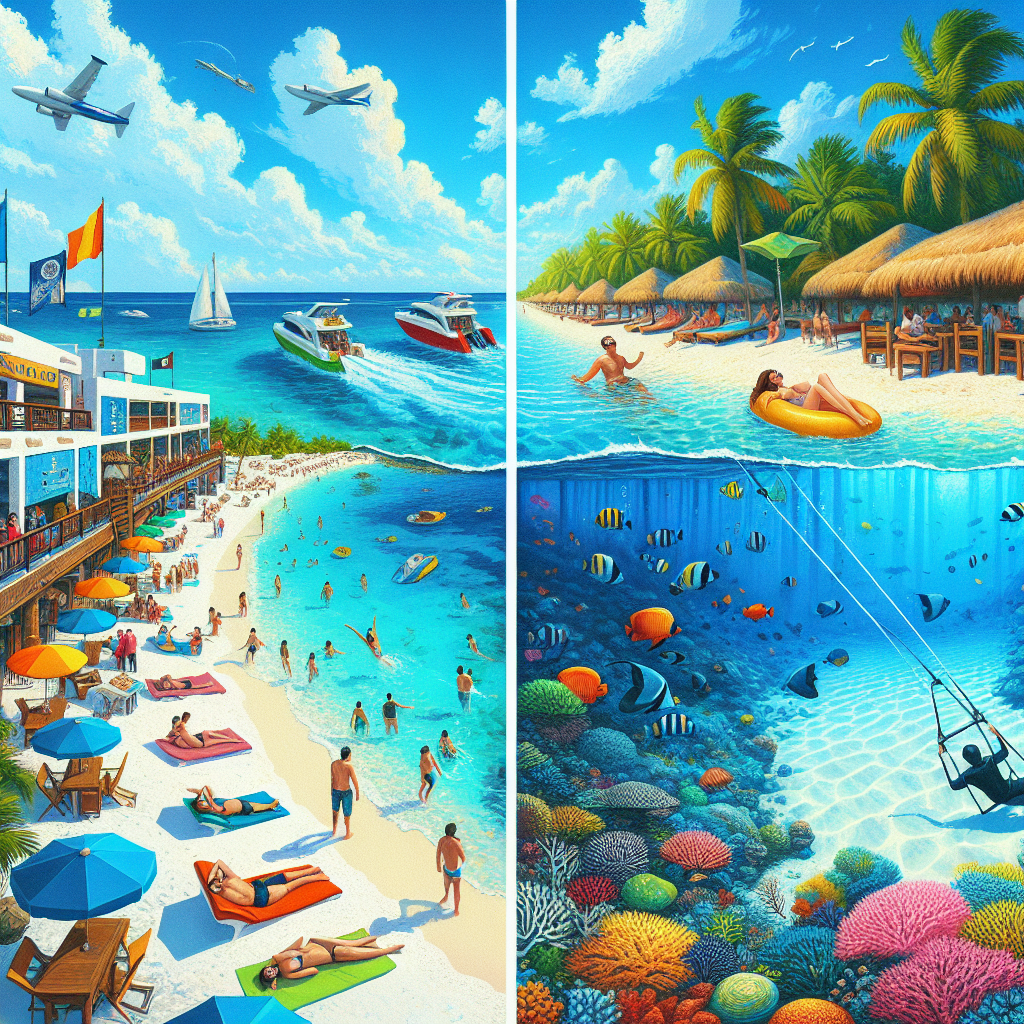
Cozumel, that sun-soaked jewel of the Caribbean, is renowned not only for its breathtaking coral reefs and azure waters but also for its vibrant marine life. Among the myriad of species that call these waters home, the blacktip shark stands out with its distinctive black-tipped fins cutting through the waves. Tourists flock there for snorkeling and diving opportunities, reveling in the natural beauty beneath the surface. However, lurking beneath this tropical paradise are questions about safety and the frequency of shark encounters—specifically, how many blacktip shark attacks have occurred in the area.
To set the record straight, it’s essential to clarify that blacktip sharks (Carcharhinus limbatus) are generally considered to be more skittish than aggressive. They’re the sport players of the ocean, often seen breaching the surface during feeding frenzies and showcasing acrobatic leaps; yet, they typically don’t want anything to do with humans. In fact, when it comes to human interactions, they would much rather keep their distance than engage in any unfriendly business.
Historically, recorded blacktip shark attacks are incredibly rare in Cozumel. Over the decades, there have been a handful of isolated incidents attributed to blacktip sharks, but they represent a minuscule fraction compared to the millions of people who frolic in the waters annually. The International Shark Attack File (ISAF) doesn’t list any significant attacks involving blacktips in Cozumel, and those isolated cases haven’t resulted in fatalities. This is not a region known for blood in the water; rather, it’s a destination where caution and respect for nature can lead to unforgettable encounters with these graceful creatures.
Education is paramount here. The best way to enjoy the presence of blacktip sharks is to educate yourself about their behavior and familiarize yourself with beach safety guidelines. When swimming in their habitat, respect their space, and avoid erratic movements that could provoke curiosity—something that can easily be mistaken for aggression.
In short, while the mythos of the fearsome shark might conjure images of danger lurking amid the waves, the reality tells a different story. With virtually no significant blacktip shark attacks in Cozumel, the true threat lies not in the ocean’s depths but rather in forgetting that we share this beautiful ecosystem with remarkable creatures that deserve our admiration, not our dread.
How Many Black Tip Shark Attacks in Cozumel Have Occurred?
How Many Black Tip Shark Attacks in Cozumel Have Occurred?
- Cozumel is famous for its coral reefs, azure waters, and vibrant marine life, including the blacktip shark.
- Blacktip sharks are characterized by their black-tipped fins and are generally skittish rather than aggressive.
- Tourists visit Cozumel for snorkeling and diving, enjoying the underwater beauty and marine interactions.
- Historically, blacktip shark attacks in Cozumel are rare, with no significant incidents reported by the ISAF.
- Most recorded encounters involve isolated incidents that have not led to any fatalities.
- Education on shark behavior and beach safety is crucial for a safe and enjoyable experience.
- The true risk lies in the misunderstanding of sharks, as they are more deserving of admiration than fear.

How Many Black Tip Shark Attacks in Cozumel Have Occurred?
What Secrets Do Lemon Sharks Hold in Cozumel?
When you think of Cozumel, your mind might conjure images of crystal-clear waters, vibrant coral reefs, and perhaps the occasional diving excursion. But lurking beneath the surface, in these enchanting Caribbean waters, swims a creature that holds secrets both intriguing and essential to our understanding of marine life — the lemon shark.
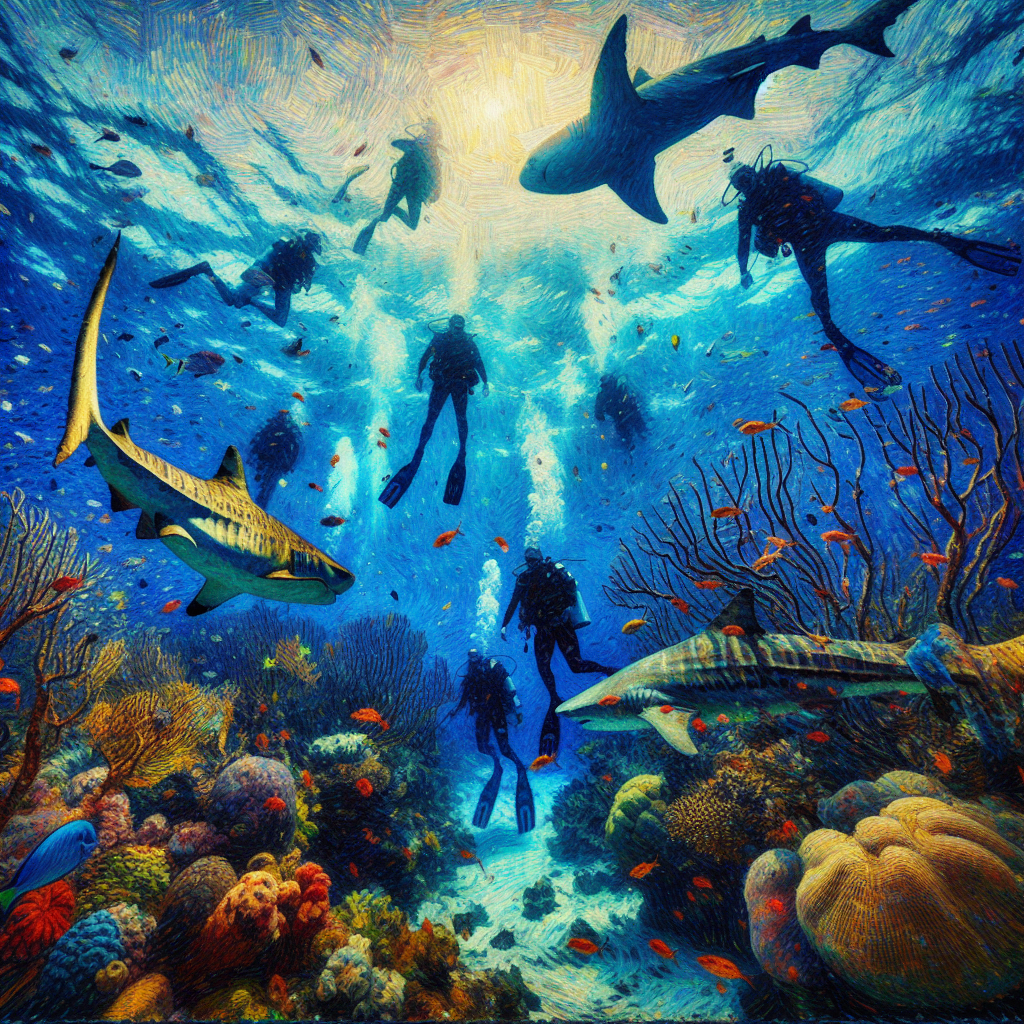
Lemon sharks, with their distinctive yellowish hue that camouflages perfectly against the sandy seabed, are more than just mesmerizing ocean dwellers. These shaggy-tailed predators can grow up to 10 feet long and possess a keen set of instincts that have evolved over millions of years. They are, in a sense, the elegant trash collectors of the sea, playing a crucial role in maintaining the balance of the underwater ecosystem. Their presence signifies a healthy marine environment, a good sign for divers and conservationists alike.
But what makes these sharks so remarkably special? For starters, they have some unique behavioral traits that make them particularly interesting to researchers. For instance, lemon sharks are known for their strong social structures. They form groups, often developing long-lasting relationships with other sharks. Imagine a bustling aquatic community, where these sleek hunters share and navigate their territory together. This social dynamic is not just fascinating; it offers valuable insights into the social behaviors of not only sharks but many other species in the marine world.
As you dive into the waters around Cozumel, you may get more than just a glimpse of a lemon shark; you may witness a demonstration of their hunting prowess. These sharks use both sight and electroreception to detect their prey, which includes fish, crustaceans, and other unsuspecting marine life. But here’s the kicker: researchers are also delving into how these sharks adapt to changing environments, particularly in the face of climate change. As the oceans warm and habitats shift, how do these resilient creatures modify their behavior, or do they struggle against the tides of change?
Exploring the mysteries of lemon sharks in Cozumel is more than just an adventure; it’s a journey into the very essence of marine biology. These sharks hold the keys to understanding not only themselves but the entire ocean ecosystem. So, the next time you find yourself gliding through the Caribbean waters, remember the lemon sharks below. They’re not just swimming; they’re holding secrets that may unlock the future of our oceans.

What Secrets Do Lemon Sharks Hold in Cozumel?
What Secrets Do Lemon Sharks Hold in Cozumel?
- Cozumel is known for its clear waters and coral reefs, but it is also home to the lemon shark.
- Lemon sharks have a yellowish hue that helps them blend with the sandy seabed and can grow up to 10 feet long.
- These sharks play a vital role in maintaining the balance of the marine ecosystem and indicate a healthy environment.
- Lemon sharks exhibit strong social structures, forming groups and developing long-lasting relationships.
- Their hunting techniques involve sight and electroreception to detect prey, including fish and crustaceans.
- Research is ongoing to understand how lemon sharks adapt to changing environments caused by climate change.
- Studying lemon sharks in Cozumel provides insights into marine biology and the health of ocean ecosystems.
What Secrets Do Lemon Sharks Hold in Cozumel?
What Is The History Of Shark Attacks In Cozumel?
When you think of Cozumel, it’s easy to envision sun-soaked beaches, vibrant coral reefs, and the joyous laughter of tourists diving into the sparkling turquoise waters. But hidden beneath this idyllic surface is a tangled web of history, particularly concerning shark attacks. Yes, sharks—those misunderstood predators of the deep.
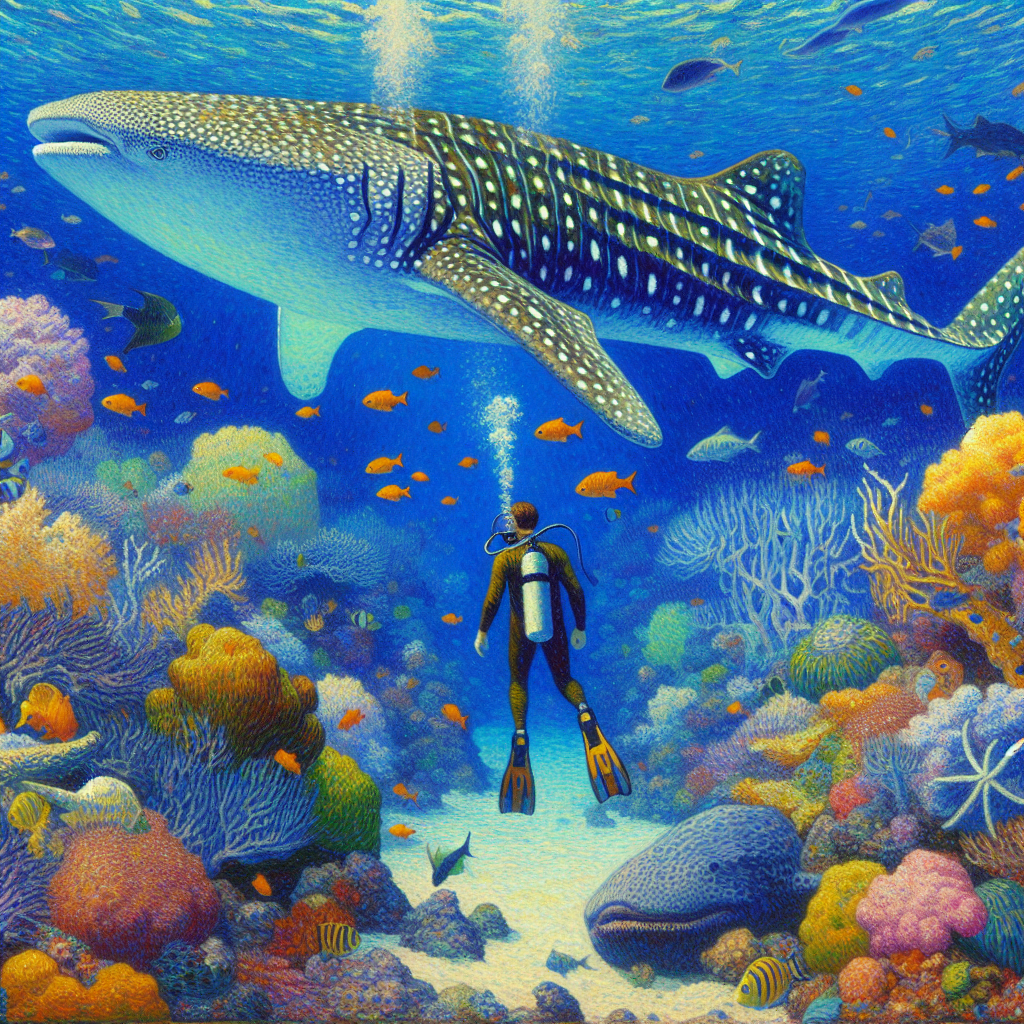
Historically, shark attacks in Cozumel are rare, creating a curious juxtaposition to the fierce reputation sharks often carry. For centuries, these waters have been the realm of both divers and sharks, yet the incidents of aggressive encounters have remained distinctly low. That’s not to say the threat isn’t real; it’s more a question of perspective.
The indigenous Mayans viewed the ocean and its inhabitants as sacred, and they respected the shark as a powerful symbol. Tales of encounters with these sleek creatures were woven into their mythology, but practical experiences were more about awe than alarm. Fast forward to the mid-20th century, when diving became a popular sport. In those years, Cozumel transformed into a hotspot for underwater exploration, attracting thrill-seekers from all over. Yet, despite the influx of divers, cases of shark attacks remained scant.
It wasn’t until the late 1990s that reports of shark bites began surfacing, albeit still few and far between. Most of these incidents were either accidental or the result of mistaken identity—a case of the shark thinking a diver’s flipper was a fish. This highlights a crucial reality: sharks aren’t the mindless killing machines often portrayed in movies. Instead, they are complex creatures driven by instinct and curiosity.
Efforts to promote shark conservation and educate the public have significantly shaped the narrative around these encounters. Dive shops and tour operators emphasize safety, teaching divers how to interact respectfully with marine life. Education is key, as understanding shark behavior dramatically reduces the likelihood of negative encounters.
In a world that often amplifies fear, Cozumel stands out as an example of cohabitation between humans and nature. Countless divers head into those waters each year, drawn by the allure of the sea, while sharks glide just below, doing their fishy business. The history of shark attacks in Cozumel, rather than a tale of terror, is one of understanding and respect for the delicate balance of life beneath the waves.
What Is The History Of Shark Attacks In Cozumel?
What Is The History Of Shark Attacks In Cozumel?
- Cozumel is known for its beautiful beaches, coral reefs, and popular tourist activities like diving.
- Shark attacks in Cozumel are rare, contrasting with the common fear surrounding these predators.
- The indigenous Mayans revered sharks as sacred creatures and incorporated them into their mythology.
- Despite the rise in diving tourism in the mid-20th century, shark attack incidents remained minimal.
- In the late 1990s, few reports of shark bites emerged, often due to accidental encounters or mistaken identity.
- Shark conservation efforts and education have changed public perception and reduced negative encounters.
- Cozumel exemplifies harmonious cohabitation between humans and sharks, highlighting respect for marine life.

What Is The History Of Shark Attacks In Cozumel?
How Do Shark Attacks In Cozumel Compare To Other Locations?
When it comes to the warm, inviting waters of Cozumel, the thought of a shark attack might seem as likely as running into a grizzly bear while lounging on the beach. In reality, however, shark encounters can happen anywhere there’s water, and that includes this beautiful Mexican island. So, how do the shark attack statistics in Cozumel stack up against other locations known for their aquatic inhabitants?
First off, let’s get the stats out of the way. Shark attacks, while often sensationalized in the media, are relatively rare across the globe. Cozumel, with its vibrant coral reefs and bustling marine life, doesn’t have a significantly higher incidence of attacks compared to other popular diving destinations. In fact, shark attacks here are almost as rare as finding a local who can resist the lure of a margarita during happy hour.
If we take a look at notorious locales like Florida, which tends to dominate shark attack headlines, the numbers tell a different story. Florida boasts thousands of miles of coastline and is home to a variety of shark species. The Sunshine State averages around 20 shark attacks per year, making it a hotspot for both tourists and, well, toothy predators. So, while Cozumel is a haven for snorkelers and divers, it doesn’t sit at the top of the shark attack leaderboard.
Now, let’s not dismiss Cozumel altogether. When you’re out in the water surrounded by schools of colorful fish and the occasional curious nurse shark, it’s natural to feel a touch of anxiety. But it’s essential to understand that sharks aren’t gnashing their teeth on the lookout for some unsuspecting tourist. They’re much more interested in their usual diet of fish and marine mammals.
Compared to places like Hawaii or Australia, where the Great White and Tiger sharks roam, Cozumel’s waters are generally home to a friendlier array of shark species. You’ll find more reef sharks and nurse sharks, who are more inclined to slip away than engage.
At the end of the day, if you’re going to ditch the land lifestyle and embrace life under the waves, remember that safety lies in understanding the environment. So, don your mask, and dive into the rich underwater world of Cozumel with confidence. Those sharks aren’t lurking around waiting for a snack; they’re gliding through their ocean playground, just like you.

How Do Shark Attacks In Cozumel Compare To Other Locations?
How Do Shark Attacks In Cozumel Compare To Other Locations?
- Shark attacks are rare globally, including in Cozumel’s warm waters.
- Cozumel has a similar rate of shark encounters as other popular diving destinations.
- Florida, known for shark attacks, averages around 20 incidents per year.
- Cozumel is preferred by snorkelers and divers and does not lead in shark attack statistics.
- Sharks in Cozumel, like nurse sharks and reef sharks, are generally non-aggressive.
- Compared to regions like Hawaii and Australia, Cozumel hosts friendlier shark species.
- Understanding the marine environment enhances safety while enjoying Cozumel’s underwater world.

How Do Shark Attacks In Cozumel Compare To Other Locations?
Conclusion
When you think about Cozumel, the first images that pop up are probably sun-soaked beaches, vibrant coral reefs, and a whole lot of underwater fun. But let’s pull back the curtain and take a closer look at something that might be lurking beneath the surface: sharks. Sure, the mere mention of these magnificent creatures can cause a few goosebumps, but the reality of shark attacks in Cozumel is about as sensational as sipping lukewarm salsa.
With only a handful of reported shark incidents over the years, it’s evident that Cozumel is not a buffet for bloodthirsty predators. The island is actually home to relatively docile species, like the nurse shark and the reef shark, which are far more interested in crab for dinner than nibbling on unsuspecting tourists. Sure, you may get a curious nudge from a shark just trying to figure out what you are, but let’s be honest: getting bumped in the water isn’t exactly the stuff of horror movies.
Now, don’t let the prospect of swimming with sharks scare you away. In fact, Cozumel is just about the best place to immerse yourself in the thrill of marine life without the looming risk you might find in more notorious locations, like Florida or parts of Australia. Remember, Cozumel hasn’t had a significant shark attack story worthy of a headline. And when you compare it to shark-heavy regions, you’ll find the waters here are significantly friendlier.
If you’re lucky enough to be diving between June and September, keep your eyes peeled as you may just catch a glimpse of the gentle giant—the whale shark. These magnificent creatures, which can grow to an astonishing 40 feet, transform your ordinary snorkeling trip into something extraordinary. All the while, respectful interaction with your oceanic neighbors is the name of the game. Education is crucial; knowing how to act and behave in their territory not only enhances your experience but keeps our finned friends safe.
So let’s wrap it all up, folks. When you plan your next exhilarating adventure in Cozumel, leave that fear behind, because the real danger lies in misunderstanding these oceanic ambassadors. Dive in, explore, and appreciate the beauty that surrounds you. Because remember—the ocean is their kingdom, and we are merely guests, privileged to share a moment in their watery world.

Conclusion
Conclusion:
- Cozumel is renowned for its sun-soaked beaches, vibrant coral reefs, and underwater activities.
- Shark attacks in Cozumel are rare, with only a few reported incidents over the years.
- The island is home to relatively docile shark species, such as nurse sharks and reef sharks.
- Getting nudged by a shark while swimming is usually harmless and not indicative of threat.
- Cozumel offers a safer alternative for swimming with sharks compared to more notorious locations like Florida or Australia.
- From June to September, divers may encounter gentle whale sharks, which can grow up to 40 feet.
- Understanding marine life and respectful interaction are key to enjoying your experience in the ocean.

Conclusion
Other Resources

Other Resources
Here is a list of other resources you can review online to learn more:
- Coral Reef National Park in Cozumel
- La Choza Cozumel
- Cozumel Jeep
- Snorkeling Trip Checklist
- Viva Mexico Snackbar
- Cozumel Sea Scooter Excursion
- True Traveller
- Blue Angel Resort
Use This Prompt To Get More Resources With Your Favorite Online AI Tool: Please provide me with a list of online articles with their URLs in a bulleted list that I can read regarding How Many Shark Attacks Have Occurred In Cozumel?

Other Resources
Glossary Terms
How Many Shark Attacks Have Occurred In Cozumel? – Glossary Of Terms
1. Shark Attack: An encounter between a shark and a human that results in injury or death.
2. Cozumel: An island in the Caribbean Sea off the coast of Mexico, famous for its diving spots and marine life.
3. Shark Species: Different types of sharks, such as bull sharks, tiger sharks, or reef sharks, that can be found in coastal waters.
4. Incidence Rate: The frequency of shark attacks in a given area, typically measured per 100,000 people or per diving activities.
5. Predatory Behavior: A natural instinct of sharks that involves hunting and capturing prey, which can lead to accidental attacks on humans.
6. Diving Season: The time of year when tourism for diving typically peaks in Cozumel, often influencing the number of shark-related encounters.
7. Post-Attack Protocol: The procedures and measures taken immediately after a shark attack, including emergency medical response and reporting.
8. Baited Shark Dive: A popular activity where divers attract sharks with bait, which can sometimes lead to increased interactions and potential attacks.
9. Clear Water: Refers to the visibility of the water in Cozumel, often enhancing opportunities for shark sightings but also posing risks.
10. Shark Conservation: Efforts and initiatives aimed at protecting shark populations, often affected by public perception following shark attacks.
11. Beaches: Coastal areas popular for swimming and recreational activities, where shark encounters may occur.
12. Tourism Impact: The effect of shark attacks on local tourism, potentially leading to decreased visitor numbers and economic effects.
13. Witness Accounts: Testimonies from individuals who have experienced or seen a shark attack, often valuable for understanding the incidents.
14. Underwater Photography: A practice that enables capturing images of marine life, including sharks, which can inform safety protocols and public interest.
15. Shark Behavior Research: Scientific studies focused on understanding shark movements and interactions with humans to improve safety measures.
16. Fatalities: Instances where shark attacks result in the death of the victim.
17. Injury Types: Common wounds suffered during shark attacks, which can range from minor bites to severe lacerations.
18. Safety Measures: Precautions that swimmers and divers can take to minimize the risk of a shark attack, such as avoiding swimming at dawn or dusk.
19. Local Regulations: Rules and guidelines set by authorities in Cozumel to manage shark-related activities and ensure public safety.
20. Marine Ecosystem: The complex community of marine life in Cozumel, where sharks play a crucial role in maintaining the balance.
21. Shark Awareness Programs: Educational initiatives aimed at informing the public and tourists about shark behavior and safety.
22. Accidental Attack: When a shark unintentionally bites a human, often mistaking them for prey.
23. Research Expedition: Scientific trips organized to study shark populations and behaviors, contributing to data on shark attacks.
24. Contributing Factors: Elements that might increase the likelihood of shark attacks, such as fishing activities or environmental changes.
25. Reef Sharks: A common type of shark found in the waters around Cozumel, generally considered less dangerous to humans.
26. Shark Tagging: A research process where sharks are captured, tagged, and released to monitor their movements and health.
27. Public Perception: The general attitude or belief held by the public regarding sharks and shark attacks, which can be influenced by media.
28. Emergency Response: The immediate medical and logistical actions taken in the event of a shark attack.
29. Shark Attack Statistics: Data collected and analyzed regarding the frequency, type, and outcomes of shark attacks in specific regions.
30. Responsible Tourism: A movement aimed at promoting safe and environmentally conscious travel practices, including interactions with marine wildlife.

Glossary Of Terms
Other Questions
How Many Shark Attacks Have Occurred In Cozumel? – Other Questions
If you wish to explore and discover more, consider looking for answers to these questions:
- What types of sharks are commonly found in Cozumel?
- How can I safely enjoy snorkeling or diving in waters where sharks are present?
- What should I do if I encounter a shark while swimming?
- Are there specific areas in Cozumel where shark encounters are more likely?
- What is the ecological role of sharks in Cozumel’s marine environment?
- How does tourism impact shark populations in Cozumel?
- Are there any shark conservation efforts in place in Cozumel?
- What misconceptions exist about shark behavior in Cozumel?
- How do local fishermen view sharks in the Cozumel waters?
- What safety measures are recommended for divers and snorkelers in Cozumel?
- How do seasonal changes affect shark activity in Cozumel?

Other Questions
Haiku
How Many Shark Attacks Have Occurred In Cozumel? – A Haiku
Cozumel’s blue waves,
Sharks swim peacefully below—
Respect breeds adventure.
Haiku
Poem
How Many Shark Attacks Have Occurred In Cozumel? – A Poem
In Cozumel, where sunlit tides caress the shore,
Lies mythic beauty, tales of sharks and lore.
Beneath the crystal waves, where coral reefs do bloom,
Fears of fearsome predators often loom.
Yet what of shark attacks? A question often posed,
In this paradise of divers, where the ocean freely flows.
Historically a few, mere whispers in the deep,
Superficial bites, not terror as they leap.
Nurse sharks, gentle souls, lounging on the sand,
Their lazy flick of tails speaks of a peaceful land.
Misunderstood by many, seen as foes in dreams,
Yet in their tranquil nature lie the truth in silent themes.
Tiger sharks glide gracefully, with strength and silent grace,
Opportunistic feeders, in this vibrant sea they trace.
But rare are their encounters, caution in the waves,
They play their part within the balance that nature saves.
Blacktips swim with skittishness, their antics light and free,
While lemon sharks hold secrets of the ocean’s vast decree.
In camaraderie they wander, through currents they ensue,
Teaching us to cherish life beneath skies clear and blue.
Cozumel’s waters beckon all; adventure waits in tow,
So fear not the finned denizens, for they’re more friend than foe.
Embrace the vibrant life below; respect the ocean’s call,
For in understanding nature’s ways, we find harmony for all.
So let the tales of shark attacks fade with the setting sun,
And let the beauty of Cozumel remind us we are one.
Dive deep, explore, and find joy beneath the Caribbean’s grace,
In Cozumel’s tranquil waters, we share this sacred space.

Poem
Checklist
How Many Shark Attacks Have Occurred In Cozumel? – A Checklist
Before Your Trip
_____ Research Local Marine Life: Familiarize yourself with the types of sharks and marine life that are common in Cozumel.
_____ Understand Shark Behavior: Learn about the nature of common sharks in the area (e. g. , nurse sharks, blacktip sharks, and tiger sharks).
_____ Check Local Dive Regulations: Review guidelines and recommendations from local dive shops regarding marine wildlife interaction.
What to Pack
_____ Snorkeling/Diving Gear: Ensure your snorkel, mask, and fins are in good condition.
_____ Wet Suit or Rash Guard: Consider wearing a wetsuit to protect from sunburn and discourage shark curiosity.
_____ Waterproof Camera: Bring a camera to capture your underwater adventures.
Safety Precautions While in the Water
_____ Stay Calm: Keep a calm demeanor in the water to avoid attracting unwanted attention from sharks.
_____ Avoid Erratic Movements: Swim smoothly and avoid splashing, which can provoke curiosity.
_____ Respect the Space of Marine Life: Maintain a safe distance from all marine animals, especially sharks.
_____ Follow Dive Guidelines: Adhere to safety tips provided by tour operators and dive instructors.
During Your Encounter
_____ Educate Yourself on Signs of Aggression: Understand what to look for if a shark seems agitated.
_____ Keep Your Hands to Yourself: Avoid reaching out to touch or interact with sharks.
_____ Stay with Your Group: Always dive/snorkel with a buddy or group.
After Your Experience
_____ Reflect on Your Encounter: Consider what you learned from observing shark behavior and the importance of conservation.
_____ Share Your Experiences: Talk about your trip with others to promote understanding and respect for marine life.
Additional Tips
_____ Be aware of peak season for whale sharks: If you’re interested in seeing whale sharks, plan your trip between June and September.
_____ Follow Eco-friendly Practices: Support local businesses that prioritize conservation and responsible tourism.
_____ Stay Informed: Keep abreast of any local news related to marine life and safety.
Enjoy Your Adventure!
_____ Embrace the Beauty of Cozumel: Enjoy your snorkeling and diving experiences while respecting the underwater ecosystem.
_____ Capture Memories: Take photos and enjoy the breathtaking beauty of the marine environment.
By following this checklist, you’ll be well-prepared for a safe and memorable experience in the beautiful waters of Cozumel!

Checklist
At TopCozumelNews, we help travelers enjoy Cozumel by collating information learned from frequently traveling to beautiful Cozumel.
Be sure to read our other related stories at TopCozumelNews to learn more about the Island of Cozumel.