
Uncovering the Essential Tips for Visiting Cozumel
By Tom Seest
At TopCozumelNews, we help travelers enjoy Cozumel by collating information learned from frequently traveling to beautiful Cozumel.
Be sure to read our other related stories at TopCozumelNews to learn more about the Island of Cozumel.
What Do I Need to Know Before Traveling to Cozumel?
Planning a trip to Cozumel? Well, buckle up, because this little island has more to offer than just sun-soaked beaches and tequila shots. It’s a vibrant tapestry of culture, history, and natural beauty—if you know where to look. Here’s the lowdown on what you need to get ready for your adventure.
First, let’s talk about timing. The best time to set foot on this paradise is during the dry season, from late November to April. The weather during these months is as close to perfect as you can get—think warm, sunny days and balmy evenings. However, like everything worthwhile, it comes at a price; it’s peak tourist season, so expect more crowds and slightly high lodging costs. If you’re willing to risk some rain for fewer tourists, consider visiting just before or after.
Next on the list: know your way around. Renting a scooter or a car can be a game-changer. Cozumel is not just about the resort strip; venture off the beaten path to see the island’s hidden treasures. From deserted beaches to local eateries serving the freshest ceviche, the real magic often happens away from the typical tourist traps.
While we’re on the topic of food, get ready to expand your culinary horizons. You may think you know Mexican cuisine, but trust me, the flavors here are a different ball game. Look for local spots serving cochinita pibil or try some street tacos. Just a word of caution—don’t skimp on the salsa; it’s where the real flavor lives!
Now, let’s discuss safety. Like any travel destination, Cozumel has its share of petty theft and scams. Keep your wits about you and don’t flash cash or expensive gadgets. Basic precautions go a long way. Stick to well-populated areas after dark, and trust your instincts. If something feels off, it probably is.
Lastly, immerse yourself in the local culture. Cozumel isn’t just a place to lounge; it’s an island steeped in history. Visit the Mayan ruins, and don’t skip out on a local fishing tour or snorkeling adventure. Connect with the community; you’ll find that the islanders are warm, welcoming, and usually happy to share their stories.
So there you have it. Prepare yourself, get curious, and keep your eyes open. Cozumel has its secrets, and the more you invest in understanding its vibrant pulse, the richer your experience will be. Safe travels, and may your adventures be full of unforgettable moments!

What Do I Need to Know Before Traveling to Cozumel?
What Do I Need to Know Before Traveling to Cozumel?
- The best time to visit Cozumel is during the dry season from late November to April for ideal weather.
- Expect higher lodging costs and crowds during peak tourist season; consider off-peak visits for fewer tourists.
- Renting a scooter or car is recommended to explore the island beyond tourist areas.
- Experience unique local cuisine, particularly cochinita pibil and street tacos, and don’t skip the salsa.
- Practice safety by avoiding flashy items and sticking to populated areas after dark.
- Engage with the local culture by visiting Mayan ruins and taking part in community activities like fishing tours or snorkeling.
- Stay curious and open-minded to uncover Cozumel’s hidden treasures for a richer travel experience.

What Do I Need to Know Before Traveling to Cozumel?
Table Of Contents
- What Do I Need to Know Before Traveling to Cozumel?
- Do I Need a Passport to Visit Cozumel?
- What Travel Insurance Do I Need for Cozumel?
- How Much Money Do I Need To Travel To Cozumel?
- What SPF Sunscreen Should I Bring to Cozumel?
- What Camera Gear Do You Need to Capture The Beauty Of Cozumel?
- What Is It Like to Explore Cozumel By Bicycle?
- What Toiletries Do You Need to Bring for Your Trip to Cozumel?
- What Snacks Should I Pack for My Trip to Cozumel?
- What Water Supplies Should I Bring to Cozumel?
- Conclusion
- Other Resources
- Glossary Of Terms
- Other Questions
- Haiku
- Poem
- Checklist
Do I Need a Passport to Visit Cozumel?
Ah, Cozumel—an island paradise where the sun kisses the sea, and the only thing that moves faster than the local margarita is the rustle of palm fronds. If you’re dreaming of diving into crystal-clear waters or lounging on your own slice of sandy heaven, you might be wondering about the ins and outs of travel documents, specifically, do you need a passport? Well, cue the waves, because we’re about to dive deep into the details.
In a nutshell, yes, you typically need a passport to visit Cozumel, especially if you’re coming from the United States. This beautiful Mexican island doesn’t just roll out the welcome mat for travelers with a wish and a wave; there are rules—albeit rules made much sweeter by the promise of beach chairs and piña coladas. Your passport is the golden ticket that opens the door to not just Cozumel, but virtually all of Mexico.
Now, let’s get a tad more specific. U.S. citizens flying into Cozumel will definitely need their passports. It’s a straightforward affair with a quick flyover to paradise, but remember, the same rules apply if you’re coming back home; you’ll need that passport to check in at customs, where they’ll be far less forgiving about your lack of proper documentation than the friendly bartender serving up drinks right beside the waves.
But what if you’re not flying? If you’re cruising to Cozumel, the situation gets a bit murky. Some cruise lines may allow you to board with just a birth certificate and a government-issued photo ID, but—and here’s the catch—if you get stranded (and let’s face it, the call of a fresh fish taco and some local salsa can be downright intoxicating), you’ll need a passport to get back via a land route. So, if you’re planning on some serious island hopping or just harboring a case of wanderlust, a passport may be your best insurance policy.
In short, while it’s possible to navigate some paths without a passport when cruising, it’s always wise to have one in your back pocket—or rather, in your beach bag. It’s the peace of mind that fuels your adventure and lets you focus on soaking up the sun instead of scrambling for paperwork. So pack that passport, grab your sunglasses, and let the adventure in Cozumel begin!

Do I Need a Passport to Visit Cozumel?
Do I Need a Passport to Visit Cozumel?
- Cozumel is a beautiful island in Mexico known for its sunny beaches and vibrant atmosphere.
- U.S. citizens typically need a passport to enter Cozumel, as well as to return home.
- Passports are necessary for flying into Cozumel and checking in at customs upon return.
- Cruise travelers may be able to board with a birth certificate and photo ID, but will need a passport for land entry if stranded.
- Having a passport is recommended for any travelers planning to explore beyond Cozumel.
- While some alternatives exist, possessing a passport ensures peace of mind and smooth travel experiences.
- Travelers are advised to pack their passport and enjoy their adventure in Cozumel worry-free.

Do I Need a Passport to Visit Cozumel?
What Travel Insurance Do I Need for Cozumel?
Traveling to Cozumel can be an exhilarating experience, filled with turquoise waters, vibrant coral reefs, and rich cultural heritage. But before you pack your swimsuit and hit the road, there’s one crucial detail that demands your attention: travel insurance. It’s like the seatbelt in your car—something you might not think about until the unexpected happens.
When it comes to choosing the right travel insurance for your trip to Cozumel, consider the diverse potential pitfalls that could derail your plans. First and foremost, trip cancellation coverage is essential. Hurricanes can be as unpredictable as your uncle at Thanksgiving—one moment he’s telling stories, and the next, he’s upending the punch bowl. If a storm rolls through and you have to cancel your trip, this insurance helps mitigate those financial losses.
Next, you’ll want to look into medical coverage. Even the most careful travelers can find themselves in a pickle. Whether it’s a nasty stomach bug from street tacos or a slip while hiking through the island’s rugged terrain, medical emergencies can quickly turn into a financial nightmare. Regular health insurance may not extend its protection overseas, leaving you in a bind. A good travel insurance policy with medical coverage ensures that you’ll get the care you need without emptying your savings account.
Don’t overlook the importance of emergency evacuation coverage, especially if you plan to venture off the beaten path. Things can go sideways in a hurry, and if you find yourself in need of evacuation—whether it’s due to a natural disaster or a medical emergency—you’ll be grateful you made that small investment. Getting airlifted to safety isn’t cheap, and you certainly don’t want to be digging through your pockets when the helicopter arrives.
Lastly, consider personal property insurance. With your snorkel gear, camera, and maybe even a souvenir or two, you’ll want to protect your belongings. From theft to loss while you’re out exploring, having coverage for your personal items can offer peace of mind as you relish your adventure in paradise.
So, when preparing for your trip to Cozumel, do yourself a favor—don’t skip the travel insurance. It’s not just a piece of paper; it’s a safety net that allows you to dive into your vacation with both feet, instead of worrying what might happen if you stub your toe. In the world of travel, the unexpected is all part of the ride, and a little prep can go a long way.

What Travel Insurance Do I Need for Cozumel?
What Travel Insurance Do I Need for Cozumel?
- Traveling to Cozumel offers beautiful scenery and rich cultural experiences.
- Travel insurance is essential—think of it as necessary as your seatbelt.
- Trip cancellation coverage is crucial due to unpredictable events like hurricanes.
- Medical coverage is important, as regular health insurance may not be valid overseas.
- Emergency evacuation coverage is vital for unexpected situations while exploring off the beaten path.
- Personal property insurance protects your belongings from theft or loss during your adventure.
- Prioritize travel insurance to fully enjoy your trip without worrying about potential mishaps.

What Travel Insurance Do I Need for Cozumel?
How Much Money Do I Need To Travel To Cozumel?
Planning a trip to Cozumel can feel a bit like standing in front of a buffet with no idea where to start. There’s a plethora of options, and while your eyes are bigger than your stomach, your wallet might not be on the same page. The good news? With some savvy planning, you can manage your budget and still have a fantastic time.
First off, let’s talk about getting there. If you’re traveling from the United States, expect to pay between $300 to $700 for a round trip flight, depending on the time of year and when you book. The shoulder seasons—late spring and early fall—often provide the best deals. If you’re lucky enough to snag a flight during a sale, you might even find yourself striking a deal for less. Of course, if you’re planning to take a cruise or catch a ferry from the mainland, your transportation costs will look a tad different.
Now that you’re on your way, let’s dive into the costs once you hit the island. Lodging can range from basic hostels to luxurious resorts. If you’re not looking to break the bank, aim for mid-range hotels or Airbnbs, where you can expect to spend anywhere from $50 to $150 per night. The closer you get to the beach, the higher those prices may climb. But remember, the extra cash could be worth it when you wake up to the sound of waves and the smell of salt in the air.
Feeding yourself doesn’t have to be a wallet-draining experience, either. Local eateries serve generous portions of mouth-watering tacos and fresh seafood at reasonable prices. A meal can run you anywhere from $5 to $15, depending on where you choose to chow down. If you’d rather save some dough, consider visiting the local supermarkets to stock up on snacks or even prepare a meal or two.
Activities? That’s where your budget can really start to flex. Snorkeling tours, diving lessons, and excursions will generally run between $50 to $150 per person. Don’t forget that a cheap rental scooter can put you on the path to adventure while saving you from the high costs of guided tours.
In a nutshell, with a budget of around $1,000 to $2,000 for a week-long trip, you can enjoy what Cozumel has to offer without getting left high and dry. So, if you’re yearning for the turquoise waters and vibrant culture, fear not. With a little planning and some sensible choices, your adventure in Cozumel can be both exciting and affordable.

How Much Money Do I Need To Travel To Cozumel?
How Much Money Do I Need To Travel To Cozumel?
- Round trip flights from the U.S. to Cozumel range from $300 to $700, with the best deals often in late spring and early fall.
- Transportation costs may differ if traveling by cruise or ferry from the mainland.
- Lodging options vary from basic hostels to luxurious resorts, typically costing $50 to $150 per night for mid-range accommodations.
- Accommodations closer to the beach tend to be more expensive.
- Meals at local eateries can cost between $5 and $15, providing affordable dining options; supermarkets are a good place to stock up on snacks.
- Activities like snorkeling and diving tours can cost between $50 to $150 per person; renting a scooter is a budget-friendly alternative to guided tours.
- A budget of $1,000 to $2,000 for a week-long trip allows for a range of experiences in Cozumel without overspending.

How Much Money Do I Need To Travel To Cozumel?
What SPF Sunscreen Should I Bring to Cozumel?
When it comes to a sun-soaked getaway to Cozumel, packing the right SPF sunscreen isn’t just a good idea—it can mean the difference between enjoying the island’s stunning beaches and dealing with a painful sunburn that sidelines you faster than you can say “Margarita.” If you want to bask in the sun and take in the sights without turning into a lobster, selecting the right sunscreen is crucial.
So, what SPF should you aim for? First off, let’s dispel the myth that all you need is “just a little bit of SPF.” No sirree, that’s like thinking you can tackle a Monday morning with just half a cup of coffee. For the intense sun of Cozumel, you should be looking at a sunscreen with at least SPF 30. This rating indicates that the sunscreen offers protection for about 30 times longer against sun exposure than if you wore no sunscreen at all. And let’s face it—30 isn’t the ceiling; it’s a starting point. If your skin resembles a sensitive tomato or you’re planning on a full day out on the water, go for SPF 50 or higher.
But don’t just grab any bottle that boasts a high SPF; read the label carefully. Broad-spectrum sunscreens protect against both UVA and UVB rays, which are the real culprits behind sunburn as well as long-term skin damage. Look for terms like “water-resistant” too, especially if you plan to hit the beach or take a dip. Water-resistant formulas offer protection for a specified duration, usually 40 or 80 minutes, but don’t take that as a license to skip reapplication; nothing beats a good old-fashioned slathering after some time in the water.
Now, let’s talk application. Nobody enjoys the feeling of greasy skin, but trust me, that’s a small price to pay for protection. Aim to apply about one ounce (that’s roughly the size of a shot glass) to cover your body adequately. Be generous and don’t forget those often-missed spots: ears, the back of your neck, and the tops of your feet. Like a good craftsman, gear up for the job ahead.
So, as you sift through your travel essentials, don’t skimp on sunscreen. Remember, in Cozumel, the sun isn’t just a detail—it’s a force you’re up against. Choose wisely, apply liberally, and enjoy your time on that gorgeous island without the unwelcome reminder of a sunburn.

What SPF Sunscreen Should I Bring to Cozumel?
What SPF Sunscreen Should I Bring to Cozumel?
- Packing the right SPF sunscreen is essential for a getaway to Cozumel to avoid painful sunburns.
- Choose a sunscreen with at least SPF 30, as it offers protection approximately 30 times longer than wearing no sunscreen at all.
- If you have sensitive skin or will be outdoors for an extended period, consider using SPF 50 or higher.
- Look for broad-spectrum sunscreens that protect against both UVA and UVB rays to prevent sunburn and skin damage.
- Opt for water-resistant formulas, but remember to reapply sunscreen after swimming or sweating.
- Apply about one ounce of sunscreen (roughly the size of a shot glass) to cover your body, including often-missed spots like ears and feet.
- Choose sunscreen wisely, apply generously, and enjoy your time in Cozumel without the worry of sunburn.

What SPF Sunscreen Should I Bring to Cozumel?
What Camera Gear Do You Need to Capture The Beauty Of Cozumel?
When it comes to capturing the breathtaking beauty of Cozumel, you don’t need to break the bank on fancy gear or chase after the latest, trendiest models. What you really need is a solid understanding of a few essential tools that will help you tell the story of this stunning island. So let’s gear up and dive into what’s important for documenting your Cozumel adventures.
1. A Reliable Camera:
First up, you need a camera that fits your style, whether it’s a DSLR, mirrorless, or even a good ol’ smartphone. A DSLR or mirrorless camera gives you versatility and control. Look for one with a sturdy build and weather-sealed features since you’ll likely be in and out of the water or shooting under the tropical sun.
2. Lens Options:
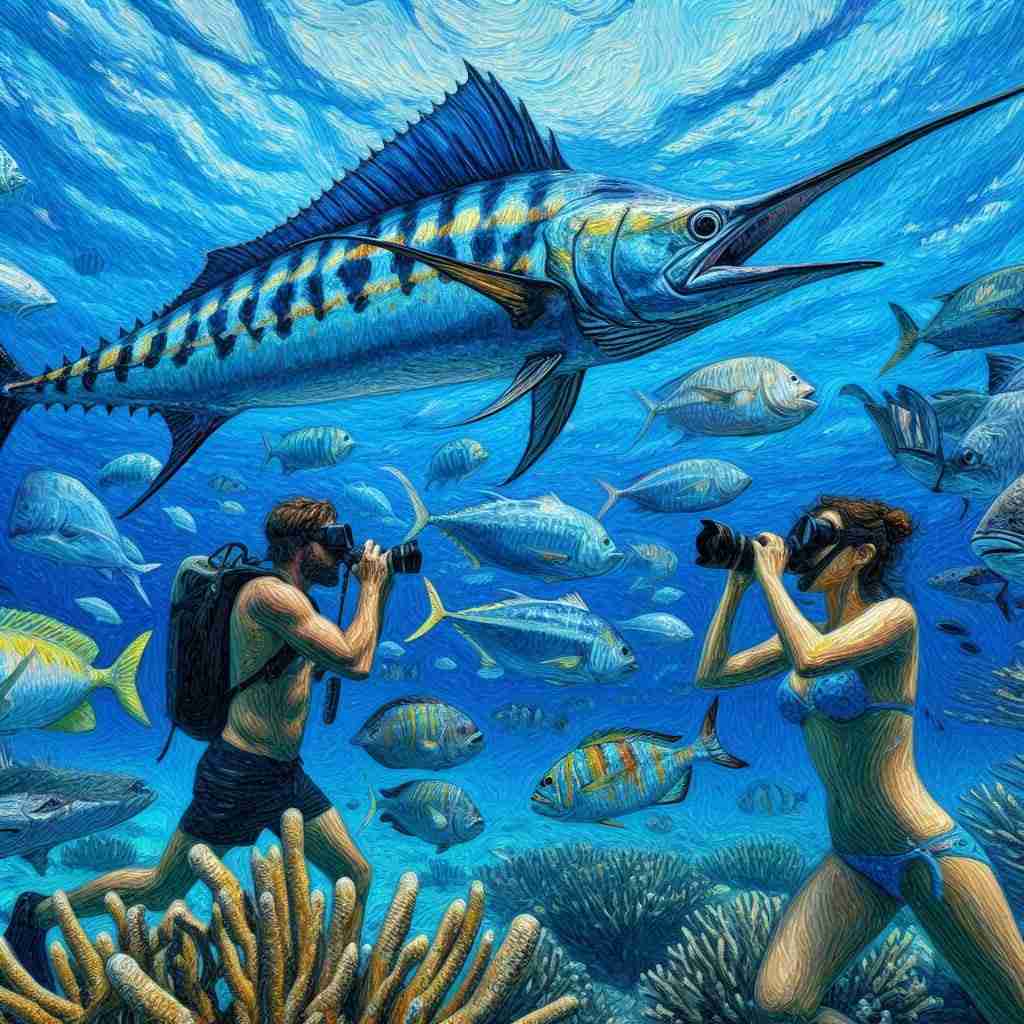
Let’s not forget about the lenses. A standard zoom lens (like a 24-70mm) is your go-to for capturing those sweeping beach scenes and charming streets of San Miguel. If you really want to dive deep into the underwater world, consider a wide-angle lens for those unforgettable underwater shots of coral reefs and marine life. And, if you’re after some crisp portraits of the locals or that turquoise sea, a prime lens with a wide aperture could be just the ticket.
3. A Sturdy Tripod:
Stability is key for photography, especially in low-light situations or when capturing those stunning sunrises and sunsets. A lightweight, portable tripod is a worthy investment. You won’t regret it when you’re able to set your camera up and capture those long-exposure shots of crashing waves or the vibrant colors of twilight.
4. Underwater Housing or Action Cam:
To truly embrace Cozumel’s aquatic treasures, consider investing in underwater housing for your camera or an action camera like a GoPro. These devices are designed to withstand the depths, perfect for snorkeling or diving adventures. They capture vibrant colors and sharp images of the underwater world that your regular camera simply can’t match.
5. Extra Batteries and Memory Cards:
Trust me, running out of power or space will be your worst nemesis. Keep a couple of extra batteries and memory cards handy. The breathtaking landscapes, lively streets, and magical sunsets of Cozumel will have you clicking away, and you won’t want to miss a moment.
Ultimately, the best gear is what you’re comfortable using. Explore, experiment, and let the beauty of Cozumel shine through your lens!
What Camera Gear Do You Need to Capture The Beauty Of Cozumel?
What Camera Gear Do You Need to Capture The Beauty Of Cozumel?
- You don’t need expensive gear to capture Cozumel’s beauty; understanding essential tools is key.
- A reliable camera is crucial; DSLR, mirrorless, or even smartphones can work well.
- Consider lens options like a standard zoom for landscapes, a wide-angle for underwater shots, and a prime lens for portraits.
- A sturdy tripod is important for stability, especially in low-light conditions for sunrises and sunsets.
- Underwater housing or an action cam, such as a GoPro, is recommended for capturing underwater adventures.
- Always carry extra batteries and memory cards to avoid running out of power or space during your explorations.
- Ultimately, the best gear is what you are comfortable using; let Cozumel’s beauty shine through your lens.

What Camera Gear Do You Need to Capture The Beauty Of Cozumel?
What Is It Like to Explore Cozumel By Bicycle?
Picture this: the sun hangs like a ripe orange in the sky, and you find yourself straddling a sturdy bicycle, a trusty steed ready to carry you through the vibrant landscape of Cozumel. As soon as you push off, the salty breeze greets you like an old friend, whispering promises of adventure as you roll down the coastal roads. Unlike the thrill of four-wheeled exploration, a bicycle puts you in direct contact with the sights, sounds, and scents of this tropical paradise.
The first thing you notice is how alive everything feels. Waves rhythmically crash against the shoreline, their white foam contrasting against the deep blue of the Caribbean Sea. Each pedal stroke pulls you into the essence of the island, amplifying the thrill of discovery. Whether you’re gliding past swaying palm trees or dipping into quiet neighborhoods lined with charming, colorful homes, you’ll find that this mode of transport invites you to slow down and truly experience your surroundings. You’re not just a passerby; you become part of the landscape.
With the sun warming your back and the wind tousling your hair, stop at one of the local truck stands that pepper the streets. Here, you can sample some of the best street tacos you’ll ever eat. Don’t be shy—douse those bad boys in homemade salsa and take a moment to appreciate the taste explosion. This is travel, after all, and what better way to embrace it than with your taste buds in full swing?
Now, let’s be real for a second—the roads can be a bit bumpy, and the occasional pothole might test your nerve. But here’s the secret: that’s part of the joy. Navigating through uneven terrain and dodging the hustle and bustle of the locals gives you a deeper appreciation for the natural charm and the pulse of the island. You might even find yourself making new friends along the way—other cyclists, locals who wave as you pass, or that friendly stray dog who decides he’d rather join you on your ride.
As the sun begins to dip below the horizon, igniting the sky with hues of orange and pink, you’ll know that exploring Cozumel by bicycle is more than a ride; it’s an immersion into the culture, the community, and the spirit of an island that stays with you long after you’ve returned home.

What Is It Like to Explore Cozumel By Bicycle?
What Is It Like to Explore Cozumel By Bicycle?
- The sun hangs in the sky as you ride a sturdy bicycle through Cozumel’s vibrant landscape.
- The salty breeze enhances the sense of adventure while cycling along coastal roads.
- Experiencing the island through a bicycle allows for direct engagement with its sights, sounds, and scents.
- Every pedal stroke deepens the connection to the island, revealing swaying palm trees and colorful neighborhoods.
- Stopping at local truck stands offers the chance to savor delicious street tacos with homemade salsa.
- Navigating bumpy roads and dodging locals adds to the joy and appreciation of the island’s charm.
- Exploring Cozumel by bicycle becomes an immersive experience that lingers long after returning home.

What Is It Like to Explore Cozumel By Bicycle?
What Toiletries Do You Need to Bring for Your Trip to Cozumel?
When packing for a trip to Cozumel, knowing what toiletries to bring can make the difference between a relaxing getaway and a scrappy survival mission. The island is a paradise, but it’s also a place where you want to feel comfortable in your own skin—without looking like you just came from a construction site. Here’s how to strike that balance without throwing your entire bathroom into your luggage.
First, let’s talk about skin protection. The sun in Cozumel is like that overly enthusiastic buddy who keeps pushing you to dive into the deep end. Sunscreen is your lifebuoy here. Choose a broad-spectrum SPF of at least 30 to shield your skin from those harmful UV rays. And don’t just slap it on once and forget it; reapply every couple of hours, especially after swimming. A travel-sized bottle will do the trick, but if you’re a sun-worshipper, splurge on a larger container.
Next up: bug spray. Cozumel is tropical, and though the island is breathtaking, you don’t want to come back home looking like you’ve been practicing for a zombie movie. Opt for a repellent containing DEET or picaridin to keep the mosquitoes at bay. Trust me; swatting at bugs while trying to enjoy a beach cocktail is not what you envisioned for your vacation.
Then there’s your daily hygiene kit. It might seem obvious, but you don’t want to be that person rummaging through their suitcase at the last minute regretting you left your toothbrush behind. Grab a travel-sized tube of toothpaste, a compact toothbrush, and your favorite shampoo and conditioner. Some resorts provide these, but it’s always best to have your go-to products on hand.
Don’t forget your deodorant. Believe me, it’s not just a suggestion; it’s essential. You might be sweating like a sinner in church after a day of snorkeling, but at least you can feel confident that you smell like a field of fresh daisies, not a roadside rest stop.
Finally, a small first aid kit with band-aids, antiseptic wipes, and any daily medications is a smart move. You never know when a scrape or bug bite might require a little TLC.
So there you have it: your guide to must-have toiletries for Cozumel. Pack wisely, and you’ll blend right into that Caribbean paradise without a hitch. Safe travels!

What Toiletries Do You Need to Bring for Your Trip to Cozumel?
What Toiletries Do You Need to Bring for Your Trip to Cozumel?
- Pack essential toiletries to ensure a relaxing getaway in Cozumel.
- Use broad-spectrum sunscreen with at least SPF 30 and reapply every couple of hours.
- Bring bug spray containing DEET or picaridin to protect against mosquitoes.
- Include a daily hygiene kit with toothpaste, toothbrush, shampoo, and conditioner.
- Don’t forget deodorant for confidence after outdoor activities.
- Prepare a small first aid kit with band-aids, antiseptic wipes, and medications.
- Travel smartly to enjoy your time in the Caribbean paradise.

What Toiletries Do You Need to Bring for Your Trip to Cozumel?
What Snacks Should I Pack for My Trip to Cozumel?
When you’re gearing up for a trip to Cozumel, the last thing you want is to find yourself staring at a bland, overpriced sandwich on a bustling beach. So, let’s talk snacks—the fuel for your adventures that will keep your spirits high and your belly happy as you explore this beautiful island. You’ll want to pack smart, pack tasty, and pack light. Here’s the scoop on what munchies to toss into your travel bag.
First up, the classic trail mix. This snack is the secret weapon for anyone on the move. You can customize it with your favorite nuts, dried fruits, and maybe even a few chocolate chunks for good measure. Toss in some seeds, and you’ve got yourself a powerhouse of energy that won’t weigh you down on your scuba diving escapades or beach lounging sessions. Just remember to seal it tightly; nobody wants a rogue almond rolling around in their bag like it owns the place.
Next, consider granola bars. They come in a variety of flavors and, let’s be honest, they’re practically the Swiss Army knife of travel snacks. They’re compact, individually wrapped, and perfect for a quick bite between snorkeling adventures or while you’re waiting for your fish tacos at that beachside shack you read about. Look for options that are low in sugar but high in fiber; your stomach will thank you later.
Don’t forget about fresh fruit! Apples, bananas, and oranges are durable travelers. They pack well and give you that refreshing burst of energy that you’ll crave after wandering the colorful streets of San Miguel. Plus, they serve as a reminder that nature can be just as exciting as any resort buffet.
For a kick of protein, consider beef jerky or some other dried meat. It’s the snack that says, “I’m ready for adventure!” without the hassle of refrigeration. Choose a few different flavors to mix it up; sweet, spicy, or smoky, you can’t go wrong.
And what’s a beach day without chips? Opt for whole-grain or veggie chips over the traditional potato varieties. They’ll give you that satisfying crunch while keeping things a bit healthier, and believe me, they pair well with that salsa you just can’t resist.
Lastly, remember to pack a reusable water bottle. Staying hydrated is key when you’re out in the sun, and nothing spoils a vacation quicker than dehydration. You can easily refill it with fresh water, ensuring that you have plenty to sip while you munch.
So there you have it—a guide to packing the right snacks for your Cozumel adventure. With the right fuel in tow, you’ll be ready to tackle whatever the island throws your way. Safe travels and happy snacking!

What Snacks Should I Pack for My Trip to Cozumel?
What Snacks Should I Pack for My Trip to Cozumel?
- Pack snacks for your trip to Cozumel to avoid overpriced beach food.
- Customize your trail mix with nuts, dried fruits, and chocolate for energy.
- Granola bars are compact, individually wrapped, and perfect for quick bites.
- Fresh fruits like apples, bananas, and oranges are durable and refreshing snacks.
- Consider beef jerky for protein; it’s portable and doesn’t require refrigeration.
- Choose whole-grain or veggie chips for a healthier crunchy snack option.
- Stay hydrated by packing a reusable water bottle to refill throughout the day.

What Snacks Should I Pack for My Trip to Cozumel?
What Water Supplies Should I Bring to Cozumel?
If you’re planning a trip to Cozumel, pack your bags with an appreciation for the water—both the vibrant Caribbean kind that beckons with promises of adventure and the kind you can hydrate with. Now, before you start tossing a dozen bottled waters into your suitcase, let’s break down the essentials for quenching your thirst and keeping you healthy under the sun.
First things first, let’s talk about hydration. The sun in Cozumel can be relentless, and staying hydrated is akin to prepping your engine before a long road trip. You wouldn’t head into the desert with half a tank, right? Bring along a sturdy, reusable water bottle. Not only is it eco-friendly, but you can refill it at various spots around town—whether at your hotel or local shops. Look for one made of stainless steel or BPA-free plastic; you don’t want your drink tasting like last year’s lunch.
Next up, consider replenishing your electrolytes. The combination of sun, saltwater, and physical activity is a recipe for losing those essential minerals your body loves. Pack some electrolyte packets or tablets. These little wonders can be a lifesaver, especially after a day of snorkeling with the fish or hiking through lush terrain. Just drop one in your water bottle, stir, or shake, and you’ve got a revitalizing drink that doesn’t come from some mass-market beverage.
Now, let’s not forget about what you might not think to bring—purification tablets or a portable water filter. While Cozumel is generally safe for water consumption in many areas, you never know when you’ll find yourself somewhere off the beaten path or in an area where the local water might be suspect. A small investment in purification could save you a world of discomfort.
And for the adventurous souls out there, don’t shy away from flavored water enhancers. Whether it’s a squeeze bottle of lime juice or powdered drink mixes, these add a little zest to your hydration routine. After all, what’s better than sipping a refreshing, tangy drink while you chill on the beach?
In summary, come prepared with a reusable water bottle, electro-friendly options, and purification solutions. Your stay in Cozumel should be filled with memories, not a dehydration headache. So slather on that sunscreen, grab your gear, and get ready to dive into the crystal-clear waters of paradise, fully hydrated and ready for anything!

What Water Supplies Should I Bring to Cozumel?
What Water Supplies Should I Bring to Cozumel?
- Pack a reusable water bottle for eco-friendly hydration options.
- Look for bottles made of stainless steel or BPA-free plastic.
- Bring electrolyte packets or tablets to replenish lost minerals.
- Consider carrying purification tablets or a portable water filter for safety.
- Use flavored water enhancers to add variety to your drinks.
- Stay hydrated to enjoy activities like snorkeling and hiking without discomfort.
- Prepare for your trip to Cozumel to create lasting memories, not dehydration headaches.

What Water Supplies Should I Bring to Cozumel?
Conclusion
Well, folks, if you’re gearing up for a trip to Cozumel, consider yourself lucky—you’re about to enter a realm where warm sun, clear waters, and rich culture all come together in a spectacular showcase. But before you toss the flip-flops and sunscreen into the suitcase and call it a day, let’s put a bow on this travel tale with a reminder of some essential truths.
First off, timing is everything. Aim for late November to April if you want the best weather for your adventures, but be prepared for crowds and higher costs. Embrace the hustle and bustle, but know that the tantalizing experience of less peopled days is just around the corner if you can work around a few rain showers. Now, having wheels—or in this case, a scooter is a game changer. Don’t stick to the beaten path; coax the magic of Cozumel out from its nooks and crannies by exploring hidden gems only locals know.
And let’s not overlook the culinary delights waiting to provide a taste explosion! This isn’t your typical Mexican fare; dive into that cochinita pibil and daring street tacos that will redefine your understanding of flavor. But always stay sharp on safety; a little caution goes a long way, especially regarding your belongings.
On top of enjoying the cultural richness of the island, make sure you’re packing essential travel documents like your passport—unless you’re cruising, in which case it’s a bit murky, but best to keep one handy. Don’t skimp on the safety net that travel insurance provides and do your budgeting right, so you aren’t scraping pennies while snorkelling the day away.
And let’s be clear: Cozumel isn’t just a backdrop; it’s a living, breathing character in your adventure story. The island welcomes you with open arms, and whether you’re feasting on local snacks, venturing out on two wheels, or capturing moments with your trusty camera, immerse yourself in the vibrant culture and rich environment.
Pack appropriately—your toiletries, sunscreen, and hydration gear are not afterthoughts, but essentials for your comfort. If you come prepared—both with supplies and a sense of curiosity—you’re bound to come home with not just memories, but stories worth sharing. So, saddle up and get ready to make your mark in Cozumel. Safe travels, amigos!

Conclusion
Conclusion:
- The best time to visit Cozumel is from late November to April for optimal weather, but this may come with larger crowds and higher prices.
- Exploring the island on a scooter is recommended to discover hidden gems known primarily to locals.
- Cozumel’s culinary offerings include unique dishes like cochinita pibil and delicious street tacos.
- Staying safe while traveling is important, especially regarding personal belongings.
- Pack essential travel documents like your passport and consider getting travel insurance for added security.
- Experience the vibrant culture of Cozumel; it’s not just a destination, but an integral part of your adventure.
- Don’t forget essentials like toiletries, sunscreen, and hydration gear to ensure a comfortable trip.

Conclusion
Other Resources

Other Resources
One quiet thing worth knowing: where you stay on the island changes what you can actually do here. If you’re sketching out a trip, these may help. Cozumel Journey is an editorial guide to Cozumel — neighborhoods, planning tips, and life on the island for travelers who want context, not a cruise schedule.
Here is a list of other resources you can review online to learn more:
- Playa Chen Rio
- The Capital Grille
- Chardonnay Italian Mexican Food Restaurant Cozumel
- Jeanie’s Cozumel
- Coco’s Bakery Restaurant
- Mr. Sanchos ATV
- San Juan Beach Club
- Cozumel Bar Crawl
- Cafe Caribe
- Playa Mia Grand Beach Park
- a slower, editorial take on Cozumel
Use This Prompt To Get More Resources With Your Favorite Online AI Tool: Please provide me with a list of online articles with their URLs in a bulleted list that I can read regarding What Do I Need to Know Before Traveling to Cozumel?

Other Resources
Glossary Terms
What Do I Need to Know Before Traveling to Cozumel? – Glossary Of Terms
1. Cozumel: A beautiful island in the Caribbean Sea, part of Mexico, known for its stunning beaches, coral reefs, and vibrant culture.
2. Currency: The local monetary system, which in Cozumel is the Mexican Peso, although U. S. dollars are also widely accepted.
3. Passport: A government-issued document required for international travel, confirming your identity and nationality.
4. Visa: A permit that allows you to enter, stay, or leave a country, which may be required depending on your nationality.
5. All-Inclusive Resort: A type of accommodation where guests pay a single price that covers lodging, meals, drinks, and some activities.
6. Snorkeling: A popular underwater activity in Cozumel that involves swimming while wearing a mask and snorkel to observe sea life.
7. Scuba Diving: An underwater diving activity that requires specialized equipment to explore deeper waters, popular for exploring Cozumel’s reefs.
8. Car Rentals: Services allowing travelers to rent vehicles for local transportation, ideal for exploring the island independently.
9. Taxis: A common form of transportation in Cozumel, often available for hire at resorts and popular tourist areas.
10. Local Cuisine: The traditional dishes and flavors of Cozumel, which include seafood, tacos, and regional specialties like Cochinita Pibil.
11. Bargaining: The practice of negotiating prices, often seen in local markets where haggling is acceptable.
12. Cultural Etiquette: Understanding local customs and behaviors, such as greetings, tipping, and dress codes, to respect the island’s culture.
13. Hurricane Season: The annual period from June to November when hurricanes can occur in the Caribbean, affecting travel plans.
14. Ecotourism: Responsible travel to natural areas that conserves the environment and improves the well-being of local people, including Cozumel’s ecological parks.
15. Beach Clubs: Venues that provide access to private beach spaces, facilities, food, and drinks, often with amenities like lounges and pools.
16. Chichen Itza: A famous archaeological site located on the mainland near Cozumel, often visited on day trips for its historical significance.
17. Shopping: Opportunities to purchase local handicrafts, souvenirs, and jewelry, with popular areas like San Miguel de Cozumel.
18. Language: The primary language spoken in Cozumel is Spanish, but English is commonly spoken in tourist areas.
19. Safety Precautions: Measures to ensure personal safety, including avoiding secluded areas, securing belongings, and staying aware of surroundings.
20. Resort Wear: Casual clothing suitable for vacation settings, including swimwear, cover-ups, and light fabrics for warm weather.
21. Marine Park: Protected areas in Cozumel, such as Arrecifes de Cozumel National Park, aimed at preserving marine life and ecosystems.
22. Jet Skiing: A water sport available in Cozumel that allows visitors to ride personal watercraft for fun and exploration.
23. Food Safety: Guidelines to ensure safe eating, such as drinking bottled water and being cautious with street food.
24. Cruise Ports: Locations where cruise ships dock, allowing passengers to explore Cozumel for a day or participate in excursions.
25. Mayan Ruins: Historical sites that reflect the ancient Mayan civilization, with places to explore both on the island and the mainland.
26. Travel Insurance: A policy that provides financial protection against unexpected events, such as trip cancellations or medical emergencies while traveling.
27. Cultural Festivals: Local celebrations that showcase music, dance, and traditional customs, offering insight into Cozumel’s vibrant heritage.
28. Nature Reserves: Protected areas that conserve local flora and fauna, allowing for eco-friendly activities and observations.
29. Sun Protection: Sunscreen and protective clothing recommended for preventing sunburn while enjoying outdoor activities in Cozumel’s sunny climate.
30. Connectivity: Availability of Wi-Fi and mobile data, which may vary; it’s advisable to check with providers to stay connected while traveling.

Glossary Of Terms
Other Questions
What Do I Need to Know Before Traveling to Cozumel? – Other Questions
If you wish to explore and discover more, consider looking for answers to these questions:
- What are the top attractions to visit in Cozumel?
- Are there any cultural customs I should be aware of while in Cozumel?
- What are the best activities for families in Cozumel?
- What languages are spoken in Cozumel?
- Are there any local festivals or events happening during my visit?
- How can I get around the island without a car?
- What should I know about the local currency and pricing?
- Are there specific health precautions I should take before traveling to Cozumel?
- What are the best local dishes to try beyond street tacos?
- How can I stay connected to the internet while in Cozumel?
- Is Cozumel family-friendly, and are there kid-specific activities?
- What essentials should I pack for outdoor activities in Cozumel?
- Are there any recommended tour guides or companies for excursions?
- What should I know about tipping in Cozumel?
- How does the electrical system work, and do I need an adapter?

Other Questions
Haiku
What Do I Need to Know Before Traveling to Cozumel? – A Haiku
Island paradise calls,
Sunkissed dreams and culture thrive,
Pack well, explore deep.

Haiku
Poem
What Do I Need to Know Before Traveling to Cozumel? – A Poem
In Cozumel, where sun and sea collide,
A vibrant island calls, where joys abide.
From November’s end to April’s bloom,
Sip tequila’s joy beneath the moon.
Rent a scooter and roam the wild terrain,
Seek hidden beaches, let adventure reign.
Taste local fare, from tacos to spice,
Ceviche freshness, oh so nice!
With passport in hand, you’re on your way,
To a world where culture and colors play.
Stay aware, take care, in crowded lanes,
Trust your instincts, avoid any pains.
Capture the beauty with a camera tight,
A sturdy lens brings moments to light.
Bicycle rides down the coast’s soft embrace,
Feel the warm breeze, let your worries erase.
Pack your essentials—sunscreen and more,
Bug spray, toiletries, to ease the shore.
Hydration’s key—reusable bottle in tow,
Refresh with each sip, let the good times flow.
Snacks on your journey, trail mix by your side,
Granola bars, fruits, on waves we glide.
With memories to gather, and stories in hand,
In Cozumel’s embrace, let your heart expand.
So step into adventure, let your spirit soar,
In that Caribbean paradise, forever adore.
Prepare wisely, explore deeply, with an open heart’s quest,
In Cozumel’s magic, you’ll find your best.
Poem
Checklist
What Do I Need to Know Before Traveling to Cozumel? – A Checklist
Before You Go:
1. Passport:
_____ Verify passport expiration date (must be valid for at least six months beyond your stay).
_____ Make copies of your passport (keep one in your luggage and one at home).
2. Travel Insurance:
_____ Purchase coverage for trip cancellations, medical emergencies, and personal property.
_____ Verify that your health insurance covers international trips.
3. Packing Essentials:
_____ Sunscreen (minimum SPF 30 or higher).
_____ Insect repellent (preferably with DEET or picaridin).
_____ Basic toiletries (toothbrush, toothpaste, deodorant, shampoo, conditioner).
_____ First aid kit (band-aids, antiseptic wipes, any personal medications).
4. Money Matters:
_____ Budget for flights, lodging, food, and activities ($1,000 _____ $2,000 recommended for a week).
_____ Inform your bank of your travel plans to avoid card blocks.
_____ Carry a mix of cash and cards (Mexican pesos and credit cards).
Packing List:
5. Clothing:
_____ Lightweight, breathable clothing suitable for the tropical climate.
_____ Swimsuits and beach cover-ups.
_____ Comfortable shoes for walking and flipping (sandals/flip-flops).
_____ Light jacket (for cooler evenings).
6. Snacks:
_____ Trail mix or granola bars.
_____ Fresh fruits (apples, bananas, oranges).
_____ Dried meats (beef jerky).
_____ Chips (whole-grain or veggie varieties).
7. Hydration Supplies:
_____ Reusable water bottle (stainless steel or BPA-free plastic).
_____ Electrolyte packets or tablets.
_____ Water purification tablets (for off-the-beaten-path adventures).
8. Camera Gear:
_____ Camera (DSLR, mirrorless, or smartphone).
_____ Lens options (standard zoom and wide-angle lens).
_____ Tripod (portable and lightweight).
_____ Underwater housing or action cam for aquatic activities.
_____ Extra batteries and memory cards.
While You’re There:
9. Transportation:
_____ Consider renting a scooter or car for exploring.
_____ Familiarize yourself with local roads and traffic rules.
10. Safety Precautions:
_____ Keep valuables out of sight; avoid displaying cash or expensive electronics.
_____ Travel in well-populated areas after dark.
_____ Trust your instincts; avoid situations that feel uncomfortable.
11. Engage with Local Culture:
_____ Visit local attractions (Mayan ruins, fish tours, snorkeling).
_____ Try local dishes (cochinita pibil, street tacos, fresh ceviche).
_____ Interact with locals to learn about their culture and history.
Final Preparations:
12. Check Weather Conditions:
_____ Verify weather forecasts for your visit.
_____ Prepare for possible rain or storms, especially if traveling during shoulder seasons.
13. Emergency Contacts:
_____ Keep a list of emergency contacts (local hospitals, your country’s embassy).
_____ Have access to important phone numbers.
14. Adventure Ready:
_____ Plan activities in advance (consider tours, snorkeling, and local events).
_____ Allow for spontaneity; explore off the beaten path!
15. Stay Informed:
_____ Keep up to date with any travel advisories related to health and safety in Cozumel.
With this checklist in hand, you’re all set to enjoy an unforgettable trip to Cozumel. Safe travels!

Checklist
At TopCozumelNews, we help travelers enjoy Cozumel by collating information learned from frequently traveling to beautiful Cozumel.
Be sure to read our other related stories at TopCozumelNews to learn more about the Island of Cozumel.