Unraveling The Mysteries Of Cozumel’s Ancient Temples
By Tom Seest
At TopCozumelNews, we help travelers enjoy Cozumel by collating information learned from frequently traveling to beautiful Cozumel.
Be sure to read our other related stories at TopCozumelNews to learn more about the Island of Cozumel.
What Are the Mayan Temples Of Cozumel?
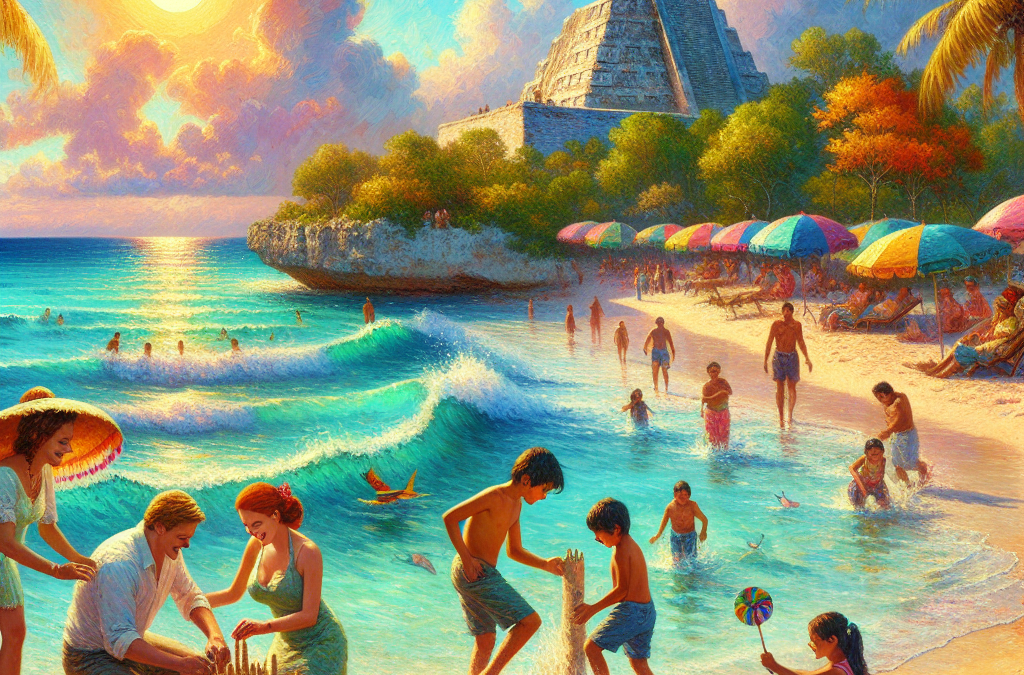
Nestled amid the turquoise waters of the Caribbean, Cozumel isn’t just a tropical paradise for sun-soaked tourists; it’s also home to echoes of an ancient civilization that once thrived on the Yucatan Peninsula. The Mayan temples of Cozumel, while perhaps less famous than their counterparts on the mainland, offer an intriguing glimpse into a world where rituals and reverence intertwined with daily life.
One of the most significant sites is San Gervasio, the largest archaeological site on the island. Once a bustling religious center dedicated to the goddess Ix Chel, the Mayan deity of love and fertility, San Gervasio draws visitors not only for its historical significance but for the sheer beauty of its surroundings. Imagine stepping into a landscape where stone structures—some adorned with intricate carvings and glyphs—stand resolute against the test of time, all while the scent of sea breeze invigorates the air. You can almost hear the whispers of the past as you stroll through the remnants of platforms, altars, and the sacred sites where offerings were made to ensure bountiful harvests and safe journeys across the waves.
Then there’s the much smaller but equally captivating site of El Caracol, a temple that highlights the remarkable architectural prowess of the Maya. This structure, with its circular base and elevated platform, served not only as a religious center but also as an astronomical observatory. The Maya had an impressive understanding of celestial movements, and El Caracol was likely used to track the cycles of stars and planets, linking the cosmos to earthbound existence. Standing there, it’s awe-inspiring to think about the live discussions that took place beneath the stars, minds contemplating their place in this vast universe.
The journey to explore these ancient marvels isn’t merely about checking off tourist destinations. It’s about standing where history was made, where beliefs were molded, and where a vibrant culture once flourished. The Mayan temples of Cozumel remind us that beneath the sunlit allure of today’s resort-engulfed island lies a profound legacy—the whispers of a civilization that understood the rhythm of nature, the beauty of community, and the sacredness of existence. Each stone bears witness to ingenuity, devotion, and the enduring quest for meaning that stretches far beyond the sands of time. So, when you find yourself wandering the temple ruins, take a deep breath and absorb the weight of what lies beneath—the stories, the sacrifices, and the spirit of the Maya still echoing through the ages.

What Are the Mayan Temples Of Cozumel?
What Are the Mayan Temples Of Cozumel?
- Cozumel is a tropical paradise with significant Mayan temple ruins, offering a glimpse into ancient civilization.
- San Gervasio is the largest archaeological site on the island, dedicated to the goddess Ix Chel, symbolizing love and fertility.
- The site features stone structures adorned with intricate carvings and glyphs, set in a beautiful landscape.
- Visitors can experience the historical significance and natural beauty while walking through platforms, altars, and sacred sites.
- El Caracol is a smaller temple known for its circular base and elevated platform, serving as a religious center and astronomical observatory.
- The Maya used El Caracol to track celestial movements, linking their beliefs to the cosmos.
- Exploring these temples offers insight into the Maya’s understanding of nature, community, and existence, echoing their profound legacy.

What Are the Mayan Temples Of Cozumel?
Table Of Contents
- What Are the Mayan Temples Of Cozumel?
- Is El Caracol a Mayan Temple on Cozumel?
- Is El Cedral a Mayan Temple on Cozumel?
- Is San Gervasio a Mayan Temple on Cozumel?
- Is Ix Chel a Mayan Temple on Cozumel?
- What Is The History Of The Mayan Temples In Cozumel?
- What Are The Key Features Of The Mayan Temples In Cozumel?
- How Can I Access The Mayan Temples on Cozumel?
- Conclusion
- Other Resources
- Glossary Of Terms
- Other Questions
- Haiku
- Poem
- Checklist
Is El Caracol a Mayan Temple on Cozumel?
Ah, El Caracol—a site that beckons travelers and history buffs alike with its mysterious allure and intriguing backstory. Nestled in the lush jungles of Cozumel, this structure has long been the subject of speculation and debate. Is it merely a picturesque ruin, or does it hold the keys to understanding the Mayan civilization’s astronomical prowess? Let’s crank up the curiosity and dive into what makes this place an enduring enigma.
Prima facie, the structure bursts with charm. Built back in the day when Mayan civilization was thriving, El Caracol boasts a unique circular shape that sets it apart from its rectangular neighbors. The name “El Caracol” translates to “the snail,” and it couldn’t be more fitting. Its spiraling architecture invokes thoughts of nature’s own designs, echoing the beautiful chaos of the world around it. Some interpretations suggest that the rounded structure fits under the banner of ritual significance, while others point to its utility in the Mayans’ astrophysical studies.
Now, here’s where things get even more fascinating. Many archaeologists posit that El Caracol was used as an observatory. Yes, you read that right! Beyond being a pretty pile of rocks, it appears the Mayans harnessed this structure to track celestial occurrences. Picture this: skilled astronomers perched on their snazzy stone perch, mapping the footsteps of constellations, predicting seasonal changes, and time-keeping long before watches were a thing. Now, that’s impressive, and it cements El Caracol as a possible center for scientific inquiry in the ancient world.
But wait—don’t get too comfortable with that neat little package of facts. There’s a warren of theories that can make your head spin faster than a telescope on a starry night. While some call it a temple, others label it an observatory, and then there are those who see it as a ceremonial space, ripe with opportunities for rituals. All this ambiguity only increases El Caracol’s charm, drawing in those with a thirst for understanding.
So, is El Caracol a Mayan temple? Perhaps it’s a bit of this and a whole lot of that— a beacon of ancient wisdom that invites you to ponder the intersection of faith, science, and nature. Grab your explorer’s hat, because to unlock the mysteries of El Caracol, you might just need a healthy mix of imagination, reverence, and a touch of skepticism. It’s all part of the journey.

Is El Caracol a Mayan Temple on Cozumel?
Is El Caracol a Mayan Temple on Cozumel?
- El Caracol is a captivating site in the jungles of Cozumel, intriguing travelers and historians.
- The structure has a unique circular shape, distinguishing it from other rectangular Mayan buildings.
- “El Caracol” translates to “the snail,” reflecting its spiraling architecture, reminiscent of nature.
- Some theories suggest it served a ritual purpose, while others propose it was used for astronomical studies.
- It is believed that El Caracol functioned as an observatory for tracking celestial events and seasonal changes.
- The ambiguity surrounding its purpose—temple, observatory, or ceremonial space—enhances its allure.
- Visitors are encouraged to explore the intersection of faith, science, and nature at El Caracol.
Is El Caracol a Mayan Temple on Cozumel?
Is El Cedral a Mayan Temple on Cozumel?
When you hear the word “temple,” visions of grandiose stone structures, intricately carved statues, and a sense of ancient mystery come to mind. Yet, in the case of El Cedral on the island of Cozumel, the picture is a bit more complicated. It’s easy to jump to conclusions that a small site tucked away in a lush expanse of tropical foliage could be a Mayan temple. After all, this was once a thriving hub of the ancient Maya civilization, known for its astronomical prowess and elaborate stonework. But what’s the truth about El Cedral?
First things first: El Cedral is a peculiar little site, boasting the remnants of various structures, including a small shrine. Visitors, armed with cameras and a thirst for intriguing history, often wander through this underappreciated landmark, marveling at what might have once stood as a place of worship. The quaintness of the site, surrounded by palm trees and the distant sound of the Caribbean waves, undeniably adds a backdrop of enchantment. But let’s be real—while it has a certain charm, calling El Cedral a full-fledged Mayan temple might be stretching it a bit.
The archaeological evidence suggests that this site was a significant center for the Maya, but it doesn’t possess the elaborate embellishments or grandiosity of other temples found on the mainland or even other parts of Cozumel. Instead, think of El Cedral more as a community gathering point—a place where the Maya came together to conduct rituals, celebrate cycles, and perhaps engage in some lively debates about crops or calamities.
In fact, many locals would tell you that El Cedral represents the spirit of resilience and community rather than a grand display of religious architecture. Researchers have uncovered various artifacts hinting at ritualistic practices, so while it might not fit the traditional description of a temple, it certainly served as a sacred space in its own right.
El Cedral may not tower over the landscape like its more illustrious counterparts, but it holds its own special significance in the mosaic of Mayan history. So, is it a Mayan temple? Not exactly. But it’s a beautiful reminder of a culture that once flourished, offering a unique glimpse into a world both ancient and remarkably enduring.
Is El Cedral a Mayan Temple on Cozumel?
Is El Cedral a Mayan Temple on Cozumel?
- El Cedral is located on the island of Cozumel and represents a complex history rather than a typical grand temple.
- The site contains various structures, including a small shrine, and attracts visitors interested in Mayan history.
- Despite its charm and enchanting surroundings, describing El Cedral as a full-fledged Mayan temple may be misleading.
- Archaeological evidence indicates that El Cedral was an important community gathering point for the Maya.
- The site served as a location for rituals, celebrations, and community discussions rather than a grand religious center.
- Local insights emphasize El Cedral’s representation of resilience and community spirit over architectural grandeur.
- While not a traditional temple, El Cedral offers valuable glimpses into Mayan culture and history.
Is El Cedral a Mayan Temple on Cozumel?
Is San Gervasio a Mayan Temple on Cozumel?
Ah, San Gervasio—an archaeological site tucked away in the lush heart of Cozumel, where ancient stones whisper the secrets of a civilization that thrived long before smartphones and selfies. Often labeled as a Mayan temple, this site beckons intrepid travelers with its mix of history, spirituality, and a certain rugged charm that absolutely screams “adventure.” But let’s take a closer look. Is it really a temple, or simply a slice of Mayan everyday life?
First off, San Gervasio served as a vital hub for the Mayans, particularly for those worshiping the goddess Ix Chel, the deity of love, fertility, and medicine. It’s not just a temple, folks; it’s more like a spiritual supermarket where all things divine came à la carte. The site is believed to have been a pilgrimage destination, drawing devotees from distant lands, eager to pay homage and seek blessings. Imagine throngs of earnest worshippers trekking through the thick jungle, guided by nothing but the distant echo of chirping cicadas and a fierce determination to connect with the divine.
That said, the term “temple” can be a bit misleading. While there are structures within San Gervasio that fit the bill—like the charmingly crumbling altars and revered shrines—there’s a lot more going on than what you might see in a picture-perfect postcard. The site boasts a series of buildings that reveal the Mayans’ intricate social fabric: homes, administrative areas, and gathering spots, all nestled in the verdant foliage. What we’re looking at here is a complex that champions community and spirituality rather than merely offering a dictionary-definition temple.
Visitors today can wander through the remnants of this captivating location, feeling the palpable aura of mystery and reverence that seems to radiate from the stones—each one a testament to the ingenuity and devotion of a long-gone people. The paths might be rough and the humidity a bit oppressive, but for those ready to embrace the adventure, they’ll discover that San Gervasio holds tales waiting to be told.
So, is San Gervasio a Mayan temple? The answer is both yes and no. It’s a site of worship but also a vibrant slice of Mayan life, rich in cultural significance. An experience not to be missed, especially if you crave a little dirt under your nails and history swirling around you like that tropical breeze.

Is San Gervasio a Mayan Temple on Cozumel?
Is San Gervasio a Mayan Temple on Cozumel?
- San Gervasio is an archaeological site located in Cozumel, rich in Mayan history.
- It served as a major hub for worship, particularly dedicated to the goddess Ix Chel, symbolizing love, fertility, and medicine.
- The site functioned as a pilgrimage destination, attracting devotees from afar seeking spiritual blessings.
- While it has temple-like structures, San Gervasio encompasses more than just a traditional temple; it represents Mayan community life.
- The archaeological complex includes homes, administrative areas, and gathering spots alongside altars and shrines.
- Visitors today can explore its remnants, experiencing the site’s mysterious and reverent atmosphere.
- San Gervasio encapsulates both worship and everyday life, making it a unique cultural experience for adventurous travelers.

Is San Gervasio a Mayan Temple on Cozumel?
Is Ix Chel a Mayan Temple on Cozumel?
Ah, the beauty of Cozumel. Crystal-clear waters, sun-soaked beaches, and a vibrant coral reef that makes even the most jaded snorkeler feel like they’ve stepped into an aquatic wonderland. But just beyond the sandy shores lies a piece of history that’s as captivating as the island’s natural allure—the Ix Chel Temple.
Now, before you pack your bags and grab a plane ticket, let’s clear up a common misconception: the remnants found at Ix Chel are indeed linked to the Mayan civilization, specifically to the goddess of love, fertility, and medicine. But is it truly a temple in the traditional sense? Well, the answer is a little more nuanced than a simple yes or no.
When you wander over to the Ix Chel site on Cozumel, you’re met with crumbling stone structures that have stood the test of time—more than just relics of a bygone era, they offer a window into the spiritual life of the Mayans. These ruins are believed to be a center of worship for the goddess Ix Chel, attracting pilgrims and practitioners long ago. Picture it: ancient rituals, vibrant ceremonies, and a communal connection to a powerful deity that was integral to daily life. The site whispers the tales of a civilization that revered the balance of nature and humanity.
But calling it a “temple” can be a bit of a stretch. The structures are more like a complex of buildings used for various purposes, including worship and possibly residential spaces for priests and followers. In fact, the site reveals itself as a small yet vibrant hub of activity rather than a grand temple akin to those you might find in Guatemala or Mexico’s mainland.
What truly stands out at Ix Chel is not just its historical significance but also its location. Nestled on the eastern side of Cozumel, facing the relentless waves of the Caribbean, it’s a breathtaking view that adds a spiritual dimension to your visit. It’s a reminder that nature isn’t just a backdrop; it’s intertwined with the stories of our ancestors.
So, while Ix Chel might not fit the mold of your typical Mayan temple, it’s undoubtedly a sacred site worth exploring. Whether you’re an avid history buff, a casual traveler, or an adventurer looking to connect with something deeper, the touch of the past at Ix Chel is palpable, making it a must-see on your Cozumel itinerary. After all, history isn’t just about places; it’s about the stories they continue to tell.

Is Ix Chel a Mayan Temple on Cozumel?
Is Ix Chel a Mayan Temple on Cozumel?
- Cozumel is known for its stunning crystal-clear waters and vibrant coral reefs.
- Ix Chel Temple is linked to the Mayan civilization and the goddess of love, fertility, and medicine.
- The site features crumbling stone structures that reflect the spiritual life of the Mayans.
- Ix Chel served as a center of worship for ancient rituals and was a communal space for devotees.
- The location on the eastern side of Cozumel offers breathtaking views of the Caribbean.
- While not a traditional temple, Ix Chel is a significant sacred site worth visiting.
- Exploring Ix Chel provides a unique connection to history and the stories of our ancestors.

Is Ix Chel a Mayan Temple on Cozumel?
What Is The History Of The Mayan Temples In Cozumel?
When it comes to unraveling the history of the Mayan temples in Cozumel, you’ve got to appreciate the blend of ancient ingenuity and natural splendor that makes this island a living chronicle of a bygone era. Set against the backdrop of turquoise waters and palm-lined beaches, these temples tell a story that stretches back over a thousand years.
The Mayans were not just your average ancient civilization; they were master architects, astronomers, and mathematicians. Temples served multi-faceted purposes, from religious rituals to astronomical observations. The iconic Temple of the Goddess Ix Chel, found at the southwestern tip of Cozumel near San Gervasio, is a prime example. Dedicated to the Mayan goddess of love, fertility, and medicine, it became a significant pilgrimage site. Imagine travelers journeying from the mainland, pointing their canoes toward Cozumel, seeking blessings and guidance from this deity—this temple wasn’t just a building; it was a nexus of faith and community.
Constructed primarily in the Classic period, roughly between 250 to 900 AD, the temples showcased the Mayan knack for leveraging local materials. The stone blocks, finely carved and often lightly embellished with intricate bas-reliefs, still speak volumes about the artisans who shaped them. They point to a civilization with a sophisticated understanding of their environment, creating lasting structures that have endured hurricanes and centuries of wear.
But let’s not skip the role of Cozumel as a commercial hub. As an important port in ancient trade routes, the island facilitated exchanges that weren’t merely goods, but ideas, culture, and belief systems. The temple precincts attracted traders and pilgrims alike. The spirituality interwoven with commerce exemplified the Mayan worldview—everything was interconnected.
However, the story doesn’t end with the arrival of the Spanish in the 16th century. The temples faced neglect and deterioration, but they did not vanish into obscurity. Modern archeological efforts have breathed new life into these historical sites. Today, they serve as a testament to a resilient culture that embraced innovation while being deeply rooted in spirituality.
So, as you wander through the remnants of these magnificent structures, remember: you’re not just standing in the shadows of stone; you’re tracing the footprints of a vibrant civilization that flourished on the shores of Cozumel long ago. The Mayan temples are more than relics; they are storytellers, whispering the tales of a people who once thrived in harmony with the land and the sea.

What Is The History Of The Mayan Temples In Cozumel?
What Is The History Of The Mayan Temples In Cozumel?
- The Mayan temples in Cozumel blend ancient ingenuity with natural beauty, reflecting a rich history over a thousand years.
- The Mayans were exceptional architects, astronomers, and mathematicians, using temples for religious rituals and astronomical observations.
- The Temple of the Goddess Ix Chel, dedicated to love, fertility, and medicine, served as a significant pilgrimage site for travelers from the mainland.
- Constructed between 250 to 900 AD, the temples exemplify the Mayans’ use of local materials and skilled craftsmanship, showcasing intricate bas-reliefs.
- Cozumel was a crucial commercial hub, facilitating trade that included ideas and culture, with temples serving as focal points for traders and pilgrims.
- Despite facing neglect after the Spanish arrival in the 16th century, modern archaeological efforts have revitalized these historical sites.
- The Mayan temples symbolize a resilient culture that balanced innovation with deep spirituality, telling tales of a vibrant civilization that once thrived in Cozumel.
What Is The History Of The Mayan Temples In Cozumel?
What Are The Key Features Of The Mayan Temples In Cozumel?
Nestled amid the wild, vibrant landscapes of Cozumel lie the remnants of the ancient civilization that once thrived on this island: the Mayans. Renowned for their impressive architectural feats, Mayan temples in Cozumel showcase a blend of ingenuity and reverence for the cosmos that is nothing short of remarkable.
One of the most striking features of these temples is their strategic placement. Built on elevated terrain, they offer panoramic views of the surrounding landscape. This wasn’t mere coincidence; the Mayans were adept at understanding geography and its significance. Temples like the one at San Gervasio serve as testaments to this skill, strategically positioned near waterways – crucial for trade and sustenance. The views may have also held spiritual significance, linking their sacred spaces to the heavens.
Next up is the construction itself. Mayan architecture is characterized by its use of local limestone, which was quarried and skillfully carved. The buildings exhibit striking flat roofs and expansive stairways, creating a monumental presence that still captivates today. Often adorned with intricate carvings and stucco, these structures told stories that celebrated their gods, significant events, and their connection to the universe. The Temple of the Inscriptions, for instance, which features detailed hieroglyphics, serves both as a ceremonial site and a historical record encapsulating the beliefs and legacy of the Mayan people.
Another defining aspect is the ceremonial plazas that surround these temples. These open spaces were the heart of Mayan life, where rituals and gatherings took place. Imagine the vibrant colors of traditional attire, the swirling smoke of incense, and the echo of drums as the ancient community engaged in their spiritual practices. Each plaza was designed not just for functionality but as sacred ground, enhancing the overall temple experience with a sense of unity and reverence.
Lastly, let’s not overlook the role of astronomy in these architectural wonders. The Mayans were star-gazers, aligning their temples and observing celestial bodies. Structures were often oriented to mark solstices and equinoxes, showcasing their intricate knowledge of the universe’s patterns. The alignment was more than a technical feat; it reinforced their connection to the cosmos and the divine.
In sum, the key features of the Mayan temples in Cozumel – from their strategic locations and monumental construction to their ceremonial plazas and celestial alignments – weave a rich tapestry of history, spirituality, and architectural brilliance. They invite us to ponder the mysteries of a civilization that once thrived, leaving behind echoes of its grandeur for future generations to discover.
What Are The Key Features Of The Mayan Temples In Cozumel?
What Are The Key Features Of The Mayan Temples In Cozumel?
- The remains of the ancient Mayan civilization in Cozumel are notable for their impressive architectural achievements.
- Mayan temples are strategically placed on elevated terrain, providing panoramic views and linking sacred spaces to the cosmos.
- Temples such as San Gervasio are positioned near vital waterways, illustrating the Mayans’ understanding of geography and trade.
- Mayan architecture features local limestone, flat roofs, expansive stairways, and intricate carvings that narrate their stories and beliefs.
- The Temple of the Inscriptions serves as both a ceremonial and historical site, encapsulating the Mayan legacy through detailed hieroglyphics.
- Ceremonial plazas surrounding the temples were vibrant centers for rituals and gatherings, enhancing the spiritual experience.
- The Mayans aligned their temples with celestial bodies, demonstrating their advanced understanding of astronomy and its connection to the divine.
What Are The Key Features Of The Mayan Temples In Cozumel?
How Can I Access The Mayan Temples on Cozumel?
When you think of Cozumel, sandy beaches and crystal-clear waters probably come to mind, but tucked away among the palm trees lies a treasure steeped in history—the ancient Mayan temples. Getting there isn’t just about hopping on a tour bus and calling it a day; it’s about immersing yourself in the process, digging a little deeper into the island’s rich cultural fabric.
First things first, your adventure begins with the ferry ride from the mainland. A 45-minute journey across the turquoise waves of the Caribbean will set the stage for your exploration. If you’ve ever gotten a whiff of salt air and felt that rush of excitement, you get the picture. Once aboard, make sure to grab a seat on the upper deck—trust me, that view is worth the wind in your hair as you approach this island paradise.
Once you land, you’re officially in the realm of the ancients. The key to accessing the Mayan temples is to plan your approach. Two primary archaeological sites beckon: San Gervasio and El Caracol. San Gervasio is the more accessible choice; it’s located right in the heart of Cozumel and offers a well-maintained path that winds through the jungle. As you walk, you’ll see remnants of temples and altars that speak to a civilization that once thrived here. Don’t rush—each stone has a story, and it’s worth taking the time to absorb the atmosphere.
If you’re feeling a bit more adventurous, El Caracol, located further afield, is an option too. Getting there may require a rental car or a guided tour, but the journey through Cozumel’s lush landscapes and quaint towns makes it all worth it. Once you arrive, you might find yourself marveling at the structures that stand like sentinels over the island’s history.
In terms of logistics, entrance fees vary, so be sure to have some pesos handy. Guided tours can also enhance your visit; they not only provide context about the temples but also amplify the awe you’ll feel when you realize what you’re standing in front of.
So, if you’re looking to experience history in a way that’s not just educational but downright transformative, the Mayan temples of Cozumel are calling. Pack your sense of adventure, and don’t forget your camera—you’ll want to capture more than just the view.

How Can I Access The Mayan Temples on Cozumel?
How Can I Access The Mayan Temples on Cozumel?
- Cozumel is known for sandy beaches and crystal-clear waters, but it also has ancient Mayan temples hidden among the palm trees.
- The adventure starts with a 45-minute ferry ride from the mainland, offering picturesque views of the Caribbean.
- Once on the island, visitors can explore key archaeological sites: San Gervasio and El Caracol.
- San Gervasio is easily accessible, featuring a well-maintained jungle path with remnants of Mayan culture.
- El Caracol is a more adventurous option, requiring a rental car or guided tour through beautiful landscapes.
- Entrance fees vary, so carry pesos; guided tours enhance the experience by providing deeper context.
- The Mayan temples offer a transformative historical experience, so bring a camera to capture the moments.
How Can I Access The Mayan Temples on Cozumel?
Conclusion
Ah, the Mayan temples of Cozumel—age-old stones steeped in history, culture, and a dash of adventure. You might think this tropical island is all about sun, sand, and surf, but there’s a deeper narrative beneath that glistening surface, echoing tales of an ancient civilization that danced with the cosmos and revered nature. Picture it: a time when the Mayans thrived, adorning their sacred spaces with intricate carvings and holding ceremonies that tied them to both the earth and the heavens.
Let’s start with San Gervasio, the crown jewel of these archaeological wonders. This isn’t just a patch of ancient ruins; it was once a bustling hub of spirituality dedicated to Ix Chel, the goddess of love and fertility. As you wander through its remnants, you can almost feel the devotion of pilgrims who once traversed the thick jungle, driven by the hope of blessings and guidance wrapped in rituals. Each weathered stone is a testament to their courage and faith, whispering stories of a community connected by reverence and shared belief.
Then there’s El Caracol, a haven for star-gazers. With its unique circular design, it stands out as a blend of astronomical observatory and ceremonial space. Just think about it: ancient Maya contemplating celestial movements, marrying their understanding of the universe with their everyday lives. It’s mind-boggling and awe-inspiring, serving as a gift that reminds us of the brilliance and curiosity of this formidable civilization.
Of course, we can’t overlook El Cedral, a more quaint yet equally significant site that showcases the spirit of a community engaged in spirited discussions, rituals, and resilience. It may lack the grandeur of other temples, but its essence lies in the heartbeats of those who gathered within its walls.
And while Ix Chel may not fit the traditional mold of a temple, its sacred grounds connect us with a profound appreciation of the Mayan worldview, deeply rooted in nature and communal life. This is where the past collides with the present—a vibrant pulse echoing through time.
So, when you find yourself wandering these remnants in Cozumel, take a moment to breathe it all in. It’s not just about the stunning views or photo ops; it’s about immersing yourself in the rich legacy of the Maya—a culture that understood their place in the universe and the importance of community. In the end, these temples are more than just structures; they are lifelines to a history that urges us to listen, reflect, and honor a civilization that thrived, struggled, and ultimately intertwined with the rhythms of nature. So, grab your explorer’s hat, because the stories waiting for you among these ruins are as boundless as the Caribbean itself. They invite us to think, to dream, and to appreciate the enduring spirit of the ancient Maya that still whispers to us through the ages.

Conclusion
Conclusion:
- The Mayan temples of Cozumel are rich in history, culture, and adventure.
- San Gervasio was a bustling spiritual hub dedicated to Ix Chel, the goddess of love and fertility.
- El Caracol served as an astronomical observatory, linking ancient Maya to celestial movements.
- El Cedral showcases the community spirit and resilience of the Mayan people.
- Ix Chel’s sacred grounds reflect the Mayan worldview, emphasizing nature and community.
- Visitors are encouraged to immerse in the rich legacy of the Maya beyond just the visual allure.
- The temples represent lifelines to a vibrant history, urging reflection and appreciation of ancient Maya culture.

Conclusion
Other Resources

Other Resources
If you’re thinking about actually being in Cozumel for any of this — not just reading about it from a cold kitchen back home — a couple of our sister sites cover where to stay for the kind of trip you might be planning. Cozumel Journey is an editorial guide to Cozumel — neighborhoods, planning tips, and life on the island for travelers who want context, not a cruise schedule.
Here is a list of other resources you can review online to learn more:
- Cozumel ATV Adventure
- UltraMar
- Cozumel Jeep
- Cozumel Tours
- Liveaboard Diving
- The Money Bar Beach Club
- Beachscape Kin Ha Villas
- Cuatro Tacos Cozumel
- Yard House
- our editorial guide to the island
Use This Prompt To Get More Resources With Your Favorite Online AI Tool: Please provide me with a list of online articles with their URLs in a bulleted list that I can read regarding What Are the Mayan Temples Of Cozumel?

Other Resources
Glossary Terms
What Are the Mayan Temples Of Cozumel? – Glossary Of Terms
1. Mayan Civilization: An ancient Mesoamerican culture known for its hieroglyphic script, architecture, mathematics, and astronomical systems.
2. Cozumel: An island in the Caribbean Sea, part of Mexico, known for its rich history and archaeological sites related to the Maya.
3. Temple: A structure dedicated to religious or spiritual activities, often featuring ornate architecture and ceremonial functions.
4. Kinchnaab: A specific, less-known temple site in Cozumel, associated with Mayan ceremonies.
5. El Caracol: A former Mayan structure in Cozumel, believed to have been used for astronomical observations.
6. Palenque: An important archaeological site in Chiapas, Mexico, known for its ruins and architecture, often compared with Cozumel.
7. Tulum: A well-preserved coastal Mayan port city, showcasing similar architectural styles and religious significance as Cozumel’s temples.
8. Chichen Itza: An iconic ancient Mayan city known for its large pyramid, demonstrating the architectural prowess of the Maya.
9. Ritual: A ceremonial act or series of acts performed in a prescribed order, often held in sacred places like temples.
10. Hieroglyphs: Written symbols used by the Maya to represent words and sounds, found on temple inscriptions and artifacts.
11. Stela: An upright stone slab often carved with inscriptions or reliefs, used by the Maya to commemorate significant events or rulers.
12. Sacrifice: A religious practice involving offerings to deities, often conducted at temple sites.
13. Jaguars: Powerful animals in Mayan mythology, often associated with strength, the underworld, and the divine.
14. Cenote: A natural sinkhole that the Maya often used for water sources and religious rituals, found around some temple sites.
15. Ball Game: A ceremonial game with religious significance played by the Maya, often depicted in temple art.
16. Tzolk’in: The Maya calendar consisting of 260 days, which played a vital role in their religious and agricultural practices.
17. Codices: Ancient books made from bark paper or animal skin, containing texts on history, astronomy, and rituals.
18. Cultural Heritage: The legacy of tangible and intangible cultural elements inherited from past generations, which includes architecture, traditions, and beliefs.
19. Quetzalcoatl: A significant deity in Mesoamerican cultures, often represented as a feathered serpent, symbolizing wind and learning.
20. Architectural Style: The distinctive styles and design principles employed in constructing Mayan structures, characterized by intricate stone work and temple layouts.
21. Mesoamerica: A region that extends from central Mexico to northern Central America, home to several ancient civilizations, including the Maya.
22. Archaeology: The scientific study of past human cultures through excavation and analysis of artifacts, structures, and other physical remains.
23. Site Map: A detailed layout of an archaeological site, illustrating the locations of various temples and structures.
24. Restoration: The process of repairing and preserving ancient structures to maintain their integrity and historical significance.
25. Botanical Gardens: Areas often found near historical sites that showcase native plant life and their use in ancient Mayan culture.
26. Maya Revival: A contemporary movement aiming to celebrate and revive traditional Maya practices, language, and culture.
27. Pyramid: A monumental structure with a square or rectangular base and sloping sides, common in Mayan architecture, used for religious purposes.
28. Tourism: The activity of visiting places for enjoyment, which can impact archaeological sites through conservation needs and cultural exchange.
29. Heritage Sites: Locations recognized for their cultural significance, often protected by local and international laws for preservation.
30. Chichen: A term referring to various ancient ceremonial locations, used in the broader context of Mesoamerican cultures.

Glossary Of Terms
Other Questions
What Are the Mayan Temples Of Cozumel? – Other Questions
If you wish to explore and discover more, consider looking for answers to these questions:
- What are the main differences between the temples of Cozumel and those on the mainland?
- What is the significance of the goddess Ix Chel in Mayan culture?
- How were the Mayan temples in Cozumel constructed?
- What artifacts have been discovered at the Mayan temples in Cozumel?
- Are there any guided tours available for visiting the Mayan temples?
- What other archaeological sites are located on Cozumel?
- How did the Mayan civilization influence modern-day Cozumel?
- What are the best times of year to visit the Mayan temples in Cozumel?
- What should visitors know before exploring the Mayan temples?
- How have the Mayan temples been preserved over time?
Other Questions
Haiku
What Are the Mayan Temples Of Cozumel? – A Haiku
Mayan stones whisper
‘Neath the turquoise waters,
Time’s embrace lingers.
Haiku
Poem
What Are the Mayan Temples Of Cozumel? – A Poem
In the embrace of the Caribbean’s blue,
Where the sun kisses the land, rich and true,
Cozumel cradles secrets of a distant past,
Echoes of a civilization, steadfast.
San Gervasio, where love intertwines,
In rituals for Ix Chel, the goddess divine,
Carved stones stand, guardians of the rite,
Their whispers dance beneath the sunlight.
El Caracol rises, a spiral of dreams,
An observatory where starlight gleams,
Astronomers once traced the celestial road,
In its rounded form, wisdom bestowed.
Yet El Cedral tells a tale much softer,
A gathering point, where life would foster,
Not grand in stature, but rich in heart,
A humble tribute to the Maya’s art.
With crumbling walls and serene decay,
Ix Chel’s remnants in nature sway,
A spectrum of history in sunlit rays,
Connecting ancient spirit to modern days.
The temples of Cozumel, not mere stone,
But living testaments of culture grown,
Where the cosmos and earth in harmony weave,
Stories of devotion that still breathe.
So wander through ruins, take in the air,
Feel the pulse of the past, the love that was there,
In every stone, the Maya still thrive,
In the heart of Cozumel, their spirit alive.

Poem
Checklist
What Are the Mayan Temples Of Cozumel? – A Checklist
1. Prepare for Your Journey
_____ Research the history and significance of Mayan temples in Cozumel.
_____ Check for any seasonal weather conditions that might affect your visit.
_____ Pack appropriate clothing for exploring the temples (comfortable walking shoes, breathable fabrics).
2. Plan Your Route
_____ Arrange transportation to Cozumel (ferry from the mainland, flights, etc. ).
_____ Map out key archaeological sites to visit:
_____ San Gervasio
_____ El Caracol
_____ El Cedral
_____ Ix Chel Temple
3. Entry Preparation
_____ Set aside cash for entrance fees (pesos preferred).
_____ Consider booking a guided tour for enhanced experience and insights.
4. Explore San Gervasio
_____ Stroll through the well-maintained paths.
_____ Take your time to appreciate the remnants of altars and temples.
_____ Look for information displays to learn about the goddess Ix Chel and Mayan culture.
5. Discover El Caracol
_____ Investigate the unique circular architecture of this potential observatory.
_____ Consider bringing binoculars for stargazing or a local guide to explain the astronomical significance.
6. Visit El Cedral
_____ Respect the smaller but culturally rich site.
_____ Be on the lookout for artifacts hinting at the rituals conducted here.
7. Unveil Ix Chel Temple
_____ Take in the beautiful coastal views while exploring the temple ruins.
_____ Reflect on the rituals once held in devotion to the goddess of love and fertility.
8. Experience the Atmosphere
_____ Take a moment at each site to listen to the sounds of nature.
_____ Reflect on the ancient civilization that flourished in this region.
9. Capture Your Memories
_____ Bring a camera for photos—capture the intricate stonework and surrounding landscapes.
_____ Keep a travel journal to jot down thoughts and observations during your visit.
10. Respect the Sites
_____ Follow all posted guidelines to preserve these historical treasures.
_____ Leave no trace—pack out any trash or belongings.
Use this checklist to enhance your exploration of Cozumel’s ancient Mayan temples, ensuring a thoughtful and immersive experience as you uncover the mysteries of the past! Enjoy your adventure!
Checklist
At TopCozumelNews, we help travelers enjoy Cozumel by collating information learned from frequently traveling to beautiful Cozumel.
Be sure to read our other related stories at TopCozumelNews to learn more about the Island of Cozumel.