An Overview Of Hammerhead Sharks That May Be Found In the Waters Around Cozumel
By Tom Seest
At TopCozumelNews, we help travelers enjoy Cozumel by collating information learned from frequently traveling to beautiful Cozumel.
Be sure to read our other related stories at TopCozumelNews to learn more about the Island of Cozumel.
Are Hammerhead Sharks Found In the Waters Around Cozumel?
When you think of the vibrant underwater world surrounding Cozumel, you might envision colorful coral reefs and schools of tropical fish darting through the blue. But lurking in these waters, with their unmistakable head shapes and impressive presence, are the hammerhead sharks—an iconic and awe-inspiring species that add drama to the ocean’s narrative.
Hammerhead sharks are more than just a pretty face in the world of marine life. They are the stuff of legends, known for their distinctively flattened heads, which resemble a hammer, granting them better visibility and a unique swimming technique. So, you might be wondering: do these fascinating creatures venture into the waters around Cozumel?
The short answer is: yes, they do! Cozumel is known for its rich marine biodiversity, which includes a variety of shark species, and the hammerhead is definitely on the guest list. Particularly during the cooler months, these sharks are known to migrate to the warmer Caribbean waters, making their presence felt in this idyllic diving and snorkeling paradise. The island acts as a significant migration corridor for hammerhead sharks, drawing them in to hunt and socialize in the nutrient-rich currents.
The waters around Cozumel are not only home to the great hammerhead but also the smaller species, such as the scalloped hammerhead. Divers and snorkelers flock to sites like Palancar Reef and Columbia Reef, hoping to catch a glimpse of these majestic creatures in their natural habitat. It’s not uncommon for fortunate visitors to encounter schools of hammerheads, swimming majestically through the blue depths—a sight that leaves a lasting impression and a sprinkle of thrill.
Despite their fearsome reputation, hammerhead sharks are not the monsters of the deep many might imagine. Like all sharks, they are essential to the health of ocean ecosystems, helping to maintain balance by controlling fish populations. Their presence is often an indicator of a healthy marine environment. However, they face threats from overfishing and habitat loss, underscoring the importance of marine conservation efforts in maintaining the delicate ecological balance in places like Cozumel.
So, if you find yourself in these azure waters, keep an eye out beneath the waves. You may just spot a hammerhead gliding effortlessly through the depths, a magnificent testament to the wonders of the ocean, reminding us of both the beauty and fragility of marine life.

Are Hammerhead Sharks Found In the Waters Around Cozumel?
Are Hammerhead Sharks Found In the Waters Around Cozumel?
- The waters around Cozumel are home to vibrant marine life, including iconic hammerhead sharks.
- Hammerhead sharks have distinctively flattened heads, enhancing their visibility and swimming abilities.
- Cozumel serves as a migration corridor for hammerhead sharks, particularly during cooler months.
- Both great hammerheads and smaller scalloped hammerheads can be found around Cozumel.
- Diving hotspots like Palancar Reef and Columbia Reef provide opportunities to see hammerheads in their natural habitat.
- Despite their fearsome reputation, hammerhead sharks are vital for maintaining ocean ecosystem balance.
- Threats from overfishing and habitat loss emphasize the need for marine conservation efforts in Cozumel.

Are Hammerhead Sharks Found In the Waters Around Cozumel?
Table Of Contents
- Are Hammerhead Sharks Found In the Waters Around Cozumel?
- Are Hammerhead Sharks Found Around Cozumel?
- What Do Hammerhead Sharks Look Like Around Cozumel?
- How Big Do Bull Sharks Get Around Cozumel?
- How Big Do Hammerhead Sharks Get Around Cozumel?
- What Is The Habitat Of Hammerhead Sharks Around Cozumel?
- Do Hammerhead Sharks Attack Humans Around Cozumel?
- How to Respond to Hammerhead Shark Attacks Around Cozumel?
- Are There Tips For People That Encounter Hammerhead Sharks Near Cozumel?
- Conclusion
- Other Resources
- Glossary Of Terms
- Other Questions
- Haiku
- Poem
- Checklist
Are Hammerhead Sharks Found Around Cozumel?
Cozumel, with its crystalline waters and vibrant marine ecosystems, is a haven for divers and snorkelers alike. Among the many wonders lurking beneath the surface, one creature in particular sparks intrigue and excitement: the hammerhead shark. Known for its distinctive flattened head and inquisitive nature, this apex predator captures the imagination and stirs the curiosity of ocean lovers around the globe. But the burning question remains—are hammerhead sharks truly found around Cozumel?
The short answer is yes, they do make occasional appearances in these waters. However, hammerheads are not as common as one might hope. On the whole, the waters around Cozumel are frequented by a variety of shark species, but hammerheads tend to be more elusive. The Caribbean Sea offers a tapestry of habitats, and while some areas might serve as prime hunting grounds for hammerheads, others might not present the ideal conditions they favor.
Hammerheads are often spotted during certain times of the year when migrations occur, particularly around the full moon. This is when they may venture closer to reefs and drop-offs, lured by the promise of a bountiful meal. Divers hoping to catch a glimpse should be prepared to explore deeper sites, particularly around the southern tips of the island, where currents and underwater topography can create favorable hunting conditions for these inquisitive sharks.
One of the most spectacular locations for potential sightings is near the famous “Devil’s Throat” dive site. Here, divers often report thrilling encounters with not just hammerheads, but a whole host of other pelagic fish on the prowl. Keep in mind, though, that they are not performers in a show; their appearances can be unpredictable. Patience is key, and understanding that nature doesn’t always cooperate is part of the adventure.
While divers often yearn for a hammerhead sighting, it’s essential to appreciate the entire ecosystem of Cozumel. From the colorful coral reefs to the myriad of fish species, each dive offers a unique window into the ocean’s beauty. So, while the hammerhead might elude you on your visit, remember that the real treasure lies in the experience itself. Whether it’s sharing the reef with a friendly turtle, gliding alongside a school of fish, or simply absorbing the underwater theater, Cozumel’s waters have something remarkable in store for everyone willing to dive deep.

Are Hammerhead Sharks Found Around Cozumel?
Are Hammerhead Sharks Found Around Cozumel?
- Cozumel is renowned for its clear waters and rich marine life, attracting divers and snorkelers.
- The hammerhead shark, characterized by its unique flattened head, is a fascinating apex predator.
- Hammerhead sharks are present in Cozumel’s waters, but sightings are infrequent.
- Various shark species are found in the area, but hammerhead sharks tend to be elusive.
- They are often sighted during certain times of the year, especially around the full moon.
- The “Devil’s Throat” dive site is a popular spot for potential hammerhead encounters.
- Appreciating Cozumel’s diverse ecosystem is essential, even if hammerhead sightings are rare.

Are Hammerhead Sharks Found Around Cozumel?
What Do Hammerhead Sharks Look Like Around Cozumel?
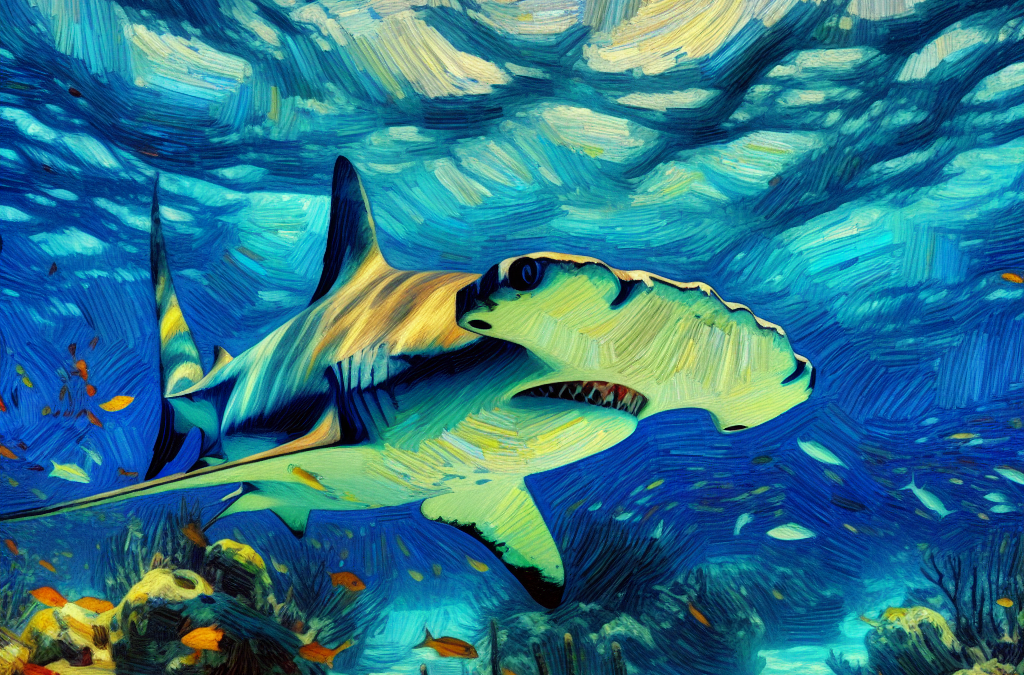
When you dive into the cerulean waters surrounding Cozumel, one of the first enchanting sights you might encounter is the majestic hammerhead shark. With their distinctively flattened heads resembling a hammer (hence the name), these incredible creatures exhibit not only a striking appearance but also a fascinating form that showcases nature’s engineering prowess.
The most prominent feature of the hammerhead is, of course, its wide, lateral head, which extends out to either side. This unusual shape gives them an almost cartoonish appearance, but make no mistake—these sharks are formidable predators. Their “hammer” is not just for show; it’s packed with sensory receptors that help them detect electric fields created by potential prey swimming in the vicinity. This means while they may look quirky, they are finely tuned hunting machines.
Around Cozumel, you’re likely to spot two primary species: the great hammerhead and the scalloped hammerhead. The great hammerhead can grow quite large, reaching lengths of up to 20 feet, making it the largest of the hammerhead species. They boast a tall dorsal fin that adds to their striking silhouette gliding through the water. The scalloped hammerhead, on the other hand, tends to be a little more modest in size, typically maxing out around 14 feet. What distinguishes the scalloped variety is the unique indentations along the top of their hammer, which gives them a scalloped appearance.
Both species exhibit a beautiful range of colors. Their bodies are generally a soft, grayish-brown that provides excellent camouflage against the sandy ocean floor or among the colorful coral reefs below. This stealthy coloration, paired with the graceful, flowing movements of their bodies, makes them a sight to behold—like a ghostly shadow drifting through the sunlight-dappled depths.
Encounters with hammerheads in Cozumel can happen in various settings, from schools of these fascinating creatures gracefully cruising through the deep blue abyss to solitary figures patrolling the reefs. Their social nature often leads to schools of several individuals, creating a stunning spectacle as they maneuver in synchrony.
So, when you embark on your underwater adventure around Cozumel, keep your eyes peeled for these incredible creatures. Witnessing a hammerhead shark in its natural habitat is not just an encounter; it’s a brush with wonder, a reminder of the beauty and diversity that thrives beneath the waves. Just don’t forget your underwater camera—this is one sight worth capturing!

What Do Hammerhead Sharks Look Like Around Cozumel?
What Do Hammerhead Sharks Look Like Around Cozumel?
- The hammerhead shark is commonly seen in the cerulean waters around Cozumel.
- Prominent for its distinctive flattened “hammer” head, which aids in detecting prey.
- Two main species in Cozumel: the great hammerhead and the scalloped hammerhead.
- The great hammerhead can reach lengths of up to 20 feet and has a tall dorsal fin.
- The scalloped hammerhead is smaller, typically maxing out at around 14 feet.
- Both species have soft, grayish-brown bodies that provide excellent camouflage.
- Encounters with hammerheads can vary from solitary observations to schools swimming together in synchrony.

What Do Hammerhead Sharks Look Like Around Cozumel?
How Big Do Bull Sharks Get Around Cozumel?
When it comes to measuring the size of bull sharks in the crystal-clear waters around Cozumel, you’re looking at some serious stats—especially if you’re one to measure thrills in inches rather than just inches on a tape. Bull sharks, known scientifically as Carcharhinus leucas, are not just another fish in the sea; they’re the sleek gladiators of the underwater world, marking their territory with a robust presence.
Typically, adult bull sharks can grow to lengths of about 7 to 11 feet, and let me tell you, when you’re face to face with one, that length translates to a serious dose of respect. They can weigh anywhere from 200 to 500 pounds, and with that kind of mass and muscle cruising through the waves, you better have a solid understanding of ocean etiquette. Cozumel’s waters serve as a breeding ground and a prime hunting ground for these magnificent creatures, creating a perfect backdrop for some truly breathtaking encounters.
Now, you might ask, why the bull shark? It’s not just their size that turns heads; it’s their adaptability and tenacity that make them one of the most intriguing species in the ocean. They can swim in both salt and freshwater and are known to venture into rivers—making them one of the few sharks that can claim to have a foot in both worlds. So, when you’re wandering along the reefs of Cozumel, don’t be surprised if a bull shark weighs anchor near you.
Another fascinating aspect of these sharks is their robust and stocky physiques, featuring blunt snouts and powerful jaws—ideal for a diet of rays, fish, and the occasional unlucky turtle. Their coloration typically ranges from grayish to brown on top with a white underbelly, providing superior camouflage against both prey and predators. In the vibrant tapestry of Cozumel’s underwater life, these colorations make bull sharks not just a species of interest, but a thrilling sight for divers eager to interact with the ocean’s heavyweights.
So, if you find yourself snorkeling or diving in Cozumel, keep your eyes peeled. When a bull shark glides by, it’s not just another fish in the sea—it’s a majestic powerhouse, reminding us of the raw beauty and mystery of the ocean. And in case you were wondering, yes, size does matter when it comes to the wonders that lurk beneath the waves.

How Big Do Bull Sharks Get Around Cozumel?
How Big Do Bull Sharks Get Around Cozumel?
- Adult bull sharks can grow to lengths of about 7 to 11 feet.
- They typically weigh between 200 to 500 pounds, demanding respect in the water.
- Cozumel’s waters are a breeding and hunting ground for bull sharks.
- Bull sharks are known for their adaptability, swimming in both salt and freshwater.
- Their robust physiques feature blunt snouts and powerful jaws for hunting.
- Coloration ranges from grayish to brown on top with a white underbelly for camouflage.
- They provide thrilling encounters for divers and snorkelers in Cozumel’s vibrant underwater life.

How Big Do Bull Sharks Get Around Cozumel?
How Big Do Hammerhead Sharks Get Around Cozumel?
When you think of the deep blue waters surrounding Cozumel, visions of vibrant coral reefs and kaleidoscopic marine life may dance in your head. But lurking beneath those waves, in the murky depths where sunlight struggles to penetrate, are some of the ocean’s most magnificent and misunderstood predators: hammerhead sharks. And let me tell you, when it comes to size, these fish don’t mess around.
There are several species of hammerhead sharks, but the Great Hammerhead (Sphyrna mokarran) is the one that draws the most attention, especially around the reefs of Cozumel. The Great Hammerheads can reach sizes of up to 20 feet in length! Imagine that for a moment – a creature that’s longer than a small car, all swimming gracefully through the water like it owns the place. These sharks are the heavyweight champions of the family, with an impressive wingspan that’s as intimidating as it is awe-inspiring.
But it’s not just about the length; it’s about the sheer, muscular bulk of these creatures. While the average length of a Great Hammerhead tends to hover around 13 to 16 feet, individuals exceeding 18 feet have been recorded. And I promise you, when you’re scuba diving and one of these magnificent beasts glides into view, you realize there’s a reason they command respect in their underwater realm. With bodies built for speed, adapted to hunt, and equipped with that uniquely shaped head—the “hammer”—these sharks are visual marvels that also serve a vital role in maintaining the ecological balance of their habitat.
While the Great Hammerhead steals the spotlight, the Scalloped Hammerhead is no slouch either. Typically smaller, adults average around 10 to 12 feet. They often travel in schools, a behavior that adds a sense of mystique as they move in unison, their distinctive heads creating a stunning underwater ballet.
In Cozumel’s waters, you might encounter these awe-inspiring giants year-round, but they are particularly prevalent during the spring and summer months when they gather near the depths, feeding on schools of fish—think of them as elite oceanic predators going after an all-you-can-eat buffet.
So, when you dive into the azure depths around Cozumel, keep your eyes peeled. You never know when a hammerhead might make its grand entrance, reminding you of the raw beauty and power that lies beneath the surface of our oceans. And trust me, it’s a sight you won’t soon forget.

How Big Do Hammerhead Sharks Get Around Cozumel?
How Big Do Hammerhead Sharks Get Around Cozumel?
- Cozumel is surrounded by deep blue waters, home to vibrant coral reefs and marine life.
- The Great Hammerhead (Sphyrna mokarran) is the most notable species of hammerhead shark in the Cozumel area.
- Great Hammerheads can grow up to 20 feet in length, making them larger than a small car.
- The average size of a Great Hammerhead is around 13 to 16 feet, with recorded individuals exceeding 18 feet.
- The Scalloped Hammerhead, typically smaller at around 10 to 12 feet, often travels in schools.
- Hammerheads are most commonly seen in Cozumel during spring and summer when they feed on schools of fish.
- Divers in Cozumel may encounter hammerheads year-round, highlighting their majestic presence in the ocean.

How Big Do Hammerhead Sharks Get Around Cozumel?
What Is The Habitat Of Hammerhead Sharks Around Cozumel?
When you think of Cozumel, images of sun-drenched beaches, vibrant coral reefs, and cerulean waters likely come to mind. But lurking beneath this tropical paradise is a world teeming with life, including the magnificent hammerhead shark. These distinctive creatures, known for their iconic T-shaped heads and keen hunting abilities, have established their habitat in the waters surrounding this beautiful island.
Hammerhead sharks favor deep, open waters, but don’t be fooled—Cozumel offers a smorgasbord of environments that cater to their diverse needs. They are often found gliding through the deep blue expanses of the Caribbean Sea, a place where the water temperature remains pleasantly warm year-round, providing optimal conditions for these apex predators. However, what really makes Cozumel a hotspot for hammerheads is the island’s intricate underwater topography, which features dramatic drop-offs, underwater mountains, and vibrant coral formations.
In particular, the renowned dive sites around Cozumel, such as Palancar Reef and Santa Rosa Wall, present ideal hunting grounds for hammerhead sharks. Here, they can patrol the deep channels and ledges, taking advantage of the abundant fish populations. The surrounding currents create a rich buffet of prey, attracting smaller fish species and, in turn, the hammerheads that hunt them. Divers and snorkelers often get the thrill of spotting these stunning sharks as they navigate through the waters, often in schools, revealing the sheer grace with which they move.
Cozumel also boasts a seasonal fluctuation in hammerhead populations, with sightings peaking during certain times of the year. While hammerheads can be found year-round, typically, late winter to early spring brings them closer to the reefs for mating and feeding. During this time, they often gather in larger numbers, providing some of the most extraordinary viewing opportunities for those adventurous enough to plunge beneath the waves.
The habitats around Cozumel are not just crucial for the sharks; they are intricately linked to the health of the entire marine ecosystem. The presence of hammerhead sharks serves as an indicator of a vibrant, balanced underwater environment. So next time you dive or snorkel off the shores of Cozumel, remember that you’re not just swimming in paradise—you’re entering a dynamic habitat where evolution and predator-prey relationships create a mesmerizing underwater ballet.

What Is The Habitat Of Hammerhead Sharks Around Cozumel?
What Is The Habitat Of Hammerhead Sharks Around Cozumel?
- Cozumel is known for its stunning beaches, coral reefs, and rich marine life, including hammerhead sharks.
- Hammerhead sharks thrive in the warm waters of the Caribbean, preferring deeper, open environments.
- The unique underwater topography around Cozumel, featuring dramatic drop-offs and coral formations, supports hammerhead populations.
- Popular dive sites like Palancar Reef and Santa Rosa Wall offer prime hunting grounds for hammerheads.
- Hammerheads are often spotted in schools as they hunt the abundant fish populations in the area.
- Hammerhead sightings peak from late winter to early spring, coinciding with mating and feeding behaviors.
- The presence of hammerhead sharks indicates a healthy marine ecosystem, contributing to the underwater balance.

What Is The Habitat Of Hammerhead Sharks Around Cozumel?
Do Hammerhead Sharks Attack Humans Around Cozumel?
When you think about shark attacks, your mind might naturally drift towards the notorious Great White or those razor-toothed Bull Sharks lurking in murky waters. But what about the hammerheads? These majestic creatures, with their distinctive wide-set eyes and flattened heads, are often misunderstood. Particularly in the tropical waters around Cozumel, where divers and snorkelers frequently encounter them, the question on everyone’s mind is: are these iconic fish friend or foe?
Let’s set the stage: Cozumel offers some of the most stunning underwater ecosystems filled with colorful reefs, teeming marine life, and yes, the famous hammerhead sharks. These creatures tend to prefer deeper waters, where they can hunt their primary prey—squid and schooling fish. Although divers often catch a glimpse of them in the surrounding waters, they’re usually more curious than malicious.
Research indicates that hammerheads are not prone to aggressive behavior toward humans. They have a different approach to life in their aquatic realm. Hammerhead sharks tend to be skittish and shy, often opting for the path of least resistance. If you find yourself in the water with these majestic beasts, chances are they’ll dart away before you even get a good look at their unique shape.
Most shark attacks on humans result from mistaken identity—sharks errantly biting into something they’re not sure about, thinking it might be a seal or other prey. With hammerheads, the likelihood of such an incident is significantly lower. They’re not typically drawn to human activity, and with their preference for hunting at depth, your chance encounters while snorkeling are usually more about admiration than fear.
However, like any wild animal, hammerheads should still be respected. They are part of the rich tapestry of marine life that makes Cozumel a diving hotspot. Following common sense rules—like not splashing around excessively or swimming in schools—can help ensure that those encounters remain peaceful. In all likelihood, if you do spot a hammerhead, it’ll be a once-in-a-lifetime experience that leaves you with nothing but awe for the ocean’s wonders.
So, the verdict? Hammerhead sharks around Cozumel are more interested in avoiding humans than attacking them. Dive in, soak up the beauty, and remember: in their world, you’re just a visitor, not a meal.

Do Hammerhead Sharks Attack Humans Around Cozumel?
Do Hammerhead Sharks Attack Humans Around Cozumel?
- Hammerhead sharks, often misunderstood, have distinctive wide-set eyes and flattened heads.
- Cozumel’s tropical waters are ideal for encountering these majestic creatures.
- Hammerheads prefer deeper waters to hunt their primary prey, which includes squid and schooling fish.
- Research shows hammerheads are skittish and shy, rarely aggressive toward humans.
- Most shark attacks result from mistaken identity; hammerheads are not typically drawn to humans.
- Respect for hammerheads and their environment is crucial; avoid excessive splashing and swim cautiously.
- Encountering a hammerhead in the wild is a rare and awe-inspiring experience.

Do Hammerhead Sharks Attack Humans Around Cozumel?
How to Respond to Hammerhead Shark Attacks Around Cozumel?
When it comes to navigating the exhilarating waters off Cozumel, few things can spice up a dive trip like a close encounter with a hammerhead shark. These majestic creatures, with their wide-set eyes and characteristic flattened heads, often command respect. But if you find yourself in an unexpected pickle—like, say, a hammerhead deciding you look like an interesting specimen—responding effectively is key.
First and foremost, keep your cool. Easier said than done when a prehistoric predator glides into view, but remember: panic doesn’t help anyone, especially not you. Take a deep breath, float calmly, and assess the situation. Hammerheads are not typically aggressive toward humans; they’re more curious than anything. Don’t thrash around or try to make a hasty exit—this might just pique their interest and elicit a game of chase.
If a hammerhead gets too close for comfort, your best bet is to maintain eye contact. Contrary to popular belief, sharks can be shy critters. By keeping your eye on the finned visitor, you signal that you’re not prey, just a curious diver. Most importantly, avoid turning your back on the creature; this can trigger unwanted curiosity or aggression.
Now, let’s say the situation escalates. A bit of attitude is often your best defense. Position yourself so that you’re facing the shark, and if it approaches, try to create distance with slow, deliberate movements. If you can, use an object—a camera, a spear, or a diving tool—to establish a barrier. Sharks are less likely to engage if they feel there’s something between you.
In the unfortunate event that a hammerhead chooses to engage, remember: striking or flailing about will almost surely intensify the situation. Instead, respond with controlled aggression. If necessary, aim for the most sensitive areas—like the eyes or gills—while keeping your movements as fluid and calm as possible. A well-placed push may just convince the shark that you’re not worth its time.
Finally, when it’s safe, exit the water calmly and alert your dive crew. They’ll need to know what happened, both for your safety and the well-being of future divers. The ocean is their domain, and while the unexpected can certainly happen, education and preparedness can ensure that you navigate your marine adventures with confidence—after all, you’re not just another fish in the sea; you’re a diver, and this is your playground.

How to Respond to Hammerhead Shark Attacks Around Cozumel?
How to Respond to Hammerhead Shark Attacks Around Cozumel?
- Stay calm if a hammerhead shark approaches; panic does not help the situation.
- Assess the situation while floating calmly and avoid thrashing.
- Maintain eye contact with the shark to establish that you are not prey.
- Position yourself to face the shark and create distance if it approaches.
- Use an object to establish a barrier between you and the shark if possible.
- Respond with controlled aggression if the shark engages; aim for sensitive areas like the eyes or gills.
- Exit the water calmly and inform your dive crew about the encounter for safety.

How to Respond to Hammerhead Shark Attacks Around Cozumel?
Are There Tips For People That Encounter Hammerhead Sharks Near Cozumel?
If you find yourself in the azure waters off Cozumel and come face to face with a hammerhead shark, first, take a breath. While the sheer size and unique shape of these majestic creatures might give you a jolt, it’s essential to remember that, for the most part, hammerheads are more interested in a good swim than in dinner. That said, there are some practical tips to keep in mind if you’re lucky enough to encounter one.
Stay Calm. This might sound cliché, but panicking is the best way to escalate an encounter with a wild animal. Instead of flailing around like a caught fish, take a moment to collect yourself. Observe the hammerhead’s behavior. If it’s cruising nearby, it’s likely just checking you out, not plotting an attack. Refusing to engage in a swim panic is your first line of defense.
Keep Your Distance. While hammerheads are often curious, they are also wild, and wild means unpredictable. Give these sharks plenty of space; a respectful distance allows you to enjoy the thrill of the encounter without crossing into their comfort zone. If the shark approaches you, stay calm and hover in a horizontal position, making yourself appear less of a threat.
Avoid Splashing. Hammerheads rely heavily on their keen sense of sight and electroreception to navigate their world. Sudden movements can be alarming. Instead of thrashing around, glide through the water as smoothly as possible. The clearer and quieter your movements, the less likely you’ll draw unnecessary attention.
Do Not Chase. If the hammerhead does swim away, allow it to do so without pursuing. Sharks have a keen sense of their environment, and chasing them can convey the wrong message, turning curiosity into stress. Respect their space and allow them to roam freely; after all, you are the guest in their domain.
Educate Yourself. Before diving in, take some time to brush up on the hammerhead’s habits and behaviors. Knowing what to expect can reduce anxiety and lead to a more enjoyable experience. There are many resources available, from local diving schools to marine guides, which can help you understand what makes these sharks tick.
Next time you’re under the waves off Cozumel, remember these simple tips. Enjoy the encounter — you’re witnessing one of nature’s incredible wonders, and trust me, nothing quite compares to seeing a hammerhead glide gracefully through the water. Just keep chill, keep your distance, and let the sharks do their thing.

Are There Tips For People That Encounter Hammerhead Sharks Near Cozumel?
Are There Tips For People That Encounter Hammerhead Sharks Near Cozumel?
- Stay calm; panicking can escalate encounters with wild animals.
- Observe the hammerhead’s behavior to understand its intentions.
- Maintain a safe distance to respect the shark’s space and comfort.
- Avoid splashing; smooth movements help reduce alarm.
- Do not chase the shark; allow it to swim away freely.
- Educate yourself on hammerhead habits and behaviors before diving.
- Enjoy the experience of observing these magnificent creatures in their natural habitat.

Are There Tips For People That Encounter Hammerhead Sharks Near Cozumel?
Conclusion
Alright, folks, let’s wrap this up nice and neat. When you picture the effervescent waters around Cozumel, it’s easy to get lost in the vibrant coral reefs and swarms of tropical fish. But lurking behind that picturesque facade is one of the ocean’s most iconic inhabitants—the hammerhead shark. With their unique T-shaped heads and predatory grace, hammerheads are not just fascinating; they play a vital role in maintaining the health of marine ecosystems. So the real question is, are they swimming around Cozumel? You bet they are!
Cozumel serves as a natural migration route for these majestic creatures, especially during the cooler months. That’s when you might catch a glimpse of the great hammerhead and its smaller sibling, the scalloped hammerhead, patrolling the nutrient-rich currents. Public diving spots like Palancar Reef and Columbia Reef are hotspots for inquisitive divers hoping to spot schools of hammerheads gliding through the azure depths. However, don’t let your excitement get the better of you—these sharks are a bit elusive. Their appearances can be unpredictable, so patience is a virtue.
Now, while the reputation of sharks often sends shivers down people’s spines, the reality is a bit different. Hammerheads are not the fierce monsters of the deep we like to imagine. In fact, they are usually more curious than aggressive and are vital indicators of a healthy oceanic environment. Yet, it’s essential to be aware of the threats they face from overfishing and habitat loss, underscoring the need for robust marine conservation efforts.
So, if you ever find yourself diving in Cozumel, keep your eyes peeled—if you’re lucky, you might enchantingly cross paths with one of these magnificent creatures. But remember, you’re a guest in their territory. Follow a few simple tips: stay calm, keep your distance, avoid splashing around, and above all else, appreciate the stunning theatre of the ocean’s depths. Watching a hammerhead swim in its majestic rhythm is a reminder of the incredible diversity of life beneath the waves—a spectacle you’ll cherish long after the dive is over. Now, get out there, explore, and savor the wonders of the underwater world!

Conclusion
Conclusion:
- Cozumel’s waters are teeming with vibrant coral reefs and tropical fish.
- The hammerhead shark, known for its distinctive T-shaped head, is a key inhabitant of the area.
- Cozumel serves as a migration route for great and scalloped hammerheads, especially in cooler months.
- Popular diving spots like Palancar Reef and Columbia Reef offer opportunities to spot these sharks.
- Hammerheads are generally curious, not aggressive, and are important indicators of a healthy marine environment.
- Threats such as overfishing and habitat loss highlight the need for marine conservation efforts.
- Divers should remain calm and respectful while enjoying the underwater world and watching hammerheads swim.

Conclusion
Other Resources

Other Resources
Reading this from somewhere that isn’t Cozumel? When you do come down, where you stay shapes the whole trip. A few options from our sister sites: Cozumel Journey is an editorial guide to Cozumel — neighborhoods, planning tips, and life on the island for travelers who want context, not a cruise schedule.
Here is a list of other resources you can review online to learn more:
- The Lobster House
- Yard House
- Blue Magic Scuba
- Ironman
- GFNY Cozumel
- Cuatro Tacos Cozumel
- Mex Rent A Car
- Royal Village Cozumel
- Cozumel Journey — long-form writing on neighborhoods and planning
Use This Prompt To Get More Resources With Your Favorite Online AI Tool: Please provide me with a list of online articles with their URLs in a bulleted list that I can read regarding Are Hammerhead Sharks Found In the Waters Around Cozumel?

Other Resources
Glossary Terms
Are Hammerhead Sharks Found In the Waters Around Cozumel? – Glossary Of Terms
1. Cozumel: An island in the Caribbean Sea, known for its coral reefs and diverse marine life, including various species of sharks.
2. Hammerhead Shark: A distinctive species of shark characterized by its unique hammer-shaped head, which enhances its sensory capabilities.
3. Sphyrnidae: The family of sharks that includes all species of hammerhead sharks, recognized for their unusual head structure.
4. Species: A group of organisms capable of interbreeding that share common characteristics; there are several species of hammerhead sharks.
5. Great Hammerhead: The largest species of hammerhead shark, known scientifically as Sphyrna mokarran, reaching lengths of up to 20 feet.
6. Scalloped Hammerhead: A species known as Sphyrna lewini, identifiable by the distinctive scallop shape of its head, found in warmer waters.
7. Smooth Hammerhead: A species called Sphyrna zygaena, characterized by a smooth, wide head with less pronounced ridges.
8. Habitat: The natural environment in which a species lives; hammerhead sharks often inhabit coastal waters, reefs, and open ocean.
9. Migration: The seasonal movement of animals from one region to another; hammerhead sharks may migrate for breeding and feeding.
10. Reef: Underwater structures made of coral, providing an essential habitat for many marine species, including hammerhead sharks.
11. Pelagic: Referring to the open ocean; some species of hammerhead sharks are known to venture into pelagic zones.
12. Biodiversity: The variety of life in a particular habitat; Cozumel’s waters are rich in biodiversity, attracting many marine predators like hammerheads.
13. Ecosystem: A biological community of interacting organisms and their physical environment; healthy ecosystems support populations of hammerhead sharks.
14. Teeth: Hammerhead sharks have specialized teeth adapted for grasping and tearing prey, reflecting their dietary needs.
15. Prey: Organisms that are hunted and eaten by predators; hammerhead sharks primarily feed on fish, squid, and crustaceans.
16. Keystone Species: A species that has a disproportionately large effect on its environment; hammerheads play a crucial role in maintaining the balance of marine ecosystems.
17. Conservation: The protection of species and their habitats to prevent extinction; many hammerhead species are threatened due to overfishing and habitat loss.
18. Overfishing: The depletion of fish stocks due to excessive fishing; hammerhead sharks are often caught unintentionally (bycatch) or targeted.
19. Shark Finning: The practice of removing fins from sharks for use in soup; this harmful practice greatly threatens hammerhead populations.
20. Listing Status: The legal designation of a species’ risk of extinction; many hammerhead species are listed as vulnerable or endangered.
21. Marine Protected Area (MPA): Regions of the ocean designated to protect marine ecosystems; Cozumel has MPAs that help conservation efforts.
22. Ecotourism: A sustainable tourism model focused on experiencing natural areas; shark diving with hammerheads is a popular ecotourism activity in Cozumel.
23. Behavior: The actions or reactions of an organism; hammerhead sharks exhibit unique social behaviors, often gathering in schools.
24. Breeding: The reproductive process through which sharks produce offspring; hammerhead sharks are ovoviviparous, giving birth to live young.
25. Sensory Systems: Biological mechanisms that allow sharks to detect environmental cues; the wide-set eyes of hammerhead sharks enhance their vision and sensory perception.
26. Threats: Factors that jeopardize the survival of a species; threats to hammerhead sharks include fishing, habitat loss, and climate change.
27. Traditional Knowledge: Local or indigenous understanding of marine species and ecosystems; often includes insights into the habits of sharks in specific regions.
28. Fisheries Management: The regulations and practices implemented to maintain fish populations sustainably; important for protecting hammerhead sharks.
29. Research: The scientific study of hammerhead sharks that informs conservation efforts; ongoing research is vital for understanding their populations in Cozumel.
30. Public Awareness: The understanding and recognition of environmental issues; raising awareness about the plight of hammerhead sharks is crucial for their protection in Cozumel.

Glossary Of Terms
Other Questions
Are Hammerhead Sharks Found In the Waters Around Cozumel? – Other Questions
If you wish to explore and discover more, consider looking for answers to these questions:
- What is the best time of year to see hammerhead sharks in Cozumel?
- Are there specific dive sites in Cozumel that are known for hammerhead sightings?
- What other types of sharks can be found in the waters around Cozumel?
- How does water temperature affect the presence of hammerhead sharks in Cozumel?
- What conservation efforts are in place to protect hammerhead sharks around Cozumel?
- What is the diet of hammerhead sharks found in Cozumel?
- Can hammerhead sharks be spotted from the surface while snorkeling?
- Are there safety measures divers should take when diving near hammerhead sharks?
- How do hammerhead sharks contribute to the marine ecosystem around Cozumel?
- What are the most common behaviors of hammerhead sharks in the wild?

Other Questions
Haiku
Are Hammerhead Sharks Found In the Waters Around Cozumel? – A Haiku
Hammerheads roam deep,
Majestic in ocean’s dance,
Cozumel’s treasures.

Haiku
Poem
Are Hammerhead Sharks Found In the Waters Around Cozumel? – A Poem
In Cozumel’s azure realm beneath the sun,
Where coral gardens bloom and waters run,
Lurk hammerheads with heads like hammers wide,
Majestic shadows in the ocean, they glide.
With flattened faces, sleek and strong,
These gentle giants roam where they belong,
Migrating through currents, warm and rich,
In search of schools where the waters twitch.
Visitors come with hearts full of cheer,
Yearning for glimpses of these creatures near,
A ballet of sharks, so graceful and bold,
In vibrant reefs like treasures untold.
Prowling the depths in schools or alone,
Their mystique invites awe, yet truth be known:
These noble beings, misunderstood in lore,
Are not the monsters we often abhor.
They dance through the currents, not seeking to fight,
Curiosity leads them, gentle in spite,
Yet a cautious approach and respect for their space,
Ensures peaceful meeting in this watery place.
From Palancar Reef to Devil’s Throat’s might,
Divers seek wonder in the deepening light;
Hammerheads roam, yet elusive they are,
A fleeting encounter—like a shooting star.
But the ocean’s allure holds dangers aplenty,
Still, with calmness and grace, the thrill is not empty,
Respecting their world, each creature we see,
Is a reminder of nature’s grand tapestry.
So dive in the blue where the hammerheads dwell,
And revel in stories that only they tell;
In Cozumel’s waters, treasures abound,
Where the beauty of life can be profoundly found.

Poem
Checklist
Are Hammerhead Sharks Found In the Waters Around Cozumel? – A Checklist
1. Stay Calm
_____ Take a deep breath and avoid panicking to prevent attracting unnecessary attention.
2. Observe Behavior
_____ Watch the hammerhead’s movements. If it’s cruising nearby, it’s likely just curious.
3. Maintain a Respectful Distance
_____ Keep a safe distance to allow the shark to feel comfortable in its environment.
4. Avoid Splashing
_____ Move smoothly and quietly to minimize disturbance and avoid drawing attention.
5. Do Not Chase
_____ Allow the shark to swim away without pursuing it. Respect its space.
6. Understand Shark Behavior
_____ Educate yourself on the habits of hammerhead sharks before diving to reduce anxiety.
7. Maintain Eye Contact
_____ If a hammerhead approaches, keep eye contact and position yourself to face the shark, signaling that you’re not prey.
8. Use Objects for Distance
_____ If necessary, use your camera or diving tool to create a barrier between you and the shark.
9. Controlled Movement
_____ If the shark comes too close, move slowly and deliberately rather than making sudden movements.
10. Know the Sensitive Areas
_____ In the rare chance of an aggressive encounter, aim for sensitive areas (eyes or gills) if you need to defend yourself.
11. Report the Encounter
_____ After exiting the water, inform your dive crew about the encounter for safety and awareness.
12. Appreciate the Experience
_____ Enjoy the moment and appreciate the beauty of seeing a hammerhead shark in its natural habitat.
By following this checklist, you can enhance your safety and enjoyment while diving or snorkeling in the captivating waters around Cozumel. Always remember to respect marine life and prioritize conservation efforts!

Checklist
At TopCozumelNews, we help travelers enjoy Cozumel by collating information learned from frequently traveling to beautiful Cozumel.
Be sure to read our other related stories at TopCozumelNews to learn more about the Island of Cozumel.