



Empowering Journeys: How Ai Safeguards Your Travel Experience
By Tom Seest
At TopCozumelNews, we help travelers enjoy Cozumel by collating information learned from frequently traveling to beautiful Cozumel.
Be sure to read our other related stories at TopCozumelNews to learn more about the Island of Cozumel.
Future Of Safe Tourism – Predictive AI Prevents Most Incidents
In the ever-evolving realm of tourism, the thought of safety weighs heavily on the minds of travelers. Each time you book a trip, whether it’s to the pristine beaches of Cozumel or an adventurous trek through an ancient city, a small flicker of anxiety often accompanies the excitement. We can’t predict the future, but with the rise of predictive AI, we can certainly make it a whole lot safer.
Imagine standing on a sun-drenched beach in Cozumel, a cold drink in hand, the sound of waves crashing softly nearby. The thrill of exploration courses through your veins, but so does the nagging worry about what could go wrong. Maybe it’s an unexpected storm, an abrupt medical emergency, or a simple miscommunication that could derail your dream vacation. Here’s where predictive AI steps in like a trusty guide—an innovative partner that anticipates problems before they arise.
Think of predictive AI as that friend who always brings a backup plan. It studies data from countless sources: weather patterns, local health statistics, and even real-time social media posts. This technology doesn’t just work in the background; it actively monitors and assesses potential risks. Consider a traveler booking a snorkeling trip in Cozumel. With predictive AI, they might receive timely alerts about sudden weather changes, ensuring their adventure is both thrilling and safe. This level of foresight fosters trust, allowing you to focus on the enjoyment of your journey rather than the jitters of the unknown.
Now, let’s dig a little deeper. What really sets this technology apart is its ability to learn from each incident and refine its predictions. Picture a seasoned chef tasting every dish and iterating until it’s perfect. That’s predictive AI for you—constantly improving the safety experience based on the past while tailoring it for the future. Travelers can engage more freely, empowered by a safety net woven from data and experience, thereby transforming anxiety into anticipation.
With the potential of predictive AI, we’re not just reacting to incidents; we’re preventing them. This newfound safety gives all of us a clearer path to explore the world, enriching our lives while promoting the joy of travel. A beautiful sunset in Cozumel awaits, and thanks to intelligent technology, our greatest memories can unfold without the shadow of fear darkening our experiences. Embrace the freedom of travel, knowing you are supported by the power of innovation, making every adventure as safe as it is thrilling.

Future Of Safe Tourism – Predictive AI Prevents Most Incidents
Future Of Safe Tourism – Predictive AI Prevents Most Incidents
- Travelers often feel anxiety regarding safety when booking trips.
- Predictive AI enhances safety by anticipating problems before they arise.
- This technology analyzes various data sources, including weather patterns and health statistics.
- Travelers receive timely alerts about potential risks, allowing them to enjoy their trips.
- Predictive AI learns from past incidents, continuously refining its predictions.
- The technology transforms anxiety into anticipation, empowering travelers.
- Predictive AI enables proactive prevention of incidents, promoting safer and more enjoyable travel experiences.

Future Of Safe Tourism – Predictive AI Prevents Most Incidents
Table Of Contents
- Future Of Safe Tourism – Predictive AI Prevents Most Incidents
- What Is Predictive AI and How Does It Enhance Tourism Safety?
- How Can AI Predict Incidents In Tourism Environments?
- What Are the Key Benefits Of Using AI for Safe Tourism?
- How Are Data Analytics Shaping the Future Of Safe Tourism?
- What Role Do Travel Companies Play In Implementing AI Safety Measures?
- How Can Tourists Contribute to Their Own Safety with AI Tools?
- What Technologies Support Predictive AI In the Tourism Sector?
- Conclusion
- Other Resources
- Glossary Of Terms
- Other Questions
- Haiku
- Poem
- Checklist
What Is Predictive AI and How Does It Enhance Tourism Safety?
Predictive AI is like having a seasoned travel guide who knows every twist and turn of the journey before you even hit the road. Imagine planning your dream vacation to a vibrant destination like Cozumel. The beaches call out to you, and the promise of adventure looms large. But beneath that sunny exterior, there’s an inherent concern: safety. This is where predictive AI steps in, providing a reassuring presence that makes your adventures less daunting and more delightful.
At its core, predictive AI analyzes vast amounts of data to forecast potential risks and challenges, creating a safer travel environment. For instance, consider the beautiful beaches of Cozumel, teeming with tourists. Using historical data and real-time analytics, predictive AI can identify patterns, such as peak visitor times, potential for crime, or even weather-related disturbances. By understanding these patterns, travel operators can implement proactive measures, enhancing safety without compromising the fun. It’s like having an umbrella at the ready on a sunny day because the forecast hinted at an unexpected shower.
Let’s connect this to personal experience. Imagine setting off for Cozumel with a group of friends. You’re buzzing with excitement, but there’s also that nagging worry about what could go wrong. Predictive AI shines here by empowering you with information, allowing you to adjust plans in real time—maybe avoiding a beach known for late-night trouble or rerouting to a more secure hotel. This technology doesn’t just crunch numbers; it becomes part of the travel story, reducing stress and allowing freedom to truly immerse in the moment.
One of the most compelling aspects of predictive AI in tourism is its ability to foster community. When travel companies use this technology effectively, they’re not just protecting individuals; they’re creating safer environments for entire neighborhoods. A beach community in Cozumel can thrive when visitors feel confident about their safety, encouraging them to return, invest, and even engage in local activities. This ripple effect nurtures local economies and builds lasting relationships between visitors and residents.
Predictive AI is revolutionizing how we approach travel safety, transforming anxiety into assurance. It’s an invitation to explore, to wander, and to revel in the beauty of places like Cozumel, with the confidence that technology is working behind the scenes to keep us safe. So pack your bags and set out on your next adventure—you’re not alone on this journey.

What Is Predictive AI and How Does It Enhance Tourism Safety?
What Is Predictive AI and How Does It Enhance Tourism Safety?
- Predictive AI acts as a knowledgeable travel guide, enhancing the travel experience.
- It analyzes data to forecast potential risks and challenges, improving safety.
- Real-time analytics can identify patterns like peak tourist times and potential dangers.
- This technology allows travelers to adjust plans dynamically for enhanced safety.
- Predictive AI fosters community by creating safer environments for residents and tourists.
- It nurtures local economies by encouraging return visits and local engagement.
- Overall, predictive AI transforms travel safety, converting anxiety into confidence.

What Is Predictive AI and How Does It Enhance Tourism Safety?
How Can AI Predict Incidents In Tourism Environments?
AI has a remarkable ability to predict incidents in tourism environments, often transforming how we navigate our travel experiences. Picture this: you arrive in Cozumel, excited to explore coral reefs and enjoy vibrant local culture, but an unexpected weather warning threatens your plans. This is where AI steps in as a trusty ally, using real-time data to analyze patterns in tourism and environmental factors, allowing businesses and travelers to make informed decisions.
Imagine a scenario where you’re gearing up for a week of adventure, yet you hear about a potential rise in overcrowding at a popular beach. AI can analyze visitor trends not only from historical data but also from social media buzz, alerting you if the crowd levels are about to hit a tipping point. This capability doesn’t just give you peace of mind but empowers you to adjust your plans on the fly. You might find that hidden gem, an untouched spot along the coastline, or perhaps a local festival that wasn’t on your radar—a unique experience shaped by the intelligence around you.
Think of AI as a modern-day compass, guiding you through the unpredictable terrain of travel. Its predictive algorithms operate much like a seasoned guide who’s seen the ebb and flow of tourism seasons. They know when the waves are high and when to stay close to shore. For instance, AI can anticipate issues such as transportation delays or sudden price spikes—especially critical in a dynamic environment like Cozumel. This foresight enables you to navigate challenges with grace and confidence, ensuring your journey remains enjoyable rather than stressful.
We all know that travel is filled with uncertainties, and the last thing you want is for those uncertainties to overshadow your experience. By harnessing AI’s potential, we tap into a tool that not only predicts but also enhances our journeys. This technology can analyze everything from environmental changes to social sentiments, providing crucial insights that help ensure safety and satisfaction. When you can plan ahead, you’re more likely to embrace spontaneity and enjoy the moment, creating memories that last a lifetime.
As you journey through the beautiful landscapes of Cozumel or any other destination, let the power of AI be your guide. It’s there to anticipate, protect, and provide an experience tailored just for you—an added layer of assurance in an already thrilling adventure. Embrace it, trust it, and watch as it transforms the way you interact with the world around you.

How Can AI Predict Incidents In Tourism Environments?
How Can AI Predict Incidents In Tourism Environments?
- AI predicts incidents in tourism environments, enhancing travel experiences.
- Real-time data analysis helps travelers and businesses make informed decisions.
- AI can alert travelers to potential overcrowding at popular destinations.
- This technology allows for adjustments to plans, leading to unique experiences.
- AI functions like a modern compass, guiding through travel uncertainties.
- Predictive algorithms anticipate transportation delays and price fluctuations.
- Utilizing AI enhances safety and satisfaction, creating lasting memories during travel.

How Can AI Predict Incidents In Tourism Environments?
What Are the Key Benefits Of Using AI for Safe Tourism?
Traveling is one of life’s great joys, yet the thought of navigating through crowded airports, bustling streets, and unfamiliar customs can trigger a bit of unease. Imagine planning a trip to somewhere like Cozumel, with its vibrant culture and stunning beaches. However, the concern for safety—whether it’s health risks or personal security—can cast a shadow over that excitement. This is where AI steps in, transforming apprehension into assurance.
AI technologies are like having a knowledgeable friend beside you, guiding you through the maze of travel challenges. Picture this: you’re on a cruise ship docked in Cozumel, eager to explore the local sights but unsure about the best spots to visit that are both safe and genuinely enjoyable. An AI-driven app can analyze real-time data about local conditions, provide insight into less crowded tourist spots, and offer recommendations tailored to your preferences. This kind of intelligent guidance not only enhances your experience but also allows you to enjoy your surroundings with confidence.
Consider the pre-trip planning phase, where uncertainty often breeds second-guessing. AI can sift through countless reviews and data points to present you with clear, trustworthy options for accommodations and activities. By analyzing traveler patterns and safety reports, it helps you make informed decisions while alleviating doubts. This level of personalized assistance can turn a stressful planning process into an engaging journey of discovery.
One innovative aspect of AI in tourism is its role in predictive analytics. This technology can forecast potential risks before they impact your travel. For instance, if a tropical storm is brewing near Cozumel, AI systems can alert travelers promptly, allowing you to adjust your itinerary without panic. It’s like having an experienced tour guide who knows the terrain and can give you a heads-up about changing conditions, ensuring you stay one step ahead.
Moreover, AI fosters a deeper connection with local cultures. Imagine a world where your AI travel companion enhances your understanding of Cozumel’s rich history by sharing stories and insights from locals. This engagement not only enriches your travel experience but bridges the gap between a tourist and an informed participant in a new environment.
In essence, embracing AI for safe tourism isn’t just about efficiency; it’s about transforming the way we experience the world. By providing reassurance, clarity, and meaningful connections, AI can empower us to explore with a sense of security and excitement, turning travel from a source of anxiety into an adventure of discovery.

What Are the Key Benefits Of Using AI for Safe Tourism?
What Are the Key Benefits Of Using AI for Safe Tourism?
- Traveling brings joy, but safety concerns can cause unease.
- AI provides assistance, guiding travelers through challenges.
- AI-driven apps offer real-time data for safe and enjoyable experiences.
- AI aids in pre-trip planning by analyzing reviews and safety reports.
- Predictive analytics alert travelers about potential risks, such as tropical storms.
- AI enhances cultural understanding by sharing local stories and insights.
- Embracing AI in tourism transforms travel into an adventure of discovery.

What Are the Key Benefits Of Using AI for Safe Tourism?
How Are Data Analytics Shaping the Future Of Safe Tourism?
In an age where travel can feel a bit like navigating a minefield, data analytics emerges as our trusty compass, guiding us toward safer, more enriching experiences. The allure of places like Cozumel, with its crystalline waters and vibrant culture, may call to you, but lingering doubts about safety might hold you back. It’s perfectly natural to feel that tug of uncertainty. Every traveler has faced those moments of hesitation, wondering if the adventures outweigh the risks. Here’s where data analytics steps in, transforming that hesitation into empowerment.
Imagine planning a trip to Cozumel. Instead of flipping a coin or wishing on a star, you pour over data that reveals current safety ratings, local health advisories, and even crowd patterns. Here lies the essence of modern travel: informed decision-making. Data analytics turns numbers into narratives that resonate with your emotions and aspirations. It helps you not only assess risks but also discover hidden gems that can enhance your journey.
Consider this: you’re not just a tourist; you’re an adventurer at heart. You want to explore Cozumel’s stunning beaches, but you also want peace of mind while doing so. Data analytics acts like a seasoned guide, showing you trends that indicate when it’s best to visit certain areas or how to dodge tourist traps that tend to swell during peak seasons. It’s about painting a fuller picture, allowing you to venture out confidently, eyes wide open, ready to embrace every moment.
Picture a family contemplating a getaway. The parents, naturally protective, bond over the complexities of keeping their children safe. Data analytics can help alleviate those concerns. By providing them with detailed reports on local services—like hospitals, emergency contacts, and safety reviews—they can focus on what matters most: creating lifelong memories with their kids, splashing in the warm waters of Cozumel, without the nagging worry.
Let’s be honest; trusting data is often a leap of faith. But as we embrace these analytical insights, they pave the way for a future where you can travel not just with confidence but with genuine curiosity. The aim is not to eliminate risks—because what’s adventure without a little unpredictability?—but rather to arm you with the knowledge that transforms those uncertainties into experiences that make your heart race with excitement instead of fear. So let data analytics be your ally, leading you toward safe tourism, beckoning you to explore.

How Are Data Analytics Shaping the Future Of Safe Tourism?
How Are Data Analytics Shaping the Future Of Safe Tourism?
- Data analytics serves as a compass for travelers, enhancing safety and enriching experiences.
- Concerns about safety in travel destinations like Cozumel are common but can be addressed through informed decision-making.
- Travelers can utilize data to access current safety ratings, health advisories, and crowd patterns.
- Data analytics helps reveal the best times to visit specific areas and avoid crowded tourist traps.
- Families can benefit from detailed reports on local services, including hospitals and emergency contacts, ensuring a focus on enjoyment.
- Trusting data analytics can feel like a leap of faith, but it empowers travelers with knowledge to navigate uncertainties.
- Embracing data insights allows for adventurous travel with confidence and curiosity, celebrating experiences over risks.

How Are Data Analytics Shaping the Future Of Safe Tourism?
What Role Do Travel Companies Play In Implementing AI Safety Measures?
Traveling can evoke a whirlwind of emotions: excitement for new adventures, anxiety about the unknown, and the bittersweet tug of leaving home behind. It’s a mix that can be both thrilling and daunting. As we dream of sunny shores in places like Cozumel, the idea of stepping onto an airplane or checking into a hotel can feel like diving into the deep end. Here’s the kicker: in today’s world, the influence of technology—especially artificial intelligence—transforms how we navigate these experiences.
Travel companies are stepping up, not just as means for booking our getaways, but as guardians of our safety. With AI at their disposal, these companies are increasingly able to predict and respond to potential safety issues before they even happen. Think of it as having a trusted friend who always knows when to keep you away from trouble. For instance, AI can analyze travel patterns and local conditions, allowing companies to provide timely alerts about weather changes, health risks, or even political unrest in areas we might be exploring.
Picture this: you’re in Cozumel, basking in the sun, when suddenly you receive a notification from your travel company advising you to avoid a certain area due to unexpected flooding. That’s AI in action—working behind the scenes to make real-time decisions that prioritize your safety. These interactions foster trust; we begin to see travel companies not just as booking agents but as proactive partners in our journey.
However, let’s not overlook the human side of travel. Emotions run high, and the last thing anyone wants is to feel like just another data point. It’s at this intersection where travel companies need to wield AI wisely, blending technology with a personal touch. When they use AI to enhance customer service—predicting our needs based on past trips, for example—they help us feel valued and secure. It’s about creating an experience where we don’t simply feel rushed through a transaction but rather guided on an adventure.
In embracing AI, travel companies have the potential to reshape our experiences. It’s not just about technology saving the day; it’s about building bridges of trust that make us feel more connected—whether it’s through safeguarding our adventures or simply being there when we need them. When we prepare to explore places like Cozumel, let’s remember that behind every journey is a community of dedicated individuals, leveraging AI to keep us safe, informed, and inspired.

What Role Do Travel Companies Play In Implementing AI Safety Measures?
What Role Do Travel Companies Play In Implementing AI Safety Measures?
- Travel evokes a mix of emotions including excitement, anxiety, and nostalgia.
- AI technology is transforming how travel experiences are navigated.
- Travel companies are acting as guardians of safety, using AI to predict potential issues.
- AI analyzes travel patterns and local conditions to provide timely alerts about safety risks.
- Real-time notifications enhance safety and trust between travelers and companies.
- Humanizing the travel experience is essential; AI should complement personal service.
- AI has the potential to reshape travel experiences and foster deeper connections with travelers.

What Role Do Travel Companies Play In Implementing AI Safety Measures?
How Can Tourists Contribute to Their Own Safety with AI Tools?
In an age where travel can feel like stepping into a high-stakes game, leveraging AI tools can be the card up your sleeve that transforms anxiety into assurance. Picture yourself wandering the vibrant streets of Cozumel, surrounded by stunning beaches and tantalizing local cuisine. The sun is shining, but the fear of unexpected situations—lost wallets, language barriers, or safety concerns—can cast a shadow on your adventure.
Imagine having a trusty AI buddy by your side, ready to assist at a moment’s notice. Whether you’re trying to navigate to a hidden cenote or find the best taco stand without encountering tourist traps, AI can turn a daunting quest into an enjoyable experience. This isn’t about replacing your instincts; instead, it’s about enhancing them, providing you with up-to-date information and personalized recommendations that can make your trip safer and more enjoyable.
Consider this: you’re in Cozumel, and suddenly the weather turns. Instead of scratching your head and trying to decipher a foreign language or interpretation, your smartphone’s AI powered weather tool alerts you instantly about an approaching storm. It recommends nearby indoor activities, or perhaps even a cozy café where you can wait it out. Just like that, what could have been a panic-inducing situation morphs into an adventure—an opportunity to sip on local brews while chatting with fellow travelers or locals.
And let’s not overlook the power of community-driven AI applications. Inputting your location can conjure up a wealth of real-time insights from fellow tourists and locals alike. This synergy fosters a strong sense of safety, as you learn from others’ experiences and can sidestep potential pitfalls. You’ll know where to go and, equally important, where not to go. It’s not just about personal safety; it’s about creating a shared sense of community among travelers.
So, as you set out on your journey, embrace these AI tools not as crutches but as allies. Let them serve as your digital compass, guiding you to make informed decisions and enhancing your experiences. With each click, you’re not merely ensuring your safety; you’re actively participating in your adventure, forging connections with the world around you. Your journey in Cozumel becomes more than just exploration; it becomes a shared story, blending technology with the spirit of travel.
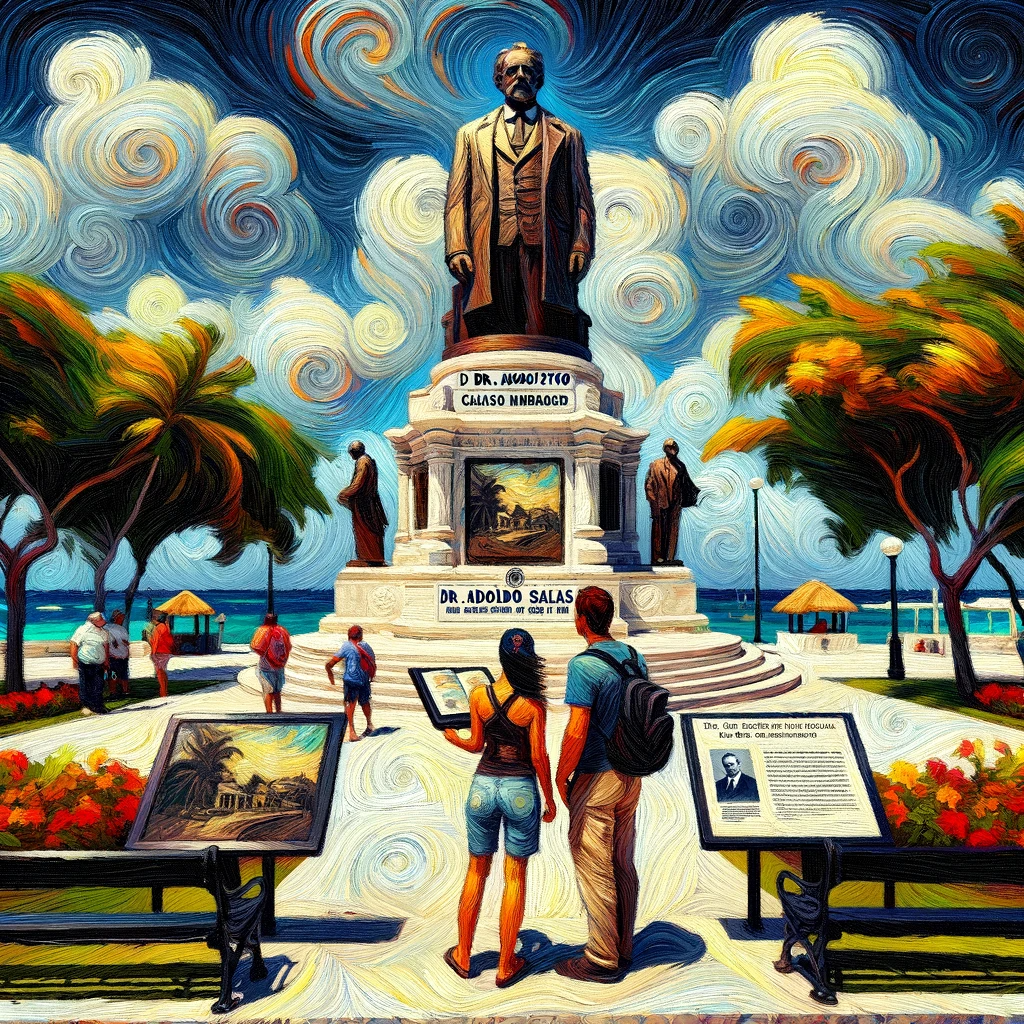
How Can Tourists Contribute to Their Own Safety with AI Tools?
How Can Tourists Contribute to Their Own Safety with AI Tools?
- AI tools can alleviate travel anxiety, enhancing the overall experience.
- They provide real-time assistance, helping navigate local attractions and avoid tourist traps.
- AI can offer personalized recommendations and up-to-date information for a safer trip.
- Weather alerts from AI tools can transform potential panic into enjoyable opportunities.
- Community-driven AI applications provide insights from fellow travelers and locals, enhancing safety.
- Using AI promotes informed decision-making and fosters a sense of community among travelers.
- Embracing AI tools allows travelers to engage more deeply with their surroundings and create shared experiences.

How Can Tourists Contribute to Their Own Safety with AI Tools?
What Technologies Support Predictive AI In the Tourism Sector?
What Technologies Support Predictive AI in the Tourism Sector?
Picture this: you’re seated on a sun-kissed beach in Cozumel, the sound of waves crashing in the background, and the smell of fresh tacos wafting through the air. You might wonder, “How did I get so lucky to find this perfect spot?” Behind the scenes, a symphony of technologies is working harmoniously to make those travel dreams a reality. It’s not simply luck but the relentless march of predictive AI, forever reshaping how we experience tourism.
When we think about the challenges of planning the perfect getaway, it’s easy to feel overwhelmed. Time, budget constraints, and the sheer volume of choices can leave anyone paralyzed. Here’s where predictive AI steps in as a beacon of relief. By analyzing mountains of data—from past travel histories to real-time weather patterns—these smart systems empower both travelers and tourism operators to make well-informed decisions. Just like that friend who always knows the best taco spot in Cozumel, predictive AI unlocks hidden gems by anticipating your desires before you even think of them.
Now, let’s dig deeper. One original aspect of predictive AI in the tourism arena is its ability to create deeply personalized travel experiences. Imagine not just getting a simple flight or hotel suggestion, but receiving tailored recommendations that consider your interests, mood, and even the historical data of what others like you have enjoyed. If you’re drawn to thrilling water sports or serene sunsets, predictive AI has the capability to serve up an itinerary that feels crafted just for you. It’s like having a travel planner who knows you intimately, adjusting plans with the finesse of a seasoned guide, eager to show you the best of what Cozumel has to offer.
As you scroll through endless options while planning your next adventure, remember that behind those choices lies a powerful ally. Predictive AI combines data and human elements to not just anticipate but genuinely enhance your journey. It fosters confidence, making you feel like you’re not just a traveler, but a valued explorer intricately connected to the experiences waiting for you. So, take that leap. Embrace the technology that’s transforming the way we travel and discovering that perfect little slice of paradise is now just a few clicks away.

What Technologies Support Predictive AI In the Tourism Sector?
What Technologies Support Predictive AI In the Tourism Sector?
- Predictive AI enhances tourism experiences by analyzing extensive data.
- It helps travelers navigate planning challenges such as time, budget, and options.
- Predictive AI offers personalized travel recommendations based on individual interests and preferences.
- Data analysis includes past travel histories and real-time weather patterns.
- It allows travelers to discover hidden gems tailored to their desires.
- Predictive AI fosters confidence, connecting travelers with their experiences.
- The technology simplifies the travel planning process, making dream vacations more accessible.

What Technologies Support Predictive AI In the Tourism Sector?
Conclusion
The future of safe tourism is increasingly intertwined with the capabilities of predictive AI, transforming not only how we plan our trips but also how we experience them. Travelers often grapple with concerns about safety while they dream of sunlit adventures in places like Cozumel, where breathtaking beaches can turn anxious thoughts into joyful memories. Predictive AI emerges as our ally in this complex landscape, akin to having a seasoned adventurer by your side who can gauge the looping paths of risk and reward.
This technology works by analyzing vast amounts of data—weather trends, local health updates, patterns discerned from social media—to keep travelers informed and protected. Imagine booking an exciting snorkeling experience only to receive a timely notification about an unexpected storm, allowing you to avoid danger and ensure a pleasurable outing. By alerting travelers to potential hazards, AI fosters a sense of security that empowers them to savor their journeys without the shadow of worry hanging overhead.
What sets predictive AI apart is its ability to learn and adapt over time, refining its risk predictions through data analytics. It’s as if the technology becomes smarter with each encounter, transforming not just the travel landscape but also the relationships travelers build with their destinations. When tourists have reliable insights guiding their choices—whether that’s avoiding crowded spots or discovering lesser-known gems—they become more engaged participants in their travel stories.
Moreover, travel companies play a vital role in harnessing this technology. They are not only booking agents but also stewards of safety. Effective use of AI translates into real-time alerts about changing situations in tourist areas, whether it’s medical emergencies or local disruptions. This proactive approach builds trust, positioning companies as valuable partners that travelers can rely on for a seamless experience.
For tourists, embracing AI tools is not just about delegating the responsibilities of travel planning; it involves actively participating in their safety journey. These tools provide vital information on weather updates, local customs, and even community insights, blending technology with a spirit of exploration that ushers in a new era of confidence.
As we navigate the intricate web of travel uncertainties, predictive AI stands as a beacon of hope and innovation. It equips us with knowledge, enhances our experiences, and ultimately allows us to explore the world with the assurance that safety is prioritized. So, as you look toward your next adventure, remember that with AI, every journey is not just a trip; it’s an opportunity to embrace the wonders of the world with open arms and a discerning mind.

Conclusion
Conclusion:
- The future of safe tourism relies on predictive AI, enhancing trip planning and experiences.
- Travelers can address safety concerns while enjoying destinations like Cozumel.
- Predictive AI analyzes data like weather trends and social media to inform and protect travelers.
- It provides timely notifications about potential hazards, fostering a sense of security.
- AI learns and adapts over time, improving risk predictions and traveler destination engagement.
- Travel companies leverage AI for real-time alerts about changing conditions, building trust with travelers.
- Embracing AI tools empowers tourists to actively participate in their safety journey while exploring.

Conclusion
Other Resources

Other Resources
Here is a list of other resources you can review online to learn more:
- Nachi Cocom Beach Club
- Breakfast At Silvias
- El Rincon De Addy Cozumel
- Seasons 52
- El Casino – La Casa del Mojito
- The Lobster House
- Mayan Bee Sanctuary
- San Juan Beach Club
- Cozumel Helicopter Tours
- Guido’s Restaurant Cozumel
- ScubaTony Cozumel
- Yard House
- Cozumel Hacienda San Miguel
- Mega Supermarket
- La Ruta de las Iglesias
- Casa del Mar Cozumel Hotel
Use This Prompt To Get More Resources With Your Favorite Online AI Tool: Please provide me with a list of online articles with their URLs in a bulleted list that I can read regarding Future Of Safe Tourism – Predictive AI Prevents Most Incidents

Other Resources
Glossary Terms
Future Of Safe Tourism – Predictive AI Prevents Most Incidents – Glossary Of Terms
1. Predictive AI: Technology that uses data analysis to forecast potential future events and behaviors in tourism.
2. Safe Tourism: Practices and measures taken to ensure the safety and security of travelers during their journeys.
3. Incident Prevention: Strategies and technologies employed to reduce the likelihood of dangers or accidents in tourism.
4. Data Analytics: The process of examining data sets to draw conclusions and inform decision-making in travel safety.
5. Machine Learning: A subset of AI that enables systems to learn from data patterns and improve predictions over time.
6. Real-Time Monitoring: Continuous observation of conditions and incidents to provide immediate alerts for safety concerns.
7. Emergency Response: The actions taken to manage incidents affecting travelers, ensuring safety and minimizing harm.
8. Risk Assessment: The identification and evaluation of potential risks in tourism environments, often informing safety protocols.
9. Traveler Behavior Analysis: The study of patterns in how travelers act to better predict and enhance safety measures.
10. Smart Destinations: Tourist locations that integrate technology to enhance visitor safety and experience through connected systems.
11. Safety Protocols: Established guidelines and procedures designed to protect tourists from harm.
12. User Experience (UX): The overall experience a traveler has while interacting with a tourism service or technology.
13. Automated Alerts: Notifications generated by systems to inform travelers of safety issues or potential risks.
14. Geo-Location Tracking: Technology that determines the physical location of individuals to enhance safety measures.
15. Predictive Models: Mathematical models used to predict future incidents based on historical data.
16. Traveler Feedback: Insights gathered from travelers regarding their experiences, which can inform safety improvements.
17. Crisis Management: The process of preparing for, responding to, and recovering from emergency situations in tourism.
18. Intelligent Transportation Systems: Technology-driven systems that enhance the safety and efficiency of travel infrastructure.
19. Surveillance Technology: Tools used to monitor public spaces to prevent incidents and ensure traveler safety.
20. Incident Reporting Systems: Platforms for documenting and tracking safety incidents to improve future responses.
21. Safety Certifications: Accreditations that indicate compliance with established safety standards in tourism.
22. COVID-19 Compliance: Measures tailored to prevent the spread of the virus in tourism settings, ensuring public health.
23. Crowd Management: Strategies used to control and manage large groups of people effectively and safely.
24. Personal Safety Devices: Gadgets or apps designed to enhance individual safety, such as emergency alarms.
25. Blockchain in Tourism: Use of blockchain technology to enhance security, transparency, and trust in travel transactions.
26. Sustainable Tourism: Travel practices that prioritize environmental and cultural sustainability while ensuring safety.
27. Stakeholder Collaboration: Partnerships between various entities in tourism aimed at improving safety initiatives.
28. Virtual Reality Safety Training: Immersive training sessions using VR technology to prepare staff and travelers for safety protocols.
29. Health and Safety Regulations: Legal standards and guidelines established to protect the health and safety of travelers.
30. Tourist Information Systems: Platforms that provide crucial safety information and updates to travelers in real time.

Glossary Of Terms
Other Questions
Future Of Safe Tourism – Predictive AI Prevents Most Incidents – Other Questions
If you wish to explore and discover more, consider looking for answers to these questions:
- How accurate are predictive AI models at forecasting tourism incidents?
- What types of incidents can predictive AI realistically predict (weather, health, crime, overcrowding, infrastructure failures)?
- What data sources are used to train and run these predictive systems?
- How is real-time data collected and integrated from sensors, social media, and other feeds?
- How do predictive systems handle destinations with limited historical data?
- What privacy protections are in place for travelers whose data is used?
- How is traveler consent obtained and managed for location or personal data collection?
- Who is legally responsible if an AI prediction fails and an incident occurs?
- How do travel companies validate AI alerts before notifying customers to avoid false alarms?
- What are the typical false positive and false negative rates for these AI tools?
- How transparent are the AI models—can users understand why an alert was issued?
- Are there industry standards, certifications, or regulations governing predictive AI in tourism?
- How do systems avoid introducing or amplifying bias against certain destinations or communities?
- What physical infrastructure (connectivity, sensors, cameras) is required on-site for effective predictions?
- How are local communities and authorities involved in deploying and operating these systems?
- What costs do travel companies incur to implement predictive AI and are there costs for travelers?
- Are there documented case studies showing measurable reductions in incidents due to predictive AI?
- What contingency plans exist for system outages or AI malfunctions during critical moments?
- How do predictive AI platforms integrate with local emergency services and first responders?
- How can small or rural tourism businesses adopt predictive AI affordably?
- How is the accuracy of weather, health, and crowd predictions validated over time?
- How far in advance can predictive AI provide reliable warnings for different incident types?
- How do systems filter out noise and misinformation from social media signals?
- Can tourists opt out of data collection while still receiving essential safety alerts?
- Which legal frameworks (e.g., GDPR, CCPA) apply to AI-driven travel safety tools?
- How might predictive AI affect travel insurance policies, premiums, and claims?
- Will widespread AI adoption lead to job displacement in local tourism sectors?
- How are multilingual alerts, accessibility, and disability accommodations handled?
- What cybersecurity measures protect AI systems from tampering or spoofed alerts?
- How frequently are models updated and retrained, and who audits their performance?
- Who owns the data collected by travel companies, AI providers, and local partners?
- What metrics should operators track to measure the impact and ROI of AI safety tools?
- How do systems personalize alerts without compromising traveler anonymity?
- Are there international protocols for sharing safety data across borders and jurisdictions?
- How can travelers verify the credibility of AI-generated safety recommendations?
- What ethical considerations arise from increased monitoring and surveillance for safety?

Other Questions
Haiku
Future Of Safe Tourism – Predictive AI Prevents Most Incidents – A Haiku
Predictive AI guides,
Safety blooms where travelers,
Wander, unburdened.

Haiku
Poem
Future Of Safe Tourism – Predictive AI Prevents Most Incidents – A Poem
In the realm where wanderlust calls,
Where sandy shores and thrill enthralls,
AI emerges, a watchful eye,
Keeping travelers safe, as they fly.
Predictive magic shapes the scene,
Guarding against storms, unforeseen.
With data from skies and social streams,
It quells our worries, fulfilling our dreams.
Navigating Cozumels vibrant stores,
This tool refines and constantly soars.
From weather alerts to local trends,
A partner in safety, as joy transcends.
Travelers lose fears, embrace the unknown,
Empowered by insights, they venture alone.
Communities thrive, connections grow strong,
With technology leading, we journey along.
So pack up your bags, leave worries behind,
Trust in the data; new paths you will find.
For every adventure, lets boldly explore,
With AI as guardian, we seek so much more.

Poem
Checklist
Future Of Safe Tourism – Predictive AI Prevents Most Incidents – A Checklist
Research AI Tools
✅______ Explore available AI-powered travel apps ✅______ Check user reviews for performance and reliability
Stay Informed
✅______ Enable real-time alerts for weather and safety updates ✅______ Follow local news and social media for recent developments
Plan Ahead
✅______ Use AI to analyze visitor patterns and choose optimal travel times ✅______ Research crowd levels and tourist traffic for planned activities
Utilize Predictive Analytics
✅______ Identify potential risks (e.g., weather events, local unrest) in advance ✅______ Adjust itinerary based on AI recommendations for safer locations
Engage with Community Insights
✅______ Share experiences and learn from fellow travelers’ feedback ✅______ Use local recommendations for safe eating and entertainment options
Leverage Safety Features
✅______ Utilize AI features that offer nearby emergency contacts and services ✅______ Ensure access to information about health providers and safety reviews
Stay Flexible
✅______ Be prepared to adjust plans based on real-time data ✅______ Have backup locations or activities in mind in case of emergencies
Incorporate Local Culture
✅______ Use AI to enhance understanding of local customs and practices ✅______ Engage with locals through AI platforms for a more authentic experience
Set Travel Preferences
✅______ Input personal preferences into AI tools for tailored suggestions ✅______ Use AI to find options that match personal safety concerns
Embrace Technology
✅______ Make use of AI as a supportive companion, not a crutch ✅______ Stay proactive in decision-making to enhance overall travel experience

Checklist
At TopCozumelNews, we help travelers enjoy Cozumel by collating information learned from frequently traveling to beautiful Cozumel.
Be sure to read our other related stories at TopCozumelNews to learn more about the Island of Cozumel.