




Experience Journeys: Empowering All Travelers Through Virtual Reality
By Tom Seest
At TopCozumelNews, we help travelers enjoy Cozumel by collating information learned from frequently traveling to beautiful Cozumel.
Be sure to read our other related stories at TopCozumelNews to learn more about the Island of Cozumel.
Enhancing Accessibility – Vr Previews for Travelers with Mobility Needs
Traveling is a magnificent adventure, one that invites us to step outside our comfort zones, explore new horizons, and embrace the unknown. But for those of us with mobility needs, that journey can often feel more like an uphill battle than a chance to seize the day. The excitement of planning a trip can be quickly overshadowed by concerns about accessibility, which is why the emergence of VR previews is nothing short of revolutionary.
Imagine planning a trip to Cozumel, surrounded by dazzling blue waters and vibrant culture. The allure is irresistible; however, the logistics can be daunting. Will the hotel have accessible facilities? Can I navigate the beach or explore local markets? VR previews allow travelers to experience a virtual taste of their destination before ever leaving home. It’s about more than just imagery; it’s about feeling the essence of a place, visualizing ourselves in those spaces, and understanding how to navigate them with confidence.
Consider this: envision walking the picturesque streets of Cozumel through immersive VR. You virtually wander through the bustling local markets, gauging the accessibility of the paths, and admiring stunning views from accessible beaches, all from the comfort of your armchair. This powerful tool clears away uncertainty, allowing travelers to evaluate their options and make informed decisions. The excitement of travel doesn’t need to be marred by fear or anxiety; empowering experiences via VR can transform how we engage with our desired adventures.
Some might argue that nothing beats the real thing, and while that’s true, VR previews set the stage for success. It gives travelers a sense of ownership over their journey. They can curate experiences that cater to their needs—selecting activities and locations that make them feel comfortable and excited. This feeling of control is not just liberating; it’s essential for fostering the confidence to embark on new adventures.
Sharing personal experiences only adds to the tapestry. A traveler who once hesitated during the planning process can now confidently announce their upcoming trip to Cozumel, excited about visiting places they’ve pre-checked for accessibility. With VR previews, they’re not just another tourist; they’re an explorer equipped with knowledge and understanding, ready to embrace what the world has to offer.
Ultimately, enhancing accessibility through VR doesn’t just change the way we travel—it changes lives. It opens doors that may have seemed permanently shut, transforming dreams of adventure into tangible experiences, all the while reminding us that the world is still ours to discover.

Enhancing Accessibility – Vr Previews for Travelers with Mobility Needs
Enhancing Accessibility – Vr Previews for Travelers with Mobility Needs
- Traveling offers adventure and exploration but can be challenging for those with mobility needs.
- Concerns about accessibility often overshadow the excitement of trip planning.
- VR previews revolutionize travel by allowing users to experience destinations virtually before visiting.
- These previews help travelers visualize themselves in spaces, understanding navigation and accessibility.
- VR tools empower users to make informed decisions and foster confidence in their travel choices.
- Travelers can personalize their experiences, selecting activities that cater to their accessibility needs.
- Enhancing accessibility through VR transforms lives and enables individuals to embrace adventure without fear.

Enhancing Accessibility – Vr Previews for Travelers with Mobility Needs
Table Of Contents
- Enhancing Accessibility – Vr Previews for Travelers with Mobility Needs
- What Is the Role Of Vr In Enhancing Travel Accessibility?
- How Can Vr Previews Benefit Travelers with Mobility Needs?
- What Types Of Accommodations Can Vr Technology Showcase?
- How Does Vr Help In Planning Accessible Travel Itineraries?
- What Challenges Do Mobility-Impaired Travelers Face In Planning Trips?
- How Can Feedback From Users Improve Vr Travel Experiences?
- What Features Should Vr Previews Include to Be Most Effective?
- Conclusion
- Other Resources
- Glossary Of Terms
- Other Questions
- Haiku
- Poem
- Checklist
What Is the Role Of Vr In Enhancing Travel Accessibility?
Virtual reality (VR) is reshaping the landscape of travel accessibility, granting people the ability to explore places they may not physically visit. Picture this: a family dreaming of soaking up the sun on the beaches of Cozumel, but personal circumstances make that dream seem out of reach. With VR technology, that family can step into a virtual world where the soothing sound of waves becomes a reality, if only for a fleeting moment. The essence of travel isn’t just about the destination; it’s about the experience, the feeling of being somewhere far from home, and VR makes this possible regardless of physical limitations.
Imagine someone who has always wanted to stroll through the bustling markets of a distant city or hike the breathtaking trails of a national park, yet faces mobility challenges. VR steps in as an equalizer, allowing them to traverse terrains and immerse themselves in vibrant cultures without the barriers that reality might impose. It’s a bridge to the world, inviting those who feel excluded to take part in the adventure, to feel the thrill of discovery.
One of the most compelling aspects of VR in enhancing travel accessibility is its ability to evoke emotions. When a person dons a VR headset and finds themselves gazing at the stunning landscapes of Cozumel’s coral reefs, they’re not just seeing a destination; they’re tapping into a lifetime of memories and feelings associated with travel. It’s about sparking hope and joy, proving that even if physical barriers exist, the spirit of exploration can remain alive.
Moreover, VR serves as a tool for education and preparation. Consider a senior citizen who’s hesitant to travel due to health concerns. A virtual tour can serve as a preparatory step to build confidence, allowing them to experience what awaits them. The sights, sounds, and sensations can demystify travel fears, transforming anxiety into excitement. The beauty of this technology lies in its potential to inspire action; it encourages people to step beyond their comfort zones, even if their first step is in a virtual realm.
In a world where inclusivity is paramount, VR is not just a shiny gadget; it’s a vital lifeline that expands horizons and fuels the wanderlust within us all. It invites everyone to participate in the grand adventure of life, proving that with a little innovation, we can all have access to the wonders of our world. So whether it’s dreaming of Cozumel’s sun-kissed beaches or the mysteries of ancient ruins, VR can help transport us there, one immersive experience at a time.
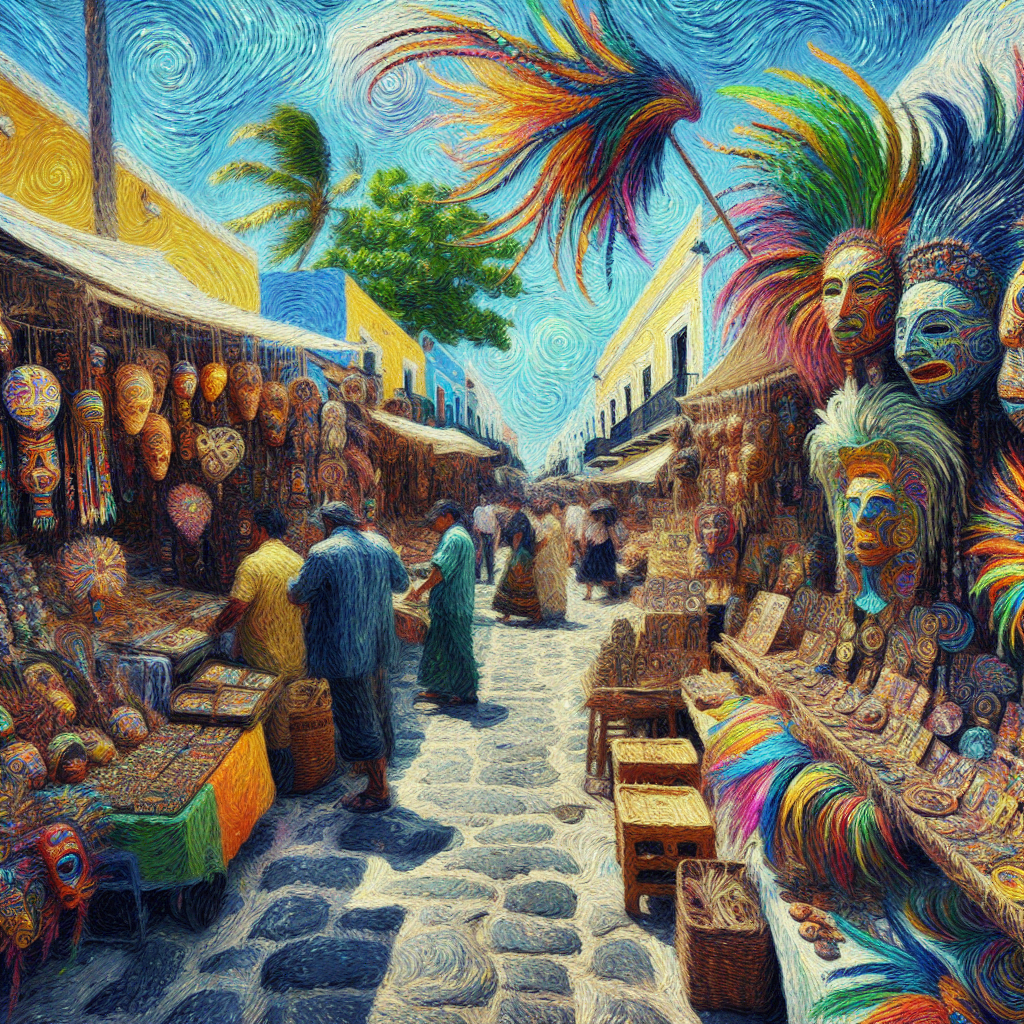
What Is the Role Of Vr In Enhancing Travel Accessibility?
What Is the Role Of Vr In Enhancing Travel Accessibility?
- Virtual reality (VR) enhances travel accessibility, allowing exploration of places not physically reachable.
- Families can use VR to experience destinations like the beaches of Cozumel, despite personal circumstances.
- VR provides an immersive experience that overcomes physical limitations, enabling participation in vibrant cultures.
- The technology evokes strong emotions, connecting users with memories and feelings associated with travel.
- VR acts as a preparatory tool for individuals hesitant to travel, helping to build confidence.
- It transforms travel fears into excitement, encouraging a step beyond comfort zones.
- VR fosters inclusivity, allowing everyone to participate in the adventure of life and access global wonders.

What Is the Role Of Vr In Enhancing Travel Accessibility?
How Can Vr Previews Benefit Travelers with Mobility Needs?
Travel is a thrill, but for many with mobility needs, it can also feel like a daunting challenge. Thankfully, the advent of virtual reality (VR) previews has opened new doors for those yearning for adventure. Imagine standing on the sun-soaked shores of Cozumel, the gentle waves lapping at your feet, while knowing that you can explore it all without leaving your living room. That’s the magic of VR.
A VR preview serves as a digital window into destinations, allowing travelers with mobility concerns to visualize their journey. Picture this: you’re navigating the vibrant streets of Cozumel, surrounded by colorful buildings and the lively chatter of locals. You can experience the sights and sounds, feeling as though you’re right there, without the stress of the unknown. For many, this technology transforms travel planning from a potential minefield of worries into an exciting exploration of possibilities.
Take Janet, for example. After a serious injury, travel became a source of anxiety for her. The thought of airports, unfamiliar terrains, and uncertain mobility accommodations felt overwhelming. However, when Janet discovered VR previews, everything changed. She slipped on a headset and was instantly transported to sunny beaches and bustling markets. The sense of freedom she felt was palpable. It allowed her to plan her trip to Cozumel with confidence, knowing the layout of her chosen destinations and understanding accessibility options in advance. Janet’s experience is a testament to how VR can empower travelers, transforming apprehension into excitement.
VR previews also foster connection not just with the destination, but with fellow travelers. Engaging in virtual group tours creates a sense of camaraderie. You can share laughs with other explorers as you discover the accessibility features of local attractions, hear stories, and exchange tips. It’s about making connections and inspiring trust; knowing that you’re not alone in your journey.
The unique angle here isn’t just about visualizing a vacation; it’s about revisiting the incredible sense of adventure that resides in everyone. VR previews are more than a tool—they’re a bridge that offers reassurance and exploration for those whose physical barriers might have felt insurmountable. So why not take that virtual leap? Embrace this technology, learn about Cozumel, and reignite your passion for travel. It’s time to see the world, one virtual experience at a time.
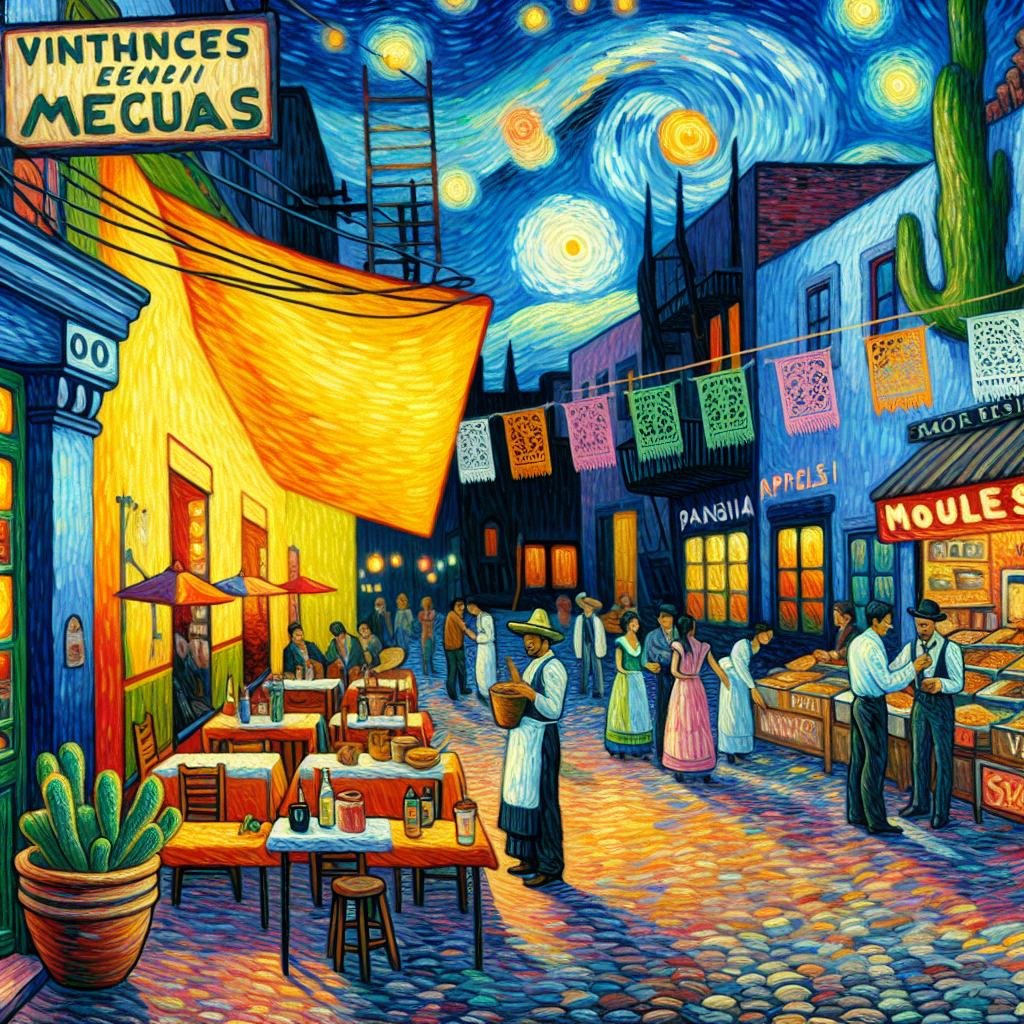
How Can Vr Previews Benefit Travelers with Mobility Needs?
How Can Vr Previews Benefit Travelers with Mobility Needs?
- Travel can be challenging for individuals with mobility needs, but VR previews offer new opportunities for adventure.
- VR serves as a digital window, allowing travelers to visualize and experience destinations like Cozumel from home.
- This technology transforms travel planning into an exciting exploration rather than a source of anxiety.
- Janet, a traveler with anxiety due to an injury, found freedom and confidence through VR, enabling her to plan her trip effectively.
- VR previews promote connections among travelers, offering camaraderie through virtual group tours and shared experiences.
- These previews not only visualize trips but also rekindle the sense of adventure, empowering those with physical barriers.
- Embracing VR technology allows individuals to reignite their passion for travel, exploring the world one virtual experience at a time.

How Can Vr Previews Benefit Travelers with Mobility Needs?
What Types Of Accommodations Can Vr Technology Showcase?
What Types of Accommodations Can VR Technology Showcase?
Imagine standing on the sun-kissed beaches of Cozumel, feeling the soft, warm sand between your toes, with the rhythm of the waves whispering tales of adventure and rejuvenation. Now, let’s take a moment to appreciate how VR technology can transport people, not just to tropical paradises, but into experiences that reshape how we understand accommodations.
Many of us have faced the daunting challenge of planning a significant trip: the stress of painstakingly browsing through countless reviews, trying to discern what a place genuinely offers. What if you could walk through a potential hotel room or explore a quaint Airbnb without ever leaving your living room? That’s the magic of VR. This technology showcases accommodations as though you’re physically present, allowing you to visualize the space and make informed decisions, minimizing the anxiety that often accompanies travel planning.
But it goes beyond mere walkthroughs. Picture this: you’re considering a getaway with family or friends, and you want to ensure everyone feels at home. VR allows groups to collaboratively explore options, providing a shared experience that fosters connection. Remember the first time you played a video game with friends? That excitement, anticipation, that collective decision-making—VR can recreate that when selecting accommodations, making the process about togetherness rather than just logistics.
Now, here’s a thought: we talk a lot about accessibility, but what if VR isn’t just about experiencing a space visually? What if it’s about conveying the essence of a place—its smells, sounds, and even its ambiance? Imagine a VR experience that allows you to hear the distant laughter of children at a nearby beach or smell the tantalizing aroma of local cuisine wafting through the air. Such immersive technology can showcase the true heart of accommodations, far beyond what’s physically present—turning a simple hotel into a home away from home.
For those of us who may have felt trapped by mobility challenges, this technology can break barriers, creating a world that welcomes everyone with arms wide open. It empowers us to recognize that travel isn’t reserved for the able-bodied; it’s an adventure that all should experience.
So, as we embrace the future of travel, let’s remember that VR technology isn’t just a tool—it’s a key that unlocks doors to new experiences, fostering connection, trust, and joy in the journey to come. Whether it’s Cozumel or beyond, the world awaits, and with VR, it’s made more accessible and inviting than ever before.

What Types Of Accommodations Can Vr Technology Showcase?
What Types Of Accommodations Can Vr Technology Showcase?
- VR technology can transport users to various destinations, enhancing the understanding of accommodations.
- It allows potential travelers to explore hotel rooms or Airbnbs virtually, reducing planning stress.
- Groups can collaboratively explore accommodation options, promoting connection during the decision-making process.
- VR can convey the essence of a place through immersive experiences, including sights, sounds, and smells.
- This technology breaks mobility barriers, making travel accessible for everyone.
- VR fosters a sense of belonging and adventure, regardless of physical limitations.
- It serves as a key for unlocking new travel experiences and enhancing connections among travelers.

What Types Of Accommodations Can Vr Technology Showcase?
How Does Vr Help In Planning Accessible Travel Itineraries?
Planning accessible travel itineraries can often feel like navigating a maze without a map, especially when emotions and expectations are running high. Imagine dreaming of a trip to Cozumel, a paradise with beautiful beaches and vibrant culture, only to worry about accessibility at every turn. It’s a familiar struggle, and this is where virtual reality (VR) steps in, turning the abstract into the tangible.
VR offers a unique way to explore destinations before stepping foot on them. Picture yourself on your couch, donning a headset, and suddenly you’re standing at the bustling port of Cozumel. Your heart races as you scan the lively streets, the aroma of local cuisine wafting through the air, and the sounds of joyful chatter create a sense of place that’s palpable. You can almost feel the sun on your skin. Unlike a traditional travel brochure or website, VR lets you experience the destination in a way that fosters genuine connection.
Now, let’s talk specifics. One of the remarkable benefits of VR in planning accessible travel is the opportunity to assess physical environments before committing. With VR, you can navigate through wheelchair ramps, explore accessible buildings, and witness the layout of a venue—all from the comfort of home. For someone with mobility challenges, this pre-journey exploration can alleviate anxiety, transforming what might be fear into excitement. It’s empowering when you find the perfect restaurant with accessible seating or a beach that welcomes everyone, regardless of ability.
But let’s not overlook the emotional support that this technology provides. Sharing a VR experience with family or friends can open up conversations about what’s important in your travel plans. Picture a family member with a mobility issue trying to convey their worries about an upcoming trip. By diving into VR together, everyone can see firsthand the possibilities and make collective decisions that cater to everyone’s comfort. This builds trust, showing that all voices matter when planning a trip.
In essence, VR isn’t just gadgetry; it’s a bridge between aspiration and reality. It enables dreamers to plan journeys with confidence and joy, whether it’s to the pristine shores of Cozumel or any other destination. The promise of travel becomes more accessible and less daunting, making adventure a reality rather than a distant dream. As you embrace this technology, remember: every journey, no matter how challenging, starts with a single step—often taken in the vivid world of virtual reality.

How Does Vr Help In Planning Accessible Travel Itineraries?
How Does Vr Help In Planning Accessible Travel Itineraries?
- Planning accessible travel can be challenging and stressful, especially for those with mobility concerns.
- Virtual reality (VR) allows users to explore destinations like Cozumel before their trips.
- VR provides a sensory experience, creating a sense of place and connection to the destination.
- This technology enables assessment of physical environments, including accessibility features.
- Pre-journey exploration through VR can alleviate anxiety and foster excitement for travelers.
- Sharing VR experiences encourages open conversations about travel concerns among family and friends.
- VR serves as a bridge between aspiration and reality, making travel planning more enjoyable and accessible.

How Does Vr Help In Planning Accessible Travel Itineraries?
What Challenges Do Mobility-Impaired Travelers Face In Planning Trips?
When it comes to planning trips, mobility-impaired travelers face a unique set of challenges that can feel overwhelming. Imagine dreaming of a vibrant trip to Cozumel, with its sunlit beaches and tantalizing culture, only to confront roadblocks that make the journey seem daunting. The process isn’t just about booking flights and hotels; it’s an intricate dance involving access, accommodations, and the great unknown.
Start with the logistics. Navigating airport terminals or train stations can be a minefield of obstacles. Those seemingly ubiquitous signs and bustling crowds often mask crucial accessibility features. For those who are mobility-impaired, this experience can feel not just frustrating, but isolating. It’s a stark reminder that the anticipation of a getaway can quickly turn into uncertainty. Picture yourself at the ticket counter, not just weighing options but also weighing your options against accessibility. The thrill of travel begins to fade when every decision feels like an uphill climb.
Next comes the hunt for accommodations. While many hotels tout their accessibility features, the reality may not align with the marketing. You can find yourself in a beautifully styled room with little thought given to whether the bathroom allows for maneuverability. Reservations that should inspire excitement often lead to anxiety about the feasibility of your stay. It’s like selecting a restaurant for its rave reviews—only to arrive and discover the famed dish isn’t available that day. The disconnect can be disheartening, making it essential to ask the right questions upfront and seek feedback from those who have tread this path before.
Then there’s the adventure itself. Imagine finally landing in Cozumel, your spirit soaring, only to find that the local excursions you hoped to explore pose unforeseen challenges. Inaccessible attractions can transform a planned day of diving into a day of disappointment and exclusion. Finding activities that welcome you as a traveler, not just a participant, becomes paramount. Seek out those local gems that cater to all visitors, and don’t hesitate to connect with communities that celebrate inclusivity.
Ultimately, each challenge presents an opportunity for connection. Leverage technology, tap into social circles, and trust in the resources around you. Instead of viewing these hurdles as barriers, see them as bridges to deeper engagement with the travel community. It’s about reclaiming the thrill of exploration in Cozumel or wherever your heart takes you, ensuring that every traveler, regardless of their mobility, can navigate the world with confidence and joy.

What Challenges Do Mobility-Impaired Travelers Face In Planning Trips?
What Challenges Do Mobility-Impaired Travelers Face In Planning Trips?
- Mobility-impaired travelers face unique challenges when planning trips.
- Navigating airports and train stations can be difficult due to accessibility issues.
- Accommodations may not meet advertised accessibility standards, leading to frustration.
- Travel planning requires careful consideration of accessibility at all stages.
- Local attractions may pose challenges, impacting the overall travel experience.
- Engagement with technology and community resources can enhance travel experiences.
- Viewing challenges as opportunities can foster deeper connections in the travel community.

What Challenges Do Mobility-Impaired Travelers Face In Planning Trips?
How Can Feedback From Users Improve Vr Travel Experiences?
How Can Feedback From Users Improve VR Travel Experiences?
Imagine strapping on a headset, and just like that, you’re wandering through the lush, sunlit streets of Cozumel. Everything feels familiar yet tantalizingly new. The bright colors, the rich aromas, the sounds of waves lapping against the shore—VR immerses us in the very essence of these experiences. But what truly makes the journey worthwhile? It’s the whispers of those who’ve walked this path before us. Feedback from users serves as the guidepost, ensuring that every virtual adventure is not just a fleeting moment but a meaningful experience.
When it comes to virtual reality travel, the stakes are high. Users want authenticity. They want to feel the thrill of exploring a coral reef, the serenity of a quiet beach, or the buzzing energy of a local market. Yet technology, no matter how advanced, can’t always capture the heart and soul of a location. That’s where feedback enters like a seasoned travel guide, offering insights only real experiences can uncover. It’s a bit like having a trusted friend who knows the best taco spot in Cozumel. You want their recommendations, not just for the food itself, but for the entire sensory experience.
Consider the story of a user named Sarah. She donned her VR headset, eager to escape to a tropical paradise. However, her virtual journey was marred by awkward movements and stale graphics. It was frustrating enough to pull her out of the moment. But instead of keeping her thoughts to herself, she shared her experience with the developers. What followed was a dialogue, a chance to tell them what felt off and what could enhance her time in this virtual escape. The developers listened, refining the program, transforming it from a clunky ride into a smooth sail through the heart of Cozumel.
This exchange is crucial for developers; it builds a bridge between them and the users. When feedback is treated not just as data, but as a lifeline, innovation flourishes. Every comment, suggestion, or critique is a treasure map leading to a better experience. The more immersed users feel, the more likely they are to share their stories, fostering a community that thrives on collective insight.
So, as you venture into your next VR journey, know that your voice matters. Engage, share, and be part of the evolution of virtual travel. Let the world of feedback transform the way we explore, ensuring that every digital excursion captures the spirit of places like Cozumel, turning virtual dreams into vibrant realities.
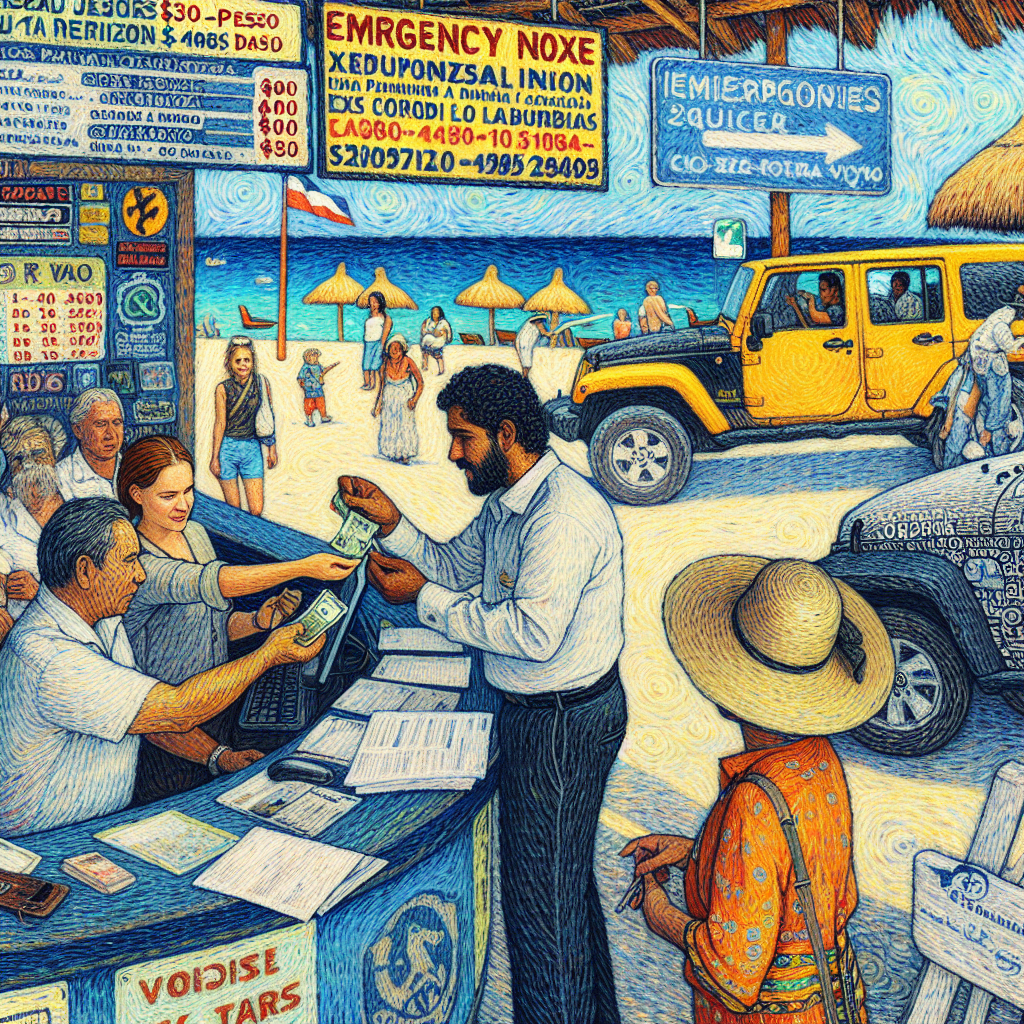
How Can Feedback From Users Improve Vr Travel Experiences?
How Can Feedback From Users Improve Vr Travel Experiences?
- User feedback enhances virtual reality (VR) travel experiences by providing essential insights.
- Authenticity is crucial for users, who seek immersive experiences that engage all senses.
- Technology alone cannot capture the full essence of locations; user experiences fill that gap.
- Sharing feedback can lead to significant improvements in VR applications, as illustrated by a user named Sarah.
- Effective communication between users and developers fosters innovation and enhances the overall experience.
- Engaged users contribute to a community of shared knowledge, leading to improved VR journeys.
- User participation in feedback processes transforms virtual travel into meaningful adventures.

How Can Feedback From Users Improve Vr Travel Experiences?
What Features Should Vr Previews Include to Be Most Effective?
What Features Should VR Previews Include to Be Most Effective?
Navigating the world of virtual reality (VR) previews can feel like diving into the expansive waters around Cozumel—beautiful, exciting, yet perhaps a little daunting. Just like the first time you slip into those crystal-clear depths, you might wonder if you’re truly ready for what lies beneath. The key to a successful VR preview lies in how well it resonates with the audience’s emotions while addressing their challenges. There’s something inherently human about seeking connections, whether through a headset or at the beach.
An effective VR preview should include immersive storytelling that creates an emotional hook. Imagine watching a demo that doesn’t just showcase the technology but instead takes you on a journey—one where you can feel the thrill of racing through a sunlit jungle or the calming beauty of watching a sunset over the ocean. By integrating narrative elements, VR previews allow potential users to not just see but *feel* the experience. When viewers resonate with a story, they’re more likely to engage, share, and ultimately act.
Next, clear communication about what users can expect from the VR experience is essential. This isn’t just a tech showcase; it’s about framing the adventure you’ll embark upon. Highlighting unique features and practical applications can transform nerves into excitement. For instance, consider a VR preview designed to intro people to a new adventure sport or an interactive art piece in Cozumel. Users need to understand not only how to navigate the experience but also the value it adds to their lives. It’s about creating an inviting space where they feel not just informed but inspired.
Finally, one unique approach is to incorporate real-life testimonials and stories within the preview. Picture this: footage of users actually engaging with the VR experience, coupled with their heartfelt reactions and experiences. This element not only builds trust but shows that these virtual endeavors are within reach, grounded in a reality that’s relatable and tangible. Just as folks return from Cozumel with tales of awe and adventure, potential users can be inspired to dive headfirst into these new digital experiences, confident in their decision.
For VR previews to truly make an impact, they must connect on an emotional level, offer clarity about the journey ahead, and include authentic experiences that resonate with potential users. By addressing these aspects, we can transform what could be an intimidating plunge into something exhilarating and profoundly personal.

What Features Should Vr Previews Include to Be Most Effective?
What Features Should Vr Previews Include to Be Most Effective?
- Effective VR previews should create an emotional connection with the audience.
- Immersive storytelling is crucial, taking viewers on a narrative journey.
- Clear communication about user expectations enhances engagement.
- Highlighting unique features transforms user nerves into excitement.
- Incorporating real-life testimonials builds trust and relatability.
- Authentic experiences help potential users feel inspired to participate.
- Addressing emotional resonance and clarity can make VR experiences more inviting.

What Features Should Vr Previews Include to Be Most Effective?
Conclusion
In the thrilling arena of travel, where dreams meet reality, accessibility remains a vital aspect that can either hinder or enhance a journey, particularly for those with mobility needs. The emergence of virtual reality (VR) technology has transformed the landscape, offering unprecedented opportunities for individuals to explore destinations like Cozumel from the comfort of their homes. Imagine donning a VR headset and suddenly finding yourself on the sun-soaked shores of a beach, feeling the warmth against your skin and hearing the gentle waves crashing nearby. That’s the beauty of VR: it bridges the gap between desire and accessibility.
For many, planning a trip can invoke a whirlwind of emotions, often overshadowed by concerns about logistics—whether the hotel is truly accessible, if attractions cater to various mobility challenges, and the overall feasibility of a journey. VR previews alleviate much of this anxiety by allowing travelers to visualize their adventures before embarking on them. With this immersive technology, the pre-travel experience transforms from a source of stress to one of excitement and empowerment. It enables users, like Janet, who faced fears due to a past injury, to confidently navigate potential itineraries, assessing the accessibility of every nook and cranny before committing.
The emotional aspect of experiencing a familiar environment through VR cannot be overlooked. It evokes nostalgia, igniting a desire for adventure, while simultaneously making exploration feel attainable, regardless of physical constraints. This technology fosters community as well—not just with the destination, but with fellow travelers. Engaging in virtual group tours can create a sense of camaraderie, making the planning process a shared experience filled with laughter and support.
VR also plays a crucial role in facilitating inclusive travel by illustrating the essence of accommodations and ensuring they align with user needs. Instead of solely showing physical attributes, VR can convey ambiance and accessibility, providing a broader understanding of whether a space meets the requirements of every traveler.
The culmination of these advancements in accessibility through VR is profound. It empowers individuals to reclaim their wanderlust, proving that travel isn’t reserved solely for the able-bodied. With each virtual experience, barriers begin to dissolve, and what was once merely a dream becomes a tangible possibility. As travelers with mobility needs step forth into the world, hand in hand with this innovative technology, the adventurers’ spirit shines brighter than ever, reminding us all that the joys of exploration await every one of us, no matter the challenges we face.

Conclusion
Conclusion:
- Accessibility is crucial in travel, especially for individuals with mobility needs.
- Virtual reality (VR) technology allows exploration of destinations like Cozumel from home.
- VR alleviates pre-travel anxiety by enabling visualizations of accommodations and attractions.
- Emotionally, VR evokes nostalgia and fosters a sense of attainable adventure.
- Virtual group tours enhance community among travelers, making planning a collaborative experience.
- VR illustrates ambiance and accessibility, ensuring accommodations meet user needs beyond physical attributes.
- This technology empowers individuals to reclaim their wanderlust and make travel dreams a reality.

Conclusion
Other Resources

Other Resources
Here is a list of other resources you can review online to learn more:
- Cozumel Private Tours
- The Mayan Cacao Company
- Ferry schedule
- True Traveller
- Cozumel Bar Crawl
- Stingray Villa
- Cozumel Bar Hop
- Cozumel Beach Tours
- Capitán Eduardo A. Toledo Airport
- Dive Paradise Cozumel
- Coral Reef Restoration Program
- Chardonnay Italian Mexican Food Restaurant Cozumel
- Kaokao Chocolate Factory
- Cozumel ATV Adventure
Use This Prompt To Get More Resources With Your Favorite Online AI Tool: Please provide me with a list of online articles with their URLs in a bulleted list that I can read regarding Enhancing Accessibility – Vr Previews for Travelers with Mobility Needs

Other Resources
Glossary Terms
Enhancing Accessibility – Vr Previews for Travelers with Mobility Needs – Glossary Of Terms
1. Accessibility: The design of products, devices, services, or environments for people with disabilities.
2. Augmented Reality (AR): An interactive experience where real-world environments are enhanced by computer-generated perceptual information.
3. Virtual Reality (VR): A simulated experience that can create sensory experiences in a virtual setting.
4. Mobility Needs: Refers to the requirements of individuals who have physical limitations affecting movement.
5. Travel Previews: Early visual or interactive experiences of travel destinations to aid in decision-making.
6. User Interface (UI): The means by which a user interacts with a software application or hardware device.
7. User Experience (UX): The overall satisfaction and ease of use a person feels when interacting with a system or product.
8. Simulation: A model that replicates real-world processes or experiences for training or exploration.
9. Assistive Technology: Devices or software designed to enhance the functional capabilities of individuals with disabilities.
10. Inclusive Design: Design practices that accommodate the diverse needs and abilities of all users.
11. Guided Navigation: A method of helping users find their way through information or spaces, often used in VR applications.
12. Wayfinding: The process of using spatial and environmental information to navigate through physical spaces.
13. Sensory Feedback: Information that is relayed through senses (sight, sound, touch) to enhance user interaction.
14. Cognitive Load: The amount of mental effort being used in the working memory, relevant in designing user-friendly interfaces.
15. Immersive Experience: Engaging users in a way that they feel completely absorbed in a virtual environment.
16. Content Management System (CMS): Software that helps create, manage, and modify digital content.
17. Virtual Tours: Online simulations of real-world locations, often used to provide insights into tourist sites.
18. Demographic Data: Statistical data relating to the population and particular groups within it, important for tailoring accessibility features.
19. Physical Accessibility: The degree to which an environment is accessible to individuals with physical disabilities.
20. Feedback Mechanism: A process that allows users to provide input on their experience, which can inform improvements.
21. Customization: The ability to modify settings or features according to individual preferences or requirements.
22. Barrier-Free Design: An approach to design that eliminates obstacles and provides equal access to all users.
23. Visual Impairments: A range of vision disabilities that affect a person’s ability to see.
24. Auditory Input: Sound information provided to users, crucial for those who rely on auditory signals for navigation.
25. Leveraging Technology: Utilizing advanced tools and software to enhance experiences and accessibility.
26. Public Spaces: Areas that are open and accessible to all individuals, crucial for ensuring equitable travel experiences.
27. Physical Environment: The tangible surroundings in which users navigate and interact during travel.
28. Travel Planning: The process of preparing for travel, which includes researching destinations and accessibility options.
29. Experiential Learning: Gaining knowledge through direct experience, often enhanced by immersive technologies.
30. Stakeholder Engagement: Involving all parties with an interest in accessibility to ensure their needs are met in travel experiences.

Glossary Of Terms
Other Questions
Enhancing Accessibility – Vr Previews for Travelers with Mobility Needs – Other Questions
If you wish to explore and discover more, consider looking for answers to these questions:
- What devices and hardware are required to use VR previews, and what are the costs?
- Are VR previews compatible with common assistive technologies (wheelchair controls, screen readers, switch devices)?
- How accurate are VR previews in representing real-world accessibility features like ramp gradients, door widths, and bathroom layouts?
- Can VR previews simulate different mobility aids (manual wheelchair, power wheelchair, scooter, cane)?
- How often are VR scenes updated to reflect renovations, temporary closures, or seasonal changes?
- Do VR previews include measurements and specifications (clearances, step heights, elevator dimensions)?
- How do VR providers verify the accessibility information they present?
- Are VR previews available for outdoor environments such as beaches, trails, and ports, and how do they represent terrain and surf access?
- Can users interact with venue staff or accessibility coordinators through the VR preview to ask specific questions?
- Are there standardized accessibility tags or certifications used within VR previews?
- How do VR previews handle motion sickness and other sensory sensitivities?
- Do VR tours include audio descriptions, captions, and other sensory alternatives for people with visual or hearing impairments?
- Can users test transfer spaces, turning radii, and seating arrangements within a VR environment?
- Are group or family-mode VR previews available so companions can plan together?
- How do VR previews integrate with booking platforms and travel agencies?
- Can VR previews be used offline or in low-bandwidth situations?
- What privacy and data-collection practices govern VR previews (image capture, location data, user feedback)?
- Are there trial demos or refundable trials for first-time users?
- How customizable are VR previews for individual needs and preferences?
- Do VR experiences show routes to accessible parking, drop-off points, and transit options?
- Can VR previews demonstrate accessible transport options and transfers (shuttle accessibility, curb heights, ramps)?
- How do VR previews address cultural and language accessibility (translations, localized guidance)?
- Are there partnerships between VR providers and disability advocacy groups or local accessibility auditors?
- Can feedback from users change or annotate specific accessibility details in the VR environment?
- How reliable are user-generated accessibility reviews within VR platforms?
- Do VR previews include emergency egress information and accessibility of emergency procedures?
- How do hotels and venues respond if a VR preview does not match the on-site reality?
- Are there legal or liability considerations when making travel decisions based on VR previews?
- Can VR previews be used as training tools for caregivers or travel companions?
- How accessible is the VR platform’s interface for people with cognitive disabilities?
- Do previews show accessible seating, pathways, and queueing at attractions and restaurants?
- How are sensory elements like soundscapes, crowd density, and lighting represented for planning comfort needs?
- Are haptic feedback or tactile simulations available to convey surface textures and inclines?
- Can VR previews help with insurance or medical planning (e.g., confirming space for medical equipment)?
- What are the best practices for combining VR previews with on-site verification calls or emails to venues?
- How can travelers request updates or corrections to VR accessibility information?

Other Questions
Haiku
Enhancing Accessibility – Vr Previews for Travelers with Mobility Needs – A Haiku
Immersed in the light,
Travel dreams in pixels glow,
Access to the world.

Haiku
Poem
Enhancing Accessibility – Vr Previews for Travelers with Mobility Needs – A Poem
Travel unfolds as a grand pursuit,
Yet for some, it’s masked in doubt and dispute.
With many barriers that loom large and tall,
Accessibility issues can dampen the call.
But behold, virtual realms offer a key,
To explore distant lands and set wanderers free.
Imagine Cozumel’s shores, sun-drenched and bright,
Through VR’s embrace, you see, feel, ignite.
A bridge to the world for those held apart,
Breaks down the barriers, opens the heart.
With every virtual stroll through vibrant streets,
Joy interlaces where adventure meets.
Planning becomes easier, fears start to wane,
With knowledge of paths where all can remain.
The thrill of connection with shared stories told,
Empowers the timid and ignites the bold.
Let technology guide, let hope be the song,
In a world made for all, where everyone belongs.
Through the lens of VR, dreams take their flight,
Transforming the journey, turning dark into light.
Poem
Checklist
Enhancing Accessibility – Vr Previews for Travelers with Mobility Needs – A Checklist
Pre-Trip Planning
✅______ Utilize VR previews to explore destinations before booking.
✅______ Assess accessibility features of accommodations through virtual walkthroughs.
✅______ Identify accessible routes and locations within the destination using VR.
Emotional Engagement
✅______ Select VR experiences that evoke the thrill of travel.
✅______ Share personal narratives of past travelers to illustrate potential experiences.
Accessibility Assessment
✅______ Evaluate pathways, entrances, and facilities in VR simulations for real-world accessibility.
✅______ Identify potential challenges specific to mobility needs.
Collective Exploration
✅______ Encourage group VR tours for family or friends to foster shared experiences and decision-making.
✅______ Facilitate discussions about individual accessibility needs among travel companions.
Educational Preparation
✅______ Use VR to familiarize travelers with unfamiliar locations and logistics before the trip.
✅______ Address anxiety by providing realistic previews of the travel experience.
Community Feedback
✅______ Collect user feedback on VR experiences to continually improve offerings.
✅______ Include testimonials and real-life experiences in VR content.
Feature Integration
✅______ Implement immersive storytelling to make previews emotionally engaging.
✅______ Clearly communicate what users can expect from the VR experience.
✅______ Incorporate relatable testimonials to enhance trust and authenticity.
Encouragement of Adventure
✅______ Motivate travelers to embrace their passions through VR experiences.
✅______ Highlight inclusive activities that cater to all mobility levels.
Post-Experience Reflection
✅______ Encourage users to share feedback for continuous improvement of VR travel experiences.
✅______ Foster a community where shared insights can guide future travelers.
Checklist
At TopCozumelNews, we help travelers enjoy Cozumel by collating information learned from frequently traveling to beautiful Cozumel.
Be sure to read our other related stories at TopCozumelNews to learn more about the Island of Cozumel.