




An Overview Of Managing Post-Cruise Crowds with Intelligent Traffic Systems In Cozumel
By Tom Seest
At TopCozumelNews, we help travelers enjoy Cozumel by collating information learned from frequently traveling to beautiful Cozumel.
Be sure to read our other related stories at TopCozumelNews to learn more about the Island of Cozumel.
Managing Post-Cruise Crowds with Intelligent Traffic Systems In Cozumel
Managing Post-Cruise Crowds with Intelligent Traffic Systems in Cozumel
After a vibrant day spent exploring the stunning beaches and lush landscapes of Cozumel, the return from a cruise can feel like a chaotic scramble. The thrill of new experiences mingles with the reality of thousands of fellow travelers flocking back to the ports—a surge that can lead to anxiety, frustration, and even the occasional sense of defeat. Navigating that sea of people can sometimes overshadow the joyous memories made throughout the day.
Imagine this: you’re part of a crowd of hundreds, each person moving with purpose, their eyes scanning for the quickest route back to their ship. The sound of laughter fades as the reality of the situation sets in. But what if technology could turn that chaos into a symphony? Enter intelligent traffic systems, an innovative approach that has the potential to reshape how we experience post-cruise journeys in Cozumel.
Think of intelligent traffic systems like a conductor orchestrating a complex performance. Equipped with real-time data and smart sensors, these systems analyze the ebb and flow of foot traffic and vehicular movement. They don’t just react; they anticipate. By relaying information to both travelers and local authorities, they help ease the burden of crowd management. Imagine walking towards the port, only to receive notifications suggesting the best routes to avoid bottlenecks or directing you towards underutilized pathways. It’s like having a personal traffic guide in your pocket, ensuring your return journey is as smooth as your day on the island.
This isn’t just about efficiency; it’s about enhancing the overall experience. A seamless return takes the edge off the post-cruise hustle, allowing visitors to savor their memories over the sounds of a tranquil sea rather than the stress of a crowded pier. As technology becomes our ally, we can rethink travel as not merely a series of hurried movements but as an integrated experience where enjoyment lasts until the final moments on shore.
In Cozumel, embracing intelligent traffic systems can transform the way we engage with this beautiful island, fostering a sense of connection among travelers. The next time you find yourself navigating through post-cruise crowds, remember that behind the scenes, innovative technologies are working to restore order to the chaos, reminding us that every journey can end as gracefully as it began—one step at a time.

Managing Post-Cruise Crowds with Intelligent Traffic Systems In Cozumel
Managing Post-Cruise Crowds with Intelligent Traffic Systems In Cozumel
- Post-cruise returns in Cozumel can be chaotic, leading to anxiety and frustration for travelers.
- Intelligent traffic systems can improve the experience of crowd management after a cruise.
- These systems utilize real-time data and smart sensors to analyze foot and vehicle traffic flow.
- They provide notifications to travelers, guiding them on the best routes to avoid congestion.
- The technology enhances overall travel experiences, allowing for a more enjoyable return to the port.
- Embracing intelligent traffic systems fosters a sense of connection among travelers in Cozumel.
- Innovative technologies aim to restore order during busy periods, ensuring smoother journeys home.
Managing Post-Cruise Crowds with Intelligent Traffic Systems In Cozumel
Table Of Contents
- Managing Post-Cruise Crowds with Intelligent Traffic Systems In Cozumel
- What Challenges Do Post-Cruise Crowds Present In Cozumel?
- How Can Intelligent Traffic Systems Improve Crowd Management?
- What Technologies Are Used In Intelligent Traffic Systems?
- How Do Traffic Patterns Change After Cruise Ship Arrivals?
- What Impact Do Crowds Have on Local Businesses In Cozumel?
- How Can Data Analytics Aid In Managing Post-Cruise Traffic?
- What Role Does Real-Time Information Play In Traffic Management?
- Conclusion
- Other Resources
- Glossary Of Terms
- Other Questions
- Haiku
- Poem
- Checklist
What Challenges Do Post-Cruise Crowds Present In Cozumel?
Stepping off a cruise ship into the vibrant heart of Cozumel feels like entering a lively carnival. But with that colorful backdrop come challenges that often catch travelers off guard. Picture this: you’ve just woken up from a dehydrating night of karaoke, the sun’s shining brightly, and you stumble onto the bustling docks, your senses buzzing. But where’s everyone else? It seems like every other ship in the Caribbean has decided to drop anchor at Cozumel today, and suddenly, you’re part of a tidal wave of tourists navigating through crowded streets, eager shops, and bustling beach resorts.
Navigating this post-cruise chaos can be akin to trying to swim upstream in a riptide. If you’re not careful, you might get swept away by the frenzy instead of savoring the captivating local culture. Many visitors feel overwhelmed, frustrated by long lines and the pressure to see and do everything in a limited time. There’s an emotional weight that comes with wanting to make the most of this adventure, yet feeling like you’re missing out.
One challenge that often goes unnoticed is the illusion of choice. With so many excursions, shops, and sights clamoring for your attention, it can feel like a buffet where everything looks appealing, but you only have room for a single plate. The pressure to pick the “right” experience can lead to decision fatigue. It’s like standing in front of a huge menu where everything sounds delicious, yet uncertainty brews in your mind.
To navigate these crowds, consider this: sometimes the best memories are made in the less popular moments. Instead of chasing the biggest attractions, find a quiet café tucked away from the cacophony, strike up a conversation with a local, and soak in that genuine Cozumel vibe. Reflect on how a simple meal with the warmth of the sun on your back can feel richer than a frantic day filled with excursions.
That’s the beauty of travel. It’s not just about what you see, but how you experience it. Trust your instincts. Breathe. Sure, the crowds can be daunting, but they’re also a reminder that you’re part of something bigger. Every face in that crowd has a story; every voice has a dream, all converging in this slice of paradise. Embrace the chaos, cherish the moments, and discover a side of Cozumel that’s waiting for those who dare to step off the beaten path.

What Challenges Do Post-Cruise Crowds Present In Cozumel?
What Challenges Do Post-Cruise Crowds Present In Cozumel?
- Arriving in Cozumel feels like entering a lively carnival but presents unexpected challenges for travelers.
- The influx of tourists can create a chaotic atmosphere, overwhelming visitors with sights and activities.
- Travelers often face decision fatigue due to the many choices available for excursions and experiences.
- Finding moments away from the crowds, like a quiet café, can lead to richer travel memories.
- Experiencing travel is about how moments are savored rather than simply what is seen.
- The crowds represent a larger community, with each person having their unique story and dreams.
- Embracing the chaos can help discover a more authentic side of Cozumel away from mainstream attractions.
What Challenges Do Post-Cruise Crowds Present In Cozumel?
How Can Intelligent Traffic Systems Improve Crowd Management?
Intelligent traffic systems can transform the way we manage crowds, especially in bustling environments like Cozumel, where the intersection of human behavior and technology can make or break an experience. Picture this: thousands of eager tourists flooding the vibrant streets, each person with their own agenda, emotions, and expectations. When chaos looms, frustrations mount. We can feel it building in the air, like the anticipation before a summer storm. Now, imagine a world where that chaos is streamlined, where the ebb and flow of crowd dynamics is monitored and managed seamlessly.
That’s where intelligent traffic systems come into play. These advanced setups aren’t just about controlling stoplights; they’re about understanding and responding to human behavior. Think of it like a seasoned guide navigating the bustling marketplace of Cozumel. Instead of waiting for a crowd to disperse, intelligent systems can analyze incoming data, adapt in real-time, and provide timely information to those in transit—whether it’s guiding foot traffic to less congested areas or alerting drivers to optimal parking spots.
One might wonder how this impacts our everyday experiences. Consider the last time you attended a large event. Perhaps it was a festival, a concert, or a family gathering. The excitement is palpable, but so is the anxiety of being caught in a crowd that feels more like a tidal wave than a flowing river. With intelligent traffic management, individuals can be equipped with real-time updates on crowd densities and alternative routes through apps that offer not just directions but also emotionally intelligent suggestions—like which path might offer a more scenic or less frantic stroll.
Now, here’s a standpoint that might not get enough airtime: imagine if these systems also incorporated feedback loops that engaged the crowd itself. If a visitor to Cozumel feels that a certain route was congested, they could share that experience, allowing the system to learn and adjust for future visitors. This two-way relationship transforms not just how we navigate space but how we connect with our surroundings.
By leveraging technology to address our emotional landscape, intelligent traffic systems can turn bustling crowds from a source of stress into a manageable experience—one that fosters trust in the system and encourages people to explore without worry. It’s not just about improving traffic; it’s about enhancing the way we experience life and connection in places we cherish, like Cozumel.

How Can Intelligent Traffic Systems Improve Crowd Management?
How Can Intelligent Traffic Systems Improve Crowd Management?
- Intelligent traffic systems can enhance crowd management in busy environments like Cozumel.
- These systems analyze human behavior and adapt in real-time to streamline crowd dynamics.
- They provide timely information to guide foot traffic and optimize parking for drivers.
- Real-time updates on crowd densities and alternative routes can reduce anxiety at large events.
- Feedback loops can allow visitors to share experiences, helping the system learn and improve.
- Technology can transform bustling crowds from stressful to manageable experiences.
- The ultimate goal is to enrich life and connections in cherished locations like Cozumel.

How Can Intelligent Traffic Systems Improve Crowd Management?
What Technologies Are Used In Intelligent Traffic Systems?
Navigating through our bustling cities can often feel like a sport that tests our patience and sanity. With each red light that dares to mock our urgency, it’s easy to feel overwhelmed by the grind of daily commutes. But what if I told you that behind the scenes, a complex web of technology is working tirelessly to turn chaos into order? Intelligent Traffic Systems (ITS) are designed to anticipate the ebb and flow of our daily travels, making the experience smoother and less taxing.
Imagine driving through the streets of Cozumel, where vibrant culture meets intricate urban planning. As you weave through the island’s beautiful scenery, intelligent traffic signals adapt to real-time traffic conditions, ensuring that your path is as clear as possible. This isn’t some far-off fantasy; it’s powered by technologies like adaptive signal control, which uses sensors to measure traffic patterns and adjust the timing of lights accordingly. These systems thoughtfully consider the volume on the road, allowing for a more fluid driving experience and reducing those annoying stops that make you feel like you’re in a never-ending parade.
But there’s more to it than just traffic lights. Picture advanced traffic cameras, not just watching, but learning. These cameras analyze the movement of vehicles and pedestrians, providing data that can lead to smarter infrastructure decisions. Remember the last time you faced gridlock for what felt like an eternity? Thanks to these technological advancements, city planners can identify problem areas and make changes that might one day spare you from that very frustration.
Then there’s the role of real-time data sharing through apps that provide instant updates on road conditions, encouraging drivers to reroute before they enter a jam. It’s like having a friend in the passenger seat, whispering the best shortcuts. Real-time updates foster a sense of community among drivers, creating a shared experience while enhancing safety on the roads.
As cities continue to evolve, so do the methods we employ to keep them moving smoothly. Technologies such as vehicle-to-everything (V2X) communication represent a pivotal evolution, allowing cars to talk to each other and to the infrastructure around them. This interconnected approach can significantly reduce accidents and improve traffic flow, making every drive a little less stressful, a little more assured.
So the next time you find yourself cruising through a light, take a moment to appreciate the unseen forces at play, working to make every journey just a bit easier. Intelligent Traffic Systems aren’t just about technology; they’re about enhancing our lives and forging a connection between our paths and the communities we inhabit.
What Technologies Are Used In Intelligent Traffic Systems?
What Technologies Are Used In Intelligent Traffic Systems?
- Navigating cities can be stressful due to traffic, but Intelligent Traffic Systems (ITS) aim to improve the experience.
- ITS adapt traffic signals in real-time, ensuring smoother commutes and reducing unnecessary stops.
- Advanced traffic cameras analyze vehicle and pedestrian movements, helping city planners identify and address problem areas.
- Real-time data sharing apps allow drivers to receive instant updates on road conditions, promoting better route choices.
- These updates foster community among drivers and improve safety on the roads.
- Vehicle-to-everything (V2X) communication enhances connectivity, reducing accidents and improving traffic flow.
- Overall, ITS enhance daily life by creating connections between infrastructure and communities.

What Technologies Are Used In Intelligent Traffic Systems?
How Do Traffic Patterns Change After Cruise Ship Arrivals?
Traffic patterns in destinations like Cozumel can shift dramatically following the arrival of cruise ships, transforming typically serene streets into bustling thoroughfares filled with eager vacationers. Picture it: a tranquil island morning, sun-kissed and calm, swiftly replaced by the vibrant hum of foot traffic as visitors pour off the ships, ready to explore the local culture, markets, and shores. For those who call Cozumel home, this influx presents both opportunities and challenges.
Consider the local vendor who wakes up each day, hopeful for a rush of customers. With the arrival of cruise ships, this hope transforms into reality, but it also brings a different kind of chaos. Streets that once allowed for leisurely strolls now require agility and patience, as crowds weave through narrow lanes, driven by the thrill of discovery. It’s a montage of excitement — parents guiding children, couples holding hands, and friends capturing moments that will become lifelong memories. Yet, beneath this vibrant facade lies an underlying tension. What happens when the very thing that fuels the local economy also disrupts the daily lives of its residents?
The rhythm of life in Cozumel often adjusts to this influx. For locals, the challenge becomes one of balance — embracing the economic benefits while retaining the charm that drew many to the island in the first place. It’s a bit like hosting a huge family gathering at home; the love and laughter are there, but so are the logistical hurdles. How do you welcome your guests while ensuring that your everyday life remains intact? The key lies in steady adaptation — knowing when to roll with the tide and when to stand your ground.
Moreover, this dance of traffic doesn’t just pulse through the streets; it seeps into the local psyche. Residents develop a wisdom borne from experience, learning to anticipate peak times, recognize familiar faces among the tourists, and adjust their schedules to create a flow that benefits everyone. In essence, it’s a mutual respect; visitors relish the beauty and culture, while locals demonstrate a resilience that speaks volumes about their dedication to both community and commerce.
In navigating these changes, we realize that the arrival of cruise ships is not merely a disruptive force but rather an invitation. An invitation to redefine how we connect with our surroundings, our neighbors, and our visitors, ultimately weaving a richer tapestry of shared experiences that honors the spirit of Cozumel.

How Do Traffic Patterns Change After Cruise Ship Arrivals?
How Do Traffic Patterns Change After Cruise Ship Arrivals?
- Traffic patterns in Cozumel change significantly with the arrival of cruise ships, turning quiet streets into busy thoroughfares.
- The influx of vacationers presents both opportunities and challenges for local residents and businesses.
- Local vendors experience increased customer traffic but face chaos as crowds navigate narrow streets.
- Residents must balance economic benefits with maintaining the charm of the island.
- Adjusting to the ebb and flow of tourist traffic requires locals to develop strategies to navigate peak times.
- A mutual respect exists between visitors, who enjoy the local culture, and locals, who adapt to the changing environment.
- The arrival of cruise ships is seen as an invitation to connect and create shared experiences within the community.
How Do Traffic Patterns Change After Cruise Ship Arrivals?
What Impact Do Crowds Have on Local Businesses In Cozumel?
What Impact Do Crowds Have on Local Businesses in Cozumel?
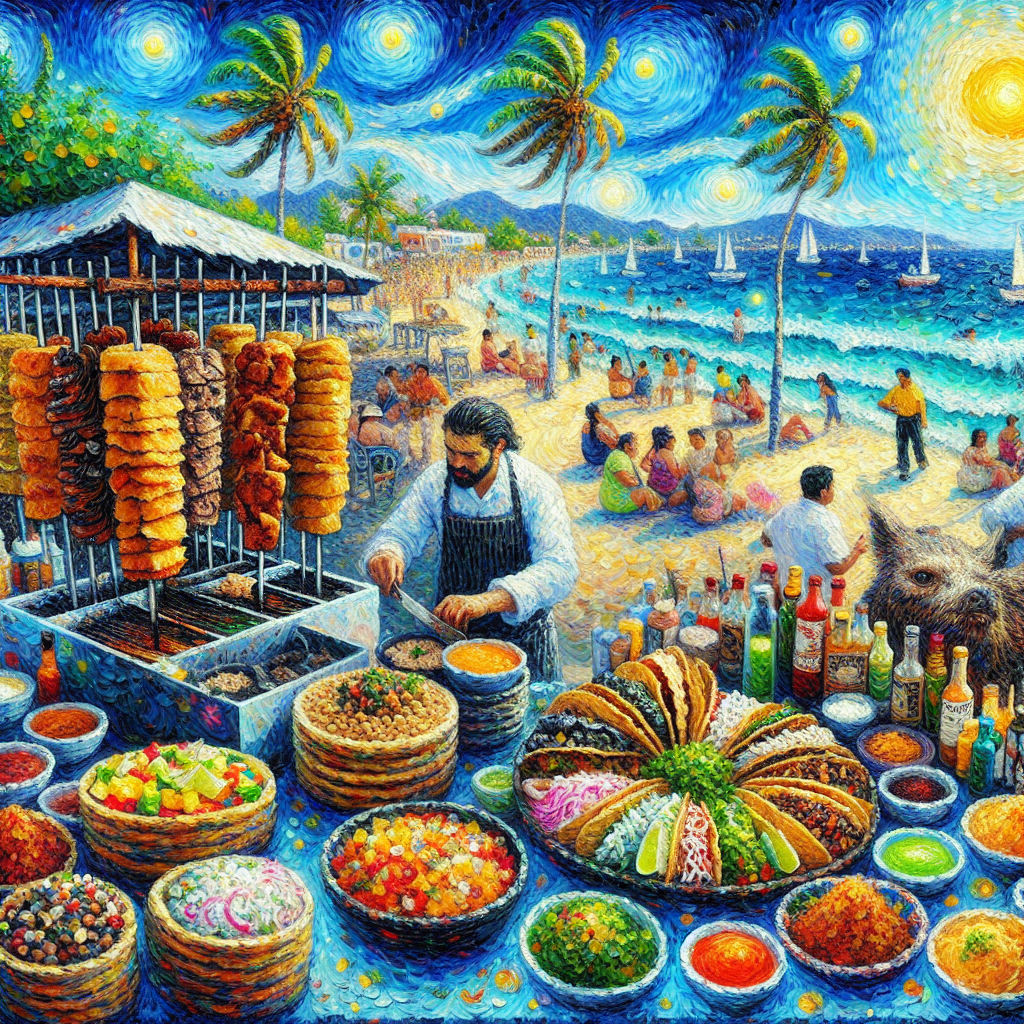
Picture Cozumel—sun-soaked, vibrant, and alive with the energy of tourists flocking to its shores. For the local businesses, these crowds carry a mixed bag of opportunities and challenges. Take Juan, who runs a beachfront taco stand. When the cruise ships dock, his modest setup transforms into a bustling hub, filled with laughter and the scent of sizzling tortillas. Yet, for every wave of excited visitors, there’s a mountain of challenges that come crashing in.
Crowds can mean a surge in sales, but they also prompt a flood of competition. With pop-up shops and vendors lining the streets, the landscape can feel like a carnival—a thrilling experience for visitors yet daunting for local entrepreneurs. Juan often finds himself competing with larger establishments throwing appealing promotions, making it harder for his homemade recipes to shine through. It’s a delicate dance—balancing quality service and the ability to stand out amidst the chaos.
The emotional rollercoaster doesn’t stop there. This vibrant tourist season causes an influx of hope for many, yet it breeds anxiety for others. The pressure to meet the demands of thousands can be overwhelming. I remember chatting with Maria, who runs a quaint souvenir shop. She told me about a day when her small store was swarmed with tourists clamoring for personalized gifts. Joy filled the air, but as the hours ticked on, fatigue set in. Her hands, accustomed to careful creation, suddenly felt too heavy to keep up with the rush. It taught her the invaluable lesson of preparation— anticipating the crowds with a larger inventory, and ensuring her staff is ready to tackle the busy days ahead.
But those crowded days offer something more—a chance to connect, to weave stories that foster bond and trust. In a world driven by fleeting interactions, it’s the local businesses like Juan’s and Maria’s that remind us of the humanity behind the commerce. They turn transactions into friendships, turning a simple purchase into a shared experience.
At the end of the day, the impact of crowds on local businesses in Cozumel is more than a matter of numbers. It’s about resilience, adaptability, and the unwavering spirit of those who call this island home. Embracing the chaos, they stand ready to greet every visitor, one taco or souvenir at a time, trusting that the crowds can bring not just challenges, but untold opportunities for connection and growth.
What Impact Do Crowds Have on Local Businesses In Cozumel?
What Impact Do Crowds Have on Local Businesses In Cozumel?
- Cozumel attracts tourists, creating mixed opportunities and challenges for local businesses.
- Increased crowds can surge sales but also intensify competition from pop-up vendors.
- Local entrepreneurs struggle to differentiate themselves from larger establishments with promotions.
- Business owners experience emotional highs and lows, from hope to anxiety, during peak tourist seasons.
- Preparation is crucial, including larger inventories and adequately staffed operations to meet demand.
- Crowded days facilitate connections, transforming transactions into meaningful relationships.
- The impact of crowds highlights resilience and adaptability among local business owners in Cozumel.
What Impact Do Crowds Have on Local Businesses In Cozumel?
How Can Data Analytics Aid In Managing Post-Cruise Traffic?
Data analytics can be a game-changer when it comes to managing post-cruise traffic, especially in popular destinations like Cozumel. Imagine stepping off a cruise ship, the sun is shining, and excitement hangs thick in the air. But then reality sets in. You find yourself in a sea of fellow travelers, all vying for taxis, excursions, or simply trying to figure out where to go next. It’s overwhelming and often frustrating. That’s where data analytics steps in—they’re like a lighthouse guiding ships safely to shore amidst turbulent waters.
Each wave of tourists brings its own set of challenges. You might recall a time when the local attractions became so crowded that they lost their charm, or when you found it nearly impossible to snag a last-minute excursion because everyone else had the same idea. But with data analytics, those challenges shrink. By analyzing historical traffic patterns, weather reports, and current events, local authorities and businesses can anticipate peak times and direct resources more efficiently.
Picture a scenario where businesses collaborate, sharing data about customer trends. When cruise season heats up, companies can adjust schedules for transportation services, ensuring that there are enough cabs and shuttles to accommodate the influx. Information about popular excursions can be relayed via mobile notifications. Instead of feeling lost in the crowd, tourists receive real-time updates, directing them to less crowded spots or alternative adventures that still promise fun and engagement.
One of the fascinating aspects of this approach is its ability to enhance the local experience. When data analytics enable more efficient movement of people, it doesn’t just benefit the visitors; it enriches the community too. Residents can breathe easier during peak tourism times, and local businesses can thrive without feeling overwhelmed. Data-driven strategies create a win-win situation, inspiring trust and fostering a cooperative spirit.
Now, let’s not forget about the human element. Each traveler has their own story, a personal journey tied to moments spent in Cozumel. Imagine ensuring smooth transitions for those families excited to explore the area, or even the solo travelers eager to forge connections.
In this digital age, harnessing the power of data analytics is not just about numbers; it’s about creating memorable experiences and lasting connections. It’s about transforming chaos into a well-orchestrated dance, making Cozumel not just a destination but a resilient community where everyone feels welcome and valued.

How Can Data Analytics Aid In Managing Post-Cruise Traffic?
How Can Data Analytics Aid In Managing Post-Cruise Traffic?
- Data analytics can significantly improve post-cruise traffic management in tourist destinations like Cozumel.
- Tourists often face overwhelming crowds upon disembarking, complicating their experience.
- Analyzing historical patterns and current events allows for better resource allocation and anticipation of peak times.
- Collaboration among businesses can enhance transportation services to accommodate influxes of tourists.
- Real-time updates can guide tourists to less crowded attractions and activities.
- Efficient movement benefits both visitors and local communities, fostering trust and cooperation.
- The integration of data analytics helps create memorable experiences, connecting travelers with the local culture.

How Can Data Analytics Aid In Managing Post-Cruise Traffic?
What Role Does Real-Time Information Play In Traffic Management?
Traffic—it’s the universal language of frustration. We’ve all been there: stuck in an endless sea of brake lights, feeling like we’re in a slow-motion movie, where everyone else is a co-star in a drama we didn’t sign up for. Real-time information, however, is the unsung hero of modern traffic management. It’s like having a GPS not just for directions, but for understanding exactly what’s happening on the road ahead.
Imagine you’re driving to Cozumel, the sun shining and the ocean breeze calling your name. You’re ready for adventure, but first, you hit the highway at rush hour. Now, instead of gazing helplessly at the rear bumper of the car in front, armed with real-time updates on traffic conditions, you’re presented with choices. A quick glance at your phone or dashboard display reveals a slick shortcut, avoiding construction delays and accidents. That’s the power of timely information.
Technology has transformed the way we interact with traffic. It’s not just about getting from Point A to Point B anymore; it’s about making informed decisions along the way. Traffic management systems integrated with live data can guide us, providing updates on construction zones, accidents, and even weather conditions. This puts control back in your hands, allowing you to adjust your plans—whether it’s taking a scenic detour or rescheduling your departure time altogether.
Consider a family reunion where everyone’s driving from different locations. Instead of the usual anxious calls asking, “Are you there yet?” imagine a situation where each person can see live updates on road conditions. This level of real-time connection can ease tensions and foster unity. Instead of arriving stressed and late, you show up together, laughing about the adventures each driver faced on the way.
In the grand dance of urban life, real-time information empowers us all to be better navigators. It builds trust in our transportation infrastructure and fosters confidence in our ability to reach our destinations safely and efficiently. As drivers, we become part of a community connected not just by our vehicles but by shared experiences and knowledge. Real-time information reminds us that we’re all in this together, transforming simple trips into a collective journey—every bit as dynamic as the tides embracing the shores of Cozumel.

What Role Does Real-Time Information Play In Traffic Management?
What Role Does Real-Time Information Play In Traffic Management?
- Traffic is a common source of frustration for many drivers.
- Real-time information enhances modern traffic management and navigation.
- Timely updates allow drivers to make informed decisions and avoid delays.
- Technology now provides live data on traffic conditions, construction, and weather.
- Real-time updates can reduce stress during group travel, promoting unity.
- Empowering information builds trust in transportation systems and improves safety.
- Shared experiences in traffic transform journeys into collective adventures.
What Role Does Real-Time Information Play In Traffic Management?
Conclusion
In Cozumel, the post-cruise crowd experience can often feel overwhelming, transforming the joyful return from a day of exploration into a frantic hustle. With thousands of travelers flooding the ports, the mix of excitement and stress can overshadow the wonderful memories created during the day. However, intelligent traffic systems are emerging as a vital solution to this challenge, acting like an orchestral conductor to manage the flow of people and vehicles.
These systems, equipped with real-time data and sensory technology, analyze crowd movements, providing timely guidance that can ease congestion. Imagine receiving notifications that direct you to less crowded pathways or suggest the quickest routes back to your ship, allowing for a smoother return journey. This not only relieves stress but elevates the travel experience, enabling visitors to enjoy their final moments on the island without the chaos of overcrowding.
While post-cruise traffic can feel like a tidal wave of excitement, it brings along challenges. Local businesses, like shops and street vendors, see both opportunities and competition when cruise ships dock, leading to a lively yet sometimes overwhelming environment. This surge requires locals to adapt, balancing the bustling influx with their everyday life.
Data analytics plays a critical role in managing these post-cruise crowds. By analyzing traffic trends and visitor patterns, businesses can optimize their resources, ensuring there are enough transportation options and that information about excursions reaches eager travelers efficiently. Real-time updates allow for smoother transitions, enhancing the experience for both visitors and locals.
The integration of intelligent traffic systems and real-time information fosters a sense of community and collaboration among tourists and residents alike. Rather than viewing the influx of visitors as a disruption, it can be seen as an invitation to connect, promoting the rich culture of Cozumel. Embracing these technological advancements allows for a harmonious flow—from the moment cruising guests step onto the docks until they sail away, leaving behind memories woven into the fabric of island life. In essence, intelligent traffic systems not only manage chaos but also transform it into a symphony of experiences, making the journey through Cozumel as memorable as the destination itself.
Conclusion
Conclusion:
- The post-cruise crowd in Cozumel can create an overwhelming experience for travelers.
- Intelligent traffic systems are being implemented to manage the flow of people and vehicles effectively.
- These systems utilize real-time data and sensory technology to analyze crowd movements and provide guidance.
- Travelers can receive notifications for less crowded routes, enhancing their return journey to the ship.
- Local businesses face both opportunities and competition due to the influx of cruise ship passengers.
- Data analytics helps optimize resources for transportation and excursions, benefiting visitors and locals alike.
- Integrating these technologies fosters community connections and enhances the travel experience in Cozumel.
Conclusion
Other Resources
Other Resources
Here is a list of other resources you can review online to learn more:
- Malecon Cruise Port
- San Juan Beach Club
- Punta Langosta Mall
- Cozumel Eco Tours
- Cozumel Chef
- La Ruta de las Iglesias
- The Westin Cozumel
- Avis
- Kondesa Restaurant
- Playa Palancar Beach Club
- GFNY Cozumel
- Los Chilangos Loncheria
- El Mercado
- Cozumel Island Tours
- Hard Rock Cafe Cozumel
- Cozumel ATV Adventure
- Villa Deja Blue
Use This Prompt To Get More Resources With Your Favorite Online AI Tool: Please provide me with a list of online articles with their URLs in a bulleted list that I can read regarding Managing Post-Cruise Crowds with Intelligent Traffic Systems In Cozumel
Other Resources
Glossary Terms
Managing Post-Cruise Crowds with Intelligent Traffic Systems In Cozumel – Glossary Of Terms
1. Intelligent Traffic Systems: Advanced technological solutions that enhance the management and flow of vehicular and pedestrian traffic.
2. Crowd Management: Strategies and practices aimed at controlling and directing large groups of people to ensure safety and efficiency.
3. Cozumel: A popular island destination in the Caribbean known for its cruise ship port and tourism.
4. Traffic Flow: The movement of vehicles and pedestrians on roadways, influenced by traffic management strategies.
5. Real-Time Data: Information that is collected and processed immediately to enhance decision-making in traffic management.
6. Surveillance Cameras: Devices used to monitor and analyze crowd and vehicle behavior in designated areas.
7. Dynamic Signage: Electronic signs that provide real-time information to drivers and pedestrians about traffic conditions.
8. Pedestrian Management: Techniques for managing foot traffic to ensure safety and smooth passage in crowded areas.
9. Smart Sensors: Devices that collect data on traffic patterns and crowd densities to inform traffic control measures.
10. Queueing Theory: The study of how lines and waiting periods affect service efficiency and crowd management.
11. Access Control: Methods used to regulate entry and exit points to maintain organized traffic flow.
12. Traffic Simulation: Using computer models to predict and analyze traffic patterns and crowd behavior under various scenarios.
13. Logistics Planning: The process of organizing and coordinating the movement of people and vehicles to optimize traffic flow.
14. Emergency Response: Planning and protocols for addressing unforeseen incidents that may disrupt traffic and crowds.
15. Public Transportation Integration: Coordinating local transit services with cruise schedules to reduce traffic congestion.
16. Visitor Experience: The overall satisfaction and enjoyment of tourists while navigating post-cruise environments.
17. Crowd Analytics: The analysis of crowd movements and behaviors to inform management strategies and decisions.
18. Incident Management: Procedures and actions taken to resolve accidents or disturbances that affect traffic.
19. Load Balancing: Distributing traffic evenly across multiple routes to prevent congestion.
20. Sustainable Mobility: Transportation methods that prioritize environmental responsibility and community well-being.
21. Urban Planning: The design and regulation of land use and transportation systems in urban areas.
22. Data-Driven Decisions: Utilizing collected data to guide management strategies and policies.
23. Wayfinding Systems: Tools and methods that help guide pedestrians through complex environments.
24. Community Engagement: Involvement of local stakeholders in planning and decision-making processes regarding traffic management.
25. Bicycle and Pedestrian Infrastructure: Facilities designed to ensure the safety and convenience of non-motorized traffic.
26. Cruise Terminal Operations: The management of activities and logistics surrounding the arrival and departure of cruise ships.
27. Access Points: Designated locations for vehicles and pedestrians to enter and exit crowded areas.
28. Predictive Analytics: Techniques that analyze current and historical data to forecast traffic conditions and crowd behaviors.
29. Traffic Control Devices: Equipment like signs, signals, and barriers used to direct and manage traffic.
30. Visitor Flow Optimization: Strategies aimed at improving the movement and experience of tourists in high-traffic areas.

Glossary Of Terms
Other Questions
Managing Post-Cruise Crowds with Intelligent Traffic Systems In Cozumel – Other Questions
If you wish to explore and discover more, consider looking for answers to these questions:
- How exactly would intelligent traffic systems (ITS) be implemented in Cozumel?
- Who would own, operate, and maintain the ITS infrastructure?
- What is the estimated cost to install and run ITS in Cozumel?
- How long would deployment and testing of ITS take?
- Which agencies, businesses, or stakeholders need to be involved?
- Are there existing case studies of ITS used successfully at other cruise ports?
- What specific technologies (sensors, cameras, V2X, apps) would be used?
- How will ITS integrate with port operations and cruise line schedules?
- How is real-time data collected, processed, and shared?
- What data sources (ticketing, GPS, cell data, Wi‑Fi, cameras) will be used?
- How will passenger privacy be protected and what data retention policies will apply?
- How accurate and reliable is the crowd and traffic detection technology?
- How will ITS handle peak surges when multiple ships arrive simultaneously?
- What are the fallback procedures if the ITS fails or loses connectivity?
- How will ITS alerts and route recommendations be delivered to visitors (apps, signage, SMS)?
- Will the system support multiple languages for international tourists?
- How will ITS accommodate visitors without smartphones or with limited connectivity?
- What accessibility features will be included for people with disabilities?
- How will ITS recommendations balance efficiency with tourist experience and local business exposure?
- Could ITS routing divert tourists away from small local businesses and harm livelihoods?
- How will local businesses be involved and how can they benefit from ITS data?
- What metrics will be used to measure ITS success (wait times, congestion reduction, economic impact)?
- How will the system adapt to seasonal fluctuations in tourism?
- What cybersecurity measures will protect ITS infrastructure and traveler data?
- Will ITS require new physical infrastructure (power, fiber, poles) and where will it be placed?
- How resilient is ITS to extreme weather and island-specific challenges?
- Are there regulatory or legal hurdles to deploying monitoring technologies in public spaces?
- Who funds ITS—government, private sector, cruise lines, public‑private partnerships?
- Can ITS be scaled to other islands or smaller ports in the region?
- How will ITS handle emergency situations (medical, evacuation, security incidents)?
- What training will staff and first responders need to use ITS effectively?
- How often will the system need updates and what are the ongoing maintenance costs?
- What level of smartphone penetration among cruise passengers is assumed for app-based features?
- How will ITS recommendations account for local events, construction, and temporary closures?
- Will ITS use predictive analytics and machine learning to anticipate future crowds?
- What are the environmental impacts of installing and operating ITS?
- How will community feedback be collected and incorporated post-deployment?
- What alternatives or low‑tech crowd management strategies could complement ITS?
- Which vendors or technology providers are best suited for small island port deployments?

Other Questions
Haiku
Managing Post-Cruise Crowds with Intelligent Traffic Systems In Cozumel – A Haiku
Cruise crowds surge back,
Smart systems guide weary souls,
Flowing paths of calm.
Haiku
Poem
Managing Post-Cruise Crowds with Intelligent Traffic Systems In Cozumel – A Poem
In Cozumels vibrant heat, where travelers roam,
Post-cruise crowds emerge, far from their home.
With laughter and chaos, the shores come alive,
Yet through the turmoil, how can peace survive?
Intelligent systems, a guiding light,
Transforming the frenzy into paths that feel right.
Real-time data flows to ease the strain,
Finding routes less traveled, joy without pain.
Visitors rush, seeking sights to explore,
In every corner, the local culture implores.
Yet high tides of tourists can bring a heavy weight,
For every taco stand, a crowd can create.
But resilience blooms as locals adapt,
With every wave of visitors, new connections are tapped.
Through data and feedback, the chaos is tamed,
A symphony of movement, where hearts are acclaimed.
So embrace the bustle, the vibrant display,
For in Cozumel’s rhythm, a bond finds its way.
With every journey shared, let the stories unfold,
In chaos, theres connection, in laughter, pure gold.

Poem
Checklist
Managing Post-Cruise Crowds with Intelligent Traffic Systems In Cozumel – A Checklist
Understand Peak Times
✅______ Research cruise ship schedules and expected foot traffic.
✅______ Analyze historical data on visitor patterns.
Utilize Intelligent Traffic Systems
✅______ Implement systems that provide real-time data on crowd dynamics.
✅______ Ensure capabilities for adaptive traffic signal control.
Enhance Communication
✅______ Set up alerts for tourists regarding crowd conditions and traffic suggestions via mobile apps.
✅______ Encourage local businesses to share real-time customer trends and data.
Direct Traffic Effectively
✅______ Use signage to guide tourists to underutilized pathways and less congested areas.
✅______ Monitor traffic flow and adjust directions based on current conditions.
Engage Local Community
✅______ Create feedback loops for locals and visitors to report traffic issues.
✅______ Involve local stakeholders in planning to balance business opportunities and local life.
Focus on Visitor Experience
✅______ Offer tips on hidden gems and quieter areas for tourists to explore.
✅______ Promote accessibility of services and attractions outside peak times.
Prepare Local Businesses
✅______ Equip businesses with data analytics tools to forecast customer influx.
✅______ Encourage preparation for high traffic days with adequate staffing and supplies.
Implement Feedback Mechanisms
✅______ Establish systems for visitors to share their experiences of congestion and navigation challenges.
✅______ Regularly review feedback to refine crowd management strategies.
Adopt Advanced Technologies
✅______ Explore using V2X (vehicle-to-everything) communication for better traffic flow and safety.
✅______ Invest in smart cameras to monitor and analyze pedestrian and vehicle movement.
Promote Environmental Awareness
✅______ Consider the ecological impact of increased traffic and crowd levels.
✅______ Integrate sustainable practices in traffic management systems and promotion strategies.

Checklist
At TopCozumelNews, we help travelers enjoy Cozumel by collating information learned from frequently traveling to beautiful Cozumel.
Be sure to read our other related stories at TopCozumelNews to learn more about the Island of Cozumel.