



Enhancing Cozumel: A Harmonious Journey For Every Visitor Experience
By Tom Seest
At TopCozumelNews, we help travelers enjoy Cozumel by collating information learned from frequently traveling to beautiful Cozumel.
Be sure to read our other related stories at TopCozumelNews to learn more about the Island of Cozumel.
AI-Optimized Visitor Flow – Balancing Cruise Ship Days In Cozumel
In the heart of the Caribbean, Cozumel stands as a shimmering beacon for cruise ship visitors. Yet, beneath the surface of paradise lies a delicate dance—one that requires not only strategy but a genuine understanding of what makes a visit truly memorable. The interplay between locals and visitors creates a unique rhythm, and it is this rhythm that we must pay attention to.
Imagine the bustling streets filled with the laughter of families and the eager chatter of newcomers stepping off the ship. They’re ready to dive headfirst into an adventure, but as they navigate through this blissful yet busy paradise, a challenge unfolds. The influx of cruise ship days can turn an otherwise charming island into a crowded hub, overwhelming its vibrant culture. It’s a mariner’s paradox: too many ships, and the waters become choppy.
This is where AI-optimized visitor flow comes into play, presenting a compassionate solution to a genuine problem. By leveraging artificial intelligence, we can analyze data patterns, tap into the ebb and flow of visitor numbers, and help to disperse crowds across Cozumel’s many hidden gems. It’s not just about numbers; it’s about cultivating an experience that feels personal and authentic. Local artisans, small eateries, and tranquil beaches often get overshadowed by popular tourist spots, but with AI’s help, we can shine a light on these treasures.
There’s a story behind every corner, from the artisan weaving colorful hammocks to the famed chef grilling fresh catch by the shore. Each tale offers a slice of Cozumel that tourists often miss. By optimizing visitor flow, we can invite travelers to explore the road less taken, fostering connections that resonate beyond the confines of their cruise schedules.
Embracing this technology doesn’t strip away the warmth that Cozumel offers; rather, it enhances it, ensuring that every visitor walks away with a memory that feels uniquely theirs. Trust in this approach means trusting in a custom experience where local voices are amplified. As we navigate the waves of tourism together, let’s be proactive in fostering an environment that cherishes the essence of Cozumel while serving those eager to explore its depths.
So, whether you’re drawn by the allure of pristine beaches or the rich stories of the island’s people, remember: your journey can be more than just a brief stop. It can be the beginning of a lifelong appreciation for Cozumel and all it has to offer. Embrace the adventure, and let’s make it a mesmerizing one.

AI-Optimized Visitor Flow – Balancing Cruise Ship Days In Cozumel
AI-Optimized Visitor Flow – Balancing Cruise Ship Days In Cozumel
- Cozumel attracts cruise ship visitors, offering a unique experience influenced by local interactions.
- The influx of tourists can overwhelm the island’s culture, creating a crowded environment.
- AI-optimized visitor flow can help manage visitor numbers and enhance experiences.
- The approach highlights local artisans, eateries, and hidden gems often missed by tourists.
- Each corner of Cozumel offers unique stories that deepen travelers’ connections to the island.
- Embracing technology enhances the local experience without diminishing its warmth and charm.
- Visitors can transform a brief stop into a lifelong appreciation for Cozumel’s offerings.

AI-Optimized Visitor Flow – Balancing Cruise Ship Days In Cozumel
Table Of Contents
- AI-Optimized Visitor Flow – Balancing Cruise Ship Days In Cozumel
- What Is AI-Optimized Visitor Flow for Cruise Ships?
- How Does It Improve Efficiency?
- What Challenges Do Cruise Ships Face In Cozumel?
- How Can AI Balance Visitor Numbers Effectively?
- What Technologies Are Used In AI Optimization?
- How Does Visitor Flow Impact Local Businesses?
- What Are the Environmental Considerations?
- Conclusion
- Other Resources
- Glossary Of Terms
- Other Questions
- Haiku
- Poem
- Checklist
What Is AI-Optimized Visitor Flow for Cruise Ships?
Picture this: you and your family are about to embark on a long-awaited cruise, dreaming of sunny beaches and excursions to places like Cozumel. You’re filled with excitement, but then the reality hits – long lines, crowded decks, and the chaos of boarding can sometimes take the wind out of your sails. It’s a familiar struggle for many cruise-goers, and let’s face it, nobody signed up for a vacation that feels like a game of sardines.
Enter AI-optimized visitor flow, a game-changing innovation in the cruise industry. Imagine a system that cuts through the clutter, transforming the way you experience your voyage. By leveraging artificial intelligence, cruise lines can streamline the guest journey from embarkation to disembarkation, making your adventure smoother and more enjoyable.
Consider the thrill of smoothly boarding your ship without waiting in endless lines. With AI, your experience is personalized, guiding you seamlessly to your cabin, dining options, and the best local hotspots in places like Cozumel. It takes into account not just passenger data but also historical patterns and real-time feedback. The system learns which activities thrill you, what dining settings you prefer, and can even anticipate crowds, ensuring that days at sea or on shore are as relaxing as they should be.
One unique aspect of AI visitor flow is its ability to provide an enhanced experience during excursions. Picture this: you’ve just stepped off the ship, ready to explore. Instead of following the herd, your AI assistant highlights hidden gems based on your interests. Maybe it directs you to a local dive shop for snorkeling or to a secluded beach where the only footprints in the sand are yours. This isn’t just about efficiency; it’s about creating memories that feel distinctive and personal amidst the usual cruise hustle.
At its core, AI-optimized visitor flow fosters a sense of trust and confidence in your cruise experience. By harnessing technology, cruise lines can ensure that every journey is a well-orchestrated symphony instead of a cacophony of chaos. So as you plan your next getaway, know that the industry is evolving, aiming to provide not just a trip but an experience that resonates with both connection and adventure. Rest assured; your next cruise could very well be the unforgettable escape you’ve always dreamed of.

What Is AI-Optimized Visitor Flow for Cruise Ships?
What Is AI-Optimized Visitor Flow for Cruise Ships?
- Families often feel excitement for a cruise, but boarding can be chaotic with long lines and crowded decks.
- AI-optimized visitor flow aims to enhance the cruise experience by streamlining guest journeys from embarkation to disembarkation.
- This technology personalizes experiences by guiding guests to their cabins, dining options, and local hotspots.
- AI systems learn passenger preferences and anticipate crowds to improve relaxation during the cruise.
- During excursions, AI assistants can lead guests to personalized experiences, such as hidden gems or secluded beaches.
- The use of AI fosters trust and confidence, aiming for a well-orchestrated travel experience.
- The cruise industry is evolving to offer more memorable and personalized adventures for travelers.

What Is AI-Optimized Visitor Flow for Cruise Ships?
How Does It Improve Efficiency?
Life is a series of choices, and each choice we make can either make our days smoother or turn them into a chaotic scramble. Think about the times you’ve rummaged through your toolbox looking for that one specific wrench—time lost that could have been spent getting the job done. Efficiency isn’t just a buzzword; it’s a lifeline in our messy, busy lives.
Consider a small business owner in Cozumel, juggling everything from inventory to customer service. Each minute is precious. The moment they discover a streamlined process or an innovative tool, it’s like finding that elusive wrench right where it should be. Suddenly, their day becomes more manageable, their focus sharpens, and customer satisfaction leaps because now they have time to genuinely engage with their clients instead of merely processing orders. This isn’t just about saving time; it’s about enhancing the quality of each interaction, whether it’s with a customer, a colleague, or even a friend.
Embracing efficiency becomes a mindset. Picture a well-choreographed dance, where each move flows seamlessly into the next. When we adopt this rhythm—whether in our work or daily routines—tasks become less about effort and more about execution. The challenges we face begin to shift from hurdles to stepping stones, pushed onward by our newfound clarity and effectiveness.
Let’s talk about tools. The right tools can make all the difference. Imagine you’re on a small island, Cozumel perhaps, and you need to build a shelter. You’ve got a saw with a rusty blade. It’s functional, but it sure demands more energy and time. Now imagine switching that out for a sharp, efficient saw. The task doesn’t just become easier; it can even become enjoyable! You might find yourself whistling a tune while you work, a testament to how the right tools can transform labor into something almost joyful.
Above all, recognizing the power of efficiency ignites a shift in perspective. It’s about taking control, moving away from a reactionary mindset and adopting a proactive stance. When you master this, you can tackle any challenge with confidence, knowing you’ve equipped yourself with the right strategies and tools.
So, whether you’re in Cozumel or somewhere far from it, remember: efficiency isn’t just about getting more done; it’s about improving your life quality. It’s about building a system that works for you, allowing you to focus on what truly matters. Your time is worth more than just a ticking clock; it’s the canvas upon which you paint the life you desire.
How Does It Improve Efficiency?
How Does It Improve Efficiency?
- Life is a series of choices that impact daily experiences, affecting efficiency and chaos.
- Small business owners, like those in Cozumel, rely on streamlined processes to manage time effectively.
- Efficient tools enhance productivity and improve engagement with customers, colleagues, and friends.
- Adopting an efficiency mindset transforms tasks into seamless execution rather than mere effort.
- The right tools can make tasks easier and even enjoyable, switching from laborious to fulfilling work.
- Recognizing the power of efficiency fosters a proactive mindset and boosts confidence in facing challenges.
- Efficiency improves quality of life, allowing focus on what truly matters beyond just time management.

How Does It Improve Efficiency?
What Challenges Do Cruise Ships Face In Cozumel?
Cozumel is a tropical paradise, a coveted stop for cruise ships brimming with eager travelers, each one dreaming of sun-soaked beaches and vibrant local culture. But beneath the serene surface lies a battleground of challenges that cruise ships face as they navigate this beautiful, yet complex destination.
Imagine a luxurious floating city gently rocking on turquoise waters. Each wave cradles not just a vessel of holidaymakers, but also a myriad of logistical hurdles. The allure of Cozumel comes at a price. The moment these ships dock, they become part of a delicate ecosystem, one that relies on local infrastructure, environmental regulations, and cultural interactions. The logistics of landing thousands of passengers in a single day can turn into a monumental task. Ports were not initially designed for this level of influx, leading to congested docks and overwhelmed facilities.
Then there’s the question of sustainability. Cruise ships are often criticized for their environmental impact. As much as they bring economic vitality to Cozumel, they also risk overwhelming its natural beauty. The delicate coral reefs and marine life are not just scenic backdrops; they are vital to the island’s ecological balance. Striking a balance between tourism and environmental stewardship is a challenging dance, and both cruise operators and local authorities must step in sync to preserve this paradise.
On a more personal level, consider the crew members on board—the unsung heroes whose day-to-day experiences connect the ship to the shores of Cozumel. Their stories reveal a wealth of resilience. From navigating rough seas to ensuring that every passenger’s needs are met, they face unique challenges that often go unnoticed. Picture a young deckhand standing at sunrise, longing to experience the beauty that beckons just beyond the ship’s rails, yet bound by responsibilities that keep them at bay. These narratives echo the shared human experience of longing and duty, a reminder that behind every cruise is a tapestry of lives intertwined with the destination.
The heart of cruising in Cozumel ultimately lies in collaboration. By connecting the cruise lines, local stakeholders, and the community, everyone can thrive. It’s not just about maximizing profits but fostering a harmonious relationship that honors the island’s heritage while embracing the modern traveler’s desires. When we invest in sustainable practices and respect local culture, we don’t just enhance the vacation experience; we ensure that Cozumel shines as brightly for future generations as it does for us today.
What Challenges Do Cruise Ships Face In Cozumel?
What Challenges Do Cruise Ships Face In Cozumel?
- Cozumel is a popular cruise destination known for its beaches and vibrant culture.
- Cruise ships face logistical challenges when docking, due to outdated port facilities not designed for large influxes of passengers.
- Sustainability is a major concern, with cruise ships critiqued for their environmental impact on local ecosystems.
- Coral reefs and marine life are vital to Cozumel’s ecological balance and require protection from over-tourism.
- Crew members play a crucial role in the cruise experience, often facing unique challenges and responsibilities.
- Collaboration among cruise lines, local stakeholders, and the community is essential for sustainable tourism development.
- Investing in sustainability and respecting local culture enhances tourism and preserves Cozumel for future generations.

What Challenges Do Cruise Ships Face In Cozumel?
How Can AI Balance Visitor Numbers Effectively?
Picture this: a sunny day in Cozumel, where tourists flock to the island’s vibrant beaches and lush landscapes. The excitement in the air is palpable, but soon, that thrill can turn into frustration as overcrowded spots make relaxation feel impossible. We’ve all been there, navigating through throngs of people, searching for that elusive moment of peace. This is where AI steps in—a powerful ally in the quest for balance between welcoming visitors and preserving the magic of these beautiful destinations.
Imagine you’re a local business owner in Cozumel, witnessing the ebb and flow of visitor numbers. On one hand, each arriving guest holds the promise of increased sales. Yet, there’s a delicate line between thriving and being overwhelmed. Here, AI becomes the unsung hero, analyzing patterns, predicting peak times, and helping you manage crowds effectively. Picture an AI tool that puts you in tune with your surroundings, much like a seasoned captain reading the tides to set sail at just the right moment.
One innovative approach AI takes is dynamic visitor management. By utilizing real-time data, it can alert potential tourists about peak visiting hours, guiding them towards less congested times. Think of it as a friendly nudge, like a local friend showing you the hidden gems of Cozumel, where the sun sets in absolute tranquility, away from the bustling crowds.
But let’s dive deeper. The unique twist here is the concept of personalized visitor experiences. Imagine AI tailoring suggestions based on individuals’ preferences for adventure, relaxation, or culture. A family fascinated by marine life might receive insights on the best snorkeling spots when they are less crowded, allowing for both safety and enjoyment. This not only enhances their experience but fosters a connection to the local environment, creating something much more meaningful than simply filling a seat.
This blend of technology and human touch isn’t just a trend; it’s a necessity. We all want to enjoy our journeys without the burdens of overcrowding. By harnessing the capabilities of AI, we can craft not just better tourist experiences but also a sustainable future for magnificent places like Cozumel. The goal isn’t merely to manage numbers; it’s about preserving the charm of these locales while still allowing people to explore. The ultimate destination remains the same—a shared enjoyment of what makes our world extraordinary.

How Can AI Balance Visitor Numbers Effectively?
How Can AI Balance Visitor Numbers Effectively?
- Cozumel experiences overcrowding that frustrates tourists seeking relaxation.
- AI serves as a tool for balancing visitor numbers and preserving local charm.
- Local business owners can leverage AI to analyze visitor patterns and predict peak times.
- Dynamic visitor management using AI can inform tourists of optimal visiting hours.
- AI can personalize suggestions for activities based on individual preferences.
- This technology promotes safer and more meaningful experiences for visitors.
- The integration of AI enhances tourism sustainability while maintaining the allure of destinations.

How Can AI Balance Visitor Numbers Effectively?
What Technologies Are Used In AI Optimization?
In today’s fast-paced world, we often find ourselves grappling with overwhelming choices and complexities, whether we’re planning a vacation in Cozumel or deciding how to streamline operations at work. The good news is that AI optimization technologies are here to make life—and those decisions—easier. But what are these technologies that can help us manage the chaos?
At the core of AI optimization lies machine learning, a powerful tool that learns from data, improving its performance over time. Imagine a seasoned fisherman who, after years of experience, knows exactly where and when to cast his nets for the best catch. That’s machine learning in action—sifting through mountains of data to identify patterns and insights that would elude the naked eye. It’s not just about crunching numbers; it’s about finding that hidden gem amidst the noise, whether you’re trying to boost your business’s efficiency or optimize a vacation itinerary.
But there’s more to the story. Optimization algorithms, often seen as the unsung heroes, play a crucial role in making decisions quicker and more effectively. Think of it like a GPS recalculating your route. Instead of getting stuck in traffic on the way to your favorite spot in Cozumel, these algorithms help identify the quickest path, saving you time and the frustration of detours. They help businesses run simulations and “what-if” scenarios, enabling them to test decisions before they make them. This is particularly valuable in settings where stakes are high, like healthcare or finance, where missteps can have significant consequences.
One original notion to consider is the emotional impact of using AI optimization. While we often think of technology as impersonal and cold, the reality is different. When applied thoughtfully, AI can alleviate that burdensome decision fatigue we all feel. By streamlining the process, it gives back precious time—time we can spend enjoying life’s moments. Picture this: You’re planning a family trip to Cozumel, and instead of poring over endless options, an AI assistant suggests the best dining, activities, and accommodations tailored to your family’s preferences. That’s not just efficiency; that’s reclaiming joy.
In embracing these technologies, we can foster a connection—one based on trust and confidence in our decisions. AI optimization isn’t about replacing human intuition; it’s about enhancing it, empowering us to live fuller, richer lives without getting bogged down in the minutiae. It’s an invitation to seize control over our choices, letting technology shoulder some of the heavy lifting while we focus on what truly matters.
What Technologies Are Used In AI Optimization?
What Technologies Are Used In AI Optimization?
- AI optimization technologies simplify decision-making in a complex world.
- Machine learning uses data to improve insights and identify patterns.
- Optimization algorithms facilitate quicker, effective decision-making.
- These algorithms can simulate scenarios to inform decisions, crucial in high-stakes fields like healthcare and finance.
- AI can reduce decision fatigue and reclaim time for enjoyable experiences.
- AI enhances human intuition, promoting trust in decision-making processes.
- Embracing AI allows individuals to focus on what truly matters in life.
What Technologies Are Used In AI Optimization?
How Does Visitor Flow Impact Local Businesses?
The ebb and flow of visitors can feel like the tide, rising and falling with each season, each event, and each whim. For local businesses, this rhythm dictates not just the daily figures, but the emotional pulse of the community. Imagine a quaint café in Cozumel, where locals gather not just for coffee, but for connection. When the tourist season hits, tables fill up, laughter and chatter envelop the space, and the barista serves more than just lattes—she serves a slice of the island’s spirit.
But when the crowds disperse, the quiet can be palpable. Businesses watch the ghost town unfold, feeling the weight of uncertainty. It’s tough. There’s a palpable anxiety when cash registers ring less frequently, and those sweet conversations become whispers. The challenge is real, and it hits where it counts—right in the heart of local entrepreneurs.
Yet, there’s a twist in this tale of visitor flow. It’s less about merely surviving the seasons and more about cultivating relationships—both with visitors and within the community. When you engage tourists, share authentic stories about Cozumel, and invite them to experience the island’s hidden gems, something magical happens. They don’t just see your merchandise; they connect with your story. By fostering an inclusive atmosphere that welcomes visitors as valued guests, you create a bond that transcends the transaction.
Consider those businesses that thrive not simply during peak seasons but maintain a steady flow of loyal customers year-round. They tap into local culture, craft experiences, and weave together the narratives of those who walk through their doors. It’s about building trust—those visitors remember the café where the barista remembered their name and their order. They leave Cozumel, but they take a piece of it with them, sharing their story with friends and family, spreading the word about a little gem they stumbled upon.
Inspiration lies in transformation. For local businesses, the key is adapting to the ebb and flow with a focus on relationship-building. Engaging visitors emotionally can turn a fleeting moment into lasting loyalty. Remember, every visitor is a story waiting to be shared. Turn those stories into trust and action, and your business not only survives— it thrives.

How Does Visitor Flow Impact Local Businesses?
How Does Visitor Flow Impact Local Businesses?
- Visitor flow influences local businesses, reflecting seasonal changes and community emotions.
- A café in Cozumel illustrates the vibrant atmosphere during tourist seasons, fostering connection among locals.
- Businesses experience anxiety during off-seasons as customer interactions diminish and uncertainty grows.
- The key to success lies in building relationships with both visitors and the local community.
- Engaging tourists with authentic stories and inviting them to discover local gems enhances their connection to the business.
- Successful businesses maintain year-round customer loyalty by crafting experiences rooted in local culture.
- Emotional engagement and storytelling can transform transient interactions into lasting loyalty and trust.
How Does Visitor Flow Impact Local Businesses?
What Are the Environmental Considerations?
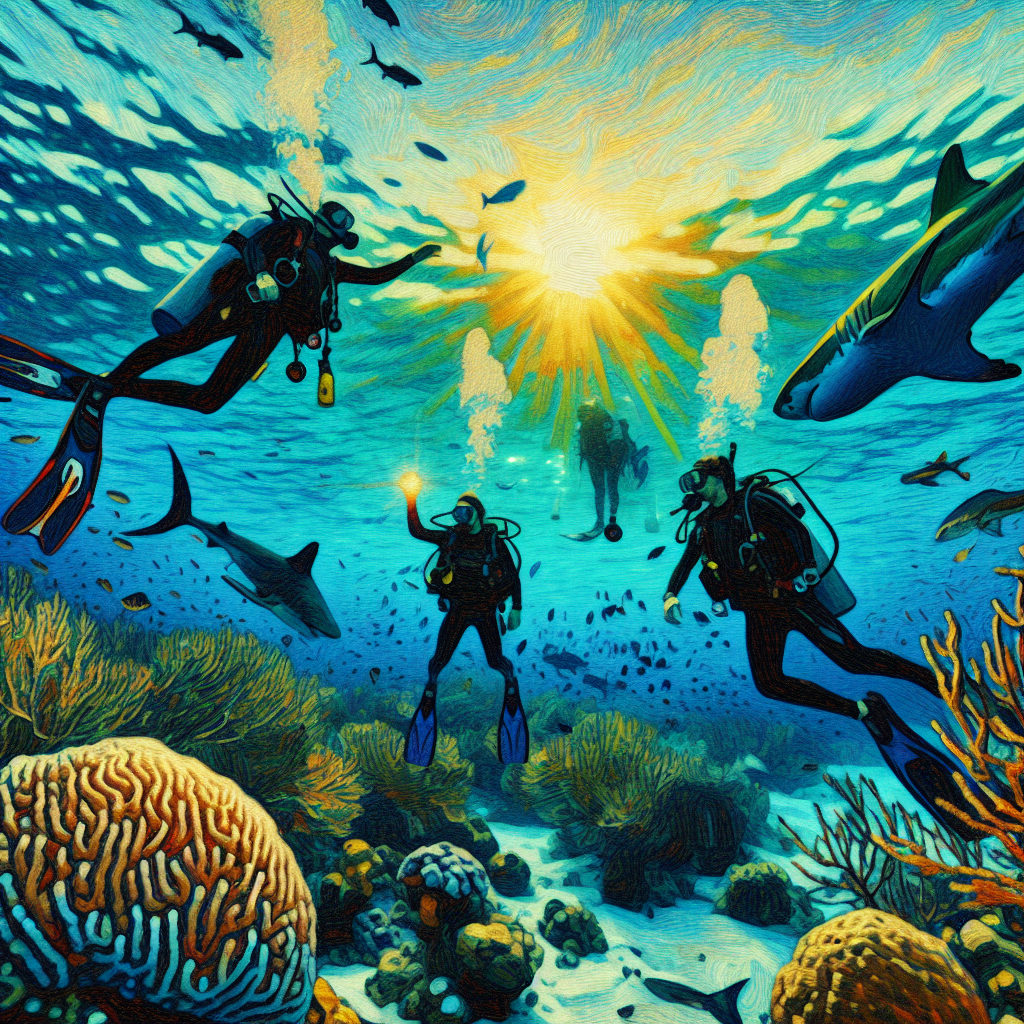
When you hear the word “environment,” it might trigger an array of emotions. Maybe you remember that pristine beach in Cozumel, where the sunlight dances on turquoise waves, making you feel alive and connected to something bigger than yourself. But then reality hits—pollution, climate change, deforestation—issues that seem so much larger than an individual. It can feel overwhelming, right? But here’s the thing: the environment isn’t just an abstract concept; it’s our backyard, our playground, and, quite frankly, our responsibility.
Let’s make it personal. I once took a trip to a remote island where the locals rely heavily on the ocean. Their lives are woven with the tides, and every plastic bottle washed ashore is a reminder of the fragility of this balance. The islanders told stories of how their fish stocks had dwindled over the years—once plenty, now scarce due to neglect and pollution seeping in from afar. It was a heavy moment, but it illuminated something vital: our collective actions matter.
Consider oceans like the one surrounding Cozumel. These waters don’t just exist in a vacuum; they are part of a larger ecosystem that reminds us everything is interconnected. It’s easy to feel distant from the impact of our choices. Perhaps you don’t throw plastic directly into the ocean, but the truth is that if it makes its way to a river, and then to the sea, it’s part of your story. It’s all tied together. Your decisions—whether to recycle, reduce plastic use, or support sustainable practices—are threads in the fabric of a broader environmental narrative.
Here’s a unique perspective: think of each environmental challenge as an opportunity for innovation. Instead of viewing climate change as an insurmountable problem, what if we collectively saw it as a chance to pioneer new technologies, create sustainable jobs, and revolutionize our relationship with nature? Every switch to a more sustainable lifestyle, every community initiative aimed at preserving local ecosystems, adds a little more color to our shared canvas.
The road ahead may have bumps, and yes, the emotional weight of environmental issues can be heavy. But by rallying together, we ignite a spark of hope. Each small choice creates ripples. Are you ready to be part of that change? Embrace the challenge, inspire others, and remember that every bit counts. Even in Cozumel, the heartbeat of the ocean awaits your commitment to make it healthier and more vibrant for generations to come.
What Are the Environmental Considerations?
What Are the Environmental Considerations?
- The word “environment” evokes various emotions, connecting personal memories with global issues.
- Pollution, climate change, and deforestation highlight our responsibility toward the environment.
- Personal experiences, such as visiting an island community dependent on the ocean, illustrate the fragility of ecosystems.
- Individual actions, even indirect ones, affect the larger environmental narrative.
- Environmental challenges can be framed as opportunities for innovation and sustainable practices.
- Collective effort and small choices can create significant positive change.
- Commitment to a healthier environment impacts future generations, as exemplified by the ocean surrounding Cozumel.

What Are the Environmental Considerations?
Conclusion
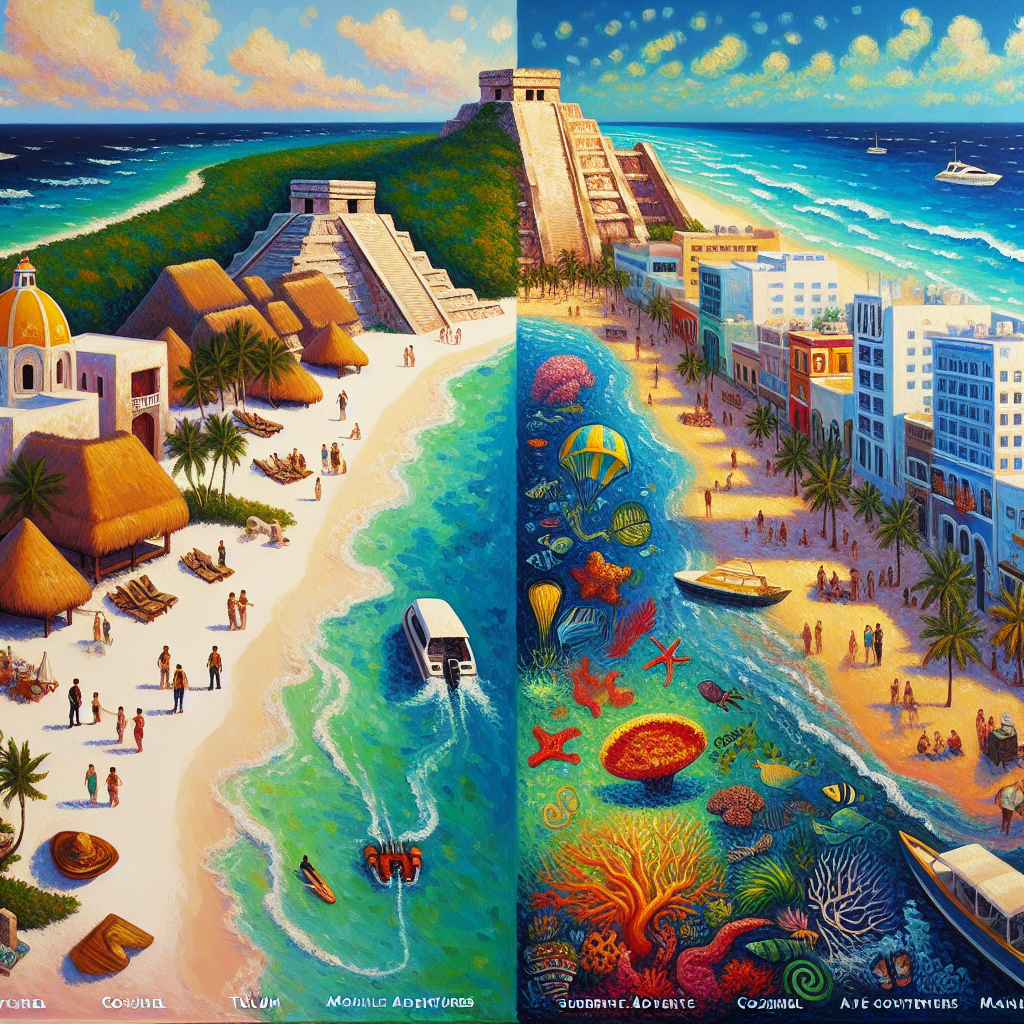
In Cozumel, the balance between the influx of cruise ship visitors and the preservation of local culture and environment is a delicate yet critical endeavor. The charm of this Caribbean jewel lies not only in its stunning beaches but also in the stories woven into its fabric. Each day, cruise ships bring eager travelers, ready to explore, but with this excitement also comes the challenge of overcrowding and overstressing the island’s resources. This is where artificial intelligence (AI) steps in as a transformative force.
Harnessing data and technology, AI has the potential to optimize visitor flow, creating a more seamless and enjoyable experience for tourists while alleviating pressure from local spots. By recognizing patterns in visitor numbers and preferences, AI can guide guests to hidden gems that showcase Cozumel’s unique character, such as local artisans and scenic spots, rather than having them flock to already crowded areas.
The real power of AI isn’t just in efficiency; it’s about crafting personalized experiences. Imagine arriving in Cozumel with a digital assistant that knows you well, suggesting the best snorkeling sites while avoiding the busiest hours, allowing you to create authentic memories rather than mere snapshots of popular destinations. It becomes less about the number of tourists and more about the quality of interaction, ensuring visitors not only see but genuinely connect with the island.
But this isn’t merely a matter of tourism management; it’s about two-way relationships. AI facilitates a deeper connection between visitors and locals. By fostering meaningful experiences, both parties can thrive—businesses can prosper year-round, and visitors leave with a richer understanding of Cozumel’s culture. Community engagement becomes paramount, with local stories shared through every interaction.
As we embrace these advancements, it’s equally crucial to remain vigilant about environmental impacts. The allure of Cozumel must coexist with responsibility to sustain its beauty for future generations. The road ahead may be challenging, but through collaboration, innovation, and the wise use of technology like AI, there’s hope for a harmonious future where tourism enriches rather than overwhelms.
In the end, every cruise ship day in Cozumel can be a transformative journey, not just for tourists but for the island itself. It’s a chance to discover a vibrant blend of culture, community, and nature. Let’s seize this opportunity, embracing change while honoring the essence of what makes Cozumel a cherished destination.
Conclusion
Conclusion:
- Cozumel faces the challenge of balancing cruise ship tourism with the preservation of local culture and environment.
- AI can optimize visitor flow to improve the experience for tourists and relieve pressure on local resources.
- By analyzing visitor patterns, AI can direct tourists to lesser-known local attractions and experiences.
- AI enhances personalization, helping visitors avoid crowded areas and create authentic memories.
- AI fosters connections between visitors and locals, promoting mutual understanding and year-round business for the community.
- Sustainable tourism requires vigilance regarding environmental impacts to preserve Cozumel’s beauty for future generations.
- The future of Cozumel tourism relies on collaboration, innovation, and responsible technology use to enrich the island experience.

Conclusion
Other Resources
Other Resources
Here is a list of other resources you can review online to learn more:
- El Casino – La Casa del Mojito
- WestJet
- The Lobster House
- Costamed Cozumel Hospital
- Fiesta Americana Cozumel
- Playa Mia Grand Beach
- Ferry schedules
- Ixchel Shrine
- Reefs and Corals
- Starbucks
- Hotel Villa Deja Blue
- Viva Mexico
- Jeanie’s Cozumel
- Chichen Itza
- Isla Pasion
- Coral Reef Restoration Program
- Liveaboard Diving
- Guisados
- El Coffee Cozumel
Use This Prompt To Get More Resources With Your Favorite Online AI Tool: Please provide me with a list of online articles with their URLs in a bulleted list that I can read regarding AI-Optimized Visitor Flow – Balancing Cruise Ship Days In Cozumel

Other Resources
Glossary Terms
AI-Optimized Visitor Flow – Balancing Cruise Ship Days In Cozumel – Glossary Of Terms
1. AI (Artificial Intelligence): Technology that simulates human intelligence processes, including learning and problem-solving, to enhance visitor management.
2. Visitor Flow: The movement and patterns of tourists as they navigate through a destination or attraction.
3. Cruise Ship: A large passenger ship that offers leisure and vacation experiences, often stopping at ports for tourists to explore.
4. Cozumel: An island located off the eastern coast of Mexico, known for its beaches, reefs, and tourist attractions.
5. Balancing: The strategic management of visitor numbers to maintain an enjoyable experience and minimize overcrowding.
6. Optimized: Improved procedures or processes to maximize efficiency and effectiveness in managing visitor flows.
7. Capacity Management: The process of ensuring the number of visitors does not exceed the destination’s ability to provide a quality experience.
8. Tourist Density: The number of tourists present in a given area, affecting the level of congestion and experience quality.
9. Data Analytics: The systematic computational analysis of data to improve visitor distribution and predict peak times.
10. Predictive Modeling: Techniques used to forecast future visitor patterns based on historical data.
11. Destination Management: The planning and organization of tourism activities to enhance visitor satisfaction and economic benefits.
12. Real-Time Monitoring: The continuous observation of visitor numbers and flow patterns for immediate analysis and decision-making.
13. Crowd Control: Strategies implemented to manage large groups of people to ensure safety and comfort.
14. Sustainability: Practices aimed at maintaining ecological balance in tourism development while minimizing environmental impact.
15. Tourism Dispersal: Strategies to encourage tourists to spread out across different areas to avoid congestion in popular spots.
16. Experience Optimization: The enhancement of visitor experiences through tailored services and efficient processes.
17. Visitor Segmentation: The classification of visitors based on characteristics to develop targeted management strategies.
18. Geolocation Technology: Tools used to track the position of visitors to monitor movement patterns and distribution.
19. Impact Assessment: Evaluating the effects of tourist activities on local communities and ecosystems.
20. Peak Season: The time of year when tourist numbers are highest, often leading to overcrowding in popular areas.
21. Off-Peak Strategies: Tactics designed to encourage visitation during less busy times to alleviate congestion.
22. Partnership Engagement: Collaboration between stakeholders, such as local businesses and government, to improve tourism management.
23. Visitor Satisfaction: The level of fulfillment experienced by tourists, which influences their perception of the destination.
24. Tourist Behavior: Patterns in how tourists plan, engage in, and experience their visits.
25. Infrastructure Support: Essential facilities and services that facilitate a smooth visitor experience, such as transportation and amenities.
26. Stakeholder: Individuals or groups with a vested interest in the tourism industry, including businesses, government, and local communities.
27. Marketing Strategies: Plans to promote tourism in specific areas to attract visitors effectively.
28. Cultural Exchange: The interaction between tourists and local communities that can enrich both parties’ experiences.
29. Feedback Loop: The process of collecting visitor input to inform future improvements in services and experiences.
30. Tourism Resilience: The ability of a destination to adapt to changes and challenges in the tourism industry.
Glossary Of Terms
Other Questions
AI-Optimized Visitor Flow – Balancing Cruise Ship Days In Cozumel – Other Questions
If you wish to explore and discover more, consider looking for answers to these questions:
- What specific data sources does the AI use to model visitor flow in Cozumel?
- How is visitor privacy protected when AI systems collect and analyze passenger data?
- Who owns and controls the data collected for AI-optimized visitor flow?
- Which stakeholders (cruise lines, port authorities, local businesses, government) are involved in implementation?
- How much does it cost to deploy and maintain an AI visitor-flow system?
- How are local businesses informed about AI-driven recommendations and changes in visitor patterns?
- What incentives exist to encourage tourists to follow AI-generated routing or timing suggestions?
- How does the system adapt to last-minute cruise schedule changes or delays?
- What performance metrics are used to measure success (e.g., reduced crowding, revenue distribution, visitor satisfaction)?
- Are there real-world case studies or pilots showing measurable benefits in Cozumel or similar destinations?
- How does AI ensure equitable distribution of visitors so small vendors and artisans benefit?
- What safeguards prevent the AI from favoring large, commercial attractions over local, small-scale businesses?
- How are local communities and residents involved in designing and governing the system?
- What regulatory or legal barriers exist for implementing AI-driven visitor management in Mexico?
- How does the AI incorporate environmental constraints, such as reef protection or carrying capacity limits?
- Can AI systems dynamically restrict access to sensitive natural areas to prevent ecological damage?
- How are language, accessibility, and cultural preferences handled in visitor recommendations?
- What happens if the AI system goes offline—are there manual contingency plans for managing crowds?
- How transparent is the AI decision-making—can stakeholders audit or understand recommendation logic?
- How are biases in the AI model identified and mitigated to avoid unfair treatment of certain groups or businesses?
- What types of optimization algorithms and machine-learning models are used?
- How frequently is the AI model retrained and with what feedback loops from users and locals?
- How does the system balance peak-day revenue for businesses with long-term sustainability goals?
- What privacy and data-retention policies apply to passengers who opt into AI-driven services?
- How can visitors access AI recommendations—through apps, onboard systems, port kiosks, or tour operators?
- Are visitors required to opt in, and how is consent obtained for personalized suggestions?
- What measures ensure the safety and security of guest routing recommendations (e.g., avoiding hazardous areas)?
- How does AI integration affect port operations, staffing, and infrastructure needs?
- What funding models support AI deployment—public funds, private investment, or cruise-line contributions?
- How will success for local residents be defined and measured beyond visitor metrics?
- Can the system be scaled or adapted for other Mexican ports or Caribbean islands?
- How are environmental impacts monitored after AI-driven routing changes are implemented?
- What training or technical support is provided to local businesses to participate in AI-driven initiatives?
- How are ethical considerations—such as commercial exploitation or cultural dilution—addressed?
- What timeline should stakeholders expect from pilot to full deployment, and what are typical milestones?

Other Questions
Haiku
AI-Optimized Visitor Flow – Balancing Cruise Ship Days In Cozumel – A Haiku
Cozumel’s bright shores,
AI guides the way to gems,
Balance for all hearts.

Haiku
Poem
AI-Optimized Visitor Flow – Balancing Cruise Ship Days In Cozumel – A Poem
In Cozumels embrace, the ships arrive,
Carried by dreams, where cultures thrive.
Yet crowded streets can dim the glow,
As paradise swells with the ebb and flow.
AI steps in, a guiding light,
Balancing crowds, ensuring delight.
Hidden gems beckon, stories unfold,
Local treasures waiting to be told.
Efficiency blooms, enhancing the way,
Streamlining journeys, brightening the stay.
From families to artisans, anchoring trust,
Connection and adventure, a must.
But challenges loom in this vibrant scene,
Logistics and impact, where harmonys keen.
Sustaining the essence, a delicate task,
In collaboration, the future we ask.
With technology guiding, a thoughtful embrace,
Balancing tourism while preserving this place.
In unity, let’s weave the paths anew,
For every visitor, a journey thats true.

Poem
Checklist
AI-Optimized Visitor Flow – Balancing Cruise Ship Days In Cozumel – A Checklist
Understand Visitor Patterns
✅______ Collect data on peak cruise ship days.
✅______ Analyze historical visitor trends to anticipate busy periods.
Enhance Visitor Experience
✅______ Implement AI tools for personalized recommendations based on visitor interests.
✅______ Highlight local attractions and hidden gems outside of crowded tourist spots.
Optimize Visitor Flow
✅______ Use data analysis to distribute visitors evenly across the island.
✅______ Provide real-time updates on crowd levels at popular locations.
Foster Local Engagement
✅______ Collaborate with local businesses to create unique experiences.
✅______ Encourage tourists to participate in local culture and traditions.
Implement Technology Solutions
✅______ Utilize machine learning to improve predictions of visitor behavior.
✅______ Employ optimization algorithms for efficient resource allocation.
Manage Environmental Impact
✅______ Promote sustainable tourism practices to protect local ecosystems.
✅______ Educate visitors on the importance of preserving Cozumel’s natural beauty.
Communicate Effectively
✅______ Ensure that information about visitor flow and recommendations is easily accessible.
✅______ Use social media and apps to keep tourists informed in real time.
Evaluate and Adjust Strategies
✅______ Regularly assess the effectiveness of AI tools and visitor management strategies.
✅______ Gather feedback from visitors and local businesses to refine approaches.
Plan for Future Growth
✅______ Prepare for potential increases in visitor numbers by enhancing infrastructure.
✅______ Develop long-term strategies for sustainable tourism growth.
Create Lasting Memories
✅______ Focus on providing experiences that leave visitors with fond memories of Cozumel.
✅______ Encourage the sharing of personal stories and experiences after their visit.

Checklist
At TopCozumelNews, we help travelers enjoy Cozumel by collating information learned from frequently traveling to beautiful Cozumel.
Be sure to read our other related stories at TopCozumelNews to learn more about the Island of Cozumel.