




Balancing Paradise: Ai’s Role In Sustainable Snorkeling Adventures
By Tom Seest
At TopCozumelNews, we help travelers enjoy Cozumel by collating information learned from frequently traveling to beautiful Cozumel.
Be sure to read our other related stories at TopCozumelNews to learn more about the Island of Cozumel.
How AI Prevents Overtourism At Popular Cozumel Snorkel Locations
In the heart of Cozumel, where crystal-clear waters beckon snorkelers from all corners of the globe, the reality of overtourism looms large. It’s a bittersweet dilemma—those vibrant coral reefs and the kaleidoscope of marine life that draw visitors also face the consequences of their popularity. The breathtaking beauty that brings joy to many can rapidly diminish under the strain of countless eager explorers. The challenge is stark: how do we balance the love for these underwater wonders with the need to protect them?
Enter the role of artificial intelligence. Imagine a scenario where your snorkeling adventure isn’t marred by overcrowded beaches or a dwindling underwater ecosystem. AI steps in like an unsung hero, working behind the scenes to promote sustainable tourism in ways we never thought possible. By analyzing real-time data, AI helps determine the optimal times for visiting these snorkel locations, steering crowds away from peak hours. This isn’t just about avoiding the masses; it’s about enhancing your experience. Picture yourself gliding through the water with a smaller group, enjoying uninterrupted encounters with sea turtles and vibrant schools of fish.
This tech-savvy approach doesn’t just provide a better experience; it fosters a deeper connection to the environment. When we can savor these moments without feeling rushed or crowded, we develop a genuine bond with nature. Trust in this technology grows when you realize it’s designed not just to preserve beauty but to enrich your understanding of it.
Consider this: what if your snorkeling adventure could also contribute to the rehabilitation of coral reefs? AI-powered systems can track the health of coral and educate visitors on responsible practices, turning each snorkel trip into a chance to be a steward of the ocean. That’s more than just a day in paradise; it’s an opportunity to be part of something larger than ourselves—a collective effort to protect and enjoy Cozumel.
The beauty of Cozumel’s underwater world doesn’t have to fade. With the right tools at our disposal, we can explore responsibly, ensuring future generations can also dive into this aquatic wonderland. It’s time to embrace AI, not as a barrier to our adventure, but as a bridge to sustainable exploration. Together, we can keep the spirit of Cozumel alive, one snorkel at a time.

How AI Prevents Overtourism At Popular Cozumel Snorkel Locations
How AI Prevents Overtourism At Popular Cozumel Snorkel Locations
- Cozumel faces the challenge of overtourism affecting its coral reefs and marine life.
- Artificial intelligence can promote sustainable tourism and alleviate overcrowding.
- AI analyzes real-time data to suggest optimal visiting times for snorkeling locations.
- A smaller group experience enhances encounters with marine life.
- AI fosters deeper connections to the environment by creating less rushed experiences.
- AI can contribute to coral rehabilitation and educate visitors on responsible practices.
- Embracing AI allows for responsible exploration, ensuring the preservation of Cozumel for future generations.

How AI Prevents Overtourism At Popular Cozumel Snorkel Locations
Table Of Contents
- How AI Prevents Overtourism At Popular Cozumel Snorkel Locations
- What Is Overtourism and Why Is It a Concern?
- How Does AI Track Tourist Numbers?
- In What Ways Can AI Analyze Visitor Data?
- What Technologies Are Used In AI for Tourism Management?
- How Does AI Predict Peak Tourist Times?
- What Impact Does AI Have on Local Ecosystems?
- How Can AI Enhance Visitor Experiences Responsibly?
- Conclusion
- Other Resources
- Glossary Of Terms
- Other Questions
- Haiku
- Poem
- Checklist
What Is Overtourism and Why Is It a Concern?
Let’s take a moment to stroll down memory lane and think about the first time you experienced a place that left you speechless. Maybe it was the azure waters of Cozumel or the bustling streets of a renowned city. Those moments are precious, and they often come with a feeling of connection—not just to the place, but to the people who call it home. Now, imagine that very place swamped with visitors, each one hungry for that same experience. That’s where overtourism comes into play.
Overtourism occurs when a destination suffers under the weight of too many travelers. The very charm that drew us there fades as locals become overwhelmed, struggles mount in infrastructure, and the environment takes a hit. It’s like throwing a party and inviting way too many guests. At first, it’s fun—music playing, laughter echoing. But soon, the dishes pile up, the floors get sticky, and you realize you can’t even move. That’s how overtourism feels to a local community.
Take Cozumel, for example. This idyllic island attracts millions each year, and while its beauty is undeniable, the impact can be staggering. Imagine waking up each day to find that noise and chaos have replaced the sound of crashing waves—a place shifting from tranquil escape to carnival chaos. Locals may feel displaced in their own neighborhoods, watching as their traditions and daily lives become just another backdrop for someone else’s vacation photo.
But here’s a unique twist: overtourism is not just a problem of crowd control; it’s a challenge that asks us to rethink how we travel. Instead of ticking off boxes on a tourist checklist, we can embrace the role of a thoughtful traveler. Think about it like this: when you visit a friend’s home, you don’t just raid the fridge; you bring a dish to share, like homemade guacamole, and you engage in conversation. Why not approach travel the same way? By connecting authentically with the communities we visit, we not only enrich our own experiences but also support the very places we love.
So, the next time you plan a getaway, consider not just where you’ll go, but how you’ll get there and the legacy you’ll leave behind. Together, we can forge a new path in tourism—one that honors the places we cherish, like Cozumel, while ensuring they remain vibrant for generations to come. It’s time to travel responsibly, to experience travel in a way that respects both the destination and its people.

What Is Overtourism and Why Is It a Concern?
What Is Overtourism and Why Is It a Concern?
- Overtourism occurs when destinations become overwhelmed by too many travelers.
- This phenomenon leads to a decline in local charm, overwhelmed residents, and environmental degradation.
- Cozumel serves as an example, where millions of tourists disrupt local tranquility.
- Travelers often unintentionally contribute to locals feeling displaced and traditions being overshadowed.
- Overtourism challenges us to rethink travel and adopt a more thoughtful approach.
- Travel should be about authentic connections with communities, akin to visiting a friend’s home.
- Responsible travel can preserve beloved destinations like Cozumel for future generations.

What Is Overtourism and Why Is It a Concern?
How Does AI Track Tourist Numbers?
Tracking tourist numbers has become an intricate dance of data and technology, especially in places like Cozumel, where the natural beauty calls to adventurous spirits from all corners of the globe. But have you ever wondered how those bustling numbers are tallied and analyzed? It’s not just about counting heads; it’s about understanding the heartbeats of a destination.
Imagine arriving in Cozumel, stepping off the ferry, and immediately feeling the vibrant energy of vacationers. Each person represents a story, an experience waiting to unfold. However, behind those joyful faces lies a web of technology that captures their presence, often without them even noticing. From advanced sensors at cruise ship ports to sophisticated apps that encourage tourists to check in at local attractions, the methods for tracking foot traffic are as diverse as the beaches themselves.
One method that stands out involves the use of mobile data. Think about it—every time you check your phone for directions or share your stunning sunset photo on social media, you leave a digital breadcrumb. This information, when aggregated (and anonymized, mind you), helps tourism boards understand patterns: when are people arriving, what sites are they most interested in, and how long do they linger? It’s a bit like deciphering a secret language that tells the story of who we are as travelers.
But let’s explore a point that often gets overlooked: the emotional connection we have to these numbers. For local businesses and communities, understanding tourist traffic isn’t just about maximizing profits; it’s about survival and sustainability. Think of a small shop owner in Cozumel, hoping for enough foot traffic to keep their doors open. Each number represents potential support for families and futures. When technology helps predict peaks and valleys in tourism, it empowers these businesses to prepare and adapt, fostering resilience in their communities.
Tourist tracking isn’t devoid of challenges, either. There’s a delicate balance between utilizing technology and respecting privacy. As travelers, there’s often discomfort in feeling tracked, yet when implemented mindfully, data gathering can create richer, more personalized experiences that enhance our enjoyment and understanding of a place.
So next time you wander through Cozumel, remember that every click and every step is part of a bigger picture. It’s more than just numbers; it’s about ensuring that our cherished destinations thrive for generations to come, and ensuring our personal encounters remain as impactful as those beautiful shores.

How Does AI Track Tourist Numbers?
How Does AI Track Tourist Numbers?
- Tourist tracking in destinations like Cozumel involves complex data and technology.
- Methods for tracking include advanced sensors and apps that capture tourist presence.
- Mobile data provides insights into tourist patterns, interests, and duration of stay.
- Understanding tourist traffic supports local businesses and contributes to community sustainability.
- There is a need to balance technology use with respect for traveler privacy.
- Mindful data gathering can enhance tourist experiences and connections to places.
- Every tourist interaction contributes to the long-term success of cherished destinations.

How Does AI Track Tourist Numbers?
In What Ways Can AI Analyze Visitor Data?
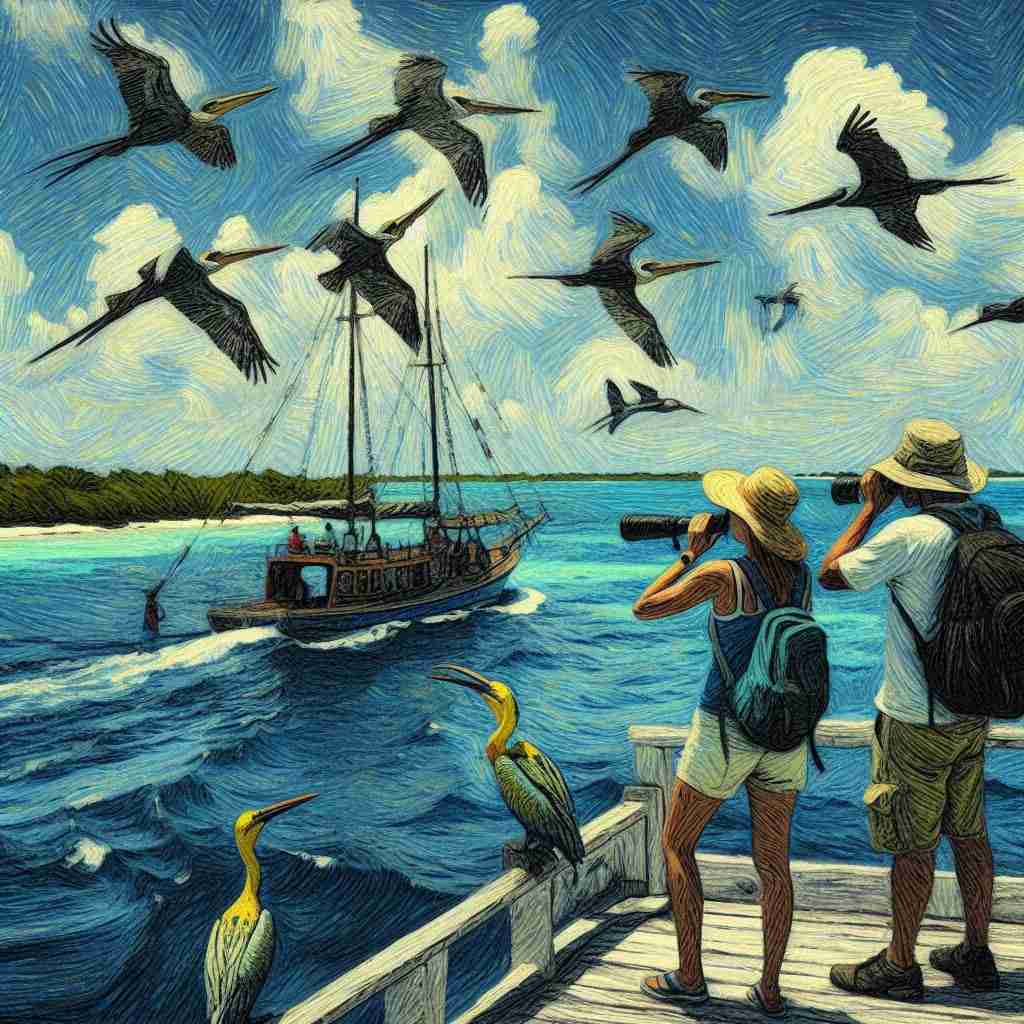
Imagine you’re standing on a sun-drenched beach in Cozumel, the gentle waves lapping at your feet as you sip a refreshing drink. It feels like a perfect escape, yet behind the scenes, a different kind of magic is at work, invisible yet powerful. That magic is Artificial Intelligence (AI), and it’s reshaping the way businesses understand their visitors.
Every day, organizations collect an ocean of data about their visitors. From the moment someone lands on your website, AI starts its intricate dance, analyzing clicks, scrolls, and time spent on pages. The challenge for many businesses is making sense of this deluge of information. Feelings of overwhelm often creep in as they wonder how to turn raw data into meaningful insights. That’s where AI steps in, removing the guesswork and providing clarity that feels akin to a sunrise over a calm sea.
One of the most remarkable ways AI analyzes visitor data is through predictive analytics. Picture this: You’re a shop owner in Cozumel, and you notice certain patterns in foot traffic during peak tourist season. AI sifts through historical data and current trends, predicting future visitor behavior. It’s like having a seasoned fisherman who knows exactly where to cast his net to maximize the catch. You gain actionable insights into when visitors are most likely to shop, allowing you to prepare for demand with confidence.
Moreover, AI doesn’t just stop at analyzing data; it learns and adapts. Let’s say you run an online travel agency promoting vacations in paradise. By employing AI, you can test various marketing strategies and determine which ones resonate with your audience. AI learns from the outcomes, continually refining its approach. Just as you wouldn’t fish with a faulty net, relying on a dynamic AI system ensures you’re catching the right visitors at the right time.
Now, here’s the unique twist: AI can humanize data. It can break down visitor personas, transforming raw numbers into relatable stories. Each visitor is more than just a statistic; they have wants, needs, and motivations. Imagine understanding that a family of four visiting Cozumel is not just looking for a place to stay; they want adventure, relaxation, and unforgettable memories. AI helps paint that picture, fostering a connection between businesses and their visitors.
In a world saturated with information, the ability to navigate the waters of visitor data with AI isn’t just beneficial—it’s vital. With trust in this technology, businesses can embrace the unpredictable tides of change, converting insights into action and crafting unforgettable experiences for every visitor.
In What Ways Can AI Analyze Visitor Data?
In What Ways Can AI Analyze Visitor Data?
- AI is transforming how businesses understand their visitors.
- Organizations collect vast amounts of visitor data, including clicks and page time.
- AI provides clarity from overwhelming data, similar to a sunrise over calm seas.
- Predictive analytics allows businesses to anticipate visitor behavior effectively.
- AI learns from outcomes, continually refining marketing strategies for better results.
- AI humanizes data by creating relatable visitor personas beyond mere statistics.
- Navigating visitor data with AI is essential for adapting to changes and enhancing customer experiences.

In What Ways Can AI Analyze Visitor Data?
What Technologies Are Used In AI for Tourism Management?
What Technologies Are Used in AI for Tourism Management?
In the world of travel, the thrill of exploring new destinations can sometimes be overshadowed by the logistical headaches of planning. From flight bookings to hotel stays, the sheer volume of choices can feel like a daunting task, but that’s where technology steps in to lighten the load. AI has transformed tourism management into something far more manageable. Picture this: You’ve just returned from a sun-soaked getaway in Cozumel, where you basked on the pristine beaches, indulged in local cuisine, and immersed yourself in vibrant culture. But what made that smooth sailing possible?
AI technologies are stepping up to enhance the entire travel experience, turning potential chaos into effortless enjoyment. One of the standout solutions is predictive analytics. Imagine this scenario: you’re considering a trip to Cozumel, but prices seem to fluctuate wildly. Through the power of AI-driven predictive tools, travel companies can analyze historical data and predict when prices might dip, helping you snag the best deal. It’s like having a savvy travel buddy who knows the ins and outs of fare patterns, ensuring that your wallet stays happy and your travel dreams stay alive.
Chatbots and virtual assistants have also revolutionized customer service in tourism. Think of the last time you were uncertain about your itinerary or needed a quick recommendation. Instead of wading through endless FAQs, an AI-driven chatbot can instantly provide tailored information, making you feel like a valued guest rather than just another booking reference. This technology doesn’t just answer questions; it builds trust, creating a personal connection that reassures us that we are not alone in our journey.
Moreover, AI extends to enhancing the experience once you arrive at your destination. Imagine walking through the vibrant streets of Cozumel during the day, guided by an app that understands your preferences and can offer off-the-beaten-path recommendations. This isn’t merely convenience; it’s about crafting a unique trip that resonates with your desires, connecting you to the heart of the culture.
Ultimately, AI in tourism management goes beyond efficiency. It’s about weaving trust and personalization into every interaction, inspiring confidence as we navigate the complexities of travel. As technology continues to evolve, so does our ability to explore the world authentically and meaningfully, ensuring that our adventures—whether on the sunlit shores of Cozumel or elsewhere—are as seamless as they are memorable.

What Technologies Are Used In AI for Tourism Management?
What Technologies Are Used In AI for Tourism Management?
- AI technologies streamline tourism management, making trip planning easier.
- Predictive analytics help travelers find the best prices by analyzing historical fare data.
- Chatbots and virtual assistants enhance customer service with instant, tailored information.
- AI fosters trust and a personal connection between travel services and customers.
- Mobile apps provide personalized recommendations to enhance the travel experience.
- AI supports travelers in creating unique, culturally immersive experiences.
- The ongoing evolution of AI ensures more meaningful and seamless travel adventures.

What Technologies Are Used In AI for Tourism Management?
How Does AI Predict Peak Tourist Times?
Imagine the sun dipping below the horizon, casting that perfect golden glow over Cozumel, as tourists flock to the vibrant shores. Yet, as idyllic as this scene is, the reality of planning a vacation can often feel daunting. The desire to soak up the sun and experience local culture is often clouded by uncertainty: when is the best time to visit? Thankfully, artificial intelligence has taken up the mantle to help answer that question, using data to forecast peak tourist times with a precision that can turn your travel dreams into reality.
With a wealth of information at their fingertips, AI systems analyze mountains of historical data—flight bookings, hotel occupancy rates, and social media trends—for clues about when Cozumel experiences its busiest days. Picture it as a master detective, sifting through clues to solve the case of tourist traffic. This isn’t just about crunching numbers; it’s about understanding the human experience and anticipating the desires of travelers. It means AI is not merely a tool; it’s your behind-the-scenes advisor, guiding you through the crowded moments and encouraging you to find the quiet hours when the island feels like your very own paradise.
But how does it tackle that intricate dance of human emotion? Think of it this way: if you could peer into the minds of travelers who walked the same sandy beaches before you, would you like to know their favorite times to enjoy a sunset or when the best local festivals happen? AI does just that—it synthesizes patterns and sentiments from countless visitors, helping you forge a deeper connection to the place you’re about to explore. It transforms an overwhelming task into a focused plan, illuminating the path toward a memorable journey.
Now, here’s the kicker: while technology is brilliant at predicting when Cozumel will be swarmed by beachgoers, it can also help you seek out those hidden gems. Imagine AI suggesting that you visit a lesser-known cove during peak hours, allowing you to escape the throngs and discover a slice of tranquility. It’s not about avoiding the crowd altogether; it’s about using smart insights to maximize your experience and create cherished memories without the fuss.
Each trip becomes an adventure fueled by knowledge, trust, and confidence in your decisions. So, next time you find yourself contemplating that getaway to Cozumel, remember that AI isn’t just a cold algorithm—it’s a warm compass, ready to guide you through the best times to make the most of your travels.

How Does AI Predict Peak Tourist Times?
How Does AI Predict Peak Tourist Times?
- The picturesque setting of Cozumel is inviting, yet planning a vacation can be overwhelming.
- AI forecasts peak tourist times using historical data, enhancing vacation planning.
- AI analyzes flight bookings, hotel occupancy, and social media trends to determine busy days.
- It serves as an advisor, helping travelers find quiet times to enjoy the island.
- AI synthesizes travelers’ experiences to recommend optimal times for sunsets and local festivals.
- It can suggest lesser-known spots to avoid crowds while exploring Cozumel.
- AI empowers confident decision-making, making trips more memorable and enjoyable.

How Does AI Predict Peak Tourist Times?
What Impact Does AI Have on Local Ecosystems?
In the vibrant tapestry of our local ecosystems, there lies an intricate dance between technology and nature, often overlooked but essential to how we navigate our lives. Picture yourself strolling through the lush landscapes of Cozumel, where the warm sun kisses your skin and the scents of nearby flora wrap around you like a comforting blanket. That beauty, however, faces challenges as artificial intelligence infiltrates the very fabric of our environment. It’s a compelling paradox—technology has the power to enhance our understanding of these delicate systems while also posing risks that can’t be ignored.
Imagine community gardens in urban centers. With AI’s ability to analyze data, these gardens can thrive better than ever, enhancing food security and fostering connections between neighbors. AI can forecast optimal planting times and even identify pests before they can wreak havoc on crops. But let’s take a step back. While we admire how AI can promote sustainable practices, it’s crucial to remain vigilant, ensuring that our reliance on technology doesn’t outpace our connection to nature itself. It’s like giving a teenager the keys to a car without teaching them the rules of the road: exhilarating possibilities can quickly turn to chaos without a strong foundation.
Consider the local fisherman in Cozumel, who relies on traditional methods passed down through generations. Now, AI can predict fish populations, helping him decide when to cast his net. It’s empowering, yet there’s something profound about the rhythm of the sea, the hands-on craft, and the stories wrapped up in every catch. The challenge lies in finding that balance—embracing innovation while honoring age-old practices that define our communities.
AI can serve as a tool, but it’s our responsibility to wield it wisely, ensuring it becomes an ally rather than a competitor. We must engage in ongoing conversations about the ethical ramifications of its application. Our ecosystems, much like our communities, thrive on collaboration and understanding. By fostering trust and open dialogue, we can harness the potential of AI to enhance our environmental stewardship.
The impact of AI on local ecosystems isn’t merely a question of technology but a reflection of our values. By integrating these advancements while nurturing our deep-seated connections to nature, we can create a future where innovation and the environment coexist harmoniously, reminding us why we fight to preserve the beauty of places like Cozumel. Embrace the challenge, and let’s move forward thoughtfully together.

What Impact Does AI Have on Local Ecosystems?
What Impact Does AI Have on Local Ecosystems?
- Local ecosystems exhibit a complex relationship between technology and nature, essential for daily life.
- AI has the potential to enhance understanding of ecosystems but poses inherent risks.
- Community gardens benefit from AI through improved food security and neighborly connections.
- AI can optimize planting and pest management but requires a balance with human connection to nature.
- Traditional fishing practices in Cozumel can be supported by AI’s predictive capabilities for fish populations.
- Responsible use of AI demands ongoing discussions about ethics and environmental stewardship.
- Integrating technology while preserving natural connections allows for harmony between innovation and the environment.

What Impact Does AI Have on Local Ecosystems?
How Can AI Enhance Visitor Experiences Responsibly?
Picture this: you’re stepping off a ferry in Cozumel, the salty air filling your lungs, the vibrant colors of the island stretching out before you. It’s a moment of sheer exhilaration, but with a thousand other tourists buzzing around, it can quickly devolve into chaos. Now, imagine if technology could help ease that experience, transforming the overwhelming into the unforgettable. That’s where artificial intelligence enters the picture—not as a replacement for human connection, but as an enhancement to it.
AI offers the potential to personalize visitor experiences like never before. Think of it as your personal tour guide, using data to create tailor-made recommendations. For instance, imagine you’re a history buff visiting Cozumel. AI can sift through countless options—local museums, cultural tours, and historical sites—to present the best choices based on your interests. This isn’t just about efficiency; it’s about crafting meaningful memories.
Now, I know what some of you might be thinking. “Isn’t this just another layer of technology that makes things more complicated?” It’s a valid concern. Many feel overwhelmed by constant notifications and screens vying for their attention, especially when they yearn for authentic experiences. But here’s the rub: when used responsibly, AI doesn’t detract from reality; it enriches it. The key lies in transparency. Visitors should understand how their data is being used and trust that the goal is to enhance their journey, not exploit their experience. Imagine if locals could connect directly with tourists through an app, sharing their hidden gems—local eateries or unmarked beaches—creating a bridge that fosters genuine relationships.
Here’s an original perspective: consider AI not just as a tool, but as a connector of stories. Just like how a fisherman in Cozumel might share tales of his day’s catch, AI can curate and share stories from various visitors, creating a tapestry of experiences. Each person’s journey adds to the shared narrative, allowing travelers to feel more connected to the place, the culture, and each other.
So, as we navigate this brave new world of AI-enhanced tourism, let’s remember the human element. Embrace the technology, yes, but cherish the interactions, the stories, and the memories we create. After all, travel isn’t just about seeing new places; it’s about connecting with the world and its people in a way that resonates deeply and personally.

How Can AI Enhance Visitor Experiences Responsibly?
How Can AI Enhance Visitor Experiences Responsibly?
- Arrival in Cozumel brings exhilaration amidst chaotic tourist activity.
- Artificial intelligence can enhance tourism experiences without replacing human connections.
- AI personalizes visits by providing tailored recommendations based on interests.
- Concerns about technology complicating experiences are addressed by emphasizing responsible use of AI.
- Transparency in data usage helps build trust and enhances the visitor experience.
- AI can facilitate connections between locals and tourists, promoting genuine relationships.
- Travel is fundamentally about human connections and creating meaningful memories.

How Can AI Enhance Visitor Experiences Responsibly?
Conclusion
Artificial intelligence is reshaping the future of snorkeling in Cozumel, addressing overtourism while preserving the island’s natural beauty and enhancing visitor experiences. The overwhelming allure of Cozumel’s coral reefs and vibrant marine life draws millions annually, but the resulting crowds threaten the very ecosystem that attracts them. The challenge lies in maintaining a balance between exploration and preservation, a task that AI approaches with unmatched precision.
By leveraging real-time data analysis, AI helps determine the optimal times for snorkeling adventures, effectively distributing the crowds and increasing the quality of encounters with underwater life. This means instead of navigating through throngs of tourists, snorkelers can glide through tranquil waters, experiencing the magic of nature without the chaos. The use of AI isn’t merely practical; it fosters a meaningful connection with the environment, enhancing the appreciation for these aquatic wonders.
Moreover, AI initiatives extend beyond scheduling visits. They empower snorkelers to become stewards of marine conservation. AI systems can track coral health and educate visitors on sustainable practices, transforming every snorkeling tour into an opportunity for positive impact. Each trip can contribute to the rehabilitation of coral reefs in a hands-on manner, reinforcing the idea that tourism can coexist with environmental responsibility.
As data technology evolves, our approach to tourism must adapt as well. AI not only tracks arrival patterns and predicts peak tourist times, but it also helps fine-tune marketing strategies, ensuring local businesses thrive while keeping tourist numbers sustainable. The emotional connection to the area is enhanced when visitors feel welcomed and supported, rather than overcrowded and lost.
As we embrace AI in tourism, it is essential to prioritize genuine human connections. When travelers engage with local communities, they enrich their experiences and build authentic relationships that extend beyond vacation snapshots. The hope is that technology serves to bridge gaps, facilitating a more profound understanding of the destination, its culture, and its people.
In conclusion, the synergy between AI and tourism presents a compelling case for responsible exploration. Cozumel’s undersea paradise doesn’t have to fade under the weight of overtourism. With AI as our guide, we can maintain the island’s spirit, ensuring it remains an inviting oasis for generations to come—one mindful snorkel at a time. The future of snorkeling in Cozumel is not just about avoiding the crowds; it’s about embracing the opportunity to connect with nature and each other in a meaningful and sustainable way.

Conclusion
Conclusion:
- Artificial intelligence is transforming snorkeling in Cozumel by addressing overtourism and preserving natural beauty.
- AI analyzes real-time data to optimize snorkeling scheduling, reducing crowding and improving underwater experiences.
- Visitors encounter tranquil waters, fostering a deeper connection with marine life.
- AI initiatives promote marine conservation by tracking coral health and educating snorkelers on sustainability.
- Data-driven strategies enhance local businesses while managing tourist numbers sustainably.
- Emphasizing human connections enriches traveler experiences and builds authentic relationships with local communities.
- AI in tourism enables responsible exploration, ensuring Cozumel remains an inviting destination for future generations.

Conclusion
Other Resources
Other Resources
Here is a list of other resources you can review online to learn more:
- Coral Reef National Park in Cozumel
- Cozumel Bar Crawl
- Reefs and Corals
- Pepe’s Modern Grill
- Casa Mission
- Rolandi’s Restaurant Bar & Pizzeria Cozumel
- Chankanaab Beach Adventure Park
- Bahama Breeze
- Avis
- Scuba Caribe
- Princess Cruises
- Hard Rock Cafe Cozumel
- Blue Magic Scuba
- Cozumel Medical Center
- Capitán Eduardo A. Toledo Airport
- Jimmy John’s
Use This Prompt To Get More Resources With Your Favorite Online AI Tool: Please provide me with a list of online articles with their URLs in a bulleted list that I can read regarding How AI Prevents Overtourism At Popular Cozumel Snorkel Locations

Other Resources
Glossary Terms
How AI Prevents Overtourism At Popular Cozumel Snorkel Locations – Glossary Of Terms
1. AI (Artificial Intelligence): Technology that simulates human intelligence through algorithms and machine learning.
2. Overtourism: An excessive influx of visitors to a destination, leading to environmental degradation and diminished visitor experience.
3. Cozumel: An island in the Caribbean Sea, popular for its coral reefs and snorkeling opportunities.
4. Snorkeling: A water activity where individuals swim on the surface while equipped with a mask and snorkel to observe underwater life.
5. Predictive Analytics: Techniques that use statistical algorithms to forecast future outcomes based on historical data, assisting in managing tourist flow.
6. Visitor Management: Strategies developed to oversee and regulate tourist numbers in a location to enhance sustainability.
7. Environmental Impact: The effect that human activities, such as tourism, have on the natural surroundings.
8. Sustainable Tourism: Tourism that meets present needs without compromising the ability of future generations to meet their own needs.
9. Data Collection: The process of gathering information for analysis, often used to understand tourist patterns and preferences.
10. Smart Sensors: Devices that collect real-time data on visitor numbers and behavior to optimize the user experience and minimize environmental effects.
11. Crowd Monitoring: The use of technology to track the number and movement of people in specific areas.
12. Ecological Balance: The equilibrium between living organisms and their environment, crucial for maintaining healthy ecosystems.
13. Resource Allocation: Distributing resources effectively to manage and support tourist activities while protecting local ecosystems.
14. Real-time Feedback: Immediate information provided to visitors, helping to guide their choices and reduce overcrowding.
15. Visitor Cap: A limit placed on the number of visitors allowed at a site during a specific time to prevent degradation and preserve the experience.
16. Behavioral Analysis: Studying visitor actions to adapt services or regulations to promote sustainable practices.
17. Machine Learning: A subset of AI that enables systems to learn from data and improve their performance over time.
18. Geographic Information Systems (GIS): Technology that captures, analyzes, and manages spatial data to enhance decision-making in tourism.
19. Digital Signage: Electronic display systems used to communicate real-time information to visitors about site conditions or regulations.
20. Notification Systems: Automated alerts sent to visitors regarding busy times or alternative locations, promoting better distribution.
21. Visitor Experience: The overall satisfaction and interaction tourists have with a destination and its offerings.
22. Marine Conservation: Efforts aimed at protecting and managing ocean ecosystems, particularly significant in snorkeling areas.
23. Biodiversity: The variety of life in a particular habitat or ecosystem, which can be affected by tourism pressures.
24. Saturation Point: The maximum number of visitors a site can accommodate without harm to the environment and visitor experience.
25. User-Friendly Apps: Mobile applications designed to improve the visitor experience through information, navigation, and real-time updates.
26. Social Media Insights: Data derived from social platforms that indicate trends and tourist interests, guiding marketing and management strategies.
27. Augmented Reality (AR): An interactive experience that overlays digital information in the real world, enhancing engagement during tours.
28. Community Engagement: Involvement of local residents in tourism planning and management to promote sustainable practices.
29. Reservation Systems: Tools that facilitate pre-booking of snorkeling spots, helping to manage visitor flow.
30. Impact Assessment: Evaluation processes that analyze the potential effects of tourism initiatives on the environment and local communities.

Glossary Of Terms
Other Questions
How AI Prevents Overtourism At Popular Cozumel Snorkel Locations – Other Questions
If you wish to explore and discover more, consider looking for answers to these questions:
- What specific AI systems or vendors are currently used in Cozumel for managing snorkel site crowds?
- Which data sources (mobile, ticketing, sensors, social media, ferry manifests) feed the AI models?
- How is visitor location and movement data collected and anonymized to protect privacy?
- Who owns and controls the data and AI systems—local government, tourism boards, private companies, or NGOs?
- How accurate are AI predictions of peak tourist times and crowd densities?
- What metrics are used to measure the success of AI interventions in reducing overtourism?
- Are there documented case studies or pilot projects that show measurable reef or tourist experience improvements?
- How does AI detect reef health issues (bleaching, disease, physical damage)—what sensors or imagery are used?
- How frequently is reef health data collected and how quickly can AI flag urgent problems?
- What thresholds or criteria trigger site closures or visitor limits based on AI analysis?
- How are local stakeholders (fishermen, dive operators, residents) involved in designing and approving AI policies?
- What governance and oversight mechanisms ensure AI recommendations align with conservation goals and community needs?
- How does AI account for seasonal events, festivals, and cruise ship schedules when forecasting crowds?
- What are the costs of implementing and maintaining these AI systems, and who pays for them?
- How does AI-based scheduling integrate with tour booking platforms and local businesses?
- What incentives or regulations encourage tourists and operators to follow AI-recommended visiting times?
- Could AI-driven redistribution of visitors unintentionally harm lesser-known sites or communities?
- How is fairness ensured so that benefits and burdens of crowd management aren’t unevenly distributed?
- What safeguards exist to prevent algorithmic bias that might favor certain operators or demographics?
- How resilient are AI systems to outages, extreme weather, or data gaps (e.g., during storms or holidays)?
- What cybersecurity measures protect visitor data and operational controls from misuse or attacks?
- How transparent are AI models and recommendations to the public—are explanations or dashboards available?
- Can visitors opt out of being tracked and still access real-time crowd information or alternative guidance?
- How does AI coordinate with on-the-ground enforcement of visitor caps or conservation rules?
- What training is provided to local guides and businesses to use AI tools effectively and responsibly?
- How does AI support coral reef rehabilitation efforts—does it prioritize planting sites, track survival, or guide volunteers?
- Are there volunteer or citizen-science opportunities for visitors to contribute data or reef restoration work?
- How scalable are Cozumel’s AI solutions to other islands or mainland snorkel destinations?
- What legal or regulatory frameworks govern the use of AI in tourism and environmental monitoring in Mexico?
- How are long-term impacts on local livelihoods and the tourism economy monitored and addressed?
- What are the environmental costs of running the AI infrastructure (energy use, emissions) and how are they mitigated?
- How does AI balance personalization of visitor experiences with the need to prevent concentrated crowding?
- What contingency plans exist if AI recommendations conflict with cultural events, emergencies, or local priorities?
- How often are AI models reviewed, audited, and updated to reflect changing environmental or social conditions?
- Where can tourists find clear, real-time information about site capacity, reef health status, and recommended visiting windows?

Other Questions
Haiku
How AI Prevents Overtourism At Popular Cozumel Snorkel Locations – A Haiku
Cozumel’s beauty calls,
AI guides, keeps crowds at bay,
Nature thrives, hearts bond.

Haiku
Poem
How AI Prevents Overtourism At Popular Cozumel Snorkel Locations – A Poem
In Cozumel’s vibrant seas, where tourists dance and play,
The magic of these waters meets the strain of crowds each day.
Overtourism threatens beauty, as reefs and locals sigh,
Yet technology emerges, a beacon in the sky.
AI weaves its tapestry, with data as its thread,
Guiding snorkelers to moments where nature’s joy is spread.
It tracks the ebb and flow of souls amidst the sunlit sand,
Crafting paths of peace and wisdom, nurturing the land.
Imagine snorkeling with turtles, fewer hearts to share the tide,
Each visit a chance for stewardship, where love and care abide.
AI shows the times that breathe, when beauty softly hums,
Weaving bonds with ocean depths, as nature’s heartbeat drums.
From fishers casting nets with faith, to travelers keen to roam,
AI predicts the kindest waves that whisper, “You’re at home.”
It harmonizes human touch with insights gleaned from seas,
Transforming chaos into calm, as locals share their keys.
So let technology embrace the sea, a partner in our quest,
Enhancing each encounter while respecting nature’s best.
In Cozumel’s embrace, with every dive and splash,
AI ensures that paradise is cherished, not a fleeting flash.

Poem
Checklist
How AI Prevents Overtourism At Popular Cozumel Snorkel Locations – A Checklist
Understand Overtourism
✅______ Define overtourism and its impacts on local communities and ecosystems. ✅______ Consider how a balanced approach to tourism can enhance visitor experience while protecting the destination.
Utilize Real-Time Data Analysis
✅______ Implement AI tools that analyze real-time data for optimal visiting times. ✅______ Encourage visitors to snorkel during less crowded hours for a better experience.
Promote Sustainable Practices
✅______ Educate tourists on responsible snorkeling practices to protect coral reefs. ✅______ Share information on how individual trips can contribute to local conservation efforts.
Leverage Visitor Tracking Technologies
✅______ Employ mobile data and analysis tools to monitor tourist numbers and behaviors. ✅______ Use insights to manage resources and enhance visitor experience for local businesses.
Implement Predictive Analytics
✅______ Analyze historical data to anticipate peak tourist times and adjust scheduling. ✅______ Recommend the best times for visitors to experience Cozumel’s attractions.
Enhance Personalization Through AI
✅______ Utilize AI-driven chatbots for personalized recommendations based on visitor preferences. ✅______ Encourage connections between travelers and locals to enrich experiences.
Respect Privacy and Transparency
✅______ Foster trust by being transparent about data collection and usage. ✅______ Ensure visitors are aware of how their data enhances their travel experience.
Foster Community Engagement
✅______ Create platforms for locals to share their stories and recommendations with visitors. ✅______ Encourage interactions that highlight the culture and traditions of Cozumel.
Balance Innovation with Tradition
✅______ Ensure that technological advancements support traditional practices and community values. ✅______ Engage in discussions about the ethical use of technology in tourism.
Commit to Continuous Improvement
✅______ Elicit feedback from visitors and locals to refine AI applications in tourism. ✅______ Adapt strategies in response to changing conditions and visitor needs for sustainable growth.

Checklist
At TopCozumelNews, we help travelers enjoy Cozumel by collating information learned from frequently traveling to beautiful Cozumel.
Be sure to read our other related stories at TopCozumelNews to learn more about the Island of Cozumel.