




Empowering Conservation: Discover Hidden Gems While Protecting Our Reefs
By Tom Seest
At TopCozumelNews, we help travelers enjoy Cozumel by collating information learned from frequently traveling to beautiful Cozumel.
Be sure to read our other related stories at TopCozumelNews to learn more about the Island of Cozumel.
Keeping Cozumel Reefs Healthy – AI Spreads Tourism Across Lesser-Known Spots
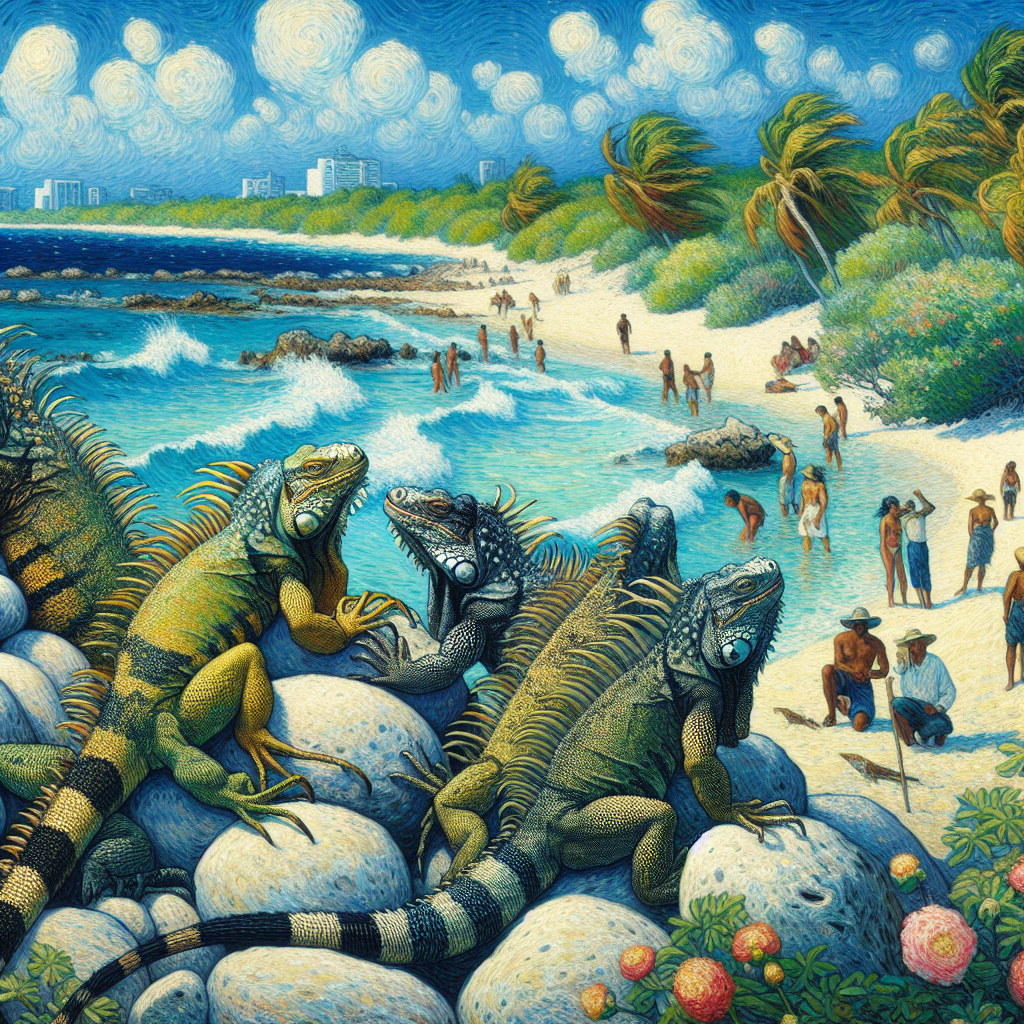
The vibrant reefs of Cozumel are more than just a stunning backdrop for a vacation; they are cradles of biodiversity, nurtured by the delicate balance of nature. Picture this: a coral reef, alive with color, bustling with fish darting among the coral formations. For many, the mere thought of such beauty evokes a sense of wonder and a desire to protect these underwater treasures. Yet, as tourism continues to flourish, with visitors drawn to Cozumel’s allure, the challenge of preserving these reefs becomes all too apparent.
The truth is, as we flock to these stunning locales, we leave an impact, whether we realize it or not. Tourism can be a double-edged sword; it brings jobs, boosts the economy, and fosters a shared love for nature. But it also poses a risk to the very ecosystems we cherish. Here’s where the beauty of collective responsibility shines through. When we travel, we can choose to leave a positive mark instead of a negative one.
Imagine standing on the shore of Cozumel, the warm sun on your skin and the rhythmic crash of waves in the background, knowing that your visit can help fund coral restoration projects. Imagine being part of something larger than yourself—a movement dedicated to ensuring that future generations can experience the same awe you feel today.
One way to engage with this cause is by exploring lesser-known spots around Cozumel. Not every stunning view needs to come hand-in-hand with a crowded beach. By wandering off the beaten path, we not only discover hidden gems but help distribute the foot traffic that can threaten the more popular destinations. It’s not just about enjoying the natural beauty; it’s about protecting it in a way that allows it to thrive.
On a visit last year, I recall a small, unmarked bay not far from the tourist hotspots. It wasn’t listed on any guidebook, but as I dove beneath the surface, vibrant coral met my eyes, thriving in its solitude. That moment reinforced something crucial: every reef has a story, and it’s up to us to make sure those stories continue. By seeking out these less-traveled paths, we can spread tourism in a way that respects the delicate homes of Cozumel’s reefs, ensuring their health for generations to come. Together, we can protect these aquatic wonders and share the beauty of our planet, one lesser-known spot at a time.
Keeping Cozumel Reefs Healthy – AI Spreads Tourism Across Lesser-Known Spots
Keeping Cozumel Reefs Healthy – AI Spreads Tourism Across Lesser-Known Spots
- Cozumel’s vibrant reefs are vital ecosystems teeming with biodiversity.
- Tourism presents both economic opportunities and risks to coral reef preservation.
- Visitors can positively impact the environment by supporting coral restoration projects.
- Exploring lesser-known areas in Cozumel helps alleviate pressure on popular destinations.
- Experiences in secluded spots reveal the hidden beauty and stories of each reef.
- Collective responsibility is essential for ensuring the health of coral reefs for the future.
- Every visit to Cozumel offers an opportunity to protect and appreciate underwater treasures.

Keeping Cozumel Reefs Healthy – AI Spreads Tourism Across Lesser-Known Spots
Table Of Contents
- Keeping Cozumel Reefs Healthy – AI Spreads Tourism Across Lesser-Known Spots
- How Does AI Influence Tourism In Lesser-Known Locations?
- How Can Locals Contribute to Reef Conservation Efforts?
- What Role Does Tourism Play In Reef Health?
- How Can Technology Help Monitor Reef Conditions?
- What Are the Benefits Of Preserving Reefs for the Community?
- How Do Coral Reefs Impact Marine Biodiversity?
- What Initiatives Exist to Support Sustainable Tourism?
- Conclusion
- Other Resources
- Glossary Of Terms
- Other Questions
- Haiku
- Poem
- Checklist
How Does AI Influence Tourism In Lesser-Known Locations?
In the bustling world of travel, the AI wave is rolling into lesser-known locations like an unexpected tide at an off-the-beaten-path beach. Imagine setting off for Cozumel, a gem overshadowed by more famous vacation spots. Here, you might discover that AI isn’t just a handy tool for booking flights or figuring out the best time for tacos; it’s reshaping how we connect with these hidden treasures.
Many travelers grapple with FOMO—fear of missing out. The allure of Instagrammable destinations can be overwhelming, but AI helps peel back the layers of the flashy and the familiar, revealing authentic experiences unique to each place. Picture this: algorithms analyzing user preferences curate personalized suggestions. Instead of crowded attractions, you could explore hidden coves in Cozumel, capturing moments that will surely stand out in your memory over generic tourist traps.
Beyond convenience, AI fosters a sense of community among travelers. Think about the last time you found a cozy spot through a travel blog or a friend’s recommendation. Algorithms can facilitate this by employing user-generated content and reviews to create an ecosystem of trust. You might stumble upon a local dive shop run by a friendly couple who can guide you to the best snorkeling spots, unseen by the usual tourist. Those connections breathe life into the adventure and make every journey through uncharted territory not just a trip, but a personal pilgrimage.
Navigating the challenges of discovering lesser-known destinations can be daunting. There’s always the worry of encountering language barriers or cultural differences that might feel intimidating. Here’s where AI can truly shine—providing real-time translation and travel tips tailored to your needs, ensuring that even in the most remote corners of Cozumel, you can engage genuinely with locals and breathe in the richness of their culture.
Today’s travelers are increasingly seeking deeper connections to the places they visit, yearnings fueled by the stories of others. AI takes these stories and folds them into a map of experiences, guiding you not just through physical spaces but also through the narratives woven into them. So the next time you consider a getaway to a lesser-known paradise, don’t just pack the sunscreen. Pack your curiosity, let AI be your compass, and cherish the authenticity that awaits.

How Does AI Influence Tourism In Lesser-Known Locations?
How Does AI Influence Tourism In Lesser-Known Locations?
- AI is transforming travel by uncovering lesser-known locations like Cozumel.
- It aids in overcoming FOMO by providing authentic experiences over popular attractions.
- Algorithms analyze user preferences to create personalized travel suggestions.
- AI fosters community through user-generated content and reviews, building trust among travelers.
- It helps with navigation challenges by offering real-time translations and tailored travel tips.
- Travelers are seeking deeper connections and stories related to the places they visit.
- AI enriches travel experiences, encouraging curiosity and authenticity during adventures.

How Does AI Influence Tourism In Lesser-Known Locations?
How Can Locals Contribute to Reef Conservation Efforts?
Imagine standing on the sun-kissed shores of Cozumel, watching the waves gently lap against the vibrant reefs just offshore. You can almost hear the chatter of marine life below the surface, their world so rich yet so fragile. For many locals, the sea isn’t just a backdrop for daily life; it’s a source of identity, sustenance, and beauty. Yet, with rising threats to these ecosystems, the challenge now lies in how we can protect this marine treasure.
Every local has a role to play in conservation efforts, and it often starts with understanding that each small action can lead to meaningful change. From organizing beach clean-ups to leading educational initiatives about the reef’s importance, local engagement is critical. Sharing stories about experiences with the reef can spark a deeper connection for both residents and visitors, encouraging them to act. For instance, consider a fisherman who remembers a time when the waters teemed with life. His tales of a rich catch, contrasted against today’s emptier nets, can resonate and inspire fellow community members to step up.
One of the most powerful contributions locals can offer is the unique perspective that only they possess. They know the patterns of the tides, the rhythms of nature, and the pulse of their community. This knowledge can inform local policies and conservation strategies. By convening town hall meetings, residents can voice their concerns and ideas, turning personal anecdotes into a collective mission. Engaging local youth in these conversations not only fosters a sense of responsibility but also awakens a passion for preservation that can last a lifetime.
Now, let’s flip the script a bit. Many think that large organizations and governments should shoulder the burden of conservation. Yet, real impact often comes from grassroots movements. Start a local initiative or join an existing one—be it a dive club dedicated to monitoring reef health or a group focused on sustainable tourism. The heart of conservation is community; the more hands on deck, the lighter the load.
In the face of adversity, it can be easy to feel helpless. But every act of stewardship—from advocating for sustainable fishing to participating in restoration projects—adds up. They create ripples that contribute to the larger wave of change needed to protect the enchanting reefs of Cozumel. Trust in the power of community and your own ability to make a difference—after all, the sea has always thrived on its relationship with those who know and love it best.

How Can Locals Contribute to Reef Conservation Efforts?
How Can Locals Contribute to Reef Conservation Efforts?
- Cozumel’s marine ecosystems are vital for local identity, sustenance, and beauty.
- Local engagement is essential for conservation, with small actions leading to significant changes.
- Sharing personal stories about the reef can deepen connections and inspire action among residents and visitors.
- Locals possess unique knowledge of natural patterns that can inform conservation policies.
- Grassroots movements, rather than solely large organizations, often drive impactful conservation efforts.
- Community involvement in initiatives, like beach clean-ups and educational programs, is crucial.
- Every act of stewardship contributes to a broader movement for preserving Cozumel’s reefs.

How Can Locals Contribute to Reef Conservation Efforts?
What Role Does Tourism Play In Reef Health?
Tourism and reef health are deeply intertwined, especially in places like Cozumel, where the vibrant coral systems attract divers from all over the globe. Imagine standing on the edge of the pristine waters, the sun glittering off the surface, and knowing that your presence has the power to protect or harm this underwater paradise. That’s the paradox of tourism: it offers a gateway to experience the wonders of nature, yet it also comes with the responsibility to safeguard it.
Each time you dip below the surface, witnessing the kaleidoscope of colors and life, think of the coral reefs as a community. Just as we depend on each other in our own neighborhoods, so too do these ecosystems rely on a delicate balance. Tourists have the opportunity to form a connection with this humanity beneath the waves, where every fish, every piece of coral plays a vital role. A dive trip can transform an individual’s perception—replacing ignorance with appreciation and action.
However, the challenges are real. Increased foot traffic, pollution, and coral bleaching driven by climate change threaten these underwater realms. Yet, rather than succumbing to despair, there’s a spark of hope. Eco-tourism has emerged as a powerful force. When visitors choose operators committed to sustainable practices, they contribute to initiatives that protect these ecosystems. Think of it as casting a vote—every booking is an endorsement for responsible stewardship of the ocean.
By sharing personal experiences of diving and snorkeling in Cozumel, people can foster discussions about what they’ve seen and felt. Maybe it was a chance encounter with a gentle sea turtle that inspired a lasting passion for conservation. Perhaps snorkeling through a vibrant reef filled with life ignited a desire to volunteer for ocean cleanups. These stories not only engage others, but they also create a community that prioritizes the future of our oceans.
So, as we marvel at the wonders of places like Cozumel, let’s carry that spirit of wonder into our everyday choices. Tourism can be the heartbeat of reef health when every visitor chooses to protect the beauty they experience. Together, we can be more than just spectators; we can be stewards of the sea, ensuring that future generations can dive into the same stunning underwater vistas that captivated us.

What Role Does Tourism Play In Reef Health?
What Role Does Tourism Play In Reef Health?
- Tourism and reef health are interconnected, particularly in Cozumel, attracting global divers.
- Visitors hold the responsibility to protect underwater ecosystems while enjoying their beauty.
- Coral reefs function as communities that rely on balance, similar to human neighborhoods.
- Tourism can transform perception, encouraging appreciation and conservation actions.
- Challenges include increased foot traffic, pollution, and coral bleaching from climate change.
- Eco-tourism promotes sustainable practices, allowing visitors to support reef protection through their choices.
- Sharing personal experiences encourages community engagement and emphasizes the importance of ocean conservation.

What Role Does Tourism Play In Reef Health?
How Can Technology Help Monitor Reef Conditions?
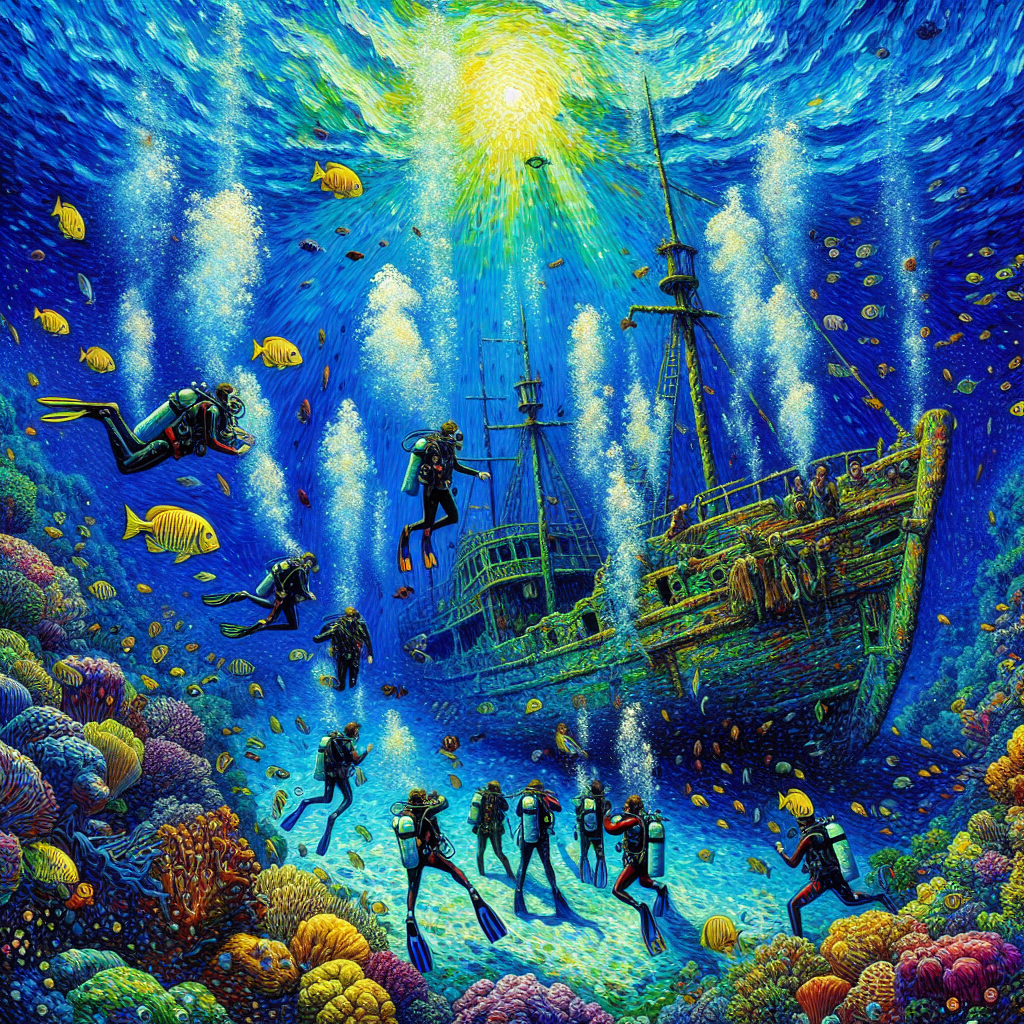
Technology plays a vital role in monitoring reef conditions, serving as our eyes and ears in the underwater world. Picture this: the vibrant coral reefs off the coast of Cozumel, teeming with life, yet fragile against the tides of change. Many of us have watched documentaries showcasing the beauty of these ecosystems, feeling a pang of concern as we witness their struggles. It’s a shared emotional weight, knowing these underwater gardens are not just stunning but essential to our planet’s health.
Here’s where technology becomes our ally. With tools like underwater drones and remote sensors, we can dive into data without ever getting wet. These devices gather real-time information about water temperature, pH levels, and even the presence of pollutants. They tirelessly monitor conditions, alerting scientists and conservationists to shifts that might indicate trouble looming on the horizon. Imagine waking up to a notification on your phone, not about a new app, but about the health of your favorite reef. That’s the power of connection technology offers us—it transforms abstract data into something personal, something we can care about directly.
Let’s put this into perspective. Think about how we track our fitness and health through apps and wearables. We’re invested in those numbers because they speak to our well-being. Now consider those same principles applied to coral reefs. When real-time data reveals that a reef is suffering from rising temperatures, we can mobilize to address it. This isn’t just science; it’s empowerment. Technology invites each of us to take part in the solution.
One innovative approach gaining traction is citizen science. Enthusiastic divers, snorkelers, and beachgoers are equipped with user-friendly apps that allow them to report observations of coral bleaching or invasive species. Each of these reports combines personal passion with cutting-edge technology, building a broader understanding of reef health. It’s a 21st-century take on community, where everyone can play a role in protecting these vital ecosystems.
We are not mere spectators. We share a connection to these natural wonders, and through technology, we can transform that emotional investment into action. Becoming informed and engaged can rekindle hope for the reefs of Cozumel and beyond, ensuring they thrive for generations to come. Trust in technology—it’s not just the future; it’s our best chance to safeguard the present.
How Can Technology Help Monitor Reef Conditions?
How Can Technology Help Monitor Reef Conditions?
- Technology monitors reef conditions and serves as a vital tool for understanding underwater ecosystems.
- Cozumel’s coral reefs are beautiful yet fragile, highlighting the need for protection.
- Underwater drones and remote sensors collect real-time data on water conditions.
- Real-time data allows scientists to identify and respond to threats such as rising temperatures and pollutants.
- Citizen science engages divers and beachgoers to report findings, enhancing community involvement in reef conservation.
- Technology transforms abstract data into personal connections, empowering individuals to take action.
- Informed citizens can help ensure the health of coral reefs for future generations.

How Can Technology Help Monitor Reef Conditions?
What Are the Benefits Of Preserving Reefs for the Community?
Imagine, for a moment, the vibrant underwater cities that lie just beneath the waves. Coral reefs, like those off the coast of Cozumel, aren’t just beautiful—they’re essential to our communities and way of life. When we think of preserving these natural wonders, we often picture colorful fish darting between the corals or divers exploring their depths. But the true benefits of reef preservation reach far beyond aesthetics; they resonate deeply with our shared experiences, livelihoods, and future.
Take, for example, the local fishermen who rely on these reefs. Each morning, they set out into the glistening waters, hoping to bring back not just food for their families but also a piece of their heritage. When reefs thrive, so do fish populations, ensuring these fishermen’s survival and sustaining a tradition passed down through generations. Yet, when we neglect these vital ecosystems, we not only threaten marine life but also the very fabric of our community—starving livelihoods and diminishing our shared culture.
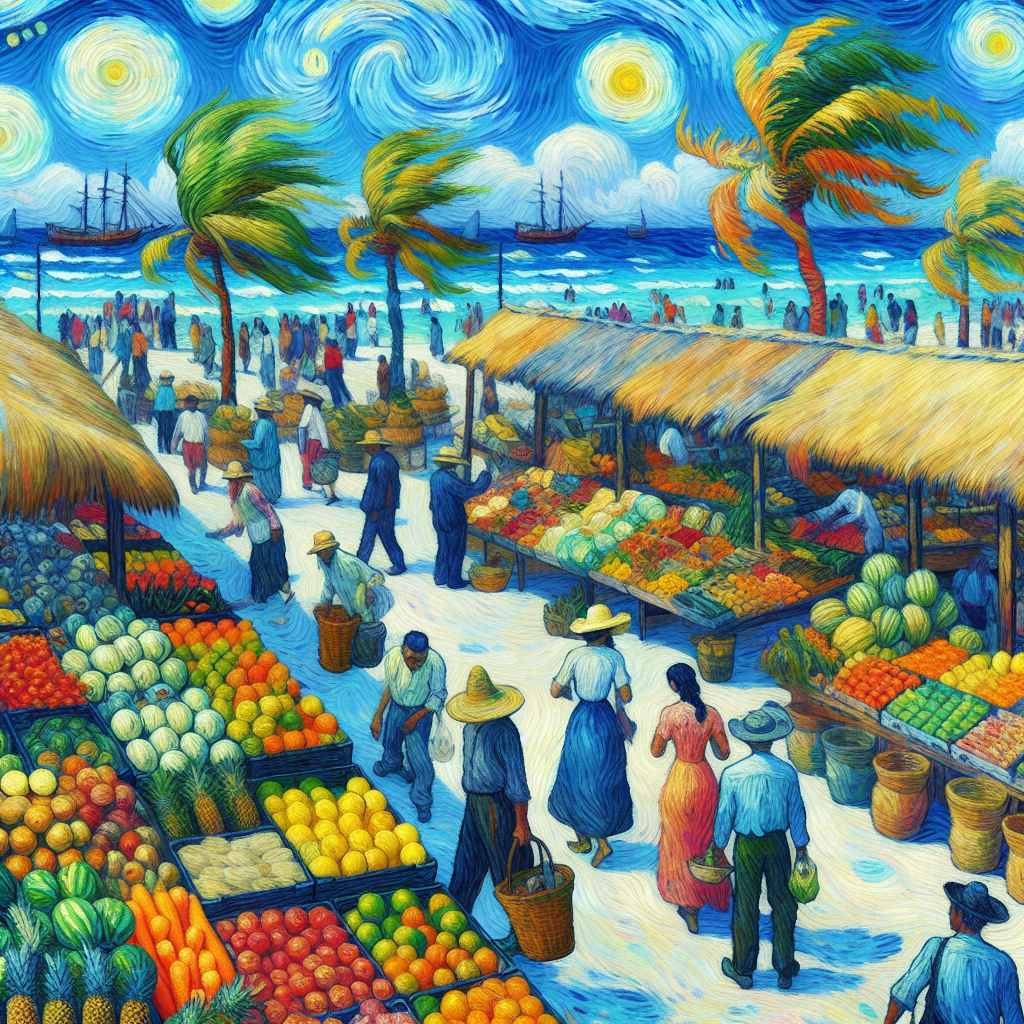
Preserving reefs also means keeping our tourism thriving. Tourists flock to places like Cozumel for a taste of that marine magic. The more vibrant and healthy the reefs are, the more visitors come to marvel at them, fueling local economy and keeping businesses alive. A well-preserved reef can be the cornerstone of a community’s economic stability. It’s not just about the immediate benefits; it’s about investing in a future where local vendors, tour guides, and small businesses can flourish alongside the very ecosystems that attract countless visitors.
Here’s the kicker: preserving reefs is an investment in resilience. Just as we would care for our traditions, we must nurture our natural resources. There’s a story I often hear from locals who’ve witnessed firsthand the resurgence of life in the waters after conservation efforts. Desolate patches of sand transformed back into bustling underwater neighborhoods—lessons of hope for us all. Those changes teach us that when we rally together to protect these ecosystems, we’re not just safeguarding sea life; we’re reinforcing our community’s spirit.
We have the power to make a difference—by supporting sustainable practices, advocating for conservation, and stepping up as stewards of our environment. The choices we make today will shape the reefs of tomorrow, creating a thriving community and ensuring that future generations can dive into the same stunning waters we cherish now. Let’s embrace this responsibility, for the sake of the reefs and for the sake of us all.

What Are the Benefits Of Preserving Reefs for the Community?
What Are the Benefits Of Preserving Reefs for the Community?
- Coral reefs are essential to communities and way of life, not just aesthetically pleasing.
- Local fishermen depend on healthy reefs for their survival and heritage.
- Neglecting reefs threatens marine life and community culture, impacting livelihoods.
- Reef preservation supports tourism, vital for local economies and businesses.
- A thriving reef can ensure economic stability for community vendors and tour guides.
- Conservation efforts lead to the resurgence of marine life and community spirit.
- Individual choices today shape the health of reefs for future generations.
What Are the Benefits Of Preserving Reefs for the Community?
How Do Coral Reefs Impact Marine Biodiversity?
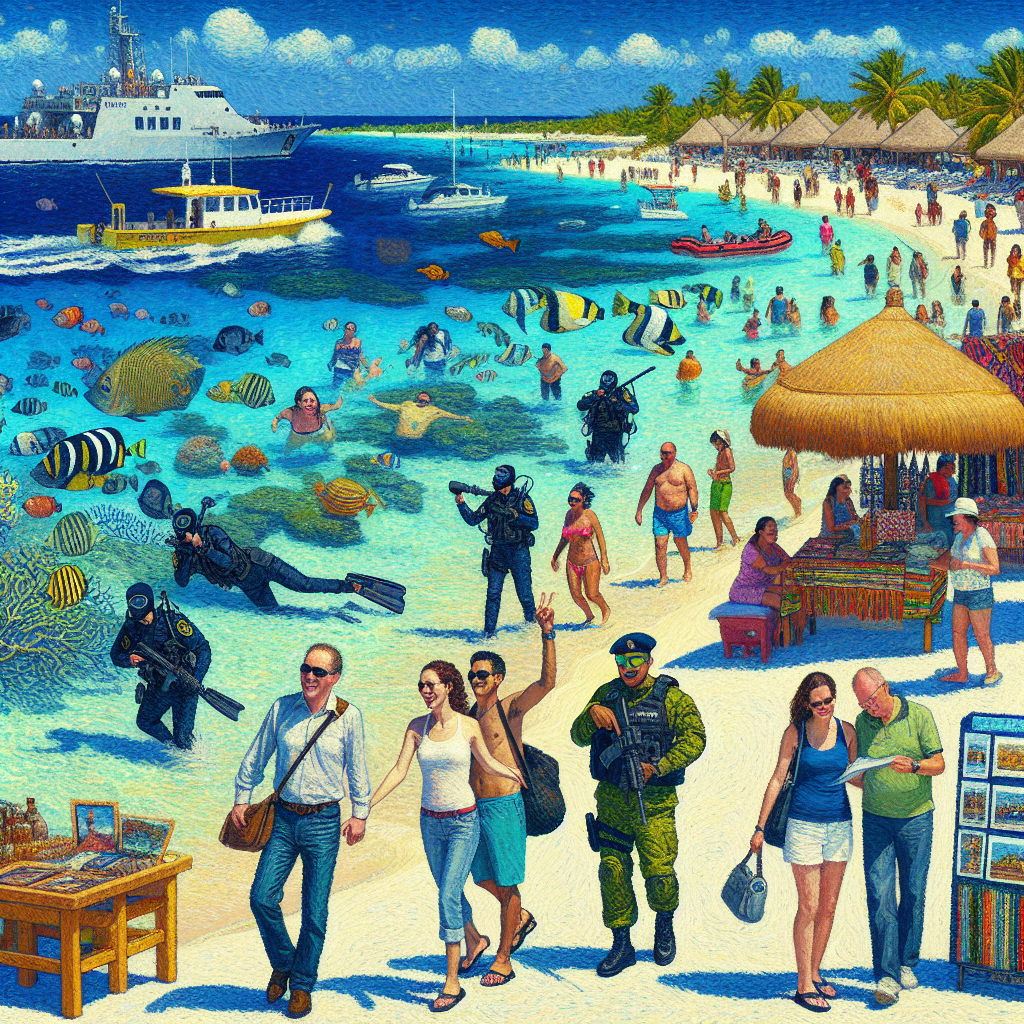
Coral reefs are often referred to as the rainforests of the sea, and for good reason. These vibrant ecosystems are not only stunning to behold, but they also serve as the backbone of marine biodiversity. Imagine snorkeling in Cozumel, a paradise where the water shimmers in shades of blue and green, revealing a bustling underwater city alive with colors and sounds. The challenge is not just to marvel at their beauty but to understand their vital role in the ocean’s health.
Coral reefs act as sanctuaries for countless marine species, providing food, shelter, and breeding grounds. Think of them as a bustling community center, where various residents—from the tiniest shrimp to enormous schools of fish—interact and thrive. This interconnected web of life is not just an ecological marvel; it is a testament to nature’s intricacy. In fact, nearly 25% of all marine species depend on these reefs at some point in their life cycles. That’s a whopping statistic when you consider that they cover only about 1% of the ocean floor.
However, the challenges coral reefs face are significant and alarming. Climate change, pollution, and overfishing threaten these vibrant ecosystems, highlighting a pressing need for action. It’s easy to feel overwhelmed, but understanding the situation can transform feelings of helplessness into determination. Each of us has a role to play, whether it’s participating in local beach clean-ups or advocating for sustainable fishing practices. Simple actions can lead to powerful results—a ripple effect that extends beyond our immediate surroundings.
What’s inspiring is the resilience of coral reefs. They have been around for millions of years, adapting and evolving despite adverse conditions. This tenacity invites us to reflect on our own challenges. Just as coral polyps build intricate structures over time, so can we create lasting changes in our communities through small, consistent actions.
One unique aspect of reefs is their ability to rebuild after disturbances. This regeneration, though slow, underscores an important truth: with the right care and protection, marine biodiversity can flourish again. In Cozumel and beyond, by embracing conservation efforts, we not only ensure the survival of these vibrant ecosystems but also enrich our own lives. We can, and must, act now—because the health of our oceans is intricately linked to our own well-being.

How Do Coral Reefs Impact Marine Biodiversity?
How Do Coral Reefs Impact Marine Biodiversity?
- Coral reefs are essential for marine biodiversity, often referred to as the rainforests of the sea.
- They provide food, shelter, and breeding grounds for countless marine species, supporting nearly 25% of all marine life.
- Coral reefs cover about 1% of the ocean floor yet are critical to ocean health.
- Challenges such as climate change, pollution, and overfishing threaten these ecosystems.
- Understanding the challenges can motivate individuals to take action through conservation efforts.
- Coral reefs exhibit resilience and the ability to regenerate after disturbances, highlighting the importance of protection.
- Conservation not only helps reefs survive but also enhances human well-being, reinforcing the interconnectedness of life and oceans.
How Do Coral Reefs Impact Marine Biodiversity?
What Initiatives Exist to Support Sustainable Tourism?
In a world where the call of beautiful beaches and hidden trails often overshadows the responsibilities of stewardship, the struggle between wanderlust and conservation is real for each of us. Picture this: you land in Cozumel, the sun shining on turquoise waters, and you’re surrounded by vibrant local culture. Yet, have you ever paused to think about the impact of your visit? It’s a tug at the heartstrings—knowing that behind the allure of travel, there exists a delicate balance between enjoying our planet’s treasures and preserving them for future generations.
There’s a movement afoot, a gathering of like-minded souls who believe that tourism can be both transformative and sustainable. Initiatives that promote eco-friendly practices aren’t just buzzwords; they’re a lifeline to communities struggling to maintain their natural beauty and cultural integrity. These programs champion everything from responsible waste management practices to wildlife conservation education. Imagine diving into Cozumel’s coral reefs not just for the thrill, but also as part of a bigger picture—contributing to their restoration and protection. That’s the essence of sustainable tourism: enjoying the experience while caring for our shared home.
One standout initiative that truly resonates is the establishment of ‘community-based tourism.’ This isn’t just a concept; it’s a partnership, a heartfelt promise that every traveler can engage with local communities directly. For example, in Cozumel, local craftsmen showcase their artistry through handmade goods, contributing a slice of their livelihood while enriching your travel experience. When you buy a handmade souvenir, you’re not just taking home a piece of the island; you’re supporting a family, a tradition, and a better way to travel. It’s about forging connections—beyond postcards and selfies, it’s about being a part of the story.
Moreover, adventure awaits in responsible travel education. Initiatives are emerging that equip travelers with the tools to make conscious choices—from choosing eco-friendly accommodations to understanding the cultural nuances of the places we visit. Each step taken with awareness turns the act of travel into a powerful force for good. You are not merely a visitor; you are a steward.
So, as you plan your next getaway, remember that every choice you make can weave into the larger fabric of sustainable travel. It’s not just about where we go; it’s about how we choose to get there together. Let’s turn the tides of tourism into waves of positive change.
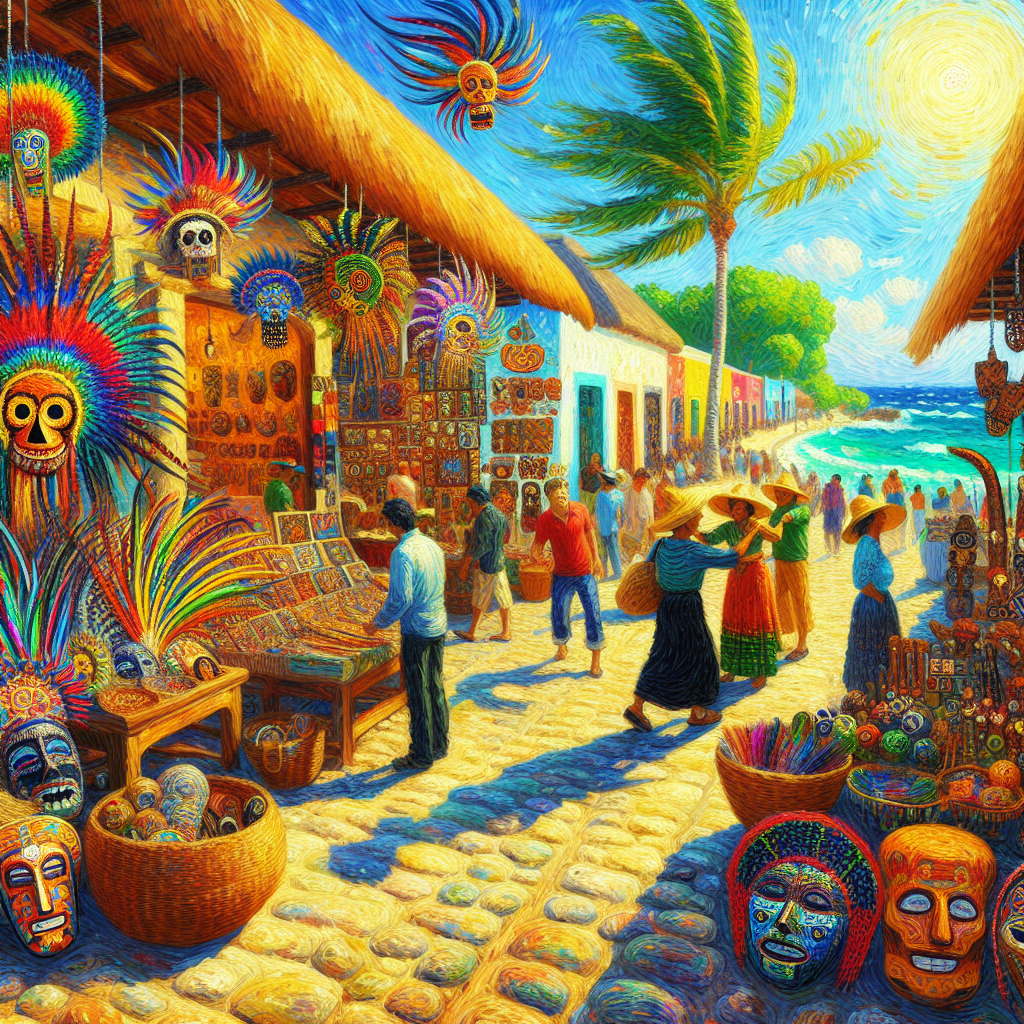
What Initiatives Exist to Support Sustainable Tourism?
What Initiatives Exist to Support Sustainable Tourism?
- The allure of travel often conflicts with the need for environmental stewardship.
- Sustainable tourism can transform experiences while preserving cultural and natural integrity.
- Initiatives promoting eco-friendly practices support struggling communities and protect natural beauty.
- Community-based tourism fosters direct engagement with local artisans and cultures.
- Responsible travel education helps travelers make eco-conscious choices.
- Every travel decision contributes to sustainable practices and community support.
- Collective efforts can lead to significant positive change in tourism..

What Initiatives Exist to Support Sustainable Tourism?
Conclusion
Cozumel’s reefs aren’t just pretty sights — they’re bustling ecosystems that require our attention and care. Picture yourself standing on a sunlit shore, the waves whispering tales of ancient coral and vibrant fish. As tourism to Cozumel burgeons, with travelers drawn by the allure of its natural beauty, we face a pressing challenge: how to enjoy these stunning surroundings while safeguarding them for the future. This paradox is crucial to understand; tourism can both uplift and harm the ecosystems we love.
Here’s the real beauty of collective responsibility: as visitors, we can positively impact these reefs. Our travels don’t just fill our hearts; they can fund vital coral restoration projects and help communities thrive. Venturing off the well-trodden path to lesser-known areas not only enriches our experiences but also helps alleviate the pressure on more popular sites, ensuring that the reefs can continue to thrive in their delicate balance.
Technology plays a role in this journey as well. Enter AI, transforming how we explore these hidden gems. It helps tailor experiences, allowing travelers to discover authentic local spots instead of getting lost in the Instagram crowd. With real-time data and community-driven insights, we can navigate Cozumel with purpose, making meaningful connections with both locals and the land.
Locally, the residents of Cozumel possess knowledge that is invaluable in conservation efforts. They can share tales of the sea, helping to inspire collective action among visitors and fellow community members. Grassroots initiatives often prove to be the strongest allies in preserving these treasures, as they tap into the passion of those who know the area best. Every effort counts: from beach clean-ups to educational programs, the impact of community-led actions is profound.
Meanwhile, tourism that prioritizes sustainability can help maintain the delicate balance of these reefs, preserving the livelihoods of local fishermen and the culture that thrives around them. When we prioritize eco-friendly practices in our travel choices, we contribute directly to the health of the reefs that support so many lives.
So, as we explore the beauty of Cozumel, let’s commit ourselves to being stewards of these underwater wonders. This isn’t just a call to action; it’s an invitation to be part of something larger than ourselves. Together, we can ensure that future generations not only visit these reefs but also experience the same awe and wonder that inspires us today. Embrace this responsibility — the ocean is waiting, and it deserves our respect.

Conclusion
Conclusion:
- Cozumel’s reefs are crucial ecosystems that need protection amid growing tourism.
- Collective responsibility allows visitors to impact coral restoration and community well-being.
- Exploring lesser-known areas reduces pressure on popular sites, promoting reef health.
- AI technology enhances travel experiences, helping tourists discover local gems.
- Local residents possess invaluable knowledge that aids in conservation efforts.
- Sustainable tourism supports local livelihoods and cultural preservation.
- Engaging in stewardship ensures that future generations can appreciate Cozumel’s beauty.

Conclusion
Other Resources
Other Resources
Here is a list of other resources you can review online to learn more:
- The Westin Cozumel
- Liveaboard Diving
- Cozumel Reefs National Marine Park
- El Muellecito Cantina Marisqueria Cozumel
- Hooters Cozumel
- Playa Mia Grand Beach Park
- Villa Deja Blue
- Rolandi’s Restaurant Bar & Pizzeria Cozumel
- Jimmy Buffett’s Margaritaville Cozumel
- Capitán Eduardo A. Toledo Airport
- Fly Cozumel
- Malecon
- San Juan Beach Club
- Cunard
- Cozumel Marine National Park
- La Cucina Italiana
- Alberto’s Beach Bar & Restaurant
- Palmeras Restaurant
Use This Prompt To Get More Resources With Your Favorite Online AI Tool: Please provide me with a list of online articles with their URLs in a bulleted list that I can read regarding Keeping Cozumel Reefs Healthy – AI Spreads Tourism Across Lesser-Known Spots
Other Resources
Glossary Terms
Keeping Cozumel Reefs Healthy – AI Spreads Tourism Across Lesser-Known Spots – Glossary Of Terms
1. Artificial Reef: Man-made structures placed underwater to promote marine life and enhance biodiversity.
2. Biodiversity: The variety of plant and animal life in a particular habitat, essential for ecosystem health.
3. Coral Bleaching: The process where corals lose their vibrant colors due to stress, often from rising water temperatures.
4. Eco-tourism: Sustainable travel focusing on conservation and responsible interaction with natural environments.
5. Ecosystem: A community of living organisms and their interactions with the environment, crucial for maintaining balance.
6. Endangered Species: Species at risk of extinction, often due to habitat destruction and environmental changes.
7. Environmental Impact Assessment: A process to evaluate the potential effects of a proposed project on the environment.
8. Graywater Recycling: The process of reusing wastewater from domestic activities to reduce water waste.
9. Marine Conservation: The protection and preservation of ecosystems in oceans and seas to safeguard marine life.
10. Marine Protected Area (MPA): Regions of the ocean designated for protection to conserve marine resources and biodiversity.
11. Overfishing: Depleting fish stocks faster than they can replenish, threatening marine populations and ecosystems.
12. Pollution: Contamination of the environment, often negatively impacting marine life and habitats.
13. Restoration Ecology: The science of restoring degraded ecosystems to their natural state.
14. Rural Tourism: Tourism focused on rural areas, promoting local culture and natural attractions.
15. Sustainable Tourism: Tourism that respects local cultures and environments, ensuring long-term viability.
16. Snorkeling: A recreational activity that allows individuals to observe underwater life while floating on the surface.
17. Spawning: The reproductive process of marine species where eggs are released and fertilized, crucial for population growth.
18. Sustainable Practices: Methods that do not deplete resources, aiming to create a balance between human needs and environmental health.
19. Terrestrial Ecosystem: Ecosystems found on land, which interact with marine systems and can impact water quality.
20. Tidal Pools: Pools of seawater that remain in rocky areas after the tide recedes, providing unique habitats for marine species.
21. Tourism Management: The process of overseeing and promoting tourism while balancing environmental and community needs.
22. Transboundary Conservation: Collaborative efforts to manage and protect ecosystems that span across national borders.
23. Underwater Photography: A technique that captures images of marine life and environments, promoting awareness and conservation.
24. Waste Management: The collection, transportation, and disposal of waste, crucial for reducing pollution.
25. Watershed Management: The study and management of water resources to protect and sustain ecosystems.
26. Wildlife Corridors: Protected areas that allow animals to move between habitats safely, ensuring genetic diversity.
27. Zooplankton: Microscopic animals drifting in ocean waters, forming a crucial part of the marine food web.
28. Resilience: The ability of ecosystems to recover from disturbances, ensuring long-term health and stability.
29. Cultural Heritage: The traditions and cultural practices of local communities that can enhance tourism experiences.
30. Conservation Education: Programs designed to inform the public about the importance of protecting natural resources and biodiversity.

Glossary Of Terms
Other Questions
Keeping Cozumel Reefs Healthy – AI Spreads Tourism Across Lesser-Known Spots – Other Questions
If you wish to explore and discover more, consider looking for answers to these questions:
- Which specific lesser-known spots around Cozumel are safe and legal to visit?
- How does the AI identify and recommend these lesser-known locations?
- What data sources do the AI algorithms use (social media, user reviews, local input, satellite imagery)?
- How does AI avoid over-promoting previously quiet sites and causing overtourism there?
- Are there privacy or ethical concerns with using local data to promote hidden spots?
- How can visitors verify that a recommended operator follows sustainable practices?
- What guidelines should divers and snorkelers follow to avoid damaging coral?
- Are there limits or permits required for visiting some reefs or bays?
- How are tourism revenues from these spots shared with local communities?
- Which local organizations or NGOs lead coral restoration projects in Cozumel?
- How can tourists financially support reef restoration in a transparent way?
- What volunteer opportunities exist for visitors and what are the requirements?
- What measurable indicators are used to track reef health in Cozumel?
- Which technologies (drones, sensors, remote satellites) are currently deployed for reef monitoring?
- How can citizens contribute observations through apps or citizen‑science platforms?
- How quickly can a damaged reef recover with restoration efforts, and what are typical timeframes?
- What specific coral species and key marine life are found in Cozumel reefs?
- How do local fishing practices affect reef health and what sustainable alternatives exist?
- What local policies or regulations protect Cozumel’s reefs and how are they enforced?
- How are boats and anchors managed to prevent physical damage to coral?
- What are common causes of coral bleaching in the area and how are they being addressed?
- How does climate change factor into long‑term conservation plans for Cozumel?
- Are there successful case studies of reef restoration or community conservation on Cozumel?
- How can tourists choose certified eco‑friendly accommodations and tour operators?
- What training or capacity building exists for local guides and fishers in sustainable practices?
- How does waste management and sewage treatment impact coastal and reef health?
- What monitoring programs notify the public of urgent reef threats or closures?
- How do AI-driven recommendations balance cultural sensitivity and respect for local communities?
- What are the safety considerations for visiting lesser-known bays (currents, depth, access)?
- How can visitors report observed reef damage or illegal activities to authorities?
- What metrics are used to assess whether spreading tourism to new sites actually reduces pressure on hotspots?
- How are restoration funds allocated and audited to ensure effectiveness?
- What are best practices for sustainable souvenir and craft purchases that benefit locals?
- How accessible are reef conservation activities for people with disabilities or limited mobility?
- What partnerships exist between tech companies, researchers, and local stakeholders?
- How do invasive species affect Cozumel reefs and what control measures are in place?

Other Questions
Haiku
Keeping Cozumel Reefs Healthy – AI Spreads Tourism Across Lesser-Known Spots – A Haiku
Reefs of Cozumel,
Tourists tread with mindful care,
Nature’s gems preserved.
Haiku
Poem
Keeping Cozumel Reefs Healthy – AI Spreads Tourism Across Lesser-Known Spots – A Poem
In Cozumels azure embrace,
Where coral reefs weave their grace,
Underwater treasures teem with life,
Yet face the threats of our own strife.
Tourism blooms, a double-edged sword,
Bringing joy while natures ignored.
Seek hidden gems, wander off the track,
To shelter the beauty thats under attack.
AI guides to places less known,
Curating paths where wonders are grown.
Through stories shared, locals ignite
A fire for preservation, hearts alight.
With tech in hand, we monitor the sway,
Watching the health of reefs day by day.
Each small action, from beach clean to report,
Builds a future where life can cavort.
Together we thrive, communities strong,
Investing in reefs where we all belong.
Let’s cherish these wonders, both vibrant and rare,
For the oceans great wealth is a treasure we share.

Poem
Checklist
Keeping Cozumel Reefs Healthy – AI Spreads Tourism Across Lesser-Known Spots – A Checklist
Research and Plan
✅______ Investigate lesser-known spots in Cozumel before visiting.
✅______ Use AI tools for personalized travel suggestions focused on conservation-friendly experiences.
Engage in Responsible Tourism
✅______ Choose eco-friendly tour operators committed to sustainable practices.
✅______ Support local businesses and artisans for souvenirs.
Practice Environmental Stewardship
✅______ Participate in beach clean-ups and conservation initiatives.
✅______ Avoid using single-use plastics during your visit.
Educate and Advocate
✅______ Share knowledge about reef conservation with fellow travelers.
✅______ Attend community meetings to voice support for local conservation efforts.
Limit Foot Traffic Impact
✅______ Opt for guided tours in less crowded areas to reduce pressure on popular spots.
✅______ Respect designated paths and avoid trampling on coral reefs.
Utilize Technology
✅______ Use apps to report observations of reef conditions or marine life.
✅______ Stay informed about local conservation efforts using social media or community forums.
Encourage Local Involvement
✅______ Collaborate with locals to learn about traditional fishing practices and sustainable techniques.
✅______ Engage with local youth initiatives focused on environmental education.
Promote Awareness of Marine Life
✅______ Document and share your experiences to raise awareness about reef health.
✅______ Highlight stories of successful conservation to inspire others.
Support Scientific Research
✅______ Contribute to organizations monitoring reef health through donations or volunteering.
✅______ Participate in citizen science projects related to marine biodiversity.
Reflect on Your Impact
✅______ Assess how your travel choices affect the local environment.
✅______ Make a commitment to travel sustainably in the future.

Checklist
At TopCozumelNews, we help travelers enjoy Cozumel by collating information learned from frequently traveling to beautiful Cozumel.
Be sure to read our other related stories at TopCozumelNews to learn more about the Island of Cozumel.