Exploring The Spiritual And Cultural Depths Of Cozumel And Cancun
By Tom Seest
At TopCozumelNews, we help travelers enjoy Cozumel by collating information learned from frequently traveling to beautiful Cozumel.
Be sure to read our other related stories at TopCozumelNews to learn more about the Island of Cozumel.
How Do Cozumel Temples Compare to Cancun?
When it comes to diving into the heart of Mexico’s ancient legacy, the temples of Cozumel and Cancun stand as distinct chapters in the same compelling book. Cozumel’s temples, such as the elegantly crumbling ruins of San Gervasio, offer a portal back to the spiritual center of the ancient Maya. These sites whisper stories of devotion—where offerings were made to the goddess Ix Chel, symbolizing fertility and love. Picture this: a quiet corner of the island, where the air hums with history, and the sun peeks through the dense foliage, illuminating remnants of a culture that thrived centuries before we got here. This isn’t just a tourist spot; it’s a pulse that connects you to our shared human heritage.
In contrast, Cancun’s temples are often overshadowed by all-inclusive resorts and escapades that cater more to the sun-seeker than the soul-searcher. While it’s easy to indulge in the vibrant nightlife and sprawling beaches, something vital might slip between the cracks—your connection to the past. Cancun offers some archaeological sites, but they can feel more like footnotes in a tale rather than the rich tapestry that Cozumel presents.
The truth is, visiting Cozumel isn’t just about marvelling at ancient stones; it’s about fostering a connection with those who came before us. You’ll find local guides eager to share their wisdom, offering authentic narratives that bring the temples to life. Imagine hearing firsthand how the Maya once thrived in harmony with nature and what that means for us today. It’s an ethical choice—engaging with local culture rather than commercialized caricatures, ensuring that tourism benefits the community rather than diluting its essence.
Moreover, let’s be honest: our gut instincts know when a place feels genuine. Cozumel invites you in with open arms, encouraging you to engage, explore, and truly connect. When you step onto its ancient pathways, you are not just an observer; you’re part of the story.
So, as you chart your journey between these two remarkable places, let your heart guide you. Trust that Cozumel’s temples, with their rich tapestry of history and connection to the earth, will resonate deeper than the shimmering allure of Cancun’s bustling resorts. It’s an invitation to experience the world in a way that celebrates the past while nurturing our present and future. Choose wisely, and let the stories unfold.

How Do Cozumel Temples Compare to Cancun?
How Do Cozumel Temples Compare to Cancun?
- Cozumel’s temples, like San Gervasio, serve as a spiritual center for the ancient Maya, rich with history and devotion.
- The site of San Gervasio highlights offerings made to the goddess Ix Chel, symbolizing fertility and love.
- Cozumel offers a genuine connection to shared human heritage, inviting visitors to engage with its rich history.
- In contrast, Cancun’s temples are often overshadowed by all-inclusive resorts and nightlife, lacking the depth of Cozumel’s offerings.
- Cancun does have archaeological sites, but they feel more like footnotes compared to the stories told in Cozumel.
- Visiting Cozumel allows for authentic interactions with local guides, fostering deeper connections to Mayan culture.
- Cozumel’s temples encourage visitors to engage fully, becoming part of the rich narrative rather than just observers.

How Do Cozumel Temples Compare to Cancun?
Table Of Contents
- How Do Cozumel Temples Compare to Cancun?
- What Story Do the Ancient Temples Of Cozumel Tell Us?
- How Do the Architectural Styles Of Cozumel and Cancun Differ?
- What Ethical Considerations Arise When Visiting These Sacred Sites?
- What Role Do Social Interactions Play In Temple Visits Between Cities?
- How Do Local Communities Benefit From Temple Tourism In Cancun?
- How Does Visiting a Temple Affect Our Emotional Connection to a Place?
- Conclusion
- Other Resources
- Glossary Of Terms
- Other Questions
- Haiku
- Poem
- Checklist
What Story Do the Ancient Temples Of Cozumel Tell Us?
When you set foot on the sun-kissed shores of Cozumel, you’re not just arriving at a tropical paradise; you’re stepping into a living museum that whispers stories from centuries gone by. The ancient temples scattered across this island serve as grand storytellers, narrating the triumphs, rituals, and daily lives of those who once sought solace and connection within their sacred walls. Picture the minds that crafted this architecture, their hands shaping stone into a reverent expression of faith. It’s both humbling and inspiring to think about the dedication that went into these structures, built long before modern machinery came along.
As you wander through this historical landscape, let your heart resonate with the whispers of the past. Each temple stands not only as a testament to religious devotion but also as a gateway into a vibrant community that thrived here. The echoes of laughter, the flickering glow of torches, and the aroma of ritual offerings fill the air—reminding you that these spaces were once alive with humanity. This is a place where the sacred met the everyday; where families gathered to seek divine favor, where the currents of life flowed freely with faith at its core.
From a rational perspective, these temples tell us about the ingenuity of the ancient civilizations. They were built to align with the cosmos, filled with precise mathematical design, showcasing an understanding of astronomy that would impress even the most seasoned scholars today. Such wisdom is worthy of respect; it serves as a reminder that our ancestors were not just surviving, but thriving, with a deep connection to the land and the heavens above.
Ethically, these ancient temples remind us of our own responsibilities to preserve history. As we look upon these remnants, we must consider how we can act as stewards of culture and connection. Protecting Cozumel’s heritage strengthens our global community, fostering respect and empathy across generations.
So as you explore the ancient stones, allow yourself to be moved—both in your heart and your gut. Let the stories of Cozumel envelop you, connecting your everyday life with the broader human experience. These temples invite us to remember that we, too, are part of a narrative much larger than ourselves. Each visit is not merely an encounter with history; it’s an opportunity for action, reflection, and most importantly, belonging.
What Story Do the Ancient Temples Of Cozumel Tell Us?
What Story Do the Ancient Temples Of Cozumel Tell Us?
- Cozumel is a tropical paradise and a living museum with ancient temples that tell stories from centuries past.
- The temples narrate the triumphs and daily lives of people who sought solace and connection within their sacred walls.
- The architecture reflects the craftsmanship of ancient civilizations that built with dedication and limited tools.
- Each temple stands as a testament to religious devotion and the vibrant community that once thrived there.
- The temples are architecturally advanced, showcasing the ancient civilizations’ understanding of astronomy and mathematics.
- The preservation of Cozumel’s heritage reminds us of our responsibilities to protect cultural history for future generations.
- Visiting the temples connects us to a larger narrative of humanity, inviting reflection and fostering a sense of belonging.
What Story Do the Ancient Temples Of Cozumel Tell Us?
How Do the Architectural Styles Of Cozumel and Cancun Differ?
When you set foot on the sun-soaked shores of Cozumel, the architectural dance between the ancient and the contemporary immediately stirs something deep within. The island’s buildings whisper stories of a rich history that pulses beneath the surface, calling forth images of Mayan temples and colonial influences. Picture this: colorful casas adorned with vibrant murals, their weathered facades reflecting the sun’s golden rays, harmoniously coexisting with modern spaces. Every corner reveals a narrative—a testament to the resilience of its people, a celebration of culture, and a reminder that beauty doesn’t have to be gilded.
On the flip side, let’s take a stroll through Cancun, where luxury reigns supreme and the skyline is dominated by high-rise resorts glistening like jewels against a turquoise backdrop. Here, the architecture is a symphony of sleek lines and glass walls, designed to attract tourists craving opulence and convenience. While the view from the balcony might make your heart race, they can sometimes eclipse the island’s authentic spirit. It’s impressive and grand, yet there’s a yearning for connection to the soul of the land that feels a bit distant.
Head to Cozumel, and you’ll notice that every building seems to tell a tale—a mural of a fisherman, a weather-beaten market stall, scissor-cut designs in wrought iron. You can feel the heartbeat of a community that embraces its roots. People aren’t just visitors in Cozumel; they’re part of an ongoing story, where each architectural detail contributes to a larger tapestry of life.
In contrast, Cancun can feel like a carefully curated experience, designed for an ideal that sometimes prioritizes instant gratification over genuine engagement. Therein lies the ethical dichotomy: one location thrives on authenticity while the other adds a gloss of modern convenience.
So why does this matter? Because when we choose where to invest our time and energy, we should consider what resonates with us emotionally and ethically. Cozumel invites you to dive deeper, to connect not just with the architecture but also with the heartbeat of a community, enriching your own journey while fostering a sense of belonging. Whether you prefer the vibrancy of Cozumel or the luxury of Cancun, each destination offers a unique story waiting to be uncovered. Trust your instincts; the choice may very well shape your experience, forging connections that linger long after the vacation ends.
How Do the Architectural Styles Of Cozumel and Cancun Differ?
How Do the Architectural Styles Of Cozumel and Cancun Differ?
- Cozumel features a blend of ancient and contemporary architecture, reflecting its rich history.
- Buildings in Cozumel tell stories of resilience and cultural celebration, with colorful casas and murals.
- Cancun showcases luxury with high-rise resorts and sleek modern designs, catering to tourists seeking opulence.
- While Cancun’s architecture is grand, it can overshadow the authentic spirit of the land.
- Cozumel’s architecture evokes a sense of community, with each detail contributing to its vibrant narrative.
- Cancun often prioritizes convenience and instant gratification over genuine engagement, creating an ethical contrast.
- Choosing between Cozumel and Cancun involves emotional and ethical considerations that impact one’s travel experience.

How Do the Architectural Styles Of Cozumel and Cancun Differ?
What Ethical Considerations Arise When Visiting These Sacred Sites?
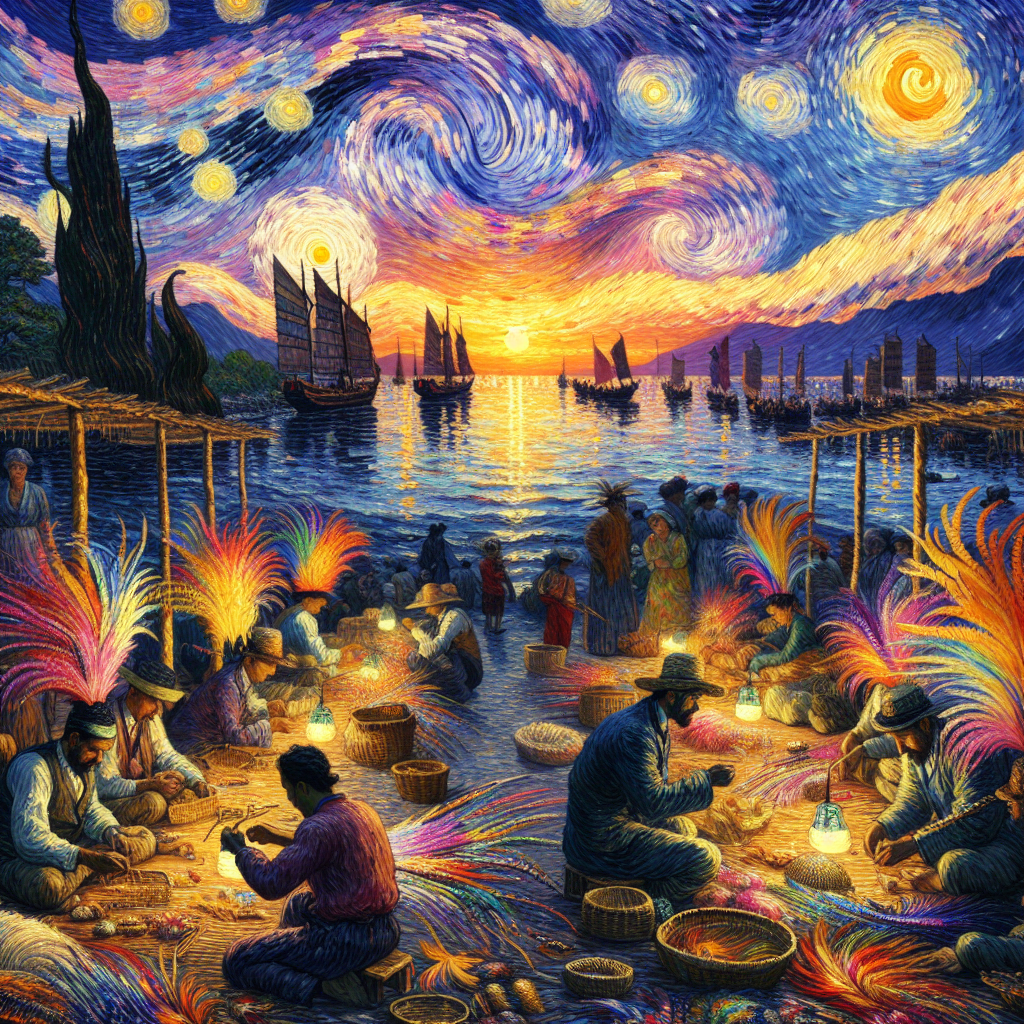
Visiting sacred sites like those in Cozumel is more than just a trip on a map; it’s an invitation to step into a story that spans generations. When you cross that threshold, you join an unbroken chain of seekers, worshippers, and families who have walked before you. But with this honor comes a hefty responsibility.
First off, the emotional weight of these places cannot be overstated. Imagine standing in a temple, where thousands have knelt before you, their prayers echoing in the winds. It’s a humbling reminder that you’re just a visitor in someone else’s sacred space. To show respect is to acknowledge the depth of human experience—joy, sorrow, and hope—that these sites encapsulate. As hearts connect with history, we open the door to understanding and empathy.
Now, let’s engage the head. Intellectually, we must understand the implications of our presence. Consider the environmental and cultural ramifications of tourism. Each footprint on sacred ground can disrupt delicate ecosystems and dilute cultural integrity. Are we just passing through or are we leaving behind something significant? Responsible travelers educate themselves on local customs, ensuring that their presence supports rather than undermines the community’s values and practices.
Ethically, it becomes essential to ask yourself what kind of footprint you want to leave. Are you merely a tourist, or are you an ally in the preservation of traditions? Seek to learn from the locals, listen to their stories, and contribute positively, whether it’s through supporting local artisans or participating in community initiatives. Authentic experiences will not only enrich your journey but foster genuine connections.
Furthermore, the social dynamics are at play here. You’re a guest among a community that deeply cares about their heritage. By honoring their customs and traditions, you participate in a collective narrative that strengthens bonds, promotes mutual respect, and builds trust.
Ultimately, the question isn’t just about what you can take from these experiences but about what you can give in return. It’s about coming away transformed while contributing to a deeper narrative. By engaging with sacred sites in a meaningful, respectful way, you not only honor those who came before you but ensure that future generations can continue the age-old dialogue that connects us all.
What Ethical Considerations Arise When Visiting These Sacred Sites?
What Ethical Considerations Arise When Visiting These Sacred Sites?
- Visiting sacred sites, like those in Cozumel, is an invitation to connect with a long history of seekers and worshippers.
- The emotional weight of these places reminds visitors to show respect for the deep human experiences encapsulated within.
- Tourism has environmental and cultural implications; each footprint can disrupt ecosystems and dilute local culture.
- Responsible travelers should educate themselves on local customs to support community values and practices.
- Travelers should consider their impact and strive to be allies in preserving traditions, learning from locals, and contributing positively.
- Honoring local customs fosters mutual respect and strengthens social bonds within the community.
- The goal is to engage meaningfully with sacred sites, honoring the past while ensuring future generations can connect with these narratives.

What Ethical Considerations Arise When Visiting These Sacred Sites?
What Role Do Social Interactions Play In Temple Visits Between Cities?
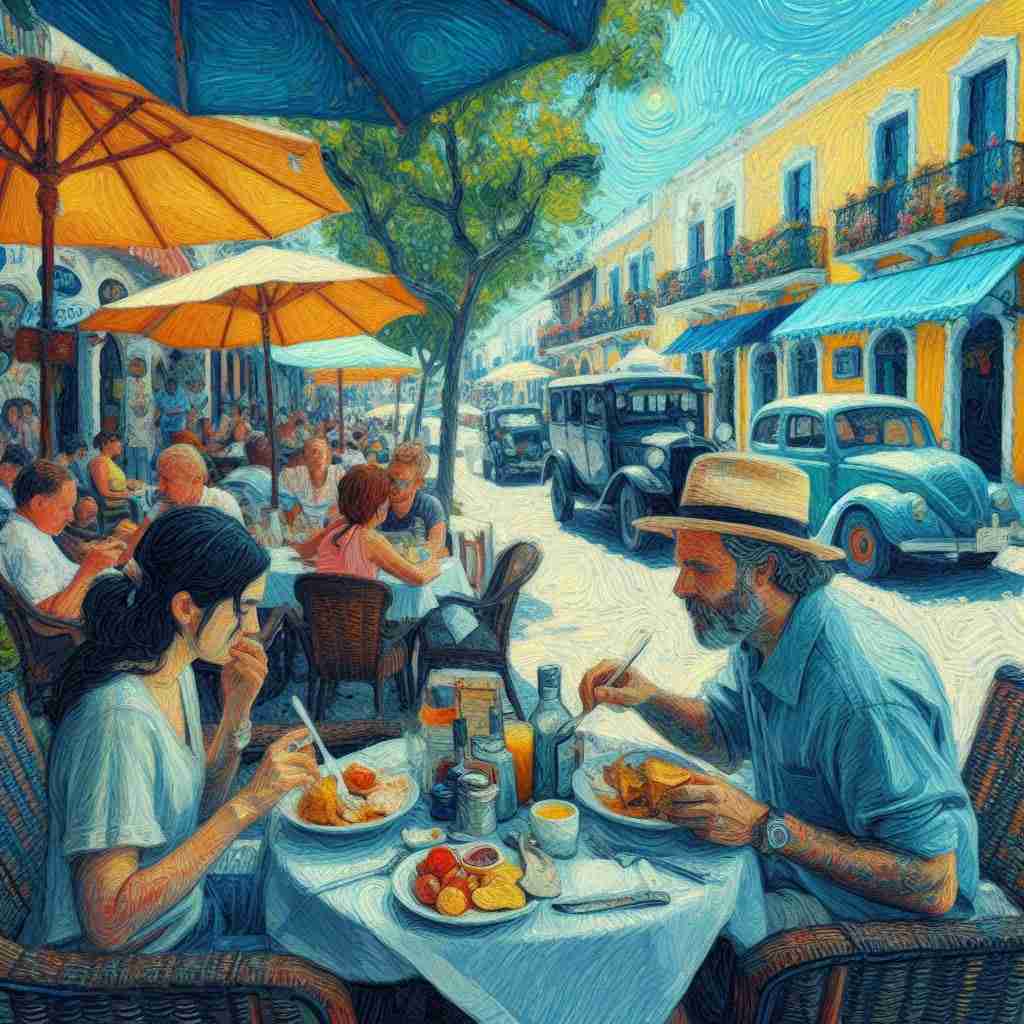
When you think of a temple visit, your mind might initially drift to the rituals, the serene beauty of the architecture, and perhaps the spiritual uplift it offers. But beyond the majestic walls and fragrant offerings lies an intricate dance of social interactions that binds us together, especially between cities. Picture two friends, perhaps even strangers, embarking on a journey to a temple in Cozumel. What drives them? What do they hope to gain?
At first glance, the attraction to a temple may be rooted in tradition and faith, but the heart of the visit often resonates more profoundly—the connections formed along the way. People travel miles, merge their stories, and ultimately shape their own narratives in these sacred spaces. Each interaction—whether a shared meal after a service or a thoughtful conversation while waiting in line—becomes a thread in the tapestry woven between cities. The impulse to share experiences shapes memories, making the spiritual journey as much about community as personal reflection.
Rationally, the reasoning behind such visits also stands strong. Studies indicate that social interactions contribute to mental and emotional well-being. When we seek out places like temples, we find solace in knowing we’re part of something greater—a network of individuals bound by similar quests for meaning. Whether it’s a seasoned temple-goer or a first-timer, the shared experience validates their seeking spirit, engenders compassion, and strengthens their resolve to connect with others.
Ethically, this communal aspect fosters a sense of responsibility towards one another. Engaging in temple visits creates a space where values are exchanged, growth is encouraged, and collective hope flourishes. People leave behind their worries at the temple gate, offering empathy and support to fellow visitors, reinforcing the idea that we are not alone in our struggles. That tangled mix of joy, sorrow, love, and support creates an atmosphere charged with positivity and possibility.
And let’s not overlook the power of storytelling within this context. Every visit triggers tales of old—of past journeys, lessons learned, and breakthroughs achieved. These stories often become catalysts for others to embark on similar paths. When we witness the courage of one another, we feel inspired to act, to reach beyond borders, and to connect with our human relatives, no matter how far apart they may seem.
In every temple visit between cities, there lies a sacred promise: to connect, to share, and to uplift one another. It’s this very promise that transforms a simple act into an extraordinary experience, where the heart, head, and gut all align in celebration of our shared humanity.
What Role Do Social Interactions Play In Temple Visits Between Cities?
What Role Do Social Interactions Play In Temple Visits Between Cities?
- Temple visits offer a blend of rituals, architecture, and spiritual uplift.
- Social interactions play a crucial role, forming connections between cities.
- The journey to a temple fosters shared experiences and personal narratives.
- Research shows that social interaction enhances mental and emotional well-being.
- Temple visits cultivate a sense of community and responsibility towards one another.
- Storytelling during visits inspires and motivates individuals to connect across distances.
- Each visit embodies a promise to connect, share, and uplift humanity together.
What Role Do Social Interactions Play In Temple Visits Between Cities?
How Do Local Communities Benefit From Temple Tourism In Cancun?
Temple tourism in Cancun isn’t just about the ancient stones and sun-soaked beaches; it’s about people, community, and a way of life that thrives on connection and reverence. When you wander among the majestic ruins of Tulum or steep yourself in the history of Chichen Itza, you’re not just observing, you’re participating in a shared narrative that extends far beyond the tourist map. It’s a journey that resonates deeply with the hearts of local families, the stewards of these sacred sites.
Imagine a family running a small eatery near the bustling streets of Cozumel. Each plate of authentic Yucatecan cuisine they serve tells a story—a tapestry of culture that intertwines with the temple grounds just a stone’s throw away. For every traveler who stops in for a taste, the local economy gets a boost. It’s not just about pesos; it’s about pride, sustenance, and the preservation of traditions handed down through generations. When visitors savor local flavors, they’re investing in a community that has wrapped itself around these sacred spaces.
But let’s talk numbers, because the head appreciates a solid foundation. Local businesses—farmers, artisans, and tour guides—thrive on the influx of temple tourists. Increased foot traffic leads to more jobs, better infrastructure, and the preservation of ancient sites that might otherwise languish in neglect. It’s a partnership where the past fuels the present, allowing a community to flourish. When you choose to visit, your contribution establishes a ripple effect that reinforces connections within the community. It transforms mere spectators into advocates for cultural education, environmental stewardship, and sustainable practices.
On a deeper level, ethical tourism asks us to reflect: How can we give back to these communities? When tourists engage with local artisans, purchase handmade crafts, or take guided tours, they’re not just consumers; they become allies in a worthy cause—protecting the unique heritage of the region. Supporting sustainable practices ensures that future generations can share in the same experiences that draw us to these awe-inspiring sites.
When you stand amidst the temples, remember that you’re part of something much larger. You’re joining hands with those who have walked these paths long before you. The heart, mind, and spirit of Cancun awaken in each interaction, each shared moment; it’s a collective journey that strengthens community bonds. So, embrace this opportunity—not just to witness history, but to be a vital part of its living legacy. Engage deeply, and allow your visit to resonate beyond the borders of your own experience.

How Do Local Communities Benefit From Temple Tourism In Cancun?
How Do Local Communities Benefit From Temple Tourism In Cancun?
- Temple tourism in Cancun emphasizes people, community, and connection beyond just historical sites.
- The experience at sites like Tulum and Chichen Itza is a shared narrative involving local families.
- Local eateries serve authentic Yucatecan cuisine, intertwining cultural stories with tourism.
- Tourism supports the local economy, fostering pride and preserving traditions for future generations.
- Increased tourism leads to more jobs, improved infrastructure, and preservation of ancient sites.
- Ethical tourism encourages visitors to engage with local artisans and support sustainable practices.
- Visitors become part of a collective journey, reinforcing community bonds and cultural heritage.

How Do Local Communities Benefit From Temple Tourism In Cancun?
How Does Visiting a Temple Affect Our Emotional Connection to a Place?
Visiting a temple is more than just a journey to a destination; it’s a pilgrimage to the very core of what we value as human beings. When you step into a sacred space, you’re confronted with an ambiance that is profoundly different from the hustle and bustle of everyday life. Take, for instance, a temple in Cozumel—a place where vibrant history meets palpable spirituality. The moment you set foot inside, you can almost feel the weight of generations past echoing in the stone walls, an invitation to leave behind the trivialities of modern distractions.
That emotional surge hits you first; it’s a heartstring tugging at your very essence. Here, amid the incense and ancient whispers, your worries seem to float away. It’s a visceral reminder that in this vast world, you are not alone. People have gathered in these spaces for centuries, seeking solace, guidance, and community. Take a moment to reflect: how many soldiers, lovers, poets, and seekers have knelt where you stand? The connection is instantaneous—one that binds you to the collective history of humanity.
Now, let’s engage the mind. The architectural beauty of temples often tells stories of human ingenuity—a testament to what we can achieve when driven by shared beliefs. The intricate designs and symbolisms invite us to think critically about traditions we may not fully understand. This rational engagement fosters a deeper appreciation not only for the temple itself but also for the cultural tapestry of the community. Here, you’re not just a visitor; you become part of a narrative that stretches across time.
Ethically, these sacred spaces underscore values of respect, tolerance, and compassion. They stand as reminders that despite our differences, we share a universal search for meaning. This learning experience helps cultivate empathy, urging us to honor the faith and beliefs of others, which enriches our own lives in ways we may not yet realize.
Finally, the social aspect cannot be overlooked. When you visit a temple, you’re likely to encounter others on their path. Shared moments of contemplation foster connections that can lead to lasting friendships. You leave not just with memories but with a renewed sense of purpose, a bond formed in a space where the heart, mind, and spirit intertwine. The trip to the temple is an invitation to open yourself to the profound—a call to action to engage more fully with the world around you.

How Does Visiting a Temple Affect Our Emotional Connection to a Place?
How Does Visiting a Temple Affect Our Emotional Connection to a Place?
- Visiting a temple is a pilgrimage that connects us to core human values.
- The ambiance of a sacred space contrasts sharply with everyday life, providing tranquility.
- Temples, like one in Cozumel, embody a rich history and spirituality that resonates through the ages.
- Emotional connections are created as you reflect on the countless individuals who have sought solace in these spaces.
- The architectural beauty of temples serves as a testament to human ingenuity and shared beliefs.
- These sacred spaces promote values like respect and compassion, encouraging empathy towards diverse beliefs.
- Your visit fosters social connections, offering opportunities for friendships and a renewed sense of purpose.

How Does Visiting a Temple Affect Our Emotional Connection to a Place?
Conclusion
As we wrap up this exploration of Cozumel and Cancun, it’s important to recognize that these two destinations offer vastly different connections to the pulse of human history. Cozumel’s temples, steeped in the ancient traditions of the Maya, serve as quiet spectators to the centuries of human experience. Picture yourself standing amidst the ruins of San Gervasio, where the air hums with whispers of devotion and the storied past. These sites transport you to an era where the sacred intertwined with everyday life, revealing not just a landscape of stone, but a vibrant community of seekers who once turned to the goddess Ix Chel for guidance and solace.
In stark contrast, Cancun often prioritizes flashy resorts and thrill-seeking pursuits, sometimes at the expense of deeper connections with its cultural roots. Here, you might find archaeological sites, but often overshadowed by the vibrancy of nightlife and resorts. While Cancun dazzles, it can leave that essential human connection to history feeling a bit neglected.
Visiting Cozumel not only evokes a sense of awe for its ruins but beckons you to engage with the stories of its local guides, whose narratives breathe life into the stones. Each encounter helps foster a meaningful relationship with the land, the community, and ultimately ourselves. It’s more than a choice to visit; it’s a deliberate act of solidarity with a culture that has persevered through the ages.
Ethically, as travelers, we carry the responsibility of preserving these histories and ensuring that tourism benefits local communities rather than dilutes their essence. In Cozumel, every plate of tacos savored, each handcrafted souvenir bought, contributes to the wellbeing of the community. It’s a tangible reminder that with every visit, we have the opportunity to uplift voices that celebrate authenticity and sustainability.
So, whether you find yourself drawn to Cozumel’s ancient temples or Cancun’s vibrant allure, remember that travel isn’t just about exploration—it’s about connection. Trust your instincts and allow your heart to guide you toward genuine encounters, where stories unfold and the human experience resonates deeply. Engage fully, reflect, and carry home not just memories, but a richer understanding of our shared heritage. In doing so, you help write the next chapter in the enduring story of humanity, a story that connects us all across time and space.

Conclusion
Conclusion:
- Cozumel offers a deep connection to the ancient traditions of the Maya, highlighting temples like San Gervasio.
- The ruins of Cozumel evoke a sense of devotion and community, particularly surrounding the goddess Ix Chel.
- Contrastingly, Cancun is marked by flashy resorts and nightlife, occasionally overshadowing its cultural heritage.
- While Cancun has archaeological sites, the deeper human connection to history is often neglected.
- Engaging with local guides in Cozumel fosters meaningful relationships and a deeper understanding of the land and community.
- Travelers have a responsibility to ensure that tourism benefits local communities and preserves their cultural essence.
- Travel is not just exploration; it’s about forming connections and carrying home richer understandings of our shared heritage.

Conclusion
Other Resources
Other Resources
Cozumel rewards travelers who stay longer than the cruise ship crowd. If that’s the kind of trip you’re cooking up, here’s where we’d point you for lodging. Cozumel 37 Prime is a 4-bedroom Centro villa with a private pool — walkable to restaurants and the waterfront. Cozumel Journey is an editorial guide to Cozumel — neighborhoods, planning tips, and life on the island for travelers who want context, not a cruise schedule.
Here is a list of other resources you can review online to learn more:
- Mega Supermarket
- Cafeteria La Cozumelena Cozumel
- Playa Palancar
- Cozumel 3 Reef Snorkel Tour
- Super Taqueria EL PIQUE
- El Mirador
- Discover Mexico Park
- Tulum
- Playa Corona
- Muelle Fiscal
- The Thirsty Cougar
- Blue Angel Resort
- Cafe Caribe
- Pepe’s Modern Grill
- Caribbean Divers Cozumel
- Coco’s Bakery Restaurant
- A Diver’s Guide to Cozumel
- Hard Rock Cafe Cozumel
- a 4-bedroom Centro villa with a private pool
- a slower, editorial take on Cozumel
Use This Prompt To Get More Resources With Your Favorite Online AI Tool: Please provide me with a list of online articles with their URLs in a bulleted list that I can read regarding How Do Cozumel Temples Compare to Cancun?

Other Resources
Glossary Terms
How Do Cozumel Temples Compare to Cancun? – Glossary Of Terms
1. Cozumel: An island off the coast of Mexico’s Yucatán Peninsula, known for its beautiful beaches and rich cultural heritage.
2. Cancun: A popular resort city in Mexico, famous for its nightlife, beaches, and proximity to ancient Mayan ruins.
3. Temple: A structure dedicated to religious or spiritual activities, often featuring architectural significance and historical context.
4. Maya Civilization: An ancient Mesoamerican civilization known for its impressive architectural achievements, including temples, pyramids, and cities.
5. Chichen Itza: A UNESCO World Heritage site and one of the most famous Mayan archaeological sites, located near Cancun.
6. San Gervasio: An ancient Mayan site located in Cozumel, known for its temples and significance in Mayan worship.
7. Pyramids: Monumental structures built by ancient civilizations, often serving as temples or tombs.
8. Archaeological Site: A location where evidence of past human activity is preserved and studied, including ruins of temples and buildings.
9. Cultural Heritage: The traditions, artifacts, and practices passed down through generations, reflecting the identity of a community.
10. Sacred Sites: Locations considered holy or spiritually significant, often linked to worship and rituals.
11. Architecture: The art and science of designing and constructing buildings, often reflecting cultural significance and historical context.
12. Temazcal: A traditional Mesoamerican sweat lodge used for purification and healing practices, reflecting spiritual practices related to temples.
13. Urban Planning: The design and organization of urban spaces, including the layout of temples and public areas in ancient cities.
14. Tourism: The activity of traveling for leisure, which significantly impacts both Cozumel and Cancun, especially regarding their temples.
15. Mesoamerica: A historical region that includes parts of Mexico and Central America, home to several ancient civilizations, including the Maya.
16. Cultural Exchange: The influence and sharing of cultural ideas and practices between different societies, often seen in architectural styles.
17. Rituals: Ceremonial acts performed in a specific order, often tied to religious or spiritual beliefs.
18. Idolatry: The worship of idols or physical representations of deities, which was common in ancient temple practices.
19. Religious Syncretism: The blending of different religious beliefs and practices, often seen in the evolution of rituals over time.
20. Capstone: A stone that forms the top of a building or structure, often artistically carved in Mesoamerican temple architecture.
21. Bas-relief: A sculptural technique where the sculpted elements are raised above a flat background, commonly found on temple walls.
22. Hieroglyphs: A writing system using symbolic characters, which may be found inscribed on temple walls or monuments.
23. Pilgrimage: A journey to a sacred place or site, often involving visits to temples as part of spiritual devotion.
24. Restoration: The process of returning a building or site to its original condition, especially relevant for ancient temples.
25. Ethnography: The scientific study of people and cultures, providing insights into how ancient civilizations constructed and utilized temples.
26. Sculpture: The three-dimensional representation of figures or scenes, frequently adorning temple facades.
27. Ceremonial Center: A space designed for religious and ceremonial activities, often marked by significant architectural structures such as temples.
28. Ancestral Worship: The practice of honoring deceased ancestors, frequently integrated into rituals at temples.
29. Tourist Attractions: Sites that draw visitors due to their cultural, historical, or scenic value, including temples in Cozumel and Cancun.
30. Cultural Resilience: The ability of a culture to endure and adapt despite external pressures, reflected in the preservation of temple sites.
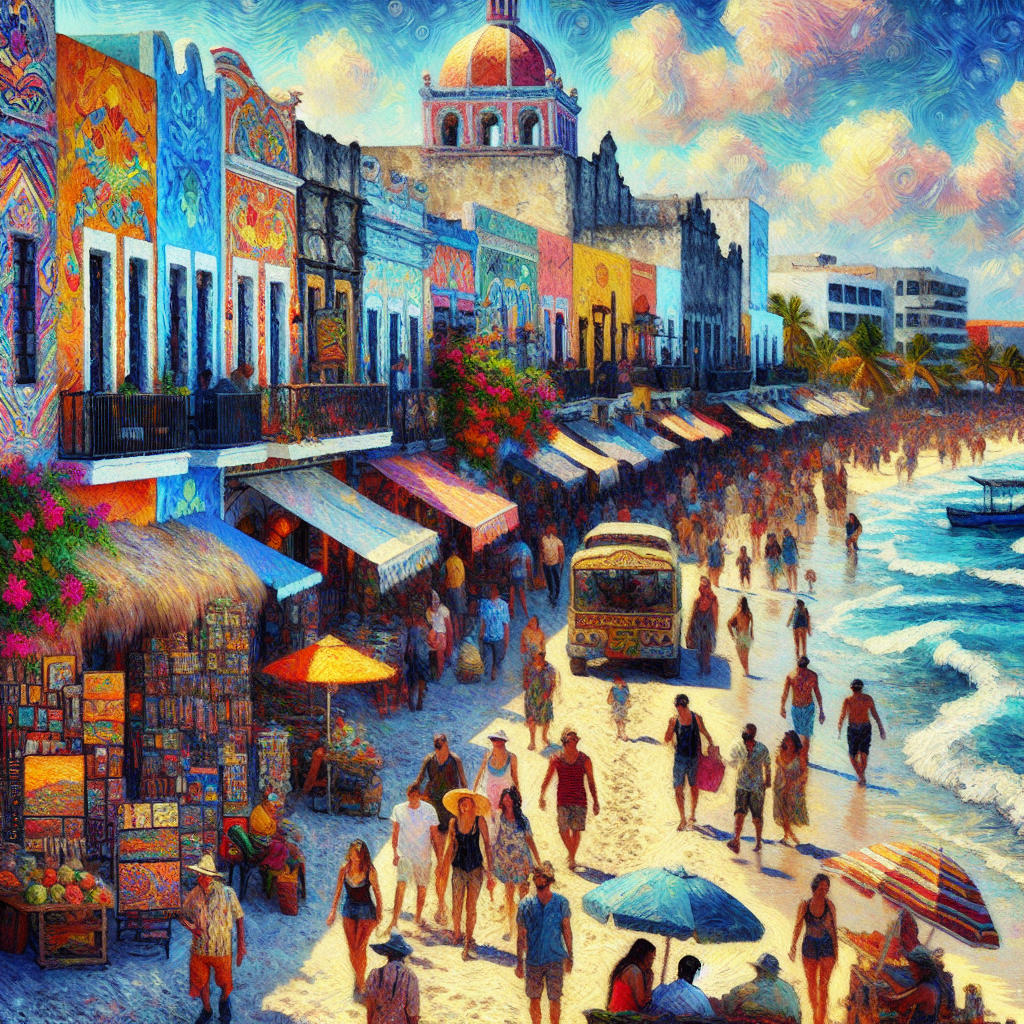
Glossary Of Terms
Other Questions
How Do Cozumel Temples Compare to Cancun? – Other Questions
If you wish to explore and discover more, consider looking for answers to these questions:
- What are some notable temples in Cozumel and Cancun?
- How did the ancient Maya influence the architectural styles of Cozumel and Cancun?
- What are the typical experiences of visitors at the temples in Cozumel compared to those in Cancun?
- What conservation efforts are being made to preserve the temples in both locations?
- How do local practices and beliefs influence temple tourism in Cozumel and Cancun?
- What role do local guides play in enhancing the temple experience for visitors?
- In what ways can tourists ensure their visit to these sites is respectful and ethical?
- How does the cultural significance of temples differ between Cozumel and Cancun?
- What impact does temple tourism have on the local economy in both cities?
- Are there specific customs visitors should be aware of when visiting temples in these locations?
- What should visitors expect in terms of accessibility when visiting the temples?
- How can travelers engage with local communities beyond just tourism?
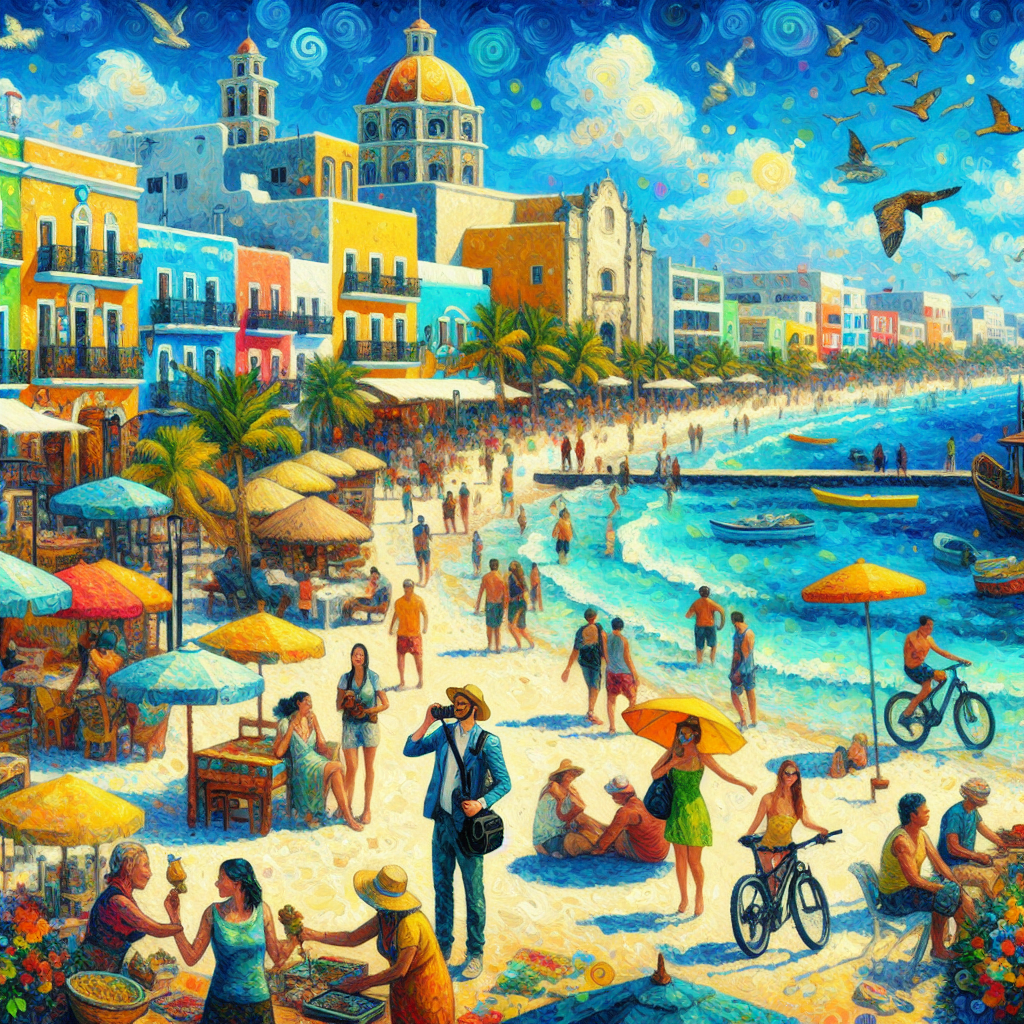
Other Questions
Haiku
How Do Cozumel Temples Compare to Cancun? – A Haiku
Ancient stones speak truth,
Whispers of love and spirit,
Hearts and minds unite.

Haiku
Poem
How Do Cozumel Temples Compare to Cancun? – A Poem
In Mexico’s embrace, two shores unfold,
Cozumel whispers tales of the bold.
Temples rise like dreams from the earth,
Echoing stories of love and rebirth.
San Gervasio stands, crumbling but strong,
A sanctuary where ancient spirits belong.
Ix Chel’s offerings, fertility and grace,
In each quiet corner, history finds its place.
Cancun, glimmering, with resorts that shine,
Offers a different allure, a life intertwined.
Yet the heartbeat of culture sometimes fades,
Under the spell of lavish escapades.
Cozumel invites with open-hearted cheer,
Where history breathes in the atmosphere.
Local guides weave narratives alive,
Connecting the past with the present, we thrive.
In every stone, a lesson, a story to claim,
Of harmony with nature, a shared human flame.
Ethically, we question, what does it mean?
To visit a temple, to tread where they’ve been.
As you walk sacred paths, remember your role—
To honor, to cherish, to truly feel whole.
Support local artisans, let the community bloom,
Engage in the culture, let it light up the room.
In this tapestry woven of heart and of mind,
Lies a deep satisfaction, the treasures we find.
For in every encounter, a bridge we will build,
With each shared narrative, the spirit is filled.
So choose your path wisely, where stories entwine,
Let your heart guide you, through space and through time.
Cozumel’s temples, a call to connect,
In the dance of humanity, let love intersect.

Poem
Checklist
How Do Cozumel Temples Compare to Cancun? – A Checklist
Cozumel and Cancun Temples Visit Checklist
Emotional Appeals
_____ Reflect on Connection: Spend a moment in silence, allowing the energy of the temple to resonate within you.
_____ Share the Experience: Find someone to discuss your thoughts and feelings about the site you’re visiting.
_____ Capture the Moment: Take a photo that symbolizes your emotional connection to the temple.
Rational Appeals
_____ Research Historical Context: Before your visit, familiarize yourself with the temple’s history and significance.
_____ Observe Architectural Details: Pay attention to design elements and their cultural meanings during your exploration.
_____ Take Notes: Document insights or thoughts that arise during your visit to deepen your understanding.
Ethical Appeals
_____ Respect Sacred Spaces: Follow local guidelines and customs while visiting, ensuring respectful behavior.
_____ Support Local Artisans: Purchase handmade crafts or local foods from nearby vendors to contribute to the community.
_____ Reflect on Your Impact: Consider how your visit affects the local environment and culture; think about sustainable practices.
Authority Appeals
_____ Engage with Local Guides: Listen to tour guides who provide insights and stories that enrich your visit.
_____ Participate in Educational Activities: Look for workshops or lectures offered by local experts during your visit.
_____ Share Knowledge: Post your learnings on social media or within your community to spread awareness.
Narrative Appeals
_____ Create Your Story: Write a short narrative or blog post about your experience at the temple, reflecting on its significance to you.
_____ Connect Personal Experiences: Relate your visit to your own life or spiritual journey, illustrating what it means to you.
_____ Involve Others: Invite friends or family to join and share their narratives, creating a collective memory.
Social Appeals
_____ Meet Fellow Visitors: Strike up conversations with other travelers to exchange insights and personal reflections.
_____ Participate in Group Activities: Join a guided tour or communal rituals to foster connection with others.
_____ Engage in Local Events: Check if there are any local gatherings, festivals, or events related to the temple during your visit.
Use this checklist as a guide to enhance your experience while visiting the temples of Cozumel and Cancun, ensuring a deeper connection with your surroundings and the culture they embody.

Checklist
At TopCozumelNews, we help travelers enjoy Cozumel by collating information learned from frequently traveling to beautiful Cozumel.
Be sure to read our other related stories at TopCozumelNews to learn more about the Island of Cozumel.