
Stay Calm And Sail Smooth: A Complete Guide To Beating Ferry Seasickness
By Tom Seest
At TopCozumelNews, we help travelers enjoy Cozumel by collating information learned from frequently traveling to beautiful Cozumel.
Be sure to read our other related stories at TopCozumelNews to learn more about the Island of Cozumel.
How Do You Avoid Seasickness on The Ferry?
When setting sail to Cozumel, the thrill of adventure can quickly sink into an overwhelming wave of nausea if you’re not careful. Seasickness isn’t a sign of weakness; it’s a biological response that many robust, tough individuals have experienced. So how do you outsmart your inner sailor and enjoy that ocean breeze instead of battling those turbulent waters?
First, let’s talk about a little creature called the vestibular system – it’s your body’s built-in compass and balance system. When it senses movement, especially the swaying of a ferry on the waves, it can trigger nausea if it feels out of sync. To help calm your inner sailor, position yourself where the motion is less pronounced – typically, that’s somewhere in the center of the ferries.
Now, consider your stomach. It doesn’t appreciate being empty or overly packed – both lead to trouble. Opt for light, easily digestible snacks before and during your trip. Crackers, ginger candies, or even a banana can act like a life raft for your tummy. Just steer clear of greasy foods and heavy meals, which can churn the seas of your stomach.
But let’s not forget the mental aspect. Stress can amplify that queasy feeling. Engage your mind with a good book or focus on the horizon. By fixating on a stable point, whether actual land or a distant cloud, you can trick your brain into balance. And when the ferry rocks, breathe deeply. That’s right; deep, calm breaths. Inhale the salty air, and exhale the tension. It’s your secret weapon against seasickness.
Feeling prepared brings us to the emotional side. Pack a trusty over-the-counter remedy that you’ve tested in calmer waters. Knowing you have a plan can ease anxiety and allow you to focus on the turquoise waters awaiting your arrival in Cozumel.
Lastly, talk to others. You’re not alone in this boat – many have navigated these waters before you. Share tips, swap stories, and build camaraderie with fellow travelers. After all, humans instinctively band together, and that connection will ease your journey, one wave at a time.
So, as you lace up your shoes, ready yourself for the ferry, trust in your preparations. You are not merely a passenger; you are an adventurer. Embrace the journey and enjoy every salt-kissed moment.

How Do You Avoid Seasickness on The Ferry?
How Do You Avoid Seasickness on The Ferry?
- Seasickness is a biological response experienced by many, not a sign of weakness.
- The vestibular system is your body’s balance system, and movement can trigger nausea.
- Position yourself in the center of the ferry to reduce motion sensitivity.
- Consume light, easily digestible snacks like crackers or ginger candies while avoiding greasy foods.
- Manage stress by engaging in calming activities, like reading or focusing on a stable point on the horizon.
- Bring an over-the-counter remedy you trust and have a plan to ease anxiety.
- Connect with fellow travelers to share tips and build camaraderie for a smoother journey.

How Do You Avoid Seasickness on The Ferry?
Table Of Contents
- How Do You Avoid Seasickness on The Ferry?
- What If You Could Enjoy The Sea Breeze Without Feeling Queasy?
- Have You Ever Wondered Why Some People Are More Prone To Seasickness?
- How Can Simple Remedies Transform Your Ferry Experience?
- Could Choosing The Right Seat Help You Feel More Stable On The Ferry?
- How Does Your Mindset Impact Your Risk Of Seasickness?
- What Should You Eat Before Boarding The Ferry To Prevent Sickness?
- Are There Specific Natural Remedies That Have Helped Fellow Travelers?
- Conclusion
- Other Resources
- Glossary Of Terms
- Other Questions
- Haiku
- Poem
- Checklist
What If You Could Enjoy The Sea Breeze Without Feeling Queasy?
Imagine standing on the sun-kissed shores of Cozumel, the warm ocean breeze wrapping around you like a gentle hug, while the sound of the waves whispers their timeless secrets. For many, this idyllic scene is marred by the dread of queasiness, a common companion on boats and sometimes a relentless shadow on our seaside dreams. But what if there was a way to embrace the sea breeze without that unwelcome feeling?
Opening yourself up to the ocean’s vastness shouldn’t come with a side of nausea. Consider the joy of feeling the salt on your skin and the adrenaline of sailing on turquoise waters, all without the gut-wrenching discomfort. It’s more than just a physical sensation; it’s about freedom. Just imagine the stories you could share, the laughter of friends echoing across the deck, each wave of joy untainted by the specter of seasickness.
From a practical standpoint, thousands of people visit Cozumel every year, indulging in all the wonders it has to offer: snorkeling, diving, or simply soaking in breathtaking sunsets. Yet, the heartbreaking truth is that many of these adventurers miss out on the rich tapestry of experiences due to nausea that can be easily managed. Being part of the vibrant community that revels in the ocean’s bounty should be everyone’s right.
Diving into this adventure better prepared can transform apprehension into excitement. There are simple steps to mitigate queasiness—ginger tea, acupressure bands, or over-the-counter remedies that have graced countless travelers’ backpacks. Taking those measures not only fosters trust in your choices but empowers you to fully absorb the beauty around you.
Remember, it’s not just about you; it’s about sharing the experience. When you conquer your queasiness, you inspire those around you—friends, family, even strangers. You become a beacon of possibility, showing that with a little determination and preparation, we can all set sail toward new horizons.
So as you stand before the shimmering expanse of the sea, breathe in the fresh air deeply. The ocean is calling, and it’s time to answer without hesitation. Engage your senses, savor the moment, and enjoy that refreshing sea breeze—this time with confidence and, most importantly, without queasiness. Together, let’s embrace every wave with open arms.

What If You Could Enjoy The Sea Breeze Without Feeling Queasy?
What If You Could Enjoy The Sea Breeze Without Feeling Queasy?
- Cozumel offers a picturesque setting with warm ocean breezes and the soothing sound of waves.
- Many visitors experience seasickness, hampering their enjoyment of the ocean.
- There are ways to enjoy the ocean without nausea, fostering a sense of freedom and adventure.
- Thousands flock to Cozumel for activities like snorkeling and sunset viewing, yet many miss out due to nausea.
- Basic remedies like ginger tea, acupressure bands, and over-the-counter medications can help manage queasiness.
- Overcoming seasickness allows you to inspire others and share joyful experiences on the water.
- Embracing the ocean with confidence leads to a richer adventure filled with memories and connections.

What If You Could Enjoy The Sea Breeze Without Feeling Queasy?
Have You Ever Wondered Why Some People Are More Prone To Seasickness?
Seasickness can seem like an uninvited guest at the party, and for those who experience it, every ripple of the ocean feels like a personal affront. Imagine standing aboard a boat as it slices through the crystalline waters of Cozumel, the sun streaming down, the salty breeze tousling your hair. For most, this sensory overload is exhilarating. But for others, the sheer thought of waves sends their stomachs into a tailspin. Why is that?
At the heart of the matter lies the inner workings of our brains. Each one of us has a finely-tuned balance system nested within our inner ear, a delicate dance hall where balance and orientation take the lead. Some individuals are more sensitive to the discrepancies between what their eyes see and what their inner ear feels. Whether you’re gazing at the horizon or watching the waves crash against the hull, if these signals don’t sync up harmoniously, the result can be a chaotic disarray of nausea and discomfort. Rationally, this can be traced back to evolution. Our ancestors had to navigate rough waters, and those more adept at managing these sensations fared better, passing down their resilient genes through generations.
But there’s more than just biology at play; our perspectives shape how we experience discomfort. The mind-body connection is powerful. If you believe that you will be seasick, you’re likely to manifest that fear. Tackling that mental hurdle is where courage and community come into play. Have you ever noticed how stories of shared experiences can foster a sense of resilience? Those of us who have battled the waves often find solace in camaraderie, bonding over tales of heroism—like the time a friend bravely faced the seas on a sailing trip in Cozumel and emerged victorious.
Ethically, we should advocate for understanding and compassion: seasickness is not a weakness, but rather a unique response, deserving of attention and empathy. We must engage with and support those affected, sharing tips and remedies, so the next time someone gazes apprehensively upon the swell of water, they know they’re not alone in their struggle.
So, let’s be inspired to tackle the seas, both literally and figuratively. We can embrace the challenge, arm ourselves with knowledge, and approach the waves with both respect and courage. Because in the end, each of us has the capacity to find our own sea legs and truly savor life’s journey, even on the choppy waters.

Have You Ever Wondered Why Some People Are More Prone To Seasickness?
Have You Ever Wondered Why Some People Are More Prone To Seasickness?
- Seasickness affects individuals differently, turning enjoyable experiences into discomfort for some.
- The inner ear plays a crucial role in balance and orientation; discrepancies between visual and inner ear signals can lead to nausea.
- Evolutionarily, individuals able to manage these sensations survived better, passing down resilient traits.
- Psychological factors significantly influence the experience of seasickness; belief in potential illness can trigger symptoms.
- Camaraderie and shared experiences can help individuals cope with seasickness and foster resilience.
- Understanding seasickness as a unique response deserving of empathy can promote support and sharing of remedies.
- Embracing challenges, gaining knowledge, and approaching fears with courage can help individuals overcome seasickness.

Have You Ever Wondered Why Some People Are More Prone To Seasickness?
How Can Simple Remedies Transform Your Ferry Experience?
Imagine stepping onto a ferry bound for Cozumel, the salty breeze tangling your hair and your heart racing with anticipation. But then, reality hits: the boat rocks, the waves crash, and suddenly, that dream trip feels more like a white-knuckled ride through a storm. We’ve all been there, right? But what if I told you that some simple remedies could turn that chaotic ferry experience into a smooth, joyful journey?
First, let’s engage the heart. Think about the cherished memories you want to create: the laughter shared with friends, the family bonding over breathtaking sunsets, or the thrill of exploring new shores. These aren’t just fleeting moments; they’re the touchstones of a life well-lived. Embracing some straightforward strategies against motion sickness doesn’t just protect your stomach; it safeguards those precious experiences.
Now, let’s add a rational touch. Essential oils, ginger candies, or even just sucking on lemon slices—these unassuming remedies can do wonders. They’re not just folklore, folks. There’s science backing the power of ginger and peppermint in calming your stomach. Imagine stepping off that ferry not disoriented but invigorated, ready to explore every corner of Cozumel. Sounds appealing, doesn’t it?
From an ethical standpoint, why not promote holistic approaches that minimize the need for medication, especially when simple, natural solutions can do the trick? It’s about embracing a lifestyle that respects our well-being and the environment. We have the agency to choose how we navigate discomfort, and opting for natural remedies respects that choice.
Picture yourself sharing these insights on social media, a wave of anecdotes rolling in from friends and followers who’ve experienced the same gut-wrenching fears. Their stories echo yours, weaving a tapestry of connectivity. “I’ve been there,” they say, “and here’s what worked for me.” It’s that community support that builds trust and encouragement.
And let’s not forget—there’s authority in these shared experiences. When you hear from someone who’s faced the high seas and emerged victorious, it hits differently. Their victories become rallying cries for confidence, inspiring you to take action. Before you know it, a bag of ginger candies is tucked away in your backpack, a small but powerful tool against the unpredictable.
So, next time you find yourself on a ferry, don’t just brace yourself for the journey. Arm yourself with these remedies and savor the ride, just like you savor the promise of adventure ahead. After all, every wave you conquer is a step toward richer experiences on the horizon.

How Can Simple Remedies Transform Your Ferry Experience?
How Can Simple Remedies Transform Your Ferry Experience?
- Anticipation can quickly turn into discomfort during a ferry ride to Cozumel due to motion sickness.
- Cherished memories, like bonding with friends and family, are essential for a fulfilling life, making it important to address motion sickness.
- Simple remedies such as essential oils, ginger candies, and lemon slices can effectively alleviate motion sickness.
- Choosing holistic and natural solutions over medication promotes well-being and respects the environment.
- Sharing experiences on social media can connect individuals who have faced similar challenges, fostering community support.
- Personal stories of overcoming motion sickness can build confidence and encourage others to take proactive steps.
- Prepare for your next ferry ride with remedies, transforming potential discomfort into an enjoyable adventure.

How Can Simple Remedies Transform Your Ferry Experience?
Could Choosing The Right Seat Help You Feel More Stable On The Ferry?
When you step aboard a ferry, whether it’s a vibrant vessel heading to Cozumel or a trusty ship ferrying folks across the bay, there’s one undeniable truth: how you choose your seat can shape your entire experience. We’ve all seen passengers huddled together, clinging to the handrails, eyes wide with trepidation, while others bask in the sun, sipping their drinks like they’ve just discovered paradise. What if the difference lies not just in their mindset, but in where they chose to sit?
Imagine the heart of the matter. You’ve got your loved ones with you—your gut tells you this journey should be an adventure, not a source of anxiety. Yet, the boat lurches, and your stomach drops. You realize that if you had only settled in a better location—maybe closer to the center where the ride feels more stable—you could have turned apprehension into exhilaration. It’s as if the universe conspired to make this the perfect getaway, and yet here you are, missing the joy of Cozumel because of a simple oversight.
Now, let’s engage the head. Admitting that the back of the ferry feels bumpy while the front glides smoothly might seem trivial, but there’s a rational basis for this. Physics don’t lie. The boat rocks and rolls according to the waves beneath it. So, making an informed choice about where to sit isn’t just smart; it’s a way to reclaim control—a balance of comfort and adventure. Be strategic: sitting amidships, where the motion is minimal, can transform an uneasy ride into a serene sailing.
Ethically, we all have a responsibility to take note of our surroundings and navigate through life with intention. By making a conscious decision, you not only enhance your experience but also encourage fellow travelers to embrace the ride.
As you settle into that perfect seat—perhaps sharing a laugh with a neighbor or exchanging stories about planned activities in Cozumel—you tap into the social aspect of the journey. You’re not just crossing water; you’re creating memories. Every choice, every seat taken, brings us together in shared moments of vulnerability and joy. So next time, when it’s time to board that ferry, pause and consider: how can choosing the right seat enhance your adventure? Take a seat that means something, and embrace the journey ahead.

Could Choosing The Right Seat Help You Feel More Stable On The Ferry?
Could Choosing The Right Seat Help You Feel More Stable On The Ferry?
- Selecting a seat on a ferry can greatly influence your overall experience.
- Seat choice can affect comfort levels and anxiety; it’s important to find a stable location.
- Sitting midship offers a smoother ride, minimizing the boat’s motion.
- Understanding the physics of ferry movement can inform better seating choices.
- Being aware of your surroundings helps enhance your journey and encourages shared experiences.
- Engaging with fellow passengers fosters memories and social connections during the trip.
- Choosing the right seat can turn a simple ferry ride into a memorable adventure.

Could Choosing The Right Seat Help You Feel More Stable On The Ferry?
How Does Your Mindset Impact Your Risk Of Seasickness?
When you think about seasickness, the first image that probably comes to mind is someone clutching their stomach, desperately wishing for solid ground. But what if I told you that your mindset could be the real anchor in this turbulent sea? Picture yourself on a boat, the sun shining on the turquoise waters of Cozumel, the salty breeze in your hair—doesn’t that sound like heaven? Now, imagine the waves start to rock the boat. Suddenly, that paradise feels more like a prison. But what if your thoughts could change that experience entirely?
Research suggests that those who approach the adventure with a confident attitude and a sense of readiness are less likely to succumb to seasickness. It’s not just about skin in the game; it’s about the mental framework you build around the experience. Anyone who’s ever stared out at the open sea can tell you that it’s easy to get lost in the panic of uncertainty. Yet, those who harness their thoughts, refocusing from dread to wonder, find themselves on firmer footing amid the swells.
A reliable strategy is to view the trip as an opportunity for connection—both with nature and with your companions. Laughing together, sharing stories, or even just marveling at the beauty around you helps create a bond that can overpower the petty complaints of motion sickness. This is where the power of narrative comes in; everyone has a tale of bravery or triumph over fear. When you share your resolve with friends and family, you’re not just battling the nausea—you’re creating a shared experience that elevates you above the discomfort.
As we dive into the science of it, the gut tells us that our body reacts strongly to our mind’s state. Those affirming thoughts can literally recalibrate your physiological response to the rolling waves. It’s almost ethical to equip yourself and those around you with this understanding. Trusting that your mind can influence your body’s reactions isn’t mere folklore; it’s a profound human truth.
The next time you find yourself sailing toward paradise, remember that your mindset can be as pivotal as the horizon. Embrace the adventure, fortify your spirit with positivity, and allow the waves to roll without fear. You’ve got what it takes to ride the tide—not as a victim, but as a sailor steering your own boat.

How Does Your Mindset Impact Your Risk Of Seasickness?
How Does Your Mindset Impact Your Risk Of Seasickness?
- Seasickness often evokes images of discomfort and longing for solid ground.
- Your mindset plays a crucial role in experiencing seasickness; approach the adventure with confidence.
- Having a positive mental framework can reduce the likelihood of succumbing to seasickness.
- Refocusing thoughts from dread to wonder can help maintain a sense of stability on the waves.
- Viewing the trip as a chance for connection with nature and companions can enhance the experience.
- Sharing personal stories of bravery can transform discomfort into a memorable shared experience.
- Your mind can influence your body’s physiological responses, making a positive mindset essential while sailing.
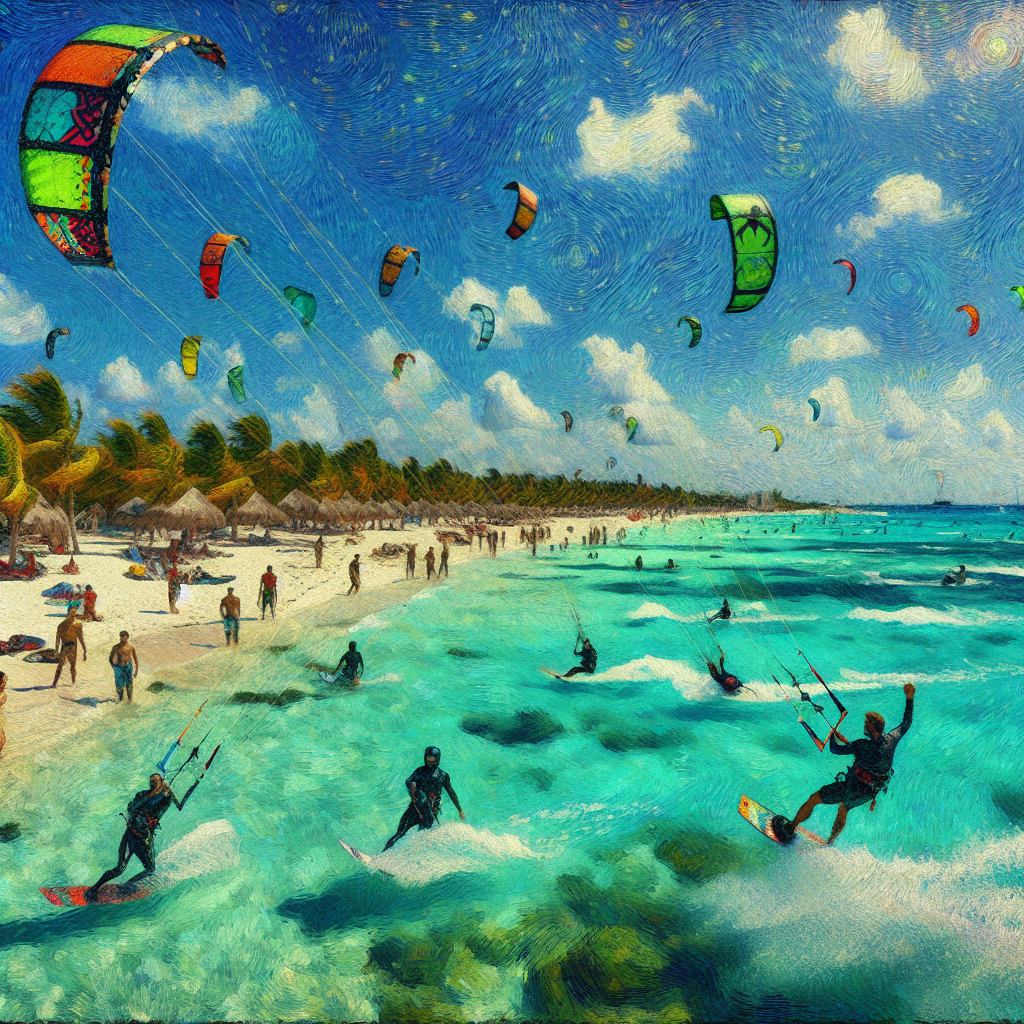
How Does Your Mindset Impact Your Risk Of Seasickness?
What Should You Eat Before Boarding The Ferry To Prevent Sickness?
When you’re gearing up to board a ferry to Cozumel, the last thing you want is to roll through those waves with a stomach churned by poor pre-boarding choices. We’ve all been there: the excitement of adventure palpable in the air, yet that gnawing discomfort lurking in the pit of your stomach, threatening to hijack your day. So, let’s dive into what will keep hunger at bay and nausea in check, ensuring your journey is smooth sailing from the start.
First and foremost, think heartily about what you put in your body. Your gut knows the drill. Choose something light yet fulfilling, like a meal rich in complex carbohydrates. Think whole grain toast topped with a bit of avocado. This combo not only fuels your energy but swells the ranks of good bacteria in your gut, fortifying your digestive army against any turbulence the sea may toss your way.
Now, let’s get rational. Foods like bananas or oatmeal don’t just fill you up; they are known to reduce nausea. Bananas, with their potassium and soft texture, can provide a solid nutrient boost while being easy on the stomach. A simple bowl of oatmeal, topped with a drizzle of honey and perhaps a dash of cinnamon, can keep you steady and satisfied as you embark on your seafaring adventure.
But it’s not just about avoiding nausea; it’s also about the ethical choices you make regarding your food. Opting for local produce when possible is not only good for your body but also for the environment and local economies. It connects you to the very essence of where you’re going. You’re not just nourishing yourself; you’re part of a larger story.
And let’s not forget the social aspect. Share some wholesome fare with your travel companions before boarding. Perhaps a healthy wrap loaded with fresh veggies you can split—it not only eases the journey but creates shared memories that bind you together. Your experiences become richer through these connections.
So, next time you’re prepping to board the ferry, take a moment to reflect. The right food can transform your trip from a bumpy ride to a joyful journey. Equip yourself with the right fuel and enjoy Cozumel to its fullest—without the nagging weight of discomfort pulling you down.

What Should You Eat Before Boarding The Ferry To Prevent Sickness?
What Should You Eat Before Boarding The Ferry To Prevent Sickness?
- Choose light, fulfilling meals rich in complex carbohydrates before boarding.
- Whole grain toast with avocado can boost energy and support gut health.
- Foods like bananas and oatmeal can help reduce nausea and provide nutrients.
- Bananas are easy on the stomach and rich in potassium.
- Oatmeal topped with honey and cinnamon keeps you satisfied for your journey.
- Select local produce to benefit both your health and the local economy.
- Share wholesome food with companions for a richer travel experience.

What Should You Eat Before Boarding The Ferry To Prevent Sickness?
Are There Specific Natural Remedies That Have Helped Fellow Travelers?
Traveling opens our hearts to new experiences, but it can also leave us vulnerable to the rigors of change—whether that’s the unfamiliar food, different climates, or unexpected stressors. Among fellow travelers, there’s an exchange of wisdom, passed down like cherished recipes. In beaches lined with palm trees and turquoise waters in a place like Cozumel, people swap tales not just about adventures but also about the remedies that soothed them in times of need.
Take ginger, for instance. It’s not just a spice; it’s a companion. Many who’ve navigated the bustling streets of Cozumel have learned that a simple ginger tea can work wonders for an upset stomach caused by a spicy meal. This natural remedy isn’t just folklore; it’s backed by science, showing us how nature offers solutions that resonate deeply with our bodies. The first sip may conjure visions of friendly faces around a dinner table, reminding us that nurturing ourselves can be as essential as exploring.
Then there’s the age-old battle with sunburn. Travelers are no strangers to the sun’s intense embrace. Since time immemorial, folks have cherished aloe vera, plucked fresh from the plant, for its healing touch. The feelings that accompany a soothing application of aloe aren’t just physical relief; they’re tied to the very essence of self-care. When we take the time to listen to our bodies, we not only heal but remind ourselves that it’s perfectly okay to forge our pathways, even amid adversity.
But let’s not forget the power of community. The camaraderie found among travelers fosters a kinship grounded in shared experience. Hearing stories about how eucalyptus oil helped clear sinuses amidst the humidity can create a bond, merging personal anecdotes with practical advice. These exchanges remind us that we’re not alone in our journeys; we share a collective narrative rich in culture, kindness, and mutual support.
Ethically, as we embrace these natural remedies, we honor traditions that have stood the test of time. By engaging with local practices in places like Cozumel, we acknowledge wisdom that transcends borders—a consideration that not only helps us but also supports those communities.
So, next time you pack your bags, consider tucking in a bit of nature’s medicine. Let these natural remedies be your trusty allies as you explore the vast beauty of our world. After all, every journey is a chance to connect with people and experiences that resonate deeply within us.

Are There Specific Natural Remedies That Have Helped Fellow Travelers?
Are There Specific Natural Remedies That Have Helped Fellow Travelers?
- Traveling can lead to vulnerability through new experiences, such as unfamiliar food and climates.
- Fellow travelers exchange wisdom and remedies, much like cherished recipes.
- Ginger tea is a popular remedy among travelers in Cozumel for upset stomachs from spicy meals.
- Aloe vera is cherished for its soothing properties against sunburn, highlighting the importance of self-care.
- The bond formed among travelers through shared stories and remedies creates a sense of community.
- Engaging with local practices honors time-tested traditions and supports native communities.
- Natural remedies can enrich travel experiences and enhance connections with cultures and people.

Are There Specific Natural Remedies That Have Helped Fellow Travelers?
Conclusion
Embarking on a ferry to Cozumel should be an adventure, not a test of your stomach’s resolve. Seasickness can hit even the toughest among us, turning excitement into dread. But let’s flip the script—embracing the waves with confidence and simple strategies can transform your experience from a turbulent ride to smooth sailing.
Picture this: You’re surrounded by sun, sea, and the promise of new adventures, yet the thought of queasiness lurks in the background. This isn’t just about physical comfort; it’s about emotional freedom. These waves may threaten to rock your boat, but what if you could harness that inevitable motion and convert it into exhilaration? By understanding the root causes of seasickness—like your inner ear’s sensitivity and the swirling chaos it can create—you can take control. Choose your seat wisely, steer clear of heavy meals, and indulge in easy-to-digest snacks like ginger candies or bananas.
The mind also plays a crucial role. A positive mindset fuels a more resilient body. Focus on the horizon, engage with your companions, and share stories that inspire courage in the face of discomfort. You’re not alone on this journey; build camaraderie with fellow travelers. When you share your experiences, you not only uplift yourself but also those around you.
From a rational perspective, simple remedies can work wonders. Sit in the middle of the ferry, breathe deeply, and take comfort in natural options like ginger or essential oils—practice rooted in time-tested wisdom that can genuinely lessen your queasiness. When you choose locally sourced foods, you not only nourish yourself but also connect with the local culture.
Ethically, it’s vital to foster an environment where we advocate for understanding and support, knowing seasickness isn’t a weakness but a natural response. By sharing strategies, we build a network of support, transforming anxiety into excitement.
Embrace each wave with open arms and let the journey ignite your spirit. Remember, preparation, camaraderie, and a sprinkle of positivity are your allies against the storm. Life’s too short to let fear of seasickness hold you back. Dive into the adventure awaiting you in Cozumel, and savor every moment—queasiness should be nothing but an afterthought. You’re not just a passenger; you’re a sailor ready to conquer the waves.

Conclusion
Conclusion:
- Seasickness can affect anyone, turning a fun ferry ride into a stressful experience.
- Understanding the causes of seasickness can help you manage and overcome it.
- Choose your seating wisely, avoid heavy meals, and opt for light snacks like ginger candies or bananas.
- A positive mindset can enhance resilience; focus on the horizon and engage with others to share encouraging stories.
- Sitting in the middle of the ferry and using natural remedies like ginger or essential oils can help alleviate discomfort.
- Support and understanding among travelers can transform anxiety about seasickness into excitement.
- Embrace the experience and prepare yourself with camaraderie and positivity to fully enjoy the adventure in Cozumel.

Conclusion
Other Resources

Other Resources
Most of the people who read this are also figuring out where to stay. A couple of places we run or know well, in case it’s useful: Cozumel Escape is a larger Cozumel villa suited to groups, families, and divers who want their own base. Cozumel Journey is an editorial guide to Cozumel — neighborhoods, planning tips, and life on the island for travelers who want context, not a cruise schedule.
Here is a list of other resources you can review online to learn more:
- Dive Sites
- Caleta Marina
- The Spa at Presidente InterContinental Cozumel Resort
- Chankanaab Adventure Beach Park
- Aqua Safari Cozumel
- Online Reef Guide
- La Cocina De Silvia
- Senor Frogs
- Ferry schedule
- Cozumel Reefs
- Malecon Cruise Port
- Cozumel Marine National Park
- Scuba Schools International
- The Mayan Cacao Company
- La Ruta de las Iglesias
- MayanmanTriatlón
- Nachi Cocom
- Fiesta Americana Cozumel
- Money Bar Beach Club
- a larger villa for families and dive groups
- cozumeljourney.com
Use This Prompt To Get More Resources With Your Favorite Online AI Tool: Please provide me with a list of online articles with their URLs in a bulleted list that I can read regarding How Do You Avoid Seasickness on The Ferry?

Other Resources
Glossary Terms
How Do You Avoid Seasickness on The Ferry? – Glossary Of Terms
1. Seasickness: A form of motion sickness caused by the conflicting signals the brain receives from the inner ear, eyes, and deeper body parts while on a moving vessel.
2. Ferry: A watercraft that transports people, vehicles, and goods across a body of water, typically between two or more fixed points.
3. Ginger: A natural remedy thought to alleviate nausea and upset stomach, often used by travelers to prevent seasickness.
4. Acupressure: A traditional Chinese medicine technique involving the application of pressure to specific points on the body to relieve nausea and seasickness symptoms.
5. Centrifugal Force: The apparent force that draws objects away from the center of a circular path, which can exacerbate feelings of motion sickness.
6. Breathe: The act of inhaling and exhaling air; controlled breathing techniques can help manage nausea during ferry rides.
7. Horizon: The line where the earth’s surface and sky appear to meet; focusing on the horizon can help stabilize visual input, reducing seasickness.
8. Stabilizers: Devices or structures on a vessel that reduce rolling and swaying, helping to create a smoother ride and mitigate seasickness.
9. Hydration: Maintaining an adequate liquid intake, as dehydration can worsen the symptoms of seasickness.
10. Dramamine: An over-the-counter medication commonly used to prevent motion sickness and nausea during travel.
11. Motion Sickness: A condition where the brain receives conflicting signals about movement, leading to symptoms such as dizziness and nausea.
12. Fresh Air: Cool, unconfined air can help settle the stomach; staying outside or near a ventilated area is advisable on ferries.
13. Positioning: The act of choosing a spot on the ferry; sitting in the middle or lower sections often feels less bumpy than the front or back.
14. Sitting Still: Remaining in a stable position can help reduce conflicting sensory inputs, thus minimizing feelings of seasickness.
15. Eating: Consuming light, non-greasy snacks can sometimes prevent nausea. Foods such as crackers or bread are recommended.
16. Avoiding Alcohol: Refraining from alcoholic beverages prior to and during the ferry ride, as alcohol can exacerbate seasickness.
17. Hydrotherapy: The use of water for therapeutic relief, which can include immersing oneself in water to soothe nausea.
18. Nap: Resting or sleeping can help the body adjust to motion and reduce feelings of seasickness when on a ferry.
19. Prescription Medications: Stronger anti-nausea drugs available through a doctor’s prescription, intended for severe cases of motion sickness.
20. Calm Environment: Creating a tranquil atmosphere without loud noises or chaotic movements to help maintain relaxation during travel.
21. Distraction: Engaging in activities like reading or listening to music to keep the mind off motion-related discomfort.
22. Floating: Techniques involving light, gentle movements in water that can be soothing if seasickness occurs.
23. Massage: Applying pressure to certain body areas, especially wrists or temples, which can help alleviate nausea feelings.
24. Ear Acupoint: Specific pressure points on the ear associated with nausea relief; manipulating these points may assist those feeling seasick.
25. Pre-boarding: Preparing for the trip by taking necessary precautions, such as medications or adjusting one’s diet the day before travel.
26. Environmental Awareness: Understanding and recognizing the conditions that can foster seasickness, including weather and boat size.
27. Sailing Sensitivity: The degree to which an individual is susceptible to seasickness; some are more prone than others.
28. Onboard Assistance: Crew members trained to help passengers with seasickness or related concerns, providing support and resources.
29. Alternative Routes: Exploring different ferry routes or times when conditions are typically calmer to mitigate seasickness.
30. Gradual Introduction: Slowly acclimating to boat rides and water-based activities to build tolerance against motion sickness over time.

Glossary Of Terms
Other Questions
How Do You Avoid Seasickness on The Ferry? – Other Questions
If you wish to explore and discover more, consider looking for answers to these questions:
- What are some effective over-the-counter remedies for seasickness?
- How does the vestibular system work in relation to motion sickness?
- What role does hydration play in preventing seasickness?
- Are there specific seating arrangements recommended for different types of ferries?
- What should you avoid eating before a ferry ride to minimize seasickness?
- What are some psychological techniques to manage anxiety related to seasickness?
- How can friends and family support each other during a ferry ride?
- What experiences have others had with seasickness on the ferry?
- Are there specific activities or distractions that are effective during a ferry ride?
- How can one prepare mentally for the possibility of seasickness?
- Is there a correlation between seasickness and genetic factors?
- What are the best times to travel by ferry to avoid rough waters?
- How do different ferry brands handle the issue of seasickness?

Other Questions
Haiku
How Do You Avoid Seasickness on The Ferry? – A Haiku
Waves crash, hearts collide,
Seat chosen, mind focused bright,
Ginger’s warmth, shared laughs.

Haiku
Poem
How Do You Avoid Seasickness on The Ferry? – A Poem
On the waves where dreams set sail,
Beneath the sun’s warm, golden trail,
Lingers a fear, a queasy dread,
As the ferry rocks and hopes hang by a thread.
Yet seasickness is no sign of weakness,
But a call to prepare with steadfastness.
Your body’s compass, though it may sway,
Can find its balance come what may.
Seek the center where motion is mild,
Nibble on crackers, let the sea be wild.
Ginger and laughter, folk remedies shared,
In communion with others, find comfort prepared.
Engage the horizon, steady your heart,
Focus your mind—let each worry depart.
Breathe deeply the salt, feel the thrill of this chance,
Embrace every wave with a courageous dance.
Plan your seat wisely, let comfort be sought,
For each choice is a journey, with lessons taught.
The stories you share, woven close in delight,
Build bonds with your fellows through joys taking flight.
With each sip of ginger, each laugh shared in cheer,
Transform the tumult into bonds held dear.
Together we rise, we conquer the swell,
For the journey is grand, and we’ve stories to tell.
So ready your heart, and prepare for the breeze,
Let the ocean’s embrace flow through with ease.
For adventure awaits, with every wave’s crest,
And in facing our fears, we find our true zest.

Poem
Checklist
How Do You Avoid Seasickness on The Ferry? – A Checklist
Checklist for Avoiding Seasickness on the Ferry
Emotional Appeals
_____ Visualize Your Adventure: Take a moment to imagine the sights, sounds, and experiences awaiting you in Cozumel.
_____ Cultivate Anticipation: Focus on the laughter and memories you want to create with friends and family during the trip.
_____ Relaxation Practices: Incorporate breathing exercises to calm your mind before boarding.
Rational Appeals
_____ Choose Your Seat Wisely: Sit in the center of the ferry where motion is less pronounced.
_____ Pre-Boarding Snack: Opt for light, easily digestible foods like bananas or oatmeal to prepare your stomach for the journey.
_____ Engage Your Mind: Bring a book or puzzle to distract yourself and focus on something stable.
Ethical Appeals
_____ Consider Natural Remedies: Pack ginger candies or essential oils that are known to help with nausea before your trip.
_____ Support Local Economies: When possible, choose local foods and snacks that benefit the area you are visiting.
Authority Appeals
_____ Consult Fellow Travelers: Share experiences with those who have journeyed through seasickness and seek their tips or remedies.
_____ Research Remedies: Understand the science behind why certain foods or practices help with seasickness.
Narrative Appeals
_____ Share Your Story: Reflect on personal experiences related to sailing. Stories of overcoming seasickness can empower you and inspire others.
_____ Engage in Conversations: Exchange tips and advice with fellow passengers, fostering camaraderie and trust.
Social Appeals
_____ Travel Companion Check-in: Plan for group activities that promote bonding and open discussions about past experiences with seasickness.
_____ Connect via Social Media: Share your preparations online, encouraging others to support your sailing adventure.
By following this checklist, you can enhance your ferry experience, minimizing the risk of seasickness and maximizing your enjoyment of the journey ahead.

Checklist
At TopCozumelNews, we help travelers enjoy Cozumel by collating information learned from frequently traveling to beautiful Cozumel.
Be sure to read our other related stories at TopCozumelNews to learn more about the Island of Cozumel.