Discovering The Ancient Art Of Mayan Healing
By Tom Seest
At TopCozumelNews, we help travelers enjoy Cozumel by collating information learned from frequently traveling to beautiful Cozumel.
Be sure to read our other related stories at TopCozumelNews to learn more about the Island of Cozumel.
Where Can You See Mayan Healing Practices?
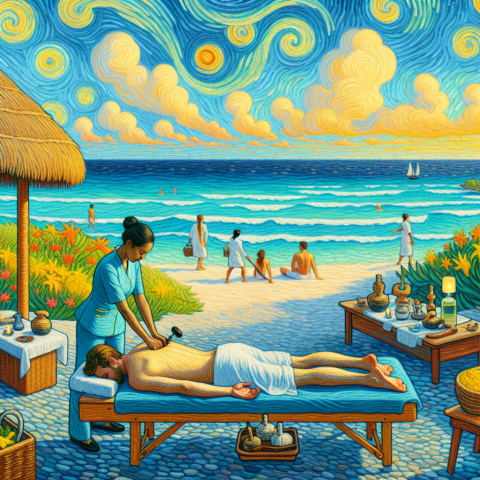
When you think of the Mayan civilization, your mind might flicker with images of ancient pyramids and sun-soaked jungles. But in Cozumel—a vibrant island that embraces this rich heritage—you can also tap into the soul of Mayan healing practices. Picture this: the scent of fresh herbs hanging in the air, the gentle sound of waves lapping against the shore, and the warmth of a healer’s hands as they guide you through a journey of restoration and energy renewal.
Picture yourself stepping into a local wellness center, where the walls hum with the whispers of traditions passed down through generations. Here, ancient Mayan healers invite you to explore a treasure trove of wisdom rooted in nature. These practitioners weave together the healing power of plants, the rhythm of rituals, and the importance of community in their approach. Why does this matter to you? It’s simple. In an age where stress rules our lives and health can feel like an afterthought, these holistic methods offer a refreshing reminder of the interconnectedness of body and spirit.
As you sit in a circle, perhaps surrounded by other seekers, you align your energy with the collective. You share stories and laughter, breaking down barriers that separate us in the hustle and bustle of modern life. The ethical appeal of these practices lies in their sustainable and respectful relationship with Mother Earth. It’s not just about treatment; it’s about a lifestyle that honors the balance of nature and the significance of community.
But it gets better. Engaging with Mayan healing isn’t merely a passive experience—it’s an active return to yourself. Whether it’s a temazcal ceremony—where you cleanse both body and mind in a traditional sweat lodge—or a personal consultation with a healer, your journey becomes personal. And as you wring out the past and breathe in the present, you become part of a narrative much larger than yourself.
The destination isn’t just touristy sights; it’s a heartfelt exploration of what it means to heal, connect, and flourish. Dive into this transformative experience in Cozumel—a place where age-old wisdom meets contemporary needs, inviting you not just to see, but to feel, to participate, and to thrive in the rich tapestry of Mayan healing traditions. The island calls out, not just as a backdrop, but as a vibrant opportunity for connection, healing, and renewal. The question is: are you ready to answer?
Where Can You See Mayan Healing Practices?
Where Can You See Mayan Healing Practices?
- Cozumel offers a vibrant setting to experience Mayan healing traditions.
- Visitors can engage in practices that incorporate the healing power of nature, community, and rituals.
- The holistic methods promote a connection between body and spirit, especially in stressful modern life.
- Participants share experiences in a communal setting, fostering connection and breaking down societal barriers.
- Mayan healing practices emphasize a sustainable and respectful relationship with nature.
- Experiences include traditional ceremonies like temazcal, which cleanse both body and mind.
- Cozumel serves as a transformative destination for connection, healing, and personal growth.
Where Can You See Mayan Healing Practices?
Table Of Contents
- Where Can You See Mayan Healing Practices?
- What Resonates With You About Ancient Mayan Healing Practices?
- How Do Mayan Healing Traditions Connect To Modern Wellness?
- What Ethical Considerations Arise When Exploring Indigenous Healing?
- Who Are The Respected Authorities In The Field Of Mayan Healing?
- How Do Community Gatherings Enhance The Experience Of Mayan Healing?
- How Does The Mayan Worldview Influence Their Techniques And Rituals?
- What Emotions Do You Feel When Learning About Mayan Cultural Heritage?
- Conclusion
- Other Resources
- Glossary Of Terms
- Other Questions
- Haiku
- Poem
- Checklist
What Resonates With You About Ancient Mayan Healing Practices?
When you think about the ancient Mayan civilization, what often comes to mind? Maybe it’s the awe-inspiring pyramids in Cozumel or the vibrant murals that tell stories of a rich history. However, beneath the stone and artistry lies a profound connection to healing that resonates on so many levels: heart, head, and gut.
The heart is where it all begins. Ancient Mayan healing practices invite us to reconsider the ways in which we care for our bodies, minds, and souls. By blending spirituality with natural remedies, these practices encourage a holistic approach, one that embraces not just the physical but also emotional and spiritual wellness. Imagine stepping into a Mayan ceremony, feeling the warmth of the sun on your skin and the rhythm of the drum in your chest. In that moment, you aren’t just a spectator; you’re part of a communal healing experience, deeply connected to the earth and those around you.
Then there’s the head—the rational side of us that seeks understanding and knowledge. Ancient Mayan healers were not mere mystics; they were keen observers of nature and astute practitioners of the medicinal properties of plants. Their intricate knowledge of the healing powers of herbs and rituals is rooted in centuries of experience and empirical observation. This wasn’t guesswork; this was science driven by a reverence for nature, an approach that resonates today. It speaks to our desire for authenticity in the remedies we choose to embrace.
Don’t forget the gut—the intuitive feeling that something is right. In a world saturated with synthetic medicines and quick fixes, the ancient Mayans remind us of the importance of balance and connection. Their practices prioritize the organic and the ethical, urging us to consider where our medicine comes from and its impact on the world around us. Are we truly caring for our health, or are we merely managing symptoms?
Ultimately, the allure of Mayan healing practices lies in their narrative—a story that transcends time and geography, inviting us to reconnect with ourselves and one another. It beckons us towards a journey where healing is not a solitary endeavor but a shared experience, forging connections that bind us closer to our roots. So, as you stand on the sandy shores of Cozumel or wander through ancient ruins, let these teachings resonate within you. Embrace the wisdom of those who came before us, and take action toward a more holistic and connected way of living.

What Resonates With You About Ancient Mayan Healing Practices?
What Resonates With You About Ancient Mayan Healing Practices?
- The ancient Mayan civilization is known for its pyramids and vibrant murals, but also for its profound connection to healing.
- Mayan healing practices advocate for a holistic approach to wellness, incorporating body, mind, and soul care.
- Participants in Mayan ceremonies experience a communal healing environment, fostering deep connections with the earth and others.
- Ancient Mayan healers possessed extensive knowledge of plants and their medicinal properties, reflecting a blend of science and spirituality.
- The Mayans emphasize the importance of organic and ethical practices in health, highlighting the significance of sourcing medicine responsibly.
- Mayan healing narratives encourage us to reconnect with ourselves and others, portraying healing as a shared journey.
- Embracing Mayan teachings promotes a holistic and connected lifestyle, advocating for authenticity in wellness choices.

What Resonates With You About Ancient Mayan Healing Practices?
How Do Mayan Healing Traditions Connect To Modern Wellness?
When you wander through the vibrant streets of Cozumel, surrounded by the rustle of palm leaves and the scent of saltwater, it’s easy to forget the age-old wisdom of the land’s original inhabitants — the Maya. Their healing traditions, steeped in nature and community, resonate deeply in our quest for modern wellness. The practices that flourished centuries ago offer not just remedies but a holistic approach that addresses our physical, emotional, and spiritual needs.
Picture this: a traditional healer, or “curandero,” walks you through a lush garden brimming with herbs known only to those who have spent lifetimes learning their secrets. This connection to the earth grounds us. It reminds us that healing is not a mere checklist of symptoms but a journey that intertwines with our environment. These practices evoke trust in the natural world, validating that there’s wisdom in our roots — a wisdom so often overshadowed by modern medicine’s sterile approach.
Engaging with these traditions doesn’t just soothe our souls; it sparks a rational dialogue about health. Thousands have found solace in the age-old practices of herbal medicine and spiritual cleansing. Studies now echo what the ancients understood: the impact of stress, community ties, and emotional well-being on physical health. By looking back, we find answers to today’s ailments, affirming a collective truth that compassionate care contributes to genuine healing.
On an ethical level, embracing Mayan healing invites a dialogue about respect and sustainability. These traditions honor nature, emphasizing a symbiotic relationship between humanity and the environment. Modern wellness can often forget this vital connection, leaning instead toward quick fixes and sustainable profits. Yet, the Mayan model teaches us the importance of giving back to the earth that nourishes us, creating a more balanced world for future generations.
Moreover, this isn’t just nostalgia. It’s an invitation. An invitation to approach wellness not as isolated individuals but as interconnected parts of a larger tapestry. The narrative shifts as we reclaim community-based healing, drawing strength from shared experiences and mutual support. In a world that sometimes feels disconnected, returning to these traditions fosters belonging.
As we consider how Mayan healing traditions fit into our lives, let’s be inspired to blend ancient wisdom with modern understanding. The journey toward wellness is ultimately about more than just the self; it’s about healing our communities and the world around us. So, next time you take a deep breath by the shore in Cozumel, remember the age-old practices of those who came before, guiding us toward a brighter, more connected future.

How Do Mayan Healing Traditions Connect To Modern Wellness?
How Do Mayan Healing Traditions Connect To Modern Wellness?
- Cozumel’s vibrant environment reminds us of the wisdom of the Maya and their healing traditions.
- The holistic approach of Maya healing addresses physical, emotional, and spiritual needs.
- Traditional healers, or “curanderos,” provide knowledge of herbs and nature, reinforcing the connection to the earth.
- Engaging with these traditions enhances emotional well-being and sparks rational discussions about health.
- Mayans emphasize respect and sustainability, highlighting humanity’s relationship with nature.
- Reclaiming community-based healing fosters belonging and support among interconnected individuals.
- Blending ancient healing wisdom with modern practices can lead to improved wellness for individuals and communities.
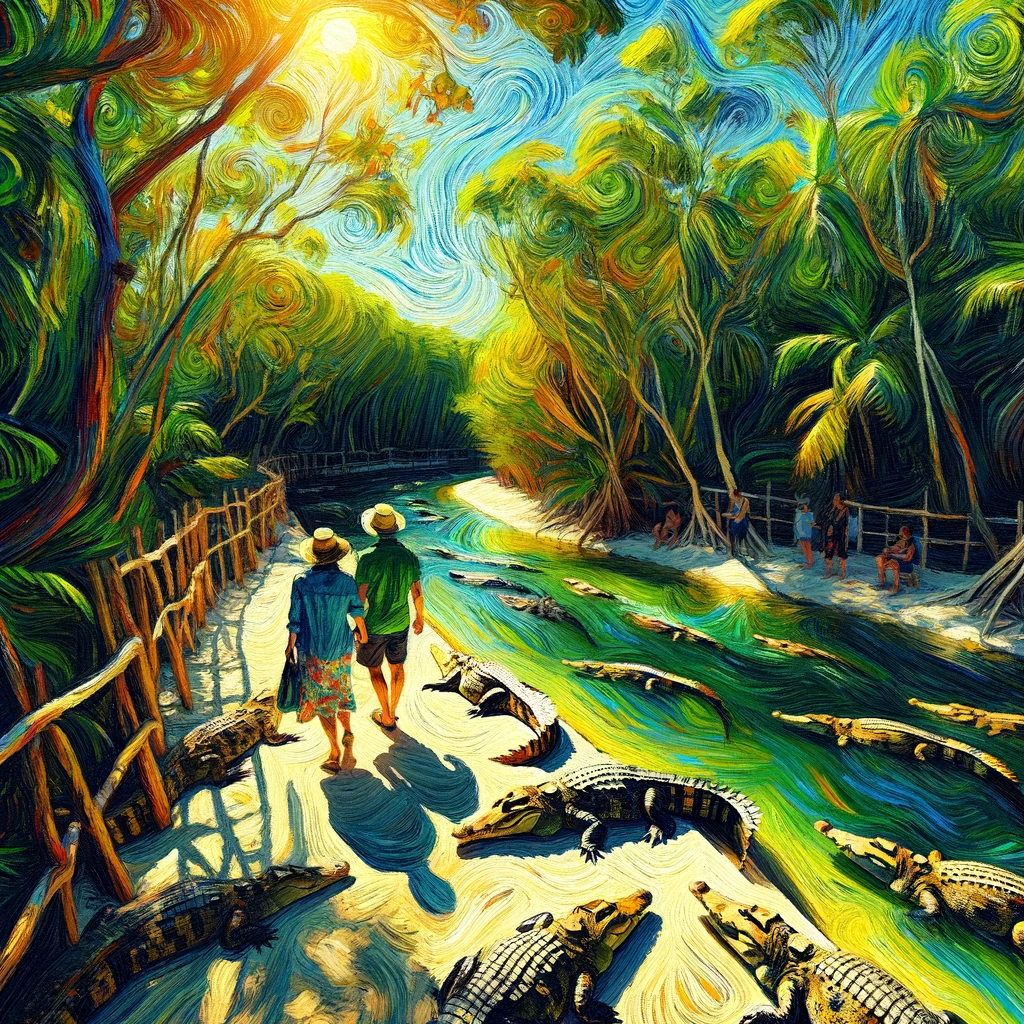
How Do Mayan Healing Traditions Connect To Modern Wellness?
What Ethical Considerations Arise When Exploring Indigenous Healing?
When we dive into the realm of Indigenous healing practices, it’s essential to tread carefully, honoring the rich tapestry of traditions that have been meticulously woven for centuries. Indigenous communities, like the vibrant hearts of Cozumel, offer a wealth of wisdom that comes not from books but from generations of lived experience. However, we must approach their teachings with a measure of respect and responsibility.
First, let’s consider the ethical obligations that arise when engaging with these sacred traditions. This isn’t just about learning some herbal remedies or adopting spiritual rituals; it’s about understanding that these practices are deeply embedded in a cultural narrative that often includes historical trauma and resilience. Individuals from outside these communities might view Indigenous healing as a novelty, a curious path to wellness. But for many Indigenous people, it’s a lifeline, a sense of identity, and a call to a sacred relationship with the land.
There’s a balance to strike. On one hand, we can acknowledge the awe-inspiring knowledge these practices hold, which can enlighten our own understanding of health and healing. On the other hand, we must guard against commodification—turning profound, spiritual practices into mere consumer products or trendy experiences. This can feel exploitative, leaving Indigenous voices and their wisdom sidelined.
Rationally, we should ask ourselves: Are we amplifying their voices or silencing them in the quest for our wellness? Engaging with Indigenous healing doesn’t mean adopting it without context. It means respecting the authority of those who practice it, learning from them directly, and truly listening to their stories. If we’re looking to connect, we need to foster relationships built on mutual respect and understanding.
Consider the social ramifications too. By sharing these healing stories and celebrating their practices with genuine respect, we pave the way for greater cultural appreciation and recognition. It’s a chance to bridge gaps and create mutual support systems that can lead to collective healing—something our world sorely needs.
So, as you pursue the path of Indigenous healing, remember: it’s not just a journey to wellness but an opportunity to walk alongside the stories of a people, to nurture relationships rooted in respect, and to champion a deeper understanding of what healing can really mean for all of us.
What Ethical Considerations Arise When Exploring Indigenous Healing?
What Ethical Considerations Arise When Exploring Indigenous Healing?
- Indigenous healing practices are rich traditions that require respectful and careful engagement.
- These practices are derived from generations of lived experiences within Indigenous communities.
- Understanding Indigenous healing involves recognizing the cultural narratives tied to historical trauma and resilience.
- Many view Indigenous healing as a novelty, but for Indigenous people, it serves as a crucial lifeline and aspect of identity.
- A balance must be struck to prevent the commodification of sacred practices into consumer products.
- Engagement with Indigenous healing should emphasize respect for practitioners and their stories, not appropriation.
- Sharing these healing practices can foster cultural appreciation and pave the way for mutual support and collective healing.
What Ethical Considerations Arise When Exploring Indigenous Healing?
Who Are The Respected Authorities In The Field Of Mayan Healing?
When it comes to the rich and intricate world of Mayan healing, navigating through its dense underbrush requires a guide—someone who understands the ancient practices and the living traditions that breathe life into them. Among the respected authorities in this field, a few names stand out, each carrying a legacy steeped in wisdom and experience. You’ll find these healers not just in the heart of the Yucatán Peninsula, but as far out as Cozumel, where the turquoise waters seem to whisper the secrets of the ancients.
Take, for example, Don Miguel Ruiz, a modern-day Toltec healer and author whose work has resonated deeply across the globe. His teachings are not merely words on a page; they are a lifeline for many seeking holistic well-being. He specializes in practical applications of ancient wisdom, making it relatable and accessible to everyone. Imagine being introduced to age-old herbal remedies that once coursed through the veins of the ancestors, but interpreted in a way that makes sense in today’s world. That’s the beauty of what these respected authorities do—they create a bridge between the past and the present.
Then there are those like María Sabina, whose practices have preserved the spiritual emotional health of the community through sacred rituals and ceremonies. Her narrative speaks to the soul of humanity, weaving together the fabric of spiritual healing that resonates through generations. The trust placed in her methods comes from the lived experiences of countless individuals who have walked through her doors, searching for something more profound than a quick fix.
Moreover, ethical principles shine through these healing practices, emphasizing respect for traditional knowledge and the importance of consent. In a world often driven by quick solutions and superficial fixes, these authorities advocate for a commitment to understanding oneself and the environment around them—an approach that nurtures not just individual health, but the well-being of the entire community.
The social bond is palpable, too. Visiting a healer isn’t just about seeking treatment; it’s about immersing yourself in a rich tapestry of culture and connection. Whether gathered around the warmth of a fire in the heart of the jungle or in a cozy sanctuary on Cozumel’s coastline, the experience becomes a shared journey toward healing.
So, if you’re sensing that pull—an invitation to explore ancient modalities that nourish both the heart and the spirit—know that the experts are there, armed with wisdom and compassion, ready to guide you on a path rich with potential and promise. The question is, are you ready to take that step?
Who Are The Respected Authorities In The Field Of Mayan Healing?
Who Are The Respected Authorities In The Field Of Mayan Healing?
- The world of Mayan healing requires a knowledgeable guide to navigate its complexities.
- Respected healers are found throughout the Yucatán Peninsula, including Cozumel.
- Don Miguel Ruiz is a prominent modern-day Toltec healer, making ancient wisdom accessible for holistic well-being.
- María Sabina’s sacred rituals and ceremonies preserve the spiritual health of the community.
- Ethical principles in healing emphasize respect for traditional knowledge and the importance of consent.
- Seeking healing fosters a deep cultural connection and community bond.
- Exploring ancient modalities offers a path enriched with potential for both heart and spirit.
Who Are The Respected Authorities In The Field Of Mayan Healing?
How Do Community Gatherings Enhance The Experience Of Mayan Healing?
When you step into the vibrant world of Mayan healing, especially in a place like Cozumel, you quickly realize that it’s not just the herbs or the knowledge of the healer that make the experience transformative; it’s the community that surrounds it. Picture this: you enter a sacred space, where the scent of copal incense dances in the air, and the walls are lined with warm smiles from people who have gathered for a common purpose. This isn’t just an appointment; it’s a celebration of life, connection, and the shared human experience.
Imagine a family coming together after years apart, healing wounds that only a shared culture and tradition can mend. The sound of laughter mingling with the crackling of a fire – those are the moments when healing truly begins. It’s a reminder that we are not alone in our struggles; there is an entire tribe willing to walk this road with us. That communal spirit fosters strength, but it also brings joy. When people share stories, the weight feels lighter, and that shared laughter can be as potent as any herbal remedy.
On a rational level, we know that psychological well-being significantly impacts physical health. Studies have shown that emotional support from one’s community strengthens resilience and recovery. When participants gather in communal settings to engage with Mayan healing practices, they are not just spectators; they become active contributors to one another’s journeys. Their collective intention amplifies the healing energies present, creating a feedback loop of support and positivity that transcends the individual experience.
Ethically, fostering such connections reflects a commitment to honoring our heritage and shared humanity. In a world where isolation often reigns, actively seeking out these experiences speaks volumes about our values. It’s a call to bridge gaps, to foster inclusivity, and to ensure that ancient traditions remain vital. Trust is built in this process—between the healer and the community, among participants themselves. Confidence flourishes as each person leaves a bit of their story behind, a testament to vulnerability that inspires others to share their own.
So, what does this all boil down to? Simply put, your experience of Mayan healing deepens when intertwined with the fabric of community. It’s not just about healing the self; it’s about healing the collective. When you participate in these gatherings, you join a lineage that stretches back thousands of years, affirming that together, we are stronger and more resilient. In Cozumel and beyond, that shared journey is where you will find true healing.
How Do Community Gatherings Enhance The Experience Of Mayan Healing?
How Do Community Gatherings Enhance The Experience Of Mayan Healing?
- Mayan healing in Cozumel is deeply influenced by community, not just the herbs or the healer’s knowledge.
- A sacred space with copal incense creates an atmosphere of celebration, connection, and shared human experiences.
- The healing is enhanced by families reuniting and shared laughter, emphasizing the importance of communal support.
- Emotional support from community boosts resilience and recovery, aligning psychological well-being with physical health.
- Participants actively engage in healing practices, amplifying positive energies through collective intention.
- Building trust among participants and with the healer reflects a commitment to heritage, inclusivity, and shared humanity.
- Your experience of Mayan healing is enriched through community, highlighting the importance of collective healing and resilience.

How Do Community Gatherings Enhance The Experience Of Mayan Healing?
How Does The Mayan Worldview Influence Their Techniques And Rituals?
The Mayan worldview, deeply rooted in a profound connection to nature, the cosmos, and the cycles of life, paints a vivid picture that transcends mere survival. Picture the lush landscapes of Cozumel, where the rhythmic sway of palm trees mirrors the heartbeat of a civilization that thrived on harmony. The Mayans believed that every action reverberated through the universe, creating a balance governed by spiritual forces. This perspective shaped their techniques and rituals, transforming mundane tasks into sacred ceremonies.
Imagine a farmer working the land. For the Mayans, planting maize wasn’t just about sowing seeds; it was a ritual steeped in respect for the earth. Each planting season was a symphony of chants and offerings, embodying gratitude and fostering a deep connection to their environment. This wasn’t just agriculture; it was a dance between humanity and nature, where every furrow turned was a testament to their ethical obligation to honor the cycles of life.
Their rituals unfolded with purpose, reflecting a society that recognized the intricate tapestry of life. From the grand ceremonies at the temples to the humble offerings at home altars, each act was a narrative—a story passed down through generations, reinforcing bonds among families and communities. The authority of the shaman, revered as a mediator between worlds, lent weight to these traditions. This wasn’t about superstition; it was about understanding; it was a rational framework that provided structure and meaning to their existence.
At a deeper level, these rituals provided a blueprint for resilience. In times of drought or famine, the Mayans turned to their celestial charts, guided by the stars that had watched over them for millennia. They understood that life, much like the universe, is cyclical. We can draw parallels here to our own lives. In a world that often feels fragmented and disconnected, the Mayan focus on community and shared experience offers a glimmer of hope. It stirs something within us—the longing for connection, for belonging, for a purpose greater than ourselves.
So, as we reflect on the Mayan worldview, let’s consider our own techniques and rituals. Are they enriching our lives and connecting us to the world around us? In a society ripe with noise, it’s a call to action—to cultivate deeper connections, respect our environment, and perhaps, embrace our own rituals that remind us of the beauty and complexity of life.
How Does The Mayan Worldview Influence Their Techniques And Rituals?
How Does The Mayan Worldview Influence Their Techniques And Rituals?
- The Mayan worldview is characterized by a deep connection to nature, the cosmos, and life cycles.
- Every action was believed to affect the universe, and spirituality governed their lives, turning tasks into sacred ceremonies.
- For the Mayans, agriculture, especially planting maize, was a ritual of respect, involving chants and offerings.
- Their rituals reflected a societal understanding of life’s interconnectedness, reinforcing community bonds through shared narratives.
- Shamans played a critical role as mediators, providing structure and meaning to traditions beyond mere superstition.
- In challenging times, they relied on celestial charts, recognizing the cyclical nature of life and the universe.
- The Mayan focus on community encourages reflection on our own rituals and connections in a fragmented world.
How Does The Mayan Worldview Influence Their Techniques And Rituals?
What Emotions Do You Feel When Learning About Mayan Cultural Heritage?
When you delve into the rich tapestry of Mayan cultural heritage, what emotions take hold? Picture yourself on the vibrant shores of Cozumel, feeling the warm sun on your face as the waves lap against the beach. Suddenly, you’re not just a spectator; you’re part of a living narrative that has unfolded over centuries, filled with extraordinary achievements and deep-rooted traditions. This connection ignites a sense of wonder, evoking awe as you learn about the Mayans’ architectural marvels and astronomical genius.
Your gut tightens when you discover the trials and tribulations faced by this remarkable civilization. The lesson isn’t just in their accomplishments but also in their resilience. Think about it: how do we harness that same tenacity in our own lives? Their stories—of triumph, loss, and rebirth—echo the universal human experience. It’s a narrative that resonates, compelling you to reflect on your own journey while feeling an unexpected kinship with a culture thousands of miles away.
Then there’s the aspect of responsibility. Understanding Mayan heritage encourages ethical stewardship. It urges us to consider the implications of our own choices on the preservation of history. Can we truly honor their legacy while ignoring the signs of our times? It’s a call to action; a reminder to not only appreciate the beauty of the past but also to advocate for its protection, to ensure that future generations can experience the same emotions we feel today.
As you’re immersed in artworks, rituals, and stories of the Mayans, you build a bridge across time and space. Every painted mural, every ceremonial artifact becomes a touchstone for empathy and respect. You realize that learning about their culture isn’t just an academic pursuit; it’s a shared human experience. You become part of a global community that values and preserves diversity.
In moments of reflection, allow yourself to feel both the weight and the joy of this heritage. Acknowledge the challenges, celebrate the triumphs, and recognize your role in this ongoing story. Whether through travel, dialogue, or education, each small step you take fosters a deeper connection with not just the Mayan world but with our shared humanity, opening pathways for collaboration and mutual respect as we continue to learn from one another.

What Emotions Do You Feel When Learning About Mayan Cultural Heritage?
What Emotions Do You Feel When Learning About Mayan Cultural Heritage?
- Experience the emotions tied to Mayan cultural heritage while visiting Cozumel.
- Feel a connection to a living narrative rich in achievements and traditions.
- Gain awe from the Mayans’ architectural marvels and astronomical knowledge.
- Reflect on the trials faced by the Mayans, learning from their resilience.
- Understand the importance of ethical stewardship and the impact of our choices on history.
- Recognize that learning about Mayan culture fosters empathy and community.
- Engage in this ongoing story through travel, dialogue, and education for a deeper connection to shared humanity.

What Emotions Do You Feel When Learning About Mayan Cultural Heritage?
Conclusion
Exploring Mayan healing practices isn’t just an excursion; it’s a journey of the heart, mind, and spirit that brings individuals back to what it truly means to be human. In the lush settings of Cozumel, you find more than beautiful landscapes and ancient ruins; you discover a treasure trove of wisdom that has flourished through generations. This isn’t simply about herbal remedies or traditional rituals; it’s about an entire way of living, one that emphasizes the interconnectedness of our physical, emotional, and spiritual selves.
Imagine stepping into a circle where laughter and shared stories flow as freely as the waves that kiss the shore. Each heart beats as one, breaking the barriers of modern isolation. It’s here that you realize that healing is not an isolated endeavor. These ancient rituals thrive on community, fostering a deep connection to those around you. According to studies, the power of collective energy can amplify healing, echoing the Mayan belief that our wellness is intertwined with the world and people around us.
Furthermore, at the core of these practices lies a commitment to the environment. The Mayans honor Mother Earth, cultivating a relationship grounded in respect and sustainability. This ethical framework allows us to reconsider our own way of life and our choices. Are we leaning towards quick fixes, or are we taking the time to value nature’s offerings? The lessons from these traditions urge us to care not just for our health but for the world that sustains us.
The narrative woven into Mayan healing is timeless, ripe with lessons that extend beyond geographical borders. In a society often overwhelmed by stress, hurriedness, and superficial interactions, Mayan methods remind us of the beauty found in connection and community. It’s a call to action, encouraging us to engage with our roots and foster a sense of belonging that transcends the individual.
As you explore these practices, consider not only what you can take away but also what you can give back. In embracing the rich tapestry of Mayan healing, you step into a larger story — one of resilience, belonging, and mutual respect. The vibrant island of Cozumel beckons not just as a backdrop for adventure but as an invitation to dive deeper into the heart of wellness. The real question is: Are you ready to embrace this journey, to honor these ancient traditions and integrate them into your modern life?
Conclusion
Conclusion:
- Exploring Mayan healing practices is a profound journey for the heart, mind, and spirit.
- Cozumel offers not only stunning landscapes but also a wealth of ancient wisdom.
- Mayan healing encompasses a holistic lifestyle that connects physical, emotional, and spiritual health.
- The experience fosters community, emphasizing that healing is a shared endeavor.
- Mayan practices stress the importance of sustainability and respect for the environment.
- These traditions remind us to value genuine connections amidst a fast-paced world.
- Engaging with Mayan healing invites individuals to contribute to a larger story of resilience and mutual respect.
Conclusion
Other Resources

Other Resources
If you’re thinking about actually being in Cozumel for any of this — not just reading about it from a cold kitchen back home — a couple of our sister sites cover where to stay for the kind of trip you might be planning. Cozumel Journey is an editorial guide to Cozumel — neighborhoods, planning tips, and life on the island for travelers who want context, not a cruise schedule.
Here is a list of other resources you can review online to learn more:
- UltraMar
- Mexico Travel Advisory
- Chankanaab National Park
- Arrecifes de Cozumel National Park
- Cozumel Buggy
- Starbucks
- A Diver’s Guide to Cozumel
- Cozumel Island Tours
- Casa Mission
- Casa Cuzamil Restaurante & Sports Bar Cozumel
- Cozumel Medical Center
- Punta Morena
- Blue Magic Scuba
- Turquoise Terraza & Beach Club Cozumel
- Caleta Marina
- Cozumel Flyboard
- Cozumel Cruise Port
- deviantART
- a slower, editorial take on Cozumel
Use This Prompt To Get More Resources With Your Favorite Online AI Tool: Please provide me with a list of online articles with their URLs in a bulleted list that I can read regarding Where Can You See Mayan Healing Practices?
Other Resources
Glossary Terms
Where Can You See Mayan Healing Practices? – Glossary Of Terms
1. Mayan Healing: Traditional practices rooted in the spiritual, physical, and emotional wellbeing of individuals within Mayan culture.
2. Curanderismo: A holistic healing system combining herbal medicine, spiritual rituals, and faith healing, often practiced by traditional healers.
3. Herbal Medicine: The use of native plants and herbs for medicinal purposes, integral to Mayan healing practices.
4. Shaman: A spiritual leader or healer who acts as a mediator between the physical world and spiritual realms, often performing rituals and healing ceremonies.
5. Temazcal: A traditional Mayan steam bath used for cleansing the body and spirit, promoting physical and emotional healing.
6. Ritual: A prescribed set of actions performed during ceremonies, often involving prayers, offerings, and specific sequences to invoke healing.
7. Spiritual Cleansing: The process of purifying an individual’s spirit and environment, often using smoke from sacred herbs, to remove negative energy.
8. Divination: The practice of seeking knowledge of the future or the unknown, used by healers to guide their patients on health matters.
9. Ayahuasca: A sacred plant brew often used in ceremonies for spiritual insight and healing, though it originates from indigenous Amazonian cultures, it has been integrated into some Mayan healing practices.
10. Energy Work: Techniques used to balance and harmonize the body’s energy fields, often incorporated into healing sessions.
11. Mind-Body Connection: The understanding that emotional and mental states can affect physical health, emphasized in Mayan healing.
12. Guided Meditation: A practice often employed in healing sessions to foster relaxation and spiritual connection, led by a healer or shaman.
13. Ancestral Healing: The practice of connecting with and honoring ancestors, believed to aid in resolving health issues related to familial patterns.
14. Offerings: Gifts presented during rituals to spirits or deities, meant to honor them and seek their support in healing.
15. Color Therapy: The use of colors in healing practices, often linked to different energies and emotions within Mayan beliefs.
16. Chakras: Energy centers in the body that influence physical and emotional health, sometimes incorporated into Mayan healing philosophies.
17. Soul Retrieval: A practice aimed at recovering lost parts of the soul due to trauma or distress, restoring wholeness and health.
18. Maya Calendar: A tool used to determine auspicious dates for healing rituals and ceremonies based on lunar and solar cycles.
19. Psycho-Spiritual: An approach that considers both psychological and spiritual factors in health, prevalent in Mayan healing practices.
20. Traditional Ceremony: A structured event that often incorporates music, singing, and dancing, aimed at healing individuals or communities.
21. Touch Healing: Techniques involving physical touch to promote healing, such as massage or pressure point work.
22. Intention Setting: The practice of focusing on a specific goal or desire during healing work, believed to enhance the effectiveness of interventions.
23. Plant-Based Diet: Emphasizing natural foods from the environment believed to support healing and overall health in Mayan traditions.
24. Counseling: The act of providing emotional support and guidance, often included in holistic healing practices.
25. Mythology: The collection of myths and stories that convey cultural teachings, including health practices and beliefs within the Mayan worldview.
26. Sound Healing: Utilizing music and sound vibrations, such as drums or flutes, to aid in relaxation and spiritual connection during healing.
27. Community Involvement: Collective participation in healing rituals, emphasizing the role of the community in individual health.
28. Healing Circles: Gatherings where individuals come together to share experiences, support each other, and engage in communal healing processes.
29. Cleansing Rituals: Specific ceremonies designed to clear negative energies and restore balance, often performed with the aid of a healer.
30. Traditional Medicine: The system of knowledge and practices rooted in cultural traditions, covering physical, emotional, and spiritual aspects of health.
Glossary Of Terms
Other Questions
Where Can You See Mayan Healing Practices? – Other Questions
If you wish to explore and discover more, consider looking for answers to these questions:
- What specific Mayan healing practices can be experienced in Cozumel?
- How do Mayan healing practices differ from other indigenous healing traditions?
- What types of plants and herbs are commonly used in Mayan healing?
- Are there any scientific studies that support the effectiveness of Mayan healing techniques?
- How can one find a reputable Mayan healer in Cozumel?
- What are the potential risks or drawbacks of engaging with traditional healing practices?
- How do community dynamics influence the effectiveness of Mayan healing rituals?
- What is the cultural significance of rituals such as temazcal in Mayan healing?
- How can tourists respectfully engage with Mayan healing traditions while visiting?
- What language or terminology should be understood when discussing Mayan healing practices?
- How do traditional Mayan beliefs integrate modern wellness concepts?
- What ethical guidelines should be followed when learning about or participating in indigenous healing practices?
- What can be done to support Indigenous healers and protect their knowledge?
- How has the perception of Mayan healing changed in contemporary society?
- What role do family and community play in the practice of healing among the Maya?
Other Questions
Haiku
Where Can You See Mayan Healing Practices? – A Haiku
Ancient rituals breathe,
In Cozumel’s warm embrace,
Heal, connect, and thrive.

Haiku
Poem
Where Can You See Mayan Healing Practices? – A Poem
In the heart of Cozumel, where the sun meets the sea,
Ancient whispers of Mayans beckon, inviting you to be free.
Herbs and rituals dance in the air,
A sacred space where souls learn to care.
Picture this: hands warm, embracing your plight,
A circle of seekers, hearts lifted in light.
With laughter and stories spinning a thread,
The echoes of healing, a tapestry spread.
Not just a journey through rituals of old,
But a bridge to the wisdom that life has told.
In the embrace of the earth, lost aches may mend,
For healing is shared; it’s community we tend.
Oh, the healers of wisdom, like stars they align,
Merging ancient knowledge with cares we define.
Science of nature, the rhythm of earth,
Reveals our connection, our collective rebirth.
Yet, tread softly with reverence and grace,
For these traditions breathe life, not just a space.
To honor the stories, to listen and learn,
Is to kindle the fire that will forever burn.
Community gathers, strength in each heart,
Breaking down barriers, we are never apart.
In laughter’s embrace and compassion’s embrace,
We weave our own healing, in this sacred place.
So come with an open heart, ready to dive,
Into the warmth of a culture that thrives.
For in the journey of healing, rooted and wise,
We uncover our spirits beneath endless skies.
Poem
Checklist
Where Can You See Mayan Healing Practices? – A Checklist
Checklist: Engaging with Mayan Healing Practices
Heart Appeals
_____ Reflect on your emotional wellness: What feelings arise when considering ancient Mayan healing practices?
_____ Consider a communal experience: How does sharing stories and laughter in a healing circle resonate with you?
_____ Envision the connection to nature: What emotions do you feel when surrounded by the elements during a Mayan ceremony?
Head Appeals
_____ Educate yourself: Research the medicinal properties of traditional Mayan herbs and their applications in modern wellness.
_____ Analyze the collective wisdom: Explore the scientific studies that support the benefits of community and holistic approaches to health.
_____ Reflect on your understanding of authenticity: How do you define authenticity in the remedies you choose for wellness?
Gut Appeals
_____ Trust your intuition: When exploring Mayan healing, do you feel it aligns with your beliefs and values regarding health?
_____ Evaluate your ethical stance: Are you aware of the impact your choices have on communities practicing traditional healing?
_____ Consider your personal responsibility: What steps can you take to honor and respect Indigenous practices while prioritizing your wellness?
Emotional Appeals
_____ Journal your discoveries: What resonates emotionally as you learn about the Mayan worldview and healing techniques?
_____ Connect through storytelling: Share your experiences and get involved in cultural narratives that celebrate Mayan heritage.
_____ Engage in reflective practices: What insights can you gather from your emotional reactions to the stories and rituals of the Maya?
Rational Appeals
_____ Investigate the practices: What knowledge can you gather about the healers regarded as authorities in Mayan healing?
_____ Examine the balance between modern and traditional medicine: How can you integrate both to create a holistic wellness plan?
_____ Consider sustainability: How do ethical considerations in Indigenous healing shape your understanding of modern wellness?
Social Appeals
_____ Participate in community gatherings: How can engaging with others enhance your experience of Mayan healing?
_____ Build connections: Who in your community shares an interest in Indigenous practices that you can engage with?
_____ Advocate for cultural legacy: How can you help promote the preservation and appreciation of Mayan traditions in your networks?
Action Steps
_____ Plan a visit to a wellness center or healing ceremony in Cozumel or a local setting.
_____ Seek out resources authored by respected authorities in Mayan healing for deeper understanding.
_____ Share your journey and experiences through social media or community blogs, fostering awareness and connection.
Checklist
At TopCozumelNews, we help travelers enjoy Cozumel by collating information learned from frequently traveling to beautiful Cozumel.
Be sure to read our other related stories at TopCozumelNews to learn more about the Island of Cozumel.