



Discovering The Island’s Hilarious And Heartwarming Signs
By Tom Seest
At TopCozumelNews, we help travelers enjoy Cozumel by collating information learned from frequently traveling to beautiful Cozumel.
Be sure to read our other related stories at TopCozumelNews to learn more about the Island of Cozumel.
What Are The Funniest Signs You’Ll Spot on The Island?
When you set foot on the vibrant shores of Cozumel, you’re met with a breathtaking landscape—a paradise of fragrant flowers, emerald waters, and golden sands. But amidst this natural beauty, what can truly make your experience memorable are the signs peppered throughout the island, serving as lighthearted nuggets of humor. These quirky quips serve not only to entertain but to foster a sense of connection.
Imagine strolling past a beachside bar with a sign that reads, “Restrooms: For Customers Only. No Peeing in the Ocean!” It’s bawdy, it’s unexpected, and it taps into that shared human experience of being caught in a restroom crisis. This humorous sign reminds you—we’re all in this together. Cozumel has a way of breaking down barriers, inviting tourists and locals alike to share a laugh. These signs encourage conversations among visitors, sparking connections that transcend the simple act of vacationing.
Next, consider a restaurant sign that boasts, “Our tacos are so good, even your mother-in-law would approve!” It’s a wisecrack that speaks not only to the taste of the food but cleverly to universal familial dynamics. It’s these moments that inspire confidence in what you’re about to indulge in. You’re not just being told the food is good; it’s claimed with humor that taps into that age-old familial banter.
Even more endearing are signs that illustrate the cultural heartbeat of the island, such as, “Salsa dancing: The exercise you won’t dread.” It’s a fantastic message to visitors—not just to consume everything Cozumel has to offer, but to embrace it wholeheartedly. These nuggets of wisdom are as encouraging as they are amusing, inviting you to participate and engage in the local lifestyle.
Let’s not forget the ethical appeal of sign slogans like “Help Keep Cozumel Beautiful – Don’t Litter!” These messages pull on the heartstrings while asking us to think about our shared responsibility. Cozumel’s beauty is not just for our enjoyment but a legacy to preserve. It’s an appeal that resonates deeply within, urging every visitor to become a steward of this paradise.
So, next time you’re meandering through Cozumel, don’t overlook the signs. They’re more than just markers; they’re little pieces of wisdom that tap into your heart, your head, and your gut—inviting you to cherish this remarkable island while sharing smiles with its vibrant community.
What Are The Funniest Signs You’Ll Spot on The Island?
What Are The Funniest Signs You’Ll Spot on The Island?
- Cozumel is a beautiful destination with fragrant flowers, emerald waters, and golden sands.
- Humorous signs scattered across the island provide entertainment and foster connection among visitors and locals.
- Examples of humorous signs include “Restrooms: For Customers Only. No Peeing in the Ocean!” highlighting shared human experiences.
- A restaurant sign reading “Our tacos are so good, even your mother-in-law would approve!” reflects the universal comedic experience of family dynamics.
- Signs like “Salsa dancing: The exercise you won’t dread” encourage visitors to embrace the local culture enthusiastically.
- Environmental messages such as “Help Keep Cozumel Beautiful – Don’t Litter!” emphasize shared responsibility for preserving the island’s beauty.
- Overall, the signs serve as wisdom pieces that invite engagement, laughter, and appreciation for Cozumel’s vibrant community.

What Are The Funniest Signs You’Ll Spot on The Island?
Table Of Contents
- What Are The Funniest Signs You’Ll Spot on The Island?
- What Makes A Great Sign Truly Unforgettable?
- How Do Signs Reflect Local Culture?
- Can Humor In Signs Create A Sense Of Belonging?
- How Do Funny Signs Influence Tourists’ Experiences?
- Is There A Deeper Message Behind A Humorous Sign?
- What Role Do Signs Play In Shaping Our Perception Of A Place?
- How Does Humor In Signage Challenge Societal Norms?
- Conclusion
- Other Resources
- Glossary Of Terms
- Other Questions
- Haiku
- Poem
- Checklist
What Makes A Great Sign Truly Unforgettable?
Picture this: you stroll down a sun-soaked street in Cozumel, inhaling the scent of salt and adventure. Amidst the vibrant colors and joyful laughter, one particular sign stands out, capturing your attention like a lighthouse guiding a weary sailor home. What makes that sign truly unforgettable? It isn’t merely the bright hues or clever font; it’s the heart and story behind it.
Great signs resonate because they forge a connection. They speak to our shared experiences, a collective understanding woven through the fabric of our lives. Think about the iconic signs that have left an imprint in your mind: the ones that symbolize a cherished memory or evoke a feeling of nostalgia. They tap into our emotions, reminding us of who we are and what we value.
Now consider the rational aspects. An unforgettable sign doesn’t just look good; it communicates effectively. Its message is clear, concise, and clever, hitting the sweet spot between creativity and clarity. Whether it’s directing you to the best taco stand or inviting you to embrace local culture, it marries function with flair. A great sign isn’t just decoration; it’s a beacon of information, prompting us to engage rather than turn away.
Ethically, the best signs respect their environment and the people who inhabit it. They contribute positively, celebrating community while encouraging unity. Picture murals that share stories of local resilience, combining the aesthetic with the ethical, and reaching the heart of what makes a place special. When they uplift the community, they become more than just signage; they transform into symbols of pride.
Authority plays a role too. Signs created by local artists or community leaders resonate deeper, creating a sense of trust. Knowing that the author understands the culture and soul of a place fosters a bond between the audience and the message.
Finally, the power of a great sign lies in its social impact. It sparks conversations, ignites passions, and encourages exploration. It stands as an invitation to gather, to share moments, and to make memories, kindling a sense of belonging.
So, the next time you find yourself under a memorable sign in Cozumel or anywhere else, pause. Reflect on what draws you to it. It’s not just what you see; it’s the heart, head, and gut—an unforgettable blend of story, function, and community spirit that calls you to action, inspiring you to be part of something greater.
What Makes A Great Sign Truly Unforgettable?
What Makes A Great Sign Truly Unforgettable?
- Vibrant signs in Cozumel evoke a sense of adventure and connection.
- Great signs resonate through shared experiences and emotions, forming nostalgic memories.
- An unforgettable sign effectively communicates a clear and clever message.
- The best signs respect their environment and celebrate community unity.
- Locally crafted signs foster trust and a deeper bond with the audience.
- Effective signage has a social impact, sparking conversations and encouraging exploration.
- Memorable signs inspire reflection and a sense of belonging in the viewer.
What Makes A Great Sign Truly Unforgettable?
How Do Signs Reflect Local Culture?
When you step into a new place, whether it’s the bustling streets of New York City or the sun-kissed shores of Cozumel, the signs around you are more than mere messages; they’re the beating heart of local culture. They beckon you to embrace a narrative, whispering stories that connect generations and shape identities.
Imagine wandering through a vibrant marketplace, the air thick with the scent of local spices. Every colorful sign beckons you to taste something you’ve never tried. It speaks to your gut, igniting curiosity and hunger. The bold colors and quirky fonts reflect a culture that is unapologetically alive, inviting you to dive in and savor the experience. These visual cues aren’t just advertising; they’re communal invitations, urging you to partake in the rich tapestry of everyday life.
But signs also appeal to our heads. Think about how they guide, inform, and establish expectations. A well-placed sign at a beach, for instance, doesn’t just offer directions; it conveys a deep respect for the environment, guiding behavior while fostering a sense of responsibility. In coastal towns like Cozumel, you see environmental signs urging visitors to protect the coral reefs, a powerful reminder of our shared obligation to nurture the beautiful world we inhabit. Here, every sign serves a purpose, bridging the gap between enjoyment and ethical stewardship.
Navigating through local signs can strike a deeper chord as well. Reflect on the language used, the imagery employed, or the rituals portrayed. Each intricate detail paints a picture of shared values and beliefs. Signs that promote family gatherings, festivals, or local customs resonate on a personal level, reminding you that wherever you are, you’re part of something larger. You’re part of a story that thrives on connection.
So whether it’s a whimsical sign depicting local folklore or a more serious icon advocating for sustainability, these messages hold the power to unite, teach, and inspire. They encourage you to step off the beaten path, to engage with locals, and to appreciate the nuances of a community’s spirit. Each sign, a small but mighty embodiment of culture, invites us not merely to observe but to immerse ourselves fully in the rich, warm embrace of our surroundings.
Next time you find yourself exploring, take a moment to really look. Because in those letters, colors, and images lies a world of stories just waiting to be uncovered. After all, you’re not just a visitor; you’re part of the ongoing dialogue of place and purpose. So go ahead—let the signs lead you, and relish the journey ahead.

How Do Signs Reflect Local Culture?
How Do Signs Reflect Local Culture?
- Signs in new places reflect the heart of local culture and invite exploration.
- The vibrant colors and quirky fonts of signs communicate the essence of a community.
- Signs serve as communal invitations, urging visitors to engage with local experiences.
- They also guide and inform, fostering respect for the environment and communal responsibilities.
- Local signs reflect shared values and beliefs through language, imagery, and rituals.
- Every sign can unite, teach, and inspire, encouraging deeper engagement with locals.
- Take time to appreciate the stories embedded in signs, as they connect visitors to a larger narrative.
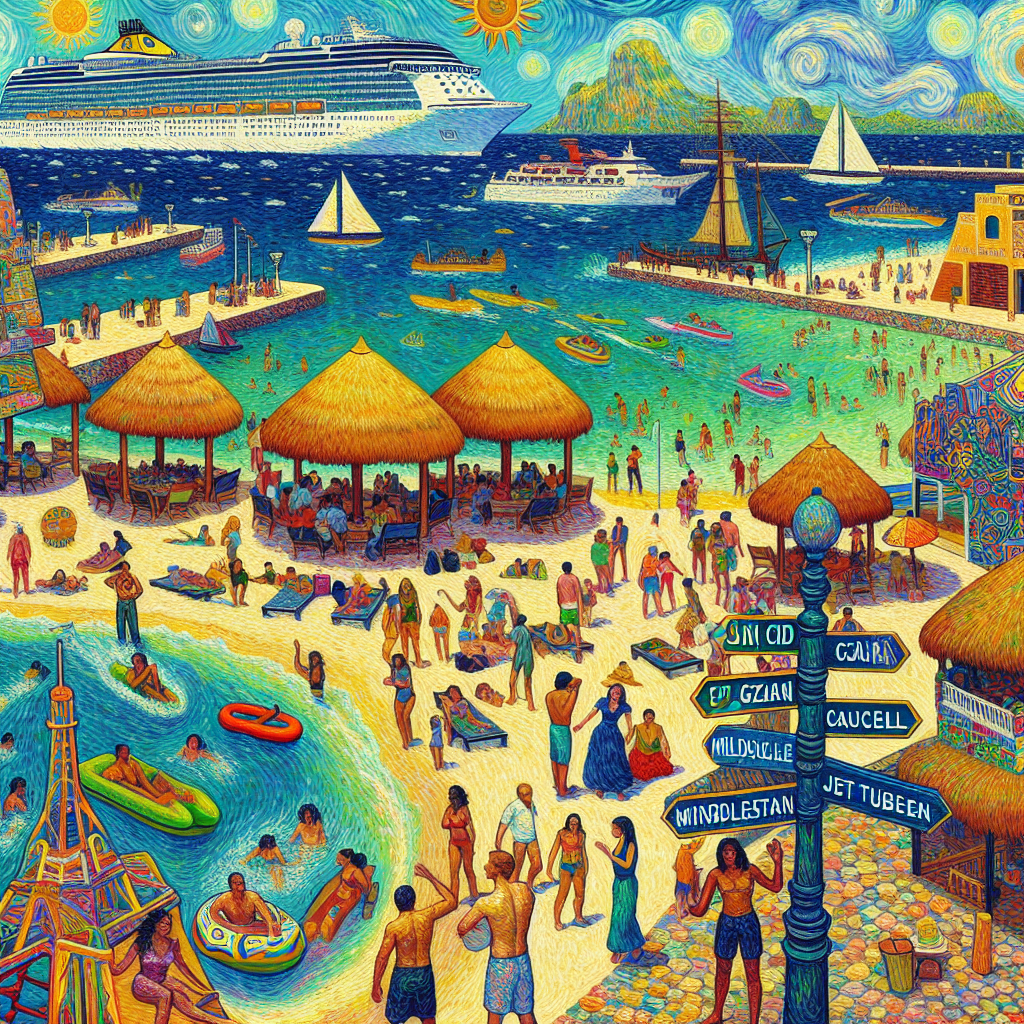
How Do Signs Reflect Local Culture?
Can Humor In Signs Create A Sense Of Belonging?
Humor in signs has a remarkable way of bridging gaps and cultivating a sense of belonging among people. Picture this: you’re walking through the vibrant streets of Cozumel, the air thick with the scent of salt and adventure, when a quirky sign catches your eye—“Don’t worry, we’re just as lost as you!” It’s a clever play on words that prompts a chuckle and establishes an unspoken connection. Right then, you realize you’re not alone; others are navigating unfamiliar paths, too.
At its core, humor taps into our shared human experiences. It’s the common thread that reminds us of our imperfections and the absurdities of life. When a sign makes us laugh, it beckons us to shed our inhibitions, inviting us to engage in a moment of camaraderie. We lean closer to our companions, exchanging smiles and stories about our own misadventures. In those fleeting seconds, we forge a bond grounded in authenticity, an unbreakable link in our shared human experience.
Rationally, humor has an incredible power to diffuse tension. When life feels heavy, a funny sign can be a refreshing breath of air. Businesses that use wit in their messaging not only stand out; they create a welcoming environment that encourages customers to linger, connect, and share. It’s a simple strategy but one that speaks volumes—if a place can make you laugh, it can also make you feel at home.
Ethically, there’s a responsibility that comes with humor—it’s about ensuring inclusivity and respect. The best signs don’t poke fun at others; instead, they celebrate our quirks and highlight our shared humanity. This respectful humor fosters a vibrant community where everyone feels valued and welcomed, encouraging an ongoing dialogue.
Narratively, every pun or witty remark tells a story. Each sign is a chapter in the book of a locale, inviting you to become part of that narrative. You become not just a visitor in Cozumel, but a participant in a lively tale, shaping your own experience alongside others.
So next time you gaze upon a sign and feel the corners of your mouth curl upwards, remember: that moment is more than just humor; it’s an invitation—an open door to community, connection, and the sweet assurance of belonging. Embrace it.

Can Humor In Signs Create A Sense Of Belonging?
Can Humor In Signs Create A Sense Of Belonging?
- Humor in signs fosters a sense of belonging and connection among people.
- A quirky sign can create a moment of shared experience, reminding us we’re not alone in our adventures.
- Humor highlights our shared human experiences and imperfections, encouraging authentic connections.
- Funny signs can diffuse tension and create a welcoming atmosphere, making customers feel at home.
- Ethical humor promotes inclusivity and respect, celebrating our quirks without mocking others.
- Each witty remark on a sign tells a story, making visitors part of the locale’s narrative.
- Humor is an invitation to engage in community and connection, enhancing our sense of belonging.

Can Humor In Signs Create A Sense Of Belonging?
How Do Funny Signs Influence Tourists’ Experiences?
Funny signs have a unique way of influencing the experiences of tourists, turning an ordinary moment into a cherished memory. Take, for example, a quirky warning in Cozumel: “Beware of Iguanas—They’re Only Pretending to be Friendly!” This sign doesn’t just catch the eye; it evokes laughter, drawing visitors into the vibrant culture that thrives on humor and playfulness. For travelers, it’s a reminder that they’re not just passersby in a foreign land; they are participants in a shared human experience, woven together by the laughter that transcends language.
Engaging with these signs taps into multiple facets of our being. Emotionally, they spark joy, eliciting smiles and sometimes even spontaneous conversations among strangers. They foster social connections, as people find common ground in their amusement. Who hasn’t shared a chuckle with a fellow tourist over a punny sign? Rationally, these humorous messages often convey safety or caution in an approachable way. Instead of a dull, dry warning, they deliver vital information wrapped in a package of wit, making us more likely to remember the caution while still enjoying the lightheartedness.
The ethical appeal of funny signs lies in their ability to encourage respect and responsibility in a non-threatening manner. When a sign reads, “Don’t Feed the Fish—They’re on a Diet!” it gently nudges us to consider the well-being of local wildlife. This blend of humor and responsibility can quiet the skeptic within us, stirring a desire to act positively while enjoying our adventures.
In terms of authority, local communities that embrace humor create a welcoming atmosphere. From the locals who craft these signs to the businesses that display them, there’s an underlying trust bond built on shared laughter and playful communication. It’s as if they are saying, “We care about your experience here, and we want you to feel at home.”
When tourists stumble upon these amusing messages, they don’t just see words on a board; they engage with the narrative of a place filled with character and charm. Each sign is a chapter in the story of Cozumel, beckoning visitors to dive deeper and create their own tales. In a world rich with experiences, these funny signs invite us to laugh together, connect, and embrace the heart of what travel is all about.
How Do Funny Signs Influence Tourists’ Experiences?
How Do Funny Signs Influence Tourists’ Experiences?
- Funny signs enhance tourist experiences, transforming ordinary moments into lasting memories.
- An example is Cozumel’s quirky warning: “Beware of Iguanas—They’re Only Pretending to be Friendly!” which fosters laughter and connection.
- These signs spark joy and encourage social interactions among tourists, creating shared experiences through humor.
- Humorous messages convey safety and caution in a memorable and engaging way, making vital information more approachable.
- Funny signs promote respect and responsibility towards local wildlife in a lighthearted manner, encouraging positive actions.
- Local communities that embrace humor foster a welcoming environment, building trust through playful communication.
- Tourists engage with the narrative of a destination through these signs, creating their own stories while enjoying the journey.

How Do Funny Signs Influence Tourists’ Experiences?
Is There A Deeper Message Behind A Humorous Sign?
In a world where we often overlook the signs—both literal and metaphorical—there’s something tantalizing about a humorous sign, like the ones you might find in Cozumel. They draw us in with a chuckle, but what if I told you that beneath the laughter lies a deeper message? You see, humor has a remarkable way of breaking down barriers, inviting us to consider perspectives we may have otherwise dismissed. While a sign declaring, “Caution: Coconuts May Fall” might seem silly, it serves as a gentle but potent reminder of the unexpected risks in life, urging us to stay aware, grounded, and alert.
Humorous signs tap into our emotions, stirring up nostalgia for simpler times when life wasn’t so serious. They connect us, reminding us that we all share a common humanity. Who hasn’t paused to giggle at a quirky warning about a “Beware of Dog” that features a picture of an adorably lazy puppy? These signs challenge us to find joy in the mundane, to consider how looking at life with a sense of humor can alleviate our fears and stress—even prompting a conversation with a stranger who shares your laughter.
Rationally, we recognize that humor is a powerful tool, fostering resilience in the face of adversity. It allows us to confront the real dangers—a fallen coconut or a dog with an intimidating bark—while still engaging in the human experience with levity. It conditions us to adapt and tackle challenges head-on, armed not only with caution but with mirth. In the grand scheme, every chuckle we share becomes part of a collective dialogue about life’s absurdities and inherent unpredictability.
Ethically, those signs reflect a responsibility, a gentle nudge toward mindfulness not just for ourselves but for others in our community. They encourage us to laugh together, enhancing our interconnectedness in a world that often feels divided. This is where authority meets authenticity—after all, the most memorable signs are rooted in shared experiences and everyday truths.
So the next time you spot a humorous sign, take a moment to pause. Embrace the laughter and consider what lies beneath. There’s power in humor. It beckons us not only to laugh at a whimsical message but to grow, connect, and live our lives with a little more joy and awareness.

Is There A Deeper Message Behind A Humorous Sign?
Is There A Deeper Message Behind A Humorous Sign?
- Humorous signs, like those in Cozumel, attract attention while conveying deeper meanings.
- They encourage us to embrace humor as a way to break down barriers and broaden our perspectives.
- Signs such as “Caution: Coconuts May Fall” remind us of life’s unexpected risks and the need for awareness.
- These signs evoke nostalgia, connecting us through shared laughter and common humanity.
- Humor is a powerful tool for resilience, allowing us to face adversity with a lighter attitude.
- Ethically, humorous signs promote mindfulness and foster community connections in a divided world.
- Next time you encounter a humorous sign, pause to appreciate its message and the joy it brings.

Is There A Deeper Message Behind A Humorous Sign?
What Role Do Signs Play In Shaping Our Perception Of A Place?
Signs, in their myriad forms—whether a colorful hand-painted wooden plaque hanging in a local cafe or a stark, bureaucratic notice declaring “No Trespassing”—act as the unsung storytellers of a place. Consider the island of Cozumel, for instance. The moment you step off the ferry, signs narrate a story filled with promise and possibility. They guide you toward pristine beaches and vibrant marketplaces while reminding you of the rich history woven into this beautiful land. With each sign, you’re not just looking at words or symbols; you’re experiencing a layer of the culture that penetrates the heart of your adventure.
These markers connect us to the essence of our surroundings in a way that feels both grounding and exhilarating. They speak to our rational minds, detailing important information that fosters safety and understanding. “This way to the snorkeling tours” is more than just direction; it’s an invitation to immerse yourself in the crystalline waters that teem with life. Signs bring clarity in a world where ambiguity can leave us feeling lost. They remind us that there’s order within the spontaneity of travel—an anchor in the often turbulent sea of exploration.
But let’s not forget the emotional significance of signage. When you see a sign highlighting a local charity event or advertisement for handmade crafts, it resonates deeply. It’s a tactile connection to the beating heart of a community, illustrating the values, aspirations, and dreams of its people. Each sign stands as a testament to a collective effort, creating bonds that foster trust and invite visitors to join in the collective experience.
Ethically speaking, signs also serve a purpose beyond mere navigation; they can inspire proactive engagement with the environment. “Protect our reefs,” one sign might say, evoking a sense of responsibility that encourages you to savor your surroundings, not just for yourself but for future generations. These messages transcend mere information—they become part of a broader conversation about sustainability and respect.
Signs shape not just our perception of a place but also guide our interactions with the community and the world. They forge connections that transform a simple destination into a shared experience, rooting us in the fabric of every place we visit. When we pay attention to these signposts, we’re not just wandering—we’re participating in a narrative that continues to unfold.

What Role Do Signs Play In Shaping Our Perception Of A Place?
What Role Do Signs Play In Shaping Our Perception Of A Place?
- Signs, in various forms, serve as storytellers, reflecting the character of a place.
- In Cozumel, signs guide visitors towards beautiful beaches and vibrant markets while sharing the island’s rich history.
- They connect people to their surroundings, providing essential information that enhances safety and understanding.
- Signs offer clarity in travel, serving as anchors amid the spontaneity of exploration.
- Emotional significance is found in signs related to community events, showcasing local values and aspirations.
- Ethically, signs encourage environmental responsibility and proactive engagement with nature.
- By paying attention to signs, travelers participate in a continuous narrative and connect deeply with the locale.

What Role Do Signs Play In Shaping Our Perception Of A Place?
How Does Humor In Signage Challenge Societal Norms?
Humor in signage has a unique ability to challenge societal norms, creating a dialogue that’s both engaging and thought-provoking. Picture this: You’re in Cozumel, lounging at a beachside bar, when you spot a sign that reads, “Bad Decisions Made Here – Please Drink Responsibly.” At first, it’s a chuckle, but then it settles in, prompting reflection. It’s not just a humorous quip; it’s a clever reminder that life’s best stories often stem from those wild choices. This interplay of humor catches our attention, inviting us to rethink our perceptions and behaviors.
It takes guts to leverage humor in signage. When humor chinks away at the armor of societal expectations, it renders taboos less threatening. Suddenly, a sign meant to enforce rules shifts to become part of the conversation, turning mundane moments into profound connections. It taps into a universal experience—the fun of bending the rules just a bit while recognizing the boundaries that keep our society in balance. We can empathize with messages that poke light-hearted fun at our own follies; we’ve all had our share of laughs and scoldings.
Moreover, humor can shake the foundations of authority, transforming the relationship between individuals and institutions. A sign that connects with people on a personal level builds trust—trust in a brand, in a message, and in ourselves. When we laugh together, barriers crumble. Suddenly, it’s not just a business wanting your patronage; it’s a community inviting you in, challenging misgivings tied to rigid societal standards.
From an ethical standpoint, using humor to convey messages can prompt consumers to engage with deeper considerations, like responsible drinking or environmental consciousness. Humor gives voice to serious topics, making them more digestible. It invites conversation rather than dictation, fostering a sense of belonging among those who share in the laughter.
Through the lens of narrative, these humorous signs turn messages into memorable stories, offering a relatable twist on everyday experiences. We walk away not just with a smile but with thoughts that linger—an understanding that societal norms are not carved in stone but are meant to evolve alongside us. Every sign carries the potential for connection, challenging us to question, reflect, and embrace the absurdity of life. So next time you see a quirky sign, let yourself laugh—it just might provoke the change we all need.
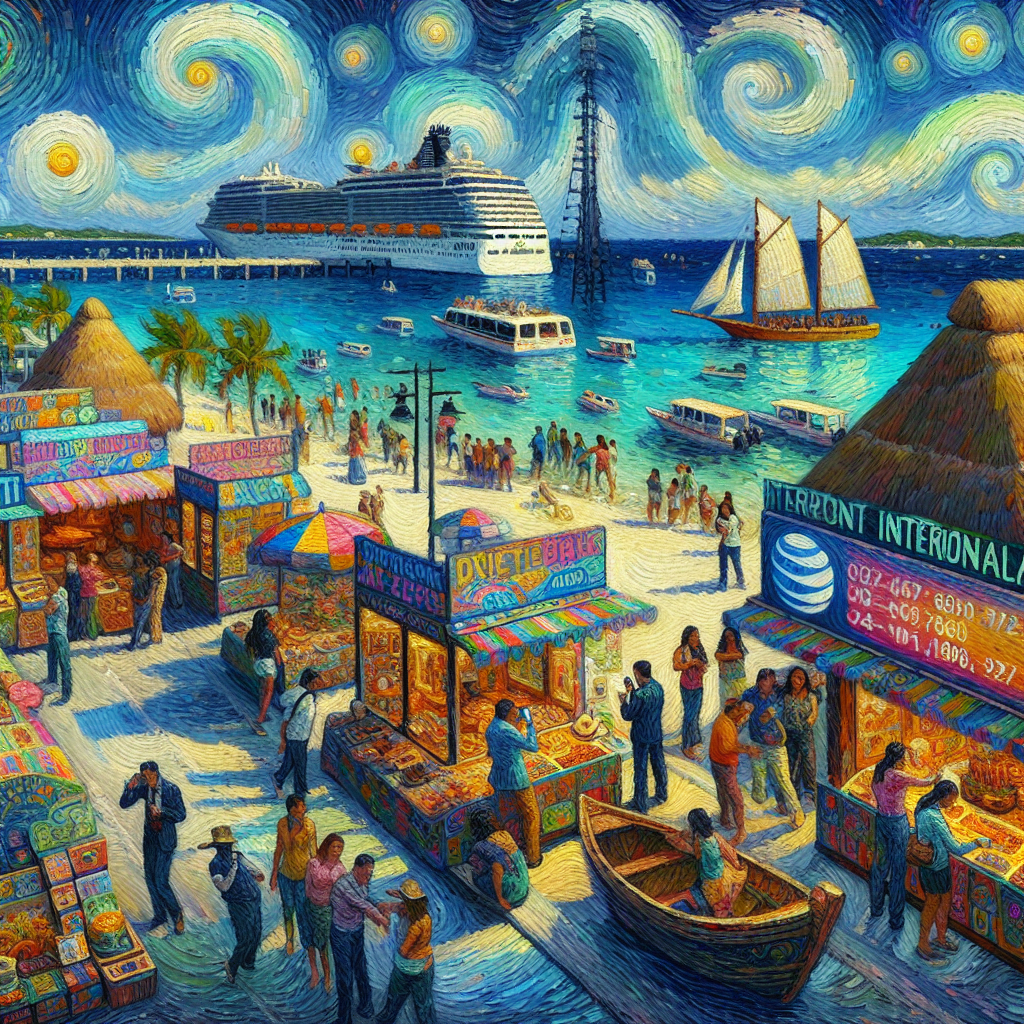
How Does Humor In Signage Challenge Societal Norms?
How Does Humor In Signage Challenge Societal Norms?
- Humor in signage challenges societal norms and engages audiences in thought-provoking dialogue.
- A sign reading “Bad Decisions Made Here – Please Drink Responsibly” serves as both a humorous quip and a reflective reminder.
- This use of humor shifts the perception of rules, turning mundane moments into opportunities for connection.
- Humorous messages can alleviate the threat of taboos and create a sense of shared experience.
- Humor can transform the dynamic between individuals and institutions, establishing trust and community.
- Using humor in messaging can encourage discussions about serious topics, making them more accessible.
- Humorous signs tell relatable stories, prompting reflection and inviting us to reconsider societal norms.

How Does Humor In Signage Challenge Societal Norms?
Conclusion
Cozumel is not just a picturesque destination with sun-drenched beaches and friendly locals; it’s a living tapestry of humor, culture, and shared humanity. As you navigate the island, the signs around you morph into more than mere indicators—they transform into quirky storytellers that genuinely connect us, turning an average day into a memorable adventure. Each sign you encounter, from the cheeky reminders about ocean etiquette to the playful jabs at family dynamics, beckons you to see that no one is truly a stranger here. The laughter these signs evoke is a universal language, weaving threads of camaraderie across diverse visitors and locals alike.
On a rational level, these witty messages also serve an important purpose. They break the monotony of everyday life, guiding us through safety protocols wrapped in a light-hearted package. A sign about caution can still offer a chuckle, making you more likely to remember its message—it’s an effective blend of humor and responsibility that resonates with the heart of our collective experience. Humor isn’t just a feel-good element; it taps into our emotions, engages our intellect, and builds a community spirit all in one breath.
Ethically, Cozumel’s signs carry deeper resonances. With messages urging cleanliness and respect for local wildlife, they subtly invite visitors to become stewards of the environment. This sense of shared responsibility enhances the emotional connection to this beautiful island. These aren’t just signs on a post; they are calls to action, urging each visitor to participate in preserving what makes this place remarkable.
Moreover, humorous signage challenges societal norms. When a sign pokes fun at behaviors we often take too seriously, it creates space for reflection, encouraging us to not only laugh but to think critically about our choices. Signs that play with authority and invite conversation make us feel included in a dialogue rather than mere recipients of directives, establishing an implicit trust that enriches our experience.
In Cozumel, signs do more than inform—they create a vibrant connection. They invite you to engage with the space, cherish the culture, and share a moment of laughter with a stranger. So, the next time you find yourself surrounded by these charming markers, pause for a moment. Embrace the joy, the wisdom, and the sense of belonging they offer. Every sign tells a story; it’s up to us to listen, laugh, and immerse ourselves fully in the narrative of this beautiful island.
Conclusion
Conclusion:
- Cozumel is a vibrant destination full of humor, culture, and a sense of shared humanity.
- Signage on the island transforms into quirky storytellers, enhancing the visitor experience and connection among people.
- Humorous signs effectively break monotony while conveying important safety messages, making them memorable.
- Messages on signs promote environmental stewardship and responsibility among visitors, fostering emotional connections.
- Humorous signage encourages reflection on societal norms, inviting critical thought about personal choices.
- Signs create a dialogue with visitors, enhancing trust and engagement in the local culture.
- Each sign offers a chance to connect, laugh, and appreciate the rich narrative of Cozumel.
Conclusion
Other Resources
Other Resources
Here is a list of other resources you can review online to learn more:
- Dive Paradise Cozumel
- A Diver’s Guide to Cozumel
- Casa Mission
- Cozumel Amazing Tours
- Isla Pasion
- Cafeteria La Cozumelena Cozumel
- Capitán Eduardo A. Toledo Airport
- Fiesta Americana Cozumel
- The Mayan Cacao Company
- K’ooben Laab
- Cozumel Beaches
- Cozumel Scuba Repair
- Punta Morena Beach Club
- El Maharaja
- The Plaza Central
- Cozumel Bar Hop
- PADI
- WestJet
- Hotel Villa Deja Blue
Use This Prompt To Get More Resources With Your Favorite Online AI Tool: Please provide me with a list of online articles with their URLs in a bulleted list that I can read regarding What Are The Funniest Signs You’Ll Spot on The Island?

Other Resources
Glossary Terms
What Are The Funniest Signs You’Ll Spot on The Island? – Glossary Of Terms
1. Quarantine Zone: A humorous sign indicating an area that is off-limits, often suggesting exaggerated dangers.
2. Pirate Crossing: A playful warning suggesting that the area is frequented by pirates, adding an element of fun chaos.
3. Beware of Iguanas: A lighthearted caution indicating the presence of iguanas that may approach visitors unexpectedly.
4. Zombie Beach Ahead: A tongue-in-cheek warning that hints at a playful theme, inviting tourists to enjoy a “zombie” experience.
5. Mermaid Parking Only: A whimsical sign designating a parking area reserved for mythical sea creatures.
6. Tidal Wave of Fun: An exaggerated invitation to enjoy beach activities, suggesting that good times are on the way.
7. Lost Flip-Flops Anonymous: A humorous nod to the common issue of losing sandals on the beach, encouraging humor about minor mishaps.
8. Welcome to Paradise (Just Kidding): A playful disclaimer that combines optimism with a hint of reality.
9. Caution: Sand Crabs at Work: A funny warning suggesting that sand crabs are industrious, anthropomorphizing beach wildlife.
10. Under Construction: Relaxation Zone: A funny way to declare that visitors should take a break and unwind, despite any distractions.
11. Swim at Your Own Risk (Giant Fish Ahead): A comedic alert implying the presence of oversized marine life threatening to crash the beach party.
12. Shell Collectors’ Paradise: A cheeky sign inviting beachgoers to gather shells, while humorously highlighting the obsession with collecting.
13. Snorkel Area: No Fish Swim Allowed: A playful ban on fish swimming, suggesting that they should observe rather than participate in activities.
14. Lost in the Sundress Zone: A light-hearted sign indicating an area known for fun fashion faux pas, especially in beachwear.
15. Wildlife Sighting: Expect the Unexpected: An amusing way to remind visitors that unusual animal encounters are typical here.
16. Sunscreen Station: A humorous warning about the dangers of sunburn, encouraging everyone to lather up before entering the beach.
17. Cool Down Spot—Ice Cream Only: An inviting sign offering ice cream as the only solution to beat the heat.
18. Time Out for Seagulls: A comical note declaring an area where seagulls are taking a break, punning on the idea of timeout.
19. Beach Rules: No Whining, Just Windsurfing: A humorous take on beach etiquette that promotes fun and activity.
20. Underwater Yoga Class Here (not): A playful suggestion implying that the ocean floor is not the best place for yoga.
21. Warning: Sand Castle Competition Zone: A sign indicating an area where epic beach sculptures may be created, encouraging creativity and fun.
22. Do Not Feed the Turtles (They Already Eat Pizza): A hilarious exaggeration warning against feeding wildlife, giving turtles a funny personality.
23. Check-in for Fun, Check-out for Sunburn: A cheeky invitation for enjoying tropical vibes while humorously noting the potential for sunburn.
24. Treasure Island Next Right: A whimsical way to point out an area of beach known for good times and maybe even “hidden” treasures.
25. Sandy Bottom Cookies Only: A playful clarification that only fun, sandy treats are allowed, likely referring to snacks at the beach.
26. Waves for Days, Drama-Free Zone: A fun reminder that the beach is meant for relaxation and enjoyment, not stress.
27. Fictional Character Beach Club: A whimsical invitation to imagine meeting favorite characters on the beach, blurring entertainment with reality.
28. Life’s a Beach: Literally!: A playful take on the saying, reinforcing the fun attitude of being at the beach.
29. Surfboard Parking Only: A humorous sign designating areas for surfboards, often implying casual rules regarding beach gear.
30. No Lifeguard on Duty (and it’s Not a Problem): A comical way to assure beachgoers that fun is still possible, even without supervision.

Glossary Of Terms
Other Questions
What Are The Funniest Signs You’Ll Spot on The Island? – Other Questions
If you wish to explore and discover more, consider looking for answers to these questions:
- What are some examples of the funniest signs found in Cozumel?
- How do these humorous signs impact the local culture in Cozumel?
- What are some other locations known for their funny signage?
- How do visitors typically react to the humorous signs on the island?
- Are there any specific themes or common messages found in these signs?
- How do local artists contribute to the creation of these signs?
- What role do businesses play in promoting humor through their signage?
- Can signs that employ humor also address serious issues effectively?
- How have these signs changed over time in Cozumel?
- What humorous signs are popular among local residents versus tourists?
- How do funny signs encourage responsible tourism in Cozumel?
- What impact do humorous signs have on visitor engagement and social interactions?
- Are there any notable stories behind specific humorous signs in the region?
- How does the humor in these signs reflect broader societal values?
- What can other destinations learn from Cozumel about signage and humor?
Other Questions
Haiku
What Are The Funniest Signs You’Ll Spot on The Island? – A Haiku
Joyful signs of hope,
Shared laughs draw us closer here,
Bonding through the bold.
Haiku
Poem
What Are The Funniest Signs You’Ll Spot on The Island? – A Poem
In Cozumel, where the turquoise waves dance,
Signs bloom like flowers, inviting a glance.
With humor and wit, they beckon our smiles,
Creating connections that stretch for miles.
“Restrooms for customers, no peeing outside!”
Laughter ignites in this shared human ride.
Beneath every quip lies a message so clear,
We’re all in this journey, so let’s gather near.
“What’s good, even your mother-in-law would cheer!”
Tacos and banter inspire timeless good cheer,
With humor as currency, hearts intertwine,
Encouraging trust, both yours and mine.
“Salsa dancing: the exercise you won’t dread,”
Embrace local culture, let joy thread through thread.
When signs urge us gently to care and engage,
They nurture our bond, turning the page.
“Keep Cozumel beautiful, please don’t litter!”
Pulling at heartstrings, each plea is a glitter,
For nature’s embrace is our joint legacy,
A moral compass whispers, “Love fiercely and free.”
In a world that’s vast, where barriers rise,
These playful reminders help us to realize,
Humor’s a bridge, a softening light,
Uniting us all, in laughter, we ignite.
So wander the streets, let the signs be your guide,
For woven in laughter, the stories reside.
Each message, a fragment of culture and lore,
Invites us to cherish and explore evermore.

Poem
Checklist
What Are The Funniest Signs You’Ll Spot on The Island? – A Checklist
Checklist: Engaging with the Humor of Signs on the Island
Heart Appeals
_____ Reflect on Shared Experiences: Consider how humorous signs connect us to common human experiences. What is a sign that made you laugh and reminded you of a similar moment in your life?
_____ Foster Community Bonds: Take a moment to engage with others who react to humorous signs. Share a laugh and spark a conversation about your experiences.
_____ Embrace Local Culture: Think about how the humor in signs reflects the values and spirit of the community. What cultural elements resonate with you?
Head Appeals
_____ Assess Communication Effectiveness: Reflect on a sign that conveyed an important message through humor. How did it make the message memorable or clear?
_____ Consider the Rational Impact: Identify signs that blend humor with vital information (e. g. , safety reminders). How did their approach affect your understanding of the message?
_____ Observe Environmental Responsibility: Notice signs that encourage sustainable practices. How do these messages balance humor with ethical considerations?
Gut Appeals
_____ Feel the Joy: Pay attention to your emotional response when you encounter a funny sign. Which signs made you smile or laugh the most?
_____ Engage with the Experience: As you explore, remember to embrace the spontaneity and humor of each sign, letting it guide your journeys and decisions.
_____ Challenge Societal Norms: Reflect on a sign that humorously addresses a societal expectation or norm. How does it make you reconsider your views or behaviors?
Practical Engagement
_____ Document Your Discoveries: Keep a notebook or digital journal to record the funniest and most meaningful signs you encounter. Describe why they resonated with you.
_____ Share and Spread Joy: Share photos or stories of humorous signs on social media. Tag locations to connect with others who appreciate the local culture and humor.
_____ Participate in the Narrative: Engage with locals about their favorite signs or stories. This interaction enhances your understanding and appreciation of the community’s character.
Social Connection
_____ Encourage Group Reflection: Organize a group activity where you all explore and discuss the humorous signs in your area, sharing opinions and laughter.
_____ Create a Sign Challenge: Propose a challenge to friends or fellow travelers to find and photograph the funniest or most thought-provoking signs they encounter.
_____ Build a Community Dialogue: Participate in discussions about how humor in signs can promote a sense of belonging and challenge societal norms within your travels.
Keep this checklist handy as you explore the island, and enjoy the blend of humor, culture, and connection found in everyday signage!

Checklist
At TopCozumelNews, we help travelers enjoy Cozumel by collating information learned from frequently traveling to beautiful Cozumel.
Be sure to read our other related stories at TopCozumelNews to learn more about the Island of Cozumel.