



Rediscovering Cozumel’s 1970S Charm
By Tom Seest
At TopCozumelNews, we help travelers enjoy Cozumel by collating information learned from frequently traveling to beautiful Cozumel.
Be sure to read our other related stories at TopCozumelNews to learn more about the Island of Cozumel.
What Did Cozumel Look Like In The 1970S?
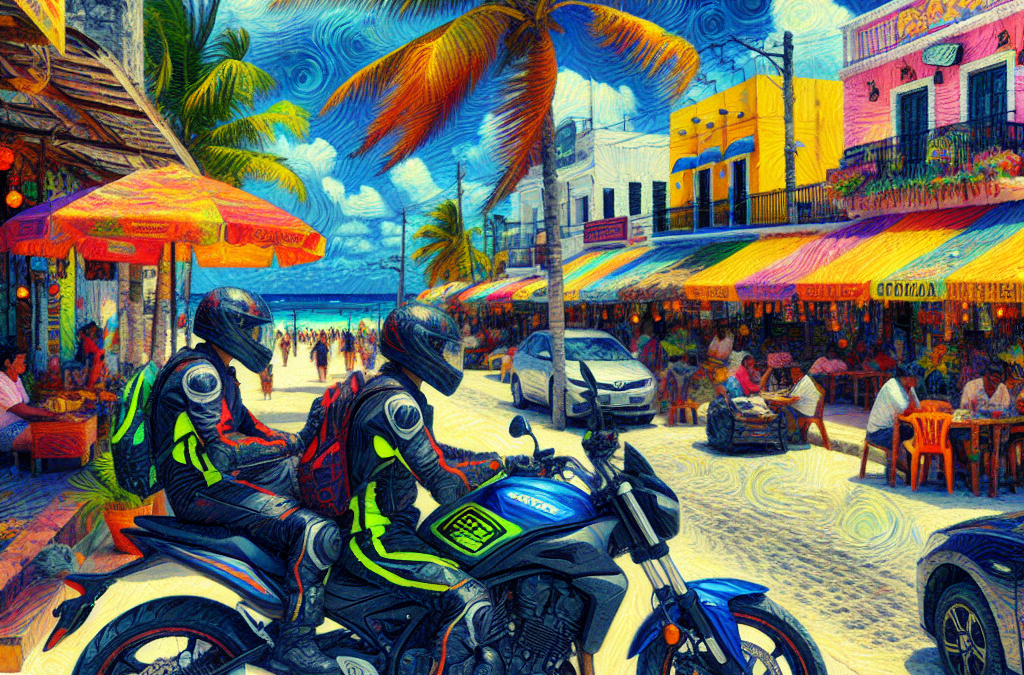
Picture this: Cozumel in the 1970s, a hidden gem in the turquoise embrace of the Caribbean Sea. Back then, it wasn’t the bustling resort destination we recognize today but rather a serene island teeming with an authentic charm that many dream of but few experience. The sun-drenched shores welcomed a handful of adventurous souls, not yet distracted by the commercialism that plagues many modern tourist spots.
The island’s streets, often lined with modest homes painted in vibrant colors, told tales of local families who thrived off the land and sea. Fishermen would cast their nets at dawn, their silhouettes framed against the awakening sky—a ritual symphony of labor that connected them deeply to the ocean. It was here, in these simple yet profound moments, that a sense of kinship flourished among both locals and travelers. They shared laughter over fresh ceviche, and stories were exchanged as sunset melted into twilight.
Cozumel in the ’70s had a rhythm that spoke to the gut—a pace at which time felt both slow and precious. It was easy to lose track of hours while lounging on the sandy beaches, captivated by the beauty around you, without the constant ping of notifications or the pull of the next big thing. This sense of stillness allowed friendships to blossom. Strangers became friends over meals of grilled fish and the island’s famous Margaritas, bonding over sunsets that set the horizon ablaze.
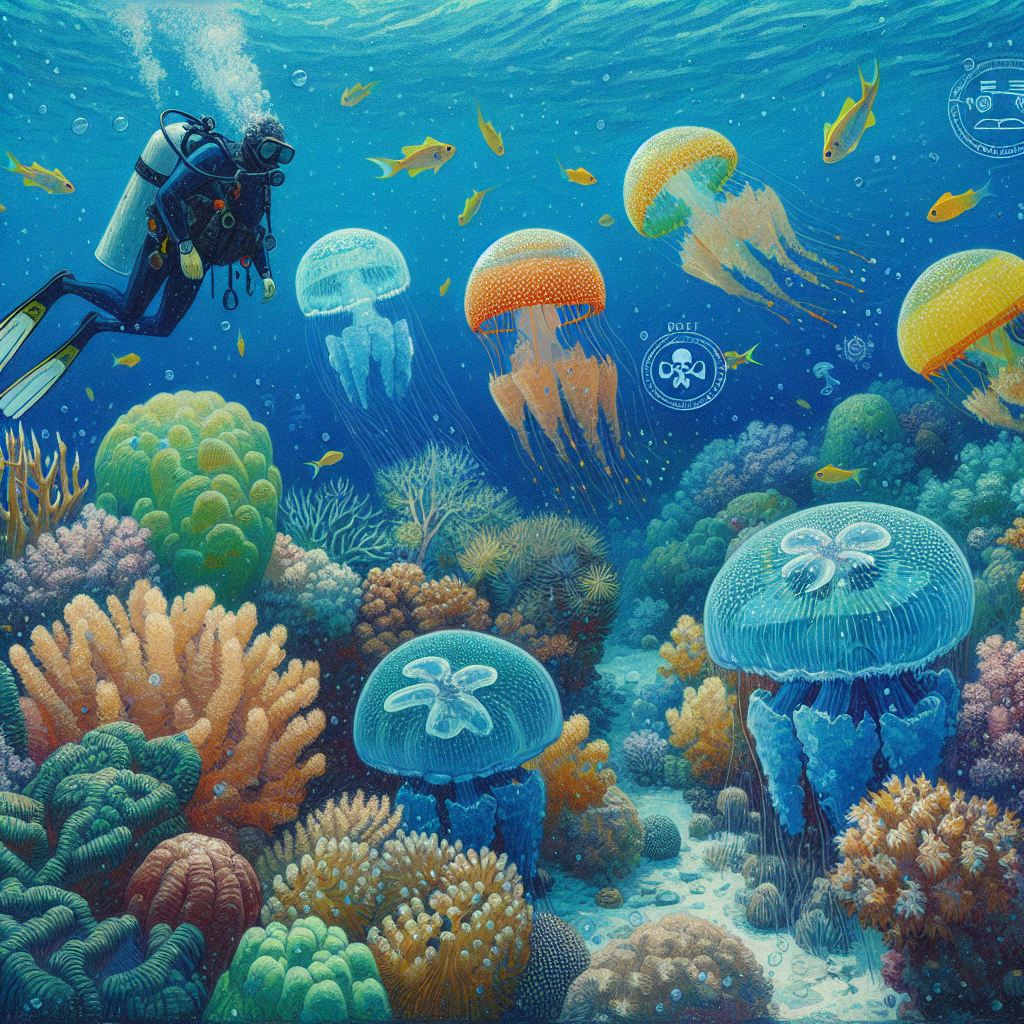
Yet, it wasn’t only about leisure. Rational minds saw Cozumel as a burgeoning eco-paradise, rich in biodiversity. The coral reefs surrounding the island were undisturbed by heavy tourism, inviting scuba divers and snorkelers to explore a vibrant underwater world. This ecological treasure showcased nature’s artistry, emphasizing our ethical responsibility to protect such fragile ecosystems, even as the winds of change began to blow.
As the decade unfolded, whispers of development grew louder, teetering between the allure of progress and the preservation of paradise. There was a palpable tension, a yearning to balance growth while honoring heritage. The community faced choices that would dictate their future—options that resonated deeply with those who had come to love Cozumel’s unblemished beauty.
In those years, Cozumel was more than just a spot on the map; it represented a way of living where connection to each other and nature was paramount. As you walk the streets today, remember that echoes of the past still linger in the vibrant pulse of this enchanting island. Cozumel in the 1970s invites us to reflect—not just on where we’ve been but on where we are heading and how we can honor this paradise for generations to come.

What Did Cozumel Look Like In The 1970S?
What Did Cozumel Look Like In The 1970S?
- Cozumel in the 1970s was a serene island, far from the commercialism of today’s bustling resorts.
- The island featured modest, vibrantly painted homes and a community that thrived off the land and sea.
- Fishermen’s daily rituals connected them to the ocean, fostering a sense of kinship among locals and travelers.
- Time felt slow and precious, allowing friendships to flourish over shared meals and beautiful sunsets.
- Cozumel was an eco-paradise with rich biodiversity, showcasing undisturbed coral reefs and inviting exploration.
- Development pressures began to grow, balancing progress with the preservation of the island’s natural beauty.
- Cozumel represented a way of life centered on connection, prompting reflections on the island’s future and heritage.

What Did Cozumel Look Like In The 1970S?
Table Of Contents
- What Did Cozumel Look Like In The 1970S?
- What Hidden Stories Lay Beneath The Waves Of 1970S Cozumel?
- How Did The Vibrant Culture Of Cozumel Shape Its Past?
- What Environmental Changes Have Impacted Cozumel Since The 1970S?
- How Did Tourism In The 1970S Transform Local Livelihoods In Cozumel?
- How Do The People Of Cozumel Remember The 1970S Today?
- How Did The 1970S Change The Way Locals Viewed Their Island?
- What Role Did Nature Play In Shaping The Life Of Cozumel In The 1970S?
- Conclusion
- Other Resources
- Glossary Of Terms
- Other Questions
- Haiku
- Poem
- Checklist
What Hidden Stories Lay Beneath The Waves Of 1970S Cozumel?
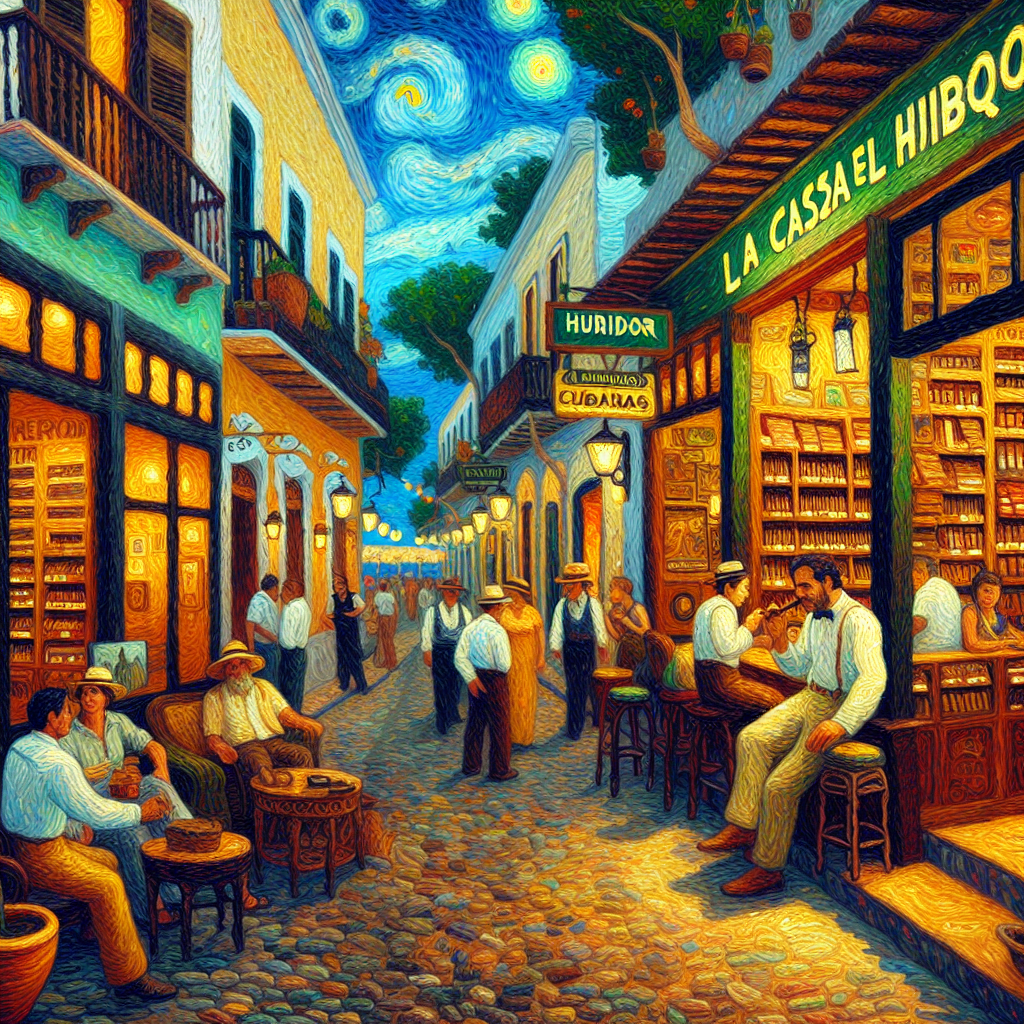
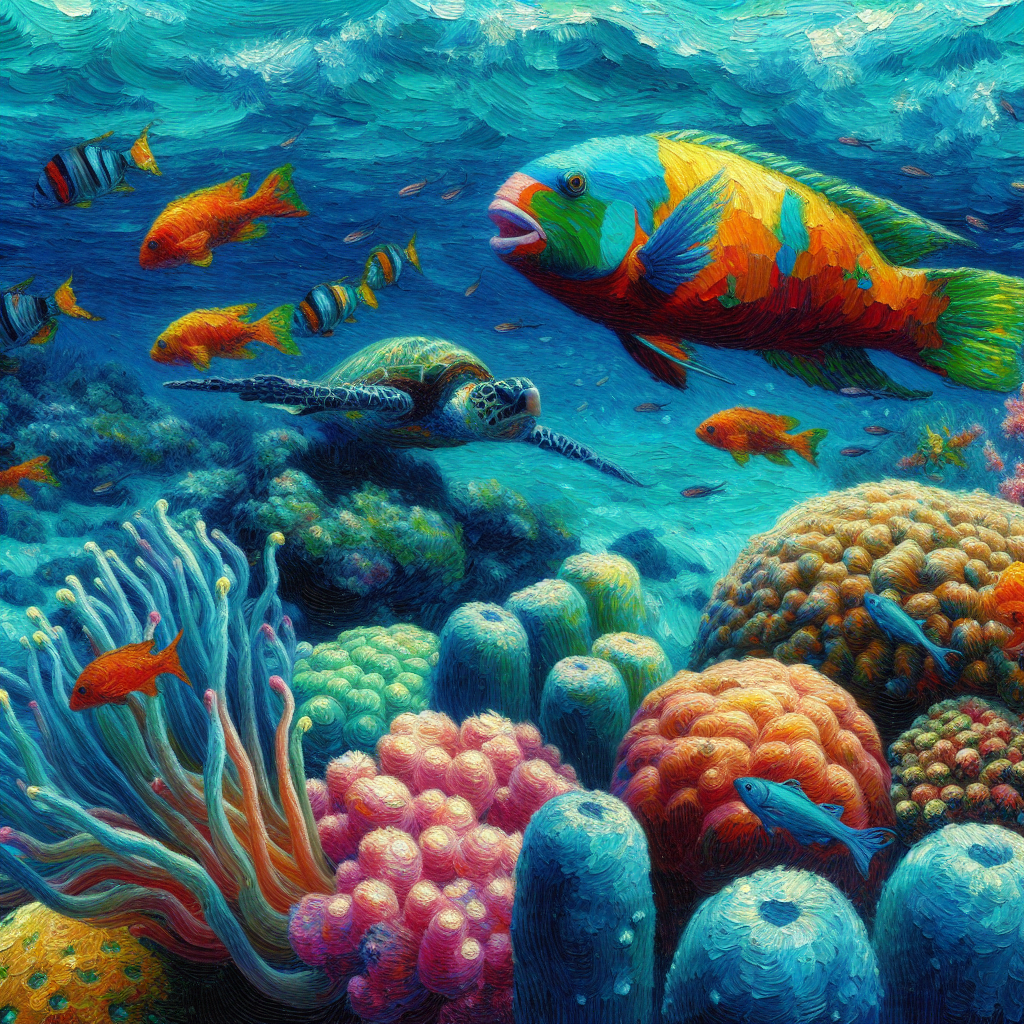
Beneath the sun-soaked waters of Cozumel lies a tapestry of stories, woven from both triumph and tragedy. Imagine diving into the crystalline depths, where coral reefs pulse with life, harboring secrets from a bygone era. In the 1970s, this Mexican paradise was more than just a summer getaway; it was a crossroads of cultures, economies, and hopes. The vibrant tourism boom breathed new life into the island, but it also concealed the struggles of those who lived on its shores.
Picture local fishermen, casting their nets with the dawn, their faces weathered but proud. They were the original stewards of Cozumel, thriving in harmony with the sea. As resorts began to rise, their existence was overshadowed by the allure of foreign money and tourism. Each building that went up was a monument to progress, yet it often came at a cost. For these fishermen, what did their changing world mean? The balance of tradition and modernity hung perilously in the balance, echoing the universal dilemma we all face: how do we preserve our identity in the age of ambition?
The dive shops that grew alongside the tourist influx were more than businesses; they were lifelines, bridging the dreams of locals with outsiders eager for adventure. Each guided tour through the underwater paradise was a chance to forge connections, to share stories beneath the waves. For both diver and local, these encounters were transformative, helping to build respect across cultures. They remind us that, whether we hail from bustling cities or tranquil shores, our shared humanity reflects deeper than the skins we inhabit.
Now, nearly fifty years later, the ocean still holds many untold tales—moments of joy, sorrow, discovery, and survival. Divers exploring the vibrant underwater landscapes are not just tourists; they are part of a larger narrative that honors the rich history of Cozumel. In our relentless quest for leisure, do we take a moment to give back? The sea continues to give, but it begs the question: are we becoming ruthless adventurers at the cost of those who have lived for generations in its embrace?
Cozumel’s dazzling waters hold not just beauty, but the heartbeat of its people. We journey to enjoy its splendor, but let us also strive to engage with its stories. Embrace the call not only to dive deeper into its waters but to dive deeper into the soul of the island—where every ripple echoes the dreams and struggles of those who called it home.
What Hidden Stories Lay Beneath The Waves Of 1970S Cozumel?
What Hidden Stories Lay Beneath The Waves Of 1970S Cozumel?
- Cozumel’s underwater world is rich with history, encompassing stories of both triumph and tragedy.
- In the 1970s, Cozumel became a cultural crossroads due to a booming tourism industry.
- Local fishermen, the island’s original stewards, faced challenges as tourism began to overshadow their way of life.
- The rise of resorts symbolized progress but often came at a cost to the local community.
- Dive shops served as vital links between locals and tourists, fostering cultural connections through shared experiences.
- Nearly fifty years later, Cozumel’s ocean still harbors untold stories of joy, sorrow, and survival.
- Visitors are encouraged to honor and engage with the island’s rich heritage while enjoying its natural beauty.

What Hidden Stories Lay Beneath The Waves Of 1970S Cozumel?
How Did The Vibrant Culture Of Cozumel Shape Its Past?
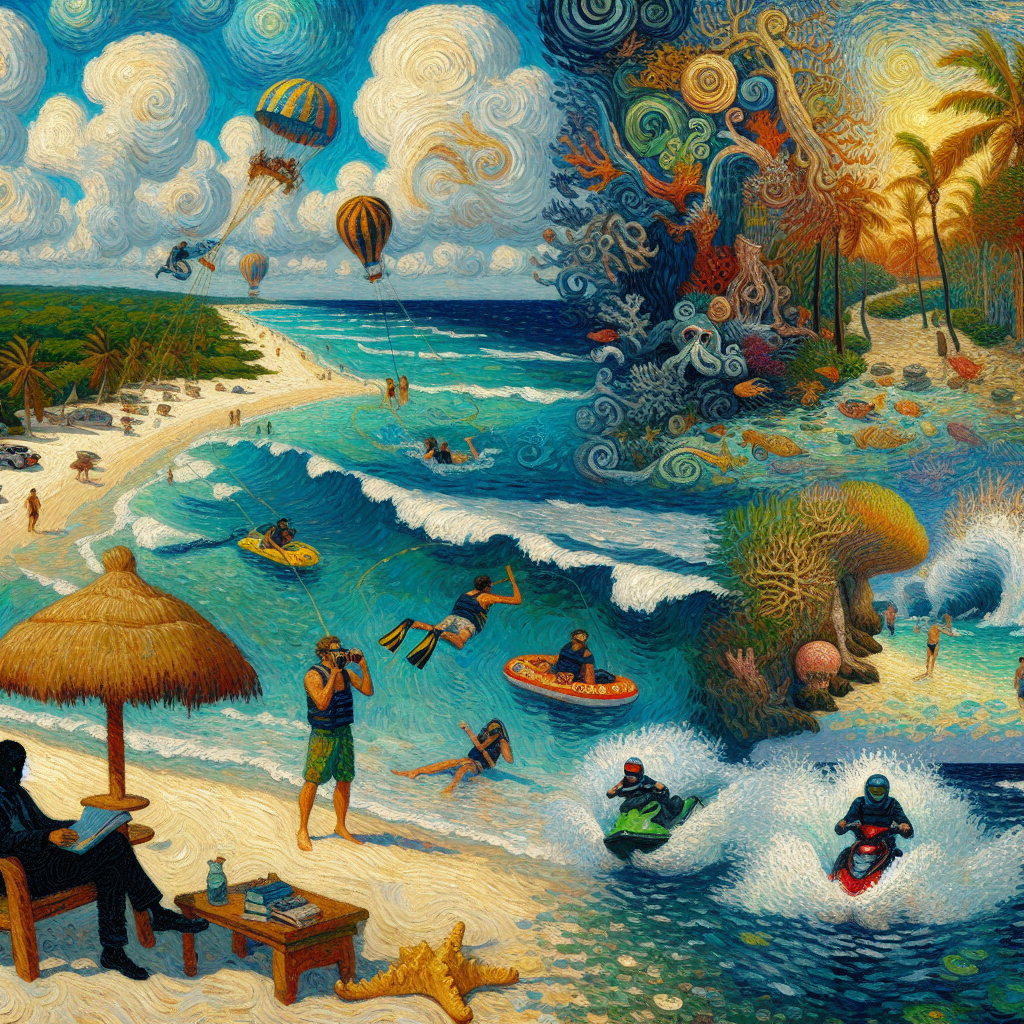
The vibrant culture of Cozumel is much more than a backdrop for sun-soaked vacations; it’s the very essence of the island’s identity, a rich tapestry woven from centuries of tradition, resilience, and communal spirit. This cultural vibrancy emerges from a confluence of ancient Mayan heritage and the pulsating rhythms of modern life, creating a living narrative that resonates deeply within those who call this island home.
Picture the first footsteps on the sandy shores, where the ancient Maya gazed out upon the Caribbean’s azure waters. They found not just a paradise, but a sacred place, steeped in spirituality. Through storytelling, rituals, and communal gatherings, they forged a society that emphasized unity and respect for nature. This deep-rooted appreciation for their surroundings continues to thrive today, allowing visitors to experience not just the beauty of the landscape, but the heartbeat of the people who inhabit it.
As cruise ships dock and tourists explore, they inadvertently tap into this wellspring of life. The streets are alive with the sounds of laughter, music, and the aroma of traditional cuisine wafting from local kitchens. Each meal is a reflection of the island’s history, a celebration of flavors that tells the story of the land and sea. When you stand in a bustling market, surrounded by artisans showcasing their crafts, you witness the spirit of Cozumel’s community—each piece carrying with it the mark of dedication and a commitment to preserving traditions against the tides of modernity.
Yet, amid this vibrant existence, the people of Cozumel also face the challenges that come with changing times. The delicate balance between welcoming tourism and protecting their cultural legacy is a constant negotiation, rooted in ethical considerations and a deep understanding of their past. They pursue sustainable practices, ensuring that the beauty that drew visitors decades ago remains intact for generations to come.
Cozumel’s rich cultural landscape invites us to reflect on what it means to belong to a community—to thrive as a collective and nurture the threads that connect us all. So, whether you’re winding through a colorful festival or savoring traditional dishes, let the essence of Cozumel touch your heart, inspire your mind, and awaken a gut-deep understanding of the power of culture to shape our lives. Embrace it, because every moment spent here is an opportunity to join an ongoing story—a vibrant history that’s eager to welcome you into its fold.

How Did The Vibrant Culture Of Cozumel Shape Its Past?
How Did The Vibrant Culture Of Cozumel Shape Its Past?
- Cozumel’s culture is a rich tapestry of tradition, resilience, and community spirit.
- The island’s identity stems from a blend of ancient Mayan heritage and modern life.
- Ancient Maya viewed Cozumel as a sacred paradise, fostering unity and respect for nature.
- The island’s vibrant atmosphere is marked by laughter, music, and traditional cuisine.
- Local markets showcase artisans whose crafts reflect dedication to preserving traditions.
- Cozumel’s residents balance tourism with the need to protect their cultural legacy through sustainable practices.
- Visitors are encouraged to embrace and connect with Cozumel’s ongoing cultural story.
How Did The Vibrant Culture Of Cozumel Shape Its Past?
What Environmental Changes Have Impacted Cozumel Since The 1970S?
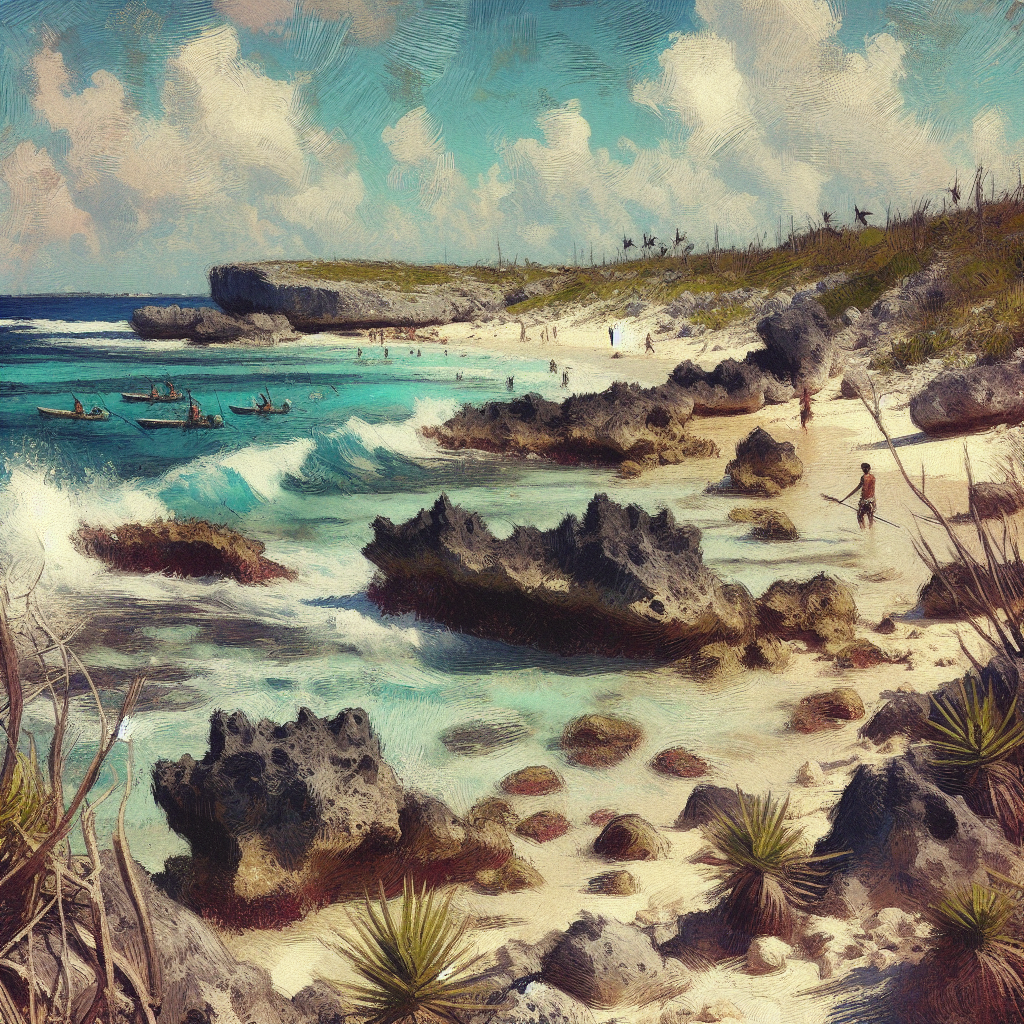
Cozumel is a gem in the Caribbean, a place once graced by the vibrant colors of coral reefs, the gentle sway of palm trees, and the laughter of children playing along pristine beaches. But since the 1970s, this magical island has experienced transformation—not all of it welcome. Environmental changes have crept in like unwelcome guests, leaving behind stories of both loss and resilience.
As the years rolled on, development took on a relentless pace. The very landscapes that drew visitors from around the globe began to evolve, often at the expense of what made Cozumel special. The demand for luxury hotels and bustling tourist attractions has led to increased construction, changing the natural rhythm of the island. Imagine standing on a beach, once a sanctuary for nesting turtles, now overshadowed by towering structures. The gut-wrenching reality is that the heartbeat of Cozumel can’t be felt as strongly within concrete walls.
On a rational level, we know that the tourism industry is vital for the island’s economy. It generates jobs and livelihoods, fostering a spirit of community resilience. Yet, we must ask ourselves: at what cost? The coral reefs that once flourished, a kaleidoscope of marine life, are now struggling to thrive amidst pollution and climate change. These changes not only threaten our environment but also jeopardize the heritage of a community that has nurtured and cared for its land for generations.
Ethically, we bear the responsibility to safeguard this paradise. We have the power to be stewards of Cozumel’s natural beauty rather than mere visitors passing through. This means advocating for sustainable tourism practices that respect the delicate balance between human needs and environmental preservation, ensuring future generations can marvel at the same sunsets and azure waters that have captivated so many.
Cozumel tells a story of endurance. It is a narrative woven into every wave lapping at the shore, every footstep on the sand. When we engage with this island—its people, its culture, and its environment—we are invited to be part of a larger conversation. We can foster connections with local communities, listen to their stories, and empower them to lead the way in preserving their home.
Join in the effort to ensure that Cozumel remains a vibrant sanctuary, balancing economic growth with environmental stewardship. It’s not just about visiting; it’s about connecting and committing to this remarkable island we all share. The heart of Cozumel beats on, but only if we choose to protect it.
What Environmental Changes Have Impacted Cozumel Since The 1970S?
What Environmental Changes Have Impacted Cozumel Since The 1970S?
- Cozumel, once a serene Caribbean paradise, has faced significant environmental changes since the 1970s.
- Development and construction have altered the island’s landscapes, impacting its natural beauty and ecological balance.
- The tourism industry, while crucial for the local economy, raises concerns about sustainability and environmental degradation.
- Coral reefs and marine life in Cozumel are struggling due to pollution and climate change.
- There is a collective responsibility to protect Cozumel’s natural beauty through sustainable tourism practices.
- Engaging with local communities and respecting their heritage is vital for preserving the island’s culture and environment.
- Protecting Cozumel is a shared commitment that balances economic growth with ecological stewardship for future generations.
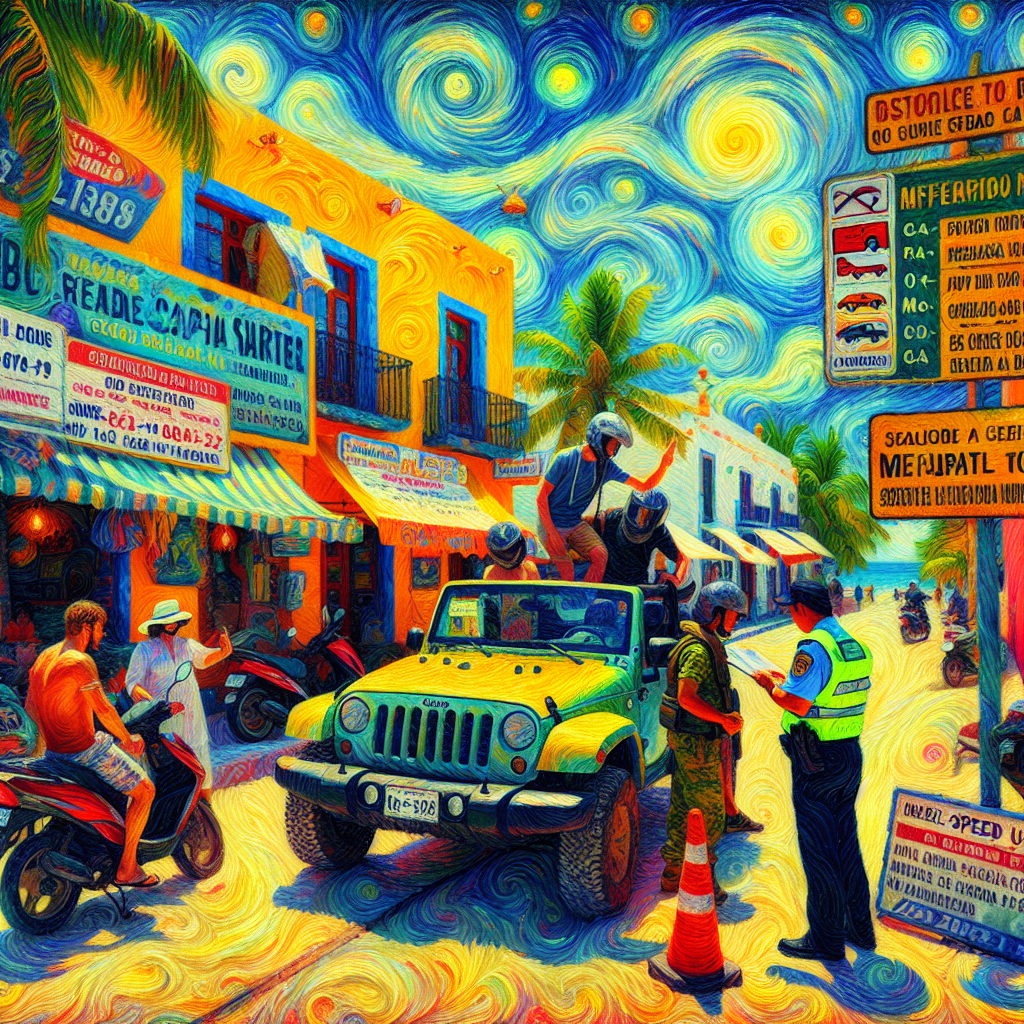
What Environmental Changes Have Impacted Cozumel Since The 1970S?
How Did Tourism In The 1970S Transform Local Livelihoods In Cozumel?
In the vibrant turquoise waters off the coast of Mexico lies Cozumel, a place that transformed not just its landscape but the very fabric of its community throughout the 1970s. Imagine a small island, once tucked away from the world’s gaze, suddenly thrust into the limelight—a pearl waiting to be discovered. As tourism blossomed, it brought with it a sweet mix of opportunity and challenge for the locals, forever altering their livelihoods and lives.
The 1970s served as a turning point. Picture families living modestly, fishing the same waters their ancestors had traversed for generations. With the influx of tourists, the island found itself beaming with new possibilities as the local economy began to flourish. Fishermen and artisans turned their craft into a business, welcoming visitors eager to experience a slice of paradise. It was more than just a financial uptick; it was a chance for locals to share their culture, their stories, and their way of life with others.
Yet this transformation was a double-edged sword. As tourists marveled at Cozumel’s beauty, there loomed the ethical responsibility of ensuring that this influx didn’t erode the island’s essence. How does a community maintain its identity amidst an avalanche of change? For the residents, it was a tightrope walk between progress and preservation. Conversations hummed through the air as they pondered how to embrace growth without losing their roots—those traditional crafts, the tales of folklore, the rhythms of everyday life.
Each handshake and smile exchanged between tourists and locals forged a connective tissue, binding two worlds through shared experiences. The people of Cozumel began to step into their roles as ambassadors of their culture, finding pride that hadn’t been there before. They became storytellers, sharing their heritage over an authentic meal or a dancing fiesta under the stars, illustrating that tourism wasn’t merely a business transaction but a heartfelt exchange.
In the depths of this transformation lies a lesson on human resilience, adaptability, and community spirit. Every tourist who set foot on that sandy shore was not just visiting a destination; they were participating in a living narrative of growth. Cozumel became a canvas—a mosaic of lives interwoven, thriving together, amidst the ebb and flow of the tides of change. This wasn’t just the story of an island; it was a testament of human connection that still resonates today, encouraging us to cherish and nurture our local legacies, regardless of the waves crashing at our shores.
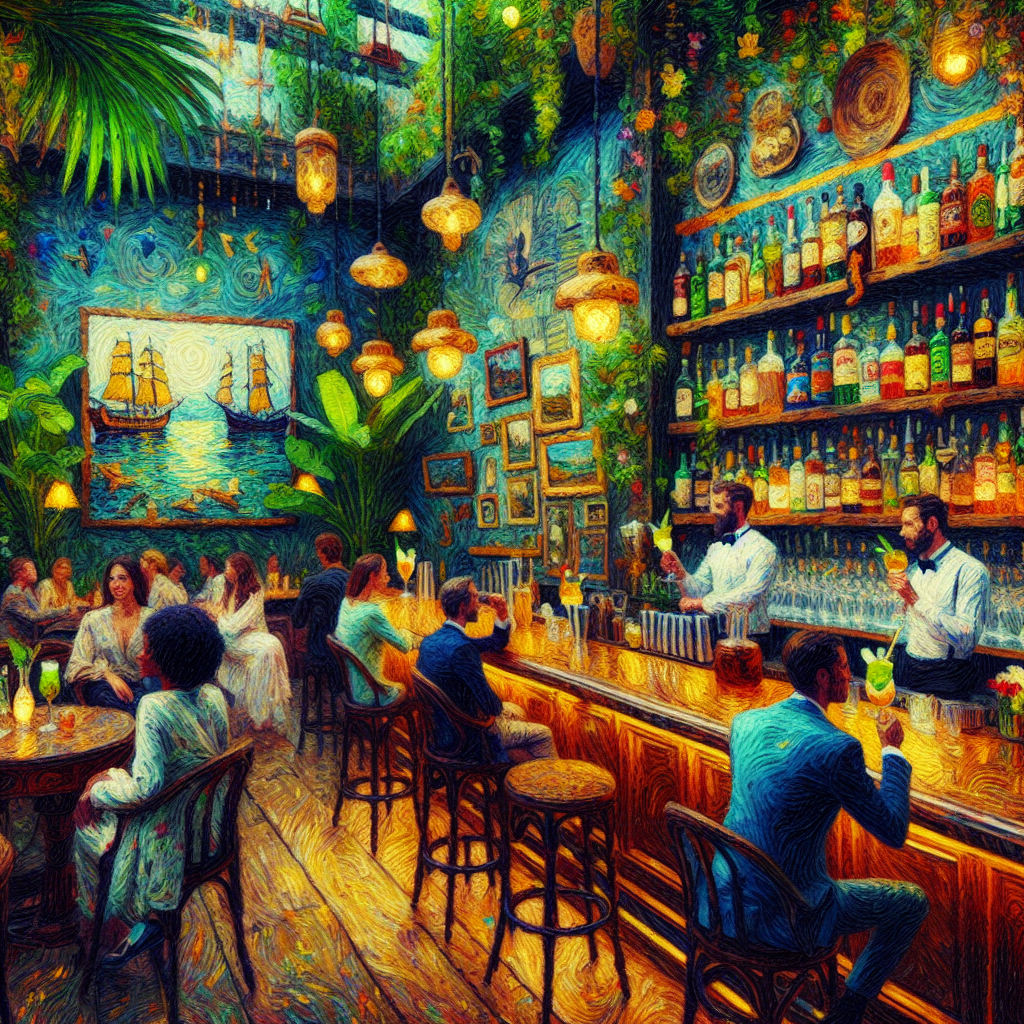
How Did Tourism In The 1970S Transform Local Livelihoods In Cozumel?
How Did Tourism In The 1970S Transform Local Livelihoods In Cozumel?
- Cozumel, located off the coast of Mexico, underwent significant transformation during the 1970s due to the rise of tourism.
- The small island transitioned from a hidden gem to a popular tourist destination, impacting the local community and economy.
- Residents adapted to new opportunities, turning traditional fishing and crafting into thriving businesses for visitors.
- While tourism brought economic benefits, it also raised concerns about preserving the island’s cultural identity.
- Local residents engaged in discussions on balancing progress with the preservation of their heritage and way of life.
- Interactions between tourists and locals fostered cultural exchange, with locals becoming ambassadors of their traditions.
- Cozumel’s experience reflects themes of resilience, adaptability, and the importance of nurturing local legacies amidst change.
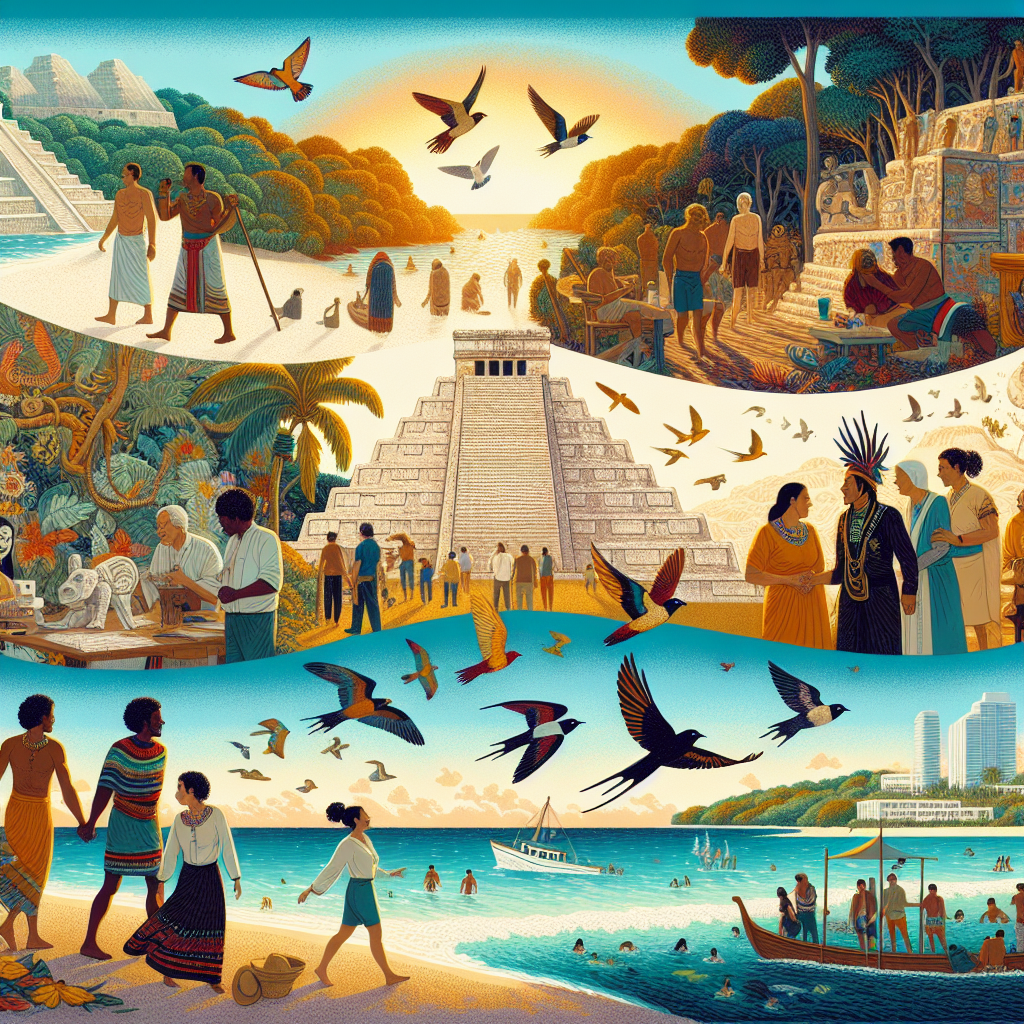
How Did Tourism In The 1970S Transform Local Livelihoods In Cozumel?
How Do The People Of Cozumel Remember The 1970S Today?
In Cozumel, the echoes of the 1970s are more than just a whisper of nostalgia; they resonate through the very soul of the island. For locals, the ’70s were a time of transformation—when the remnants of fishing villages began to transform into the tropical haven we know today. Memories painted with the bright hues of beachside festivals and vibrant markets still linger in the hearts of those who lived through it, recalling a simpler time filled with laughter, community, and innovation.
The stories woven into the fabric of Cozumel tell of resilience and ingenuity. Think of the fishermen who cast their nets not only into the azure waters but also into new opportunities. The establishment of tourism marked a pivot that brought change. It was both a challenge and a blessing, as families navigated this new world of visitors, sharing their customs and traditions while welcoming the influx of diverse cultures. This blend created a modern Cozumel while keeping the spirit of the past alive.
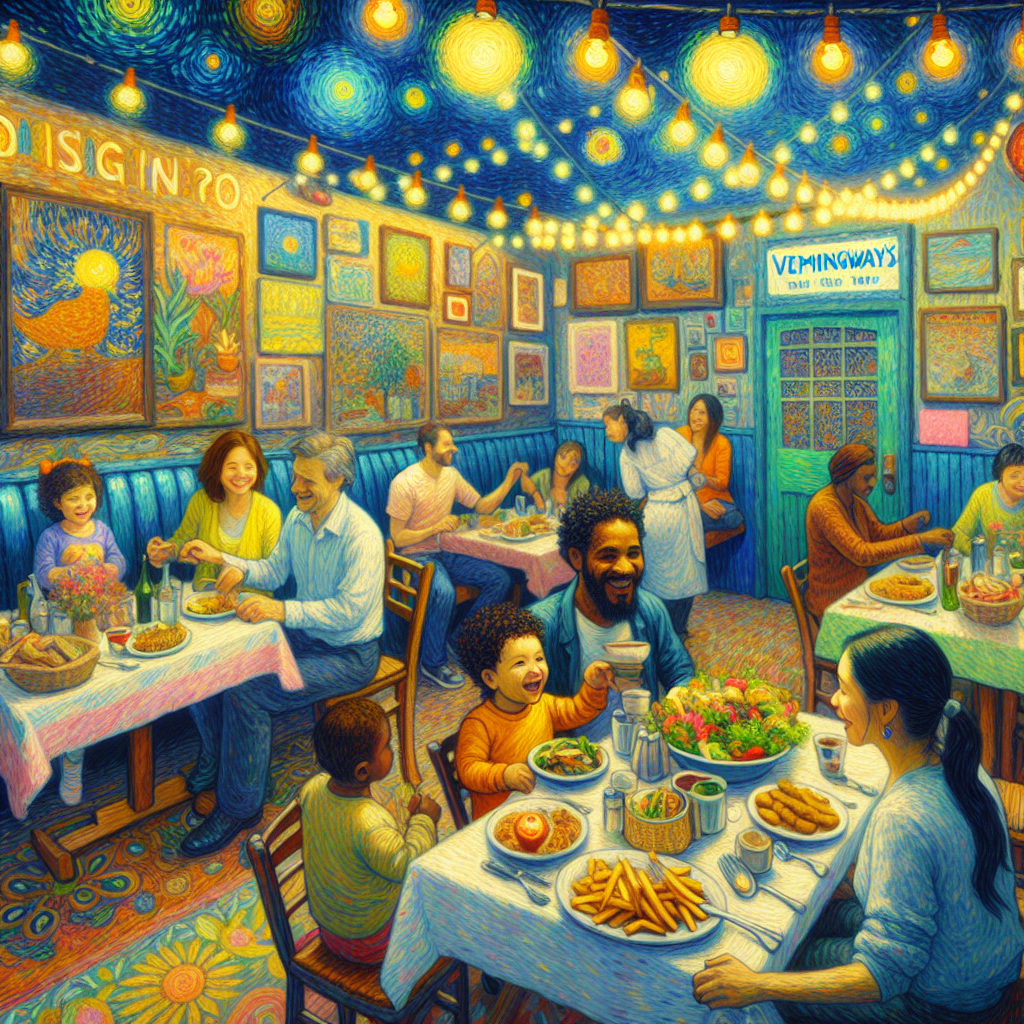
Yet, it’s not just about economic changes; it’s about the heart of the island. Many remember the weekend gatherings, where the sun dipped into the horizon, casting golden rays over the faces of friends and families gathered to enjoy music, dance, and the rich flavors of local cuisine. These celebrations weren’t merely events; they were essential threads that wove community ties stronger than any anchor. The ethos of togetherness, vividly remembered by the residents, serves as an unbreakable bond, echoing the lessons of cooperation and unity.
As we reflect on this transformative decade, we are reminded of the importance of preserving culture. The people of Cozumel embrace their history, ensuring that the lessons learned—of hospitality, hard work, and respect for one another—are passed down to future generations. It serves not only as a preservation of their heritage but as a blueprint for facing modern challenges.
What the people of Cozumel ask of us is simple: to remember. To honor the past while fostering the promise of the future. Whether you visit or simply learn about their journey, you’ll find a common thread—you become part of their narrative. Cozumel isn’t just a destination; it’s a living story that weaves every visitor into its majestic tapestry. Embrace it, understand it, and let it inspire you in your own journey.

How Do The People Of Cozumel Remember The 1970S Today?
How Do The People Of Cozumel Remember The 1970S Today?
- The 1970s in Cozumel marked a significant transformation from fishing villages to a thriving tourist destination.
- Local memories of beachside festivals and vibrant markets reflect a simpler, joyful era filled with community and innovation.
- Cozumel’s history showcases resilience and ingenuity as local fishermen adapted to the tourism boom.
- The establishment of tourism brought both challenges and opportunities, blending local customs with diverse cultures.
- Weekend gatherings celebrated community ties through music, dance, and local cuisine, strengthening bonds among residents.
- Preservation of culture is emphasized, with lessons of hospitality, hard work, and respect being passed down to future generations.
- Cozumel invites everyone to honor its past while embracing the future, inviting visitors to become part of its ongoing narrative.
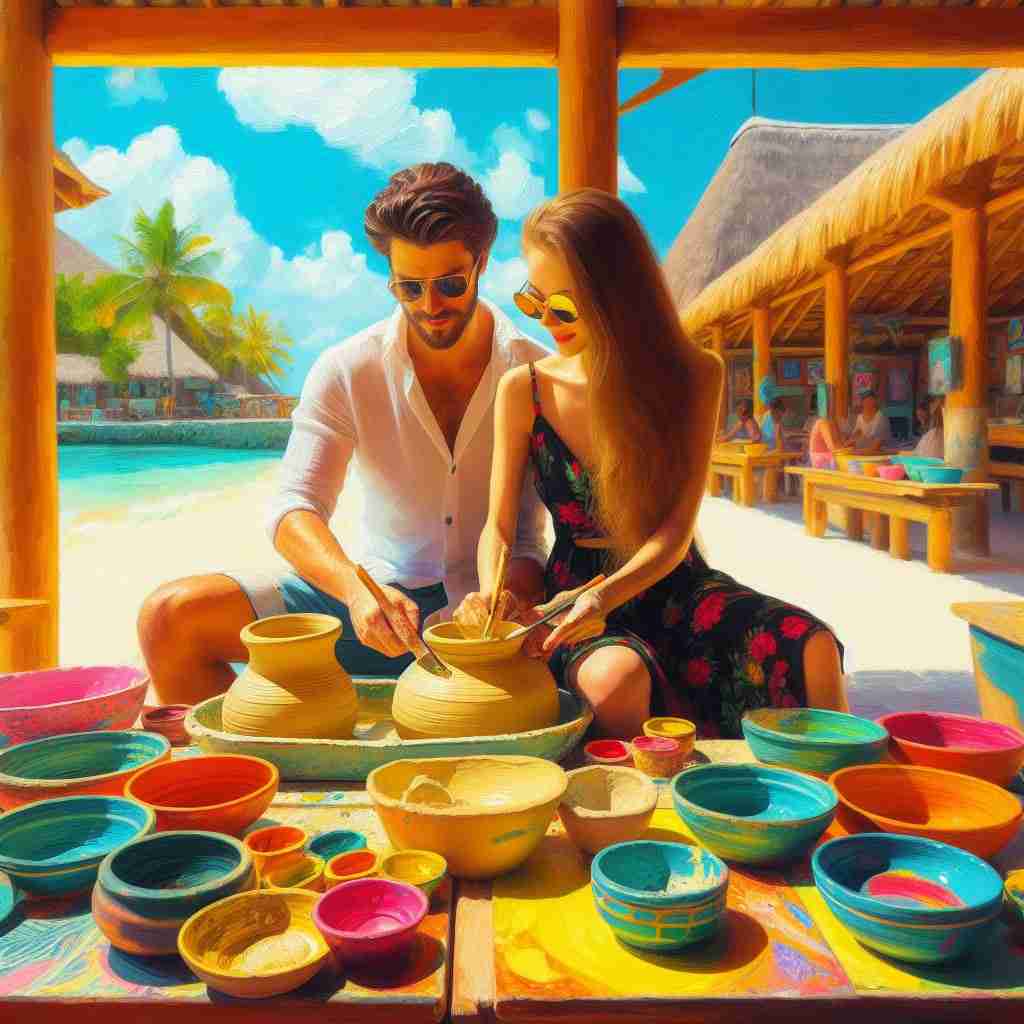
How Do The People Of Cozumel Remember The 1970S Today?
How Did The 1970S Change The Way Locals Viewed Their Island?
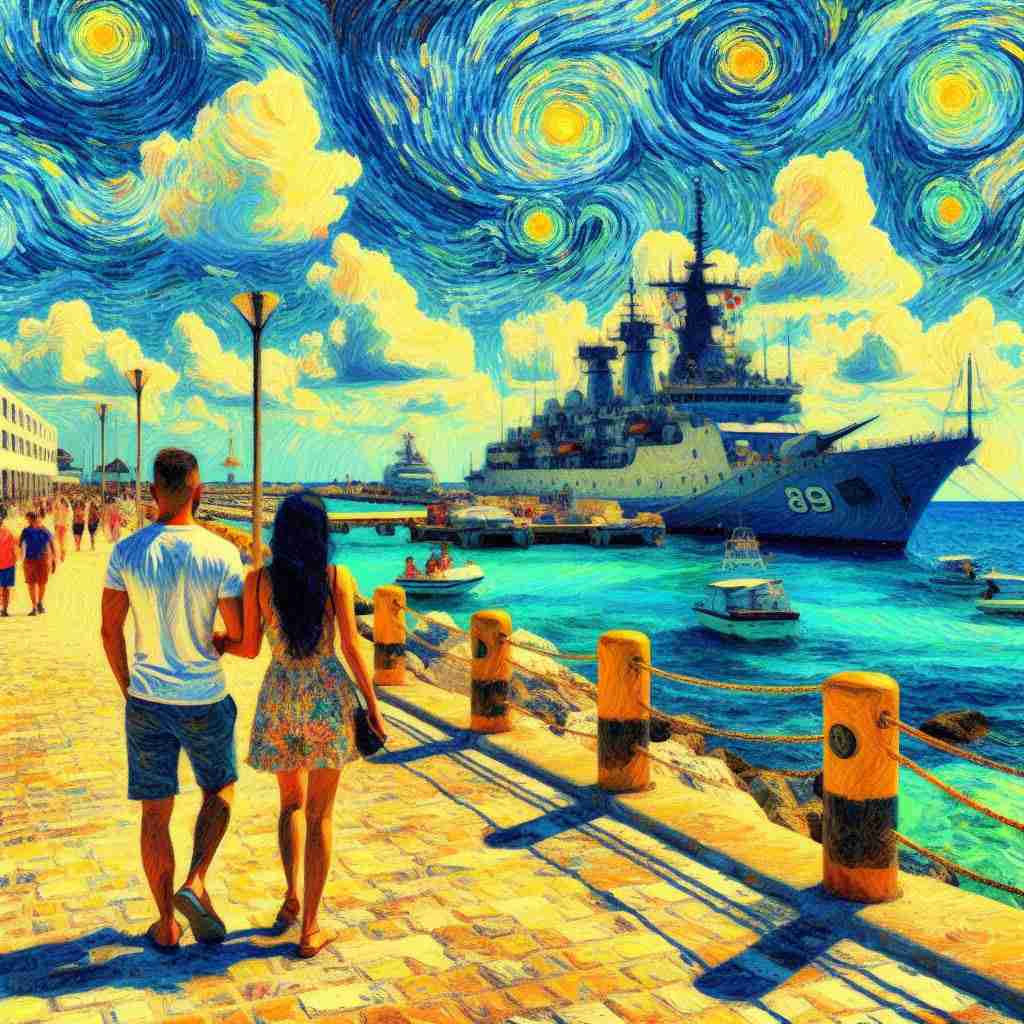
The 1970s were a pivotal decade that reshaped the way the locals viewed their beloved land of Cozumel. Picture this: a tranquil paradise, where the rhythm of life was dictated by the waves lapping against pristine shores, and the air buzzed with the authentic sounds of local markets. But as the world began to change, so did perceptions of this island paradise, sparking a transformation that would tug at both heartstrings and wallets.
For generations, the residents of Cozumel relished their simple way of life, built around community ties, fishing ventures, and a deep respect for the natural environment. Yet, the allure of tourism in the ’70s brought more than just money; it beckoned new perspectives. While some locals welcomed the cash influx, others felt an unsettling pang—that tug of war between preserving their heritage and embracing modernization became a common thread in island conversations. It’s the kind of dilemma that hits you right in the gut; do you fortify the roots of your culture, or do you plant new ones in the fertile soil of opportunity?
The narrative of change wasn’t merely economic; it was deeply personal. Families began to navigate the delicate balance of welcoming visitors and maintaining their traditions. Local artisans found themselves at a crossroads, torn between crafting items steeped in history and producing souvenirs tailored for tourists. Yet, it was through these very struggles that a profound sense of community emerged—an unspoken bond that united residents in the face of change, fostering a collective identity.
Consider the authority of experience. The locals became stewards of their island, recognizing their role as the custodians of Cozumel’s soul. This awareness sparked dialogues about environmental responsibility, forcing them to confront how the arrival of new visitors could impact their precious ecosystems. The ethical appeal was strong; the fight to protect their land—one filled with vibrant coral reefs and ancient traditions—became intertwined with matters of heart, head, and community spirit.
In this shift, Cozumel locals transformed challenges into opportunities. They crafted stories woven with pride, resilience, and an undeniable connection to their land. The island became a symbol of a larger question: how to honor our roots while reaching for the vibrant future that beckons? As waves continue to lap against the shores of Cozumel, each ripple carries the weight of history, the promise of change, and the unwavering heartbeat of a community that knows its worth.
How Did The 1970S Change The Way Locals Viewed Their Island?
How Did The 1970S Change The Way Locals Viewed Their Island?
- The 1970s marked a transformative decade for Cozumel, altering locals’ perceptions of their island paradise.
- Residents enjoyed a communal lifestyle centered on fishing and respect for nature, but tourism introduced new economic dynamics.
- Tourism brought a financial boost, yet it also raised concerns about the preservation of cultural heritage versus modernization.
- Families struggled to balance welcoming tourists with maintaining their traditions, leading to a unique community narrative.
- Local artisans faced the challenge of choosing between traditional crafts and tourist-centered products.
- Awareness of environmental responsibility grew, as locals recognized the impact of tourism on their ecosystems.
- Cozumel became a symbol of the struggle to honor cultural roots while embracing future opportunities for growth.
How Did The 1970S Change The Way Locals Viewed Their Island?
What Role Did Nature Play In Shaping The Life Of Cozumel In The 1970S?
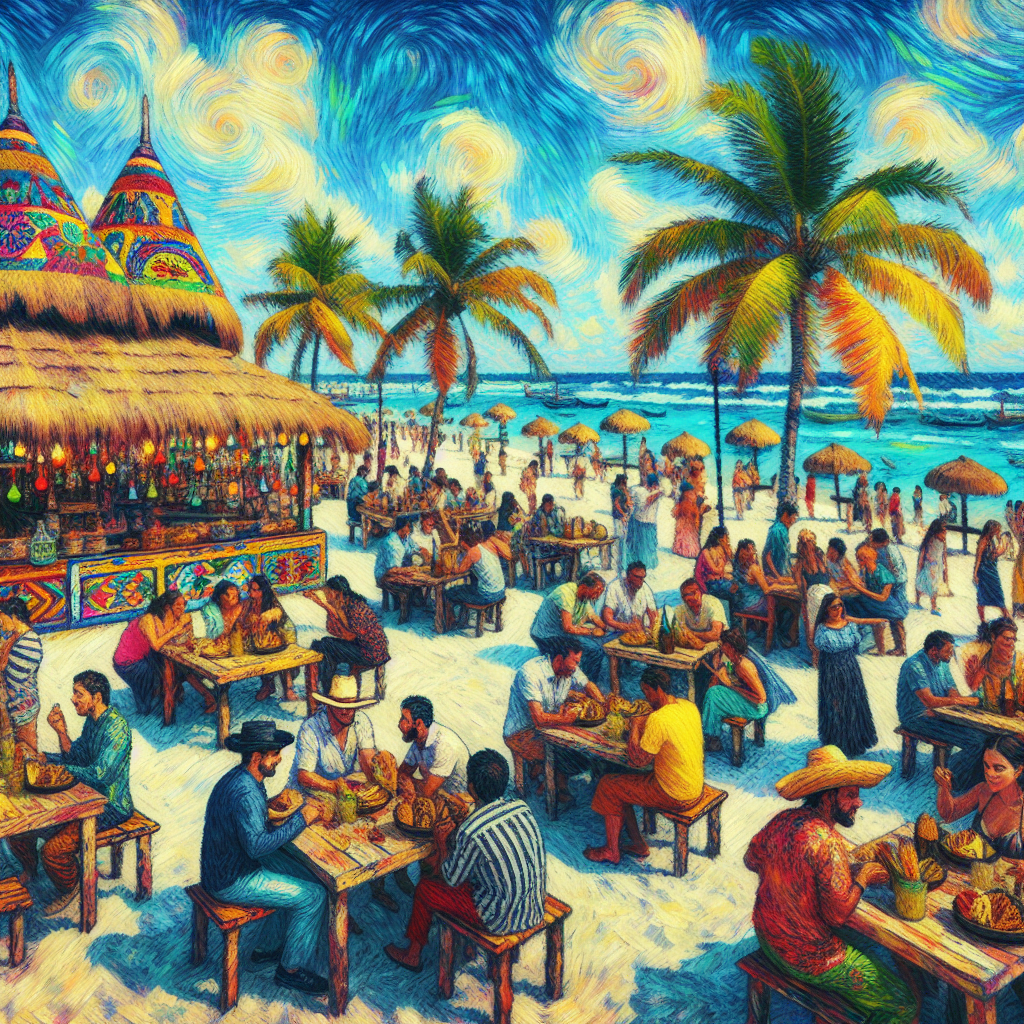
The story of Cozumel in the 1970s is one that demonstrates the profound relationship between nature and humanity, revealing how the two intertwine to shape lives and destinies. Picture a bustling island, its shores caressed by turquoise waves and kissed by the sun, a place where nature isn’t just a backdrop but the very heartbeat of existence. The pristine coral reefs around Cozumel weren’t simply a habitat for marine life; they were lifelines for fishermen whose hands had weathered the waves for generations. Each sunrise heralded the day’s labor, where men and women ventured into the sea, not just to gather the day’s catch, but to fulfill a connection that ran deeper than survival—an ethical commitment to their ancestral ways.
Cozumel’s lush landscapes and vibrant biodiversity played a pivotal role in forging a community steeped in tradition and resilience. The islanders, often seen as the guardians of their environment, understood that their lives were intrinsically linked to the health of the land and sea. This relationship fostered a sense of responsibility, not just to their families but to future generations. Nature served as both mentor and provider, teaching lessons in humility and gratitude.
However, as the world around Cozumel began to change in the 1970s, the invisible threads that bound people to their environment faced new pressures. Tourism emerged as a driving force, promising economic prosperity yet threatening the delicate ecosystems that sustained the islanders. The allure of modernity whispered sweetly in the ears of locals, urging them to embrace change. Yet, there was a palpable tension, a tug-of-war between progress and preservation. As folks gathered in the village square, discussions erupted about what it meant to be stewards of their land, to balance the moneymaking potential of tourism with the necessity of safeguarding their natural wonders.
It’s a universal story—a reminder that in every corner of the globe, nature provides the stage for our triumphs and trials. When we engage with the earth, we aren’t just characters in a story; we become part of an ongoing narrative that extends beyond us. Reflecting on Cozumel in the 1970s encourages us to ask: How do we honor our roots while adapting to a changing world? In every choice we make, it’s essential to consider the larger picture, remembering that the essence of our identity is often interwoven with the vibrancy of nature around us. So, let’s strive to be mindful guardians, like the people of Cozumel, forging a path that respects our rich heritage while embracing the possibilities that lie ahead.

What Role Did Nature Play In Shaping The Life Of Cozumel In The 1970S?
What Role Did Nature Play In Shaping The Life Of Cozumel In The 1970S?
- The 1970s in Cozumel highlighted the deep connection between nature and humanity, shaping life and destiny.
- The island’s coral reefs served as crucial habitats for marine life and livelihoods for fishermen.
- Islanders viewed themselves as guardians of their environment, aware of their legacy to future generations.
- Nature provided lessons in humility and gratitude, emphasizing the importance of responsibility.
- The rise of tourism in the 1970s posed challenges to local ecosystems, creating tension between progress and preservation.
- Community discussions reflected a desire to balance economic benefits from tourism with safeguarding natural resources.
- The narrative encourages mindfulness in decision-making, blending tradition with adaptation to change, much like the islanders of Cozumel.
What Role Did Nature Play In Shaping The Life Of Cozumel In The 1970S?
Conclusion
Cozumel in the 1970s was more than just a beautiful island; it was a microcosm of human experience—where the essence of life was intertwined with the rhythms of nature and the strength of community. Back then, the vibrant backdrop of lush landscapes and inviting beaches was home to a culture deeply connected to the land and sea. The island was alive with fishermen starting their days at dawn, silhouetted against the sky as they cast their nets, sharing profound stories over simple meals with visitors who became instant friends. It was a time when the human spirit shone brightly, unspoiled by the distractions of modernity.
Yet, as tourism began to rise, a new tension emerged—one that highlighted both opportunity and challenge. People faced the dilemma of how to embrace the wealth of change without losing the essence of their identity. The promise of tourism could uplift local livelihoods, transforming humble workshops into flourishing businesses, yet the allure of progress risked eroding the cultural fabric that made Cozumel special. This paradox encouraged residents to engage in meaningful conversations about sustainable practices, charting a path that acknowledged their rich heritage while welcoming the innovations of the future.
Nature played a crucial role in this intricate dance. The coral reefs, once untouched, became the centerpiece of culture and commerce. They drew divers eager to explore the vibrant underwater kingdom, inviting a blend of cultures and stories. The challenge remained: how could the community protect these delicate ecosystems while welcoming visitors? The fishermen, artisans, and locals realized they were not just living on this land; they were its stewards, guardians of a way of life that demanded respect and care.
Reflecting on Cozumel’s past invites each of us to consider our responsibilities towards the places we cherish. The stories woven into the very fabric of Cozumel remind us that every decision we make today can impact tomorrow’s legacy. As we navigate our lives, may we strive to cherish the bonds of community, honor the rhythms of nature, and engage in a deeper understanding of what it means to belong to a shared narrative. Cozumel is not just a destination—it’s a living testament to resilience, connection, and the eternal dance between tradition and transformation. Let’s remember—and honor—the lessons of the past, ensuring that the heartbeat of Cozumel endures for generations to come.

Conclusion
Conclusion:
- Cozumel in the 1970s was a vibrant island reflecting a rich cultural connection to nature and community.
- The island’s beautiful landscapes were home to fishermen who shared stories and meals with visitors.
- With the rise of tourism, a tension emerged between embracing change and preserving cultural identity.
- Tourism offered opportunities to uplift local livelihoods but risked eroding Cozumel’s unique cultural fabric.
- The community began to engage in discussions on sustainable practices to balance heritage and innovation.
- The coral reefs became central to both culture and commerce, attracting divers while posing conservation challenges.
- Cozumel’s past reminds us of our responsibilities to nurture the community and protect the environment for future generations.

Conclusion
Other Resources

Other Resources
Here is a list of other resources you can review online to learn more:
- Blue Angel Resort
- Tulum
- Mayan Bee Sanctuary
- Alberto’s Beach Bar
- Confederation Mondiale des Activites Subaquatiques
- Malecon Cruise Port
- Snorkeling Trip Checklist
- Punta Molas Faro
- Playa Palancar Beach Club
- Del Sur Beach Club
- El Abuelo Gerardo Restaurant
- Yucatek Divers
- Aqua Safari Cozumel
- La Cocina De Silvia
- Capitán Eduardo A. Toledo Airport
- Kondesa Restaurant
- Avis
- Cozumel Trips
- Playa Mia Grand Beach Park
- Caribbean Divers Cozumel
Use This Prompt To Get More Resources With Your Favorite Online AI Tool: Please provide me with a list of online articles with their URLs in a bulleted list that I can read regarding What Did Cozumel Look Like In The 1970S?
Other Resources
Glossary Terms
What Did Cozumel Look Like In The 1970S? – Glossary Of Terms
1. Cozumel: An island in the Caribbean Sea off the eastern coast of Mexico, known for its beaches and coral reefs.
2. Tourism: The industry surrounding travel and vacationing that became a significant aspect of Cozumel’s economy in the 1970s.
3. Development: The process of building infrastructure and amenities that significantly transformed Cozumel during the 1970s.
4. Coral Reefs: Underwater ecosystems composed of coral that attract divers and snorkelers, contributing to Cozumel’s appeal.
5. Mayan Ruins: Historical sites that indicate the island’s indigenous heritage, including remnants from ancient Mayan civilization.
6. Hotels: Accommodations construction increased in the 1970s to cater to rising tourist numbers.
7. Beach Clubs: Establishments offering leisure activities and amenities for beachgoers, becoming popular in Cozumel during this era.
8. Fishing: A traditional industry in Cozumel, which was a primary livelihood for many residents before tourism expanded.
9. Diving: Popular recreational activity that emerged in the 1970s, highlighting the island’s rich marine biodiversity.
10. Infrastructure: The basic physical structures (roads, airports) that were developed to support tourism and connectivity.
11. Culture: The diverse customs and practices of Cozumel’s inhabitants, influenced by both indigenous and Spanish heritage.
12. Local Cuisine: Traditional foods and dishes, such as seafood and Mayan-inspired recipes, that characterize the island’s gastronomy.
13. Economic Boom: The surge in economic activity due to the influx of tourists in the 1970s, leading to significant growth.
14. Transport: The means of travel to and around Cozumel, including ferries and small planes.
15. Artisan Crafts: Handmade goods produced locally, including textiles and pottery, showcasing the island’s culture.
16. Real Estate: Property development which began to rise sharply during the island’s tourism boom in the 1970s.
17. Conservation: Efforts to protect the island’s natural environment and coral reefs that gained importance alongside tourism.
18. Local Markets: Places where vendors sell food, crafts, and souvenirs, reflecting the island’s vibrant community life.
19. Shores: The beaches and coastlines that were popular for relaxation and recreation, drawing visitors to Cozumel.
20. Nightlife: Entertainment options such as bars and clubs that emerged to attract tourists during the evenings.
21. Scuba Diving: A sport that experienced a rise in popularity, with Cozumel becoming a renowned diving destination.
22. Cruise Ships: Vessels that began to include Cozumel as a port of call, increasing visitor numbers and exposure.
23. Local Population: The residents of Cozumel, many of whom adapted to the changes brought by tourism in the 1970s.
24. Wildlife: The diverse animal species found on and around the island, important for ecological and tourism interests.
25. Historical Sites: Locations that reflect the island’s past, including churches and colonial buildings from earlier periods.
26. Environmental Awareness: Growing recognition of the need to preserve natural resources and ecosystems due to tourism impact.
27. Festivals: Cultural events and celebrations that showcase local traditions, contributing to the island’s appeal.
28. Climate: The tropical weather patterns that characterize Cozumel, making it an attractive destination year-round.
29. Transportation: Modes of getting around the island, including rental cars, scooters, and bicycles, popular among tourists.
30. Photography: A popular activity for tourists wanting to capture the island’s scenic landscapes, colorful culture, and wildlife.

Glossary Of Terms
Other Questions
What Did Cozumel Look Like In The 1970S? – Other Questions
If you wish to explore and discover more, consider looking for answers to these questions:
- What specific cultural practices from the 1970s still exist in Cozumel today?
- How did the arrival of tourism in the 1970s impact local traditions and customs?
- What were the primary sources of income for locals before the tourism boom?
- What efforts are currently being made to preserve Cozumel’s natural environment?
- How have the views of local fishermen changed since the 1970s?
- What lessons can be learned from Cozumel’s experience with tourism and development?
- In what ways did Cozumel’s economy rely on fishing before tourism became prevalent?
- What were some of the challenges faced by locals during the transition to a tourist economy?
- How has the perception of the ecological health of Cozumel changed since the 1970s?
- What are the stories or legends from the 1970s that locals often share?
- How do current residents of Cozumel view the changes that tourism has brought to their island?
- What specific sustainability practices are being implemented by local businesses today?
- How have modern developments compared to the initial changes seen in the 1970s?
Other Questions
Haiku
What Did Cozumel Look Like In The 1970S? – A Haiku
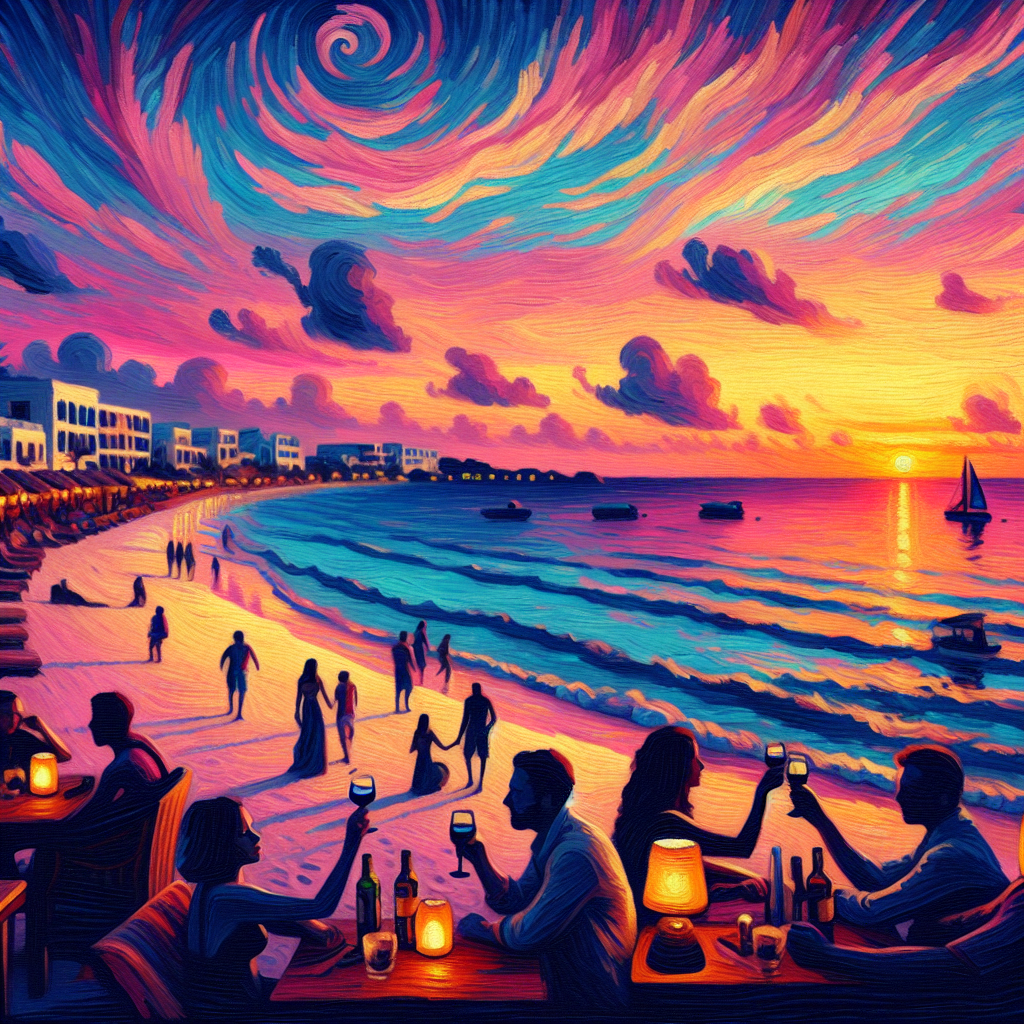
Turquoise waters call,
Echoes of laughter shared warm,
Heritage in waves.
Haiku
Poem
What Did Cozumel Look Like In The 1970S? – A Poem
In the sunlit shores where waves once danced,
Cozumel thrived with a quiet romance,
Seventies whispers of a simpler day,
Where laughter mingled with the ocean’s sway.
Fishermen cast nets at the break of dawn,
And families gathered as dusk met the lawn,
Their modest homes painted in colors so bright,
A tapestry woven, a community’s light.
Tourists ventured, eager for grace,
To share in the warmth of this beautiful place.
Through ceviche shared, kinships took flight,
As sunset’s embrace turned day into night.
Nature’s embrace, both tender and bold,
Told stories of richness, of treasures untold.
Coral reefs flourished, a world beneath waves,
Yet change whispered from the shore to the caves.
With each rising tower, the tension was clear,
A balance between progress and heritage dear.
The call for connection resonated loud,
Echoing hope through both local and crowd.
Yet shadows of loss loomed as commerce grew,
Pollution and change turned the waters askew.
In the heart of the island, a flicker of pain,
A longing to tether what was lost to the gain.
From the past sprang a tale, heartfelt and warm,
Of resilience and spirit, a steadfast norm.
As locals shared stories beneath the bright sky,
They learned to embrace how to honor, not deny.
Now as we wander through vibrant marketplaces,
Embrace the reflections of countless faces.
Let Cozumel’s spirit ignite hearts anew,
For in cherishing heritage, our futures spring true.
Poem
Checklist
What Did Cozumel Look Like In The 1970S? – A Checklist
Cozumel 1970s Reflection Checklist
Emotional Appeals
_____ Recall a time when you felt truly connected to nature. How can you recreate these moments in your life?
_____ Reflect on a community event or gathering that made you feel a sense of belonging. How can you foster this in your own community?
Rational Appeals
_____ Consider the impact of tourism on local economies. What sustainable practices can you adopt while traveling to support local communities?
_____ Research eco-friendly activities that you can engage in when visiting tourist destinations.
Ethical Appeals
_____ Reflect on the importance of preserving cultural heritage while embracing modernity. How can you balance these in your own life?
_____ Think about ways you can contribute to protecting fragile ecosystems when visiting natural destinations.
Authority Appeals
_____ Identify local organizations or leaders dedicated to environmental conservation and cultural preservation. How can you support their work?
_____ Learn about traditional practices and knowledge that local communities hold. How can this insight influence your behavior as a visitor?
Narrative Appeals
_____ Share a personal narrative of a memorable experience you’ve had in a beautiful natural setting. How did it shape your understanding of community and environment?
_____ Write down a story that embodies the spirit of Cozumel’s 1970s charm. What themes of community and nature resonate with you?
Social Appeals
_____ Create opportunities for meaningful connections with people from different cultures. How can you promote cultural exchange in your daily life?
_____ Join or form a community group focused on sustainability endeavors. What initiatives can you undertake to cultivate environmental awareness among peers?
Use this checklist to deepen your understanding of Cozumel’s past and drive meaningful interactions in your present and future.

Checklist
At TopCozumelNews, we help travelers enjoy Cozumel by collating information learned from frequently traveling to beautiful Cozumel.
Be sure to read our other related stories at TopCozumelNews to learn more about the Island of Cozumel.