



Uncovering The Untold Story Of Cozumel’s Pioneers
By Tom Seest
At TopCozumelNews, we help travelers enjoy Cozumel by collating information learned from frequently traveling to beautiful Cozumel.
Be sure to read our other related stories at TopCozumelNews to learn more about the Island of Cozumel.
Who Were The First Settlers Of Cozumel?
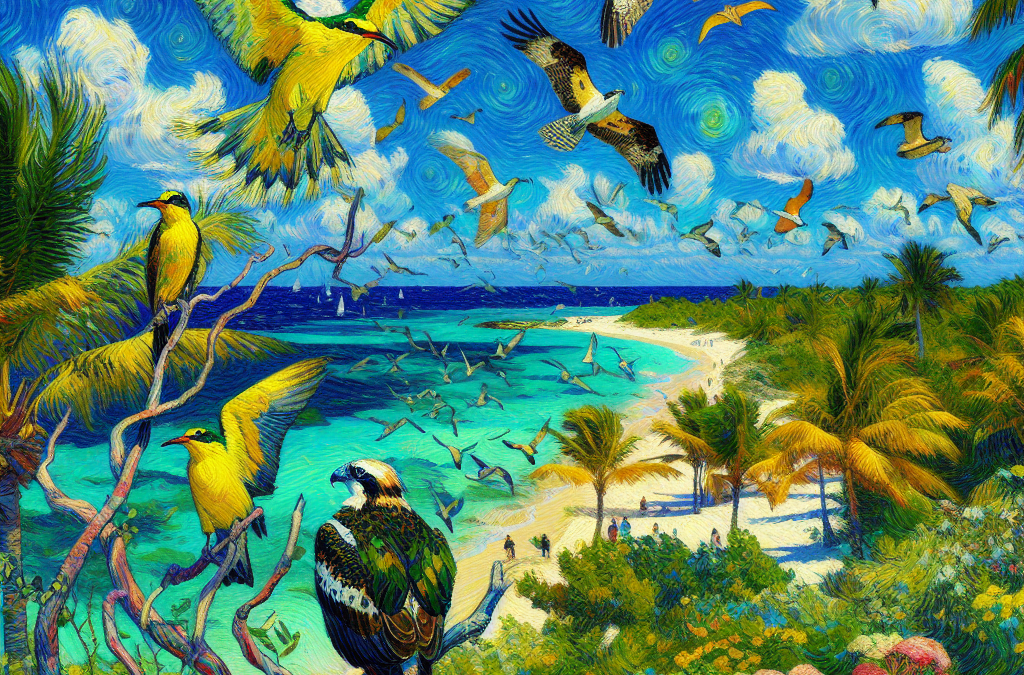
Cozumel, with its turquoise waters and vibrant coral reefs, has long been more than just a vacation destination. It is a tapestry woven from the threads of history and human endeavor. Before sun-seeking tourists arrived to bask in its beauty, the island was home to the ancient Maya, who nestled within its lush landscapes and crystalline shores. Their presence marks the beginning of a profound connection between a people and their land, a bond that still resonates today.
Imagine the Maya navigating the mangroves in their canoes, their lives intricately linked with the rhythms of nature. They were not merely settlers; they were stewards of this stunning slice of paradise. They revered the island as a sacred place, a hub for trade and spirituality. To them, Cozumel was both a haven and a canvas, where they painted their lives with traditions, rituals, and a deep respect for the gods who watched over them. The Maya built temples and created intricate art, leaving behind a legacy that beckons us to understand their story—a story that continues to unfold beneath our feet.
As the sun sets over the Caribbean, casting an ethereal glow on the island, one can’t help but feel a pull toward the ancient past of those first settlers. Their legacy is imprinted in the very essence of Cozumel; it’s in the laughter of children playing in the surf, the elders sharing wisdom under the shade of a palm, and the vibrant fiestas that bring the community together. This isn’t just history; it’s relatable, a reminder that we each have a narrative that shapes our identity.
But it’s not just emotional; it’s rational too. Understanding the Maya culture lays the groundwork for appreciating the ecological and social importance of Cozumel today. Sustainable practices—many of which echo the ancient ways—are vital in protecting this paradise from overexploitation. As modern settlers of this island, we carry the responsibility to honor those who came before us by fostering a culture of preservation and respect.
By engaging with Cozumel’s past, we not only pay tribute to the first settlers but also empower ourselves to make conscious choices that celebrate the island’s rich history and natural beauty. Let’s not just visit; let’s connect, explore, and protect. In doing so, we ensure that the heart of Cozumel continues to beat strongly for generations to come.
Who Were The First Settlers Of Cozumel?
Who Were The First Settlers Of Cozumel?
- Cozumel is more than a vacation spot; it holds a rich tapestry of history and human effort.
- It was originally home to the ancient Maya, who lived in harmony with the island’s landscapes and waters.
- The Maya viewed Cozumel as a sacred place, integral to their trade, spirituality, and rituals.
- They left behind a legacy of temples and art, inviting us to understand their cultural narrative.
- The essence of Cozumel’s history influences the community today, manifesting in social activities and traditions.
- Learning about the Maya culture helps us appreciate Cozumel’s ecological and social significance, emphasizing the need for sustainable practices.
- By engaging with Cozumel’s history, we honor the past and encourage responsible stewardship of the island’s resources for future generations.

Who Were The First Settlers Of Cozumel?
Table Of Contents
- Who Were The First Settlers Of Cozumel?
- What Stories Do The First Settlers Of Cozumel Tell Us?
- What Was The Impact Of The First Settlers On Local Culture?
- What Ethical Responsibilities Do We Have To Preserve Their History?
- What Communal Values Defined The Relationships Among Early Settlers?
- How Can We Honor The Culture Of The First Settlers In Modern Times?
- How Do The Experiences Of Settlers Resonate With Our Own Today?
- What Narratives From The Past Can Inspire Future Generations?
- Conclusion
- Other Resources
- Glossary Of Terms
- Other Questions
- Haiku
- Poem
- Checklist
What Stories Do The First Settlers Of Cozumel Tell Us?
What stories do the first settlers of Cozumel tell us? They offer a rich tapestry woven from the threads of resilience, adaptability, and an unwavering connection to the land. Picture it: a place of sun-drenched shores and azure waves, where sails billowed and dreams took flight. The first settlers arrived, navigating not only treacherous waters but also their own aspirations. Each wave that kissed the sandy beaches carried tales of hunger for adventure and the search for a place to call home.
The heart of Cozumel beats in the stories of its earliest inhabitants, who forged a lived experience from struggle and triumph. Imagine young families, eyes wide with hope as they arrived on this tropical canvas, ready to shape their destinies. Their narrative is a testament to the human spirit—a blend of courage and tenacity, revealing how communities can rise and thrive in harmony with nature. This relationship, a dance of respect and resilience, teaches us about our own interactions with the world around us.
Rationally, we can analyze these settlers’ choices, their decisions influenced by resource availability and environmental challenges. The lessons are profound: stewardship of the land leads to a sustainable future, a lesson that echoes loudly today in a world often driven by short-term benefits. As we gaze toward that sunny horizon, let’s take a cue from these pioneers and build our present with mindful choices for the days to come.
On an ethical level, the stories of Cozumel’s first settlers prompt us to reflect on our shared responsibilities. How do we honor those who came before us? The commitment to preserve their legacy is not merely nostalgic; it’s vital. These stories are not just remnants of the past; they are calls to action, urging us to engage with our communities and protect our beautiful planet, ensuring that future generations inherit the same splendor.
Finally, as we stand on the shores of Cozumel today, we’re not merely tourists—we’re the inheritors of a rich cultural legacy that beckons us to carry the torch forward. So the next time you’re captivated by a sunset over the Caribbean, remember the settlers who gazed upon the same horizon with dreams in their eyes. Their stories invite us to be active participants in a narrative that hopes for resilience, unity, and connection to each other and the world. As we find our place within this enduring tale, let’s make sure it’s one worth passing on.
What Stories Do The First Settlers Of Cozumel Tell Us?
What Stories Do The First Settlers Of Cozumel Tell Us?
- The first settlers of Cozumel embody resilience, adaptability, and a strong connection to the land.
- They navigated treacherous waters and personal aspirations, seeking adventure and a sense of home.
- These early inhabitants created a narrative of struggle and triumph, showcasing the human spirit’s courage and tenacity.
- They emphasize the importance of living in harmony with nature and the lessons of stewardship for a sustainable future.
- Their stories encourage reflection on ethical responsibilities and the commitment to preserve their legacy.
- Today, we are not just tourists but inheritors of a rich cultural legacy that calls us to action and engagement.
- The settlers’ experiences remind us to actively participate in a narrative of resilience, unity, and connection to the world.

What Stories Do The First Settlers Of Cozumel Tell Us?
What Was The Impact Of The First Settlers On Local Culture?
When the first settlers landed in places like Cozumel, it wasn’t just a matter of planting flags and claiming land; it was the beginning of a deeply transformative journey. Imagine the initial awe of encountering lush landscapes, vibrant communities, and rich traditions. These settlers brought with them not only their hopes and dreams but also their own customs, beliefs, and ways of life. As they interacted with indigenous populations, a complex tapestry of culture began to weave itself together—an intricate blend of old and new.
The impact was both profound and multifaceted. For every new tool introduced, every crop cultivated, a knot of cultural exchange tightened. This melding of traditions birthed new languages, food, and art forms, enriching the local populace’s identity. Yet, it wasn’t without its heart-wrenching consequences. The settlers often imposed their values and structures, creating a rift that could never fully heal. Communities found their identities challenged, the very essence of who they were strained under the weight of foreign expectations. The gut-wrenching sadness of loss—the loss of land, heritage, and autonomy—echoes through history like a distant lament.
Think about the ethical implications of those early encounters. Was it progress when one culture subsumed another? Or was it a tragic tale of dominance masked as civility? Our understanding of history is not black and white; it’s painted with shades of gray. As we reflect on those early days, we must acknowledge the legacy of resilience among indigenous communities who endured and adapted, holding onto their stories, even when faced with monumental challenges.
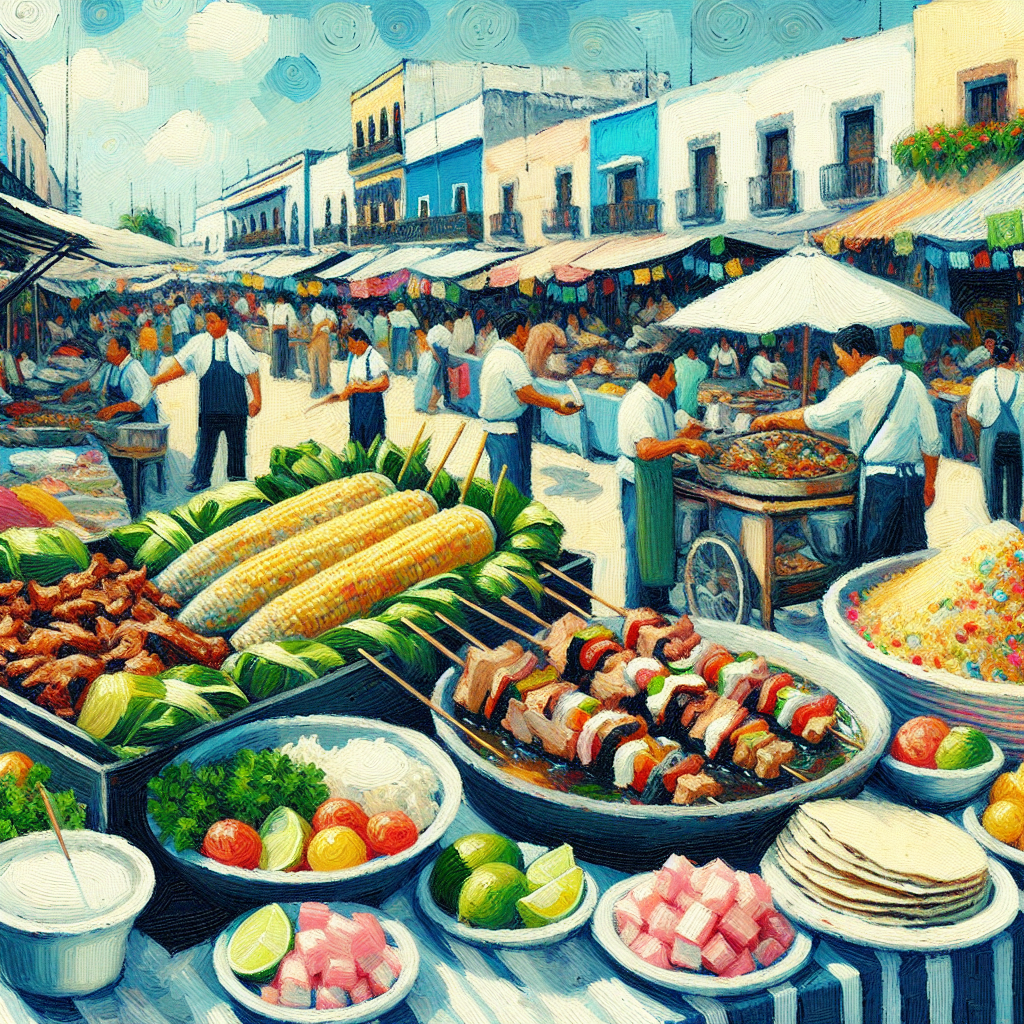
In the heart of Cozumel, you can still see this interplay of cultures today—a local market bustling with vibrant fruits and spices, each telling the tale of its origins. When we walk those sun-soaked streets, we connect not just with the present but with every soul that has shaped this land. This is a reminder that our histories are intertwined, urging us to engage thoughtfully with our neighbors and the legacies they carry.
In considering this history, we’re called to step beyond mere observation. We can learn to appreciate the richness that comes from integration while respecting the distinctiveness of different cultures. Each interaction we have is an opportunity to foster understanding, to share stories, and to build a future that honors the past—an inspiring call to action rooted in our shared humanity.
What Was The Impact Of The First Settlers On Local Culture?
What Was The Impact Of The First Settlers On Local Culture?
- The arrival of the first settlers in Cozumel marked the beginning of a transformative cultural journey.
- Settlers brought their own customs and beliefs, interacting with indigenous populations to create a complex cultural tapestry.
- This cultural exchange resulted in new languages, food, and art forms, enhancing local identities.
- However, the settlers imposed values that challenged indigenous identities, causing loss of land, heritage, and autonomy.
- The ethical implications of these encounters raise questions about dominance versus civility in cultural interactions.
- Today, Cozumel reflects this cultural interplay, with local markets showcasing vibrant fruits and spices tied to historical narratives.
- Understanding this history encourages respectful engagement and the appreciation of diverse cultures, fostering a shared human connection.

What Was The Impact Of The First Settlers On Local Culture?
What Ethical Responsibilities Do We Have To Preserve Their History?
History is more than just a collection of dates and events; it’s a living tapestry woven from the threads of countless individuals’ experiences. When we turn our gaze to places like Cozumel, we don’t merely observe a picturesque island; we encounter a rich narrative filled with the aspirations, struggles, and triumphs of its people. Each corner of this vibrant locale whispers stories that deserve to be told, heard, and cherished.
Ethical responsibilities beckon us to consider what happens when these stories are neglected. Imagine a world where the hues of culture fade into obscurity, where the lessons learned from the past are lost along with their significance. It’s not just an academic failure; it’s a profound loss that impacts us all. A wise soul once said that those who cannot remember the past are condemned to repeat it. This tenet underscores our obligation to preserve history, not just for those who came before us, but also for the generations that will come after.
From a rational standpoint, maintaining a connection to our history fosters a sense of belonging and identity. It allows communities to thrive, to understand their roots, and to build upon the foundation laid by their ancestors. By engaging with the past, we learn resilience, celebrating victories and grappling with failures. It’s a gut check – it prompts us to ask: Who are we without our past? What would our world look like if we cast aside the stories and lessons embedded in our heritage?
Ethically, the preservation of history honors those who lived it. It’s about giving voice to the voiceless, ensuring their contributions and sacrifices are remembered, not merely as footnotes, but as integral chapters in the broader human saga.
Moreover, history serves as an authority on myriad social issues we face today. It teaches compassion, empathy, and understanding—qualities desperately needed in our increasingly fragmented society. By amplifying diverse narratives, we cultivate connections that bridge gaps, igniting conversations that matter.
As we ponder our role in this endeavor, let’s not shy away from the responsibility. Collectively, we have the power to nurture, protect, and celebrate the stories that shape us. As we walk the shores of Cozumel or peruse our own backyards, let’s commit not just to witness the history around us, but to safeguard it with intention and urgency. The echoes of the past are waiting. Will we listen?
What Ethical Responsibilities Do We Have To Preserve Their History?
What Ethical Responsibilities Do We Have To Preserve Their History?
- History is a living tapestry woven from individuals’ experiences, not just a collection of dates and events.
- Cozumel represents a rich narrative filled with the aspirations, struggles, and triumphs of its people.
- Neglecting these stories leads to cultural obscurity and a loss of important lessons from the past.
- Preserving history is essential for future generations; forgetting the past can lead to its repetition.
- Maintaining a connection to history fosters belonging and identity within communities.
- The preservation of history honors those who lived it, ensuring their contributions are remembered.
- History serves as an authority on social issues, teaching compassion and understanding in a fragmented society.

What Ethical Responsibilities Do We Have To Preserve Their History?
What Communal Values Defined The Relationships Among Early Settlers?
In the sweltering summer of 1623, a group of early settlers stood on the shores of an untamed landscape, their faces weathered but hopeful, like pages torn from a storybook yet to be written. They arrived on these shores, each carrying their own dreams and burdens but unified by a set of communal values that transformed strangers into family. As they cracked open the harsh realities of frontier life, these settlers discovered that their survival depended not merely on land, crops, or the elusive promise of riches, but on the relationships they forged with one another.
At the heart of their interactions was a profound respect for cooperation. Trust grew from shared labors: raising barns, tending to fields that stretched out like an unbroken promise, and nurturing a burgeoning community. When illness swept through, it wasn’t the strongest who prevailed but those who prioritized the collective over the individual. Imagine a pioneer, worn down by fever, being taken care of not just out of duty but out of an inherent understanding that their survival was inextricably linked to the well-being of their neighbor. This ethos of mutual aid fostered a kinship that would form the backbone of settlements.
And then there’s the undeniable strength found in storytelling. Through gathering around fires at night, they exchanged tales of triumph, struggle, and hope. Stories from places like Cozumel became threads that wove their shared identity, crafting a tapestry of heritage that transcended borders. They learned from each other’s mistakes and celebrated victories as one. Striking a balance between caution and boldness, they navigated their new world, drawing both intellectual lessons and emotional connections, showcasing how ideas were as vital to their prosperity as any physical resource.
Ethical considerations reverberated deeply in their decision-making, as their actions reflected a commitment to fairness and integrity. They understood that their morality—rooted in faith, love, and shared humanity—would ultimately define their community. With every challenge faced together, be it scarce food or bountiful harvests, their values crystallized into a collective identity that was resilient, adaptable, and strikingly human.
In today’s relentless pace, it’s easy to lose sight of that intimate connection. Yet, the legacy of these early settlers reminds us that societal strength springs from the relationships we cultivate. Embracing cooperation, shared narratives, and ethical commitments can transform our own lives and communities, inviting the spirit of those resilient pioneers into the present. So let’s dare to foster those values and cling to the belief that together, we can build a brighter future.
What Communal Values Defined The Relationships Among Early Settlers?
What Communal Values Defined The Relationships Among Early Settlers?
- In 1623, early settlers faced the harsh realities of frontier life while holding onto their dreams and communal values.
- Survival was rooted in the relationships they forged, emphasizing cooperation and mutual aid over individualism.
- Trust was built through shared labor, such as raising barns and tending to crops, strengthening community bonds.
- Illness highlighted the importance of collective support, where neighbors prioritized each other’s well-being for survival.
- Storytelling around fires created a shared identity, weaving together experiences and lessons learned from different backgrounds.
- The settlers’ ethical considerations were vital, reflecting a commitment to fairness, integrity, and shared humanity.
- The legacy of these pioneers teaches us the importance of cultivating relationships to build stronger communities today.

What Communal Values Defined The Relationships Among Early Settlers?
How Can We Honor The Culture Of The First Settlers In Modern Times?
To honor the culture of the First Settlers in modern times, we must first understand that their narratives are not merely relics of the past but vital threads in the tapestry of our shared identity. Picture this: a small gathering around a flickering campfire, the scent of cedar wafting through the air, as elders recount tales of resilience and ingenuity. These are not just stories; they are blueprints for cooperation and sustainability that resonate today, especially amidst the clamor of our modern existence.
Imagine standing on the shores of Cozumel, where the turquoise waters meet the ancient landscapes, reflecting a legacy rich in wisdom and respect for nature. We can honor this heritage by embracing principles that illuminate the path forward: taking the lessons of the past and marrying them to the opportunities of the present. This isn’t just about preserving traditions—it’s about integrating them into our daily lives in ways that foster a deeper connection with the land and each other.
Engaging with First Settler culture through storytelling—whether through literature, reenactments, or community events—serves as a bridge across generations, allowing us to foster empathy and understanding. Allowing space for these narratives in our schools and public forums cultivates not only knowledge but respect, igniting in us both a thirst for identity and a duty to uphold it.
Ethically speaking, honoring these cultures implies a commitment to respect and preservation. This can mean supporting indigenous-led initiatives or seeking out products that reflect the authentic spirit of the First Settlers. By choosing to align our consumer habits with these values, we assert our role as informed participants in a broader community striving for sustainability.
The heart of this endeavor is community. As we gather to participate in culturally enriching events, like traditional crafts or harvest festivals, we build relationships, weave new narratives, and, importantly, share a collective experience that bolsters our social fabric.
In adopting platforms where First Settler voices are amplified, we not only honor their past but fortify our commitment to a future where diversity is celebrated. It’s about taking action—no matter how small—that resonates within our guts, igniting the fire to connect, protect, and honor a culture that offers pivotal lessons for today. By fostering these connections, we honor not just the First Settlers but every one of us seeking a meaningful place in our shared story.
How Can We Honor The Culture Of The First Settlers In Modern Times?
How Can We Honor The Culture Of The First Settlers In Modern Times?
- First Settler narratives are essential to our shared identity, not just historical artifacts.
- Stories of resilience and ingenuity provide modern blueprints for cooperation and sustainability.
- Embracing First Settler principles fosters deeper connections with the land and our communities.
- Storytelling through literature and community events serves as a bridge across generations.
- Supporting indigenous-led initiatives and ethical consumerism reinforces a commitment to preservation.
- Culturally enriching events help build relationships and weave new narratives in our communities.
- Amplifying First Settler voices strengthens our collective commitment to diversity and shared values.

How Can We Honor The Culture Of The First Settlers In Modern Times?
How Do The Experiences Of Settlers Resonate With Our Own Today?
When we think about the settlers who ventured into the unknown, a powerful connection emerges with our own lives today. Their experiences were marked by risk, resilience, and an unwavering desire to forge a better future, all sentiments that resonate deeply within us. Imagine for a moment standing on the edge of uncharted territory, just like those settlers, gazing towards a horizon filled with promise and uncertainty. That hope mirrors our own pursuits—a new job, a fresh start, or an opportunity to reinvent ourselves.
The settlers faced countless challenges: harsh weather, unfamiliar terrain, the constant struggle for survival. Each obstacle was a test of their courage and adaptability, qualities that hold as much weight in our lives today. Whether we’re navigating the complexities of modern life or battling our own personal storms, we share that same spirit of determination. It’s a testament to human resilience. The trials they endured are akin to our daily struggles, and through their stories, we find a sliver of inspiration igniting our own ambitions.
Ethically, we must reflect on the lessons learned from the past. Settlers often formed communities, relying on each other for support and encouragement. In today’s fast-paced world where alienation can be just a click away, there’s wisdom in that connection. We thrive not in isolation but in collaboration, echoing the very fabric of communities that have always moved forward together. When we reach out to our neighbors, when we lend a hand or ask for help, we’re not just building a network; we’re building a legacy.
Consider the settlers who ventured out to areas like Cozumel, seeking not just land but a slice of the American dream. Their stories remind us that every choice leads us somewhere, whether that’s triumph or learning through failure. Their narrative invites us to harness our own stories, to reflect on the risks we take, and to understand that every struggle is an opportunity for growth.
So, the next time you feel overwhelmed by your circumstances, remember the settlers and their journey into the unknown. Embrace that connection, channel the courage they exhibited, and step boldly into your own life’s adventure. After all, everything we aspire to achieve is worth the risk.

How Do The Experiences Of Settlers Resonate With Our Own Today?
How Do The Experiences Of Settlers Resonate With Our Own Today?
- The settlers’ journeys resonate with our contemporary experiences, showcasing themes of risk and resilience.
- They faced numerous challenges, mirroring the struggles we encounter in modern life.
- Each obstacle the settlers overcame exemplifies courage and adaptability, qualities we need today.
- Past trials faced by settlers inspire our own ambitions and drive for a better future.
- Settlers formed supportive communities, a lesson for us in a world increasingly marked by isolation.
- Every choice made by settlers reflects the importance of both triumph and lessons learned through failure.
- Embracing the spirit of the settlers encourages us to confront our challenges and take bold steps in our lives.

How Do The Experiences Of Settlers Resonate With Our Own Today?
What Narratives From The Past Can Inspire Future Generations?
When we look back at the stories that have shaped our world, we find treasure troves of inspiration waiting to be unearthed. These narratives not only carry the weight of history but also offer us a compass for navigating the complexities of our future. One such tale comes from a humble fishing village on the shores of Cozumel, where local fishermen faced the daunting challenge of overfishing threatening their livelihoods. Instead of throwing in the towel, they banded together, creating sustainable practices that transformed their community. This act of collaboration and innovation wasn’t just about saving fish; it was a powerful reminder of what can happen when people come together for the greater good.
The ethos of community and responsibility displayed by those fishermen resonates deeply with us today. It teaches us that tackling our own challenges, whether they be environmental issues, societal division, or economic uncertainty, often begins at the grassroots level. Each of us has a role to play, and the collective power of our small actions can catalyze significant change. This is not mere rhetoric; it’s a blueprint for action. When we think about our impact, we must remember the fishermen of Cozumel, who turned adversity into a narrative of resilience.
Let’s shift gears and consider how these stories connect us—not just to our past but to each other. The fishermen’s tale reverberates with the truth that we all face trials and tests; it’s part of the human experience. In sharing our narratives, we foster an environment that is inclusive, encouraging others to voice their own stories of struggle and triumph. Each narrative builds a safety network of empathy and support, creating strong bonds that can withstand life’s storms.
Moreover, it’s essential to recognize that these narratives serve as moral compasses, guiding us toward ethical choices in everything we do. The fishermen didn’t just save their industry; they illustrated the importance of stewardship over exploitation, of community over competition. It’s a reminder that what is good for the whole often results in greater wellbeing for the individual.
So, as you ponder the challenges ahead, remember the lesson from Cozumel—not just to survive, but to thrive. Let these stories anchor you, inspire you, and propel you into action, knowing the future can be molded by the wisdom of narratives from those who’ve walked this earth before us. Your voice, your actions—they matter, and together, we can craft a narrative that future generations will cherish.

What Narratives From The Past Can Inspire Future Generations?
What Narratives From The Past Can Inspire Future Generations?
- Historical narratives hold inspiration and guidance for the future.
- The fishermen of Cozumel faced overfishing but chose collaboration and sustainable practices.
- Community and responsibility are crucial in addressing environmental, societal, and economic challenges.
- Grassroots actions can lead to significant change and resilience.
- Sharing stories fosters inclusivity and builds empathy and support among individuals.
- Narratives serve as moral compasses, emphasizing stewardship over exploitation.
- Embrace the lessons from Cozumel to thrive and inspire future generations through collective action.

What Narratives From The Past Can Inspire Future Generations?
Conclusion
Cozumel is more than a sun-soaked paradise; it’s a sanctuary steeped in history, brimming with stories of resilience and community. The first settlers, the ancient Maya, forged a bond with this land that transcends mere habitation. They were not just occupants but stewards, living harmoniously with the lush landscapes and vibrant waters, shaping a culture rich in respect for nature and spirit. They constructed temples and created intricate art, leaving a legacy unmistakably imprinted on the island’s very essence. As contemporary inhabitants or visitors of Cozumel, we hold a profound responsibility—not just to marvel at its beauty but to engage thoughtfully with its past.
The struggles and triumphs of these early settlers echo in our own lives. They traveled uncharted territories, driven by hope and a thirst for a better life, navigating challenges much like we do today. Their stories remind us of the inherent resilience within each of us—the courage to forge on despite the trials we face. In recognizing this shared human experience, we not only pay homage to those before us but find inspiration in their narratives that can inform our path forward.
It’s also crucial to reflect on the ethical implications of how their legacies are honored. Ignoring the historical context and neglecting to preserve these stories risks erasing valuable lessons about community and sustainability. As we confront contemporary challenges—environmental crises, social fragmentation—embracing the wisdom of the past can serve as a guide. The Maya’s sustainable practices, for example, provide a blueprint for modern conservation efforts, urging us to consider our relationship with the land and each other.
Honoring the culture of those first settlers mandates action; it’s about integrating their values into our lives. This can manifest in simple yet meaningful ways—through storytelling, supporting indigenous initiatives, and participating in local traditions. Each effort strengthens the social fabric, fostering a collective identity that continues to thrive.
As we gaze upon the island’s crystal-clear waters, let us commit to more than just appreciation. Let’s immerse ourselves in the rich tapestry of Cozumel’s history, ensuring that the heart of the island beats on, vibrant and strong, for future generations to explore, appreciate, and learn from. The legacy of the first settlers is alive in all of us; let’s honor it with every conscious choice we make today.

Conclusion
Conclusion:
- Cozumel is a sanctuary with a rich historical legacy, shaped by the ancient Maya.
- The Maya were stewards of the land, creating a culture centered on respect for nature and spirit.
- Contemporary visitors and inhabitants have a responsibility to engage with Cozumel’s past meaningfully.
- The resilience of early settlers mirrors modern struggles, offering inspiration for overcoming challenges.
- Preserving historical narratives is critical to learning valuable lessons about community and sustainability.
- Honoring the culture of the Maya involves integrating their values into modern life through storytelling and support of indigenous initiatives.
- Committing to Cozumel’s history helps ensure the island’s legacy remains vibrant for future generations.
Conclusion
Other Resources

Other Resources
Here is a list of other resources you can review online to learn more:
- La Ruta de las Iglesias
- Jeanie’s Cozumel
- Dzul-Ha Reef
- Coral Reefs
- Cozumel Beaches
- Villa Deja Blue
- Cozumel Amazing Tours
- Capitán Eduardo A. Toledo Airport
- Cozumel Tours
- Ironman
- Cozumel Jeep
- Playa Mia Grand Beach Park
- El Postrecito Cozumel
- CDC
- The Cheesecake Factory
Use This Prompt To Get More Resources With Your Favorite Online AI Tool: Please provide me with a list of online articles with their URLs in a bulleted list that I can read regarding Who Were The First Settlers Of Cozumel?
Other Resources
Glossary Terms
Who Were The First Settlers Of Cozumel? – Glossary Of Terms
1. Cozumel: An island off the eastern coast of Mexico’s Yucatan Peninsula, known for its rich history and natural beauty.
2. Maya: An ancient civilization known for advanced writing, mathematics, and architecture that inhabited parts of Mexico, including Cozumel.
3. Ix Chel: The Mayan goddess of fertility, medicine, and the moon; she was venerated on Cozumel and linked to the island’s early settlers.
4. Pre-Columbian: Referring to the period before European contact, important for understanding the indigenous cultures of Cozumel.
5. Ichabod: A term referring to a scenario or event related to the first settlements or cultural practices observed in Cozumel.
6. Trade Routes: Paths established for the exchange of goods; Mayans used these to connect Cozumel with the mainland.
7. Cacao: The bean used to produce chocolate, highly valued by the Maya and often used as currency.
8. Ceremonial Centers: Sites constructed for religious and cultural rituals; significant ones existed on Cozumel for the Maya.
9. Archaeology: The scientific study of human history through excavation and analysis of artifacts; essential for uncovering Cozumel’s past.
10. Artifacts: Objects made or used by humans, found in archaeological digs on Cozumel, providing insight into early settlements.
11. Polychrome Pottery: Colorfully painted ceramics that were significant in Maya culture and found extensively on Cozumel.
12. Sacred Sites: Locations considered holy by indigenous peoples; numerous sacred sites on Cozumel were dedicated to various deities.
13. Spanish Conquest: The period during which Spanish explorers and conquerors invaded and colonized indigenous territories, including Cozumel.
14. Colonization: The process of establishing control over indigenous lands and peoples, which began in Cozumel in the early 16th century.
15. Taino: An indigenous group from the Caribbean that interacted with early settlers in the region.
16. Cozumel Chronicle: Historical records documenting the encounters and changes brought by early settlers and explorers.
17. Ecosystem: A biological community of interacting organisms and their physical environment; Cozumel’s ecology influenced early settlement patterns.
18. Cultural Exchange: The process of cultural ideas and practices sharing among the indigenous people and later settlers.
19. Hieroglyphics: The writing system developed by the Maya, which used symbols and was an important part of their communication and records.
20. Maya Calendar: A complex system of timekeeping that guided agricultural and ceremonial practices among the Maya.
21. Settlements: Habitations established by early inhabitants; Cozumel had several key settlements during the Maya era.
22. Divination: The practice of seeking knowledge of the future or the unknown; performed by the Maya as part of their spiritual practices.
23. Hacienda: Large estates or plantations that became prominent during colonial times; their establishment altered Cozumel’s economy.
24. Exploration: The act of traveling through an unknown region to learn about it; early explorers documented the cultures of Cozumel.
25. Mesoamerica: A historical region where ancient civilizations such as the Maya thrived, influencing the culture of Cozumel.
26. Linguistics: The study of language and its structure; understanding Maya languages offers insight into the culture of Cozumel’s early inhabitants.
27. Colonial Era: The period during which European powers established colonies in the Americas, impacting the indigenous peoples of Cozumel.
28. Religious Practices: The spiritual traditions and rituals observed by the Maya, including offerings to deities like Ix Chel on Cozumel.
29. Indigenous Peoples: The original inhabitants of a region; in Cozumel, this refers to the Maya and their descendants.
30. Cultural Heritage: The legacy of physical artifacts and intangible attributes of a group; Cozumel’s cultural heritage is shaped by both its early settlers and later influences.
Glossary Of Terms
Other Questions
Who Were The First Settlers Of Cozumel? – Other Questions
If you wish to explore and discover more, consider looking for answers to these questions:
- What geographical features influenced the settlement patterns of the Maya in Cozumel?
- How did the arrival of European settlers change the existing indigenous cultures in Cozumel?
- What specific sustainable practices did the ancient Maya implement in their daily lives?
- How can modern technology aid in the preservation of Cozumel’s historical narratives?
- What role do festivals and cultural celebrations play in honoring the legacy of the first settlers?
- Are there contemporary communities in Cozumel that identify as descendants of the first settlers?
- What ethical debates surround the tourism industry in relation to indigenous culture in Cozumel?
- How can education systems incorporate the histories of indigenous peoples into their curricula?
- What measures are being taken to protect Cozumel’s coral reefs and marine ecosystems?
- What parallels exist between the experiences of the first settlers and today’s challenges in migration and displacement?

Other Questions
Haiku
Who Were The First Settlers Of Cozumel? – A Haiku
Shadows of the past,
Maya hearts beat with the waves—
Land and stories shaped.
Haiku
Poem
Who Were The First Settlers Of Cozumel? – A Poem
On sun-kissed shores where the turquoise gleams,
Lies a tale of old, woven through dreams.
The Maya thrived, in harmony, they danced,
With nature’s heart, in reverence, they pranced.
Tools of survival, each lesson profound,
In sacred rituals, their spirits abound.
Not mere settlers, but stewards of grace,
They etched love for the land in each sacred space.
Through stories of struggle that ripple through time,
We find our own echoes, in rhythm, in rhyme.
Their courage calls out, a voice to embrace—
In the face of the unknown, we too seek our place.
But history’s canvas isn’t void of pain;
Communities fractured, yet resilience remains.
In shared narratives, the bonds that we forge,
A tapestry rich, where new life can emerge.
What ethical duty, weaves through our heart?
To honor their legacy, play our own part.
With choices that echo their wisdom anew,
In protection, in unity, we bravely pursue.
Let the dances of Cozumel wise and bold,
Guide us through storms that the future may hold.
Together we rise, in the light of their lore,
For in their stories, our spirits can soar.
So gather like settlers ‘round fires aglow,
In community’s warmth, let gratitude flow.
For every challenge, a lesson awaits,
In the heartbeat of culture, we shape our own fates.
Embrace all that’s sacred, let history sing,
Through the threads of the past, let our conscience take wing.
With heart, head, and gut, let us honor the ties,
That bind us to those who beheld the same skies.

Poem
Checklist
Who Were The First Settlers Of Cozumel? – A Checklist
Cozumel Settlers Inspiration Checklist
Emotional Connections
_____ Reflect on the resilience of the Maya and early settlers and their bond with the land.
_____ Share personal stories that resonate with the themes of struggle and triumph.
_____ Engage in community storytelling events to foster connections through shared experiences.
_____ Create art or music inspired by the narratives of Cozumel’s first settlers.
Rational Understanding
_____ Research sustainable practices that echo ancient methods for land stewardship.
_____ Analyze how the settlement of Cozumel reshaped local culture and identity.
_____ Consider your choices—how do they contribute to the preservation of local heritage?
_____ Educate yourself on the ecological significance of Cozumel’s landscape.
Ethical Responsibilities
_____ Support indigenous-led initiatives and businesses that honor local culture.
_____ Participate in community cleanups and conservation efforts protecting the heritage of Cozumel.
_____ Advocate for responsible tourism that respects and preserves local history and traditions.
_____ Reflect on the impacts of cultural exchange—how can you contribute positively?
Authority Engagement
_____ Follow local historians or cultural leaders who offer insights into Cozumel’s past.
_____ Attend lectures, workshops, or events focused on the stories of Cozumel’s early inhabitants.
_____ Collaborate with educational institutions to develop programs that promote cultural awareness.
Narrative Interactions
_____ Share the stories of Cozumel’s settlers with friends and family to inspire collective reflection.
_____ Write articles or blogs that connect historical narratives to contemporary issues.
_____ Support local artists who depict the history and culture of Cozumel in their work.
Social Responsibility
_____ Encourage discussions about cultural heritage in community groups or social media platforms.
_____ Participate in or organize cultural festivals that celebrate the history of Cozumel.
_____ Build networks with others who share an interest in preserving the legacy of early settlers.
_____ Create spaces for respectful dialogue about the complexities of history and modern identity.
Use this checklist as a guide to deepen your connection to Cozumel’s rich heritage and motivate action toward preservation and cultural appreciation.
Checklist
At TopCozumelNews, we help travelers enjoy Cozumel by collating information learned from frequently traveling to beautiful Cozumel.
Be sure to read our other related stories at TopCozumelNews to learn more about the Island of Cozumel.