Preserving Tradition: The Evolving Fishing Industry In Cozumel
By Tom Seest
At TopCozumelNews, we help travelers enjoy Cozumel by collating information learned from frequently traveling to beautiful Cozumel.
Be sure to read our other related stories at TopCozumelNews to learn more about the Island of Cozumel.
What’s The Fishing Industry Like In Cozumel Today?
Cozumel, an island paradise kissed by turquoise waters, is more than just a picturesque vacation spot; it’s a community woven tightly around the fishing industry—a lifeline for many families. For generations, fishermen have cast their nets into these vibrant waters, not just to catch fish, but to nurture a way of life that ties countless hearts to the sea. The rhythmic ebb and flow of tides mirrors the daily struggles and triumphs of those who brave the elements, creating a legacy steeped in tradition and resilience.
Today, the fishing industry in Cozumel faces both challenges and opportunities. With the world increasingly focused on sustainability, the local fishermen strive to balance age-old practices with modern-day responsibility. There’s an undeniable emotional weight in the stories of these fishermen, who have often learned the craft from their fathers and grandfathers. Their hands are calloused and weathered, but each scar represents a lesson learned on the sea—lessons that current generations now infuse with a newfound respect for the marine ecosystem.
Rationally, it makes sense to promote sustainable fishing practices. The waters around Cozumel boast a diverse array of marine life, and maintaining that balance is not just an ecological responsibility, but an economic necessity. As tourism thrives, fishermen are becoming educators, teaching visitors about the delicate ecosystems they rely on. This approach fosters respect for the ocean, sparking interest and engaging both locals and tourists alike in the preservation of these waters.
On an ethical level, supporting local fishermen is an act of solidarity with those who dedicate their lives to a vocation that is becoming increasingly precarious. By purchasing directly from local fishers, you’re not just acquiring fresh seafood; you’re contributing to this tightly-knit community, ensuring that families can thrive amid the changing tides of the industry.
These are the stories that create connections. Each time a fisherman returns to shore, it’s not merely a catch that brings joy, but the shared smiles of families awaiting their loved ones. Knowing that your meal has roots in the very waters that observe the island’s history can ground you in something larger than yourself.
This is the fishing industry in Cozumel today—a tapestry of culture, survival, and respect for nature that invites us all to take action, to become part of its narrative, and to celebrate the incredible resilience found in the heart of this island community.

What’s The Fishing Industry Like In Cozumel Today?
What’s The Fishing Industry Like In Cozumel Today?
- Cozumel is a vibrant island community centered around the fishing industry, vital for many families.
- Generations of fishermen have created a legacy tied closely to the sea, reflecting resilience and tradition.
- The local fishing industry faces challenges and opportunities amid a growing focus on sustainability.
- Fishermen are passing down their craft while infusing it with modern respect for marine ecosystems.
- Promoting sustainable practices is crucial for both ecological balance and economic necessity as tourism grows.
- Supporting local fishermen fosters community solidarity and ensures families can thrive amidst industry changes.
- The stories of fishermen highlight the emotional connections formed through their labor and shared experiences.
What’s The Fishing Industry Like In Cozumel Today?
Table Of Contents
- What’s The Fishing Industry Like In Cozumel Today?
- What Emotional Connections Do Locals Have With Fishing Traditions?
- How Does Sustainable Fishing Impact The Local Economy And Jobs?
- What Ethical Dilemmas Are Faced By Fishermen In Cozumel Today?
- How Does Tourism Affect The Fishing Practices On The Island?
- Who Are The Key Figures Advocating For Responsible Fishing In Cozumel?
- What Stories Do Fishermen Share About Their Experiences At Sea?
- How Can Consumers Contribute To A Healthier Fishing Industry?
- Conclusion
- Other Resources
- Glossary Of Terms
- Other Questions
- Haiku
- Poem
- Checklist
What Emotional Connections Do Locals Have With Fishing Traditions?
Fishing traditions in places like Cozumel weave a tapestry of history, community, and identity that runs deep in the hearts of locals. Picture a father teaching his son to cast a line, their laughter punctuating the air as they share stories of the ocean’s bounty. These moments shape more than just skill; they bind generations together, creating a legacy that transcends time and place. It’s a ritual that begins with a simple hook and thread, yet blossoms into a profound connection to heritage and the natural world.
From the seasoned fisherman who rises at dawn to navigate the sparkling waters to the children eagerly waiting at the shore, every cast into the ocean represents hope, patience, and respect. This is not just a pursuit of fish; it’s a dance with the rhythm of nature, a way to honor the abundance gifted by the sea. Each catch carries significance, feeding not just bodies but souls, as home-cooked meals prepare families to come together around the dinner table. And let’s be honest: sharing a meal crafted from the fruits of one’s labor fosters bonds that are hard to break.
The ethical dimensions of these traditions also shine through, as many locals understand the importance of sustainable practices. They pass down knowledge about respecting marine ecosystems, ensuring that future generations can revel in the same joy. Here, the act of fishing transcends personal gain; it becomes a communal responsibility, a dialogue with nature that teaches respect—an authority that is deeply felt, not just intellectually acknowledged.
But amidst these lessons is the undeniable thrill of the catch—the gut punch of battling a marlin or the joy of a simple snapper on the line. It’s a visceral connection to the ocean’s pulse, each pull on the line offering a rush only those who engage in this timeless tradition can truly understand. This connection compels locals to protect their waters, to impart their knowledge, and to share their love for the sport with visitors who wander into their world.
Ultimately, these fishing traditions in Cozumel aren’t merely about fishing; they’re about forging ties within a community that values history, sustains the environment, and cherishes personal connection. Inviting outsiders into this fold asks for respect and recognition, inspiring everyone to appreciate not just the act of fishing but the myriad ways it enriches lives. By embracing these traditions, we can honor the past while nurturing the future, casting a line into the depths of our shared humanity.
What Emotional Connections Do Locals Have With Fishing Traditions?
What Emotional Connections Do Locals Have With Fishing Traditions?
- Fishing traditions in Cozumel reflect a deep history and community bond among locals.
- Generational activities, like a father teaching his son to fish, create lasting legacies.
- Fishing serves as a connection to heritage and the natural world, fostering relationships.
- Each fishing experience symbolizes hope, patience, and respect for the ocean’s bounty.
- Local practices emphasize sustainable fishing, ensuring future generations can enjoy the waters.
- The thrill of the catch deepens the visceral connection to the ocean and its rhythms.
- These traditions promote community ties, environmental sustainability, and personal connections, encouraging respect from visitors.
What Emotional Connections Do Locals Have With Fishing Traditions?
How Does Sustainable Fishing Impact The Local Economy And Jobs?
When you think about sustainable fishing, you might picture a serene seaside town like Cozumel, where the sun kisses the ocean and fishermen haul in their daily catch. But beyond those picturesque scenes lies a powerful economic engine that sustains families and communities. Sustainable fishing is not just about preserving fish stocks; it’s about preserving livelihoods—and that’s where the heart meets the gut.
Imagine a local fisherman, rising before dawn, experiencing the scent of the ocean mingling with the anticipation of a good day’s work. Each cast of a net or drop of a line isn’t merely a job; it’s a connection to his ancestors, a bond with the land and water that supports his family. It’s how he pays for his son’s education, how he buys fresh produce from local farmers, and how he contributes to the vibrant tapestry of his community’s economy. When fishing practices are sustainable, fish populations thrive, which means better catches over the long haul, securing jobs and economic safety.
From a rational standpoint, sustainable fishing encourages better practices, instills conservation ethics, and leads to healthier marine ecosystems. By employing methods that support fish stocks, local economies experience a ripple effect. Tours to observe marine life increase. Restaurants proudly serve locally sourced dishes. Eateries become gathering spots, drawing in tourists who revel in the flavor of the ocean while making good financial choices for the community.
But it isn’t just about economics—there is something profoundly ethical about sustainability, ensuring that future generations will enjoy the same bounty. If we fail to act responsibly today, we risk wiping away the livelihoods of tomorrow. There’s an authority in the number of scientific studies that underline this message, but sometimes you don’t need a statistic to recognize that we’re all in this together.
The narrative is clear: when you support sustainable fishing, you’re not just purchasing a meal; you’re investing in a community. You’re uplifting those who depend on the sea—literally and figuratively. It’s a shared responsibility, a social effort that requires connected hearts and heads. Engaging in sustainable practices fosters trust among consumers, fishermen, and the marine ecosystem itself, creating a resilient economic future.
So, next time you’re in a restaurant or market, consider the impact of your choices. Make a decision that resonates, one that supports local fishermen, nurtures the environment, and uplifts communities like Cozumel. Your plate can become a canvas for sustainability and a powerful testament to how collective action can yield a thriving future.

How Does Sustainable Fishing Impact The Local Economy And Jobs?
How Does Sustainable Fishing Impact The Local Economy And Jobs?
- Sustainable fishing sustains families and communities, serving as a vital economic engine.
- Local fishermen connect with their ancestors and contribute financially to their families and community.
- Healthy fish populations, due to sustainable practices, lead to better catches and job security.
- Improved fishing practices foster conservation ethics and support marine ecosystem health.
- Sustainable fishing enhances local economies by increasing eco-tourism and promoting locally sourced dishes.
- There’s an ethical imperative for sustainability to ensure future generations can enjoy marine resources.
- Supporting sustainable fishing is an investment in communities and a shared responsibility among consumers and fishermen.

How Does Sustainable Fishing Impact The Local Economy And Jobs?
What Ethical Dilemmas Are Faced By Fishermen In Cozumel Today?
In the vibrant waters of Cozumel, fishermen are not just chasing wind and waves; they’re wrestling with deep ethical dilemmas that tug at the very fabric of their lives. Every cast of the net can be a crossroads moment, weighted with responsibility and the harsh reality of economic survival. For many, fishing is a generational craft, passed down like an heirloom, yet modern demands are threatening to unravel the legacy they hold dear.
Imagine the thrill of a good catch, the reflection of the sun dancing on the water. Yet there’s an undercurrent of urgency that seeps into this idyllic life. The shadows of overfishing loom large, as fishermen grapple with the realization that their daily harvest has consequences. They understand that each fish pulled from the sea echoes a ripple effect—on the marine ecosystem, on family businesses, and on the local economy. Caught in a web of ethical choices, they often face the haunting question: Will there be enough fish for tomorrow?
The decision to fish sustainably can feel like a noble act, a call to arms for conservation, but it also means confronting immediate financial pressures. The gut-wrenching reality is that the families of Cozumel rely on fishing not just for food, but for survival. When faced with the choice between preserving their environment and putting food on the table, many choose the latter, all while carrying the weight of what this decision means for future generations. Can you blame them?
The dialogue around environmental responsibility often takes place far from the life of a fisherman. Yet, the local community knows that the world is watching, and they want their story told. They’re not just workers; they are stewards of the sea. They deserve support, understanding, and a bridge between their world and those who appreciate it from afar.
Cozumel’s fishermen stand at a pivotal juncture. Will they continue to navigate these turbulent waters, balancing tradition, survival, and ethical responsibility? This moment calls for empathy—to understand their dilemma and to engage in solutions that allow their legacy to thrive without draining the ocean’s lifeblood. We have the chance to resonate with their cause and discover shared solutions. It’s a relationship that can foster not just trust and confidence but an enduring partnership between people and the ocean.

What Ethical Dilemmas Are Faced By Fishermen In Cozumel Today?
What Ethical Dilemmas Are Faced By Fishermen In Cozumel Today?
- Fishermen in Cozumel face profound ethical dilemmas tied to their livelihoods and traditions.
- Every fishing trip represents a critical choice between economic survival and sustainability.
- Fishing is a generational craft that is threatened by modern demands and overfishing concerns.
- Fishermen grapple with the environmental consequences of their daily catches on marine ecosystems and local economies.
- The choice to fish sustainably often conflicts with immediate financial needs for families relying on fishing for survival.
- Cozumel’s fishing community seeks understanding and support from the larger world, highlighting their role as stewards of the sea.
- Empathy and collaboration are essential for fostering solutions that balance tradition, survival, and environmental responsibility.

What Ethical Dilemmas Are Faced By Fishermen In Cozumel Today?
How Does Tourism Affect The Fishing Practices On The Island?
The sun rises over Cozumel, casting a warm glow on the turquoise waters, where ancient traditions of fishing intertwine with the burgeoning waves of tourism. Here, fishermen pull their nets from the sea, a practice steeped in generations of knowledge and deep-rooted respect for the ocean. The rich tapestry of life—dolphins dancing alongside the boats and seagulls diving for breakfast—paints a picture of harmony, one that risks unraveling as more visitors arrive with dreams of paradise.
As tourism flourishes, so do new expectations. Travelers flock to the island, lured by the promise of pristine beaches and vibrant marine life. But what happens when the delicate balance shifts? Local fishermen, once connected to their bountiful waters, now find themselves vying against a rising tide of demand. Overfishing becomes a real threat, driven by the desire to provide for both their families and a hungry market. Each net cast might pull in top-quality catches, but as tourist appetites grow, sustainable practices hang in the balance.
From an emotional standpoint, consider the stories of those fishermen, who rise before dawn to share the ocean’s bounty with their loved ones and, with pride, sell to local markets. Their livelihoods are imbued with history and culture, a living heritage that can easily be washed away by fleeting tourism trends. As visitors indulge in fresh seafood, there lies an ethical obligation to support responsible practices that protect this rich tradition.
Rationally, we must champion sustainable tourism. Engage with local guides, whose expertise can enhance your experience while preserving the very resources that make Cozumel captivating. By choosing excursions that prioritize conservation, tourists become part of the solution, fostering an appreciation for the natural beauty that surrounds them. The idea is simple: enjoy what the ocean has to offer, but do so mindfully.
The call to action resonates beyond the shoreline. It’s about forming connections with the community and understanding that every choice matters. When you sit down to enjoy that grilled catch of the day, remember it is not just a meal—it’s a piece of someone’s life, carefully harvested from their ancestral waters. By supporting local fishermen who employ sustainable practices, visitors can ensure that the heart and soul of Cozumel thrives, leaving a legacy for future generations.
In this exchange, we find not just a vacation, but a shared commitment to preserving a cherished way of life. Tourism can uplift communities; it can become a lifeline rather than a threat. It’s up to each of us to ensure that every visit to Cozumel is a step toward harmony, respect, and sustainability.

How Does Tourism Affect The Fishing Practices On The Island?
How Does Tourism Affect The Fishing Practices On The Island?
- The sunrise over Cozumel merges ancient fishing traditions with growing tourism.
- Fishermen rely on generations of knowledge and respect for the ocean, but face challenges from increased tourist demand.
- Overfishing threatens sustainability as local fishermen compete for both livelihoods and market needs.
- Fishermen share their ocean’s bounty with pride, highlighting their cultural heritage and the risks from tourism trends.
- Responsible tourism advocates for sustainable practices and supports local guides to preserve resources.
- Tourists can contribute to the community by choosing sustainable options, ensuring future generations benefit.
- Tourism can uplift local communities and promote harmony, respect, and sustainability in Cozumel.

How Does Tourism Affect The Fishing Practices On The Island?
Who Are The Key Figures Advocating For Responsible Fishing In Cozumel?
Cozumel is not just a gem nestled in the Caribbean; it’s a heartbeat—a vibrant ecosystem that relies on the delicate balance of life beneath its azure waves. At the forefront of safeguarding this paradise are the dedicated men and women who have made it their mission to champion responsible fishing practices. These key figures are often everyday folks, fishermen, scientists, and conservationists whose lives are intertwined with the sea. Their stories inspire not just the intellect, but the spirit.
Take, for instance, Sofía, a marine biologist whose passion for ocean conservation ignited when she was just a child snorkeling in Cozumel’s vibrant coral reefs. Her childhood dreams have evolved into a powerful advocacy for sustainable fishing practices that respect both the sea and the livelihoods of local fishermen. Sofía articulates the ethical imperative: responsible fishing isn’t merely a choice; it’s our obligation to future generations.
Then there’s Marco, a seasoned fisherman who grew up in Cozumel. He knows the waters like the back of his hand. Yet, what distinguishes Marco isn’t just his expertise; it’s his deep-rooted belief in sharing the ocean’s bounty sustainably. He’s a living testament to the notion that it’s possible to honor tradition while embracing innovation. Marco’s workshops bring fishermen together to discuss best practices that not only protect marine life but also ensure a thriving industry for years to come. This is where the heart and gut connect—the recognition that his children’s future hinges on how they treat the sea today.
Rounding out this group of advocates is Rosalía, a local business owner who runs her eco-friendly resort. She sees the ocean as a community lifeline, not just a backdrop for tourist selfies. Rosalía highlights the vital role of eco-tourism as a sustainable alternative to overfishing. She paints a picture where visitors leave Cozumel not just with sun-kissed memories but with a renewed respect for the natural world.
Together, these figures create a chorus of voices advocating for a sustainable future, each one tethering their personal narratives to the larger story of Cozumel. Their dedication fosters trust and unity, enticing others to join this important movement. As they remind us, protecting our oceans isn’t just about fishing; it’s about ensuring a legacy for the diverse tapestry of life that exists in those waters. Each action—each informed decision—is a ripple, echoing through time, for both the sea and our shared humanity.

Who Are The Key Figures Advocating For Responsible Fishing In Cozumel?
Who Are The Key Figures Advocating For Responsible Fishing In Cozumel?
- Cozumel is a vital ecosystem with a delicate balance of marine life.
- Dedicated individuals like fishermen, scientists, and conservationists advocate for responsible fishing practices.
- Sofía, a marine biologist, emphasizes the ethical obligation of sustainable fishing for future generations.
- Marco, a seasoned fisherman, promotes both tradition and innovation in fishing practices through community workshops.
- Rosalía, an eco-friendly resort owner, highlights eco-tourism as a sustainable alternative to overfishing.
- Together, these advocates create a movement for a sustainable future in Cozumel, fostering trust and unity.
- Their collective efforts remind us that ocean protection is essential for a diverse tapestry of life and human legacy.
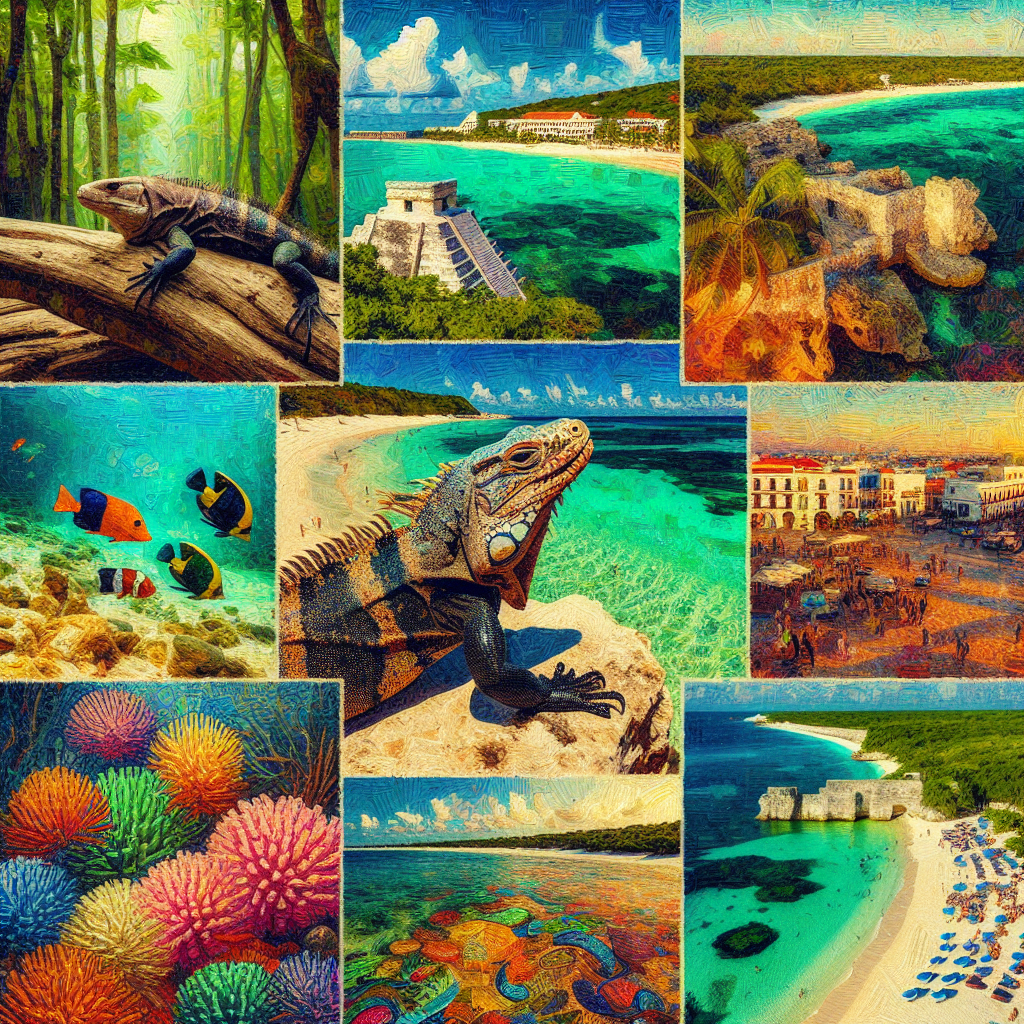
Who Are The Key Figures Advocating For Responsible Fishing In Cozumel?
What Stories Do Fishermen Share About Their Experiences At Sea?
The sea is not merely a body of water; it is a theater of life, where fishermen craft stories as rich and textured as the ocean’s depths. From the sun-drenched shores of Cozumel to the tempest-tossed Atlantic, each tale is a testament to the wild, unpredictable dance between man and nature. These stories, shared around flickering bonfires or in the quiet of a boat’s cabin, resonate not just with the salt and spray of the sea but strike a chord deep within.
Picture a fisherman, eyes glinting with pride, recounting the day he reeled in a mako shark. It’s more than a fish; it’s a lesson in patience, perseverance, and respect. Each twist of the line brings with it a story of personal struggle, a battle waged not just against the forces of nature, but against the limitations of his own resolve. It’s a reminder that every triumph on the water is bolstered by countless failures, often inhaled with the bracing breath of salt air.
Then there are the stories of camaraderie—the bonds forged under the vast, star-lit skies of night fishing. These men and women share laughter, interlaced with moments of vulnerability. They pull together in the face of a brewing storm, knowing that trust in one another is as vital as faith in a sturdy net. The ethics of fishing go beyond the line and lure; it’s about sustainability, stewardship, and a collective responsibility to protect our oceans for generations to come. Their experiences echo an unspoken truth: we are but temporary stewards of the sea’s bounty.
As fishermen swap tales, they weave a rich tapestry of life, threading their individual experiences into a narrative larger than themselves. It speaks to the heart of what it means to be human—our desires, fears, and longing for connection with each other and the world around us. Listening to these stories may just ignite a spark within you; an urge to put down your phone, look up at the sky, and consider your own adventures, however small they may be.
So, whether you’re navigating the busy corridors of city life or walking the quiet paths of rural existence, take a moment to discover your story at sea—on the water, with your loved ones, or in the simple acts of everyday life. Because every tale shared is a reminder that we are all a part of something greater: a shared journey, an enduring legacy.

What Stories Do Fishermen Share About Their Experiences At Sea?
What Stories Do Fishermen Share About Their Experiences At Sea?
- The sea serves as a vibrant theater of life, rich with fishermen’s stories.
- Each tale reflects the dynamic relationship between humans and nature, vividly expressing experiences from places like Cozumel to the Atlantic.
- A fisherman’s pride in catching a mako shark symbolizes lessons of patience and personal struggle.
- The camaraderie among fishermen deepens under the starry skies of night fishing, emphasizing trust and collective responsibility.
- Fishing ethics center on sustainability and stewardship, recognizing the need to protect ocean resources.
- Fishermen’s stories create a broader narrative that encapsulates human desires, fears, and connection.
- Everyone is encouraged to reflect on their own adventures and recognize their part in a shared journey and legacy.
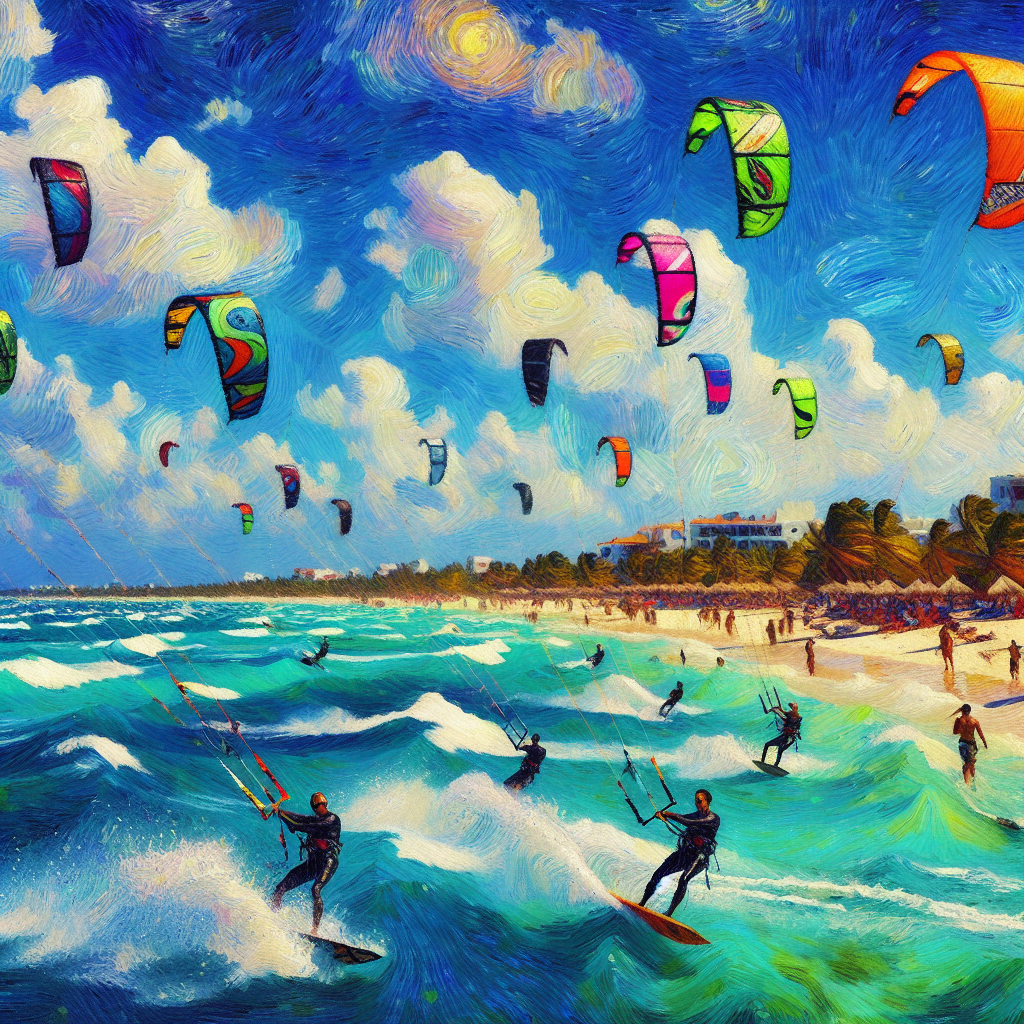
What Stories Do Fishermen Share About Their Experiences At Sea?
How Can Consumers Contribute To A Healthier Fishing Industry?
When you think about the fishing industry, what comes to mind? Perhaps images of vast oceans, local fishermen casting their nets at dawn, or the vibrant markets filled with fresh catches. But lurking beneath these idyllic scenes is a complex narrative laden with challenges, sustainability issues, and economic pressures. If we want to rewrite this story, it starts with you—the consumer.
Now, don’t get me wrong. It’s not just about enjoying that fresh fish taco while lounging on the beaches of Cozumel. It’s about making mindful choices that ripple out, affecting not only the oceans but also communities and families that rely on fishing for their livelihoods. The moment you decide to think critically about where your seafood comes from, you become a pivotal player in this narrative. Supporting sustainable fishing practices isn’t just a footnote—it’s the backbone of a healthier industry, and it sparks a change.
Think of the fishermen. These hardworking individuals spend countless hours at sea, battling the elements to bring home a catch. Many of them feel the weight of responsibility; they know that overfishing depletes resources that their families and communities depend on. By choosing seafood that is sustainably sourced, you tell them, “I see you,” and “I care about your future.” It connects our hands to theirs, forming an unbreakable bond grounded in shared responsibility.
Let’s get practical. Checking for certifications like the Marine Stewardship Council label or the Aquaculture Stewardship Council mark can seem like small steps, but these choices carry massive weight. They signal to businesses that consumers are educated and expect higher standards. With each purchase, you wield the power of your wallet. It’s an unassailable authority; your money speaks louder than words.
Every time you make a conscious choice—whether it’s opting for locally sourced fish or advocating for bans on harmful fishing practices—you become part of a growing movement. This isn’t just about a meal; it’s about taking a stand for cleaner oceans and healthier ecosystems. It’s our shared legacy.
So consider this: Your next meal doesn’t have to be just a meal; it can be an act of hope. When you take a seat at that table, you’re not just filling your stomach; you’re nurturing a sustainable future for our oceans and all who depend on them. Embrace that connection. The ocean will thank you.

How Can Consumers Contribute To A Healthier Fishing Industry?
How Can Consumers Contribute To A Healthier Fishing Industry?
- The fishing industry presents a complex narrative of challenges, sustainability issues, and economic pressures.
- Consumers play a crucial role in promoting sustainable fishing practices and influencing the industry.
- Choosing sustainably sourced seafood shows support for local fishermen and their communities.
- Certifications, such as the Marine Stewardship Council label, represent mindful consumer choices that drive higher industry standards.
- Every conscious seafood choice contributes to a movement for cleaner oceans and healthier ecosystems.
- Your meals can act as a statement of hope and responsibility towards ocean sustainability.
- Embracing this connection ultimately nurtures a sustainable future for oceans and those who rely on them.

How Can Consumers Contribute To A Healthier Fishing Industry?
Conclusion
Cozumel, the colorful island paradise of the Caribbean, is much more than just a postcard destination; it embodies a community built around the fishing industry, an essential lifeline for countless families. Generations of fishermen have navigated these vibrant waters, casting nets not only for fish but for the preservation of a way of life—one defined by an unyielding bond with the sea. Today, that bond is being tested. The fishing industry finds itself at a crossroads, where ancient traditions must adapt to modern sustainability demands. Each scar on a fisherman’s hand tells a story—one of resilience and lessons learned from the tempestuous ocean. These stories forge a profound emotional connection, as fishermen pass down their knowledge and skills through generations, teaching their children about respect for the marine ecosystem.
The economic implications of sustainable practices cannot be understated. Cozumel thrives on tourism, and as locals become educators, promoting environmentally conscious fishing, they foster a collective responsibility. This isn’t merely about preserving marine life; it’s about ensuring jobs and vibrant community survival against the relentless pressure from market demands. Ethically supporting local fishermen by purchasing their catch contributes directly to the well-being of the community. The act connects consumers to the rich tapestry of lives intertwined with the sea, transforming every meal into a celebration of tradition and family.
But it’s not just the fishermen; voices like Sofía, Marco, and Rosalía represent a new generation of stewards advocating for responsible practices. Their commitment illustrates that economic and ecological sustainability can coexist, creating a legacy that respects the delicate dance with nature while honoring community tradition.
As tourists flock to Cozumel, the relationship between fishing and tourism becomes increasingly crucial. Choices made by visitors—whether engaging with local guides or opting for sustainably-sourced seafood—can bolster the local economy and underscore the importance of conservation. Each time a diner enjoys a meal caught by local fishermen, it serves as a reminder: that fish isn’t just food; it’s a lifeline for families and a lesson in stewardship.
In essence, embracing the fishing narrative in Cozumel offers a chance for individuals to collectively impact change. It invites every one of us to be part of a greater story—a call to action that harnesses emotional resonance, rational understanding, and ethical responsibility. By supporting sustainable practices, we celebrate not only the culture and traditions of Cozumel but also the spirit of resilience that binds humanity to the ocean. So, let’s honor this connection and become active participants in preserving the heart of this island community.

Conclusion
Conclusion:
- Cozumel is a vibrant island community deeply connected to the fishing industry, essential for many families’ livelihoods.
- The fishing industry faces challenges as it adapts to modern sustainability demands while preserving ancient traditions.
- Fishermen pass down their knowledge and experiences, fostering respect for the marine ecosystem among future generations.
- Sustainable practices have significant economic implications, with tourism thriving on local environmental education and responsible fishing.
- Supporting local fishermen by purchasing their catch strengthens community ties and emphasizes the significance of tradition.
- A new generation of advocates, like Sofía, Marco, and Rosalía, promotes coexistence of economic and ecological sustainability.
- Tourists can impact Cozumel’s economy by choosing sustainable seafood options, reinforcing the importance of conservation.

Conclusion
Other Resources

Other Resources
Reading this from somewhere that isn’t Cozumel? When you do come down, where you stay shapes the whole trip. A few options from our sister sites: Sunset 37 is a Cozumel rental positioned for divers and waterfront-loving travelers. Cozumel Escape is a larger Cozumel villa suited to groups, families, and divers who want their own base.
Here is a list of other resources you can review online to learn more:
- Casa Tomas Restauante Bar Cozumel
- Cafeteria La Cozumelena Cozumel
- Guisados
- Mayan Bee Sanctuary
- Punta Molas Faro
- Playa Palancar
- Cozumel Cruise Excursions
- Kaokao Chocolate Factory
- Hooters Cozumel
- Chankanaab Adventure Park Royal Swim
- Parque Nacional Arrecifes de Cozumel
- El Coctelito Cozumel-Mariscos
- Dzul-Ha Reef
- El Rincon De Addy Cozumel
- Palmeras Restaurant
- Caribbean Divers Cozumel
- Playa Azul
- El Coffee Cozumel
- sunset37.com
- Cozumel Escape
Use This Prompt To Get More Resources With Your Favorite Online AI Tool: Please provide me with a list of online articles with their URLs in a bulleted list that I can read regarding What’s The Fishing Industry Like In Cozumel Today?

Other Resources
Glossary Terms
What’s The Fishing Industry Like In Cozumel Today? – Glossary Of Terms
1. Aquaculture: The cultivation of aquatic organisms such as fish, crustaceans, mollusks, and aquatic plants for food production.
2. Bycatch: The unintentional capture of non-target species while fishing, often leading to waste and ecological imbalance.
3. Catch Limit: A regulatory measure that restricts the amount of fish that can be caught within a specific time frame to prevent overfishing.
4. Fishing Fleet: A group of fishing vessels that operate in a particular area or for a specific type of fishing activity.
5. Sustainability: Practices aimed at maintaining fish populations and the health of marine ecosystems for future generations.
6. Trawling: A fishing method that involves dragging a net along the seafloor or through the water column to catch fish.
7. Artisanal Fishing: Small-scale, often traditional fishing practices that prioritize local consumption and community livelihoods over commercial profits.
8. Marine Protected Areas (MPAs): Regions where human activity is restricted to conserve marine biodiversity and ecosystems.
9. Fisheries Management: The science and practice of regulating fishing activities to ensure sustainable fish stocks and healthy marine environments.
10. Recreational Fishing: Fishing for enjoyment or sport, rather than for commercial purposes, often subject to specific regulations.
11. Overfishing: The depletion of fish stocks due to excessive fishing, leading to long-term ecological damage and reduction in fish populations.
12. Spawning: The reproductive process in fish where eggs are fertilized and laid, crucial for maintaining fish populations.
13. Ecotourism: Tourism focused on experiencing natural areas that promote conservation and sustainable use of resources, including fishing.
14. Fishery: An area or industry focused on catching fish for commercial or subsistence purposes.
15. Bait: Any substance used to attract fish to catch them, often consisting of natural or artificial materials.
16. Gillnetting: A fishing technique that uses nets designed to entangle fish by their gills, often criticized for high bycatch rates.
17. Pelagic Fish: Species that inhabit the open water column, not close to the bottom or shore, such as tuna and mackerel.
18. Demersal Fish: Fish that live and feed on or near the seabed, including species like cod and flounder.
19. Local Knowledge: Information and insights held by local fishers about fishing grounds, species behavior, and sustainable practices.
20. Fish Stock Assessment: The process of evaluating the abundance and health of fish populations to inform management decisions.
21. Longlining: A commercial fishing technique that uses long lines with baited hooks spaced out along the line to catch fish.
22. Catch-and-Release: A fishing practice where the caught fish are released back into the water, often used in recreational fishing.
23. Fishermen’s Cooperatives: Organizations formed by local fishermen to collectively market their catch, share resources, and enhance sustainability.
24. Illegal, Unreported, and Unregulated Fishing (IUU): Fishing activities that violate laws or regulations, contributing to resource depletion and threats to marine ecosystems.
25. Sustainable Seafood: Seafood sourced from fisheries or aquaculture operations that adhere to environmentally responsible practices.
26. Climate Change: Long-term alterations in temperature and weather patterns, impacting marine ecosystems and fish populations.
27. Fish Processing: The methods of turning raw fish into products for consumption, including cleaning, packaging, and preserving.
28. Market Demand: The need or desire for specific seafood products within local, national, or global markets, influencing fishing practices.
29. Cultural Heritage: Traditional fishing practices and knowledge rooted in the history and customs of local communities.
30. Ecosystem Services: The benefits provided by healthy marine ecosystems, such as food provision, tourism, and coastal protection.

Glossary Of Terms
Other Questions
What’s The Fishing Industry Like In Cozumel Today? – Other Questions
If you wish to explore and discover more, consider looking for answers to these questions:
- What specific challenges are local fishermen facing today in Cozumel?
- How are traditional fishing methods being preserved in the face of modern challenges?
- What role does local government play in promoting sustainable fishing practices?
- How can tourists play an active role in supporting the local fishing industry?
- What educational programs exist in Cozumel to teach about marine conservation?
- How do fishing practices in Cozumel compare to those in other regions?
- What are the most common species caught by fishermen in Cozumel?
- How has climate change impacted fishing in Cozumel?
- What are the benefits of supporting local over imported seafood?
- How do fishermen in Cozumel adapt to changes in tourism demands?
- What initiatives are in place to combat overfishing in Cozumel?
- How is the fishing industry in Cozumel represented in local culture and art?
- What future prospects do local fishermen see for the fishing industry in Cozumel?
- How can consumers verify if seafood is sustainably sourced?
- What responsibilities do consumers have in contributing to sustainable fishing practices?

Other Questions
Haiku
What’s The Fishing Industry Like In Cozumel Today? – A Haiku
Fishermen at dawn,
Casting nets, ancient stories,
Hearts tethered to waves.

Haiku
Poem
What’s The Fishing Industry Like In Cozumel Today? – A Poem
In Cozumel’s embrace where the waters gleam,
A legacy flows in currents and dream.
Fishermen rise with the dawn’s gentle light,
Their nets cast wide, hearts bold in the fight.
Traditions woven in salt and in lore,
Each wave echoes tales of those who came before.
From father to son, the knowledge bestowed,
In the dance with the sea, they share heavy loads.
But the tides are shifting; the world seems to weigh,
As sustainability calls for a shift in the play.
A balance sought ‘twixt old ways and new,
With each catch a question: what must we do?
Their hands tell of struggles, of triumph and tears,
Each scar a reminder of decades, of years.
As tourists arrive, seeking paradise bright,
Will the ocean’s address still be theirs to invite?
Economic threads weave through families tight,
In the market’s buzz, ensure futures are right.
Support local hands who toil with grace,
Protecting their waters, honoring this place.
Hear the stories they share, enrichened by time,
Of battles and bonds, each moment a rhyme.
The thrill of the catch, the joy of the feast,
Unity in sharing from the greatest to least.
Every choice that you make, the meal you’ve prepared,
Can echo through currents, show you truly cared.
As the sea sings its song, let your heart be the tune,
A vow to protect, from the morning till moon.
Together we rise for the ocean’s great call,
In the heart of Cozumel, we’re one after all.
So gather the wisdom, the courage we muster,
To honor the future as stewards, we trust her.

Poem
Checklist
What’s The Fishing Industry Like In Cozumel Today? – A Checklist
Checklist for Supporting Sustainable Fishing in Cozumel
Emotional Appeals
_____ Connect with Local Fishermen: Visit local fishing markets and share conversations with fishermen to learn their stories.
_____ Share Meals: Prepare dishes using locally sourced fish to celebrate connections to community and heritage.
_____ Participate in Fishing Stories: Attend local storytelling events to immerse yourself in the narratives of the sea and its people.
Rational Appeals
_____ Choose Sustainable Seafood: Look for eco-labels like the Marine Stewardship Council to ensure seafood is sourced responsibly.
_____ Educate Yourself: Research sustainable fishing practices and their benefits for both the environment and local economies.
_____ Engage in Eco-Tourism: Join tours that support conservation and responsible practices to witness sustainability in action.
Ethical Appeals
_____ Support Community Initiatives: Contribute to or volunteer with organizations protecting marine ecosystems and promoting sustainable fishing.
_____ Choose Local: Prioritize purchasing fish directly from local fishermen to strengthen the community and economy.
_____ Raise Awareness: Advocate for ethical fishing practices within your social circles and on social media.
Authority Appeals
_____ Learn from Experts: Attend workshops or lectures by marine biologists or conservationists focusing on sustainable fishing.
_____ Follow Recognized Leaders: Stay informed about initiatives by local advocates like Sofía, Marco, and Rosalía in Cozumel’s fishing community.
_____ Trust Verified Sources: Seek information from credible organizations that promote sustainable fishing and conservation.
Narrative Appeals
_____ Explore Fisherman’s Experiences: Read or listen to fishermen’s personal stories to understand the emotional depth of their connection to the sea.
_____ Share Your Own Story: Reflect on your experiences with food and nature, fostering connections between your life and those who depend on the ocean.
_____ Document Stories: Create a blog or social media presence to highlight fishing traditions and sustainability from the Cozumel perspective.
Social Appeals
_____ Join Local Conservation Groups: Become part of community efforts focused on ocean preservation and sustainable practices.
_____ Engage with Tourists: Share insights about sustainable fishing when dining or participating in activities with visitors to Cozumel.
_____ Promote Collective Action: Encourage friends and family to make sustainable seafood choices, amplifying the message for broader impact.
Adopting this checklist will not only enhance your understanding of the fishing industry in Cozumel but also empower you to contribute positively towards its future.

Checklist
At TopCozumelNews, we help travelers enjoy Cozumel by collating information learned from frequently traveling to beautiful Cozumel.
Be sure to read our other related stories at TopCozumelNews to learn more about the Island of Cozumel.