




Discovering The Hidden Wonders Of Underwater Ecosystems
By Tom Seest
At TopCozumelNews, we help travelers enjoy Cozumel by collating information learned from frequently traveling to beautiful Cozumel.
Be sure to read our other related stories at TopCozumelNews to learn more about the Island of Cozumel.
What Rare Marine Life Can You See While Snorkeling?
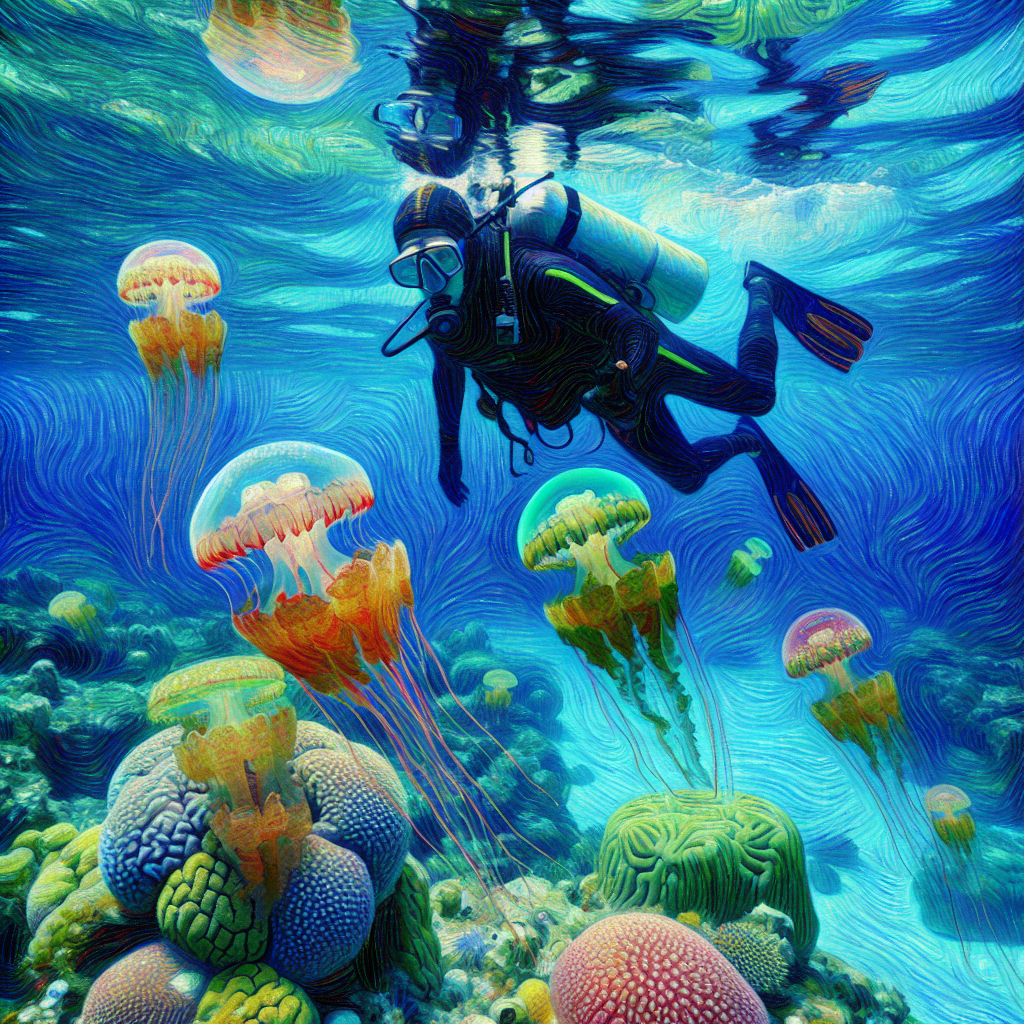
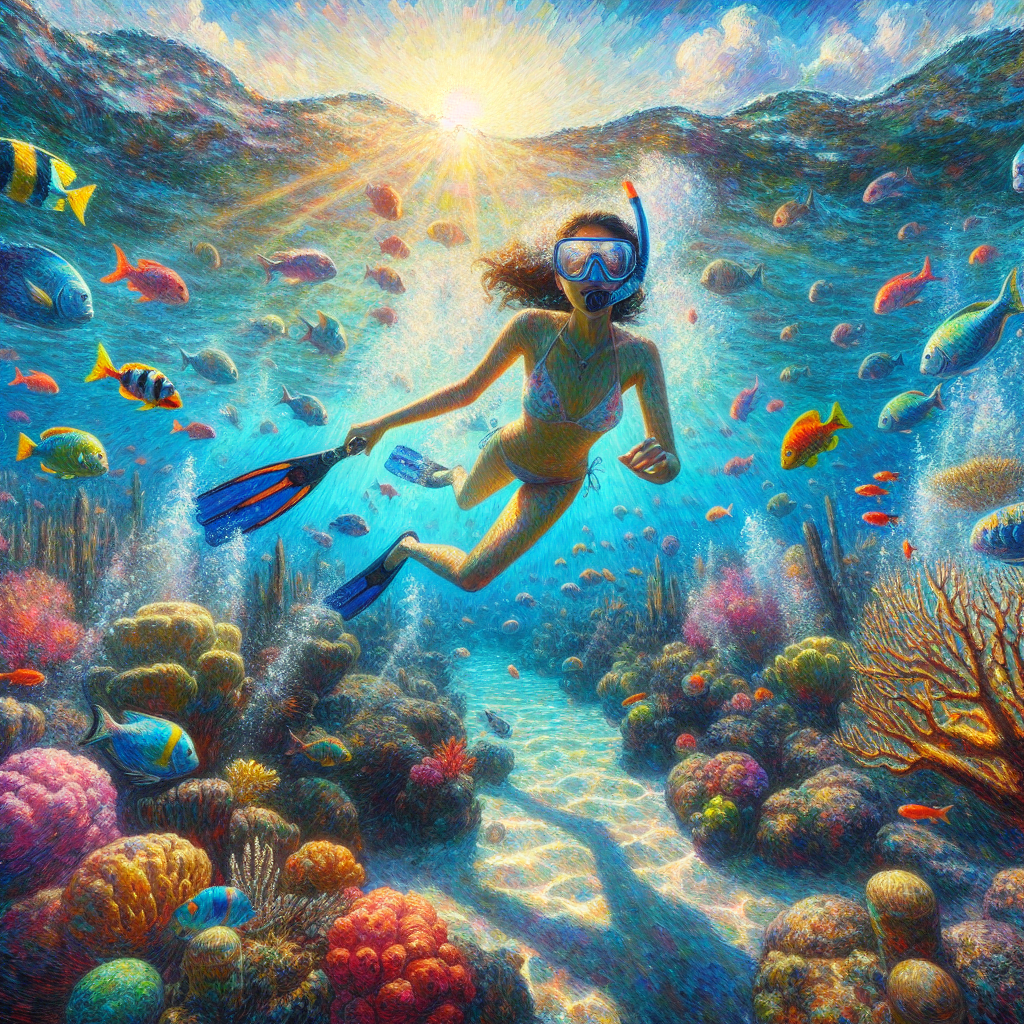
When you slip into the crystal-clear waters of Cozumel, prepare yourself for an adventure that transcends the mere act of snorkeling. This isn’t just a pastime; it’s an astonishing encounter with nature that may very well redefine your understanding of life beneath the waves. In this underwater realm, you have a front-row seat to a world teeming with rare marine life that will capture not just your gaze but your very soul.
Imagine gliding through the water, heart pounding with excitement as a vibrant parrotfish, shimmering like a piece of living art, swims by, its colorful scales reflecting the sunlight! You’re not just seeing it; you’re part of a dynamic ecosystem that thrives on delicate balances and ancient connections. Each fish, each coral, tells a story—a narrative of resilience, survival, and beauty that stretches back eons. While your head processes the miracle of marine biology, your gut feels that unmistakable thrill of being alive in this stunning world.
As you encounter a delicate sea turtle gracefully navigating the sea, there’s a sense of responsibility that washes over you; the need to protect these magnificent creatures and their homes. Ethically, understanding your role as a visitor in their domain fosters a connection more profound than any tourist attraction could offer. Every swish of a tail and flutter of fins serves as a reminder that our actions can impact these marine habitats—and that means something. It’s up to us to cherish and safeguard this extraordinary world.
Amongst the reefs, keep your eyes peeled for the elusive octopus, a creature renowned for its intelligence and camouflage abilities. Encountering one is like meeting a silent magician in a world of vibrant performers. Sharing these moments with fellow snorkelers only heightens the experience, strengthening the bonds of camaraderie as you exchange gasps and awe-struck whispers.
Participating in this adventure isn’t merely an act of recreation; it’s a leap into advocacy. Understanding the plight of these stunning organisms makes you a voice for their survival. Join local conservation efforts, educate yourself and others, and immerse yourself not just in the water but in the mission to protect it. Let the wonders of Cozumel inspire a commitment to the ocean, forging connections that echo well beyond the shoreline. This isn’t just snorkeling; it’s a call to action—one ripple at a time.

What Rare Marine Life Can You See While Snorkeling?
What Rare Marine Life Can You See While Snorkeling?
- Snorkeling in Cozumel offers an extraordinary encounter with nature, redefining experiences beneath the waves.
- Observers experience a vibrant underwater ecosystem, filled with rare marine life, like colorful parrotfish.
- Every creature and coral tells a story of resilience and beauty, emphasizing the significance of marine biology.
- Encounters with sea turtles evoke a sense of responsibility to protect their habitats and the delicate ecosystem.
- Spotting intelligent creatures like the octopus highlights the marvels of nature and adds to the adventure.
- Sharing experiences with fellow snorkelers fosters camaraderie and strengthens connections through shared awe.
- Snorkeling becomes an advocacy activity, encouraging participation in conservation efforts and a commitment to ocean protection.
What Rare Marine Life Can You See While Snorkeling?
Table Of Contents
- What Rare Marine Life Can You See While Snorkeling?
- What Hidden Treasures Lie Beneath The Waves Waiting For You?
- How Do Rare Marine Species Adapt To Their Unique Environments?
- How Can Snorkeling Experiences Change Your Perspective On The Ocean?
- Which Rare Marine Creatures Have Fascinating Survival Stories To Tell?
- What Are The Best Locations For Discovering Elusive Underwater Life?
- How Can You Contribute To Marine Conservation While Snorkeling?
- How Do Local Communities Benefit From Preserving Rare Marine Life?
- Conclusion
- Other Resources
- Glossary Of Terms
- Other Questions
- Haiku
- Poem
- Checklist
What Hidden Treasures Lie Beneath The Waves Waiting For You?
When you think of Cozumel, sun-soaked beaches and vibrant marine life likely leap to mind. But what if I told you that beneath those azure waves lies a treasure trove of stories waiting to unfold? This isn’t just about sunken ships or gold doubloons; it’s about the collective history etched into the heart of this island, the echoes of those who walked its shores long before us.
Imagine slipping into the crystalline waters, every stroke of your hand stirring up whispers of the past. As you dive deeper, the shimmering reefs reveal not only breathtaking coral formations but also remnants of ancient civilizations and vessels that set sail with dreams of adventure. The ocean is a grand storyteller, holding onto the hopes, failures, and triumphs of explorers and seafarers who braved the elements. There’s an undeniable allure in seeking out these hidden gems, whether that’s an old anchor encrusted with barnacles or a forgotten artifact that ties together generations.
It’s not just the thrill of discovery, but the connection it fosters with nature, history, and yourself. Each dive can evoke feelings of awe, respect, and responsibility—a gentle reminder of our role as stewards of the planet. As we explore beneath the surface, we learn the importance of preserving these delicate ecosystems, understanding that the ocean’s treasures are transient, deserving of our care and reverence.
Diving in Cozumel doesn’t just appeal to the heart; it challenges the mind. Have you ever pondered what secrets lie within those depths? The sheer scale of biodiversity reminds us of our planet’s fragile balance. Engaging with marine conservation makes every journey deeper—a quest not only for personal enrichment but collective progress.
And let’s talk about community. As you share these experiences with fellow explorers, bonds are formed over the wonder that is the ocean. Each dive is a conversation starter, a shared glimpse of beauty that transcends language and culture. Those sunlit moments spent discovering hidden treasures become stories you’ll recount, each retelling weaving a tighter fabric within the tapestry of your life.
So why not take that plunge? Answer the subtle call of Cozumel’s depths and discover what awaits you beneath the waves. There’s a rich narrative just waiting for you to begin—one that speaks to your adventurous spirit and connects you to the world in ways you’ve yet to imagine.
What Hidden Treasures Lie Beneath The Waves Waiting For You?
What Hidden Treasures Lie Beneath The Waves Waiting For You?
- Cozumel is known for its beautiful beaches and marine life, but it also holds a rich history beneath the waves.
- Diving reveals remnants of ancient civilizations and sunken vessels, telling stories of past explorers.
- The ocean serves as a storyteller, preserving the hopes and dreams of seafarers throughout history.
- Exploration fosters a connection with nature and emphasizes the importance of preserving delicate ecosystems.
- Diving in Cozumel challenges both the heart and mind, encouraging thoughts about biodiversity and environmental stewardship.
- Shared diving experiences create bonds among explorers, leading to a deeper appreciation of the ocean’s beauty.
- Cozumel invites adventurers to discover its underwater narrative, connecting them to the world in new ways.

What Hidden Treasures Lie Beneath The Waves Waiting For You?
How Do Rare Marine Species Adapt To Their Unique Environments?
In the sun-drenched waters off Cozumel, life is a relentless fight for survival against the backdrop of stunning coral reefs and vibrant marine ecosystems. It’s here, in the intricate dance of nature, you’ll find rare marine species that have become masters of adaptation. Each unique environment provides a harsh test—one that these creatures not only endure but embrace, crafting their own narratives of resilience.
Consider the extraordinary Goby fish, which has evolved to thrive in tide pools. With each wave that crashes over the jagged rocks, it faces the frenetic challenge of staying put, lest it become a meal for a larger predator. This little fish clings tenaciously to its home, using specialized fins to grip the surface, demonstrating an unwavering will to adapt against the odds. It’s a reminder that survival often requires not just physical prowess, but also the art of patience and tenacity—a lesson we all can appreciate in our own lives.
Dive deeper into the underwater canyons and you might stumble upon the elusive seahorse, a species that has turned vulnerability into strength by mastering the art of camouflage. Clinging to seagrass and corals, it blends seamlessly into its surroundings, teaching us the importance of adaptation in a world that often feels overwhelming. The delicate interplay of colors and textures in these creatures’ skins connects to something intrinsic within us: our need to belong, to fit in, and our instinct to protect ourselves.
But it’s not just about survival; it’s about respect for the intricate balance of life. By recognizing the incredible adaptations of these rare species, we foster a sense of stewardship towards our oceans. We begin to understand that every creature, no matter how small or seemingly insignificant, plays a role in the greater tapestry of biodiversity. This shared duty to protect our planet’s marine sanctuaries speaks to our collective identity, bridging the gap between species and forging connections that resonate on a human level.
As our world faces increasing threats from climate change and pollution, the resilience of these marine wonders becomes a call to action—a reminder that we can adapt too. Perhaps it’s time to take a page from the playbook of these rare ocean gems. Whether you’re taking steps to reduce your plastic footprint or supporting conservation efforts, remember that every small choice echoes through the heart of our oceans, preserving the vibrant life we have left and inspiring future generations to cherish it. Together, we can ensure the stories of these remarkable beings continue to thrive in the depths of our seas.

How Do Rare Marine Species Adapt To Their Unique Environments?
How Do Rare Marine Species Adapt To Their Unique Environments?
- The waters off Cozumel house vibrant coral reefs and diverse marine life, highlighting the struggle for survival in nature.
- The Goby fish exemplifies adaptation, using specialized fins to cling to tide pools while facing predator threats.
- This fish represents the importance of patience and tenacity as key elements of survival.
- The seahorse, known for its camouflage skills, symbolizes vulnerability transformed into strength.
- Both species teach us about the necessity of fitting in and protecting oneself in challenging environments.
- Recognizing the adaptations of marine species cultivates a sense of stewardship for the environment and biodiversity.
- As climate change and pollution rise, the resilience of marine life encourages individual actions toward conservation.

How Do Rare Marine Species Adapt To Their Unique Environments?
How Can Snorkeling Experiences Change Your Perspective On The Ocean?
There’s a certain magic that swells beneath the shimmering surface of the ocean, a world that’s as vibrant as it is fragile. When you slip into the warm waters of Cozumel, something profound happens. You see, this isn’t just another vacation; it’s a chance to forge a connection with something larger than yourself. Snorkeling is not merely a recreational activity—it’s a transformative experience that pulls you into the heart of nature, beckoning you to leave behind the familiar and embark on a journey into the unknown.
As you descend, the cacophony of daily life fades away, replaced by the rhythmic pulse of the ocean. Brightly colored fish dart around you, the coral reefs stand like ancient temples, home to countless species. It’s a reminder of the interconnectedness of life that stretches far beyond our own. Encountering this underwater wonder sparks a sense of responsibility. In those moments, you begin to understand the ethical imperative of ocean conservation. You’re not just an observer; you’re a participant in an intricate web of life that deserves protection.
Let’s face it. At some point, we’ve all been guilty of taking the ocean for granted. We see it, we swim in it, but how often do we truly consider what lies below? Snorkeling presses pause on the routine and encourages us to engage with the ocean at a visceral level. You’re getting up close and personal with a world that’s at once breathtaking and utterly vulnerable. That gut feeling of wonder, paired with the sobering realization that pollution and climate change threaten these ecosystems, can ignite a fire within you—one that compels you to advocate for cleaner oceans.
And it isn’t just about personal transformation; it’s about fostering community. When you share your snorkeling triumphs with friends and family, you plant the seeds of curiosity and passion in them as well. You want to inspire others to take the plunge because, after all, the ocean is living art that’s begging for a collective response—an invitation to celebrate, protect, and cherish.
So, the next time you find yourself on the sandy shores of Cozumel, remember: snorkeling is an invitation to change how you see not just the ocean, but the world. Dive deep, discover the beauty, and let that experience resonate in your heart, head, and gut. Embrace the journey, and who knows? You might just change the way you and those around you relate to this magnificent blue planet we call home.

How Can Snorkeling Experiences Change Your Perspective On The Ocean?
How Can Snorkeling Experiences Change Your Perspective On The Ocean?
- Snorkeling in Cozumel creates a profound connection with the vibrant, fragile ocean ecosystem.
- It transforms the experience from a simple vacation into a deep journey into nature.
- As you descend, daily life fades away, replaced by the ocean’s rhythmic pulse and stunning marine life.
- This experience fosters a sense of responsibility for ocean conservation and the interconnectedness of life.
- Snorkeling encourages an engagement with the ocean and emphasizes the impacts of pollution and climate change.
- Sharing snorkeling experiences can inspire others to appreciate and protect the ocean as a living art form.
- Ultimately, snorkeling invites a shift in perception, fostering a deeper connection to the planet and its oceans.

How Can Snorkeling Experiences Change Your Perspective On The Ocean?
Which Rare Marine Creatures Have Fascinating Survival Stories To Tell?
In the pristine waters off Cozumel, a vibrant constellation of marine life thrives, each creature weaving a unique tale of survival that resonates on emotional and intellectual levels. Among them, the remarkable resilience of the axolotl stands out—a creature that defies conventional wisdom about life and death. With its ability to regenerate limbs and even parts of its heart and brain, the axolotl isn’t just a biological marvel; it embodies hope in the face of adversity. Like a quiet survivor in a noisy world, it beckons us to contemplate our own battles and recovery—reminding us that healing often demands more than mere time; it requires tenacity and belief.
Then there’s the enchanting yet elusive ghost shark, which glides silently through the depths of the ocean. Often misunderstood and overlooked, this ancient species has thrived for millions of years, adapting and evolving through the ages. It serves as a testament to the power of adaptability—an ethos that resonates in our own lives. Just as the ghost shark has navigated the ebbs and flows of time, so too must we find ways to adjust to life’s currents. Its mere existence urges us to respect the natural world and recognize how each creature plays a crucial role in a delicate ecosystem—demanding our stewardship and respect.
Let’s turn our attention to the majestic leatherback sea turtle. These gigantic wanderers traverse thousands of miles across oceans, facing immense challenges from predators, pollution, and climate change. They remind us of the importance of connection—not only to each other but to the very planet we inhabit. When we hear the story of a leatherback returning to the same nesting beach year after year, it tugs at our hearts and urges us to think about our own choices. The plights of these rare marine creatures challenge us to take action—support conservation efforts, reduce plastic use, and advocate for awareness.
As we explore these narratives beneath the waves, they invite us to share in a collective responsibility. Our understanding is deepened as we recognize that the survival of these extraordinary beings is intertwined with our own wellbeing. Our world may seem vast, but in the grand ocean of life, every being matters, and every action counts. So, let’s honor these fascinating survivors and work together to ensure their legacy endures for generations to come.

Which Rare Marine Creatures Have Fascinating Survival Stories To Tell?
Which Rare Marine Creatures Have Fascinating Survival Stories To Tell?
- Cozumel’s marine life showcases diverse creatures with unique survival stories.
- The axolotl exemplifies resilience, capable of regenerating limbs, heart, and brain.
- This remarkable creature symbolizes hope and the importance of tenacity in recovery.
- The ghost shark, an ancient species, highlights the power of adaptability in evolving conditions.
- Leatherback sea turtles traverse thousands of miles, facing threats like pollution and climate change.
- The stories of these marine creatures call for collective responsibility and conservation efforts.
- Every living being in the ocean has significance, urging us to act for their survival and legacy.

Which Rare Marine Creatures Have Fascinating Survival Stories To Tell?
What Are The Best Locations For Discovering Elusive Underwater Life?
When it comes to uncovering the treasures hidden beneath the waves, few places rival Cozumel. This sun-kissed island off the coast of Mexico is a veritable paradise for those looking to connect with the silent wonders of the underwater world. Picture yourself gliding through crystal-clear waters, where vibrant corals and swaying sea fans create a kaleidoscope of color. This is not just another vacation spot; it’s an invitation to witness a complex ecosystem that thrives outside our everyday hustle.
Dive deep into the breathtaking reefs of Cozumel, home to a vibrant tapestry of marine life that rivals any gallery on land. Here, you may encounter elusive sea turtles, playful dolphins, and even the majestic manta ray. It’s not just about what you see; it’s about what you feel. Each moment spent swimming alongside these magnificent creatures sparks a sense of connection, a reminder that we are part of something larger than ourselves. It’s a heartwarming encounter that underscores the delicate balance of our oceans and the responsibility we carry to protect these fragile environments.
But the call of the deep isn’t limited to Cozumel; other remarkable locations such as the Great Barrier Reef in Australia or the remote waters of the Galápagos Islands also captivate the adventurous spirit. Each of these places offers unique opportunities, inviting you to embrace the allure of the unknown. As you explore, you come face-to-face with the implications of climate change and overfishing—a reality that tugs at our ethical responsibilities.
Educating ourselves about these issues can ignite a desire for action, inspiring us to advocate for preservation and conservation. Sharing these experiences with friends or family can foster a community dedicated to protecting our oceans. When you return with stories of bioluminescent plankton shimmering like stars, those tales will resonate, igniting a spark in others to experience it for themselves.
Cozumel and its counterparts remind us that the ocean is a source of inspiration, wonder, and essential life. As stewards of this planet, we have a shared responsibility to cherish and protect the delicate beauty that lies beneath the surface. So dive in, not just for adventure, but for the connection to a world that desperately needs our trust and commitment. The ocean awaits, and its secrets are yours to discover.

What Are The Best Locations For Discovering Elusive Underwater Life?
What Are The Best Locations For Discovering Elusive Underwater Life?
- Cozumel is a stunning island off the coast of Mexico, renowned for its vibrant underwater ecosystem.
- The island offers crystal-clear waters rich with coral reefs and marine life, including sea turtles, dolphins, and manta rays.
- Diving in Cozumel provides both visual splendor and a deep sense of connection to nature.
- Other notable diving locations include the Great Barrier Reef and the Galápagos Islands, each offering unique experiences.
- The realities of climate change and overfishing emphasize the need for ethical responsibility in preserving marine environments.
- Sharing underwater experiences can encourage community efforts for ocean conservation and raise awareness about ecological issues.
- As stewards of the planet, we must cherish and protect the ocean’s delicate beauty for future generations.
What Are The Best Locations For Discovering Elusive Underwater Life?
How Can You Contribute To Marine Conservation While Snorkeling?
When you slip into the crystal-clear waters off Cozumel, you don’t just plunge into a kaleidoscope of fish and coral; you step into a world that needs your stewardship. Every graceful movement under the surface tells a story—a story that mirrors our own relationship with nature.
Let’s start with the emotional connection. Imagine snorkeling alongside a vibrant school of parrotfish, their colors rivaling the most vivid paintings. Now, imagine that scenery fading because of pollution, overfishing, or climate change. That emotional pang you feel isn’t just nostalgia; it’s a call to action. Each time you explore these underwater realms, you witness firsthand their fragile beauty. It’s not just a snapshot in time, but a living, breathing ecosystem that deserves our respect and protection.
Rationally, you have the power to make a difference. Choosing sustainable snorkeling practices is one of the simplest yet most effective ways to contribute. When you use reef-safe sunscreen, you’re not just preserving your skin; you’re protecting delicate coral that serves as the backbone of marine life. Adopting practices that minimize your footprint—like not touching the coral or disturbing marine creatures—ensures these breathtaking sights can be passed down to future generations. You can be the difference between thriving reefs and lifeless seascapes.
Ethically, engaging in marine conservation aligns with a broader commitment to the planet. We share this Earth with countless species, and as stewards, it is our responsibility to ensure their survival. It’s not merely a hobby; it’s an ethical stance that resonates through time and connects us to countless others who strive for a healthier planet.
Then there’s authority—real change comes from informed action. Join local conservation efforts or guided tours that prioritize education about the ecosystems in Cozumel. Not only do you enrich your experience, but you also connect with like-minded individuals passionate about preserving our oceans.
Community builds trust. When you share your snorkeling stories, you inspire others to see the beauty beneath the waves and engage in its protection. Your experience could spark someone else’s commitment to conservation, creating a ripple effect that extends well beyond a single snorkel trip.
So next time you’re out there, remember: you’re not just an observer of underwater wonders; you are a vital part of their future. Dive in with purpose, and let the ocean’s call resonate through every breath you take—it’s an invitation to act like a guardian of this precious blue planet.

How Can You Contribute To Marine Conservation While Snorkeling?
How Can You Contribute To Marine Conservation While Snorkeling?
- Snorkeling in Cozumel offers a stunning view of marine life, but it also highlights the need for stewardship of these ecosystems.
- Emotional connections with marine life can motivate individuals to combat pollution, overfishing, and climate change.
- Choosing sustainable snorkeling practices, like using reef-safe sunscreen, helps preserve coral and marine ecosystems.
- Engaging in marine conservation is an ethical responsibility that promotes the survival of diverse species on Earth.
- Informed action, such as joining local conservation efforts, can enhance personal experiences and foster connections with others.
- Sharing snorkeling experiences can inspire community engagement and increase awareness about ocean conservation.
- Each snorkeler plays a critical role in protecting marine ecosystems and should approach their adventures with a sense of purpose.

How Can You Contribute To Marine Conservation While Snorkeling?
How Do Local Communities Benefit From Preserving Rare Marine Life?
In a world where the hustle and bustle of daily life often overshadows the treasures of nature, preserving rare marine life emerges as not just an environmental calling, but a vital commitment to the communities tied to our oceans. Picture the vibrant reefs of Cozumel—an underwater paradise bursting with color and life, drawing travelers from across the globe. But what happens beyond the picturesque views? Here, the integration of marine life preservation becomes a lifeline for local communities.
At the heart of these efforts lie the fishermen who cast their nets not just for a meal but for a legacy. By championing sustainable practices, they ensure that the bounties of the sea remain abundant, guarding against the looming threat of depleted stocks. Imagine a village anchored in its traditions, where children grow up learning the age-old art of the sea, future generations inheriting not just stories but opportunities. This preservation isn’t just a number in a report; it’s a lifeline for families who depend on the health of marine ecosystems to thrive.
Head to the local markets, and what do you see? Fresh fish brought in by local hands, organic produce cultivated by families committed to sustainable practices, and vibrant crafts made from the ocean’s bounty. When communities invest in the careful stewardship of marine life, they cultivate economic resilience that benefits everyone—shopkeepers, artisans, and the fishermen who sail each day. This relationship balances economic growth with commitment to environmental stewardship, creating a sustainable cycle that uplifts the entire region.
On an ethical level, preserving marine life resonates deeply within us. It invites a dialogue—one that values the interdependence of human and natural communities. When locals witness struggling species returning to their native habitats, there’s a palpable connection, an acknowledgment that they belong to something larger than themselves. Their actions echo responsibility to the land and sea entrusted to them.
And let’s not forget the social fabric woven through collective effort. Each community member has a role, from divers educating tourists about the delicate ecosystems to children participating in beach clean-ups. These experiences foster a sense of pride and shared purpose, igniting enthusiasm for preservation. Through this lens, the preservation of rare marine life isn’t just about the ocean; it’s about nurturing a community and a culture that champions harmony between people and the ocean that sustains them. Let’s dive in, not just for ourselves, but for those who will follow in our footsteps.

How Do Local Communities Benefit From Preserving Rare Marine Life?
How Do Local Communities Benefit From Preserving Rare Marine Life?
- Preserving rare marine life is crucial for both environmental health and community well-being.
- Cozumel’s vibrant reefs attract global travelers, emphasizing the importance of marine life conservation.
- Fishermen play a key role, ensuring sustainable practices to maintain abundant fish stocks for future generations.
- Local markets showcase fresh fish, organic produce, and crafts, highlighting the economic resilience tied to marine stewardship.
- Preservation efforts foster a deep ethical connection between communities and their natural environment.
- Community involvement through education and clean-ups strengthens social bonds and pride in preserving marine ecosystems.
- The initiative promotes harmony between people and the ocean, encouraging a sustainable legacy for future generations.

How Do Local Communities Benefit From Preserving Rare Marine Life?
Conclusion
Snorkeling in the crystal-clear waters of Cozumel isn’t just about the thrill of seeing colorful fish darting through vibrant coral; it’s an awakening of sorts. It’s a front-row seat to a ballet of life that’s been performing for eons beneath the surface. Every swish of a tail and rustle of a fin paints a narrative of resilience, beauty, and intricate ecosystems intricately linked to our own lives.
Imagine gliding through this underwater wonderland, where the heart races with a mix of wonder and responsibility. Each encounter—be it with a majestic sea turtle or the elusive octopus—sparks a deep connection that transcends mere observation. You aren’t just witnessing nature; you’re now part of a delicate balance that begs for respect and stewardship. As heartwarming as these experiences can be, they also serve as a stark reminder of our ethical obligation to protect these vulnerable ecosystems.
Every snorkeling trip is an invitation to embrace a journey of advocacy. It’s about recognizing that the health of our oceans is intricately tied to our own survival. With climate change and pollution threatening these precious habitats, we must take up the mantle of guardianship. Engage with local conservation programs, spread awareness, and adopt sustainable practices. By choosing reef-safe products and minimizing our impact while enjoying these underwater treasures, we can help ensure that future generations will also have the chance to marvel at the wonders of the sea.
Beyond individual actions, there’s a collective power that forms around shared experiences. The moments spent marveling at bioluminescent plankton or exchanging awe-struck whispers with fellow snorkelers forge bonds that resonate deeply, fostering a community dedicated to ocean advocacy. Now more than ever, our planet needs this collective effort, drawing strength from every individual ripple.
So, the next time you find yourself in the warm embrace of Cozumel’s waters, remember that you’re diving into something profound. It’s a journey that not only enriches your own life but also strengthens the very fabric of our marine ecosystems. Embrace the adventure, honor your role as a steward of the ocean, and let each dive inspire a legacy of care, respect, and wonder. The ocean is calling—are you ready to answer?

Conclusion
Conclusion:
- Snorkeling in Cozumel offers a unique experience, showcasing vibrant marine life and coral ecosystems.
- Every encounter with sea creatures fosters a deep connection, emphasizing our role in nature’s balance.
- Such experiences highlight our duty to protect vulnerable marine ecosystems from threats like climate change and pollution.
- Snorkeling serves as a call to action for conservation, urging involvement in local programs and sustainable practices.
- Choosing reef-safe products and minimizing our impact during snorkeling helps preserve these underwater treasures for future generations.
- Shared experiences in the water create a community focused on advocacy, fostering bonds among snorkelers.
- Engaging with the ocean enriches our lives while reinforcing the importance of stewardship for marine ecosystems.

Conclusion
Other Resources

Other Resources
Here is a list of other resources you can review online to learn more:
- A Diver’s Guide to Cozumel
- Costamed Cozumel Hospital
- Isla Pasion
- ScubaTony Cozumel
- El Casino – La Casa del Mojito
- Viva Mexico
- Amerimed
- Eduardo Toledo Aerodrome
- Snorkeling Trip Checklist
- Los Chilangos Loncheria
- Cozumel Bar Crawl
- Chankanaab National Park
- Money Bar Beach Club
- Dunkin’ Donuts
- Playa Corona
- Nachi Cocom
- AirEvac International
- Bodega Aurrera
- San Gervasio
Use This Prompt To Get More Resources With Your Favorite Online AI Tool: Please provide me with a list of online articles with their URLs in a bulleted list that I can read regarding What Rare Marine Life Can You See While Snorkeling?
Other Resources
Glossary Terms
What Rare Marine Life Can You See While Snorkeling? – Glossary Of Terms
1. Anemone: A colorful marine animal that resembles a flower, often found attached to rocks or coral and home to various fish, such as clownfish.
2. Coral Reef: A diverse underwater ecosystem formed by colonies of coral polyps, providing habitat for countless marine species.
3. Clownfish: Bright, symbiotic fish known for their vibrant orange color and association with sea anemones, often seen in coral reefs.
4. Manta Ray: Large, graceful creatures with wide, wing-like fins, known for their gentle nature and presence in warm ocean waters.
5. Sea Turtle: Ancient reptiles that navigate oceans globally; they are recognized for their slow, graceful movements and long lifespan.
6. Octopus: Highly intelligent cephalopods with eight arms, known for their ability to change color and camouflage in their surroundings.
7. Seahorse: Unique small fish known for their horse-like heads and curled tails; males are responsible for carrying and birthing young.
8. Dolphin: Social marine mammals known for their intelligence and playful behavior; found in many oceanic regions and often spotted near snorkeling sites.
9. Starfish: Echinoderms with five or more arms, found on the ocean floor, notable for their regenerative abilities.
10. Lobster: Large crustaceans with long antennae and hard shells; often found on the ocean floor, popular in seafood cuisine.
11. Triggerfish: Bold and colorful fish known for their distinctive shape and defensive behavior when threatened.
12. Cleaner Shrimp: Small, colorful shrimp that provide cleaning services to larger fish by removing parasites and dead skin.
13. Moray Eel: Elongated, often spotted eels that hide in crevices, exhibiting a striking appearance and sharp teeth.
14. Sea Horse: A unique fish that swims upright, notable for its reproductive role where males carry the young.
15. Nudibranch: Colorful sea slugs with vibrant patterns; they are soft-bodied and lack shells, often found in shallower waters.
16. Jellyfish: Gelatinous creatures that can be found in various shapes and sizes; some have stinging tentacles that can be harmful.
17. Pufferfish: Known for their ability to inflate as a defense mechanism; many species possess toxic traits when threatened.
18. Barracuda: Fast, predatory fish known for their razor-sharp teeth and sleek bodies; often found in warm shallow waters.
19. Anemonefish: Fish that have a mutualistic relationship with sea anemones, offering protection and receiving food in return.
20. Wrasse: Colorful reef fish known for their vibrant colors and cleaning habits, often seen around coral reefs.
21. Scuba Diving: The practice of diving underwater using a self-contained breathing apparatus; important for deeper exploration beyond snorkeling.
22. Kelp Forest: Underwater ecosystems formed by large seaweeds; these forests provide habitat for diverse marine species.
23. Chimaera: Uncommon deep-sea fish related to sharks, characterized by their elongated bodies and large eyes.
24. Flounder: Flatfish that can camouflage perfectly against the ocean floor, known for their unique side-swimming movement.
25. Tropical Fish: A group of colorful fish species typically found in warm, shallow waters of the tropics; they add vibrancy to snorkeling experiences.
26. Angelfish: Notable for their bright colors and patterns, these fish are a staple of reef ecosystems and often found amongst corals.
27. Sea Cucumber: Soft-bodied echinoderms that play a vital role in the ocean’s ecosystem by recycling nutrients on the ocean floor.
28. Squid: Cephalopods known for their agile movement and ability to squirt ink as a defense mechanism against predators.
29. Sponges: Simple marine organisms that filter water to obtain food, serving as important components of reef ecosystems.
30. Brown Garden Eel: Eels that live in groups, often partially buried in the sand; they are recognizable by their long, slender bodies and shy behavior.
Glossary Of Terms
Other Questions
What Rare Marine Life Can You See While Snorkeling? – Other Questions
If you wish to explore and discover more, consider looking for answers to these questions:
- What are some specific examples of rare marine species that can be seen while snorkeling in Cozumel?
- How can I best prepare for a snorkeling trip to experience rare marine life?
- What safety precautions should be taken while snorkeling around marine ecosystems?
- What kinds of equipment are recommended for snorkeling to maximize the experience?
- Are there guided snorkeling tours in Cozumel that focus on marine conservation?
- How does marine life in Cozumel compare with other popular snorkeling destinations?
- What role do local communities play in the conservation of marine life in Cozumel?
- What are the current threats facing marine life in Cozumel and how can tourists help address them?
- What are the best practices for responsible snorkeling that minimize environmental impact?
- How can snorkeling experiences be tailored to educate participants about marine biology and conservation?
- What are the seasonal variations in marine life visibility and abundance in Cozumel?
- What actions can individuals take after their snorkeling experience to support marine conservation efforts?

Other Questions
Haiku
What Rare Marine Life Can You See While Snorkeling? – A Haiku
Beneath azure waves,
Life blooms in vibrant colors;
Guardians, we must be.

Haiku
Poem
What Rare Marine Life Can You See While Snorkeling? – A Poem
In Cozumel’s embrace, where waters gleam bright,
There lies a world hidden, just out of sight.
As you don the mask and plunge into the blue,
A symphony of wonders unfolds just for you.
Vibrant parrotfish dart, like sparks in the sun,
Each splash a reminder of nature’s grand run.
A sea turtle glides, graceful in its flow,
Whispering secrets of where the currents go.
With every descent, understand your role,
To protect these treasures that nourish the soul.
An octopus, elusive, a master of disguise,
Teaches the art of survival beneath the vast skies.
In the depths, ancient stories await to unfold,
Echoes of civilizations, brave and bold.
Fragments of the past speak gently and clear,
Connecting us deeper, inviting us near.
A leatherback’s journey, countless miles it roams,
Calls us to action, to fight for its homes.
In every wave crashing, a lesson we glean,
To cherish the ocean and keep it pristine.
Hand in hand with fellow souls, bonds are formed,
Sharing the magic, community warmed.
Each tale of the deep ignites flames of desire,
To rise as guardians, to protect and inspire.
So take that leap into the unknown embrace,
For snorkeling’s more than a fleeting escape.
It’s a canvas of life waiting there to ignite,
A dance of responsibility, beauty, and light.
For as we connect with the world that we share,
Our hearts, heads, and guts will rise up and care.
Cozumel’s depths await, inviting us all,
To be part of the ocean where wonders enthrall.

Poem
Checklist
What Rare Marine Life Can You See While Snorkeling? – A Checklist
Snorkeling and Marine Conservation Checklist
Emotional Connection
_____ Reflect on Your Experience: After snorkeling, take a moment to jot down feelings and insights you gained during your dive.
_____ Capture the Moment: Take photos or videos of rare marine life to create a personal memory that inspires others.
_____ Share Your Story: Talk about your snorkeling adventure with friends and family to evoke curiosity about the ocean.
Rational Actions
_____ Research Marine Ecosystems: Educate yourself on the marine life you might encounter and the ecosystems they inhabit.
_____ Choose Eco-Friendly Gear: Use reef-safe sunscreen and eco-friendly snorkeling equipment.
_____ Practice Responsible Snorkeling: Avoid touching or disturbing marine life and refrain from stepping on coral.
Ethical Commitment
_____ Engage in Conservation: Participate in local conservation initiatives to help protect marine habitats.
_____ Promote Awareness: Share information about marine conservation with others to foster greater appreciation for underwater ecosystems.
_____ Support Sustainable Practices: Choose to eat seafood from local, sustainable sources to contribute to ecological balance.
Authority Engagement
_____ Join Guided Tours: Seek out expert-led snorkeling tours that prioritize education and conservation.
_____ Follow Conservation Leaders: Stay informed about marine conservation efforts and organizations leading the fight for ocean protection.
_____ Attend Workshops or Lectures: Participate in events focused on marine biology and conservation to deepen your understanding.
Narrative Building
_____ Document Your Journey: Keep a snorkeling journal detailing what you saw, learned, and experienced.
_____ Create Local Collaborations: Organize group snorkeling trips with a focus on conservation education.
_____ Build a Community Network: Connect with fellow snorkelers and conservationists to strengthen community efforts in marine protection.
Social Responsibility
_____ Participate in Clean-Up Events: Join beach or underwater clean-up initiatives designed to protect local marine ecosystems.
_____ Teach Others: Share your knowledge and experiences with younger generations or peers interested in snorkeling and marine conservation.
_____ Encourage Group Discussions: Initiate conversations about the importance of preserving marine life among your social circles to foster a culture of awareness.
By following this checklist, you engage deeply with both the beauty of snorkeling and the importance of protecting our oceans and marine life.

Checklist
At TopCozumelNews, we help travelers enjoy Cozumel by collating information learned from frequently traveling to beautiful Cozumel.
Be sure to read our other related stories at TopCozumelNews to learn more about the Island of Cozumel.