Unraveling The Battle Against Cozumel’s Lionfish Invasion
By Tom Seest
At TopCozumelNews, we help travelers enjoy Cozumel by collating information learned from frequently traveling to beautiful Cozumel.
Be sure to read our other related stories at TopCozumelNews to learn more about the Island of Cozumel.
What’s Being Done About Lionfish In Cozumel?
Cozumel, a paradise of cerulean waters and vibrant coral reefs, is facing a crisis that threatens its very essence. Enter the lionfish—the invader cloaked in beauty yet armed with venomous spines. With every passing day, this elegant predator disrupts the delicate balance of local marine life, and the stakes couldn’t be higher. But amidst the urgency, a community of passionate islanders and dedicated divers is stepping up, turning despair into action.
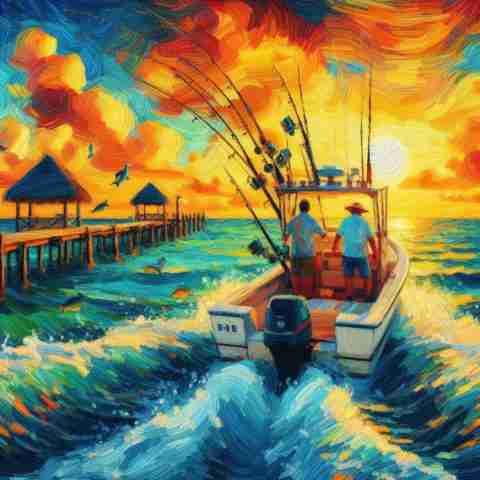
Picture this: a group of locals donning wetsuits and masks, threading through shimmering underwater landscapes. Their mission? To cull the lionfish by spearfishing—a practice that some might see as radical but is, in fact, a necessary strategy to restore ecological equilibrium. As these brave souls take to the waters, they’re not just fighting an invasion; they’re defending their home, ensuring that the vibrant marine life, from colorful reef fish to bustling coral structures, continues to thrive for generations to come.
The effort goes beyond just a noble pursuit. It’s a practical response that shows just how much these individuals care about their environment. When lionfish invade, they don’t just threaten fish populations—they threaten the livelihoods of fishermen and the tourism that fuels Cozumel’s economy. By actively engaging in this battle, residents are fostering a sense of community, where every diver and snorkeler becomes an integral part of a broader narrative. They’re inviting the world to participate, sparking awareness about an invasive species and garnering support from eco-conscious tourists who dive not just for pleasure, but to contribute to a meaningful cause.
But let’s talk about the taste. Lionfish is not just a problem; it’s also a solution. This species, often described as delicious, offers culinary opportunities that can turn the tide of its invasion. Restaurants across Cozumel are beginning to feature lionfish on their menus, transforming an adversary into a culinary hero. Educating patrons about the fish on their plates elevates awareness and engages visitors emotionally, making them stakeholders in this ongoing battle.
Cozumel is more than just a vacation destination; it’s a living, breathing ecosystem nurtured by the courage and commitment of its community. Each spear thrown, each lionfish caught, counts as a small victory in a larger fight. Together, we’re called to cherish this spectacular island and contribute to its preservation. The question is, will you answer the call?

What’s Being Done About Lionfish In Cozumel?
What’s Being Done About Lionfish In Cozumel?
- Cozumel’s marine ecosystem, rich in coral reefs and vibrant life, is threatened by the invasive lionfish.
- The lionfish, beautiful yet venomous, disrupts local marine balance and threatens biodiversity.
- Island residents and divers are actively culling lionfish through spearfishing to restore ecological balance.
- This community effort fosters environmental awareness and encourages participation from eco-conscious tourists.
- Lionfish offer culinary potential; local restaurants are starting to feature it on their menus, turning a problem into a solution.
- Every caught lionfish represents a victory in the fight to protect Cozumel’s ecosystem and economy.
- Cozumel stands as a testament to community resilience, inviting all to join in preserving its natural beauty.

What’s Being Done About Lionfish In Cozumel?
Table Of Contents
- What’s Being Done About Lionfish In Cozumel?
- What Are The Emotional Impacts Of Lionfish On Local Ecosystems?
- What Strategies Are Being Implemented To Control Lionfish Populations?
- How Do Tourists Perceive The Lionfish Issue While Visiting Cozumel?
- What Ethical Dilemmas Arise From Managing Lionfish Invasions?
- Who Are The Key Authorities Leading The Fight Against Lionfish?
- What Role Do Local Communities Play In Combatting Lionfish In Cozumel?
- How Can Education About Lionfish Lead To Better Management Practices?
- Conclusion
- Other Resources
- Glossary Of Terms
- Other Questions
- Haiku
- Poem
- Checklist
What Are The Emotional Impacts Of Lionfish On Local Ecosystems?
In the vibrant coral reefs of Cozumel, where the ocean’s symphony plays a colorful tune of life, a silent crisis unfolds. On the surface, the waters seem teeming with life, but dip below, and you may find a different story. The arrival of the lionfish, with its striking appearance and venomous spines, has turned this marine paradise into a cautionary tale, impacting not just the fish but the very fabric of the local ecosystem and the communities that depend on it.
Imagine a diver, the sun glinting off the water, poised to explore the beauty beneath. But as they glide through, their heart sinks at the sight of diminished schools of fish that once danced in breathtaking formations. This is no mere inconvenience; it’s a heartbreak for fishermen and families who rely on these waters for sustenance. Economically, the lionfish invasion is a thief, stealing fish stocks and endangering the livelihoods tied to fishing. Men and women who have spent generations honing their craft now face uncertainty in a world where the balance has been thrown off.
The lionfish’s voracious appetite for native species means a significant decline in diversity, a key ingredient for a healthy ocean. This loss isn’t just data on a scientist’s chart. It’s a story of resilience being tested, of an ecosystem struggling to maintain its identity. For the local communities, this isn’t merely an environmental issue; it’s an ethical call to action. The fight against the lionfish is a rallying cry, urging us to step up as stewards of our oceans—because when communities rise together in the face of adversity, there’s hope for regeneration.
What happens when resilience falters? The emotional impact ripples through generations. Children grow up without the stories of vibrant reefs, fishermen’s tales dissolve into whispers of what once was. But among this devastation lies a thread of agency, a chance to act. Local conservation efforts can rally support, create awareness, and unite communities under a common goal. Teaching responsible practices and promoting lionfish as a culinary option can help turn this villain into an ally.
In Cozumel, it’s about more than just battling an invasive species; it’s about rediscovering our connection to the water, to each other, and to the very essence of life itself. Armed with knowledge and a sense of duty, we can restore balance and ensure future generations inherit a rich, thriving ocean. Together, we can reclaim the heart of Cozumel’s waters.
What Are The Emotional Impacts Of Lionfish On Local Ecosystems?
What Are The Emotional Impacts Of Lionfish On Local Ecosystems?
- The coral reefs of Cozumel face a silent crisis due to the invasion of lionfish, impacting the local ecosystem.
- Diminished fish populations affect the livelihoods of fishermen and families who rely on these waters for sustenance.
- The lionfish’s appetite for native species leads to a decline in marine biodiversity and disrupts the ocean’s balance.
- This situation poses an ethical call to action, urging local communities to become stewards of their oceans.
- Resilience in the face of adversity is tested, and the emotional impact affects future generations.
- Local conservation efforts can raise awareness and promote lionfish as a culinary option to combat the invasion.
- Restoring balance is essential for ensuring future generations inherit a thriving ocean and strong community connections.
What Are The Emotional Impacts Of Lionfish On Local Ecosystems?
What Strategies Are Being Implemented To Control Lionfish Populations?
Cozumel, with its stunning coral reefs and vibrant marine life, is facing a crisis that pulls at the heartstrings of every ocean lover. The invasion of the lionfish, a native of the Indo-Pacific, has transformed the delicate balance of this underwater paradise. These spiky predators lay waste to our beloved local fish populations, and their unchecked growth poses a grave threat to the biodiversity that defines this island.
So, what are we doing about it? People from all walks of life are joining forces, inspired by a common purpose: to restore balance to the ocean that cradles our spirits and livelihoods. Local fishermen, marine conservationists, and eager divers are stepping into the fray, participating in organized hunts and spear-fishing tournaments. These events not only help to reduce lionfish numbers but also give locals a chance to showcase their skills and knowledge—a true testament to their connection with the sea.
Education plays a vital role in this fight. Efforts to spread awareness about the menace of lionfish are ramping up. Community workshops and presentations are turning curiosity into accountability, teaching people how best to identify and catch these invaders. It’s about more than just the fish; it’s about fostering a growing community of environmental stewards who are committed to protecting our oceans.
But while combative strategies wield practical results, there’s an appetite for tasty solutions too. Restaurants in Cozumel are getting on board, adding lionfish to their menus as a delectable delicacy. This culinary approach appeals to our taste buds while igniting a sense of urgency to consume more of these invasive creatures. By making lionfish a sought-after dish, locals not only help eradicate the fish but also celebrate their own resilience—transforming a nuisance into a gourmet opportunity.
On a deeper level, the narrative of lionfish control resonates with a shared responsibility. It’s a collective call to action that challenges each of us—whether you’re a seasoned diver or a casual beachgoer—to engage in the stewardship of our oceans. The fight against lionfish is not just about preserving Cozumel; it’s about protecting the sanctity of our planet’s ecosystems for generations to come.
So, let’s gather our nets, our spears, and our appetites for adventure. Together, we can take back our waters, ensuring they thrive, not just for today but for a tomorrow that’s as vibrant and rich as the colors of the very fish we choose to protect.

What Strategies Are Being Implemented To Control Lionfish Populations?
What Strategies Are Being Implemented To Control Lionfish Populations?
- Cozumel is threatened by an invasion of lionfish, disrupting its coral reefs and marine biodiversity.
- Local communities, including fishermen, conservationists, and divers, are collaborating to combat the lionfish through organized hunts.
- Education initiatives are being implemented to raise awareness and teach identification and capture techniques for lionfish.
- Restaurants in Cozumel are incorporating lionfish into their menus, promoting it as a delicacy to encourage consumption.
- The control of lionfish serves as a reminder of shared environmental responsibility among all ocean-goers.
- This fight is about protecting Cozumel’s ecosystems and ensuring the health of our oceans for future generations.
- Community efforts combine practical, educational, and culinary strategies to restore balance and resilience to the sea.
What Strategies Are Being Implemented To Control Lionfish Populations?
How Do Tourists Perceive The Lionfish Issue While Visiting Cozumel?
When tourists arrive in Cozumel, many are drawn not only to its crystal-clear waters and vibrant coral reefs but also to the unique challenges that lie beneath the surface. The sight of the invasive lionfish—stunning yet destructive—stirs a mixture of fascination and concern among visitors. This fish, with its flowing fins and striking colors, seems almost regal, beckoning adventurers to take a closer look. But beneath its beauty, there’s an unsettling reality that hits the heart, head, and gut of anyone who loves the ocean.
Picture yourself snorkeling in Cozumel’s warm waters, surrounded by schools of fish darting around the coral. Then, there it is—a lionfish, gliding with an elegance that belies the chaos it causes. It’s a mesmerizing sight, and yet, for those who understand the bigger picture, it brings an unsettling awareness. The reality that this invader can devastate native fish populations and disrupt the delicate balance of the reef ecosystem is enough to make any eco-conscious traveler pause and reflect.
Cozumel is a paradise, a slice of heaven where the ocean nurtures not just marine life but also the livelihoods of local fishermen and the culture of the island itself. Tourists are often struck by this interconnection—the ethical responsibility to protect this paradise adds an unexpected layer to their vacation. With each bite of lionfish caught and served in a local restaurant, visitors can savor the taste of environmental stewardship. Supporting local initiatives to reduce lionfish populations becomes not just an ethical choice but a delicious one.
This isn’t just a local issue; it’s a global one. Tourists often share their lionfish encounters on social media, sparking discussions that cross borders. They become advocates, spreading awareness about a problem that does not just belong to Cozumel but to oceans worldwide. The stories they tell resonate beyond the shores, inspiring others to appreciate the ocean’s beauty while taking a stand against those who threaten it.
In these moments, visitors to Cozumel realize they’re not merely tourists; they’re part of a larger narrative. Here, the waves whisper the stories of resilience and restoration, urging all who swim in these waters to become stewards of the sea. It’s a call to action, inviting everyone to dive deeper into the heart of Cozumel, not just as explorers but as protectors of a majestic world, one lionfish at a time.
How Do Tourists Perceive The Lionfish Issue While Visiting Cozumel?
How Do Tourists Perceive The Lionfish Issue While Visiting Cozumel?
- Tourists are attracted to Cozumel’s clear waters and vibrant coral reefs.
- The invasive lionfish presents both a stunning appearance and environmental concerns.
- Snorkeling reveals the lionfish’s elegance, contrasted with its destructive impact on ecosystems.
- Cozumel’s local culture and economy rely on a healthy ocean, highlighting the ethical responsibility of visitors.
- Eating lionfish in local restaurants supports initiatives aimed at reducing its population.
- Tourists share their encounters on social media, raising global awareness of marine issues.
- Visitors are encouraged to act as stewards of the sea, participating actively in ocean conservation.

How Do Tourists Perceive The Lionfish Issue While Visiting Cozumel?
What Ethical Dilemmas Arise From Managing Lionfish Invasions?
Managing lionfish invasions presents an intricate tapestry of ethical dilemmas, weaving together the fate of ecosystems, local communities, and our shared responsibility as stewards of the earth. Picture Cozumel, with its crystal-clear waters teeming with vibrant marine life. Here, amidst breathtaking coral reefs, lies a silent battle unfolding beneath the surface. Lionfish, a voracious predator with few natural enemies in this environment, wreak havoc on delicate ecosystems, pushing native species to the brink. This isn’t just a problem for marine biologists; it’s a poignant reminder of our place in the natural order.
When we consider the implications of culling these invasive fish, our hearts weigh heavy. On one hand, we know the necessity of control; on the other, we confront the harsh reality of killing. The ethical quandary arises: how do we balance the life of an invasive species against the survival of an entire region’s biodiversity? This decision holds profound implications. Every lionfish removed could mean a second chance for countless native creatures, yet there’s no mistaking the sorrow in a diver’s heart as they pull the trigger.
Rationally, it’s a matter of ecosystem health. Studies show that unchecked lionfish populations can decimate fish stocks, leading to economic hardship for local fishermen and communities who depend on the ocean’s bounty. The stakes couldn’t be higher: protect the reef or see it transformed into a graveyard of lost species. But let’s not forget the role of authority here—who gets to make these calls? Is it government officials wielding permits, scientists with their research-based conclusions, or local fishermen who bear the brunt of these decisions?
There’s a narrative that needs telling, one that brings us to the shorelines of Cozumel. Local divers and fishermen, united by a love of the sea, are stepping up, organizing community efforts to combat lionfish and educating others about the importance of biodiversity. They’ve learned to embrace these spiny intruders, turning them into culinary delights served at local restaurants. Their message rings clear: conservation doesn’t come at the expense of community.
In confronting these dilemmas, we’re invited to reflect on what we value. It’s a chance to connect with the thriving, pulsating life of our oceans and take action hand in hand with those who call the sea their home. Together, we can advocate for sustainable practices that honor both our ethical responsibilities and the breathtaking beauty of natural ecosystems.

What Ethical Dilemmas Arise From Managing Lionfish Invasions?
What Ethical Dilemmas Arise From Managing Lionfish Invasions?
- Managing lionfish invasions involves complex ethical dilemmas affecting ecosystems, local communities, and global stewardship.
- In Cozumel, lionfish threaten coral reefs and native species due to their few natural enemies and voracious predation.
- Culling invasive lionfish poses ethical questions about balancing their lives with the survival of regional biodiversity.
- The unchecked growth of lionfish can lead to economic hardships for local communities dependent on marine resources.
- Decisions on managing lionfish populations raise questions about who holds authority—government, scientists, or local fishermen.
- Local divers and fishermen are actively combating lionfish through community efforts and transforming them into culinary dishes.
- The situation encourages reflection on our values while advocating for sustainable practices that support both biodiversity and community welfare.

What Ethical Dilemmas Arise From Managing Lionfish Invasions?
Who Are The Key Authorities Leading The Fight Against Lionfish?
When it comes to battling the invasive lionfish, a motley crew of dedicated authorities is leading the charge, each representing a unique piece of the puzzle. Imagine divers, marine biologists, and conservationists colliding in the vibrant waters off the shores of Cozumel, their shared mission radiating through both the sea and the communities that depend on it. These guardians of the reef aren’t just facing a creature with striking beauty and venomous barbs; they’re wrestling with a crisis that threatens the ecological balance, economic stability, and the cultural heritage of coastal communities.
At the forefront are government organizations, fishery management boards, and environmental NGOs, all joining forces to combat the lionfish invasion. Each group brings a wealth of knowledge, a pulse on the underwater world, and a responsibility to preserve what’s left. These aren’t just bureaucrats pushing paper; they’re passionate individuals who have spent years advocating for sustainable practices, pushing for policies that resonate with the locals who call these waters home. They know that safeguarding their fishing waters is about more than just controlling an invasive species; it’s about securing livelihoods and preserving a way of life.
Local communities also play a pivotal role in this battle. Fishermen, chefs, and families are stepping up, recognizing that the answer lies not just in eradication but in adaptation. With lionfish being served on restaurant menus and even featured at local festivals, these communities are transforming a threat into a delicacy, turning the tide in their favor. Their faces, filled with determination, tell a story of resilience—a story that’s relatable to anyone who has had to stand firm in the face of adversity.
Respected marine researchers keep the fight grounded in science, analyzing the population dynamics of lionfish and their prey. Their data is proving indispensable in crafting effective strategies, building a case that’s hard to ignore. They’re not just knowledgeable; they’re translating complex research into actionable plans that empower both communities and authorities to work together.
Every individual involved in this alliance—whether they’re fighting from the surface or the depths—understands that this is a collective effort. When these authorities unite, they embody the collective strength of humanity’s ability to face challenges. Their inspiration compels us all to look inward, to reflect on our roles in conservation, and to act, reminding us that every small step taken counts in the endless dance of marine life. As they battle the lionfish, they invite us to join the journey, knowing that together, we can protect our oceans for generations to come.

Who Are The Key Authorities Leading The Fight Against Lionfish?
Who Are The Key Authorities Leading The Fight Against Lionfish?
- A diverse coalition of divers, marine biologists, and conservationists is addressing the lionfish invasion in Cozumel.
- Government organizations, fishery management boards, and environmental NGOs are collaborating to combat the ecological and economic crisis posed by lionfish.
- Local communities, including fishermen and chefs, are adapting by incorporating lionfish into their cuisine and culture.
- Marine researchers provide critical scientific analysis to inform effective strategies against lionfish proliferation.
- This alliance exemplifies the collective strength in tackling environmental challenges, emphasizing community involvement.
- Efforts to manage lionfish highlight the importance of sustainable practices for local livelihoods and cultural heritage.
- Everyone involved in the initiative encourages broader public participation in ocean conservation efforts for future generations.

Who Are The Key Authorities Leading The Fight Against Lionfish?
What Role Do Local Communities Play In Combatting Lionfish In Cozumel?
In the vibrant waters surrounding Cozumel, an insidious invader lurks. The lionfish, with its stunning yet deceptive appearance, poses a significant threat to the region’s delicate marine ecosystem. It’s easy to see why these fish can be alluring; their beauty can mesmerize divers and snorkelers alike. But beneath that captivating façade lies a predator that does not belong in these waters. This is where local communities step in, acting not just as stewards of the sea, but as passionate warriors in the fight against this foreign menace.
When you stroll through the colorful streets of Cozumel, hear the laughter of children playing, and see fishermen gathering the day’s catch, you begin to understand that the health of their waters directly affects their livelihoods and way of life. For the residents, a thriving reef not only sustains their economy – from tourism to fishing – but also connects them to generations of traditions and history. The emotional investment in their natural resources runs deep; it’s not merely about fish – it’s about heritage, families, and community identity.
With a shared ethic and sense of responsibility, locals are taking matters into their own hands. Dive shops are organizing lionfish derbies, where fishermen become hunters, showcasing their skills while fostering a community spirit. It’s heartening to witness families come together with spears in hand, tackling this invasive species. Each catch becomes a badge of honor and a small victory in preserving their marine paradise. The narrative here is one of unity and determination, where every individual has a role to play in turning the tide against the invasion.
This is not just a local issue; it resonates across the globe. When the people of Cozumel take a stand, they set an example that communities everywhere can follow. They cultivate a message: We all have the power to protect our environment, wherever we are. By inspiring others to act, Cozumel’s citizens are weaving an intricate tapestry of collective responsibility that can extend far beyond their shores.
So, whether you’re a seasoned diver or a conscientious traveler, remember that you, too, play a part in this vigorous endeavor. Engage with the community, support their initiatives, and raise your voice in the fight against lionfish. Together, we can ensure that the stunning beauty of Cozumel’s waters remains for generations to come.

What Role Do Local Communities Play In Combatting Lionfish In Cozumel?
What Role Do Local Communities Play In Combatting Lionfish In Cozumel?
- The lionfish is an invasive species threatening Cozumel’s marine ecosystem.
- Despite its beauty, the lionfish is a predator that disrupts local waters.
- Local communities recognize that healthy waters are essential for their livelihoods and cultural heritage.
- Residents are actively involved in combating lionfish through organized derbies and collective efforts.
- Community engagement fosters a spirit of unity and determination in preserving marine life.
- Cozumel serves as a global example, inspiring others to take action in environmental protection.
- Everyone, including travelers and divers, can participate in the fight against lionfish and protect the region’s natural beauty.

What Role Do Local Communities Play In Combatting Lionfish In Cozumel?
How Can Education About Lionfish Lead To Better Management Practices?
Education about lionfish can transform the way we manage this invasive species, and it starts with understanding the broader implications of our actions. When we picture the vibrant coral reefs off the coast of Cozumel, teeming with diverse marine life, it becomes clear that our solutions must be as intricate as the ecosystems themselves. Lionfish, with their mesmerizing appearance and voracious appetite, pose a serious threat to these underwater sanctuaries. By fostering a culture of awareness and responsibility surrounding lionfish, we tap into something much deeper than just fisheries management.
Imagine a local fisherman standing at the edge of his boat, gazing over the water, his heart heavy with memories of the days when he would easily catch snapper and grouper. The specter of the lionfish hangs in the air like a tempest, but what if he had the tools and knowledge to make a difference? Through community-based education initiatives, he can learn not just about removal techniques, but also about the ecological balance—how removing lionfish can restore biodiversity and, ultimately, replenish his catch. This connection between education and empowerment isn’t just rational—it’s deeply emotional.
Educating the public about lionfish is not merely an academic exercise; it’s a call to action that appeals to our ethical responsibility as stewards of the ocean. When we understand that each lionfish removed leads to healthier ecosystems and better livelihoods, we become more than just bystanders. We become stakeholders in our coastal futures, banding together to protect our natural heritage. This collective journey builds authority—local chefs highlighting lionfish on their menus, local divers leading awareness campaigns, and educators in schools teaching about the impacts and solutions.
Sharing success stories from Cozumel or beyond—where communities rallied to combat lionfish—can serve as powerful narratives. These stories highlight the triumph of humanity over ecological challenge and illustrate the profound impact that informed individuals can have on their environment.
So let us engage our hearts, sharpen our minds, and act with purpose. The path toward better management of lionfish is paved with knowledge and rooted in community. Together, we can ensure that the delicate dance of life beneath the waves continues, inspiring future generations to cherish and protect our oceans. When informed, inspired, and united, we can tackle the challenge of lionfish and emerge victorious—not just for ourselves, but for the world that thrives beyond the surface.
How Can Education About Lionfish Lead To Better Management Practices?
How Can Education About Lionfish Lead To Better Management Practices?
- Education about lionfish is crucial for effective management of this invasive species.
- Understanding the ecological implications of lionfish helps in developing intricate solutions for coral reef preservation.
- Community-based education initiatives empower local fishermen with knowledge about lionfish removal and ecological balance.
- Public education on lionfish encourages ethical responsibility and promotes stewardship of ocean ecosystems.
- When individuals understand the positive impact of removing lionfish, they become active stakeholders in marine conservation.
- Success stories from communities combating lionfish serve as powerful narratives of triumph and collective action.
- Engagement, knowledge, and community action are essential for ensuring the protection of oceans for future generations.

How Can Education About Lionfish Lead To Better Management Practices?
Conclusion
Cozumel, with its breathtaking underwater landscape, is a tangled web of beauty and crisis—an aquatic paradise at risk from the invasive lionfish. This predator, strikingly beautiful but devastatingly destructive, has emerged as a formidable opponent to the delicate marine ecosystem. Residents and visitors are at the heart of this unfolding narrative, each holding a vital thread in the community’s response to an ecological emergency. Local fighters, from fishermen to divers, brave the waters to spearfish lionfish, a passionate stand that demonstrates their dedication to preserving not just their environment but their way of life.
The community’s resolve speaks volumes: this isn’t merely a battle against fish but a fight for Cozumel’s identity and future. Every lionfish captured and every dish served in restaurants serves a dual purpose—removing a threat while reclaiming culinary heritage. Visitors too become part of this restorative movement, sharing stories and experiences that resonate beyond the shores. As they taste lionfish and learn about its implications, they transform from vacationers into stewards, joining a global call to protect marine ecosystems.
Yet, this struggle raises ethical questions about intervention and conservation, forcing us to weigh our actions against the backdrop of biodiversity’s fragility. While the necessity of culling lionfish is clear for ecological preservation, it brings with it the discomfort of killing. Striking a balance becomes critical, creating a bigger picture that includes sustainable practices and mutual respect for nature. The community-driven approach—where hunters become educators, and chefs promote lionfish in local cuisine—embodies this balance, demonstrating that the journey to restore the sea is as important as the destination.
Cozumel stands as a poignant reminder of our shared responsibility to protect the environment. Understanding the impact of lionfish on the local economy and ecosystems deepens our emotional connection to the battle. The heartfelt stories of loss and resilience intertwine with rational action—educating the public about both the threats and the solutions empowers the community to act decisively.
As we immerse ourselves in this rich narrative, the question lingers: How will we answer the call to action? By diving into this challenge collectively, we can honor Cozumel’s beauty and ensure it endures for generations. Together, let’s rise to defend our oceans, celebrating their wonders while safeguarding their future. The tides are turning, and each of us has a part to play in shaping a sustainable legacy.

Conclusion
Conclusion:
- Cozumel’s underwater beauty is threatened by the invasive lionfish, a destructive predator.
- Local residents and visitors actively participate in efforts to spearfish lionfish, emphasizing community involvement and ecological preservation.
- The struggle against lionfish reflects a broader battle for Cozumel’s identity and future, intertwining environmental concerns with cultural heritage.
- Visitors contribute to the movement by enjoying lionfish dishes and learning about its ecological implications, transforming from tourists to environmental stewards.
- The conflict raises ethical questions about conservation, balancing the necessity of culling with respect for biodiversity.
- Cozumel’s community-driven approach showcases the importance of education and sustainable practices in restoring marine ecosystems.
- The narrative encourages collective action to protect the environment, emphasizing the shared responsibility to safeguard Cozumel’s beauty for future generations.

Conclusion
Other Resources
Other Resources
Most of the people who read this are also figuring out where to stay. A couple of places we run or know well, in case it’s useful: Cozumel Journey is an editorial guide to Cozumel — neighborhoods, planning tips, and life on the island for travelers who want context, not a cruise schedule.
Here is a list of other resources you can review online to learn more:
- Punta Morena Beach Club
- Seniors
- Rainforest Cafe
- Mex Rent A Car
- Mercado Municipal
- Cozumel Chef
- Pepe’s Modern Grill
- Mr. Sancho’s
- Dunkin’ Donuts
- Hooters Cozumel
- Blue Angel Resort
- CZM
- Dolphin Discovery Cozumel
- Costamed Cozumel Hospital
- Mega Supermarket
- La Mission Restaurant Cozumel
- Bodega Aurrera
- Cozumel Journey
Use This Prompt To Get More Resources With Your Favorite Online AI Tool: Please provide me with a list of online articles with their URLs in a bulleted list that I can read regarding What’s Being Done About Lionfish In Cozumel?

Other Resources
Glossary Terms
What’s Being Done About Lionfish In Cozumel? – Glossary Of Terms
1. Lionfish: An invasive species known for its striking appearance and venomous spines, impacting marine ecosystems.
2. Invasive Species: Non-native organisms that disrupt local ecosystems, often outcompeting native species for resources.
3. Cozumel: A Mexican island in the Caribbean Sea, known for its rich biodiversity and coral reefs.
4. Ecosystem: A biological community of interacting organisms and their physical environment.
5. Coral Reefs: Underwater structures made from calcium carbonate secreted by corals, providing habitats for diverse marine life.
6. Biodiversity: The variety of life in a particular habitat or ecosystem, essential for resilience and ecological health.
7. Population Control: Measures taken to manage the number of individuals in a species to prevent overpopulation or extinction.
8. Culling: The selective removal of individuals from a population to reduce their numbers, often used for managing invasive species.
9. Spear Fishing: A method of fishing using a spear or harpoon, commonly used in lionfish removal efforts.
10. Community Awareness: Education initiatives aimed at informing locals and tourists about the lionfish invasion and its impacts.
11. Conservation: The sustainable management of natural resources to protect biodiversity and ecosystems.
12. Marine Protected Areas (MPAs): Designated regions of the ocean where human activity is restricted to protect marine ecosystems.
13. Habitat Restoration: The process of repairing and restoring damaged or degraded ecosystems.
14. Venom: A toxic substance produced by certain animals, such as lionfish, used for defense or capturing prey.
15. Monitoring Programs: Initiatives focused on tracking the population and spread of invasive species to assess their impact.
16. Education Programs: Initiatives designed to teach about the importance of marine ecology and the threats posed by invasive species.
17. Sustainable Fishing: Fishing practices that maintain fish populations and ecosystem health without causing long-term harm.
18. Local Fisheries: Fishing industries that operate in a specific region, often impacted by invasive species like lionfish.
19. Research: Scientific studies conducted to understand lionfish behavior, ecology, and impacts on ecosystems.
20. Awareness Campaigns: Programs designed to raise public understanding and support for actions against invasive species.
21. Eradication: The complete removal of an invasive species from a specific area to prevent further ecological harm.
22. Culinary Use: Promoting lionfish as a food source to reduce their population through increased fishing.
23. Collaboration: Joint efforts among governments, NGOs, and local communities to combat the lionfish invasion.
24. Reef Health: The state of coral reefs, which can be deteriorated by invasive species and poor environmental conditions.
25. Ecological Balance: A stable state of an ecosystem where species coexist and maintain their populations within sustainable limits.
26. Fishery Management: Regulations and practices aimed at sustaining fish populations and marine environments.
27. Volunteer Programs: Opportunities for individuals to assist in lionfish removal and awareness initiatives.
28. Intervention: Actions taken to address environmental issues caused by invasive species, such as lionfish.
29. Tourism Impact: The effect of tourist activities on local ecosystems, which can be influenced by invasive species awareness.
30. Community Engagement: Involving locals in conservation efforts and educating them about the impacts of invasive species.

Glossary Of Terms
Other Questions
What’s Being Done About Lionfish In Cozumel? – Other Questions
If you wish to explore and discover more, consider looking for answers to these questions:
- What specific methods are being used for culling lionfish in Cozumel?
- How has the lionfish invasion affected local fish populations?
- What are the economic implications of the lionfish invasion on local fishermen?
- How can tourists contribute to the efforts against lionfish in Cozumel?
- What is the scientific consensus on the ecological impact of lionfish?
- What role do restaurants play in combating lionfish through culinary promotion?
- Are there any successful case studies from other regions dealing with lionfish invasions?
- How is community engagement fostered in the fight against lionfish?
- What training is provided to locals in identifying and managing lionfish populations?
- How do different stakeholders, such as government and NGOs, collaborate in this battle?
- What emotional connections do local communities have with their marine environment?
- What challenges do local authorities face in implementing lionfish management strategies?
- How is the issue of lionfish represented in local culture and tourism marketing?
- What advancements in lionfish research might inform future management practices?
- What can be done to increase global awareness of the lionfish invasive issue?

Other Questions
Haiku
What’s Being Done About Lionfish In Cozumel? – A Haiku
Cozumel’s bright reefs,
Lionfish threaten the grace—
Community fights back.

Haiku
Poem
What’s Being Done About Lionfish In Cozumel? – A Poem
In Cozumel’s tranquil sea, a beauty hides a bane,
The lionfish, elegant, yet brings the reef to pain.
With spines like daggers, it prowls with no restraint,
And as it feasts on color, the ocean’s lost its paint.
But community and courage rise beneath the waves,
Local hearts and hands unite, their spirit never quaves.
In wetsuits, they plunge deep, where vibrant corals sway,
Spear in hand, they claim their home, turning night to day.
From kitchens to the ocean, the tide begins to shift,
Restaurants serve lionfish, transforming threat to gift.
Visitors taste the bounty, supporting local pride,
A promise to protect these shores, standing side by side.
A rallying cry for stewardship, echoing through the years,
Children grow with tales of reefs, not tales of silent fears.
In every catch and every meal, a bond begins to weave,
Connecting souls to ocean’s fate, a legacy to leave.
Education blooms like coral, enlightening every mind,
Teaching all the ways to care, for nature intertwined.
As divers share their stories, awareness takes its flight,
Together, they will stand as one, guardians of the light.
So hear this song of Cozumel, of resilience and of grace,
In every fin and every reef, there’s a shared embrace.
Join the fight against the tide, take heart in this endeavor,
In unity, we find our strength—together we’ll recover.

Poem
Checklist
What’s Being Done About Lionfish In Cozumel? – A Checklist
Lionfish Awareness and Action Checklist
Emotional Appeals
1. Reflect on your connection to the ocean—how does it nourish your spirit and community?
2. Share your lionfish encounter experiences with friends and family to foster awareness and concern.
3. Participate in local community events that promote ocean conservation and highlight the lionfish issue.
Rational Appeals
1. Learn about the ecological impacts of the lionfish on local fish populations and ecosystems.
2. Research effective lionfish removal techniques and strategies to contribute to local efforts.
3. Explore the economic implications of lionfish on local fisheries and tourism in Cozumel.
Ethical Appeals
1. Consider your ethical responsibilities as a global citizen—how can you contribute to ocean stewardship?
2. Support local initiatives that advocate for the removal of invasive species without compromising ecological balance.
3. Encourage responsible consumption by prioritizing lionfish on your dining menu whenever possible.
Authority Appeals
1. Follow trusted marine biologists and conservationists online to stay informed about lionfish management practices.
2. Attend workshops or community meetings organized by local authorities focused on marine conservation and lionfish education.
3. Advocate for policies that support sustainable fishing practices and invasive species management.
Narrative Appeals
1. Share success stories from local communities that have effectively managed lionfish populations.
2. Participate in storytelling events that promote awareness of the lionfish issue and its impact on local heritage.
3. Document your journey to learn about and combat lionfish, creating a personal narrative that inspires others.
Social Appeals
1. Engage in group activities, such as lionfish derbies or educational courses, to foster a sense of community in tackling this issue.
2. Use social media platforms to spread awareness about lionfish and encourage friends to support local conservation efforts.
3. Connect with local conservation groups or dive clubs to build networks of support and collaboration against invasive species.
By following this checklist, you can play an active role in addressing the lionfish invasion in Cozumel, protecting the ocean for future generations while enriching your own relationship with the marine ecosystem.

Checklist
At TopCozumelNews, we help travelers enjoy Cozumel by collating information learned from frequently traveling to beautiful Cozumel.
Be sure to read our other related stories at TopCozumelNews to learn more about the Island of Cozumel.