
Uncovering The Environmental Impact Of Cozumel’s Waste Management
By Tom Seest
At TopCozumelNews, we help travelers enjoy Cozumel by collating information learned from frequently traveling to beautiful Cozumel.
Be sure to read our other related stories at TopCozumelNews to learn more about the Island of Cozumel.
Where Does Your Trash Go In Cozumel?
When you toss your trash in Cozumel, you might think it disappears into oblivion, a magical vanishing act performed by garbage trucks. But let’s take a moment to peel back the layers of that seemingly simple act. Where does it really go? Understanding this can ignite a spark within you to be a part of the solution, not just a spectator.
Cozumel is a paradise, a slice of heaven surrounded by endless blue. Yet, even this magnificent island grapples with the pressing reality of waste management. On the island, your discarded debris doesn’t evaporate; it follows the journey of thousands of others, morphing into a narrative that reflects each individual’s choices. Picture this: the trash is collected, compacted, and ferried to the local landfill, where it begins a slow decay process. This landfill, however, is not just an unsightly mess; it’s a critical chapter in Cozumel’s story, shaping the environmental landscape of the island and impacting every living creature.
Now, think about your role in this saga. By choosing to reduce, reuse, and recycle, you’re not simply lessening the burden on the landfill; you’re actively participating in a larger movement. Imagine if every person made that conscious choice. It’s a powerful image, isn’t it? What kind of legacy would we leave for future generations? An island vibrant with life or a tableau painted in waste? The data suggests that communities with robust recycling initiatives can cut down their landfill waste significantly—an argument that appeals to our rational side.
But it’s more than just numbers on a page. It’s about community and connection. When residents and visitors unite to embrace sustainable practices, it reflects a collective ethical commitment to preserving Cozumel’s natural beauty. Each can of soda recycled, every piece of plastic eliminated from the shoreline, binds us together in a tapestry of responsibility.
Let’s not forget that trash isn’t just a personal problem; it’s social. When you engage in discussions about waste management and environmental awareness, you inspire others to follow suit. So, the next time you feel the urge to toss something aside, pause and consider Cozumel. Your choices, your actions, they define the future—one piece of trash at a time. Don’t just be part of the problem; take action to be part of the solution and help keep that blue paradise as pristine as it deserves to be.

Where Does Your Trash Go In Cozumel?
Where Does Your Trash Go In Cozumel?
- In Cozumel, tossed trash doesn’t simply vanish; it follows a journey to a local landfill.
- The landfill is a critical aspect of Cozumel’s waste management and environmental story.
- Individuals can contribute to waste reduction by choosing to reduce, reuse, and recycle.
- Collective participation in sustainable practices creates a shared commitment to preserve the island’s beauty.
- Robust recycling initiatives can significantly lower landfill waste, benefiting the community.
- Engaging in discussions about waste management promotes awareness and inspires others to take action.
- Your choices impact Cozumel’s future—act to be part of the solution and protect the island’s paradise.

Where Does Your Trash Go In Cozumel?
Table Of Contents
- Where Does Your Trash Go In Cozumel?
- What Emotions Does Seeing Trash In Paradise Stir Within You?
- How Can Understanding Waste Management In Cozumel Affect Your Choices?
- What Ethical Responsibilities Do We Have Towards The Environment Here?
- Who Is Accountable For The Cleanliness Of Cozumel’s Beautiful Shores?
- How Do Local Communities Come Together To Address Waste Issues?
- How Does Tourism Impact Trash Generation In Cozumel?
- What Innovative Solutions Can Reduce Waste On This Island?
- Conclusion
- Other Resources
- Glossary Of Terms
- Other Questions
- Haiku
- Poem
- Checklist
What Emotions Does Seeing Trash In Paradise Stir Within You?
Standing on the pristine shores of Cozumel, the sun warms your skin, and the turquoise waves gently lap at your feet. It’s a slice of paradise, a visual feast that many only dream of. Yet, competing with the natural beauty is a rude awakening: pieces of plastic, crumpled wrappers, and abandoned fishing nets littering the beach. Just like that, the serenity is shattered, and a visceral knot forms in your stomach. How can such a heavenly spot succumb to the careless whims of humanity?
When you see trash in paradise, it doesn’t just stir frustration; it strikes a chord deep within you. It beckons you to consider your own role in this mess we’ve created. The ethical dilemma is palpable. You know that every choice you make, every item you consume, contributes to this reality. Each piece of waste tells a story—of convenience, of negligence, of a moment’s thoughtlessness that culminates in our collective apathy toward the environment.
But let’s engage our rational minds here. We can approach this challenge not only with heartbreak but with determination. The rational voice whispers, “We can do better.” Communities, artisans, and local governments can unite to clean up and advocate for sustainable practices. Imagine organizations banding together, inspired not only by the beauty of Cozumel but by the belief that these shores deserve to be cherished, not tarnished. It’s a narrative we can all be part of, told by individuals who refuse to stand idly by, who roll up their sleeves and take action.
Socially, we find ourselves at a crossroads. Each piece of trash represents a shared responsibility that connects us—locals and travelers alike. It’s a wake-up call for everyone to engage. Picture families spreading out along the beach, collecting litter together; friendships blossoming over shared values; a spark of collective action igniting in the hearts of many.
Seeing trash in paradise isn’t just a source of anger; it’s an invitation. An invitation to reconnect with nature, to champion change, and to take pride in our shared spaces. The beauty of Cozumel doesn’t have to be marred; we have the power to reclaim it, to turn this moment of despair into one of hope. Our paradise can shine again, but only if we act—together.

What Emotions Does Seeing Trash In Paradise Stir Within You?
What Emotions Does Seeing Trash In Paradise Stir Within You?
- The pristine shores of Cozumel offer stunning beauty but are marred by litter, including plastic and fishing nets.
- This environmental degradation evokes frustration and raises questions about individual responsibility toward pollution.
- Each piece of waste reflects recklessness and highlights our collective apathy regarding environmental issues.
- There is an opportunity to tackle this challenge through shared determination and commitment to sustainable practices.
- Communities and organizations can unite to clean up and promote the preservation of Cozumel’s natural beauty.
- Seeing trash in paradise calls for collective action, highlighting shared responsibility among locals and travelers alike.
- The situation is not just a point of anger, but a chance to reconnect with nature and inspire positive change together.

What Emotions Does Seeing Trash In Paradise Stir Within You?
How Can Understanding Waste Management In Cozumel Affect Your Choices?
When you think about Cozumel, the sun-soaked beaches and vibrant coral reefs likely spring to mind. But behind the beauty lies a critical conversation about waste management that directly affects not just the island’s natural splendor but our role as visitors and residents alike. Understanding waste management here isn’t merely an academic exercise; it’s an emotional call to action that resonates with the heart, head, and gut.
The picturesque shores of Cozumel are woven into the lives of those who call it home. Picture the residents striving to protect their island’s integrity for future generations, their children playing on sand that once saw more plastic than powder. When you recognize the efforts they put into recycling, composting, and reducing litter, it tugs at that emotional thread within us—the instinct to nurture and preserve what we love. The choices you make, from the type of sunscreen you use to whether you opt for single-use plastics while enjoying that beachside taco, ripple through the community, impacting the very land that welcomes you.
Yet, beyond the emotional appeal lies a rational perspective. Understanding the nuances of waste management in Cozumel offers insight into how you can minimize your environmental footprint. By prioritizing businesses that practice sustainable waste management or participating in local clean-up efforts, you play a role in shaping the future of this vibrant island. This isn’t just about the beauty of the landscape; it’s about the health of the ecosystem and the wellbeing of its people.
Ethically, we bear responsibility for the resources we consume. The more we educate ourselves, the more informed our choices become. Imagine the pride we’ll feel when choosing a reusable water bottle over a disposable one, knowing we’ve made a small yet significant contribution to preserving the island’s charm.
Now, think about your friends sharing stories from their trip. If you boast about the unique ways you engaged with Cozumel’s waste management efforts, it sparks conversations, inspires others, and encourages collective action. Every conversation you have about making more sustainable choices contributes to a broader social movement that uplifts the entire community.
Understanding waste management in Cozumel isn’t just a choice; it’s a commitment to something larger than ourselves. It’s about aligning our values with our actions, ensuring that the beauty of Cozumel endures for those who come after us.

How Can Understanding Waste Management In Cozumel Affect Your Choices?
How Can Understanding Waste Management In Cozumel Affect Your Choices?
- Cozumel is known for its beautiful beaches and coral reefs, but waste management is a critical issue impacting the island.
- Residents are dedicated to preserving the island’s integrity by recycling, composting, and reducing litter for future generations.
- Visitors’ choices, such as using sunscreen and avoiding single-use plastics, have a significant impact on the local community.
- Understanding waste management helps minimize individual environmental footprints and supports sustainable businesses.
- Educating ourselves on our consumption habits fosters responsible decision-making and promotes eco-friendly practices.
- Sharing experiences about sustainable choices can inspire others and encourage community action towards environmental stewardship.
- Engaging in responsible waste management reflects a commitment to preserving Cozumel’s beauty for future visitors and residents.

How Can Understanding Waste Management In Cozumel Affect Your Choices?
What Ethical Responsibilities Do We Have Towards The Environment Here?
Let’s take a moment to think about our relationship with the environment. Picture Cozumel, a paradise where the turquoise sea meets golden shores. It’s not just a pretty postcard; it’s a complex ecosystem teeming with life. But what happens when we take more than we give? When we let our convenience cloud our responsibility? The truth is, our ethical obligations towards the environment shouldn’t be negotiable.
We often think of the environment as an endless resource, but let’s be real—it’s not. From the air we breathe to the water we drink, it’s all interconnected. It may be easy to overlook the impact of a single plastic bottle tossed aside, but multiply that by millions, and you’ve got a staggering effect on marine life, especially in places like Cozumel, where biodiversity struggles under human pressures. These plants and animals are our companions on this planet; they deserve our respect and protection.
On a rational level, we know we can’t continue living as if nature will always rebound. Climate change, pollution, and habitat destruction are not just buzzwords—they are real threats that we are duty-bound to address. We hold the power to make choices that nurture rather than deplete our environment. Each eco-friendly product we buy, each sustainable method we adopt for travel or consumption, adds up. Small actions, when multiplied by millions, can lead to meaningful change.
Ethically, we owe it to future generations to leave them a world worth inheriting. This isn’t just about saving a coral reef or protecting an endangered species; it’s about creating a lineage of responsibility. We have the authority—be it as consumers, voters, or simply as community members—to influence policies that protect our environment.
Narratives matter, and every one of us is part of a larger story, woven through our shared experiences. We’ve all sat on a beach, taken in a sunset, or felt the splendor of untouched nature. Let’s hold on to that feeling and let it inspire action.
In our pursuit of connection—whether with friends, family, or our surroundings—let’s remember that every time we engage with our environment, we’re reinforcing the bonds that keep our world thriving. It’s time to step up, gather our collective voices, and advocate for a kinder, more sustainable world. We can be these changemakers—together. The question is, are we ready to take that first step?

What Ethical Responsibilities Do We Have Towards The Environment Here?
What Ethical Responsibilities Do We Have Towards The Environment Here?
- Cozumel represents a complex ecosystem that is under threat due to human impact.
- Our ethical obligations to the environment need to be prioritized and cannot be ignored.
- Every action, no matter how small, contributes to significant environmental impact—like the consequence of a single plastic bottle.
- Climate change, pollution, and habitat destruction are urgent threats demanding our immediate attention.
- We can make choices that nurture the environment, leading to meaningful change over time.
- We owe it to future generations to ensure they inherit a sustainable world.
- Each individual has the power to advocate for environmental policies and foster community connections.

What Ethical Responsibilities Do We Have Towards The Environment Here?
Who Is Accountable For The Cleanliness Of Cozumel’s Beautiful Shores?
Cozumel, with its powdery sands and crystal-clear waters, is a paradise that beckons explorers and dreamers alike. But who is truly accountable for preserving the beauty we often take for granted? When you walk along the shoreline, feeling the sun on your skin and the gentle waves lapping at your feet, it’s easy to get lost in the moment. Yet, as the sun sets on another perfect day, we must ask ourselves: who bears the weight of ensuring that this dreamscape remains pristine?
Accountability for Cozumel’s shores rests on a delicate balance of responsibility. Yes, the local government plays a critical role in implementing regulations and upkeep—but so do businesses that thrive here, from dive shops to beachside eateries, which should feel a keen sense of duty to protect the very landscapes that bring them patrons. Beyond that, there’s an ethical responsibility woven into the fabric of every traveler who steps foot on these shores. The choices we make, from the products we use to the waste we generate, ripple outwards, affecting this delicate ecosystem.
Dive into the emotional waters of community spirit, and you’ll discover a shared narrative among both locals and visitors. Picture the fisherman who casts his line against a backdrop of plastic waste or the local children who play in sand littered with debris. Their story is ours too, and each of us has the power to alter the course of that narrative. When we choose to respect the environment, we set an example for others—a collective act that honors the beauty of Cozumel and safeguards it for future generations.
Engagement isn’t just about protecting paradise; it’s about forging connections with those who share our love for it. Social responsibility unites us as stewards of this beautiful island. Imagine joining hands with locals on a cleanup day, the sun heating your back, laughter ringing out as you collect discarded items, transforming a crowded beach into a pristine haven.
At the end of the day, accountability isn’t just a word; it’s an invitation. An invitation to become part of something bigger and to nurture the beauty of Cozumel, together. Will you answer that call?

Who Is Accountable For The Cleanliness Of Cozumel’s Beautiful Shores?
Who Is Accountable For The Cleanliness Of Cozumel’s Beautiful Shores?
- Cozumel is a beautiful paradise with pristine beaches and clear waters.
- Accountability for preserving Cozumel’s beauty involves local government, businesses, and travelers.
- Local businesses, such as dive shops and restaurants, share the responsibility to protect the environment.
- Travelers play a key role in minimizing their impact on the ecosystem through mindful choices.
- The community spirit among locals and visitors contributes to a shared narrative of environmental care.
- Engagement in environmental efforts, like clean-up days, fosters connections and encourages stewardship.
- Accountability is an invitation to collectively nurture and protect Cozumel’s natural beauty.

Who Is Accountable For The Cleanliness Of Cozumel’s Beautiful Shores?
How Do Local Communities Come Together To Address Waste Issues?
In communities around the globe, from bustling urban centers to serene coastal villages like Cozumel, waste issues pose a challenge that can no longer be ignored. The mountains of plastic, food scraps, and discarded items tell a story of our neglect but also of our potential to change. When locals band together—neighbors, shopkeepers, schools, and families—the transformation begins.
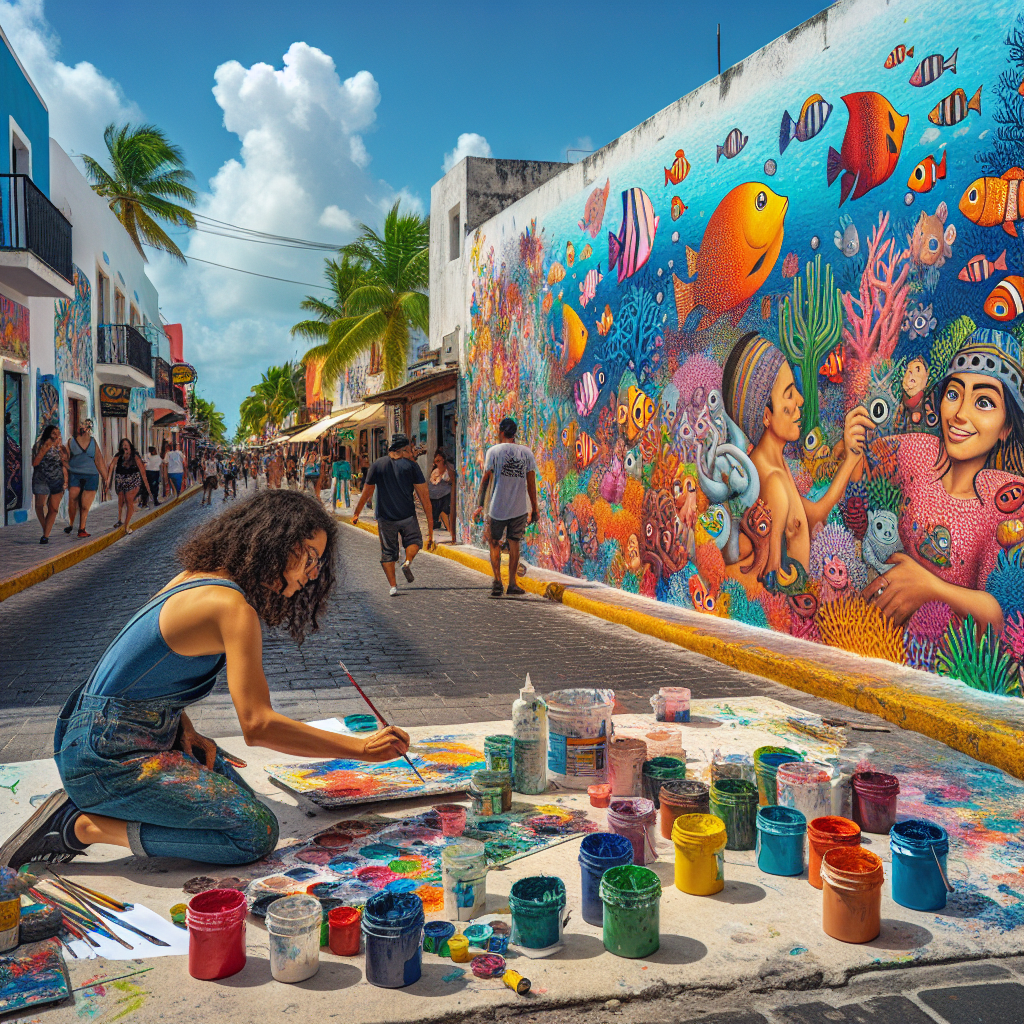
Imagine a sunny Saturday morning in Cozumel, teeming with the laughter of children, the chatter of friends, and the rhythmic sound of shovels hitting the earth. The community rallies for a beach clean-up, each person donning gloves, feeling the weight of the issue in their hands. It’s not just about picking up trash; it’s about reclaiming the shoreline that they cherish, the waters that sustain their livelihood, and the legacy they want to leave for future generations. A love for their home propels them into action, igniting a spark of determination that moves beyond mere environmental concern—it becomes a matter of ethics and pride.
As stories unfold, the connections deepen. A local bakery donates pastries to energize volunteers, while small businesses promote sustainable practices. A retired teacher stands at the edge of the crowd, sharing tales of how the island has changed over the decades due to waste mismanagement. His voice resonates, weaving facts and fears, but also hope and inspiration. Each shared narrative fosters a sense of belonging and shared responsibility—an acknowledgment that they’re all in this together.
But it takes more than heartfelt speeches and actions to ignite true change. Partnerships with local authorities and organizations emerge, creating a framework that not only addresses waste but builds a culture of sustainability. Workshops and seminars become regular occurrences, educating residents on composting, recycling, and the repercussions of neglect. The community transitions from passive observers to informed advocates, understanding that every small action—like sorting waste or reducing single-use items—contributes to a larger solution.
When the fabric of a community is woven together with care, dedication, and resilience, the results can be profound. As families enjoy the rejuvenated beaches of Cozumel, they realize this is more than just a victory over waste. It’s a declaration of who they are: custodians of their environment, committed to hand down a cleaner, greener legacy. Their shared effort not only transforms their surroundings but strengthens their bonds to one another, highlighting that when we come together, we can tackle the toughest challenges head-on.

How Do Local Communities Come Together To Address Waste Issues?
How Do Local Communities Come Together To Address Waste Issues?
- Waste issues are a global challenge affecting communities, from urban centers to coastal villages like Cozumel.
- Communities can drive transformation by uniting locals—neighbors, shopkeepers, schools, and families.
- A beach clean-up event in Cozumel illustrates community spirit and a commitment to reclaim cherished environments.
- Community efforts are motivated by love for home, transforming environmental concern into ethics and pride.
- Local businesses and individuals collaborate to support volunteers, sharing stories and fostering a sense of belonging.
- Partnerships with authorities lead to workshops that educate residents on sustainable practices and waste management.
- The community’s collective effort results in reclaimed spaces and strengthens bonds, showcasing the power of unity in facing challenges.
How Do Local Communities Come Together To Address Waste Issues?
How Does Tourism Impact Trash Generation In Cozumel?
Cozumel, the jewel of the Caribbean, beckons millions each year with its turquoise waters and vibrant coral reefs. Yet, every paradise comes with its challenges, and for Cozumel, the challenge of trash generation has become a pressing issue. As cruise ships dock and tourists crowd the pristine beaches, the question arises: what happens to all the waste generated in this tropical wonderland?
Picture this: a family of four arrives with excitement in their eyes, ready to immerse themselves in the beauty of Cozumel. They indulge in local delicacies, shop for souvenirs, and snap countless photos. Yet, with every sip of a fruity drink and every bite of street tacos, waste accumulates. The wrappers, bottles, and plates that once held their delicious moments don’t simply vanish; they pile up. This surge in visitors creates an avalanche of refuse that stretches the island’s already limited waste management resources.
From an ethical perspective, we owe it to Cozumel—this piece of paradise that offers us joy and wonder—to respect its natural beauty. The local community, often the unsung heroes battling the growing mountains of waste, feels the weight. It’s their home, after all, and with increasing trash comes the threat of environmental degradation. If you’ve ever watched trash drift into the ocean, you know the gut-wrenching reality: plastic harms marine life and ruins the very landscapes that attracted visitors in the first place.
Rationally, some might argue that the economic boost from tourism is invaluable. However, let’s not forget that sustainable tourism isn’t just about numbers. It’s about nurturing a relationship that balances pleasure and responsibility. When we leave our mark, we should strive for one that enhances, not degrades, the environment.
Imagine, instead, a collective movement where every tourist becomes a steward of the land. Simple actions—like choosing reusable containers or picking up litter—can create significant ripples. Every piece of trash collected becomes a badge of honor, a small yet impactful step toward preserving Cozumel for future generations.
As we navigate this beautiful island, let’s carry more than just our beach towels. Let’s carry a sense of responsibility, creating a lasting legacy that ensures Cozumel remains a sanctuary for not only us but also for the rich biodiversity that calls it home. Together, we can transform tourism from a wave of consumption into a tide of stewardship.

How Does Tourism Impact Trash Generation In Cozumel?
How Does Tourism Impact Trash Generation In Cozumel?
- Cozumel attracts millions annually with its stunning waters and coral reefs.
- The island faces a significant challenge with waste generation due to increased tourism.
- Visitors contribute to the trash problem through food and drink consumption.
- The local community struggles with the rising waste and its impact on the environment.
- Sustainable tourism should prioritize balancing pleasure with environmental responsibility.
- Tourists can make a difference by adopting eco-friendly practices, like using reusable containers.
- A collective effort can preserve Cozumel’s beauty for future generations through responsible tourism.

How Does Tourism Impact Trash Generation In Cozumel?
What Innovative Solutions Can Reduce Waste On This Island?
Cozumel, with its stunning beaches and vibrant community, is more than just a postcard paradise; it’s a living, breathing ecosystem that needs our help. We all have a stake in this island’s future, and innovative solutions can pave the way for a sustainable tomorrow. Imagine a place where waste doesn’t merely get shuttle away, but is reimagined, repurposed, and reintegrated into the community’s thriving tapestry.
Think about the simple act of composting. It’s not just for the backyard gardeners anymore. Imagine local restaurants turning their organic waste into rich compost for community gardens. This is not just about reducing waste; it’s about nurturing a sense of connection with the land and each other. Each compost bin can become a story—of meals shared, of friendships blossoming, and of a community taking charge of its own destiny. It’s tangible, it’s personal, and it’s an act of love towards the island and its people.
Then, let’s talk about the power of technology in streamlining these efforts. Innovative apps could help residents track their waste production and recycling habits, creating a game-like challenge to see who can reduce their footprint the most. Picture schoolchildren participating in this challenge, their laughter ringing out as they compete to discover creative ways to recycle. This not only educates but builds a culture of accountability and collective action. Researchers and local leaders can form partnerships, sharing expertise and resources to harness the island’s potential, all while celebrating each small victory along the way.
But let’s not forget the heart of the matter—community engagement. By organizing local clean-up days and encouraging businesses to commit to zero waste policies, Cozumel can transform into a model of sustainability. Each volunteer on the beach represents a thread in the fabric of a shared goal: to protect the beauty of this island for future generations. Ethically, it’s our responsibility to act now; we owe it to ourselves and to the coral reefs that cradle the shore.
We have the tools at our disposal and the passion in our hearts. When we come together—locals, tourists, businesses—toward a common purpose, magic happens. The vibrant island of Cozumel can emerge not just as a destination, but as a beacon of sustainability, inviting others to join in this vital journey. Let’s take action and shape a brighter future for ourselves and generations to come.

What Innovative Solutions Can Reduce Waste On This Island?
What Innovative Solutions Can Reduce Waste On This Island?
- Cozumel is a vibrant ecosystem that requires collective efforts for sustainability.
- Innovative solutions can repurpose waste and integrate it into the community’s fabric.
- Composting can connect locals, with restaurants contributing organic waste to community gardens.
- Technology, such as apps, can engage residents in tracking waste reduction through challenges.
- Community engagement is key, with local clean-ups and businesses adopting zero waste practices.
- Every volunteer contributes to a shared goal of protecting the island’s beauty for future generations.
- Cozumel can become a model of sustainability through collaboration between locals, tourists, and businesses.

What Innovative Solutions Can Reduce Waste On This Island?
Conclusion
Cozumel, an idyllic paradise draped in sun and sea, is more than just a tropical getaway—it’s a delicate ecosystem grappling with the consequences of our choices. When we toss our trash, we’re not just discarding waste; we’re contributing to a deeper story that intertwines with the very fabric of this island. Our actions, though seemingly small, resonate in powerful ways, shaping an unpredictable narrative that affects every living organism that calls Cozumel home.
Imagine standing on a breath-taking beach, only to be met with the stark reality of debris tarnishing the beauty. That visceral reaction—the gut punch felt when paradise is cluttered—sparks an emotional connection within us. We’re reminded that our incentives often override our responsibility, turning convenience into chaos. Yet, it’s not too late to rewrite this story. Understanding the journey of our waste transforms us from mere consumers to stewards, igniting a sense of responsibility for what we leave behind.
Communities can rally together, lifting the weight of waste management through collective action. Picture families working side by side, turning cleanup days into moments of connection and unity. Employers and employees of local businesses can foster a culture of sustainability, transcending financial motivation and moving toward an ethical commitment to preserve the paradise for future generations. Imagine every local bakery donating treats to volunteers, or students competing to reduce their waste—a narrative not of regret, but one where hope and perseverance reign.
The rational side beckons us to take action. Data suggests that effective recycling can significantly reduce landfill waste. When communities embrace sustainable initiatives, the numbers reveal a choice that paves the way toward a healthier planet. Each eco-friendly decision we make, from our sunscreen to our shopping habits, reverberates through Cozumel’s vibrant culture and fragile ecosystems.
As travelers and residents, we hold the keys to this transformation. Let’s not just bask in the sun while ignoring the shadows of our impact. Instead, let’s deliberate about our choices, inspire our peers, and spark conversations that celebrate the beauty of Cozumel and resonate with our collective responsibility. This island deserves our respect, our action, and our passion. Together, let’s act not just as visitors—or residents—but as guardians of Cozumel, ensuring that this paradise thrives for generations to come. Will you be part of this pivotal journey, where each small action can lead to monumental change? It’s time to turn the tide and reclaim our shared sanctuary.

Conclusion
Conclusion:
- Cozumel is a stunning paradise facing the consequences of human actions on its delicate ecosystem.
- Tossing trash contributes to an ongoing narrative that affects all living beings on the island.
- The sight of pollution on beautiful beaches creates an emotional connection and highlights the clash between convenience and responsibility.
- Understanding waste management transforms individuals from consumers into environmental stewards.
- Community collaboration, such as cleanup days, fosters connection and strengthens commitment to sustainability.
- Data shows effective recycling can significantly reduce landfill waste and promote healthier ecosystems.
- As travelers and residents, we can make impactful choices to preserve Cozumel for future generations.
Conclusion
Other Resources

Other Resources
Most of the people who read this are also figuring out where to stay. A couple of places we run or know well, in case it’s useful: Cozumel Journey is an editorial guide to Cozumel — neighborhoods, planning tips, and life on the island for travelers who want context, not a cruise schedule.
Here is a list of other resources you can review online to learn more:
- Dunkin’ Donuts
- Palancar Beach
- Playa Mia Grand Beach
- Cunard
- PADI Scuba Diving in Cozumel
- Breakfast At Silvias
- Discover Mexico Park
- Palmeras Restaurant
- Scuba Schools International
- Casa Denis
- El Casino – La Casa del Mojito
- Arrecifes de Cozumel National Park
- Playa Palancar Beach Club
- Seniors
- Online Reef Guide
- Beach Bum Bikes
- Cozumel Journey
Use This Prompt To Get More Resources With Your Favorite Online AI Tool: Please provide me with a list of online articles with their URLs in a bulleted list that I can read regarding Where Does Your Trash Go In Cozumel?

Other Resources
Glossary Terms
Where Does Your Trash Go In Cozumel? – Glossary Of Terms
1. Cozumel: An island in Mexico’s Caribbean Sea, known for its tourism, coral reefs, and ecosystems.
2. Waste Management: The process of collecting, transporting, processing, and disposing of waste materials.
3. Landfill: A designated area where waste is stored and managed, typically involving earth cover to minimize environmental impact.
4. Recycling: The process of converting waste materials into new products to reduce consumption of raw materials.
5. Composting: A method of recycling organic waste, such as food scraps and yard waste, into nutrient-rich soil.
6. Incineration: A waste treatment process that involves burning waste materials to reduce their volume and generate energy.
7. Solid Waste: Non-liquid waste materials generated from households, businesses, and industries, including plastics, paper, and food waste.
8. Hazardous Waste: Waste that poses potential threats to health or the environment due to its chemical properties.
9. Municipal Solid Waste (MSW): Waste collected from residential and commercial sources in urban areas.
10. Waste Diversion: Strategies employed to redirect waste from landfills through recycling, composting, and reuse.
11. Environmental Impact: The effect that waste disposal practices have on the natural world, including pollution and resource depletion.
12. Littering: The act of improperly disposing of waste in public areas, which harms the environment and aesthetics.
13. Waste-to-Energy: A process of generating energy in the form of electricity or heat from the treatment of waste.
14. Sustainability: Practices aimed at minimizing environmental impact and promoting ecological balance for future generations.
15. Collection Fleet: The vehicles and equipment used for the collection of waste and recyclable materials.
16. Transfer Station: A facility where waste is transferred from collection vehicles to larger transport vehicles for disposal or processing.
17. Education Programs: Initiatives aimed at informing the public about proper waste disposal and recycling practices.
18. Sorting Facilities: Locations where waste is sorted to separate recyclable materials from landfill-bound items.
19. Waste Reduction: Strategies and practices aimed at minimizing waste generation at the source.
20. Pollution: The introduction of harmful substances or products into the environment, often a byproduct of waste disposal.
21. Marine Debris: Trash that ends up in oceans and waterways, posing risks to marine life and ecosystems.
22. Community Engagement: Involvement of local residents in waste management initiatives and education efforts.
23. Zero Waste: A philosophy that encourages reducing waste to the absolute minimum and promotes circular economy concepts.
24. Circular Economy: An economic system aimed at minimizing waste and making the most of resources through recycling and reuse.
25. Biodegradable Waste: Organic waste that can decompose naturally, like food scraps and garden waste.
26. Detoxification: The process of eliminating hazardous substances from waste materials prior to disposal.
27. Environmental Regulations: Laws and guidelines governing waste disposal, aimed at protecting public health and the environment.
28. Community Cleanup: Organized events where residents come together to clean up litter and improve local environments.
29. Green Initiatives: Programs focused on promoting environmentally-friendly practices in waste management and resource conservation.
30. Waste Audit: An assessment of waste generation and disposal habits to identify opportunities for reduction and improvement.

Glossary Of Terms
Other Questions
Where Does Your Trash Go In Cozumel? – Other Questions
If you wish to explore and discover more, consider looking for answers to these questions:
- What happens to the trash collected in Cozumel after it leaves the landfill?
- How does the waste management system in Cozumel compare to other tourist destinations?
- What specific recycling initiatives are currently implemented in Cozumel?
- How can tourists participate in local waste management efforts while visiting Cozumel?
- What are the most common types of waste generated by tourists in Cozumel?
- How does littering impact the local wildlife and marine life in Cozumel?
- What role does education play in improving waste management in Cozumel?
- Are there local organizations or groups focused on combating waste in Cozumel?
- What incentives exist for businesses in Cozumel to adopt sustainable practices?
- How can residents promote better waste management in their communities?
- What legislative measures are in place to protect Cozumel’s environment from waste?
- In what ways can visiting cruise ships manage waste more sustainably in Cozumel?
- What are the long-term consequences of poor waste management for Cozumel’s environment?
Other Questions
Haiku
Where Does Your Trash Go In Cozumel? – A Haiku
Trash in paradise,
Choices weave our island’s fate—
Together, we thrive.

Haiku
Poem
Where Does Your Trash Go In Cozumel? – A Poem
In the heart of paradise, where turquoise waters gleam,
Lies Cozumel’s beauty, a wanderer’s dream.
Yet behind the allure, shadows gather and grow,
As trash we cast aside conflicts the world we know.
Each piece of plastic, each wrapper tossed light,
Reflects our choices, our apathy’s plight.
A dance of convenience, a fleeting delight,
Can tarnish this haven, dim nature’s bright light.
So gather, dear friends, as the sun warms your skin,
Join hands with the locals, let the change begin.
As laughter and love weave a tapestry wide,
Together we’ll nurture the island with pride.
Imagine a future where waste is no more,
Where gardens bloom vibrant from composted lore.
Through apps and connections, we track and we share,
Innovative steps, a community’s care.
With every small action, each bottle we choose,
We sculpt our legacy, win, rather than lose.
Ethical footprints, sustainability’s call,
Transforming each moment, together we stand tall.
In discussions and choices, we’ll inspire and lead,
A circle of stewardship, planting the seed.
Let’s reclaim this haven, from mountains of waste,
For Cozumel’s beauty, let’s act with our grace.
The power is ours, both local and far,
To honor this island, our guiding star.
With hearts intertwined, let’s embrace this quest,
For a cleaner tomorrow, let’s give it our best.

Poem
Checklist
Where Does Your Trash Go In Cozumel? – A Checklist
Cozumel Waste Management Action Checklist
Emotional Appeals
1. Reflect on Your Impact: Before discarding any item, consider how it contributes to the waste problem in Cozumel.
2. Feel the Connection: Visualize how your actions can protect the beauty of Cozumel for future generations.
3. Join Community Efforts: Attend local clean-up days to connect with others who care about preserving the island’s natural beauty.
Rational Appeals
4. Educate Yourself: Learn about the waste management systems in Cozumel and their challenges.
5. Practice Environmental Footprint Reduction: Optimize your purchases to use less single-use plastic and prioritize compostable or reusable items.
6. Track Your Waste: Use apps or journals to monitor your waste production and recycling habits.
Ethical Appeals
7. Choose Sustainability: Support local businesses that prioritize eco-friendly practices and waste reduction.
8. Advocate for Change: Engage in conversations about sustainable practices in your community and encourage your peers to make better choices.
9. Embrace Responsibility: Accept that each person’s actions contribute to the overall health of the environment.
Authority Appeals
10. Follow Local Guidelines: Adhere to recommendations provided by local authorities regarding waste disposal and recycling.
11. Participate in Workshops: Attend seminars on sustainable practices and waste management to gain expert knowledge and practical skills.
Narrative Appeals
12. Share Your Story: Document and share your sustainable efforts in Cozumel to inspire others.
13. Create Community Narratives: Collaborate with locals to tell the story of Cozumel’s waste management journey.
Social Appeals
14. Engage in Community Projects: Volunteer for community-led initiatives focused on cleaning and preserving natural spaces.
15. Bring Friends and Family: Involve loved ones in sustainability efforts to foster a collective commitment to the environment.
16. Lead By Example: Be a role model in your social circles by consistently practicing and promoting eco-friendly habits.

Checklist
At TopCozumelNews, we help travelers enjoy Cozumel by collating information learned from frequently traveling to beautiful Cozumel.
Be sure to read our other related stories at TopCozumelNews to learn more about the Island of Cozumel.